Fewer teens now perceive themselves as overweight — international study of more than 745,000 adolescents

A study involving more than 745,000 adolescents from 41 countries across Europe and North America identified an increase in the amount of teenagers who underestimate their body weight.
Tracking data from 2002 to 2018, the peer-reviewed findings, published today in Child and Adolescent Obesity, demonstrate a noticeable decrease in those who overestimate their weight too.
The team of international experts, who carried out the research, warn these shifting trends in body weight perception could reduce the effectiveness of public health interventions aimed at weight reduction in young people.
“During this impressionable age, body weight perception may influence a young person’s lifestyle choices, such as the amount and types of food they eat and their exercise habits,” says lead author Doctor Anouk Geraets, from the Department of Social Sciences, at the University of Luxembourg.
“So it’s concerning that we’re seeing a trend where fewer adolescents perceive themselves as being overweight — as this could undermine ongoing efforts to tackle increasing levels of obesity in this age group. Young people who underestimate their weight and therefore do not consider themselves to be overweight may not feel they need to lose excess weight and, as a result, they may make unhealthy lifestyle choices.”
A person’s perception of their body weight may not accurately reflect their actual weight. A discrepancy in body weight perception (BWP) may either be an underestimation (where actual weight is higher than perceived weight) or an overestimation (where actual weight is lower than perceived weight).
In the present study, the researchers examined survey data from 746,121 11-, 13- and 15-year-olds from 41 countries collected at four-yearly intervals between 2002 and 2018 in the International Health Behavior in School-Aged Children (HBSC), a WHO collaborative study.
The team modeled trends in BWP among adolescents across different countries over time, making adjustments for age, gender, and family socioeconomic status. They found: Underestimation of weight status increased, and overestimation of weight status decreased over time among both sexes, with stronger trends for girls. Correct weight perception increased over time among girls, while it decreased among boys. Changes in correct weight perception, underestimation and overestimation of weight status differed across different countries — but these changes could not be explained by an increase in country-level overweight/obesity prevalence.The authors speculated that the observed differences between girls and boys in BWP may support the idea there are sex differences in body ideals — and that these body ideals have changed over time. Notably, the increased underestimation and decreased overestimation of weight status over time for girls may be explained by the emergence of an athletic and strong body, as a new contemporary body ideal for both sexes.
“This study has clinical and public health implications. The increase in correct weight perception and the decrease in overestimation may have a positive effect on unnecessary and unhealthy weight loss behaviors among adolescents, while the increase in underestimation might indicate the need for interventions to strengthen correct weight perception,” says lead author Doctor Anouk Geraets.
“More research is now needed to understand the factors underlying these time trends and to develop effective public health interventions.”
While the large number of participating countries is a strength of the present study — but as these only included countries in Europe, the USA and Canada, the results can’t be generalized to other regions. In addition, although steps were taken to adjust the models for certain potential confounding factors, several other factors — such as body image, dieting, changing eating patterns, or migration — may also have played a role in the observed trends over time.

Read more →

Older adults who remain more active have a better quality of life, study finds

A reduction in the amount of time spent physically active when adults are over sixty years old is linked to lower quality of life, a Cambridge study of almost 1,500 adults has shown.
The same was also true for increases in the amount of sedentary time, such as watching TV or reading. The researchers say this highlights the need to encourage older adults to remain active.
Physical activity — particularly when it is moderate-intensity and raises your heart rate — is known to reduce the risk of a number of diseases, including heart disease, stroke, diabetes and cancer. The NHS recommends that adults do at least 150 minutes of moderate-intensity activity or 75 minutes of vigorous-intensity activity a week. Older adults are also recommended to break up prolonged periods of being sedentary with light activity when physically possible, or at least with standing, as this has distinct health benefits for older people.
A team led by researchers at the University of Cambridge examined activity levels among 1,433 participants aged 60 and above using accelerometers. The participants had been recruited to the EPIC (European Prospective Investigation into Cancer)-Norfolk study.
Alongside this, the team also looked at health-related quality of life, a measure of health and wellbeing that includes pain, ability to care for yourself and anxiety/mood. Participants were given a score between 0 (worst quality of life) and 1 (best) based on their responses to a questionnaire. Lower quality of life scores are linked with an increased risk of hospitalisation, worse outcomes following hospitalisation, and early death.
Participants were followed up an average of just under six years later to look at changes in their behaviour and quality of life. The results of the study are published in Health and Quality of Life Outcomes.

On average, six years after their first assessment, both men and women were doing around 24 minutes less moderate-to-vigorous physical activity per day. At the same time, the total sedentary time increased by an average of around 33 minutes a day for men and around 38 minutes a day for women.
Those individuals who did more moderate-to-vigorous physical activity and spent less time sedentary at their first assessment had a higher quality of life later on. An hour a day spent more active was associated with a 0.02 higher quality of life score.
For every minute a day less of moderate-to-vigorous physical activity measured six years after the first assessment, quality of life scores dropped by 0.03. This means that an individual who spent 15 minutes a day less engaged in such activity would have seen their score drop by 0.45.
Increases in sedentary behaviours were also associated with poorer quality of life — a drop in the score of 0.012 for everyone minute a day increase in total sedentary time six years after the first measurement. This means that an individual who spent 15 minutes a day more sitting down would have seen their score drop by 0.18.
To put the results into a clinical context, a 0.1 point improvement in quality of life scores has previously been associated with a 6.9% reduction in early death and a 4.2% reduction in risk of hospitalisation.

Dr Dharani Yerrakalva from the Department of Public Health and Primary Care at the University of Cambridge said: “Keeping yourself active and limiting — and where you can, breaking up — the amount of time you spend sitting down is really important whatever stage of life you’re at. This seems to be particularly important in later life, when it can lead to potentially significant improvements to your quality of life and your physical and mental wellbeing.”
Because the team measured physical activity and sedentary behaviour at different points of time, they say they can be reasonably confident that they have shown a causal link — that is, that quality of life improves because people remain more physically active, for example.
Dr Yerrakalva added: “There are several ways in which improvements in our physical behaviours might help maintain a better quality of life. For example, more physical activity reduces pain in common conditions such as osteoarthritis, and we know that being more physically active improves muscle strength which allows older adults to continue to care for themselves. Similarly, depression and anxiety are linked to quality of life, and can be improved by being more active and less sedentary.”
The EPIC-Norfolk study is funded by the Medical Research Council and Cancer Research UK.
Five ways to keep yourself physically-active in older age A brisk daily walk — ideally for around 20 minutes Gardening A bicycle ride Dancing Tennis

Read more →

How the ear can inform the brain of whether hearing is impaired

A cochlear signal, the exact role of which has been unclear since its discovery around 70 years ago, probably gives the brain information on whether the ear is functioning normally or not. This is the conclusion of a study from Linköping University, Sweden. Its findings are an important piece of the puzzle in explaining what happens in the ear in hearing impairment caused by harmful noise, and may in the long run contribute to diagnosing noise-induced hearing injury.
When the ear is exposed to loud sounds, as at a concert or when being in a noisy environment, hearing can be temporarily impaired. Being repeatedly exposed to loud sounds may cause permanent damage to hearing. There is research to indicate that more than one billion young people are at risk of damaging their hearing by listening to loud music with headphones and at venues. But although noise damage is a major cause of impaired hearing, the exact mechanisms are largely unclear. Pierre Hakizimana at Linköping University is one of the researchers aiming to find out how these damages occur and whether they can be prevented.
The inner ear, or cochlea, has around 15,000 hair cells. When hit by sound waves, the hair cells transform the vibrations to electric nerve signals. These signals are led to the brain, which interprets them, and not until then can we hear the sound. The hair cell signal consists of two parts, called AC and DC. The AC signal is well researched. It gives the brain information on sound loudness and frequency, i.e. how high or low pitched the sound is. But the DC signal has remained something of a mystery. Ever since its discovery some 70 years ago, researchers have been wondering what its function could be.
When measuring the electrical signals from the cochlea hair cells, the DC signal is noticeable as it causes a slight shift in the AC signal in either a positive or a negative direction. Various studies trying to characterise the DC signal have come to different conclusions as to its polarity. In the current study, Pierre Hakizimana shows that DC signal polarity changes from positive to negative when the cochlea has been exposed to harmful noise. In other words, the signal can provide an indication of ear health status.
“It seems like this signal could be a way for the body to inform the brain whether the ear is healthy or not, and in that way facilitate the brain’s ability to decode faint sounds. The brain can amplify a weak signal from the cochlea. If informed that the ear isn’t functioning normally, the brain doesn’t have to spend resources trying to improve the signal to decode sound from an injured ear,” says Pierre Hakizimana, principal research engineer in the Department of Biomedical and Clinical Sciences at Linköping University.
This discovery may hopefully contribute to new research on how the DC signal could be used to diagnose hearing loss caused by harmful noise. This has so far not been solved, as it has not been known how to interpret this signal, or how to reliably isolate and measure it in humans.
In his study, Pierre Hakizimana also shows that the DC signal is created by potassium ion channels releasing potassium ions through hair cell membranes.
The research was funded by Stiftelsen Tysta Skolan.

Read more →

Global efforts to reduce infectious diseases must extend beyond early childhood

Global efforts to reduce infectious disease rates must have a greater focus on older children and adolescents after a shift in disease burden onto this demographic, according to a new study.
The research, led by Murdoch Children’s Research Institute and the Institute for Health Metrics and Evaluation, has found that infectious disease control has largely focused on children aged under five, with scarce attention on young people between five and 24 years old.
Published in The Lancet, the study found three million children and adolescents die from infectious diseases every year, equivalent to one death every 10 seconds. It looked at data across 204 countries between 1990 and 2019 from birth to 24 years of age.
Diarrhea, pneumonia and malaria account for two-thirds of infectious diseases and death among children and adolescents. HIV and tuberculosis were the leading causes among older adolescents.
The shift in infectious disease burden from young children to older children and adolescents, was largely driven by the considerable infection control efforts targeting children under five years in low-income countries and slower progress made across the older age groups. In 1990, 85 per cent of the infectious disease burden was among children younger than five years, however by 2019 this decreased to 75 per cent.
More than half of the deaths among children and adolescents in low to middle-income countries were caused by infectious diseases, compared with 6 per cent in high-income countries. India, Nigeria and Pakistan carried the greatest disease burden.

In Australia, the infectious diseases that cause the greatest burden from birth to 24 years are upper respiratory tract infections, such as sinusitis and tonsilitis, and infectious skin conditions like shingles and cellulitis. The leading causes of disease burden in high-income countries are associated with conditions that led to disability, highlighting a need to look beyond just death rates to focus more on the impact of a disease on a person’s life.
Murdoch Children’s Dr Jessica Kerr said the policy focus must be widened to include older children and adolescents and more action taken to prevent tuberculosis and HIV.
“Most deaths from infectious diseases are in children younger than five years, so while reducing this has been a historical achievement, it should not be our only focus,” she said.
“The significant reduction has driven a shift in disease burden from young children to older children and adolescents, reinforced by the almost exclusive focus on younger children by infectious disease control programs. There is currently an unmet health need among older children and adolescents and we need the global community to push for policy change and funding to address this.”
Murdoch Children’s Professor Peter Azzopardi said the research would have important implications for global policy, financing, resource allocation and health systems, especially in light of recent health crises.
“The COVID-19 pandemic and recent epidemics of Zika virus, Ebola and severe acute respiratory syndrome underscore the urgent need to take stock of infectious disease control,” he said. Some of these emergent diseases have affected adolescents more than younger children, challenging the almost exclusive focus on younger children within existing infectious disease control.
“The findings highlight the need for health systems, particularly in low-income countries, to continue to build capacity and scale up trusted interventions like immunisation programs. But there must also be investment in broader approaches that address social barriers such as adolescent males with HIV having better access to health care.”
Murdoch Children’s Professor Susan Sawyer said that the COVID-19 pandemic rightly focussed global attention on infectious diseases.
“This study reminds us of the importance of addressing the emerging, as well as the established, infectious diseases, especially in those aged 5-24 years who have too often been neglected by policy and programming,” she said.

Read more →

About Those July 4 Fireworks, Drone Shows and Climate Change

As concerns over wildfires and air quality mount, drones and laser shows offer an alternative to fireworks on July 4 and other holidays.The American practice of setting off fireworks on July 4 stretches back to the first Independence Day celebration in Philadelphia in 1777. Today, it’s a beloved tradition that almost seems impossible to replace.But with concerns over air quality, wildfires and supply chains, some cities are doing just that.This year Salt Lake City is replacing its fireworks with synchronized dancing drone displays to avoid worsening air quality and setting off more wildfires. Boulder, Colo., is switching to drones, too, and Minneapolis is opting for lasers, simply because those technologies have been easier to source than fireworks in recent years.And as wildfire smoke from Canada again blanketed much of the United States last week, New York City officials debated whether to set off fireworks on the 4th but, as of Monday night, had not called them off.Across the border, Montreal canceled July 1 Canada Day fireworks, citing poor air quality from the more than 100 wildfires burning across Quebec.“They’re definitely going to compound those existing sources of air pollution,” said Grace Tee Lewis, an epidemiologist at the Environmental Defense Fund who specializes in air pollution and public health.Fireworks cause a spike in a form of air pollution called particulate matter, the same type of pollution that is elevated from wildfire smoke. While there’s not much research on the risks of fireworks specifically, particulate matter less than 2.5 microns wide (about one-30th the width of a human hair) is known to enter people’s lungs and bloodstreams and cause breathing problems and inflammation. Children, older people and those with existing health conditions like asthma and chronic heart disease should take special care, Dr. Tee Lewis said.“Watch it from a distance,” she recommended. “The closer you are, the more particulate matter exposure you’re going to have.”Dr. Tee Lewis added that since the spread of the coronavirus, more people may be more vulnerable to air pollution, especially people suffering from long Covid or heart complications as a result of their infections. For those determined to get their pyrotechnic fix, wearing the same N95 face masks that protect against the virus is one way to protect yourself from smoke and air pollution, she said.On July 4 and 5, fine particulate matter levels across the country rise by 42 percent on average, according to a 2015 study by the National Oceanic and Atmospheric Administration. Alongside the fireworks party, particulate matter pollution can rise as much as 370 percent.These levels often exceed what’s allowed by the Environmental Protection Agency for day-to-day outdoor air quality, but local, state and tribal governments are generally allowed to flag one-time events like fireworks, as well as wildfires, as “exceptional events” and avoid officially violating national air standards.A drone show in Windsor, England, during coronation celebrations for King Charles III.Leon Neal/Pool via ReutersA New Year’s Eve show in Singapore.How Hwee Young/EPA, via ShutterstockA drone show for the Bordeaux Wine Festival in June.Romain Perrocheau/Agence France-Presse — Getty ImagesOther countries see similar spikes in air pollution around their own major holidays, said Dian Seidel, an author of the 2015 study and a retired NOAA climate scientist.Background air pollution from wildfire smoke is certainly something for cities to consider as they plan fireworks or alternative celebrations like drone shows, Dr. Seidel said. “Maybe there are ways not to be a party pooper, but to still have something pretty in the sky to look at, and not cause a big amount of pollution,” she said.Maps: Tracking Air Quality and Smoke From Canada WildfiresSee maps of where smoke is traveling and how harmful the air has become across the region.Besides air pollution, fireworks come with other risks. Dogs and other household pets are known to hate July 4, and many humane societies and animal shelters prepare for an influx of lost or runaway pets after the holiday. Fireworks lead to problems for wild animals, too. A 2022 study of wild geese in Europe found that during crucial rest stops on their long migrations, many birds abandoned their sleeping sites on New Year’s Eve.In 2022, Americans suffered an estimated 10,200 fireworks-related injuries and 11 reported deaths, according to the U.S. Consumer Product Safety Commission. Many of the injuries resulted from smaller firecrackers and sparklers set off by people at home, not during large public or commercial shows.But the adrenaline rush of sparks, whistles and booms, and a little bit of danger, socially acceptable for one day, is exactly why so many people love fireworks. Even Dr. Tee Lewis said her children set off small July 4 fireworks at their grandparents’ house, where they are legally allowed.She and Dr. Seidel don’t want to stop the holiday festivities. They simply urge caution, and for people to consider alternatives.In the end, holiday fireworks lead to just a couple of days of particularly visible air pollution. Around the country and around the world, communities deal with less visible but still unhealthy air daily or seasonally from things like vehicle traffic, industrial pollution and wildfires.This year, the E.P.A. proposed strengthening its air quality standard for fine particulate matter to better protect public health, but said it would still allow special consideration for “exceptional events.”

Read more →

U.S. Sees First Cases of Local Malaria Transmission in Two Decades

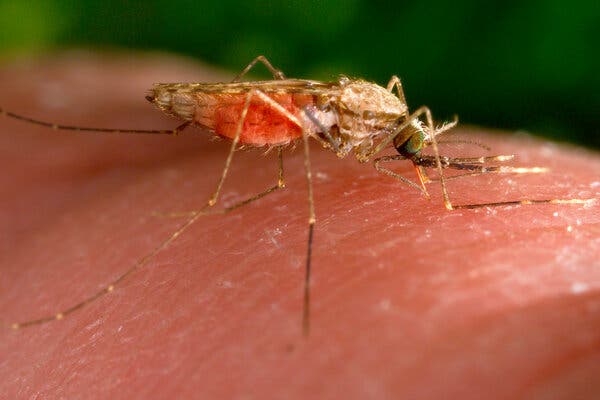
Five people, four in Florida and one in Texas, have acquired malaria in the United States in recent months.The NewsIn the last two months, at least five people, four in Florida and one in Texas, have been infected with malaria in the United States, the Centers for Disease Control and Prevention said in a health advisory on Monday. These are the first known cases of locally acquired malaria in the country since 2003.Malaria, once endemic in the United States, is caused by several species of parasites transmitted by Anopheles mosquitoes. It often causes flulike symptoms, including a fever and chills, but can lead to serious disease and death when left untreated. The new cases were caused by Plasmodium vivax, which is less likely to cause severe disease than some other species of malaria parasites.All five patients “have received treatment and are improving,” the C.D.C. said. “Despite these cases, the risk of locally acquired malaria remains extremely low in the United States,” the agency added.A female Anopheles gambiae mosquito, which carries malaria.James Gathany/U.S. Centers for Disease Control and Prevention, via Associated PressWhy It Matters: A resurgence in travel could lead to more cases.The United States eradicated malaria decades ago, but globally there were nearly 250 million cases of malaria in 2021, a vast majority in Africa, according to the World Health Organization. Before the Covid-19 pandemic, about 2,000 cases of malaria were reported in the United States each year, nearly all of them in people who acquired the disease abroad, the C.D.C. said. (Pregnant women can transmit the parasites to their children, and the disease can also be spread through blood transfusions, although such incidents are rare in the United States, according to the C.D.C. The country typically sees one case related to transfusions every two years, the agency says.)But when people who are infected in other countries return to the United States, local mosquitoes can feed on them and pass the parasites on. “Stuff like this happens,” Colin Carlson, a biologist at Georgetown University, said. “You expect that in a country that has achieved disease elimination: Every now and then you’ll have reintroductions, and a little bit of local transmission.”Dr. Carlson said he did not think that the nation was on the verge of a major malaria outbreak. But as international travel ramps up this summer, the number of cases of imported malaria could increase, the C.D.C. noted.Background: The role of climate change is unclear.Malaria is most common in warm climates, and some Anopheles mosquitoes have already expanded their ranges in ways that are consistent with climate change, Dr. Carlson found in a recent study.But it is difficult to say whether the new U.S. cases are linked to climate change. It is possible that weather conditions in the southern United States have become more conducive to malaria transmission, but the region was already warm enough for the disease to spread, Dr. Carlson noted.Still, climate could be contributing to these cases in more nuanced ways, he said, perhaps by making the disease more prevalent in places where Americans are traveling. That could result in more imported cases, giving the parasites more opportunities to spread within the United States.“If travelers are returning from places that are at the front lines of climate impacts, there’s just going to be more chances for malaria transmission to take off,” Dr. Carlson said. “We live in a connected world, and climate change impacts in other countries can be health problems in our country.”What’s Next: Officials will monitor for more cases.The C.D.C. is working with state health authorities to investigate the new cases. Officials are actively monitoring for more potential cases and working to control local mosquito populations, the agency said.People can protect themselves by using insect repellent, wearing long pants and long sleeves, and using window screens, among other precautions. Those who have plans to travel should research the risk of malaria in their destinations and talk to their doctors about preventive measures, the C.D.C. said.

Read more →

Dr. Susan Love, Surgeon and Breast Health Advocate, Dies at 75

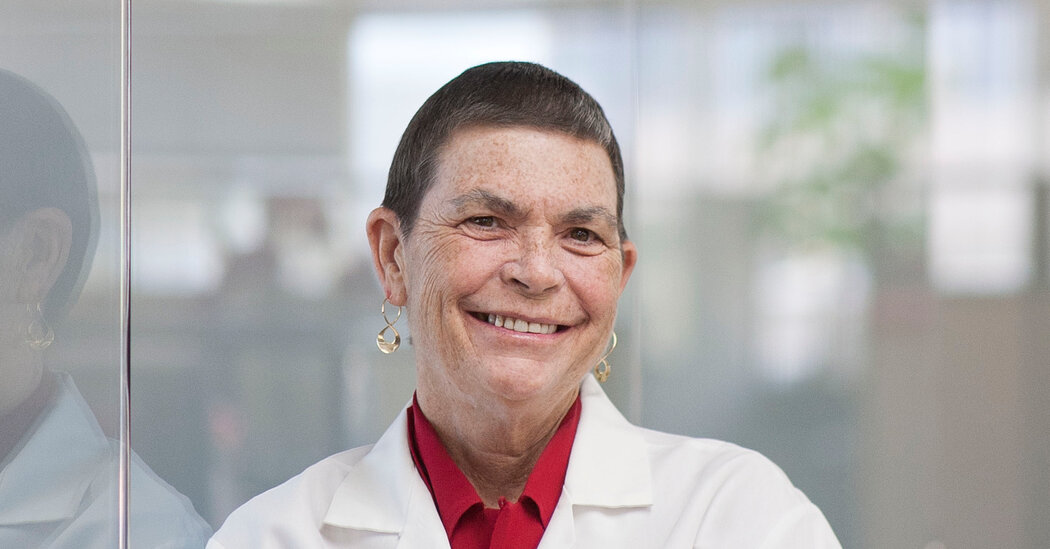
One of the world’s most visible public faces in the war on breast cancer, she helped reshape both the doctor’s role and the patient’s.Dr. Susan Love, a surgeon, author, researcher and activist who was for decades one of the world’s most visible public faces in the war on breast cancer, died on Sunday at her home in Los Angeles. She was 75. The cause was a recurrence of leukemia, said Allie Cormier, the chief marketing officer at the Dr. Susan Love Foundation for Breast Cancer Research.Ubiquitous, energetic, forthright (some critics said brash) and at times controversial, Dr. Love, it was generally agreed, helped reshape both the doctor’s role and the patient’s with respect to the treatment of breast cancer, which kills more than 43,000 women in the United States annually.A former faculty member at the medical schools of Harvard and the University of California, Los Angeles, Dr. Love was a founder of the National Breast Cancer Coalition, an advocacy group, in 1991. At her death, she was chief visionary officer of the Dr. Susan Love Foundation, a nonprofit organization that conducts and finances breast cancer research.Though Dr. Love retired from active surgical practice in 1996, she remained influential through her writings, her lectures and her many television appearances.She was known in particular for a book for lay readers, “Dr. Susan Love’s Breast Book,” written with Karen Lindsey. Originally published in 1990 and now in its sixth edition, it has sold nearly half a million copies and has long been a de facto bible for breast cancer patients.She was herself a central figure in a well-received nonfiction book, “To Dance With the Devil” (1997), an account by Karen Stabiner of the fight against breast cancer.“Dr. Susan Love’s Breast Book,” originally published in 1990, has long been considered a de facto bible for breast cancer patients.Dr. Love — who began her medical career as a general surgeon and had previously planned to be a Roman Catholic nun — realized early on that the fight against breast cancer would entail political as well as medical battles. By temperament and training, she seemed well armed for both.She did not suffer fools gladly, and her opinions often pushed against the tide of medical orthodoxy. In an era when surgeons were overwhelmingly male and deference by their female patients was still expected, she exhorted women to ask hard questions about their treatment.Where tradition favored cutting, Dr. Love favored conservation. She frequently denounced a standard late-20th-century treatment protocol — mastectomy, radiation and chemotherapy — as “slash, burn and poison,” instead advocating lumpectomy followed by radiation whenever possible.“Wanting to keep your breast is not about vanity,” she said in an interview with Technology Review magazine in 1993. “It’s about being intact as a person.”Dr. Love was also adamant about what she saw as the limited utility of mammograms in detecting cancer in younger women. (Younger women’s breast tissue is denser and therefore less likely to yield visible clues.) Where annual mammograms have long been recommended for women over 40, she argued that most women can wait until they are 50, a stance that has not found universal favor with the medical community. (This May, the U.S. Preventive Services Task Force, alarmed by an increase in breast cancer diagnoses among younger women, recommended that women start getting regular mammograms at 40 rather than treating it as an individual decision until age 50.)In the 1990s, amid the mass entry into middle age of women of the baby-boom generation, Dr. Love ignited controversy with her less-than-enthusiastic appraisal of hormone replacement therapy, then routinely recommended to treat menopausal symptoms. Her position was vindicated some years later, when the therapy was found to increase the risk of breast cancer, heart disease and strokes.She did few things by half measures. After realizing as a young doctor that she was a lesbian, she chose to come out of the closet at a time when being openly gay carried grave professional and personal risks. She felt an obligation to do so, she said, so she could serve as a role model for others.Her vision for breast cancer was no less expansive. What she ultimately wanted, she often said, was not so much to cure the disease as to vanquish it altogether by isolating its causes and pre-empting them at a cellular level.As plain-spoken as Dr. Love could be in public, she was known for the immense private tenderness she displayed toward her patients. Many news-media profiles of her recounted her habit of standing alongside a patient just before surgery began, holding her hand and talking softly to her as the anesthesia took effect.Dr. Love in 2008 appearing on “The View.” Though she retired from active surgical practice in 1996, she remained influential in the areas of breast cancer research and treatment, including through television appearances.Steve Fenn/ABCSusan Margaret Love was born in Long Branch, N.J., on Feb. 9, 1948. Her father, James Arthur Love, was a salesman for an industrial manufacturer, and she grew up first in Puerto Rico and then in Mexico, where his job took the family. Her mother was Margaret Connick Schwab.After two years at the College of Notre Dame of Maryland, she entered the convent of the School Sisters of Notre Dame in New York City. But she bristled at its confines and left after a few months.She finished her bachelor’s degree at Fordham University, earned an M.D. from the Downstate College of Medicine of the State University of New York in 1974 and did her surgical residency at Beth Israel Hospital in Boston. (She would also earn an M.B.A. from U.C.L.A. in 1998.)Acutely conscious of being a woman in a male-dominated medical specialty, Dr. Love made a vow, she recalled in an interview with People magazine in 1994: “I am not going to let them turn me into a breast surgeon.” “I could do the big operations just as well as they could,” she said.But the breast patients came anyway, referred by male surgeons disinclined to take them on.“I started to realize how women weren’t getting information,” Dr. Love told People. “If they came in with a lump or what they thought was a lump, the doctor would say, ‘Don’t worry your little head about that, dear.’ Most of these patients were scared to death. I realized I could make a contribution.”Dr. Love became an assistant clinical professor of surgery at Harvard in 1987. The next year she founded the Faulkner Breast Center, a Boston clinic whose medical staff was almost entirely female.In 1992, she joined the David Geffen School of Medicine at U.C.L.A. and established a clinic, the U.C.L.A. Breast Center, which she directed. (Now known as the Revlon/U.C.L.A. Breast Center, it is a hub for treatment and research.)Over time, Dr. Love’s teeming schedule of interviews and public appearances, and the absences they involved, caused tension among colleagues at the breast center. She resigned from the center in 1996, though she continued to teach part time at U.C.L.A., where at her death she was a volunteer clinical professor. Dr. Love became associated with the Santa Barbara Breast Cancer Institute, a research center, in the mid-1990s. Now based in Santa Monica, Calif., it was renamed after Dr. Love in 2004.The foundation’s projects include the Love Research Army (formerly the Love/Avon Army of Women), an initiative begun by Dr. Love that recruits volunteers from around the world to participate in breast-cancer studies; to date, more than 360,000 people have enrolled, including some men interested in learning about the disease.Dr. Love is survived by her wife, Dr. Helen Sperry Cooksey, a surgeon, whom she married in San Francisco in 2004 during the brief period when same-sex marriages were being performed there, before a California ballot proposition made them illegal in 2008. Also surviving is their daughter, Katie Patton-LoveCooksey, whose adoption by her two mothers in 1993 — Dr. Love was the biological mother; both women reared her from birth — was the first granted to a same-sex couple in Massachusetts. In addition, Dr. Love is survived by two sisters, Christine Adcock and Elizabeth Love, and a brother, Michael James Love.Today, about a quarter-million new cases of breast cancer are diagnosed each year. Though the disease has a higher survival rate than in the past, its cause has not been identified definitively, and the pre-emptive strike of which Dr. Love dreamed is yet to be.A technique devised by Dr. Love, known as ductal lavage, can screen patients for an elevated risk of breast cancer. Ductal lavage flushes out cells from the breast’s milk ducts, where breast cancer often originates, so that they may be analyzed for abnormalities that suggest an elevated risk of the disease. But the technique is cumbersome, time-consuming and expensive, and it is not widely used.Dr. Love’s other books include “Dr. Susan Love’s Hormone Book” (1997; with Ms. Lindsey), reissued in 2003 as “Dr. Susan Love’s Menopause and Hormone Book.”If in the course of her work Dr. Love antagonized some members of her profession, that was, as she saw it, a collateral consequence, if an inevitable one.“One of the comments that I value the most came from one of my colleagues in Boston,” Dr. Love told The Montreal Gazette in 1996. “He always thought of me as being the kid in ‘The Emperor’s New Clothes,’ the one who’s saying, ‘Hey, wait a minute, there’s no clothes there.’ And that’s the role that I enjoy the most.”Maia Coleman

Read more →

Pathogenic bacteria use a sugar in the intestinal mucus layer to infect the gut, study shows

A new study by researchers at the University of British Columbia (UBC) and BC Children’s Hospital shows the sugar sialic acid, which makes up part of the protective intestinal mucus layer, fuels disease-causing bacteria in the gut.
The findings, published in PNAS, suggest a potential treatment target for intestinal bacterial infections and a range of chronic diseases linked to gut bacteria, including inflammatory bowel disease (IBD), celiac disease, irritable bowel syndrome and short bowel syndrome.
“Bacteria need to find a place in our intestines to take hold, establish and expand, and then they need to overcome all the different defences that normally protect our gut,” says Dr. Bruce Vallance, a professor in the department of pediatrics at UBC and investigator at BC Children’s Hospital. “In the future, we can potentially target this sugar, or how pathogens sense it, to prevent clinically important disease.”
Inflammatory diseases such as IBD are on the rise in children, and because of their immature immune systems, kids are more susceptible to gut bacterial infections. Dr. Vallance and his team, including lead author and UBC graduate student Qiaochu Liang and UBC research associate Dr. Hongbing Yu, sought to understand what enables these bacterial pathogens to survive and expand inside our intestines.
For the study, the researchers examined Citrobacter rodentium, an intestinal bacterial pathogen of mice that’s used to model infections with human E. coli. The team discovered that the bacteria have genes involved in sialic acid consumption, and when these genes are removed, the bacteria’s growth is impaired.
Further investigation revealed that upon consuming the sugars, the bacteria produced two special virulence proteins that help the bacteria cross the colonic mucus layer and stick to the underlying epithelial cells. The findings reveal how the bacteria can change over time and actually worsen disease.

“You start off with IBD, your microbes change, they start digging their way into the cells lining your gut, causing more inflammation, and that may be one reason why IBD becomes chronic,” says Dr. Vallance. “Specific nutrients such as sialic acid or other sugars might be Achilles heels for them in terms of things you could target to remove dangerous bacteria from the intestine.”
Dr. Vallance and his team are now examining the role other sugars in the gut may play in feeding pathogenic bacteria. They’re also looking for resident good bacteria (probiotics) that could outcompete the dangerous bacteria, stealing the sugars away from them.
They also plan to explore potential interactions between resident and pathogenic bacteria. Pathogenic bacteria can’t access the sugars on their own and thus, some of the normally harmless resident bacteria must serve as accomplices.
“Basically, these accomplices cut the sugar off the mucus, and then either they hand it to the dangerous bacteria or the dangerous bacteria have come up with a way of stealing it from them,” he explains.
A better understanding of these interactions could provide new ways to block pathogenic bacteria, something Dr. Vallance says is urgently needed.
“In the past, our ancestors were constantly assaulted by dangerous bacteria,” says Dr. Vallance. “With the advent of more and more antibiotic resistance in bacteria, these bacterial infections are going to become a growing problem again. Without new antibiotics, we need to come up with novel ways to fight these bacteria, like starving them.”
This study was funded by a Canadian Institutes of Health Research Project Grant and a grant-in-aid from Crohn’s and Colitis Canada.

Read more →

Inadequate energy intake affects female athletes

A new study from Aarhus University shows that when female athletes lower their energy intake and increase their training, their health and the ability of their muscles to respond to training are negatively impacted.
Diet and training go hand in hand if you want to achieve the best results. Most athletes know this, and many of them closely monitor their energy intake and training. However, a new study from the Department of Public Health at Aarhus University shows that the bodies of female athletes are negatively affected when the athletes consumes too little energy through their diet in comparison with their training volume, explains PhD student Mikkel Oxfeldt. He and Associate Professor Mette Hansen are behind the study.
“We know that both elite female athletes and active women at times, either consciously or unconsciously, don’t have an energy intake that matches their energy expenditure when training. The study shows that insufficient energy intake can negatively affect muscles’ ability to respond to training. After just ten days of low energy intake, we began seeing changes to the hormonal system such as a decrease in the metabolic hormone followed by a decrease in metabolism.”
The study shows that it is important that women are careful about not reducing their energy intake too much. In fact, they should actually be increasing their energy intake if they increase their training volume, says Mikkel Oxfeldt:
“When you don’t get enough energy from your diet, your body will begun to pare down processes that require a lot of energy, just like a mobile phone that goes into battery-saving mode. We know from previous studies that it can cause some women’s periods to stop. However, our results show that other processes in the body, such as building new muscle proteins, are also affected.”
We must confront the unilateral focus on weight
Thirty fit women between the ages of 18-30 participated in the study which is part of the Novo Nordic-funded Team Denmark network called ‘competition preparation and training optimization’. All the women started the study right after the start of their menstrual period and followed a very controlled training and diet regimen for three weeks.
“Under the supervision of the researchers, the participants carried out individual training programmes aimed at increasing muscle mass, strength and overall fitness. The women’s meals were also provided by us. By controlling their training regimen and their diets, we were able to see how much energy they expended and what they ate during the study,” says Mikkel Oxfeldt and continues:
“This is the first time that such a well-controlled study has been carried out in this area, where both the diet and training of a group of fit women has been regulated to this extent. During the study, all participants drank doubly labelled water, which is enriched with a trace material. When we combine this tracer technique with the retrieval and subsequent analysis of muscle tissue samples, we can gain detailed insight into the muscles’ response to the experimental protocol,” explains Mikkel Oxfeldt.
Mikkel and the research group believe it’s necessary to confront the idea that weight loss leads to medals when in fact weight loss can negatively impact a number of the body’s systems, including muscles.
“In recent years, we’ve heard about public weigh-ins within some elite sports. They are part of promoting a culture in which some women are constantly trying to lose weight. However, our results show that this focus on weight loss can have short and potentially long-term negative consequences for women, both in relation to their health and training results. The study will hopefully provide athletes and coaches with a more nuanced picture of possible side effects.”
In collaboration with colleagues from the University of Copenhagen and University of Southern Denmark, the researchers behind the study are now investigating how physical performance, the immune system and metabolism are affected by an insufficient energy intake. They hope to one day be able to establish whether there is a difference between how women’s and men’s bodies react to inadequate energy intake.

Read more →