Fintetuning for antibodies

Antibodies are crucial, not only for treating tumors and infections. Sometimes, however, the immune reaction they trigger can be too strong and end up causing more damage, for example in the case of people infected with Covid-19. Problems such as these can often be avoided by finetuning antibodies, as Prof. Dr. Falk Nimmerjahn from Friedrich-Alexander-Universität Erlangen-Nürnberg (FAU) and two of his colleagues in the Netherlands and in the UK have now reported in the journal Nature Immunology.
In his laboratories, the FAU researcher is carrying out research into immunoglobulin G, or IgG in short, that provides long-lasting protection against infection in the bodies of humans and animals. These biomolecules that are often used in modern medicine consist of two long and two short chains of proteins that link together to form a Y-shaped structure. For many years, research and medicine has focused on the two top branches of this Y for good reason: the two ends form a type of pocket which smaller structures on the surface of bacteria and other pathogens fit into, similarly to a key in a lock.
Key-lock principle in immune system
Just like a locksmith can produce very many different locks and the matching keys by only making a few slight changes, the immune system also produces very many different structures at the ends of immunoglobulins that match to very many different pathogens. After an infection with a specific bacterium or virus, these IgG created during the immune reaction remain on patrol within the body for a very long time and can react extremely rapidly in the case of a renewed infection.
If the key fits the lock, the immunoglobulin attaches to the pathogen and marks it for other immune specialists within the immune system. The antibody serves to mark tumor cells or pathogens to make them stand out from the huge quantities of cells and harmless microorganisms that circulate throughout the body and take on important functions in the bodies of humans and animals.
Using genetic glue to fight bacteria
Once this stage has been successfully completed, this is when the backbone of the Y-shaped IgG comes into play. It is this backbone that Falk Nimmerjahn is now investigating closely at his Chair of Genetics. Macrophages, killer cells and granulocytes take over in the end phase of the battle against an infection. “We have often observed cells working as a team, with granulocytes taking on a suicidal role;” Falk Nimmerjahn explains. Attracted by the antibody that has found its target, these cells burst, releasing their relatively sticky genetic material from their core. The bacteria that the IgG previously identified as being harmful stick to this matter.
These microorganisms can be extremely dangerous, but have now been rendered helpless, and are easy prey for the macrophages that have also been attracted and can now consume the bacteria that the antibodies have tracked down and marked. However, the macrophages are often rather aggressive and act with little consideration of possible consequences. If time is running out in the race between life and death, collateral damage is accepted as being unavoidable, and substances such as oxygen radicals and other dangerous products that would normally be rendered harmless are released. For most patients this is of no consequence: The main priority is survival, any resulting damage should be able to be repaired later.
One of the factors modulating the immune reaction involves small posttranslational modifications that are made to the backbone of the immunoglobulin after the antibody has been created. This involves, for example, little sugar molecules that are attached to the backbone of the immunoglobulin. They seem to play a crucial role in the finetuning of the immune reaction. “If the right components are missing, it makes the immune reaction much more severe,” explains Falk Nimmerjahn.
That can, however, have fatal consequences, for example if a viral infection has already severely damaged tissue. If the control mechanism on the backbone of the immunoglobulin is adjusted to only attach a little sugar and therefore induce a strong reaction, that may cause dangerously severe damage to an organ that is already stretched to its limit, such as the lung in the event of a viral infection. According to Falk Nimmerjahn, “the organism therefore adjusts its control mechanisms very exactly.” In cases such as this, the control mechanisms are set to trigger a weak reaction with many chains of sugar. Gaining an exact knowledge of this antibody tuning within the context of an immune response is fundamental if we are to improve and increase patients’ tolerance of antibodies used to treat tumors and autoimmune diseases.

Read more →

Lipid test can reveal risk of preeclampsia, a potentially deadly pregnancy complication

University of Virginia School of Medicine researchers have discovered a way to identify pregnant women at risk of preeclampsia, a serious disorder characterized by high blood pressure and kidney dysfunction which can result in premature delivery, seizures and even death. Complications from the condition are the second-leading cause of maternal death around the world.
The UVA scientists, led by Charles E. Chalfant, PhD, found that they could predict the risk of preeclampsia by examining lipids (fats) in women’s blood during pregnancy. The researchers say their finding opens the door to simple blood tests to screen patients.
Further, the approach worked regardless of whether the women were on aspirin therapy, which is commonly prescribed to women thought to be at risk.
“Clinicians have been seeking simple tests to predict risk of preeclampsia before symptoms appear. Although alterations in some blood lipid levels have been known to occur in preeclampsia, they have not been endorsed as useful biomarkers. Our study presents the first comprehensive analysis of lipid species, yielding a distinctive profile associated with the development of preeclampsia,” said Chalfant, of the School of Medicine’s Division of Hematology and Oncology and the Department of Cell Biology. “The lipid ‘signature’ we described could significantly improve the ability to identify patients needing preventative treatment, like aspirin, or more careful monitoring for early signs of disease so that treatment could be initiated in a timely fashion.”
Understanding Preeclampsia
Preeclampsia affects up to 7% of all pregnancies. Symptoms typically appear after 20 weeks and include high blood pressure, kidney problems and abnormalties in blood clotting. The condition is associated with dangerous complications such as kidney and liver dysfunction and seizures, as well as a lifelong increased risk of heart disease for the mothers. An estimated 70,000 women around the world die from preeclampsia and its complications each year.
Doctors commonly recommend low-dose aspirin for at-risk women, but it works for only about half of patients, and it needs to be started within the first 16 weeks of pregnancy — well before symptoms appear. That makes it all the more important to identify women at risk early on, and to better understand preeclampsia in general.
Chalfant and his team wanted to find “biomarkers” — biological indicators — in the blood of pregnant women that could reveal their risk of developing preeclampsia. They examined blood plasma samples collected from 57 women in their first 24 weeks of pregnancy, then looked at whether the women went on to develop preeclampsia. The researchers found significant differences in “bioactive lipids” in the blood of women who developed preeclampsia and those who did not.
This, the researchers say, should allow doctors to stratify women’s risk of developing preeclampsia by measuring lipid changes in their blood. The changes represent an important “lipid fingerprint,” the scientists say, that could be a useful tool for identifying, preventing and better treating preeclampsia.
“The application of our comprehensive lipid profiling method to routine obstetrical care could significantly reduce maternal and neonatal morbidity and mortality,” Chalfant said. “It represents an example of how personalized medicine could address a significant public health challenge.”

Read more →

Aspartame advice unchanged despite cancer question

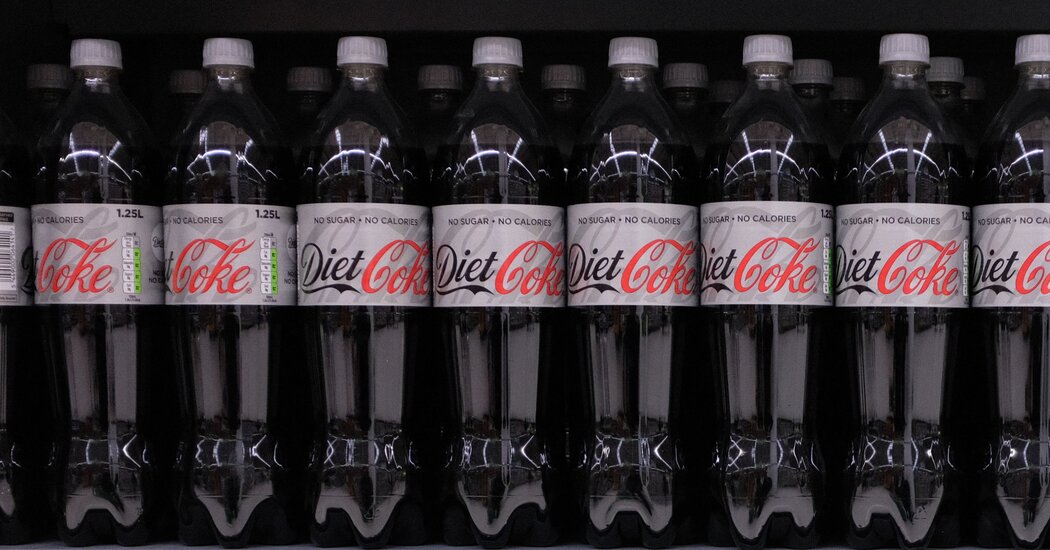
Published8 hours agoShareclose panelShare pageCopy linkAbout sharingImage source, Getty ImagesBy James GallagherHealth and science correspondentAdvice on how much aspartame we can eat or drink is unchanged, despite the sweetener being classified as “possibly” causing cancer. Two groups of experts at the World Health Organization have been reviewing thousands of scientific studies. The “possibly carcinogenic” label often causes fear and confusion, but just means the evidence is unconvincing. Most people consume less than the safe upper limits of aspartame, but the WHO recommends heavy consumers cut down.Aspartame is found in diet and sugar-free versions of foods, as the chemical gives a taste 200 times sweeter than sugar for little calories.Famous brands containing the sweetener include Diet Coke, Coke Zero, Pepsi Max and 7 Up Free, but aspartame is in around 6,000 products ranging from toothpaste and chewing gums to yoghurts and cough sweets.Despite being so widespread, the chemical’s safety has been a source of controversy since it was introduced in the 1980s.I asked Dr Francesco Branca, the director of the department of nutrition and food safety at the World Health Organisation (WHO), what was the healthier choice: sugar or sweetener? He told me: “Faced with a decision of whether to take cola with sweeteners or one with sugar, I think there should be a third option, which is to drink water instead and to limit the consumption of sweetened products altogether.”He said the reviews had “raised the flag” that aspartame may not be great for your health, but said you “shouldn’t have a concern” about an occasional diet drink or other product containing the sweetener, adding “the problem is for high consumers”. The first body to assess the evidence was the WHO’s cancer experts – the International Agency for Research on Cancer.IARC uses four possible classifications: Group 1 – Carcinogenic (cancer causing) to humansGroup 2A – Probably carcinogenic to humansGroup 2B – Possibly carcinogenic to humansGroup 3- Not classifiable It has moved aspartame into the “possibly carcinogenic” category alongside other substances such as aloe vera and lead. This decision largely centres on three studies suggesting a connection to a type of liver cancer. However, the “possibly” refers only to the strength of scientific evidence. If the evidence was strong, then aspartame would be in a higher category.Dr Mary Schubauer-Berigan, of the International Agency for Research on Cancer, said the “evidence was not of sufficiently high quality or convincing enough” and “this is really more a call to the research community” to study the sweetener more. The cancer classifications frequently lead to misleading headlines. Alcohol and plutonium are in the same category (both are proven to cause cancer), but one is seriously more dangerous than the other. So a separate body – the World Health Organization and the Food and Agriculture Organization Joint Expert Committee on Food Additives – has the job of working out safe doses.It analysed the cancer risk as well as other issues such as heart disease and type 2 diabetes, but found “no sufficient reason” to alter the advice it has had since 1981.So the safe limits remain at 40 milligrams per kilogram of your body weight, per day. These aren’t targets, they’re the upper safety limits. But as the advice is based on body weight, it is easier for children to get close to the limit.Dr Branca said it was “not a good practice” to have a bottle of sweet fizzy drink on the table at family dinner time, as children risked being set up with a sweet tooth for life. He also stressed that large reviews of the evidence show sweeteners do not help people lose weight.So his advice is for everyone to shift to a less sweet diet – cutting both sugar and sweeteners – and for companies to produce foods that are less sweet, but still tasty.One of the big outstanding research questions is how might aspartame result in cancer (if indeed it does). The WHO reports show that aspartame itself is rapidly broken down in the gut into three other substances – phenylalanine, aspartic acid and methanol.But these are also the product of digesting a wide variety of other foods that are not linked with cancer. And the researchers concluded that aspartame is not directly making cancerous mutations in people’s DNA. Raising levels of inflammation in the body is one possibility. Frances Hunt-Wood, secretary general of the International Sweeteners Association, said the work had “once again reaffirmed aspartame’s safety”.She added: “Aspartame, like all low/no calorie sweeteners, when used as part of a balanced diet, provides consumers with choice to reduce sugar intake, a critical public health objective.”There are some people who cannot safely consume aspartame. These are people with an inherited disease called phenylketonuria or PKU, who are born unable to metabolise the phenylalanine that is released as aspartame is broken down. Follow Jameson Twitter.More on this storyAspartame – is it a possible cause of cancer?Published29 June

Read more →

Researchers find that targeting immune cells may help treat atrial fibrillation

Current treatments for atrial fibrillation (AFib), a common heart condition characterized by fast and irregular beats that can lead to stroke and heart failure, have multiple side effects and are ineffective for preventing AFib recurrence.
New research led by investigators at Massachusetts General Hospital (MGH) and published in Science reveals that certain immune cells play a major role in the development of AFib. Targeting these cells may therefore represent a promising strategy to treat and prevent AFib.
For the work, senior author Matthias Nahrendorf, MD, PhD, an investigator in MGH’s Center for Systems Biology and the Richard Moerschner Endowed MGH Research Institute Chair in Men’s Health, and colleagues analyzed single cells from atrial heart tissue collected from patients with and without AFib. The analyses indicated that immune cells called macrophages are the most dynamic cell population in the atria during AFib, and these cells expand more than any other cell type in diseased tissue.
The researchers also created a new mouse model of AFib they dubbed “HOMER” and tested if and how macrophages can cause AFib. “We found that recruited macrophages support inflammation and fibrosis, or scarring, of the atria, which hinder electrical conduction between heart cells and lead to AFib. Inhibiting macrophage recruitment reduced AFib,” says Nahrendorf.
Gene expression analyses revealed that in human and mouse hearts, the SPP1 gene is highly overexpressed in macrophages during AFib. This gene produces the SPP1 protein (also called osteopontin) that promotes tissue scarring and is elevated in the blood of patients with AFib. HOMER mice lacking this protein had reduced numbers of atrial macrophages.
Future therapeutic strategies for AFib could therefore target macrophages or macrophage-derived signals such as SPP1 that contribute to inflammation and fibrosis. “We think that this research lays the groundwork for immunomodulatory therapy of AFib, and we are currently working on several strategies to make this happen,” says Nahrendorf.
It will also be important to study how these strategies might complement current care. “By mapping cardiac and immune cells involved in atrial fibrillation, this research advances next steps toward studying how macrophage-targeted therapies may support existing treatment,” says Michelle Olive, PhD, the deputy chief of the Atherothrombosis and Coronary Artery Disease Branch within the Division of Cardiovascular Sciences at the National Heart, Lung, and Blood Institute.
Additional co-authors include Maarten Hulsmans, Maximilian J. Schloss, I-Hsiu Lee, Aneesh Bapat, Yoshiko Iwamoto, Claudio Vinegoni, Alexandre Paccalet, Masahiro Yamazoe, Jana Grune, Steffen Pabel, Noor Momin, Hana Seung, Nina Kumowski, Fadi Pulous, Daniel Keller, Constanze Bening, Ursula Green, Jochen K. Lennerz, Richard N. Mitchell, Andrew Lewis, Barbara Casadei, Oriol Iborra-Egea, Antoni Bayes-Genis, Samuel Sossalla, Chin Siang Ong,?Richard N. Pierson, Jon C. Aster, David Rohde, Gregory R. Wojtkiewicz, Ralph Weissleder, Filip K. Swirski, George Tellides, George Tolis, Serguei Melnitchouk, David J. Milan, Patrick T. Ellinor, and Kamila Naxerova.
This work was supported by the National Institutes of Health, the American Heart Association, Deutsche Forschungsgemeinschaft, Mercator fellow, DFG, British Heart Foundation, NIHR Oxford Biomedical Research Centre, and European Union MAESTRIA 965286.

Read more →

Researchers engineer nanostructures to enhance the immune system's ability to combat cancer

Over the past decade, researchers have sought more effective and enduring cancer treatments. Among the wide variety of immunotherapies, Stimulator of Interfron Genes activation (STING agonism) has emerged as a particularly promising approach that harnesses a patient’s immune system to combat tumors throughout the body. Although potentially revolutionary, there remain critical hurdles to overcome before STING agonism can be employed as treatment option for patients. For example, the intravenous administration of STING agonist drugs is often not effective, due to lack of drug stability and poor uptake by immune cells.
Addressing these challenges head-on, investigators at Brigham and Women’s Hospital, a founding member of the Mass General Brigham healthcare system, have now designed stimuli-responsive nanoparticle structures, allowing STING agonist drugs to be released when reaching the target cells. In a paper published today in Nature Nanotechnology, the researchers report that stabilized nanoformulations not only eradicated active tumors in mice but also trained their immune systems to recognize and eliminate future tumors.
“Our goal is to use STING agonism to instruct the immune system to treat cancer cells as invaders, which necessitates the design of stable and potent nanostructures that enable STING to reach the right organs and the right cells,” said senior author Natalie Artzi, PhD, a principal investigator in the Brigham’s Department of Medicine.
Lead author Pere Dosta Pons, PhD, an instructor in the Brigham’s Department of Medicine, highlighted the novelty of their approach: “We not only are training the immune system to target and eliminate cancer cells, but also to generate immune memory for preventing cancer recurrence.”
STING agonism involves the activation of a protein called the stimulator of interferon genes (STING), which alerts the immune system to the presence of invaders. When the body is infected by a virus or bacterial species, small messenger molecules known as cytosolic cyclic dinucleotides (CDN) attach themselves to STING. This activation prompts the production of proinflammatory cytokines, which in turn activate immune cells such as natural killer cells, macrophages, and T-cells, recruiting them to the affected area to clear the infection.
Cancer evades this STING pathway by disguising itself as the body’s own cells. Researchers have been attempting to teach the immune system to identify and attack cancer cells by delivering STING agonists to immune cells in the tumor microenvironments and tumor-draining lymph nodes.
In their new paper, the Brigham team describes a new nanoparticle structure that more effectively transports CDN molecules into immune cells. This structure directly connects laboratory-produced CDNs to nanoparticles made of poly(beta amino esters), or pBAEs, making the compound more stable and potent when injected into the body, thereby enhancing its therapeutic window. The nanostructure taxis the CDN messengers directly to tumors and detaches the cargo only when reaching the target cells.

Read more →

Multidisciplinary team reduced hypothermia in NICU babies during and after surgery

The percentage of infants from the neonatal intensive care unit (NICU) experiencing hypothermia upon operating room (OR) arrival and at any point during the operation decreased from 48.7% to 6.4% and 67.5% to 37.4%, respectively, after implementation of a multidisciplinary quality improvement project at Ann & Robert H. Lurie Children’s Hospital of Chicago. The project and its success were featured in the journal Pediatric Quality and Safety.
About one-third of infants admitted to children’s hospitals’ NICUs require surgery and are at increased risk for intraoperative hypothermia due to environmental heat loss, anesthesia, and inconsistent temperature monitoring. Hypothermic infants are at risk for infection, excessive bleeding, increased oxygen consumption, the need for cardiorespiratory support, and mortality.
Upon return to the NICU, the percentage of infants experiencing postoperative hypothermia decreased from 5.8% to 2.1% while postoperative hyperthermia increased from 0.8% to 2.6%.
“Intraoperative hypothermia is more prevalent than postoperative hypothermia, yet the problem appears to be recognized less. Several improvement projects have addressed postoperative hypothermia, however, few have focused on reducing intraoperative hypothermia,” said senior author Gustave Falciglia, MD, MSCI, MSHQPS, neonatologist at Lurie Children’s and Assistant Professor of Pediatrics at Northwestern University Feinberg School of Medicine. “The strengths of our project were the large cohort of infants and the use of continuous, secure and automated data to ensure normal temperature for infants before, during and after an operation. Using our current approach, however, further decreasing intraoperative and postoperative hypothermia may not be possible without further increasing postoperative hyperthermia.”
Dr. Falciglia and colleagues from Lurie Children’s Center for Quality and Safety, anesthesiology, NICU and OR nursing, surgery, neonatology and Data Analytics and Reporting succeeded in reducing rates of intraoperative hypothermia by standardizing temperature monitoring, the transport process to the OR and intraoperative warming.
“In this project, we used improvement science methodology to understand the barriers to maintaining normal temperature in NICU infants before, during and after surgery, and then to design and implement solutions,” said lead author Abbey Studer from the Center for Quality and Safety at Lurie Children’s. “We found variation in processes that contributed to intraoperative hypothermia, so we focused on standardizing temperature monitoring and thermal support during the infant’s transport and operation. Automated monitoring using a preoperatively placed continuous temperature probe enhanced providers’ situational awareness of infant temperature and guided clinical adjustments.”
For this improvement project, the hospital’s Center for Quality and Safety coordinated care and resources between multiple departments. It achieved consensus and buy-in from providers despite competing factors such as perspiring surgeons and busy anesthesia providers transporting all infants to the OR. It identified key participants who were vested in revising processes and facilitated adoption with their colleagues, following up on missed opportunities and gaps in the processes identified through observation and surveys. The center provided data analysts who worked iteratively with providers to generate valid, actionable, and real-time data.
“Although medicine prizes specialization, our success relied upon individuals with various talents sharing their skills and knowledge,” said Dr. Falciglia. “Working together we can continue to improve the care of infants in the NICU who need surgery.”
Ann & Robert H. Lurie Children’s Hospital of Chicago is a nonprofit organization committed to providing access to exceptional care for every child. It is ranked as one of the nation’s top children’s hospitals by U.S. News & World Report. Lurie Children’s is the pediatric training ground for Northwestern University Feinberg School of Medicine.

Read more →

Researchers' sweeping discovery shows how kidney cells self-renew

University of Texas at Dallas scientists have discovered a previously unknown “housekeeping” process in kidney cells that ejects unwanted content, resulting in cells that rejuvenate themselves and remain functioning and healthy.
The self-renewal process, which is fundamentally different from how other bodily tissues are thought to regenerate, helps explain how, barring injury or disease, the kidneys can remain healthy for a lifetime. The researchers described the mechanism in a study published April 17 in Nature Nanotechnology.
Unlike the liver and skin, where cells divide to create new daughter cells and regenerate the organ, cells in the proximal tubules of the kidney are mitotically quiescent — they do not divide to create new cells. In cases of mild injury or disease, kidney cells do have limited repair capabilities, and stem cells in the kidney can form new kidney cells, but only up to a point, said Dr. Jie Zheng, professor of chemistry and biochemistry in the School of Natural Sciences and Mathematics and co-corresponding author of the study.
“In most scenarios, if kidney cells are severely injured, they will die, and they cannot regenerate,” said Zheng, a Distinguished Chair in Natural Sciences and Mathematics. “Your kidney will just fail sooner or later. That’s a big challenge in health management for kidney disease. All we can do currently is slow down the progression to kidney failure. We cannot easily repair the organ if it’s injured severely or by chronic disease.
“That’s why discovering this self-renewal mechanism is probably one of the most significant findings we’ve made so far. With excellent core facilities and dedicated staff, UTD is a great place to do such cutting-edge research.”
Further research may lead to improvements in nanomedicine and early detection of kidney disease, he said.

An Unexpected Finding
The researchers said their discovery took them by surprise.
For 15 years, Zheng has been investigating the biomedical use of gold nanoparticles as imaging agents, for fundamental understanding of glomerular filtration, for early detection of liver disease, and for targeted delivery of cancer drugs. Part of that work has focused on understanding how gold nanoparticles are filtered by the kidneys and cleared from the body through urine.
Research has shown that gold nanoparticles generally pass unscathed through a structure in the kidney called the glomerulus and then travel into proximal tubules, which make up over 50% of the kidney. Proximal tubular epithelial cells have been shown to internalize the nanoparticles, which eventually escape those cells to be excreted in urine. But just how they escape the cells has been unclear.
In December 2021, Zheng and his chemistry team — research scientist and lead study author Yingyu Huang PhD’20 and co-corresponding author Dr. Mengxiao Yu, research associate professor — were examining gold nanoparticles in proximal tubular tissue samples using an optical microscope, but they switched to one of the University’s electron microscopes (EM) for better resolution.

“Using the EM, we saw gold nanoparticles encapsulated in lysosomes inside of large vesicles in the lumen, which is the space outside the epithelial cells,” Yu said.
Vesicles are small fluid-filled sacks found both inside and outside of cells that transport various substances.
“But we also observed the formation of these vesicles containing both nanoparticles and organelles outside of cells, and it was not something we had seen before,” Yu said.
The researchers found proximal tubular cells that had formed outwardly facing bulges in their luminal membranes that contained not only gold nanoparticles but also lysosomes, mitochondria, endoplasmic reticulum and other organelles typically confined to a cell’s interior. The extruded contents were then pinched off into a vesicle that floated off into the extracellular space.
“At that moment, we knew this was an unusual phenomenon,” Yu said. “This is a new method for cells to remove cellular contents.”
A New Renewal Process
The extrusion-mediated self-renewal mechanism is fundamentally different from other known regenerative processes — such as cell division — and housecleaning tasks like exocytosis. In exocytosis, foreign substances such as nanoparticles are encapsulated in a vesicle inside the cell. Then, the vesicle membrane fuses with the inside of the cell’s membrane, which opens to release the contents to the outside.
“What we discovered is totally different from the previous understanding of how cells eliminate particles. There is no membrane fusion in the extrusion process, which eliminates old content from normal cells and allows the cells to update themselves with fresh contents,” Huang said. “It happens whether foreign nanoparticles are present or not. It’s an intrinsic, proactive process these cells use to survive longer and function properly.”
Zheng said their findings open up new areas of study. For example, epithelial cells, like those in the proximal tubules, are found in other tissues, such as the walls of arteries and in the gut and digestive tract.
“In the field of nanomedicine, we want to minimize accumulation of nanoparticles in the body as much as possible. We don’t want them to get stuck in the kidneys, so it’s very important to understand how nanoparticles are eliminated from the proximal tubules,” Zheng said. “Also, if we could learn how to regulate or monitor this self-renewal process, we might find a way to keep kidneys healthy in patients with high blood pressure or diabetes.
“If we could develop ways to detect the signature of this process noninvasively, perhaps it could be an indicator of early kidney disease.”
The research was funded by the National Institute of Diabetes and Digestive and Kidney Diseases (R01DK124881, R01DK115986, R01DK126140 and R01DK103363), the National Science Foundation and the Cancer Prevention and Research Institute of Texas.

Read more →

Aspartame is Possibly Linked to Cancer in Humans, the WHO Says

The F.D.A. and the powerful beverage industry protested the new findings, and a second W.H.O. group stood by its standard that the sweetener is generally safe.A World Health Organization agency declared on Thursday that aspartame, an artificial sweetener widely used in diet drinks and low-sugar foods, could possibly cause cancer.A second W.H.O. committee, though, held steady on its assessment of a safe level of aspartame consumption. By some calculations using the panel’s standard, a person weighing 150 pounds could avoid a risk of cancer but still drink about a dozen cans of diet soda a day.The declaration by a W.H.O. agency of a cancer risk associated with aspartame reflects the first time the prominent international body has weighed in publicly on the effects of the nearly ubiquitous artificial sweetener. Aspartame has been a contentious ingredient for decades.The International Agency for Research on Cancer, or I.A.R.C., said it based its conclusion that aspartame was a possible carcinogen on limited evidence from three observational studies of humans that the agency said linked consumption of artificially sweetened beverages to an increase in cases of liver cancer — at levels far below a dozen cans a day. It cautioned that the results could potentially be skewed toward the profile of people who drink higher amounts of diet drinks and called for further study.Still, people who consume high amounts of aspartame should consider switching to water or other unsweetened drinks, said Dr. Francesco Branca, director of the W.H.O. Department of Nutrition and Food Safety.But, he added: “Our results do not indicate that occasional consumption should pose a risk to most.”Concerns about rising global rates of obesity and diabetes as well as changing consumer preferences have resulted in an explosion of no- and low-sugar food and beverages. Aspartame, one of six sweeteners approved by U.S. regulators, is found in thousands of products, from packets of Equal to sugar-free gum, diet sodas, teas, energy drinks and even yogurts. It is also used to sweeten various pharmaceutical products.The U.S. Food and Drug Administration, which approved aspartame decades ago, on Thursday issued an unusual criticism of the global agency’s findings and reiterated its longstanding position that the sweetener is safe. In a statement, the F.D.A. said it “disagrees with I.A.R.C.’s conclusion that these studies support classifying aspartame as a possible carcinogen to humans.”The F.D.A. also said that “aspartame being labeled by the W.H.O. as ‘possibly carcinogenic to humans’ does not mean that aspartame is actually linked to cancer.” The F.D.A. declined to make any of its experts available for interviews to discuss the agency’s specific concerns.But its salvo against the international organization was sure to ignite further debate in Europe — where the sweetener is still deemed safe — and renew review in the United States. And the dueling global agencies’ pronouncements are likely to fuel confusion among consumers.The W.HO. has occasionally been out of step with other authorities on potential cancer risks, like glyphosate, and later led the way toward establishing that it was dangerous to human health. The international body’s designation of a cancer link to that ingredient in Roundup, a weed killer, became the stepping stone for lawsuits against the makers of the herbicide.Around the world, the powerful beverage industry has fought long and hard against any regulatory or scientific finding that tied artificial sweetener use to risks of cancer or other health problems. Aspartame is only the latest battleground for multinational companies to push back against new studies or potential links to health risks.Researchers in the Cesare Maltoni Cancer Research Center in Bologna, Italy, in 2006. Italian researchers conducting rodent studies from 2005 to 2010 rekindled the debate over aspartame.Pigi Cipelli for The New York Times“Aspartame is safe,” Kevin Keane, interim president of the American Beverage Association, said in a statement. He cited the dueling W.H.O. announcements, singling out the second panel, the Joint Expert Committee on Food Additives, that performed a concurrent review and left its recommended daily intake amount unchanged. It also deemed the evidence for cancer in humans “not convincing,” a W.H.O. summary shows.“After a rigorous review, the World Health Organization finds aspartame is safe and ‘no sufficient reason to change the previously established acceptable daily intake,’” Mr. Keane said. “This strong conclusion reinforces the position of the F.D.A. and food safety agencies from more than 90 countries.”Coca-Cola referred questions to the American Beverage Association and PepsiCo did not respond to requests for comment.The safety of sugar replacements, including the decades-old science dispute over the use of saccharin in the diet drink Tab, has been heavily scrutinized. Once linked to bladder cancer in rats, Congress mandated further study of saccharin. Since then, according to the F.D.A., 30 studies showed the rodent results did not apply to humans; U.S. officials removed saccharin from a list of potential carcinogens. More recently, other sweeteners have come under scrutiny for their ties to possible health risks.At the center of the dispute over aspartame are rodent studies from 2005-2010 by Italy-based researchers that showed a link to cancer. The F.D.A. has dismissed the long-debated studies as “compromised.”Dr. William Dahut, chief scientific officer of the American Cancer Society, which led one of the key studies the W.H.O. relied on, said the findings should be considered alongside the W.H.O.’s report earlier this year that indicated artificial sweeteners offered no help in achieving weight loss or protection from other chronic conditions.He said there was little evidence now to suggest a daily Diet Coke would elevate the risk of cancer, adding that “more research is needed.” Overall, he said, the science was more definitive on reducing cancer risk by avoiding tobacco, alcohol, processed meat and excess body weight.The I.A.R.C. said it could not rule out the possibility that the studies linking aspartame to liver cancer were a result of chance or other factors associated with drinking diet soda.The W.H.O.’s cancer agency has four categories: carcinogenic, probably carcinogenic, possibly carcinogenic and no classification. Those levels reflect the strength of the science rather than how likely the substance is to cause cancer.The other W.H.O. group on food additives recommended that daily consumption should be below 40 milligrams of aspartame per kilogram of a person’s weight — slightly lower than the suggested U.S. level of 50 milligrams.The F.D.A. said it estimated that a person weighing 132 pounds would need to consume 75 packets of aspartame sweetener to reach the threshold of exposure to a potential risk.For its review of aspartame, the I.A.R.C. convened 25 cancer experts from 12 nations in Lyon, France, to conduct the review of existing studies. It concluded that there was limited evidence for cancer in humans based on three studies linking artificially sweetened drinks to increases in hepatocellular carcinoma, the most common type of liver cancer.One study in 2016 was led by W.H.O. officials, who looked at nearly 500,000 people in Europe who were followed for about 11 years. The study tracked participants’ juice and soft drink intake and the relationship to liver and bile duct cancers. It examined those who drank artificially sweetened soft drinks and found that each additional serving of diet soft drink a week was associated with a 6 percent increased risk of liver cancer.A U.S. study published last year by researchers from Harvard, Boston University and the National Cancer Institute examined sweetened beverage consumption reported by people on questionnaires and cancer case registries. Researchers found an elevated risk of liver cancer in people with diabetes who said they consumed two or more artificially sweetened sodas a day. That study found no increase in liver cancer among diet soda drinkers who did not have diabetes.The F.D.A., which approved aspartame decades ago, responded strongly to the I.A.R.C.’s conclusions.Andrew Harnik/Associated PressA third study, led by the American Cancer Society, examined the use of beverages sweetened by sugar and artificial sweeteners and cancer death data. It found a 44 percent increase in liver cancer among men who never smoked and drank two or more artificially sweetened drinks a day. Even adjusting for high body mass — in itself a cancer risk factor — the men had a 22 percent increase in risk, data in a supplement to the study shows.The American Beverage Association, which represents Coca-Cola and PepsiCo, has been vocal in saying that the W.H.O.’s food additive panel — not the cancer experts — should be the lead authority evaluating aspartame.In recent weeks, the beverage industry trade group has financed a new coalition led by Alex Azar, an appointee of former President Donald J. Trump, and Donna Shalala, an appointee of former President Bill Clinton. Both Mr. Azar and Ms. Shalala were former secretaries of the Department of Health and Human Services. In an opinion article in Newsweek earlier this month, the two embraced the F.D.A.’s position on the safety of aspartame, and called the agency “the world’s gold standard for independent regulatory bodies.”The trade group had previously contested another review of aspartame’s potential links to cancer in California. In 2016, a state committee discussed reviewing aspartame, but it went no further.California officials said this week that the state could review the latest W.H.O. decision.Besides aspartame, the W.H.O.’s cancer agency has deemed other possible carcinogens to range from the seemingly benign, like Ginkgo biloba extract and aloe vera leaf extract, to the more concerning, like gasoline exhaust and perfluorooctanoic acid, the most common of the industrial chemicals known as per- and polyfluoroalkyl substances, or PFAS, that has recently been subject to billion-dollar settlements over drinking water contamination.In deeming aspartame a possible carcinogen, the I.A.R.C. also dipped into one of the central controversies of aspartame research. It concluded that there was some evidence for cancer in lab animals based on studies performed by the Ramazzini Institute in Italy, citing the group’s finding of increased tumors in aspartame studies from the mid-2000s. Based on concerns over the group’s methods and interpretations, though, the findings were deemed limited.For its part, the Ramazzini Institute said in 2021 that its work on aspartame was validated and that its earlier findings were “savagely attacked by the chemical manufacturing and processed food industries and by their allies in regulatory agencies.”Dr. Branca of the W.H.O. responded to questions about the need for an I.A.R.C. review during a news conference on Wednesday, saying that 10 million people die of cancer each year. “So there’s a societal concern that our organization needed to respond to,” he said.He said the results demonstrated a clear need for further high-quality research.“We’ve in a sense raised a flag here, indicating that we need to clarify much more in the situation,” Dr. Branca said. “It is not something which we can dismiss at this moment.”Julie Creswell contributed reporting to this article.

Read more →

988 Suicide Hotline: What to Know One Year After Launch

One year in, many people still don’t know it exists — but those behind it are working to get the word out.The contestants on “Celebrity Jeopardy!” were stumped in the fall when asked about the new “3-digit national hotline phone number for suicide prevention” in the United States, which debuted last July.“What is 311?” the comedian Iliza Shlesinger guessed, wrongly.As it turns out, she was not alone. It has been one year since the National Suicide Prevention Lifeline underwent a transformation, recasting its 10-digit number as 988, yet many people are unaware of the change or what the hotline provides.The new number is supposed to make it easier for callers to connect with help when they’re having suicidal thoughts, experiencing emotional distress or having a substance-use-related crisis, but only 17 percent of Americans say they are very or somewhat familiar with it, according to a survey released on Thursday by the National Alliance on Mental Illness. In addition, the survey found, people are still confused about what to expect when they call.Many still assume that “you call 988 and — much like 911 — that means someone is going to be dispatched to you,” said Hannah Wesolowski, NAMI’s chief advocacy officer. “For the vast majority — almost all callers — that’s not actually the case.”Here’s a look at what everyone should know about 988 and the challenges that lie ahead in continuing to fund and expand the network.What should you know about 988?The three-digit dialing code for the 988 Suicide and Crisis Lifeline became available in July of last year after receiving bipartisan support. (President Donald J. Trump signed the law establishing the new number in 2020.) Since then, more than five million calls, chats and texts have been routed to 988, a 66 percent increase from the previous 12 months, before the arrival of the new number.Almost one million of those contacts were answered by Veterans Crisis Line, which is linked to 988.According to the survey, most people either assume that calling 988 will automatically dispatch emergency services such as the police, or aren’t sure, but in reality, less than 2 percent of Lifeline calls require a connection to services like 911. In fact, 988 does not currently use geolocation, so those who call the hotline remain anonymous unless they choose to disclose identifying information. Part of the impetus behind creating 988 was to reduce the reliance on law enforcement or emergency departments to handle mental health crises, and instead to build an expanded group of services, the Substance Abuse and Mental Health Services Administration has said. In some areas, that includes mobile crisis teams and stabilization centers, which offer people a place to go that isn’t an emergency room.But you don’t need to be in crisis or suicidal to call 988 and speak with a counselor. It is a free service available at all hours, day or night, for anyone who needs support.“It’s our hope that people will come to us before they are in a mental health crisis,” said Tia Dole, chief officer of the 988 Suicide and Crisis Lifeline at Vibrant Emotional Health, the New York-based nonprofit that manages the Lifeline for SAMHSA.Why do so few people know about it?The NAMI survey found that most Americans did not know crucial facts about the Lifeline or what to expect if they call.This is partly by design. Over the last year, none of the Lifeline’s nearly $1 billion in federal funding was allocated toward a public relations campaign. Initially, advocates and administrators alike worried that promoting 988 too early might cause it to become overwhelmed by demand.But the time has come to raise broader awareness, Dr. Dole said. Vibrant is aiming to start a campaign in the fall that will not only get the word out but also attempt to decrease some of the disparities among those who understand and embrace 988.According to NAMI, for example, Black people and adults 50 and older were the least likely to have heard of 988. A Pew study released in April found similar results, and uncovered disparities along economic lines as well: People who were more affluent or had higher levels of education were also more likely to be aware of 988.What other hurdles remain?Aside from increasing public awareness, one of the biggest problems facing the expanded network is long-term funding.The national network has more than 200 call centers, mostly composed of nonprofits with small budgets. Many rely on volunteers and private contributions.The law that established 988 gave state lawmakers the option of raising money for call centers by adding a monthly fee on phone bills. But so far only a handful of states have done so.The Biden administration’s 2024 budget proposal includes $836 million for 988, an increase of more than $300 million from the amount allocated last year to get the Lifeline up and running. But experts say more is needed, particularly at the local and state levels.In the coming year, the number of calls, texts and chats that come to 988 could be as high as nine million, almost double the number of contacts in the first year, said Bob Gebbia, the chief executive of the American Foundation for Suicide Prevention.“That’s an enormous increase, and we want to make sure that there’s someone there to answer the calls and texts and chats,” he said. “We need to have additional funding.”The expansion of the network is further complicated by a shortage in behavioral health professionals. When local centers cannot pick up, calls are pushed to national backup centers, which can result in higher wait times or cause callers to simply hang up.Finally, the current method of routing callers by area code can be problematic if someone’s phone number doesn’t reflect where they currently live. Crisis counselors who assist people who live in other states may have more difficulty offering local referrals.What is the Lifeline doing right?The Lifeline encountered record demand in the last year, but it managed to reduce the wait time for a response from a counselor.“This means that more people are getting help and they are getting help more quickly, which is crucial for a person in crisis,” Miriam E. Delphin-Rittmon, the leader of SAMHSA, said in a statement on Thursday.Before 988 was implemented, it might take several minutes to reach someone. Now the average response time has decreased from 2 minutes and 39 seconds to 41 seconds, according to SAMHSA. The wait time can vary substantially, however, depending on the location or time of day.Another big change: The new Lifeline has invested in answering texts and chats. In the past the Lifeline had the capacity to handle only 56 percent of text messages and 30 percent of chats. So far recent data indicates that the new Lifeline is answering a much higher proportion of chats and texts on average.Overall, “I am convinced it is helping to save lives,” Mr. Gebbia said of 988.What’s next?Demand for the Lifeline is expected to surge in the years ahead as mental illness continues to be a large public health problem. Anxiety and depression are widespread, particularly among young adults: A KFF analysis of census data found that half of adults ages 18 to 24 reported anxiety and depression symptoms in 2023, compared with about a third of adults overall. In addition, the suicide rate has increased by 35 percent over the last two decades.In addition to serving the population at large, the 988 Lifeline also aspires to provide help tailored to specific groups. The Lifeline now offers an L.G.B.T.Q. “subnetwork” for those under the age of 25 and this month rolled out Spanish text and chat options.In addition, Dr. Dole said that later this year the Lifeline is planning to add a video phone service for the deaf and hard of hearing.If you are having thoughts of suicide, call or text 988 to reach the 988 Suicide and Crisis Lifeline or go to SpeakingOfSuicide.com/resources for a list of additional resources. Go here for resources outside the United States.

Read more →

3D glasses for topological materials

They are seen as a beacon of hope for energy-saving electronics and the high-tech of the future: topological quantum materials. One of their properties is the conduction of spin-polarized electrons on their surface — even though they are actually non-conductive inside. To put this into perspective: In spin-polarized electrons, the intrinsic angular momentum, i.e. the direction of rotation of the particles (spin), is not purely randomly aligned.
To distinguish topological materials from conventional ones, scientists used to study their surface currents. However, an electron’s topology is closely linked to its quantum mechanical wave properties and its spin. This relationship has now been demonstrated directly by means of the photoelectric effect — a phenomenon in which electrons are released from a material, such as metal, with the aid of light.
Visualizing the topology of electrons with “3D glasses”
Prof. Giorgio Sangiovanni, a founding member of ct.qmat in Würzburg and one of the theoretical physicists in the project, likened this discovery to using 3D glasses to visualize the topology of electrons. As he explains: “Electrons and photons can be described quantum mechanically as both waves and particles. Therefore, electrons have a spin that we can measure thanks to the photoelectric effect.”
To do this, the team used circularly polarized X-ray light — light particles possessing a torque. Sangiovanni elaborates: “When a photon meets an electron, the signal coming from the quantum material depends on whether the photon has a right- or a left-handed polarization. In other words, the orientation of the electron’s spin determines the relative strength of the signal between left- and right-polarized beams. Therefore, this experiment can be thought of like polarized glasses in a 3D cinema, where differently oriented beams of light are also used. Our ‘3D glasses’ make electrons’ topology visible.”
Headed by the Würzburg-Dresden Cluster of Excellence ct.qmat — Complexity and Topology in Quantum Matter — this ground-breaking experiment, along with its theoretical description, is the first successful attempt at characterizing quantum materials topologically. Sangiovanni points out the essential role of a particle accelerator in the experiment, stating: “We need the synchrotron particle accelerator to generate this special X-ray light and to create the ‘3D cinema’ effect.”
Quantum matter, particle accelerators and supercomputers
The journey to this monumental success spanned a period of three years for the researchers. Their starting point was the kagome metal TbV6Sn6, a quantum material. In this special class of materials, the atomic lattice has a mixture of triangular and honeycomb lattices in a structure reminiscent of a Japanese basket weave. Kagome metals play an important role in ct.qmat’s materials research.
“Before our experimental colleagues could start the synchrotron experiment, we needed to simulate the results to make sure we were on the right track. In the first step, we devised theoretical models and ran calculations on a supercomputer,” says Dr. Domenico di Sante, the project lead and a theoretical physicist, who is also an associate member of the Würzburg Collaborative Research Center (SFB) 1170 ToCoTronics. The findings from the measurements lined up perfectly with the theoretical predictions, enabling the team to visualize and confirm the topology of the kagome metals.
International research network
The research project involved scientists from Italy (Bologna, Milan, Trieste, Venice), the UK (St. Andrews), the USA (Boston, Santa Barbara), and Würzburg. The supercomputer used for the simulations is in Munich, and the synchrotron experiments were performed in Trieste. “These research findings perfectly illustrate the remarkable results theoretical and experimental physics can produce when working in tandem,” concludes Prof. Sangiovanni.

Read more →