Chris Evans: Radio DJ reveals skin cancer diagnosis

Published14 minutes agoShareclose panelShare pageCopy linkAbout sharingImage source, Getty ImagesBy Paul GlynnEntertainment reporterDJ Chris Evans has revealed he has been diagnosed with skin cancer.The 57-year-old announced the news on his Virgin Radio show on Monday, urging others to get themselves checked.He told listeners he was tested for the disease after his “angel” of a masseur found a mark on his shin and that it had been “caught as early as possible”.It comes eight years after the former BBC Radio 1 and Radio 2 broadcaster was given the all-clear following a prostate cancer scare.”I’ve just got to talk briefly about my biopsy for the skin cancer issue,” he said. “So the best news that I got whilst I was away is that it was a positive test, so I have tested positive for skin cancer.”Obviously better news would have been [that it was] negative. But the reason it’s great news is because they’ve caught it as early as they can, as early as is possible.”BBC action line: Support and information about cancerHe added that he had a type of skin cancer called melanoma.”It’s as treatable as cancer can be to the extent that they call it ‘stage zero’,” Evans added. He said the “mark” on his leg would be removed on 14 September.”I can’t run for a month afterwards so I’m going to do nothing but run until then,” he joked. “Is that ok?’He said he had thanked his masseur Dee for “potentially saving my life”, as well as urging listeners to “get yourself checked”. “Just check yourself for stuff, as you get older especially, on your skin, on your bits and your bobs,” said the DJ.”Just keep checking because the biggest weapon in your arsenal, in our our collective arsenal… is early detection. And so please do that.”Most skin cancers are caused by sun damage. People with paler or fair skin are at higher risk of damage because they have less of the protective pigment melanin in their skin.People with any skin tone can get skin cancer though. Using sunscreen can reduce your risk.What is melanoma?Not the most common or only type of skin cancer, but one of the most serious. Left untreated, it can spread to other organs in the bodyAbout 16,700 people a year are diagnosed with itCaused by abnormal skin cells that grow out of control due to DNA damage. Intense exposure to UV can trigger this damageDr Bav Shergill, of the British Association of Dermatologists, said: “While melanoma is much more common in older people, it does occur in young people. In fact, skin cancer is one of the most common forms of cancer for teenagers and young adults to be diagnosed with.”You should contact your doctor immediately. If moles are itchy or bleed or have irregular shapes, these are warning signsMost melanomas appear in places you can see, however some can occur in your nose, mouth, anus, and vagina (mucosal melanoma), while others can appear in your eye (uveal melanoma)Source: NHSEvans, one of the biggest radio DJs in the country since the 1990s, bid an emotional farewell to his long-running, popular Radio 2 show back in 2018.The following year he went on to help Virgin Radio break the one million listener barrier with his new show.Waiting timesAnother skin cancer patient recently told the BBC that waiting nine months for treatment had been “very scary and stressful”..The NHS cited backlogs due to the pandemic and an “unprecedented increase” in serious cancers.NHS bosses have also said two thirds of cancer waiting time targets would be scrapped.More on this story’Doctors said my cancerous mole was fungus’Published12 August 2022Evans relaunches 500 Words for Black Lives MatterPublished24 June 2020Evans draws a million listeners to VirginPublished16 May 2019Evans bids emotional farewell to Radio 2Published24 December 2018

Read more →

New test could speed up child illness diagnosis

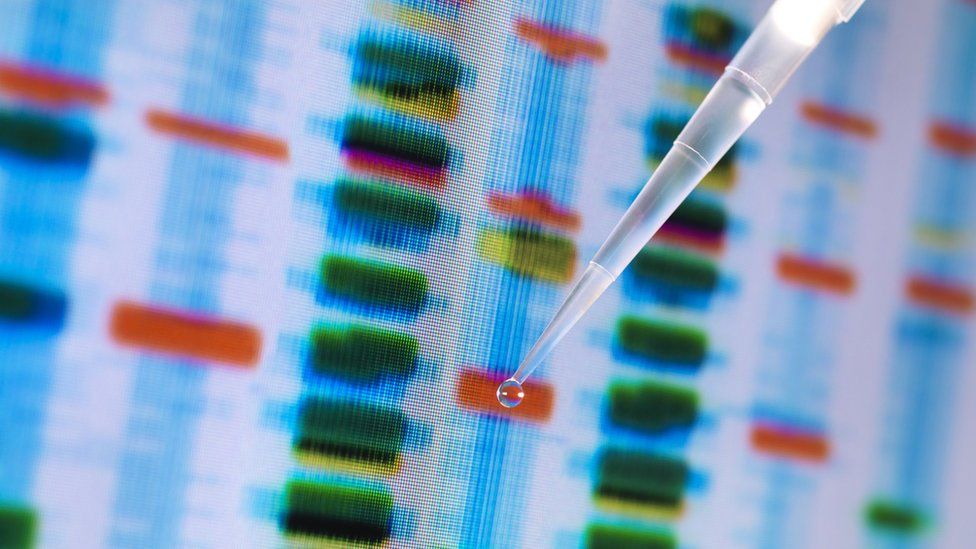
Published1 hour agoShareclose panelShare pageCopy linkAbout sharingImage source, Getty ImagesBy Philippa RoxbyHealth reporterA new approach to diagnosing illnesses in children could help doctors choose the right treatment in double-quick time, say the researchers behind it.Working out what is causing a fever – a virus, bacterial infection or something else – is often difficult and tests can take days or weeks to come back.The Imperial College London team says looking at gene patterns in someone’s blood could speed up diagnosis.Development of the test is still at an early stage.But if trials are successful and the approach is approved the blood test could reduce the overuse of antibiotics, which are often prescribed to unwell children even though they only treat bacterial infections, not viruses.This contributes to the problem of antimicrobial resistance, when drugs no longer treat infections they were designed to combat.Finding patternsRecent research on children in hospital with a fever in nine European countries found that 75% did not get a diagnosis.Co-author of the study Dr Myrsini Kaforou, senior lecturer at Imperial College London, said finding out the underlying cause of fever can be the “biggest challenge” even with the best tests available.And they can take anything from several hours to weeks to provide a result.That means there can be delays diagnosing potentially life-threatening infections and diseases, such as sepsis, tuberculosis and pneumonia, and giving patients the right treatment quickly.In this study, published in the journal Cell Press Med, researchers used a different approach to diagnosing illness.Analysing data from thousands of patients, including 1,000 children, with 18 infectious or inflammatory diseases, they were able to identify which key genes were switched on and off in response to a range of illnesses.Some of the diseases analysed included flu, malaria, E.coli, meningitis and arthritis.Because the human body needs the same set of genes to fight off diseases, researchers could use that as a basis to test for them.These “molecular signatures” of disease were then tested in a group of more than 400 child patients, admitted to hospital with sepsis or severe infections, and compared with current gold standard testing methods.’Holy grail’The study suggests the new approach is more than 90% accurate but the research team emphasises there is still much work to be done before a test can be used in practice.”A future diagnostic test based on this approach could help provide the right treatment, to the right patient, at the right time, while optimising antibiotic use and reducing lengthy time to diagnosis for inflammatory diseases,” said Dr Kaforou, senior lecturer at Imperial College London.The new approach “could be transformative for healthcare”, said Prof Michael Levin, study co-author and chair in paediatrics at Imperial.It is now being trialled in thousands of patients in hospitals in Europe, Africa and Asia. The researchers say the trials will help them discover how much it could improve decisions made in clinics.Prof Damian Roland, emergency children’s doctor from University Hospitals of Leicester, said being able to promptly diagnose the underlying reason for a child’s fever or illness was “a holy grail”.He said the research “opens up a gateway to a new model of care” but he cautioned it was still in its early stages. “Further research in avoiding any unintended consequences of early diagnosis will be vital to maximise the impact of this new innovation,” the professor said.

Read more →

Nurse Lucy Letby to be sentenced for murdering seven babies

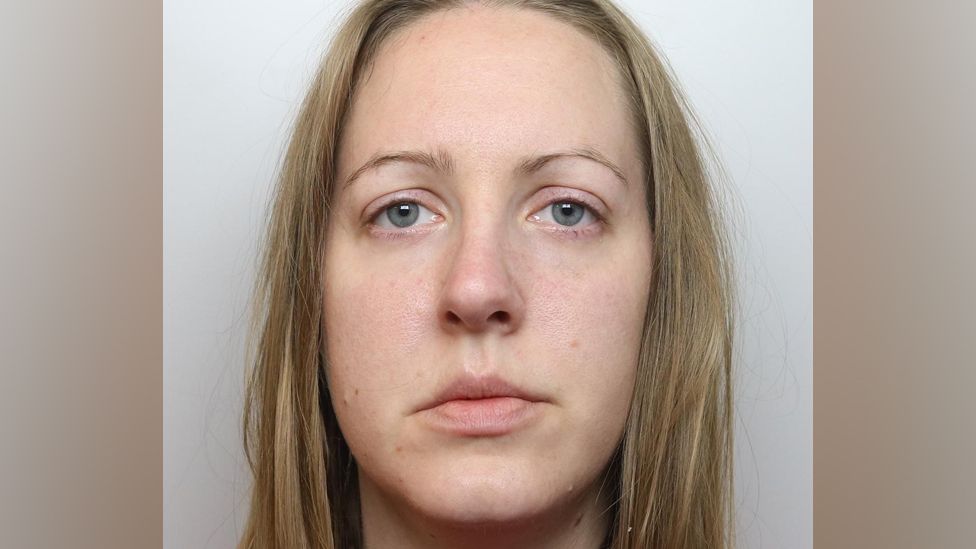
Published8 minutes agoShareclose panelShare pageCopy linkAbout sharingImage source, Cheshire PoliceNurse Lucy Letby is due to be sentenced later after being found guilty of murdering seven babies, making her the UK’s most prolific child serial killer in modern times.The 33-year-old was also convicted of trying to kill six other infants at the Countess of Chester Hospital.The trial lasted for more than 10 months and is believed to be the longest murder trial in the UK.She has indicated she will not be in court for the hearing.Her legal team said she also does not want to follow proceedings via a videolink from prison, the reasons for her non-attendance at Manchester Crown Court have not been disclosed.If Letby does fail to show up to the hearing, she will not hear the families’ victim impact statements – where people have a chance to tell the court about how a crime has affected them and those around them.She will also not hear the judge, Mr Justice James Goss, give his sentencing remarks where he will explain the reasons for the length of the prison sentence handed down to her. This video can not be playedTo play this video you need to enable JavaScript in your browser.Letby – who deliberately injected babies with air, force fed others milk and poisoned two of the infants with insulin between June 2015 and June 2016 – refused to appear in the dock as the latest verdicts were read out on Friday.They had been delivered over several hearings, but could not be reported until all the verdicts were returned.Letby, originally of Hereford, broke down in tears as the first guilty verdicts were read out by the jury’s foreman on 8 August after 76 hours of deliberations.She cried with her head bowed as the second set of guilty verdicts were returned on 11 August.The refusal to attend court last week has led to renewed calls for a new law to compel convicted criminals to attend court for sentencing hearings.Letby’s expected absence from the dock is the latest in a series of high-profile trials where convicted murderers have refused to turn up, including the killers of Zara Aleena in London and nine-year-old Olivia Pratt-Korbel in Liverpool.Former prison governor Prof Ian Acheson told the BBC judges should have the power to compel criminals into the courtroom “to be sentenced in front of the people they have harmed”. Earlier this year, the government said it was committed to introducing legislation to ensure criminals are made to appear in the dock for sentencing.Former justice secretary Sir Robert Buckland backed the government’s announcement, saying defendants should face tougher consequences if they refuse to appear in the dock, such as receiving longer sentences.Facilitating “better ways in which defendants really have nowhere to hide” when it comes to listening or seeing the court “even if they’re in the cell” is another option for the government to explore, Sir Robert added. “We use television, video links all the time when it comes to defendants who might be on a live link from the prison, for a procedural hearing or even a sentence hearing,” he told BBC Radio 4’s Today programme. He said this would avoid “disruptive behaviour” that would “cause upset to the victims and the wider public”. Baby serial killer Lucy LetbyThe text messages Letby sent as she killed babiesWho is baby serial killer Lucy Letby? Doctors’ warnings ignored as Letby killed more babiesHow could the NHS stop a future killer within?Families of victims said they will “forever be grateful” to jurors who had to sit through 145 days of “gruelling” evidence.The defendant was found not guilty of two attempted murder charges and the jury was undecided on further attempted murder charges relating to four babies.Nicholas Johnson KC, prosecuting, asked the court for 28 days to consider whether a retrial would be sought for the remaining six counts of attempted murder.During the trial, which started in October, the prosecution labelled Letby as a “calculating and devious” opportunist who “gaslighted” colleagues to cover her “murderous assaults”.She was convicted following a two-year investigation by Cheshire Police into the alarming and unexplained rise in deaths and near-fatal collapses of premature babies at the hospital.The government has ordered an independent inquiry into the circumstances behind the baby murders.Why not follow BBC North West on Facebook, Twitter and Instagram? You can also send story ideas to northwest.newsonline@bbc.co.ukSign up for our morning newsletter and get BBC News in your inbox.More on this storyHow could the NHS stop a future killer within?Published2 hours agoJudge should lead Letby inquiry – committee chairPublished15 hours agoFamilies call for greater powers in Letby inquiryPublished1 day agoGovernment orders inquiry into Lucy Letby murdersPublished2 days agoNurse Lucy Letby guilty of murdering seven babiesPublished2 days agoWho is baby serial killer Lucy Letby?Published2 days agoThe text messages Letby sent as she killed babiesPublished2 days agoTwins’ parents: ‘Letby took everything from us’Published2 days agoWarnings ignored as Letby killed more babiesPublished2 days agoWatch: Lucy Letby’s first police interviewPublished2 days agoWatch moment police arrest Lucy Letby. Video, 00:00:43Watch moment police arrest Lucy LetbyPublished2 days ago0:43Lucy Letby jury can return majority verdictsPublished8 AugustJury considers verdicts in Lucy Letby murder trialPublished10 JulyWhat did Lucy Letby do to babies in her care?Published2 days agoRelated Internet LinksHM Courts ServiceThe BBC is not responsible for the content of external sites.

Read more →

Morrisons' bras and pants carry NHS cancer check label

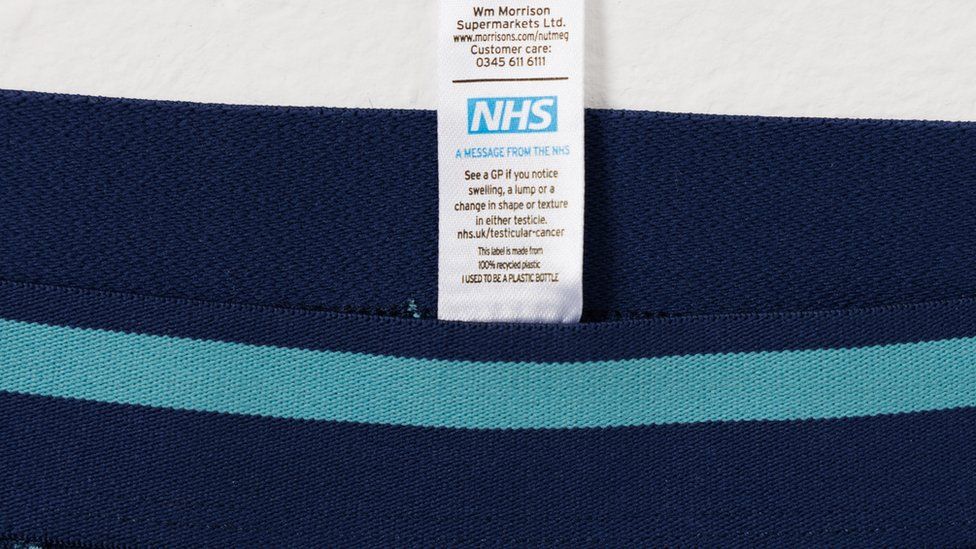
Published3 hours agoShareclose panelShare pageCopy linkAbout sharingImage source, NHSBy Michelle RobertsDigital health editorThe NHS has teamed up with Morrisons supermarket to put extra labels in underwear reminding people to see their GP if they spot potential symptoms of breast or testicular cancer. People should look out for lumps and bumps or “anything unusual”. The Nutmeg-branded boxer shorts and crop-top bras will be in 240 stores in England in the coming months. A QR code on the packaging and tags directs customers to more detailed health information on the NHS website.Symptoms of breast cancer can include a lump or change in the look, shape or feel of one or both breasts. Although rarer than in women, men can get breast cancer too. How can I check my breasts?Breast cancer in menTesticular cancer may present as a painless swelling or a lump in one of the testicles or any change in shape or texture of the testicles. Not all lumps will be cancer, but they need checking out. NHS England’s National Director for Cancer, Dame Cally Palmer, said: “This is the first time the whole of the NHS has worked with a national supermarket brand to put health messaging on clothing, with the aim of encouraging thousands more people to be body aware, so they can spot new or unexplained changes that might be cancer symptoms early, and contact their GP practice for checks if concerned.”Cancer survival is at an all-time high – survival for both breast and testicular cancers has improved significantly over the last 50 years and we’re seeing more people than ever before diagnosed at an early stage – and this partnership with Morrisons is just one of the many ways we are ensuring people are aware of potential cancer symptoms.”I want to urge everyone to be aware of their own bodies – please look out for lumps and bumps or anything else that is unusual for you – and get checked out early. It could save your life.”Image source, NHSFormer Morrisons employee Edward Solly, who is 35 and from Kent, has modelled for the new range of underwear.He was diagnosed with testicular cancer in his 20s after seeing a doctor for an unrelated sports injury. Scans, tests and a biopsy revealed there was a cancerous mass and that it had already progressed to his abdomen. He is cancer-free thanks to surgery and chemotherapy, and he now spends a lot of his free time giving talks to boys in schools about the importance of checking yourself: “As a cancer survivor myself, I know that a daily reminder to be body aware really could save your life … who knew a pair of undies could hold so much power?” Testicular cancerAround 2,300 men are diagnosed with testicular cancer each year in the UK.Although it is relatively uncommon overall, it is the most common type of cancer to affect men between the ages of 15 and 49.With treatment, nearly all men can survive testicular cancer. To find out more visit the NHS website. How to check your testiclesA good time to check your testicles is after a warm bath or shower, when the skin is relaxedCup your hand under them and check for swelling and lumpsRoll each testicle between your finger and thumb and feel the weightThe NHS says most men’s testicles are around the same size, although it is common for one to be slightly bigger than the other or hang lowerThe testicles should feel smooth, without any lumps or bumps, and firm but not hard. You may feel a soft tube at the back of each testicle, which is called the epididymis – this is entirely normalThere might be something wrong though, if you find a hard lump on the front or side of a testicle, a testicle is swollen or if there’s pain or discomfort in a testicle or in the scrotum (the sack that holds the testicles)If you notice any changes or anything unusual about your testicles, you should see a GPSource: NHSSign up for our morning newsletter and get BBC News in your inbox.More on this storyLove Island star’s testicular cancer warningPublished9 January 2019Greg Rutherford found testicle lump during lockdownPublished14 August 2020’Many men are oblivious they can get breast cancer’Published17 October 2021

Read more →

Maiden Pharmaceuticals: Fury in The Gambia over India cough syrup deaths

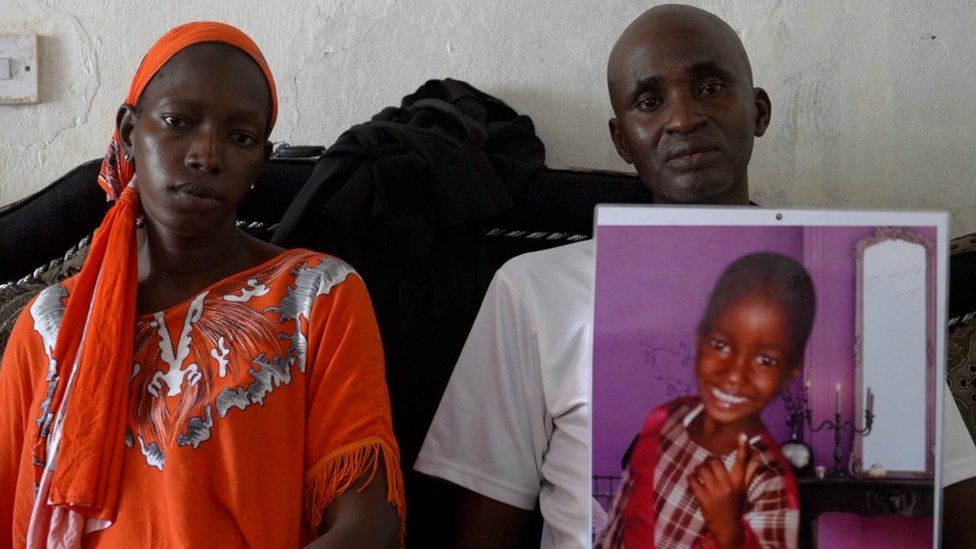
Published8 hours agoShareclose panelShare pageCopy linkAbout sharingBy Vineet KhareBBC Hindi, Banjul, The GambiaIn September last year, Ebrima Sajnia watched helplessly as his young son slowly died in front of his eyes.Mr Sajnia, who works as a taxi driver in The Gambia, says three-year-old Lamin was set to start attending nursery school in a few weeks when he got a fever. A doctor at a local clinic prescribed medicines, including a cough syrup, but the feverish child refused to take them.”I forced Lamin to drink the syrup,” recalls Mr Sajnia, sitting at his home in Banjul, capital of The Gambia.Over the next few days, Lamin’s condition deteriorated as he struggled to eat and even urinate. He was admitted to a hospital, where doctors detected kidney issues. Within seven days, Lamin was dead.He was among around 70 children – younger than five – who died in The Gambia of acute kidney injuries between July and October last year after consuming one of four cough syrups made by an Indian company called Maiden Pharmaceuticals. In October, the World Health Organization (WHO) linked the deaths to the syrups, saying it had found “unacceptable” levels of toxins in the medicines.India investigates cough syrups after Gambia deathsWHO stands by ‘dangerous’ India cough syrup claimA Gambian parliamentary panel also concluded after investigations that the deaths were the result of the children ingesting the syrups. Both Maiden Pharmaceuticals and the Indian government have denied this – India said in December that the syrups complied with quality standards when tested domestically.It’s an assessment that Amadou Camara, chairperson of the Gambian panel that investigated the deaths, strongly disagrees with.”We have evidence. We tested these drugs. [They] contained unacceptable amounts of ethylene glycol and diethylene glycol, and these were directly imported from India, manufactured by Maiden,” he says. Ethylene glycol and diethylene glycol are toxic to humans and could be fatal if consumed.It’s a difficult situation for The Gambia, one of Africa’s smallest countries, which imports most of its medicines from India. Some bereaved parents say they don’t trust Indian-made drugs anymore.”When I read that a medicine is from India, I barely touch it,” said Lamin Danso, who lost his nine-month-old son.But the reliance on Indian drugs is unlikely to change anytime soon.”Most pharmacists are still bringing in drugs from India – it’s far cheaper than importing drugs from America or Europe,” says journalist Mustapha Darboe.India is the world’s largest exporter of generic drugs, meeting much of the medical needs of developing countries. But allegations that its drugs have caused tragedies like the one in The Gambia – and in other countries such as Uzbekistan and the US – have raised questions about manufacturing practices and quality standards. Why drugs made in India are sparking safety concerns”If you see the tragedy, and the kind of alerts declared by WHO, so many countries are thinking twice. They are regularly enquiring. It’s not very comfortable. I call it an aberration. It’s a costly aberration,” says Udaya Bhaskar, director general of the Pharmaceuticals Export Promotion Council of India.He says while incidents like the one in The Gambia and Uzbekistan have “made a dent” on the Indian pharmaceutical industry’s image, it hasn’t impacted exports.India exported medicines worth $25.4bn (£20bn) in the financial year ending in March 2023 – of these, $3.6bn was to countries in Africa. Mr Bhaskar points out that the country has already exported drugs worth more than $6bn in the first quarter of the current financial year.But India has announced steps such as making it compulsory for companies to get cough syrup samples tested at government-approved laboratories before exporting. The Gambia, which does not have drug testing laboratories, has also made this mandatory for medicines exported from India since July.India has also set deadlines for its pharma companies to adopt WHO-standard good manufacturing practices.But some Indian activists allege that the country has had a “two-tier manufacturing system” for a long time.”What we export to the US and Europe, we try and use much more stringent standards compared to drugs made for local consumption and exported to less regulated markets,” alleges Dinesh Thakur, a public health activist.Mr Bhaskar disagrees, saying that several countries in Africa – India’s third-largest export destination – have “robust” regulatory mechanisms.A recent Gambian government report on the tragedy has recommended the establishment of a quality control laboratory and two drug regulators have been dismissed.”We know the anger in the society. We know the anger among the victims,” says Billay G Tunkara, the majority leader of the Gambian National Assembly and head of government business.But devastated parents say nothing has changed in the country’s health sector over the past year – the medical system struggled to cope with the influx of fever cases and some parents were forced to raise funds to send their children to neighbouring Senegal.Momodou Dambelleh, who sells wood for a living, was one of them. He last saw Aminata, his 22-month-old daughter, on a video call as she lay unresponsive on a hospital bed.”I could only see her head moving. I was trying to let her know it was me, her papa,” he says. That was shortly before she died.”Those who committed the crime, including the health minister, should face the full force of the law,” says Ebrima EF Saidy, spokesperson for a group representing the parents of the victims. Dr Ahmadou Lamin Samateh, health minister of the Gambia, did not respond to the BBC’s request for an interview.A year on, many of the parents say they are determined to make sure that others in The Gambia don’t have to experience such pain again.The families of 19 children have sued local health officials and Maiden Pharmaceuticals in the Gambian high court. They say they won’t hesitate to approach Indian and international courts as well if needed.”The government’s negligence made the children die,” says Mr Sagnia, who is part of the group.This is the first in a two-part series.BBC News India is now on YouTube. Click here to subscribe and watch our documentaries, explainers and features.Read more India stories from the BBC:India’s lunar mission inches closer to MoonThe baby at the centre of an India-Germany rowIndia’s ‘Toilet Man’ who made urinating safely a realityThe untold story of India partition airliftThe meat-and-rice dessert loved by Indian royals

Read more →

How Nursing Homes Failed to Protect Residents From Covid

A series of hurdles prevented the facilities from shielding older people, despite the best efforts of staff. Experts are calling for reforms before the next virus arrives.The first terrifying wave of Covid-19 caused 60,000 deaths among residents of nursing homes and other long-term care facilities within five months. As the pandemic wore on, medical guidelines called for promptly administering newly approved antiviral treatments to infected patients at high risk of severe illness, hospitalization or death.Why, then, did fewer than one in five nursing home residents with Covid receive antiviral treatment from May 2021 through December 2022?It’s hardly the only way that the nation’s nursing homes proved unable to keep patients safe. A series of studies assessing their attempts to protect vulnerable patients and workers from Covid, along with interviews with experts inside and outside the industry, presents a very mixed pandemic report card.Brian McGarry, a health economist at the University of Rochester, and David Grabowski, a health care policy researcher at Harvard Medical School, both gave the health care system a D grade overall for nursing homes’ pandemic performance.“I kept waiting for the cavalry to come, and it really hasn’t, even today,” Dr. Grabowski said. “At no time during the pandemic did we prioritize nursing homes.” More than 167,000 residents have died, Medicare reported this month, along with at least 3,100 staff members.It was Dr. McGarry, Dr. Grabowski and their co-authors who discovered the failure to deliver antiviral medications. Early on, antivirals meant monoclonal antibodies, a difficult treatment. The drugs were in short supply and administered intravenously; patients might need to leave the facility to receive them.But in December 2021, the Food and Drug Administration granted emergency authorization to Paxlovid, a pill taken for five days. It drastically improves the prognosis for eligible patients who are 65 and older, sick and frail.Virtually every nursing home resident meets that description. This is “the highest of the high-risk groups,” Dr. McGarry said. Age and chronic illnesses make the residents vulnerable, “and they’re living in an environment that’s perfect for spreading airborne viruses,” he added, with shared rooms, communal spaces and staff moving from one patient to the next.As the saying went, a nursing home was like a cruise ship that never docked.But research recently published in JAMA found that only a quarter of infected residents received antivirals, even during the last six weeks of the study — by which time Paxlovid was widely available and free.About 40 percent of the nation’s approximately 15,000 nursing homes reported no antiviral use at all.“They’re basically depriving people of treatment,” said Dr. Karl Steinberg, a medical director at three nursing homes in Southern California and former president of AMDA, the medical association representing providers in long-term care. “It’s surprising and disturbing.”Only a quarter of infected nursing home residents received antivirals, even when Paxlovid was widely available and free, according to a recent study.Pfizer, via ReutersOne bright spot, several industry leaders agreed, was the federally coordinated rollout of the Covid vaccine, which sent providers to facilities in late 2020 and early 2021 to vaccinate residents and staff.“A remarkable achievement, a collaboration between science and government,” said Dr. Noah Marco, chief medical director of Los Angeles Jewish Health, which cares for about 500 residents in three skilled nursing facilities.By early 2022, Medicare reported, 87 percent of residents and 83 percent of employees had been vaccinated, though it took a federal mandate to reach that staff rate. Studies have shown that high staff vaccination rates prevent infections and deaths.But “we totally dropped the ball on boosters,” Dr. McGarry said. “We just left it up to each nursing home.” Medicare reported this month that about 62 percent of residents per facility, and just 26 percent of staff, are up-to-date on Covid vaccinations, including recommended boosters.“It’s disappointing,” Dr. Steinberg said. But with workers less likely to perceive Covid as a deadly threat, even though hospitalization and death rates recently began climbing again, “people say no, and we cannot force them,” he said.Other grounds for poor grades: Early federal efforts prioritized hospitals, leaving nursing homes short of critical protective equipment. Even after the federal government began sending point-of-care testing kits to most nursing homes, so they wouldn’t have to send tests off to labs, getting results took too long.“If we can find and detect people carrying Covid, we’ll keep them out of the building and prevent transmission,” Dr. McGarry explained. That largely meant staff members, since Medicare-mandated lockdowns shut out visitors.A resident of a senior living center in Oregon after getting a booster shot. Medicare reported this month that about 62 percent of residents per facility, and just 26 percent of staff, are up-to-date on Covid shots.Alisha Jucevic for The New York TimesNursing homes apparently didn’t make much use of the testing kits. By fall 2020, fewer than a fifth had the recommended turnaround of less than 24 hours. “It negates the value of doing the test in the first place,” Dr. McGarry said.As for those lockdowns, which barred most family members until November 2021, the consensus is that however reasonable the policy initially seemed, it continued for far too long.“In retrospect, it caused a lot of harm,” Dr. Steinberg said. “We saw so much failure to thrive, people losing weight, delirium, rapid onset of dementia. And it was usually the staff who were bringing in Covid anyway. A big lesson is that family visitors are essential,” assuming those visitors are tested before they enter and that they use protective gear.Dr. David Gifford, a geriatrician and the chief medical officer of the American Health Care Association, which represents long-term care providers, pointed to a variety of frustrating problems that prevented nursing homes from doing a better job during the pandemic.Point-of-care kits that required 15 minutes to read each test and thus couldn’t screen workers arriving for a shift. Prescribing information emphasizing such a long list of possible drug interactions with Paxlovid that some doctors were afraid to use it. And the same suspicion and resistance toward boosters and antivirals that now affect the country as a whole.“Nursing homes did as much as they could with what they had,” he said. “The health care system as a whole sort of ignored them.”Staffing, already inadequate in many facilities before Covid, took a hit it has yet to recover from. “It’s our No. 1 issue,” Dr. Gifford said. His association has reported that nursing homes lost nearly 245,000 employees during the pandemic and have regained about 55,000.“The people working in nursing homes certainly get an A for effort” for persevering at their dangerous jobs, Dr. Steinberg said. But so many have left that nursing homes now often restrict new admissions.Some long-proposed changes could help protect residents and staff from future pandemics.Facilities could improve their ventilation systems. They could abandon “semiprivate” rooms for private ones. Dividing buildings into smaller units with consistently assigned staff — an approach pioneered by the Green House Project — would both bolster relationships and reduce residents’ exposure to infection from workers coming and going.All those changes would require more investment, however, principally from Medicaid, which underwrites most nursing home care. And with more money would come increased federal oversight, which the industry rarely welcomes.“Investment in our industry, in order for us to provide the highest-quality care, is absolutely necessary,” Dr. Marco said. “But where is the government and public will to do that? I personally don’t see a lot of encouragement right now.”

Read more →

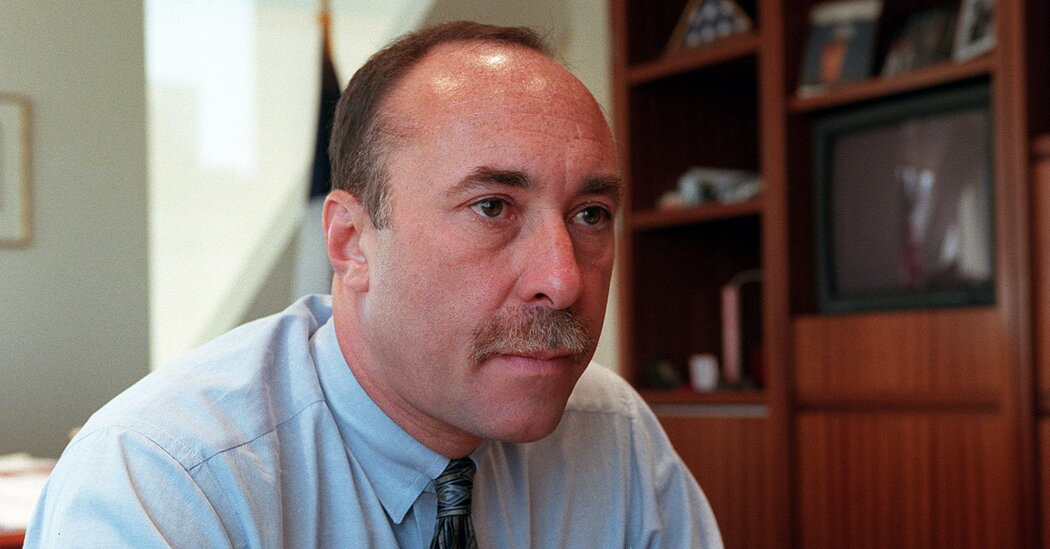
Jerome Hauer, 71, Manager of Catastrophes and Other Crises, Dies

Working for New York City, New York State and the U.S. government, he made career of preparing for the worst and then dealing with it, from 9/11 to hurricanes.Jerome M. Hauer, who as the first director of the mayor’s Office of Emergency Management oversaw New York City’s response to floods, manhole explosions, mold outbreaks, building collapses, water main breaks, blackouts, hurricanes, sink holes, downed trees, terrorist threats, vermin and the uncertain digital impact on computer networks of Y2K, the turn of the millennium, died on Aug. 11 at his home in Alexandria, Va. He was 71.The cause was prostate cancer, his wife, Traci L. Hauer, said.Working under Mayor Rudolph W. Giuliani from 1996 to 2000, Mr. Hauer “won widespread cooperation” from other city agencies and from the state and federal governments, the urban historian Fred Siegel wrote in “The Prince of the City: Giuliani, New York and the Genius of American Life,” published in 2005. He was “a big, plain-spoken and knowledgeable man,” added Mr. Siegel, who died in May.Mr. Hauer developed an early and comprehensive response to the threat of a bioterrorism attack and to the proliferation of the West Nile virus in the city, rallying relevant agencies to the cause. He later took what he had learned working for the city and applied it to emergency and risk management jobs for New York State and for the federal government, both during and after major crises, including the terrorist attack on the World Trade Center on Sept. 11, 2001, the subsequent anthrax threat and Hurricane Sandy in 2012.“He was a unicorn, a truly singular individual, a man for crises in all seasons,” said William J. Bratton, who as New York’s police commissioner worked with Mr. Brauer in city government.As part of his job for the city, Mr. Hauer worked to integrate the Police and Fire Departments and other agencies, long at odds with one another, into a harmonic army of emergency medical workers.“Hauer brought an energy to the role, molding a team of a dozen cops, E.M.T.s and firefighters into an elite group of crisis managers,” said Joseph J. Lhota, a deputy mayor under Mr. Giuliani.But Mr. Hauer struggled mightily in trying to coordinate seamless emergency response efforts. He was often stymied by turf wars and other rivalries unresolved by City Hall.On Sept. 11, 2001, for example, after he had left city government and was working for the federal government, many hand-held radios equipped for frequencies that would have allowed the police and firefighters to communicate with one another other at the World Trade Center site had not been distributed.Mr. Hauer had left his city office in February 2000, the year after he oversaw the opening of a $13 million emergency command center on the 23rd floor of 7 World Trade Center, which was hailed by many of his state and federal counterparts in emergency preparedness. But critics questioned why the center was sited across the street from a 1993 terrorist bombing in another Trade Center building. The command center was destroyed when the building collapsed, along with the Trade Center’s North and South Towers, on 9/11.In response to the criticism, Mr. Hauer later produced a memo from 1996 in which he had recommended a Downtown Brooklyn location as a “good alternative” for the command center. But that idea, he said, was overruled by the mayor, who wanted the center to be within walking distance of City Hall. Mr. Giuliani said Mr. Hauer had signed off on the ultimate decision.Mr. Hauer in 1999 inside New York City’s $13 million emergency command center on a high floor of 7 World Trade Center in Lower Manhattan. He oversaw its construction. It was later destroyed on 9/11.Don Hogan Charles/The New York TimesJerome Maurice Hauer was born on Oct. 31, 1951, in Manhattan at Beth Israel Hospital, where his mother, Rose (Muscatine) Hauer, was vice president for nursing and dean emerita of the Phillips Beth Israel School of Nursing. His father, Milton G. Hauer, was vice president of Williams & Company, a real estate firm.Jerome Hauer earned a Bachelor of Arts degree from New York University in 1975 and a master’s in emergency medical services from the Johns Hopkins University School of Hygiene and Public Health (now the Johns Hopkins Bloomberg School of Public Health) in Baltimore. As a graduate student there he developed a technique for returning blood to patients after cardiac and trauma surgery.He was a captain in the Army Reserves Medical Services Corps and received a doctorate from Cranfield University’s Defence Academy in Britain.He was a deputy director of New York City’s Emergency Medical Services from 1984 to 1986; managed an emergency response program for IBM.; directed Indiana’s Emergency Management Agency from 1989 to 1995; and, from 2001 to 2002, was senior adviser to the secretary for national security of the U.S. Department of Health and Human Services, where he dealt with the aftermath of 9/11 and the anthrax attacks.As the first acting assistant secretary in the department’s Office of Public Health Emergency Preparedness from 2002 to 2004, Mr. Lauer was charged with coordinating the country’s readiness for medical and public health emergencies — including acts of biological, chemical and nuclear terrorism — and its responses to them.From 2011 to 2014, he was New York State’s commissioner of the Division of Homeland Security and Emergency Services.He was also a senior adviser at Teneo and chief executive of the Hauer Group, both consulting firms. He worked alongside Mr. Bratton at Teneo.In addition to his wife, he is survived by a son, Michael, from a previous marriage, to Glenda Reed, which ended in divorce; and a sister, Deborah Hauer Schwartz.Mr. Hauer made it a point not to inure himself to disasters. At the sites of some catastrophes, he would sift through piles of rubble for a brick or other remnant, then bring it back to his office as a solemn reminder that his mission was to prepare for the worst in a world of what-ifs.

Read more →

Cell therapy that repairs cornea damage with patient's own stem cells achieves positive phase I trial results

A team led by researchers from Mass Eye and Ear, a member of Mass General Brigham, reports the results of a phase I trial of a revolutionary stem cell treatment called cultivated autologous limbal epithelial cell transplantation (CALEC), which was found to be safe and well-tolerated over the short term in four patients with significant chemical burns in one eye. According to the study published August 18 in Science Advances, the patients who were followed for 12 months experienced restored cornea surfaces — two were able to undergo a corneal transplant and two reported significant improvements in vision without additional treatment.
While the phase I study was designed to determine preliminary safety and feasibility before advancing to a second phase of the trial, the researchers consider the early findings promising.
“Our early results suggest that CALEC might offer hope to patients who had been left with untreatable vision loss and pain associated with major cornea injuries,” said principal investigator and lead study author Ula Jurkunas, MD, associate director of the Cornea Service at Mass Eye and Ear and an associate professor of ophthalmology at Harvard Medical School. “Cornea specialists have been hindered by a lack of treatment options with a high safety profile to help our patients with chemical burns and injuries that render them unable to get an artificial cornea transplant. We are hopeful with further study, CALEC can one day fill this crucially needed treatment gap.”
In CALEC, stem cells from a patient’s healthy eye are removed via a small biopsy and then expanded and grown on a graft via an innovative manufacturing process at the Connell and O’Reilly Families Cell Manipulation Core Facility at Dana-Farber Cancer Institute. After two to three weeks, the CALEC graft is sent back to Mass Eye and Ear and transplanted into the eye with corneal damage.
The CALEC project is a collaboration between Jurkunas and colleagues in the Cornea Service at Mass Eye and Ear, researchers at Dana-Farber Cancer Institute, led by Jerome Ritz, MD, Boston Children’s Hospital, led by Myriam Armant, PhD, and the JAEB Center for Health Research. The clinical trial represents the first human study of a stem cell therapy to be funded by the National Eye Institute (NEI), a part of the National Institutes of Health (NIH).
Expanding one’s own stem cells to address limitations in existing treatments
People who experience chemical burns and other eye injuries may develop limbal stem cell deficiency, an irreversible loss of cells on the tissue surrounding the cornea. These patients experience permanent vision loss, pain and discomfort in the affected eye. Without limbal cells and a healthy eye surface, patients are unable to undergo artificial cornea transplants, the current standard of vision rehabilitation.

Read more →

Caution: Living alone puts people with cognitive decline at risk

An estimated 1 in 4 older Americans with dementia or mild cognitive impairment lives alone and is at risk of practices like unsafe driving, wandering outside the home, mixing up medications and failing to attend medical appointments.
In a study publishing in JAMA Network Open on Aug. 18, 2023, researchers led by UC San Francisco concluded that the United States health system is poorly equipped to serve patients living solo with cognitive decline, a group whose numbers are predicted to swell as the population ages.
For these patients, living alone is a social determinant of health with an impact as profound as poverty, racism and low education, said first author Elena Portacolone, PhD, MBA, MPH, of the UCSF Institute for Health and Aging and the Philip R. Lee Institute for Health Policy Studies.
In this qualitative study, researchers interviewed 76 health care providers, including physicians, nurses, social workers, case workers, home care aides and others. Participants worked in memory clinics, home care services and social services and other places in California, Michigan and Texas
The providers raised concerns about patients missing medical appointments, failing to respond to follow-up phone calls from the doctor’s office and forgetting why appointments were made, leaving them vulnerable to falling off the radar. “We don’t necessarily have the staff to really try to reach out to them,” said a physician in one interview.
Discharging a patient is like ‘sending a kid out to play on freeway’
Some patients could not assist their doctor with missing information on their chart, leaving the providers uncertain about the pace of their patient’s decline. Many had no names listed as emergency contacts, “not a family member, not even a friend to rely on in case of a crisis,” according to a case manager.

Read more →

Scientists develop efficient spray technique for bioactive materials

Rutgers scientists have devised a highly accurate method for creating coatings of biologically active materials for a variety of medical products. Such a technique could pave the way for a new era of transdermal medication, including shot-free vaccinations, the researchers said.
Writing in Nature Communications, researchers described a new approach to electrospray deposition, an industrial spray-coating process. Essentially, Rutgers scientists developed a way to better control the target region within a spray zone as well as the electrical properties of microscopic particles that are being deposited. The greater command of those two properties means that more of the spray is likely to hit its microscopic target.
In electrospray deposition, manufacturers apply a high voltage to a flowing liquid, such as a biopharmaceutical, converting it into fine particles. Each of those droplets evaporates as it travels to a target area, depositing a solid precipitate from the original solution.
“While many people think of electrospray deposition as an efficient method, applying it normally does not work for targets that are smaller than the spray, such as the microneedle arrays in transdermal patches,” said Jonathan Singer, an associate professor in the Department of Mechanical and Aerospace Engineering in the Rutgers School of Engineering and an author on the study. “Present methods only achieve about 40 percent efficiency. However, through advanced engineering techniques we’ve developed, we can achieve efficiencies statistically indistinguishable from 100 percent.”
Coatings are increasingly critical for a variety of medical applications. They are used on medical devices implanted into the body, such as stents, defibrillators and pacemakers. And they are beginning to be used more frequently in new products employing biologicals, such as transdermal patches.
Advanced biological or “bioactive” materials — such as drugs and vaccines — can be costly to produce, especially if any of the material is wasted, which can greatly limit whether a patient can receive a given treatment.
“We were looking to evaluate if electrospray deposition, which is a well-established method for analytical chemistry, could be made into an efficient approach to create biomedically active coatings,” Singer said.

Read more →