
Women’s healthcare chronically underfunded, says Melinda French Gates

The billionaire philanthropist is donating $50m to research the issue, as part of a larger $1bn pledge.
Read more →
The billionaire philanthropist is donating $50m to research the issue, as part of a larger $1bn pledge.
Read more →
Dr Chi Eziefula, a menstrual health expert, explains which mammals menstruate – and how their cycles differ from other animals.
Read more →
31 minutes agoShareSaveSmitha MundasadHealth reporterShareSaveGetty ImagesBoth NHS and private fertility clinics must stop offering unproven treatments that don’t help people have children, new official guidelines say. The draft guidance advises against several popular fertility “add-ons”, including so-called endometrial scratches. These add-ons can “give false hope and put people through unnecessary procedures at an already difficult time”, experts at the National Institute for Health and Care Excellence (NICE) say. They also recommend fertility preservation services such as egg freezing should be more widely available, including to women with severe, recurrent endometriosis.The guideline committee considered a recent survey by the fertility regulator, the Human Fertilisation and Embryology Authority (HFEA), which showed almost three-quarters of people who had had fertility treatment between September and October 2024 had said they were using additional tests or emerging technologies, despite most not being proven to work. And only 37% of those questioned said the risks of any add-ons had been explained. The updated draft guidance specifically advises against: endometrial scratch – where the lining of the womb is “scratched” with a small sterile plastic tube before IVFhysteroscopy – a fine telescope like instrument is used to visualise the womb, as a pre-treatment to improve IVF outcomesThe guidance says patients must be given all the information necessary about treatments, including how likely they are to be successful and the risks and benefits involved. Dr Fergus Macbeth, chair of NICE’s fertility guideline committee, said clinics should focus on proven treatments rather than offering unproven add-ons that may do more harm than good. “People going through fertility treatment are often willing to try anything that might help them conceive. “This makes them vulnerable to being offered treatments that sound promising but haven’t been properly tested. Our recommendations are designed to protect patients and ensure they only receive care that we know works,” he added. The guidance also looks at fertility preservation services (for example freezing eggs, embryos or sperm) which are currently mostly offered to people with cancer. The updated draft suggests these treatments should also be offered people with medical conditions or undergoing treatment that can impair their fertility. This includes women with severe recurrent endometriosis, people who have had surgery that can affect their reproductive organs and those with genetic or metabolic conditions that may affect their chances of having a baby. People who feel they may benefit should have discuss the options available with healthcare professionals, NICE says. The updated guidelines also consider who should be offered IVF.NICE’s committee found stronger evidence than has previously been available that three full cycles of IVF give couples a good chance of a baby, and that the treatment represents good value for the NHS.NICE recommends: three full cycles of IVF for women under 40 if they have fertility problems and meet certain criteriaone full cycle of IVF for women aged 40 and 41 if they have fertility problems and meet certain criteriaWhile NICE provides recommendations on this, funding decisions are taken locally by organisations called integrated care boards.NICE’s chief medical officer, Prof Jonathan Benger, said: “We recognise the NHS faces significant financial challenges and integrated care boards must weigh up local priorities when determining how many IVF cycles to fund.”The draft guidelines for England, Wales and Northern Ireland are open for public consultation until Tuesday 21 October and the final recommendations will be published in 2026.
Read more →
Analytical chemists from Stellenbosch University (SU) have provided the first evidence of a rare class of phenolics, called flavoalkaloids, in Cannabis leaves.
Phenolic compounds, especially flavonoids, are well-known and sought after in the pharmaceutical industry because of their antioxidant, anti-inflammatory, and anti-carcinogenic properties.
The researchers identified 79 phenolic compounds in three strains of Cannabis grown commercially in South Africa, of which 25 were reported for the first time in Cannabis. Sixteen of these compounds were tentatively identified as flavoalkaloids. Interestingly, the flavoalkaloids were mainly found in the leaves of only one of the strains. The results were published in the Journal of Chromatography A recently.
Dr Magriet Muller, an analytical chemist in the LC-MS laboratory of the Central Analytical Facility (CAF) at Stellenbosch University and first author on the paper, says the analysis of plant phenolics is challenging due to their low concentration and extreme structural diversity.
“Most plants contain highly complex mixtures of phenolic compounds, and while flavonoids occur widely in the plant kingdom, the flavoalkaloids are very rare in nature,” she explains.
“We know that Cannabis is extremely complex – it contains more than 750 metabolites – but we did not expect such high variation in phenolic profiles between only three strains, nor to detect so many compounds for the first time in the species. Especially the first evidence of flavoalkaloids in Cannabis was very exciting.”
For her postgraduate studies in SU’s Department of Chemistry and Polymer Science, she developed powerful analytical methods combining comprehensive two-dimensional liquid chromatography and high-resolution mass spectrometry for the detailed characterisation of phenolic compounds.
“We were looking for a new application for the methods that I developed, after successfully testing them on rooibos tea, grapes and wine. I then decided to apply the methods to Cannabis because I knew it was a complex sample, and that Cannabis phenolics have not been well characterised,” she explains.
According to Prof. André de Villiers, her study leader and main author on the paper, he was blown away by the chromatographic results that Muller obtained: “The excellent performance of two-dimensional liquid chromatography allowed separation of the flavoalkaloids from the much more abundant flavonoids, which is why we were able to detect these rare compounds for the first time in Cannabis.” He leads the analytical chemistry research group in SU’s Department of Chemistry and Polymer Science.
Prof. De Villiers says it is obvious there is still much to gain from studying Cannabis, as the bulk of research in this field to date has been focused on the pharmacological properties of the mood-effecting cannabinoids.
“Our analysis again highlights the medicinal potential of Cannabis plant material, currently regarded as waste. Cannabis exhibits a rich and unique non-cannabinoid phenolic profile, which could be relevant from a biomedical research perspective,” he concludes.
“You don’t die as a human being, you live on with others,” Rosen told Saturday Live.
Read more →
Although metformin has been the go-to medication to manage type 2 diabetes for more than 60 years, researchers still do not have a complete picture of how it works. Scientists at Baylor College of Medicine and international collaborators have discovered a previously unrecognized new player mediating clinically relevant effects of metformin: the brain. By uncovering a brain pathway involved in metformin’s anti-diabetic action, researchers have discovered new possibilities for treating diabetes more effectively and precisely. The study appeared in Science Advances.
“It’s been widely accepted that metformin lowers blood glucose primarily by reducing glucose output in the liver. Other studies have found that it acts through the gut,” said corresponding author Dr. Makoto Fukuda, associate professor of pediatrics – nutrition at Baylor. “We looked into the brain as it is widely recognized as a key regulator of whole-body glucose metabolism. We investigated whether and how the brain contributes to the anti-diabetic effects of metformin.”
The team focused on a small protein called Rap1, found in a specific part of the brain known as the ventromedial hypothalamus (VMH). The researchers discovered that metformin’s ability to lower blood sugar at clinically relevant doses depends on turning off Rap1 in this brain region.
To test this, the Fukuda lab and his colleagues used genetically modified mice that lacked Rap1 in their VMH. These mice were fed a high-fat diet to mimic type 2 diabetes. When given low doses of metformin, the drug failed to lower their blood sugar. However, other diabetes medications like insulin and GLP-1 agonists still worked.
To further show that the brain is a key player, the researchers injected tiny amounts of metformin directly into the brains of diabetic mice. The result was a significant drop in blood sugar, even with doses thousands of times smaller than what’s typically given by mouth.
“We also investigated which cells in the VMH were involved in mediating metformin’s effects,” Fukuda said. “We found that SF1 neurons are activated when metformin is introduced into the brain, suggesting they’re directly involved in the drug’s action.”
Using brain slices, the scientists recorded the electrical activity of these neurons. Metformin made most of them more active, but only if Rap1 was present. In mice lacking Rap1 in these neurons, metformin had no effect, showing that Rap1 is essential for metformin to “switch on” these brain cells and lower blood sugar.
“This discovery changes how we think about metformin,” Fukuda said. “It’s not just working in the liver or the gut, it’s also acting in the brain. We found that while the liver and intestines need high concentrations of the drug to respond, the brain reacts to much lower levels.”
Although few anti-diabetic drugs act on the brain, this study shows that widely used metformin has been doing so all along. “These findings open the door to developing new diabetes treatments that directly target this pathway in the brain,” Fukuda said. “In addition, metformin is known for other health benefits, such as slowing brain aging. We plan to investigate whether this same brain Rap1 signaling is responsible for other well-documented effects of the drug on the brain.”
Other contributors to this work include Hsiao-Yun Lin, Weisheng Lu, Yanlin He, Yukiko Fu, Kentaro Kaneko, Peimeng Huang, Ana B De la Puente-Gomez, Chunmei Wang, Yongjie Yang, Feng Li and Yong Xu. The authors are affiliated with one or more of the following institutions: Baylor College of Medicine, Louisiana State University, Nagoya University – Japan and Meiji University – Japan.
This work was supported by grants from: National Institutes of Health (R01DK136627, R01DK121970, R01DK093587, R01DK101379, P30-DK079638, R01DK104901, R01DK126655), USDA/ARS (6250-51000-055), American Heart Association (14BGIA20460080, 15POST22500012) and American Diabetes Association (1-17-PDF-138). Further support was provided by the Uehara Memorial Foundation, Takeda Science Foundation, Japan Foundation for Applied Enzymology and the NMR and Drug Metabolism Core at Baylor College of Medicine.

A third of children under five are living in UK homes where this is not enough access to healthy and nutritious food, according to anti-poverty charity Trussell Trust.Surveys by the charity found more than 14 million people in the UK faced the prospect of going hungry last year due to the lack of money.This marks an increase from the trust’s last survey in 2022 when that number was 11.6 million people.This Government said it is “determined to tackle the unacceptable rise in food bank dependence”.The survey was conducted in two parts, the first by Ipsos (a market research organisation) on behalf of the charity, who sent questionnaires to 4,427 random adults.A second survey was also conducted by Ipsos, this time with 3,866 adults who had been referred to food banks.There were also interviews conducted with people who had and hadn’t visited food banks but were identified as facing “food insecurity”.Food insecurity is defined by the Evidence and Network on UK Household Food insecurity (ENUF) as the lack of money to ensure reliable and constant access to food that meets dietary and nutritional needs.ENUF says it can be “acute, transitory, or chronic”, and ranges in severity from “worry about not being able to secure enough food to going whole days without eating”.Figures suggest that three in 10 of the people that have been referred to food banks come from working households, with one in four children in the UK living in what the charity refers to as food insecure households.Helen Barnard, at Trussell Trust, said she had been told parents were “losing sleep, worrying about how they will pay for new shoes, school trips, keep the lights on or afford the bus fare to work”.She added: “We have already created a generation of children who’ve never known life without food banks. That must change”.Ms Barnard called on the government to address the results of the survey, referencing Prime Minister Keir Starmer’s manifesto pledge to tackle poverty and end the need for food banks.A Department for Work and Pensions spokesperson told the BBC: “In addition to extending free school meals and ensuring the poorest children don’t go hungry in the holidays with £1billion to reform crisis support, our child poverty taskforce will publish an ambitious strategy later this year.”We are also overhauling job centres and reforming the broken welfare system to support people into good, secure jobs, while always protecting those who need it most.”Other findings from the survey of those accessing food banks included an increase in the number of people from working households – up from a quarter of households in 2022 to a third in 2024.Those in manual and service jobs were the worst affected, with care workers and bus drivers highlighted as some of the working people most at risk of going hungry.Trussell Trust said low incomes were the main cause of hungry households in the UK.The survey of people referred to food banks revealed that households who accessed them would be left with an average of £104 a week to pay for food, bills, work or school travel and essential toiletries.This worked out to 17% of what the average UK household would have left after rent or mortgage payments.
Read more →
A healthy diet can slow down the accumulation of chronic diseases in older adults, while inflammatory diets accelerate it. This is shown by a new study from Karolinska Institutet published in Nature Aging.
Researchers have investigated how four different diets affect the accumulation of chronic diseases in older adults. Three of the diets studied were healthy and focused on the intake of vegetables, fruit, whole grains, nuts, legumes, unsaturated fats and reduced intake of sweets, red meat, processed meat and butter/margarine. The fourth diet, however, was pro-inflammatory and focused on red and processed meat, refined grains and sweetened beverages, with lower intake of vegetables, tea and coffee
Just over 2,400 older adults in Sweden were followed for 15 years. The researchers discovered that those who followed the healthy diets had a slower development of chronic diseases. This applied to cardiovascular disease and dementia, but not to diseases related to muscles and bones. Those who followed the pro-inflammatory diet, on the other hand, increased their risk of chronic diseases.
“Our results show how important diet is in influencing the development of multimorbidity in aging populations,” says co-first author Adrián Carballo-Casla, postdoctoral researcher at the Aging Research Centre, Department of Neurobiology, Care Sciences and Society, Karolinska Institutet.
The next step in their research is to identify the dietary recommendations that may have the greatest impact on longevity and the groups of older adults who may benefit most from them, based on their age, gender, psychosocial background and chronic diseases.
The study was funded by the Swedish Research Council (VR) and the Swedish Research Council for Health, Working Life and Welfare, FORTE, among others. The researchers state that there are no conflicts of interest.
Facts about the diets:
MIND (Mediterranean-DASH Intervention for Neurodegenerative Delay): A diet designed for brain health and to reduce the risk of dementia.
AHEI (Alternative Healthy Eating Index): A diet that measures adherence to dietary guidelines that reduce the risk of chronic diseases in general.
AMED (Alternative Mediterranean Diet): A modified version of the Mediterranean diet adapted to Western eating habits.
EDII (Empirical Dietary Inflammatory Index): An index that estimates the inflammatory risks of a diet.
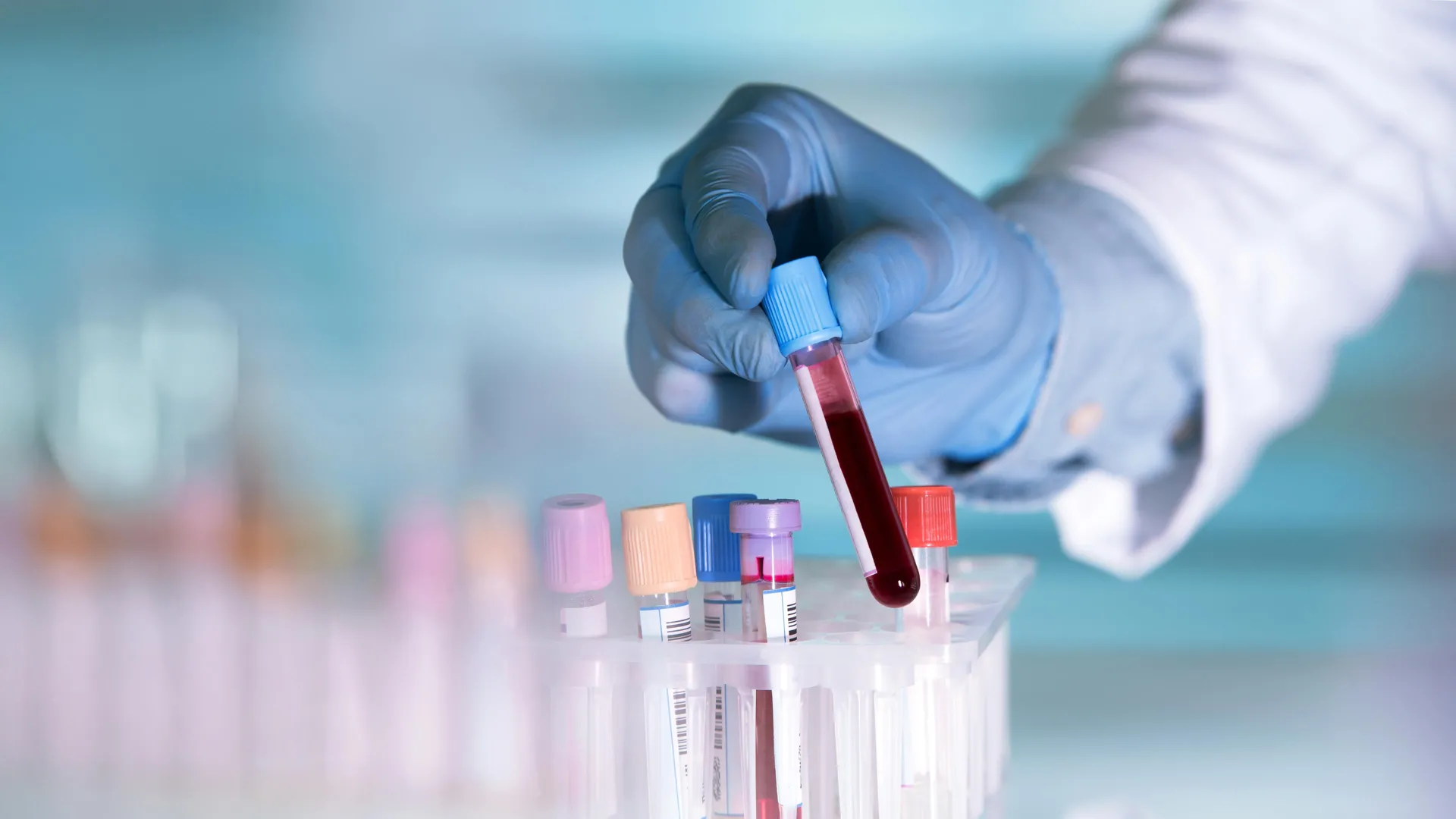
In a landmark study of Hispanic and Latino adults, researchers at University of California San Diego School of Medicine have identified a link between self-reported cognitive decline and blood-based biomarkers, which could pave the way for a simple blood test to help diagnose Alzheimer’s disease and related dementias. This approach could be faster, less-invasive and more affordable than existing screening tools. The results are published in JAMA Network Open.
“We need ways to identify underlying neurodegenerative diseases earlier in patients with cognitive symptoms,” said corresponding author Freddie Márquez, Ph.D., a postdoctoral scholar in the Department of Neurosciences at UC San Diego School of Medicine. “This study highlights the promise of blood-based biomarkers as a more accessible and scalable tool for understanding cognitive decline, particularly in populations that have been underserved by traditional methods.”
There is currently only one blood test approved by the Food and Drug Administration to assist in diagnosing Alzheimer’s disease. While this test, the Lumipulse G pTau217/Aβ42 plasma ratio, can detect proteins associated with Alzheimer’s in the blood, it is currently very expensive and only available in specialized care settings. Whether or not blood can be reliably used for early Alzheimer’s detection on a larger scale is still unknown.
To help answer this question, the researchers used data from the Study of Latinos-Investigation of Neurocognitive Aging. This clinical study assessed neurocognition in a subset of participants from the Hispanic Community Health Study/Study of Latinos, the largest, most comprehensive long-term study of Hispanic and Latino health and disease in the United States.
“Hispanic and Latino adults are thought to be more likely to get Alzheimer’s and related dementias, and this group is projected to have the largest increases in disease prevalence over the coming decades,” said senior author Hector M. González, Ph.D., professor in the Department of Neurosciences at UC San Diego School of Medicine. “Despite this, they’re still significantly underrepresented in Alzheimer’s and dementia research, which is something our study aimed to address.”
The researchers tested the blood of 5,712 Hispanic and/or Latino adults between the ages of 50 and 86, looking for proteins that are present in the brain in people with Alzheimer’s disease, such as amyloid beta and tau proteins. They also assessed participants for subjective cognitive decline, which refers to a decline in cognitive status that the individual themself perceives.
The researchers found: Higher blood levels of NfL (nerve cell injury marker) and GFAP (brain inflammation marker) were associated with more self-reported declines in thinking, planning and overall cognitive performance. Higher blood levels of NfL and tau protein (ptau-181) were also associated with more self-reported declines in memory. Blood levels of amyloid-beta protein (Aβ42/40), a protein well-known to be associated with Alzheimer’s disease in the brain, showed no associations with subjective cognitive decline. Even in cognitively healthy individuals, associations between NfL and self-reported declines in cognitive performance remained, suggesting that NfL may be detecting early changes in cognition.In addition to providing evidence that blood-based biomarkers can be used to detect Alzheimer’s and related dementias early, the researchers also note that a strength of their study is its diverse population.
“By including participants from underrepresented communities, we’re able to better understand how social determinants of health and comorbidities may influence cognitive trajectories and dementia risk,” added Márquez. “This makes our findings especially relevant for real-world settings.”
However, the researchers also caution that it will take further research for this approach to make its way into widespread clinical practice, and that even when this happens, the test will still be just one tool in a clinician’s diagnostic arsenal.
It’s important to note that there’s still a lot we don’t know about the utility of blood-based biomarkers for Alzheimer’s detection,” said Márquez. “These tests have tremendous potential, but they should complement existing approaches, not replace them.”
Additional coauthors of the study include Kevin Gonzalez, Deisha F. Valencia and Natasha Z. Anita at UC San Diego, Wassim Tarraf at Wayne State University, Ariana M. Stickel and Linda C. Gallo at San Diego State University, Daniela Sotres-Alvarez and Haibo Zhou at University of North Carolina at Chapel Hill, Bonnie E. Levin and Zachary T. Goodman at University of Miami, Michael A. Yassa at UC Irvine, Martha Daviglus and Amber Pirzada at University of Illinois at Chicago and Bharat Thyagarajan at University of Minnesota.
This study was funded, in part, by grants from the National Institute on Aging (R01AG075758). The Hispanic Community Health Study/Study of Latinos (HCHS/SOL) is a collaborative study supported by contracts from the NHLBI to the University of North Carolina (grant Nos. HHSN268201300001I/N01-HC-65233), University of Miami (grant Nos. HHSN268201300004I/N01-HC-65234), Albert Einstein College of Medicine (grant Nos. HHSN268201300002I/N01-HC-65235), University of Illinois at Chicago (grant Nos. HHSN268201300003I/N01- HC-65236 Northwestern University), and San Diego State University (grant Nos. HHSN268201300005I/N01-HC-65237).

Women taking popular weight-loss medications during their reproductive years may be unaware of associated risks to pregnancy and unborn babies, warn Flinders University researchers.
A new study has revealed that most Australian women of reproductive age prescribed GLP-1 receptor agonists — medications increasingly used for weight loss such as Ozempic — are not using effective contraception, despite known risks during pregnancy.
Published in the Medical Journal of Australia, the research analyzed data from over 1.6 million women aged 18 to 49 who attended general practices between 2011 and 2022. Of the 18,010 women who were first prescribed GLP-1 receptor agonists during that time, only 21% had reported using contraception.
Originally developed to manage type 2 diabetes, GLP-1 receptor agonists have gained popularity for their appetite-suppressing and weight-loss effects, with the study finding that most prescriptions are now issued to women without diabetes.
Lead author and pharmacist, Associate Professor Luke Grzeskowiak, says that in 2022 alone, more than 6,000 women began treatment on GLP-1s, and over 90% of those did not have a diabetes diagnosis.
“We’re seeing widespread use of these medications among women of childbearing age, but very little evidence that contraception is being considered as part of routine care,” says Associate Professor Grzeskowiak from the College of Medicine and Public Health.
“These medications can be incredibly helpful, but they’re not risk-free, especially during pregnancy.”
The study found that 2.2% of women became pregnant within six months of starting GLP-1 treatment with pregnancy rates highest among younger women with diabetes, and among women without diabetes in their early thirties.
Women with polycystic ovary syndrome were twice as likely to conceive, suggesting that weight loss may improve fertility, even when unintended.
Importantly, women who were using contraception at the time of prescribing had a significantly lower risk of pregnancy.
A previous review of animal studies from the University of Amsterdam linked GLP-1 exposure during pregnancy to reduced fetal growth and skeletal abnormalities, and while human data is limited, the potential risks remain concerning.
“Whilst the UK advises that women using GLP-1 receptor agonists should avoid pregnancy and use effective contraception, this advice is not being followed consistently in Australian clinical practice,” says Associate Professor Grzeskowiak.
“We need to ensure that reproductive health is part of every conversation when these drugs are prescribed to any women of childbearing age.
“It is also vitally important that we have clearer practice recommendations and guidelines for those prescribing GLP-1s to women to ensure their safe and effective use.
“Our advice is to speak to your GP about the risks and benefits of GLP-1 medicines before taking them, and only take those prescribed by a healthcare professional.”
The authors say that further studies evaluating the impact of these medications on pregnancy and unborn babies are warranted.
Acknowledgements: Luke Grzeskowiak receives salary support from a Channel 7 Children’s Research Foundation Fellowship (CRF-210323). We also acknowledge the contributions of members of the SPHERE Centre of Research Excellence in Women’s Sexual and Reproductive Health in Primary Care (SPHERE 2.0 CRE), which is funded by the National Health and Medical Research Council (APP2024717).