Unveiling the mechanism of 3D folding of cell sheets

The artist in nature creates wonders of geometric patterns, as can be seen in the wings of Drosophila fruit flies just after emerging from their pupal case, which is known as eclosion. They meticulously fold into stereotypic shapes, just like in the paper-folding art of origami, invented from humanity’s innate sense of spatial awareness.
Yet, no human intervention is required when the wings fold themselves with uncanny precision according to nature’s complex blueprint.
Now, a team of researchers at Kyoto University has revealed that the Dumpy protein, a component of extracellular matrices — or ECM — is the key factor in regulating the stereotypic origami-like folding of wing-cell sheets.
“Our findings are unique because they unveil how external cues can create consistent 3D tissue structures,” says first author Alice Tsuboi of KyotoU’s Graduate School of Biostudies.
According to conventional views of morphogenesis, coordinated cell behaviors, like cell division and cell shape changes, are responsible for shaping cell sheets and creating folds, such as mountain-valley patterns. Researchers may naturally assume that wing folding is controlled by these cell behaviors.
“It turns out, however, that wing cells never divide during folding nor do they exhibit spatially distinct behaviors,” adds Tsuboi.
These unexpected findings led Tsuboi’s team to investigate whether external factors might control the folding pattern. Using genetics and protein visualization techniques, the team found that Dumpy, a fibrous ECM protein, mediates the adhesion of cell sheets to their surroundings.
Additionally, the spatial and temporal regulation of Dumpy deposition and destruction ensures the stereotypic folding of the wing.
“During a casual walk, I stumbled upon the eclosion of a cicada, which triggered my interest in the morphogenic mechanisms involved,” reflects Tsuboi, who saw an opportunity to examine whether an ECM-based mechanism may be a means to manufacturing diverse and controllable 3D tissue folding with coordinated cell behaviors.”
“We believe that the next step is in examining how tissues encode positional information in ECM remodeling, which may provide new insight into organ development and regeneration,” adds Tsuboi.

Read more →

Encouraging new prospects for the treatment of consciousness disorders

An international study led by the Coma Science Group of the University of Liège (BE) and involving more than ten institutions has tested transcranial direct current stimulation (tDCS) on a large number of patients suffering from consciousness disorders following severe brain injury. These results represent a significant advance in how we care for these patients and will enable us to refine the therapeutic strategies to implement. This study is published in the European Journal of Neurology.
Treating patients with impaired consciousness following severe brain injury is a significant challenge for healthcare professionals, relatives and all stakeholders. Given the rarity of this condition, conducting large-scale clinical trials is highly complex. Dr. Aurore Thibaut, FNRS Research associate and co-director of the Coma Science Group, is familiar with the problem. “Evidence-based treatment options to promote the recovery of sub-acute and chronic disorders of consciousness remain extremely limited. As a result, care teams face serious challenges, and patients’ relatives are left uncertain about how to care for their loved ones. There is a crying need for large-scale, comprehensive multicentre studies to address these concerns.”
For more than ten years, the Coma Science Group at the University of Liège has been exploring a non-invasive brain stimulation technique: transcranial direct current stimulation (tDCS). Initial work has shown that tDCS can improve the behavioural responses observed at the bedside of specific patients. TDCS promotes brain plasticity by modulating the excitability of neurons with low electrical currents. This method, which is simple to use and safe, is particularly suitable for patients suffering from post-coma consciousness disorders in hospitals and at home.
Unlike previous single-centre studies involving small samples, a new GIGA-led study collected data from 62 patients from ten centres in five countries (Belgium, Germany, Italy, Russia and Spain). tDCS was administered in rehabilitation centres for four consecutive weeks, and its effects were measured using the Coma Recovery Scale-Revised for up to three months after the intervention,” explains Aurore Thibaut. Although no overall beneficial effect was observed during the treatment phase, specific subgroups of patients responded at the three-month follow-up and showed a significant improvement in their behavioural responses compared with the control group.” Patients in a minimally conscious state, as opposed to a non-responsive state, and those with traumatic — rather than anoxic or vascular — brain injury were able to benefit from the technique. However, clinical improvements are limited and often transient, which means that this tool cannot be considered a revolutionary treatment.
“These promising results represent a major advance in how we consider and treat these patients,” enthuses Dr Géraldine Martens, FNRS research fellow at the Coma Science Group. We must move beyond the generic term ‘patients with disorders of consciousness’ and embrace the complex nuances within this population, integrating diagnosis and aetiology as determining factors in refining our therapeutic strategies.
Conducting this type of multicentre trial involves a series of challenges: ethical regulations, data sharing, protocol adherence and data quality, among others. We are impressed and grateful for the power of this teamwork,” concludes Dr Nicolas Lejeune, FNRS postdoctoral fellow at the Coma Science Group. We brought together clinicians and researchers from diverse backgrounds working in different healthcare contexts and adhered rigorously to a strict protocol, providing robust evidence. This success offers hope for future ambitious clinical trials.

Read more →

'Super-enhancer' super-charges pancreatic tumor growth

Salk scientists identified new set of molecules that drive the growth of human pancreatic cancer cell lines, explaining how genetic mutations can activate genetic “super-enhancers” that promote out-of-control pancreatic cancer growth. They show the efficacy of an experimental drug that targets a super-enhancer related protein, demonstrating the promise of therapeutics that block the effects of super-enhancers.
Pancreatic cancers are among the most aggressive, deadly tumor types and, for years, researchers have struggled to develop effective drugs against the tumors. Now, Salk researchers have identified a new set of molecules that fuel the growth of tumors in pancreatic ductal adenocarcinoma (PDAC), the most common type of pancreatic cancer.
The new research, published in Nature Communications on September 6, 2023, explains how certain gene mutations trigger out-of-control growth in pancreatic cancer by activating a “super-enhancer” that turns on other genes. It also showed the effectiveness of a new drug that put the brakes on pancreatic cancer growth by blocking the effects of that super-enhancer.
“This is the first time anyone has looked in such detail at the role of super-enhancers in pancreatic cancer,” says senior author and Salk Professor Ronald Evans, director of Salk’s Gene Expression Laboratory. “The discovery of this super-enhancer gives us both basic insight into PDAC and a new way to think of therapies.”
Enhancers are regions of DNA that, when bound by proteins, boost the expression of genes. This results in higher levels of those genes’ protein products. Super-enhancers are the most active type of enhancer, and they can be identified by their unique molecular tags. Because super-enhancers can simultaneously and powerfully activate many genes, they can rapidly change the state of a cell, switching on cellular programs to encourage rapid growth or change the cell’s identity, for instance.
In the new work, Evans’ team analyzed 16 different human pancreatic cancer cell lines and identified hundreds of different super-enhancers. They pinpointed one, associated with the gene hnRNPF, that was far more active in pancreatic cancer cells than healthy cells. Then, through a series of experiments, the group showed how hnRNPF sets off a cascade of events leading to an increase in the amounts of overall proteins cells were producing.
“It’s well-established that cancer cells upregulate protein production in order to fuel their rapid growth,” says first author Corina Antal, an assistant professor of pharmacology at UC San Diego School of Medicine who led the work as a postdoctoral researcher in Evans’ lab. “We have now identified how cells regulate this process at the super-enhancer level.”
The researchers went on to demonstrate that, by deleting the super-enhancer or the hnRNPF gene in the cell lines, they could slow the growth of pancreatic cancer cells by more than 80 percent.

Read more →

Rubber plumbing seals can leak additives into drinking water

As drinking water flows through pipes and into a glass, it runs against the rubber seals inside some plumbing devices. These parts contain additives that contribute to their flexibility and durability, but these potentially harmful compounds can leak into drinking water, according to a small-scale study in ACS’ Environmental Science & Technology Letters. The authors report that the released compounds, which are typically linked to tire pollution, also transformed into other unwanted byproducts.
To enhance rubber’s strength and durability, manufacturers typically mix in additives. Scientists have shown that tire dust can transport these substances, such as 1,3 diphenylguanidine (DPG) and N-(1,3-dimethylbutyl)-N’-phenyl-1,4-benzenediamine (6PPD), into waterways. DPG and 6PPD have also been detected in drinking water samples, though it’s unclear how the compounds got there. In previous research, Shane Snyder and Mauricius Marques dos Santos found that these rubber additives can react with disinfectants in simulated drinking water. Their lab tests generated a variety of chlorinated compounds, some of which could damage DNA. Now, the team wanted to assess whether real-world rubber plumbing fixtures can release DPG and 6PPD and form chlorinated byproducts in drinking water samples.
In this pilot study, the team collected tap water from 20 buildings and detected polymer additives at parts per trillion levels in every sample. The researchers explain that these compounds are not currently regulated, but the measured levels are potentially concerning, based on their previous study’s results from human cell bioassays. And the samples from faucets with aerators contained the highest total amounts. All of the samples contained DPG and one of its chlorinated byproducts, whereas 6PPD and two other chlorine-containing compounds were each found in fewer than five samples. This is the first report of chlorinated DPG byproducts in drinking water, according to the researchers.
To see if these compounds could have come from plumbing fixtures, the team tested rubber O-rings and gaskets from seven commercial devices, including faucet aerators and connection seals. In the experiment, the rings sat in water with or without chlorinated disinfectants for up to two weeks. Most of the seals, except for the silicone-based ones, released DPG and 6PPD additives. Additionally, plumbing pieces sitting in disinfectant-treated water generated chlorinated forms of DPG in amounts that were consistent with those observed in the drinking water samples. Because some of the rubber plumbing seals released DPG and 6PPD, the researchers say that drinking water, as well as tire pollution, could be a route of human exposure to these compounds.
The authors acknowledge funding from the Merlion programme; the French Ministry of Europe and Foreign Affairs; the Nanyang Technological University; the National Research Foundation of Singapore; and the Public Utilities Board, Singapore’s National Water Agency.

Read more →

Researchers to study Alzheimer's disease in marmosets

To reimagine existing preclinical trials for Alzheimer’s disease, University of Pittsburgh School of Medicine neuroscientists created the first non-human primate model of hereditary Alzheimer’s in marmoset monkeys, outlining their approach in Alzheimer’s & Dementia: Translational Research & Clinical Interventions.
Researchers are now working on characterizing and validating genetic, molecular, functional and cognitive features of aging and Alzheimer’s disease in marmosets that harbor mutations in the same gene that is linked to early-onset disease in humans. Scientists hope to accelerate the pace of the drug discovery pipeline and rebuild the foundation for future translational studies while overcoming limitations inherent to existing preclinical models.
“We are ambitious about finding a cure for Alzheimer’s disease,” said senior author Afonso Silva, Ph.D., professor of neurobiology at Pitt. “We are establishing a process for rigorous, minimally invasive standardized testing of the marmoset model of Alzheimer’s disease and openly sharing data.”
Marmoset families are better matched to mimic the genetically diverse human population than a colony of inbred rodents. And because marmosets’ life spans are shorter than those of other non-human primates, researchers can comprehensively study their aging within a relatively short period of time.
If allowed to age naturally, marmosets will spontaneously develop aggregates of toxic amyloid beta and tau indicative of Alzheimer’s-like pathology in the brain. To create marmosets with inheritable predisposition to Alzheimer’s disease, researchers introduced a series of mutations in the PSEN1 gene using the Crispr/Cas9 gene engineering system. These same mutations cause early onset Alzheimer’s disease in humans.
Presenilin-1, the protein encoded by PSEN1, plays a key role in generating amyloid tangles, and, just like human patients, marmosets with a mutation in the PSEN1 gene start developing Alzheimer’s-like pathologies during adolescence.
In establishing the model, the team is applying a bench-to-bedside approach to marmosets as though they were human patients. To characterize and validate the new model, researchers are employing a battery of non-invasive tests, including behavioral studies, longitudinal analysis of blood biomarkers, and regular PET scans to assess brain function and pathological changes in the brain tissue. The tests are designed to map out and compare the aging trajectory between healthy controls and animals genetically predisposed to early-onset Alzheimer’s and correlate progressive changes in the levels of amyloid and tau to changes in cognition.
Researchers also plan to look into other factors that accompany disease progression, including brain-blood barrier permeability, vascular stiffness and metabolism, as well as analyze changes in gene expression profiles over time by regularly sampling skin cells.
“We need new models to understand underlying biological processes behind normal and pathological aging,” said lead and corresponding author Stacey Rizzo, Ph.D., associate professor of neurobiology and deputy director for preclinical research at Pitt’s Aging Institute. “Tracking the animals from birth in a well-controlled way would allow us to hypothesize on how molecular and genetic changes translate to pathophysiological consequences in the brain and devise ways to stop them from getting to the point of no return.”
In 2022, Rizzo and Silva received a five-year, $32.5 million grant from the National Institutes of Health to conduct this project.

Read more →

Pressure in the biliary system leads to tissue changes in the liver

The liver produces bile, which the intestine uses for digestion. For the transport of bile, the liver relies on a network of microscopic tubings, known as bile canaliculi, formed by liver cells called hepatocytes. When the outflow of bile to the intestine is blocked, it collects in the liver and can lead to serious liver disease. Researchers at the Max Planck Institute of Molecular Cell Biology and Genetics (MPI-CBG) in Dresden together with experts from the Carl Gustav Carus University Hospital (UKD) Dresden and Oslo University Hospital in Norway found that high pressure in the bile canaliculi alters the structure of the liver tissue. They found that elevated pressure leads to the obviation of apical bulkheads, structures known to reinforce the canaliculi. Subsequently, bile canaliculi enlarge into liver cell rosettes that are observed in many liver diseases. This study identifies pressure to be a potential common cause of various liver diseases with biliary obstruction and thus contributes to a better understanding of liver diseases.
The research groups led by Marino Zerial, director at the MPI-CBG, and Jochen Hampe at the UKD, in collaboration with colleagues at the Oslo University Hospital, have found initial evidence that bile stasis leads to excess pressure in the microscopic bile canaliculi. Long-term overpressure could damage liver tissue and, consequently, lead to liver diseases such as primary sclerosing cholangitis (PSC) and primary biliary cholangitis (PBC).
Zooming into the bile cancaliculi using high-resolution microscopy, scientists now understand better what happens in the microcirculatory system of the liver tissue when it’s under high pressure. Hepatocytes form transversal connections called “apical bulkheads,” stabilizing the bile canaliculi tubules. But when there’s too much pressure from bile, the stabilizing supporting hepatocytes start to break down. This leads to the widening of the tubes and the formation of new structures called “rosettes.”
For decades, physicians have used liver rosettes as a marker in the diagnosis of cholestatic liver disease to detect these disorders. In these structures, abnormal liver cells arrange like rose petals around a small opening. Such rose-like structure can be identified in tissue samples. Why these structures form, however, was unclear up to today.
Thanks to state-of-the-art fluorescence microscopy techniques, the researchers understood that liver cell rosettes are cross-sections of the bile canaliculi suffering excess pressure due to bile stasis. The scientists have thus solved a mystery about the causes of the formation of these structures, which are considered a distinguishing feature of biliary congestion in liver tissue. This suggests a direct link between increased pressure in the bile canaliculi and cholestatic liver disease and improves our understanding of these diseases.
Carlotta Mayer, the first author of the study, explains, “We see liver cell rosettes already in the early stages of PSC in the tissue. Thus, they are potential diagnostic markers of early stages of PSC and other liver diseases.” The research findings suggest that excess pressure in the bile canaliculi may also play a role in other liver diseases, such as hepatitis. This could open new avenues for research into liver diseases.
“This work is an excellent example of the need for interdisciplinary research bridging medicine and cell biology. We now need to focus on the molecular mechanism of liver rosette formation to open new perspectives for treatment of these diseases,” emphasizes the head of the research group, Prof. Marino Zerial.

Read more →

Review of over 70 years of menopause science highlights research gaps and calls for individualized treatment

Although about half of people go through menopause, less than 15% of them receive effective treatment for their symptoms. Treatment options for people experiencing irritating or severe menopause symptoms are often under researched, and some have questionable efficacy, or cause harmful side effects. In a comprehensive review publishing in the journal Cell on September 6, a team of  menopause experts summarizes what we know about menopause, calls for more research into the timeline and treatment of menopause, and encourages individualized, holistic treatment that addresses both menopausal symptoms and other systemic changes happening in the body.
“The road to menopause is not difficult for all, but for some, symptoms may be severe or even disabling and disruptive to work and family,” write the authors, who are based in Australia, Italy, and the United States. “Recognition that menopause, for most women, is a natural biological event, does not exempt the use of interventions to alleviate symptoms.”
For this review, the researchers looked at over 200 sources across 71 years to synthesize what’s currently known about menopause. The authors note the importance of recognizing that menopause impacts more than just cis women; they elect to use the term “women” in this review to reflect the language and focus of much of the research that currently exists in the field.
Key takeaways from the review include the following: The authors propose a new definition for menopause as “final cessation of ovarian function,” an update to the traditional definition, which focused on menstruation. While the new definition doesn’t account for all variability, it seeks to encompass people of all genders, as well as people who have irregular periods, use certain types of contraception like IUDs, have had hysterectomies, and more. The timeline of when menopause phases occur isn’t well understood and varies from person to person, so the authors argue that current age restrictions on prescriptions and therapies are illogical and problematic. While symptoms often start during perimenopause, few menopause therapies are currently approved for perimenopausal patients. Menopause treatments range from hormone therapies to lasers to plant products, but the authors argue that few have been studied over long enough timespans. They highlight potential side effects and health concerns for each type of treatment and note that even the most effective and well-researched option available presently — hormone therapy targeting estrogen — is still far from a perfect solution for all. Symptoms vary widely between people and throughout the course of menopause. Some people get many severe symptoms while others get few to none; but even if someone has no noticeable symptoms, there can still be significant “silent health consequences,” including bone loss and a higher risk of diabetes, cardiovascular diseases, and certain types of cancers. Additionally, the authors highlight that some symptoms, like short-term memory loss, can be temporary, and note that other symptoms, like depression and anxiety, are sometimes pre-existing conditions that have been falsely attributed to menopause due to stigma surrounding it. They also recommend exercising regularly and maintaining a nutritious diet that includes plenty of protein as a way to reduce the likelihood of contracting symptomatic health complications. The authors highlight the fact that socio-economic factors such as lower quality of life and the potential negative impact of menopausal symptoms on a woman’s work performance aren’t often acknowledged.”Despite decades of research pertaining to menopause, more work is needed,” write the researchers. Going forward, they call researchers to look deeper into when the menopause process starts and to focus on making menopause treatments more effective and safer overall. They underline the importance of researching the symptoms and other health impacts of menopause outside of high-income countries. Additionally, they suggest studying the impacts of menopause on work both from home and in an office, as well as the impacts on people with less traditional career paths such as caregivers and volunteers.
The team also argues that menopause treatments need to be holistic and tailored to the person being treated — addressing both the physical and mental health impacts of menopause, as well as the underlying health risks associated with menopause and any other relevant health concerns. “Women with bothersome menopausal symptoms should be counseled on treatment options and offered evidence-based therapies,” they write. “Therapy should be individualized depending on age and health risks, recognizing that health risks may increase with age.”
“Optimizing health at menopause is the gateway to healthy aging for women,” write the authors.

Read more →

Scientists grow whole model of human embryo, without sperm or egg

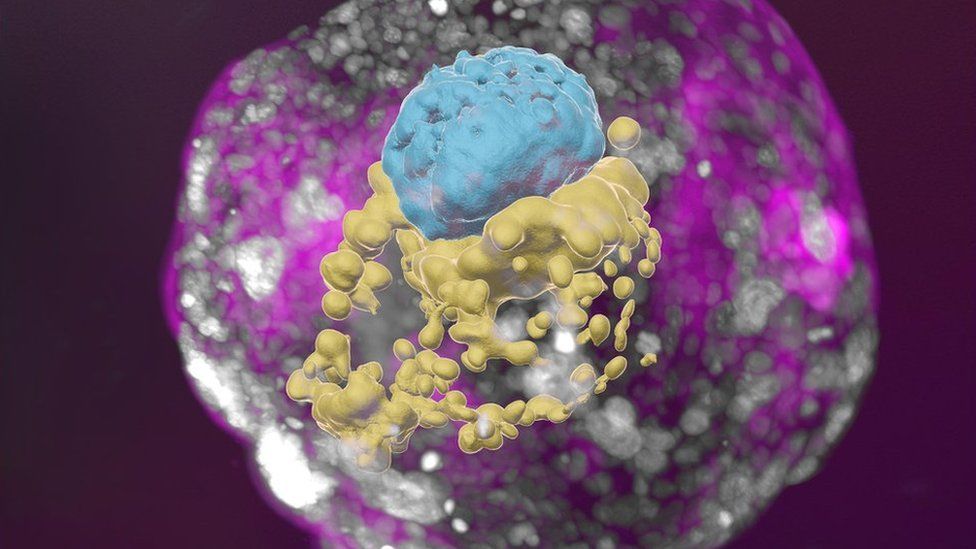
Published26 minutes agoShareclose panelShare pageCopy linkAbout sharingImage source, Weizmann Institute of ScienceBy James GallagherHealth and science correspondentScientists have grown an entity that closely resembles an early human embryo, without using sperm, eggs or a womb. The Weizmann Institute team say their “embryo model”, made using stem cells, looks like a textbook example of a real 14-day-old embryo.It even released hormones that turned a pregnancy test positive in the lab.The ambition for embryo models is to provide an ethical way of understanding the earliest moments of our lives.The first weeks after a sperm fertilises an egg is a period of dramatic change – from a collection of indistinct cells to something that eventually becomes recognisable on a baby scan. This crucial time is a major source of miscarriage and birth defects but poorly understood. “It’s a black box and that’s not a cliche – our knowledge is very limited,” Prof Jacob Hanna, from the Weizmann Institute of Science, tells me.Starting materialEmbryo research is legally, ethically and technically fraught. But there is now a rapidly developing field mimicking natural embryo development.This research, published in the journal Nature, is described by the Israeli team as the first “complete” embryo model for mimicking all the key structures that emerge in the early embryo. “This is really a textbook image of a human day-14 embryo,” Prof Hanna says, which “hasn’t been done before”.Instead of a sperm and egg, the starting material was naive stem cells – reprogrammed to gain the potential to become any type of tissue in the body. Chemicals were then used to coax these stem cells into becoming four types of cell found in the earliest stages of the human embryo:epiblast cells, which become the embryo proper (or foetus)trophoblast cells, which become the placentahypoblast cells, which become the supportive yolk sac extraembryonic mesoderm cellsA total of 120 of these cells were mixed in a precise ratio – and then, the scientists step back and watch. About 1% of the mixture began the journey of spontaneously assembling themselves into a structure that resembles, but is not identical to, a human embryo.”I give great credit to the cells – you have to bring the right mix and have the right environment and it just takes off,” Prof Hanna says. “That’s an amazing phenomenon.” Synthetic human embryo raises ethical issuesSynthetic mouse embryo develops beating heartThe embryo models were allowed to grow and develop until they were comparable to an embryo 14 days after fertilisation. In many countries, this is the legal cut-off for normal embryo research. Despite the late-night video call, I can hear the passion as Prof Hanna gives me a 3D tour of the “exquisitely fine architecture” of the embryo model.I can see the trophoblast, which would normally become the placenta, enveloping the embryo. And it includes the cavities – called lacuna – that fill with the mother’s blood to transfer nutrients to the baby. There is a yolk sac, which has some of the roles of the liver and kidneys, and a bilaminar embryonic disc – one of the key hallmarks of this stage of embryo development.’Making sense’The hope is embryo models can help scientists explain how different types of cell emerge, witness the earliest steps in building the body’s organs or understand inherited or genetic diseases.Already, this study shows other parts of the embryo will not form unless the early placenta cells can surround it.There is even talk of improving in vitro fertilisation (IVF) success rates by helping to understand why some embryos fail or using the models to test whether medicines are safe during pregnancy. Prof Robin Lovell Badge, who researches embryo development at the Francis Crick Institute, tells me these embryo models “do look pretty good” and “do look pretty normal”.”I think it’s good, I thinks it’s done very well, it’s all making sense and I’m pretty impressed with it,” he says.But the current 99% failure rate would need to be improved, he adds. It would be hard to understand what was going wrong in miscarriage or infertility if the model failed to assemble itself most of the time. Legally distinctThe work also raises the question of whether embryo development could be mimicked past the 14-day stage. This would not be illegal, even in the UK, as embryo models are legally distinct from embryos. “Some will welcome this – but others won’t like it,” Prof Lovell-Badge says.Prof Alfonso Martinez Arias, from the department of experimental and health sciences at Pompeu Fabra University, said it was “a most important piece of research”.”The work has, for the first time, achieved a faithful construction of the complete structure [of a human embryo] from stem cells” in the lab, he said, “thus opening the door for studies of the events that lead to the formation of the human body plan”.The researchers stress it would be unethical, illegal and actually impossible to achieve a pregnancy using these embryo models – assembling the 120 cells together goes beyond the point an embryo could successfully implant into the lining of the womb.Follow James on Twitter.More on this storySynthetic human embryo raises ethical issuesPublished15 JuneRelated Internet LinksNature journalThe BBC is not responsible for the content of external sites.

Read more →

Turkey surgery warning as mother-of-four dies after gastric sleeve

Published18 hours agoShareclose panelShare pageCopy linkAbout sharingImage source, Shane MeenanBy Teresa CraigBBC News NIA father whose daughter died after travelling to Turkey for weight-loss surgery has urged people to think again before doing the same.Shannon Meenan Browse from Londonderry was 32 when she died in August. The mother-of-four travelled for a gastric sleeve operation 18 months ago but, according to her father, got sick almost straight away.Shane Meenan said his daughter could not keep any food down in the wake of the operation.He said the illness got so bad her teeth began to rot due to constant vomiting. The family were told she died in Altnagelvin Hospital from “malnutrition due to gastric sleeve”.One of the UK’s leading bariatric surgeons, Prof David Kerrigan said people are taking a “massive risk” by travelling abroad for weight-loss surgery.In the UK, he said, patients undergo a rigorous preparatory process that includes a psychological assessment and there is “a proper after-care programme”.’Lost my heart and soul’A BBC investigation in March found that seven British patients who travelled to Turkey for weight-loss surgery died after operations there, while others returned home with serious health issues.In 2019 the Department of Health (DoH) said it was considering setting up Northern Ireland’s first dedicated weight-loss surgery unit.But an assessment to determine whether or not the unit should be created in Enniskillen, County Fermanagh, was stalled due to the Covid-19 pandemic.The department told BBC News NI it will be some time before work to deliver the service will resume.Dr Nicola Herron, a Derry-based GP, said the experience of Ms Meenan Browse and her family was “beyond heart-breaking”, adding that doctors in Northern Ireland were becoming increasingly concerned about people travelling abroad for surgery.”The professionals here are sometimes at a loss as to how to look after people who have come back after this major surgery – because this is a specialist area. That is very worrying,” Dr Herron said.Most people, she added, don’t realise just how serious the surgery can be.Mr Meenan, meanwhile, told BBC Radio Foyle, that his daughter’s death had lost him his heart and soul.”She left behind four beautiful children and we have to be strong now for them.”What is weight loss surgery?The two most common types of weight loss surgery are:Sleeve gastrectomy or gastric bypass, where some of the stomach is removed or the digestive system is re-routed past most of the stomachGastric band, where a band is used to reduce the size of the stomach so a smaller amount of food is required to make someone feel full”A sleeve gastrectomy is where a large part of the stomach is removed so it’s much smaller than it was before,” the NHS website says.”This means you cannot eat as much as you could before surgery and you’ll feel full sooner.”Risks associated with this type of surgery can include difficulty swallowing, vomiting and, in some cases, serious illness and death.Recalling his daughter’s ordeal, Mr Meenan said she couldn’t keep her vitamins – nor anything else – down.”As each day passed, she was getting sicker and sicker.”‘Nothing they could do’Mr Meenan said the only food his daughter could eat without throwing up was broth from ready-made noodles. “She was getting very sick because all she was doing was throwing up and sleeping – that’s all she could do,” he said. Ms Meenan Browse soon needed emergency surgery, he said.”We were told the malnutrition affected her liver and killed her liver… then she got sicker again and her kidneys stopped working,” he said. “They then phoned us and told us she was dying and there was nothing they could do and all the machines were switched off.” Now, he wants others who are thinking about travelling for surgery abroad to know that it is about more than “just paying the money and booking in and getting it”.Shannon’s brother said anyone considering weight-loss surgery abroad should “fully check it out and do lots of research on the issue before making any decision”. Speaking at his sister’s graveside, her brother, who is also called Shane, described Shannon as “the life and soul of the party”. “When she became sick that was difficult to watch and that’s why we want people to be aware of the risks involved in this type of surgery.” ‘Stringent criteria’Similar surgery, if undertaken by the NHS, has very stringent criteria, Dr Herron said.That includes that the patient’s body mass index (BMI) is more than 40, which is classed as morbidly obese.The majority of patients who travel for operations don’t have a BMI that high, said Dr Herron.”So therefore the risk they are taking far outweighs the benefits to their health of having this surgery.”Dr Herron added that people should stop and think before booking themselves in abroad for these types of operations.In a statement, the Department of Health (DoH) said there are risks associated with travelling abroad for surgery “which people should consider carefully and fully understand before making their decision”. The department said they are working to develop advice to help people understand the associated challenges and risks, including the need to arrange appropriate follow up care with the private provider. The public, the department added, can refer to UK-wide information and guidance on medical tourism.If you, or someone you know, have been affected by any of the issues or topics covered in this story, you can visit BBC Action Line to find information and organisations that can help.More on this storyDoctor warns about weight-loss surgery abroadPublished21 November 2022Seven UK patients died after Turkey weight loss surgeryPublished21 March

Read more →

As Abortion Laws Drive Obstetricians From Red States, Maternity Care Suffers

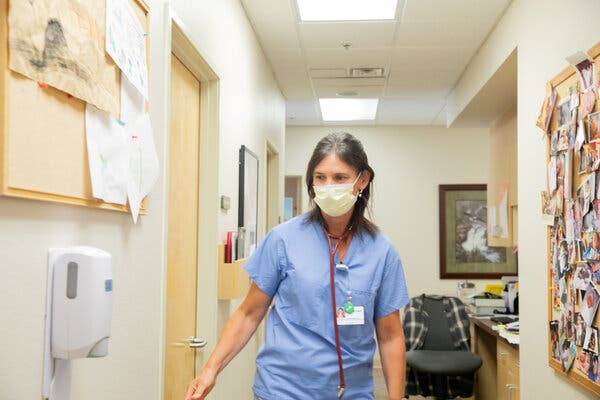
One by one, doctors who handle high-risk pregnancies are disappearing from Idaho — part of a wave of obstetricians fleeing restrictive abortion laws and a hostile state legislature. Dr. Caitlin Gustafson, a family doctor who also delivers babies in the tiny mountain town of McCall, is among those left behind, facing a lonely and uncertain future.When caring for patients with pregnancy complications, Dr. Gustafson seeks counsel from maternal-fetal medicine specialists in Boise, the state capital two hours away. But two of the experts she relied on as backup have packed up their young families and moved away, one to Minnesota and the other to Colorado.All told, more than a dozen labor and delivery doctors — including five of Idaho’s nine longtime maternal-fetal experts — will have either left or retired by the end of this year. Dr. Gustafson says the departures have made a bad situation worse, depriving both patients and doctors of moral support and medical advice.“I wanted to work in a small family town and deliver babies,” she said. “I was living my dream — until all of this.”Idaho’s obstetrics exodus is not happening in isolation. Across the country, in red states like Texas, Oklahoma and Tennessee, obstetricians — including highly skilled doctors who specialize in handling complex and risky pregnancies — are leaving their practices. Some newly minted doctors are avoiding states like Idaho.The departures may result in new maternity care deserts, or areas that lack any maternity care, and they are placing strains on physicians like Dr. Gustafson who are left behind. The effects are particularly pronounced in rural areas, where many hospitals are shuttering obstetrics units for economic reasons. Restrictive abortion laws, experts say, are making that problem much worse.“This isn’t an issue about abortion,” said Dr. Stella Dantas, the president-elect of the American College of Obstetricians and Gynecologists. “This is an issue about access to comprehensive obstetric and gynecologic care. When you restrict access to care that is based in science, that everybody should have access to — that has a ripple effect.”Idaho doctors operate under a web of abortion laws, including a 2020 “trigger law” that went into effect after the Supreme Court eliminated the constitutional right to abortion by overturning Roe v. Wade last year. Together, they create one of the strictest abortion bans in the nation. Doctors who primarily provide abortion care are not the only medical professionals affected; the laws are also impinging on doctors whose primary work is to care for expectant mothers and babies, and who may be called upon to terminate a pregnancy for complications or other reasons.Idaho bars abortion at any point in a pregnancy with just two exceptions: when it is necessary to save the life of the mother and in certain cases of rape or incest, though the victim must provide a police report. A temporary order issued by a federal judge also permits abortion in some circumstances when a woman’s health is at risk. Doctors convicted of violating the ban face two to five years in prison.Dr. Gustafson, 51, has so far decided to stick it out in Idaho. She has been practicing in the state for 20 years, 17 of them in McCall, a stunning lakeside town of about 3,700 people.Dr. Gustafson, a family doctor who also delivers babies, has been practicing in Idaho for 20 years. Angie Smith for The New York TimesShe sees patients at the Payette Lakes Medical Clinic, a low-slung building that evokes the feeling of a mountain lodge, tucked into a grove of tall spruces and pines. It is affiliated with St. Luke’s Health System, the largest health system in the state.On a recent morning, she was awakened at 5 a.m. by a call from a hospital nurse. A pregnant woman, two months shy of her due date, had a ruptured membrane. In common parlance, the patient’s water had broken, putting the mother and baby at risk for preterm delivery and other complications.Dr. Gustafson threw on her light blue scrubs and her pink Crocs and rushed to the hospital to arrange for a helicopter to take the woman to Boise. She called the maternal-fetal specialty practice at St. Luke’s Boise Medical Center, the group she has worked with for years. She did not know the doctor who was to receive the patient. He had been in Idaho for only one week.“Welcome to Idaho,” she told him.In rural states, strong medical networks are critical to patients’ well-being. Doctors are not interchangeable widgets; they build up experience and a comfort level in working with one another and within their health care systems. Ordinarily, Dr. Gustafson might have found herself talking to Dr. Kylie Cooper or Dr. Lauren Miller on that day.But Dr. Cooper left St. Luke’s in April for Minnesota. After “many agonizing months of discussion,” she said, she concluded that “the risk was too big for me and my family.”Dr. Miller, who had founded the Idaho Coalition for Safe Reproductive Health Care, an advocacy group, moved to Colorado. It is one thing to pay for medical malpractice insurance, she said, but quite another to worry about criminal prosecution.“I was always one of those people who had been super calm in emergencies,” Dr. Miller said. “But I was finding that I felt very anxious being on the labor unit, just not knowing if somebody else was going to second-guess my decision. That’s not how you want to go to work every day.”The vacancies have been tough to fill. Dr. James Souza, the chief physician executive for St. Luke’s Health System, said the state’s laws had “had a profound chilling effect on recruitment and retention.” He is relying in part on temporary, roving doctors known as locums — short for the Latin phrase locum tenens, which means to stand in place of.He likens labor and delivery care to a pyramid, supported by nurses, midwives and doctors, with maternal-fetal specialists at its apex. He worries the system will collapse.In rural states like Idaho, strong medical networks are critical to patients’ well-being. Angie Smith for The New York Times“The loss of the top of a clinical pyramid means the pyramid falls apart,” Dr. Souza said.Some smaller hospitals in Idaho have been unable to withstand the strain. Two closed their labor and delivery units this year; one of them, Bonner General Health, a 25-bed hospital in Sandpoint, in northern Idaho, cited the state’s “legal and political climate” and the departure of “highly respected, talented physicians” as factors that contributed to its decision.Other states are also seeing obstetricians leave. In Oklahoma, where more than half of the state’s counties are considered maternity care deserts, three-quarters of obstetrician-gynecologists who responded to a recent survey said they were either planning to leave, considering leaving or would leave if they could, said Dr. Angela Hawkins, the chair of the Oklahoma section of the American College of Obstetricians and Gynecologists.The previous chair, Dr. Kate Arnold, and her wife, also an obstetrician, moved to Washington, D.C., after the Supreme Court overturned Roe in Dobbs v. Jackson Women’s Health Organization. “Before the change in political climate, we had no plans on leaving,” Dr. Arnold said.In Tennessee, where one-third of counties are considered maternity care deserts, Dr. Leilah Zahedi-Spung, a maternal-fetal specialist, decided to move to Colorado not long after the Dobbs ruling. She grew up in the South and felt guilty about leaving, she said.Tennessee’s abortion ban, which was softened slightly this year, initially required an “affirmative defense,” meaning that doctors faced the burden of proving that an abortion they had performed was medically necessary — akin to the way a defendant in a homicide case might have to prove he or she acted in self-defense. Dr. Zahedi-Spung felt as if she had “quite the target on my back,” she said — so much so that she hired her own criminal defense lawyer.“The majority of patients who came to me had highly wanted, highly desired pregnancies,” she said. “They had names, they had baby showers, they had nurseries. And I told them something awful about their pregnancy that made sure they were never going to take home that child — or that they would be sacrificing their lives to do that. I sent everybody out of state. I was unwilling to put myself at risk.”Dr. Leilah Zahedi-Spung, a maternal-fetal specialist, decided to move from Tennessee to Colorado not long after the Supreme Court overturned Roe v. Wade.Joanna Kulesza for The New York TimesPerhaps nowhere has the departure of obstetricians been as pronounced as in Idaho, where Dr. Gustafson has been helping to lead an organized — but only minimally successful — effort to change the state’s abortion laws, which have convinced her that state legislators do not care what doctors think. “Many of us feel like our opinion is being discounted,” she said.Dr. Gustafson worked one day a month at a Planned Parenthood clinic in a Boise suburb until Idaho imposed its near-total abortion ban; she now has a similar arrangement with Planned Parenthood in Oregon, where some Idahoans travel for abortion care. She has been a plaintiff in several lawsuits challenging Idaho’s abortion policies. Earlier this year, she spoke at an abortion rights rally in front of the State Capitol.In interviews, two Republican state lawmakers — Representatives Megan Blanksma, the House majority leader, and John Vander Woude, the chair of the House Health and Welfare Committee — said they were trying to address doctors’ concerns. Mr. Vander Woude acknowledged that Idaho’s trigger law, written before Roe fell, had affected everyday medical practice in a way that lawmakers had not anticipated.“We never looked that close, and what exactly that bill said and how it was written and language that was in it,” he said. “We did that thinking Roe v. Wade was never going to get overturned. And then when it got overturned, we said, ‘OK, now we have to take a really close look at the definitions.’”Mr. Vander Woude also dismissed doctors’ fears that they would be prosecuted, and he expressed doubt that obstetricians were really leaving the state. “I don’t see any doctor ever getting prosecuted,” he said, adding, “Show me the doctors that have left.”During its 2023 session, the Legislature clarified that terminating an ectopic pregnancy or a molar pregnancy, a rare complication, would not be defined as abortion — a move that codified an Idaho Supreme Court ruling. Lawmakers also eliminated an affirmative defense provision.But lawmakers refused to extend the tenure of the state’s Maternal Mortality Review Committee, an expert panel on which Dr. Gustafson served that investigated pregnancy-related deaths. The Idaho Freedom Foundation, a conservative group, testified against it and later called it an “unnecessary waste of tax dollars” — even though the annual cost, about $15,000, was picked up by the federal government.That was a bridge too far for Dr. Amelia Huntsberger, the Idaho obstetrician who helped lead a push to create the panel in 2019. She recently moved to Oregon. “Idaho calls itself a quote ‘pro-life state,’ but the Idaho Legislature doesn’t care about the death of moms,” she said.Most significantly, the Legislature rejected a top priority of Dr. Gustafson and others in her field: amending state law so that doctors would be able to perform abortions when the health — not just the life — of the mother is at risk. It was almost too much for Dr. Gustafson. She loves living in Idaho, she said. But when asked if she had thought about leaving, her answer was quick: “Every day.”

Read more →