Immunity to COVID-19 reduces contagiousness, study finds

Nearly one in three people exposed to SARS-CoV2 is infected, and as many as two in five with the Omicron variant. In the case of immunity — conferred by vaccination, infection or a combination of the two — this rate drops to one in ten. However, immunity disappears within a few months, confirms a team from the University of Geneva (UNIGE) and Geneva University Hospitals (HUG), after revisiting epidemiological data collected in Geneva. While protection following infection appears to be slightly greater than after vaccination — albeit at the risk of potentially severe symptoms — vaccination reduces the contagiousness of patients over a longer period. As the number of cases rises again, air filtration, ventilation and the wearing of masks in the vicinity of vulnerable people appear to be necessary measures. These results can be discovered in the journal Nature Communications.
Immunity — the body’s ability to defend itself against pathogens, here SARS-CoV2 — can be conferred by vaccination, infection or a combination of the two. The vaccine acts in two ways on the spread of the virus. It prevents people from contracting the virus, but also, in the event of infection, from spreading to those around you.
”Our aim was to assess the secondary attack rate of SARS-CoV2, i.e. the proportion of infected people among the contacts of a sick person, to see the effect of immunity on transmission, and to identify how this effect is divided between reduced contagiousness and protection against infection”, explains Delphine Courvoisier, assistant professor in the Department of Medicine at the UNIGE Faculty of Medicine, epidemiologist at the HUG Healthcare Quality Department, and HUG delegate as Head of the data unit at the Cantonal Medical Service, who directed this work.
An exceptional body of data
Data on more than 50,000 cases and 110,000 contacts recorded in the Canton of Geneva between June 2020 and March 2022 were analysed. These figures constitute a very comprehensive database, both in terms of the number of cases and the range of information provided: living area, age, weight, type of symptoms, vaccination status, dates of vaccination and/or infection.
”This study does not focus on biological samples, but on test results and the follow-up of contacts reported by people testing positive for COVID-19,” explains Denis Mongin, Research Fellow in the Department of Medicine at the UNIGE Faculty of Medicine, statistician at the HUG, and Delegated expert to data processing. ”However, the amount of data available to us means that we can carry out a detailed analysis and adjust the parameters to avoid any bias.”
Vaccination or infection: what kind of immunity?
On average, a person infected just over three out of ten of their contacts, mainly within the family unit, and up to four out of ten with Omicron. However, immunity drastically reduces the number of infected contacts, mainly by protecting against infection, and to a lesser extent by reducing the infectivity of diseased individuals. What’s more, these results confirm what had already been observed: immunity following an infection has a stronger effect on transmission of the virus than the vaccine, both in terms of reducing contagiousness and the risk of contamination. However, the effect wears off within a few months in all cases.

Read more →

Surfactants can cause toxic chemicals in aerosols to last longer in the air

Research led by the University of Birmingham has found that hazardous chemicals commonly encountered in aerosols, such as those produced by cooking and cleaning, can be ‘protected’ in 3D structures formed by surfactants, causing them to last longer in the air.
Surfactants, or ‘surface-active agents’ are a class of chemical compounds that are used in everyday objects such as soaps and cleaning products, as emulsifiers, foaming and wetting agents. They are also released through natural processes such as sea spray and a key emission from cooking activities.
The research, published in Accounts of Chemical Research,was led by the University of Birmingham in collaboration with the University of Bath and the Central Laser Facility at the Science and Technology Facilities Council. It was funded mainly by the Natural Environment Research Council.
The scientists have built an extensive body of research over the last 5-6 years initially examining how one of these surfactants, oleic acid, a common cooking and marine emission, forms complex structures at the nanoscale, and how these affect the interaction of oleic acid with other chemicals in the air. Recent experiments explored increasingly complex mixtures of surfactants to establish the impact of a broad range of aerosol components encountered in the air.
Professor Christian Pfrang from the University of Birmingham who led the work said: “Aerosols are commonly created by everyday activities such as cooking and cleaning, and with modern life seeing people spending on average 90% of their time indoors there is an urgent need to understand how indoor aerosols are processed. Oleic acid is known to self-organise into a range of 3D nanostructures, some of which are highly viscous and can delay the ageing and thus the breakdown of key chemical components in aerosols.”
By combining laboratory and computational studies the researchers established that harmful, reactive materials may be shielded inside aerosol particles and underneath highly viscous (honey-like) shells, potentially extending the atmospheric residence times and thus their reach from the emission source of the otherwise short-lived species.
The researchers conducted a wide range of experimental studies investigating self-organisation in particles levitating in the air as well as in thin films on solid surfaces (“window grime” proxies) and floating on water (representing the surface of aqueous droplets which are most commonly found in the atmosphere). These self-organised aerosols were analysed with state-of-the-art techniques, following the structure on the nanoscale with small-angle X-ray scattering and the chemical behaviour with Raman microscopy. Complementary computer models were developed by the team to understand how surfactants may organise themselves in the atmosphere.

Read more →

A combination of cancer inhibitors shows success in slowing tumor growth

An international team of researchers has demonstrated that a combination of inhibitors may suppress tumor growth and prevent relapse in patients with certain cancers, including head and neck squamous cell carcinoma and lung adenocarcinoma. Their findings support the future development of innovative therapeutic approaches targeting these cancers.
The team’s work is published in the journal Oncogene on August 17, 2023.
Scientists know that in humans and other mammals, the Hippo signaling pathway plays a key role in the rapid increase of cells that occurs with cancers in the body. Yes-associated protein 1, or YAP, is a protein that is critical in regulating the progression of tumor growth, and it plays an important role in the beginning and spread of a variety of cancers. When the Hippo pathway is dysregulated, it triggers the activation of YAP and this contributes to head and neck squamous cell carcinoma. Both the Hippo pathway and YAP have attracted attention as signaling pathways that regulate cancer cell characteristics.
Epidermal growth factor receptor, or EGFR, is a protein on cells that contributes to their growth. When a mutation occurs in the gene for EGFR, it can grow too much, leading to cancer. EGFR is frequently amplified and highly overexpressed in head and neck squamous cell carcinoma, and mutated and activated in lung adenocarcinoma. So the EGFR inhibitor, a drug that blocks the cancer’s growth, is used as a targeted therapy in fighting these cancers.
In earlier work, the research team clarified the mechanism by which EGFR activates YAP through the Hippo pathway. However, EGFR-targeted monotherapy has shown a low response rate. Based on this evidence, researchers believe that EGFR inhibitors may temporarily inactivate YAP, but when YAP is re-activated, it increases resistance to the EGFR inhibitors used to fight the cancer. Scientists do not yet fully understand how the YAP is re-activated.
The team focused their current study on AXL, a receptor-type tyrosine kinase. They set out to clarify the mechanism that causes the cancer cells’ resistance to EGFR inhibitors, specifically focusing on the novel regulatory mechanism of YAP by AXL. Receptor-type tyrosine kinases like AXL play an important role in cell processes. When it is working properly, AXL is mainly expressed in immune cells, and does the work of removing dead cells and controlling the duration of immune responses. But when AXL becomes dysregulated, they can contribute to cancers, including lung adenocarcinoma, acute leukemia, and head and neck squamous cell carcinoma.
The team used comprehensive transcriptional analysis and in vitro experiments in their study. With this research, the team clarified that AXL stimulates YAP through a novel mechanism when AXL combines with EGFR. This combination activates YAP via the EGFR-LATS1/2 axis. LATS1/2, or large tumor suppressor kinases, are important members of the Hippo pathway. The team determined that the combination of AXL and EGFR inhibitors working together inactivates YAP and suppresses the viability of head and neck squamous cell carcinoma and lung adenocarcinoma cells.
“The combination therapy targeting both EGFR and AXL or YAP simultaneously may effectively suppress tumor growth and prevent resistance and relapse in patients with EGFR-altered cancers, including head and neck squamous cell carcinoma and lung adenocarcinoma,” said Toshinori Ando, assistant professor at the Center of Clinical Oral Examination, Hiroshima University Hospital.
Looking ahead, the team plans to try to generate effective drugs that can target EGFR, AXL, and YAP. “We think that intrinsic YAP activation or acquired re-activation after EGFR-targeted therapy in head and neck squamous cell carcinoma and lung adenocarcinoma has not been clarified yet. We will continue the research,” said J. Silvio Gutkind, distinguished professor, Department of Pharmacology, University of California, San Diego.

Read more →

CT test simulates blood flow to assess risk in patients with angina

An advanced CT test can identify individuals with stable angina at a reduced risk of three-year adverse outcomes despite their having a high coronary artery calcium score, according to a study published today in Radiology, a journal of the Radiological Society of North America (RSNA).
In the prospective study, researchers in Denmark assessed the three-year clinical outcomes of patients who underwent CT angiography and CT angiography-derived fractional flow reserve (CT-FFR). CT-FFR uses coronary CT angiography images of the heart, AI algorithms and computational fluid dynamics to simulate the amount of blood flowing through the coronary arteries.
“CT angiography is the first step in identifying the presence of coronary artery disease, but it doesn’t show the impact on blood flow in the arteries,” said lead researcher Kristian T. Madsen, M.D., and Ph.D. candidate in the Department of Cardiology at the University Hospital of Southern Denmark in Esbjerg. “Turbulent blood flow may create abnormal pressure in the vessel that grinds down coronary plaques making them prone to rupture.”
Non-contrast enhanced cardiac CT is typically performed prior to CT angiography to determine the amount of coronary artery calcium, which is a surrogate marker for total coronary plaque, a fatty buildup in the arteries, that can lead to a future heart attack. A coronary artery calcium score of 400 or higher indicates high plaque levels. As calcium absorbs a lot of x-rays, it can be especially challenging to assess coronary CT images of patients with high amounts of coronary artery calcium.
The study group included patients with new onset stable coronary artery disease consecutively enrolled in the Assessing Diagnostic Value of Non-Invasive CT-FFR in Coronary Care (ADVANCE) clinical trial between December 2015 and October 2017 at three Danish sites. Eligibility factors for the trial included at least one coronary artery stenosis, or narrowing, greater than 30% and no atrial fibrillation (irregular heartbeat) or prior coronary revascularization, which is a procedure or surgery that improves blood flow to the heart.
Of the 900 participants, 523 had normal CT-FFR results (mean age 64, 318 males) and 377 had abnormal CT-FFR results (mean age 65, 264 males). In the normal results group, the rate of three-year adverse outcomes (defined as all-cause deaths and non-fatal myocardial infarction) was 2.1% (11/523). In the abnormal results group, the rate of three-year adverse outcomes was 6.6% (25/377).
Among the participants with normal CT-FFR results and a high coronary artery calcium score, the three-year adverse outcome rate was 2.2% (4/182). Participants with a high coronary artery calcium score and abnormal CT-FFR results had a 9% (19/212) three-year adverse outcome rate.

Read more →

Researchers develop novel, automated measure of sleep studies to determine severity of obstructive sleep apnea

Mount Sinai researchers have developed a novel, automated measure of analyzing sleep studies to determine the severity and risk of mortality in patients with obstructive sleep apnea, a chronic sleep disorder that affects about 30 million people in the United States. The study findings, which provide a validated tool to better manage sleep apnea and promote preventive care, were published in the American Journal of Respiratory and Critical Care Medicineon September 12.
The Mount Sinai Sleep and Circadian Analysis (SCAN) Group developed an automated breath-by-breath measure called ventilatory burden that assesses the proportion of small breaths during a routine sleep study. This novel measure is not dependent on the consequences of hypoxemia, or a low level of oxygen in the blood, and the awakenings seen in obstructive sleep apnea patients. The researchers define the normal range for ventilatory burden, assess its variability night to night, and show its relationship to obstruction in the upper airway. They also predict short- and long-term consequences based on a routine sleep study — including potentially deadly conditions such as coronary heart disease.
“The current clinical way of determining the severity of one’s sleep apnea is based on crude methods that do not predict risk of cardiovascular diseases or even mortality,” said corresponding author Ankit Parekh, PhD, Assistant Professor of Medicine (Pulmonary, Critical Care and Sleep Medicine) at the Icahn School of Medicine at Mount Sinai. “We have developed a way to analyze routine sleep studies to predict risk of cardiovascular diseases and even mortality. Clinicians who rely on arbitrary rules and thresholds for assessing severity of sleep apnea will now have a better validated tool to better manage sleep apnea and patients can receive the best care earlier.”
The primary diagnosis tool for obstructive sleep apnea is the Apnea-Hypopnea Index (AHI), which tells the average number of times per hour that breathing either partially or fully stops during sleep. However, this widely used standard only captures the rate of respiratory events and does not predict potential subsequent risks. Furthermore, calculation of AHI is influenced by various variables including scoring rules and other highly subjective baselines for breathing and oxygen saturation, rather than airway obstruction alone. AHI is also highly variable from one night to another. Thus, AHI is limited in describing the short- and long-term consequences of ongoing respiratory events overnight.
The researchers used data from two community cohorts evaluating disease conditions and patterns, as well as two retrospective sleep clinic cohorts, to derive the normative range of ventilatory burden from analysis of more than 34 million breaths from over 5,000 participants. The team then assessed the relationship between the degree of upper-airway obstruction and ventilatory burden, and the relationship between ventilatory burden and mortality risks, including cardiovascular disease, that were derived using an automated algorithm. They also assessed the relationship between ventilatory burden and hypertension and sleepiness.
They found that the automated measure of ventilatory burden was able to effectively assess the severity of obstructive sleep apnea, remain stable from one night to another, and predict mortality associated with cardiovascular diseases in patients, making it a viable alternative to AHI. The researchers said this study is the first time an alternative to AHI has been developed and investigated systematically, from establishing normal and abnormal cutoffs to assessing variability from one night to another and predicting risk of mortality.
The Mount Sinai team will next study an artificial intelligence algorithm built on top of the ventilatory burden to replace AHI and identify which patients will benefit from continuous positive airway pressure (CPAP) treatment, the first-line therapy in sleep apnea, preferably with a more racially and ethnically diverse patient dataset.
Data from the Brain Aging and Sleep Center at NYU Langone Health and the Federal University of São Paulo in São Paulo, Brazil, contributed to the research. The study was supported by funding and grants from the National Institute of Health’s National Heart, Lung, and Blood Institute (NIH K25HL151912, NIH R21HL165320), American Academy of Sleep Medicine Foundation (BS-233-20), and the Foundation for Research in Sleep Disorders.

Read more →

C.D.C. Advisers to Decide Who Should Receive New Covid Vaccines

Scientists will meet on Tuesday to consider data on newly approved shots from Pfizer and Moderna.Americans may be able to receive the next Covid shots as early as Wednesday, the last of a trifecta of vaccines intended to prevent respiratory infections this fall and winter.On Monday, the Food and Drug Administration authorized updated Covid vaccines by Pfizer and Moderna. A scientific advisory committee to the Centers for Disease Control and Prevention will meet on Tuesday to review the data and make more specific recommendations about who should get the shots and when.“I expect them to come out and recommend it for everyone,” said Dr. Ashish Jha, dean of the Brown University School of Public Health, who served as the White House’s Covid czar until June.Large pharmacies will most likely have vaccines on offer later this week, assuming Dr. Mandy Cohen, the new C.D.C. director, signs off on the recommendations.For some Americans, the vaccines cannot come soon enough. Hospital admissions and deaths associated with Covid have been steadily rising since July, although the numbers are still low compared with the same period in recent years.But many others now view Covid as only a mild threat. Fewer than half of adults older than 65, and just about one in five American adults overall, opted for the bivalent booster shot offered last fall.Vaccines against flu and the respiratory syncytial virus are already available. The flu vaccine is recommended for everyone 6 months and older, and the R.S.V. vaccine for everyone 60 and older, in consultation with a health care provider.The most vulnerable — older adults, immunocompromised people and pregnant women — should receive both the Covid and flu vaccines, experts said.Adults 65 and older accounted for up to 85 percent of flu-related deaths in recent years, according to the C.D.C. Those 75 and older also account for the vast majority of hospitalizations and deaths from Covid.The C.D.C.’s advisers will need to decide whether to recommend the new Covid vaccines for younger people who have built up strong immunity through previous shots or infections. (The F.D.A. has authorized the shots for almost everyone, but the C.D.C. makes the recommendations on clinical use.)Officials in Britain are offering the new Covid vaccines only to those at high risk, including older adults, those with chronic medical conditions and frontline workers. But that decision was made not because of a calculation about who would most benefit, but because of the prohibitive costs to the British government of offering the shots to everyone, Dr. Jha said.As with the flu vaccine, the greatest benefits of Covid immunization may accrue to those at highest risk. Nonetheless, the shots may help even those with reduced risk recover sooner after an infection, or miss fewer days of work, Dr. Jha said.And even among the relatively young and healthy, Covid poses risks that are harder to define, including long-term effects on the heart and long Covid. “I don’t want to diminish the tragedy of younger people who may be hospitalized,” said Gigi Gronvall, a biosecurity expert at the Johns Hopkins Center for Health Security.The shots will be available for free to most Americans through private insurers and through a new federal program for uninsured people.

Read more →

Martha's rule: Mother shares trauma over daughter's death

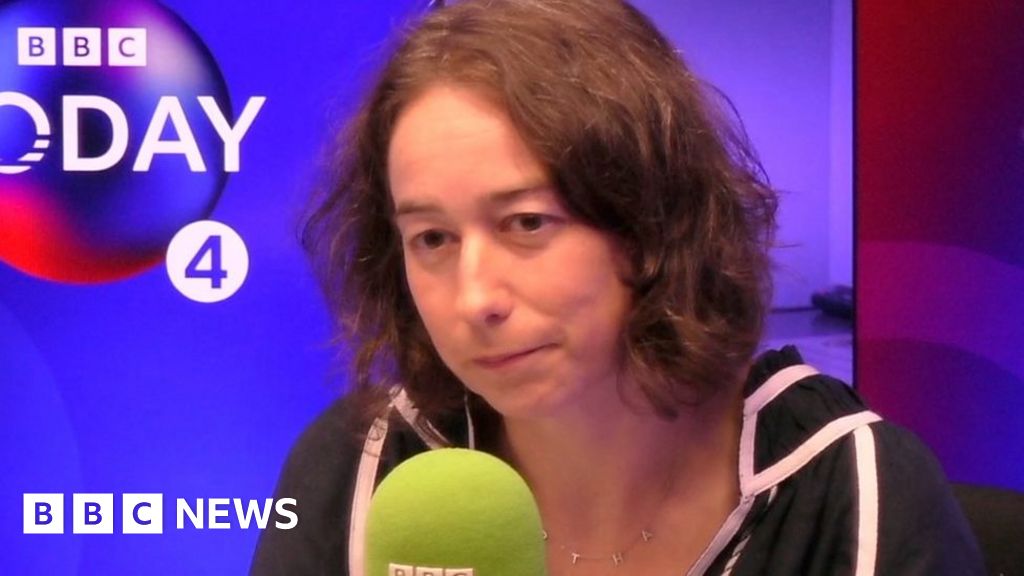
The family of a 13-year-old girl who died of a sepsis infection are calling for patients and their loved ones to be given the right to ask for an urgent second opinion. Martha Mills died two years ago when doctors failed to spot and treat her condition early enough. Speaking on BBC Radio 4’s Today programme, Martha’s mother, Merope, said she thinks about her daughter’s last days all the time, and “what could have happened to change the outcome.” She wants hospitals around the country to bring in “Martha’s rule” – which would give parents, carers and patients the right to ask for an urgent second opinion from a critical care team at the same hospital – if they have concerns about their current care.

Read more →

F.D.A. Approves New Covid Shots

A nationwide rollout of the vaccines by Pfizer and Moderna should begin later this week, after the C.D.C. considers guidelines to prepare Americans for this season when infections usually tick upward.The Food and Drug Administration approved a new round of Covid boosters on Monday, that will arrive alongside the seasonal flu vaccine and shots to protect infants and older adults from R.S.V., a potentially lethal respiratory virus.The Centers for Disease Control and Prevention is expected to follow up on Tuesday with an advisory meeting to discuss who should get the new shots, by Pfizer-BioNTech and Moderna. After a final decision by the C.D.C.’s director, millions of doses will be shipped to pharmacies, clinics and health systems nationwide within days.As Covid cases creep up, the trifecta of prevention measures could portend the first winter of the decade without a crush of patients overwhelming some hospitals. But a healthy winter is far from a lock: In the last year, the updated Covid vaccine made it into the arms of only 20 percent of adults in the United States.Some experts view that statistic with little alarm because the number of Covid deaths slowed considerably over the last year, thanks to an increasingly immune population and higher vaccine rates among older Americans. Others see this year as an opportunity to protect more vulnerable people from severe illness or death.“Vaccination remains critical to public health and continued protection against serious consequences of Covid-19, including hospitalization and death,” said Dr. Peter Marks, the F.D.A’s top vaccine expert.The F.D.A. granted full approval for the new formulas for people who are 12 and older and authorized them to protect infants six months and older through age 11. The Pfizer shot was authorized in the European Union for ages 6 months and older on Aug. 31.Covid vaccines are just rolling out in the United Kingdom this week, with the first doses going to the highest risk people in care homes, ages 65 and over as well as health and social care staff members.Federal officials have been retreating from labeling the new formulation as boosters to previous shots, preferring to recast them as an annual immunization effort akin to the flu vaccine. That shift may reflect concern over the fatigue that some Americans have expressed about yet another round of shots against the virus.The vaccine campaign will also be the first since the end of the public health emergency, which expired in May. In previous years, the U.S. government bought hundreds of millions of vaccine doses and distributed them for free. This year, private insurance and government payers like Medicare that cover the vast majority of Americans are expected to provide the vaccines to people for free.But the question remains whether the private market of hospitals, clinics and pharmacies will be able to calibrate their vaccine orders to stock a realistic supply. Experts are uncertain how much demand there will be for the latest shots.“There could be a period in here where things are a little bit chaotic, and that’s never a good situation,” said Dr. Marcus Plescia, chief medical officer of the Association of State and Territorial Health Officials, a public health group.Packing the Moderna vaccine at a distribution center in Mississippi in 2020. This year, vaccine makers are expected to donate doses for the uninsured.Paul Sancya/Agence France-Presse — Getty ImagesAlso of concern in the handoff to the private market: the nation’s 23 million adults with no health insurance. The Biden administration has made plans to cover costs and offer the Covid vaccine through local clinics and major pharmacies, but some experts are worried about whether people who lack insurance will be aware of the new shots — or where to get them.“They don’t have an insurer sending them leaflets — they may not have a usual source of care,” said Anthony Wright, executive director of Health Access, a California advocacy group. “And so the trusted messenger of their health plan, their doctor, their clinic, is not there saying, ‘It’s no cost. It’s really easy.’”Vaccine manufacturers are expected to donate doses for the uninsured. Kelly Cunningham, a spokeswoman for Moderna, said the company had no cap on the number.The latest shots are becoming available as Covid hospitalizations and deaths are rising slightly, albeit not to the levels of past years. In the week ending Aug. 26, there were 17,400 people admitted to the hospital — more than about 6,000 at a low point this summer. Deaths were also up to about 600 a week last month, though far lower than the weekly average of 14,000 deaths of 2021.Once the C.D.C. signs off, the Biden administration plans to urge the public to get their Covid and flu shots at the same time, a practice that has been studied and considered by some experts to be safe. It’s a messaging effort they expect to share with major vaccine makers, which will be marketing the Covid doses commercially for the first time.Walgreens and CVS said they both already have the updated flu and R.S.V. shots available in stores. Dr. Kevin Ban, Walgreens’ chief medical officer, said the chain would have the new Covid shots on hand “as soon as possible.” A CVS spokesperson said doses could be arriving later this week. Representatives of both chains said the Covid shot would be available at no cost to all who are eligible under the C.D.C. guidelines expected Tuesday.Targeted populations most certainly will include people 65 and older as well as those who are immunocompromised or have serious underlying medical conditions that leave them more susceptible to severe illness from the virus.Nursing homes, which inoculated nearly all of their residents in the first waves of the pandemic, have fallen behind on booster rates: Recent Medicare data show that about 62 percent of residents are up-to-date on their shots even though older adults are among the most vulnerable to severe disease and death from the virus.The new Covid vaccines target the XBB.1.5 variant, which was dominant when vaccine makers began to formulate and test a new version. They are monovalent because, unlike the earlier boosters, they do not include protection against the original virus that caused widespread infections in China more than three years ago. Though the virus has had a rotating cast of variants, experts say the new Covid jab should fortify protections against severe infection.Recent fears that one newer, highly mutated variant would escape the vaccine proved unfounded by reputable independent labs, said Fikadu Tafesse, an associate professor of molecular microbiology and immunology at Oregon Health & Science University. The C.D.C. also reviewed studies on the matter and confirmed Friday that the vaccine was holding strong.“We were really getting ready for no response at all, but the data is very, very promising,” Dr. Tafesse said.A production line of Pfizer’s Covid vaccine in Michigan. As with previous shots, the latest vaccine won’t eliminate the chances of getting the disease, but is expected to reduce the chances of severe illness, hospitalization or death.Pfizer, via Associated PressAs with earlier shots, the updated ones are not expected to eliminate the chances of contracting a mild case of Covid. Instead, they are expected to reduce the chances of severe illness, hospitalization or death. As the first vaccine’s potency waned with newer Omicron variants, a bivalent booster was approved in August 2022 that targeted the initial virus and BA.5, which was dominant at the time. That shot led to fewer people with Covid being hospitalized, dropping over several months to 25 percent from 60 percent.Pfizer and Moderna reported that their vaccines had a potent response to the newest circulating variants, though only Moderna posted its initial data on Thursday.But researchers continue to discuss how well it will stand up to new variants. The F.D.A. has mainly reviewed results submitted by the companies of animal or smaller human studies of immune response.Jerica Pitts, a spokeswoman for Pfizer, said the data submitted by the company to the F.D.A. in June involved tests in animals. Trials following people who received the shot are continuing, she said.Moderna submitted data to the F.D.A. on the immune response of 100 people to the new shots, which the company said in June “robustly elicit neutralizing antibodies” against XBB variants.Federal officials would also need to consider whether to recommend the shot to healthy young Americans, said Dr. Walid Gellad, a drug safety expert at the University of Pittsburgh.Young males have experienced higher rates of myocarditis, or inflammation of the heart muscle, after getting vaccinated, although many recovered after a few months.“The benefits are just getting lower and lower for young healthy people who’ve had Covid before,” he said. “You have to think about how any risk can change that balance.”Regulators are also considering whether to authorize a booster dose from Novavax, which employs a different but widely used technology for its coronavirus vaccine. Dr. Daniel Griffin, an infectious disease physician at Columbia University in New York, said getting the Covid shot would help stop the virus’s spread to the most vulnerable, including older adults, pregnant people and those with compromised immune systems.And while many might be weary of the social-protection argument, he said they could lessen their own odds of a more serious outcome.“So a younger individual may say, ‘I’m not going to get a booster for the public health,’” Dr. Griffin said, “‘but I am going to get a booster because if I can reduce my chance of getting Covid, I can reduce my chance of long Covid.’”Carl Zimmer and Apoorva Mandavilli contributed to this report.

Read more →

'Night owls' more likely than 'early birds' to develop diabetes

Investigators found evening ‘chronotype,’ or going to bed late and waking up late, was associated with a 19 percent increased risk of diabetes after accounting for lifestyle factors
A new study has an important message for people who consider themselves night owls. Investigators from Brigham and Women’s Hospital, a founding member of the Mass General Brigham healthcare system, found that people with later sleep and wake times had less healthy lifestyles and were at greater risk of developing diabetes than those with early-bird sleep habits. Their results are published in the Annals of Internal Medicine.
“Chronotype, or circadian preference, refers to a person’s preferred timing of sleep and waking and is partly genetically determined so it may be difficult to change,” said corresponding author Tianyi Huang, MSc, ScD, an associate epidemiologist in the Brigham’s Channing Division of Network Medicine. “People who think they are ‘night owls’ may need to pay more attention to their lifestyle because their evening chronotype may add increased risk for type 2 diabetes.”
The researchers previously found that people with more irregular sleep schedules are at higher risk of developing diabetes and cardiovascular disease and that people with evening chronotypes are more likely to have irregular sleep patterns. For this study, they wanted to understand the relationship between chronotype and diabetes risk and looked at the role of lifestyle factors as well.
The team analyzed data from 63,676 female nurses from the Nurses’ Health Study II collected from 2009-2017 and included self-reported chronotype (the extent to which participants perceived themselves to be an evening person or a morning person), diet quality, weight and body mass index, sleep timing, smoking behaviors, alcohol use, physical activity, and family history of diabetes. The team determined diabetes status from the participants’ self-reports and medical records.
The Nurses’ Health Study II, a joint effort between the Brigham’s Channing Division of Network Medicine and Harvard T.H. Chan School of Public Health, is among the largest investigations into risk factors for major chronic diseases in women. One of the study’s strengths is its regular follow-up of study participants and repeated assessment of health and lifestyle factors.
Approximately 11 percent of participants reported having a ‘definite evening’ chronotype and about 35 percent reported having ‘definite morning’ chronotype. The remaining population, around half, were labeled as ‘intermediate,’ meaning they either identified as being neither a morning nor evening type or as being only slightly more one than the other.

Read more →

Female surgeons sexually assaulted while operating

Published1 hour agoShareclose panelShare pageCopy linkAbout sharingImage source, Getty ImagesBy James Gallagher, Natalie Truswell and Jonathan SumbergBBC NewsFemale surgeons say they are being sexually harassed, assaulted and in some cases raped by colleagues, a major analysis of NHS staff has found. BBC News has spoken to women who were sexually assaulted in the operating theatre while surgery took place. The study’s authors say there is a pattern of female trainees being abused by senior male surgeons, and this is happening now, in NHS hospitals.The Royal College of Surgeons said the findings were “truly shocking”.Warning – this story contains some graphic detail. There is support for anyone affected here.Sexual harassment, sexual assault and rape have been referred to as surgery’s open secret.There is an untold story of women being fondled inside their scrubs, of male surgeons wiping their brow on their breasts and men rubbing erections against female staff. Some have been offered career opportunities for sex. The analysis – by the University of Exeter, the University of Surrey and the Working Party on Sexual Misconduct in Surgery – has been shared exclusively with BBC News.Nearly two-thirds of women surgeons that responded to the researchers said they had been the target of sexual harassment and a third had been sexually assaulted by colleagues in the past five years. Women say they fear reporting incidents will damage their careers and they lack confidence the NHS will take action.’Why is his face in my cleavage?’There is a nervousness to talk openly. Judith asked that we use only her first name. She is now an experienced and talented consultant surgeon. Image source, Jonathan SumbergShe was sexually assaulted early in her career when she was the person with the least power in the operating theatre – and a senior male surgeon was sweating.”[He] just turned round and buried his head right into my breasts and I realised he was wiping his brow on me.”You just freeze right, ‘why is his face in my cleavage?'”When he did it for a second time Judith offered to get him a towel. The reply came back “no, this is much more fun”, she says, “and it was the smirk – I felt dirty, I felt humiliated”.Even worse for her was the total silence of her colleagues.”He wasn’t even the most senior person in the operating theatre, but he knew that behaviour was ok and that’s just rotten.”This happened to Judith in the middle of the operating theatre, but the sexual harassment and sexual abuse extends beyond the hospital.’I trusted him’Anne – we cannot reveal her real name for legal reasons – wanted to talk to the BBC because she believes change will only happen when people speak out. She doesn’t choose to describe what happened to her as rape, but is clear the sex that took place was not consensual. It happened at a social event tied to a medical conference – a meeting of doctors within the same speciality.In a familiar pattern, she was a trainee and he was a consultant. “I trusted him, I looked up to him,” she says.He played on that trust saying she didn’t know the other people there and that she couldn’t trust them. “So, he walked me back to the place I was staying, I thought he wanted to talk and yet he just suddenly turned on me and he had sex with me.”She said in that moment her body froze and “I couldn’t stop him”.”It’s not what I wanted, it had never been what I wanted, it was totally unexpected.”When she saw him the next day she was “barely able to hold myself together”.”I didn’t feel I could make a fuss, I felt like there was a very strong culture of just putting up with whatever was done to you.”The incident had a lasting impact, first leaving her emotionally numb and years later “the memory would come flooding into my mind like a horror, like a nightmare” at work, even as she was preparing to operate on a patient.Shaking confidence in surgeonsIt is widely accepted there is a culture of silence around such behaviour. Surgical training relies on learning from senior colleagues in the operating theatre and women have told us it is risky to speak out about those who have power and influence over their future careers. The report, which is being published in the British Journal of Surgery, is the first attempt to get a sense of the scale. Registered surgeons – men and women – were invited to take part completely anonymously and 1,434 responded. Half were women: 63% of women had been the target of sexual harassment from colleagues30% of women had been sexually assaulted by a colleague 11% of women reported forced physical contact related to career opportunitiesAt least 11 incidents of rape were reported90% of women, and 81% of men, had witnessed some form of sexual misconductWhile the report shows men are also subject to some of this behaviour (24% had been sexually harassed), it concludes men and women surgeons are “living different realities”.”Our findings are likely to shake the confidence of the public in the surgical profession,” said Dr Christopher Begeny, from the University of Exeter.Meanwhile a second report – called Breaking the Silence: Addressing Sexual Misconduct in Healthcare – is making recommendations for what needs to change. The pair of reports suggest the relatively lower proportion of women surgeons (around 28%), combined with surgery being deeply hierarchical, gives some men significant power and this combines badly with the high-pressure environment of surgery. “That leads to people being able to behave with impunity and much of this goes unchecked,” Prof Carrie Newlands, consultant surgeon from the University of Surrey. She was motivated to tackle such behaviour after hearing the experiences of her junior colleagues. She told the BBC: “The commonest scenario is that a junior female trainee is abused by a senior male perpetrator, who is often their supervisor.”And that results in a culture of silence where people are in real fear of their future and their careers if they do speak up.”‘Incredibly upsetting’Another theme that emerged in the data was a lack of faith in bodies such as NHS Trusts, the General Medical Council (which manages the UK’s register of doctors allowed to practice) and the Royal Colleges (which represent specialities in medicine) – to tackle the problem. “We need a major change in investigation processes so they become external and independent, and are trusted in order for healthcare to become a safer place to work,” says Prof Newlands.Tim Mitchell, the president of the Royal College of Surgeons of England, said the findings were “truly shocking” and “incredibly upsetting”.He said this “abhorrent behaviour” had destroyed lives and had “no place in our operating theatres or anywhere in the NHS”.”We will not tolerate such behaviour in our ranks,” he said.Dr Binta Sultan, from NHS England, said the report made “incredibly difficult reading” and presented “clear evidence” that more action was needed to make hospitals “safe for all”.She said: “We are already taking significant steps to do this, including through commitments to provide more support and clear reporting mechanisms to those who have suffered harassment or inappropriate behaviour.”The General Medical Council last month updated its professional standards for doctors. Its chief executive Charlie Massey said “acting in a sexual way towards patients or colleagues is unacceptable” and that “serious misconduct is incompatible” with continuing to practice medicine in the UK. But is surgery a safe place for women to work today?”Not always. And that’s a dreadful thing to have to admit,” says Judith.Follow James on X.

Read more →