Reducing stress on T cells makes them better cancer fighters

Even for killer T cells — specialized immune cells — seeking and destroying cancer cells around the clock can be exhausting. If scientists can understand why killer T cells become exhausted, then they can create more resilient cancer-killing cells.
In a new study, Salk Institute scientists discovered a relationship between killer T cell exhaustion and the body’s sympathetic stress response (“fight-or-flight”) in varying cancer types in mouse and human tissue samples. What’s more, the team found that the interaction between killer T cells and sympathetic stress response hormones can be inhibited with beta-blockers — a class of drugs already used in humans for controlling blood pressure and heart rate — to create killer T cells that fight the tumor more efficiently.
The findings, published in Nature on September 20, 2023, establish a new link between the sympathetic stress response and how the immune system responds to cancer. Additionally, they demonstrate the benefit of pairing beta-blockers with existing immunotherapies to improve cancer treatment by bolstering killer T cell function.
“There is no question immunotherapy has revolutionized cancer patient treatment — but there are many patients for whom it’s ineffective,” says Professor Susan Kaech, senior author and director of Salk’s NOMIS Center for Immunobiology and Microbial Pathogenesis. “Finding that our nervous system can suppress the function of cancer-destroying immune cells opens up entirely new ways to think about how to rejuvenate T cells in tumors.”
The sympathetic nervous system is responsible for mediating the body’s stress response, also known as the fight-or-flight response. However, little was known about how the nerves regulate the immune response to infections or cancer.
The researchers focused on sympathetic nerves that innervate our organs and produce the messenger hormone noradrenaline, which is also a stress hormone. The scientists used a variety of cancer and chronic illness models in mice and human tissue samples to study when and how killer T cells are influenced by the sympathetic nerves.
They found that the sympathetic nerves were producing noradrenaline, which was binding to killer T cells using a receptor called ADRB1. Exhausted killer T cells expressed more ADRB1 receptors than their functional counterparts, allowing the T cells to “listen” to the noradrenaline released by the nerves.

Read more →

Alternative pain control circuits in the brain produce relief similar to opioids without the downsides

The opioid epidemic in the United States has exacted an incalculable toll on individuals and communities, creating an urgent need for alternative painkillers. The search for non-opioid treatments is crucial, not only to mitigate the risks of addiction and overdose, but also to develop pain management tools that remain effective without inducing tolerance and other challenging side effects in patients.
New research from the University of Chicago identified an alternative signaling pathway in the brain of mice that relieves pain, even in animals that have developed tolerance to opioids. The study, published in Neuron in September, also showed that pain relief through this route did not induce tolerance, did not create withdrawals symptoms after treatment was stopped, and did not activate reward systems, limiting risk for addiction and making it a viable path to developing effective, non-opioid pain relief.
“There are multiple categories of non-opioid treatments, but the bad news is that nothing currently compares to opioids for the level of pain relief,” said Daniel McGehee, PhD, Professor of Anesthesia and Critical Care at UChicago and senior author of the new study. “Any alternative is a welcome option, and we have found pain control circuitry here that can produce relief similar to what we see with opioid activity, without the downsides.”
A different circuit for pain relief
The ventrolateral periaqueductal gray (vlPAG) is an area of the brain that serves as an important crossroads of systems that control pain. Previous research has shown that electrical stimulation and pharmacological treatments targeting this region can relieve pain, although the non-opioid circuits that alter pain through changes in activity in this part of the brain are less well-studied. One of these circuits involves the neurotransmitter acetylcholine, which affects activity in multiple parts of the brain. Targeting acetylcholine receptors can change pain responses, but the mechanisms by which naturally produced acetylcholine regulates pain control circuitry in the vIPAG had not been explored.
McGehee and Shivang Sullere, PhD, a previous graduate student in the Committee on Neurobiology at UChicago, now a postdoctoral scholar at the Harvard Medical School and the new study’s first author, investigated the dynamics of how acetylcholine is released in this area of the brain under various pain states, like inflammation, chronic neuropathy, or acute pain. McGehee’s lab published a paper in 2017 showing that targeting an acetylcholine receptor in the vIPAG called alpha-7 (⍺7) produced an analgesic effect. One might expect that the body would take advantage of this and release more acetylcholine in a painful scenario, but instead, the researchers saw the opposite effect — it was being suppressed. The team then set out to understand how and why this was happening.
The ⍺7 receptor is usually an excitatory receptor, meaning that it generates more activity in the nervous system. But when the researchers injected a drug that stimulates ⍺7 into the mice, the cells’ initial excited state quickly gave way to a prolonged quiet state, producing an analgesic effect that lasted for several hours.

Read more →

Exposure to plasticizers in pregnancy associated with smaller volumetric measures in the brain and lower IQ in children

Children whose mothers had a higher exposure to certain phthalates during pregnancy tend to show smaller total gray matter in their brains at age 10. This is one of the main conclusions of a study led by the NYU Grossman School of Medicine and the Barcelona Institute for Global Health (ISGlobal), a centre supported by the “la Caixa” Foundation, and published in Molecular Psychiatry.
The study also found that maternal exposure to plasticizers during pregnancy is associated with lower child IQ at age 14, which confirmed the results of two previous study on the topic. Moreover, the research team observed that this relationship between exposure to certain phthalates and lower child IQ is partially influenced by total gray matter volumes. In other words: exposure to plasticizers before birth could lead to smaller total gray matter in childhood, which in turn could be related to a lower IQ.
Finally, the results showed an association between gestational exposure to plasticizers and smaller white matter volumes in girls.
Phthalates, a group of chemicals of concern
Phthalates are a group of chemicals which are ubiquitously used as plasticizers and solvents in a wide range of commercial products, such as personal care products, food packaging or vinyl flooring. Previous studies have shown that certain phthalates are associated with less optimal cognitive function, social development, and motor skills as well as behavioral problems in children.
In order to provide new evidences, the authors used data from 775 mother-child pairs from Generation R, a pediatric neuroimaging cohort based in Rotterdam (The Netherlands). Phthalate exposure of mothers was assessed using urine samples collected during pregnancy. Since phthalates are difficult to detect due to their rapid decay in the human body, the analysis of the samples focused on detecting phthalate metabolites, the breakdown products generated as the consequence of the presence phthalates.
Brain volumetric measures of children were taken using MRI scans at age 10. Lastly, children’s IQ was assessed via standard tests performed when children were 14 years old.

Read more →

The Beach Is Lovely. The Water, Maybe Not So Much.

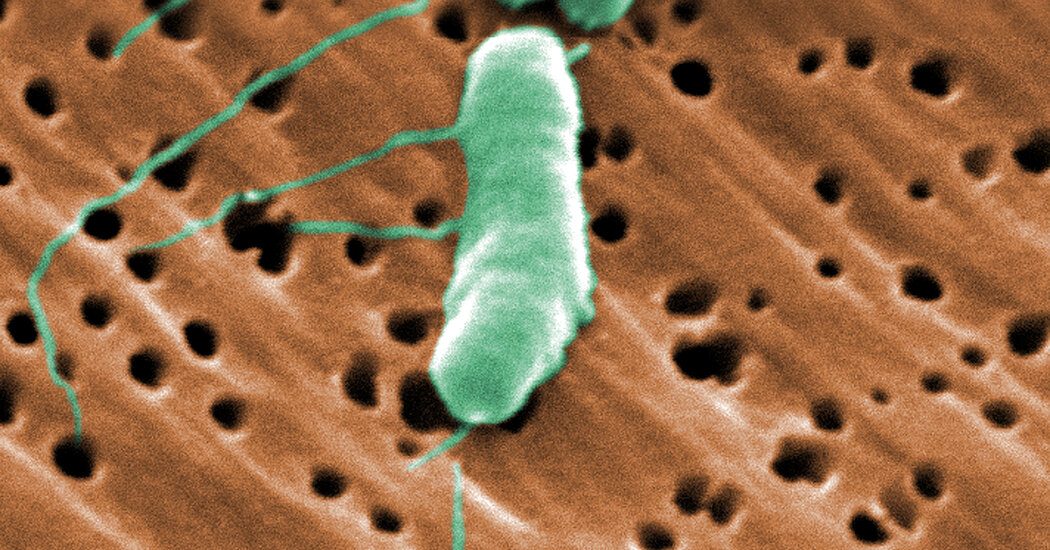
As oceans warm, pathogenic bacteria are turning up more frequently in northern regions, scientists say.On a warm day in early July, Ed Houlihan guided kayakers on a four-mile trip on Cape Cod from Popponesset Bay up the Mashpee River to a freshwater pond. It was three hours of paddling round trip, but afterward Mr. Houlihan, 83, felt no worse for wear — at first.Five days later, his left shin was red and sore, his body was aching, and he had fever and chills. Doctors diagnosed him with a Shewanella algae infection, a bacterium that thrives in brackish water.“Everyone worries about sharks in the water, and what got me was this tiny micro-organism,” Mr. Houlihan said.Water-borne pathogens like S. algae appear to be turning up more often in the Northeast. Another serious infection, the flesh-eating bacterium Vibrio vulnificus, killed three people in the New York area this summer. The bacterium enters the body through scrapes or cuts; it can also be ingested by eating raw shellfish.While it was once seen mostly around Florida and the Gulf of Mexico, V. vulnificus seems to be colonizing new waters. “It used to be highly unusual north of the Carolinas,” said Jim Oliver, a microbiologist at the University of North Carolina at Charlotte. “Now it’s fairly routine.”He is an author of a recent study that found that V. vulnificus wound infections increased eight-fold in the eastern United States between 1988 and 2018, from 10 to 80 infections per year. Cases were identified an average of 48 kilometers farther north each year, according to the study, which was published in the journal Scientific Reports.By 2018, infections caused by various Vibrio species (there are at least a dozen) were reported regularly as far north as Philadelphia. There were more than 1,100 Vibrio wound infections between 1988 and 2018, and 159 deaths. The infections have become a “microbial barometer of climate change,” according to the paper.Earlier this month, officials at the Centers for Disease Control and Prevention urged medical providers to consider V. vulnificus to be a possible culprit if they see a wound infection in someone who has been in coastal waters, and to initiate aggressive antibiotic treatment immediately. The infection can kill in as little as a day.“Many bacteria, including Vibrio, are more abundant in warm waters, and we know that water temperatures are increasing, and we had record-breaking heat waves this summer,” said Joan Brunkard, an epidemiologist at the C.D.C.A recent study that tracked Vibrio and Shewanella infections between 2010 and 2018 in Denmark found that most cases occurred in years when seawater temperatures were high.These infections are rarely acquired domestically in northern European countries because coastal seawater is mostly too cold to support high bacterial levels. But the warming of low-salinity coastal waters in the Baltic Sea has fueled growth of the bacteria, increasing the risk of human infections, the authors said.The number of infections was higher during warmer summers, compared with colder summers, the researchers found. Vibrio and Shewanella infections increased during every summer in the study period, the paper reported. The summers of 2014 and 2018, which saw very high sea surface temperatures, coincided with a higher number of infections.The study found that older people, men and boys were at greater risk — the boys probably because they were more likely to have gotten scratches or wounds while engaging in activities such as fishing or rowing, and the bacteria need only a small entry point to get into the body.Ear infections, many caused by S. algae, were more common than wound infections, according to the Danish study, which was published in the journal Emerging Infectious Diseases. But V. vulnificus more often led to sepsis, a life-threatening condition that results when the body’s defenses injure its own tissues and organs. (Limb amputations are sometimes necessary.)The problem is not just that waterborne pathogens may be heading to new waters. The populations in the United States and Europe are also aging. Older people, the immunocompromised, people with diabetes and those with liver disease are particularly vulnerable.For them, “it’s not a good idea to go wading in brackish waters in really warm times,” Dr. Brunkard said.People who are older or who have chronic conditions should avoid swimming at any time if they have even a small open cut or opening in the skin, the C.D.C. says. Even a small puncture point, like a recent piercing or tattoo, can open the door to a pathogen.Mr. Houlihan believes his cracked toenail was all Shewanella needed. Since his leg became infected, he has been hospitalized three times, for a total of 26 days.During the first hospitalization he developed a high fever and sepsis. Although the fever dropped and Mr. Houlihan was sent home, his pain was intense, and he was back in the hospital on two more occasions.Large blisters developed on his lower leg, and he had to undergo surgery to remove the damaged tissue, leaving an indented crater that wrapped around his lower shin.Now there is an open wound on his leg. The bandages must be changed daily, and though he is able to walk, it is with some difficulty. The treatment is not yet over: He is scheduled for more surgery and a skin graft later this month, and will then start a regimen of physical therapy.

Read more →

How Much Do Patients Need to Know About a Potentially Risky Treatment?

A visiting researcher at NewYork-Presbyterian/Weill Cornell Medical Center was startled when he read the warning from the Food and Drug Administration about a product that had been used in spine surgeries at the esteemed Manhattan hospital.The fluid, derived from umbilical cord blood, was not approved for such procedures, the agency cautioned, and its Idaho manufacturer had been cited for possible contamination problems and inadequate screening of donors, making the product potentially unsafe.Yet before that advisory, about 40 patients at the hospital had received treatment with the fluid under the direction of Dr. Roger Härtl, a senior surgeon and professor at Weill Cornell, who is also a physician for the New York Giants. The surgeries were documented in a draft study that Dr. Härtl and others, including the visiting researcher, had intended to publish, tracking the fluid’s effectiveness in fusing delicate bones.After seeing the F.D.A. announcement, the researcher, Dr. Pravesh Gadjradj, approached Dr. Härtl and told him the fluid “is not yet proven to be safe,” according to a complaint filed with the hospital that was reviewed by The New York Times. The fluid fell under a booming area of treatment known as regenerative medicine, which is aimed at replacing or restoring damaged cells through gene and stem cell therapies.In the complaint, Dr. Gadjradj said Dr. Härtl requested that he “delete” the research file on the project and “never bring up the topic again.” The researcher said he was concerned that Dr. Härtl had not gone on to inform the patients, according to the complaint, and instead “covered it up.”The conversation cited in the complaint was in the spring of last year, Dr. Gadjradj said in an interview. In January, after months of worrying about the patients — and believing that they still had not been notified — Dr. Gadjradj lodged the complaint against his boss.Dr. Roger Härtl, a senior surgeon, used the treatment before the F.D.A. warning, as did physicians at other hospitals.Sipa USA via APStill, he said, nothing came of sounding the alarm about his patient concerns. “Maybe all of these patients don’t have any adverse effects, but maybe they do,” he said. “We don’t know. That’s a terrible thing.” Because of privacy protections, Dr. Gadjradj said, he would not disclose the names of the patients or contact them himself.F.D.A. warning letters do not require that patients be notified about a product’s potential problems, posing an ethical dilemma for clinicians, according to medical ethics experts.Even in the absence of a formal requirement, they said, there is often a moral obligation to inform patients, especially regarding new or untested treatments, but other considerations can get in the way.“The safer thing, the more ethical thing, would be to tell everybody and give them whatever information you’ve got about what’s known about the risks,” said Hank Greely, a law professor at Stanford and director of its Center for Law and the Biosciences. But, he said, doctors and hospitals “are going to be reluctant to do that because they don’t want to look bad, don’t want to attract lawsuits and don’t want to make patients unhappy with them.”Dozens of other medical centers, including prestigious institutions like Duke University Health System and the George Washington University Hospital, also listed the fluid, known as BioBurst, on their hospital pricing records, according to data collected by the company Visible Charges. Umbilical cord blood products have been approved by the F.D.A. to treat disorders that affect blood production.A spokeswoman for NewYork-Presbyterian would not comment on Dr. Gadjradj’s complaint. She said that the hospital had stopped using BioBurst before the F.D.A. issued its warning in February 2022, but she would not say whether patients had been told about receiving the fluid or, later, about its potential problems.Dr. Pravesh Gadjradj in London in June. He filed a complaint against Dr. Härtl, his former boss.Jeremie Souteyrat for The New York TimesDr. Härtl, who is the founder and director of the Weill Cornell Medicine Center for Comprehensive Spine Care, declined to be interviewed when reached by telephone. He later said in emails that he had used the fluid between 2019 and 2021 “as a bone grafting alternative” in minimally invasive spine surgeries. He did not directly address questions about what patients knew, but wrote that he “did not receive any patient complaints or see any unexpected adverse events, such as infections or revision surgeries, directly associated with the use of BioBurst Fluid.”“My goal has always been to reduce the pain and suffering of patients by advancing the effectiveness of spine surgery” he said.In the emails, Dr. Härtl also disputed “any implication that we used or studied” BioBurst in an “inappropriate manner,” and said that “all relevant data” remained on file and “any suggestion otherwise is not true.” A draft of the unpublished study, reviewed by The Times, said it had been approved by Weill Cornell’s institutional review board and had been “granted a waiver of consent.”The manufacturer, Burst Biologics, a small biotechnology company, had shipped the fluid to hospitals and clinics across the country, saying it could potentially stimulate bone regeneration. The draft study said the use of the product “showed promising results” when compared with existing literature on the subject.The fluid belongs to a growing area of medicine that has drawn stepped-up attention from regulators. There are about 3,000 active investigational drug applications for cell and gene therapies, according to the F.D.A. Patients have clamored for the therapies to treat Parkinson’s disease, autism, arthritis, back pain and other conditions, but approval has been limited to certain cancers, disorders and immune conditions and includes fewer than three dozen products.In 2021, as Dr. Härtl and the research team were compiling their findings, F.D.A. investigators visited Burst’s laboratory in an office park near the Boise airport. An inspection found numerous problems, including significant breaches in sterile manufacturing and monitoring processes, as well as a failure to adequately screen donors for the Zika virus and other communicable pathogens, according to an inspection report.The agency also said that BioBurst Fluid and a similar product, BioBurst Rejuv, did not have proper approval.The F.D.A. ratcheted up scrutiny of the company and in February 2022 publicly posted the warning letter. The next month, Burst recalled vials of the two products, and its founder declared bankruptcy by year’s end; the company’s equipment was soon sold at auction. While recalls of the most seriously defective medical products can include a process for notifying patients, Burst’s did not rise to that level.The founder, Christopher Jones, did not respond to requests for comment, but in correspondence with the F.D.A., which The Times obtained through a public records request, he defended his products as safe and accused the agency of being overzealous in its enforcement. “My business has been warned by F.D.A. of alleged safety concerns with its products related to a regulatory scheme that does not apply to my business,” he wrote.The F.D.A. would not comment on the company or the use of the fluid at NewYork-Presbyterian/Weill Cornell Medical Center. But Carly Pflaum, an agency spokeswoman, said in a written statement that as regenerative medicine companies make “unsubstantiated claims about the potential benefits” of unproven therapies, doctors and patients “may use these unapproved products with a false sense of security about their safety and efficacy” and are likely to underreport “adverse events.”Five years ago, patients became seriously ill in Arizona, California, Florida and Texas with infections after receiving injections in their knees, shoulders or spines that contained stem cells from umbilical cord blood not associated with Burst. The F.D.A. responded by pledging more inspections of the industry and warned about companies making unfounded claims.Interviews as well as a review of government and corporate records by The Times found that Burst expanded its national footprint even as its own employees raised concerns to management and regulators as far back as 2017 about product safety, lab conditions and the skirting of regulatory requirements.During that time, regulators did not take substantial action while the company was cultivating ties with doctors across the country, inviting some to visit Boise and meeting with others at medical conferences.Among the doctors who learned about BioBurst Fluid at a medical conference: Dr. Härtl, according to a spokeswoman for Weill Cornell Medicine, the hospital’s academic partner.In March, when Dr. Gadjradj called NewYork-Presbyterian’s compliance office to check on his complaint, he was told that the hospital had created a committee and restructured how it screened the purchase of biologics — a class of drugs made from living organisms that included BioBurst.Although it was unclear from the call when and why the committee was created, the compliance official told Dr. Gadjradj: “BioBurst Fluid didn’t get vetted in the same manner” as other products purchased after the committee was created, according to a recording of the conversation shared with The Times.The offices of Burst Biologics, a small biotechnology company in Boise, Idaho.Alex Hecht for The New York TimesImproving LivesAfter spending time in the U.S. Marine Corps, Mr. Jones, the Burst founder, became an entrepreneur and marketer. In 2010, he set up shop in Boise distributing medical implants used in spinal and orthopedic surgeries.Within a few years, Mr. Jones had focused on the “cutting edge of biologics,” serving “hospitals and surgeons” and selling products under the name Burst Biologics, according to the company’s website. The company said it was committed to patient safety, employing Ph.D. scientists and medical directors to oversee the processing of products.But in interviews with The Times, 11 former employees detailed serious problems that included subpar laboratory practices, a lack of training, inadequate safety protocols and a retaliatory work environment.Several said they also had concerns about the regulatory status of two of the company’s main products, BioBurst Fluid and BioBurst Rejuv, both derived from umbilical cord blood and used in operating rooms and medical clinics.The company had insisted that because the fluids required only minimal processing, they belonged to a product class that was not subject to heavy regulatory oversight or licensing requirements.But in 2017, as regenerative medicine was gaining popularity, the F.D.A. alerted companies to new guidelines and clarified the approval and licensing process, which would require more rigorous testing for efficacy and safety.Trillitye Paullin, a former research director at Burst Biologics, in Durham, N.C.Kate MedleyTo give the companies a chance to gain their footing, the agency limited enforcement to significant safety threats. But the F.D.A. spokeswoman, Ms. Pflaum, said in the statement to The Times that the largely hands-off approach “did not excuse the violations of manufacturers or health care providers offering unapproved regenerative medicine products that have the potential to put patients at significant risk.”At least seven former Burst employees — including a research director, Trillitye Paullin, and two lab technicians, Dylan Walker and Brecken Robb — said they suspected that the fluids fell under the more stringent F.D.A. standards. And multiple times, some of them said, they told their managers that the company should acknowledge that fact and apply for a biologics license.In an email reviewed by The Times, Dr. Walker alerted the F.D.A. in February 2018 about the employees’ regulatory concerns. Soon after, investigators visited the Boise lab, but they noted no significant problems, according to a review of F.D.A. documents.That December, the company’s correspondence indicates, it received a letter from the F.D.A. saying that Burst appeared to be offering “stem cell” products to treat a variety of conditions. But it would be almost two and a half years before the agency took significant action against the company.In his 2018 email, Dr. Walker also expressed “grave concerns” about screening protocols for the Zika virus, because the company’s main supplier was an umbilical cord bank in Puerto Rico, where Zika was prevalent.Around the same time, Burst’s former head of research development, Dr. Paullin, filed a complaint with the Occupational Safety and Health Administration about Zika exposure.When she became pregnant, she said, she told top management that she would only handle material that had been deemed Zika-free. But after returning from a short leave for National Guard duty, Dr. Paullin said, she was informed by a co-worker that some placentas she had been handling had tested positive.She quit her job within days and filed the OSHA complaint, one of three the agency said it received about Burst in 2017 and 2018. OSHA said it resolved the complaints without penalty, and told Dr. Paullin in a letter that the agency closed her case after determining that “the hazardous conditions no longer exist.” Her daughter was born healthy a few months later.Dr. Härtl is the founder and director of the Weill Cornell Medicine Center for Comprehensive Spine Care.José A. Alvarado Jr. for The New York Times‘Just Another Customer’How an unapproved medical product with serious manufacturing concerns made its way into the inventory of a respected New York medical institution remains unanswered. Spokeswomen for both NewYork-Presbyterian and Weill Cornell Medicine would not explain how or when products are approved at the hospital, and would not comment on a recorded phone call between Dr. Gadjradj, the visiting researcher, and a compliance officer.Hospitals tend to have a formal review process for products that will be used on patients. A committee often vets requests from doctors before the products are bought by the procurement department.In interviews, doctors at several other hospitals said they also used Burst’s products and expressed surprise that the F.D.A. had issued a warning about them.Dr. Faheem A. Sandhu, a spine surgeon at MedStar Georgetown University Hospital, said that he learned about BioBurst Fluid through a company sales representative around 2017, and that he had been led to believe the product was F.D.A.-approved. “I was just another customer,” he said.Dr. Sandhu said he had used the product on at least 50 patients, thought it worked well and hadn’t detected any problems. He recalled that for some patients, insurance covered Burst treatment, which typically cost thousands of dollars. But if he had been aware of the regulatory concerns, he said, he would not have used it and he does not believe it would have gotten through the hospital’s screening process. He said he would have notified patients had the F.D.A. or the company recommended doing so.Dr. Gadjradj had experience with clinical research on spine surgery but knew nothing about Burst when he arrived in New York for his two years as a postdoctoral research fellow at Weill Cornell.He said he got off to a good start working for Dr. Härtl, but their standoff over the Burst research soured their relationship.Dr. Gadjradj said it was the hospital’s lack of transparency with patients that was most troubling to him.“They can’t ring the bell if something goes wrong,” said Dr. Gadjradj, who completed his tenure with Dr. Härtl at the end of June and returned home to the Netherlands with plans to finish a residency in neurosurgery. “We don’t know because we just discharged them like nothing happened.”Apoorva Mandavilli

Read more →

New tool will help to diagnose form of extreme social isolation

A new evaluation tool offers practical guidance for diagnosing an extreme form of social isolation known as hikikimori.
The diagnostic evaluation tool was published online Sept. 15 with an accompanying letter by co-authors in the journal World Psychiatry. The tool is the first structured technique to evaluate people who suffer from a condition first recognized in young people in Japan, but believed to be widely shared in people of all ages across the globe.
Known as the Hikikomori Diagnostic Evaluation, or HiDE, the tool provides practical guidance and specific structured interview questions for clinicians to diagnose the condition.
“Providers and patients who have heard about hikikomori are still often in the dark in terms of knowing what exactly it is, or how they might get clinically evaluated for it,” said lead author Alan Teo, M.D., associate professor of psychiatry in the School of Medicine at Oregon Health & Science University, and a psychiatrist in the VA Portland Health Care System. “Family members have looked for therapists and psychiatrists who can help, and they hit dead ends.”
Hikikimori is distinguished by stress caused by months-long isolation at home.
The new evaluation tool offers a roadmap for clinicians to clearly diagnose hikikimori, which is distinct from other forms of mental illness such as generalized anxiety disorder.
In early 2020, Teo and co-authors published in World Psychiatry a simplified and clear definition of hikikomori. The ink had barely dried on that publication when the COVID-19 pandemic forced much of the world to work from home and refrain from large public gatherings — introducing extreme social isolation for some, and amplifying it for others.
“When COVID hit, people began spending more time alone, going into their own caves,” Teo said. “That affected the way we live our lives. In addition, technology encourages us to look at our screens and not necessarily look each other in the eye. I have to think all of these factors are nudging more people in the direction of risk for hikikomori.”
The next step will be clinical guidance to actually treat the condition once it’s accurately diagnosed.
“We don’t know what treatments work, and what treatments don’t work,” Teo said. “We’re focused on doing things one step at a time. You can’t treat something if you can’t agree on what it is, and if you can’t diagnose it in the first place.”

Read more →

Researchers 'bioprint' living brain cell networks in the lab

Monash University Engineering researchers have successfully used “bioinks” containing living nerve cells (neurons) to print 3D nerve networks that can grow in the laboratory and transmit and respond to nerve signals.
Using a tissue engineering approach, and bioprinting with two bioinks containing living cells and non-cell materials respectively, the researchers were able to mimic the arrangement of grey matter and white matter seen in the brain.
Professor John Forsythe of the Department of Materials Science and Engineering, who is leading the research, said while two-dimensional nerve cell cultures have previously been used to study the formation of nerve networks and disease mechanisms, those relatively flat structures don’t reflect the way neurons grow and interact with their surroundings.
“The networks grown in this research closely replicated the 3D nature of circuits in a living brain, where nerve cells extend processes called neurites to form connections between different layers of the cortex,” said Professor Forsythe.
“We found that the projections growing from neurons in the printed ‘grey matter’ or cellular layer readily grew through the ‘white matter’ layer and used it as a ‘highway’ to communicate with neurons in other layers.
“Not only were we able to construct a basic layout similar to what we see in regions of the brain, we found that the neurons actually behaved and performed in a similar manner.”
Sensitive electrophysiological measurements confirmed spontaneous nerve-like activity taking place in the 3D neuronal networks in addition to responses evoked by electrical and drug stimulation.
The presence of detectable electrical activity in tissue engineered 3D networks represents a significant step forward in the field of neuroscience and bioprinting.
Bioprinted 3D neural networks are likely to be a promising platform for studying how nerves and nerve networks form and grow, investigating how some diseases affect neurotransmission, and screening drugs for their effects on nerve cells and the nervous system.

Read more →

Clinical trial recommends methotrexate for children with severe atopic dermatitis

The study led by King’s College London, compared the safety and efficacy of ciclosporin with methotrexate in children and young people with this debilitating skin condition. They also examined whether the severity of the disease changed or returned after treatment ended.
For children and young people with atopic dermatitis, the most common skin condition in children, the main first line conventional systemic treatments are Methotrexate and Ciclosporin, two immuno-modulatory drugs.
However, until now there has been no adequately powered randomised clinical trial evidence in relation to their safety and treatment success for paediatric patients with this condition, and with new therapies being introduced at a high cost, establishing a gold standard for treatment with the conventional systemic therapies like methotrexate and ciclosporin is needed.
The trial assessed 103 children with severe atopic dermatitis age 2-16 years across 13 centres in the UK and Ireland. The patients were given oral doses of methotrexate or ciclosporin and assessed over nine months of treatment and six months after the therapy ended.
The study found that ciclosporin works faster and reduces disease severity more at 12 weeks but was more expensive, whereas methotrexate was significantly cheaper and led to better objective disease control after 12 weeks and off therapy, with fewer participant-reported flares of atopic dermatitis after treatment had stopped. There were also no concerning safety signals.
Based on the TREAT trial findings, methotrexate is a useful and safe treatment in paediatric patients with severe atopic dermatitis and a good alternative to ciclosporin, especially in settings where health care resources are limited.
Professor Carsten Flohr, Chair in Dermatology and Population Health Sciences at King’s College London, and consultant dermatologist at St John’s institute of dermatology, Guy’s and St Thomas’ NHS Foundation Trust, said:
“This is the largest paediatric trial using conventional immuno-modulatory treatments in severe atopic dermatitis and was conducted across 13 centres in the UK and Ireland and is likely to change our treatment paradigm around this condition, not just for patients in the UK but also internationally.”

Read more →

Placenta holds answers to many unexplained pregnancy losses

Yale researchers have shown that placental examination resulted in the accurate pathologic determination of more than 90% of previously unexplained pregnancy losses, a discovery that they say may inform pregnancy care going forward.
The findings were reported Sept. 19 in the journal Reproductive Sciences.
There are approximately 5 million pregnancies per year in the United States, with 1 million ending in miscarriage (a loss occurring prior to 20 weeks of gestation) and over 20,000 ending in stillbirth at or beyond 20 weeks of gestation. As many as 50% of these losses are categorized as “unspecified.”
Patients who suffer such pregnancy outcomes are often told that their loss is unexplained and that they should simply try again, contributing to patients’ feeling of responsibility for the loss, said senior author Dr. Harvey Kliman, a research scientist in the Department of Obstetrics, Gynecology, and Reproductive Sciences at Yale School of Medicine.
“To have a pregnancy loss is a tragedy. To be told there is no explanation adds tremendous pain for these loss families,” said Kliman, who is also director of the Reproductive and Placental Research Unit. “Our goal was to expand the current classification systems to decrease the number of cases that remained unspecified.”
For the study, Kliman worked with Beatrix Thompson, currently a medical student at Harvard University, and Parker Holzer, a former graduate student in Yale’s Department of Statistics and Data Science, to develop an expanded classification system for pregnancy losses based on pathologic examination of loss placentas.
The team started with a series of 1,527 single-child pregnancies that ended in a loss that were sent to Kliman’s consult service at Yale for evaluation. After excluding cases without adequate material for examination, 1,256 placentas from 922 patients were examined. Of these, 70% were miscarriages and 30% were stillbirths.

Read more →

Career choice in stem cells: Predetermined or self-selected?

Bricklayer, banker, teacher — choosing a career is one of the most exciting and important decisions in our lives. At the beginning of embryonic development, our cells are also faced with this decision. Some of them become blood cells, others muscle cells and still others become nerve cells. A team led by Christian Schröter at the Max Planck Institute of Molecular Physiology in Dortmund has now unveiled how the antagonism between the two signaling molecules FGF and BMP influences the stem cells’ career choice. Particularly interesting is the fact that stem cells can also direct their own fate. These findings help to better understand cell differentiation and could thus be a basis for future developments in the field of targeted culturing of tissue in cell replacement therapies.
People usually make their career choice in their teens. In the growing embryo, however, stem cells make this decision just a few days after the fusion of egg and sperm. At this point gastrulation begins and the so-called germ layers form. After gastrulation, the embryo can be thought of as an onion with three layers: the ectoderm, the mesoderm and the endoderm. These will later become the internal organs.
Cocktail of signal molecules
A cocktail of different signaling molecules such as BMP, FGF, Wnt and Nodal plays a decisive role in determining what a stem cell in the early embryo will eventually become. This cocktail is mixed by the surrounding extraembryonic tissue and — depending on its mixture — e.g. heart or nerve cells are formed. The composition of the various signal cocktails is well understood. However, the role of one ingredient, fibroblast growth factor (FGF), which plays an important role in stem cell migration and growth, still remains unclear to a large extent. For the first time scientists led by Christian Schröter could show that FGF acts as an antagonist of the signal molecule BMP. If there is little FGF, BMP has a strong effect and heart cells and extraembryonic mesoderm are more likely to develop. However, if there is much FGF, the effect of BMP is suppressed and cells of the posterior body axis are more likely to grow.
Instructive or intuitive?
In the past, parents played a decisive role in determining their children’s career choices. In the development of stem cells, a similarly instructive process — based on the secretion of signaling molecules — was assumed by developmental biologists. However, the researchers’ results indicate that stem cells are not exclusively guided by external signals, but can indeed take their fate into their own hands. Even if, for example, stem cells in the culture dish were instructed by continuous FGF addition to form heart cells, groups of completely different cell types developed nevertheless. The scientists suspect that this supposedly intuitive process is a based on a community effect: Cells that are close together manage to communicate with each other. They send out signals themselves so that the neighboring cells develop in the same direction: They once become the same cell type and take up the same profession.
“Our research contributes to a better understanding of the process itself and the key players involved in cell differentiation,” explains Christian Schröter. “In the future, these and other findings could help to generate specific cell types from stem cells in a targeted manner, for example to replace dead tissue after a heart attack. So far, selective culturing of specific cell types is not yet possible.”

Read more →