‘Only God Can Thank You’: Female Health Workers Fight to Be Paid
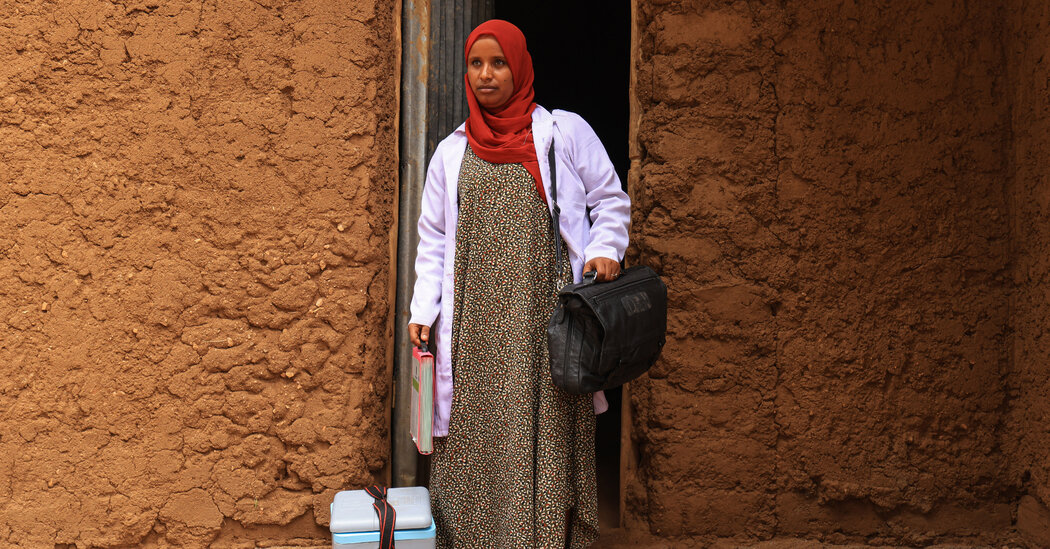
Community health workers put in long hours to protect people in developing countries from diseases such as malaria, Covid-19 and H.I.V. But most are compensated minimally, or not paid at all.On a given work day, Misra Yusuf might vaccinate a child against polio, inject a woman with a long-acting contraceptive, screen a man for tuberculosis, hang a bed net to protect a family from malaria and help dig a pit latrine. Over the past few years, she has administered some 10,000 coronavirus vaccines in her community in eastern Ethiopia. She has also spotted and snuffed out a measles outbreak.She works far more than the 40 hours her contract requires of her each week. For her labor, the Ethiopian government pays her the equivalent of $90 a month.“The payment is discouraging,” she said. “But I keep going because I value the work.”Ms. Yusuf is one in a legion of more than three million community health workers globally and is one of a small minority that are actually paid anything at all. Eighty-six percent of community health workers in Africa are completely unpaid.But now, spurred by frustrations that arose during the Covid pandemic and connected by digital technologies that have reached even remote areas, community health workers are organizing to fight for fair compensation. The movement stretches across developing countries and echoes the labor actions undertaken by female garment workers in many of those nations 40 years ago.“Community health workers in some countries like Rwanda and Liberia are treating half of malaria cases, they’re doing huge feats of curative care, of promotive care, of preventive care — and yet the vast majority of community health workers around the world are not paid or supported,” said Madeleine Ballard, the chief executive of Community Health Impact Coalition, an advocacy group that is helping with organization and strategy. “This is a gender issue, it’s a public health issue and it’s a labor issue.”The new pressure is starting to produce results. In Kenya, 100,000 female community health workers recently started to receive stipends — $25 a month, paid by the government — as a newly formalized group of health promoters. The win followed a campaign, coordinated on WhatsApp, in which women posted pictures on social media of themselves doing their jobs and used an app to learn strategies for lobbying politicians.Margaret Odera, who formed the first WhatsApp group, said she relished her successes helping pregnant women in Nairobi, the Kenyan capital, shield their babies from H.I.V. But she was tired of a decade of being told that “only God can thank you” for the work.“If you can pay a doctor for saving a life, you can pay me,” she said.Touting cheap labor costsMs. Yusuf and her colleagues promoting vaccination and contraception options before fanning out to deliver care door to door.For more than a billion people in low-income countries, community health workers deliver the main, and sometimes only, health care they receive over their lifetime. Health and aid organizations, such as the Bill & Melinda Gates Foundation; the Global Fund to Fight AIDS, Tuberculosis and Malaria; and USAID, depend on the workers to carry out programs that often have multimillion-dollar budgets. Yet little or nothing in those budgets may be allotted for so-called last-mile delivery.Current and former senior staff members at those organizations described meetings in which executives applauded programs that could be put in place by unpaid community health workers, celebrating what they called the “cost effectiveness” it would represent. But in the past year or two, that idea has become less publicly acceptable, the staff members said.“There is no doubt that women’s labor is underpaid and undervalued in the global health work force,” Theresa Hwang, deputy director for gender equality at the Gates Foundation, said. “Currently, there isn’t enough money in national health systems to ensure women get fairly compensated. As a donor in global health, we’re thinking critically about how we can support strengthening those systems and ensure community health workers receive their due.”“It happens in many of the global health programs, they don’t budget for what it will cost for somebody to do that work,” said Dr. Samukeliso Dube, the executive director of FP2030, an advocacy organization working to expand access to contraceptives globally. Delivery of family planning services relies on community health workers in Ethiopia and many other countries.In fact, it is often considered a selling point of a program that the delivery can be added to the workload of women who are paid little or nothing, Dr. Dube said. And because the people doing the work are isolated and marginalized women, there is little pushback, she said.Only 34 of the 193 member states in the United Nations have formalized the role of community health workers with training, accreditation and minimum wages. On Thursday, the U.N. General Assembly, gathering this week in New York, is expected to adopt a declaration on universal health coverage that recognizes the importance of paying community health workers and emphasizes gender equity.Other prominent international organizations have made such declarations, to little effect. In 2018, the World Health Organization published guidelines for the deployment of community health workers that included a recommendation for fair pay. The World Health Assembly endorsed the idea in 2019.But, Dr. Ballard said, “pressure is being ratcheted up.”Ms. Yusuf provides everything from hypertension medication to tuberculosis screening and has delivered 10,000 Covid vaccines.Community health workers typically have limited formal education, and many live in remote rural areas, factors that have made it difficult for them to organize.“They’re not in the same factory every day trading notes,” Dr. Ballard said.The spread of smartphones and free messaging services such as WhatsApp has helped change that.After women in a role called “lady health worker” in Pakistan won a battle to be paid, their counterparts in Nepal who watched that fight began campaigning for salaries, said Rajendra Acharya, the Asia and Pacific regional secretary of the trade union organization Uni Global, which helped organize the Pakistani workers.“Now volunteer workers in Bangladesh are looking at some gains made in India and saying, ‘Why not also here?’” he said.As news has spread to women about recent victories of their colleagues in other countries, “it’s harder for a government to say, ‘Oh no we can’t afford to pay you’ when your neighboring country, with similar circumstances, has brought in a minimum wage for their community health workers,” Dr. Ballard said. “Now we’re a rising tide.”The Global Fund recently became the first major international health organization to require countries that receive its grants to budget what delivery would be done by community health workers and the funding gap for remunerating them.A centuries-old model“The payment is discouraging,” said Ms. Yusuf, left. “But I keep going because I value the work.”The idea of delivering health care through community-based workers with minimal formal training goes back hundreds of years. It was seen as a way to serve people who lived in remote areas where physicians, nurses and midwives were scarce or nonexistent. Many countries model their programs loosely on China’s so-called barefoot doctors in the Cultural Revolution in the 1960s.Health ministries often say they can’t afford to pay community health workers, said Dr. Roopa Dhatt, the executive director of a think tank called Women in Global Health. Resistance also comes from religious and political leaders with traditional views about the role of women and who resist paying them for their work.“Many groups are interested in keeping women in traditional roles in the household, caring roles, whether it’s for children, their communities, their families, the elderly,” Dr. Dhatt said. “They don’t want to count that as work, they want that to be labeled what women like to do or what women are expected to do.”Governments urge women to volunteer for community health roles, promising the positions will bolster their social status, or offering small benefits such as access to a bicycle or a mobile phone. Until recently, the idea of admirable volunteerism kept unions from trying to organize community health workers, Dr. Ballard said.Ms. Yusuf checking for malnutrition, top, and providing contraceptive pills, above.For all the progress made recently, success is still elusive in many places. In India, more than a million community health workers, all of them women, staged a first-ever strike in 2021. They were frustrated by their pay (about $35 per month) and, especially, a lack of personal protective equipment while they were on the front lines of the response to the Covid pandemic. In these first strikes, they had the backing of the powerful All India Trade Union Congress, but their demand for a guaranteed minimum wage has not yet been met.Victories can also come with a downside for women: When work conditions and pay improve, men often move into the jobs. Liberia had an almost entirely female network of volunteer health assistants. In 2016, the country began a program of training and paying these workers — and soon more than 80 percent of the new jobs were held by men.The Liberian government is working to rebalance the work force by setting quotas for the hiring of women. It modified the list of required qualifications so that women’s experience in the job is weighed alongside the formal education to which men have more access.Ms. Yusuf, the community health worker in Ethiopia, has a 10th-grade education but trained for a year before she began her job. Her $90 monthly salary is about half that earned by her husband, a public-school teacher. She would like to transition to a formal nursing career — but she would not be able to pay for the training if she left her current job.Ms. Yusuf, middle, was making $90 per month, about half the salary of her husband, who is a teacher. She would like to transition to a formal nursing career.Tiksa Negeri for The New York TimesDozens of studies have found that women who live in rural areas and have limited educational and job opportunities often take community health roles in the hope such work will lead to a paid job, Dr. Ballard said. But such volunteer labor rarely provides that pathway.Nearly 20 years ago, Ethiopia became one of the first countries in sub-Saharan Africa to make widespread use of what it calls health extension workers. The program quickly produced results: Rates of malaria, AIDS deaths and maternal mortality plummeted. Those women were paid from the outset.But when it became clear that the two-per-district work force would not be enough to close the primary care gap, Ethiopia opted not to hire more community health workers, instead recruiting an unpaid corps it called the Women’s Development Army. This strategy is now being emulated in other countries, such as Nepal and Ghana.“You’re left with this: Either community health workers experience grotesque exploitation, given the number of hours and the complexity of tasks they are undertaking relative to their meager wage, or no wage — or, people are not getting health care,” Dr. Ballard said. Ms. Yusuf said she and her colleagues were seizing every meeting with local officials to complain about their pay.“Nothing has changed yet,” she said. “But it must.”

Read more →
Where Ukraine’s army of amputees go to repair their lives

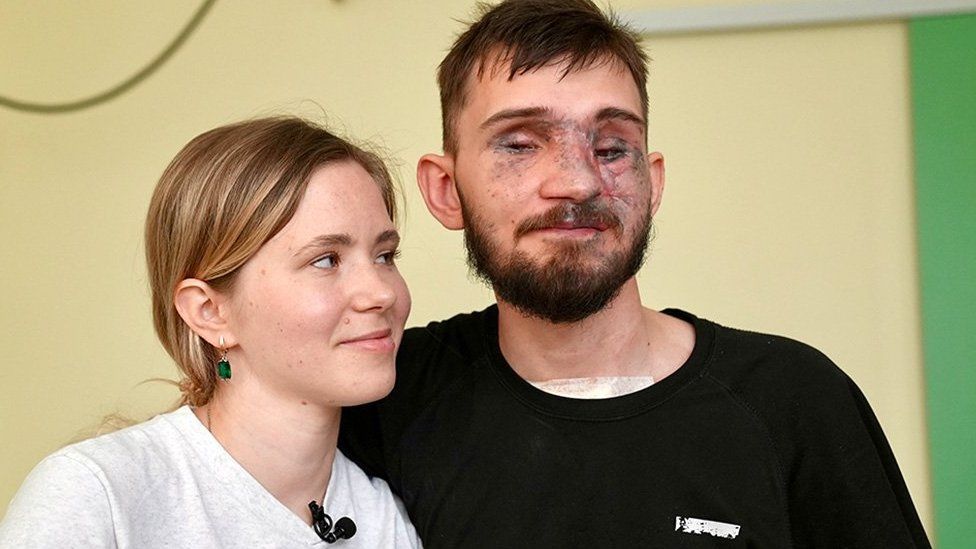
Published2 hours agoShareclose panelShare pageCopy linkAbout sharingImage source, Goktay Koraltan/BBCBy Orla GuerinBBC News, Kyiv, UkraineAs Ukraine’s counter-offensive grinds on – with limited gains and no decisive breakthrough – the number of amputees in the country is soaring.There were 15,000 in the first half of this year alone, according to the Department of Health in Kyiv. The ministry won’t disclose how many are soldiers. The authorities guard casualty figures closely, but the vast majority are likely to be military.That’s more amputees in six months than the UK had in the six years of World War II, when 12,000 of its servicemen and women lost limbs.There may be many more to come in Europe’s newest war. Ukraine is the most heavily mined country in the world, according to the country’s former defence minister, Oleksii Reznikov. Russia’s war is creating an army of amputees here, a conveyor belt of broken bodies.We meet some of them at a rehabilitation clinic in the capital, Kyiv, and a hospital in south-east Ukraine.Alina Smolenska’s only thought when her husband Andrii was wounded was to get to his bedside. “I just wanted to be with him, to touch him, to say that he’s not alone,” she says. “In situations like this, when a person needs support, I would touch their hand.” But when she reached him in hospital that was impossible.”I saw that Andrii really didn’t have his hands, so I just touched his leg and started to talk to him,” she says. “I said: ‘We are a family. Don’t worry. Of course, there will be some harsh moments, but we are together’.”Hours earlier, Andrii Smolenskyi had been commanding a small reconnaissance unit on Ukraine’s southern front. As the 27-year-old started climbing out of a trench, an explosion ripped through earth and sky. His next memory is of waking up in hospital. “It felt like a dream,” he says, “everything was so dark.”Slowly, he realised he couldn’t move his hands, and that something was on his eyes, covering them.Andrii lost his sight, most of his hearing, and both of his arms – one amputated above the elbow, the other below. Shrapnel was embedded deep under his skin. His face had to be rebuilt. Four months on, we meet at a clinic in Kyiv where he’s having rehabilitation, along with other war veterans.Andrii is tall and lean, with ready humour, and a slightly rasping voice. His latest surgery was to remove a breathing tube from his neck.Alina sits by his side, on his hospital bed, her head nestling on his shoulder, her hard resting on his knee. Their words, and their laughter, often overlap. She is also 27 – petite and blonde and a tower of strength.”My wife is incredible,” Andrii says. “She’s my hero, with me 100%.”Alina has supported him through his injury and his battle to adjust, through physiotherapy and 20 operations (there will be more). When he’s thirsty she gently lifts a straw to his lips. He now sees the world through her eyes.Andrii is “grateful to God” to have escaped any brain injury. His call sign in the army was “the apostle”, and he believes his survival was miraculous. “Psychologically it was hard to get through that, but when I accepted my new body, I would say I felt good,” he says. “Challenge accepted.” Russian ‘evil cannot be trusted’, Zelensky tells UNHas Russia carried out war crimes in Ukraine?Ukraine mothers go behind enemy lines to save stolen childrenDoctors expected him to be in a coma for three days after he was injured. He was conscious in one. Alina says he’s “stubborn, in a good meaning of that word”.When they met on a summer evening in 2018, she was smitten from the start. “I realised he was an exceptional person,” she says,” extremely intelligent, and thoughtful.”They shared a love of the outdoors, and hiking in the Carpathian Mountains. Four years ago this month, they married.Adversity has drawn them closer still. “In the past three months I think I started to even love him more,” Alina says with a laugh, “because he gave me so much motivation, so much inspiration”.The couple want to show that life goes on after life-changing injuries. “We will do everything possible to deal with it,” says Alina, “and with our example to show everyone that everything is possible”.Andrii was an unlikely soldier – a financial consultant and self-confessed nerd, who sang in church and liked to talk about philosophy. But he volunteered soon after Russia’s full-scale invasion in February 2022. For him it was a battle of good versus evil, “a war of values”.Now his battle is in the gym – where he trains two hours a day – rebuilding his strength and working on his balance. And he has taken on a new mission – to help those who may come after him.”Ukraine has never had such a big number of amputees, and people blinded by the war,” he says. “Our medical system is not ready in some ways. Some veterans come in with really complex cases.”And Ukraine’s legion of amputees is growing – mine by mine, and shell by shell.Far from Kyiv, closer to the front lines, we see some of the most recent casualties at a hospital in the south-east. After darkness falls, ambulances started arriving, carrying Ukraine’s young generation. One is wrapped in a gold foil blanket to prevent hypothermia. Another has a bandaged stump in place of a leg. The amputation was done hurriedly near the battlefield to save his life.On arrival, a number is written on the upper body of every casualty. There is no chaos, no shouting. The staff here know the drill. Since the war began, they have treated 20,000 wounded soldiers – and counting. “This is our front line,” says Dr Oksana, an anaesthesiologist. “We are doing what we must do. These are our men, our husbands, fathers, brothers, and sons.”Image source, Goktay Koraltan/BBCIn the intensive care unit, we meet Oleksii, his military dog tag still around his neck. He’s 38 and the father of a teenager. Just days before he lost both legs. “I remember I got into a trench, and I think there was a tripwire”, he says. “I stepped on it. I remember a big explosion and friends trying to take me out.” The hospital director Dr Serhii – a fatherly figure – holds his hand and tells him he is a hero.”We will do everything possible so you can get prostheses quickly and run,” he says.I ask Dr Serhii if he ever feels overwhelmed by the flood of maimed soldiers.”As a rule, this feeling comes every night,” he tells me. “When you see all this grief, all the wounded that arrive at the hospital. During the war we have seen more than 2,000 like Oleksii.”Back in Kyiv, Andrii and Alina keep the darker moments to themselves.He’s battling on, surprising doctors. They didn’t think he could walk with a white stick because he couldn’t hold it. But he found a way by clenching the cord at the top of the stick between his teeth.His voice is getting stronger. He hopes he will be able to sing in church again and return to the mountains with Alina.She dreams that new technology will restore his sight one day. “I also hope for some kids,” she says with a laugh, “and for our house in a peaceful Ukraine”.Alina is trying to arrange treatment abroad, possibly in the United States, where specialists have more experience with complex needs like her husband’s.Andrii grows quiet when asked what the hardest thing is now.It was not his injuries, he says, but that he did not get to finish what he started and win the war. Outside the clinic, a few of his fellow patients gather to smoke and share stories of the trenches. All have lost legs. Their wheelchairs form a sunlit semi-circle. One says the government is downplaying the number of amputees. He asks us not to use his name.”There are at least three times as many as they say,” he insists. “They want to hide us away. They don’t want people to know how many there really are. They are worried about getting people to join up and fight.”He still gets a small salary from the military. “Enough for eight packets of cigarettes,” he says with a bitter laugh.How long can Ukraine sustain these losses, and continue to fight? And how well can the growing ranks of amputees fit back into civilian life?These are hard questions as a second winter of war approaches.”We definitely are not ready, as a country, for a big number of people with disabilities on the streets,” says Olga Rudneva, chief executive officer of the Superhumans rehabilitation centre. “People will need to learn to interact. It will take years.”Her new state-of-the art facility – in the relative safety of Western Ukraine – provides prosthetics for soldiers and civilians, free of charge.Olga wants amputees to be visible, and she wants a new definition of beauty in Ukraine.”This is our new normal,” she says. “They lost their limbs fighting for Ukraine and for our freedom.”Additional reporting by Wietske Burema and Natalka SosnytskaSign up for our morning newsletter and get BBC News in your inbox.More on this story’I’m going back to the frontline with my bionic arm’Published14 April’I dream about walking soon… it’s not the end’Published7 MarchThe wounded Ukraine soldier treated in ScotlandPublished23 February

Read more →

Child fentanyl death: Police seek husband of NYC nursery owner

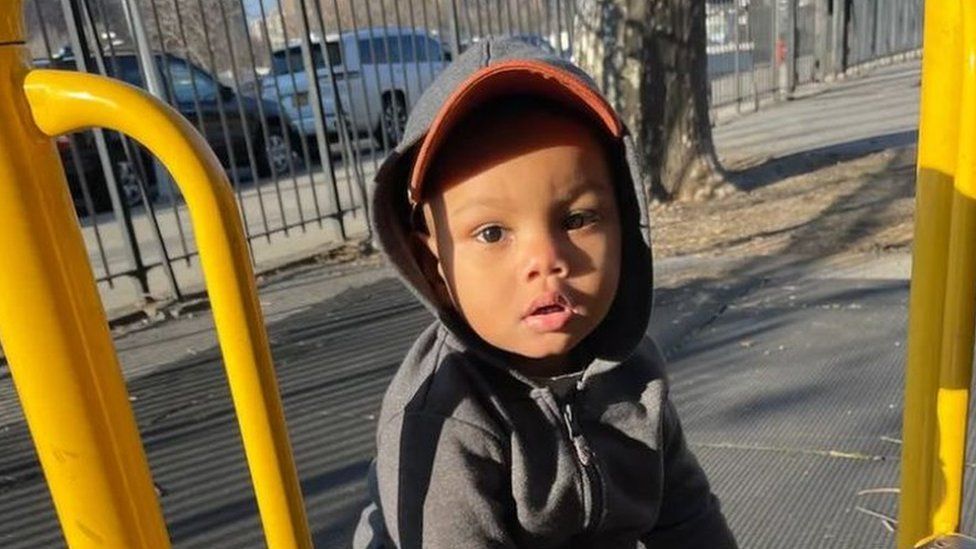
Published9 hours agoShareclose panelShare pageCopy linkAbout sharingImage source, Otoniel Feliz SamboyBy Max MatzaBBC NewsNew York City police are hunting for the husband of a nursery owner after a one-year-old died from a suspected drug overdose at the facility and three other children were taken to hospital.Nicholas Dominici died after inhaling fentanyl at the nursery operated by Grei Mendez, who has been arrested. Fentanyl was found under a mat used by the children for napping, police said.The synthetic painkiller, 50 times more powerful than heroin, has been blamed for a rise in US drug deaths. On Wednesday, an NYPD spokesperson told the BBC that police were still trying to ascertain the identity of the woman’s spouse, whom charging documents describe as a co-conspirator. Video footage shows the husband fleeing before police arrived. There is no reward currently being offered for his arrest. Three children were revived with Narcan, an overdose-reversing drug, after police were called to the Divino Niño nursery in the Bronx on Friday night.One kilo of fentanyl was discovered “underneath a mat where the children had been sleeping earlier”, said NYPD chief detective Joseph Kenny on Monday. Image source, Getty ImagesThe owner of the Divino Niño nursery, Ms Mendez, 36, and her tenant, Carlisto Acevedo Brito, 41, are facing federal charges of narcotics possession “with intent to distribute resulting in death”, according to federal prosecutors.Surveillance footage and phone records show that Ms Mendez called her husband several times after finding the children ill – before she even contacted 911. Her husband then arrived and removed several full shopping bags from the nursery, officials said.Ms Mendez also allegedly deleted approximately 20,000 texts from her phone before her arrest, according to prosecutors. Authorities were later able to recover the messages. A lawyer for Ms Mendez said his client denies the charges and was unaware that drugs were being kept in the nursery. Police say the fentanyl recovered at the scene could have killed 500,000 people. Fourth wave of fentanyl crisis hits every corner of USCity health inspectors conducted a surprise visit of the nursery on 6 September, but did not identify any violations.Mayor Eric Adams defended the inspectors on Wednesday, telling TV network NY1: “That inspector did their job. And we should not in any way give an impression that inspector failed those children and their families.””Who did not do their job?” he added. “Those individuals who were supposed to protect the children there.”The father of a two-year old boy that survived the fentanyl exposure told ABC News that there were warning signs about the nursery.The man told the network that, looking back, he considers it suspicious there were three men standing outside the building on Thursday and Friday. Virtually every corner of the US, from Hawaii to Alaska to Rhode Island, has been touched by fentanyl, new research shows. The death toll from fentanyl includes a growing number of very young children. Over the weekend in Washington state, one child died and two others got sick in separate incidents involving fentanyl, police say. Across the country, prosecutors are bringing charges against parents whose children died after consuming the deadly drug. You may also be interested in:This video can not be playedTo play this video you need to enable JavaScript in your browser.Sign up for our morning newsletter and get BBC News in your inbox.More on this storyFourth wave of fentanyl crisis hits every corner of USPublished3 days agoExpert: Fentanyl crisis has ‘only gotten worse’Published2 days agoFentanyl – a killer drug’s trail of destructionPublished1 AprilFewer US teens use drugs – but more are dyingPublished16 October 2022On America’s trail of destruction. Video, 00:13:34On America’s trail of destructionPublished24 October 201813:34

Read more →

College athletes experience worse post-injury outcomes for concussions suffered outside of sports

Researchers from Children’s Hospital of Philadelphia (CHOP) found that college athletes had worse post-injury outcomes related to concussions they experienced outside of sports than those they experienced while playing sports. Additionally, female athletes who sustained their injury outside of sports had more severe symptoms and more days in sports lost to injury relative to male athletes. These findings suggest the need for improved concussion recognition, reporting, and monitoring outside of sports.
The study was recently published online by the Journal of Athletic Training.
Concussions have the potential to impact the daily function and quality of life of those who sustain them. Prompt recognition of symptoms and early access to care can help minimize those effects. Most concussion research has primarily focused on injuries that occur while playing sports, but those studies often exclude concussions that can happen outside of sports, usually the result of falls or car crashes. Some research has indicated that patients with non-sports-related concussions have worse outcomes, but research into those effects in college-age patients is very limited.
“Patients who experience a concussion outside of sports may lack the resources that athletes who sustain their injury on the field have for concussion care, like immediate access to health care providers such as athletic trainers,” said study first author Patricia Roby, PhD, an injury scientist who conducted this research while she was a postdoctoral fellow at CHOP.
To help address this gap in knowledge, researchers analyzed data from the National Collegiate Athletic Association-Department of Defense Concussion Assessment, Research, and Education (CARE) Consortium. A total of 3,500 college athletes were included in the study, including 555 that experienced a non-sports-related concussion. More than 40% of athletes included were female so that potential differences in recovery between males and females could be explored.
The study found that athletes who experienced non-sports-related concussions were less likely to report their injuries immediately, potentially due to lack of recognition of symptoms outside of the sport setting or hesitation to report the injury caused by unusual or careless mechanisms. Athletes who sustained non-sports-related concussions reported greater severity of their symptoms, more days with symptoms, and more days in sports lost to injury relative to patients who experienced sports-related concussions, and these findings were even more true in female patients compared with male patients.
“Our findings show that non-sports mechanisms of injury for concussion are an important consideration in college age young adults, something we had already described in our research in younger children. There is an opportunity to improve clinical outcomes by increasing awareness and education around concussions that happen outside of sports and reducing healthcare reporting barriers in this older age group as well,” said senior study author Christina L. Master, MD, clinical director of the Minds Matter Concussion Program at CHOP. “Additionally, our findings related to sex differences in the trajectory of these injuries warrant additional investigation to see the extent to which reporting behaviors and access to medical teams are contributing to this disparity in outcomes.”
This study was supported by the National Institute of Neurologic Disorders and Stroke of the National Institutes of Health grants R01NS097549 and T32NS043126 and the Grand Alliance Concussion Assessment, Research, and Education (CARE) Consortium, funded, in part by the National Collegiate Athletic Association (NCAA) and the Department of Defense (DOD). This work was also supported by the Office of the Assistant Secretary of Defense for Health Affairs, through the Combat Casualty Care Research Program, endorsed by the Department of Defense, through the Joint Program Committee 6/ Combat Casualty Care Research Program — Psychological Health and Traumatic Brain Injury Program under Award No. W81XWH1420151.

Read more →

Disrupting a core metabolic process in T cells may improve their therapeutic efficacy

In exploring an aspect of how killer T cells generate the raw materials required for their proliferation, a Ludwig Cancer Research study has uncovered an unexpected link between the immune cells’ metabolism, regulation of gene expression, persistence and functional efficacy that could be exploited using existing drugs to improve cancer immunotherapy.
Researchers led by Ludwig Lausanne’s Alison Jaccard and Ping-Chih Ho along with their University of Lausanne colleagues Mathias Wenes and Pedro Romero were exploring how proliferating T cells in the low-oxygen environment of tumors make citrate, a molecule essential to manufacturing membranes, which are required in large quantities to make new cells. The question was whether the killer (CD8+) T cells — which destroy sick and infected cells — use a trick employed by multiplying cancer cells to ensure a steady supply of the critical molecule in similarly hypoxic conditions: shunting the amino acid glutamine through a series of chemical reactions, including one known as reductive carboxylation, to make citrate.
“We show in this study that CD8+ T cells indeed engage this metabolic pathway, and that an extensively characterized metabolic enzyme known as isocitrate dehydrogenase plays a central role in the process,” said Ho. “But what really surprised us — and could be significant for cancer immunotherapy — is that genetically or pharmacologically disrupting the enzyme did not hamper the proliferation or function of CD8+ T cells, as we expected it would. Rather, it led to the transformation of their progeny into memory T cells that are more vigorous and live far longer than their predecessors.”
The researchers further report in the current issue of Nature that both mouse and human chimeric antigen receptor (CAR) T cells grown in the presence of drugs that inhibit isocitrate dehydrogenase (IDH2) take on all the key properties of memory T cells. They also demonstrate that these CAR-T cells — which are engineered to target specific markers on cancer cells — show enhanced anti-tumor activity in mouse models of melanoma, leukemia and multiple myeloma.
“When CD8+ T cells are prepared for treatments involving adoptive cell transfer, they tend to be relatively exhausted, meaning they have a limited ability to proliferate and die pretty quickly after activation,” said Jaccard. “This results in their inefficient engraftment and cancer recurrence. But memory T cells persist and can proliferate over and over again when activated by their targets, making them much better instruments of CAR-T and other adoptive cell therapies.”
Analysis of how disrupting IDH2 activity affected the T cells revealed a link between an altered profile of metabolites in them and epigenetic regulation of their gene expression, in which the chemical tagging of DNA and its protein packaging dynamically alters chromosome structure to determine the availability of genes for reading.
“Our studies showed that when IDH2 is inhibited by drugs, the cell engages alternative metabolic pathways to compensate,” said Jaccard. “That naturally alters the types and amounts of metabolites generated in the cell, and some of the metabolites affected by these changes are involved in regulating epigenetic enzymes. This is what drives the transformation of CD8+ T cells into memory cells.”
Specifically, IDH2 inhibition affects a core metabolic process known as the TCA cycle, forcing the T cells to activate compensatory metabolic pathways. This alters the profile of metabolites in the cells, boosting the levels of molecules that inhibit an epigenetic enzyme known as KDM5 and so changing the deposition of a key epigenetic “mark” on their chromosomes. As a result, the chromosomes open up in a way that gives the cells’ gene expression machinery access to genes that define memory T cells, triggering their transformation. In the absence of IDH2 inhibition, those genes are kept under wraps, bolstering the terminally exhausted CD8+ T cell identity.

Read more →

Exercise and muscle regulation: Implications for diabetes and obesity

How do our muscles respond at the molecular level to exercise? Researchers at Helmholtz Munich and the German Institute of Human Nutrition Potsdam-Rehbrücke (DIfE) have unraveled the cellular basis and signaling pathways responsible for the positive impact of physical activity on our overall health. Regulatory T cells, a type of immune cell, play a critical role in ensuring proper muscle function. These novel insights are paving the path towards precision medicines targeting metabolic disorders like obesity and diabetes, as well as muscle-related illnesses. Their discoveries are published in Cell Metabolism.
Obesity and type 2 diabetes pose an increasing threat to our global health. Overnutrition and physical inactivity contribute to the development of these conditions. Exercise is not only effective for preventing diseases but also offers numerous health benefits including improving the immune system. Researchers from the German Center for Diabetes (DZD) at Helmholtz Munich and the German Institute of Human Nutrition Potsdam-Rehbrücke (DIfE) revealed new insights on the interconnections between exercise, muscle function, and the immune system. These new findings can not only benefit people living with obesity or type 2 diabetes seeking to improve their health through exercise or patients of muscle-related diseases, but also benefit professional athletes. Importantly, a better understanding of the immune-muscle crosstalk can contribute to the future development of precision immune therapies for diabetes and other complications.
Regulatory T Cells Ensure Proper Muscle Function
Although the beneficial effects of exercise training on metabolic health and the immune system are commonly known, the exact mechanisms of how physical activity affects muscle immune cells remained unknown until now. The team of researchers unraveled the molecular mechanisms by which a specialized subset of immune cells in the human body, the regulatory T cells (Tregs), control muscle crosstalk in a steady state, in response to exercise, as well as upon muscle injury. During exercise highly functional Tregs can be found in the muscles, which are important for proper muscle function, regeneration, and repair.
By manipulating the Tregs in multiple ways, the authors uncover their pivotal role in regulating muscle function, strength, and repair after injury. The research team identifies a critical mediator of these effects. A signaling pathway involved in the immune response and various other physiological processes, the interleukin-6 (IL6) receptor (IL6R) signaling on T cells, is critical for Treg functionality. The IL6R has to be present on the surface of T cells for the Treg-mediated control of muscle function.
These new findings can additionally offer a possible mechanistic explanation as to why anti-inflammatory treatment targeting IL6R has been associated with the development of muscle weakness as a side effect in the clinic. In conclusion, the new discoveries highlight the importance of dissecting the crosstalk between the immune system and the metabolism in conditions such as diabetes and obesity. These insights will be crucial for developing precision medicines targeting Tregs within distinct niches and contexts in the future.

Read more →

Structure of crucial receptor in brain development, function

Scientists have revealed the molecular structure of a type of receptor that’s crucial to brain development and function.
Known as Type A GABA receptors, these receptors are already targeted by pharmaceutical anesthetics, sedatives and antidepressants because of their important role in brain function. The discovery, published today in the journal Nature, reveals the dominant assemblies and states of the GABA receptor, a finding that could enable the development of new compounds that more specifically target a range of medical disorders.
“It is the main player that balances excitation and inhibition in the brain,” said lead author Chang Sun, Ph.D., a postdoctoral researcher in the Vollum Institute at Oregon Health & Science University. “It affects all aspects of brain function, from motor function, to memory and learning, and also emotion and anxiety.”
“Because the off switch is so crucial, GABA receptors are spread throughout the entire brain,” added senior author Eric Gouaux, Ph.D., senior scientist in OHSU’s Vollum Institute and an investigator with the Howard Hughes Medical Institute.
The receptor is defined by five-sided, or pentameric, assemblies derived from 19 different subunits, each of which give rise to a vast number of configurations that may or may not be clinically relevant. In this case, researchers painstakingly isolated native assemblies from mice and then infused them with common medications used to treat insomnia and postpartum depression.
They were then able to visualize three major structural populations of the receptor.
“This study shows the dominant assemblies and states of the GABA receptor,” Gouaux said. “That’s really the huge breakthrough — nobody had been able to figure out which of the hundreds of thousands of these assemblies are most highly populated.”
The discovery shows the GABA receptor in its native state as opposed to tissue culture, as demonstrated in previous work, said co-author Sarah Clark, Ph.D., a former postdoctoral fellow in the Gouaux lab and now an assistant professor at Oregon State University. Researchers leveraged state-of-the-art cryogenic electron microscopy to reveal the structure in its natural state, rather than earlier techniques that required crystallizing vast quantities of identical molecules to form an artificial picture of their native structure.

Read more →

Genetic biomarker may predict severity of food allergy

Researchers from Ann & Robert H. Lurie Children’s Hospital of Chicago and colleagues reported for the first time that a genetic biomarker may be able to help predict the severity of food allergy reactions. Currently there is no reliable or readily available clinical biomarker that accurately distinguishes patients with food allergies who are at risk for severe life-threatening reactions versus more mild symptoms. Findings were published in the Journal of Allergy and Clinical Immunology.
Dr. Lang and colleagues found that the presence of an enzyme isoform called α-tryptase, which is encoded by the TPSAB1 gene, correlates with increased prevalence of anaphylaxis or severe reaction to food as compared to subjects without any α-tryptase.
“Determining whether or not a patient with food allergies has α-tryptase can easily be done in clinical practice using a commercially available test to perform genetic sequencing from cheek swabs,” said lead author Abigail Lang, MD, MSc, attending physician and researcher at Lurie Children’s and Assistant Professor of Pediatrics at Northwestern University Feinberg School of Medicine. “If the biomarker is detected, this may help us understand that the child is at a higher risk for a severe reaction or anaphylaxis from their food allergy and should use their epinephrine auto-injector if exposed to the allergen. Our findings also open the door to developing an entirely new treatment strategy for food allergies that would target or block α-tryptase. This is an exciting first step and more research is needed.”
Tryptase is found mainly in mast cells, which are white blood cells that are part of the immune system. Mast cells become activated during allergic reactions. Increased TPSAB1 copy number which leads to increased α-tryptase is already known to be associated with severe reactions in adults with Hymenoptera venom allergy (or anaphylaxis following a bee sting).
Dr. Lang’s study included 119 participants who underwent TPSAB1 genotyping, 82 from an observational food allergy cohort at the National Institute of Allergy and Infectious Diseases (NIAID) and 37 from a cohort of children who reacted to peanut oral food challenge at Lurie Children’s.
“We need to validate our preliminary findings in a much larger study, but these initial results are promising,” says Dr. Lang. “We also still need a better understanding of why and how α-tryptase makes food allergy reactions more severe in order to pursue this avenue for potential treatment.”
Rajesh Kumar, MD, MSc, from Lurie Children’s is the co-senior author on the study. Dr. Kumar is the Interim Division Head of Allergy and Immunology and Professor of Pediatrics at Northwestern University Feinberg School of Medicine.
This work was supported in part by the Midwest Allergy Research Institute (MARI) Food Allergy Pilot Research Award and NIAID-sponsored T32 grant AI083216. This project was funded in part with federal funds from the Division of Intramural Research of the National Institute of Allergy and Infectious Diseases, NIH. This project has also been funded in whole or in part with federal funds from the National Cancer Institute, National Institutes of Health, under Contract No. 75N91019D00024.

Read more →

New drug delivery system has potential to improve cancer treatments

A team of biomedical engineers from Brown University has developed a new hydrogel-based delivery system that balances the acidic environment in a tumor and greatly enhances the cancer-fighting activity of the chemotherapeutic drug it encapsulates in lab experiments.
The hydrogel system, which is injectable, acts as a buffer to the drug doxorubicin and directly delivers it to malignant tumors, helping to reduce unwanted side effects that occur when the drug isn’t released directly in the targeted site. The researchers say the hydrogel, which was designed to balance pH levels, has the potential to substantially improve chemotherapeutic treatments and reduce the risk of aggressive cancers spreading in the body by neutralizing acid levels in tumors.
The in vitro work is described in ACS Applied Materials and Interfaces.
“At its core, the research is about mitigating some of the critical problems that we face in cancer treatment,” said Zahra Ahmed, lead study author and a Ph.D. student in the Brown lab of Assistant Professor of Engineering Vikas Srivastava.
Ahmed and Srivastava explain that in the region known as the tumor microenvironment, many factors can negatively impact patient prognosis and chemotherapeutic efficacy. One of the main problems is acidosis, where the tumor environment becomes more acidic and pH levels plummet.
In patients with cancer, this increases the likelihood of metastasis, through which the cancer spreads to other parts of the body. It also significantly reduces the effectiveness of chemotherapeutics. For instance, in acidic environments, doxorubicin — one of the current leading chemotherapeutics — goes through what’s known as ion trapping. Essentially, the drug gets trapped by the acidic environment outside the cells and can’t penetrate inside them, which prevents it from killing the cancer cells.
Doxorubicin is toxic and when administered through the current practice of intravenous delivery, it doesn’t discriminate between cancer cells and non-cancerous healthy cells, leading to significant side effects. Compounding these challenges is that there is no current method to directly balance acidic pH levels in cancerous tumors.

Read more →

Newly discovered bone stem cell causes premature skull fusion

Craniosynostosis, the premature fusion of the top of the skull in infants, is caused by an abnormal excess of a previously unknown type of bone-forming stem cell, according to a preclinical study led by researchers at Weill Cornell Medicine.
Craniosynostosis arises from one of several possible gene mutations, and occurs in about one in 2,500 babies. By constricting brain growth, it can lead to abnormal brain development if not corrected surgically. In complex cases, multiple surgeries are needed.
In the study, which appears Sept. 20 in Nature, the researchers examined in detail what happens in the skull of mice with one of the most common mutations found in human craniosynostosis. They found that the mutation drives premature skull fusion by inducing the abnormal proliferation of a type of bone-making stem cell — the DDR2+ stem cell — that had never been described before.
“We can now start to think about treating craniosynostosis not just with surgery but also by blocking this abnormal stem cell activity,” said study co-senior author Dr. Matt Greenblatt, an associate professor of pathology and laboratory medicine at Weill Cornell Medicine and a pathologist at NewYork-Presbyterian/Weill Cornell Medical Center.
The other co-senior author of the study was Dr. Shawon Debnath, a research associate in the Greenblatt laboratory.
In a study published in Nature in 2018, Drs. Debnath and Greenblatt and their colleagues, described the discovery of a type of bone-forming stem cell they called the CTSK+ stem cell. Because this type of cell is present in the top of the skull, or “calvarium,” in mice, they suspected that it has a role in causing craniosynostosis.
In the new study, they investigated that possibility by engineering mice in which CTSK+ stem cells lack one of the genes whose loss of function causes craniosynostosis. They expected that the gene deletion somehow would induce these calvarial stem cells to go into bone-making overdrive. This new bone would fuse the flexible, fibrous material called sutures in the skull that normally allow it to expand in infants.

Read more →