Genetically Modified Pig’s Heart Is Transplanted Into a Second Patient
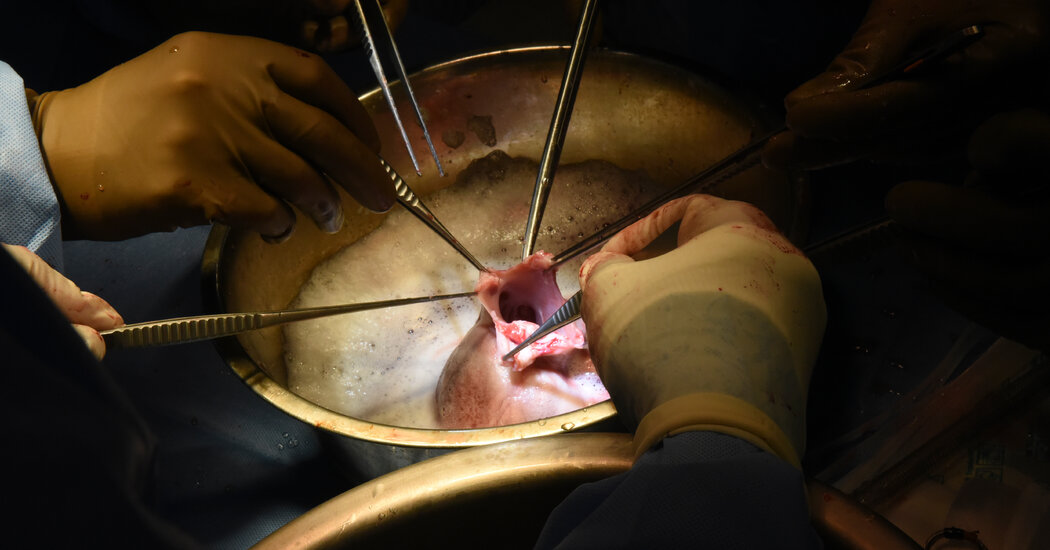
The first patient to receive such an organ died after two months. “At least now I have hope,” the second recipient said before the surgery.Surgeons in Baltimore have transplanted the heart of a genetically altered pig into a man with terminal heart disease who had no other hope for treatment, the University of Maryland Medical Center announced on Friday.It is the second such procedure performed by the surgeons. The first patient, David Bennett, 57, died two months after his transplant, but the pig heart functioned well and there were no signs of acute organ rejection, a major risk in such procedures.The second patient, Lawrence Faucette, 58, a Navy veteran and married father of two in Frederick, Md., underwent the transplant surgery on Wednesday and is “recovering well and communicating with his loved ones,” the medical center said in a statement.Mr. Faucette, who had terminal heart disease and other complicated medical conditions, was so sick that he had been rejected from all transplant programs that use human donor organs.“At least now I have hope and I have a chance,” Mr. Faucette said before the surgery. “I will fight tooth and nail for every breath I can take.”Mr. Faucette, a 20-year Navy veteran with heart failure from Frederick, Md., and his wife, Ann Faucette, before the surgery. Mr. Faucette, 58, received a genetically altered pig heart at the University of Maryland Medical Center.University of Maryland Medical CenterThe transplantation was performed by Dr. Bartley Griffith, who operated on the first patient. Dr. Muhammad Mohiuddin, of the University of Maryland School of Medicine, designed the protocol.Mr. Bennett died after multiple complications, and traces of a virus that infects pigs were found in his new heart, raising concerns that so-called xenotransplants of organs from animals to people could introduce new pathogens into the human population.Hospital officials said they repeatedly tested the pig used in the transplant last week for both the virus, called porcine cytomegalovirus, and antibodies using a new assay that was not available at the time of Mr. Bennett’s transplant.Before undergoing the transplant, Mr. Faucette said he recognized that it would be a miracle if he was able to leave the hospital and go home, and another miracle if he lived for months or a year longer.“Realistically, this is in the early-stage learning process,” he said of the procedure.In recent years, the science of xenotransplantation has taken huge strides with gene editing and cloning technologies designed to make animal organs less likely to be rejected by the human immune system.Although the advances are still in nascent stages, they offer hope to the more than 100,000 Americans who are living with end-stage organ disease yet face an acute shortage of human donor organs. Most of those waiting for an organ need a kidney, but fewer than 25,000 kidney transplants are performed each year and thousands die on waiting lists.Transplant surgeons at the University of Alabama at Birmingham and NYU Langone Health have transplanted kidneys from genetically modified pigs into brain-dead patients maintained on ventilators, demonstrating that the kidneys can make urine and perform other essential biological functions without being rejected.“There is a growing need for organs and for people with end-stage organ failure who are out of options,” said Dr. Jay Fishman, a professor of medicine at Harvard and associate director of the Transplant Center at Massachusetts General Hospital.“While decedent trials are informative, transplants in living recipients are, of course, most relevant to advancing knowledge in the field,” Dr. Fishman added. He said he was optimistic that the surgery would encourage scientists to enter the field and accelerate the path to clinical trials.The heart transplanted into Mr. Faucette came from a pig that had received 10 genetic modifications. Scientists removed three pig genes that cause rapid rejection of pig organs by the human immune system, while inserting six human genes that allow the immune system to accept the organ.An additional pig gene, responsible for the heart’s growth, was knocked out to prevent the organ from becoming too large.The genetically altered pig was provided by Revivicor, a regenerative medicine company based in Blacksburg, Va., that is a subsidiary of United Therapeutics Corporation. Before the transplant, the pig was screened for viruses, bacteria and parasites.The Food and Drug Administration granted emergency approval to the transplant last week under a “compassionate use” process that allows experimental procedures to be performed on a single patient who has a life-threatening condition.Mr. Faucette is also receiving an experimental new antibody therapy developed by Eledon Pharmaceuticals called tegoprubart, which blocks a protein involved in the activation of the immune system. Other conventional drugs are also being used to suppress his immune system and prevent rejection of the organ.Mr. Faucette’s wife, Ann, said the two were keeping expectations low and just hoping for some more time together. “That could be as simple as sitting on the front porch and having coffee together,” she said.

Read more →
Discovery in mosquitoes could lead to new strategy against dengue fever and other mosquito-borne vectors

Researchers from the Johns Hopkins Malaria Research Institute at the Johns Hopkins Bloomberg School of Public Health have made an important finding about Aedes aegypti mosquitoes — one that could one day lead to better methods for reducing the mosquito-to-human transmission of dengue, yellow fever, Zika, and other harmful and sometimes deadly viruses.
Ae. aegypti mosquitoes do not succumb to these viruses when infected and continue to move and feed normally. As such, the infected mosquitoes can pass their viral cargoes on to humans. The researchers discovered that an Ae. aegypti protein, Argonaute 2, has a key role — via several biological mechanisms — in keeping mosquitoes healthy and active despite these infections.
The discovery represents a significant advance in understanding mosquito biology. It also hints at a strategy that would aim to shut down Ae. aegypti mosquitoes’ defenses whenever they become infected by certain viruses — killing the mosquitoes and thereby reducing the transmission of those viruses by Ae. aegypti to humans. Instead of making mosquitoes more resistant to the viruses, the discovery opens a possible path for making mosquitoes more susceptible and less tolerant to virus infection, which would impair their ability to transmit disease.
The research was published online September 18 in Nature Communications.
“Researchers have long wondered why Ae. aegypti mosquitoes don’t get sick when they are infected by these viruses — our findings effectively solve this mystery and suggest a potential new mosquito-based disease control strategy that merits further study,” says study senior author George Dimopoulos, PhD, a professor in the Johns Hopkins Malaria Research Institute and in the Bloomberg School’s Department of Molecular Microbiology and Immunology.
The study’s lead author was Shengzhang Dong, PhD, a senior research associate in the Bloomberg School’s Department of Molecular Microbiology and Immunology.
Ae. aegypti mosquitoes transmit “arthropod-borne” or “arbo-” viruses including dengue virus, yellow fever virus, Zika virus, chikungunya virus, and Mayaro virus. Each year these pathogens sicken millions of people around the world each year, killing tens of thousands. There are no antiviral therapies for any of these viruses. Currently, a vaccine is available for yellow fever virus. One dengue vaccine is approved by the Food and Drug Administration for individuals between six and 16 who have had prior dengue infection. Disease control methods for Ae. aegyptiemphasize the use of insecticides, which have had limited success and have led to insecticide resistance.

Read more →

New research adds evidence to the benefits of ginger supplements for treating autoimmune diseases

New research has revealed a potentially important role ginger supplements can play in controlling inflammation for people living with autoimmune diseases.
The research published today in JCI Insight focused on studying the impact of ginger supplementation on a type of white blood cell called the neutrophil. The study was especially interested in neutrophil extracellular trap (NET) formation, also known as NETosis, and what it may mean for controlling inflammation.
The study found ginger consumption by healthy individuals makes their neutrophils more resistant to NETosis. This is important because NETs are microscopic spider web-like structures that propel inflammation and clotting, which contribute to many autoimmune diseases, including lupus, antiphospholipid syndrome and rheumatoid arthritis.
“There are a lot of diseases where neutrophils are abnormally overactive. We found that ginger can help to restrain NETosis, and this is important because it is a natural supplement that may be helpful to treat inflammation and symptoms for people with several different autoimmune diseases,” said senior co-author Kristen Demoruelle, MD, PhD, associate professor of medicine at the University of Colorado School of Medicine on the University of Colorado Anschutz Medical Campus.
In a clinical trial, the researchers found that daily intake of a ginger supplement for seven days (20 mg of gingerols/day) by healthy volunteers boosted a chemical inside the neutrophil called cAMP. These high levels of cAMP then inhibited NETosis in response to various disease-relevant stimuli.
“Our research, for the first time, provides evidence for the biological mechanism that underlies ginger’s apparent anti-inflammatory properties in people,” said senior co-author Jason Knight, MD, PhD, associate professor in the Division of Rheumatology at the University of Michigan.
The researchers say that many people with inflammatory conditions are likely to ask their health care providers whether natural supplements could be helpful for them or they already take supplements, like ginger, to help manage symptoms. Unfortunately, the precise impact on disease is often unknown. The researchers hope that providing more evidence about ginger’s benefits, including the direct mechanism by which ginger impacts neutrophils, will encourage health care providers and patients to more strategically discuss whether taking ginger supplements as part of their treatment plan could be beneficial.
“There are not a lot of natural supplements, or prescription medications for that matter, that are known to fight overactive neutrophils. We, therefore, think ginger may have a real ability to complement treatment programs that are already underway. The goal is to be more strategic and personalized in terms of helping to relieve people’s symptoms,” Knight adds.
As a next step, the researchers hope to use this study to unlock funding for clinical trials of ginger in patients with autoimmune and inflammatory diseases where neutrophils are overactive, such as lupus, rheumatoid arthritis, antiphospholipid syndrome and even COVID-19.

Read more →

New Covid Vaccines Hit Insurance Snags: What to Do if Yours Gets Denied

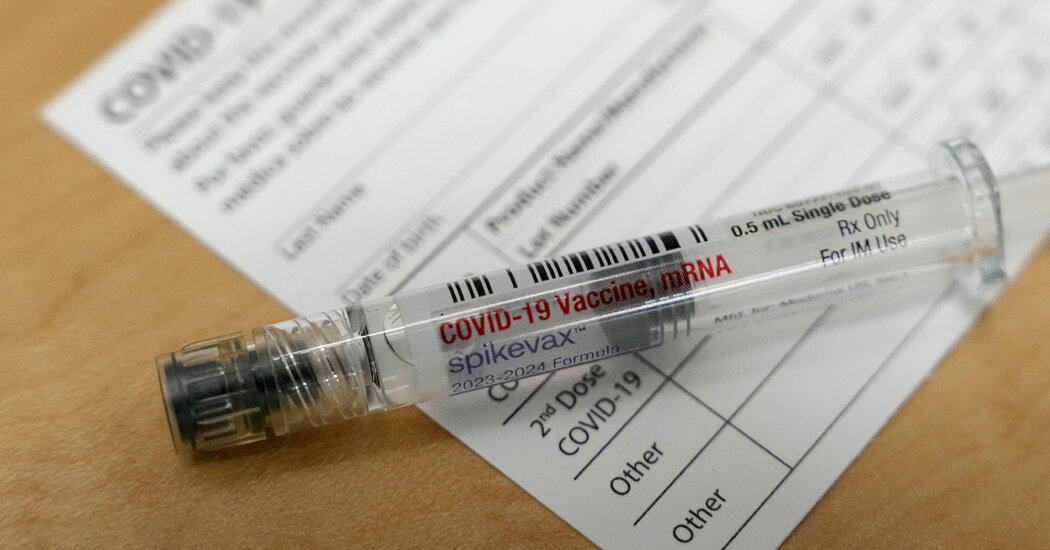
The updated shot is here. But pharmacies are rescheduling appointments, and some people are being told their insurance will not cover it.Vero Lopez was excited about getting the new Covid vaccine. She’s cautious about the virus, still carrying a mask around and avoiding indoor dining. So Ms. Lopez, 52, contacted her health care provider, Kaiser Permanente, as soon as she found out the shots were approved last week. She couldn’t get the vaccine through them yet, but a CVS drugstore near her home in Los Angeles did have an appointment. After another call to confirm her insurer would reimburse her, she booked it.Days later, she got a text from CVS: Her appointment had been canceled. More than a week after new Covid vaccines were approved and recommended for all Americans aged 6 months and older, some are having trouble getting the shots. Insurance companies are denying coverage, with some blaming the difficulties on billing codes. Pharmacies are canceling some appointments because the drugs haven’t arrived. And because the government is no longer paying for everyone’s vaccine, headaches around in- and out-of-network coverage are adding to the confusion.This is the first commercial Covid vaccine rollout since the start of the pandemic, marking the beginning of a newly privatized era for the drugs. Millions of doses have been shipped as hospitalizations rise. But, as with the earlier Covid vaccines, actually getting shots in arms has proved tricky.“We’ve heard these stories, and we’ve contacted the insurers,” said Xavier Becerra, the U.S. health and human services secretary, at a press event on Wednesday, where he received his own updated vaccine. He stressed that anyone with Medicaid, Medicare or private insurance should have the shot covered without a co-payment, and that anyone without insurance could request a free shot at pharmacies participating in the Bridge Access Program. “We’ve contacted the pharmacists, and we’re working with them to make sure everyone understands how this works,” Mr. Becerra said.Coverage is delayed for some people because the billing codes for the updated vaccines were not uploaded “in a timely manner,” said Danielle De Souza, a representative for the New York State Department of Health.Insurance companies are working to fix the billing issues, said James Swann, a representative for A.H.I.P., a national association of health insurance companies. Anthem Blue Cross Blue Shield said Thursday that its payment systems were now updated. A representative for Cigna Healthcare said that “most” claims were correctly processing.Several of the nation’s largest pharmacy chains acknowledged a challenging rollout. CVS, Walgreens and Safeway pharmacies have had to cancel and reschedule some appointments because of delayed shipments of the vaccines, the companies said. Other providers delayed making the shots available. Rite Aid said new vaccines would be in stores by this weekend; Kaiser Permanente said it would largely not administer Covid shots until next week.Kit Longley, a representative for Pfizer, said in an email that the company was not experiencing any shortages of its vaccine and had delivered several million doses. Moderna released a statement on Thursday saying it had also shipped millions of updated vaccines and was working to support distributors to ensure the doses got delivered. “We’ve gone from the federal government steering and driving vaccine supply and coverage to it being pushed out through regular market channels like it’s just another health care product,” said Lindsay Allen, a health economist at Northwestern Medicine.Cynthia Cox, a vice president at KFF, the health policy nonprofit formerly known as the Kaiser Family Foundation, expressed frustration that some insurers had failed to update their systems in time, even though the billing codes were released over a month ago. “This is a somewhat unprecedented situation,” she said. “I think there’s some understanding that there could be hiccups. But at the same time, we’re three years into this, and insurers and pharmacies have had months to prepare.”KFF did not know how many people were affected, she said. “At this point, we only have anecdotes, but we’re hearing so many of them that it feels like there is a widespread issue.” She added that health plans were supposed to cover vaccines at out-of-network pharmacies if there were no providers available in network. But Ms. Cox said that she herself could not get the vaccine at her local Walgreens in Silver Spring, Md., because the pharmacy was out of her network and wouldn’t accept a cash payment.“Even thought this is the exact area that I work in, there’s nothing I could do about it,” she said. What to do if your coverage gets denied“Our message is simple,” a representative for the Department of Health and Human Services said. “If you are being turned away for no coverage, please call your insurance for details about in-network coverage to receive the updated COVID-19 vaccine.” A representative from CVS advised people to schedule a later vaccine appointment if they ran into issues with their insurance. Ms. De Souza, the representative for the New York State Department of Health, said that people who paid out of pocket should contact their insurers as soon as possible.

Read more →

Study shows millions of people live with co-occuring chronic pain and mental health symptoms

New University of Arizona Health Sciences research recently published in the journal PAIN found that nearly 1 in 20 adults in the U.S. experience the co-occurrence of chronic pain and anxiety or depression, resulting in functional limitations in daily life.
Prior research has shown that chronic pain along with symptoms of anxiety or depression are biologically linked. This study is one of the few to examine the national prevalence of chronic pain with anxiety or depression symptoms in adults. The results shed light on the fact that millions of people may be experiencing symptoms that can limit their ability to work, complete daily tasks and socialize.
“The study’s findings highlight an underappreciated population and health care need — the interdependency between mental health and chronic pain,” said the paper’s lead author Jennifer S. De La Rosa, PhD, director of strategy for the UArizona Health Sciences Comprehensive Pain and Addiction Center, which funded the study. “This work is so exciting because it offers the opportunity to use team-based interdisciplinary approaches to medicine, leveraging what is known across disciplines to meet the needs of these individuals.”
The study, “Co-Occurrence of Chronic Pain and Anxiety/Depression Symptoms in U.S. Adults: Prevalence, Functional Impacts, and Opportunities,” found that approximately 12 million people, or 4.9% of the United States adult population, have co-occurring chronic pain and anxiety or depression symptoms.
The research team analyzed data from 31,997 people who participated in the National Health Interview Survey, which has been identified as the best single source for surveillance of chronic pain.
Adults with chronic pain were approximately five times more likely to report anxiety or depression symptoms compared with those without chronic pain. And, among all U.S. adults living today with unremitted anxiety or depression, the majority (55.6%) are people who also have chronic pain.
Additionally, the effects of co-occurring anxiety or depression symptoms and chronic pain negatively affected daily activities more than either condition alone. Nearly 70% of people with co-occurring symptoms reported limitations at work, more than 55% reported difficulty taking part in social endeavors and almost 44% were more likely to have difficulty doing errands alone.

Read more →

New target to beat cancer drug resistance

University of Queensland researchers have identified a novel drug target with the potential to overcome drug resistance and prevent tumour regrowth in cancer patients.
Associate Professor Helmut Schaider from UQ’s Frazer Institute said the newly identified molecule was not currently a target for treatment, opening the potential for drug development.
“Drug resistance is the single major cause of death in cancer patients,” Dr Schaider said.
“For example, almost half of patients with lung cancer die from the disease due to tumour regrowth.
“Drug resistance affects all cancer types, with adverse outcomes for patients and the healthcare system.”
Dr Schaider said an international research effort was underway into how cancer patients develop resistance to drugs and to find suitable targets for intervention, but so far success had been limited.
“One of the mechanisms which leads to permanent cancer drug resistance is an adaptive process based on a chronic stress response,” he said.

Read more →

A dendritic cell vaccine was safe and induced immune responses in patients with multiple myeloma

“Multiple myeloma is a chronic and incurable cancer,” said Locke. “Dendritic cell vaccines have the potential to harness the patients’ own immune system to get them into remission and potentially keep the cancer from coming back.”
ASCT is typically preceded by induction therapy with chemotherapy to kill as many cancer cells as possible and induce a remission. For this study, the investigators selected patients with high-risk disease who still had active myeloma after induction therapy and before receiving ASCT, which constitutes a negative prognostic factor. “We focused on this patient population because they are most in need of the vaccine,” said Locke.
Dendritic cells are an essential component of the immune system. They take up foreign proteins, break them down, and present the fragments (peptides) to other immune cells to stimulate an immune response, Locke explained. To produce the vaccine, the researchers engineered the patients’ own dendritic cells to express survivin and induce an immune response against the protein.
“High expression of survivin at diagnosis is associated with poor outcomes,” said Locke. “Therefore, we hypothesized that by targeting this protein, we could induce an immune response in patients who have the most aggressive disease and potentially keep them in remission for a longer period of time.”
Locke and colleagues designed a dendritic cell vaccine targeting a protein called survivin and tested this vaccine in a phase I clinical trial involving 13 patients with multiple myeloma. Patients received one dose of the vaccine within 30 days before standard-of-care ASCT and another dose approximately 21 days post-transplant.
To increase the number of survivin peptides presented to the immune system, and therefore the likelihood of triggering a survivin-specific response, Locke and team engineered the dendritic cells to express a version of the entire protein, with a mutation to increase safety without compromising immunogenicity.
The vaccine in combination with ASCT was well tolerated, with only minor adverse effects observed. Furthermore, the vaccine induced survivin-specific immune responses. Specifically, circulating survivin-specific CD4 T cells and CD8 T cells significantly increased in approximately 35% and 30% of patients, respectively. Antibodies against survivin peptides were detected in 2 out of 13 patients at baseline and 9 out of 13 patients after vaccination and ASCT. “Overall, 85% of patients had either a T-cell response or an antibody response against survivin,” said Locke.
Seven patients experienced an improved clinical response at 90 days post-transplant, all of whom showed survivin-specific immune responses. After a median follow-up of 4.2 years, six out of these seven patients were alive and remained disease-free after treatment. The estimated four-year progression-free survival was 71%. “These results compared very favorably to historical data suggesting the four-year progression-free survival of this patient population to be approximately 50%,” said Locke.
“Our study showed that we can target survivin with a vaccine-based approach and induce immune responses, and it suggested that this strategy could ultimately help improve patient outcomes,” added Locke. “Larger, randomized studies are needed to confirm our findings and to assess whether moving vaccination to earlier in the disease course would be beneficial in preventing patients from developing aggressive forms of myeloma.” The patient population in this study is not often included prospectively in clinical trials. Furthermore, the treatment landscape for myeloma is rapidly evolving, with new-generation therapies such as CAR T-cell therapy and bispecific antibodies being tested before transplant. Because of these factors, there are limitations to directly comparing the results from this study to historical data, Locke explained.
In addition, limited sample availability did not allow the researchers to confirm that the observed vaccine-specific immune responses were directed against the patients’ own myeloma cells.

Read more →

A promising drug candidate for ALS — prolongs lifespan and eases symptoms in rats and mice

A research group at the University of Helsinki and its partners have found a promising drug candidate for the treatment of amyotrophic lateral sclerosis (ALS). Cerebral dopamine neurotrophic factor CDNF prolongs the lifespan of and alleviates disease symptoms in rats and mice in animal studies.
Amyotrophic lateral sclerosis (ALS) is a rapidly progressing fatal neurodegenerative disease that affects the nerve cells in the brain and spinal cord. Specifically, a selective degeneration of motoneurons occurs in the spinal cord, leading to muscle atrophy and paralysis. Most patients with ALS die from respiratory failure, usually within 1 to 3 years from symptom onset. There is no cure for ALS, and the only drug available in Europe, riluzole, only prolongs ALS patient survival by a couple of months.
Assistant professor Merja Voutilainen and researchers from the Regenerative Neuroscience Group, Faculty of Pharmacy and Institute of Biotechnology, University of Helsinki, together with their national and international collaborators, investigated the therapeutic effect of a protein called cerebral dopamine neurotrophic factor (CDNF) in several cellular and animal models of ALS.
The CDNF protein, discovered by Professor Mart Saarma laboratoryin 2007, is mostly found in the endoplasmic reticulum (ER) within cells. ER is an important cell organelle mainly involved in the synthesis and maturation of circa one-third of all proteins in the cell. CDNF has previously shown therapeutic potential in Parkinson’s disease. In this study, the Regenerative Neuroscience Group used three animal models that were genetically modified to express human mutations (TDP43-M337V and SOD1-G93A) affecting ALS patients. Their goal was to investigate whether CDNF can affect disease development in the rodent models of ALS and elucidate its mechanism of action. They were particularly interested in studying ER stress, which is a cellular response to protecting cells and its proteins. If ER stress becomes chronic, as is the case in many neurological diseases, it can cause cell death.
“We found that administration of CDNF to ALS mice and rats significantly improves their motor behavior and halts the progression of paralysis symptoms. Symptom amelioration is reflected in an increased number of surviving motoneurons in the spinal cord of the animals compared to rodents that did not receive CDNF. Our experiments suggest that CDNF may rescue motoneurons by reducing the ER stress response and, therefore, cell death. Importantly, ER stress was present in all our animal models, independently of the specific genetic mutations” says Dr. Francesca De Lorenzo, lead author of the study, from the University of Helsinki.
Professor Michael Sendtner from the University of Würzburg, Germany, one of the world’s leading researchers in the field of ALS research and co-author of the study, comments: “This study opens the way to a rational therapy to counteract one of the most severe cellular pathologies in ALS: ER stress.”
“CDNF holds great promise for the design of new rational treatments for ALS,” says Dr. Merja Voutilainen, Assistant professor at the University of Helsinki and the director and senior author of the study.

Read more →

Same genes behind heart muscle disorders in humans and Dobermanns

Researchers have made a significant finding in determining the genetic background of dilated cardiomyopathy in Dobermanns. This research helps us understand the genetic risk factors related to fatal diseases of the heart muscle and the mechanisms underlying the disease, and offers new tools for their prevention.
Researchers from the University of Helsinki and the Folkhälsan Research Center, together with their international partners, have identified the genetic background of dilated cardiomyopathy, a disease that enlarges the heart muscle, in dogs and humans.
Based on a dataset encompassing more than 500 Dobermanns, the disease was associated with two nearby genomic loci, where changes were identified in genes that affect the functioning, energy metabolism and structure of the heart muscle. The study revealed that these same risk genes cause heart muscle disease in human patients.
A variety of factors can cause cardiomyopathy, but genetics play a significant role. Although dozens of genes underlying cardiomyopathy in humans have been identified, the hereditary nature and genetic background of the disease in dogs have remained unclear.
“The situation with Dobermanns is serious in terms of both their health and breeding. The disease has been studied from various angles for decades without significant gene discoveries. Better diagnostic tools are needed, particularly in early diagnostics. Our new research might improve the situation,” says Professor Hannes Lohi, the principal investigator in the project.
The study has significant implications for veterinary medicine, providing a basis for developing a new genetic test for early diagnostics and breeding.
Two novel risk genes identified in an extensive European cohort
Various research data collected over decades on more than 500 Dobermanns from across Europe were combined for the research. The dogs in the study cohort were categorised into five different groups: Dogs with only dilated cardiomyopathy Dogs with only arrhythmia Dogs with dilated cardiomyopathy and arrhythmia Dogs with congestive heart failure Healthy dogs aged at least six years as a control subcohort

Read more →

Researchers connect Alzheimer's-associated genetic variants with brain cell function

Scientists studying Alzheimer’s disease (AD) have identified thousands of genetic variants in the genome in the development of this progressive neurodegenerative disease.
These variants are predominantly located in genomic regions that do not code for proteins, making it difficult to understand which variants confer individuals’ risk of AD. Non-coding variants were once thought to be “junk DNA” by scientists. In recent years, these variants have been appreciated for playing crucial roles in controlling gene expression across tissues and cell types. However, linking these non-coding variants to the genes they regulate and effects on AD-related functions is a daunting task.
Now, researchers at the University of North Carolina at Chapel Hill and The University of California, San Francisco, have identified the connections of risk variants with functions in microglia and then how they may contribute to AD.
“Microglia are brain’s immune cells and are critically important for AD,” said Yun Li, professor of genetics and biostatistics in the UNC School of Medicine and UNC Gillings School of Global Public Health. “Our study focuses squarely on the critical genomic regions that are important for regulating microglia cells. These variants and regions we’ve uncovered will serve as a great starting point for conducting further experiments in microglia.”
Li and Yin Shen, PhD, associate professor at the Institute of Human Genetics and the Department of Neurology at UC-San Francisco, and their teams performed a detailed analysis in microglia of potential functional regions harboring genetic variants associated with AD. They discovered 181 new regions of interest containing 308 prioritized variants, which were previously not considered to play a role in Alzheimer’s disease. Their results were published in Nature Genetics.
Fine-Mapping and CRISPRi
Li and her colleagues started from 37 genetic loci associated with AD to prioritize risk variants and their residing potential functional regions — termed candidate cis-regulatory regions (cCRE) — in microglia, they performed a process called fine-mapping. One locus at a time, they studied the associated variants with a special consideration of epigenetic signatures and 3D genome interaction annotations indicating their likelihood of functioning in microglia.

Read more →