A routine shingles shot may offer powerful defense against dementia
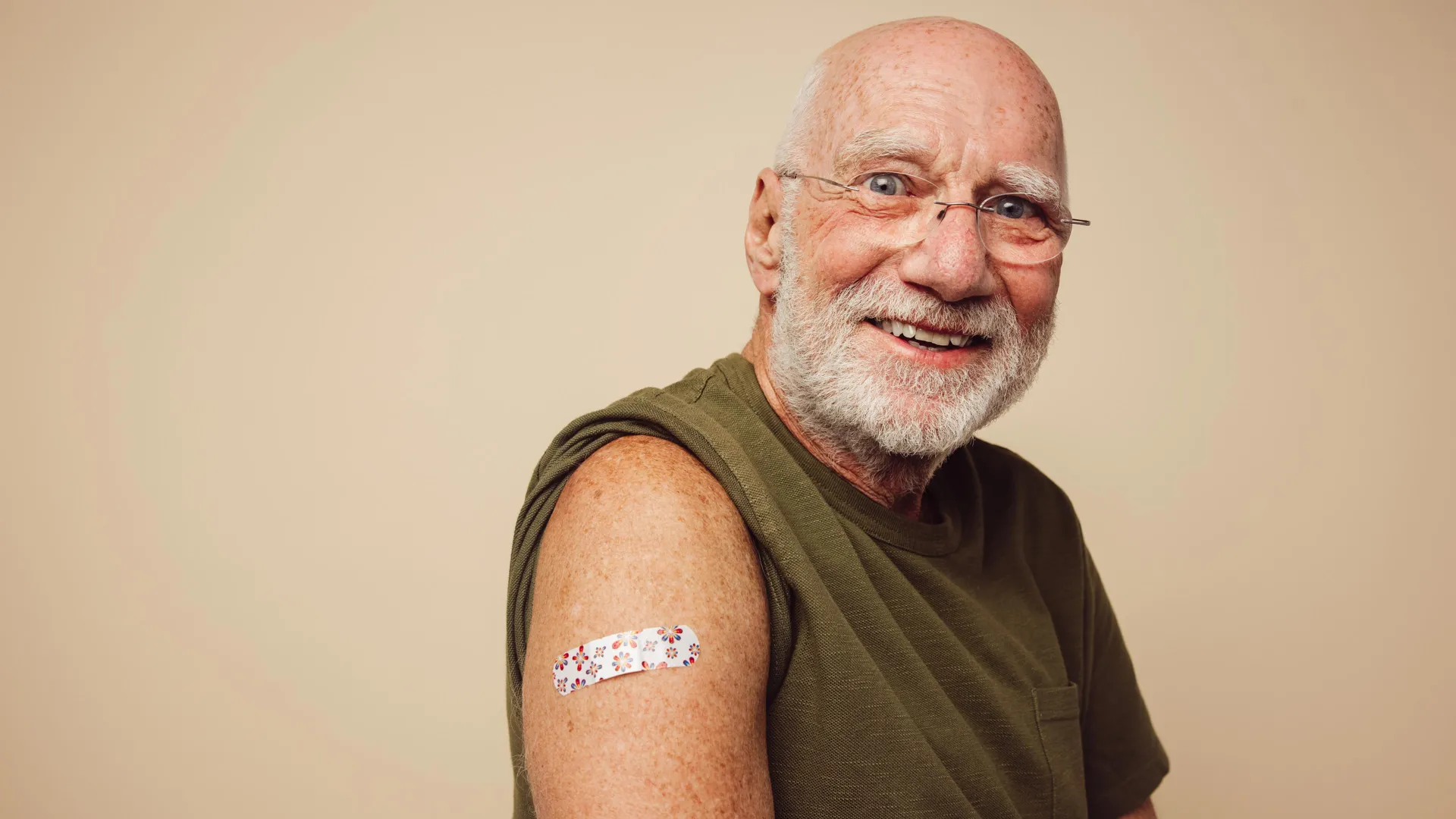
An unusual vaccination rule in Wales has given scientists some of the clearest evidence so far that a vaccine might help protect against dementia. In a new study led by Stanford Medicine, researchers examined health records from older adults in Wales and found that people who received the shingles vaccine were 20% less likely to be diagnosed with dementia over the following seven years than those who did not receive the shot.
The results, published April 2 in Nature, support a growing idea that certain viruses that affect the nervous system may raise the chance of developing dementia. If these findings continue to hold up in future work, they suggest that a practical way to help prevent dementia could already exist.
A second analysis from the same team, published Dec. 2 in Cell, pointed to another potential benefit. In that study, the researchers reported that the vaccine might also help people who already have dementia by slowing how quickly the condition worsens.
Shingles virus, chicken pox and lifelong infection
Shingles is a viral disease that causes a painful, blistering rash. It is triggered by the same virus that leads to chicken pox — varicella-zoster. When someone gets chicken pox, usually in childhood, the virus does not fully leave the body. Instead, it stays inactive inside nerve cells for life. In later years, especially in older adults or in people whose immune systems are weakened, this dormant virus can reactivate and cause shingles.
Dementia, brain changes and the viral hypothesis
Dementia currently affects more than 55 million people worldwide, and about 10 million new cases are diagnosed every year. For many years, most dementia research has centered on abnormal protein build-up in the brain, including plaques and tangles that are characteristic of Alzheimer’s disease, the most common type of dementia. However, these efforts have not yet produced successful ways to prevent or halt the disease, so some scientists have turned their attention to other possible drivers, including infections by specific viruses that may damage the brain over time.

Earlier observational studies using health records had hinted that people who received the shingles vaccine were less likely to develop dementia. However, those studies had a serious limitation. People who choose to get vaccinated are often more health conscious in many ways that are hard to measure. They may eat differently, exercise more or engage with health care more regularly. Those lifestyle differences are known to influence dementia risk but are not recorded in medical databases.
“All these associational studies suffer from the basic problem that people who go get vaccinated have different health behaviors than those who don’t,” said Pascal Geldsetzer, MD, PhD, assistant professor of medicine and senior author of the new study. “In general, they’re seen as not being solid enough evidence to make any recommendations on.”
A rare natural experiment in Wales
About two years ago, Geldsetzer noticed an unusual opportunity in the way Wales had rolled out its shingles vaccination program. The setup functioned as what researchers call a “natural experiment,” and it appeared to avoid much of the bias seen in earlier work. At that time, the country used a version of the shingles vaccine that contained a live-attenuated, or weakened, form of the virus.
The national program began on Sept. 1, 2013. Under the policy, anyone who was 79 years old on that date could receive the vaccine during the following year. (People who were 78 would become eligible the next year for one year, and so on.) People who were 80 or older on Sept. 1, 2013, were out of luck — they would never become eligible for the vaccine.
Because eligibility depended only on age at a specific cut-off date, the difference between being just under or just over the age threshold had a major impact on who could get the shot. That allowed researchers to compare people who turned 80 shortly before Sept. 1, 2013, with those who turned 80 shortly after, and to see how being eligible for the vaccine changed long-term outcomes.

According to Geldsetzer, the detailed health records available in Wales made these circumstances about as close as possible to a randomized controlled trial without actually running one.
Comparing nearly identical groups
To take advantage of this setup, the team analyzed the health records of more than 280,000 older adults between 71 and 88 years old who did not have dementia at the beginning of the vaccination program. They then concentrated their analysis on people whose birthdays placed them just on either side of the eligibility line, comparing those who turned 80 in the week before Sept. 1 to those who turned 80 in the week after.
“We know that if you take a thousand people at random born in one week and a thousand people at random, born a week later, there shouldn’t be anything different about them on average,” Geldsetzer said. “They are similar to each other apart from this tiny difference in age.”
The researchers reasoned that about the same share of people in both groups would have wanted the shingles shot. The crucial difference was that only the slightly younger group, those not yet 80 on Sept. 1, 2013, were permitted to receive it under the rules.
“What makes the study so powerful is that it’s essentially like a randomized trial with a control group — those a little bit too old to be eligible for the vaccine — and an intervention group — those just young enough to be eligible,” Geldsetzer said.
Measuring protection against shingles and dementia
The team then tracked health outcomes for the next seven years, comparing people of similar ages who had been eligible or ineligible for the vaccine. By combining that information with actual vaccination rates, they could estimate the effect of receiving the shot. About half of the people who were eligible went on to be vaccinated, while almost none of those who were not eligible received it.
As expected, the vaccine lowered the rate of shingles over the seven-year follow-up by about 37% among those who were vaccinated, in line with clinical trial data. (The live-attenuated vaccine’s effectiveness wanes over time.)
By 2020, when the individuals being studied were around 86 and 87 years old, one in eight had developed dementia. Among those who received the shingles shot, however, the likelihood of a dementia diagnosis was 20% lower compared with those who did not receive it.
“It was a really striking finding,” Geldsetzer said. “This huge protective signal was there, any which way you looked at the data.”
Ruling out other explanations
The researchers then searched for other factors that might explain the difference in dementia rates. They found that the two groups were extremely similar in all the characteristics they could measure. Education levels were the same for eligible and ineligible people. Those who were eligible for the shingles vaccine were not more likely to receive other vaccines or preventive therapies, and they were not less likely to have common illnesses such as diabetes, heart disease or cancer.
The only clear difference between the groups was the lower number of dementia diagnoses in those who had access to the shingles shot.
“Because of the unique way in which the vaccine was rolled out, bias in the analysis is much less likely than would usually be the case,” Geldsetzer said.
Even so, the team tested the data in a variety of alternative ways, such as examining different age windows or focusing only on deaths that listed dementia as a cause. No matter how they sliced the information, the relationship between vaccination and lower dementia risk remained.
“The signal in our data was so strong, so clear and so persistent,” he said.
Benefits from early decline to advanced dementia
The researchers next asked whether the apparent benefits of the vaccine were limited to preventing dementia, or whether they also extended to people who already showed signs of cognitive problems. Using the same natural experiment structure, they examined a broader range of outcomes, from mild cognitive changes to late-stage dementia.
Many cases of dementia are preceded by a period of mild cognitive impairment — characterized by deficits in memory and cognitive skills that do not interfere with independent living, Geldsetzer said.
The team observed that people who had received the shingles vaccine were less likely to receive a diagnosis of mild cognitive impairment during a nine-year follow-up period than those who remained unvaccinated.
They also looked at people who already had dementia at the start of the Welsh vaccination program. In this group, the results were especially striking. Individuals with dementia who received the shingles shot were significantly less likely to die from dementia in the next nine years (as indicated on their death certificates) than those who did not receive the vaccine, suggesting that the disease may have progressed more slowly in the vaccinated group.
In total, nearly half of the 7,049 Welsh seniors who had dementia when the program began died from dementia during follow-up. Among those with dementia who received the vaccine, only about 30% died from dementia.
“The most exciting part is that this really suggests the shingles vaccine doesn’t have only preventive, delaying benefits for dementia, but also therapeutic potential for those who already have dementia,” Geldsetzer said.
Stronger effects in women raise new questions
Another notable pattern emerged when the researchers compared outcomes by sex. The protective effect of the shingles vaccine against dementia appeared to be much stronger in women than in men. Geldsetzer noted that this might reflect biological differences in immune responses or differences in how dementia develops in men and women. On average, women tend to develop higher antibody responses after vaccination, and shingles occurs more often in women than in men.
At this point, scientists still do not know exactly how the vaccine might be providing protection. It is not yet clear whether it works by broadly stimulating the immune system, by reducing how often the varicella-zoster virus reactivates, or through another pathway entirely.
It is also unknown whether a newer shingles vaccine, which uses only certain proteins from the virus and is more effective at preventing shingles, would have a similar or even stronger effect on dementia risk.
Global data and the push for a randomized trial
Geldsetzer hopes these findings will encourage more investment in this line of research.
“At least investing a subset of our resources into investigating these pathways could lead to breakthroughs in terms of treatment and prevention,” he said.
Over the past two years, his team has checked health records from other countries, including England, Australia, New Zealand and Canada, where similar shingles vaccine rollouts took place. The results in those datasets have echoed what was seen in Wales. “We just keep seeing this strong protective signal for dementia in dataset after dataset,” he said.
The next step that Geldsetzer is aiming for is a large randomized controlled trial, which would offer the most rigorous evidence on whether the vaccine truly causes the reduction in dementia. In such a study, participants would be randomly assigned to receive either the live-attenuated shingles vaccine or a placebo injection.
“It would be a very simple, pragmatic trial because we have a one-off intervention that we know is safe,” he said.
Geldsetzer is seeking philanthropic support to fund this work, in part because the live-attenuated vaccine is now off-patent, even though it is the vaccine type for which he has gathered strong evidence from natural experiments.
He also pointed out that such a trial might show meaningful results relatively quickly. In the Wales data, when researchers plotted dementia rates for people who were eligible versus ineligible for the vaccine, the two curves began to move apart after about a year and a half.
A researcher from the Vienna University of Economics and Business also contributed to the work.
The study received funding from The Phil & Penny Knight Initiative for Brain Resilience, the Stanford Center for Digital Health, the National Institute on Aging (grant R01AG084535), the National Institute of Allergy and Infectious Diseases (grant DP2AI171011) and the Biohub, San Francisco.

Read more →

A common constipation drug shows a surprising ability to protect kidneys

Chronic kidney disease (CKD) affects people across the globe and often progresses to the point where patients rely on routine dialysis to survive. Although the condition is widespread and serious, there are still no approved medications that can actively restore kidney function. A team led by Professor Takaaki Abe at the Tohoku University Graduate School of Medicine has uncovered an unexpected approach by repurposing a constipation medication. Their work marks the first time that this drug (lubiprostone) has been shown to slow the loss of kidney function in people with CKD.
“We noticed that constipation is a symptom that often accompanies CKD, and decided to investigate this link further,” explains Abe. “Essentially, constipation disrupts the intestinal microbiota, which worsens kidney function. Working backwards, we hypothesized that we could improve kidney function by treating constipation.”
Clinical Trial Shows Lubiprostone Helps Preserve Kidney Function
To test this idea, the research team organized a multicenter Phase II clinical study (LUBI-CKD TRIAL) across nine medical facilities in Japan. The trial enrolled 150 individuals with moderate CKD and examined how lubiprostone affected kidney health. When compared with participants who received a placebo, those given 8 µg or 16 µg of lubiprostone experienced a slower decline in kidney function. This finding was based on changes in the estimated glomerular filtration rate (eGFR), a standard measure used to evaluate kidney performance.
The scientists also explored why the drug had this protective effect. They determined that lubiprostone boosts the production of spermidine, a compound that enhances mitochondrial activity by encouraging the growth of beneficial gut bacteria. Improved mitochondrial function was linked to a renoprotective effect that helped limit additional kidney damage.
Next Steps and Potential for Personalized CKD Treatment
The team plans to expand their investigation through a Phase 3 clinical trial involving a larger group of participants. They also aim to identify biomarkers that could help predict which patients are most likely to benefit. Their long-term objective is to tailor treatment strategies to each person with CKD. This approach represents a significant shift from current CKD therapies, which focus mainly on lowering uremic toxins.
Overall, the findings indicate that certain laxatives may help slow the progression of kidney deterioration. This concept could also open doors to new treatments for conditions involving mitochondrial dysfunction. Details of the study were published in the scientific journal Science Advances.

Read more →

Your sweat reveals health problems long before symptoms appear

Sweat carries a wide range of biological signals, and a growing body of research suggests that pairing it with artificial intelligence and advanced sensor technology could reshape how we track our health and daily physiology. According to a recent study, this combination may provide a powerful new approach for monitoring personal well-being.
Published in the Journal of Pharmaceutical Analysis, the study explores how sweat could be used for real-time assessment of hormones, medication levels, and other biomarkers, as well as for early identification of diseases such as diabetes, cancer, Parkinson’s and Alzheimer’s.
“Collecting sweat is painless, simple and non-invasive,” said co-author Dr. Dayanne Bordin, an analytical chemist at the University of Technology Sydney (UTS). “It’s an attractive alternative to blood or urine, especially for continuous monitoring in real-time.”
Growing Interest in Wearables That Analyze Sweat
“Anyone who is already interested in tracking their health using wearables such as an Apple watch — for example their heart rate, step count or blood pressure — would be interested in the information sweat can provide.
“There are already sweat monitoring devices on the market such as the Gatorade sweat patch, which is a single-use, wearable sticker that pairs with an app to analyse your sweat rate and sodium loss, and provide tailored advice.”
Recent progress in areas like microfluidics, stretchable electronics and wireless communication has made it possible to build a new class of wearable sensors. These lightweight, flexible patches rest directly on the skin and continuously collect sweat samples.

When these devices are combined with artificial intelligence, they may be able to identify specific metabolites and interpret complex chemical patterns, which could give users more personalized health information and earlier warning of various medical conditions.
Potential Uses for Athletes and Patients
Athletes could use them to track electrolyte loss during workouts and to demonstrate that they are drug free before competitions. People managing diabetes may eventually rely on sweat based glucose detection rather than blood tests.
“Sweat is an under-used diagnostic fluid,” said co-author Dr. Janice McCauley from the UTS Faculty of Science.
“The ability to measure multiple biomarkers simultaneously, and transmit that data wirelessly, provides enormous potential for preventive health care.
“The year 2023 was marked by an evolutionary step in artificial intelligence, opening the door for improved pattern analysis and classification algorithms to improve diagnostic precision and therapeutic accuracy,” she said.

Advances in AI and Ultra Sensitive Devices
Modern AI systems can now analyze very large datasets to connect subtle chemical signals in sweat with particular physiological conditions. The authors note that the next major milestone will involve pairing this analytical capability with compact, low power devices that can send data securely.
UTS researchers are currently investigating the basic physiological characteristics of sweat. They are also creating microfluidic tools that can detect extremely small concentrations of biomarkers such as glucose and cortisol.
Although much of this work is still in the prototype phase, interest from industry continues to increase.
“We’re not far from a future where your wearable can tell you when you’ve got high stress hormone levels, and by monitoring this over time, whether you are at risk of chronic health conditions,” Dr. Bordin said.

Read more →

Scientists reveal what really drives the “freshman 15”

Do not schedule eight AM classes. Communicate with your roommate. Wash your bedding regularly. New college students hear countless tips as they prepare for campus life. Among them, one warning appears again and again: the idea of the “freshman 15.” Many people treat weight gain in the first year of college as almost unavoidable, but what makes it so widespread?
An interdisciplinary research group led by Y. Alicia Hong, a professor in the Department of Health Administration and Policy who specializes in mobile and wearable technology, investigated this question. The team found that the college setting naturally encourages behaviors that increase how much students eat, which can lead to steady weight gain.
“Social and environmental factors are key determinants of eating behavior. College students are affected by the eating environment, especially where they eat and whom they eat with. Our research found that they consume more calories when eating in groups or formal dining settings,” said Alicia Hong.
How Group Settings and Campus Locations Influence Eating
During a four-week period, participating students used a mobile app to track their food choices, eating locations, and emotional states such as stress and mood. The app data showed clear patterns: students tended to consume more food when they were with at least one other person and when they ate in places like dining halls or restaurants. When students ate alone or at home, their overall intake was lower.
Misjudging Portions and the Role of Emotion
The findings also suggested that many college students are not fully aware of their actual eating habits. Their self-reported perceptions often did not match the caloric intake recorded through the app. Gender and emotional influences, including stress and mood fluctuations, added additional layers to the complexity of these behaviors.

“College students’ eating behaviors are complex, with individual, interpersonal, and environmental factors interacting to influence dietary intake. This research underscores the importance of context in dietary intervention and incorporating digital tools for dietary assessment,” said Hong.
Who Conducted the Study and Where It Was Published
The research team included Distinguished University Professor in the Department of Nutrition and Food Studies Larry Cheskin, Associate Professor in the Department of Health Administration and Policy Hong Xue, and MS Health Informatics graduate Jo-Vivian Yu.
The study, titled “The Dynamics of Eating Behaviors and Eating Environment in College Students: Discrepancies Between App-Tracked Dietary Intake and Self-Perceived Food Consumption,” was published in mHealth. It was supported by the George Mason University College of Public Health Pilot Grant (PI: YAH).

Read more →

Damage caused by dermal face fillers revealed in scans

Just nowShareSaveMichelle RobertsDigital health editorShareSaveGetty ImagesPeople who have cosmetic filler injections in their face should be warned of the risk of a dangerous complication involving blocked arteries that can lead to skin loss and even blindness due to damaged blood flow, say experts. Researchers used ultrasound to study 100 cases of filler injections that had gone wrong.Clinics are now being advised to use the scans when giving dermal fillers in the face, to avoid harming any nearby arteries.Lead researcher Dr Rosa Sigrist says that, although uncommon, such “vascular occlusion” events – where the filler is injected into or too close to blood vessels – can be devastating because they can cause tissue death and facial deformity if not treated.Dermal fillers are injectable substances, commonly used to target wrinkles and smooth or “rejuvenate” the skin.Sometimes they are used to contour or shape the nose or lips. Areas around the nose are particularly risky injection sites, says Dr Sigrist, because nasal blood vessels communicate with some very important parts of the head. Damage to these vessels can cause severe complications including skin damage blindness and stroke, she explains. Dr Sigrist’s team, from the University of São Paulo in Brazil, studied filler-related vascular complications in 100 patients across four radiology centers (two in Brazil, one in Colombia and one in Chile), one dermatology centre in the Netherlands and one plastic surgery centre in the US between May 2022 and April 2025. Her work will be presented at a medical conference – the annual meeting of the Radiological Society of North America – this week. In just under half the cases, ultrasound scans showed absent blood flow to small blood vessels that connect superficial arteries to deep ones in the face.And in a third of cases, blood flow was absent in major blood vessels. Rosa Maria Silveira Sigrist, M.D., and RSNATo avoid complications in the first place, she advises clinics to use ultrasound to plan where to inject. If complications do arise, ultrasound can guide where to treat. “If injectors are not guided by ultrasound, they treat based on where the clinical findings are and inject blindly,” Dr. Sigrist says.”But if we can see the ultrasound finding, we can target the exact place where the occlusion occurs.” Rather than flooding the area with a drug called hyaluronidase to dissolve the filler, clinicians can do guided injections that use less hyaluronidase and provide better treatment results, she says. The British Association of Aesthetic Plastic Surgeons (BAAPS) says that the use of ultrasound is increasing, but is not routine or standard care yet.Ultrasound is non-invasive, does not use ionizing radiation and has no known harmful effects. Nora Nugent, president of BAAPS, said it was proving very useful in many areas of surgery and medical aesthetic procedures. “Mapping out the location of blood vessels undoubtedly provides valuable information ahead of treatment. “Risks like these from dermal fillers are one of the many reasons why we have been campaigning for a long time for increased regulation of aesthetic procedures and restricting the provision of medical procedures like injectable treatments to those who have medical training.”The UK government has said it plans to bring in restrictions for cosmetic procedures. Under the proposals, only “suitably qualified” healthcare professionals would be able to deliver high-risk procedures such as Brazilian butt lifts.Clinics administering fillers and Botox would need to meet strict standards to obtain a licence.A public consultation will be published in early 2026, with views on the range of procedures which should be covered in the new restrictions. Parliament will then decide what to introduce.

Read more →

Mother wants change so child ‘didn’t die for nothing’

10 hours agoShareSaveGeorgia Eadiein NailseaShareSaveSam TuckerA mother has called for earlier diagnosis of paediatric brain tumours after the death of her six-year-old daughter. Sam Tucker, originally from Bristol, believes “opportunities were missed” when her daughter Molly was diagnosed with a large mass. She later died in 2017 when the family were living in Dorset.Ms Tucker who, along with other bereaved mothers, delivered a study to health ministers showing how brain tumour treatment was not consistent across the country, said she wanted to make sure her daughter’s death was not “for nothing”.Dorset Healthcare University Foundation said “we do fully investigate all complaints” but would not comment on individual cases. Ms Tucker said she had “always wanted to be a mum” and was “so excited” to have her first daughter Molly in 2010.She said at her eight-month check with a health visitor, Molly’s head circumference was measured as part of routine checks which showed it had risen but because no other symptoms were found there was “no concern”. Looking back, Ms Tucker said she now feels this was a “missed opportunity” and should have been a “red flag and referred”. Sam TuckerOver the next two years, Ms Tucker said she felt “exasperated” because it was becoming “more obvious that something was wrong, but nobody knew what it was”. One morning, she went to get Molly out of bed and she was “limp” so she was immediately admitted onto the paediatric ward at Dorset County Hospital.While there, Molly had a seizure and was taken for a CT scan, where they found a “mass on her brain that was so big they didn’t think they could remove it” her mum said. Molly was then taken to Southampton Hospital for emergency surgery and her parents were warned that she may not survive the journey.”I was never more scared in my life,” said Ms Tucker.Molly had a 10-hour “debulking” operation to remove most of the tumour, a procedure that is normally done when the entire tumour is too large to remove or is in a place that makes complete removal unsafe.When the operation was over, the family said 5% of Molly’s tumour was left.Ms Tucker, who was pregnant with her second daughter Rebecca at the time, said she doesn’t how Molly survived as long as she did “with that growing inside her”.Molly spent the next two weeks in intensive care before starting chemotherapy and radiotherapy, and was eventually able to go home and “stabilised” for 18 months.But in 2017 she relapsed, with Ms Tucker saying at this stage the tumour “eventually took over”.Sam TuckerSam TuckerEarlier this week, Ms Tucker joined the Angel Mums – who have all lost children to brain tumours – in London to present a study to health ministers. Put together by the Tessa Jowell Brain Cancer Mission, which is a brain cancer charity set up in memory of the former culture secretary and MP who died in 2015, the study includes 13 recommendations to change the way brain tumour patients are treated.Dr Nicky Huskens, CEO of the brain cancer mission, said the report showed “core treatment” such as surgery, chemotherapy and radiotherapy was “consistent no matter where you live”.But it can make a difference to the “access you have to trials”.Dr Huskens said the study also found “specialised care”, to help patients return to school and provide mental health support, also differs based on location.The group set off from Westminster and walked to Great Ormond Street Hospital, wearing angel wings, where they handed the paper over before singing carols. Ms Tucker said she hopes the study will bring about change so Molly “didn’t die for nothing”.”The children who died don’t have a voice anymore, and if they did, they would be saying ‘go for it, make sure change happens’,” she added.Minister for Public Health and Prevention Ashley Dalton said every child deserves “equal access” to treatment for brain cancer “regardless of where they live”.He said the Department of Health and Social Care was “committed to giving all cancer patients access to clinical trials” and keep making “progress on cutting cancer waiting times”.More on this storyRelated internet links

Read more →

Higher proportion now contacting GPs online, figures show

A higher proportion of people in England are now contacting their GP surgery online than by phone, according to new data from the Office for National Statistics (ONS).Data covering three weeks from mid-September suggest just over 43% of people went online to contact their GP – an increase of a percentage point from the previous month – compared with 41% percent on the phone.It comes after all NHS practices were required by the government to provide web bookings from October. The government says more than eight million people used online consultation services in October, up by a fifth from the previous month. The British Medical Association has suggested the move risks seeing surgeries overwhelmed by demand and says patients could be put at risk.It is in a formal dispute with the government over the changes.But Health Secretary Wes Streeting has heralded the latest figures as “a massive step” towards meeting the government promise to end the “8am scramble for appointments”.Data from the ONS showed 43.3% of people contacted their GP online, including via the NHS app or their local GP’s website, between September 16 and October 9.The government has mandated that online appointment bookings must operate between 08:30 to 18:00, Monday to Friday.The Department of Health says nearly all GP practices in England now offer the service. Alongside requesting non-urgent consultations, patients are able to ask questions and describe symptoms and request a call back.NHS England said contacting GPs online is now easier for patients and that the figures reveal its popularity.But the BMA says patients are being put at risk because urgent requests are not being triaged and practices are overwhelmed.”The government has merely increased the potential for patient safety issues to arise,” Dr David Wrigley, the deputy chair of the BMA’s General Practice Committee for England, said. “The software simply does not filter out routine from urgent requests,” he added.Patients’ group Healthwatch England also raised concerns, saying some people have not been adequately informed about the changes, in particular that online booking is not to be used for emergencies. They also reported practices restricting online bookings to mornings and said that less digitally literate people find the system hard to navigate.

Read more →

A long-overlooked weak point in your DNA has just been revealed

Researchers have pinpointed specific areas of the human genome that are unusually susceptible to genetic changes. These altered segments can be inherited by future generations and have important implications for how scientists investigate genetics and disease.
The vulnerable regions sit at the beginning of genes, known as transcription start sites. These are the points where the cell begins copying DNA into RNA. According to a study published on November 26 in Nature Communications, the first 100 base pairs after this starting point experience mutations at a rate 35% higher than expected by chance.
“These sequences are extremely prone to mutations and rank among the most functionally important regions in the entire human genome, together with protein-coding sequences,” explains Dr. Donate Weghorn, corresponding author of the study and researcher at the Centre for Genomic Regulation in Barcelona.
Early Development and Mosaic Mutations
The research team discovered that many of these extra mutations arise soon after conception during the earliest rounds of cell division in the embryo. These alterations, known as mosaic mutations, appear in only some cells rather than throughout the entire body. Because of this uneven distribution, the hotspot remained undetected for a long time.
A parent may carry mosaic mutations that contribute to disease without showing symptoms, since only a portion of their tissues contain the change. Despite the lack of symptoms, they can still pass these mutations through eggs or sperm. A child who inherits one of these mosaic mutations will have it present in every cell, which can lead to health problems.
Large-Scale Genome Analysis Reveals Mutation Patterns
To make this discovery, researchers examined transcription start sites across 150,000 genomes from the UK Biobank and 75,000 genomes from the Genome Aggregation Database (gnomAD). They then compared their findings with data from eleven family studies that provided detailed information about mosaic mutations.

Their analysis showed that many gene start sites across the genome accumulate more mutations than expected. When they looked more closely, they found that the highest concentration of these excess mutations occurred in the starting regions of genes involved in cancer, brain function and abnormal limb development.
The study suggests these mutations are likely harmful. The team observed a strong concentration of mutations near start sites when examining extremely rare variants, which tend to represent recent changes. That excess became smaller in older, more common variants, indicating that natural selection gradually removes these mutations. Families carrying such mutations, especially in genes linked to brain function or cancer, are less likely to pass them on. Over multiple generations, these mutations tend to disappear.
Why Mutational Models Need Adjustment
Avoiding false conclusions and finding missed clues
The findings highlight a potential source of error in mutational models. These tools estimate how many mutations should appear in a given part of the genome if nothing unusual is happening. Clinicians use that baseline to determine which mutations deserve further attention.
Because transcription start sites naturally accumulate more mutations than previously recognized, the expected baseline for these regions is higher than current models assume. This means geneticists will need to update their tools to avoid misinterpreting results.

“If a model doesn’t know this region is naturally mutation-rich, it might expect, say, 10 mutations but observe 50. If the correct baseline is 80, then 50 means fewer than expected and is a sign harmful changes are being removed by natural selection. You would completely miss the importance of that gene,” explains Dr. Weghorn.
These insights also affect genetic studies that search only for mutations that appear in a child but not in either parent. While this approach works for mutations present in every cell, it fails to capture mosaic mutations, which appear in a mix of tissues. As a result, some important contributors to disease may be overlooked.
“There is a blind spot in these studies. To get around this, one could look at the co-occurrence patterns of mutations to help detect the presence of mosaic mutations. Or look at the data again and revisit discarded mutations that occur near the transcription starts of genes most strongly affected by the hotspot,” says Dr. Weghorn.
Why Gene Start Sites Are So Mutation-Prone
A new source of mutations
The study describes the transcription process as fast and chaotic. The cell’s molecular machinery often pauses and resumes activity near the starting point, and sometimes begins copying in both directions. At the same time, temporary structures can form that leave segments of DNA exposed to potential damage.
According to the authors, these moments of instability make transcription start sites especially vulnerable during the rapid cell divisions that occur shortly after conception. Although cells can usually repair these issues, the pressure to grow quickly leads to some mutations being left behind like small scars on the genome.
The findings reveal an important missing element in the understanding of how mutations form. Known causes such as replication errors or ultraviolet damage have been documented for decades. “Finding a new source of mutations, particularly those affecting the human germline, doesn’t happen often,” concludes Dr. Weghorn.

Read more →

Is your gut being poisoned? Scientists reveal the hidden impact of everyday chemicals

A large laboratory investigation of human-made chemicals has revealed 168 substances that are harmful to bacteria normally found in a healthy human gut. These chemicals interfere with the growth of microbes considered essential for maintaining good health.
Many of the substances identified in the study are expected to enter the body through food, drinking water, or general environmental exposure, yet most were not previously believed to influence bacteria in any way.
As gut bacteria adapt to chemical pollutants, some appear to develop resistance to antibiotics such as ciprofloxacin. If the same process occurs inside the human gut, it could make certain infections more difficult to treat.
Testing Shows Common Pollutants Can Harm Beneficial Microbes
The research team, led by the University of Cambridge, examined how 1076 chemical contaminants affected 22 species of gut bacteria under laboratory conditions.
The substances found to disrupt microbial growth include pesticides such as herbicides and insecticides used on crops, as well as industrial chemicals present in flame retardants and plastics.
The gut microbiome contains an estimated 4,500 different types of bacteria that work together to support bodily functions. When this system becomes imbalanced, it can contribute to a wide range of health problems involving digestion, weight regulation, the immune system, and mental health.

Standard safety evaluations for chemicals do not account for effects on the gut microbiome because most chemicals are created to act on specific targets. For instance, insecticides are meant to affect insects, not humans or their resident microbes.
New Machine Learning Tool Predicts Chemical Risks to Gut Health
Using the data gathered in the study, the researchers developed a machine learning model to forecast whether industrial chemicals — whether already in circulation or still being designed — are likely to harm human gut bacteria.
Details of the study, along with the machine learning tool, appear in the journal Nature Microbiology.
Dr. Indra Roux of the University of Cambridge’s MRC Toxicology Unit and first author of the study said: “We’ve found that many chemicals designed to act only on one type of target, say insects or fungi, also affect gut bacteria. We were surprised that some of these chemicals had such strong effects. For example, many industrial chemicals like flame retardants and plasticizers — that we are regularly in contact with — weren’t thought to affect living organisms at all, but they do.”
Professor Kiran Patil, senior author and member of the same research unit, said: “The real power of this large-scale study is that we now have the data to predict the effects of new chemicals, with the aim of moving to a future where new chemicals are safe by design.”
Dr. Stephan Kamrad, also part of the research team, added: “Safety assessments of new chemicals for human use must ensure they are also safe for our gut bacteria, which could be exposed to the chemicals through our food and water.”

Need for Real-World Chemical Exposure Data
There is still limited knowledge about how environmental chemicals directly influence the gut microbiome and human health. The team notes that our gut bacteria are likely coming into contact with many of the substances tested in the study, but the actual amounts reaching the gut are not yet known. Future research that tracks total chemical exposure across the body will be needed to determine the true level of risk.
Patil said: “Now we’ve started discovering these interactions in a laboratory setting it’s important to start collecting more real-world chemical exposure data, to see if there are similar effects in our bodies.”
In the meantime, the researchers recommend practical steps to reduce exposure to chemical pollutants, such as washing fruit and vegetables thoroughly before eating and avoiding the use of pesticides in home gardens.

Read more →

A 70-year-old pregnancy drug just revealed a hidden weakness in brain cancer

Over the last 70 years, hydralazine has been an indispensable tool in medicine — a front-line defense against life-threatening high blood pressure, especially during pregnancy. But despite its essential role, a fundamental mystery has persisted: no one knew its “mechanism of action” — essentially how it works at a molecular level, which allows formproved efficacy, safety, and what it can treat.potential and could help in the design of safer, more effective drugs for both maternal health and brain cancer.Over the last 70 years, hydralazine has been an indispensable tool in medicine — a front-line defense against life-threatening high blood pressure, especially during pregnancy. But despite its essential role, a fundamental mystery has persisted: no one knew its “mechanism of action” — essentially how it works at a molecular level, which allows formproved efficacy, safety, and what it can treat.
“Hydralazine is one of the earliest vasodilators ever developed, and it’s still a first-line treatment for preeclampsia — a hypertensive disorder that accounts for 5 to 15% of maternal deaths worldwide,” says Kyosuke Shishikura, a physician-scientist at the University of Pennsylvania. “It came from a ‘pre-target’ era of drug discovery, when researchers relied on what they saw in patients first and only later tried to explain the biology behind it.”
Now Shishikura, his postdoctoral advisor at Penn Megan Matthews, and collaborators have solved this long-standing puzzle.
In a paper published in Science Advances, they uncovered the method of action of hydralazine, and in doing so, revealed an unexpected biological link between hypertensive disorders and brain cancer. The findings highlight how long-established treatments can reveal new therapeutic potential and could help in the design of safer, more effective drugs for both maternal health and brain cancer.
“Preeclampsia has affected generations of women in my own family and continues to disproportionately impact Black mothers in the United States,” Matthews says. “Understanding how hydralazine works at the molecular level offers a path toward safer, more selective treatments for pregnancy-related hypertension — potentially improving outcomes for patients who are at greatest risk.”
Hydralazine blocks an oxygen-sensing enzyme
The team found that hydralazine blocks an oxygen-sensing enzyme called 2-aminoethanethiol dioxygenase (ADO) — a molecular switch that tells blood vessels when to tighten.

“ADO is like an alarm bell that rings the moment oxygen starts to fall,” Matthews says. “Most systems in the body take time; they have to copy DNA, make RNA, and build new proteins. ADO skips all that. It flips a biochemical switch in seconds.”
Hydralazine acts by binding to and blocking ADO, which means it effectively “mutes” that oxygen alarm. Once the enzyme was silenced, the signaling proteins it normally degrades — called regulators of G-protein signaling (RGS) — remained stable.
The buildup of RGS proteins, says Shishikura, tells the blood vessels to stop constricting, effectively overriding the “squeeze” signal. This reduces intracellular calcium levels, which he calls the “master regulator of vascular tension.” As calcium levels fall, the smooth muscles in blood vessel walls relax, causing vasodilation and a drop in blood pressure.
From preeclampsia to brain cancer: A common target
Prior to this study, cancer researchers and clinicians had begun to suspect that ADO was important in glioblastoma, where tumors often have to survive in pockets of very low oxygen, Shishikura explains. Elevated levels of ADO and its metabolic products had been linked with more aggressive disease, suggesting that shutting this enzyme down could be a powerful strategy, but no one had a good inhibitor to test that idea.
To see if hydralazine was a contender, Shishikura worked closely with structural biochemists at the University of Texas, who used X-ray crystallography, a high-resolution imaging technique, to visualize hydralazine bound to ADO’s metal center and , and with neuroscientists at the University of Florida, who tested the drug’s effects in brain cancer cells.

They found that the ADO pathway that regulates vascular contraction also helps tumor cells survive in low-oxygen environments. Unlike chemotherapy, which aims to kill all cells outright, hydralazine disrupted that oxygen-sensing loop, triggering cellular “senescence,” or a dormant, non-dividing state in glioblastoma cells, effectively pausing growth without triggering further inflammation or resistance.
Unlocking the potential for other life-saving treatments
Their findings highlight how long-established treatments can reveal new therapeutic potential and could help in the design of safer, more effective drugs for both maternal health and brain cancer.
They say the next step is to push the chemistry further building new ADO inhibitors that are more tissue specific and better at crossing, or exploiting weak points in, the blood-brain barrier so they hit tumor tissue hard while sparing the rest of the body.
Matthews is also working to continue engineering the next generation of medical solutions by revealing the mechanics of clinically tested, long-known treatments.
“It’s rare that an old cardiovascular drug ends up teaching us something new about the brain,” Matthews says, “but that’s exactly what we’re hoping to find more of — unusual links that could spell new solutions.”
Megan L. Matthews is an assistant professor in the Department of Chemistry in the School of Arts & Sciences at the University of Pennsylvania.
Kyosuke Shishikura is a postdoctoral researcher in the Matthews Group at Penn Arts & Sciences.
Other authors include Eric W. Barr, Zev A. Binder, Kelly Hicks, and Donald M. O’Rourke of the University of Pennsylvania; Ren-Ming Hu and Xie Wang of the Chinese Academy of Sciences Snehil R; Chilkamari of the Georgia Institute of Technology; Jiasong Li of Nanjing Agricultural University; Katelyn A. Bustin and William H. Parsons of Oberlin College; J. Martin Bollinger Jr. of the Pennsylvania State University; Mahaa Ayub of Thomas Jefferson University; Yiming Chen and Kirill A. Martemyanov of the University of Florida; Thomas P. Keeley of the University of Oxford; and Zongtao Lin of Washington University in St. Louis.
This work was supported by the National Institutes of Health (NIDA 1DP1DA051620, DA036596, and NCI R37CA285434); the National Science Foundation (CHE-2204225); the American Cancer Society (129784-IRG-16-188-38-IRG); the Charles E. Kaufman Foundation New Initiative Grant; the University Research Fund; the Astellas Foundation for Research on Metabolic Disorders; and the Herbert and Diane Bischoff Fund.

Read more →