New, cheap malaria vaccine backed by WHO

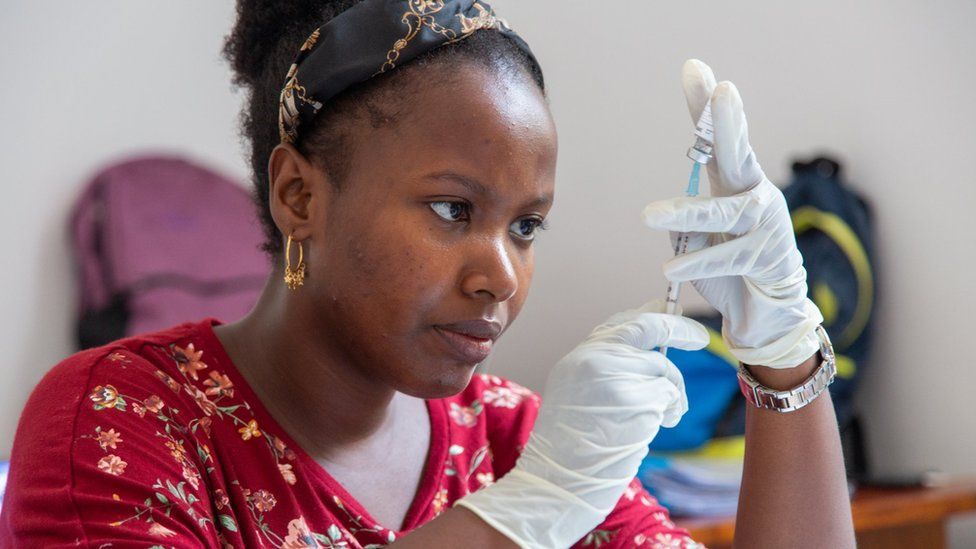
Published11 minutes agoShareclose panelShare pageCopy linkAbout sharingImage source, University of OxfordBy James GallagherHealth and science correspondentA cheap malaria vaccine that can be produced on a massive scale has been recommended for use by the World Health Organization. The vaccine has been developed by the University of Oxford and is only the second malaria vaccine to be developed. Malaria kills mostly babies and infants, and has been one of the biggest scourges on humanity.There are already agreements in place to manufacture more than 100 million doses a year.It has taken more than a century of scientific effort to develop effective vaccines against malaria. The disease is caused by a complex parasite, which is spread by the bite of blood-sucking mosquitoes. It is far more sophisticated than a virus as it hides from our immune system by constantly shape-shifting inside the human body. That makes it hard to build up immunity naturally through catching malaria, and difficult to develop a vaccine against it.It is almost two years to the day since the first vaccine – called RTS,S and developed by GSK – was backed by the World Health Organization. Two similar vaccinesDr Tedros Adhanom Ghebreyesus, director-general of the WHO, said today was a moment of “great pleasure”.”I used to dream of the day we would have a safe and effective vaccine against malaria, now we have two,” he said.The WHO said the effectiveness of the two vaccines was “very similar” and there was no evidence one was better than the other. However, the key difference is the ability to manufacture the University of Oxford vaccine – called R21 – at scale. The world’s largest vaccine manufacturer – the Serum Institute of India – is already lined up to make more than 100 million doses a year and plans to scale up to 200 million doses a year.So far there are only 18 million doses of RTS,S. The World Health Organization said the new R21 vaccine would be a “vital additional tool”. Each dose costs US$2-4 and four doses is needed per person. That is about half the price of RTS,S.In 2021, there were 247 million cases of malaria and 619,000 people died, most of them children under the age of five. More than 95% of malaria is found in Africa. Life-saving potentialDr Matshidiso Moeti, the WHO regional director for Africa, said: “This second vaccine holds real potential to close the huge demand-and-supply gap. “Delivered to scale and rolled out widely, the two vaccines can help bolster malaria prevention, control efforts and save hundreds of thousands of young lives.”Data that has been published online, but has not been through the usual process of scientific review, shows the R21 vaccine is 75% effective at preventing the disease in areas where malaria is a seasonal disease.The World Health Organization’s strategic advisory group of experts said that figure was comparable to the first vaccine (RTS,S) in seasonal areas.The effectiveness of malaria vaccines is lower in areas where the parasite is present all year round. Prof Sir Adrian Hill, director of the Jenner Institute in Oxford where R21 was developed, said: “The vaccine is easily deployable, cost effective and affordable, ready for distribution in areas where it is needed most, with the potential to save hundreds of thousands of lives a year.”Gareth Jenkins, from Malaria No More UK, said: “The reality is that malaria financing globally is far from where it needs to be and annual deaths from malaria rose during the pandemic and are still above pre-pandemic levels, so we cannot afford to be complacent as new tools are developed.”More on this storyMalaria vaccine is world-changing, say scientistsPublished8 September 2022Ghana first to approve ‘world-changer’ malaria vaccinePublished13 AprilChance discovery helps fight against malariaPublished4 August

Read more →

Nobel Prize Awarded to Covid Vaccine Pioneers

The physiology or medicine prize for Katalin Karikó and Drew Weissman recognized work that led to the development of vaccines that were administered to billions around the world.The Nobel Prize in Physiology of Medicine was awarded to Katalin Karikó and Drew Weissman on Monday, for their discoveries that led to the development of effective vaccines against Covid-19. Together, Dr. Kariko and Dr. Weissman, who met over a copy machine at the University of Pennsylvania in 1998, transformed vaccine technology. Seven years later, they published a surprising finding about messenger RNA, also known as mRNA, which provides instructions to cells to make proteins.The prize is the first of six Nobel Prizes that will be awarded this year. Each award recognizes groundbreaking contributions by an individual or organization in a specific field: physiology or medicine, physics, chemistry, economic science, literature and peace work.This is a developing story and will be updated.When will the other Nobel Prizes be announced?The Nobel Prize in Physics will be awarded on Tuesday by the Royal Swedish Academy of Sciences in Stockholm. Last year, John Clauser, Alain Aspect and Anton Zeilinger each won for independent works exploring quantum weirdness.The Nobel Prize in Chemistry will be awarded on Wednesday by the Royal Swedish Academy of Sciences in Stockholm. Last year, Carolyn R. Bertozzi, Morten Meldal and K. Barry Sharpless shared the prizes for work on click chemistry.The Nobel Prize in Literature will be awarded on Thursday by the Swedish Academy in Stockholm. Last year, Annie Ernaux earned the prize for work that dissected the most humiliating, private and scandalous moments from her past with almost clinical precision.The Nobel Peace Prize will be awarded on Friday by the Norwegian Nobel Institute in Oslo. Last year, the prize was shared by Memorial, a Russian organization; the Center for Civil Liberties in Ukraine; and Ales Bialiatski, a jailed Belarusian activist.Next week, the Nobel Memorial Prize in Economic Sciences will be awarded on Monday by the Royal Swedish Academy of Sciences in Stockholm. Last year, Ben S. Bernanke, Douglas W. Diamond and Philip H. Dybvig shared the prize for work that helped to reshape how the world understands the relationship between banks and financial crises.All of the prize announcements will also be streamed live by the Nobel Prize organization.

Read more →

A Nobel Prize Might Lower a Scientist’s Impact

A team of researchers at Stanford find that older scientists are less productive after winning major awards like the Nobel and the MacArthur Fellowship.Winning a Nobel Prize can be a life-changing event. The winners are thrust onto a world stage, and for many scientists the recognition represents the pinnacle of their careers.But what is the effect of winning such a high-profile prize on science?John Ioannidis, an epidemiologist at Stanford University, wants to find out. Awards like the Nobel Prize are “a major reputational tool,” he said, but he questions “whether they really help scientists become more productive and more impactful.”In August, a team of researchers led by Dr. Ioannidis published a study in the journal Royal Society Open Science that attempted to quantify whether major awards push science forward. Using publication and citation patterns for scientists who won a Nobel Prize or a MacArthur Fellowship — the so-called genius grant — the team analyzed how post-award productivity is influenced by age and career stage. Overall, it found that laureates of either prize had similar or decreased impact in their field.“These awards do not seem to enhance the productivity of the scientists,” Dr. Ioannidis said. “If anything, it seems to have the opposite effect.”The researchers’ study adds to a body of work that aims to demystify the ways in which awards shape how science is done, though scholars have different opinions on what factors matter the most.Since 1901, the Nobel Foundation has awarded prizes for groundbreaking achievements in physics, medicine and chemistry (in addition to prizes for peace, literature and, since 1969, economic research). The MacArthur Fellowship was founded in 1981, and unlike the Nobel Prizes, is granted as an investment into an individual’s potential.Dr. Ioannidis’s team studied winners of both prizes to account for how age affects scientific productivity. On average, Nobel Prize winners are more likely to be older and further along in their careers compared with MacArthur fellows.For the study, the team selected a sample of 72 Nobel laureates and 119 MacArthur fellows from this century and compared publication and citation counts of each awardee three years before they received the prize with after the recognition. Publications gave insight into how much new work a scholar was producing, whereas citations quantified the impact that work had in the field, Dr. Ioannidis said.His team found that Nobel winners published about the same number of papers after receiving the award, but that post-award work had far fewer citations than pre-award work. MacArthur fellows, on the other hand, published slightly more, but their citations remained about the same. The rate of citations per paper for both Nobel laureates and MacArthur fellows decreased after winning.Andrea Ghez, a University of California, Los Angeles, astrophysicist, both a MacArthur fellow and a Nobel laureate, said the difference is stark. “There’s a huge responsibility that comes with a Nobel in terms of really being identified as a leader in the world,” she said.Alex Welsh for The New York TimesWhen analyzing direct trends in age, the team found that laureates of either award who were 42 or older had declining citations and publication counts after their win. Recipients who were 41 or younger published more and were cited more, which the researchers said suggested that age played a role in the scientific productivity of awardees.But Harriet Zuckerman, a sociologist at Columbia University who has spent her career tracking the lives and work of Nobel laureates, said that it was difficult to distill productivity into such simple metrics. The difficulty increases when generalizing across different fields of science, which have varying standards for publishing or citing work. In some fields, for example, senior scientists may not include themselves as authors to give early-career scientists a chance to shine.Though Dr. Zuckerman does not necessarily equate this to productivity, she has also studied how the publication and citation patterns of Nobel winners fluctuated with age, career stage and other factors. She found that experience with fame caused the biggest shift — something that Nobel winners deal with in a way in which MacArthur fellows may not.“They are treated by others, both within their fields and outside science, often as celebrities, as people whose opinions count on everything,” she said. “It’s very distracting.”Andrea Ghez, a University of California, Los Angeles, astrophysicist, agreed that the difference between becoming a MacArthur fellow, which she did in 2008 at 43, and a Nobel physics laureate, which she did in 2020 at 55, is stark. “There’s a huge responsibility that comes with a Nobel in terms of really being identified as a leader in the world,” she said. For Dr. Ghez, that includes being a positive representation for women and defending the importance of science — two impacts that are not recorded in papers or citations.Another reason Nobel laureates may see a drop in productivity is that they feel they have peaked in one research area and want to try something new. “It’s called pivot penalty,” said Dashun Wang, a researcher at Northwestern University who analyzes scientific inquiry and who was not involved in the study.Dr. Wang found that this led to a temporary dip in publication rate, but that this bounces back after about three years. He has argued for seeing this as a positive.“It means these people want to continue to push the frontier,” he added.When it comes to Nobel Prizes specifically, the award gives you the confidence and clout to pursue bigger, more ambitious ideas, according to Dr. Ghez. “Transformative work is well known for not being well measured by citations,” she said.Dr. Ioannidis acknowledges the limitations of boiling down productivity to papers and citations, because they tell only one part of the story. “There are many other things that matter in the footprint of science and society,” he said.But until there is data to quantify those benefits, Dr. Ioannidis still finds value in trying to assess the effects of the awards — and in urging the community to think deeply about how to achieve more rigorous, impactful work. “Science is the best thing that can happen to humans,” Dr. Ioannidis said. But how to best exploit its benefits, he added, is a scientific question in itself.

Read more →

‘Close to the Line’: Why More Seniors Are Living in Poverty

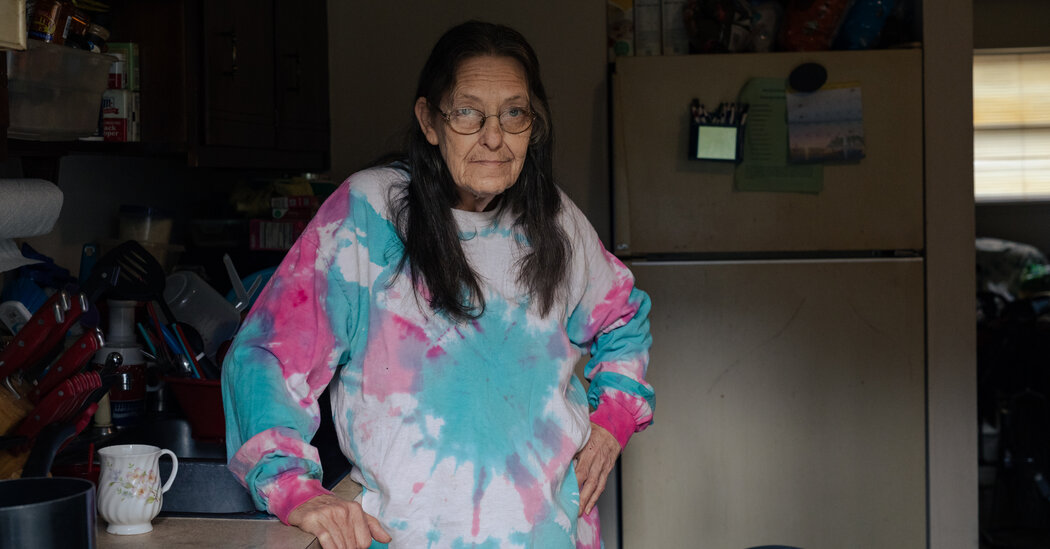
Benefits extended earlier in the coronavirus pandemic have been rolled back. But many older Americans are not taking advantage of the aid still available.It has never been easy for Mary Cole to support herself and the 19-year-old grandson who lives with her in Bristol, Va., on her monthly $914 Supplemental Security Income check.But it’s getting harder. “I’ve been struggling a lot,” Ms. Cole said.Because benefits counselors at her local agency on aging have helped her apply for several kinds of public assistance, she pays only $158 in rent for her apartment in a subsidized Section 8 building.A federal program helps Ms. Cole, 69, with heating costs. The state underwrites her Medicare premiums, and a Medicare savings program allows her to fill prescriptions for heart disease, hypertension, pulmonary disease and diabetes.But benefits that increased in the early years of the coronavirus pandemic have been rolled back since the federal government ended the public health emergency this year. Ms. Cole’s heating assistance dropped from $900 in 2021 to $600 last year.Her benefits through SNAP — the Supplemental Nutrition Assistance Program, or food stamps — had risen to $351 a month; they have since dropped to $140 a month. “That’s not going to feed us both,” she said. She has long since spent the federal stimulus checks mailed out in 2020 and 2021.By the last week of the month, she often runs out of money and considers visiting a nearby food pantry. “I don’t like to do that,” Ms. Cole said. “I figure I’m taking something away from other people.”Poverty among older Americans jumped sharply in 2022, the Census Bureau recently announced. Using the supplemental poverty measure, which economists have found is a more accurate reflection of income and spending than the official poverty rate, the proportion of people over age 65 living in poverty climbed from a modern low of 9.5 percent in 2020 to 10.7 percent in 2021.Last year, the figure reached 14.1 percent, representing more than eight million older Americans.“It’s quite alarming,” said Ramsey Alwin, president and chief executive of the National Council on Aging. “It’s really unacceptable.” Poverty among children also rose steeply, and median household income declined.In southwestern Virginia, where the District Three Governmental Cooperative provides senior services and has helped more than 3,000 low-income residents like Ms. Cole apply for benefits this fiscal year, 20 percent of older residents live in poverty.“We see it going up,” said Debbie Spencer, director of aging and disability services at the cooperative. She described clients “trying to decide if they’re going to eat or buy fuel or buy their medicines.”How poor is poor? The supplemental measure defined poverty last year as an annual income below $15,998 for single adult renters ($22,624 for a two-adult household), with regional variations; the threshold was somewhat lower for homeowners, regardless of whether they had mortgages.Black, Hispanic and Indigenous older Americans have higher poverty rates; so do women and those who aren’t married.The Elder Index, devised by gerontologists at the University of Massachusetts Boston, also calculates how much money older adults need to meet their basic needs. In metropolitan Chicago, for example, a single renter over age 65 in good health required $2,481 per month last year for housing, health care, food, transportation and other expenses, according to the calculator.The same renter in Bristol, Va. — Ms. Cole’s hometown — needed $1,794. Nationally, the average Social Security retirement benefit last year came to $1,792 monthly.“Poverty rates fell in the early years of the pandemic because of the stimulus payments many older adults received,” along with raises in other benefits, said Richard Johnson, an economist at the Urban Institute.As those payments and benefit increases ended, inflation took off, eroding buying power before it began declining.“Social Security has cost-of-living increases, but they come with a lag,” Dr. Johnson said. Monthly inflation peaked in June 2022, but the cost-of-living adjustment for Social Security benefits, a hefty 8.7 percent increase, didn’t factor into beneficiaries’ checks until January.“A lot of seniors live close to the line, so it doesn’t take much to tip them over” into poverty, said Teresa Ghilarducci, an economist at the New School for Social Research. Her studies also show the pandemic’s effect on older workers’ employment; so many retired early or were pushed out that about a million fewer older adults are now in the work force.Even if senior poverty rates were to stabilize or decline next year, eased by the higher benefits some states provide, the figures generally remain stubbornly high compared to those in other industrialized nations with stronger public safety nets.The proportion of older Americans living below the official poverty level fell drastically through the 1960s and 1970s, largely because of expansions and increases in Social Security. But there has since been a plateau.“It’s not fully appreciated how persistent senior poverty has been,” Dr. Johnson said. “The decline really slowed in the 1990s and hasn’t improved significantly since.”Economists and advocates have suggested solutions: raising the minimum Social Security benefit; increasing Social Security payments after people reach age 85, when health care costs typically increase; and improving S.S.I. benefits for older adults and people with disabilities who lack the work history to qualify for Social Security. Those steps would require congressional action.For now, though, enrolling more older people in existing programs could have real impact. Federal benefits go a long way toward reducing poverty. Social Security alone lifted 20 million people over age 65 above the poverty level last year, according to census data. SNAP, housing subsidies and S.S.I. prevented another 1.6 million seniors from sinking into poverty.But only about half of the older people eligible for food stamps have enrolled, meaning five million are missing out, Ms. Alwin said. Considering all public programs, “about $30 billion is left on the table every year that could help with food and medicine and other basic needs,” she said. “It’s eye-popping.”Though most older people recognize that they qualify for Social Security, they’re often less aware of energy and housing assistance, Medicaid and Medicare programs for low-income beneficiaries, state property tax rebates or food stamps. “They may think they’re not for them but for someone else who’s more in need,” Ms. Alwin said.Moreover, applying for these programs can be complicated and time-consuming; some require digital access and skills. Some applicants just give up.“We err on the side of making sure that not one person gets benefits they’re not entitled to, and we sacrifice a lot of people who are eligible,” Dr. Ghilarducci said.The National Council on Aging’s online Benefits Checkup tool shows which public and private programs seniors qualify for; the council also operates a toll-free help line (1-800-794-6559) staffed by benefits experts. With federal and foundation funding, it supports 84 benefit enrollment centers through local aging and family service agencies, senior centers and United Way programs.Though such benefits counselors helped Ms. Cole receive assistance with housing, heating and food, she still doesn’t feel secure, and she relies on another source of support.“God will take care of me,” she said. “I have faith that he will take care of my needs.”

Read more →

For Black Mothers, Birthing Centers, Once a Refuge, Become a Battleground

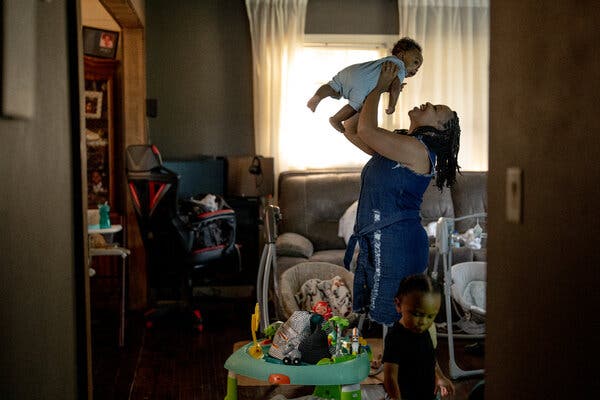
Gabrielle Glaze felt scolded and shamed when she delivered her first son in a Birmingham, Ala., hospital, forced to observe strict rules about lying stationary through her contractions and enduring countless cervical checks from “total strangers” who seemed disappointed by her body’s progress.So when Ms. Glaze, 33, gave birth to a second son in a birthing center in April, surrounded by a team of midwives who said they would let her body lead the way, it seemed as if her previous labor experience had finally been redeemed.Ms. Glaze found herself telling every woman she knew about Oasis Family Birthing Center in Birmingham, which was run by an obstetrician and midwives — many of them Black, like her — and encouraged patients through an unhurried, uninterrupted, natural labor process. She said it seemed like the answer to centuries of birthing trauma among Black women, providing medical expertise in a culturally familiar space, with the hope of improving both birthing experiences and health outcomes for women of color.But Ms. Glaze was one of the last women to deliver at the facility. In June, the Alabama Department of Public Health shut it down, despite its record of smooth deliveries with no complications. State regulators are now weeks away from instituting new birth center licensing rules that would make it nearly impossible for similar facilities to open and operate.“If these rules are not implemented, there will be fewer safeguards and standards for the operation of these facilities, exposing mothers and their newborns to increased risks to their health and safety,” a public draft of the new policy says.Oasis and two other birth centers seeking to operate have sued the state with the help of the A.C.L.U., seeking to overturn the closure and create a path for others to open. A trial to determine their fate began on Thursday.Gabrielle Glaze with her son, Osiris, who was born at Oasis in April. Dr. Heather Skanes, an obstetrician and gynecologist who ran Oasis, in a birthing room. A lawsuit filed against the state health department argues that the forced closure is an unlawful, “de facto ban.”In a state like Alabama, which has the third-highest maternal death rate and the sixth-highest infant death rate in the United States, some public health experts see birth centers as a potential solution to a gut-wrenching problem: Almost two-thirds of counties in Alabama have little to no local maternity care options. Next month, two labor and delivery units in the Birmingham area are set to close, including the last remaining unit in one of Alabama’s largest counties. Black mothers and infants make up a disproportionate share of bad health outcomes.Research is limited, but free-standing birth centers, which take only low-risk patients, are associated with lower rates of preterm delivery, higher birth weights, lower rates of cesarean sections, increased breastfeeding rates and about $2,000 in Medicaid savings per patient, compared with traditional care, according to a multiyear study conducted by the federal government.Across the United States, which has the highest maternal mortality rate in the industrialized world, receptivity toward birth centers varies. Some states, including Minnesota and Florida, have embraced the facilities so long as they meet national standards and the Commission for the Accreditation of Birth Centers recognizes them. Texas has at least 80 free-standing birth centers, run primarily by licensed midwives.But in other states, including Mississippi and Kentucky, birthing centers face a battle similar to the one in Alabama. Officials in Georgia recently denied approval for a birth center in Augusta despite broad public support, because local hospitals refused to sign patient transfer agreements.A spokeswoman for the Alabama Department of Public Health declined to comment on either the shutdown of Oasis or the state’s new birthing center regulations, citing continuing litigation.Dr. Skanes opened Oasis in June of 2022 to serve women who wanted to avoid unnecessary interventions and maintain a stronger sense of autonomy over their birthing experiences.Dr. Heather Skanes, the obstetrician and gynecologist who ran Oasis, said the department notified her in a phone call that the facility needed a hospital license to operate, but when she asked for a path to licensure, the department declined to provide one. The lawsuit against the department argues that this is an unlawful “de facto ban.”The new regulations, set to take effect Oct. 15, require a physician to be on call to commute into the facility in case of an emergency, a delay that midwives say would endanger a patient in need of a speedy transfer to higher-level care. The birth center will also be required to have a written transfer agreement with a hospital — a document the midwives say is unnecessary, since federal law requires hospitals to accept women in active labor.Birthing centers must also be within a 30-minute drive of a hospital with obstetricians on staff. About 28 percent of women in Alabama have no birthing hospital within 30 minutes.“The rules are designed to provide for the health and safety of mothers in the prenatal, delivery and postnatal stages of the childbirth experience, as well as the health and safety of their newborns,” the draft of the new policy states.Kate Bauer, the executive director of the American Association of Birth Centers, which sets national standards for the facilities, said the new rules in Alabama were “out of touch with the evidence for well-functioning birth centers.”A medical assistant in Dr. Skanes’s OBGYN practice placed a fetal heartbeat monitor on patient Jolisa Watson.Dr. Skanes said the public health department told her that her birth center needed a “hospital” license to operate, but when she asked for a path to licensure, the department refused to provide one.Supporters of birth centers, where deliveries more than doubled from 2004 to 2017 and continued to rise during the Covid pandemic, said they believed officials were blocking the centers because of longstanding conflicts of interest with the state’s medical establishment. Birth center deliveries, which often cost around $6,000, could be considered competition for hospitals, where delivering a baby can bring in more than $20,000.“You would think that Alabama would be tired of being at the bottom of the barrel with maternal health outcomes and disparities, and wouldn’t actively stand in the way of us fixing them,” said Stephanie Mitchell, a midwife who is planning to open a rural birthing facility in western Alabama in the coming months. She has joined the lawsuit against the state’s health department.Birth centers aren’t necessarily for everyone, said Katy Kozhimannil, the director of the Rural Health Research Center at the University of Minnesota, who studies health equity in childbirth. But they are a lifeline for communities with barriers to good maternity care — whether those barriers are geographic, financial or cultural.Ms. Watson and her baby’s heartbeat are traced in Dr. Skanes’s practice.Dr. Skanes opened Oasis in June 2022 said she vetted applicants using national criteria to ensure their deliveries would be low risk. She equipped the facility with emergency supplies for hemorrhages, resuscitations and patient transfers, just in case. (She ultimately never used them.). It was a particularly appealing option for Black women, who made up a large majority of the center’s patients and who are, research has found, significantly more likely to report mistreatment during childbirth, such as being ignored, shouted at or denied care.Jakiera Lucy, 30, learned about Oasis through Chocolate Milk Mommies, a support group for Black mothers seeking to breastfeed. Her birth plan had been largely ignored when she delivered her first child in a hospital, she said — she still gets shivers down her spine when someone mentions the facility — and when the birth of her second child came around, she was still paying for the first.Ms. Watson practiced pre-natal yoga at home. Her last pregnancy ended traumatically, with the loss of her child. This time, she longed to be under the care of Black women professionals who would respect and listen to her needs.Jakiera Lucy, with Jet, age 4, and Jozi, age 3, learned about Oasis through Chocolate Milk Mommies, a Birmingham-area support group for Black mothers seeking to breastfeed.At Oasis, Ms. Lucy’s husband, Jay, learned how to release the tension in her hips during contractions and support her labor on a yoga ball. Ms. Lucy delivered in a teal pool, surrounded by glowing string lights and a team of midwives in T-shirts and sneakers. Photographs from the moment after the birth show her leaning back in the tub, baby on her chest, beaming.“This is back to our roots — back to what our grandmothers did — before we were forced into hospitals that hand out pamphlets where the white women have husbands and the Black women are always alone,” Ms. Lucy said.The state’s decision to shut down the birth center is particularly devastating, she said, because it is a deciding factor for her and her husband on whether they will have another child. “It’s like a carrot was dangling, and then it got snatched away.”For Ms. Mitchell, the midwife aiming to open the rural birthing center in western Alabama, the staffing and distance requirements of the new rules are disqualifying. The tiny town of Gainesville (population: 174), in the heart of Alabama’s Black Belt, originally named for its rich, dark soil, is 37 miles from the nearest hospital labor and delivery ward, with no other midwives listed in the county.Stephanie Mitchell, a midwife who is planning to open a birthing facility in Gainesville, Ala., joined the lawsuit.“They’re putting me in an ethical dilemma, where I’m going to have to pick between offering a service that saves lives and actually following the law,” she said. “So I guess they’ll have to haul me off to jail.”She worked for years to raise money to purchase a two-story antebellum house near a bandstand that local lore says was used to sell enslaved people, and renovate it into a full-service birthing center called Birth Sanctuary. She plans to open in January.On a recent afternoon, Ms. Mitchell, who has a doctoral degree in nursing, walked through Birth Sanctuary to the echoes of cicadas, to check the progress of the new floor plan, complete with a hydrotherapy room and a full kitchen to keep the laboring women nourished. Outside, she sat beneath a weeping willow, considering how the fate of her vision was now in question.Ms. Mitchell quickly learned of Alabama’s longstanding aversion to midwifery when she moved to Gainesville from Boston in 2020. The state outlawed the practice in the 1970s, and several midwives who attended out-of-hospital births were charged with crimes. Midwives could not legally assist women in giving birth outside of hospitals in the state until 2017.A two-story antebellum house is the future site of Birth Sanctuary in Gainesville. “They’re putting me in an ethical dilemma, where I’m going to have to pick between offering a service that saves lives and actually following the law,” Ms. Mitchell said.Restoration inside the antebellum home that will become Birth Sanctuary. Birthing rooms will include tubs, beds and other homelike furnishings.She believes the new rule is no coincidence, given the deep ties that have long existed between the state’s public health officials and the traditional medical establishment. Even today, the state health officer — appointed in most states by the governor or a governor’s board — is still appointed largely by representatives from the state’s medical association.Several members of Alabama Department of Public Health’s Licensure Advisory Board, which approved the text of the new regulations, are directly appointed by the state’s medical association, which represents doctors, or its hospital association. Twelve of the 16 board members on the public health committee — which voted to move forward with the regulations despite a public hearing with more than 70 unanimous objections — are appointed by the medical association.And six members of the legislative council, the group of Alabama lawmakers that holds the power to stop the regulations from taking effect, received financial contributions from the state’s medical political action committee during the 2022 election cycle. Mark Jackson, the executive director of the medical association, said the group did not submit comments or participate in the drafting of the new regulations, but that “the top concern of physicians is the health and well-being of patients. Consequently, we want all health services provided outside of a hospital setting to be as risk-averse as possible.”The officials who shepherded the regulations through included a veterinarian, dentist, psychiatrist, urologist and at least four hospital chief executives — but no midwives. “If this was really about safety, there would be some effort to involve those of us who actually do this work,” Dr. Skanes said.At Oasis, the lights are still out, but Karneshia Jemison, 32, still comes by to see Dr. Skanes in the room where she had planned to deliver her baby in next month. The shelves are fully stocked — expired medicines routinely replaced with fresh ones, just in case.Ms. Jemison’s daughter played in the birthing room of the shuttered Oasis. She is anxiously awaiting the birth of her baby brother.

Read more →

A Third of Medicaid Recipients With Opioid Use Disorder Aren’t Getting Medication to Treat It

A new analysis also found wide disparities in age and race, with Black and young people receiving treatments at far lower rates than white and middle-aged people.More than half a million Medicaid recipients diagnosed with opioid use disorder did not receive medication to treat it in 2021, according to a new report released Friday by the inspector general of the Department of Health and Human Services.The report, which examined the use of addiction treatments that almost all Medicaid programs are now required to cover, also found major disparities in medication rates across states, ages and racial groups. It said the Centers for Medicare & Medicaid Services, an agency of the Health and Human Services Department, should work to close the gaps.“Medicaid is uniquely positioned to achieve these goals given that the program is estimated to cover almost 40 percent of nonelderly adults with opioid use disorder,” the report said.The half-million people who did not receive treatment amounted to about one-third of all Medicaid recipients with opioid use disorder. The authors of the report expressed concern that, when a five-year mandatory coverage period issued by the federal government ends in September 2025, some states could again start restricting access.Dr. Bradley Stein, the director of the RAND Opioid Policy Center and a senior physician policy researcher at the RAND Corporation, who was not involved in the report, said he had expected even lower overall treatment rates. Still, he said, for certain groups, “things are not where they need to be, and I’m asking: Are the successes things we’re going to be able to sustain or not?”More than 80,000 people died from opioid overdoses in 2021 — about 17 percent more than the prior year. Research shows that medications including methadone, buprenorphine and naltrexone are effective in blunting cravings, and can help prevent deaths.But people seeking medication treatment often struggle to find providers willing to prescribe the medications — and they often face stigma surrounding their use. Some patients might also be unaware that they can obtain treatment under Medicaid, since state Medicaid programs were not required to cover the treatments until October 2020.Investigators used enrollment, eligibility and claim data to understand the extent to which people with opioid use disorder received medication.The rate of medication uptake varied widely across states, from less than 40 percent of Medicaid patients with the disorder in Illinois and Mississippi to almost 90 percent in Rhode Island and Vermont. Medicaid expansion in some states most likely plays a role, said Dr. Stein, as well as “tremendous variation” in state policies around the provision of medication, such as reimbursement for telehealth expenses and the ability of nurse practitioners and physician assistants to independently prescribe.In 10 states, including New York and Texas, more than half of Medicaid enrollees with opioid use disorder did not receive any medication — enough people to account for a quarter of all Medicaid patients with the disorder across the country.Only 15 states kept comprehensive data on participants’ race and ethnicity. But among them, officials found that more than 70 percent of white patients with opioid use disorder received medication, compared to about 53 percent of Black patients — a worrisome inequity, they said, considering that overdose deaths have increased more dramatically among Black people.The young and the old are also at a disadvantage: For Medicaid enrollees under age 19, only about 11 percent of those with the disorder received medication treatment, compared with 70 percent among those 19 to 44. (Research has shown that pediatric treatment programs that involve medication are sparse.) Less than half of Medicaid patients 65 and older with the disorder used the treatment.The inspector general’s office outlined specific steps for the Centers for Medicare & Medicaid Services to take to encourage states to reduce barriers and reach marginalized groups, including creating a social media campaign and fact sheets to disseminate information.For Dr. Ayana Jordan, an associate professor of psychiatry at N.Y.U. Grossman School of Medicine, who studies race and addiction, the recommendations were “infuriating” because they failed to include policy moves, like giving incentives to health care providers to work in settings that have few prescribers, partnering with churches and other community organizations, or dealing with medication shortages in pharmacies that serve communities of color.“They ‘encourage, encourage, encourage’ action — what does that mean? Nothing. It is not enough,” she said. “How can the federal government be involved in actually holding states accountable?”Dr. Jordan, who treats mostly Medicaid patients in marginalized groups, said she “is tired of seeing so many of them die.”“I’m over it,” she said. “There is intense sorrow in trying to address a crisis when you are very much handicapped by a lack of legislation.”

Read more →

To prepare for next pandemic, researchers tackle bird flu

Researchers from the University of Pittsburgh and the National Institutes of Health (NIH) Vaccine Research Center have developed an improved way to test potential vaccines against bird flu. The report was published this week in the journal iScience.
Concerning reports about avian flu outbreaks at poultry facilities across the country and abroad highlight the increasingly urgent need for a safe and effective vaccine that could thwart a possible spread of the virus from human to human. To be ready to safely and efficiently test promising vaccine candidates, researchers developed an animal model that more closely mimics the typical symptoms of human infection than any such model so far. This proactive work minimizes the steps needed to quickly validate and deploy a new vaccine in a crisis.
“The COVID-19 pandemic got people to realize that it is not enough to respond to a pandemic when it happens. We really need to make sure that we are ready before it is here,” said co-senior author Doug Reed, Ph.D., associate professor of immunology at Pitt’s Center for Vaccine Research.
Bird flu, caused by H5N1 influenza virus, is primarily spread by migratory wild birds and can decimate poultry populations, including chickens and ducks. Although the virus has infected people, previous infections have not spread efficiently from human to human. However, there are documented cases of H5N1 spreading in mammalian populations, ranging from minks to sea lions and dolphins, raising concern about human-to-human spread.
People infected with H5N1 virus can develop acute respiratory distress syndrome, or ARDS, manifesting in short and labored breathing. H5N1 kills more than half of those infected.
To ensure that a future vaccine will be protective, the researchers turned to macaques, which have close anatomy and physiology to humans, making them a choice model for the testing of life-saving medicines.
Reed and his coauthor, Simon Barratt-Boyes, Ph.D., professor of infectious diseases and microbiology at the Pitt School of Public Health, reasoned that delivering H5N1 virus by small particle aerosol would make it more likely to reach deep into the lung and mimic natural exposure. They first demonstrated this aerosolized infection model in research published in 2017. In the new paper, they refined their model and evaluated whether a seasonal flu vaccine, which protects against human influenza A and B viruses, when given three times with an experimental adjuvant could prevent ARDS upon exposure to aerosolized H5N1 virus.

Read more →

Allergy study on 'wild' mice challenges the hygiene hypothesis

The notion that some level of microbial exposure might reduce our risk of developing allergies has arisen over the last few decades and has been termed the hygiene hypothesis. Now, an article published in Science Immunology by researchers from Karolinska Institutet challenges this hypothesis by showing that mice with high infectious exposures from birth have the same, if not an even greater ability to develop allergic immune responses than ‘clean’ laboratory mice.
How microbes may prevent allergy has been a topic of great interest in recent times. Studies have suggested that certain infections might reduce the production of inflammatory antibodies to allergens and alter the behaviour of T cells involved in allergies. It has also been suggested that good bacteria in our intestines may be able to switch off inflammation in other parts of our body.
Robust allergic responses
Researchers have now compared the allergic immune response in ‘dirty’ wildling mice to those of typical clean laboratory mice. They found very little evidence that the antibody response was altered or that the function of T cells changed in a meaningful way. Nor did anti-inflammatory responses evoked by good gut bacteria appear to be capable of switching off the allergic immune response. On the contrary, wildling mice developed robust signs of pathological inflammation and allergic responses when exposed to allergens.
“This was a little unexpected but suggests that it’s not as simple as saying, ‘dirty lifestyles will stop allergies while clean lifestyles may set them off’. There are probably very specific contexts where this is true, but it is perhaps not a general rule,” says Jonathan Coquet, co-author of the study and Associate Professor at the Department of Microbiology, Tumor and Cell Biology at Karolinska Institutet in Sweden.
More like the human immune system
The wildling mice are genetically identical to clean laboratory mice but are housed under seminatural conditions and have rich microbial exposures from birth.

Read more →

Atopic dermatitis: Viruses discovered as new therapy option

Up to 15 percent of children and five percent of adults are affected by the chronic inflammatory skin disease atopic dermatitis. Despite advanced therapy measures, the severe itching and eczema, especially on the elbows or knees, cause great distress to the patients. In the course of a study conducted at MedUni Wien a research team led by Wolfgang Weninger, Head of the Department of Dermatology, has discovered a new approach: bacteriophages, which colonize the skin as viral components of the microbiome and can drive the development of innovative atopic dermatitis therapies. The research results were recently published in the scientific journal Science Advances.
Until now, the importance of bacteriophages (“bacteria eaters,” also called phages) in the human body has been known primarily from analyses of the intestine. In the search for innovative therapeutic measures for atopic dermatitis (AD), the MedUni Vienna research team has now investigated the interaction of phages and bacteria in the skin for the first time. After all, it has long been known that the progression of AD is accompanied by massive changes in the skin microbiome. The microbiome is the sum of all microorganisms on the skin and has been primarily investigated for its bacterial constituents. It has been unknown whether viruses also contribute to the nature of the bacterial microbiome in healthy and diseased skin. Phages are viruses of different types and functions whose sole aim is to infect bacteria, thereby either destroying them — or stimulating them to multiply.
New phages identified
“In our study, we discovered previously unknown phages in the microbiome of the skin samples of AD patients, which help certain bacteria to grow faster in different ways,” note first authors Karin Pfisterer and Matthias Wielscher from the Department of Dermatology at MedUni Vienna. The resulting shift in the balance between phages and bacteria was not detected in the comparative samples from healthy individuals and may be one explanation for the overpopulation of the skin microbiome with bacteria called Staphylococcus aureus found in AD. These findings contribute significantly to a better understanding of the skin bioflora in AD patients and pave the way for the development of new targeted therapeutic interventions: By identifying and culturing phages specialized for Staphylococcus aureus, a promising new option is available.
Specialists for targeted therapy
Bacteriophages are found not only in the body, but in every habitat populated by bacteria. There are 1031 different phage species, which makes a number with 31 zeros. One of their characteristics is that they prove to be extremely specific when it comes to choosing their target of infection: Most phages specialize in a particular genus, and in many cases in only a single species of bacteria. While that makes it a challenge for scientists to identify the type of phage needed for a particular purpose, it also enables them to use them in a targeted manner. Bacterial viruses do not make any difference between antibiotic-resistant and other bacteria, thus they are being researched as possible weapon in the fight against multi-resistant pathogens. Further studies are now planned to confirm phage therapy for topical use in atopic dermatitis.

Read more →

Gut inflammation caused by substance secreted by microbe

The human gut — or gastrointestinal system — where food is broken down into nutrients for the body, is an ecosystem that harbours thousands of bacteria species. While some microorganisms are harmful, many are beneficial and help keep the human body in good health. Besides bacteria, the gut microbiota also consists of other types of microorganisms, including protists, yeasts, and viruses.
Blastocystis, the world’s most common protist-a form of unicellular microscopic organism-in the gut, is made up of many sub-species, known as subtypes. Depending on the subtype (ST) of Blastocystis that is present in a person, it can lead to a healthy gut in some individuals, and gut problems in others.
In Singapore, a rare subtype, Blastocystis ST7, is commonly found in patients with diarrhea. Blastocystis ST7 is more common in Asia than in the West. This observation, along with other supporting studies, suggests that Blastocystis ST7 causes gut disease in humans. However, the detailed way it causes disease, has been a mystery.
To find out how Blastocystis ST7 causes gut disease, a team of researchers led by Professor Nicholas Gascoigne, Department of Microbiology and Immunology at the Yong Loo Lin School of Medicine, National University of Singapore (NUS Medicine), and Associate Professor Kevin Tan, from the same department, investigated the biology of Blastocystis ST7 at the molecular level. This work is published in The EMBO Journal.
The study conducted by Dr Lukasz Wojciech, first author of the paper and Senior Research Fellow from the Department of Microbiology and Immunology at NUS Medicine, revealed that gut disease is caused by Blastocystis ST7, which synthesises a substance during its metabolism, called indole-3-acetyldehyde (I3AA).
“I3AA is produced in very few organisms. It binds to immune cells in the gut, which reduces the gut’s tolerance for gut bacteria, causing the immune system to flare up even when exposed to normal gut bacteria. I3AA also promotes gut inflammation by inhibiting the protective properties of an important class of immune cells (regulatory T cells), while stimulating inflammation through another class of immune cells (T helper 17 cells) in the gut,” said Dr Wojciech.
“From a biological perspective, this is the first time that a rare metabolite, I3AA, has been studied in detail, and is shown to promote inflammation,” said A/Prof Tan.
The researchers also found that some bacteria are useful in negating the effects of I3AA in the gut. One of them is a probiotic group known as lactobacillus — commonly found in foods like yoghurt, cottage cheese, sourdough bread, and more. It is able to regulate immunity and aid with gastrointestinal diseases. Thus, a way to potentially cure patients from Blastocystis ST7-associated diarrhea, could therefore be to supplement one’s diet with foods that contain lactobacilli.
“Based on our findings, it is important to identify the specific subtypes involved in Blastocystis-related diseases, as some subtypes are harmful, while others are not. This can potentially result in clearer and more accurate diagnosis and treatment for patients. Our team is currently working on further studies on this. We will be investigating if I3AA production is unique to ST7 and can be used as a biomarker of disease. We are also exploring if certain strains on lactobacilli are able to prevent Blastocystis ST7 inflammatory effects on the host,” said Prof Gascoigne.

Read more →