Weekly insulin injections have the potential to be as effective in diabetes management as now-common daily injection regimes

Insulin icodec, a once-weekly basal injection to treat type 1 diabetes, has the potential to be as effective in managing the condition as daily basal insulin treatments, according to research from the University of Surrey. The results of the year-long phase 3 clinical trial could revolutionise the future of diabetes care and help millions of people better manage their condition.
During this pioneering study, scientists across 12 countries at 99 sites, led by Professor David Russell-Jones from Surrey, tested the efficacy and safety of a weekly basal injection of icodec (a long-lasting type of insulin) and compared it to a daily basal injection of insulin degludec in adults with type 1 diabetes. Short acting insulin to cover meals was used in both groups.
Professor David Russell-Jones, Professor of Diabetes and Endocrinology at the University of Surrey and a Consultant at the Royal Surrey Foundation Trust, said:
“Many people find managing a long-term condition such as diabetes very difficult and report missing vital insulin injections. Missed injections can affect glycaemic control, and a lack of consistency in the treatment has been linked to increased rates of diabetic ketoacidosis, a serious complication of the condition that can be life-threatening. Reducing insulin injection frequency could lessen the burden of treatment for some people with the condition and improve their glycaemic control.”
Type 1 diabetes occurs when the body cannot produce enough of the hormone insulin, causing the level of glucose (sugar) in the blood to become too high, leading to an increased risk of developing heart, eye, and kidney disease.
To learn more about the efficacy of icodec, scientists recruited 582 participants with type 1 diabetes. Participants were split into two groups; the first received once-weekly injections of icodec (700U/ml), and the second received daily injections of degludec (100 U/ml), both in combination with aspart, a short-acting insulin at mealtimes.
After 26 weeks, scientists identified HbA1C (a protein within red blood cells with glucose attached to it and the universal marker for overall diabetes control) levels in those who had taken icodec had decreased from a mean of 7.59 percent at baseline to an estimated mean of 7.15 percent, and for degludec, the mean had decreased from 7.63 percent to 7.10 percent. The estimated treatment difference between them being 0.05 percent, confirming the non-inferiority of icodec to degludec, but with a significantly reduced injection frequency for patients to manage.

Read more →

Drawing a tube of blood could assess ALS risk from environmental toxin exposure

Over the last decade, research at Michigan Medicine has shown how exposure to toxins in the environment, such as pesticides and carcinogenic PCBs, affect the risk of developing and dying from amyotrophic lateral sclerosis.
Now, investigators have developed an environmental risk score that assesses a person’s risk for developing ALS, as well as for survival after diagnosis, using a blood sample.
The results are published in the Journal of Neurology, Neurosurgery and Psychiatry.
“For the first time, we have a means collecting a tube of blood and looking at a person’s risk for ALS based on being exposed to scores of toxins in the environment,” said first author Stephen Goutman, M.D., M.S., director of the Pranger ALS Clinic and associate director of the ALS Center of Excellence at University of Michigan.
Researchers obtained over 250 blood samples from participants in Michigan both with and without ALS. They calculated individual risk and survival models using 36 persistent organic pollutants.
Several individual pollutants were significantly associated with ALS risk. However, the risk for developing the disease was most strongly represented by a mixture of pesticides in the blood.
When considering the mixture of these pollutants, a person who was in the highest group of exposure had twice the risk of developing ALS compared to someone in the lowest group of exposure.

Read more →

The genetic heritage of the Denisovans may have left its mark on our mental health

A research team led by the Institute of Evolutionary Biology (IBE) and Pompeu Fabra University (UPF) has identified the most widespread genetic contribution by Denisovans to date. The study reveals that the genetic variant observed, which affects zinc regulation, could have signified an evolutionary advantage in our ancestors’ adaptation to the cold. The study, published by PLoS Genetics, also reveals that this genetic adaptation may have predisposed modern humans to neuropsychiatric disorders.
Modern humans left Africa some 60,000 years ago in the event known as “Out-of-Africa.” In Asia, they coincided with the Denisovans, and that encounter may have led to confrontations and collaborations, but also various crossbreeding. In fact, even today modern humans retain genetic variants of Denisovan origin in our genome, which are testimony to those initial interactions.
Now, a team led by the Institute of Evolutionary Biology (IBE), a joint centre of the Spanish National Research Council (CSIC) and Pompeu Fabra University (UPF), and by the UPF Department of Medicine and Life Sciences (MELIS), has identified one of the most widespread traces of the genetic heritage of the extinct Denisovans in modern humans. The teams of Elena Bosch, IBE principal investigator, and of Rubén Vicente, MELIS-UPF principal investigator, have discovered that this genetic adaptation helped ancestral populations of sapiens to adapt to the cold.
The variant observed, involved in zinc regulation and with a role in cellular metabolism, could also have predisposed modern humans to psychiatric disorders such as depression or schizophrenia.
Genetic variation in zinc regulation may have meant an evolutionary advantage
How adaptation has shaped current genetic diversity in human populations is a matter of great interest in evolutionary genetics.
Arising from this question, Elena Bosch’s team identified an adaptive variant among current human populations in a region of our genome that bears great similarity to the genome of an extinct ancestral population: the Denisovans.

Read more →

Doctors Wrestle With A.I. in Patient Care, Citing Lax Rules

The F.D.A. has approved many new programs that use artificial intelligence, but doctors are skeptical that the tools really improve care or are backed by solid research.In medicine, the cautionary tales about the unintended effects of artificial intelligence are already legendary.There was the program meant to predict when patients would develop sepsis, a deadly bloodstream infection, that triggered a litany of false alarms. Another, intended to improve follow-up care for the sickest patients, appeared to deepen troubling health disparities.Wary of such flaws, physicians have kept A.I. working on the sidelines: assisting as a scribe, as a casual second opinion and as a back-office organizer. But the field has gained investment and momentum for uses in medicine and beyond.Within the Food and Drug Administration, which plays a key role in approving new medical products, A.I. is a hot topic. It is helping to discover new drugs. It could pinpoint unexpected side effects. And it is even being discussed as an aid to staff who are overwhelmed with repetitive, rote tasks.Yet in one crucial way, the F.D.A.’s role has been subject to sharp criticism: how carefully it vets and describes the programs it approves to help doctors detect everything from tumors to blood clots to collapsed lungs.“We’re going to have a lot of choices. It’s exciting,” Dr. Jesse Ehrenfeld, president of the American Medical Association, a leading doctors’ lobbying group, said in an interview. “But if physicians are going to incorporate these things into their workflow, if they’re going to pay for them and if they’re going to use them — we’re going to have to have some confidence that these tools work.”From doctors’ offices to the White House and Congress, the rise of A.I. has elicited calls for heightened scrutiny. No single agency governs the entire landscape. Senator Chuck Schumer, Democrat of New York and the majority leader, summoned tech executives to Capitol Hill in September to discuss ways to nurture the field and also identify pitfalls.Google has already drawn attention from Congress with its pilot of a new chatbot for health workers. Called Med-PaLM 2, it is designed to answer medical questions, but has raised concerns about patient privacy and informed consent.Dr. Eric Topol is an optimist about A.I.’s potential in medicine. But, he cautioned, “you have to have really compelling, great data to change medical practice and to exude confidence that this is the way to go.”Kirsty O’Connor/PA Images, via AlamyHow the F.D.A. will oversee such “large language models,” or programs that mimic expert advisers, is just one area where the agency lags behind rapidly evolving advances in the A.I. field. Agency officials have only begun to talk about reviewing technology that would continue to “learn” as it processes thousands of diagnostic scans. And the agency’s existing rules encourage developers to focus on one problem at a time — like a heart murmur or a brain aneurysm — a contrast to A.I. tools used in Europe that scan for a range of problems.The agency’s reach is limited to products being approved for sale. It has no authority over programs that health systems build and use internally. Large health systems like Stanford, Mayo Clinic and Duke — as well as health insurers — can build their own A.I. tools that affect care and coverage decisions for thousands of patients with little to no direct government oversight.Still, doctors are raising more questions as they attempt to deploy the roughly 350 software tools that the F.D.A. has cleared to help detect clots, tumors or a hole in the lung. They have found few answers to basic questions: How was the program built? How many people was it tested on? Is it likely to identify something a typical doctor would miss?The lack of publicly available information, perhaps paradoxical in a realm replete with data, is causing doctors to hang back, wary that technology that sounds exciting can lead patients down a path to more biopsies, higher medical bills and toxic drugs without significantly improving care.Dr. Eric Topol, author of a book on A.I. in medicine, is a nearly unflappable optimist about the technology’s potential. But he said the F.D.A. had fumbled by allowing A.I. developers to keep their “secret sauce” under wraps and failing to require careful studies to assess any meaningful benefits.“You have to have really compelling, great data to change medical practice and to exude confidence that this is the way to go,” said Dr. Topol, executive vice president of Scripps Research in San Diego. Instead, he added, the F.D.A. has allowed “shortcuts.”Large studies are beginning to tell more of the story: One found the benefits of using A.I. to detect breast cancer and another highlighted flaws in an app meant to identify skin cancer, Dr. Topol said.Dr. Jeffrey Shuren, the chief of the F.D.A.’s medical device division, has acknowledged the need for continuing efforts to ensure that A.I. programs deliver on their promises after his division clears them. While drugs and some devices are tested on patients before approval, the same is not typically required of A.I. software programs.One new approach could be building labs where developers could access vast amounts of data and build or test A.I. programs, Dr. Shuren said during the National Organization for Rare Disorders conference on Oct. 16.“If we really want to assure that right balance, we’re going to have to change federal law, because the framework in place for us to use for these technologies is almost 50 years old,” Dr. Shuren said. “It really was not designed for A.I.”Other forces complicate efforts to adapt machine learning for major hospital and health networks. Software systems don’t talk to each other. No one agrees on who should pay for them.Dr. Nina Kottler, chief medical officer for clinical A.I. for Radiology Partners, has been leading a multiyear, multimillion-dollar effort to vet F.D.A.-cleared A.I. programs.Laylah Amatullah Barrayn for The New York TimesBy one estimate, about 30 percent of radiologists (a field in which A.I. has made deep inroads) are using A.I. technology. Simple tools that might sharpen an image are an easy sell. But higher-risk ones, like those selecting whose brain scans should be given priority, concern doctors if they do not know, for instance, whether the program was trained to catch the maladies of a 19-year-old versus a 90-year-old.Aware of such flaws, Dr. Nina Kottler is leading a multiyear, multimillion-dollar effort to vet A.I. programs. She is the chief medical officer for clinical A.I. at Radiology Partners, a Los Angeles-based practice that reads roughly 50 million scans annually for about 3,200 hospitals, free-standing emergency rooms and imaging centers in the United States.She knew diving into A.I. would be delicate with the practice’s 3,600 radiologists. After all, Geoffrey Hinton, known as the “godfather of A.I.,” roiled the profession in 2016 when he predicted that machine learning would replace radiologists altogether.Dr. Kottler said she began evaluating approved A.I. programs by quizzing their developers and then tested some to see which programs missed relatively obvious problems or pinpointed subtle ones.She rejected one approved program that did not detect lung abnormalities beyond the cases her radiologists found — and missed some obvious ones.Another program that scanned images of the head for aneurysms, a potentially life-threatening condition, proved impressive, she said. Though it flagged many false positives, it detected about 24 percent more cases than radiologists had identified. More people with an apparent brain aneurysm received follow-up care, including a 47-year-old with a bulging vessel in an unexpected corner of the brain.At the end of a telehealth appointment in August, Dr. Roy Fagan realized he was having trouble speaking to the patient. Suspecting a stroke, he hurried to a hospital in rural North Carolina for a CT scan.The image went to Greensboro Radiology, a Radiology Partners practice, where it set off an alert in a stroke-triage A.I. program. A radiologist didn’t have to sift through cases ahead of Dr. Fagan’s or click through more than 1,000 image slices; the one spotting the brain clot popped up immediately.The radiologist had Dr. Fagan transferred to a larger hospital that could rapidly remove the clot. He woke up feeling normal.“It doesn’t always work this well,” said Dr. Sriyesh Krishnan, of Greensboro Radiology, who is also director of innovation development at Radiology Partners. “But when it works this well, it’s life changing for these patients.”Dr. Fagan wanted to return to work the following Monday, but agreed to rest for a week. Impressed with the A.I. program, he said, “It’s a real advancement to have it here now.”Dr. Jesse Ehrenfeld, the American Medical Association president. “If physicians are going to incorporate these things into their workflow,” he said, “we’re going to have to have some confidence that these tools work.”David Kasnic for The New York TimesRadiology Partners has not published its findings in medical journals. Some researchers who have, though, highlighted less inspiring instances of the effects of A.I. in medicine.University of Michigan researchers examined a widely used A.I. tool in an electronic health-record system meant to predict which patients would develop sepsis. They found that the program fired off alerts on one in five patients — though only 12 percent went on to develop sepsis.Another program that analyzed health costs as a proxy to predict medical needs ended up depriving treatment to Black patients who were just as sick as white ones. The cost data turned out to be a bad stand-in for illness, a study in the journal Science found, since less money is typically spent on Black patients.Those programs were not vetted by the F.D.A. But given the uncertainties, doctors have turned to agency approval records for reassurance. They found little. One research team looking at A.I. programs for critically ill patients found evidence of real-world use “completely absent” or based on computer models. The University of Pennsylvania and University of Southern California team also discovered that some of the programs were approved based on their similarities to existing medical devices — including some that did not even use artificial intelligence.Another study of F.D.A.-cleared programs through 2021 found that of 118 A.I. tools, only one described the geographic and racial breakdown of the patients the program was trained on. The majority of the programs were tested on 500 or fewer cases — not enough, the study concluded, to justify deploying them widely.Dr. Keith Dreyer, a study author and chief data science officer at Massachusetts General Hospital, is now leading a project through the American College of Radiology to fill the gap of information. With the help of A.I. vendors that have been willing to share information, he and colleagues plan to publish an update on the agency-cleared programs.That way, for instance, doctors can look up how many pediatric cases a program was built to recognize to inform them of blind spots that could potentially affect care.James McKinney, an F.D.A. spokesman, said the agency’s staff members review thousands of pages before clearing A.I. programs, but acknowledged that software makers may write the publicly released summaries. Those are not “intended for the purpose of making purchasing decisions,” he said, adding that more detailed information is provided on product labels, which are not readily accessible to the public.Getting A.I. oversight right in medicine, a task that involves several agencies, is critical, said Dr. Ehrenfeld, the A.M.A. president. He said doctors have scrutinized the role of A.I. in deadly plane crashes to warn about the perils of automated safety systems overriding a pilot’s — or a doctor’s — judgment.He said the 737 Max plane crash inquiries had shown how pilots weren’t trained to override a safety system that contributed to the deadly collisions. He is concerned that doctors might encounter a similar use of A.I. running in the background of patient care that could prove harmful.“Just understanding that the A.I. is there should be an obvious place to start,” Dr. Ehrenfeld said. “But it’s not clear that that will always happen if we don’t have the right regulatory framework.”

Read more →

How a Lucrative Surgery Took Off Online and Disfigured Patients

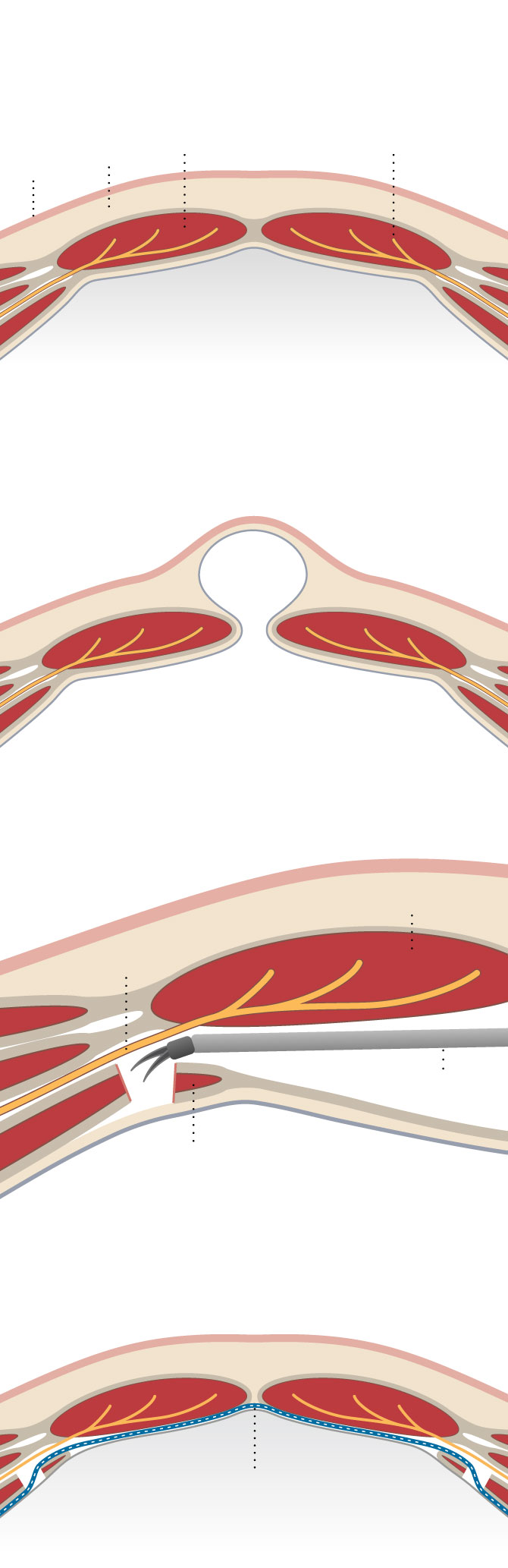
More surgeons are opting for a complicated hernia repair that they learned from videos on social media showing shoddy techniques.The bulge on the side of Peggy Hudson’s belly was the size of a cantaloupe. And it was growing.“I was afraid it would burst,” said Ms. Hudson, 74, a retired airport baggage screener in Ocala, Fla.The painful protrusion was the result of a surgery gone wrong, according to medical records from two doctors she later saw. Using a four-armed robot, a surgeon in 2021 had tried to repair a small hole in the wall of her abdomen, known as a hernia. Rather than closing the hole, the procedure left Ms. Hudson with what is called a “Mickey Mouse hernia,” in which intestines spill out on both sides of the torso like the cartoon character’s ears.One of the doctors she saw later, a leading hernia expert at the Cleveland Clinic, doubted that Ms. Hudson had even needed the surgery. The operation, known as a component separation, is recommended only for large or complex hernias that are tough to close. Ms. Hudson’s original tear, which was about two inches, could have been patched with stitches and mesh, the surgeon believed.Component separation is a technically difficult and risky procedure. Yet more and more surgeons have embraced it since 2006, when the approach — which had long been used in plastic surgery — was adapted for hernias. Over the next 15 years, the number of times that doctors billed Medicare for a hernia component separation increased more than tenfold, to around 8,000 per year. And that figure is a fraction of the actual number, researchers said, because most hernia patients are too young to be covered by Medicare.In skilled hands, component separations can successfully close large hernias and alleviate pain. But many surgeons, including some who taught themselves the operation by watching videos on social media, are endangering patients by trying these operations when they aren’t warranted, a New York Times investigation found.Dr. Michael Rosen, the Cleveland Clinic surgeon who later repaired Ms. Hudson’s hernias, helped develop and popularize the component separation technique, traveling the country to teach other doctors. He now counts that work among his biggest regrets because it encouraged surgeons to try the procedure when it wasn’t appropriate. Half of his operations these days, he said, are attempts to fix those doctors’ mistakes.“It’s unbelievable,” Dr. Rosen said. “I’m watching reasonably healthy people with a routine problem get a complicated procedure that turns it into a devastating problem.”Ms. Hudson’s original surgeon, Dr. Edwin Menor, said he learned to perform robotic component separation a few years ago. He said he initially found the procedure challenging and that some of his operations had been “not perfect.”Dr. Menor said that he now performs component separations a few times a week and that, with additional experience, “you improve eventually.” He said he had a roughly 95 percent success rate. In Ms. Hudson’s case, he said, the use of component separation was warranted based on the complexity of her hernia and her history of prior abdominal surgeries.Intuitive debuted the da Vinci robot in 2000, with the idea that more precise surgery would shorten recovery times. It comes with a built-in camera for doctors to create high-resolution videos of their surgeries.Marcin Bielecki/EPA, via ShutterstockComponent separation must be practiced dozens of times to master, experts said. But one out of four surgeons said they taught themselves how to perform the operation by watching Facebook and YouTube videos, according to a recent survey — part of a broader pattern of surgeons of all stripes learning new techniques on social media with minimal professional oversight.Other hernia surgeons, including Dr. Menor, learned component separation at events sponsored by medical device companies. Intuitive, for example, makes a $1.4 million robot known as the da Vinci that is sometimes used for component separations. Intuitive has paid for hundreds of hernia surgeons to attend short courses to learn how to use the machine for the procedure. The company makes money not only from selling the machines but also by charging some hospitals every time they use the robot.Many surgeons — even some paid by device companies to teach the technique — haven’t learned how to properly carry out component separation with the da Vinci, The Times found. In fact, at times they are teaching one another the wrong techniques.The robot comes with a built-in camera that makes it easy for doctors to record high-resolution videos of their surgeries. The videos are often shared online, including in a Facebook group of about 13,000 hernia surgeons. Some videos capture surgeons using shoddy practices and making appalling mistakes, surgeons said.One instructional video, paid for by another major medical device company, showed a surgeon slicing through the wrong part of the muscle with the da Vinci. Experts said the result could have been devastating, turning the abdominal muscles into what one described as “dead meat.”Peper Long, a spokeswoman for Intuitive, said the company hired “experienced surgeons” to lead its training courses. “The rise in robotic-assisted hernia procedures reflects the clinical benefits that the technology can offer,” she said.In interviews with The Times, more than a dozen hernia surgeons pointed to another reason for the surging use of component separations: They earn doctors and hospitals more money. Medicare pays at least $2,450 for a component separation, compared with $345 for a simpler hernia repair. Private insurers, which cover a significant portion of hernia surgeries, typically pay two or three times what Medicare does.Ms. Hudson with Dr. Michael Rosen, who fixed her hernia, at the Cleveland Clinic. “I’m watching reasonably healthy people with a routine problem get a complicated procedure that turns it into a devastating problem,” he said.Daniel Lozada for The New York TimesRepeat BillingsFixing the torn muscles of a hernia is like closing a suitcase: It’s usually not too difficult to bring the two sides together and zip it up. But a large hernia, like an overstuffed bag, doesn’t have enough slack to bring the muscles back together.Around 2006, surgeons adapted a technique from plastic surgery, called component separation, to close large hernias. On each side of the torso, they carefully cut the muscle to create slack, resulting in something like an extra zipper in expandable luggage.Component SeparationA surgical technique called a component separation can repair large or complex hernias.

Read more →

Eyedrops From Major Brands May Cause Infection, F.D.A. Says

Target, CVS and Rite Aid are pulling products from shelves after federal investigators found unsanitary conditions and recommended a recall.Federal health officials are advising consumers to stop using more than two dozen over-the-counter eyedrops products because of a potential risk of eye infection that may lead to partial vision loss or blindness.The Food and Drug Administration issued an alert on Friday flagging 26 eye care products including eyedrops and gels from CVS Health, Leader (Cardinal Health), Rugby (Cardinal Health), Rite Aid, Target up&up and Velocity Pharma.The federal agency recommended on Wednesday that the manufacturer recall all lots of those products after agency investigators found unsanitary conditions in a manufacturing plant, according to the news release from the F.D.A. Bacterial tests came back positive from critical drug production areas in the plant, which the agency did not immediately identify.The F.D.A. said that it had not received any reports of infection associated with these products, but it was encouraging health care professionals and patients to report any cases to the agency.It’s imperative that these products are sterile, regulators said, because drugs applied to the eyes bypass some of the body’s natural defenses.The F.D.A. said consumers should properly discard these products by taking them to a drug take-back site or by checking whether a product was included on the F.D.A.’s “flush list” of drugs that can be safely discarded at home.CVS, Rite Aid and Target are removing the products from their stores and websites, the agency said. Products branded as Leader, Rugby and Velocity may still be available in stores and online and should not be purchased, federal regulators said.Rite Aid confirmed through a spokeswoman that it was removing “applicable Rite Aid branded products” from store shelves. A CVS spokeswoman said that the retail chain “immediately stopped the sale in-store and online of all products supplied by Velocity Pharma within the CVS Health Brand Eye Products portfolio,” and that customers could return those products for a full refund. The other retailers did not immediately respond to requests for comment.There have been other recent reports of problems with eye products.In January, the Centers for Disease Control and Prevention and the F.D.A. warned consumers to stop using EzriCare Artificial Tears and Delsam Pharma’s Artificial Tears. The eyedrops were linked to a drug-resistant strain of the bacterium Pseudomonas aeruginosa, which was linked to at least four deaths and vision loss in 14 patients.Apotex, a Canadian Pharmaceutical company, recalled prescription eyedrops in March after some bottle caps developed cracks, which could compromise the product’s sterility.Experts say that eyedrops are generally safe to use. By 2024, 123 million Americans are projected to use eyedrops, according to Statista, a market research firm.

Read more →

CUNY Halts Investigation of Alzheimer’s Researcher

Citing questions about the integrity of the process, the university said that “no final action” had been taken.The City University of New York is pausing its investigation into a faculty member, an Alzheimer’s researcher accused of misconduct, the university said in a statement on Friday.Studies by the neuroscientist, Hoau-Yan Wang, underpin an Alzheimer’s drug in advanced clinical trials. The drug, simufilam, is made by Cassava Sciences, a pharmaceutical company based in Texas. Dr. Wang frequently collaborated with Lindsay H. Burns, the company’s chief scientist.“Because questions regarding the confidentiality and integrity of this investigation have been raised, CUNY will stay the underlying inquiry into the allegations regarding Dr. Wang’s research until such time as the University completes a comprehensive investigation of the process,” the university said.Dr. Wang did not respond to a request for comment.“Since September 2021, Cassava Sciences has been waiting for a reliable and credible investigation from CUNY,” Remi Barbier, Cassava’s founder and chief executive, said in an email. “We’re still waiting.”From the start, some scientists were skeptical of simufilam’s purported mode of action and later of Cassava’s reports of improvements among its clinical trial participants. Following accusations in 2021 that Dr. Wang and Cassava may have manipulated data, the Securities and Exchange Commission and the National Institutes of Health began investigating the research.A committee convened by CUNY also began an investigation into Dr. Wang’s work and his lab’s finances over two decades.On Oct. 12, the journal Science made public a draft of the committee’s report, which concluded that Dr. Wang was “reckless” in his failure to keep or provide original data, an offense that “amounts to significant research misconduct.” (The investigators also concluded that Dr. Burns was responsible for errors in some of the papers.)CUNY declined to comment on the document at the time but said it would formally release the report this month. Since then, critics have questioned the objectivity of the investigators and the veracity of their descriptions of Dr. Wang’s responses to the inquiry.On Friday, the university declined to comment on these allegations beyond its official statement.“Consistent with its policy, CUNY will not comment on the accuracy of the investigation referenced in the articles because no final action as to this investigation has been taken,” the statement said.“CUNY is committed to ensuring that its investigative processes are held to the highest procedural and ethical standards and that the fairness of the proceedings is preserved for all parties,” the university added. “To that end, any finding regarding allegations of research misconduct must be reliable and credible.”

Read more →

Few Americans Have Gotten the New Covid Shots, C.D.C. Finds

The NewsFew Americans have received the latest vaccines against the coronavirus: Just over 7 percent of adults and 2 percent of children had received the shot as of Oct. 14, according to a survey presented on Thursday to scientific advisers to the Centers for Disease Control and Prevention.The uptake is weak even among those most at risk of severe illness. Only one in five people age 75 or older has been vaccinated, along with about 15 percent of those ages 65 to 74, according to the survey of nearly 15,000 people.Brian Snyder/ReutersWhy It Matters: Covid is still dangerous to some Americans.More than 1,200 people are dying of Covid each week, according to C.D.C. data. “That’s a travesty,” said Dr. David Kimberlin, a pediatrician at the University of Alabama at Birmingham who represented the American Academy of Pediatrics at the meeting.“It’s like an entire neighborhood being wiped out every single week,” Dr. Kimberlin added.About 16,000 people were hospitalized with Covid in the week ending Oct. 14, compared with nearly 23,000 at the same time last year and more than 44,000 in 2021.Covid hospitalizations among adults aged 75 and older are two to three times as high as among those aged 65 to 74. Rates of hospitalization are highest among Native Americans, Alaska Natives and Black Americans.Less than 1 percent of Native Americans and Alaska Natives, and 7.6 percent of Black Americans, had received the vaccine as of Oct. 14.“I’m really disappointed in the low rates of vaccination, because I think it’s a major missed opportunity to improve our overall level of health,” said Dr. Camille Kotton, a physician at Massachusetts General Hospital and an adviser to the C.D.C.Background: The vaccine rollout has been bumpy.Most people should be able to get the vaccines at no cost through private health insurance, Medicare or Medicaid. Government programs also make the vaccines available for free to children and adults who are underinsured or uninsured, at least through Dec. 31, 2024.So far, more than 380,000 doses have been administered to uninsured people at more than 24,000 pharmacies.Still, many people have reported having trouble finding the vaccine at pharmacies, being charged fees or even mistakenly being turned away. At some pharmacies, demand has outstripped supply, leading to canceled appointments.Dr. Kotton said her clinic and others had received doses of the vaccine only in the past couple of weeks, and she was cautiously optimistic that the immunization rates would pick up.According to the Health and Human Services Department, 12 million Americans had been vaccinated by Oct. 14. That number grew to 14.8 million in the week after.About 36 percent of adults age 75 and older in the survey said they would definitely get the shot, while 26 percent said they would probably do so or were still undecided.Second Opinion: Younger people are less vulnerable. Some experts have argued that immunity from previous infections and vaccinations is enough to protect most young people from severe illness and death from Covid.The C.D.C. recommended on Sept. 12 that all Americans age 6 months and older receive at least one dose of the latest Covid shots. At the time, advisers to the agency were united in endorsing the vaccines for those at high risk because of their age, race or health status.But a few advisers also expressed concern about recommending the shots to younger people, especially children, and young males at higher risk for myocarditis, an uncommon side effect. Relatively young and healthy people are at much lower risk of severe illness.Still, in some patients, the virus can inflict long-term damage to the heart and other organs.A Telling Number: Some Americans are just not interested.About 38 percent of adults in the survey said they would not choose the vaccine for themselves. About the same percentage of parents said they would not have their children immunized.“We can have the best vaccine in the world, we could have the best ability to access it in the world,” Dr. Kimberlin said, but if 40 percent of people say they don’t want it, he added, “it’s just going to sit on the shelf.”

Read more →

Intermittent fasting is safe, effective for those with Type 2 diabetes, study suggests

Time-restricted eating, also known as intermittent fasting, can help people with Type 2 diabetes lose weight and control their blood sugar levels, according to a new study published in JAMA Network Open from researchers at the University of Illinois Chicago.
Participants who ate only during an eight-hour window between noon and 8 p.m. each day actually lost more weight over six months than participants who were instructed to reduce their calorie intake by 25%. Both groups had similar reductions in long-term blood sugar levels, as measured by a test of hemoglobin A1C, which shows blood sugar levels over the past three months.
The study was conducted at UIC and enrolled 75 participants into three groups: those who followed the time-restricted eating rules, those who reduced calories and a control group. Participants’ weight, waist circumference, blood sugar levels and other health indicators were measured over the course of six months.
Senior author Krista Varady said that participants in the time-restricted eating group had an easier time following the regime than those in the calorie-reducing group. The researchers believe this is partly because patients with diabetes are generally told to cut back on calories by their doctors as a first line of defense, so many of these participants likely had already tried — and struggled with — that form of dieting. And while the participants in the time-restricted eating group were not instructed to reduce their calorie intake, they ended up doing so by eating within a fixed window.
“Our study shows that time-restricted eating might be an effective alternative to traditional dieting for people who can’t do the traditional diet or are burned out on it,” said Varady, a professor of kinesiology and nutrition. “For many people trying to lose weight, counting time is easier than counting calories.”
There were no serious adverse events reported during the six-month study. Occurrences of hypoglycemia (low blood sugar) and hyperglycemia (high blood sugar) did not differ between the diet groups and control groups.
Today, 1 in 10 U.S. residents has diabetes, and that number is expected to rise to 1 in 3 by 2050 if current trends continue, the researchers explain. Finding more options for controlling weight and blood sugar levels for these patients, therefore, is crucial.
Just over half the participants in the study were Black and another 40% were Hispanic. This is notable as diabetes is particularly prevalent among those groups, so having studies that document the success of time-restricted eating for them is particularly useful, the researchers said.
The study was small and should be followed up by larger ones, said Varady, who is also a member of the University of Illinois Cancer Center. While it acts as a proof of concept to show that time-restricted eating is safe for those with Type 2 diabetes, Varady said people with diabetes should consult their doctors before starting this sort of diet.
The other current and former UIC authors on the paper are Vasiliki Pavlou, Sofia Cienfuegos, Shuhao Lin, Mark Ezpeleta, Kathleen Ready, Sarah Corapi, Jackie Wu, Jason Lopez, Kelsey Gabel, Lisa Tussing-Humphreys, Vanessa Oddo, Julienne Sanchez and Dr. Terry Unterman. Other authors are from Northwestern University, the University of Minnesota, Minneapolis, and the University of Southern California.

Read more →

Possible cause of male infertility

Mature spermatozoa are characterized by an head, midpiece and a long tail for locomotion. Now, researchers from the University Hospital Bonn (UKB) and the Transdisciplinary Research Unit “Life & Health” at the University of Bonn have found that a loss of the structural protein ACTL7B blocks spermatogenesis in male mice. The cells can no longer develop their characteristic shape and remain in a rather round form. The animals are infertile. The results of the study have now been published in the scientific journal Development.
Male sperm cells are constantly produced in large quantities in the testicles during so-called spermatogenesis. In this process, the typical elongated sperm cells are formed from round germ cells. This enormous change in shape requires the fine tuned reorganization of specialized structural proteins. One of these structural proteins is ACTL7B. “Since it is exclusively made in humans and mice during the maturation of male sperm, it has been postulated that the protein is important for this phase of development,” notes corresponding author Prof. Hubert Schorle from the Institute of Pathology at UKB, who is also a member of the Transdisciplinary Research Area (TRA) “Life & Health” at the University of Bonn.
To investigate the role of the structural protein in spermiogenesis, Prof. Schorle’s team generated a mouse model with a mutation in the Actl7b gene using gene-editing technology. This results in a complete loss of function of ACTL7B. “Without ACTL7B, development is blocked, the cells often remain in a roundish shape, usually do not form the elongated, typical sperm shape and die to a large extent ,” says first author Gina Esther Merges, a doctoral student in Professor Schorle’s laboratory.
Disruption in the network of proteins
In this context, the Bonn researchers found that ACTL7B is required for the reorganization of the cytoskeleton of spermatids. Using mass spectrometric analyses, they identified two interaction partners of ACTL7B, DYNLL1 and DYNLL2. “We were able to show that without the structural protein, DYNLL1 and 2 are not correctly localized in the round spermatids. Since it is probably a larger protein complex with further interaction partners, we attribute the above described effect to a loss of temporally and spatially precisely regulated and targeted redistribution of these proteins,” Prof. Schorle notes.
This explains why the sperm of male mice with a mutated Actl7b gene is not able to develop the characteristic shape. Due to this, the animals are infertile. In addition, according to other research, there is evidence that levels of the protein ACTL7B are reduced in some fertility patients. “Our study shows that mutations in the Actl7b gene could be the cause of male infertility,” says Prof. Schorle.

Read more →