Cardiologists reveal new heart disease risk calculator

A new calculator estimates a person’s risk for cardiovascular disease (CVD) over the next 30 years by combining measures of cardiovascular, kidney and metabolic health for the first time, according to a new American Heart Association Scientific Statement published today in the Association’s flagship journal Circulation.
An accompanying methods paper, published simultaneously today in Circulation, shares details about the development and testing as well as the formulas for the new risk calculator. An online tool is in development.
The American Heart Association PREVENTTM (Predicting Risk of cardiovascular disease EVENTs) risk calculator estimates heart attack, stroke and heart failure risk. The calculator helps incorporate cardiovascular-kidney-metabolic or CKM syndrome into CVD prevention. CKM syndrome was first defined in an October 2023 presidential advisory and scientific statement. The syndrome refers to the strong connections among cardiovascular disease, kidney disease and metabolic disease (Type 2 diabetes and obesity).
According to the Association’s 2023 Statistical Update,1 in 3 U.S. adults has three or more risk factors that contribute to cardiovascular disease, kidney disease and/or metabolic disorders. As the underlying conditions of CKM syndrome worsen, the risk of heart attack, stroke, and/or heart failure increases.
“A new cardiovascular disease risk calculator was needed, particularly one that includes measures of CKM syndrome, which is highly prevalent in the U.S.,” said Sadiya S. Khan, M.D., M.Sc., FAHA, chair of the statement writing committee for the Association. “The new PREVENT risk calculator enables clinicians to quantify this risk and may help people receive preventive care or treatment earlier to reduce CVD risk.”
The PREVENT risk calculator uniquely quantifies risks for CVD for each biological sex. As more research has been conducted specifically in women, this is an important way to understand their unique differences in CVD presentation and risk factors. PREVENT does not include race in its calculation, acknowledging that race is a social factor and not a biological variable and, therefore, is not a valid factor for predicting CVD risk. There is an option in PREVENT to include social factors if available.
The last CVD risk calculator, the Pooled Cohort Equation, was released in 2013. “However, new treatments are now available for CKM conditions such as obesity, Type 2 diabetes and kidney disease,” said Khan, who is the Magerstadt Professor of Cardiovascular Epidemiology and an associate professor of medicine (cardiology) and preventive medicine (epidemiology) at Northwestern University’s Feinberg School of Medicine and a preventive cardiologist at Northwestern Medicine, both in Chicago.

Read more →

A revolution in crystal structure prediction of pharmaceutical drugs

Physical properties (stability, solubility, etc.), critical to the performance of pharmaceutical and functional materials, are known to strongly depend on the solid-state form and environmental factors, such as temperature and relative humidity. Recognising that late appearing, more stable forms can lead to disappearing polymorphs and potentially market withdrawal of a life-saving medicine, the pharmaceutical industry has heavily invested in solid form screening platforms.
Quantitatively measuring the free energy differences between crystalline forms is no small challenge. Metastable crystal forms can be difficult to prepare in pure form and they are frequently susceptible to converting to more stable forms. Thus, having the ability to computationally model free energies means that the risks posed by physical instability can be understood and mitigated for all systems, including those that are experimentally intractable. The lack of reliable experimental benchmark data has been a major bottleneck in developing computational methods for accurately predicting solid-solid free energy differences. Reports in the literature are sparse and much of the experimental data on free energy determinations for molecules of pharmaceutical interest is simply not in the public domain.
To overcome this challenge, experts in academia and industry have compiled the first ever reliable experimental benchmark of solid-solid free energy differences for chemically diverse, industrially relevant systems. They then predicted these free energy differences using several methods pioneered by the group of Prof. Alexandre Tkatchenko within the Department of Physics and Materials Science at the University of Luxembourg, and further improved by Dr. Marcus Neumann and his team of researchers at Avant-garde Materials Simulation. Without using any empirical input, these calculations leveraging high performance computing (HPC) were able to predict and explain data from seven pharmaceutical companies with surprising accuracy. The potential future implications of this work are manifold, and this latest development is just one of many potential application of quantum mechanical calculations in the pharmaceutical industry.
“I am thrilled to see how computational methods developed in my academic group have been quickly adopted to reliably predict the energetics of drug crystal forms in the pharmaceutical industry in a matter of years, breaking the traditional barrier between research and industrial innovation,” remarks Prof. Tkatchenko.
“We owe a fair part of our success to the visionaries among our customers who have enabled us to create an industrial working environment with an academic touch that promotes creativity based on core values such as honesty, integrity, perseverance, team-spirit and genuine care for people and the environment,” points out Dr Marcus Neuman, founder and CEO of AMS.
“Building links between fundamental science, high performance computing, and major industry players in order to make a lasting impact for the future of health is no small feat,” said Prof. Jens Kreisel, Rector of the University of Luxembourg. “We take very seriously our mission of nurturing an ecosystem where researchers can drive societal change for good.”

Read more →

Yeast cells can produce drugs for treatment of psychotic disorders

Production of biological substances for medicine using genetically engineered yeast cells shows new promising results in basic research from an international team of researchers. In 2022, the researchers attracted international attention by programming the longest-ever biosynthetic pathway — or ‘assembly line’ — into a microbial cell factory and designing it to produce biological substances for cancer drugs.
In an article published in the scientific journal Nature Chemical Biology, Biosynthesis of natural and halogenated plant monoterpene indole alkaloids in yeast, the researchers now present results with the artificial production of the naturally occurring substance, alstonine, which has shown promising results for use in treating mental disorders.
“Development of medicines from natural plant substances is widely used. However, since plants do not produce these substances to fight human diseases, there is often a need to modify them to make them more effective and safe,” says Michael Krogh Jensen, a senior researcher at DTU Biosustain and co-founder of the biotech company Biomia.
The researchers hope that the yeast platform can play a prominent role in discovering and developing plant-based medicine.
Fewer side effects for patients
The new research results prove that the engineered yeast cells can make other substances in the group of alkaloids than the substance vinblastine, for which the researchers presented results in 2022. In addition to producing the two new natural plant substances, alstonine and serpentine, the researchers have further developed the method to make 19 new derived variants of the two substances through a chemical process called halogenation, often used in medicine development. Today, up to 40 percent of the substances tested in human trials are produced by halogenation.
“We have found a method to make yeast cells use enzymes and carry out the same chemical process that takes place in halogenation. Plants generally can’t naturally carry out halogenation. Therefore, our versatile biotechnological platform is a possible method for optimizing and developing plant-based alkaloids that may then be used to make medicines against, for example, schizophrenia, for which there are many negative side effects such as insomnia, weight gain and reduced immunity, when using existing medicines” says Michael Krogh Jensen.

Read more →

Gonorrhea Is Becoming Drug Resistant. Scientists Just Found a Solution.

A new antibiotic, zoliflodacin, is as effective as the current standard of care. Its creation may hasten the arrival of other needed antibiotics.The NewsA new antibiotic, the first to be developed in decades, can cure gonorrhea infections at least as effectively as the most powerful current treatment, a large clinical trial has found. The drug, zoliflodacin, is taken as a single pill, and it has not yet been approved for use in any country.But the drug was developed in a way that experts hope will make it widely accessible and will prevent widespread drug resistance.Neisseria gonorrhoeae bacteria, which cause gonorrhea.National Institute of Allergy and Infectious DiseasesWhy It Matters: Gonorrhea is a major global problem.With more than 82 million new infections recorded worldwide in 2020, gonorrhea is among the most common sexually transmitted diseases. The pathogen, Neisseria gonorrhoeae, spreads through sexual contact to the genitals, rectum and throat.About half of infected people show no symptoms, but in others gonorrhea can lead to painful joints and burning urination. Left untreated, it can cause infertility and sterility, blindness in infants or even death.Over the years, the bacterium has found a way to dodge nearly every available antibiotic. It has become resistant to azithromycin and is increasingly resistant to another antibiotic called ceftriaxone, which is now the standard of care.The most powerful defense combines a shot of ceftriaxone with azithromycin, but some evidence hints that gonorrhea is evolving to sidestep even that treatment.Zoliflodacin is a new type of antibiotic, boosting hopes that the bacterium will remain susceptible to it for a long time.“This is a new drug, genuinely solving a problem that really needs to be solved,” said Dr. Manica Balasegaram, executive director of Global Antibiotic Research & Development Partnership, or G.A.R.D.P., a nonprofit that shepherded the drug’s development.“This doesn’t happen often,” he added.The Back Story: A clever way to create new antibiotics.Pharmaceutical companies have largely abandoned antibiotic development as unprofitable. The development of zoliflodacin represents a new model: G.A.R.D.P., which is funded by many Group of 20 countries and the European Union, developed the drug in collaboration with an American pharmaceutical company called Innoviva Specialty Therapeutics.The nonprofit sponsored the Phase 3 trial of the drug. In exchange, it holds the license to sell the antibiotic in about 160 countries while Innoviva retains marketing rights for high-income countries. “I’ll go out on a limb and say that’s probably the only way in which we develop antibiotics going forward, because the old model is simply not going to work,” said Ramanan Laxminarayan, a senior research scholar at Princeton University who chairs the G.A.R.D.P. board.The agreement ensures that the antibiotic will be available and affordable for people in low- and middle-income countries. “Nobody’s making a boatload of money off treatment of gonorrhea, especially when you’re using a single dose of an oral antibiotic,” said Dr. Jeanne Marrazzo, director of the National Institute of Allergy and Infectious Diseases.“This is a path forward to solve the dilemma of getting pathways for products that don’t guarantee profits,” Dr. Marrazzo said.What We Don’t Know: The drug may not cure all cases.The clinical trial enrolled 925 people in five countries, the largest so far for a gonorrhea treatment. It showed that zoliflodacin was as effective at treating gonorrhea as the combination of ceftriaxone and azithromycin.The trial was designed to test how well zoliflodacin works in the urogenital tract. Based on previous research, the drug is unlikely to be as effective in the throat and rectum, said Dr. Marrazzo. But “this will give us a pathway to at least address very common infections, particularly in women, worldwide,” she said.The drugmakers were more sanguine. The numbers of throat and rectal infections were too small to produce firm results, “but we’re very encouraged because they were comparable” to the urogenital tract, said Dr. Margaret Koziel, Innoviva’s chief medical officer.What’s Next: Scientists will try to prevent resistance.The more widely a drug is used, the greater the chances that pathogens will find ways to defend against it. In studies, zoliflodacin appears to be effective against a wide range of resistant strains of gonorrhea.But that does not preclude the possibility that the bacterium may yet evolve to dodge the drug. The partnership’s agreement minimizes that chance: The nonprofit plans to manage how the drug is distributed, and to see that it is used only to treat gonorrhea.

Read more →

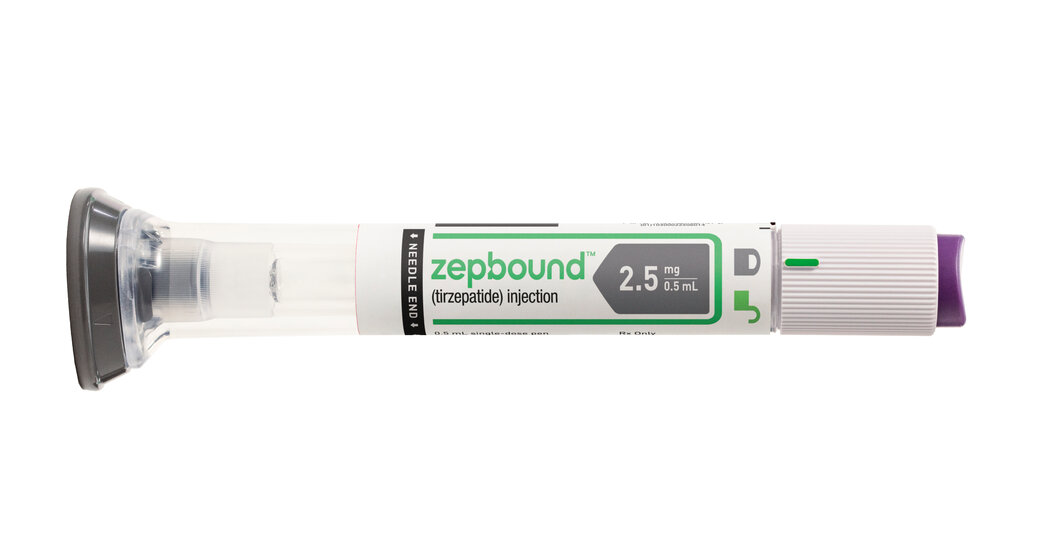
F.D.A. Approves New Obesity Drug Tirzepatide That Will Compete With Wegovy

Zepbound, which is already sold by Eli Lilly as the diabetes treatment Mounjaro, was shown to reduce patients’ weight by as much as one-fifth in drug trials.The Food and Drug Administration on Wednesday approved an obesity drug from the company Eli Lilly that will be a direct competitor to the wildly popular Wegovy.The drug is called tirzepatide and will be sold under the name Zepbound. It joins a class of new medications that are transforming obesity, a condition that affects 100 million American adults and is linked to a spectrum of diseases including diabetes, heart disease, sleep apnea, liver disease, kidney disease and joint pain.Patients who used tirzepatide lost an average of 18 percent of their body weight, according to the F.D.A., when it was taken at its highest dose in a drug trial. That’s compared with Wegovy, manufactured by Novo Nordisk, which produced an average 15 percent weight loss.The F.D.A. approved Zepbound for people with obesity and for those who are overweight and have at least one obesity-related condition.Tirzepatide is already approved for diabetes under the brand name Mounjaro where it competes with Novo Nordisk’s diabetes drug semaglutide, known better as Ozempic. But until now, Wegovy — also semaglutide but with a higher maximum dose than Ozempic — was the only approved drug that could safely elicit substantial weight loss in people with obesity alone.Side effects with Zepbound, similar to those with Wegovy, Ozempic and Mounjaro, are mostly gastrointestinal, like nausea and diarrhea. Most patients tolerated or overcame them.In a news release, Dr. John Sharretts, director of the Division of Diabetes, Lipid Disorders and Obesity in the F.D.A.’s Center for Drug Evaluation and Research, said, “In light of increasing rates of both obesity and overweight in the United States, today’s approval addresses an unmet medical need.”Susan Yanovski, co-director of the office of obesity research at the National Institute of Diabetes and Digestive and Kidney Diseases, said, “Just a few years ago it would be difficult to imagine two medications like semaglutide and tirzepatide that lead to weight loss that previously was only seen when people had bariatric surgery,” referring to a surgical treatment that is a proven effective treatment for obesity.The approval comes at a time when Novo Nordisk is unable to produce enough Wegovy to satisfy the huge demand for the drug. Tirzepatide, which patients take by a self-administered injection once a week, as they do with Wegovy, could ease those shortages.Competition could also result in lower net prices for both drugs, or how much payers actually spend on them. The prices are high for Wegovy — with a list price up to $1,349 every four weeks in one recent analysis, and a net price around $700. Zepbound is starting with a list price of around $1,060, according to Eli Lilly.“You’d want the price competition to come sooner rather than later,” said Craig Garthwaite, a health care economist at Northwestern University. Once people start taking one of these drugs, he said, “they get locked in.” They resist switching even if a competing drug costs less.Development of Zepbound began in 2017 with a small study involving 300 people with type 2 diabetes. After 3 months, many lost at least 13 percent of their body weight. Eli Lilly presented the data at a diabetes meeting in Germany. Some in the audience gasped. Then came a large 72-week study sponsored by Eli Lilly of tirzepatide in 2,539 people with obesity.In a packed room at a meeting of the American Diabetes Association last year, the study’s principal investigator, Dr. Ania Jastreboff of Yale, revealed the results. More than half the patients receiving the highest dose lost at least 20 percent of their body weight.No drug has ever before shown such a profound weight loss.For Eli Lilly, the results were a culmination of research that began a decade ago. But like Novo Nordisk, the company was trying to produce a new diabetes drug.“Obesity wasn’t a main focus for us,” Dr. Daniel Skovronsky, the chief scientific and medical officer at Eli Lilly, said, adding that “it was not seen as a commercial opportunity.”The sad history of weight loss drugs was a lesson, he thought. “There had never been a successful obesity drug,” he said, “and previous drugs didn’t cause enough weight loss to have an impact on peoples’ health.”But researchers at Eli Lilly had started investigating a diabetes drug that combined two molecules. One molecule acts like a hormone, GLP-1, that prompts the body to secrete insulin when blood sugar rises. That was similar to the effects of Novo Nordisk’s Ozempic and Wegovy. And like those drugs, it also suppresses appetite.But more than one hormone is involved when the body regulates blood sugar, so the company’s scientists decided to try combining the molecule that mimics GLP-1 with a second molecule that acts like the gut hormone GIP. Although GIP has a more modest effect when given alone, it amplified GLP-1’s effect when the two hormone mimics were combined.In mice, the two-drug combination not only lowered blood sugar but also had a profound effect on weight. It was “the most weight loss we’d ever seen,” Dr. Skovronsky said.The company’s scientists tested the drug in healthy volunteers. Even though they did not have obesity, the people lost weight.Suddenly, Eli Lilly’s opinion of studying weight loss changed.“We thought, ‘This medicine can change the world,’” Dr. Skovronsky said. “We said: ‘This is the one. This is our priority.’”They decided to speed development with an approach known as “investing at risk” in which they do not wait for each stage of testing to be completed before starting the next, and in which they start building manufacturing capability before studies are completed. The result was a pace that was a record for the company — six years from the first dose in human volunteers to F.D.A. approval. A similar strategy was also used to speed up Covid vaccine development.The hope is that Zepbound can reduce the chances that people with obesity will develop the potentially deadly complications that accompany the condition.But Zepbound is only the beginning for Eli Lilly. The company and other pharmaceutical manufacturers are working on drugs that could be even more powerful.The next Lilly drug adds glucagon, another gut hormone, to the two in Zepbound. It apparently stimulates metabolism and draws fat out of the liver.And, like Novo Nordisk and other companies, Eli Lilly is working on a pill form of tirzepatide. It is undergoing clinical testing.Making injectable drugs is complicated and challenging. Pills are simpler and cheaper, which could improve the supply problem that has affected patients who use Ozempic and Wegovy.It is estimated that by 2030, a billion people in the world will have obesity.“All the companies in the world cannot make that many injections,” Dr. Skovronsky said. “Clearly if we are going to meet the needs of the global epidemic, we need oral drugs.”

Read more →

Any activity is better for your heart than sitting — even sleeping

The study, supported by the British Heart Foundation (BHF) and published in the European Heart Journal, is the first to assess how different movement patterns throughout the 24-hour day are linked to heart health. It is the first evidence to emerge from the international Prospective Physical Activity, Sitting and Sleep (ProPASS) consortium.
Cardiovascular disease, which refers to all diseases of the heart and circulation, is the number one cause of mortality globally. In 2021, it was responsible for one in three deaths (20.5m), with coronary heart disease alone the single biggest killer. Since 1997, the number of people living with cardiovascular disease across the world has doubled and is projected to rise further.
In this study, researchers at UCL analysed data from six studies, encompassing 15,246 people from five countries, to see how movement behaviour across the day is associated with heart health, as measured by six common indicators*. Each participant used a wearable device on their thigh to measure their activity throughout the 24-hour day and had their heart health measured.
The researchers identified a hierarchy of behaviours that make up a typical 24-hour day, with time spent doing moderate-vigorous activity providing the most benefit to heart health, followed by light activity, standing and sleeping compared with the adverse impact of sedentary behaviour.
The team modelled what would happen if an individual changed various amounts of one behaviour for another each day for a week, in order to estimate the effect on heart health for each scenario. When replacing sedentary behaviour, as little as five minutes of moderate-vigorous activity had a noticeable effect on heart health.
For a 54-year-old woman with an average BMI of 26.5, for example, a 30-minute change translated into a 0.64 decrease in BMI, which is a difference of 2.4%. Replacing 30 minutes of daily sitting or lying time with moderate or vigorous exercise could also translate into a 2.5 cm (2.7%) decrease in waist circumference or a 1.33 mmol/mol (3.6%) decrease in glycated haemoglobin.
Dr Jo Blodgett, first author of the study from UCL Surgery & Interventional Science and the Institute of Sport, Exercise & Health, said: “The big takeaway from our research is that while small changes to how you move can have a positive effect on heart health, intensity of movement matters. The most beneficial change we observed was replacing sitting with moderate to vigorous activity — which could be a run, a brisk walk, or stair climbing — basically any activity that raises your heart rate and makes you breathe faster, even for a minute or two.”
The researchers pointed out that although time spent doing vigorous activity was the quickest way to improve heart health, there are ways to benefit for people of all abilities — it’s just that the lower the intensity of the activity, the longer the time is required to start having a tangible benefit. Using a standing desk for a few hours a day instead of a sitting desk, for example, is a change over a relatively large amount of time but is also one that could be integrated into a working routine fairly easily as it does not require any time commitment.

Read more →

Ethical, environmental and political concerns about climate change affect reproductive choices

People are beginning to reconsider their reproductive decisions due to complex concerns about climate change, with many choosing to forego childbearing, or reduce the number of children they have as a result, finds a new study by UCL researchers.
The research, published in PLOS Climate, is the first systematic review to explore how and why climate change-related concerns may be impacting reproductive decision-making.
The team examined 13 studies, involving 10,788 participants, which were conducted between 2012 and 2022, primarily in Global North countries such as the USA, Canada, New Zealand, and various European countries. They found that climate change concerns were typically associated with less positive attitudes towards reproduction and a desire or intent for fewer children or none at all.
Underpinning this finding were four key factors: uncertainty about the future of an unborn child, environmentalist views centred on overpopulation and overconsumption, meeting family subsistence needs, and political sentiments.
The term eco-anxiety has rapidly entered public discourse, describing a range of negative emotional responses including fear, worry, guilt and anger as a response to climate change. In 2018, a nationally representative New York Times survey found that 33% of childfree Americans aged 20-45 cited being “worried about climate change” as a reason for not having children.
Since then, ethical concerns about the quality of life children might have in a climate-changed future have been cited as the primary rationale for individuals choosing to not have children. However, the team behind this new study wanted to understand if there was an evidence base supporting the claims that climate change concerns were causing people to change their childbearing decisions, and if so, whether any other motivating factors, aside from ethical concerns, came into play.
The new analysis found that in 12 out of 13 studies, stronger concerns about climate change were associated with a desire for fewer children, or none at all.

Read more →

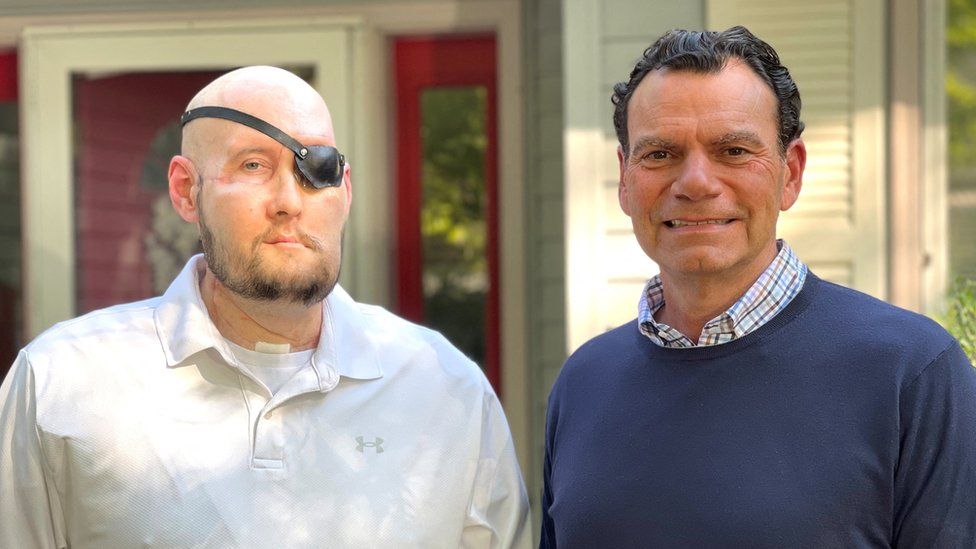
US veteran gets world's first eye transplant

Published10 hours agoShareclose panelShare pageCopy linkAbout sharingThis video can not be playedTo play this video you need to enable JavaScript in your browser.By Chloe KimBBC NewsSurgeons in New York say they have performed the world’s first complete eye transplant on a man, although it is not certain he will regain vision.Aaron James, who survived a high-voltage electrical accident, underwent 21 hours of surgery that replaced half of his face. Surgeons have been able to transplant corneas successfully for years.Experts have called the breakthrough a pivotal moment in the quest to restore sight to millions of people. Mr James, a high-voltage utility line worker from Arkansas, lost most of his face when it accidentally touched a 7,200-volt live wire in 2021.On 27 May this year, he underwent a rare partial face transplant in addition to the eye transplant – which involved more than 140 healthcare professionals. Surgeons at NYU Langone Health, who performed the complicated surgery, said on Thursday that Mr James, 46, was recovering well from the dual transplant and the donated eye looked remarkably healthy. His right eye still works.”The mere fact that we’ve accomplished the first successful whole-eye transplant with a face is a tremendous feat many have long thought was not possible,” said Dr Eduardo Rodriguez, one of the leading surgeons on the team. “We’ve made one major step forward and have paved the way for the next chapter to restore vision.”Doctors say James’ surgery offers scientists an unprecedented window into how the human eye tries to heal.”We’re not claiming that we are going to restore sight,” Dr Rodriguez told ABC News. “But there’s no doubt in my mind we are one step closer.”Image source, ReutersDoctors said there was direct blood flow to the retina – the part of the eye that sends images to the brain. While there is no certainty Mr James will regain vision in his new eye, doctors do not rule out the possibility either.”If I can see out of it, that’s great,” Mr James said in an interview. “But if it’ll kick-start the next path in the medical field, then I’m all for it.”Mr James, a military veteran, will continue to be monitored by doctors, but the progress they have seen with the eye is “exceptional” says Bruce E. Gelb, MD, a transplant surgeon at New York University.The donated face and eye came from a single male donor in his 30s. During the surgery, doctors injected adult stem cells from the donor’s bone marrow into the optic nerve to encourage its repair.Image source, ReutersMr James is only the 19th person in the US to undergo a face transplant. His wife of 20 years, Meagan James, told CNN seeing him after the surgery “was a crazy, great, weird, strange, ecstatic, happy feeling”.”I was just happy he made it through, and everything was good in the moment.”After the accident, Mr James had to have his left eye removed because of the pain and has undergone numerous surgeries, including one for a prosthetic arm. He has called the eye transplant “life changing” and says he is “grateful beyond words” to the donor and their family for making the surgery possible.”I just look like a normal person walking down the street,” he told NBC News.More on this storyMan given genetically modified pig heart diesPublished9 March 2022Woman’s eye saved after itch turns out to be ulcerPublished16 SeptemberWoman, 88, gets bionic eye implantPublished21 January 2022

Read more →

Arkansas man receives world's first eye transplant

Aaron James lost his nose, mouth and left eye in a work-related accident. Surgeons in New York successfully performed the reconstruction that included a whole-eye implant. His vision was not restored, but the first-of-its-kind procedure may help advance transplant medicine.“If some form of vision restoration occurred, it would be wonderful, but… the goal was for us to perform the technical operation,” said the chief surgeon, Dr Eduardo Rodriguez.

Read more →

Team creates synthetic enzymes to unravel molecular mysteries

A University of Texas at Dallas bioengineer has developed synthetic enzymes that can control the behavior of the signaling protein Vg1, which plays a key role in the development of muscle, bone and blood in vertebrate embryos.
The team of researchers is using a new approach, called the Synthetic Processing (SynPro) system, in zebrafish to study how Vg1 is formed. By learning the molecular rules of signal formation in a developing animal, researchers aim to engineer mechanisms — such as giving cells new instructions — that could play a role in treating or preventing disease.
Dr. P.C. Dave P. Dingal, assistant professor of bioengineering in the Erik Jonsson School of Engineering and Computer Science, and his colleagues published their research online Oct. 16 in Proceedings of the National Academy of Sciences.
“We’re interested in how synthetic enzymes might be used to control natural proteins, including disease-causing proteins,” Dingal said. “Our hope is to build biological circuits that, ultimately, we can introduce into cells and imbue them with new functions, like being able to detect cancer or resolve cellular disorders at the molecular level.”
Dingal said zebrafish are ideal models for observing how signaling proteins are processed and secreted because zebrafish not only have approximately 70% similarity with the human genome, but they also are small and easy to grow and image under the microscope.
The researchers studied interactions between the two proteins Vg1 and Nodal. One of the questions the research team investigated is why Vg1 remains inactive until it pairs with Nodal to form a larger protein complex called a heterodimer, which is secreted from cells and signals target embryonic cells to differentiate into specific tissues and organs.
“We discovered that there are proteins that act like chaperones that bind to Vg1 and force it to remain as an inactive monomer,” Dingal said. “In the presence of Nodal, however, the chaperones are released, and Nodal can then dimerize with Vg1.”
The researchers found that the act of pairing is not enough to activate Vg1 and Nodal. The Vg1 portion of the dimer must go through additional processing in other parts of the cell, including in the Golgi apparatus, where enzymes cut away, or cleave, unnecessary amino acids from the Vg1 section, much like a gardener prunes a rosebush.

Read more →