Scientists discover key to a potential natural cancer treatment's potency

Slumbering among thousands of bacterial strains in a collection of natural specimens at The Herbert Wertheim UF Scripps Institute for Biomedical Innovation & Technology, several fragile vials held something unexpected, and possibly very useful.
Writing in the journal Nature Chemical Biology, a team led by chemist Ben Shen, Ph.D., described discovery of two new enzymes, ones with uniquely useful properties that could help in the fight against human diseases including cancer. The discovery, published last week, offers potentially easier ways to study and manufacture complex natural chemicals, including those that could become medicines.
The contribution of bacterial chemicals to the history of drug discovery is remarkable, said Shen, who directs the Natural Products Discovery Center at the institute, one of the world’s largest microbial natural product collections.
“Few people realize that nearly half of the FDA-approved antibiotics and anticancer drugs on the market are natural products or are inspired by them,” Shen said. “Nature is the best chemist to make these complex natural products. We are applying modern genomic technologies and computational tools to understand their fascinating chemistry and enzymology, and this is leading to progress at unprecedented speed. These enzymes are the latest exciting example.”
The enzymes the team discovered have a descriptive, if unwieldy, name. They are called “cofactorless oxygenases.” This means the bacterial enzymes pull oxygen from the air and incorporate it into new compounds, without requiring the typical metals or other cofactors to initiate the necessary chemical reaction.
This new way of synthesizing defensive substances would confer a survival advantage, enabling the organism to fend off infections or invaders. And because enzymes are to chemists what drill bits or saw blades are to a carpenter, they offer scientists new ways to create useful things, said the paper’s first authors, postdoctoral researchers Chun Gui, Ph.D., and Edward Kalkreuter, Ph.D.
Most immediately, the discovery of the enzymes, TnmJ and TnmK2, solves a lingering mystery of how a potential antibiotic and anticancer compound the Shen lab had first discovered in 2016, tiancimycin A, achieved such potency, Gui and Kalkreuter said.

Read more →

New compound outperforms pain drug by indirectly targeting calcium channels

A compound — one of 27 million screened in a library of potential new drugs — reversed four types of chronic pain in animal studies, according to new research led by NYU College of Dentistry’s Pain Research Center and published in the Proceedings of the National Academy of Sciences (PNAS).
The small molecule, which binds to an inner region of a calcium channel to indirectly regulate it, outperformed gabapentin without troublesome side effects, providing a promising candidate for treating pain.
Calcium channels play a central role in pain signaling, in part through the release of neurotransmitters such as glutamate and GABA — “the currency of the pain signal,” according to Rajesh Khanna, director of the NYU Pain Research Center and professor of molecular pathobiology at NYU Dentistry. The Cav2.2 (or N-type) calcium channel is the target for three clinically available drugs, including gabapentin (sold under brand names including Neurontin) and pregabalin (Lyrica), which are widely used to treat nerve pain and epilepsy.
Gabapentin mitigates pain by binding to the outside of the Cav2.2 calcium channel, affecting the channel’s activity. However, like many pain medications, gabapentin use often comes with side effects.
“Developing effective pain management with minimal side effects is crucial, but creating new therapies has been challenging,” said Khanna, the senior author of the PNAS study. “Rather than directly going after known targets for pain relief, our lab is focused on indirectly targeting proteins that are involved in pain.”
Inside the channel
Khanna has long been interested in a protein called CRMP2, a key regulator of the Cav2.2 calcium channel that binds to the channel from the inside. He and his colleagues previously discovered a peptide (a small region of amino acids) derived from CRMP2 that could uncouple CRMP2 from the calcium channel. When this peptide — dubbed the calcium channel-binding domain 3, or CBD3 — was delivered to cells, it acted as a decoy, blocking CRMP2 from binding to the inside of the calcium channel. This resulted in less calcium entering the calcium channel and less neurotransmitter release, which translated to less pain in animal studies.

Peptides are difficult to synthesize as drugs because they are short-acting and easily degrade in the stomach, so the researchers sought to create a small molecule drug based on CBD3. Starting with the 15 amino acids that make up the CBD3 peptide, they honed in on two amino acids that studies showed were responsible for inhibiting calcium influx and mitigating pain.
“At that point, we realized that these two amino acids could be the building blocks for designing a small molecule,” said Khanna.
From 27 million to one
In collaboration with colleagues at the University of Pittsburgh, the researchers ran a computer simulation that screened a library of 27 million compounds to look for a small molecule that would “match” the CBD3 amino acids.
The simulation narrowed the library down to 77 compounds, which the researchers experimentally tested to see if they lessened the amount of calcium influx. This further pared the pool down to nine compounds, which were assessed using electrophysiology to measure decreases in electrical currents through the calcium channels.
One compound, which the researchers named CBD3063, emerged as the most promising candidate for treating pain. Biochemical tests revealed that CBD3063 disrupted the interaction between the CaV2.2 calcium channel and CRMP2 protein, reduced calcium entering the channel, and lessened the release of neurotransmitters.

“Many scientists have screened the same library of compounds, but have been trying to block the calcium channel from the outside. Our target, these two amino acids from CRMP2, is on the inside of the cell, and this indirect approach may be the key to our success,” said Khanna.
Four labs, four types of pain
Khanna’s lab then tested CBD3063 with mouse models for pain related to injury. The compound was effective in alleviating pain in both male and female mice — and notably, in a head-to-head test with the drug gabapentin, the researchers needed to use far less CBD3063 (1 to 10 mg) than gabapentin (30 mg) to reduce pain.
To explore whether CBD3063 helped with different types of chronic pain, Khanna partnered with researchers at Virginia Commonwealth University, Michigan State University, and Rutgers University. Collaborators ran similar studies administering CBD3063 to treat animal models of chemotherapy-induced neuropathy, inflammatory pain, and trigeminal nerve pain — all successfully reversing pain, similar to gabapentin.
But unlike gabapentin, the use of CBD3063 did not come with side effects, including sedation, changes to cognition such as memory and learning, or changes to heart rate and breathing.
What’s next
The researchers are continuing to study CBD3063, refining its chemical composition and running additional tests to study the compound’s safety and assess if tolerance develops.
Long-term, they hope to bring a CBD3063-derived drug to clinical trials in an effort to offer new options for safe and effective pain relief.
“Identifying this first-in-class small molecule has been the culmination of more than 15 years of research. Though our research journey continues, we aspire to present a superior successor to gabapentin for the effective management of chronic pain,” said Khanna.
Additional authors include Kimberly Gomez, Tyler Nelson, Heather Allen, Aida Calderon-Rivera, Sara Hestehave, Erick Rodríguez Palma, Paz Duran, Santiago Loya-Lopez, Samantha Perez-Miller, and May Khanna of NYU Dentistry’s Pain Research Center; Elaine Zhu and Jing Wang of NYU Grossman School of Medicine; Handoko and Paramjit Arora of NYU’s Department of Chemistry; Ulises Santiago and Carlos Camacho of the University of Pittsburgh; Yuan Zhou, Angie Dorame, and Aude Chefdeville of the University of Arizona; Upasana Kumar, Rory Shields, Wanhong Zuo, Huijuan Hu, and Olga Korczeniewska of Rutgers University; Eda Koseli, Bryan McKiver, and M. Imad Damaj of Virginia Commonwealth University; Denise Giuvelis and Tamara King of the University of New England; Kufreobong Inyang and Geoffroy Laumet of Michigan State University; Dongzhi Ran, Yi Lu, and Xia Liu of Chongqing Medical University; Marcel Patek of Bright Rock Path LLC; and Aubin Moutal of St. Louis University.
The research labs are supported in part by the National Institutes of Health (NS098772, NS120663, DA042852, NS119263, GM115384, NS121776, NS121259, P30GM145497, and R01CA219637).

Read more →

This wireless, handheld, non-invasive device detects Alzheimer's and Parkinson's biomarkers

An international team of researchers has developed a handheld, non-invasive device that can detect biomarkers for Alzheimer’s and Parkinson’s Diseases. The biosensor can also transmit the results wirelessly to a laptop or smartphone.
The team tested the device on in vitro samples from patients and showed that it is as accurate as the state of the art. Ultimately, researchers plan to test saliva and urine samples with the biosensor. The device could be modified to detect biomarkers for other conditions as well.
Researchers present their findings in the Nov. 13, 2023 issue of the Proceedings of the National Academy of Sciences.
The device relies on electrical rather than chemical detection, which researchers say is easier to implement and more accurate.
“This portable diagnostic system would allow testing at-home and at point of care, like clinics and nursing homes, for neurodegenerative diseases globally,” said Ratnesh Lal, a bioengineering, mechanical engineering and materials science professor at the UC San Diego Jacobs School of Engineering and one of the paper’s corresponding authors.
By the year 2060, about 14 million Americans will suffer from Alzheimer’s Disease. Other neurodegenerative diseases, such as Parkinson’s, are also on the rise. Current state of the art testing methods for Alzherimer’s and Parkinson’s require a spinal tap and imaging tests, including an MRI. As a result, early detection of the disease is difficult, as patients balk at the invasive procedures. Testing is also difficult for patients who are already exhibiting symptoms and have difficulty moving as well as those who have no early access to local hospitals or medical facilities.
One of the prevailing hypotheses in the field, which Lal has focused on, is that Alzheimer’s Disease is caused by soluble amyloid peptides that come together in larger molecules, which in turn form ion channels in the brain.

Read more →

Appropriate statin prescriptions increase sixfold with automated referrals

The odds of prescribing the appropriate dose of statins — a medicine used to lower “bad” cholesterol levels — increased sixfold when automated referrals were made to pharmacy services, instead of relying on traditional prescribing methods, according to researchers at the Perelman School of Medicine at the University of Pennsylvania. More than 90 million people in the U.S. use statins, making it one of the most prescribed medications in the county. Despite their effectiveness in lowering cholesterol levels and the risk of cardiovascular diseases, previous studies have highlighted suboptimal prescribing trends.
Typically, a doctor assesses a patient’s cardiovascular risk and determines whether a statin is needed, and at what dose. One reason for under-prescription of statins is that clinicians often do not have adequate time in the office to attend to patients’ preventive care needs. A workflow that automatically identifies patients who should be treated with a statin but are not, or are treated with too low a dose, and refers those patients to a pharmacist for initiation of appropriate statin therapy, is a promising way to ensure that cholesterol management is not overlooked.
The work of Fanaroff and his colleagues aimed to address the underutilization of statin therapy in U.S. adults who are candidates for such treatment. A large proportion of adults with or at high risk for cardiovascular disease do not receive statins at the recommended dose.
To bridge this gap, the research team conducted a cluster randomized clinical trial as part of the Penn Medicine Atherosclerotic Cardiovascular Disease Risk Reduction Initiative. The trial enrolled patients from ten primary care practices affiliated with the Penn Medicine Lancaster General Health System and explored the effects of automated referrals of eligible patients — those not already prescribed statins by a clinician — to a centralized pharmacy service. Pharmacists subsequently contacted appropriate patients, discussed their personalized risks and the benefits of statin initiation, and initiated therapy when appropriate. The primary goal was to assess the proportion of patients prescribed statins, and secondary outcomes included the proportion of prescribed statins at guideline recommended doses.
A total of 1,950 eligible patients were enrolled in the trial, with 975 assigned to the intervention arm — the automated referral group. The study revealed that 86.4 percent of eligible patients were not prescribed statins at all at baseline, and the rest were given inappropriately low doses. Patients in the intervention arm practices saw a significant increase in statin prescription rates, with 31.6 percent prescribed a statin, compared with 15.2 percent in usual care practices. Additionally, 24.8 percent of patients at intervention arm practices were prescribed a statin at the guideline-recommended dose during the study period, compared with 7.7 percent of patients at usual care practices.
“The findings suggest that automated referrals to centralized pharmacy services for lipid management are a game-changing strategy, drastically improving the odds of prescribing appropriate dose statins,” said Fanaroff.
The research was funded by a National Institutes of Health Clinical and Translational Science Award Grant (UL1TR001878).

Read more →

Antiviral treatment is largely underused in children with influenza, study findings show

Despite national medical guidelines supporting the use of antiviral medications in young children diagnosed with influenza, a new study reports an underuse of the treatment.
“Trends in Outpatient Influenza Antiviral Use Among Children and Adolescents in the United States” was published in Pediatrics, a peer-reviewed journal of the American Academy of Pediatrics.
“Antiviral treatment, when used early, improves health outcomes with influenza,” said lead author and principal investigator James Antoon, MD, PhD, MPH, assistant professor of Pediatrics and Hospital Medicine at Monroe Carell Jr. Children’s Hospital at Vanderbilt.
Antoon and colleagues collaborated with researchers from the University of Illinois at Chicago on a large study examining outpatient and emergency department prescription claims for patients younger than 18 from all 50 states over a nine-year period.
Oseltamivir, also known at Tamiflu, is the only oral antiviral medication approved for use in children younger than 5 years old.
“We found that young children, less than 5 years old and especially those 2 years old and younger, are undertreated for influenza,” said Antoon. “We noted that about 40% of children were treated with an antiviral, when guidelines recommend all of them be treated. It’s important to note that we found low rates of antiviral use in all age groups.”
The study also found wide geographic variation in the use of influenza antivirals — there was a threefold to twentyfold difference in the rate of antiviral use based on geographic region that was not explained by differences in the incidence of flu, said Antoon.

Read more →

AI programs spat out known data and hardly learned specific chemical interactions when predicting drug potency

Artificial intelligence (AI) is on the rise. Until now, AI applications generally have “black box” character: How AI arrives at its results remains hidden. Prof. Dr. Jürgen Bajorath, a cheminformatics scientist at the University of Bonn, and his team have developed a method that reveals how certain AI applications work in pharmaceutical research. The results are unexpected: the AI programs largely remembered known data and hardly learned specific chemical interactions when predicting drug potency. The results have now been published in Nature Machine Intelligence.
Which drug molecule is most effective? Researchers are feverishly searching for efficient active substances to combat diseases. These compounds often dock onto protein, which usually are enzymes or receptors that trigger a specific chain of physiological actions. In some cases, certain molecules are also intended to block undesirable reactions in the body — such as an excessive inflammatory response. Given the abundance of available chemical compounds, at a first glance this research is like searching for a needle in a haystack. Drug discovery therefore attempts to use scientific models to predict which molecules will best dock to the respective target protein and bind strongly. These potential drug candidates are then investigated in more detail in experimental studies.
Since the advance of AI, drug discovery research has also been increasingly using machine learning applications. As one “Graph neural networks” (GNNs) provide one of several opportunities for such applications. They are adapted to predict, for example, how strongly a certain molecule binds to a target protein. To this end, GNN models are trained with graphs that represent complexes formed between proteins and chemical compounds (ligands). Graphs generally consist of nodes representing objects and edges representing relationship between nodes. In graph representations of protein-ligand complexes, edges connect only protein or ligand nodes, representing their structures, respectively, or protein and ligand nodes, representing specific protein-ligand interactions.
“How GNNs arrive at their predictions is like a black box we can’t glimpse into,” says Prof. Dr. Jürgen Bajorath. The chemoinformatics researcher from the LIMES Institute at the University of Bonn, the Bonn-Aachen International Center for Information Technology (B-IT) and the Lamarr Institute for Machine Learning and Artificial Intelligence in Bonn, together with colleagues from Sapienza University in Rome, has analyzed in detail whether graph neural networks actually learn protein-ligand interactions to predict how strongly an active substance binds to a target protein.
How do the AI applications work?
The researchers analyzed a total of six different GNN architectures using their specially developed “EdgeSHAPer” method and a conceptually different methodology for comparison. These computer programs “screen” whether the GNNs learn the most important interactions between a compound and a protein and thereby predict the potency of the ligand, as intended and anticipated by researchers — or whether AI arrives at the predictions in other ways. “The GNNs are very dependent on the data they are trained with,” says the first author of the study, PhD candidate Andrea Mastropietro from Sapienza University in Rome, who conducted a part of his doctoral research in Prof. Bajorath’s group in Bonn.
The scientists trained the six GNNs with graphs extracted from structures of protein-ligand complexes, for which the mode of action and binding strength of the compounds to their target proteins was already known from experiments. The trained GNNs were then tested on other complexes. The subsequent EdgeSHAPer analysis then made it possible to understand how the GNNs generated apparently promising predictions.

Read more →

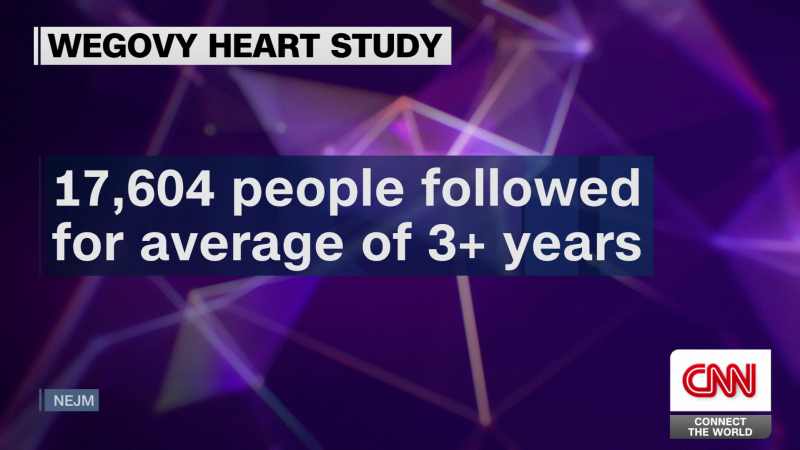
Trial Confirms Heart Benefits of Weight Loss Drug

Link Copied!

A new clinical trial shows that Wegovy could reduce the risk of heart attacks in addition to helping people lose weight. CNN Medical Correspondent Meg Tirrell explains.

02:36

– Source:
CNN

Read more →

Cycle of fasting and feeding is crucial for healthy aging

Fasting interventions, which involve alternating periods of fasting and refeeding, are generally thought to improve health. But these interventions don’t work as well in old animals. The question is: Why? By studying the short-lived killifish, researchers at the Max Planck Institute for Biology of Ageing in Cologne have shown that older fish deviate from a youthful fasting and refeeding cycle, and instead enter a state of perpetual fasting, even when ingesting food. However, the benefits of refeeding after fasting in old killifish can be restored by genetically activating a specific subunit of AMP kinase, an important sensor of cellular energy. These mutant fish experienced improved health and longevity, indicating that both fasting and refeeding are needed to confer health benefits and act through AMP kinase to do so.
It has already been shown in many model organisms that a reduced diet, either through calorie restriction or periods of fasting, has a positive effect on health. However, it is difficult for humans to eat less throughout life. In order to find the most opportune timing to fasting, researchers introduced fasting interventions at different ages, finding that these interventions in older age do not yield the same benefits as they do in younger animals.
A team of researchers from Cologne, Germany, has now investigated the age-related fasting effects in killifish. Killifish are rapid-aging fish that go from young to old in just a few months. The researchers either fasted young and old fish for a few days or fed them twice a day. They found that the visceral adipose (fat) tissue of old fish became less responsive to feeding. “The adipose tissue is known to react most strongly to variations in food intake and has an important role in metabolism. That’s why we looked at it more closely,” explains Roberto Ripa, lead author of the study.
Alternation between fasting and eating is crucial
The researchers found that the inability to respond to the feeding phase set the fat tissue of old fish in a permanent state of fasting: energy metabolism is shut down, protein production is reduced, and tissue is not renewed. “We had assumed that old fish would not be able to switch to fasting after feeding. Surprisingly, the opposite was true, the old fish were in a permanent fasting state, even while eating food” says Adam Antebi, Director at the Max Planck Institute for Biology of Ageing and leader of the study.
Adipose tissue in a permanent fasting state
When the researchers looked more closely at how the fatty tissue of the old fish differed from that of the young, they came across a specific protein called AMP kinase. This kinase is a cellular energy sensor, and is made up of different subunits, of which the activity of the γ1 subunit decreases with age. When the scientists increased the activity of this subunit through genetic modification, the fasting-like state was counteracted and the old fish were healthier and even lived longer.
Human ageing
Interestingly, a link was also found between the γ1-subunit and human ageing. Significantly lower levels of the particular subunit were measured in samples from elderly patients. In addition, it was possible to show in the human samples: the less frail a person is in old age, the higher the level of the γ1-subunit.
“Of course, we don’t yet know whether in humans the γ1-subunit is actually responsible for healthier ageing. In the next step, we will try to find molecules that activate precisely this subunit and investigate whether we can use them to positively influence ageing,” explains Adam Antebi.

Read more →

Early-life stress changes more genes in brain than a head injury

A surprising thing happened when researchers began exploring whether early-life stress compounds the effects of a childhood head injury on health and behavior later in life: In an animal study, stress changed the activation level of many more genes in the brain than were changed by a bump to the head.
It’s already known that head injuries are common in young kids, especially from falling, and can be linked to mood disorders and social difficulties that emerge later in life. Adverse childhood experiences are also very common, and can raise risk for disease, mental illness and substance misuse in adulthood.
“But we don’t know how those two things can interact,” said senior study author Kathryn Lenz, associate professor of psychology at The Ohio State University. “We wanted to understand whether experiencing a traumatic brain injury in the context of early life stress circumstances could modulate the response to the brain injury. And using an animal model allows us to really get into the mechanisms through which these two things might be impacting brain development as it’s occurring.”
This first set of experiments in rats suggests early life stress’s potential to lead to a lifetime of health consequences may not be fully appreciated, Lenz said.
“We found many, many, many more genes were differentially expressed as a result of our early life stress manipulation than our traumatic brain injury manipulation,” Lenz said. “Stress is really powerful, and we shouldn’t understate the impact of early life stress on the developing brain. I think it tends to get dismissed — but it’s an incredibly important public health topic.”
The research poster was presented today (Nov. 12, 2023) at Neuroscience 2023, the annual meeting of the Society for Neuroscience.
Researchers temporarily separated newborn rats from their mothers daily for 14 days to induce stress mimicking the effects of adverse childhood experiences, which include a variety of potentially traumatic events. On day 15, a time when rats are developmentally equivalent to a toddler, stressed and non-stressed rats were given either a concussion-like head injury under anesthesia or no head injury. Three conditions — stress alone, head injury alone and stress combined with head injury — were compared to uninjured, non-stressed rats.

Read more →

New medication given every 1-3 months may slash stubborn high cholesterol

A new PCSK9 inhibitor (recaticimab) injected every one to three months may work safely and provide more flexible dosing to lower cholesterol, according to late-breaking science presented today at the American Heart Association’s Scientific Sessions 2023. The meeting, Nov. 11-13, in Philadelphia, is a premier global exchange of the latest scientific advancements, research and evidence-based clinical practice updates in cardiovascular science.
“Previous studies found that 30% to 40% of people discontinued their current PCSK9 therapies, given every two to four weeks, during or after six months of beginning treatment. More flexible dosing with recaticimab, given up to every 12 weeks, might increase the proportion of people with high levels of bad cholesterol to stick with their recommended treatment to lower bad cholesterol levels and reduce risk of heart disease,” said lead study author Xin Du, Ph.D., a professor of cardiology at Beijing Anzhen Hospital and the Capital Medical University in Beijing, China.
The current study, Recaticimab Add-On Therapy in Patients With Non-Familial Hypercholesterolemia and Mixed Hyperlipidemia or REMAIN-2, examines the safety of a new PCSK9 inhibitor, recaticimab, and its ability to lower bad cholesterol when given at different doses and intervals to people with non-genetic forms of high cholesterol.
American Heart Association guidelines indicate a cholesterol target of less than 100 mg/dl in most adults and less than 70 mg/dl in high-risk people who have already had a heart attack, or stroke or have genetic forms of high cholesterol. When cholesterol-lowering statin medications and other treatments are not effective in reducing bad cholesterol to target levels, physicians may often add a PCSK9 inhibitor. The medication binds to and inactivates a protein on cells found in the liver to lower bad cholesterol. Current FDA approved PCSK9 inhibitors include alirocumab and evolocumab, which are injected every 2-4 weeks.
This multicenter study in China involved 689 participants with abnormally high levels of bad cholesterol despite ongoing moderate or high intensity statin therapy. Participants were divided into three groups: one received either 150 mg of recaticimab or a placebo injection every 4 weeks; one group received 300 mg of recaticimab or placebo injection every 8 weeks; and one group was given 450 mg of recaticimab or placebo injection every 12 weeks.
The study found: At every dosage/interval, participants who received recaticimab had lower bad cholesterol levels at 24 weeks than those receiving a placebo. In the 4-week injection group, bad cholesterol was reduced 62% among those taking recaticimab vs. 0% among those in the placebo group; in the 8-week injection group, bad cholesterol was reduced 59% vs. +0.4% respectively; and in the 12-week injection group bad cholesterol was reduced 51% vs. +2% respectively. At every dosage/interval, recaticimab lowered their bad cholesterol to the target by 24 weeks compared to the placebo and these levels were maintained at 48 weeks. At 24 weeks, 90% of the 4-week injection group reached goal compared to 16% of the placebo group; while the percentage was 95% vs. 14% respectively in the 8-week injection group; and 86% vs. 16% respectively in the 12-week injection group. A similar amount of injection site reactions were common during the 48 weeks, such as: redness and soreness was 84% for those on recaticimab and 83% for those on placebo; injection site reaction was 3.9% in the recaticimab and 1.3% in the placebo groups.”Since all the doses and frequencies had similar effectiveness and safety, this may someday provide patients and physicians with more flexible options,” Du said.

Read more →