Cheap medicines prevented migraine as well as expensive ones

Migraine is more than just a headache. Often the pain is accompanied by nausea, vomiting, light sensitivity, and sound sensitivity. Chronic migraine can be disabling and may prevent many, especially women, from contributing to working life.
Still, it often takes a long time for migraine patients to find a treatment that works well for them. Researchers at the Norwegian Center for Headache Research (NorHead) have used data from the Norwegian Prescription Register to look at which medicines best prevent migraine in people in Norway:
“There has now been done a lot of research on this subject before. This may weaken the quality of the treatment and increase the cost of treatment for this patient group,” says the leader of the study, Professor Marte-Helen Bjørk at the Department of Clinical Medicine, University of Bergen.
Three medicines had better effect than the first choice of medicines
The researchers used national register data from 2010 to 2020 to estimate treatment effect. They measured this by looking at the consumption of acute migraine medicines before and after starting preventive treatment, and investigated how long the people with migraine used the different preventive treatments. A total of over one hundred thousand migraine patients were in the study.
“When the withdrawal of acute migraine medicines changed little after starting preventive medicines, or people stopped quickly on the preventive medicines, the preventive medicine was interpreted as having little effect. If the preventive medicine was used on long, uninterrupted periods, and we saw a decrease in the consumption of acute medicines, we interpreted the preventive medicine as having good effect,” Bjørk explains.
As a rule, so-called beta blockers are used as the first choice to prevent migraine attacks, but the researchers found that especially three medicines had better preventive effect than these: CGRP inhibitors, amitriptyline and simvastatin.

“The latter two medicines are also established medicines used for depression, chronic pain and high cholesterol, respectively, while CGRP inhibitors are developed and used specifically for chronic migraine,” says the professor.
Can have great significance for the cost of health care
CGRP inhibitors are more expensive than the other medicines. In 2021 their reimbursement amounted to 500 million NOK (not including discounts given by pharma companies).
“Our analysis shows that some established and cheaper medicines can have a similar treatment effect as the more expensive ones. This may be of great significance both for the patient group and Norwegian health care” says Bjørk.
The researchers at NorHead have already started work on a large clinical study to measure the effect of established cholesterol-lowering medicines as a preventive measure against chronic and episodic migraine.
Facts:
The study was done in collaboration with Aud Nome Dueland (Headache Norway, Sandvika Neurocenter), Frank Sørgaard (former medical advisor at Novartis) and Solveig Borkenhagen with several from Oslo Economics. The results are published in the  journal European Journal of Neurology.
Read more →

Study reveals surprising link between malnutrition and rising antibiotic resistance

University of B.C. researchers have uncovered startling connections between micronutrient deficiencies and the composition of gut microbiomes in early life that could help explain why resistance to antibiotics has been rising across the globe.
The team investigated how deficiencies in crucial micronutrients such as vitamin A, B12, folate, iron, and zinc affected the community of bacteria, viruses, fungi and other microbes that live in the digestive system.
They discovered that these deficiencies led to significant shifts in the gut microbiome of mice — most notably an alarming expansion of bacteria and fungi known to be opportunistic pathogens.
Importantly, mice with micronutrient deficiencies also exhibited a higher enrichment of genes that have been linked to antibiotic resistance.
“Micronutrient deficiency has been an overlooked factor in the conversation about global antibiotic resistance,” said Dr. Paula Littlejohn, a postdoctoral research fellow with UBC’s department of medical genetics and department of pediatrics, and the BC Children’s Hospital Research Institute. “This is a significant discovery, as it suggests that nutrient deficiencies can make the gut environment more conducive to the development of antibiotic resistance, which is a major global health concern.”
Bacteria naturally possess these genes as a defence mechanism. Certain circumstances, such as antibiotic pressure or nutrient stress, cause an increase in these mechanisms. This poses a threat that could render many potent antibiotics ineffective and lead to a future where common infections could become deadly.
Antibiotic resistance is often attributed to overuse and misuse of antibiotics, but the work of Dr. Littlejohn and her UBC colleagues suggests that the ‘hidden hunger’ of micronutrient deficiencies is another important factor.
“Globally, around 340 million children under five suffer from multiple micronutrient deficiencies, which not only affect their growth but also significantly alter their gut microbiomes,” said Dr. Littlejohn. “Our findings are particularly concerning as these children are often prescribed antibiotics for malnutrition-related illnesses. Ironically, their gut microbiome may be primed for antibiotic resistance due to the underlying micronutrient deficiencies.”
The study, published this week in Nature Microbiology, offers critical insights into the far-reaching consequences of micronutrient deficiencies in early life. It underscores the need for comprehensive strategies to address undernutrition and its ripple effects on health. Addressing micronutrient deficiencies is about more than overcoming malnutrition, it may also be a critical step in fighting the global scourge of antibiotic resistance.

Read more →

A Simple Way to Save Premature Babies

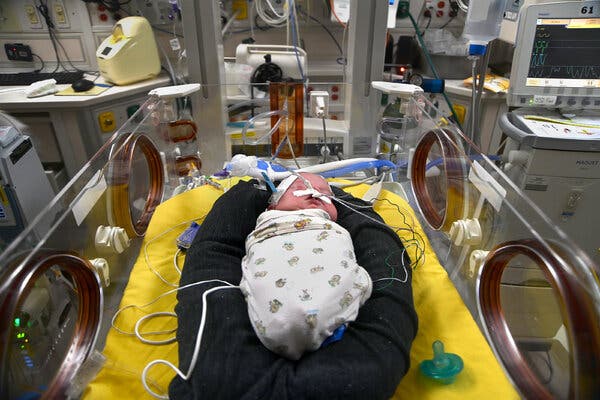
The NewsShortly after a baby is born, doctors clamp the umbilical cord linking the infant to the placenta, which is still inside the mother’s uterus, and then cut it. New research shows that if doctors wait at least two minutes after the birth to clamp the cord, they significantly improve in-hospital survival rates for premature infants.Delayed cord clamping — an intervention that can be introduced at relatively little cost — is believed to help because it allows umbilical cord blood, which is rich in iron, stem cells and antibodies, to flow back to the baby. Some experts say that it’s not entirely clear why the strategy seems to help, but that the data is convincing.A premature baby born in a hospital in Iowa City in 2021.Michael S. Williamson/The Washington Post, via Getty ImagesHow It Works: Doctors wait to cut the cord.The American College of Obstetricians and Gynecologists already recommends delaying clamping by 30 to 60 seconds for both full-term and preterm newborns.Preterm babies are those born before 37 weeks of gestation. In preterm infants, delayed clamping leads to improved circulation, less need for blood transfusions and a lower incidence of serious complications, such as necrotizing enterocolitis, or inflammation of the digestive tract.The evidence about whether the practice is beneficial for them has been inconsistent, according to Anna Lene Seidler, lead author of two new review papers and a senior research fellow at the University of Sydney in Australia.The new research also sought to determine the optimal time to wait before clamping. The longest delays that were studied were three minutes after birth.“We found that the longer we wait, the better, and the more we can reduce mortality,” Dr. Seidler said. “We were astounded by how consistent the findings are.”Two new papers, published in The Lancet, analyzed dozens of studies involving thousands of babies born in hospitals in a range of countries, including Britain, India, Iran and the United States.The Numbers: A two-minute postponement seems optimal.One of the reviews compared the effectiveness of three techniques: immediate cord clamping, deferred clamping and milking an intact umbilical cord so that more blood flowed to the newborn.The paper examined 48 randomized trials and analyzed data on 6,367 infants, finding that delayed cord clamping reduced in-hospital deaths of preterm newborns by one-third, compared with immediate cord clamping. There were no statistically significant differences between any other interventions.A second review and meta-analysis, which included data from 47 trials with 6,094 participants, compared umbilical cord milking with immediate clamping less than 45 seconds after birth, between 45 seconds and up to 120 seconds after birth, and two minutes or more after birth.The analysis found that the longest deferral of clamping increased survival the most, compared with immediate clamping. But the authors noted that if the newborn required immediate resuscitation, the cord should be kept intact only as long as resuscitation can be provided at the same time.Why It Matters: Delayed clamping can be quickly implemented.Worldwide, some 13 million premature babies are born every year, and almost a million of them die within a month of birth. A low-cost, low-tech intervention like delayed cord clamping has the potential to save many lives.Preterm births are an enormous problem in the United States, where one in 10 infants is born prematurely. Rates are higher among Black and Native American babies than among white and Hispanic babies.Preterm birth is one of the leading causes of death among American infants. Infant mortality rates rose last year for the first time in decades, according to the National Center for Health Statistics. Deaths are more common among Black babies.But implementing a change in guidelines to delay clamping the umbilical cord for two minutes or more may be complicated. Many preterm babies in the United States are born by cesarean section and require resuscitation.A delay might mean that the necessary equipment has to be brought into the operating room even though it should be kept in a sterile environment, like a neonatal intensive care unit, said Dr. Anup Katheria, director of neonatal research at Sharp Mary Birch Hospital for Women & Newborns in San Diego.“I don’t think we know the full ramifications a change in guidelines could entail,” Dr. Katheria said. “But if it really reduces the risk of death, why would you cut the cord?”

Read more →

New study reveals the genetics of human head shape

Researchers at the University of Pittsburgh and KU Leuven have discovered a suite of genes that influence head shape in humans. These findings, published this week in Nature Communications, help explain the diversity of human head shapes and may also offer important clues about the genetic basis of conditions that affect the skull, such as craniosynostosis.
By analyzing measurements of the cranial vault — the part of the skull that forms the rounded top of the head and protects the brain — the team identified 30 regions of the genome associated with different aspects of head shape, 29 of which have not been reported previously.
“Anthropologists have speculated and debated the genetics of cranial vault shape since the early 20th century,” said co-senior author Seth Weinberg, Ph.D., professor of oral and craniofacial sciences in the Pitt School of Dental Medicine and co-director of the Center for Craniofacial and Dental Genetics. “We knew from certain rare human conditions and animal experiments that genes play an important role in vault size and shape, but very little was known about the genetic basis for typical features we see in the general population, such as what makes someone’s head long and narrow versus short and wide. This study reveals some of the key genes driving variation in this part of the human body.”
According to the researchers, one application of better understanding the factors that drive natural variation in human head shape is informing paleoanthropology studies, potentially shedding light on the early development of modern humans.
Weinberg and colleagues used magnetic resonance (MR) scans from more than 6,000 adolescents to extract 3D surfaces corresponding to the cranial vault. After dividing the 3D vault surfaces into incrementally smaller anatomical subparts and quantifying the shape of these subparts, they tested more than 10 million genetic variants for evidence of statistical association with measures of vault shape.
“Previous genetic studies of the cranial vault involved a small number of relatively simple measures,” added Weinberg. “While such measures are often easy to obtain, they may fail to capture features that are biologically relevant. Our analysis used an innovative approach capable of describing 3D vault shape in much more comprehensive and nuanced ways. This approach increased our ability to find genetic associations.”
An important discovery was that many of the strong associations are near genes that play key roles in the early formation of the head and face and regulation of bone development. For example, variants in and near the gene RUNX2, a major player in coordinating development of the skull, were associated with multiple aspects of vault shape.

While some genes, including RUNX2, had global effects involving the entire vault, others showed more localized effects that only impacted a specific portion of the vault, such as the central forehead.
When the researchers compared the 30 genomic regions associated with head shape across participants with European, African and Indigenous American ancestry, they found that the majority of genetic associations were shared across these different ancestral groups.
Although the study focused on healthy participants, the findings may reveal important clues about the biological basis of diseases involving the cranial vault, according to Weinberg.
One of these conditions is craniosynostosis, which occurs when the bones of the skull fuse too early while the brain is still growing rapidly. Without neurosurgery, craniosynostosis can cause permanent disfigurement, brain damage, blindness and even death. The team showed that variants near three genes associated with vault shape, BMP2, BBS9 and ZIC2, were also associated with craniosynostosis, suggesting that these genes could play a role in the development of the disease.
“This kind of study is possible due to the availability of publicly funded resources,” said Weinberg. “The original study that generated these MR scans is focused on understanding brain development and behavior. By creatively leveraging these resources, we have managed to advance discovery beyond that original scope.”
Other authors on the study were Seppe Goovaerts, Hanne Hoskens, Ph.D., Meng Yuan, Dirk Vandermeulen, Ph.D., all of KU Leuven; Ryan J. Eller, Ph.D., Noah Herrick, Ph.D., and Susan Walsh, Ph.D., all of Indiana University-Purdue University Indianapolis; Anthony M. Musolf, Ph.D., and Cristina M. Justice, Ph.D., both of the National Human Genome Research Institute; Sahin Naqvi, Ph.D., and Joanna Wysocka, Ph.D., both of Stanford University; Myoung Keun Lee, Heather L. Szabo-Rogers, Ph.D., Mary L. Marazita, Ph.D., and John R. Shaffer, Ph.D., all of Pitt; Paul A. Romitti, Ph.D., of the University of Iowa; Simeon A. Boyadjiev, M.D., of the University of California, Davis; Mark D. Shriver, Ph.D., of Penn State University; and Peter Claes, Ph.D., of KU Leuven and Murdoch Children’s Research Institute.
This research was supported by the National Institute of Dental and Craniofacial Research (R01DE027023, R01DE016886, R03DE031061 and X01HL14053) and the Intramural Research Program of the National Human Genome Research Institute, National Institutes of Health

Read more →

Ingestible electronic device detects breathing depression in patients

Diagnosing sleep disorders such as sleep apnea usually requires a patient to spend the night in a sleep lab, hooked up to a variety of sensors and monitors. Researchers from MIT, Celero Systems, and West Virginia University hope to make that process less intrusive, using an ingestible capsule they developed that can monitor vital signs from within the patient’s GI tract.
The capsule, which is about the size of a multivitamin, uses an accelerometer to measure the patient’s breathing rate and heart rate. In addition to diagnosing sleep apnea, the device could also be useful for detecting opioid overdoses in people at high risk, the researchers say.
“It’s an exciting intervention to help people be diagnosed and then receive the appropriate treatment if they suffer from obstructive sleep apnea,” says Giovanni Traverso, an associate professor of mechanical engineering at MIT and a gastroenterologist at Brigham and Women’s Hospital. “The device also has the potential for early detection of changes in respiratory status, whether it’s a result of opiates or other conditions that could be monitored, like asthma or chronic obstructive pulmonary disease (COPD).”
In a study of 10 human volunteers, the researchers showed that the capsule can be used to monitor vital signs and to detect sleep apnea episodes, which occur when the patient repeatedly stops and starts breathing during sleep. The patients did not show any adverse effects from the capsule, which passed harmlessly through the digestive tract.
Traverso is one of the senior authors of the study, along with Robert Langer, an MIT Institute Professor and member of MIT’s Koch Institute for Integrative Cancer Research; Victor Finomore, director of the Human Performance and Applied Neuroscience Research Center at the West Virginia University School of Medicine; and Ali Rezai, director of the Rockefeller Neuroscience Institute at the West Virginia University School of Medicine. The paper appears today in the journal Device.
Vital sign measurements
Over the past decade, Traverso and Langer have developed a range of ingestible sensors that could be used to monitor vital signs and diagnose disorders of the GI tract, such as gastrointestinal slowdown and inflammatory bowel diseases.

This new study focused on measuring vital signs, using a capsule developed by Celero Systems that includes an accelerometer that detects slight movements generated by the beating of the heart and the expansion of the lungs. The capsule also contains two small batteries and a wireless antenna that transmits data to an external device such as a laptop.
In tests in an animal model, the researchers found that this capsule could accurately measure breathing rate and heart rate. In one experiment, they showed that the sensor could detect the depression of breathing rate that resulted from a large dose of fentanyl, an opioid drug.
Building on those results, the researchers decided to further test the capsule in a clinical trial at the West Virginia University Rockefeller Neuroscience Institute. Ten patients who enrolled in the study were monitored using the ingestible capsule, and these patients were also connected to the sensors typically used to monitor sleep, so the researchers could compare measurements from both types of sensors.
The researchers found that their ingestible sensor was able to accurately measure both breathing rate and heart rate, and it also detected a sleep apnea episode that one of the patients experienced.
“What we were able to show is that using the capsule, we could capture data that matched what the traditional transdermal sensors would capture,” Traverso says. “We also observed that the capsule could detect apnea, and that was confirmed with standard monitoring systems that are available in the sleep lab.”
In this study, the researchers monitored signals emitted by the capsule while it was in the stomach, but in a previous study, they showed that vital signs can also be measured from other parts of the GI tract.

“The stomach generally offers some of the best signals, mainly because it’s close to the heart and the lungs, but we know that we can also sense them elsewhere,” Traverso says.
None of the patients reported any discomfort or harm from the capsule. Radiographic imaging performed 14 days after the capsules were ingested revealed that all of them had passed through the patients’ bodies. The research team’s previous work has shown that objects of similar size usually move through the digestive tract in a little more than a day.
Close monitoring
The researchers envision that this kind of sensor could be used to diagnose sleep apnea in a less intrusive way than the skin-based sensors that are now used. It could also be used to monitor patients when they begin treatment for apnea, to make sure that the treatments are effective.
Celero Systems, a company founded by Traverso, Langer, Jeremy Ruskin, a professor of medicine at Harvard Medical School, and Benjamin Pless, now CEO of the company, is now working on sensors that could be used to detect sleep apnea or opioid overdose.
“We know that people who have had an overdose are at higher risk of recurrence, so those individuals could be monitored more closely so that in the event of another overdose, someone could help them,” Traverso says.
In future work, the researchers hope to incorporate an overdose reversal agent such as nalmefene into the device, so that drug release would be triggered when the person’s breathing rate slowed or stopped. They are also working on strategies to lengthen the amount of time that the capsules could remain in the stomach.
The research was funded by the Karl van Tassel Career Professorship, MIT’s Department of Mechanical Engineering, and Celero Systems.
Authors of the paper also include Pless, James Mahoney, Justin Kupec, Robert Stansbury, Daniel Bacher, Shannon Schuetz, and Alison Hayward.

Read more →

Benefits of adolescent fitness to future cardiovascular health possibly overestimated

There is a well-known relationship between good physical fitness at a young age and a lower risk of cardiovascular disease later in life. However, when researchers adjusted for familial factors by means of sibling analysis, they found a weaker association, although the link between high body mass index (BMI) and cardiovascular disease remained strong. The study, which was conducted by researchers from Karolinska Institutet and other universities, is published in JAMA Network Open.
“This does not mean that fitness is irrelevant,” says the study’s last author Viktor Ahlqvist, doctoral student at the Department of Global Public Health, Karolinska Institutet. “We could still see an association, although it was weaker after taking into account factors shared by full siblings. We also think that adolescence is an important time in life for establishing good habits such as exercising and having a healthy diet.”
Challenging to prove causal associations
Many observational studies have previously demonstrated links between various risk factors at a young age and cardiovascular disease in adulthood. However, whether the associations are causal is challenging to prove because of the potential influence of unaccounted genetic and environmental factors. A collaborative team including researchers from Karolinska Institutet in Sweden has therefore tried to examine if a large proportion of cardiovascular diseases in adulthood could indeed be prevented with a lower BMI, lower blood pressure, improved physical fitness or improved muscle strength in adolescence.
Sourcing data from the Swedish Military Conscription Register and other Swedish registries, the researchers identified over a million 18-year-old males and followed them for 60 years. Almost half of them were full brothers.
“The strength of our study, which makes it more reliable than many other conventional observational studies, is that we have used sibling analyses,” says the study’s first author Marcel Ballin, researcher at Uppsala University and analyst at Region Stockholm’s Centre for Epidemiology and Community Medicine. “By doing so we could examine how the relationship changes when controlling for all shared sibling factors. This includes environmental factors such as childhood environment and half of the genetics.”
High BMI is a strong risk factor
The results show that a high BMI in late adolescence was strongly associated with future cardiovascular disease, even after the researchers had controlled for shared familial factors. However, the association between physical fitness and cardiovascular disease was considerably weaker in the sibling analysis, suggesting that many previous observational studies might have overestimated the relevance of adolescent fitness to cardiovascular health later in life.

“Our conclusion is that of the risk factors studied, high BMI is the strongest individual risk factor for cardiovascular disease, and that efforts to tackle the obesity epidemic should continue to be given high priority,” says co-author Daniel Berglind, docent at the Department of Global Public Health, Karolinska Institutet. “A good level of fitness and muscle strength in adolescence doesn’t seem as crucial, but physical activity still remains important for public health, as it can bring other health benefits.”
Several limitations
The study examined the association between risk factors at a young age and future cardiovascular disease; other disease outcomes were not investigated. The researchers had no data on whether the participants’ risk factors varied later in life, and they only studied men, which makes it difficult to extend their findings to women. The Military Conscription Register also lacks details on certain risk factors for future cardiovascular disease, such as diet, alcohol consumption, smoking, blood lipids and blood glucose.
The researchers received no specific grant for this study. Co-author Martin Neovius is on the advisory panels for Ethicon, Johnson & Johnson and Itrim and has been a consultant for the Swedish armed forces outside the scope of this study. No other conflicts of interest have been reported.

Read more →

Comprehensive guideline on using biomarkers for monitoring Crohn's disease

The American Gastroenterological Association (AGA) released a new evidence-based guideline recommending the use of blood and stool-based biomarkers to help manage Crohn’s disease, a type of inflammatory bowel disease (IBD). IBD is estimated to affect 2.74 million people in the U.S. The guideline was published today in Gastroenterology.
Biomarkers are blood or stool tests that can give more information on an underlying disease process. In the context of IBD, biomarkers such as C-reactive protein (CRP) in blood and fecal calprotectin (FCP) in stool, can measure levels of inflammation. These levels can help doctors assess whether a patient’s Crohn’s disease is active or in remission.
AGA recommends the use of biomarkers in addition to colonoscopy and imaging studies.
“Patients’ symptoms do not always match endoscopic findings, so biomarkers are a useful tool to understand and monitor the status of inflammation and guide decision making in patients with Crohn’s disease,” says guideline author Siddarth Singh, MD, MS, University of California, San Diego.
For patients in remission: Check CRP and FCP every six to 12 months. These tests work best if CRP and FCP levels have previously matched with disease activity seen on endoscopic assessment.

For patients experiencing active symptoms: Check CRP and FCP every two to four months for patients experiencing an increase in symptoms (diarrhea and abdominal pain) to guide treatment adjustments. Before making any major treatment plan changes, consider repeating endoscopic or radiologic assessments. For patients after surgery: FCP may be useful to monitor patients at low risk for disease recurrence. However, radiologic or endoscopic assessment should be performed when a post-operative recurrence is suspected rather than relying on biomarkers.

“Based on this guideline, biomarkers are no longer considered experimental and should be an integral part of IBD care,” says guideline author Ashwin Ananthakrishnan, MBBS, MPH, Massachusetts General Hospital.
This is a win for Crohn’s disease patients. Biomarkers are usually easier to obtain, less invasive, more cost-effective than frequent colonoscopies and can be assessed more frequently for tighter disease control and better long-term outcomes in Crohn’s disease.”
About Crohn’s disease
Crohn’s disease is a chronic inflammatory condition that can affect any part of the digestive tract, from the mouth to the anus. It causes inflammation and damage to the digestive system, leading to symptoms such as abdominal pain, diarrhea, weight loss and fatigue and complications such as strictures and fistulas. Crohn’s disease is a lifelong condition with periods of active symptoms (flare-ups) and periods of remission when symptoms are less severe or absent. It can be diagnosed at any age but is most often diagnosed between ages 13 and 30. It can vary in severity and usually requires ongoing medical management to control symptoms and improve quality of life. Learn more in the AGA GI Patient Center.

Read more →

Following a Mediterranean diet reduces the risk of cognitive decline in older people

Old people who follow a Mediterranean diet are at a lower risk of cognitive decline, according to a study published in the journal Molecular Nutrition and Food Research. The study provides new evidence for a better understanding of the biological mechanisms related to the impact of the diet on cognitive health in the ageing population.
The study is led by Mireia Urpí-Sardá, adjunct lecturer and member of the Biomarkers and Nutritional & Food Metabolomics research group of the Faculty of Pharmacy and Food Sciences, the Institute for Nutrition and Food Safety (INSA-UB), the Food and Nutrition Torribera Campus of the University of Barcelona, and the CIBER on Frailty and Healthy Ageing (CIBERFES).
This European study, part of the Joint Programming Initiative “A Healthy Diet for a Healthy Life” (JPI HDHL) was carried out over twelve years and it involved 840 people over 65 years of age (65% of whom were women) in the Bourdeaux and Dijon regions of France.
Healthy diet and cognitive performance
According to Cristina Andrés-Lacueva, UB professor and head of the CIBERFES group, “within the framework of the study, a dietary metabolomic index has been designed — based on biomarkers obtained from the participants’ serum — on the food groups that form part of the Mediterranean diet. Once this index is known, its association with cognitive impairment is evaluated.”
in the study, baseline levels of saturated and unsaturated fatty acids, gut microbiota-derived polyphenol metabolites and other phytochemicals in serum that reflect individual bioavailability were chosen as biomarkers. Some of these indicators have not only been recognized as marks of exposure to the main food groups of the Mediterranean diet but have also been held responsible for the health benefits of the Mediterranean dietary pattern.
The metabolome or set of metabolites — related to food and derived from gut microbiota activity — was studied through a large-scale quantitative metabolomic analysis from the serum of the participants without dementia, from the beginning of the study. Cognitive impairment was assessed by five neuropsychological tests over twelve years.

As a result, the study reveals a protective association between the score of the Mediterranean diet based on serum biomarkers and cognitive decline in older people.
Biomarkers to study the benefits of the diet
According to Mercè Pallàs, professor at the UB Neurosciences Institute (UBneuro), “the use of dietary pattern indices based on food-intake biomarkers is a step forward towards the use of more accurate and objective dietary assessment methodologies that take into account important factors such as bioavailability.”
Expert Alba Tor-Roca, first author of the study and CIBERFES researcher at the UB, explains that “we found that adherence to Mediterranean diet assessed by a panel of dietary biomarkers is inversely associated with long-term cognitive decline in older people. These results support the use of these indicators in long-term follow-up assessments to observe the health benefits associated with the Mediterranean diet or other dietary patterns and therefore, guide personalized counselling at older ages.”
The study was carried out in collaboration with teams from the Department of Genetics, Microbiology and Statistics of the Faculty of Biology and the Department of Pharmacology, Toxicology and Therapeutic Chemistry of the Faculty of Pharmacy and Food Sciences of the UB. Teams from the University of Bordeaux and the INRAE centre at Clermont-Ferrand University (France), King’s College London (United Kingdom), the University of Amsterdam (the Netherlands) and the Parcelsus Medical University in Salzburg (Austria) have also participated.
Funding was obtained through the International Joint Programming Actions PCIN-2015-229, the European Regional Development Funds (ERDF) and from the former Ministry of Economy, Industry and Competitiveness (MINECO) through the Joint Programming Initiative “A Healthy Diet for a Healthy Life.”

Read more →

Heart repair via neuroimmune crosstalk

Unlike humans, zebrafish can completely regenerate their hearts after injury. They owe this ability to the interaction between their nervous and immune systems, as researchers led by Suphansa Sawamiphak from the Max Delbrück Center now report in the journal Developmental Cell.
Each year, more than 300,000 people in Germany have a myocardial infarction — the technical term for heart attack. The number of people surviving a heart attack has increased significantly, but this severe cardiac event causes irreparable damage to their hearts. A heart attack occurs when blood vessels that supply blood and oxygen to the heart muscle become blocked, causing part of the heart muscle tissue to die. This damage is permanent because the human heart has no ability to grow new heart muscle cells. Instead, connective tissue cells known as fibroblasts migrate into the damaged area of the heart muscle. They form scar tissue that weakens the pumping power of the heart. Previous attempts to use stem cells to treat infarction-damaged hearts have not been very successful.
The team led by Dr. Suphansa Sawamiphak, head of the Cardiovascular-Hematopoietic Interaction Lab at the Max Delbrück Center, is looking at the process from a different angle. “We know that both signals from the autonomic nervous system and the immune system play a pivotal role in scarring and regeneration,” says Sawamiphak. “So it stands to reason that the communication between the autonomic nervous and immune systems determines whether heart muscle scarring will occur or whether the heart muscle can recover.” It is also known that macrophages play a role in both processes. But how is this decision made?
To address this question, the researchers are studying zebrafish larvae. The fish can be easily modified and are also optically transparent, making internal processes easy to observe in the living organism. “Plus, they can fully regenerate their heart after an injury,” says Onur Apaydin, first author of the study published in “Developmental Cell.”
Signaling for regeneration
The researchers used zebrafish larvae whose heart muscle cells produce a fluorescent substance, making it easy to detect them under a microscope. They then induced an injury similar to a myocardial infarction in the larval hearts and blocked several receptors on the surface of the macrophages. The result was that adrenergic signals from the autonomic nervous system determined whether the macrophages multiplied and migrated into the damaged site. These signals also played an important role in regenerating heart muscle tissue.
In the next step, the researchers engineered genetically modified zebrafish in which the adrenergic signal reached the macrophages but could not be transmitted from the receptor into the cell’s interior. “This showed that signal transmission is crucial for heart regeneration,” says Apaydin. If signaling is interrupted, the scarring process is triggered instead.
“Our findings indicate that this is a key regulator of crosstalk between the nervous and immune systems,” says Apaydin. When macrophages are activated by the adrenergic signals of the autonomic nervous system, they in turn communicate with fibroblasts. Fibroblasts that promote regeneration alter the extracellular matrix at the damaged site. This ultimately creates a microenvironment conducive to the growth of blood and lymph vessels and to the development of new heart vessels. If, on the other hand, the signal is blocked, fibroblasts infiltrate the site and cause scarring — similar to what occurs in the human heart after a heart attack.
“We next want to examine in detail how signaling differs between zebrafish and humans,” says Sawamiphak. “This will help us understand why heart muscle tissue is unable to regenerate in humans.” The team also hopes to identify potential targets for influencing the interaction between the nervous and immune systems in a way that promotes the regeneration of heart muscle tissue and the maintenance of heart function in heart attack patients.

Read more →

Unravelling the secrets of neurodegenerative diseases, one protein at a time

Proteins misfolding and clumping together, a process known as aggregation, is a key feature seen in several neurological conditions, including Alzheimer’s and Parkinson’s diseases.
These disorders involve the formation of small, potentially harmful structures called oligomers, which could serve as valuable indicators for early diagnosis. They are incredibly small, however, and much rarer than the healthy non-aggregated proteins. This makes it hard to detect and measure them accurately.
In collaboration with UCB Biopharma, researchers from the University of Edinburgh’s Horrocks group have come up with an innovative solution called “single-molecule two-color aggregate pull-down,” or STAPull for short.
This cutting-edge technique works by examining proteins that have been immobilised (held in place), and labelled with different colours using specific detection antibodies. By carefully analysing signals where these colours overlap using sensitive microscopes, researchers can distinguish and quantify the aggregated proteins, while excluding the individual, non-aggregated ones.
To put it to the test, scientists used alpha-synuclein, the protein associated with Parkinson’s disease, and found that STAPull could detect these aggregates at physiologically relevant concentrations. Furthermore, STAPull isn’t limited to a specific type of sample, but can be applied to a wide range of samples, including biofluids from humans. This versatility makes it a valuable tool in the study of protein aggregates associated with various disorders.
By enabling researchers to detect and quantify protein aggregates, STAPull opens up new possibilities for identifying biomarkers that can be used to diagnose these debilitating conditions early on, which could be crucial in the fight against these diseases.
Lead author, Dr Rebecca Saleeb, Lady Edith Wolfson Research Fellow, School of Chemistry, University of Edinburgh, said:
“Currently, patients are diagnosed with neurodegenerative disease based on their symptoms, which appear when the disease is advanced and irreversible cell damage has already occurred.

“In this work we present an alternative technology, STAPull, that can detect neurodegenerative disease in human biofluids. We are excited to continue developing this technology and explore if it can aid pre-symptomatic diagnosis.”
Lead author, Dr Ji-Eun Lee, Postdoctoral Research Associate, School of Chemistry, University of Edinburgh, said:
“Early diagnosis of neurodegenerative diseases is a key to an increased range of treatment options, improved long-term survival with independence and improved quality of life. Our new technique, STAPull, improved the detection, especially for early stage oligomeric species, which are potentially more harmful but couldn’t be detected with current methods. We are excited to apply this tool to assisting early diagnosis of neurodegenerative diseases in a wide range of samples, including biofluids from humans.”
Senior author, Dr Mathew Horrocks, Senior Lecturer in Biophysical Chemistry and Horrocks Lab team leader, University of Edinburgh, said:
“This paper is the result of a fantastic collaboration with UCB Biopharma, who have provided our team with expertise and a range of highly specific antibodies. Using this approach, we’re now able to directly visualise aggregates, and also identify the proteins that they are composed of. This is a game-changer for future diagnostic approaches, and takes advantage of the ability to detect individual molecules.”

Read more →