Russian authorities crack down on abortion access amid demographic crisis

Published27 minutes agoShareclose panelShare pageCopy linkAbout sharingImage source, AlamyBy Vitaly ShevchenkoRussia editor, BBC MonitoringRussian authorities are limiting access to abortions in an attempt to confront the country’s longstanding demographic crisis. Measures include making it an offence trying to persuade a woman to have an abortion and pressuring private clinics to stop carrying out the procedure.Feminist groups say the campaign is putting the lives of women at risk.The Russian Orthodox Church, which has close ties to the Kremlin, is playing a key role in the anti-abortion campaign. “As a member of the clergy, I testify that an abortion is a disaster and a tragedy for the woman those close to her,” Patriarch Kirill, the Kremlin-backed head of the church, said in January 2023.Image source, Urals Feminist Movement “Officials, ultra-right politicians and the church are actively forcing women and girls to give birth to unwanted children,” said the Urals Feminist Movement group, which has organised small-scale protests in favour of abortion rights.”These initiatives will only lead to a dramatic increase in the number of illegal abortions and a huge number of maimed and killed Russian women.”A stagnant populationRussia’s population is virtually the same size as it was over 20 years ago. According to official figures, there are now 144 million people in Russia – 2 million fewer than in 2001, when President Vladimir Putin first came to power. Religious authorities say a key factor for the demographic crisis is the high number of abortions. Almost a third of Russian women say they have had one. In 2022, more than 500,000 pregnancies were terminated, compared to 1.3 million children born in Russia. Mr Putin called it “an acute problem”. “The population can be increased as if by waving a magic wand: if we solve this problem and learn how to dissuade women from having abortions, statistics will go up immediately,” according to Patriarch Kirill.Authorities are concerned that the decreasing number of young people, particularly men, will make it more difficult for the Russian military to recruit soldiers. There are also worries about the effects of a stagnant population on the economy.Image source, Getty ImagesRussian feminists say women’s rights are being curtailed to benefit the military and economy. “They need new taxpayers, they need new soldiers,” Maria Mueller, of the Russian feminist association Ona, told the BBC. State policy of discouraging abortions The authorities are increasingly seeking to informally limit abortions, though the country’s laws remain on paper some of the most liberal in the world.The Health Ministry has dawn up guidelines telling medics how best to dissuade women from having an abortion. Doctors are encouraged to tell pregnant women who are younger than 18 that young parents bond better with their children “because they are practically from the same generation”. If a pregnant woman is single, doctors are meant to tell her that “having a child is no obstacle to finding a life partner”.In parallel, the authorities are restricting the sale of medication used to end pregnancies, sales of which increased by over 50% last year. From September 2024, pharmacies will be required to register the sale of such pills in special databases. The government is also offering financial incentives to pregnant women and those who give birth, including payments of up to 524,500 roubles (£4,680, $5,830) which can be used to purchase property or pay for schooling.A fifth of abortions in Russia are carried out in private clinics, which have come under pressure from religious authorities to stop offering the service. “As a member of the clergy, I testify that an abortion is a disaster and a tragedy for the woman and those close to her,” Patriarch Kirill said. Image source, Getty ImagesAccordingly, governors in 10 Russian regions are making efforts to stop private clinics from performing abortions.The annexed Ukrainian region of Crimea was the first territory where private clinics stopped performing abortions in early November. Days later, it was followed by the Kursk region, where four out of five private clinics no longer offer the service.Restricting access to abortions in private clinics will harm women’s health, World Health Organisation expert Lyubov Yerofeyeva told BBC Russian.The Kursk region deputy governor, Andrei Belostotsky, called this “a significant event” because almost all women wishing to terminate their pregnancy will have to go to state hospitals, where the authorities will “actively work with them” trying to make them change their mind. Bans on ‘incitement to abortion’Another initiative proposed by Patriarch Kirill and already implemented in parts of Russia is a ban on “incitement to abortion”. “We need more people. It’s an obvious fact recognised by everyone, both politicians and sociologists alike,” he told an Orthodox Church meeting. “But for this to happen you need to make real efforts,” he added.As an example, the patriarch pointed to the western region of Mordovia, which has introduced fines of up to 200,000 roubles ($2,250; £1,800) for trying to persuade a pregnant woman to have an abortion. He said such bans should be introduced across the country.Experts fear that the anti-abortion campaign will harm women’s health by discouraging safer medical abortions.”This will be a blow against medical abortions because this was the method promoted by the vast majority of private clinics. More than 80% of their procedures were medical abortions, while state hospitals mostly perform surgical ones,” the WHO’s Ms Yerofeyeva said. “Surgical abortions carry higher risks of complications, side effects and injuries. That’s why the whole world is moving away from them.”Ms Yerofeyeva also fears that the clampdown on legal abortions will trigger a spike in dangerous illegal procedures.More on this storyThe Russians snitching on colleagues and strangersPublished3 days agoRussian artist gets 7 years for anti-war messagesPublished6 days agoRussia goes back to prisons to feed its war machinePublished26 October

Read more →


Climate change: Rise in Google searches around ‘anxiety’

Published43 minutes agoShareclose panelShare pageCopy linkAbout sharingImage source, Getty ImagesBy Lucy GilderBBC 100 WomenOnline search queries related to “climate anxiety” have risen, according to data gathered by Google and shared exclusively with BBC 100 Women.Studies also suggests that women are more affected by climate anxiety than men.The rise of wildfires, floods and droughts around the world are just some of the highly visible signs of climate change.What is reported less is the impact of climate change on human minds.Climate anxiety – defined as feelings of distress about the impacts of climate change – has been reported globally, particularly among children and young people. Data from Google Trends shows that search queries related to “climate anxiety” have increased dramatically.Search queries in English around “climate anxiety” in the first 10 months of 2023 are 27 times higher than the same period in 2017. BBC 100 Women 2023: Who is on the list this year?Image source, Getty ImagesThere have been surges related to climate anxiety in other world languages over the same period.Search queries in Portuguese have risen by 73 timesSearch queries in (simplified) Chinese have risen by eight-and-a-half timesSearch queries in Arabic have risen by a fifth These are not the languages with the most commonly searched queries around climate anxiety but are just some of the world languages the BBC asked Google to look at.Searches may be higher among speakers of languages with greater awareness of climate anxiety, or among those who use Google most often and do not necessarily suggest that people in countries with bigger shares of search queries are more prone to experiencing climate anxiety. The Google Trends data combines search queries for “climate anxiety” and “eco-anxiety”, terms which are often used in the same way but which have slightly different meanings. Image source, Getty ImagesClimate anxiety is anxiety specifically associated with awareness of climate change. Eco-anxiety is a more general anxiety associated with awareness of threats to environmental health, including pollution and loss of biodiversity.Google Trends does not simply measure the total volume of searches but looks at a sample of searches to identify trends around the world. It uses a measure called “search interest”, to look at the relative popularity of search queries over time.Nordic countries had the biggest share of global search queries related to climate anxiety over the past five years. In fact, Finland, Sweden, Denmark and Norway accounted for more than 40% of search queries related to “climate anxiety”. Google says that its data is adjusted to account for differences in overall search volume, which allows it to compare countries of various population sizes. That’s why smaller countries may top the ranking instead of more populated ones.Countries in the Global South – such as Chile, the Philippines and South Africa – represented smaller shares of search queries. Countries with low search volumes have been excluded from the analysis.Google says it has also noted a global increase in search queries about the future of the planet together with queries about the environment in the last 12 months.”When you look at the kind of queries people are searching for, it’s evident that they are seeking understanding, but also wanting to take action,” a spokesperson said. “For example, ‘how to solve climate change’ was one of the trending queries about climate change worldwide in the last two years.”Google data shows a rise in queries about the future together with climate change (up 120%), adaptation (up 120%), sustainability (up 40%) and greenhouse gas emissions (up 120%) in the last 12 months.Trending queries worldwide about climate change include Spanish language searches such as “cuales son los riesgos del cambio climático?” or “what are the risks of climate change?” (up 150%).Image source, Getty ImagesGoogle did not release data on the gender of people searching for queries related to “climate anxiety” but research has indicated that women are more predisposed to climate anxiety than men.Findings from a 2023 study published in the academic journal Sustainability, for example, showed that female respondents around the world reported “greater levels of concern and negative emotions” about climate change. Male respondents, on the other hand, were “more optimistic and expressed greater faith in government”. The study was based on an online survey of 10,000 people aged 16 to 25 across 10 countries carried out in 2021.Analysis of more than 44,000 respondents from the European Social Survey in 2019 also concluded that women registered greater concern about climate change than men.Professor Susan Clayton, who co-authored the Sustainability study, has some possible explanations for this. She says that one reason women consistently report higher levels of concern is that they are more open to discussing emotions.”Women are in general more willing, and may be able to acknowledge their own emotional response [to climate change]. So they seem to think about their emotions, and they are more willing to talk about them, compared to men in general,” she says.But she also says that some women may worry more about climate change because they are at greater risk than men of experiencing some of the real-life impacts.”After an extreme weather event you frequently find increased levels of domestic violence, and when people are involuntarily displaced, due to climate change, that opens women to the threat of sexual violence or trafficking,” she says.”Also, women are often physiologically vulnerable to climate change. So high temperatures and air pollution can have an impact during pregnancy and the ways pregnancy affects a woman’s body may make it more difficult for her to escape extreme climate conditions.”There is some research which suggests women are more likely than men to die in climate change-related disasters. Image source, Getty ImagesFor example, a study looking at cyclones in Bangladesh between 1983 and 2009 suggested that women had an increased mortality risk compared to the general adult population. The Intergovernmental Panel on Climate Change (IPCC) says it’s likely that humans have contributed to the increased intensity of some cyclones.A really simple guide to climate change What you can do to reduce carbon emissionsIs climate change making hurricanes worse?Professor Clayton says that gender-based inequalities mean that some women in poorer countries may lack access to information following a climate change event.They are less likely to be able to travel to a place of safety, and may have caring responsibilities that mean they prioritise the safety of others over themselves. Indirect and longer-term impacts of climate change can also be detrimental to the wellbeing of women and girls.”Some studies have shown that girls are married earlier when the family is facing economic pressures associated with the changing conditions of climate change.”For example, maybe agriculture is threatened by droughts or floods and so because of their economic constraints families want to marry off their daughters, so they don’t have to feed the daughters themselves,” Professor Clayton adds.In 2022, the IPCC reported on the mental health impacts of climate change for the first time. This year’s COP28 in Dubai will also feature several discussions about mental health.Just as the physical impacts of climate change are on the rise, so too is the attention paid to its impacts on the mind.BBC 100 Women names 100 inspiring and influential women around the world every year. Follow BBC 100 Women on Instagram and Facebook. Join the conversation using #BBC100Women.Sign up for our morning newsletter and get BBC News in your inbox.

Read more →

How Many Abortions Did the Post-Roe Bans Prevent?

The first estimate of births since Dobbs found that almost a quarter of women who would have gotten abortions carried their pregnancies to term.The first data on births since Roe v. Wade was overturned shows how much abortion bans have had their intended effect: Births increased in every state with a ban, an analysis of the data shows.By comparing birth statistics in states before and after the bans passed, researchers estimated that the laws caused around 32,000 annual births, based on the first six months of 2023, a relatively small increase that was in line with overall expectations.Until now, studies have shown that many women in states with bans have ended their pregnancies anyway, by traveling to other states or ordering pills online. What they have been unable to show is how many women have not done so, and carried their pregnancies to term. The new analysis, published Friday as a working paper by the Institute of Labor Economics, found that in the first six months of the year, between one-fifth and one-fourth of women living in states with bans — who may have otherwise sought an abortion — did not get one.“The importance of our results is when you take away access, it can affect fertility,” said Daniel Dench, an economist at Georgia Tech and an author of the paper with Mayra Pineda-Torres of Georgia Tech and Caitlin Myers of Middlebury College. “When you make it harder, women can’t always get out of states to obtain abortion.”Overall, data suggests that the number of legal abortions nationwide has stayed steady or slightly increased since the Supreme Court’s Dobbs decision, despite abortion bans in what are now 14 states. This is probably because of new clinics that opened in states where it is legal, and the emergence of new ways to order abortion pills online, expanding access for both women who traveled to those states and those who lived there.“This is an inequality story,” Professor Myers said. “Most people are getting out of ban states, one way or another, and more people in protected states are getting abortions. And at the same time, this shows something those data cannot show: There’s a significant minority of people in ban states that do get trapped.”The researchers used birth data, by age and race, from the Centers for Disease Control and Prevention from 2005 through June 2023. They used a statistical method that compared states with similar trends in births before the Dobbs decision to estimate how much a ban changed the expected birthrate. This increased their certainty that the change was because of the policy and not other factors.They found that births increased 2.3 percent, on average, in states with bans relative to states where abortion remained legal.The analysis showed that the increased births were disproportionately among women in their 20s and Black and Hispanic women, which researchers said could be because these groups tend to be poorer, making it harder to travel. They are also the demographic groups that have tended to be more likely to seek abortions.Dr. Alison Norris, who studies reproductive health at Ohio State and was not involved in the study, said she was not surprised to see births increasing, particularly among those groups. She noted that before Dobbs, abortion access was already limited in many states, so “any measure of change that we see will in some ways be an underestimate of the challenges that people experience.”The biggest increases in births were in states where women had to travel the farthest to reach an abortion clinic. Texas, where the average increase in driving distance to the nearest abortion clinic was 453 miles, had a 5.1 percent increase in births, relative to states that did not pass a ban but had similar trends before Dobbs. Mississippi, where it increased 240 miles, had a 4.4 percent increase.In states where there was less of a change in driving distance to the nearest clinic, there was a smaller relative change in births. Missouri, for instance, had only one clinic, in St. Louis. When it closed, the average driving distance to the nearest clinic increased only two miles, because clinics along the Illinois border were already serving Missourians. Births there increased just 0.4 percent.There was also evidence that online abortion pills ordered from overseas vendors played a role in some states. The three states in which the increases in births were less than the researchers had predicted based on travel distances — Arkansas, Oklahoma and Louisiana — also had large increases in orders for medication abortions from the largest overseas provider, according to an analysis of those orders.“The insinuation of a lot of coverage of such data points is that it’s a bad thing for there to be more children welcomed in states with better laws than in states that fast-track abortion,” said Kristan Hawkins, the president of Students for Life of America, in an email. “It’s a triumph that pro-life policies result in lives saved.”The data on births is preliminary: A fuller accounting of the effect of Dobbs on the fertility rate, including county-level data, will not be available for another year. The researchers can’t be certain that the increase in births is attributed to women who wanted abortions but couldn’t get them, but the timing and consistency of the results suggest so.The researchers said these trends could change as more birth data becomes available. The women giving birth in the first half of the year would have already been pregnant when abortion bans began, or they became pregnant soon after. Since the data ended, there have been new restrictions on abortion in some places, and access has expanded in others.Births could decline. New shield laws aim to legally protect providers who mail abortion pills to states with bans, and people might be changing their behaviors around sex and contraception in response to bans. Or births could increase as more states restrict abortion; some of this may depend on the outcome of a case to restrict the mailing of one of the two abortion pills.“The abortion landscape continues evolving,” Professor Pineda-Torres said. “People are adjusting, providers are adjusting, laws are adjusting.”We want to hear from you

Read more →

What to Know about Long-Term Care Insurance

Deciding when, or whether, to buy long-term care insurance can be complex. Here’s what to know.If you’re wealthy, you’ll be able to afford help in your home or care in an assisted-living facility or a nursing home. If you’re poor, you can turn to Medicaid for nursing homes or aides at home. But if you’re middle class, you’ll have a thorny decision to make: whether to buy long-term care insurance. It’s a more complex decision than for other types of insurance because it’s very difficult to accurately predict your finances or health decades into the future.What’s the difference between long-term care insurance and medical insurance?Long-term care insurance is for people who may develop permanent cognitive problems like Alzheimer’s disease or who need help with basic daily tasks like bathing or dressing. It can help pay for personal aides, adult day care, or institutional housing in an assisted-living facility or a nursing home. Medicare does not cover such costs for the chronically ill.How does it work?Policies generally pay a set rate per day, week or month — say, up to $1,400 a week for home care aides. Before buying a policy, ask which services it covers and how much it pays out for each kind of care, such as a nursing home, an assisted-living facility, a home personal care service or adult day care. Some policies will pay family members who are providing the care; ask who qualifies as a family member and if the policy pays for their training.You should check to see if benefits are increased to take inflation into account, and by how much. Ask about the maximum amount the policy will pay out and if the benefits can be shared by a domestic partner or spouse.How much does it cost?In 2022, a 60-year-old man buying a $165,000 policy would typically pay about $2,525 annually for a policy that grew at 3 percent a year to take inflation into account, according to a survey by the American Association for Long-Term Care Insurance, a nonprofit that tracks insurance rates. A woman of the same age would pay $3,300 for the same policy because women tend to live longer and are more likely to use it. The higher the inflation adjustment, the more the policy will cost.If a company has been paying out more than it anticipated, it’s more likely to raise rates. Companies need the approval of your state’s regulators, so you should find out if the insurer is asking the state insurance department to increase rates for the next few years — and if so, by how much — since companies can’t raise premiums without permission. You can find contacts for your state’s insurance department through the National Association of Insurance Commissioners’ directory.Should I buy it?It’s probably not worth the cost if you don’t own your home or have a significant amount of money saved and won’t have a sizable pension beyond Social Security. If that describes you, you’ll probably qualify for Medicaid once you spend what you have. But insurance may be worth it if the value of all your savings and possessions excluding your primary home is at least $75,000, according to a consumers’ guide from the insurance commissioners’ association.Even if you have savings and valuable things that you can sell, you should think about whether you can afford the premiums. While insurers can’t cancel a policy once they’ve sold it to you, they can — and often do — raise the premium rate each year. The insurance commissioners’ group says you probably should consider coverage only if it’s less than 7 percent of your current income and if you can still pay it without pain if the premium were raised by 25 percent.Many insurers are selling hybrid policies that combine life insurance and long-term care insurance. Those are popular because if you don’t use the long-term care benefit, the policy pays out to a beneficiary after you die. But compared with long-term care policies, hybrid policies “are even more expensive, and the coverage is not great,” said Howard Bedlin, government relations and advocacy principal at the National Council on Aging.When should I buy a policy?Wait too long and you may have developed medical conditions that make you too risky for any insurer. Buy too early and you may be diverting money that would be better invested in your retirement account, your children’s tuition or other financial priorities. Jesse Slome, executive director of the American Association for Long-Term Care Insurance, says the “sweet spot” is when you’re between the ages of 55 and 65. People younger than that often have other financial priorities, he said, that make the premiums more painful.When can I tap the benefits?Make sure you know which circumstances allow you to draw benefits. That’s known as the “trigger.” Policies often require proof that you need help with at least two of the six “activities of daily living,” which are: bathing, dressing, eating, being able to get out of bed and move, continence, and being able to get to and use the toilet. You can also tap your policy if you have a diagnosis of dementia or some other kind of cognitive impairment. Insurance companies will generally send a representative to do an evaluation, or require an assessment from your doctor.Many policies won’t start paying until after you’ve paid out of your own pocket for a set period, such as 20 days or 100 days. This is known as the “elimination period.”Jordan Rau is a senior reporter with KFF Health News, which is part of the organization formerly known as the Kaiser Family Foundation.

Read more →

How Viral Infections Cause Long-Term Health Problems

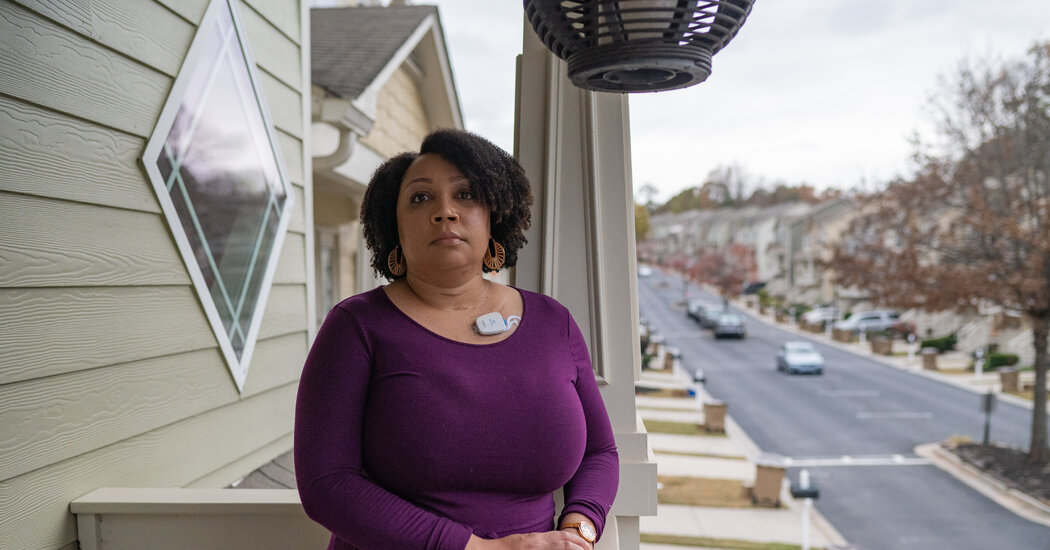
In a few patients, the immune system becomes misdirected, attacking the body instead of the virus.Every day, Davida Wynn sets herself one task: Take a bath. Or wash the dishes. Or make an elaborate meal. By the end of the chore, she is exhausted and has to sit or lie down, sometimes falling asleep wherever she happens to be.“Anything beyond that is truly excruciating,” Ms. Wynn, 42, said.Her heart races even during small tasks, and she often gets dizzy. At least once a month, she falls at her home outside Atlanta. Once she badly bruised her face, and another time she banged up her knee. Ms. Wynn was infected with the coronavirus in May 2020, when she was a nurse in a hospital Covid unit, and became so ill she was put into a medically induced coma for six weeks. Ever since, her bloodwork has indicated that she is experiencing extreme inflammation, a hallmark of autoimmune disease.Infection with the coronavirus is known to leave behind a long legacy of health problems, many of which are characterized as long Covid. But mounting evidence suggests that independent of that syndrome, the coronavirus also befuddles the immune system into targeting the body, causing autoimmune disorders in some people.This outcome is more likely in those who, like Ms. Wynn, were severely ill with Covid, multiple studies suggest.Covid is not unique in this aspect. Scientists have long known that infection can set the body down the path of autoimmune disease. The classic example is Epstein-Barr virus.About one in 10 people who have mononucleosis, which is caused by the virus, go on to develop myalgic encephalomyelitis/chronic fatigue syndrome. A landmark study last year even linked the virus to multiple sclerosis.Many other pathogens can also seed autoimmunity — but only in an unlucky few people.“We are all infected with a multitude of viruses, and in the majority of cases, we don’t get any autoimmunity,” said Dr. Alberto Ascherio, an epidemiologist at the Harvard T.H. Chan School of Public Health who led the multiple sclerosis study.Infections with bacteria such as chlamydia and salmonella can inflame the joints, skin and eyes — a condition called reactive arthritis. Enteroviruses can mislead the body into attacking its own pancreatic cells, leading to Type 1 diabetes.Like Epstein-Barr virus, dengue and H.I.V. are thought to cause autoimmunity in some people. Still, Covid seems to foment a long-term reaction that is distinct, said Dr. Timothy Henrich, a virologist at the University of California, San Francisco.“There’s something specific about SARS-CoV-2 that seems to set it apart, in terms of the severity and duration,” he said, referring to the coronavirus.Ms. Wynn has tried a plethora of medications, including treatments for rheumatoid arthritis, but so far has not responded to them.Nicole Buchanan for The New York TimesEarly in the pandemic, scientists found that antibodies that target the body instead of the pathogen — so-called autoantibodies — are important in Covid. Those who had autoantibodies to interferon, a key component of the body’s first-response system to pathogens, before they encountered the coronavirus were more likely to fare poorly or to die of Covid.About 10 percent of patients with severe Covid, most of them men over age 55, had these antibodies, compared with just 0.3 percent in the general population.Since then, dozens of studies have found autoantibodies in people who have had Covid. Up to half of people who have had the illness carry antibodies that can alter the immune system, damage blood vessels, impair blood pressure regulation and lead to diabetes, rheumatoid arthritis and blood clots.One study found autoantibodies in children with multisystem inflammatory syndrome, a rare condition associated with Covid.The autoantibodies seem to be independent of long Covid. A few studies have linked a subset of autoantibodies to long Covid, and found that their presence is one of four major risk factors for the syndrome.But other teams have reported that the autoantibodies and long Covid don’t always accompany each other. Based on an analysis of thousands of proteins, “this autoantibody signature seems to be a Covid-related phenomenon, post-Covid and not long Covid-related,” Dr. Henrich said.But some researchers caution that the mere presence of autoantibodies does not herald autoimmune disease.“In every viral infection, you get autoantibodies, and this has been known for decades,” said Dr. Shiv Pillai, an immunologist at Harvard Medical School.Many years from now, scientists may record a higher incidence of autoimmune diseases in those who had severe Covid, he said, but that is not a foregone conclusion: “There may be many, many other factors that have to be fulfilled for someone to get the disease.”Why only some people develop autoimmune conditions is unclear, but the answer is likely to involve dozens of genes and an environmental catalyst.Lupus is preceded by high levels of autoantibodies more than 10 years before disease onset, but many relatives of patients with lupus who have a similar genetic background never develop the disease.“The most likely explanation is that you have all these risk factors, you have all these things ready to go, and there’s a final trigger,” said Dr. Iñaki Sanz, an immunologist at Emory University.To conclusively link a virus to an autoimmune condition, rigorous studies would need to follow a large number of people over many years. The best example of such a study is the one that tied the Epstein-Barr virus to multiple sclerosis.E.B.V., a member of the herpesvirus family, infects nearly everyone at some point. Once in the body, it persists forever; the virus can be reactivated by conditions including stress and hormonal changes. (Reactivation of E.B.V. is another of the four risk factors for long Covid.)To probe its association with multiple sclerosis, Dr. Ascherio and his colleagues conducted what they call an “experiment of nature” — a long-term study of more than 10 million active-duty soldiers in the U.S. military.Ms. Wynn with an injectable medication that she had to start taking to help with the symptoms of her autoimmune disorder.Nicole Buchanan for The New York TimesBetween 1993 and 2013, the researchers collected 62 million serum samples from this racially diverse group. Those who were infected with E.B.V. had a 32-fold increase in the risk of multiple sclerosis, compared with those who did not have the virus, the scientists found. They did not observe similar relationships with other viruses.Fewer than one million Americans have multiple sclerosis, suggesting that other factors must also be involved. Still, researchers are now enthusiastic about the idea of a vaccine against E.B.V. to prevent multiple sclerosis. (No vaccines against E.B.V. are currently available, although some are in clinical trials.)Studies from other teams support the association between E.B.V. and multiple sclerosis. Danish researchers followed more than 25,000 people with mononucleosis over decades and found that it doubled their odds of developing multiple sclerosis.And a study published last year offered a possible explanation: E.B.V. mimics a human protein, potentially misdirecting antibodies made against the virus.About one in four people with multiple sclerosis has these antibodies, “providing the basis for how E.B.V. could evoke an autoimmune reaction that would cause multiple sclerosis,” said Dr. William Robinson, an expert in autoimmune diseases at Stanford University who led the study.This sort of molecular mimicry is one path to autoimmunity. But in other cases, the body may never fully clear a pathogen after infection, and the persistence of the virus — whether live virus or just remnants — may keep the body in a state of immune high alert, eventually leading to autoimmunity.Both possibilities suggest treatments. In some small number of people, antiviral drugs and vaccination can ease the symptoms of long Covid, hinting that live virus may be the source. Dr. Henrich is conducting a study looking at monoclonal antibodies at high doses that would soak up errant viral fragments lingering in the body.“If the viral proteins are causing an auto-reactive process, then by getting rid of those viral proteins, it might actually improve overall health,” Dr. Henrich said.For Ms. Wynn, there is no relief in sight. She has tried a plethora of medications, including treatments for rheumatoid arthritis, but so far has not responded to them.“It’s been a long and tedious process,” Ms. Wynn said. “And I will tell you, from a mental perspective, it has been absolutely draining.”

Read more →

Chlorine disinfectant is no more effective than water at killing off hospital superbug

One of the primary chlorine disinfectants currently being used to clean hospital scrubs and surfaces does not kill off the most common cause of antibiotic associated sickness in healthcare settings globally, according to a new study.
Research by the University of Plymouth has showed spores of Clostridioides difficile, commonly known as C. diff, are completely unaffected despite being treated with high concentrations of bleach used in many hospitals.
In fact, the chlorine chemicals are no more effective at damaging the spores when used as a surface disinfectant — than using water with no additives.
Writing in the journal Microbiology, the study’s authors say susceptible people working and being treated in clinical settings might be unknowingly placed at risk of contracting the superbug.
As a result, and with incidence of biocide overuse only serving to fuel rises in antimicrobial resistance (AMR) worldwide, they have called for urgent research to find alternative strategies to disinfect C. diff spores in order to break the chain of transmission in clinical environments.
Dr Tina Joshi, Associate Professor in Molecular Microbiology at the University of Plymouth, carried out the study with Humaira Ahmed, a fourth year Medicine student from the University’s Peninsula Medical School.
Dr Joshi, said: “With incidence of anti-microbial resistance on the rise, the threat posed by superbugs to human health is increasing. But far from demonstrating that our clinical environments are clean and safe for staff and patients, this study highlights the ability of C. diff spores to tolerate disinfection at in-use and recommended active chlorine concentrations. It shows we need disinfectants, and guidelines, that are fit for purpose and work in line with bacterial evolution, and the research should have significant impact on current disinfection protocols in the medical field globally.”
C. diff is a microbe that causes diarrhea, colitis and other bowel complications and is known to infect millions of people all over the world each year.

It causes around 29,000 deaths per year in the USA, and almost 8,500 in Europe, with the most recent data showing that incidence of C. diff infection was increasing prior to the start of the COVID-19 pandemic in the UK.
Previously, Dr Joshi and colleagues had demonstrated the ability of C. diff spores to survive exposure to recommended concentrations of sodium dichloroisocyanurate in liquid form and within personal protective fabrics such as surgical gowns.
The new study examined spore response of three different strains of C. diff to three clinical in-use concentrations of sodium hypochlorite. The spores were then spiked onto surgical scrubs and patient gowns, examined using scanning electron microscopes to establish if there were any morphological changes to the outer spore coat.
Dr Joshi, who is on the Microbiology Society Council and Co-Chairs their Impact & Influence Committee, added: “Understanding how these spores and disinfectants interact is integral to practical management of C. diff infection and reducing the burden of infection in healthcare settings. However, there are still unanswered questions regarding the extent of biocide tolerance within C. diff and whether it is affected by antibiotic co-tolerance. With AMR increasing globally, the need to find those answers — both for C. diff and other superbugs — has never been more pressing.”

Read more →

Ultra-processed foods and higher risk of mouth, throat and esophagus cancers

Eating more ultra-processed foods (UPFs) may be associated with a higher risk of developing cancers of upper aerodigestive tract (including the mouth, throat and esophagus), according to a new study led by researchers from the University of Bristol and the International Agency for Research on Cancer (IARC). The authors of this international study, which analysed diet and lifestyle data on 450,111 adults who were followed for approximately 14 years, sayobesity associated with the consumption of UPFs may not be the only factor to blame. The study is published today [22 November] in the European Journal of Nutrition.
Several studies have identified an association between UPF consumption and cancer, including a recent study which looked at the association between UPFs and 34 different cancers in the largest cohort study in Europe, the European Prospective Investigation into Cancer and Nutrition (EPIC) cohort.
As more evidence emerges about the associations between eating UPFs and adverse health outcomes, researchers from the Bristol Medical School and IARC wanted to explore this further. Since many UPFs have an unhealthy nutritional profile, the team sought to establish whether the association between UPF consumption and head and neck cancer and esophageal adenocarcinoma (a cancer of the esophagus) in EPIC could be explained by an increase in body fat.
Results from the team’s analyses showed that eating 10% more UPFs is associated with a 23% higher risk of head and neck cancer and a 24% higher risk of esophageal adenocarcinoma in EPIC. Increased body fat only explained a small proportion of the statistical association between UPF consumption and the risk of these upper-aerodigestive tract cancers.
Fernanda Morales-Berstein, a Wellcome Trust PhD student at the University of Bristol and the study’s lead author, explained: “UPFs have been associated with excess weight and increased body fat in several observational studies. This makes sense, as they are generally tasty, convenient and cheap, favouring the consumption of large portions and an excessive number of calories. However, it was interesting that in our study the link between eating UPFs and upper-aerodigestive tract cancer didn’t seem to be greatly explained by body mass index and waist-to-hip ratio.”
The authors suggest that other mechanisms could explain the association. For example, additives including emulsifiers and artificial sweeteners which have been previously associated with disease risk, and contaminants from food packaging and the manufacturing process, may partly explain the link between UPF consumption and upper-aerodigestive tract cancer in this study.
However, Fernanda Morales-Berstein and colleagues did add caution regarding their findings and suggest that the associations between UPF consumption and upper-aerodigestive tract cancers found in the study could be affected by certain types of bias. This would explain why they found evidence of an association between higher UPF consumption and increased risk of accidental deaths, which is highly unlikely to be causal.

George Davey Smith, Professor of Clinical Epidemiology and Director of the MRC Integrative Epidemiology Unit at the University of Bristol, and co-author on the paper, said: “UPFs are clearly associated with many adverse health outcomes, yet whether they actually cause these, or whether underlying factors such as general health-related behaviours and socioeconomic position are responsible for the link, is still unclear, as the association with accidental deaths draws attention to.”
Inge Huybrechts, Team head of the Lifestyle exposures and interventions team at IARC, added: “Cohorts with long-term dietary follow-up intake assessments, considering also contemporary consumption habits, are needed to replicate these study’s findings, as the EPIC dietary data were collected in the 1990s, when the consumption of UPFs was still relatively low. As such associations may potentially be stronger in cohorts including recent dietary follow-up assessments.”
Further research is needed to identify other mechanisms, such as food additives and contaminants, which may explain the links observed. However, based on the finding that body fat did not greatly explain the link between UPF consumption and upper-aerodigestive tract cancer risk in this study, Fernanda Morales-Berstein, suggested: “Focussing solely on weight loss treatment, such as Semaglutide, is unlikely to greatly contribute to the prevention of upper-aerodigestive tract cancers related to eating UPFs.”
Dr Helen Croker, Assistant Director of Research and Policy at World Cancer Research Fund, added: “This study adds to a growing pool of evidence suggesting a link between UPFs and cancer risk. The association between a higher consumption of UPFs and an increased risk of developing upper-aerodigestive tract cancer supports our Cancer Prevention Recommendations to eat a healthy diet, rich in wholegrains, vegetables, fruit, and beans.”
The study was funded by the Wellcome Trust; Cancer Research UK; World Cancer Research Fund International; Institut National du Cancer; Horizon 2020 ‘Dynamic longitudinal exposome trajectories in cardiovascular and metabolic non-communicable diseases’ study; University of Bristol Vice Chancellor’s Fellowship; British Heart Foundation and the Medical Research Council.

Read more →

Medical AI tool gets human thumbs-up

A new artificial intelligence computer program created by researchers at the University of Florida and NVIDIA can generate doctors’ notes so well that two physicians couldn’t tell the difference, according to an early study from both groups.
In this proof-of-concept study, physicians reviewed patient notes — some written by actual medical doctors while others were created by the new AI program — and the physicians identified the correct author only 49% of the time.
A team of 19 researchers from NVIDIA and the University of Florida said their findings, published Nov. 16 in the Nature journal npj Digital Medicine, open the door for AI to support health care workers with groundbreaking efficiencies.
The researchers trained supercomputers to generate medical records based on a new model, GatorTronGPT, that functions similarly to ChatGPT. The free versions of GatorTron™ models have more than 430,000 downloads from Hugging Face, an open-source AI website. GatorTron™ models are the site’s only models available for clinical research, according to the article’s lead author Yonghui Wu, Ph.D., from the UF College of Medicine’s department of health outcomes and biomedical informatics.
“In health care, everyone is talking about these models. GatorTron™ and GatorTronGPT are unique AI models that can power many aspects of medical research and health care. Yet, they require massive data and extensive computing power to build. We are grateful to have this supercomputer, HiPerGator, from NVIDIA to explore the potential of AI in health care,” Wu said.
UF alumnus and NVIDIA co-founder Chris Malachowsky is the namesake of UF’s new Malachowsky Hall for Data Science & Information Technology. A public-private partnership between UF and NVIDIA helped to fund this $150 million structure. In 2021, UF upgraded its HiPerGator supercomputer to elite status with a multimillion-dollar infrastructure package from NVIDIA, the first at a university.
For this research, Wu and his colleagues developed a large language model that allows computers to mimic natural human language. These models work well with standard writing or conversations, but medical records bring additional hurdles, such as needing to protect patients’ privacy and being highly technical. Digital medical records cannot be Googled or shared on Wikipedia.

To overcome these obstacles, the researchers stripped UF Health medical records of identifying information from 2 million patients while keeping 82 billion useful medical words. Combining this set with another dataset of 195 billion words, they trained the GatorTronGPT model to analyze the medical data with GPT-3 architecture, or Generative Pre-trained Transformer, a form of neural network architecture. That allowed GatorTronGPT to write clinical text similar to medical doctors’ notes.
“This GatorTronGPT model is one of the first major products from UF’s initiative to incorporate AI across the university. We are so pleased with how the partnership with NVIDIA is already bearing fruit and setting the stage for the future of medicine,” said Elizabeth Shenkman, Ph.D., a co-author and chair of UF’s department of health outcomes and biomedical informatics.
Of the many possible uses for a medical GPT, one idea involves replacing the tedium of documentation with notes recorded and transcribed by AI. Wu says that UF has an innovation center that is pursuing a commercial version of the software.
For an AI tool to reach such parity with human writing, programmers spend weeks programming supercomputers with clinical vocabulary and language usage based on billions upon billions of words. One resource providing the necessary clinical data is the OneFlorida+ Clinical Research Network, coordinated at UF and representing many health care systems.
“It’s critical to have such massive amounts of UF Health clinical data not only available but ready for AI. Only a supercomputer could handle such a big dataset of 277 billion words. We are excited to implement GatorTron™ and GatorTronGPT models to real-world health care at UF Health,” said Jiang Bian, Ph.D., a co-author and UF Health’s chief data scientist and chief research information officer.
A cross-section of 14 UF and UF Health faculty contributed to this study, including researchers from Research Computing, Integrated Data Repository Research Services within the Clinical and Translational Science Institute, and from departments and divisions within the College of Medicine, including neurosurgery, endocrinology, diabetes and metabolism, cardiovascular medicine, and health outcomes and biomedical informatics.
The study was partially funded by grants from the Patient-Centered Outcomes Research Institute, the National Cancer Institute and the National Institute on Aging.
Here are two paragraphs that reference two patient cases one written by a human and one created by GatorTronGPT — can you tell whether the author was machine or human?

Read more →

High temperatures may have caused over 70,000 excess deaths in Europe in 2022

The burden of heat-related mortality during the summer of 2022 in Europe may have exceeded 70,000 deaths according to a study led by the Barcelona Institute for Global Health (ISGlobal), a research centre supported by the “la Caixa” Foundation. The authors of the study, published in The Lancet Regional Health — Europe, revised upwards initial estimates of the mortality associated with record temperatures in 2022 on the European continent.
In an earlier study, published in Nature Medicine, the same team used epidemiological models applied to weekly temperature and mortality data in 823 regions in 35 European countries and estimated the number of heat-related premature deaths in 2022 to be 62,862. In that study, the authors acknowledged that the use of weekly data would be expected to underestimate heat-related mortality, and pointed out that daily time-series data are required to accurately estimate the impact of high temperatures on mortality.
The objective of the new study was to develop a theoretical framework capable of quantifying the errors arising from the use of aggregated data, such as weekly and monthly temperature and mortality time-series. Models based on temporally aggregated data are useful because aggregated data are available in real-time from institutions such as Eurostat, facilitating quantification of the health hazard within a few days of its emergence. To develop a theoretical framework, the research team aggregated daily temperatures and mortality records from 147 regions in 16 European countries. They then analysed and compared the estimates of heat- and cold-related mortality by different levels of aggregation: daily, weekly, 2-weekly and monthly.
Analysis revealed differences in epidemiological estimates according to the time scale of aggregation. In particular, it was found that weekly, 2-weekly and monthly models underestimated the effects of heat and cold as compared to the daily model, and that the degree of underestimation increased with the length of the aggregation period. Specifically, for the period 1998-2004, the daily model estimated an annual cold and heat-related mortality of 290,104 and 39,434 premature deaths, respectively, while the weekly model underestimatedthese numbers by 8.56% and 21.56%, respectively.
“It is important to note that the differences were very small during periods of extreme cold and heat, such as the summer of 2003, when the underestimation by the weekly data model was only 4.62%,” explains Joan Ballester Claramunt, the ISGlobalresearcherwho leads the European Research Council’s EARLY-ADAPT project.
The team used this theoretical framework to revise the mortality burden attributed to the record temperatures experienced in 2022 in their earlier study. According to the calculations made using the new methodological approach, that study underestimated the heat-related mortality by 10.28%, which would mean that the actual heat-related mortality burden in 2022, estimated using the daily data model, was 70,066 deaths, and not 62,862 deaths as originally estimated.
Using weekly data to analyse the effects of temperatures in the short term
“In general, we do not find models based on monthly aggregated data useful for estimating the short-term effects of ambient temperatures,” explains Ballester. “However, models based on weekly data do offer sufficient precision in mortality estimates to be useful in real-time practice in epidemiological surveillance and to inform public policies such as, for example, the activation of emergency plans for reducing the impact of heat waves and cold spells.”
It is an advantage in this area of research to be able to use weekly data since investigators often encounter bureaucratic obstacles that make it difficult or impossible to design large-scale epidemiological studies based on daily data. According to Ballester, when daily data is not available, the use of weekly data, which are easily accessible for Europe in real time, is a solution that can offer “a good approximation of the estimates obtained using the daily data model.”

Read more →

Novel molecular mechanisms in the early development of diabetes mellitus

Researchers led by the University of Tsukuba conducted a gene expression analysis at the single-cell level on pancreatic islets from prediabetic and diabetic mouse models. Analysis results revealed upregulation of Anxa10 expression in pancreatic beta cells during the early phases of diabetes, attributed to elevated blood glucose levels. This elevated Anxa10 expression was found to influence intracellular calcium homeostasis, leading to a reduction in insulin secretory capacity.
Type 2 diabetes, a prominent form of diabetes, is widely recognized for its association with insulin resistance — a condition wherein insulin becomes ineffective. This ineffectiveness stems from factors such as obesity, disruption of compensatory insulin secretion by pancreatic beta cells (pancreatic beta cell dysfunction), and a decrease in pancreatic beta cell volume. Despite this understanding, the pathogenesis and mechanistic underpinnings of the disease remain unidentified.
To address the aforementioned knowledge gap, researchers at the University of Tsukuba performed single-cell gene expression analysis on islets from db/db mice, a diabetes model. Their objective was to elucidate the changes in the constituent cells of islets — the insulin-producing tissues in the pancreas — throughout the progression of type 2 diabetes from a healthy to prediabetic state and eventually to a diabetic state. The analysis identified 20 cell clusters, encompassing β cells, α cells, δ cells, PP cells, macrophages, endothelial cells, stellate cells, ductal cells, and acinar cells. Additionally, pancreatic β-cells in diabetic model mice were categorized into six clusters as the disease progressed. Pseudotemporal analysis revealed a novel pathway wherein pancreatic β-cells undergo dedifferentiation and subsequently differentiate into acinar-like cells. Additionally, the researchers identified Anxa10 as a gene specifically upregulated in pancreatic β-cells during the initial stages of diabetes.
They further revealed that Anxa10 expression is triggered by elevated calcium levels in pancreatic β-cells, contributing to a reduction in insulin secretory capacity. These findings are expected to elucidate the molecular mechanisms underlying type 2 diabetes, particularly in its early stages, and pave the way for the development of novel preventive, diagnostic, and therapeutic strategies.

Read more →