First multi-chamber heart organoids unravel human heart development and disease

Heart disease kills 18 million people each year, but the development of new therapies faces a bottleneck: no physiological model of the entire human heart exists — so far. A new multi-chamber organoid that mirrors the heart’s intricate structure enables scientists to advance screening platforms for drug development, toxicology studies, and understanding heart development. The new findings, using heart organoid models developed by Sasha Mendjan’s group at the Institute of Molecular Biotechnology (IMBA) of the Austrian Academy of Sciences, are presented in the journal Cell on November 28.
Cardiovascular disease is the leading cause of death worldwide, but only a few new therapies are on the horizon. Similarly, one in every 50 babies born suffers from a congenital heart defect — and again, therapies are few and far between, as we know little why they arise. What is missing in understanding both heart disease and cardiac malformations is a model comprising the major regions of the human heart. Now, the Mendjan team at IMBA presents the first physiological organoid model that includes all the principal developing heart structures and allows researchers to study cardiac disease and development.
In 2021, the Mendjan lab presented the first chamber-like organoid heart model formed from human induced pluripotent stem cells. These self-organizing heart organoids, or Cardioids, recapitulated the development of the heart’s left ventricular chamber in the very early days of embryogenesis. “These Cardioids were a proof-of-principle and an important step forward,” says Mendjan. “While most adult diseases affect the left ventricle, which pumps oxygenated blood through the body, congenital defects affect mostly other heart regions essential to establish and maintain circulation.”
In the new study, the team at IMBA expanded on their previous work. The researchers first derived organoid models of each developing heart structure individually. “Then we asked: If we let all these organoids co-develop together, do we get a heart model that co-ordinately beats like the early human heart?,” Mendjan explains.
Unraveling human heart development
After growing left and right ventricular and the atrial organoids together, the researchers were in for a surprise: “Indeed, an electrical signal spread from the atrium to the left and then the right ventricular chambers — just like in early fetal heart development in animals,” Mendjan recalls. “We now observed this fundamental process in a human heart model for the first time, with all its chambers.”
While the previous Cardioid model allowed the researchers to study the chamber’s shape and tissue organization, the newly developed multi-chamber Cardioids enabled them to go beyond, studying how regional gene expression differences lead to specific chamber contraction patterns and intricate communication between them.

The researchers have already gained insight into early heart development, particularly how the human heart starts beating — which has not been understood so far. “We saw that as the organoid chambers developed, they performed an intricate dance of lead and follow. At first, the left ventricular chamber leads the budding right ventricular and atrium chambers at its rhythm. Then, as the atrium develops- two days later- the ventricles follow the atrial lead. This mirrors what is seen in animals before the final leaders, the pacemakers, control the heart rhythm,” explains Alison Deyett, a PhD student in the Mendjan group and one of the study’s first authors.
Screening platform for congenital heart disease & therapy
In addition to studying human development, multi-chamber Cardioids enable researchers to investigate chamber-specific defects. In a proof-of-principle, the Mendjan team set up a screening platform for defects, in which they study how known teratogens and mutations affect hundreds of heart organoids simultaneously.
Thalidomide, a well-known teratogen in humans, and retinoid derivatives — used in treatments against leukaemia, psoriasis, and acne — are known to cause severe heart defects in the fetus. Both teratogens induced similar, severe compartment-specific defects in the heart organoids. In a similar way, mutations in three cardiac transcription factor genes led to chamber-specific defects seen in human development. “Our tests show that multi-chamber Cardioids recapitulate embryonic heart development and can uncover disruptive effects on the whole heart with high specificity. We do this using a holistic approach, looking at multiple readouts simultaneously ,” Mendjan sums up.
In the future, multi-chamber heart organoids can be used for toxicology studies and to develop new drugs with heart chamber-specific effects. “For example, atrial arrhythmias are widespread, but we currently don’t have good drugs to treat it. One reason is that no models existed comprising all regions of the developing heart working in a coordinated manner — so far,” Mendjan adds. And although heart defects are common, including as the leading cause of miscarriages, the individual origin often remains unknown.
Heart organoids developed from patient-derived stem cells could, in the future, give insight into the developmental defect and how it may be treated and prevented. The Mendjan group is particularly interested in using multi-chamber heart organoids to understand heart development further: “We now have a basis to investigate the heart’s further growth and regenerative potential.”
IMBA has granted an exclusive license of the multi-chamber cardiac organoid technology to HeartBeat.bio AG, a spin-off company of IMBA, which Sasha Mendjan co-founded. Several researchers at HeartBeat.bio contributed scientifically to the new publication. The company has already translated IMBA’s left-ventricular Cardioid technology into a fully automated and integrated human 3D drug discovery platform tackling different forms of heart failure. The licensing of the multi-chamber model enables HeartBeat.bio to expand its portfolio of disease models further, providing more opportunities for building a cardiac drug discovery pipeline.

Read more →

A new way to see the activity inside a living cell

Living cells are bombarded with many kinds of incoming molecular signal that influence their behavior. Being able to measure those signals and how cells respond to them through downstream molecular signaling networks could help scientists learn much more about how cells work, including what happens as they age or become diseased.
Right now, this kind of comprehensive study is not possible because current techniques for imaging cells are limited to just a handful of different molecule types within a cell at one time. However, MIT researchers have developed an alternative method that allows them to observe up to seven different molecules at a time, and potentially even more than that.
“There are many examples in biology where an event triggers a long downstream cascade of events, which then causes a specific cellular function,” says Edward Boyden, the Y. Eva Tan Professor in Neurotechnology. “How does that occur? It’s arguably one of the fundamental problems of biology, and so we wondered, could you simply watch it happen?”
The new approach makes use of green or red fluorescent molecules that flicker on and off at different rates. By imaging a cell over several seconds, minutes, or hours, and then extracting each of the fluorescent signals using a computational algorithm, the amount of each target protein can be tracked as it changes over time.
Boyden, who is also a professor of biological engineering and of brain and cognitive sciences at MIT, a Howard Hughes Medical Institute investigator, and a member of MIT’s McGovern Institute for Brain Research and Koch Institute for Integrative Cancer Research, as well as the co-director of the K. Lisa Yang Center for Bionics, is the senior author of the study, which appears today in Cell. MIT postdoc Yong Qian is the lead author of the paper.
Fluorescent signals
Labeling molecules inside cells with fluorescent proteins has allowed researchers to learn a great deal about the functions of many cellular molecules. This type of study is often done with green fluorescent protein (GFP), which was first deployed for imaging in the 1990s. Since then, several fluorescent proteins that glow in other colors have been developed for experimental use.

However, a typical light microscope can only distinguish two or three of these colors, allowing researchers only a tiny glimpse of the overall activity that is happening inside a cell. If they could track a greater number of labeled molecules, researchers could measure a brain cell’s response to different neurotransmitters during learning, for example, or investigate the signals that prompt a cancer cell to metastasize.
“Ideally, you would be able to watch the signals in a cell as they fluctuate in real time, and then you could understand how they relate to each other. That would tell you how the cell computes,” Boyden says. “The problem is that you can’t watch very many things at the same time.”
In 2020, Boyden’s lab developed a way to simultaneously image up to five different molecules within a cell, by targeting glowing reporters to distinct locations inside the cell. This approach, known as “spatial multiplexing,” allows researchers to distinguish signals for different molecules even though they may all be fluorescing the same color.
In the new study, the researchers took a different approach: Instead of distinguishing signals based on their physical location, they created fluorescent signals that vary over time. The technique relies on “switchable fluorophores” — fluorescent proteins that turn on and off at a specific rate. For this study, Boyden and his group members identified four green switchable fluorophores, and then engineered two more, all of which turn on and off at different rates. They also identified two red fluorescent proteins that switch at different rates, and engineered one additional red fluorophore.
Each of these switchable fluorophores can be used to label a different type of molecule within a living cell, such an enzyme, signaling protein, or part of the cell cytoskeleton. After imaging the cell for several minutes, hours, or even days, the researchers use a computational algorithm to pick out the specific signal from each fluorophore, analogous to how the human ear can pick out different frequencies of sound.
“In a symphony orchestra, you have high-pitched instruments, like the flute, and low-pitched instruments, like a tuba. And in the middle are instruments like the trumpet. They all have different sounds, and our ear sorts them out,” Boyden says.

The mathematical technique that the researchers used to analyze the fluorophore signals is known as linear unmixing. This method can extract different fluorophore signals, similar to how the human ear uses a mathematical model known as a Fourier transform to extract different pitches from a piece of music.
Once this analysis is complete, the researchers can see when and where each of the fluorescently labeled molecules were found in the cell during the entire imaging period. The imaging itself can be done with a simple light microscope, with no specialized equipment required.
Biological phenomena
In this study, the researchers demonstrated their approach by labeling six different molecules involved in the cell division cycle, in mammalian cells. This allowed them to identify patterns in how the levels of enzymes called cyclin-dependent kinases change as a cell progresses through the cell cycle.
The researchers also showed that they could label other types of kinases, which are involved in nearly every aspect of cell signaling, as well as cell structures and organelles such as the cytoskeleton and mitochondria. In addition to their experiments using mammalian cells grown in a lab dish, the researchers showed that this technique could work in the brains of zebrafish larvae.
This method could be useful for observing how cells respond to any kind of input, such as nutrients, immune system factors, hormones, or neurotransmitters, according to the researchers. It could also be used to study how cells respond to changes in gene expression or genetic mutations. All of these factors play important roles in biological phenomena such as growth, aging, cancer, neurodegeneration, and memory formation.
“You could consider all of these phenomena to represent a general class of biological problem, where some short-term event — like eating a nutrient, learning something, or getting an infection — generates a long-term change,” Boyden says.
In addition to pursuing those types of studies, Boyden’s lab is also working on expanding the repertoire of switchable fluorophores so that they can study even more signals within a cell. They also hope to adapt the system so that it could be used in mouse models.
The research was funded by an Alana Fellowship, K. Lisa Yang, John Doerr, Jed McCaleb, James Fickel, Ashar Aziz, the K. Lisa Yang and Hock E. Tan Center for Molecular Therapeutics at MIT, the Howard Hughes Medical Institute, and the National Institutes of Health.

Read more →

Radiation therapy may be potential heart failure treatment

Cardiologists and radiation oncologists at Washington University School of Medicine in St. Louis pioneered the use of radiation therapy — a strategy typically used against cancer — to treat patients with a life-threatening abnormal heart rhythm called ventricular tachycardia.
Now, after studying the cardiac effects of radiation in a small number of these patients and modeling the effects of low-dose radiation in mice with heart failure, the research team has found that low-dose radiation therapy appears to improve heart function in various forms of heart failure. More research is needed before the investigators can evaluate this therapy in patients with heart failure, but the study suggests that radiation’s effects on injured hearts with high levels of inflammation may be more varied — and perhaps beneficial — than previously understood.
The study, published Nov. 28 in the journal Med, suggests that low-dose radiation therapy improves heart function, at least in part, by reducing the number of inflammatory immune cells in the heart muscle.
“The radiation therapy used to treat ventricular tachycardia is targeted to a specific location in the heart; however, a large portion of the rest of the heart gets a low-dose exposure,” said co-senior author and cardiologist Ali Javaheri, MD, PhD, an assistant professor of medicine. “We wanted to understand the effects of that low-dose radiation on these patients’ hearts. There was concern that it could be harmful to overall heart function, even though it treats dangerous arrhythmia. We were surprised to find the opposite: Heart function appeared to be improved after radiation therapy, at least in the short term.”
About 6.2 million American adults currently live with heart failure, according to the Centers for Disease Control and Prevention. More than half of heart failure patients hospitalized for the condition die within five years of that first hospitalization, demonstrating a need for better therapies. A failing heart gradually loses its ability to properly supply the body with oxygenated blood. A complex condition, heart failure can have diverse triggers, including a past heart attack, viral infection or chronic arrhythmias such as ventricular tachycardia.
A group of nine patients with ventricular tachycardia was evaluated with cardiac MRI before and after radiation treatment, with the MRIs showing improved heart function soon after radiation. In particular, the patients’ hearts showed improved pumping capacity of the left ventricle, which supplies blood to the entire body. The improvement was seen a few days after treatment, so it was deemed unlikely to be due to the reduction of the arrhythmia, which happens more gradually over the ensuing weeks and months.
The researchers also studied the effects of similar low-dose radiation to the heart in groups of mice with heart failure from three different causes. Similar to what was observed in the human patients, the researchers found improved heart function in mice receiving radiation therapy, especially in the left ventricle. In the mice with progressive heart failure, radiation therapy increased survival of the animals, indicating that improvements in heart function translated to improved survival.
The researchers found that the failing mouse hearts that received radiation had reduced fibrosis — or scar tissue — and reductions in cardiac macrophages, a type of immune cell that can drive inflammation in the heart. In general, the irradiated hearts had fewer cells that proliferate quickly — such as immune cells and fibroblasts — which tend to contribute to worsening heart failure. In contrast, normal heart muscle cells generally do not divide often, if at all.
“We know that rapidly dividing cells — such as cancer cells, for example — tend to be more susceptible to death by radiation,” said co-senior author and radiation oncologist Carmen Bergom, MD, PhD, an associate professor of radiation oncology. “The effect we see in these hearts is likely more complex than a simple reduction of rapidly dividing inflammatory immune cells. We are continuing our research to delve more deeply into what else may be happening, but we have been pleasantly surprised to see evidence that low-dose radiation in these hearts may reduce inflammation and help remodel the heart in a way that is beneficial.”
To understand more about radiation’s effects on the heart, the researchers plan to continue their investigations of the patients already receiving radiation therapy for ventricular tachycardia. The current study showed, via MRI, improved heart function. Next, the researchers plan to conduct more advanced studies to see if there is evidence of reduced inflammation in the human hearts, similar to what they found in mice.

Read more →

Study reveals hidden immune defense against cancer

Researchers at the UCLA Jonsson Comprehensive Cancer Center have found certain immune cells can still fight cancer even when the cancer cells lack an important protein that the immune system relies on to help track down cancer cells.
The team discovered the absence of the crucial protein B2M seems to activate an alternative immune response involving natural killer (NK) cells and CD4+ T cells in both animal studies and patient tumor biopsies, indicating a potential backup mechanism in the immune system to recognize and attack cancer cells.
Immunotherapies, such as immune checkpoint blockade, rely heavily on reactivating CD8+ T cells, which recognize tumor antigens through specific surface molecules on cancer cells. B2M proteins play a key role in this process to help CD8+ T cells identify the cancer cells. However, the researchers noticed that in cases where the B2M protein is missing or significantly reduced, some patients’ cancers can still respond positively to immune checkpoint blockade.
To understand this better, the researchers edited the genes of mice with melanoma using CRISPR/CAS9 to make them lose the B2M protein, similar to how some cancer cells lose it. They discovered that in these mice, immune cells — specifically CD4+ T cells and NK cells — could still fight the cancer when given the immunotherapy treatment.
Similarly, in a large cohort of patients with melanoma, they found that tumors lacking proper B2M often displayed an increased presence of activated NK cells, suggesting that these cells might play a vital role in combating cancer when the usual recognition markers are missing.
The study shows that the immune system can still fight certain cancers, like melanoma, even when they lack B2M and thus, CD8+ T cells are rendered less efficient. Understanding these mechanisms could pave the way for the development of more effective combination cancer immunotherapy treatments.
“The unexpected critical role of NK and CD4+ T cells may be yet another way the immune system can combat certain types of tumors with the help of immune checkpoint blockade drugs,” said Mildred Galvez, a MD/PhD student at the David Geffen School of Medicine at UCLA-Charles R. Drew Medical Education Program and co-first author of the study. “This paper is another example of how we can naturally exploit the body’s own immune system to figure out which players we need in order to retarget cancer.”

Read more →

New material reduces bacterial infection and speeds up bone healing

Researchers at RCSI University of Medicine and Health Sciences and Advanced Materials and Bioengineering Research Centre (AMBER) have developed a new surgical implant that has the potential to transform the treatment of complex bone infections. When implanted on an injured or infected bone, the material can not only speed up bone healing, it also reduces the risk of infections without the need for traditional antibiotics.
The newly published paper in the journal Advanced Materials, tackles the complex clinical problem of bone infection, or osteomyelitis, which affects one in around 5,000 people within the US only each year.
When a bone is infected, the priority is to heal it quickly. Standard clinical treatment, including several weeks with antibiotics and often removal of the infected portion of bone tissue, can be slow. Already around half of bone infections are caused by MRSA, which is resistant to antibiotics, and prolonged antibiotic treatment pushes up the risk of infections becoming tolerant to the treatments we have at our disposal, making infections harder to control.
To help patients to heal well, researchers at RCSI created a material from a substance that is similar to our bones. The scaffold-like structure of this material means that when it is implanted onto injured or diseased bone, it encourages the bone to regrow.
In this case, the RCSI researchers infused the scaffold with tiny nanoparticles of copper, which are known to kill the bacterium that causes most bone infections. Furthermore, they also incorporated a specific genetic molecule, an inhibitor of microRNA-138, into the scaffold to stimulate the formation of new bone at the site where the material is implanted.
In the study, the researchers describe how preclinical lab tests showed the implanted scaffolds with the copper nanoparticles and microRNA could stimulate bone regrowth in a fortnight, and that the scaffold stopped 80% of potentially harmful bacteria from attaching to the site.
They also saw that the implants stimulated a good blood supply to cells on the scaffold which is crucial for the health and viability of the newly formed bone.

“Overall, we combined the power of antimicrobial implants and gene therapies, leading to a holistic system which repairs bone and prevents infection,” says first author of the study, Dr Joanna Sadowska, a Marie Sklodowska-Curie Postdoctoral Fellow at the RCSI Tissue Engineering Research Group (TERG).
“This makes a significant step forward in treating complex bone injuries, and the timescale we saw in our preclinical studies suggest our approach could revolutionise treatment times for patients in the future.”
Professor of Bioengineering and Regenerative Medicine at RCSI, Prof. Fergal O’Brien, Principal Investigator on the paper and Head of TERG, sees many potential benefits to the implant.
“This implant can deliver the antimicrobial treatment directly to the infected bone so it can be a local and targeted approach, as opposed to exposing more of the body to long-term antibiotics,” he says.
“Add to this that our implant incorporates copper particles that can stop bacteria from establishing an infection at the site and at the same time they stimulate blood vessel formation in bone. The nature of the implant also means that the body can naturally break down the material when the bone heals, so there is no need to remove it surgically.”
Professor O’Brien, who is Deputy Director of AMBER, the SFI Centre for Advanced Materials and BioEngineering Research, sees the implant as an important future step mode of targeted delivery for more precise and effective treatments of injured and diseased bone.
“This is a first-of-its-kind implant that integrates different solutions to encourage bone regrowth and address infections, and the new study is an important step to bringing it towards patients for faster and more effective treatments,” he said.
The novel nature of this research was recognised earlier this year during the Annual Meeting of the Orthopaedic Research Society, in Dallas, Texas, where Dr Sadowska was awarded a New Investigator Recognition Award for outstanding scientific paper.
RCSI researchers collaborated on the study with colleagues from Trinity College Dublin and from Friedrich-Alexander University Erlangen-Nuremberg in Germany. The study was supported by funding through EU Horizon 2020, the European Research Council, the SFI US-Ireland Research and Development Partnership and the The ON Foundation, Switzerland.

Read more →

Untreated diseases could kill more than bombings in Gaza, WHO warns

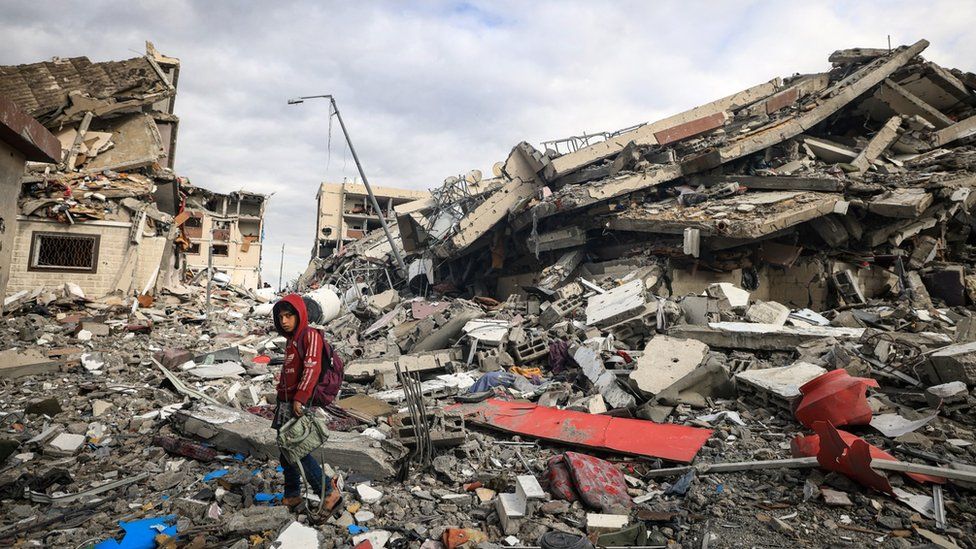
Published1 hour agoShareclose panelShare pageCopy linkAbout sharingImage source, AFPBy David GrittenBBC NewsUntreated diseases could eventually kill more people in Gaza than bombings if the health system is not restored, the World Health Organization says.Diarrhoea and respiratory infections are widespread among children in overcrowded UN facilities where almost 1.1 million people are sheltering.Patients with chronic illnesses like cancer are also receiving no treatment.The warning comes as a truce between Israel and Hamas entered a fifth day, after a 48-hour extension was agreed.The deal mediated by Qatar, Egypt and the United States should see an additional 20 Israeli women and children held hostage in Gaza being released in exchange for 60 Palestinian women and teenagers in Israeli prisons.On Monday, 11 hostages and 33 prisoners were freed on the fourth and final day of the initial agreement, bringing the totals to 50 hostages and 150 prisoners released. Nineteen foreign nationals, one of whom has Israeli citizenship, have also been handed over by Hamas under separate agreements.Israel launched a military campaign in Gaza and imposed a siege in response to an unprecedented cross-border attack by Hamas gunmen on 7 October, in which at least 1,200 people were killed and about 240 others taken hostage. Gaza’s Hamas-run government says more than 14,800 people have been killed in the territory since the war began.More on Israel-Gaza warFollow live: Latest updatesExplained: Who are the hostages released from Gaza?Prisoner release: Israel frees 33 Palestinians on fourth day of truceWatch: Israeli child hostages reunited with family dogIsrael-Gaza briefing: When truce ends, the decisive next phase of war beginsThe UN estimates that more than 1.8 million people in Gaza have fled their homes over the past seven weeks. About 60% of them are sheltering in 156 facilities belonging to the UN agency for Palestinian refugees, Unrwa.WHO spokeswoman Dr Margaret Harris told a news conference in Geneva that an assessment of those shelters had found outbreaks of infectious diseases, with cases of diarrhoea among children aged five and older more than 100 times normal levels by early November. No treatment is available for them, she said, without which infants in particular can deteriorate and die very quickly.According to the UN, only five hospitals are partially operational in the north of Gaza, the area that has been the focus of the Israeli ground offensive. Eight of the 11 hospitals are functional in the south, where the Israeli military has ordered civilians to flee. Only one of those hospitals has the capacity to treat critical trauma cases or perform complex surgery.”Eventually, we will see more people dying from disease than we are even seeing from the bombardment if we are not able to put back [together] this health system,” Dr Harris warned.Addressing journalists via video link from Gaza, Unicef spokesman James Elder reported seeing hospitals full of children with horrendous war wounds.He described seeing one child missing part of his leg lying untreated on a hospital floor for several hours because of a lack of medical staff. Other injured children were lying in car parks and gardens outside, he said. This video can not be playedTo play this video you need to enable JavaScript in your browser.Displaced children and their families are also suffering because of a lack of proper shelter and clothing to protect them from the rainy and cold weather currently in Gaza. Over the first four days of the truce, 800 aid lorries entered Gaza, with some reaching the north, according to US officials. That is an increase in comparison to the preceding few days, but it is still just a fraction of the usual number.The UN agencies say that in such conditions, a resumption in fighting should be unthinkable, they are calling again for a permanent ceasefire.Israel’s prime minister has promised that its military will “go to realising our goals with full force” when the pause ends. However, Qatar’s foreign ministry said on Tuesday that it would use the extension to seek a “sustainable truce that would lead to further negotiations and eventually an end… to this war”.”We are working with what we have. And what we have right now is the provision to the agreement that allows us to extend days as long as Hamas is able to guarantee the release of at least 10 hostages,” spokesman Majed al-Ansari told reporters in Doha.He added that mediators hoped to receive information from Hamas about the more than 150 Israelis and foreign nationals still being held hostage, who include children as young as 10 months old as well as a number of soldiers.A senior Hamas source in Qatar told the BBC that not all of the civilian hostages were in its hands. Some were with smaller armed groups like Palestinian Islamic Jihad, which like Hamas is classed as a terrorist organisation by Israel, the UK and other Western powers.According to the source, Hamas needs more time to collect information and contact people. Communication is very difficult because of the damage to the telecoms network and the shortage of fuel to power it.Mr Ansari also said only “minimal breaches” of the truce had been reported. But two hours after he spoke the Israeli military said three explosive devices had been detonated near its troops in two different locations in northern Gaza in violation of the agreement. “In one of the locations, terrorists also opened fire at the troops, who responded with fire. A number of soldiers were lightly injured during the incidents,” it added.Hamas’s military wing said there had been “friction” in the north and that its fighters had dealt with an “clear breach” of the truce deal by Israeli troops. Gunfire and explosions were earlier reported in north-western Gaza City.A local journalist told the BBC that dozens of displaced people were trying to return to their houses in the Sheikh Radwan area when they approached Israeli army positions, and that an Israeli tank and troops fired warning shots. One person was wounded and a building was hit by a shell, they said.More on this storyMore Palestinian teens freed in hostage dealPublished1 day agoFour-year-old girl among released Israeli hostagesPublished1 day agoFor many hostage families, the painful wait drags onPublished2 days agoWatch: Gazans take stock of damaged neighbourhoodsPublished2 days ago

Read more →

Macaque trials offer hope in pneumonia vaccine development

The global impact of the coronavirus pandemic has ignited a renewed focus on emerging and re-emerging infectious diseases. Researchers at Osaka Metropolitan University are making great strides in combating pneumococcal pneumonia, one of the leading causes of respiratory deaths worldwide.
Despite the existence of vaccines against pneumococcal infections such as otitis media, sinusitis, and meningitis, the prevalence of pneumococcal pneumonia remains high. Currently, around 100 new serotypes of Streptococcus pneumoniae have been identified, and the increase in pneumococcal infections caused by serotypes not covered by the vaccine has become a concern. This situation underscores the need for a more versatile vaccine.
Building on their previous success in mucosal responses in 2019, in which they developed a mucosal vaccine that caninduce antigen-specific mucosal immune responses, mainly immunoglobulin A (IgA), on the target mucosal surface, a research team led by Professor Satoshi Uematsu and Associate Professor Kosuke Fujimoto from the Department of Immunology and Genomics at the Graduate School of Medicine, Osaka Metropolitan University, has this time set out to bridge the gap in pneumococcal pneumonia vaccination efficacy.
To successfully develop a novel pneumococcal vaccine, the research team combined its proprietary mucosal vaccine technology with pneumococcal surface proteins that can cover a wide range of serotypes. Experiments conducted on mice and macaques have demonstrated the vaccine’s efficacy in suppressing pneumococcal pneumonia in the target animal groups.
“This research has succeeded in developing a vaccine formulation that can potentially be used in humans, which will advance the development of this vaccine for clinical applications,” said Professor Fujimoto. “This next-generation vaccine technology is expected to contribute to the treatment of infectious diseases in the future.”

Read more →

Unlocking the secrets of cells, with AI

Machine learning is now helping researchers analyze the makeup of unfamiliar cells, which could lead to more personalized medicine in the treatment of cancer and other serious diseases.
Researchers at the University of Waterloo developed GraphNovo, a new program that provides a more accurate understanding of the peptide sequences in cells. Peptides are chains of amino acids within cells and are building blocks as important and unique as DNA or RNA.
In a healthy person, the immune system can correctly identify the peptides of irregular or foreign cells, such as cancer cells or harmful bacteria, and then target those cells for destruction. For people whose immune system is struggling, the promising field of immunotherapy is working to retrain their immune systems to identify these dangerous invaders.
“What scientists want to do is sequence those peptides between the normal tissue and the cancerous tissue to recognize the differences,” said Zeping Mao, a PhD candidate in the Cheriton School of Computer Science who developed GraphNovo under the guidance of Dr. Ming Li.
This sequencing process is particularly difficult for novel illnesses or cancer cells, which may not have been analyzed before. While scientists can draw on an existing peptide database when analyzing diseases or organisms that have previously been studied, each person’s cancer and immune system are unique.
To quickly build a profile of the peptides in an unfamiliar cell, scientists have been using a method called de novo peptide sequencing, which uses mass spectrometry to rapidly analyze a new sample. This process may leave some peptides incomplete or entirely missing from the sequence.
Utilizing machine learning, GraphNovo significantly enhances the accuracy in identifying peptide sequences by filling these gaps with the precise mass of the peptide sequence. Such a leap in accuracy will likely be immensely beneficial in a variety of medical areas, especially in the treatment of cancer and the creation of vaccines for ailments such as Ebola and COVID-19. The researchers achieved this breakthrough due to Waterloo’s commitment to advances in the interface between technology and health.
“If we don’t have an algorithm that’s good enough, we cannot build the treatments,” Mao said. “Right now, this is all theoretical. But soon, we will be able to use it in the real world.”

Read more →

Could Longevity Drugs for Dogs Extend Your Pet’s Life?

The life of a pet dog follows a predictable trajectory. Over time, the floppy-eared puppy that keeps falling asleep in his food bowl will become a lanky-legged adolescent with an insatiable interest in squirrels — before eventually settling into adulthood as a canine creature of habit, with a carefully chosen napping location and a well-rehearsed greeting ritual.But as the years progress, his joints will stiffen and his muzzle will gray. And one day, which will inevitably arrive too soon, his wagging tail will finally still.“When you adopt a dog, you’re adopting future heartbreak,” said Emilie Adams, a New Yorker who owns three Rhodesian Ridgebacks. “It’s worth it over time because you just have so much love between now and when they go. But their life spans are shorter than ours.”In recent years, scientists have been chasing after drugs that might stave off this heartbreak by extending the lives of our canine companions. On Tuesday, the biotech company Loyal announced that it had moved one step closer to bringing one such drug to market. “The data you provided are sufficient to show that there is a reasonable expectation of effectiveness,” an official at the U.S. Food and Drug Administration informed the company in a recent letter. (Loyal provided a copy of the letter to The Times.)That means that the drug, which Loyal declined to identify for proprietary reasons, has met one of the requirements for “expanded conditional approval,” a fast-tracked authorization for animal drugs that fulfill unmet health needs and require difficult clinical trials. The drug is not available to pet owners yet, and the F.D.A. must still review the company’s safety and manufacturing data. But conditional approval, which Loyal hopes to receive in 2026, would allow the company to begin marketing the drug for canine life extension, even before a large clinical trial is complete.“We’re going to be going for claiming at least one year of healthy life span extension,” said Celine Halioua, the founder and chief executive of Loyal.Whether the drug will actually deliver on that promise is unknown. Although a small study suggests LOY-001 might blunt metabolic changes associated with aging, Loyal has not yet demonstrated that it lengthens dogs’ lives.But the letter, which came after years of discussion between Loyal and the F.D.A., suggests that the agency is open to canine longevity drugs, Ms. Halioua said.Celine Halioua, the founder and chief executive of Loyal, with her aging Rottweiler, Della.LoyalMore are in the pipeline. A team of academic researchers is currently conducting a canine clinical trial of rapamycin, which has been shown to extend the lives of lab mice. And Loyal is recruiting dogs for a clinical trial of another drug candidate, dubbed LOY-002.These developments are a sign of the accelerating pace of the science and the seriousness with which researchers and regulators are taking a field that once seemed like science fiction. They also raise questions about what it might mean to succeed, said Daniel Promislow, a biogerontologist at the University of Washington and a co-director of the Dog Aging Project, which is conducting the rapamycin trial.“What if it works?” he said. “What are the implications?”Lapping at the fountain of youthAging may be an inevitability, but it is not an unyielding one. Scientists have created longer-lived worms, flies and mice by tweaking key aging-related genes.These findings have raised the tantalizing possibility that scientists might be able to find drugs that had the same life-extending effects in people. That remains an active area of research, but canine longevity has recently started to attract more attention, in part because dogs are good models for human aging and in part because many pet owners would love more time with their furry family members.“There’s not a lot you wouldn’t do if you could stack the deck in your favor to preserve the life of your hairy, four-legged child,” said Ms. Adams, the Rhodesian Ridgeback owner.The drugs currently under investigation act in different ways. Rapamycin, which has also attracted intense interest as a potential longevity drug for humans, inhibits a protein known as mTOR, which regulates cell growth and metabolism.Earlier this year, a team of scientists including Dr. Promislow and some of his colleagues at the Dog Aging Project published an analysis of dogs that had been randomly assigned to receive either a low dose of rapamycin or a placebo for six months. Although the sample size was small, 27 percent of dog owners whose pets received the drug reported improvements in health or behavior, including increases in activity or playfulness, compared with 8 percent of owners whose dogs received a placebo.LOY-001, an extended-release implant intended for large, adult dogs, is designed to modulate a different growth-related compound: insulin growth factor-1, or IGF-1. The IGF-1 pathway has been associated with aging and longevity in several species; in dogs, it is known to play a key role in determining body size. Although the idea remains unproven, some scientists hypothesize that high IGF-1 levels drive both rapid growth and accelerated aging in large dogs, which generally have shorter life spans than small ones.Fancy, a 4-year-old Pomeranian who was involved in one of Loyal’s studies.LoyalTucker, a 10-year-old Jack Russell terrier and a study participant.LoyalLoyal’s own research, which has not yet been published, suggests that LOY-001 does reduce IGF-1 levels in dogs and that it might curb aging-related increases in insulin; an observational study of nearly 500 dogs also suggested that lower insulin levels were correlated with reduced frailty and a higher quality of life. “It’s quite an exciting approach,” said Colin Selman, a biogerontologist of aging at the University of Glasgow, who was not involved in the research and had not personally reviewed the company’s data.But proving that a drug can actually extend canine lives will require large, time-consuming clinical trials. Although some are currently underway, it will be at least several more years before the results are in. And regardless of the drug, researchers will need to demonstrate that it adds good, healthy years to a dog’s life, rather than just drawing out their decline, experts said.“If it proves true that it extends life span, I’m only interested in that if the period of life that is extended is good quality life,” said Dr. Kate Creevy, a veterinarian at Texas A&M and the chief veterinary officer of the Dog Aging Project. “I don’t want to make my dog live an extra two years in poor health.”Canine conundrumsIt is too soon to say what longevity drugs will cost, but Ms. Halioua predicted that LOY-001 would work out to “mid-double-digit dollars per month.”For some owners, cost will not be a deterrent, said Karen Cornelius of Illinois, who has owned mastiffs and other “giant” breeds for decades. Many died when they were about 9 years old, said Ms. Cornelius, who runs several Facebook groups for owners of giant dogs.“We were just having a discussion on one of my forums yesterday about how short-lived they were, and how people would give almost anything if they could extend that life,” she said.Some ethicists worried that this enthusiasm could be exploited, especially if the drugs are advertised as fountains of canine youth while questions of long-term safety and efficacy remain unresolved. The dogs themselves cannot give consent, they noted.“Is it in their best interest to live a little bit longer when there’s some risk to taking these drugs?” said Rebecca Walker, a philosopher and bioethicist at the University of North Carolina at Chapel Hill, who said she would not give a longevity drug to her golden retriever. “Or is it really in the best interest of their owners, who are very attached to them?”Matt Kaeberlein, a co-director of the Dog Aging Project, and his German shepherd, Dobby.Grant Hindsley for The New York TimesSo far, the worst side effect of LOY-001 has been mild and temporary gastrointestinal distress, Ms. Halioua said, although she acknowledged that the bar for safety would be “extremely, extremely, extremely high.”Longevity drugs are intended for healthy dogs, which changes the risk-benefit calculus. “It’s one thing if a dog is on death’s door and you’re giving them some late-breaking treatment,” said Bev Klingensmith, a Great Dane breeder in Iowa who also has a Great Dane and a golden retriever of her own. “Giving my young, healthy dog a brand-new drug would seem a little scary.”Even drugs that deliver on all their promises will raise ethical questions. “If animals are living longer, do we have the resources and commitment to provide lives worth living?” Dr. Anne Quain, a veterinarian and an expert on veterinary ethics at the University of Sydney, said in an email. “What if we see more dogs outliving their owners?”Reforming the breeding practices that have contributed to life-shortening health problems in many dogs and expanding access to basic veterinary care might be a better way to improve canine lives, she added. “We can save many ‘dog years’ by ensuring that as many dogs have access to that care as possible,” she said.And while scientists gather more data on potential longevity drugs, there are steps that dog owners can now take to foster healthier aging, experts said, including keeping their dogs lean and providing ample exercise and mental stimulation.Ms. Halioua admitted to having a soft spot for senior dogs. “They just want a nice bed to sleep on,” she said, as her elderly Rottweiler, Della, napped. Della, who has lymphoma and dementia, is not on LOY-001 because enrolling her in the company’s studies would present a conflict of interest, Ms. Halioua said, but the dog seemed happy, she noted.Ultimately, even if scientists can delay a pet owner’s heartbreak, they are unlikely to prevent it altogether. “These are definitely not immortality or radical life-span-extension drugs,” Ms. Halioua said in an email. She added, “Nothing we are developing could make a dog live forever.”

Read more →

Egypt Wiped Out Hepatitis C. Now It Is Trying to Help the Rest of Africa.

For seven years, Sulemana Musah put almost every bit of money that came his way into his war with hepatitis C.His student loans for graduate school, his salary from his job as a high school teacher and the cash he earned from a side gig selling yams all went to tests and medicines to try to cure the virus that debilitated him. Mr. Musah, 27, who lives in Accra, the capital of Ghana, set aside dreams of starting a business, building a house, getting married.He scraped together enough cash — $900, half his annual salary — to buy a course of the drugs that, a decade ago, began to revolutionize hepatitis C treatment in the United States and other high-income countries.He was the rare patient for whom that treatment wasn’t enough, so for years he tried, unsuccessfully, to save enough for another. “I was left just waiting for God to do his wonders,” he said.Then in March, his doctor gave him extraordinary news: The Ghanaian government had received a donation of medications for hepatitis C. He could have treatment for free. Within weeks, Mr. Musah had the pills. In October, a blood test showed he was cured at last.He was broke, exhausted — and ready to dust off his ambitions.The donation came from a most unlikely source: Egypt, which only a few years ago had the world’s highest burden of hepatitis C. An estimated one in 10 people, about nine million Egyptians, were chronically infected. In a public health campaign extraordinary for both its scale and its success, Egypt screened its entire population, brokered a deal for hugely discounted drugs and cured almost everyone with the virus.“This is one of the greatest accomplishments ever in public health,” said Dr. John W. Ward, the director of the Coalition for Global Hepatitis Elimination at the Task Force for Global Health.Mr. Musah, an economics teacher, received pills from a donation of medications given to the Ghanaian government. He sells yams to make ends meet.Egypt is on track to be the first country to achieve the World Health Organization goal of eliminating hepatitis C, and it is leveraging that victory into a campaign of “health diplomacy,” pledging to donate drugs and share expertise, with the goal of treating a million African patients. It is an unusual gesture in the world of global health, where largess is typically delivered to developing countries from high-income nations.“The Egyptian government saw an opportunity to extend its expertise beyond its borders and contribute to global health efforts,” said Khaled Ghaffar, Egypt’s minister of health and population. “This health diplomacy allows Egypt to leverage its success with hepatitis treatment for the greater benefit of humanity while simultaneously enhancing its standing among the global community.”Globally, about 58 million people are chronically infected with hepatitis C, according to the W.H.O., and the vast majority — 50 million — live in low- and middle-income countries. Four in five people don’t know they have the disease. About 300,000 people die each year of complications, particularly cirrhosis and liver cancer.The virus is most commonly transmitted by blood; in high-income nations, it is often spread by unsanitary needles used for injecting drugs, while in developing countries transmission frequently happens in health care settings, either through unsterilized needles and instruments or in cutting by traditional healers. About a third of people clear the infection on their own, but in most people, it becomes chronic, slowly damaging the liver over time.The waiting room of the hepatitis B and C infection clinic run by Dr. Yvonne Ayerki Nartey at Cape Coast Teaching Hospital in Ghana.Dr. Nartey, a physician at Cape Coast Teaching Hospital, joined the Coalition of Global Hepatitis Elimination to make a plan for Ghana’s new response.Yet few countries include the disease in their public health plans, or carry out testing to track the number of people infected. Hepatitis C has not been not the focus of any large international programs, the way H.I.V. and malaria are, and it has been such a low priority in low-income countries that governments rarely even track how many people have it, let alone treat it. Until this year, in Ghana as in other African countries, only a handful of wealthy people were accessing hepatitis C treatment, using drugs they purchased privately.The situation had been the same in Egypt until 2007. A mass vaccination campaign that began in the 1950s and for 20 years used improperly sterilized needles had accidentally spread hepatitis through the population. Few people could afford private treatment. When the government decided to start its national program, the virus was killing tens of thousands of people every year. At first, Egypt used two old drugs that only cured about half of those who were treated with them. But in 2013, Gilead Sciences Inc. brought to market an antiviral drug — the first cure for a viral infection in the history of medicine.While the company was charging $1,000 for its once-a-day pill in the United States, Egypt negotiated to buy it for $10 a pill — and then arranged for Indian and Egyptian drug companies to make an even cheaper generic version in exchange for a royalty. Egypt has treated more than four million people, and cut hepatitis C prevalence to just 0.4 percent.The Cape Coast fishing community in Ghana, about 90 miles southwest of Accra.Other companies soon followed with more antivirals; they have been highly effective, safe, and thus far not bedeviled by the drug-resistance problems that often plague antivirals.“The news on the drugs has only been good — the problem is that countries aren’t making the drugs available to the people in need,” said Dr. Ward, the coalition director.Egypt chose Ghana as an early partner because it is investing in building up national health care. Dr. Yvonne Ayerki Nartey, a physician at Cape Coast Teaching Hospital, joined the Coalition for Global Hepatitis Elimination to put together a plan for Ghana’s new response. She needed first to figure out how many Ghanaians were infected and where they were; a national screening effort found that one in 20 people in the north of the country, an area where poverty rates are higher and health services weaker, had hepatitis C. She went on radio shows and spread word through Facebook and WhatsApp that treatment might soon be accessible.Drugs were en route from Egypt, but the next step was tough: while a liver specialist would treat hepatitis in the United States, Ghana has fewer than 20 hepatologists. Dr. Nartey organized training courses for doctors in each district.“Most have never treated hepatitis C before because treatment doesn’t happen here,” she said.Dr. Nartey, with a patient at the hepatitis clinic in Cape Coast, Ghana.Cape Coast Teaching Hospital. Ghana has fewer than 20 hepatologists, and Dr. Yvonne Ayerki Nartey has organized training courses for doctors in each district.Most of the new treatment sites were teaching hospitals in regional centers, but she insisted on a pilot project at a rural hospital in an isolated region in the north, knowing that if Ghana was to truly wipe out the disease, frontline staff would have to be the ones to provide the treatment. The rural site had patients screened, tested and enrolled within a week.Testing remained a problem: only private laboratories offered the viral load tests that are necessary to track hepatitis treatment, and they charged several hundred dollars per test. Dr. Nartey has 340 patients enrolled for potential treatment, but only 290 of them have been able to raise the funds for the viral load test they need to start. The new hepatitis program negotiated a lower rate, promising a steady flow of patients, but at about $80 per test, it remains the biggest challenge to the program.For patients who had been living with not only the financial cost of the disease but also anxiety and fear as they saw relatives die of liver disease, the news of free treatment was almost unbelievable.Mr. Musah first began to feel ill as a high school student living in a small town in the north. The hospital near his home couldn’t explain his back pain and feverish nights, and tested for everything from a dairy allergy to syphilis to H.I.V. After hundreds of dollars in tests, he was finally given a hepatitis diagnosis — but was told he would need a specialty hospital to help him. He traveled to Accra, where doctors said there were drugs, but he would have to pay for them.A doctor noting Mr. Musah’s hepatitis C viral load; taking his blood; and tracking his expenses.In March, he joined other hepatitis patients at a celebration at a hotel in the capital where the Egyptian ambassador opened the free treatment program. But his challenges weren’t over. He needed the costly viral load tests to confirm the treatment was working; in September, he was faced with the choice of using a new student loan he took out to pay the tuition for a master’s degree, or for the test.In scaling up the program across Ghana, Dr. Nartey hopes to screen two million people with a cheaper antigen test, which costs about a dollar per patient, and then run the viral load for the 200,000 she anticipates will have the antibodies, confirming active infection, and end up with 46,000 patients who can be treated, using the first tranche of drugs promised by Egypt. Her prevalence survey suggests this will leave another 300,000 still to treat.“It’s a lot, but we’re ambitious,” she said.Egypt is working to set up parallel hepatitis C programs in other countries including Chad and Sudan.At the same time, Ghana is improving blood safety and injection practices, drawing on lessons from Egypt, and educating traditional healers, reducing the rate of new infections, Dr. Ward said.He hopes that if Ghana manages to scale up its hepatitis program, it will spur neighboring countries to start their own.“We have to get countries to realize the drugs exist and are so effective,” he said. ”We should be on a warpath to eliminate hepatitis C because it is so feasible.”Mr. Musah said that when he got the news he was finally virus-free, it was like the start of a whole new life: no more spending much of each day wondering how he could pay for drugs or tests, or if he could do it before the virus killed him.“Now I am free to plan a future,” he said.

Read more →