Swapping blood for spit — for convenient at-home health monitoring

Blood tests are a common, yet often painful, step in health care. But what if we could skip the needles altogether? Saliva and blood contain many of the same biomarkers, and collecting spit is as simple as drooling into a container. Researchers reporting in ACS Sensors have developed a device that detects glucose and adenosine monophosphate (AMP) biomarkers in saliva with high sensitivity, which could help make at-home health monitoring easier and without a poke.
Blood tests provide critical information about a person’s health. But they also rely on uncomfortable procedures, ranging from collecting small blood samples through frequent finger pricks to blood draws from a trained phlebotomist. Saliva has been explored as an alternative way to track important biomarkers, including glucose. However, most methods for analyzing saliva samples for small molecules require laboratory equipment. To make the analyses convenient for at-home testing, a simple, yet accurate, sensing platform is needed. One possibility is the electrochemical aptamer-based (E-AB) biosensor, which produces a measurable, electrochemical change when a specially designed piece of DNA or RNA, known as an aptamer, binds to its desired target. This type of device has previously been used on blood samples, but this time, Philippe Dauphin-Ducharme and colleagues adapted E-AB biosensors for saliva samples. The team wanted to measure the concentration of glucose and AMP — a small molecule biomarker associated with gum disease — in real saliva specimens.
The team took previously reported DNA aptamers that bound to either AMP or glucose, then re-engineered them to improve their sensitivity. They created their E-AB biosensors by mounting the aptamers on a gold electrode. Saliva samples were collected from a group of participants and pooled together. The sensors were then immersed in the saliva, with no additional preparation steps or reagents needed. This simplicity makes the test easy enough to be performed by a patient in their home. In experiments, the researchers found that their devices returned a result within 30 seconds, remained stable in undiluted saliva for up to three days and retained sensitivity for up to a week, if washed after each use. Additionally, the glucose sensor shows high selectivity towards its target, and both the AMP and glucose sensors are sensitive enough to detect the biomarkers at much lower concentrations than typically found in saliva. The researchers say that this simple technology is the first of its kind to detect glucose in human saliva, and they hope it can make at-home health monitoring less invasive and easier to complete, especially for people with chronic diseases such as diabetes.
The authors acknowledge funding from Colgate-Palmolive Company and the Alliance Grant program of the Natural Sciences and Engineering Research Council of Canada. Some authors are employees of Colgate-Palmolive’s Research and Development Center.
The authors have patents pending on this technology.
Read more →

Are healthy foods automatically sustainable, too?

Many people are keen on making healthy as well as sustainable food choices, and they often intuitively equate “healthy” with being “sustainable.” A study by researchers at the University of Konstanz, the Johannes Kepler University Linz and the Hamburg University of Applied Sciences is focusing on whether or not this perception corresponds to reality. It has just been published in the scientific journal PLOS Sustainability and Transformation.
The study shows that many consumers clearly correlate their perception of sustainability with how healthy their food choices and meals are. “We examined just how widespread the perception is that healthy meals are also sustainable. We were especially interested in whether perceptions change based on the actual overlap between meal health and sustainability. We also explored whether the type of meal, such as a vegan meal, influences this presumed correlation,” explains Professor Gudrun Sproesser, head of the Department of Health Psychology at Johannes Kepler University.
In the study, over 5,000 customers rated 29 different meal options at a public canteen — i.e. the University of Konstanz’s canteen, run by Seezeit student services — as to what they believed to be a healthy and sustainable food choice. The exact values relating to environmental sustainability and healthy eating were also determined by applying a special algorithm to analyze the precise meal recipes. The findings were clear: Many participants automatically believed that healthy food was also sustainable.
Gudrun Sproesser points out: “Interestingly, however, there was no association between this perception and the actual overlap between environmental sustainability and how healthy a meal actually is.” This is because healthier foods can be produced using methods that are less eco-friendly, and the reverse is also true: sustainable food can be less healthy.
Britta Renner, who leads the research team Psychological Assessment and Health Psychology at the University of Konstanz, adds: “The findings clearly indicate that we consumers need better and more readily accessible information about the sustainability and healthiness of foods.” One useful approach, for example, is to use climate or sustainability labels on food, as suggested in a recent expert opinion on more sustainable food by the Scientific Advisory Board on Agricultural Policy, Food and Consumer Health Protection (WBAE) of the Federal Ministry of Food and Agriculture. Such labels would enable consumers to make more informed decisions about what they eat while simultaneously doing their part to protect the environment.

Read more →

Enhanced treatment of liver carcinoma with a drug-eluting hydrogel

Scientists from the Terasaki Institute for Biomedical Innovation (TIBI) have developed an injectable or catheter-administered hydrogel with enhanced capabilities for treating hepatocellular carcinoma (HCC), a deadly form of liver cancer. As described in their recent publication in Advanced Functional Materials, this drug-eluting hydrogel can provide sustained, pH-dependent drug co-delivery and has capabilities for promoting anti-tumor immune responses. This reduces tumor cell proliferation and growth and offers a more efficient means of enabling tumor cell death.
Worldwide, HCC is a leading cause of cancer-related deaths, with an estimated one million new HCC cases to be diagnosed by 2025. Effective treatment options remain elusive. If diagnosed at an early stage, smaller liver tumors may be surgically removed, but tumor recurrence occurs in 70% of these patients. Liver transplantation also offers hope, but there is a huge shortage of suitable liver donors available, and successful outcomes are usually observed only in early diagnosis cases.
Another commonly used treatment method is trans-arterial chemoembolization, or TACE. In this technique, small microbead particles are delivered through a catheter into an artery that is supplying oxygen and nutrient-containing blood to a tumor. The particles block blood flow from the artery and thereby restrict tumor growth. Concurrently, the particles may serve as anti-cancer drug delivery vehicles which target the tumor cells; the restricted blood flow caused by the vessel blockage also serves to concentrate the drug around the tumor.
While offering a more targeted and safe approach than previous systemic chemotherapeutic approaches, the TACE method is not without inherent problems, with non-uniform bead dispersion occurring because the beads may break apart or aggregate; this limits their ability to penetrate deeply into tumors.
Also, the delivery of chemotherapeutic drugs to the tumor site may not be enough to destroy malignant tumor growth. These types of tumors exhibit unrestricted growth because they have found ways to suppress the body’s normal immune response system. Immunotherapeutic drugs can reverse this suppression and reinstate the body’s natural immune defenses to destroy tumor cells and inhibit their growth.
Given the known abilities of the chemotherapeutic agent, doxorubicin (DOX), to prime tumor cells for immunogenic cell death, the TIBI researchers sought to design a drug delivery system that could deliver both DOX and an immunotherapeutic drug, anti-PD-1, sequentially in a targeted, sustained and controllable manner. Using in vitro optimization experiments, the team formulated a Laponite®-containing gelatin hydrogel for this purpose. Laponite® nanoclay not only improves injectability but confers pH-controlled delivery as well.
In subsequent in vitro experiments, the team was able to identify the optimum formulation and pH conditions for both DOX and anti-PD-1 release by the hydrogel. They were also able to establish that DOX release by the hydrogel induced more effective priming of anti-tumor immune responses at the tumor site.

The efficacy of this drug delivery hydrogel platform was tested in in vivo experiments in which mouse liver tumor cells were injected into mouse models, followed by treatments with both dual (DOX+anti-PD1) and singly (DOX) loaded hydrogels. The mice were monitored for tumor size and survival time, and it was found that the subjects treated with combined DOX and anti-PD-1 loaded hydrogels had the longest survival times and smallest tumor size.
Other tests revealed that the combination drug loaded hydrogels also exhibited the greatest infiltration by anti-tumor immune cells, as well as the biggest reduction in tumor cell proliferation and the most increased level of tumor cell death.
“The one-two punch of combined chemotherapeutic and immunotherapeutic drug deliveries boosts the anti-tumor efficacy against hepatocellular carcinoma,” said TIBI’s Director and CEO, Ali Khademhosseini, PhD. “Our approach enhances current methods of treatment and offers renewed hope for patients with this deadly disease.”
Authors are Natashya Falcone, Menekse Ermis, Ankit Gangrade, Auveen Choroomi, Patric Young, Tess G. Mathes, Mahsa Monirizad, Fatemeh Zehtabi, Marvin Mecwan, Marco Rodriguez, Yangzhi Zhu, Youngjoo Byun, Ali Khademhosseini, Natan Roberto de Barros, and Han-Jun Kim.

Read more →

Researchers identify cell signaling pathway controlling melanoma cell metastasis to the brain

Melanoma is the deadliest form of skin cancer because of its ability to quickly grow and spread throughout the body. More than half of those with advanced melanoma will see the disease spread to the brain, where it rapidly progresses, often leading to death in only three to four months. Researchers in Moffitt Cancer Center’s Donald A. Adam Melanoma and Skin Cancer Center of Excellence have been working to better understand what drives melanoma brain metastasis. In a new study published in Nature Communications, they report on the identification of a cell signaling pathway that regulates the metastatic spread of melanoma cells to the brain.
Melanoma tumors are composed of subgroups of cells with different gene expression patterns with varied abilities to invade surrounding tissues and survive anticancer treatments. It is unclear how these different melanoma subgroups contribute to tumor development and progression.
In previous studies, Moffitt researchers determined that the protein HDAC8 regulated resistance to BRAF and MEK inhibitors commonly used to treat melanoma. HDAC8 removes chemical modifications called acetyl groups from other proteins, leading to alterations in gene expression patterns. The Moffitt team hypothesized that HDAC8 may also be involved in the regulation of gene expression patterns of melanoma cell subgroups.
The researchers performed laboratory experiments and demonstrated that HDAC8 activity increased melanoma cell survival under stress conditions, including low oxygen, UV radiation, and BRAF/MEK inhibitor treatment. HDAC8 activity also changed the gene expression pattern of melanoma cells and caused the cells to develop characteristics associated with cell subgroups that were able to migrate into and invade surrounding sites.
Their pre-clinical experiments found that increased HDAC8 expression and activity enhanced the ability of melanoma cells to metastasize to the brain, while no significant impact was observed in the number of metastatic tumors to other organs, such as the liver or lung. The researchers further investigated the molecular pathways of HDAC8-mediated brain metastasis and discovered that HDAC8 chemically modified the protein EP300, which subsequently caused cells to develop invasive characteristics. The researchers confirmed the importance of EP300 to melanoma brain metastases by showing that increased expression of EP300 decreased cell invasion and caused melanoma cells to be more sensitive to cell death.
“These data show the importance of HDAC8 and EP300 activity to melanoma cell invasion to the brain and suggest that agents that target these pathways may inhibit brain metastasis,” said Keiran Smalley, Ph.D., lead study author and director of Moffitt’s Melanoma and Skin Cancer Center of Excellence. “Our work provides the first evidence that stress induced HDAC8 is a regulator of an invasive melanoma cell state that leads to increased brain metastasis.”
This study was supported by the National Institutes of Health (R01CA262483, R21CA267141, P30CA076292, P30CA247796) and by state appropriations provided in Florida Statute §381.915.

Read more →

Mindfulness-based intervention shows promise for PTSD in cardiac arrest survivors

A novel pilot study that combines mindfulness and exposure intervention shows promise for reducing symptoms of post-traumatic stress in survivors of sudden cardiac arrest (SCA), a leading cause of death in the United States.
Each year, more than 356, 000 Americans have an out-of-hospital cardiac arrest, with 90 precent of them fatal. Studies show that one in three survivors report symptoms that meet the criteria for post-traumatic stress disorder (PTSD) following hospital discharge.
“Beyond emotional suffering, elevated PTSD symptoms are associated with increased mortality and cardiovascular risk, yet no psychotherapeutic treatment has been developed and tested for this population,” said Maja Bergman, PhD, lead study author and a postdoctoral clinician with the PTSD Research and Treatment Program at Columbia University Irving Medical Center.
The study was published Nov. 24, 2023, in the Journal of Clinical Psychiatry.
“Exposure therapy is a standard treatment for PTSD, but it’s safety and efficacy remain unconfirmed for SCA survivors for whom the source of the trauma is within the body rather than in the outside world,” said senior study author Yuval Neria, PhD, professor of clinical medical psychology (in psychiatry and epidemiology) and director of the Columbia PTSD Research and Treatment program.
Incorporating mindfulness into exposure therapy
The researchers hypothesized that to address the unique emotional needs of SCA patients a treatment protocol incorporating mindfulness components into exposure therapy might enhance both willingness to engage in exposure techniques and subsequent outcomes.

To test the theory, the research team designed an open feasibility pilot study recruiting a small sample of cardiac arrest survivors (N=11) who met the diagnostic criteria for PTSD to determine whether a brief and treatment — known as Acceptance and Mindfulness-Based Exposure Therapy, or AMBET — could reduce post-traumatic stress symptoms.
The protocol comprised eight 90-minute weekly sessions delivered remotely due to COVID-19 restriction, incorporating exposure and mindfulness interventions, as well as cardiovascular psychoeducation.
Exposure therapy for SCA patients involved revisiting the traumatic event through discussion, guided imagery and other techniques to help patients confront and process associated memories, while mindfulness, known to normalize physiological stress responses that link PTSD and cardiovascular risk, provided exposure to internal body stimuli to promote adaptive behaviors.
80% showed significant improvement
At the eight-week post-treatment mark, a majority of patients — all but two — no longer met the criteria for PTSD. In addition, the trial had low attrition, high satisfaction ratings, and no adverse effects.
Along with psychological benefits, the researchers also found that AMBET improved cardiovascular health behaviors, including quality of sleep and increased physical activity, determined having patients wear Fitbit devices to gauge steps and sedentary behavior.
“The study not only addresses a critical gap in treatment options for a high-risk patient population but also underscores the potential of AMBET in improving coping mechanisms and reducing anxiety related to cardiac activity,” Dr. Bergman said.
The researchers said that while the promising findings open new avenues for treatment, further research is necessary to explore the specific contributions of exposure and mindfulness practices in SCA survivors.
“We believe that the strong findings of this small trial provide an excellent opportunity to continue to partner with our colleagues at the Center for Behavioral Cardiovascular Health and move to a larger randomized controlled trial,” said Dr Neria.

Read more →

Drugs already licensed could be trialled to potentially treat secondary brain cancer

The largest review of papers for brain cancer that has spread from the lungs has found abnormalities in the brain cancer and for which licensed drugs could be clinically trialled to find out if they could treat the disease. The research led by the University of Bristol and published in Neuro-Oncology Advances also found genetic differences between smokers and non-smokers.
Around 25,000 patients in the UK suffer from cancer that has spread to the brain -known as metastases — most commonly from lung and breast cancer, and causes death in the majority of these patients.
The genetic mutations in primary lung cancers have been widely studied, but less is known about the changes in the cancer once it has spread to the brain. The research team wanted to find out the genetic changes in brain metastasis from non-small cell lung cancer (NSCLC) and whether there are drugs already available that could potentially be offered to these patients.
The researchers carried out a review from 72 papers of genetic mutations in brain metastasis of NSCLC from 2,346 patients’ data on patient demographics, smoking status, genomic data, matched primary NSCLC, and PD-L1, which is a protein found on cancer cells.
The study found the most commonly mutated genes were EGFR, TP53, KRAS, CDKN2A, and STK11. Common missense mutations — mutations that lead to a single amino acid change in the protein coded by the gene — included EGFR L858R and KRAS G12C
In certain cases the genetic mutations were different in the brain metastasis from the primary lung cancer. There were also differences in the genetic mutations in smokers versus patients who had never smoked. Brain metastases of smokers versus non-smokers had different missense mutations in TP53 and EGFR, except for L858R and T790M in EGFR, which were seen in both subgroups.
The research team found from the top ten commonly mutated genes which had primary NSCLC data, 37% of the specific mutations assessed were different between primary NSCLC and brain metastases. The researchers suggest Medicines and Healthcare products Regulatory Agency-approved drugs already licensed could potentially be tested to treat the disease in clinical trials.

The genetic landscape of the different subtypes of NSCLC is well known. TP53 and LRP1B mutations are common to all NSCLC subtypes, but certain subtypes also have specific alterations. Lung adenocarcinoma is the most common type of lung cancer and has higher frequencies of KRAS, EGFR, KEAP1, STK11, MET, and BRAF somatic mutations — changes that have accumulated in the cancer genome.
Some studies suggested the genomic landscape of NSCLC in smoker’s vs non-smokers differ independent of subtype. One study found EGFR mutations, ROS1 and ALK fusions to be more prevalent in non-smokers, whereas KRAS, TP53, BRAF, JAK2, JAK3 and mismatch repair gene mutations were more commonly mutated in smokers.
Kathreena Kurian, Professor of Neuropathology and Honorary Consultant at North Bristol NHS Trust, Head of the Brain Tumour Research Centre at the University of Bristol and co-author of the paper, said: “Our research recommends that all patients should have their brain metastasis examined for mutations in addition to their primary lung cancer because they may be different.
“This evidence could form the backbone for new clinical trials for patients with brain metastasis in non-small cell lung cancer using drugs that are already available.”
The team suggest the next steps for the research would be to consider whole genome sequencing on brain metastasis to look for other types of mutations, such as, common insertions/deletions for which drugs are already available.

Read more →

Eye-safe laser technology to diagnose traumatic brain injury

Researchers from the University of Birmingham have designed and developed a novel diagnostic device to detect traumatic brain injury (TBI) by shining a safe laser into the eye.
Described in Science Advances, the technique is dramatically different from other diagnostic methods and is expected to be developed into a hand-held device for use in the critical ‘golden hour’ after traumatic brain injury, when life critical decisions on treatment must be made.
The device incorporates a class 1, CE marked, eye-safe laser and a unique Raman spectroscopy system, which uses light to reveal the biochemical and structural properties of molecules by detecting how they scatter light, to detect the presence and levels of known biomarkers for brain injury.
There is an urgent need for new technologies to improve the timeliness of TBI diagnosis, which is a leading cause of death worldwide. TBI is caused by sudden shock or impact to the head, which can cause mild to severe injury to the brain, and although it needs diagnosis and treatment as soon as possible to prevent further irreversible damage, it is hard to diagnose at the point of injury. Moreover, radiological investigations such as X-ray or MRI are very expensive and slow to show results.
Birmingham researchers, led by Professor Pola Goldberg Oppenheimer from the School of Chemical Engineering, designed and developed the novel diagnostic hand-held device to assess patients as soon as injury occurs. It is fast, precise and non-invasive for the patient, causing no additional discomfort, can provide information on the severity of the trauma, and will be suitable to be used on-site — at the roadside, on the battlefield or on the sports pitch — to assess TBI.
Professor Pola Goldberg Oppenheimer said: “Early diagnosis of TBI is crucial, as life-critical decisions on treatment must be made with the first ‘golden hour’ after injury. However current diagnostic procedure relies on observation by ambulance crews, and MRI or CT scans at a hospital — which may be some distance away.”
The device works by scanning the back of the eye where the optic nerve sits. Because the optic nerve is so closely linked to the brain, it carries the same biological information in the form of protein and lipid biomarkers. These biomarkers exist in a very tightly regulated balance, meaning even the slightest change may have serious effects on the ‘brain-health’. TBI causes these biomarkers to change, indicating that something is wrong.

Previous research has demonstrated the technology can accurately detect the changes in animal brain and eye tissues with different levels of brain injuries — picking up the slightest changes.1,2,3
The device detailed in the current paper detects and analyses the composition and balance of these biomarkers to create ‘molecular fingerprints’.
The current study details the development, manufacture, and optimisation of a proof-of-concept prototype, and its use in reading biochemical fingerprints of brain injury on the optic nerve, to see whether it is a viable and effective approach for initial ‘on the scene’ diagnosis of TBI.
The researchers constructed a phantom eye to test its alignment and ability to focus on the back of the eye, used animal tissue to test whether it could discern between TBI and non-TBI states, and also developed decision support tools for the device, using AI, to rapidly classify TBIs.
The device is now ready for further evaluation including clinical feasibility and efficacy studies, and patient acceptability.
The researchers expect the diagnostic device to be developed into a portable technology which is suitable for use in point-of-care conditions capable to rapidly determine whether TBI occurs as well as classify whether it is mild, moderate or severe, and therefore, direct triage appropriately and in timely manner.

Read more →

To build better tuberculosis vaccines, researchers develop new model by leveraging an old vaccine

Each year, tuberculosis (TB) kills more people than any other infectious disease, falling out of the top spot only temporarily during the COVID-19 pandemic.
Despite TB’s wide reach and some lost progress during the COVID-19 pandemic, researchers believe it is possible to eradicate TB through advances in vaccine development and public health. To cross the finish line, scientists must find ways to test new vaccines rapidly to prevent TB infections more effectively.
In a paper published in the Journal of Infectious Diseases, Daniel Hoft, M.D., Ph.D., director of the Saint Louis University Center for Vaccine Development, and colleagues from Saint Louis University, Emory University School of Medicine, The Emmes Company, LLC, the National Institute of Allergy and Infectious Diseases, part of the National Institutes of Health, and New York University Grossman School of Medicine, report a promising new approach to speed vaccine testing for TB.
Hoft, who also serves as professor and chair of infectious diseases, allergy, and immunology at the Saint Louis University School of Medicine, sought data that could only be gathered by challenging the human immune system directly. This approach, Hoft hypothesized, could provide answers to some TB unknowns. For example, TB animal models do not fully mimic how the bacteria behaves in people, and vaccine developers do not have well-defined data about what TB immune responses offer optimal protection against the bacteria.
To test new vaccines, infectious diseases researchers sometimes conduct human challenge studies to quickly learn about how well a vaccine candidate works against an infectious disease, such as influenza. In these studies, researchers first deliver an investigational vaccine or placebo to separate groups of healthy volunteers, and then intentionally infect study participants with a flu virus, all in carefully controlled settings and under close medical supervision, to determine whether the investigational experimental vaccine provides protection compared with the control group. This approach can be instrumental in generating data supporting the approval of novel vaccines.
Mycobacterium tuberculosis, the bacteria that cause TB, however, is too dangerous for human challenge with the fully pathogenic bacteria. The team needed to find another, safer way to challenge the human immune system to find answers to their questions.
Hoft found a workaround in the Bacillus Calmette-Guérin (BCG) vaccine.

The most widely used vaccine in history, with more than 4 billion doses given to patients since 1921, the BCG vaccine contains a live but weakened version of the TB bacteria. The BCG vaccine is given to newborns to reduce their TB risk, but it is less effective against pulmonary TB and often wanes in effectiveness, providing little to no protection in adults.
With the BCG vaccine, Hoft saw a chance to gather data about TB in a human study without the risk of exposing participants to full strength M. tuberculosis bacteria. To test this idea, the researchers gave 92 healthy adults the BCG vaccine, with participants receiving one of four different doses.
With participants’ immune response to the BCG vaccine serving as a proxy for their exposure to a true infection, the researchers gathered much-needed data about how the immune system responds when it encounters TB.
The team applied a battery of analysis methods to samples collected from the BCG challenge sites and blood, looking for associations between BCG at the injection site, and immune responses as well as gene expression changes in blood.
The findings open up new doors for TB vaccine development.
“Our findings are important for two reasons,” Hoft said. “First, this approach could enable us to screen new TB vaccines early in the pipeline and prioritize the most promising concepts, saving time and money.”
“Second, we have a model to better determine what a new vaccine needs to do to protect against TB. We will be able to identify biomarkers indicating whether new vaccines could better protect someone against TB.”

Among the findings that will help vaccine developers as they create new vaccines, The researchers determined that BCG challenge doses of up to 8 x 10⁶ CFU were safe. They found that BCG at the challenge sites increases as the BCG dose increases. The researchers identified the most consistent and precise measure of BCG at challenge sites. Gene expression analysis found potential biomarkers of immunity that correlated with inhibition of BCG in people that may provide a TB protective signature. And they uncovered immunological and gene expression differences that could underlie the different risks of men and women developing active TB.This last point is an intriguing finding. Doctors have long observed that men appear to be more at risk of developing an active form of TB infection, but they do not know why. In this study, researchers found differences in the immune responses of men and women to the BCG challenge, a finding that parallels doctors’ observations with patients who develop the illness.
Researchers hope this new model will help advance our understanding of why men and women have different levels of general immunity.
Hoft is enthused by the study’s findings, which he says could provide a road map for future TB vaccine testing.
“The BCG human challenge model is a promising approach for studying TB immunity,” Hoft said. “The new data will facilitate the vaccine development process, allowing us to make progress toward our ultimate goal of eradicating TB.”

Read more →

Newborn babies at risk from bacteria commonly carried by mothers

Streptococcus agalactiae (known as Group B Streptococcus, or GBS) is present in the genital tract in around one in five women. Previous research by the team at the University of Cambridge and Rosie Hospital, Cambridge University Hospitals NHS Foundation Trust, identified GBS in the placenta of around 5% of women prior to the onset of labour. Although it can be treated with antibiotics, unless screened, women will not know they are carriers.
GBS can cause sepsis, a life-threatening reaction to an infection, in the newborn. Worldwide, GBS accounts for around 50,000 stillbirths and as many as 100,000 infant deaths per year.
In a study published today in Nature Microbiology, the team looked at the link between the presence of GBS in the placenta and the risk of admission of the baby to a neonatal unit. The researchers re-analysed data available from their previous study of 436 infants born at term, confirming their findings in a second cohort of 925 pregnancies.
From their analysis, the researchers estimate that placental GBS was associated with a two- to three-fold increased risk of neonatal unit admission, with one in 200 babies admitted with sepsis associated with GBS — almost 10 times the previous estimate. The clinical assessment of these babies using the current diagnostic testing identified GBS in less than one in five of these cases.
In the USA, all pregnant women are routinely screened for GBS and treated with antibiotics if found to be positive. In the UK, women who test positive for GBS are also treated with antibiotics — however, only a minority of pregnant women are tested for GBS, as the approach in the UK is to obtain samples only from women experiencing complications, or with other risk factors.
There are a number of reasons why women in the UK are not screened, including the fact that detecting GBS in the mother is not always straightforward and only a small minority of babies exposed to the bacteria were thought to become ill. A randomised controlled trial of screening for GBS for treatment with antibiotics is currently underway in the UK.
Dr Francesca Gaccioli from the Department of Obstetrics & Gynaecology at the University of Cambridge said: “In the UK, we’ve traditionally not screened mothers for GBS, but our findings — that significantly more newborns are admitted to the neonatal unit as a result of GBS-related sepsis than was previously thought — profoundly changes the risk/benefit balance of universal screening.”
To improve detection, the researchers have developed an ultrasensitive PCR test, which amplifies tiny amounts of DNA or RNA from a suspected sample to check for the presence of GBS. They have filed a patent with Cambridge Enterprise, the University of Cambridge’s technology transfer arm, for this test.

Professor Gordon Smith, Head of Obstetrics & Gynaecology at the University of Cambridge, said: “Using this new test, we now realise that the clinically detected cases of GBS may represent the tip of the iceberg of complications arising from this infection. We hope that the ultra-sensitive test developed by our team might lead to viable point-of-care testing to inform immediate neonatal care.”
When the researchers analysed serum from the babies’ umbilical cords, they found that over a third showed greatly increased levels of several cytokines — protein messengers release by the immune system. This suggests that a so-called ‘cytokine storm’ — an extreme immune response that causes collateral damage to the host — was behind the increased risk of disease.
The research was funded by the Medical Research Council and supported by the National Institute for Health Research (NIHR) Cambridge Biomedical Research Centre.

Read more →

U.S. Life Expectancy Creeps Up as Covid Deaths Fall

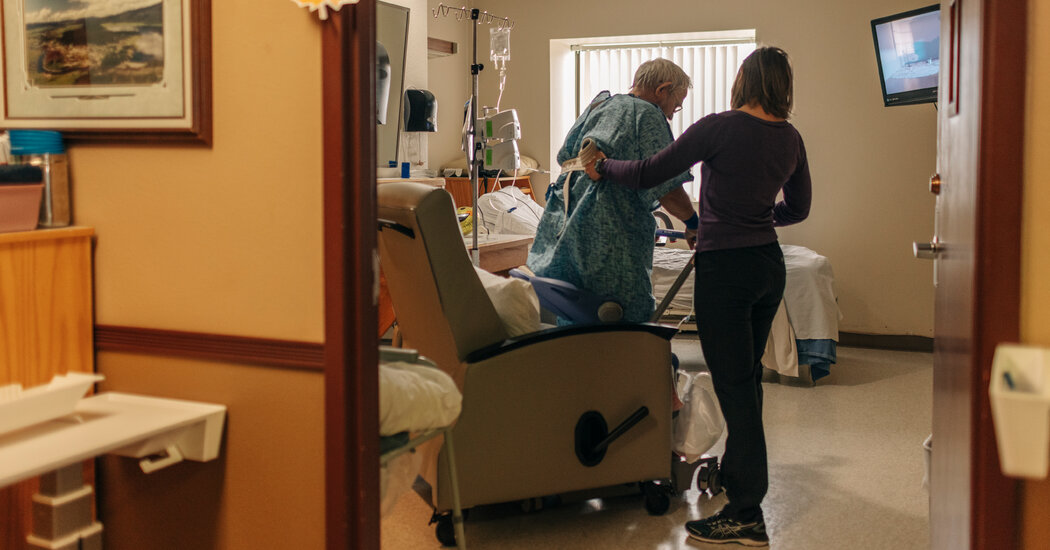
But the country’s health has not fully rebounded from the pandemic, according to new data from the C.D.C.Life expectancy in the United States has begun to climb again as the threat of Covid-19 has receded, increasing by more than a year between 2021 and 2022, according to data released Wednesday by the Centers for Disease Control and Prevention.The rise represents a slow and partial recovery for the country, which tallied more than 1.1 million Covid-19 deaths and lost 2.4 years in life expectancy between 2019 and 2021.And an array of other conditions continued to pose grave risks to Americans’ health. Deaths from flu, pneumonia, perinatal conditions, kidney disease, nutritional deficiencies and birth defects all rose in 2022, the agency reported, partially offsetting the fall in Covid-19 deaths.In 2022, life expectancy at birth was 77.5 years, compared with 76.4 years in 2021. A fall in Covid-19 deaths accounts for more than 80 percent of that increase. In 2019, before the pandemic, life expectancy at birth was 78.8. Drops in deaths from heart disease, unintentional injuries (a category that includes traffic deaths and drug overdoses), cancer and homicide also contributed to the rise in life expectancy, the C.D.C. reported.Some demographic differences also narrowed in 2022, the data show.The gains were especially pronounced among Native Americans and Alaska Natives, who were especially hard hit by Covid-19, losing 6.2 years of life expectancy between 2019 and 2021. In 2022, they regained 2.3 years of those years, although their life expectancy of 67.9 remains lower than that of other demographic groups.Life expectancy rose by 2.2 years for the Hispanic population and 1.6 years for Black Americans. The increases were more modest for Asian and white Americans, who gained 1.0 and 0.8 years of life expectancy, respectively, in 2022.A longstanding gap in life expectancy between the sexes widened during the pandemic, which brought a higher mortality rate in men than in women. In 2021, women could be expected to live six years longer than men, but that gap closed slightly, to 5.4 years, in 2022.

Read more →