Brain Study Suggests Traumatic Memories Are Processed as Present Experience
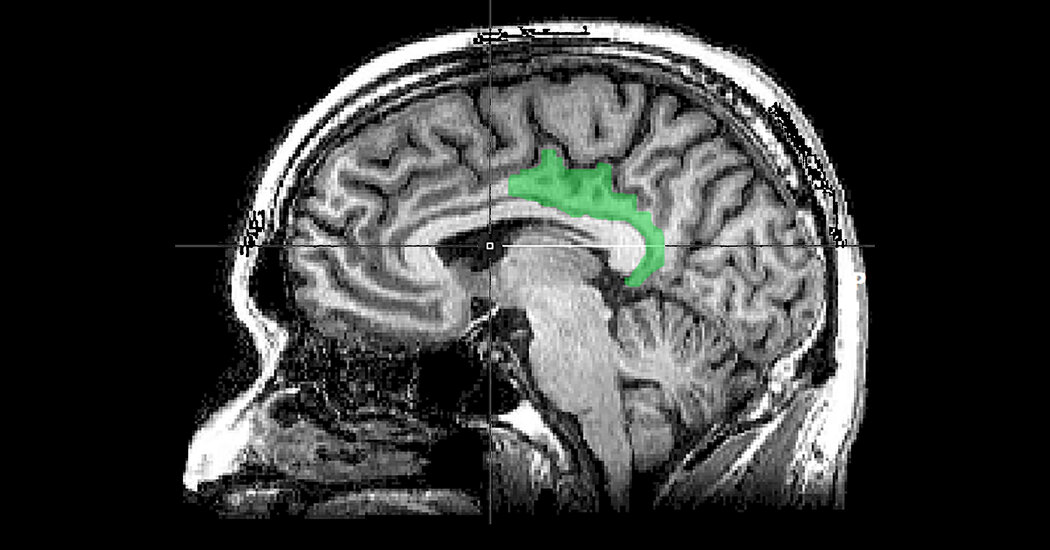
Traumatic memories had their own neural mechanism, brain scans showed, which may help explain their vivid and intrusive nature.At the root of post-traumatic stress disorder, or PTSD, is a memory that cannot be controlled. It may intrude on everyday activity, thrusting a person into the middle of a horrifying event, or surface as night terrors or flashbacks.Decades of treatment of military veterans and sexual assault survivors have left little doubt that traumatic memories function differently from other memories. A group of researchers at Yale University and the Icahn School of Medicine at Mount Sinai set out to find empirical evidence of those differences.The team conducted brain scans of 28 people with PTSD while they listened to recorded narrations of their own memories. Some of the recorded memories were neutral, some were simply “sad,” and some were traumatic.The brain scans found clear differences, the researchers reported in a paper published on Thursday in the journal Nature Neuroscience. The people listening to the sad memories, which often involved the death of a family member, showed consistently high engagement of the hippocampus, part of the brain that organizes and contextualizes memories.When the same people listened to their traumatic memories — of sexual assaults, fires, school shootings and terrorist attacks — the hippocampus was not involved.“What it tells us is that the brain is in a different state in the two memories,” said Daniela Schiller, a neuroscientist at the Icahn School of Medicine at Mount Sinai and one of the authors of the study. She noted that therapies for PTSD often sought to help people organize their memory so they can view it as distant from the present.“Now we find something that potentially can explain it in the brain,” she said. “The brain doesn’t look like it’s in a state of memory; it looks like it is a state of present experience.”Indeed, the authors conclude in the paper, “traumatic memories are not experienced as memories as such,” but as “fragments of prior events, subjugating the present moment.”The traumatic memories appeared to engage a different area of the brain — the posterior cingulate cortex, or P.C.C., which is usually involved in internally directed thought, like introspection or daydreaming. The more severe the person’s PTSD symptoms were, the more activity appeared in the P.C.C.What is striking about this finding is that the P.C.C. is not known as a memory region, but one that is engaged with “processing of internal experience,” Dr. Schiller said.The findings feed into a much debated question in the field of trauma: Should clinicians encourage people with PTSD to expose themselves to their most traumatic memories?In recent years, many Americans have embraced treatments such as prolonged exposure therapy and eye movement reprocessing and desensitization, or EMDR, which revisit traumatic memories in hopes of draining them of their destructive force. Ilan Harpaz-Rotem, an author of the paper, said the new findings suggested that revisiting the memory was a critical element of treatment.“You are helping the patient to construct a memory that can be organized and consolidated into the hippocampus,” said Dr. Harpaz-Rotem, a professor of psychiatry and psychology at Yale University.He described a case from his clinic: An Army medic was haunted by a fragmentary image from his past, of frantically bandaging a solder’s wound while under fire. In therapy, trying to “build a story, a coherent memory,” the clinician helped the medic fill in details around the edges of that scene, including a dead soldier who lay nearby, shooting in the background, and his own panicked use of too many bandages.Ideally, such treatments can help transform the traumatic memory into one that more closely resembles ordinary sad memories. “It’s like having a block in the right place,” he said. “If I can access a memory, I know it’s a memory. I know it’s not happening to me now.”Dr. Ruth Lanius, the director of PTSD research at the University of Western Ontario who was not involved in the study, described its findings as “seminal,” both because it establishes that traumatic memories have distinct pathways and because it indicates that key mechanisms for traumatic memory may involve less-examined areas of the brain. Much research into PTSD has focused on the amygdala, the stress detection center of the brain, and the hippocampus, she said. The posterior cingulate cortex is “really involved in the reliving of memories,” and in seeking self-relevance, which may explain why a sensory reminder may cause overwhelming fear or panic.“A soldier, if they hear fireworks, they may run and take cover,” Dr. Lanius said. “Traumatic memories are not remembered, they are relived and re-experienced.”Clinicians, she said, can use these findings to treat patients who “don’t feel that the trauma is over,” employing therapies that “bring on line context, so you know, ‘Oh, that happened in the past.’” She said researchers should explore therapies, like mindfulness, which are known to activate the parts of the brain known to provide context.If biological markers for PTSD can eventually be identified, it would be “a major scientific contribution,” settling differences within the field about what experiences constitute a trauma, said Brian Marx, deputy director of the Behavioral Science Division of the National Center for PTSD, who was not involved in the study.While most experts agree that motor vehicle accidents, sexual assaults or military combat are traumatic events, there is disagreement about whether experiences like racism or pandemic stress should be viewed as the basis for a PTSD diagnosis, he said.“It is one of the foundational questions of the field,” he said. “It is a debate we still wrestle with, because we don’t have an answer for it.”Dr. Marx called the new research “intriguing,” but not conclusive, noting that it did not include a comparison group of subjects without a PTSD diagnosis, specify how long ago the traumatic events took place, or specify whether the subjects had already received psychotherapy.And he said it was not likely to settle debates over whether PTSD treatments should include exposure to traumatic memories, since literature on treatment outcomes show that responses are highly individualized.“To say this is proof positive really ignores the reality that our treatments are imperfect,” he said. “They don’t work for everyone in the same way.”

Read more →
Norovirus: Winter vomiting virus cases rising

Published5 days agocommentsCommentsShareclose panelShare pageCopy linkAbout sharingImage source, Getty ImagesBy Michelle RobertsDigital health editorWinter vomiting virus is doing the rounds in England, experts are warning. Every day last week, there were about 350 people in hospital with diarrhoea and vomiting symptoms, compared with 126 in the same week last year, NHS England says.Norovirus is very contagious and can be caught from infected people and through touching contaminated surfaces such as toilet flush handles.It can sweep through care homes, hospital wards and nurseries. Most people recover in a few days without hospital care but some become very ill.Norovirus closes Hull hospital wardsSymptoms include:sudden, projectile vomiting and diarrhoeahigh temperaturestomach painsaching limbsNorovirus can be caught from:close contact with – or eating food prepared or handled by – someone infectedtouching contaminated surfaces or objects and then your mouthWashing your hands frequently with soap and water is the best way to stop it spreading. Alcohol hand gels will not kill norovirus. But bleach in water does work to clean contaminated surfaces, such as toilets and taps.The latest NHS England figures show cases of other seasonal viruses are also rising. Each day last week, on average:more than 150 beds were filled with flu patients, with seven in critical care131 children were in hospital with respiratory syncytial virus (RSV)about 46,000 NHS England staff were off work sick, some 1,715 because of CovidNHS national medical director Prof Sir Stephen Powis said: “We all know somebody who has had some kind of nasty winter virus in the last few weeks and today’s data shows this is starting to trickle through to hospital admissions, with a much higher volume of Norovirus cases compared to last year, and the continued impact of infections like flu and RSV in children on hospital capacity – all likely to be exacerbated by this week’s cold weather.”It is clear that even before we enter December, the demand on hospitals and staff is high.”So as ever, the public can also play their part by using services in the usual way – by calling 999 in an emergency and using NHS 111 for other health conditions – and by getting their Covid and flu jabs if eligible.”Amy Douglas, Norovirus Epidemiologist at UKHSA, said: “As norovirus activity increases it’s important we take steps to try and stop it spreading. If you or a family member have been sick with norovirus, you should avoid visiting hospitals and care homes, and not return to work or school, until 48 hours after your symptoms have stopped.”If you do catch it: “Make sure to drink plenty of fluids to avoid dehydration which can result in hospitalisation, particularly for the most vulnerable,” she says. Related Internet LinksNorovirus (vomiting bug) – NHSThe BBC is not responsible for the content of external sites.

Read more →

Elfbar: Top vape firm drops sweet flavours over appeal to kids

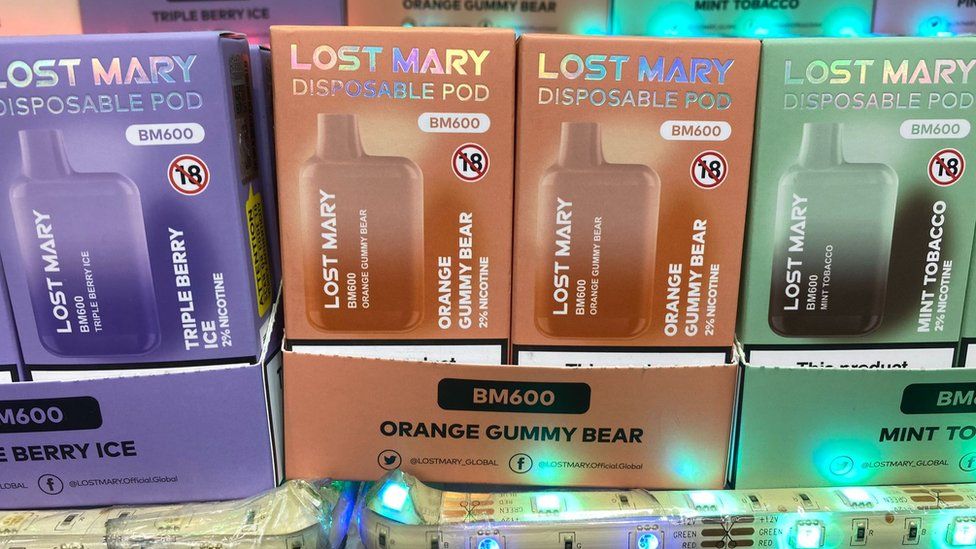
Published6 days agocommentsCommentsShareclose panelShare pageCopy linkAbout sharingBy Ben KingBusiness reporter, BBC NewsThe UK’s leading vape brand Elfbar and its sister brand Lost Mary say they will drop dessert and soft drink flavours, which have been criticised for appealing to children.Elfbar called for a new licencing regime similar to ones for cigarettes and alcohol.Elfbar and Lost Mary make up more than half of the UK’s disposable vape sales, according to data firm NielsenIQ.The government consultation on new rules for vapes closes on 6 December.The dazzling range of flavours have helped to turn disposable vapes into a market worth billions of pounds in a few short years, with Elfbar and Lost Mary taking the lion’s share. They’re both owned by the Chinese firm Shenzhen iMiracle Technology. Elfbar has already dropped Bubble Gum, Cotton Candy, and Rainbow Candy flavours, with more expected to follow. Gummy Bear was renamed Gummy, and is now called Gami.These will take some time to filter through the supply chain, so it may take a while for the changes to become apparent on the shelves, a spokesman said. Some flavours may reappear under different names, and a decision hasn’t been taken about Cola flavour, which Elfbar says can appeal to adults as well as children.The company also called for tighter restrictions on vape sales, including a licencing regime for retailers, and rules requiring them to display vapes behind the counter. “The introduction of such a regime would mitigate children’s access to vapes and make it easier for the authorities to better regulate the sale of vaping devices. Furthermore, we believe it would help combat the growing illicit vape market and drive increased rates of vape recycling,” an Elfbar spokesman said.As many as one third of the UK’s vapes don’t meet UK legal requirements, such as limits on nicotine strength and tank capacity. On Monday the third-largest seller, London-based tobacco company BAT, also called for a licencing regime. Image source, Getty ImagesElfbar argues against the introduction of a new tax on vapes similar to that charged on tobacco. It argued that a new tax would encourage former smokers to switch to illegal vapes, or return to cigarettes.Hazel Cheeseman, deputy chief executive of the anti-smoking charity Action on Smoking and Health (ASH) said: “It is no surprise that Elf Bar have failed to strike this balance in their recommendations with a series of half measures that will fail to adequately protect children”. She added that an extra tax on vapes “is particularly important to addressing the illicit market, something they say they care about, as it will enable far greater control of products at the border.”In a survey this year, ASH found that 50% of 11 to 17-year-olds who had tried vapes had tried an Elfbar, and 25% had tried Lost Mary. The second most popular vape seller in the UK, SKE – which makes Crystal Bar – did not return our request for comment on the consultation. In August it defended the use of sweet flavours. “You’ve got to consider that many Gummy Bears are sold to adults,” its communications director Serge Davies told the BBC. Councils have called for an outright ban on disposable vapes, saying that as well as appealing to children, they cause a litter problem and a fire hazard.Elfbar and Lost Mary sold over £900m worth of vapes in twelve months, more than 160 million units, according to NielsenIQ. Their numbers only capture around half the market, as they don’t include many vape shops, online retailers and convenience stores. So the true figure could be double that. The consultation on e-cigarette regulations ends on 6 December, and legislation in England, Scotland and Wales is expected “as soon as possible” afterwards. More on this storyCouncils call for ban on disposable vapes by 2024Published15 JulyTobacco firm calls for tougher rules on vapesPublished27 NovemberVape giant’s Insta giveaway had no age verificationPublished26 August

Read more →

Rise of microplastics discovered in placentas of Hawaii mothers

A placenta (commonly known as the “afterbirth” or “ʻiewe” in Hawaiian) is a temporary organ which connects the mother to the fetus via the umbilical cord. Its purpose is to deliver nutrients and oxygen to the fetus while serving as a barrier to prevent infections or viruses from entering the developing fetus.
A new study by researchers at the John A. Burns School of Medicine (JABSOM) at the University of Hawaiʻi at Mānoa and Kapiʻolani Medical Center for Women & Children examined placentas donated by women who delivered in Hawaiʻi from 2006 to 2021, and found the presence of microplastic particles in the placenta.
Microplastics are visible to the naked eye, and examples can range from the plastic beads once found in exfoliating soaps, to particles from disintegrating plastic bags, to bits of plastic found in microwavable containers which are then inadvertently consumed by humans.
“We were shocked that these little pieces of plastic were getting across the mom’s gut and landing in the placenta,” said Men Jean Lee, an obstetrician and researcher at JABSOM and Kapiʻolani Medical Center. Lee, Rodrigo Weingrill and Johann Urschitz from UH Mānoa’s Institute for Biogenesis Research co-authored the research recently published in Environment International.
The researchers collected and studied 10 placentas in 2006, 2013 and 2021 and found the presence of microplastics grew each year. In 2006, 6 of the 10 placentas contained microplastics. In 2013, microplastics were found in 9 of the 10 placentas. In 2021, researchers found microplastics in all 10 placentas.”We believe that the plastics may be floating around in food or being inhaled. It’s coming through our digestive fluids or lungs, and the particles are getting absorbed through the gut and traveling through the bloodstream, and then somehow collecting in the placenta during pregnancy,” Lee said. “The big question is, as it’s traveling through the placenta, can it get through the umbilical cord and then to the baby? We don’t know that right now.”
Link to global plastic production
We know that the rise in microplastics found in the placentas of Hawaiʻi mothers corresponds with the skyrocketing levels of global plastic production.

According to the Journal of Hazardous Materials, more than 6,000 megatons of plastic were produced in 2020. Less than 2,000 megatons were produced in 2000.
The big question is, as it’s traveling through the placenta, can it get through the umbilical cord and then to the baby? — Men Jean Lee
Lee believes HHawaiʻi’s remote location creates an added dependency on plastic.
“We’re the world’s most remote population center or island chain. We’re 2,300 miles from California and 4,000 miles from Japan,” Lee said. “For daily conveniences, we commonly use plastic wrap, plastic containers, plastic bags and single use water bottles.”
She suggests Hawaiʻi’s location in the center of the Pacific Ocean, tropical climate, and lack of recycling centers can exacerbate how these plastics are disintegrating or breaking down.
“The incineration of garbage, landfills and marine pollution affect our communities. When trash is being burned, dust particles are released, and can spread into the air we breathe,” Lee said. “In fact, we are concerned about how the debris from the recent Lahaina fires may contain microplastics and other chemical toxins in the remains of the fires. Meanwhile, we already know that sunlight, heat and salt can speed up the breakdown of these everyday plastics. I’ve noticed plastic bags, even shoes, wear out quickly in Hawaiʻi and turn to dust. I never experienced this when I was living back in New York.”
Can microplastics enter the fetus too?

Lee and the JABSOM researchers will continue their research, now focused on seeing if the microplastics can pierce the protection of the placenta and enter the fetus before birth.
“We’re not trying to scare people,” Lee said, but acknowledges there are other questions that still need to be answered. “What are the sources of maternal microplastics? What are the plastics doing in the mother’s body and the placenta? Are they benign, or are they crossing over to the fetal side into the umbilical cord that is connected to the baby? If they are getting to the other side, are they affecting fetal growth and what happens to the baby when he/she grows up?”

Read more →

PrEP: Preventative HIV drug highly effective, study says

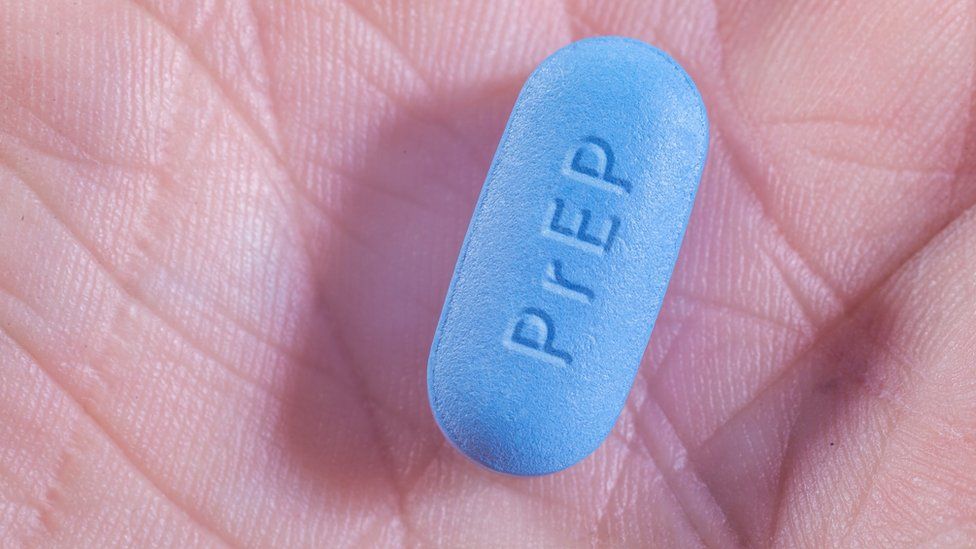
Published1 hour agoShareclose panelShare pageCopy linkAbout sharingImage source, Getty ImagesBy Aurelia FosterHealth reporter, BBC NewsA drug which stops HIV infecting the body has proved to be a highly effective “real-world” preventative treatment, a study has confirmed.The results of the research on 24,000 people taking it across England, have been described as “reassuring”.Thousands of people are already taking PrEP through sexual health clinics.HIV charity the Terrence Higgins Trust wants easier access to the drug, since many people, including women, do not know it exists.The UK Health Security Agency (UKHSA), which led the PrEP Impact Trial with the Chelsea and Westminster Hospital NHS Foundation Trust, said it was the largest ever real-world study of its kind.It was carried out at 157 sexual health clinics across England between October 2017 and July 2020.The study found use of PrEP, also known as pre-exposure prophylaxis. reduced the chances of getting HIV by 86%. Clinical trials suggested it was 99% effective.Dr John Saunders, a consultant in sexual health and HIV who worked on the study, said: “This trial has further demonstrated the effectiveness of PrEP in preventing HIV transmission and has, for the first time, shown the protective effect reported by earlier trials, but at scale, and delivered through routine sexual health services in England.”The Terrence Higgins Trust HIV charity welcomed the study’s publication, but said there was “more to be done” to increase access to, and awareness of, the drug, particularly among some minority groups.Debbie Laycock, head of policy, said: “We think that there are certain communities and individuals at the moment who could benefit from PrEP but aren’t accessing it.””Many women just don’t know PrEP exists,” she added.She said the charity was calling for PrEP to be made available in pharmacies and online to widen access to it.Dr Saunders said that although the clinical success of the drug had been proven, this study revealed other important information about how it is used. “Before, we didn’t know how many people would want it, take it, or how long they would stay on it for,” he said. “Now we know who is being prescribed it and we can work with clinics to try and get more people to take it.”He said that “real-world effectiveness” was dependent on many factors, particularly whether the drug is taken correctly. Image source, Harry Dodd’Liberating’Harry Dodd, who has taken part in several PrEP trials, said taking the drug has been “empowering” for him as he no longer fears catching HIV.”I haven’t thought about that for the best part of a decade and that’s liberating. I have had long-term partners who have HIV since [taking the drug] and that would not have been on my radar before. I now have the confidence to love freely.”However, Mr Dodd, 33, from north London, said he believed there was a “stigma” attached to the drug as it was “sexually related and historically connected to gay communities”. The UKSHA said the effectiveness of the drug would help achieve the government’s aim of zero HIV transmissions by 2030, but that more people needed to take it.Dr Saunders said that while gay and bisexual men were most likely to use the drug, many people from other groups, such as straight women, would benefit from taking it.PrEP, which contains existing HIV treatment drugs tenofovir disoproxil and emtricitabine, works by stopping HIV from entering the body and making copies of itself. It can either be taken as a daily pill or an “event” basis before sexual intercourse.The decision to make the treatment widely available on the NHS in England in 2020 was partly based on earlier findings from this research, as well as results of earlier clinical trials.The results of this study, published in the Lancet HIV, have only just been released because of the large sample size and the time taken to peer review it. NHS England has been approached for comment. More on this storyPreventative HIV drug to be available in EnglandPublished15 March 2020HIV ‘game-changer’ to arrive next monthPublished3 August 2017HIV drug ‘gave me confidence to trust’Published2 August 2016Related Internet LinksHomepage — Chelsea and Westminster Hospital NHS Foundation TrustUK Health Security Agency – GOV.UKThe BBC is not responsible for the content of external sites.

Read more →

Patient saw eight GPs before cancer spotted

Published6 days agoShareclose panelShare pageCopy linkAbout sharingImage source, Getty ImagesBy Nick TriggleHealth correspondentPatients are at risk of having serious health conditions missed because of the lack of continuity of care provided by GPs, the NHS safety watchdog says.Investigators highlighted the case of a man who was seen by eight different GPs before his cancer was spotted as an example of what can go wrong.Providing continuity of care should be in the GP contract, the Health Services Safety Investigations Body said.But the government said GPs should already be prioritising this.As part of its investigation, the watchdog spoke to patients and GPs, as well as analysing data and publishing an in-depth review of the care one particular patient received.’Stark example’The 67-year-old patient, known as Brian, who had learning disabilities, schizophrenia and dementia, had received treatment for breast cancer, but had been discharged from the service. Two years later he started developing pain in his back. Over the following eight months, he saw two out-of-hours GPs and six GPs based at his local practices as well as a physio and GP nurse, before he was sent for a hospital check-up in late 2020.A secondary cancer had developed on Brian’s spine, but it was too late to offer him curative treatment and he was given end-of-life care. He has since died.The areas with the fewest GPs revealed Are there 2,000 more GPs than before the pandemic? The watchdog said the lack of continuity of care resulted in the diagnosis of Brian’s cancer being missed.One of the key problems was that the different GPs he saw missed the fact he was attending repeatedly for the same issue. He was also going to appointments for other health problems, so his records contained a lot of information.Senior investigator Neil Alexander said Brian’s case was a “stark example” of what can happen when there is a breakdown in continuity of care.”He told our team ‘when I am gone, no-one else should have to go through what I did’.”Increasingly difficultThe report was critical of the fact there is no specific requirement within the GP contract to ensure practices provide continuity of care – and urged the government to address this. It said that did not necessarily mean always seeing the same GP, but sharing information in an efficient way.It said many IT systems used by GPs did not allow doctors to access clinical histories and information quickly and easily.GPs interviewed said staffing difficulties and pressures on services meant continuity of care slipped down the priority list.Image source, Getty ImagesMr Alexander said it was clear some practices were doing better than others. But he added: “We could see that all want to deliver the best care they can, but the extreme pressure of workloads and having to prioritise other essential requirements makes it very difficult.”A spokesman for the Department of Health and Social Care said continuity of care was “important”, which was why all patients must be given a named GP to take charge of their care.He said all practices must try to comply with “reasonable requests” to see a particular GP too.The Royal College of GPs said changing the contract would not solve the problem on its own.”Delivering continuity of care is becoming increasingly difficult as GPs and our teams struggle with intense workforce pressures and patient need growing in both volume and complexity,” said the college’s vice-chair Dr Victoria Tzortziou-Brown.Sign up for our morning newsletter and get BBC News in your inbox.More on this storyMillions miss out on seven-day GP accessPublished30 July 2018

Read more →

Very high levels of 'good cholesterol' may be associated with dementia risk: study

Abnormally high levels of HDL-C, colloquially known as ‘good cholesterol’, are associated with an increased risk of dementia in older adults, a Monash University-led study has found.
Researchers said very high levels of HDL-C linked to dementia risk in this study were uncommon and not diet related, but more likely to reflect a metabolic disorder.
The findings may help doctors to recognise a group of older patients potentially at risk of dementia, particularly in those aged 75 and older.
Published in The Lancet Regional Health — Western Pacific, this is one of the largest studies of elevated HDL-C levels and dementia in initially healthy older people aged mostly over 70, enrolled in the ASPREE* study.
Over an average 6.3 years, participants with very high HDL-C ( >80 mg/dL or >2.07 mmol/L) at study entry were observed to have a 27 per cent higher risk of dementia compared to participants with optimal HDL-C levels, while those aged 75 years and older also showed a 42 per cent increased risk compared to those with optimal levels.
Very high HDL-C levels were categorised as 80 mg/dL ( >2.07 mmol/L) or above. The optimal level of HDL-C of 40 to 60 mg/dL (1.03-1.55 mmol/L) for men and 50 to 60 mg/dL (1.55-2.07 mmol/L) for women was generally beneficial for heart health.
Among 18,668 participants included in this analysis, 2709 had very high HDL-C at study entry, with 38 incidents of dementia in those aged less than 75 years with very high levels, and 101 in those aged 75 and more with very high levels.

First author and Monash University School of Public Health and Preventive Medicine senior research fellow Dr Monira Hussain said that further research was needed to explain why a very high HDL cholesterol level appeared to affect the risk of dementia.
Dr Hussain said these study findings could help improve our understanding of the mechanisms behind dementia, but more research was required.
“While we know HDL cholesterol is important for cardiovascular health, this study suggests that we need further research to understand the role of very high HDL cholesterol in the context of brain health,” she said.
“It may be beneficial to consider very high HDL cholesterol levels in prediction algorithms for dementia risk.”
*The Aspirin in Reducing Events in the Elderly (ASPREE) trial is a double-blind, randomised, placebo-controlled trial of daily aspirin in healthy older people. 

Read more →

Certain migraine medications may be more effective than Ibuprofen

For many people with migraine, it can be difficult to find a treatment that is effective and reliable, and information on how medications compare to one another is lacking. A new study draws data from nearly 300,000 people using a smartphone app to help people make decisions about their medications. The study found that certain migraine medications like triptans, ergots and anti-emetics may be two to five times more effective than ibuprofen for treating migraine attacks, according to new research published in the November 29, 2023, online issue of Neurology®, the medical journal of the American Academy of Neurology.
Migraine attacks are characterized by intense throbbing head pain, sensitivity to light and sound, nausea or vomiting. Previous research has shown migraine can also be associated with cognitive issues. All of these symptoms may impact a person’s quality of life and productivity.
“There are many treatment options available to those with migraine. However, there is a lack of head-to-head comparisons of the effectiveness of these treatment options,” said study author Chia-Chun Chiang, MD, of the Mayo Clinic in Rochester, Minnesota, and member of the American Academy of Neurology. “These results confirm that triptans should be considered earlier for treating migraine, rather than reserving their use for severe attacks.”
For the study, researchers included over 3 million migraine attacks from nearly 300,000 users that were self-reported by people using a smartphone app during a six-year period. The app allows users to monitor the frequency of migraine attacks, triggers, symptoms and medication effectiveness.
For those migraine attacks, participants entered 4.7 million treatment attempts with various medications into the app. They recorded in the app whether a medication was helpful or not. Researchers then used that information to calculate the effectiveness of each drug compared to ibuprofen.
Researchers looked at a total of 25 medications among seven drug classes. Different dosages of medication and formulas of each medication were combined in this analysis.
The study found that the top three classes of medications more effective than ibuprofen were triptans, ergots and anti-emetics. Triptans were five times more effective than ibuprofen, ergots were three times more effective and anti-emetics were two and a half times more effective.

When looking at individual medications, the top three were eletriptan which was six times more effective than ibuprofen, zolmitriptan which was five and a half times more effective and sumatriptan which was five times more effective.
Researchers found that when using eletriptan, participants found it helpful 78% of the time. Zolmitriptan was helpful 74% of the time and sumatriptan was helpful 72% of the time. Ibuprofen was helpful 42% of the time.
Researchers also looked at other groups of medication such as acetaminophen and nonsteroidal anti-inflammatory drugs (NSAIDs). NSAIDs other than ibuprofen were 94% more effective than ibuprofen.
Participants found ketorolac helpful 62% of the time, indomethacin was helpful 57% of the time, and diclofenac was helpful 56% of the time. However, acetaminophen was helpful 37% of the time and found to be 17% less effective than ibuprofen when used for treating migraines.
Additionally, a common combination of medications used to treat migraine, aspirin, acetaminophen and caffeine was also evaluated and found to be 69% more effective than ibuprofen.
“For people whose acute migraine medication is not working for them, our hope is that this study shows that there are many alternatives that work for migraine, and we encourage people to talk with their doctors about how to treat this painful and debilitating condition,” said Chiang.
A limitation of the study was evaluations of medications could be influenced by a user’s expectations of the medication or the dosage they took. Another limitation was that newer migraine medications, gepants and ditans, were not included in the study due to the low amount of data when the study was conducted and lack of availability in many countries.
The study was supported by the Kanagawa University of Human Services.

Read more →

AI may aid in diagnosing adolescents with ADHD

Using artificial intelligence (AI) to analyze specialized brain MRI scans of adolescents with and without attention-deficit/hyperactivity disorder (ADHD), researchers found significant differences in nine brain white matter tracts in individuals with ADHD. Results of the study will be presented today at the annual meeting of the Radiological Society of North America (RSNA).
ADHD is a common disorder often diagnosed in childhood and continuing into adulthood, according to the Centers for Disease Control and Prevention. In the U.S., an estimated 5.7 million children and adolescents between the ages of 6 and 17 have been diagnosed with ADHD.
“ADHD often manifests at an early age and can have a massive impact on someone’s quality of life and ability to function in society,” said study co-author Justin Huynh, M.S., a research specialist in the Department of Neuroradiology at the University of California, San Francisco, and medical student at the Carle Illinois College of Medicine at Urbana-Champaign. “It is also becoming increasingly prevalent in society among today’s youth, with the influx of smartphones and other distracting devices readily accessible.”
Children with ADHD may have trouble paying attention, controlling impulsive behaviors or regulating activity. Early diagnosis and intervention are key to managing the condition.
“ADHD is extremely difficult to diagnose and relies on subjective self-reported surveys,” Huynh said. “There is definitely an unmet need for more objective metrics for diagnosis. That’s the gap we are trying to fill.”
Huynh said this is the first study to apply deep learning, a type of AI, to identify markers of ADHD in the multi-institutional Adolescent Brain Cognitive Development (ABCD) Study, which includes brain imaging, clinical surveys and other data on over 11,000 adolescents from 21 research sites in the U.S. The brain imaging data included a specialized type of MRI called diffusion-weighted imaging (DWI).
“Prior research studies using AI to detect ADHD have not been successful due to a small sample size and the complexity of the disorder,” Huynh said.

The research team selected a group of 1,704 individuals from the ABCD dataset, including adolescents with and without ADHD. Using DWI scans, the researchers extracted fractional anisotropy (FA) measurements along 30 major white matter tracts in the brain. FA is a measure of how water molecules move along the fibers of white matter tracts.
The FA values from 1,371 individuals were used as input for training a deep-learning AI model, which was then tested on 333 patients, including 193 diagnosed with ADHD and 140 without. ADHD diagnoses were determined by the Brief Problem Monitor assessment, a rating tool used for monitoring a child’s functioning and their responses to interventions.
With the help of AI, the researchers discovered that in patients with ADHD, FA values were significantly elevated in nine white matter tracts.
“These differences in MRI signatures in individuals with ADHD have never been seen before at this level of detail,” Huynh said. “In general, the abnormalities seen in the nine white matter tracts coincide with the symptoms of ADHD.”
The researchers intend to continue obtaining data from the rest of the individuals in the ABCD dataset, comparing the performance of additional AI models.
“Many people feel that they have ADHD, but it is undiagnosed due to the subjective nature of the available diagnostic tests,” Huynh said. “This method provides a promising step towards finding imaging biomarkers that can be used to diagnose ADHD in a quantitative, objective diagnostic framework,” Huynh said.
Co-authors are Pierre F. Nedelec, M.S., M.T.M., Samuel Lashof-Regas, Michael Romano, M.D., Ph.D., Leo P. Sugrue, M.D., Ph.D., and Andreas M. Rauschecker, M.D., Ph.D.

Read more →

Common headaches tied to neck inflammation

Researchers have identified objective evidence of how the neck muscles are involved in primary headaches, according to a study being presented today at the annual meeting of the Radiological Society of North America (RSNA). The findings could lead to better treatments.
The distinct underlying causes of primary headaches are still not fully understood. The most common primary headaches are tension-type headaches and migraines.
“Our imaging approach provides first objective evidence for the very frequent involvement of the neck muscles in primary headaches, such as neck pain in migraine or tension-type headache, using the ability to quantify subtle inflammation within muscles,” said Nico Sollmann, M.D., Ph.D., resident in the Department of Diagnostic and Interventional Radiology at University Hospital Ulm, and the Department of Diagnostic and Interventional Neuroradiology at University Hospital Rechts der Isar in Munich, Germany.
Tension-type headaches affect two out of every three adults in the U.S. People with tension-type headaches often feel a tightening in the head and mild to moderate dull pain on both sides of the head. While these headaches are typically associated with stress and muscle tension, their exact origin is not fully understood.
Migraines are characterized by a severe throbbing pain. Migraines generally occur on one side of the head, or the pain is worse on one side. Migraines may also cause nausea, weakness and light sensitivity. According to the American Migraine Foundation, over 37 million people in the U.S. are affected by migraine, and up to 148 million people worldwide suffer from chronic migraine.
Neck pain is commonly associated with primary headaches. However, no objective biomarkers exist for myofascial involvement. Myofascial pain is associated with inflammation or irritation of muscle or of the connective tissue, known as fascia, that surrounds the muscle.
For the study, Dr. Sollmann and colleagues aimed to investigate the involvement of the trapezius muscles in primary headache disorders by quantitative magnetic resonance imaging (MRI) and to explore associations between muscle T2 values and headache and neck pain frequency.

The prospective study included 50 participants, mostly women, ranging in age from 20 to 31 years old. Of the study group, 16 had tension-type headache, and 12 had tension-type headache plus migraine episodes. The groups were matched with 22 healthy controls.
All participants underwent 3D turbo spin-echo MRI. The bilateral trapezius muscles were manually segmented, followed by muscle T2 extraction. Associations between muscle T2 values and the presence of neck pain, number of days with headache, and number of myofascial trigger points as determined by manual palpation of the trapezius muscles were analyzed (adjusting for age, sex and body mass index).
The tension-type headache plus migraine group demonstrated the highest muscle T2 values. Muscle T2 was significantly associated with the number of headache days and the presence of neck pain. The increased muscle T2 values could be interpreted as a surrogate of inflammation arising from the nervous system and increased sensitivity of nerve fibers within myofascial tissues.
“The quantified inflammatory changes of neck muscles significantly correlate with the number of days lived with headache and the presence of subjectively perceived neck pain,” Dr. Sollmann said. “Those changes allow us to differentiate between healthy individuals and patients suffering from primary headaches.”
Muscle T2 mapping could be used to stratify patients with primary headaches and to track potential treatment effects for monitoring.
“Our findings support the role of neck muscles in the pathophysiology of primary headaches,” Dr. Sollmann said. “Therefore, treatments that target the neck muscles could lead to a simultaneous relief of neck pain, as well as headache.”
Dr. Sollmann pointed out that non-invasive treatment options that directly target the site of pain in the neck muscles could be highly effective and safer than systemic drugs.
“Our imaging approach with delivery of an objective biomarker could facilitate therapy monitoring and patient selection for certain treatments in the near future,” he added.
Co-authors are Paul Schandelmaier, M.D., Gabby B. Joseph, Ph.D., Dimitrios C. Karampinos, Ph.D., Meinrad J. Beer, M.D., Claus Zimmer, M.D., Florian Heinen, M.D., Thomas Baum, M.D., and Michaela V. Bonfert. M.D.

Read more →