Influx of water and salts propel immune cells through the body

Researchers at the Francis Crick Institute, working with Imperial College London, King’s College London and University of Cambridge, have shown that an influx of water and ions into immune cells allows them to migrate to where they’re needed in the body.
Our bodies respond to illness by sending out chemical signals called chemokines, which tell immune cells called T cells where to go to fight the infection. This process had already been associated with a protein called WNK1, which activates channels on the cell surface, allowing ions (salts like sodium or potassium) to move into cells. Until now, it was not clear why ion influx was needed for T cells to move.
Through a study published today in Nature Communications, the researchers imaged mouse T cells and observed that, following a chemokine signal, WNK1 is activated at the front of the cells, called the ‘leading edge’.
The team showed that the activation of WNK1 opens channels on the leading edge, resulting in an influx of water and ions. They propose that this flow of water causes the cells to swell on the front side, creating space for the ‘actin cytoskeleton’ — the scaffolding inside the cell which holds its structure — to grow into. This propels the whole cell forwards and the process repeats again.
The researchers used gene editing to stop mice producing WNK1, or an inhibitor to prevent WNK1’s activity, observing that the T cells in these mice slowed down or stopped moving completely.
Importantly, they found that they could make up for the loss of WNK1 and make the cells speed up by dropping them into a watery solution, which causes the cells to take up water and swell. This shows that the uptake of water, controlled by the WNK1 protein is key for the cells to migrate.
The researchers believe that the mechanism they’ve discovered could be involved in lots of different cell types beyond immune cells.
Victor Tybulewicz, Group Leader of the Immune Cell Biology Laboratory & Down Syndrome Laboratory at the Crick, said: “Through this research, we’ve unravelled one of the mysteries of T cell movement, showing that WKN1 causes water and ions to flow into T cells, giving them the space to grow their scaffolding and move forward. Although we looked at T cells, it’s likely that this process is happening in many of our cells and even in diseases like cancer, which is important as when cancer cells spread, it is harder to treat.”
Leon de Boer, former postdoctoral researcher at the Crick and now at the Karolinska Institute in Sweden, said: “This process has been speculated about for decades, but advances in technology have finally allowed us to show how WNK1 helps T cells migrate around the body — water comes in almost like a jet engine moving the cell forward. I am excited that researchers are starting to investigate WNK1 inhibitors to treat diseases like cancer. In my new project, I’m looking at how properties of membranes help cancer cells to move around the body.”

Read more →

Fascicle gearing dynamics: Unveiling 3D rotation effects in muscle elongation

Detailed insights into muscle and tendon movement mechanisms during stretching are essential to improve our overall mobility and flexibility. It is not only important for optimum athletic performance, but also crucial for preventing musculoskeletal injuries. When an individual stretches, 50% to 70% of the elongation is absorbed into the muscle belly, i.e., the fleshy part of the muscle containing most fibers.
However, in skeletal muscles with fascicles, the muscle fibers are shorter than the muscle belly and attach to the tendon at an angle. This angle between the fascicles and the tendon changes in response to the length of the muscle belly through a mechanism known as ‘gearing’. However, despite advancements in tissue-imaging technologies, our understanding of these geometrical dynamics has been confined to a 2D perspective.
Against this backdrop, a team of researchers led by Dr. Yasuo Kawakami from Waseda University, including Dr. Katsuki Takahashi from Doshisha University, Dr. Hiroto Shiotani from Waseda University, Dr. Pavlos E. Evangelidis from the University of Exeter, and Dr. Natsuki Sado from the University of Tsukuba embarked on an innovative research project, the findings of which were published in Volume 55, Issue 11 of Medicine & Science in Sports & Exercise® in November 2023. Their goal was to better understand the three-dimensional dynamics of fascicles during stretching, particularly in pennate muscles.
The team used diffusion tensor imaging to reconstruct the fascicles of 16 healthy adults in three dimensions. They specifically measured changes in fiber length and angles in both the sagittal and coronal planes during passive ankle dorsiflexion. Dr. Kawakami explains, “The effect is somewhat like what happens upon opening a book. As you open a book, the page angle changes — they fan out — but the pages themselves do not get longer.” Similar to this, as the muscle stretches, the fibers change their angle, allowing the muscle to extend, without any significant change in the length of each fiber.
This gearing mechanism not only contributes to the overall elongation of the muscle but reduces the elongation of individual fascicles at any given time, preventing them from overstretching and getting injured. “These findings challenge and extend our current understanding of how muscles work, and they underscore the value of diving into the finer details of familiar territory, as this can lead to unexpected and intriguing results,” adds Dr. Kawakami.
Comprehensive knowledge of how muscles naturally adapt during stretching can help us develop better techniques and practices in sports training and physical therapy. Additionally, by understanding the limits and capabilities of muscle stretching, we can gain insights into how to train more effectively and safely. This can help prevent injuries and aid in the rehabilitation of muscle-related injuries.
Going forward, the team plans to extend their research to other muscles, each with their own unique structural characteristics to further enhance our understanding of human muscle movement.

Read more →

Repeated blast exposures may harm the brain health of military personnel

The brains of special warfare community personnel repeatedly exposed to blasts show increased inflammation and structural changes compared with a control group, potentially increasing the risk of long-term, brain-related disease, according to a new study.
Researchers from the University of Virginia School of Medicine and Naval Medical Research Command (NMRC) led the study, which compared the brains of nine special operations personnel exposed to blasts with a control group of nine military service members with only minimal exposures to blasts. Participants’ brains were analyzed using sophisticated imaging techniques, combined with surveys that measured exposure to weapons and explosives as well as symptoms related to brain injury, including mood and sleep issues.
The study found that increased blast exposure was associated with increased brain inflammation, and reduced volume and thickness of brain structures. This could affect several key brain functions, including memory, motor skills and regulating emotions.
Previous studies have shown that people with many neurodegenerative conditions — including Alzheimer’s disease, Parkinson’s disease and amyotrophic lateral sclerosis (ALS) — all have chronic brain inflammation that may be detectable before the conditions fully develop.
“This is the first study to directly demonstrate increased inflammation in the brains of service members who are exposed to small blasts over a career,” said James Stone, MD, PhD, a UVA Health radiologist who led the study. “Brain inflammation is such a key process in other brain-related illnesses. These findings raise concerns about the long-term brain health of those exposed to repeated low-level blasts.”
Better Protecting Military Personnel
The next step for researchers is a larger study with more participants to determine precisely what levels of blast exposure cause brain injuries. This next study could guide military leaders in how they deploy soldiers as well as improve the design of equipment to protect against brain injuries caused by repeated blasts.

“Work is currently underway to better understand these findings and to be able to answer the question of ‘how much is too much?’ when it comes to blast overpressure exposure,” Stone said.
The study is one of several projects involving UVA Health researchers seeking to prevent brain injuries in military personnel led by Stephen Ahlers, PhD, from NMRC. UVA is part of a research team backed by an $8 million U.S. Department of Defense grant exploring the role of brain inflammation in military personnel exposed to blast shock waves.
“This research effort will enable us to understand how repetitive exposure to blast over a career is a risk factor for brain health issues, including the possibility of worsening symptoms from a traumatic brain injury unrelated to blast exposure,” according to Ahlers.
UVA researchers are also part of a group developing a model to predict how regular exposure to artillery blasts affects the brains of military personnel.

Read more →

New findings reveal important insights into age-related nonresolving inflammation

Aging is associated with chronic, nonresolving inflammation, or “inflammaging,” that can lead to tissue dysfunction. New findings reported in The American Journal of Pathology, published by Elsevier, reveal insights into the cellular programs and factors that promote the resolution of inflammation during aging. These findings may lead to the development of new strategies to limit age-related organ decline.
The resolution of inflammation is an active process that is governed by numerous factors, such as specialized proresolving lipid mediators (SPMs). Recent studies suggest that inflammaging may persist due to an impairment in inflammation-resolution programs and that treatment with SPMs, like resolvins, tempers excessive inflammation and age-related tissue dysfunction.
Co-lead investigators Gabrielle Fredman, PhD, The Department of Molecular and Cellular Physiology, Albany Medical College, and Katherine C. MacNamara, PhD, The Department of Immunology and Microbial Disease, Albany Medical College, explained, “We realized early on in our collaboration that mechanisms associated with inflammation-resolution in aging were vastly underexplored. So, we combined our collective expertise to tackle some gaps in this arena.”
To explore SPM-initiated mechanisms that limit features of inflammaging, researchers conducted a novel series of studies using the ligand, or chemical messenger, Resolvin D2 (RvD2). RvD2 acts via a specific G-protein-coupled receptor called GPR18, which investigators found was associated with maintaining tissue homeostasis during aging.
Using mice to model normal, healthy aging, investigators identified key pathologic changes in the liver that occur in middle-age, including steatosis (fatty liver disease) and collagen deposition. They observed that these changes correlated with a reduction in proreparative (protective) macrophages. Because transcriptional analysis showed that Gpr18 was increased in aged macrophages relative to young, they investigated its role in aging by generating a conditional knockout mouse wherein only myeloid cells lack GPR18 and through treatment of mice with GPR18’s ligand, RvD2.
Together, their studies demonstrated that myeloid-specific GPR18 limited steatosis and collagen accumulation in the liver. Furthermore, adding RvD2 from an external source to activate GPR18 improved liver histopathology. They also found that RvD2 treatment increased bone marrow and blood monocytes, as well as their precursors. To examine how bone marrow function contributed to liver pathology they conducted bone marrow transplants in which they reconstituted young mice with the marrow from either young or old animals, with or without RvD2 treatment.
Dr. MacNamara noted, “These studies revealed that donor marrow from aged animals was sufficient to induce collagen accumulation in the liver, demonstrating that aging bone marrow contributes to liver pathology. Importantly, however, this could be improved with RvD2 treatment.”
Dr. Fredman commented, “Together, these studies demonstrate that RvD2-GPR18 signaling controls steatosis and fibrosis and provides a mechanistic-based therapy for promoting liver repair in aging.”

The investigators were surprised by the specificity of RvD2’s actions on the bone marrow and the observation that RvD2, when added ex vivo, acted directly on the bone marrow to induce a specific increase in monocyte/macrophage progenitors.
Dr. MacNamara elaborated, “This was exciting because while much has been studied regarding how specialized proresolving lipid mediators impact macrophage function, much less is known about their impact on blood cell production. As monocytes and macrophages are important for tissue homeostasis throughout the body, in essentially all organs, we believe the ability of RvD2 to increase monocyte production will be relevant to many diseases or aging contexts in which tissue repair is hindered.”
Dr. Fredman added, “Perhaps the biggest surprise was that even a very short treatment with RvD2 to older bone marrow in recipient mice had such a profound and durable response. We treated bone marrow transplants for just one week and found that even this transient RvD2 treatment could improve liver pathology four months later. These results suggest that RvD2 may participate in some long-term programming of bone marrow, immune or even liver cells.”
The investigators concluded that these studies provide a proof-of-concept that RvD2 can alleviate established liver scarring or fibrosis, for which there is currently no treatment, and that its action may in part be due to regulation of bone marrow.
According to Dr. MacNamara, “These studies reveal a potential therapy that may improve pathologies associated with aging by improving the process of blood cell production. The idea that bone marrow production can be modulated to generate cells that provide reparative functions may be broadly relevant in aging. Our studies not only highlight the remarkable durability of even transient treatment with RvD2, but they demonstrate the important role of bone marrow and its function in blood cell generation as a key aspect to treating disease. We believe there is tremendous promise of specialized proresolving lipid mediators, like RvD2, as therapies that may improve or augment current treatments.”

Read more →

Blood hormone levels key to identifying which post-menopausal women will benefit most from taking anastrozole to prevent breast cancer

Research led by Queen Mary University of London’s Wolfson Institute of Population Health has found that hormone levels, measured through blood tests, are an important indicator of whether post-menopausal women who are most at risk of developing breast cancer will benefit from aromatase inhibitors such as anastrozole.
This type of drug is recommended by the National Institute of Clinical Care and Excellence (NICE) as an option for preventive therapy in post-menopausal women at high risk of breast cancer. The study, published today (6 December) in Lancet Oncology, could lead to better ways to identify those post-menopausal women who would most benefit from these drugs.
1 in 7 women in the UK will develop breast cancer, with almost 56,000 cases diagnosed every year. Post-menopausal women who have higher concentrations of the hormone oestrogen in their blood stream are at higher risk of developing breast cancer. Aromatase inhibitors stop the production of oestrogen and reduce the amount made in the body. They are currently the most effective preventive agent for oestrogen-receptor positive breast cancer.
Led by Professor Jack Cuzick at Queen Mary University of London, an international team of authors from the UK, Australia, Finland, Germany, Italy, and the USA tested whether measuring oestrogen in the blood could identify which women at increased risk of breast cancer will benefit most from the preventive effects of an aromatase inhibitor. The study was funded by Cancer Research UK, and the National Health and Medical Research Council, Australia, and the Royal Marsden Cancer Charity.
The study analysed data from the IBIS-II prevention trial, an international randomised controlled trial of anastrozole in high-risk post-menopausal women conducted from 2003 to 2012. It found that there was a 55% reduction of risk of developing cancer in three quarters of the women receiving anastrozole. However, women who had the lowest 25% of oestradiol levels showed a much reduced risk. This suggests that inexpensive blood tests to measure hormones could identify those women who would benefit most from this medication, and offer them the best balance of managing cancer risk and side effects.
Professor Jack Cuzick said: “These results are very exciting, and can refine how we choose preventive medication for post-menopausal women at high risk of breast cancer. In our study the 25% of these women with the lowest oestradiol measurements benefitted little from taking anastrozole, while still suffering from the side effects of the drug. A simple blood hormone test could improve the benefit of anastrozole if we use it to select the patients best suited to take it. We now need to routinely assess hormone levels in post-menopausal women at high breast cancer risk before prescribing anastrozole, to identify those who are at greatest risk and will respond well.”
Dr David Crosby, head of prevention and early detection at Cancer Research UK, said: “It was really exciting when anastrozole was approved by NICE as a preventive treatment for some woman at high risk of breast cancer. This research now gives us some clues about which women would benefit most from the drug, while identifying women who won’t benefit and can be spared unnecessary side effects. Cancer Research UK carried out some of the key work on developing these drugs, known as ‘aromatase inhibitors’. It’s an area with a lot of potential, and larger trials building on the results in this study will be key to further understanding who is most likely to benefit.”
Professor Cuzick is being presented with the William L. McGuire Memorial Lecture Award at the 2023 San Antonio Breast Cancer Symposium (SABCS).

Read more →

Researchers redesign future mRNA therapeutics to prevent potentially harmful immune responses

Researchers have discovered that misreading of therapeutic mRNAs by the cell’s decoding machinery can cause an unintended immune response in the body. They have identified the sequence within the mRNA that causes this to occur and found a way to prevent ‘off-target’ immune responses to enable the safer design of future mRNA therapeutics.
mRNA — or ‘messenger ribonucleic acid’ — is the genetic material that tells cells in the body how to make a specific protein. Researchers from the Medical Research Council (MRC) Toxicology Unit have discovered that the cellular machinery that ‘reads’ mRNAs ‘slips’ when confronted with repeats of a chemical modification commonly found in mRNA therapeutics. In addition to the target protein, these slips lead to the production of ‘off-target’ proteins triggering an unintended immune response.
mRNA vaccines are considered game changing. They have been used to control the COVID-19 pandemic and are already proposed to treat various cancers, cardiovascular, respiratory, and immunological diseases in the future.
This revolutionary class of therapeutics was made possible in part through the work of biochemist Katalin Karikó and immunologist Drew Weissman. They demonstrated that by adding chemical modifications to the bases — the building blocks of mRNA — the synthetic mRNAs could bypass some of our body’s immune defences allowing a therapeutic to enter the cell and exert its effects. This discovery led to their award of the Nobel Prize in Physiology and Medicine in 2023.
The latest developments, led by biochemist Professor Anne Willis and immunologist Dr James Thaventhiran from the MRC Toxicology Unit at the University of Cambridge, build upon previous advances to ensure the prevention of any safety issues linked with future mRNA-based therapeutics. Their report is published today in the journal Nature.
The researchers identified that bases with a chemical modification called N1-methylpseudouridine — which are currently contained in mRNA therapies — are responsible for the ‘slips’ along the mRNA sequence.
In collaboration with researchers at the Universities of Kent, Oxford and Liverpool, the MRC Toxicology Unit team tested for evidence of the production of ‘off-target’ proteins in people who received the mRNA Pfizer vaccine against COVID-19. They found an unintended immune response occurred in one third of the 21 patients in the study who were vaccinated — but with no ill-effects, in keeping with the extensive safety data available on these COVID-19 vaccines.

The team then redesigned mRNA sequences to avoid these ‘off-target’ effects, by correcting the error-prone genetic sequences in the synthetic mRNA. This produced the intended protein. Such design modifications can easily be applied to future mRNA vaccines to produce their desired effects while preventing hazardous and unintended immune responses.
“Research has shown beyond doubt that mRNA vaccination against COVID-19 is safe. Billions of doses of the Moderna and Pfizer mRNA vaccines have been safely delivered, saving lives worldwide,” said Dr James Thaventhiran from the MRC Toxicology Unit, joint senior author of the report.
He added: “We need to ensure that mRNA vaccines of the future are as reliable. Our demonstration of ‘slip-resistant’ mRNAs is a vital contribution to future safety of this medicine platform.”
“These new therapeutics hold much promise for the treatment of a wide range of diseases. As billions of pounds flow into the next set of mRNA treatments, it is essential that these therapeutics are designed to be free from unintended side-effects,” said Professor Anne Willis, Director of the MRC Toxicology Unit and joint senior author of the report.
Thaventhiran, who is also a practising clinician at Addenbrooke’s hospital, said: “We can remove the error-prone code from the mRNA in vaccines so the body will make the proteins we want for an immune response without inadvertently making other proteins as well. The safety concern for future mRNA medicines is that mis-directed immunity has huge potential to be harmful, so off-target immune responses should always be avoided.”
Willis added: “Our work presents both a concern and a solution for this new type of medicine, and result from crucial collaborations between researchers from different disciplines and backgrounds. These findings can be implemented rapidly to prevent any future safety problems arising and ensure that new mRNA therapies are as safe and effective as the COVID-19 vaccines.”
Using synthetic mRNA for therapeutic purposes is attractive because it is cheap to produce, so can address substantial health inequalities across the globe by making these medicines more accessible. Moreover, synthetic mRNAs can be changed rapidly — for example to create a new COVID-19 variant vaccine.

In the Moderna and Pfizer COVID-19 vaccines, synthetic mRNA is used to enable the body to make the spike protein from SARS-CoV-2. The body recognises the viral proteins generated by mRNA vaccines as foreign and generates protective immunity. This persists, and if the body is later exposed to the virus its immune cells can neutralise it before it can cause serious illness.
The cell’s decoding machinery is called a ribosome. It ‘reads’ the genetic code of both natural and synthetic mRNAs to produce proteins. The precise positioning of the ribosome on the mRNA is essential to make the right proteins because the ribosome ‘reads’ the mRNA sequence three bases at a time. Those three bases determine what amino acid is added next into the protein chain. Therefore, even a tiny shift in the ribosome along the mRNA will massively distort the code and the resulting protein.
When the ribosome is confronted with a string of these modified bases called N1-methylpseudouridine in the mRNA, it slips around 10% of the time causing the mRNA to be misread and unintended proteins to be produced — enough to trigger an immune response. Removing these runs of N1-methylpseudouridine from the mRNAs prevents ‘off-target’ protein production.

Read more →

New protein linked to early-onset dementia identified

Most neurodegenerative diseases, including dementias, involve proteins aggregating into filaments called amyloids. In most of these diseases, researchers have identified the proteins that aggregate, allowing them to target these proteins for diagnostic tests and treatments.
But, in around 10% of cases of frontotemporal dementia, scientists had yet to identify the rogue protein. Now, scientists have pinpointed aggregated structures of the protein TAF15 in these cases.
Frontotemporal dementia results from the degeneration of the frontal and temporal lobes of the brain, which control emotions, personality and behaviour, as well speech and understanding of words. It tends to start at a younger age than Alzheimer’s disease, often being diagnosed in people aged 45 to 65, although it can also affect younger or older people.
In a paper published today in the journal Nature, research led by scientists from the Medical Research Council (MRC) Laboratory of Molecular Biology, in Cambridge, UK, has identified aggregated structures of a protein that could provide a target for the future development of diagnostic tests and treatments.
Dr Benjamin Ryskeldi-Falcon, who led the study at the MRC Laboratory of Molecular Biology, said: “This discovery transforms our understanding of the molecular basis of frontotemporal dementia. It is a rare finding of a new member of the small group of proteins known to aggregate in neurodegenerative disease.
“Now that we have identified the key protein and its structure, we can start to target it for the diagnosis and therapy of this type of frontotemporal dementia, similar to strategies already in the pipeline for targeting the aggregates of amyloid-beta and tau proteins that characterise Alzheimer’s disease.”
The scientists used cutting-edge cryo-electron microscopy (cryo-EM) to study protein aggregates from the brains of four people who had this type of frontotemporal dementia at atomic resolution. The donated brains were identified by Tammaryn Lashley at the University College London Queen Square Institute of Neurology and Bernardino Ghetti at the Indiana University School of Medicine.

In this type of dementia, scientists had long thought that a protein called FUS aggregated, based on similarities with other neurodegenerative diseases.
Using cryo-EM, the researchers at the MRC Laboratory of Molecular Biology were able to identify that the protein aggregates from each brain had the same atomic structure. Surprisingly, the protein was not FUS — it was another protein called TAF15.
Dr Stephan Tetter, also from the MRC Laboratory of Molecular Biology, who is first author on the paper, said: “This is an unexpected result because, before this study, TAF15 was not known to form amyloid filaments in neurodegenerative diseases and no structures of the protein existed. Cryo-EM is transforming our understanding of the molecular pathology of dementia and neurodegenerative diseases more broadly by giving us insights that were beyond the capabilities of previous technologies.”
Dr Ryskeldi-Falcon added: “The technical challenge of performing cryo-EM meant that we were only able to look at the brains of four individuals. However, now that we know the key protein and its structure, we have the potential to develop tools to screen for these abnormal protein aggregates in hundreds of patient samples to test how widespread they are.”
Frontotemporal dementia and motor neuron disease
Some people who have frontotemporal dementia also have motor neuron disease, a condition in which individuals progressively lose control over their muscles. In this study, two of the individuals who donated their brains had signs of both diseases. For these individuals, the researchers identified the same aggregated structure of TAF15 in brain regions associated with motor neuron disease.

Dr Ryskeldi-Falcon said: “The presence of the same TAF15 aggregates in two individuals who had frontotemporal dementia and signs of motor neuron disease raises the possibility that TAF15 may contribute to both diseases. We are now studying whether aberrant aggregated TAF15 is present in people who have motor neurone disease in the absence of frontotemporal dementia.”
This study was funded by the Medical Research Council, Alzheimer’s Research UK, the US National Institutes of Health, the Alzheimer’s Society, the Association for Frontotemporal Degeneration, the Swiss National Science Foundation, and the Leverhulme Trust.
Dr Charlotte Durkin, Head of the Medical Research Council’s Molecular and Cellular Medicine Board, said:
“Decades of world-leading research at the MRC Laboratory of Molecular Biology brought the breakthrough of cryoelectron microscopy — gaining Dr Richard Henderson a Nobel Prize in 2017. This latest study identifying the protein linked to a type of frontotemporal dementia continues the MRC LMB’s success in elucidating dementia-related protein structures by cryoEM, which includes the first structure for the key dementia protein tau. Knowing the identity and basic structure of these filaments in this rare form of early-onset dementia is vital to developing early diagnostic tests and drugs to combat their formation.”

Read more →

A type of allergy medicine might help treat lung cancer

Researchers at the Icahn School of Medicine at Mount Sinai have identified an allergy pathway that, when blocked, unleashes antitumor immunity in mouse models of non-small cell lung cancer (NSCLC).
And in an early parallel study in humans, combining immunotherapy with dupilumab — an Interleukin-4 (IL-4) receptor-blocking antibody widely used for treating allergies and asthma — boosted patients’ immune systems, with one out of the six experiencing significant tumor reduction.
The findings were described in the December 6 issue of Nature.
“Immunotherapy using checkpoint blockade has revolutionized treatment for non-small cell lung cancer, the most common form of lung cancer, but currently only about a third of patients respond to it alone, and in most patients, the benefit is temporary,” says senior study author Miriam Merad, MD, PhD, Director of the Marc and Jennifer Lipschultz Precision Immunology Institute and Chair of the Department of Immunology and Immunotherapy at the Icahn School of Medicine at Mount Sinai. “A big focus of our program TARGET is to use single cell technology and artificial intelligence to identify molecular immune programs that can dampen tumor immune response to checkpoint blockade.”
Also known as a PD1 inhibitor, checkpoint blockade is a type of cancer immunotherapy that can unleash the cancer-killing activity of T cells.
“Using single cell technologies, we discovered that the immune cells infiltrating lung cancers, as well as other cancers we studied, exhibited characteristics of a ‘type 2’ immune response, which is commonly associated with allergic conditions like eczema and asthma,” says first study author Nelson LaMarche, PhD, a postdoctoral research fellow in the lab of Dr. Merad.
“These results led us to explore whether we could repurpose a medication typically used for allergic conditions to ‘rescue’ or enhance tumor response to checkpoint blockade,” says Thomas Marron, MD, PhD, Director of the Early Phase Trial Unit at Mount Sinai’s Tisch Cancer Center, and co-senior author of the study. “Strikingly, we found that IL-4 blockade enhanced lung cancer response to checkpoint blockade in mice and in six lung cancer patients with treatment-resistant disease. In fact, one patient whose lung cancer was growing despite checkpoint blockade had nearly all their cancer disappear after receiving just three doses of the allergy medication, and his cancer remains controlled today, over 17 months later.”
The researchers are encouraged by the initial results but emphasize the need for larger clinical trials to validate the drug’s efficacy in treating NSCLC. Beyond the clinical trial findings reported in the current Nature paper, the investigators have now expanded the clinical trial, adding dupilumab to checkpoint blockade for a larger group of lung cancer patients, and Dr. Marron recently received a grant from the Cancer Research Institute to study the effects in early-stage lung cancer as well. Through these trials, they are searching for biomarkers that can predict which cancer patients might benefit from dupilumab treatment and which may not.
“In our relentless pursuit of progress, the Cancer Research Institute (CRI) proudly supports the visionary team at the Icahn School of Medicine at Mount Sinai. Their findings validate our commitment to funding research across the entire discovery continuum, from the lab to clinical implementation, driven by cutting-edge technology and data. We’re eager to witness our support delivering new hope by uncovering pathways to enhance checkpoint blockade responses. We champion this discovery and take pride in being part of its journey from lab to clinic, reinforcing our commitment to transforming lives,” says Jill O’Donnell-Tormey, PhD, CEO and director of scientific affairs at CRI.
The study was funded by National Institutes of Health grants CA257195, CA254104, CA154947, CA224319, DK124165, CA263705, CA196521, K00 CA223043, U01CA282114, and Cancer Research Institute grants CRI3931 and CRI3617, as well as by a Bristol Myers Squibb Irvington Research Fellowship (CRI3931) and a 2021 AACR-AstraZeneca Immuno-oncology Research Fellowship (21-40-12-MATT).

Read more →

First map of human limb development reveals unexpected growth processes and explains syndromes found at birth

Human fingers and toes do not grow outward; instead, they form from within a larger foundational bud, as intervening cells recede to reveal the digits beneath. This is among many processes captured for the first time as scientists unveil a spatial cell atlas of the entire developing human limb, resolved in space and time.
Researchers at the Wellcome Sanger Institute, Sun Yat-sen University, EMBL’s European Bioinformatics Institute and collaborators applied cutting-edge single-cell and spatial technologies to create an atlas characterising the cellular landscape of the early human limb, pinpointing the exact location of cells.
This study is part of the international Human Cell Atlas initiative to map every cell type in the human body, to transform understanding of health and disease.
The atlas, published today (6 December) in Nature, provides an openly available resource that captures the intricate processes governing the limbs’ rapid development during the early stages of limb formation.
The atlas also uncovers new links between developmental cells and some congenital limb syndromes, such as short fingers and extra digits.
Limbs are known to initially emerge as undifferentiated cell pouches on the sides of the body, without a specific shape or function. However after 8 weeks of development, they are well differentiated, anatomically complex and immediately recognisable as limbs, complete with fingers and toes. This requires a very rapid and precise orchestration of cells. Any small disturbances to this process can have a downstream effect, which is why variations in the limbs are among the most frequently reported syndromes at birth, affecting approximately one in 500 births globally.
While limb development has been extensively studied in mouse and chick models, the extent to which they mirror the human situation remained unclear. However, advances in technology now enable researchers to explore the early stages of human limb formation.

In this new study, scientists from the Wellcome Sanger Institute, Sun Yat-sen University, and their collaborators analysed tissues between 5 and 9 weeks of development. This allowed them to trace specific gene expression programs, activated at certain times and in specific areas, which shape the forming limbs.
Special staining of the tissue revealed clearly how cell populations differentially arrange themselves into patterns of the forming digits.
As part of the study, researchers demonstrated that certain gene patterns have implications for how the hands and feet form, identifying certain genes, which when disrupted, are associated with specific limb syndromes like brachydactyly — short fingers — and polysyndactyly — extra fingers or toes.
The team were also able to confirm that many aspects of limb development are shared between humans and mice.
Overall, these findings not only provide an in-depth characterisation of limb development in humans but also critical insights that could impact the diagnosis and treatment of congenital limb syndromes.
Professor Hongbo Zhang, senior author of the study from Sun Yat-sen University, Guangzhou, said: “Decades of studying model organisms established the basis for our understanding of vertebrate limb development. However, characterising this in humans has been elusive until now, and we couldn’t assume the relevance of mouse models for human development. What we reveal is a highly complex and precisely regulated process. It is like watching a sculptor at work, chiselling away at a block of marble to reveal a masterpiece. In this case, nature is the sculptor, and the result is the incredible complexity of our fingers and toes.”
Dr Sarah Teichmann, senior author of the study from the Wellcome Sanger Institute, and co-founder of the Human Cell Atlas, said: “For the first time, we have been able to capture the remarkable process of limb development down to single cell resolution in space and time. Our work in the Human Cell Atlas is deepening our understanding of how anatomically complex structures form, helping us uncover the genetic and cellular processes behind healthy human development, with many implications for research and healthcare. For instance, we discovered novel roles of key genes MSC and PITX1 that may regulate muscle stem cells. This could offer potential for treating muscle-related disorders or injuries.”
This study is part of the Human Cell Atlas (HCA), an international collaborative consortium which is creating comprehensive reference maps of all human cells — the fundamental units of life — as a basis for understanding human health and for diagnosing, monitoring, and treating disease. The HCA is likely to impact every aspect of biology and medicine, propelling translational discoveries and applications and ultimately leading to a new era of precision medicine.
These data sets are available for interactive analysis at: https://limb-dev.cellgeni.sanger.ac.uk/

Read more →

Covid study: mRNA vaccines could be fine-tuned

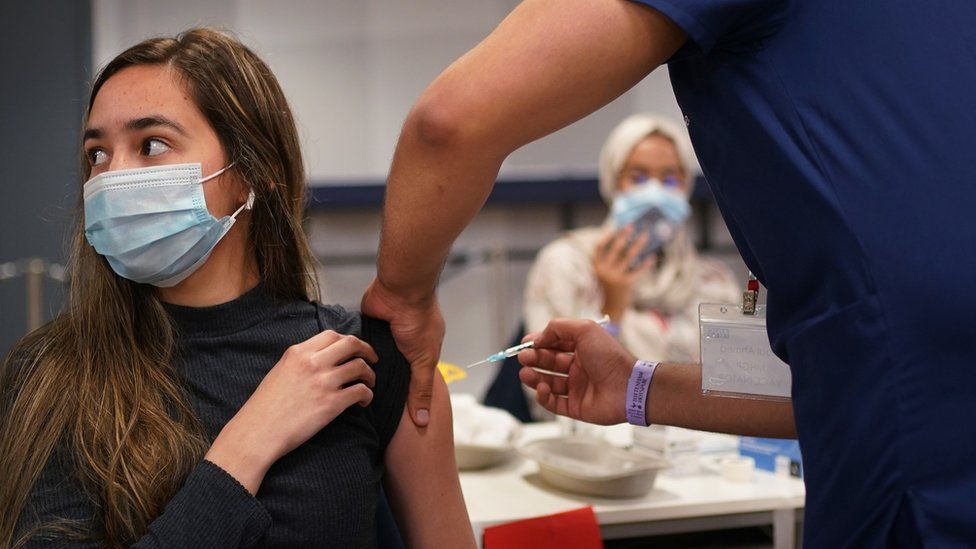
Published27 minutes agoShareclose panelShare pageCopy linkAbout sharingImage source, PA MediaBy Michelle RobertsDigital health editorThe revolutionary messenger ribonucleic acid (mRNA) technology in some Covid vaccines given to millions of people could be fine-tuned for even greater accuracy, UK scientists say.Genetic instructions in the jab could be tweaked to avoid a harmless tiny “slip” sometimes seen as the body reads the code, the Medical Research Council team suggest. Existing mRNA vaccines are effective and safe, they say. Future ones could fight more diseases.The partly government-funded study, published in the journal Nature, involved detailed lab work on the original Pfizer-BioNTech shot that, three years ago, became the first of its kind to be used to protect people in the pandemic.Image source, PA MediaBy studying mice and then 21 volunteers who had received the vaccine, the researchers discovered about one in three people might experience the slip error.One of the biggest success stories in medicine, the mRNA shots, which include one made by Moderna, have protected millions of lives, the researchers say. And understanding and updating the science should help mRNA technology tackle more diseases, possibly even cancer, in the future.UK plan for national mRNA cancer vaccine advanceCovid mRNA vaccines work by showing the body’s cells a bit of genetic code from the pandemic virus. This cannot cause infection but can teach the body how to defend itself against Covid-19. The body reads and translates the code using its own cell machinery, called ribosomes.The immune system then uses the instructions to make special protective proteins, called antibodies, that can fight Covid. Skips forwardIt is the translation process in the ribosomes that can go slightly wrong, the researchers say. The end result is still great protection – but there can be a few extra, unintended proteins made too.Thankfully, these cause no physical issues, the researchers say, based on real-life evidence from the millions of people, including teenagers and children, vaccinated.Had there been any problems, they would have been spotted early on, they say. Translating the code is a bit like reading a sentence of three-letter words, such as: “The cat ate the fat rat.”The ribosome occasionally skips forward by a letter or place, called a frameshift, to read: “The cat a tet hef atr.”And the researchers found a simple tweak to some of the code could eradicate these errors, without affecting the desired end product – protection against a dangerous disease. Slip-resistant codingLead researcher Dr James Thaventhiran said: “Research has shown beyond doubt that mRNA vaccination against Covid-19 is safe. “Billions of doses of the Moderna and Pfizer mRNA vaccines have been safely delivered, saving lives worldwide.”We need to ensure that mRNA vaccines of the future are as reliable. “Our demonstration of ‘slip-resistant’ mRNAs is a vital contribution to future safety of this medicine platform.”Co-researcher Prof Anne Willis said: “This is really important because this technology is amazing and it is going to be revolutionary as a new medicine platform for all sorts of things.”‘Easy fix’Prof Stephen Griffin, an expert in cancer virology, at the University of Leeds, called it a landmark study. “It matters that we understand that these events are possible – but it by no means implies that the well established population-safety record for these vaccines, which have been administered more than 13 billion times since 2021, should be questioned,” he said.”Moreover, now this has been identified, there is an easy fix.”Future mRNA vaccines should use the slip-resistant coding, the researchers say, as it is scientifically possible some unintended proteins might be capable of triggering an unwanted immune response or side effect. Any treatment or vaccine can have possible risks or side effects, although not everybody experiences them. Lisa Shaw: Presenter’s death due to complications of Covid vaccineUnder 40s offered alternative to AZ vaccineMore common ones with Covid vaccines are mild and short-lived:a sore arm from the injectionfeeling tireda headachefeeling achyIn the UK, about 53 million people received a first dose of Covid vaccine, 50 million a second and more than 40 million a third or booster, according to official data.Safety continues to be monitored. The Medicines and Healthcare products Regulatory Agency (MHRA), which does that monitoring in the UK, says the benefits of the vaccines in preventing Covid-19 and serious complications associated with Covid-19 far outweigh any currently known side effects in the majority of patients.Dr Alison Cave, MHRA chief safety officer, added: “Emerging information is kept under review. We ask anyone who suspects they have experienced a side effect linked with their COVID-19 vaccine to report it via our Yellow Card scheme website.”There have been rare cases of myocarditis – inflammation of the heart muscle – following the mRNA Moderna and the Pfizer vaccines in the UK and it has been listed as a very rare side effect. The Oxford-AstraZeneca vaccine used early in the pandemic works slightly differently to mRNA vaccines. It has also had some very rare reported side effects, with some people developing dangerous blood clots.’Promising platform’Pfizer said: “We welcome independent research and academic discourse to advance the science of mRNA technology. “The Covid-19 pandemic provided the first opportunity for the use of mRNA platforms. “To date, hundreds of millions of doses of our Covid-19 vaccines have been administered globally, establishing a positive benefit-risk profile. “We continue to advance mRNA research and, together with the scientific community, explore new applications for this promising platform to help prevent and treat the spectrum of human disease.”More on this storyCould Covid vaccine technology crack cancer?Published15 October 2022Presenter’s death due to Covid vaccine complicationsPublished26 August 2021Related Internet LinksNatureMHRA – Covid vaccine safetyThe BBC is not responsible for the content of external sites.

Read more →