Lucy Letby maintains innocence over baby murders, panel told

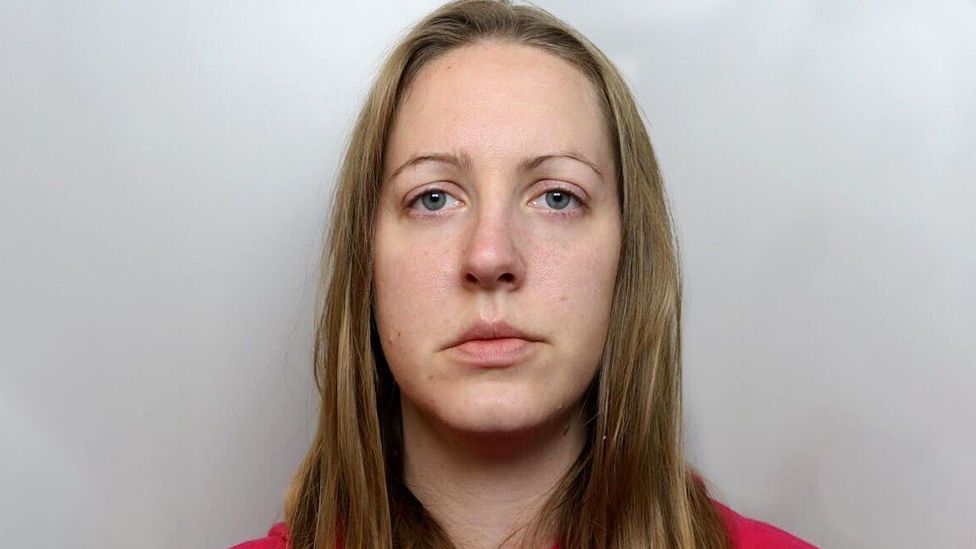
Published1 hour agoShareclose panelShare pageCopy linkAbout sharingImage source, Cheshire PoliceBy Ewan Gawne & PA MediaBBC NewsChild serial killer Lucy Letby does not oppose a bid to strike her off the nursing register but maintains her innocence, a panel has been told.The 33-year-old was found guilty in August of murdering seven babies and trying to murder six others.A Nursing and Midwifery Council (NMC) hearing was told she had stated in a “tick-box exercise” that she accepted the organisation’s charges against her.However, she added that she did not accept she was “guilty” of them.Letby, who committed her crimes while working as a neonatal nurse at the Countess of Chester Hospital between June 2015 and June 2016, was sentenced to 14 whole-life orders following her conviction.’Do not resist’At a fitness to practice hearing in east London on Tuesday, the NMC’s representative Christopher Scott told a panel that the charges brought by the body against Letby reflected her criminal convictions.He said it was “a matter of legal fact” that she was convicted of seven counts of murder and six of attempted murder.The panel was told she had been in asked in a “tick-box exercise” if she accepted the NMC charges.She ticked “yes” to each of the charges, but added: “I do not wish to take part or be present at the hearing.””I do not resist the application to strike me off the nursing register,” she stated.”I accept the fact of the convictions. “However, I do not accept that I am guilty of any of the allegations.”The panel was told she also stated that she maintained her “innocence in respect of all of the convictions”, adding: “These convictions are now the subject of an appeal.”Mr Scott said he would be seeking to have the panel, which decided to proceed in Letby’s absence, strike her off the nursing register.It will deliver its decision later.Letby, originally of Hereford, is due to face a retrial over one count of attempted murder in June 2024.Given the gravity of her offences, and the fact she will never leave prison, Lucy Letby’s barring from the nursing profession may have seemed like a foregone conclusion. But the NMC’s fitness to practice panel allotted two days for the hearing to determine her professional future. In the event, the formalities have moved along quickly and having refused to appear at her crown court sentencing, it was hardly a surprise that Letby also declined to appear at the NMC. Instead, she filled out the paperwork from her prison cell, accepting the proposal to strike her off the nursing register. She then added the first comments she has made anywhere about her case – writing that she does not accept her guilt, maintains her innocence, and is appealing her convictions. Clearly, her focus is on the Court of Appeal, which is still considering her case. She will also have to prepare for the retrial on one charge of attempted murder which is expected in June.This is not the last we will hear about Lucy Letby.Why not follow BBC North West on Facebook, X and Instagram? You can also send story ideas to northwest.newsonline@bbc.co.ukMore on this storyLucy Letby public inquiry formally opened by judgePublished22 NovemberLucy Letby inquiry to consider 30 key questionsPublished19 OctoberRelated Internet LinksThe Nursing and Midwifery CouncilThe BBC is not responsible for the content of external sites.

Read more →

The Role of Unconscious Bias in Black Women’s Pregnancy Risks

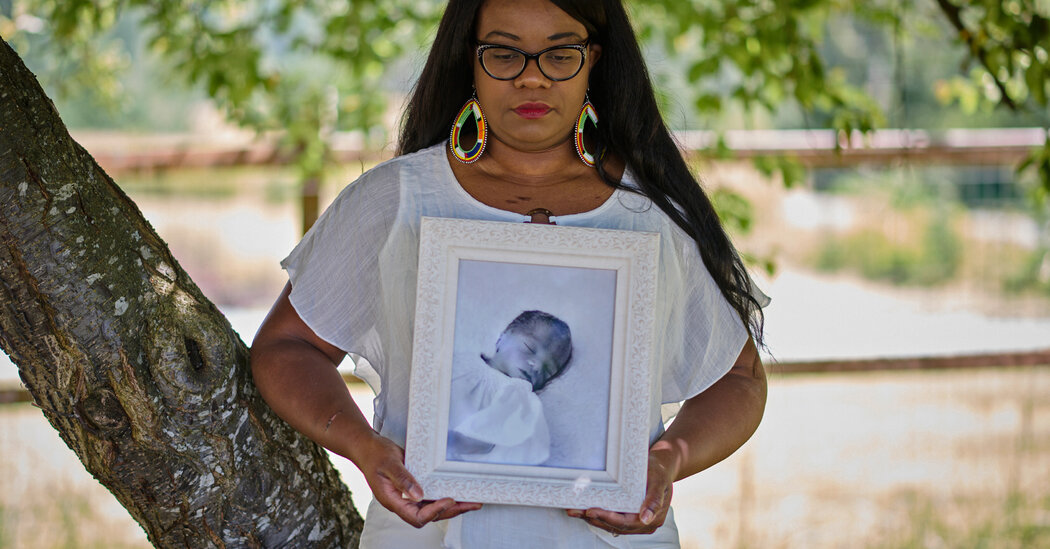
Many Black women report feeling ignored or dismissed by doctors. The consequences can be deadly for mothers and babies.Shakima Tozay was 37 years old and six months pregnant when a nurse, checking the fetal heart rate of the baby boy she was carrying, referred to him as “a hoodlum.”Ms. Tozay, a social worker, froze. She had just been hospitalized at Providence Regional Medical Center in Everett, Wash., with pre-eclampsia, a life-threatening complication of pregnancy, and she is Black.“A ‘hoodlum’?” she said. “Why would you call him that?”The fetus was 14 inches long and weighed little more than a box of chocolates.A doctor who came into the room downplayed the comment, saying the nurse was just kidding, but that only hurt Ms. Tozay more. She was already distressed: She and her husband lost an earlier twin pregnancy, and now she worried this baby was at risk, too. The hospital later apologized for the nurse’s behavior, but the damage was done.Black women , who die of pregnancy-related complications at two to three times the rate of white women, say that remarks like these, often made when they are most vulnerable, reflect pervasive bias in the medical system. They report that medical staff don’t listen to them when they complain of symptoms, and dismiss or downplay their concerns. Studies validate their experiences: Analyses of taped conversations between physicians and patients have found that doctors dominate the conversation more with Black patients and don’t ask as many questions as they do of white patients. In medical notes, doctors are more likely to express skepticism about the symptoms Black patients report.Hovering over these experiences is the stark reality that Black women have worse pregnancy outcomes, lose more infants in the first year of life and have higher rates of preterm birth and stillbirth, when compared with white women. Glaring racial disparities in health outcomes persist between white women and even the wealthiest Black women, and between Black women and white women who experience the same complications.We are having trouble retrieving the article content.Please enable JavaScript in your browser settings.Thank you for your patience while we verify access. If you are in Reader mode please exit and log into your Times account, or subscribe for all of The Times.Thank you for your patience while we verify access.Already a subscriber? 

Read more →

Myanmar overtakes Afghanistan as top opium producer

Published31 minutes agoShareclose panelShare pageCopy linkAbout sharingImage source, Getty ImagesMyanmar is now the world’s largest producer of opium, overtaking Afghanistan, a UN report says.It estimates that this year Myanmar will have increased production by 36% to 1,080 tonnes of opium – the key ingredient for the hard drug heroin.The main factors are domestic instability and a 95% drop in poppy cultivation in Afghanistan after a drug ban by the ruling Taliban last year.Afghanistan is estimated to have produced 330 tonnes of opium this year.The report by the United Nations Office for Drugs and Crime (UNODC) says Myanmar’s economy has been badly affected by conflict and instability since the military seized power in 2021. “Limited availability of legitimate economic opportunities, constrained access to markets and state infrastructure, and a worsening economic climate brought on by inflation and monetary depreciation can make opium, as well as other illicit commodities, an attractive alternative or for subsistence livelihoods.”In Myanmar, this appears to have played a significant role in farmers’ decisions in late 2022 to cultivate more poppy,” the report says.The average prices at harvest time of fresh and dry opium have risen to $317 and $356 per kilogram.In 2023, the document adds, the area under poppy cultivation in Myanmar (also known as Burma) is estimated to be 47,000 ha (116,140 acres) – an 18% rise compared with last year.The region where the borders of Myanmar, Thailand and Laos meet – the so-called Golden Triangle – has historically been a major source of opium and heroin production. Myanmar and Afghanistan are the source of most of the heroin sold around the world. More on this storyOpium production in Myanmar surges to nine-year highPublished26 JanuaryCan Asia help Myanmar find a way out of coup crisis?Published26 February 2021

Read more →

How Abigail Echo-Hawk Uses Indigenous Data to Close the Equity Gap

“Transforming Spaces” is a series about women driving change in sometimes unexpected places.Data has long been in the background of Abigail Echo-Hawk’s life. Growing up in rural Alaska, she remembers hearing stories about Indigenous data gatherers, like an uncle who counted beavers every spring so he’d know how many could be sustainably hunted the following winter.But it wasn’t until her early 20s that Ms. Echo-Hawk realized that data was not just information — it could also be power. After reading a report from the Urban Indian Health Institute about infant mortality in Washington State’s Native community, Ms. Echo-Hawk shared it with a volunteer commission on which she served. That led to a 2012 Seattle ordinance protecting the right to breastfeed in public, as breastfeeding is linked to reduced infant mortality.“A story by itself makes it easy for somebody to say this was just one person’s experience,” said Ms. Echo-Hawk, who lives outside Seattle and is a citizen of the Pawnee Nation. Data, on the other hand, makes people pay attention.Ms. Echo-Hawk has since become a leading voice of the Indigenous data movement. She now directs the Urban Indian Health Institute, and is the executive vice president of its overseeing body, the Seattle Indian Health Board. She wields data as a tool for racial equity, using it to dismantle stereotypes, highlight disparities and vie for funding.Though Ms. Echo-Hawk admitted that even her own mother doesn’t really understand what she does, much of it boils down to making sure Indigenous people are counted.“Her work tackling health inequities and bringing attention to the disturbing gaps in public health data for tribal communities is nationally recognized,” Senator Patty Murray, Democrat of Washington, said in an email. “Abigail is a change maker in the truest sense of the word.”Ms. Echo-Hawk, center, speaking with two colleagues in the Indigenous public health field in Seattle.Ruth Fremson/The New York TimesMs. Echo-Hawk rose to national prominence in 2018, when she released data on the high rates of sexual violence experienced by Native women. That was followed by a much-cited report on missing and murdered Indigenous women and girls. Though Ms. Echo-Hawk was far from the first or only person to draw attention to the issue of the missing women, more than a dozen states created corresponding task forces or reports in the years following. Congress also passed two related laws.In an email, Senator Maria Cantwell, Democrat of Washington, credited that report for heightening national awareness around missing and murdered Indigenous women. “Abigail Echo-Hawk will go down as one of the great Indian leaders of the 21st century,” she said.In 2020, Ms. Echo-Hawk made waves again when she called out the Centers for Disease Control and Prevention for failing to share data about Covid-19’s spread among Native communities. The agency acknowledged there had been a “significant miscommunication” and promised to get tribal epidemiologists the data they needed. The following year, Ms. Echo-Hawk landed in Vogue after making a traditional dress from body bags that were sent to her organization in lieu of the personal protective equipment she had requested.In Ms. Echo-Hawk’s office, a dress she created from body bags is on display in the background. The dress, which evokes traditional Native American ribbon dresses, incorporates red hand prints, which are symbols of the Murdered and Missing Indigenous Women movement.Ruth Fremson/The New York TimesMs. Echo-Hawk, 44, comes from a well-known family of Indigenous advocates. Her adopted grandmother fought for subsistence fishing rights all the way to the U.S. Supreme Court. One uncle helped found the Native American Rights Fund; another helped write the Native American Graves Protection and Repatriation Act. One sister ran for mayor of Seattle in 2021.Sofia Locklear, a member of the Lumbee Tribe and an assistant professor of sociology at the University of Toronto-Mississauga, said Ms. Echo-Hawk, her former mentor, had forced researchers to rethink fundamental questions like: Whom are we collecting data about? Who is collecting it? And what story are we trying to tell?Because the nation’s American Indian and Alaska Native population is relatively small — 9.7 million people — some studies relegate it to an asterisk: “not statistically significant.” Yet some public health experts say that’s harmful.The lack of data is “a way to erase Native people from dominant society,” said Melissa Walls, who is of Anishinaabe descent and is the co-director of the Johns Hopkins Center for Indigenous Health. “A lot of policy decisions are made based on data. And if there’s no data to tell the story of a given community, money’s not going to flow in our direction.”Good data, on the other hand, can lead to changes in policy — and in mindset. As an example, Ms. Echo-Hawk referred to her organization’s report on sexual violence. “That changes the perceptions of what is happening,” she said. “We are not all killing ourselves because there’s something wrong with us. We have high rates of suicidality because of trauma.”Ms. Echo-Hawk is a survivor of trauma herself. She was first sexually abused at age 6, and she first attempted suicide at age 9. In her late teens, she moved to Seattle, where she married and became pregnant with the first of two sons. After feeling stigmatized at the local hospital by a medical assistant who checked her arms for signs of drug use, Ms. Echo-Hawk found her way to the Seattle Indian Health Board.“They got me on food stamps, they gave me medical services, and they did it in a culturally based way,” said Ms. Echo-Hawk, who is now divorced. “I was able to begin this healing process.”For the next decade, Ms. Echo-Hawk cut hair during the day and took classes at night. In 2016, she joined the research arm of the Seattle Indian Health Board. In the years since, the annual operating budget for her departments has surged to $9 million from around $1 million, an increase credited to her. Besides publishing studies, Ms. Echo-Hawk teaches researchers how to include Indigenous people in the data. She also helps hospitals and law enforcement agencies change their data collection practices to reduce racial misclassification. (As Ms. Echo-Hawk put it: “A common saying in Indian Country is that you’re born Native and you die white — that’s what they mark you as on the death certificate because nobody asks you.”)Though several people were effusive in their praise of Ms. Echo-Hawk, one Indigenous public health expert suggested that others had made more measurable impacts in the field, but had garnered less attention. That is both a critique and a compliment, as many say that’s exactly where Ms. Echo-Hawk shines: in drawing the public eye.Ms. Echo-Hawk views good data as crucial to getting a better understanding of public health problems and making informed policy decisions.Ruth Fremson/The New York Times“If you have ever been in a room with her or seen her talk in person, you will never forget it,” Ms. Locklear said. Many called Ms. Echo-Hawk “bold” and “unapologetic,” traits that are reflected in the animal prints, high heels and the “big Native auntie laugh” she’s known for.Ms. Echo-Hawk now spends much of her time doing what she’s best at: talking. In the past four years, she has testified in front of Congress numerous times, and has consulted with several lawmakers to make their bills’ language more inclusive. She answers dozens of emails each month from tribes interested in beginning their own data gathering projects. She serves on a dizzying array of committees, including at the National Institutes of Health and at The Lancet, a leading medical journal. “She asks the questions that people shy away from,” said Dr. Aletha Maybank, the chief health equity officer for the American Medical Association and a co-chair of The Lancet commission on antiracism on which Ms. Echo-Hawk serves.Ms. Echo-Hawk still cuts hair for loved ones, too: a throwback to her days as a young mom putting herself through school. She relishes the opportunity to be creative, as well as the ability to know when the job is done.“You have to have something in your life that, you know, you can see to completion,” she said.

Read more →

Calls for police to investigate mental health deaths in Norfolk and Suffolk

Published33 minutes agoShareclose panelShare pageCopy linkAbout sharingImage source, Esther BrennanBy Sophie HutchinsonBBC NewsCampaigners have written to the chief constables of Norfolk and Suffolk to request an investigation into thousands of mental health deaths in those areas.They say coroners are raising safety issues but no improvements are being made.A report by independent auditors found as many as 8,440 patients had died unexpectedly over three years.Norfolk and Suffolk NHS Foundation Trust said it had started a review of patient deaths.Coroners worried about the risk of future deaths highlight unsafe practices in what are known as prevention-of-future-deaths reports (PFDs). And authorities are required by law to respond with an action plan within 56 days.The Norfolk and Suffolk trust said it had responded to all PFDs and was working to ensure recommendations and actions were implemented.But Mark Harrison, from the Campaign to Save Mental Health Services in Norfolk and Suffolk, said: “There’s a criminal case to answer. And we want the police to investigate, where the same mistakes have been repeated time and time again.”He said coroners were repeatedly warning of risks such as:delays to treatmentlack of patient follow-upschaotic record keepingdisorganised communication between teamsMr Harrison said: “The mental health trust always responds saying they’ve learned lessons, they are changing policy and practices. “But then what we’re seeing in analysing the orders from the coroner are repeat circumstances where other people have died in similar circumstances to a previous prevention-of-future-deaths notice.”Image source, Esther BrennanStudent Theo Brennan-Hulme, 21, suffered from bouts of severe anxiety. And in early 2019, in the midst of a crisis, he had sought help from his GP, his mother, Esther Brennan, told BBC News. Mr Brennan-Hulme was referred to the community mental-health service in Norfolk as an emergency but waited eight hours before being assessed at Hellesdon Hospital, Norwich. His family was not contacted after the assessment, despite this being part of the treatment plan in place, or referred to the mental-health home-treatment team to enable treatment options to be explored. His absence at a previously arranged wellbeing service appointment, on 6 March 2019 was not followed up.And on 12 March, he was found in his university bedroom having killed himself.’Died horrifically’Miss Brennan said it had taken several years of pursuing the trust to discover mistakes in his care had happened before.”The lack of training, lack of staffing, the lack of following policy, the lack of care was known about,” she said. “I know there were previous PFDs, before Theo, that suggested things needed to improve urgently.”They couldn’t have got any worse for Theo and that’s abhorrent to the memory of all the people who went before him.” “He died horrifically, alone, with nobody, and everything that they didn’t do exacerbated his state.” ‘Lost track’Serious questions remain about the deaths of mental-health patients in Norfolk and Suffolk.In June this year, independent auditors Grant Thornton concluded the trust had simply lost track of who had died.Between 2019 and 2022, more than 8,000 patients had died unexpectedly and, for three-quarters, the trust still did not know how or why, their report found.The trust defines an “unexpected death” as the death of a patient “who has not been identified as critically ill or whose death is not expected by the clinical team”.It said: “We offer our sincere condolences to all families and carers of people affected.” And it added it would do its very best to ensure deaths were “minimised in future”.’Very toxic’But a nurse at the trust told BBC News senior management was still not listening. Charlie, not his real name, said: “It’s very toxic within the trust – there are undertones of bullying. And if you raise concerns about patient safety, or even staff safety, you’re not listened to.”A “significant proportion” of the deaths he was aware of had been preventable, he said. “Very simple measures could have been put into place to avoid these people dying,” Charlie said, adding staff shortages were compounding the problem.A youth team had lost eight members of staff in a month and one of the crisis teams was so short-staffed it no longer functioned at night.Two months ago, trust deputy chief executive Cath Byford told the Norfolk Health Overview and Scrutiny Committee it would take another four years “at least” for the “measurable culture” to improve. The trust told BBC News it had begun a review of PDFs, “to ensure improvements in practice have been made and learning is embedded across clinical services”.For Mr Harrison, changes cannot come quickly enough.”We’ve got lots of members of the campaign who are bereaved parents, or parents of children who can’t get services, so their biggest fear is that their children will end up in the same way as the bereaved parents,” he said. “So it’s toxic. And we’ve been doing this for 10 years.”The campaign has also written to NHS England, the Department of Health and Social Care, the Care Quality Commission and local MPs.More on this storyPublic inquiry call over mental health death dataPublished10 JulyNHS trust lost track of patient deaths, review findsPublished28 JuneWorst mental health trust ‘still has way to go’Published15 January 2020Related Internet LinksNorfolk & Suffolk Mental Health Crisis – The radical restructure is the end of hope for a better NSFTThe BBC is not responsible for the content of external sites.

Read more →

Genetic 'protection' against depression was no match for pandemic stress

Living through a historic pandemic while handling the stress of the first year of college sent one-third of students in a new study into clinical depression. That’s double the percentage seen in previous years of the same study.
And while certain genetic factors appeared to shield first-year students in pre-pandemic years from depression, even students with these protective factors found themselves developing symptoms in the pandemic years.
In fact, much of the overall rise in student depression during the pandemic was among young women with this kind of “genetic resilience.”
But the research has a silver lining.
By studying these students’ experiences and backgrounds in depth and over time, scientists may have discovered a way to go beyond genetics to predict which students might be more or less vulnerable to stress-related depression.
The new study is published in the Proceedings of the National Academy of Sciences by a team from the Michigan Neuroscience Institute at the University of Michigan.
Potential for prediction and prevention
The team used their findings to develop a tool called an Affect Score, that combines answers from a range of standard mental health questionnaires. The score could help colleges and universities offer more social and mental health support to those most at risk.

The score might work in other groups of people, too, alone or in combination with genetic risk prediction for depression. But further research is needed.
The new findings come from a multi-year longitudinal effort to study the mental health, genetics, personal history, physical activity and sleep of successive groups of first-year college students. It began several years before the pandemic and continues today.
“These students’ experiences during such a stressful time can help us understand the factors that contribute to a rise in depression risk, and inform future efforts to prevent it,” said Huda Akil, Ph.D., senior author of the new paper and former co-director of the institute. “Understanding enough to predict is a key initial step to prevention, early detection and early treatment of depression.”
Lead author Cortney Turner, Ph.D., an associate research scientist at MNI, says “The possibility of preventing depression is what I’m most excited about, because the variables at baseline that appear to play the largest role in Affect Score may be modified with training.” That might include summer programs before the start of freshman year to help students feel more confident and positive as they arrive on campus.
Harnessing massive data
The team developed the Affect Score with the help of a machine learning tool that was used to comb through all the students’ responses on thousands of standardized questionnaires and Fitbit data on their activity and sleep.

The data in the paper come from students in three cohorts of students, one that completed their freshman year before the pandemic, and two whose freshman experience was impacted by the pandemic.
At the start of their freshman year, all took 14 standard questionnaires and gave in-depth interviews conducted by Virginia Murphy-Weinberg, N.P., a highly experienced research nurse. They provided samples of blood and/or saliva to be analyzed in U-M’s Advanced Genomics Core. Samples were obtained on a wide range of biological measures pre-pandemic, but this became more limited for the two COVID-19 cohorts. Nevertheless, they contributed monthly salivary samples to measure stress and other hormones. Each student also received a Fitbit to monitor daily activity and sleep patterns.
The team also followed up with them multiple times with some of the same questionnaires during the rest of their freshman year and into the summer or next academic year to assess symptoms of depression and/or anxiety in each student.
By looking at which genetic variations each student carried on hundreds of thousands of genes, the researchers calculated their individual depression genetic risk score, called an MDD-PRS.
Men and women with a high MDD-PRS score were more likely than their classmates to develop depression as freshmen in the pre-pandemic era. But when the pandemic hit, genetics became less important.
Men with lower MDD-PRS scores were still less likely to develop depression during the pandemic, but not women with similarly low scores. Meanwhile, the overall risk for the group of students with high MDD-PRS scores didn’t change much from the pre-pandemic classes.
The pandemic increased not only the incidence of depression in females, but how long it lasts, or its chronicity. No matter their genetic profile, women whose freshman year of college started in 2020 had over eight times the risk of chronic depression symptoms that lasted across that first year and into the summer, compared with those who entered college before the year the pandemic hit, the study shows.
The study also identified what is termed “psychological resilience” in individuals whose genetic profiles might make them seem more prone to depression, but who didn’t develop it despite going through all or part of their freshman year during a pandemic.
“This suggests that when the stress gets strong enough, genetic resilience alone is not enough to buffer against it, especially in females,” said Akil. “But by using machine learning to analyze the components of the psychological profiles at baseline, our ability to predict who became depressed was truly remarkable.”
She continued, “Both the genetic and nongenetic data tell us that nothing is predestined, and there are multiple kinds of resilience. Colleges and universities need to think about strategies for helping young people walk into their freshman year with the positive state of mind and social support that can help them weather stress, no matter what their background.”
The team continues to test the Affect Score tool on freshmen who entered in 2021, 2022 and this fall. They’re also preparing to test a validated psychiatric intervention digital tool that they hope will help with risk.
The students in the study were all from the University of Michigan, which offers mental health care and mental well-being support through its Counseling and Psychological Services and its University Health Service.
Akil and Turner are members of the U-M Eisenberg Family Depression Center, which offers multiple programs to support the mental health of college students including athletes and veterans. For more than 20 years, the center has sponsored a national conference called Depression on College Campuses; the next conference will occur in March.
The center also offers a free online Depression Toolkit (https://depressioncenter.org/outreach-education/depression-toolkit) to support those experiencing depression symptoms and those who want to help them.
In addition to Akil, Turner and Murphy-Weinberg, the research team included Huzefa Khalil, Ph.D. and other MNI faculty, staff and trainees.
The study was funded by the Office of Naval Research of the U.S. Navy (N00014-09-1-0598, N00014-12-1-0366 and N00014-19-1-2149), and by grants from the Hope for Depression Research Foundation and the Pritzker Neuropsychiatric Disorders Research Consortium Fund LLC. The researchers also used resources from the Michigan Institute for Clinical and Health Research (TR002240).
Akil co-edited the new issue of PNAS called The Neurobiology of Stress: Vulnerability, Resilience, and Major Depression, and co-authored an introduction to it with Eric J. Nestler, M.D., Ph.D., director of the Friedman Brain Institute at the Icahn School of Medicine at Mount Sinai.

Read more →

Clinical trial demonstrates that the ketogenic diet is effective at controlling polycystic kidney disease

It’s official: The ketogenic diet proved to be effective at controlling polycystic kidney disease (PKD) in the first randomized controlled clinical trial of ketogenic metabolic therapy for PKD.
“I’m really happy about these clinical trial results,” said UC Santa Barbara biologist Thomas Weimbs, whose lab was part of an international collaboration to investigate the effect of the fasting response known as ketosis on the cysts that are the hallmark of the disease. “We now have the first evidence in humans that the cysts really don’t like to be in ketosis and that they don’t seem to grow.”
The researchers’ study is published in the journal Cell Reports Medicine.
Nurture over nature
For PKD patients, these findings represent an opportunity to control a genetic disease that leads to a progressive condition, causing pain and robbing them of their quality of life, and often resulting in the need for dialysis and kidney transplantation as the cysts destroy the kidneys’ ability to effectively filter and remove waste from the body.
“If you have PKD, the dogma is that it’s a genetic disease,” Weimbs said. “And no matter what you do, you progress toward kidney failure and diet doesn’t make any difference, which unfortunately most patients are told to this day.”
This prevailing belief was what the Weimbs Lab and colleagues from various research institutions in Germany set out to challenge with their trial. Sixty-six PKD patients were recruited by the German research team headed by research physician Dr. Roman Müller of the University of Cologne and randomly split into three groups: a control group that received routine PKD counseling, another group that underwent a three-day water fast every month and a third group that observed a low-carbohydrate, high-fat ketogenic diet. The patients were followed closely with blood draws and MRI scans.

At the end of the three-month trial period, the researchers found that while the control group experienced the expected growth in the size of their kidneys, the ketogenic diet patients’ kidneys stopped growing and appeared to show a tendency to shrink somewhat, though the researchers pointed out that the shrinkage over the 90-day trial period failed to meet statistical significance.
The most striking evidence came in the form of measurably improved kidney function in the ketogenic diet patients which was statistically significant.
“To everyone’s great surprise, kidney function actually improved with the ketogenic diet,” said Wiembs. It’s not something one would expect, he added, if PKD was truly something that could only get worse over time. “And that was a hard outcome of statistical significance.”
Kidney function was measured by the concentration of a protein called cystatin C — higher-than-normal concentrations of this protein in the blood indicate a faltering filtration system, a symptom that worsened in the control group.
The ketogenic diet was rated as “highly feasible” by the patients during the study, indicating a strong motivation and ability to control their condition via diet choices alone. “Doctors often assume that their patients cannot adhere to a diet anyway, so they don’t even try. Clearly, this is not true. People with PKD are highly motivated to do something about their condition,” he said.
Different kinds of keto
There is no one ketogenic diet to fit all, however, according to Weimbs. To get the best out of their diet, PKD patients should consult with their physicians and nutritionists as they shift away from the usual carbohydrate and sugar-laden standard diets that are pervasive in industrialized societies.

“A keto diet just means very low carbs,” he pointed out. There are many mainstream applications of this diet which is popular for weight loss. Though a popular version of the ketogenic diet is heavy on meat, that may not be the best option for all people with kidney disease. More plant-focused ketogenic diets are also available such as the Ren.Nu diet that was developed by Weimbs in collaboration with renal dietitians specifically for people with PKD and has been available to the public for two years.
More Trials to Come
These results represent a significant milestone for the Weimbs Lab, which has for more than two decades been researching the cell mechanisms that underlie PKD and other renal diseases. A chance discovery made by researchers in the lab — kidney cysts had dramatically shrunk in mouse models that had undergone caloric restriction — led them to pursue the idea that the fasting response known as ketosis might have some impact on the growth of the apparently glucose-dependent cysts.
However as any scientist knows, one needs solid evidence to back up any claims of medical benefit for humans. You need clinical trials.
“If you make a discovery in animals, but you don’t check it in actual people, you’ll never quite know if it’s going to be meaningful,” Weimbs said. “There’s always going to be the doubt, and people are going to say animal experiments don’t always translate to humans.” Money to fund these trials became a challenge, thanks to the prevailing notion that PKD was unrelenting because of its genetic origin.
“And, of course, it’s always hard to find funding for diet interventions, because nobody wants to fund diets; they want to fund drug research,” Weimbs added. Drug companies, which fund most clinical trials, have no interest in a diet, he added.
However, Weimbs, together with Dr. Müller, was able to garner additional funding from the PKD Foundation to conduct the clinical trial in Germany.
“Dr. Müller was able to supplement this with some other funding he had, and we essentially designed this trial together based on the animal results,” Weimbs said. “But really the entire trial was run by his team, so they deserve all the credit and they did a fantastic job. They did everything despite the challenges of COVID.”
With these results, Weimbs and his team are looking ahead to further clinical trials slated to start in the coming year, one in Toronto and the other in Tokyo, to assess the efficacy of a medical food they developed specifically to assist PKD patients in reaching ketosis. Called KetoCitra and available through the Weimbs Lab’s spinoff company Santa Barbara Nutrients, it’s a formulation of the ketone beta-hydroxy-butyrate (BHB) that is generated during fasting, without the other ingredients and fillers that may be present in drugstore versions of BHB. The studies will involve more people — 80 in Toronto and 200 in Tokyo — and follow patients for a year. These trials will investigate the efficacy of the Ren.Nu plant-focused ketogenic diet in conjunction with KetoCitra.
“We want to investigate the longer-term effects,” Weimbs said. “If this trend of kidney volume change we saw in the three-month study holds true, we would expect to see a larger and statistically significant difference there as well.

Read more →

Clues to preventing Alzheimer's come from patient who, despite genetics, evaded disease

Alzheimer’s disease has plagued one large Colombian family for generations, striking down half of its members in the prime of life. But one member of that family evaded what had seemed would be fate: Despite inheriting the genetic defect that caused her relatives to develop dementia in their 40s, she stayed cognitively healthy into her 70s.
Researchers at Washington University School of Medicine in St. Louis now think they know why. A previous study had reported that, unlike her relatives, the woman carried two copies of a rare variant of the APOE gene known as the Christchurch mutation. In this study, researchers used genetically modified mice to show that the Christchurch mutation severs the link between the early phase of Alzheimer’s disease, when a protein called amyloid beta builds up in the brain, and the late phase, when another protein called tau accumulates and cognitive decline sets in. So the woman stayed mentally sharp for decades, even as her brain filled with massive amounts of amyloid. The findings, published Dec. 11 in the journal Cell, suggest a new approach to preventing Alzheimer’s dementia.
“Any protective factor is very interesting, because it gives us new clues to how the disease works,” said senior author David M. Holtzman, MD, the Barbara Burton and Reuben M. Morriss III Distinguished Professor of Neurology. “As people get older, many begin to develop some amyloid accumulation in their brains. Initially, they remain cognitively normal. However, after many years the amyloid deposition begins to lead to the accumulation of the tau protein. When this happens, cognitive impairment soon ensues. If we can find a way to mimic the effects of the APOE Christchurch mutation, we may be able to stop people who already are on the path to Alzheimer’s dementia from continuing down that path.”
Alzheimer’s develops over the course of about 30 years. The first two decades or so are silent; amyloid slowly accumulates in the brain without causing ill effects. When amyloid levels reach a tipping point, however, they kick off phase two, which involves multiple interrelated destructive processes: A protein called tau forms tangles that spread through the brain; brain metabolism slows down, and the brain begins to shrink; and people start to experience memory and thinking problems. The disease follows the same pattern in people with genetic and nongenetic forms of Alzheimer’s.
The Colombian families carry a mutation in a gene called presenilin-1 that causes their brains to develop far too much amyloid buildup beginning in their 20s. People who carry the mutation accumulate amyloid so quickly that they reach the tipping point and start showing signs of cognitive decline in middle age. One rare exception is a woman who had more amyloid in her brain in her 70s than her relatives did in their 40s, but only very minimal signs of brain injury and cognitive impairment.
“One of the biggest unanswered questions in the Alzheimer’s field is why amyloid accumulation leads to tau pathology,” Holtzman said. “This woman was very, very unusual in that she had amyloid pathology but not much tau pathology and only very mild cognitive symptoms that came on late. This suggested to us that she might hold clues to this link between amyloid and tau.”
A 2019 study had revealed that, along with a mutation in presenilin-1, the woman also carried the Christchurch mutation in both copies of her APOE gene, another gene associated with Alzheimer’s disease. But with only one person in the world known to have this particular combination of genetic mutations, there were not enough data to prove that the Christchurch mutation was responsible for her remarkable resistance to Alzheimer’s and not simply a coincidental finding.
To solve this puzzle, Holtzman and first author Yun Chen, a graduate student, turned to genetically modified mice. They took mice genetically predisposed to overproduce amyloid and modified them to carry the human APOE gene with the Christchurch mutation. Then, they injected a tiny bit of human tau into the mouse brains. Normally, introducing tau into brains already brimming with amyloid seeds a pathological process in which tau collects into aggregates at the site of injection, followed by the spread of such aggregates to other parts of the brain.
Not so in the mice with the Christchurch mutation. Much like the Colombian woman, the mice developed minor tau pathology despite extensive amyloid plaques. The researchers discovered that the key difference was the activity levels of microglia, the brain’s waste-disposal cells. Microglia tend to cluster around amyloid plaques. In mice with the APOE Christchurch mutation, the microglia surrounding amyloid plaques were revved up and hyperefficient at consuming and disposing of tau aggregates.
“These microglia are taking up the tau and degrading it before tau pathology can spread effectively to the next cell,” Holtzman said. “That blocked much of the downstream process; without tau pathology, you don’t get neurodegeneration, atrophy and cognitive problems. If we can mimic the effect that the mutation is having, we may be able to render amyloid accumulation harmless, or at least much less harmful, and protect people from developing cognitive impairments.”

Read more →

Researchers find promising candidate to treat irreversible lung and eye diseases in extremely premature infants

Advancements in the care of premature babies are leading to improved survival rates. However, the incidence of neonatal diseases with life-long consequences such as bronchopulmonary dysplasia (BPD) and retinopathy of prematurity (ROP) is increasing. A novel study has implicated granulocyte colony-stimulating factor (G-CSF) in both BPD and ROP, making it a promising therapeutic candidate. The results appear in The American Journal of Pathology, published by Elsevier.
BPD, also called chronic lung disease of immaturity, afflicts approximately one third of all extremely premature infants, causing lifelong lung damage. It occurs in approximately 80% of infants born between 22 and 24 weeks of gestation. There is no effective treatment other than supportive care. BPD often occurs alongside the neonatal eye disease ROP, which impairs vision irreversibly, suggesting a related pathogenesis. However, specific mechanisms of BPD and ROP remain unknown.
Lead investigator Margaret L. Hibbs, PhD, Leukocyte Signalling Laboratory, Department of Immunology, Central Clinical School, Monash University, explains, “Our laboratory focuses on inflammation and its underlying mechanisms, and we have been studying myeloid colony-stimulating factors for many years. Previous work by us reported that G-CSF was pathogenic in chronic obstructive pulmonary disease (COPD), and this has now been shown by others to occur in asthma. Given the links between early life lung disease and COPD, it seemed reasonable to hypothesize that G-CSF may also be implicated in the neonatal lung disease BPD.”
Investigators used a neonatal mouse model of coincident BPD and retinopathy to screen for candidate mediators. Equal numbers of male or female mice were assigned randomly to normoxia (21% oxygen) or hyperoxia (75% oxygen) and were exposed within 12 hours of birth. The study revealed that G-CSF was significantly induced in mouse lung wash fluid and plasma in response to hyperoxia. This was validated in human disease as preterm infants with more severe BPD had increased plasma G-CSF.
Neonatal mice deficient in G-CSF exhibited significantly reduced alveolar damage and, correspondingly, showed minimal impairment of lung function following exposure to hyperoxia. This was associated with an ameliorated oxidative stress response, reduced lung epithelial cell proliferation, decreased migration of myeloid cells from the periphery into the lungs, and diminished myeloid cell activation. Deficiency of G-CSF also protected against retinopathy, suggesting wide-ranging protection.
Professor Hibbs notes, “Inflammation is highly implicated in the pathogenesis of BPD, so we speculated that G-CSF-dependent inflammation might be involved in this lung disease, but the surprise was that deficiency of G-CSF also protected against retinopathy. While more needs to be done to expand these findings, recent studies implicate neutrophils in ocular diseases such as ROP and diabetic retinopathy, and G-CSF is the major regulator of neutrophil development survival and activation.”
Co-investigator Evelyn Tsantikos, PhD, Department of Immunology, Central Clinical School, Monash University, comments, “These studies produced some surprises including the unexpected protection that G-CSF deficiency afforded to the endothelial compartment. While this may relate to the reduced oxidative burden, G-CSF receptors have been shown to be expressed on endothelial cells, so we are keen to investigate this finding further.”
First author Lakshanie C. Wickramasinghe, PhD, Department of Immunology, Central Clinical School, Monash University, adds: “These studies highlight the value of collaborative research — we could not have achieved the best research outcomes without involving clinical collaborators, Professor Atul Malhotra, who provided a first-hand look into the respiratory interventions provided in the neonatal intensive care unit; and Professor Anne Hilgendorff and Dr. Alida Kindt, who performed translational studies in BPD patients demonstrating significantly elevated levels of G-CSF in infants with more severe BPD.”
Professor Hibbs concludes, “Our studies identify a new mechanism in BPD that is therapeutically tractable and may help rescue the lungs and sight of infants from life-long damage. Neonatal lung and eye diseases are currently managed and treated as independent conditions. However, our findings suggest that G-CSF is a pathological mechanism common to both, which may advance a new therapeutic strategy to improve the care and long-term outcomes of these vulnerable premature infants.”

Read more →

Tirzepatide enhances weight loss with sustained treatment but discontinuation leads to weight regain

The current class of anti-obesity drugs is proving remarkably effective at removing excess pounds. However, a phase 3 randomized clinical trial led by researchers at Weill Cornell Medicine and NewYork-Presbyterian found that people who stopped taking the medication regained much of that weight within a year. At the same time, the study shows that remaining on the drug not only promotes additional weight loss but preserves improvements in metabolic and cardiovascular health.
The results from the SURMOUNT-4 study, which appeared Dec. 11 in JAMA and was sponsored by Eli Lilly and Company, demonstrated that the drug can substantially help people struggling with health issues related to their weight, but it is not a quick-fix to weight loss.
“Obesity is a leading driver of many diseases that we spend our time treating in medicine; illnesses like hypertension, heart disease, diabetes and fatty liver disease are either caused by or worsened by obesity,” said lead study author Dr. Louis Aronne, the Sanford I. Weill Professor of Metabolic Research and director of the Comprehensive Weight Control Center, which is part of the Division of Endocrinology, Diabetes, and Metabolism at Weill Cornell Medicine. “The fact that we now have drugs that are proving to be effective is exciting and rewarding.”
Diabetes Drug Promotes Weight Loss
Tirzepatide is part of a new class of drugs called called GLP-1 receptor agonists that were developed to treat type 2 diabetes. Besides controlling blood sugar, the drugs also resulted in weight loss, so pharma companies created specific formulations to help patients shed pounds.
In 2022, a phase 3 randomized, controlled clinical trial demonstrated that tirzepatide led to a 20 percent reduction in body weight over 72 weeks. The findings prompted the U.S. Food and Drug Administration to approve the drug last month, with the trade name Zepbound, for weight loss in individuals with a body mass index (BMI) of 30 or higher — or for those with a BMI of 27 or greater who also had health conditions such as high cholesterol or hypertension.
Although the initial effects were dramatic, the researchers were uncertain whether the weight loss would persist beyond the period of active treatment. To find out, they launched the SURMOUNT-4 trial, which was conducted at 70 sites in Argentina, Brazil, Taiwan and the United States between March 2021 and May 2023. The participants took a maximum tolerated dose of tirzepatide for 36 weeks, which yielded the expected weight reduction of 20.9 percent with improvements in blood pressure, blood sugar metrics and lipid levels.

Then 670 eligible participants were randomly assigned to either continue with the tirzepatide for an additional year (52 weeks) or to switch to a placebo. Those who continued on tirzepatide lost an additional 5.5 percent versus the placebo group which regained 14 percent of their weight.
Though the placebo group was still almost 10 percent lighter than their initial weight, the improvements in cardiometabolic risk factors had been reversed. Relative to placebo, tirzepatide was associated with significant improvements in BMI, lipid levels, diabetes indicators and blood pressure.
“Those who went on the placebo regained about half the weight they had lost,” said Dr. Aronne, who is also an internist specializing in diabetes and obesity at NewYork-Presbyterian/Weill Cornell Medical Center. “Whereas those who continued on the drug lost another 5 percent, so their overall weight loss was about 25 percent.”
The findings indicate that people may need to remain on tirzepatide to keep off the pounds. “If you stop the medication, you regain the weight. There’s no question that will happen,” said Dr. Aronne. But that shouldn’t be surprising. “Obesity is a chronic condition, like diabetes or high blood pressure. So, it must be treated chronically.”
The researchers noted that they didn’t evaluate the effects of intensive behavioral therapy on the maintenance of body weight reduction, which could make a difference in preventing weight regain after coming off the drug.
Tirzepatide Mimics Natural Hormones that Foster Feeling Full
Tirzepatide works by mimicking the GLP-1 and GIP hormones that are naturally secreted by the intestine after a meal, which prompts insulin secretion. It also reduces appetite by slowing down the time it takes the stomach to empty and interacting with areas in the brain harboring GLP-1 receptors to signal satiety.

“Instead of counting calories, the medicine helps a person eat less because it signals to the brain that you’re full,” said Dr. Aronne. “The dual mechanism of action helps overcome the plateau phenomenon that is seen at some point and produces additive weight loss.”
Since the drug mimics hormones that are produced in the gastrointestinal system, side effects tended to be nausea, vomiting, diarrhea or constipation and resolved with time. The study had few people dropout because of side effects.
“People feel much better when they lose this kind of weight, so they are extremely enthusiastic about these treatments. But they also should realize this may require them to stay on the drug long term,” said Dr. Aronne. Further studies will need to assess the long-term risks and benefits associated with these drugs, especially considering the potential for their lifelong use.

Read more →