Hyperemesis: Scientists make pregnancy sickness cure breakthrough

Published33 minutes agoShareclose panelShare pageCopy linkAbout sharingImage source, Susie VerrillBy Charlie Jones and Laura FosterBBC News, EastScientists say they have discovered why some women become extremely sick during pregnancy, bringing them one step closer to a potential cure.Babies produce a hormone that can cause severe sickness, known as hyperemesis gravidarum (HG), according to a study. Exposure to the GDF15 hormone ahead of pregnancy could be a new treatment.Prof Sir Stephen O’Rahilly, from the University of Cambridge, said: “The more sensitive a mother is to this hormone, the sicker she will become.”He added: “Knowing this gives us a clue as to how we might prevent this from happening.”Between one and three in 100 pregnancies are thought to be affected by HG. It can threaten the life of the foetus and many women need intravenous fluids in hospital to prevent dehydration. Some mothers report being sick up to 50 times a day throughout their pregnancies.Image source, Susie VerrillSusie Verrill, 35, who is engaged to Olympian Greg Rutherford, said her experience of HG was so traumatic it made her consider a termination.The mother-of-three, who lives in Woburn Sands, had HG for two out of her three pregnancies and is contacted by women suffering from it every day.”I had a real sense of an inability to exist, I couldn’t be around my family,” she said. “I considered not carrying on my pregnancies because it was so terrible and that is really common when you have HG.”I couldn’t breathe without retching and I was stuck in my bedroom for five months both times. You have to make your world very small to survive and Greg became my carer. “It affects everything and you are just trying to get through each day before the baby is born.”Image source, Susie VerrillThe Princess of Wales famously suffered with HG during all three of her pregnancies and was admitted to hospital during her first pregnancy.Previous studies suggested pregnancy sickness could be related to GDF15 but researchers said the “full mechanistic understanding” was “lacking”.The new research, published in Nature and involving scientists at the University of Cambridge and researchers in Scotland, the USA and Sri Lanka, found that the degree of sickness was related to the amount of hormone produced in the womb – and prior exposure.They studied women at the Rosie Maternity Hospital in Cambridge and found those with a genetic variant putting them at a greater risk of HG had lower levels of the hormone, while women with the blood disorder beta thalassemia, which causes very high levels of GDF15 prior to pregnancy, experienced very little nausea or vomiting.Preventing the hormone from accessing its “highly specific receptor in the mother’s brain” will “ultimately form the basis for an effective and safe way of treating this disorder,” Prof Sir Stephen, director of the Medical Research Council metabolic diseases unit at the University of Cambridge, said.Mother-of-two Vivienne Kumar from Bedford was sick 10 times an hour during her pregnancies and the only time she was not vomiting was while she was asleep. “It’s not just morning sickness, it is debilitating,” she said. “Once you go through it you never really recover, it stays with you forever. “I felt really shut off from the world and like I was in my own bubble. I didn’t see the end point. It is really hard to leave the house.”I was so lucky to have the support of my husband and mum, without them I may not have been as motivated to continue.”When she became pregnant for a third time she was admitted to hospital for eight days and went on to lose the baby.”I was under a lot of different medications and I was given steroids which didn’t work and unfortunately the baby didn’t survive that,” she added. Charlotte Howden, chief executive of the charity Pregnancy Sickness Support, which supports women with HG, said the health issue had been neglected for too long.She said: “I’m so grateful for the dedication of the researchers, because this isn’t a condition that really ever made the headlines until the now Princess of Wales suffered with it. “It wasn’t an area of research that people were really interested in. It was just morning sickness – why should we care?”Follow East of England news on Facebook, Instagram and X. Got a story? Email eastofenglandnews@bbc.co.uk or WhatsApp 0800 169 1830More on this storyPregnancy sickness: ‘I thought I was dying’Published15 May 2019’I filmed my extreme pregnancy sickness’Published15 May 2019The mother whose morning sickness has never gone awayPublished24 March 2018Royal baby and extreme morning sicknessPublished4 September 2017Related Internet LinksPregnancy Sickness SupportSevere vomiting in pregnancy – NHSUniversity of CambridgeThe BBC is not responsible for the content of external sites.

Read more →
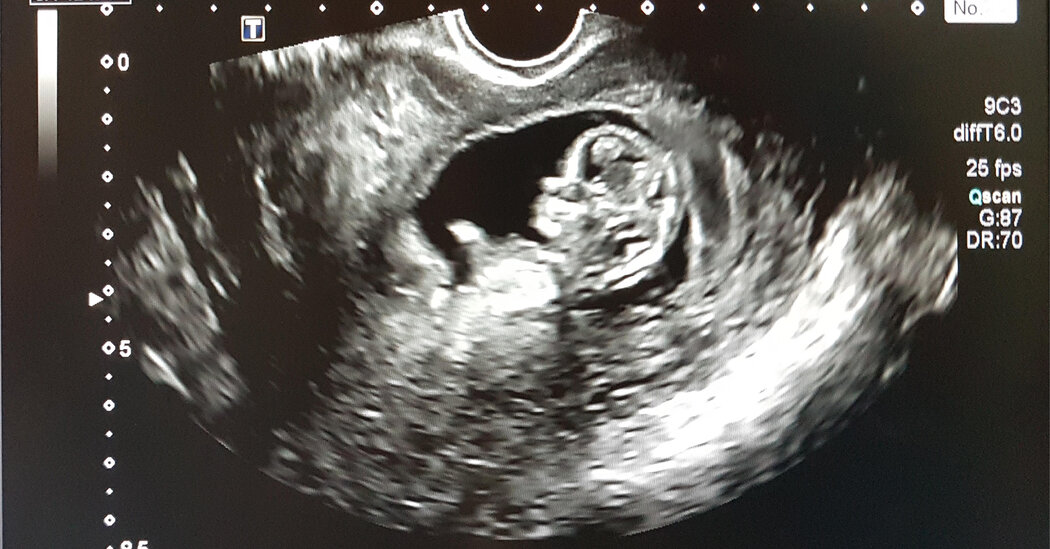
Scientists Pinpoint Cause of Severe Morning Sickness

The discovery could lead to better treatments for severe nausea and vomiting during pregnancy.The nausea and vomiting that often define the first trimester of pregnancy are primarily caused by a single hormone, according to a study published on Wednesday in the journal Nature. Researchers said that the discovery could lead to better treatments for morning sickness, including rare, life-threatening cases of it.The study confirms prior research that had pointed to the hormone, called GDF15. The researchers found that the amount of hormone circulating in a woman’s blood during pregnancy — as well as her exposure to it before pregnancy — drives the severity of her symptoms.More than two-thirds of pregnant women experience nausea and vomiting during the first trimester. And roughly 2 percent of women are hospitalized for a condition called hyperemesis gravidarum, which causes relentless vomiting and nausea throughout the entire pregnancy. The condition can lead to malnutrition, weight loss and dehydration. It also increases the risk of preterm birth, pre-eclampsia and blood clots, threatening the life of the mother and the fetus.Perhaps because nausea and vomiting are so common in pregnancy, doctors often overlook hyperemesis, dismissing its severe symptoms as psychological, even though it is the leading cause of hospitalization during early pregnancy, experts said. Although celebrities like Kate Middleton and Amy Schumer have raised the condition’s profile in recent years by sharing their experiences, it remains understudied.“I’ve been working on this for 20 years and yet there are still reports of women dying from this and women being mistreated,” said Dr. Marlena Fejzo, a geneticist at the University of Southern California Keck School of Medicine and a co-author of the new study.She knows the pain of the condition firsthand. During her second pregnancy, in 1999, Dr. Fejzo was unable to eat or drink without vomiting. She rapidly lost weight, becoming too weak to stand or walk. Her doctor was dismissive, suggesting she was exaggerating her symptoms to get attention. She was eventually hospitalized, and miscarried at 15 weeks.Dr. Fejzo said she asked the National Institutes of Health to fund a genetic study of hyperemesis, but was rejected. Undeterred, she convinced 23andMe, a popular genetic testing company, to include questions about hyperemesis in surveys of tens of thousands of customers. In 2018, she published a paper showing that customers with hyperemesis tended to carry a variant in a gene for GDF15.Hormones are chemicals that send messages across the body. GDF15 is released by many tissues in response to stress, such as an infection. And its signal is highly specific: Receptors for the hormone are clustered in a part of the brain responsible for feeling sick and vomiting.In the new study, Dr. Fejzo and collaborators at the University of Cambridge in England measured the hormone in pregnant women’s blood and analyzed the genetic risk factors for hyperemesis.The researchers found that women experiencing hyperemesis had significantly higher GDF15 levels during pregnancy than did those who had no symptoms.But the hormone’s effect seems to depend on the woman’s sensitivity and exposure to the hormone before pregnancy. The researchers found, for example, that women in Sri Lanka with a rare blood disorder causing chronically high levels of GDF15 rarely experienced nausea or vomiting in pregnancy.“It completely obliterated all the nausea. They pretty much have next to zero symptoms in their pregnancies,” said Dr. Stephen O’Rahilly, an endocrinologist at Cambridge who led the research.Dr. O’Rahilly hypothesized that prolonged exposure to GDF15 before pregnancy could have a protective effect, making women less sensitive to the sharp surge in the hormone caused by the developing fetus.In lab experiments, the scientists exposed some mice to a small amount of the hormone. When given a much larger dose three days later, the mice did not lose their appetites as much as did animals that were not given the earlier dose — showing a robust effect of desensitization.The findings offer hope for better treatments for hyperemesis, experts said. Patients with hyperemesis could one day take medications to block the hormone’s effects in the brain, if clinical trials were to find the drugs safe in pregnancy. Such medications are being tested in trials of cancer patients with a loss of appetite and vomiting also caused by GDF15.It may even be possible to prevent the condition. Women who are at risk, such as those who experienced severe nausea and vomiting during a previous pregnancy, could be exposed to low doses of the hormone before becoming pregnant. (One diabetes drug, metformin, increases levels of GDF15 and is already prescribed to aid fertility in some patients.)The new study is powerful because it offers genetic proof of a causal relationship between GDF15 and the disease, said Dr. Rachel Freathy, who is a geneticist at the University of Exeter and was not involved in the study. That will help the condition gain greater recognition, she said.“There is kind of an assumption made by many people that women should just be able to cope with this,” Dr. Freathy said. With this biological explanation, she said, “there will be more belief that this is a real thing rather than something in somebody’s head.”

Read more →

Scientists unveil complete cell map of a whole mammalian brain

For the first time ever, an international team of researchers has created a complete cell atlas of a whole mammalian brain. This atlas serves as a map for the mouse brain, describing the type, location, and molecular information of more than 32 million cells and providing information on connectivity between these cells. The mouse is the most commonly used vertebrate experimental model in neuroscience research, and this cellular map paves the way for a greater understanding of the human brain — arguably the most powerful computer in the world. The cell atlas also lays the foundation for the development of a new generation of precision therapeutics for people with mental and neurological disorders of the brain.
The findings were funded by the National Institutes of Health’s Brain Research Through Advancing Innovative Neurotechnologies® Initiative, or The BRAIN Initiative®, and appear in a collection of 10 papers published in Nature.
“The mouse atlas has brought the intricate network of mammalian brain cells into unprecedented focus, giving researchers the details needed to understand human brain function and diseases,” said Joshua A. Gordon, M.D., Ph.D., Director of the National Institute of Mental Health, part of the National Institutes of Health.
The cell atlas describes the types of cells in each region of the mouse brain and their organization within those regions. In addition to this structural information, the cell atlas provides an incredibly detailed catalog of the cell’s transcriptome — the complete set of gene readouts in a cell, which contains instructions for making proteins and other cellular products. The transcriptomic information included in the atlas is hierarchically organized, detailing cell classes, subclasses, and thousands of individual cell clusters within the brain.
The atlas also characterizes the cell epigenome — chemical modifications to a cell’s DNA and chromosomes that alter the way the cell’s genetic information is expressed — detailing thousands of epigenomic cell types and millions of candidate genetic regulation elements for different brain cell types.
Together, the structural, transcriptomic, and epigenetic information included in this atlas provide an unprecedented map of cellular organization and diversity across the mouse brain. The atlas also provides an accounting of the neurotransmitters and neuropeptides used by different cells and the relationship among cell types within the brain. This information can be used as a detailed blueprint for how chemical signals are initiated and transmitted in different parts of the brain. Those electrical signals are the basis for how brain circuits operate and how the brain functions overall.
“This product is a testament to the power of this unprecedented, cross-cutting collaboration and paves our path for more precision brain treatments,” said John Ngai, Ph.D., Director of the NIH BRAIN Initiative.”
Of the 10 studies included in this collection, seven are funded through the NIH BRAIN Initiative Cell Census Network (BICCN), and two are funded through the larger NIH BRAIN Initiative. The core aim of the BICCN, a groundbreaking, cross-collaborative effort to understand the brain’s cellular makeup, is to develop a comprehensive inventory of the cells in the brain — where they are, how they develop, how they work together, and how they regulate their activity — to better understand how brain disorders develop, progress, and are best treated.
“By leveraging the unique nature of its multi-disciplinary and international collaboration, the BICCN was able to accomplish what no other team of scientists has been able to before,” said Dr. Ngai. “Now we are ready to take the next big step — completing the cell maps of the human brain and the nonhuman primate brain.”
The BRAIN Initiative Cell Atlas Network (BICAN) is the next stage in the NIH BRAIN Initiative’s effort to understand the cell and cellular functions of the mammalian brain. BICAN is a transformative project that, together with two other large-scale projects — the BRAIN Initiative Connectivity Across Scales and the Armamentarium for Precision Brain Cell Access — aim to revolutionize neuroscience research by illuminating foundational principles governing the circuit basis of behavior and informing new approaches to treating human brain disorders.

Read more →

Understanding the risk of cell therapy for heart repair

A type of cell that plays a crucial role in tissue repair after a heart attack may also inadvertently be why cutting-edge cell therapies cause an increased risk of rhythm disorders, according to a new study from the Universities of Surrey and Oxford. Researchers hope the findings could open up new pathways to safe regenerative treatments for people who have suffered a heart attack.
The research focused on the interactions between cells created in the lab from stem cells called Human induced pluripotent stem cell-derived cardiomyocytes (hiPSC-CMs) with myofibroblasts, a type of cell that looks to repair heart tissue after a heart attack.
The study, published by Cellular and Molecular Life Sciences, found that myofibroblasts affect the electrical properties and calcium handling of hiPSC-CMs. Myofibroblasts also altered the expression of genes responsible for vital functions of heart cells, leading to electrical instability.
Dr Patrizia Camelliti, lead author of the study from the University of Surrey, said:
“Understanding the relationship between myofibroblasts and hiPSC-CMs could be the key to developing safe regenerative treatments for those who have suffered a heart attack. Our study identified Interleukin-6 (IL-6), a molecule released by myofibroblasts involved in inflammatory responses, as a key player in this interaction. We found that blocking IL-6 signalling reduced the negative effects of myofibroblasts on heart cells.
“While this study marks a step in the right direction for understanding how cell therapies unwittingly cause heart rhythm damage, further research is needed to bring these findings into clinical practice.”
Heart attacks lead to the loss of heart muscle cells and the formation of scar tissue involving cells known as myofibroblasts. To repair this damage, scientists have been exploring the use of stem cells, such as hiPSC-CMs, to regenerate healthy heart muscles. However, these therapies have been shown to increase the risk of heart rhythm issues, which can be life-threatening.
The research team used advanced cell culture systems to replicate the interactions between these cell types, observing the effects on heart cell function. They cultured hiPSC-CMs with adult human cardiac myofibroblasts in three conditions to mimic cell interactions: direct contact, non-contact, and medium conditioning.
Targeting interactions between cardiac cells could provide a novel therapeutic strategy to improve the outcome of cardiac cell therapies and treat heart rhythm disorders as discussed by Dr Patrizia Camelliti in a perspective published by Science.

Read more →

Machine learning sees into the future to prevent sight loss in humans

Machine learning has been found to predict well the outcomes of many health conditions. Now, researchers from Japan have found a way to predict whether people with severe shortsightedness will have good or bad vision in the future.
In a study recently published in JAMA Ophthalmology, researchers from the Tokyo Medical and Dental University (TMDU) developed a machine-learning model that works well for predicting — and visualizing — the risk of visual impairment over the long term.
People with extreme shortsightedness (called high myopia) can clearly see objects that are near to them but cannot focus on objects at a distance. Contacts, glasses, or surgery can be used to correct their vision, but having high myopia is not just inconvenient; half of the time it leads to a condition called pathologic myopia, and complications from pathologic myopia are the leading causes of blindness.
“We know that machine-learning algorithms work well on tasks such as identifying changes and complications in myopia,” says Yining Wang, lead author of the study, “but in this study, we wanted to investigate something different, namely how good these algorithms are at long-term predictions.”
To do this, the team performed a cohort study and looked at the visual acuity of 967 Japanese patients at TDMU’s Advanced Clinical Center for Myopia after 3 and 5 years had passed. They formed a dataset from 34 variables that are commonly collected during ophthalmic examinations, such as age, current visual acuity, and the diameter of the cornea. They then tested several popular machine-learning models such as random forests and support vector machines. Of these models, the logistic regression-based model performed the best at predicting visual impairment at 5 years.
However, predicting outcomes is only part of the story. “It’s also important to present the model’s output in a way that is easy for patients to understand and convenient for making clinical decisions,” says Kyoko Ohno-Matsui, senior author. To do this, the researchers used a nomogram to visualize the classification model. Each variable is assigned a line with a length that indicates how important it is for predicting visual acuity. These lengths can be converted into points that can be added up to obtain a final score explaining the risk of visual impairment in future.
People who permanently lose their vision often suffer both financially and physically as a result of their loss of independence. The decrease in global productivity caused by severe visual impairment was estimated to be USD94.5 billion in 2019. Although the model still has to be evaluated on a wider population, this study has shown that machine-learning models have good potential to help address this increasingly important public health concern, which will benefit both individuals and society as a whole.

Read more →

Deaths from heart valve infections drop across U.S. overall, but surged among young adults

Death rates related to infective endocarditis declined in most adults across the U.S. within the last two decades, yet accelerated among young adults ages 25 to 44 years old, according to new research published today in the Journal of the American Heart Association, an open access, peer-reviewed journal of the American Heart Association.
Infective endocarditis, also called bacterial endocarditis, is an infection caused by bacteria that enter the bloodstream and settle in the heart lining, a heart valve or a blood vessel. The disease is rare, however, people with previous valve surgeries, heart valve abnormalities, artificial valves, congenital heart defects or previous infective endocarditis have a greater risk of developing it. It can also be a complication of injecting illicit drugs.
“Our study findings raise a public health concern, especially since the deaths in younger age groups are on the rise,” said study lead author Sudarshan Balla, M.D., an associate professor of medicine at the West Virginia University Heart and Vascular Institute at J.W. Ruby Memorial Hospital in Morgantown, West Virginia. “We speculate that this acceleration was likely, in the most part, due to the opioid crisis that has engulfed several states and involved principally younger adults.”
Researchers examined death certificate data from the Centers for Disease Control and Prevention’s (CDC) Multiple Cause of Death dataset, which contains death rates and population counts for all U.S. counties. They looked for national trends in deaths caused by infective endocarditis, plus differences in deaths related to age, sex, race and geography among states from 1999-2020. Researchers also analyzed the association with substance use disorder, considering the emergence of the opioid epidemic during the study’s time frame.
The analysis found: In the 21-year period analyzed, infective endocarditis death rates declined overall in the U.S. Death rates increased significantly for young adults, at an average annual change of more than 5% for the 25-34 age group and more than 2% for the 35-44 age group. In the 45-54 age category, death rates remained stagnant at 0.5%, and there was a significant decline among those aged 55 and older. Substance use disorder associated with multiple causes of death increased drastically — between 2-fold and 7-fold among the 25-44 age group. Kentucky, Tennessee and West Virginia showed an acceleration in deaths caused by infective endocarditis in contrast to other states with either a predominant decline or no change.”We found that substance use was listed as a contributing cause that could explain the higher death rates in the younger age groups and also in the states in those who died due to endocarditis,” Balla said.
The study researchers call the rise of infective endocarditis as the underlying cause of death in adults 25-44 years old “alarming” and recommend more investigation to identify the reasons for these trends among young adults and in the three states noted. Researchers speculate the increase is connected to the opioid crisis that has engulfed several states and involves primarily younger adults.

“Comprehensive care plans for those treated for infective endocarditis should also include screening and treatment for substance use disorder,” Balla said.
To address intravenous drug use, some states have started harm reduction programs, which are public health efforts to reduce the harm from substance use and drug abuse, such as increased risk of infectious diseases like HIV, viral hepatitis, and bacterial and fungal infections. “Whether these programs make an impact is yet to be determined,” Balla said.
Researchers were limited in the medical details they could collect because of the use of death certificate data, which may contain inaccuracies, such as errors in diagnosis, data entry and cause of death. For similar reasons, researchers could not determine a direct cause-and-effect relationship between the rise in deaths caused by infective endocarditis in younger adults and substance use disorder.
Study details and design: The study used the CDC’s Wide-Ranging Online Data for Epidemiologic Research (WONDER) database to analyze death certificates and multiple causes of death. Infective endocarditis and substance use disorder were identified according to criteria from the International Classification of Diseases, Tenth Revision. The age-adjusted death rate related to infective endocarditis was 26 per million persons in 1999 and 22 per million persons in 2020, representing a significant decline in the death rates related to infective endocarditis, with an average annual percent change of -0.8.

Read more →

Cells move in groups differently than they do when alone

A protein that helps generate the force needed for single cells to move works differently in cells moving in groups, a new study shows.
Cells push and pull on each other and surrounding tissue to move as they form organs in an embryo, heal wounds, track down invading bacteria, and become cancerous and spread. Led by researchers at NYU Grossman School of Medicine, the new study examined how forces are generated by a group of 140 cells called the primordium that adhere to each other as they move in zebrafish embryos. Zebrafish are a major model in the study of development because they are transparent and share cellular mechanisms with humans.
Published online December 13 in Current Biology, the new work reveals how the cells in the primordium use a protein called RhoA to trigger forces that move the group into place in the developing embryo. To move, cells push out part of themselves called protrusions, use the protrusions to hold on to nearby tissues, and then haul them back in to pull forward, like casting out and hauling in an anchor.
“This finding surprised us because we had no reason to suspect that the RhoA machinery required to move groups of cells would be different from that used by single cells,” said senior study author Holger Knaut, PhD, associate professor in the Department of Cell Biology at NYU Langone Health.
Past studies had shown that single cells move forward in part by activating RhoA at their back ends. Active RhoA turns on the motor protein non-muscle myosin II, which causes the back ends of the cells to constrict and let go of the surface they are moving along.
The current study found that the cells in the primordium instead activate RhoA in pulses in the front of the cells where it does two jobs. At the front tip of the cell, RhoA grows the cell skeleton, called the actin meshwork, outward, forming protrusions that grip the surface. At the base of protrusions, RhoA triggers non-muscle myosin II to pull on the actin meshwork and haul in the protrusions. The pulling by myosin II makes the actin flow toward the center and back of the cells, pushing the cell group forward the way a banana slug moves along the ground, but at a different size scale.
“Our findings suggest that RhoA-induced actin flow on the basal sides of cells constitutes the motor that pulls the primordium forward, a scenario that likely underlies the movement of many cell groups,” added Dr. Knaut. “The machinery suggests that the movement of single cells and groups of cells is similar, but that RhoA contributes to that machinery differently in each case. Within moving cell groups, RhoA generates actin flow directed toward the rear to propel the group forward.”
Dr. Knaut notes that a better understanding of the mechanisms by which cell groups move has the potential to be useful in stopping the spread of cancer, perhaps by guiding the design of treatments that block the action of proteins noted in the study.
Along with Dr. Knaut, study authors were Weiyi Qian (co-corresponding author), Naoya Yamaguchi, and Patrycja Lis in the Department of Cell Biology, and Michael Cammer from the Microscopy Laboratory, at NYU Langone Health. The study was funded by Perlmutter Cancer Center Support Grant P30CA016087, National Institutions of Health grant R01NS119449, NYSTEM training grants C322560GG and C322560GG, two American Heart Association fellowships, 903886 and 20PRE3518016, and by the NYU Dean’s Undergraduate Research Fund.

Read more →

Smartwatches can pick up abnormal heart rhythms in kids, study finds

Smartwatches can help physicians detect and diagnose irregular heart rhythms in children, according to a new study from the Stanford School of Medicine.
The finding comes from a survey of electronic medical records for pediatric cardiology patients receiving care at Stanford Medicine Children’s Health. The study will publish online Dec. 13 in Communications Medicine.
Over a four-year period, patients’ medical records mentioned “Apple Watch” 145 times. Among patients whose medical records mentioned the smartwatch, 41 had abnormal heart rhythms confirmed by traditional diagnostic methods; of these, 29 children had their arrythmias diagnosed for the first time.
“I was surprised by how often our standard monitoring didn’t pick up arrythmias and thewatch did,” said senior study author Scott Ceresnak, MD, professor of pediatrics. Ceresnak is a pediatric cardiologist who treats patients at Stanford Medicine. “It’s awesome to see that newer technology can really make a difference in how we’re able to care for patients.”
The study’s lead author is Aydin Zahedivash, MD, a clinical instructor in pediatrics.
Most of the abnormal rhythms detected were not life-threatening, Ceresnak said. However, he added that the arrythmias detected can cause distressing symptoms such as a racing heartbeat, dizziness and fainting.
Skipping a beat, sometimes
Doctors face two challenges in diagnosing children’s cardiac arrythmias, or heart rhythm abnormalities.

The first is that cardiac diagnostic devices, though they have improved in recent years, still aren’t ideal for kids. Ten to 20 years ago, a child had to wear, for 24 to 48 hours, a Holter monitor consisting of a device about the size of a smartphone attached by wires to five electrodes that were adhered to the child’s chest. Patients can now wear event monitors — in the form of a single sticker placed on the chest — for a few weeks. Although the event monitors are more comfortable and can be worn longer than a Holter monitor, they sometimes fall off early or cause problems such as skin irritation from adhesives.
The second challenge is that even a few weeks of continuous monitoring may not capture the heart’s erratic behavior, as children experience arrythmias unpredictably. Kids may go months between episodes, making it tricky for their doctors to determine what’s going on.
Connor Heinz and his family faced both challenges when he experienced periods of a racing heartbeat starting at age 12: An adhesive monitor was too irritating, and he was having irregular heart rhythms only once every few months. Ceresnak thought he knew what was causing the racing rhythms, but he wanted confirmation. He suggested that Connor and his mom, Amy Heinz, could try using Amy’s smartwatch to record the rhythm the next time Connor’s heart began racing.
Using smartwatches for measuring children’s heart rhythms is limited by the fact that existing smartwatch algorithms that detect heart problems have not been optimized for kids. Children have faster heartbeats than adults; they also tend to experience different types of abnormal rhythms than do adults who have cardiac arrythmias.
The paper showed that the smartwatches appear to help detect arrhythmias in kids, suggesting that it would be useful to design versions of the smartwatch algorithms based on real-world heart rhythm data from children.
Evaluating medical records
The researchers searched patients’ electronic medical records from 2018 to 2022 for the phrase “Apple Watch,” then checked to see which patients with this phrase in their records had submitted smartwatch data and received a diagnosis of a cardiac arrythmia.

Data from watches included alerts about patients’ heart rates and patient-initiated electrocardiograms, or ECGs, from an app that uses the electrical sensors in the watch. When patients activate the app, the ECG function records the heart’s electrical signals; physicians can use this pattern of electrical pulses to diagnose different types of heart problems.
From 145 mentions of the smartwatch in patient records, 41 patients had arrythmias confirmed. Of these, 18 patients had collected an ECG with their watches, and 23 patients had received a notification from the watch about a high heart rate.
The information from the smartwatches prompted the children’s physicians to conduct medical workups, from which 29 children received new arrythmia diagnoses. In 10 patients, the smartwatch diagnosed arrythmias that traditional monitoring methods never picked up.
One of those patients was Connor Heinz.
“At a basketball tryout, he had another episode,” Amy Heinz recalled. “I put the watch on him and emailed a bunch of captures [of his heartbeat] to Dr. Ceresnak.” The information from the watch confirmed Ceresnak’s suspicion that Connor had supraventricular tachycardia.
Most children with arrythmias had the same condition as Connor, a pattern of racing heartbeats originating in the heart’s upper chambers.
“These irregular heartbeats are not life-threatening, but they make kids feel terrible,” Ceresnak said. “They can be a problem and they’re scary, and if wearable devices can help us get to the bottom of what this arrythmia is, that’s super helpful.”
In many cases of supraventricular tachycardia, the abnormal heart rhythm is caused by a small short-circuit in the heart’s electrical circuitry. The problem can often be cured by a medical procedure called catheter ablation that destroys a small, precisely targeted region of heart cells causing the short circuit.
Now 15, Connor has been successfully treated with catheter ablation and is playing basketball for his high school team in Menlo Park, California.
The study also found smartwatch use noted in the medical records of 73 patients who did not ultimately receive diagnoses of arrythmias.
“A lot of kids have palpitations, a feeling of funny heartbeats, but the vast majority don’t have medically significant arrythmias,” Ceresnak said. “In the future, I think this technology may help us rule out anything serious.”
A new study
The Stanford Medicine research team plans to conduct a study to further assess the utility of the Apple Watch for detecting children’s heart problems. The study will measure whether, in kids, heart rate and heart rhythm measurements from the watches match measurements from standard diagnostic devices.
The study is open only to children who are already cardiology patients at Stanford Medicine Children’s Health.
“The wearable market is exploding, and our kids are going to use them,” Ceresnak said. “We want to make sure the data we get from these devices is reliable and accurate for children. Down the road, we’d love to help develop pediatric-specific algorithms for monitoring heart rhythm.”
The study was conducted without external funding. Apple was not involved in the work. Apple’s Investigator Support Program has agreed to donate watches for the next phase of the research.
Apple’s Irregular Rhythm Notification and ECG app are cleared by the Food and Drug Administration for use by people 22 years of age or older. The high heart rate notification is available only to users 13 years of age or older.

Read more →

Epigenetic changes can cause type 2 diabetes

Do epigenetic changes cause type 2 diabetes, or do the changes occur only after a person has become ill? A new study by researchers at Lund University provides increased support for the idea that epigenetic changes can cause type 2 diabetes. The researchers behind the new findings published in Nature Communications now aim to develop methods for disease prevention.
We inherit our genes from our parents, and they seldom change. However, epigenetic changes that arise due to environmental and lifestyle factors can affect the function of genes.
“Our new extensive study confirms our previous findings from smaller studies, showing that epigenetic changes can contribute to the development of type 2 diabetes. In this study, we have also identified new genes that impact the development of the disease. Our hope is that with the help of these results, we can develop methods that can be used to prevent type 2 diabetes,” says Charlotte Ling, professor of diabetes and epigenetics at Lund University’s Diabetes Centre (LUDC), who led the study.
The same epigenetic changes
The researchers studied epigenetics in insulin-producing cells from donors and found 5584 sites in the genome with changes that differed between 25 individuals with type 2 diabetes and 75 individuals without the disease. The same epigenetic changes found in people with type 2 diabetes were also found in individuals with elevated blood sugar levels, which increase the risk of developing the disease.
“Those of us who study epigenetics, have long tried to understand whether epigenetic changes cause type 2 diabetes or if the changes occur after the disease has already developed. Because we saw the same epigenetic changes in people with type 2 diabetes and individuals at risk for the disease, we conclude that these changes may contribute to the development of type 2 diabetes,” says Tina Rönn, lead author and researcher at LUDC.
The study identified 203 genes with different expression in individuals with type 2 diabetes compared to the control group. The researchers found that the gene RHOT1 showed epigenetic changes in people with type 2 diabetes and that it also played a key role in insulin secretion in insulin-producing cells. When they knocked out the gene expression of RHOT1in cells from donors without type 2 diabetes, insulin secretion decreased.

“When we examined the same type of cells in rats with diabetes, we found a lack of RHOT1, confirming the gene’s importance for insulin secretion,” says Tina Rönn.
Methods that can prevent the disease
One goal of the research is to develop a blood-based biomarker that can predict who is at risk of developing type 2 diabetes. Therefore, the researchers investigated whether their results from insulin-producing cells in the pancreas were reflected in the blood of living people. They found epigenetic changes in the blood of a group of 540 people without the disease and they linked this to the future development of type 2 diabetes in half of the individuals.
Factors such as unhealthy diet, sedentary lifestyle, and ageing increase the risk of type 2 diabetes, and they also affect our epigenetics. With the new study, researchers have identified new mechanisms that may make it possible to develop methods to help prevent type 2 diabetes.
“If we succeed in developing an epigenetic biomarker, we can identify individuals with epigenetic changes before they become ill. These individuals can, for example, receive personalised lifestyle advice that can reduce their risk of disease, or we can develop methods that aim to correct the activity of certain genes using epigenetic editing,” says Charlotte Ling.

Read more →

Increased risk of heart rhythm disruption after COVID-19

Individuals infected with COVID-19 are also at an increased risk of suffering from heart rhythm disturbances, such as atrial fibrillation. This is shown in a new study at Umeå University, Sweden, which is one of the largest studies of its kind in the world.
“The results underline the importance of both being vaccinated against COVID-19 and that the healthcare system identifies people at increased risk of this type of complications, so that the correct diagnosis is made and appropriate treatment is started in time,” says Ioannis Katsoularis, first author of the study and cardiologist at University Hospital of Northern Sweden in Umeå.
The researchers were able to show that those who had been ill with COVID-19 could also suffer from heart rhythm disturbances, both in the form of so-called tachycardias, when the heart ha rate is high, and bradyarrhythmias, when the heart is slow so that a pacemaker is sometimes needed.
The study shows that the risk of atrial fibrillation and flutter was increased up to two months after infection. In the first month, the risk was twelve times greater than for people who did not suffer from COVID-19infection.
Even the risk of a specific subset of tachycardias, paroxysmal supraventricular tachycardiaswas elevated up to 6 months after the infection and was five times greater in the first month. For the bradyarrhythmias, the risk was increased up to 14 days after the infection and was three times greater in the first month compared to subjects without COVID-19. Previous research in this area had not focused as much on which individuals are most at risk.
“We found that the risks were higher in older individuals, individuals with severe COVID-19 and during the first wave of the pandemic. We could also see that unvaccinated people were at higher risk than vaccinated people. Overall, the severity of the infection was the strongest risk factor,” says Anne-Marie Fors Connolly, who leads the research group at Umeå University that is behind the study.
In the study, information from large national registers was cross-checked. All people who tested positive for the virus in Sweden from the start of the pandemic until May 2021 were included, but also a comparison group of individuals without a positive test for the virus. Over one million individuals with COVID-19 and over four million control individuals were included in this nationwide study, which is one of the largest of its kind in the world. Researchers at Umeå University have previously shown that COVID-19 leads to an increased risk of blood clots, myocardial infarction and stroke.

Read more →