Colon cancer screenings are more effective than previously understood, study finds

Screening for colon cancer reduces cancer rates by substantially more than previous analyses of randomized trials suggest, according to a study co-authored by an MIT economist that takes a new look at data from five trials.
Roughly 1 percent of participants in a given trial get colon cancer in the decade following the trial. The new findings, based on data from trials in half a dozen countries, show that screening reduces this rate by about 0.5 percent. That is twice the impact previously estimated; earlier studies placed the screening effect at around a quarter of a percentage point.
“The effect of actually getting screened is about half a percentage point, double previously published results which focus on the effect of being invited to screen,” says MIT econometrician Josh Angrist. The large size of this effect relative to the baseline enhances the case for colorectal (CRC) screening, he adds.
The findings are important, Angrist says, because many trial subjects offered the chance to screen via colonoscopy or sigmoidoscopy decide to skip it. Prior studies fail to properly account for such “nonadherence” to the intended treatment.
“Nonadherence is widespread in randomized clinical trials, especially those offering relatively unpleasant interventions like CRC screening,” Angrist says. “Offers of a free colonoscopy are not always taken up with enthusiasm.”
This poses a problem for trial analysis because, while offers to screen are randomly assigned in randomized screening trials, the decision to screen may be far from random.
The paper, “Instrumental Variable Methods Reconcile Intention-To-Screen Effects Across Pragmatic Cancer Screening Trials,” is published in the Proceedings of the National Academy of Sciences. The authors are Angrist, the Ford Professor of Economics at MIT, and Peter Hull PhD ’17, a professor of economics at Brown University.

Getting screened, not just being invited to screen
The effectiveness of cancer screening is the focus of an active research literature. It might seem that getting screened for cancer is always important, but many complicating factors, including the potential for false positives and consequent overtreatment, motivate research into the benefits and costs of such procedures.
The Angrist and Hull study examines data from five major randomized clinical trials of screenings for colorectal cancer. Four of the screenings used sigmoidoscopies (partial colonoscopies), while one offered full colonoscopies. All the trials were randomized, with a randomly selected treatment group offered screening and a control group that remained mostly screened.
In each trial, however, the number of participants in the treatment group who actually got screened varied widely, from 42 percent to 87 percent, well below the number offered the chance to screen.
“In many clinical trials, there can be quite a few people who aren’t treated as planned,” Angrist says. “Cancer screening trials are a setting where that’s especially problematic.”
Earlier studies focus on comparisons based on randomly assigned screening offers, with no proper adjustment for how many people actually got screened. The core of the new analysis adjusts intention-to-screen effects to produce valid measures of the effect on people who were actually screened.

The adjustmemt uses an econometric method called “instrumental variables” — “IV,” to economists — that in this case captures the effect of screening on those who were screened.
“Cancer screening trials, with their substantial nonadherence to the treatment protocol, are really an ideal scenario for IV,” Angrist says.
The new analysis also resolves a key puzzle in the earlier studies: the variablility in findings across trials. Angrist and Hull found that IV estimates from the five trials align remarkably well, showing a fairly consistent 0.5 percentage point decrease in cancer incidence among those who were screened.
“Across five different trials and a bunch of subgroups, the results do fall on a line, even though the ITS effects were quite different across the trials” Angrist says, referring to estimates focusing on effects of screening offers. “Once you do the adherence adjustment, they cluster around half a percent.”
Using the tool kit
Angrist is a longtime econometrician who has worked to upgrade the tools social scientists use to estimate causal effects in wide-ranging domains including education, labor economics, health care, and more. His methods have also been adopted by some biostatisticians.
“But not enough,” Angrist says. “Peter Hull and I set out to show the power of IV to generate new findings in this important area.”
Angrist shared the 2021 Nobel Prize in Economics with David Card of the University of California at Berkeley and Guido Imbens of Stanford University for their work on econometric tools. Angrist’s Nobel citation describes his theoretical work with Imbens on IV, which showed for the first time that IV methods capture something called a “local average treatment effects.” In the context of CRC screening trials, this is simply the average effect of screening on the screened.
Angrist and Hull conclude their paper with a call to make IV analysis a routine part of clinical research.
“If you want to encourage a reluctant colonoscopy patient, you shouldn’t tell them the effect of being invited to screen, you should tell them the effect of actually being screened,” Angrist says. “And that’s a much bigger number.”

Read more →

Clinicians could be fooled by biased AI, despite explanations

AI models in health care are a double-edged sword, with models improving diagnostic decisions for some demographics, but worsening decisions for others when the model has absorbed biased medical data.
Given the very real life and death risks of clinical decision-making, researchers and policymakers are taking steps to ensure AI models are safe, secure and trustworthy — and that their use will lead to improved outcomes.
The U.S. Food and Drug Administration has oversight of software powered by AI and machine learning used in health care and has issued guidance for developers. This includes a call to ensure the logic used by AI models is transparent or explainable so that clinicians can review the underlying reasoning.
However, a new study in JAMA finds that even with provided AI explanations, clinicians can be fooled by biased AI models.
“The problem is that the clinician has to understand what the explanation is communicating and the explanation itself,” said first author Sarah Jabbour, a Ph.D. candidate in computer science and engineering at the College of Engineering at the University of Michigan.
The U-M team studied AI models and AI explanations in patients with acute respiratory failure.
“Determining why a patient has respiratory failure can be difficult. In our study, we found clinicians baseline diagnostic accuracy to be around 73%,” said Michael Sjoding, M.D., associate professor of internal medicine at the U-M Medical School, a co-senior author on the study.

“During the normal diagnostic process, we think about a patient’s history, lab tests and imaging results, and try to synthesize this information and come up with a diagnosis. It makes sense that a model could help improve accuracy.”
Jabbour, Sjoding, co-senior author, Jenna Wiens, Ph.D., associate professor of computer science and engineering and their multidisciplinary team designed a study to evaluate the diagnostic accuracy of 457 hospitalist physicians, nurse practitioners and physician assistants with and without assistance from an AI model.
Each clinician was asked to make treatment recommendations based on their diagnoses. Half were randomized to receive an AI explanation with the AI model decision, while the other half received only the AI decision with no explanation.
Clinicians were then given real clinical vignettes of patients with respiratory failure, as well as a rating from the AI model on whether the patient had pneumonia, heart failure or COPD.
In the half of participants who were randomized to see explanations, the clinician was provided a heatmap, or visual representation, of where the AI model was looking in the chest radiograph, which served as the basis for the diagnosis.
The team found that clinicians who were presented with an AI model trained to make reasonably accurate predictions, but without explanations, had their own accuracy increase by 2.9 percentage points. When provided an explanation, their accuracy increased by 4.4 percentage points.

However, to test whether an explanation could enable clinicians to recognize when an AI model is clearly biased or incorrect, the team also presented clinicians with models intentionally trained to be biased — for example, a model predicting a high likelihood of pneumonia if the patient was 80 years old or older.
“AI models are susceptible to shortcuts, or spurious correlations in the training data. Given a dataset in which women are underdiagnosed with heart failure, the model could pick up on an association between being female and being at lower risk for heart failure,” explained Wiens.
“If clinicians then rely on such a model, it could amplify existing bias. If explanations could help clinicians identify incorrect model reasoning this could help mitigate the risks.”
When clinicians were shown the biased AI model, however, it decreased their accuracy by 11.3 percentage points and explanations which explicitly highlighted that the AI was looking at non-relevant information (such as low bone density in patients over 80 years) did not help them recover from this serious decline in performance.
The observed decline in performance aligns with previous studies that find users may be deceived by models, noted the team.
“There’s still a lot to be done to develop better explanation tools so that we can better communicate to clinicians why a model is making specific decisions in a way that they can understand. It’s going to take a lot of discussion with experts across disciplines,” Jabbour said.
The team hopes this study will spur more research into the safe implementation of AI-based models in health care across all populations and for medical education around AI and bias.

Read more →

Novel approach emerging for rescuing limbs at risk

Across the United States, about 2 million people are living with an amputation and another 185,000 amputations occur every year, according to the Amputee Coalition, a Washington DC-based support group. About 54% of these lost limbs were caused by vascular disease, including diabetes and peripheral arterial disease (PAD).
And as more people are diagnosed with diabetes, in the US and worldwide, the number of amputations keeps rising.
Now, experts at Cincinnati Children’s in collaboration with colleagues from Kanazawa University in Japan, have uncovered a new way to prompt blood vessel growth that shows promise as a treatment for preventing ischemia-induced amputations. Their discoveries were based on achieving a deeper understanding about why two patients in a clinical trial in Japan walked away with fully recovered limbs that appeared destined for amputation.
The study, published Dec. 19, 2023, in the journal Cell Reports Medicine, was led by first author Oto Inoue, MD, PhD, a cardiologist from Japan and a research fellow with Cincinnati Children’s, and Juan Sanchez-Gurmaches, PhD, Division of Endocrinology.
Their team reports that a specific subset of stem cells isolated from adipose tissue (fat) that also carry the cell surface marker CD271 outperformed all other similar cell types at inducing blood vessel formation. The study also details key molecular mechanisms involved the process.
The scientists confirmed these findings by transplanting this population of human stem cells into in mice with limb ischemia. In every case, the treatment rescued limbs that otherwise would have required amputation.
Then the team analyzed data from a clinical trial to provide initial evidence that such a cell transplant may have already worked in humans. In this case, people with foot ulcers were treated with a generalized mix of stem cells collected from the patients’ own tissues. Of the small number of patients analyzed, the two patients with fully recovered limbs received high numbers of CD271-positive stem cells. Those results in combination with the highly consistent benefits found in the mouse testing, appear to justify further work to launch a formal clinical trial, the co-authors say.

“Critical limb ischemia is one of the most severe outcomes for PAD and undertreated diabetes. This research shows hopeful results that this new subset of progenitors may have positive therapeutic value,” Inoue says. “It was quite inspiring to see that one of the patients has recovered enough to return to work.”
A race to address a widespread health problem
With rising rates of obesity plaguing the United States, diabetes incidence has been rising for years, and leading to a host of cardiovascular complications, including PAD leading to critical limb ischemia.
Doctors treat PAD by using medications to slow the disease while performing bypass surgeries or catheter-based procedures to open clogged arteries in the limbs. However, many of the arteries that need treatment in the limbs are too small and difficult to access with surgery. As a result, at least a third of the people who need revascularization therapy are not eligible for surgical interventions. Those who lose their limbs go on to experience significant pain and disability while their underlying cardiovascular disease makes them increasingly likely to experience potentially fatal heart attacks, strokes, and other problems.
Once seen as a purely adult health problem, researchers at Cincinnati Children’s and other centers have been finding early signs of vascular disease in teens and even younger children who struggle with severe obesity and diabetes.
Emerging alternatives from international collaboration
Inoue, 40, has been studying PAD in Japan for more than a decade. He came to Cincinnati in 2021 to further study the emerging area of induced angiogenesis through cellular transplantation as a member of the Sanchez-Gurmaches lab.

Many researchers have explored the idea of transplanting progenitor cells to jump-start the body’s own tissue-repair capabilities. However, the major limitation has been finding the right cells to use.
To solve this, the team used single-cell transcriptomics to hunt through a haystacky of different types of progenitor cells to find the right population of cells. While many stem cells reside naturally in the bone marrow, this study found the strongest trigger of blood vessel formation lurking within fat tissue. These cells carry the marker CD271, which has been shown in other studies to play important roles in tissue growth.
The team transplanted these human CD271-positive cells into mice to confirm their abilities. The human CD271 cells were 100% effective at prompting enough blood vessel growth in the mice to restore normal blood flow to the diseased limbs.
Evidence that this new cell population may work in human disease also was provided. The authors found that among people who received progenitor cells self-transplanted from fat, those who recovered better and saved their limbs had higher numbers of CD271 progenitor cells present.
“The positive correlation between recovery and the number of CD271+ progenitors injected in the affected area of these patients was striking,” Sanchez-Gurmaches says.
Challenges ahead
The co-authors emphasize that the findings so far are preliminary. The therapeutic value of adipose tissue CD271-positive cells should be evaluated in larger numbers of patients through a formal clinical trial.
One significant issue to resolve is how to obtain enough CD271 progenitor cells to use as treatment. The new paper reports that the number of CD271 progenitors found in the fat of people with insulin resistance can be as much as 75% lower than people without insuline resistance. Also, the cells that are found tend to be less active in generating new vessels.
“Unfortunately, the people living with insulin resistance who face elevated risk of limb ischemia are the same people with low numbers of CD271-postive progenitor cells, which could make self-transplantation more difficult,” Inoue says.
More research is needed to determine if these cells can be multiplied in the lab before transplantation.
About the study
In addition to Inoue and Sanchez-Gurmaches, Cincinnati Children’s co-authors included PhD student Manasi Halurkar, Hee-Woong Lim, PhD, and Vivian Hwa, PhD.
Funding sources for this study include the National Institutes of Health (R21OD031907); the Japan Society for the Promotion of Science (JP16H06828); the Japanese Heart Foundation; the American Heart Association (18CDA34080527), and three grants from Cincinnati Children’s (a Trustee Award, a Center for Pediatric Genomics Award and a Center for Mendelian Genomics & Therapeutics Award.

Read more →

Mystery Amid an Anthrax Outbreak in Africa

Only a fraction of the presumed cases in five countries have led to positive tests for anthrax. Some scientists say other causes cannot yet be ruled out.Five African countries are battling outbreaks of anthrax, with nearly 1,200 people affected so far and 20 deaths, according to the World Health Organization. But the official tally belies confusion about the exact nature and scale of the outbreaks, which may complicate the efforts needed to contain them.Of the 1,166 presumed anthrax cases in Kenya, Malawi, Uganda, Zambia and Zimbabwe, only 35 have been confirmed with lab tests. That is not unusual or unreasonable, experts said, especially in regions with limited resources.But at least in Uganda, many of the presumed cases have resulted in negative tests for anthrax, raising the possibility that a second disease is circulating.“It could simply be that the diagnostic testing is inadequate, or it could be that you have a moderate number of anthrax cases and simultaneously you have an outbreak of something else that could look similar,” said Dr. Andrew Pavia, an infectious disease expert at the University of Utah who has advised the Centers for Disease Control and Prevention on anthrax treatment guidelines.We are having trouble retrieving the article content.Please enable JavaScript in your browser settings.Thank you for your patience while we verify access. If you are in Reader mode please exit and log into your Times account, or subscribe for all of The Times.Thank you for your patience while we verify access.Already a subscriber? 

Read more →

New Hope — and an Old Hurdle — for a Terrible Disease With Terrible Treatments

Researchers in developing countries are trying to find treatments for conditions that affect the poorest people. But the system is stacked against their therapies.Three years ago, Jesús Tilano went to a hospital in a thickly forested valley in Colombia with large open lesions on his nose, right arm and left hand. He was diagnosed with leishmaniasis, a parasitic disease that is spread in the bite of a female sand fly and which plagues poor people who work in fields or forests across developing countries.He was prescribed a drug that required three injections a day for 20 days, each one agonizingly painful. Mr. Tilano, 85, had to make repeated expensive bus trips to town to get them. Then his kidneys started to fail, which is a common side effect of the drug, as are heart failure and liver damage.“The cure was worse than what I had before,” Mr. Tilano said.Leishmaniasis is a terrible disease, with terrible treatments that have hardly changed in a century. The drug Mr. Tilano took was first given 70 years ago. All the treatments are some combination of painful, toxic, expensive, or challenging to administer, requiring an inpatient hospital stay or daily visits for a month.Among the so-called “neglected tropical diseases,” many experts believe leishmaniasis is in a class of its own in terms of the lack of progress, in the 120 years since it was first identified, to help the two million people who contract it each year.Now, finally, that is starting to change: When Mr. Tilano’s grandson Andrés Tilano, 14, contracted leishmaniasis last year, he was treated in a clinic in Medellín, with an experimental therapy that cured his infection in days.The treatment he received is one of several being developed by the Program for the Study and Control of Tropical Diseases, known as PECET, a small research institute based at the University of Antioquia in Medellín. In its effort to hunt for new treatments for leishmaniasis, the program has partnered with the Drugs for Neglected Diseases Initiative, or DNDi, a nonprofit research and development organization based in Geneva.All of the experimental treatments the researchers are evaluating are far less toxic, onerous or expensive than what exists now. But a big hurdle still stands in the way of getting them to the millions of people who need them.Mr. Tilano’s son Luís, a logger who has become something of a local expert on the disease, receiving a locally developed cream to treat leishmaniasis from Dr. Quintero.Federico Rios for The New York TimesNone of the new treatments have been tested in a large-scale trial, or approved by Colombia’s drug regulator, or adopted into the national treatment guidelines. When a drug is made by a pharmaceutical company, the firm will shepherd it through the expensive and time-consuming regulatory process.But there is no money to be made on a drug for a condition that overwhelmingly affects the poor, and academic or public health institutes rarely have the resources to push a drug through to the end of the process, said Marcela Vieira, a Brazilian intellectual property lawyer with an expertise in drug development and access.The global drug development system has long favored private sector firms that can bankroll experiments and diseases that afflict people with money to pay for treatments. Increasingly, new research on diseases such as leishmaniasis is coming from public sector and academic institutions in middle-income countries, particularly Brazil, South Africa, India, Cuba and China, Ms. Vieira said. The Covid-19 pandemic, during which low- and middle-income countries were shunted to the back of the line for vaccines and therapeutics, helped spur new investment into building drug development and production capacity.“We need to do it, because no one will do it for us,” said Dr. Juliana Quintero, an expert in leishmaniasis and researcher at PECET.The program’s research labs sit six floors up in a bulky brick building at the University of Antioquia in Medellín. On the ground floor, Dr. Quintero sees patients who arrive on buses from rural towns. She knows that few can afford to stay in the city for a month of injections; she wants a treatment she can send home with them, ideally one they can take by mouth. Because funds for drug development for leishmaniasis are so scarce, she hopes for something that will work for every one of the 22 parasites in the family that cause variations of the disease in tropical countries around the world.The leishmaniasis researchers have taken inspiration from Indigenous people in the region: One drug they are testing, a gel applied to lesions, is derived from a plant Indigenous people use to fight the parasite. The experimental treatment that cured Andrés Tilano is called thermotherapy, and it resembles the traditional Indigenous cure of burning the lesions. In her clinic, Dr. Quintero used a hand-held device that emitted heat at 50 degrees Celsius, or 122 degrees Fahrenheit, over top of the lesion, killing the parasite deep inside.Dr. Iván Darío Vélez-Bernal, who recently retired as the director of the Program for the Study and Control of Tropical Diseases, at the University of Antioquia in Medellín, Colombia.Federico Rios for The New York TimesToday Dr. Quintero prescribes two treatments her institute has developed and supplies them to patients under a so-called compassionate use model, since they have not yet been approved or registered by the Colombian government.Mr. Tilano and his grandson had cutaneous leishmaniasis, which is the least severe form of the disease. It can progress to mucosal leishmaniasis, when the parasite infects tissue such as that inside of the nose, or to what’s called visceral leishmaniasis, when the parasite migrates to the spleen, liver or bone marrow. Untreated, the visceral form of the disease is fatal in more than 95 percent of cases; it kills an estimated 6,000 people each year, most of them in Africa and Asia. The number of deaths has dropped significantly in the past few years mainly because of progress in finding and treating leishmaniasis in India, where it is known as kala-azar.Because the existing treatments are so onerous and hard to get, Dr. Quintero said, few patients complete the course. That creates a newly drug-resistant parasite, which another sand fly can transmit to its family or others in their community. When Dr. Quintero went to visit Mr. Tilano at home not long ago, she met his daughter and granddaughter, who had the large circular scars of lesions that had finally healed.Mr. Tilano’s son Luís, a logger who has become something of a local expert on the disease, asked Dr. Quintero to accompany him down to the bank of the Cauca River to see a neighbor who he thought might also have leishmaniasis. After navigating a field of curious cattle and a steep river bank, she crawled through the twisted vines of a fig tree and met a group of older women panning for gold at the water’s edge. The neighbor, María de las Mercedes González, 55, had large lesions on her face, and Dr. Quintero used the flashlight of her cellphone to try to determine whether the parasite had already moved into the cartilage in her nose.María de las Mercedes González, a gold miner on the Cauca River, had her lesions inspected by Dr. Quintero.Federico Rios for The New York Times“Imagine such a tiny animal that in one bite can cause such a problem: It’s a very irritating little creature,” Ms. González said after Dr. Quintero explained the risk she faced without treatment, and broke the news she would have to spend 10,000 pesos (about $2.50, more than she typically earns in a day of mining) to make the daily trip to the city for treatment. The drugs, at least, would be free through Colombia’s public health system.DNDi, the nonprofit organization, has screened more than 2.5 million compounds — a standard first step in drug development — to come up with five chemical structures that seemed, in early lab tests, like they might work against the parasite that causes leishmaniasis. But of those five, only one or two will progress to larger clinical trials, said Jadel Kratz, who runs the organization’s drug discovery work in Latin America.Early discovery and preclinical studies cost $10 million to $20 million, he said, while getting through the first small clinical trials for safety and some sign of efficacy could be another $6 million. The last phase, a large trial in patients to test whether the drug works, costs at a minimum $20 million — far more than the public and academic research teams can fund.“It’s a huge risk for local research if only multinational corporations can do this work,” said Dr. Iván Darío Vélez-Bernal, who recently retired as director of PECET, the research institute.But DNDi’s focus on leishmaniasis, and the work of researchers in a network that includes India, Colombia and Brazil, is starting to pay off. Today there are five drugs in Phase 1 trials, and another in Phase 2, which is unprecedented in the history of the disease.It is not clear when or how the drugs will get to the next phase of the process. Drugs that come out of public sector institutions tend to languish without a champion, said Ms. Vieira, who is a researcher with the Global Health Centre at the Graduate Institute of International and Development Studies in Geneva.Mr. Tilano and his grandson, Andrés, who developed lesions last year but was treated in a clinic in Medellín with an experimental heat therapy that cured his infection in days.Federico Rios for The New York TimesDrugs that originate from public health organizations in Brazil or India are often different in key ways from ones developed by a pharmaceutical company in an industrialized country, Dr. Kratz said: The scientists creating them think about access from the start, knowing that whatever they design will have to be delivered by a low-resource health system.In Colombia and neighboring Brazil, leishmaniasis mainly affects farmers, loggers and miners — people whose work brings them into regular contact with the sand fly. But climate change is causing the fly’s habitat to spread quickly, and Dr. Quintero finds herself more frequently treating cases from semi-urban areas. During Colombia’s long civil war, much of which was fought in jungles, the parasite also sickened soldiers, who accounted for up to half of the cases nationally. So the army was keen to find treatment, and helped test some of the experimental drugs.The Colombian government is missing an opportunity now by not funding the Phase 3 trial for PECET’s experimental therapies, Ms. Vieira said.“The trials are expensive but it’s much less than what they will pay for a treatment if it is developed by a for-profit company, or all the things that they already have to pay for, for people who are sick and don’t have access to the treatment,” she said.

Read more →

Behind the Shortage Keeping Cancer Patients From Chemo

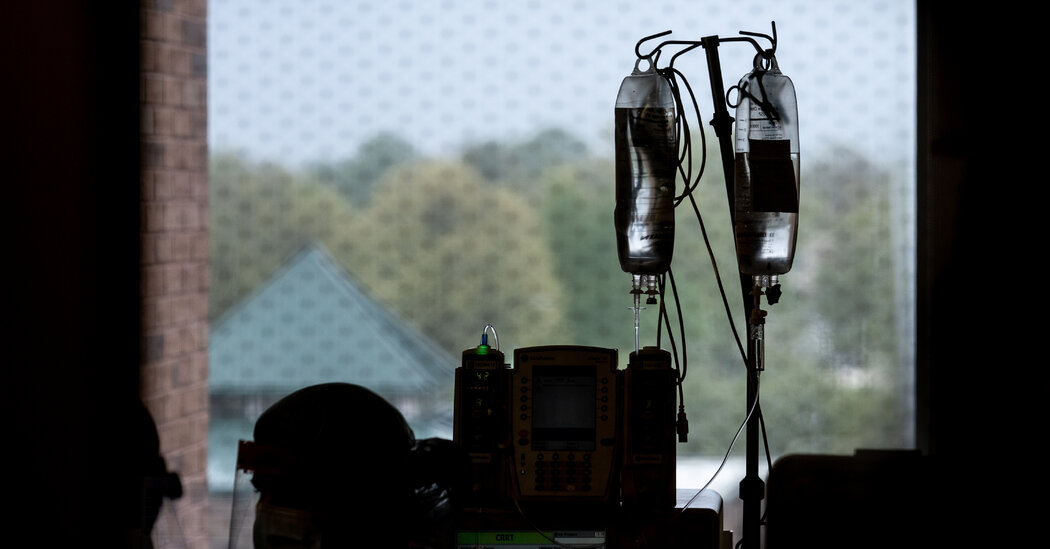
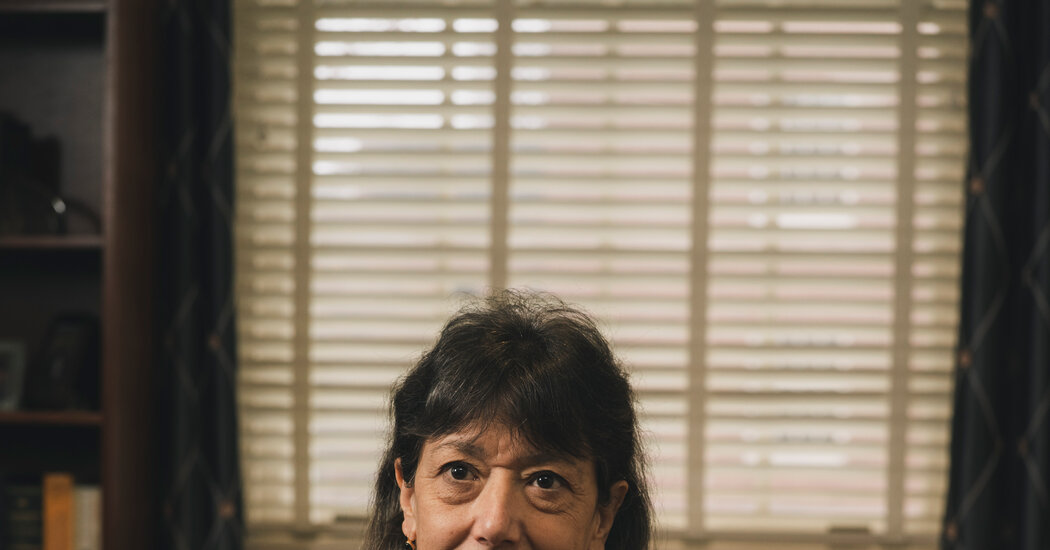
Key drugs have been in scarce supply, revealing a deep crisis in the generic drug industry.Stephanie Scanlan learned about the shortages of basic chemotherapy drugs this spring in the most frightening way. Two of the three drugs typically used to treat her rare bone cancer were too scarce. She would have to go forward without them.Ms. Scanlan, 56, the manager of a busy state office in Tallahassee, Fla., had sought the drugs for months as the cancer spread from her wrist to her rib to her spine. By summer it was clear that her left wrist and hand would need to be amputated.“I’m scared to death,” she said as she faced the surgery. “This is America. Why are we having to choose who we save?”The disruption this year in supplies of key chemotherapy drugs has realized the worst fears of patients — and of the broader health system — because some people with aggressive cancers have been unable to get the treatment they need.Those medications and hundreds of other generic drugs, including amoxicillin to treat infections and fentanyl to quell pain during surgery, remain in short supply. But the deepening crisis has not fostered solutions to improve the delivery of generic drugs, which make up 90 percent of prescriptions in the United States.Dr. Robert Califf, commissioner of the Food and Drug Administration, has outlined changes the agency could make to improve the situation. But he said the root of the problem “is due to economic factors that we don’t control.”“They’re beyond the remit of the F.D.A.,” he said.Senator Ron Wyden, a Democrat of Oregon and chairman of the Senate Finance Committee, agreed. “A substantial portion of these market failures are driven by the consolidation of generic drug purchasing among a small group of very powerful health care middlemen,” he said at a hearing this month.In interviews, more than a dozen current and former executives affiliated with the generic drug industry described many risks that discourage a company from increasing production that might ease the shortages.They said prices were pushed so low that making lifesaving medicines could result in bankruptcy. It’s a system in which more than 200 generic drugmakers compete, at times fiercely, for contracts with three middleman companies that guard the door to a vast number of customers.In some cases, generic drugmakers offer rock-bottom prices to edge out rivals for coveted deals. In other instances, the intermediaries — called group-purchasing organizations — demand lower prices days after signing a contract with a drugmaker.The downward pressure on prices — no doubt often a boon to the pocketbooks of patients and taxpayers — is intense. The group purchasers compete against one another to offer hospitals the lowest-priced products, which intermediary companies say also benefits consumers. They earn fees from drugmakers based on the amount of medications the hospitals buy.“The business model is broken,” said George Zorich, a pharmacist and retired generic drug industry executive. “It’s great for G.P.O.s. Not great for drug manufacturers, not great for patients in some cases.”Ms. Scanlan’s cancer was deemed curable for about 65 percent of patients after cisplatin was added to the cocktail. But during her treatment, Ms. Scanlan got only one dose of a sister drug, carboplatin.Emil Lippe for The New York TimesMany doctors wish they could do more to give cancer patients the medicines they need.“Every clinician I know would be thrilled to pay more money for a reliable supply of a quality drug,” said Dr. Andrew Shuman, a University of Michigan oncology surgeon and expert on drug shortages.In a speech to drug supply intermediaries last month, Dr. Califf exhorted them to “pay more,” saying it would enhance access to medical products and would be “good for business.”Prices fell in recent years for two of the three drugs that Ms. Scanlan was initially offered to treat her cancer. During those years, Intas Pharmaceuticals, a generics giant in India, steadily gained market share as other companies left, according to data from the U.S. Pharmacopeia, a nonprofit that tracks drug shortages.But the company had to halt U.S. production to deal with quality issues that the F.D.A. cited after a surprise inspection of one of its sprawling plants in India. Inspectors had discovered quality-control staff workers shredding and throwing acid on key records. The manufacturing shutdown set off a supply shock in February that would be felt nationwide.Nearly every major U.S. cancer center reported in surveys that they faced chemotherapy shortfalls last spring and summer. One survey released in August found that nearly 60 percent of more than 1,000 pharmacy respondents deemed chemotherapy drug shortages “critically impactful.”Intas recently resumed production, but the F.D.A. still lists the drugs as being in short supply. Major cancer centers report that the shortages are easing, though concerns persist about stock in rural areas.The scarce drugs are cheap and essential and revolutionized their field decades ago, for the first time curing some patients with testicular, lung, ovarian, pancreatic and breast cancers, oncologists say.Ms. Scanlan’s cancer, called osteosarcoma, was deemed curable for about 65 percent of patients after cisplatin was added to the cocktail regimen in the 1970s.Ms. Scanlan’s medical records outline her care. For treatment in the spring and summer, she received only one infusion in March of a sister drug, carboplatin, at University of Florida Shands Hospital in Gainesville.As months passed, Ms. Scanlan’s cancer spread deeper into her bones. She was referred to Tallahassee Memorial Hospital, which, because of the shortages, treated her with one chemotherapy drug. The center then referred Ms. Scanlan to the Mayo Clinic site in Jacksonville in April, according to her medical records.Ms. Scanlan, with her dog, Rosie. “This is America,” Ms. Scanlan said. “Why are we having to choose who we save?”Mark Wallheiser for The New York TimesYet even at the gleaming Florida outpost of the elite medical system, Ms. Scanlan could not get her chemo treatments.By May, she was facing surgery, but might have been eligible to have her wrist repaired rather than amputated. Notes in her records by her Mayo oncology surgeon, Dr. Courtney Sherman, said it would depend on how Ms. Scanlan responded to treatment, though “she is not receiving standard chemotherapy given shortages.”In May and June, both Ms. Scanlan and Dr. Sherman pressed Dr. Steven Attia, a Mayo oncologist, to order the infusions. Ms. Scanlan emailed Dr. Attia: “One question, does Mayo not have the chemo that I actually need?”Dr. Attia declined requests for comment. Samiha Khanna, a Mayo spokeswoman, denied that its site in Jacksonville experienced a cancer drug shortage and confirmed that Mayo did not administer chemotherapy to Ms. Scanlan. Ms. Khanna also referred questions back to Tallahassee Memorial.A market transformedOver the course of his career in the generic drug field, Jeff Herzfeld, a pharmacist and former generics executive who works as a consultant, watched it morph from a field with modest profits to one that is cutthroat.At first it seemed no one was going to make high profits in the generic industry. As drug patents expired, companies entered the market and won customers by offering low prices.But the field of customers began to shrink about 15 years ago. Intermediary companies realized that they could organize hospitals to wield their mass-buying power to get even lower prices.Those intermediaries, or G.P.O.s, charged fees to drugmakers that could access a vast swath of customers. The G.P.O.s competed with one another for hospital clients — enticing them with the lowest prices.The competition stiffened as generic drugmakers vied for each huge deal, emerging victorious if they came in with the lowest price. “They had a winner-take-all approach,” Dr. Herzfeld said.Big deals also came with tough contract terms. One allowed the G.P.O.s to return to the generic drugmaker days after a deal with an ultimatum: Lower the price more or lose the contract. It could happen repeatedly. “You don’t have a lot of room for error,” Dr. Herzfeld said.Generic drug executives said common contract terms deterred them from helping out in a shortage. If they fail to supply promised medications, they can face hefty fines. Yet if they produce more drugs than hospitals buy, they are left with a hole in their balance sheet.Intas Pharmaceuticals, a generics giant in India, steadily gained market share as other companies left the market.Sam Panthaky/Agence France-Presse — Getty ImagesThese routine contract clauses “really penalize or punish” generic drugmakers, said David Gaugh of the Association for Accessible Medicines, which represents the generics industry.Todd Ebert, president of the Healthcare Supply Chain Association, which represents G.P.O.s, disputed those views, arguing that some generic drugmakers offered very low “predatory” prices to force competitors out of the business.Without knowing the cost of producing the drugs, companies cannot be certain if a price is a bargain — or a tactic to hobble the competition, he said. Vizient, a major group purchaser, referred comment to Mr. Ebert.Jessica Daley, a supply chain vice president with Premier, a leading drug-purchasing company, said the company strove to foster healthy markets and wanted “reasonable prices that support supply resiliency and protect patient care.”Aside from the group purchasers’ terms, generic drugmakers also point to other costs they face, including long lists of fees they pay companies that ship drugs from drug factories to hospitals.The current drug shortages have exposed the pressures on the generic market, and the scarcity of cancer treatments has put the spotlight on the troubled growth of Intas Pharmaceuticals in India. It produced two chemo therapies that Ms. Scanlan was to receive early on.Its market share for one of the drugs, methotrexate, which is also used in pediatric cancers and rheumatoid arthritis, grew to 35 percent last year from about 7 percent in 2018, according to the U.S. Pharmacopeia. The data shows the price per dose also fell, to $20 in 2022 from about $25 in 2018.Prices also fell during those years for carboplatin and cisplatin, which tumbled to $15 a dose. Intas’ market share grew, particularly for cisplatin, to 62 percent of the U.S. supply in 2022 from 24 percent in 2018.Ms. Scanlan’s husband, Joe Carr, left, helped wrap her amputated arm in the bathroom.Mark Wallheiser for The New York TimesNot ‘a first-world nation’Dr. Julie Gralow, chief medical officer of the American Society of Clinical Oncology, discovered signs of stockpiling in some health systems as early as February when the F.D.A. first announced the shortage, while shelves were empty at other health centers.“We’re calling it a maldistribution based on who has access — who can afford to create a little stockpile at their site,” Dr. Gralow said.By May her group and others relied on established tenets of bioethics to help cancer centers decide which patients should get scarce treatments, favoring patients with a shot at a cure over those staving off death. Dr. Gralow said researchers were beginning to study whether the chemo shortages are affecting patient survival. Results could take years.The emotional impact has varied widely. Some people with cancer were too focused on paying rent or feeding a family to fight for the medications they desperately needed, said Danielle Saff, a social worker with CancerCare, a nonprofit that supports patients.Others, like Lucia Buttaro, 60, a professor at Fordham University, were furious. She did not get her prescribed carboplatin for a reoccurrence of ovarian cancer in May or June, even though cancer was spreading in her lungs.“In my opinion, we don’t qualify as a first-world nation if you can’t get what you need,” she said.In the case of Ms. Scanlan in Florida, because her cancer was rare, invasive and advanced rapidly, it remains unclear whether the shortages played a role.Still, cancer experts expressed concerns that she had not received standard chemotherapy cocktail regimens before her amputation in September.Failure to use the three “modern miracle” generic chemotherapies for osteosarcoma patients “is a real problem,” said Dr. Lee Cranmer, a sarcoma expert at Fred Hutch Cancer Center in Seattle, who was not involved in Ms. Scanlan’s treatment.She has since received radiation. Last month, she learned the cancer already in her rib and spine had not spread further. Although her new care team at Moffitt Cancer Center in Tampa recently recommended palliative care, she said she felt defeated and terrified.The shortages took a toll, she said, adding: “I can’t help but think about what if something different happened from the beginning.” Ellen Gabler contributed reporting.

Read more →

Possible Ways to Ease Drug Shortages

Lawmakers, U.S. officials and industry experts have offered measures to try to shore up the generic drug market.At several congressional hearings this year, ideas to fix drug shortages were as numerous as the number of scarce drugs.The rationing of key chemotherapies added urgency to the crisis.Two of these drugs, carboplatin and cisplatin, are inexpensive and are used to treat up to 20 percent of cancer patients, according to the National Institutes of Health.Momentum to shore up supplies of such crucial generic drugs grew this year after lawmakers returned from town hall meetings in their districts and reported on somber visits to their local hospitals. “People are dying because of this,” Representative Debbie Dingell, a Democrat of Michigan, said at one hearing.President Biden announced a plan in November to use his executive authority to expand federal authorities’ ability to invest in domestic manufacturing to ease some drug shortages, including those of morphine, insulin and flu vaccines. He also created a cabinet-level council focused on shortages and set aside $35 million to help prevent shortages of sterile injectable drugs like propofol or fentanyl, which are used in surgery.Here are some solutions that have been percolating:Set a price floor for lifesaving drugsA dozen executives in the generic industry said in interviews that their market was beset by unsustainably low prices, pushed down in part by intermediary companies. These middlemen compete for hospital clients, sometimes based on who can offer the lowest drug prices.Generic industry executives suggested setting a minimum price — sometimes referred to as a price floor — for generic drugs, particularly for the injectable ones that are most delicate to produce and are routinely in short supply.Marta Wosińska, a former economist for the Food and Drug Administration and deputy director for policy at the Duke-Margolis Center for Health Policy, has proposed a plan addressing prices that would reward drugmakers with the best record for quality and stability. “We’re paying too little for some of these drugs,” Dr. Wosińska said. “We need to be paying more for reliability, manufacturing quality. It’s not just about paying more.”Consider government manufacturingThe American Medical Association recently updated its policy on drug shortages, recommending that nonprofits or governments play a role in shoring up supplies, especially in the case of low-cost generic drugs that are challenging to make.The group, which represents thousands of doctors, urged the U.S. government to consider manufacturing some drugs, citing the examples of Sweden, Poland and India. In a related move, Senator Elizabeth Warren, a Democrat of Massachusetts, reintroduced a bill to create a federal drug manufacturing office that would oversee and encourage government production of certain medicines that are officially in shortage.Add transparency to the supply chainAbout a dozen people at the F.D.A. monitor and try to avert shortages. They also deal with ones they could not prevent. The agency has asked Congress to require drugmakers to report surges in demand. It also sought authority to require more information — like disclosure of the origins of basic ingredients — on the drug’s label.Encourage stockpilingSeveral groups have said the government could create incentives for hospitals or others in the supply chain to create a strategic reserve of key medications. The American Cancer Society said this month in a letter to congressional leadership that buffer stock would protect against catastrophes like a hurricane, a war or an unexpected event.But the group warned in the letter that the solution would be limited, “if the cause of a shortage is due to chronic unsustainable market conditions” that prompt companies to stop making drugs.Make more medicines in the U.S.The idea of reshoring — or bringing back drug manufacturing — and investing in existing domestic generic drugmaking facilities comes up routinely. Proponents note that relying heavily on other nations creates a national security vulnerability. An estimated 83 percent of the active ingredients in generic medicines are made overseas.Critics of the idea say domestic production is no panacea. They point to recent bankruptcies among generic drugmakers in the United States as well as the tornado that ripped through a Pfizer generic drug plant earlier this year.Propose more small-batch manufacturingLast winter, the Children’s Hospital Association, which represents 220 hospitals, anticipated a major supply disruption in albuterol treatments, which are given to children struggling to breathe. They turned to STAQ Pharma, an Ohio compounding pharmacy that makes custom batches of medications. The company ramped up production and helped ease the shortage. Such efforts are allowed only if a drug is on the official F.D.A. shortage list.The Association for Health System Pharmacists, a trade group, has proposed that the F.D.A. provide more information on the quality of such compounding pharmacies. Hospitals might otherwise hesitate to rely on them, given the history of problems at the New England Compounding Center, which was linked to 64 deaths after patients received tainted injections. The disaster led to criminal charges and civil settlements; the F.D.A. has since tightened requirements on such facilities.

Read more →

The Kenyan women being helped by Alnwick stoma swimmer

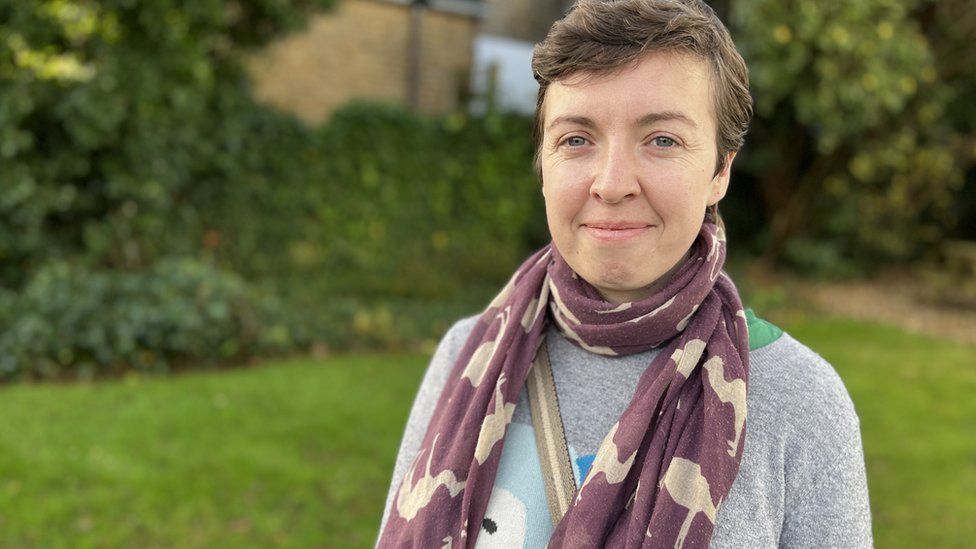
Published2 hours agoShareclose panelShare pageCopy linkAbout sharingThis video can not be playedTo play this video you need to enable JavaScript in your browser.By Alison FreemanBBC NewsHaving overcome her own difficulties with a stoma, and going on to swim the English Channel, Gill Castle set up a charity to help women in Kenya move on with their lives after a colostomy. The BBC joined her for a trip to Africa to meet some of those she is working with.SesitaSixteen-year-old Sesita is from a tribe in the Maasai Mara nature reserve.She is from a poor, rural area. She has not had any access to schooling and speaks in her tribal language.At a young age she was married to a much older man and gave birth for the first time last year, when she was 15. Her baby died and she was so badly injured that she had to have two stomas to divert her faeces and urine out through her abdomen.Sesita finds it hard to talk about what happened to her without crying. But she says she wanted to tell her story so that people could understand that help is needed for women like her.She has undergone a number of surgeries at the Gynocare Hospital in Eldoret. The whitewashed building is a beacon at the end of long dirt track.The road is lined with crude concrete buildings with metal roofs that house everything from clothes shops to cafes and butchers. Cattle and chickens wander alongside Kenyans of all ages in the glaring sun.Gill, from Alnwick, found out about the plight of Kenyan women after being contacted by an American Charity called Beyond Fistula which works with the hospital. A fistula is an internal hole and can be the result of childbirth. It is a condition which often affects the poorest women who cannot afford healthcare, so the hospital offers the surgery for free. Gill ended up with her stoma after suffering a fistula and a fourth degree tear between her rectum and vagina when giving birth to her son.She first met Sesita, lying in a hospital bed after her stoma surgery, when she visited the hospital in July 2022.”I went in and said to her – I’ve got a stoma, just like you, and I lifted up my shirt and showed her my stoma bag and her whole face lit up,” Gill says.”She was saying to the women in the ward ‘just like me, just like me’, and I thought if someone had come to me just after my surgery when I felt lonely, what that would have meant to me. “It was pure joy on her face.”Sesita has been returned to her family and in 2024 she will be trained as a seamstress back at the hospital. In the charity workshop where the women learned to make their own sanitary pads, she excelled and beamed with pride.Gill says Sesita’s story is very difficult to come to terms with from a Western perspective. But, she said, “we are making her life better, she is in a better place now and by all these different teams working together we are enabling her to move on from that trauma.”RoseRose is 54 and lives in a gated compound in a rural area a few hours from Eldoret with her husband. Gill’s charity Chameleon Buddies, so-called for the reptile’s adaptable nature, has employed the pastoress as a translator for the week. Rose is a powerful woman who can command the room with her passionate way of speaking. She underwent a colostomy operation, where the bowel is diverted out onto the abdomen, in 2020.She is honest about how hard she found it to come to terms with her stoma and her difficulty in understanding how to put on the bags.”I wanted to run away,” Rose says, adding: “I never accepted it easily. “I don’t know how to put [the bag] on. I don’t want to see the wound, I didn’t even want to look at myself.”One of her daughters helped her with stoma care but when she had to return to college, Rose said she found life very tough and sometimes got through four stoma bags a day.The bags are very expensive in Kenya. Just one can cost up to 1,000 Kenyan shillings – which is around £5. The average salary of an educated person there is 25,000 shillings per month, meaning the cost is prohibitive. Gill found out that women in Kenya resort to using plastic bags, bread wrappers and sometimes tissue to deal with the waste from their stomas. It means they then can suffer from isolation as they are too afraid to leave their homes or go to work.In the UK, unwanted bags can’t be re-used and end up in landfill, so Gill has collected and donated enough to last the Gynocare hospital three years.Meeting Gill and her team has had a hugely positive effect on Rose.”When I came here and saw the story of Gill, I thought to myself ‘yes I can’,” Rose says.GraceGrace is 37 and has four children. She lives in Kisumu county and only had her colostomy operation a week before the workshop. She travelled for four hours, in considerable pain on public transport to get there.Grace suffered a fistula in childbirth more than four years ago. She then also discovered she had colon cancer.She says there is a huge stigma around fistulas and stomas in the Kenyan culture. “Women are very, very embarrassed,” she said, adding: “Then we don’t come out to talk about it. “Like me, I stayed with the fistula for four years and I did not talk to anyone. Back at home we are not that educated to talk about what we are going through. We fear that if you talk about it, some will laugh, some will hate, some will run.”Grace says that going to the workshop and meeting other women means she no longer feels embarrassed. “At first I thought that I was the only one having a colostomy bag,” Grace says, adding: “But they have encouraged me a lot.”I can see my future ahead. I feel my future will be bright.”The Stoma SwimmerFind out more about Gill Castle’s journey to become the first person to swim the English channel with a stoma and how she is helping women in Kenya overcome stoma stigma. Watch ‘The Stoma Swimmer’ now on BBC iPlayer (UK only)Follow BBC North East on Facebook, X (formerly Twitter), and Instagram. Send your story ideas to northeastandcumbria@bbc.co.uk.More on this storyWoman becomes first solo Channel stoma swimmerPublished12 SeptemberMum aims to defy birth injury to swim ChannelPublished14 AugustSwimming with my stoma bagPublished30 April 2021Related Internet LinksChameleon BuddiesThe BBC is not responsible for the content of external sites.

Read more →

How to go sober at Christmas, from people who know

Published4 hours agoShareclose panelShare pageCopy linkAbout sharingImage source, Getty ImagesBy Riyah CollinsBBC NewsbeatFor lots of us, alcohol is a big part of Christmas Day, not to mention New Year’s Eve.But more and more people are shunning booze by cutting down or opting to go sober. Latest figures from the NHS suggest a third of people under 25 have not drunk alcohol for at least a year. We’ve all seen reports that it’s much better for us, but going dry for more than just January can still be a challenge. It’s something Kali Thompson, Jamie Osman and Tom Hollings know all about.DJs Jamie and Tom decided to go sober over the past two years – and in 2022 they both celebrated their first Christmas without drinking. And TikToker Kali is looking ahead to her first festive season off the booze after going sober in June. “Most Christmas Days I’ve been extremely hungover,” says the 25-year-old, who gained a following online by sharing videos of drunken nights out. The influencer was worried she would struggle to avoid booze but is actually feeling “totally fine”.Tom says his first sober Christmas was “really refreshing – mainly because I didn’t ruin Christmas Day”.For anyone thinking of cutting down on drinking this festive season, Kali, Tom and Jamie shared some of their top tips with BBC Newsbeat.Image source, They Think It’s All Sober1. It’s OK to say noIf there’s a time when your willpower might be tested, chances are it will happen when people around you are drinking.”I think everyone has a very big fear that you stop drinking and your social life stops,” says Tom, who hosts the They Think It’s All Sober podcast with Jamie. That fear can feel even stronger at Christmas, with all the parties and catch-ups that often involve drinking.But you don’t have to go to every single one, says Tom. “There’s a lot of them,” he says.”You can plan an exit even if it means backdooring it and not saying goodbye to people.”2. Text ahead and stock upOne way to avoid those awkward conversations or your uncle trying to pour wine into your glass is to let your loved ones know you don’t want to drink in advance.”If you’re planning on not drinking and it’s a new thing, letting your family and friends know in advance goes a long way,” says Tom.”Just sending a text to say, ‘Hey, just letting you know I’m taking a break from drinking at the moment’ is probably better than doing it in a live environment on the night where someone’s going, ‘Oh, it’s Christmas, just have one’.”Tom, Jamie and Kali all say their friends and family have been really supportive of their decision not to drink. And it’s easier to say no to any well-meaning offers if you’ve already got a drink in your hand.”Last Christmas, I made sure that I just had a bunch of 0% beers in my car wherever I was going,” says Jamie.3. Remember your reasonsIf Kali’s feeling tempted to have a drink, she just opens her notes app.”I made a note in my phone of all the reasons why I need to go sober and why I want to stay sober,” she says. “And whenever I have that thought of ‘I could just have a drink’, I’d read it.”Image source, Kali ThompsonShe’s found sharing her sober journey on her own podcast, Hangxiety, as well as listening to other people’s experiences has been a good way of helping her stick to it.”Listen to podcasts, read books, hang out with other people that are sober, make sober friends, tell everybody about it,” she says.”If you make it your personality, you kind of stick to it.”4. Treat yourselfJamie and Tom both go for an alcohol-free Pilsner as their Christmas tipple of choice while Kali’s more of an alcohol-free wine kind of girl. “The market for 0% alcohol or low alcohol has expanded so much in the last year-and-a-half, two years,” says Jamie.So if you aren’t drinking this year, you don’t have to be limited to orange juice. Going sober has dramatically changed my lifeSober lives: ‘I can be confident on orange juice’Going sober in your 20s to ease the cost of livingAnd even having a drink in a Champagne flute or wine glass can go a long way to making an alcohol-free alternative feel more Christmassy.”I like drinking anything in a wine glass,” says Kali. “It just gives me the the idea that I’m having a little bit of a drink.””There are so many amazing options now whether that be beer, wine, spirits, proseccos,” Jamie adds, which can help you still feel included.Image source, Getty Images5. Don’t listen to your inner voice”I was really, really nervous when I first went sober that I’m going to be so boring,” says Kali. “Because I didn’t feel confident without the alcohol.”While she and Tom say the first few months were a challenge, Kali says “you soon start to find your confidence”.Without drinking, she says she’s a more attentive friend but she admits it’s a bit harder to find your feet on the dancefloor.”I still find that quite awkward,” she says.”And if you are standing there thinking, ‘Maybe I could just have one drink, it wouldn’t hurt’, try to separate that voice in your head, because it’s not really what you want.”If you’ve been affected by the issues raised in this article, help and support is available via BBC Action Line. Listen to Newsbeat live at 12:45 and 17:45 weekdays – or listen back here.More on this storyGoing sober has dramatically changed my lifePublished27 OctoberSober lives: ‘I can be confident on orange juice’Published13 JulyGoing sober in your 20s to ease the cost of livingPublished16 January

Read more →

NHS dentistry as we know it 'gone for good'

Published1 hour agoShareclose panelShare pageCopy linkAbout sharingImage source, Getty ImagesBy Nick TriggleHealth correspondentThe traditional model of NHS dentistry is gone for good, experts are warning. The Nuffield Trust think tank said the service had been cut back so much it was now at the most perilous position in its 75-year history in England.It said restoring services would probably need an unrealistic amount of money and called for radical reform, suggesting NHS support may need to be completely scaled back for some adults.The government said it would be publishing a recovery plan soon.The Nuffield Trust said funding for NHS dentistry had suffered huge cuts in recent years. Some £3.1bn was spent in 2021-22 – a drop of £525m since 2014-15 once inflation is taken into account.It said the number of treatments being done each year was now six million lower than it was before the pandemic.Full extent of NHS dentistry shortage revealedDriving hundreds of miles for dentist ‘unacceptable’The original universal service is a mix of free care for some and subsidised support for others.The Nuffield Trust said tough policy choices needed to be made, suggesting one option could be to start charging adults for the full cost of treatment beyond emergency work and check-ups.The young, old and those on the lowest income could then continue to receive free care.’My family hasn’t seen a dentist for four years’Image source, Peter WilliamsPeter Williams and his family last saw an NHS dentist in 2019. “Very soon after our dentist reopened its doors after Covid we received a letter saying they were no longer treating NHS patients and we would have to take out a private dentistry plan or pay for our treatment.”Despite regularly trying local dentists close to him in West Sussex, he has not been able to find one willing to take on new NHS patients. “They either only accept private patients or their NHS slots are all full. “It is impossible. My children are 19 and 17 and they haven’t had a check-up for four years.”I think it is really unfair, particularly on children. “If there was an emergency I would just have to pay privately for treatment. But that is not right.”Nuffield Trust chief executive Thea Stein said: “Difficult and frankly unpalatable policy choices will need to be made. If, as it seems, the original model of NHS dentistry is gone for good, then surely the imperative is to provide enough access for a basic core service for those most in need. “Whichever way we go, I’m afraid that NHS dentistry cannot continue without some kind of evaluation of the offer, even if there are some major improvements to the way services are contracted and commissioned.”The think tank said while the data underpinning this report is for England only, there was little to suggest the other parts of the UK were not struggling either.Image source, Getty ImagesLouise Ansari, of patient watchdog Healthwatch England, said the government “urgently” needed to act.Shawn Charlwood, chairman of the British Dental Association’s general dental practice committee, said the report “reads like the last rites for NHS dentistry” and that “patients and this profession deserve some honesty here”.He added: “The government say NHS dentistry should be accessible for all who need it.”The plain facts are we’re not seeing any evidence of the reforms or the resources to realise that ambition.”The Department of Health and Social Care said it would be publishing a dental recovery plan shortly and had already taken steps to improve access, including increasing dental training places by 40%.”We are making progress to boost NHS dental services,” a spokesman added.The Nuffield Trust report was released as Labour published its own analysis of NHS data showing eight in 10 dental practices were not accepting new NHS patients – similar to figures from a BBC investigation last year.The party said it would pump extra money into the system by abolishing the non-dom tax status, which allows people living in the UK to avoid paying UK tax on money they made outside the country.It said this would help to create hundreds of thousands more urgent appointments.But the Nuffield Trust said that would probably still not be enough.More on this storyWoman takes 200-mile round trips for NHS dentistPublished14 JulyFull extent of NHS dentistry shortage revealedPublished8 August 2022Related Internet LinksBritish Dental AssociationHealth and Social Care CommitteeThe BBC is not responsible for the content of external sites.

Read more →