Potency of synthetic antibiotic against serious chronic infections

A new synthetic antibiotic developed by University of Liverpool researchers is shown to be more effective than established drugs against ‘superbugs’ such as MRSA, a new study shows.
The study demonstrates the potent activity of the antibiotic, teixobactin, against bacterial biofilms. Biofilms are clusters of bacteria that are attached to a surface and/or to each other — which are associated with serious chronic infections in humans.
Nearly five million people lose their lives due to antibiotic resistance-associated infections and millions more live with poor quality of life due to treatment failures. Antimicrobial resistance (AMR) is increasing and an AMR review commissioned by the UK Government has predicted that by 2050 an additional 10 million people will succumb to drug resistant infections each year. The development of new antibiotics which can be used as a last resort when other drugs are ineffective is a crucial area of study for healthcare researchers around the world.
This work builds on pioneering research by the University’s Dr Ishwar Singh, an expert in antimicrobial drug discovery and development and medicinal chemistry. A team of researchers led by Dr Singh developed simplified synthetic versions of the natural molecule teixobactin, which is used by producer bacteria to kill other bacteria in soil.
They have tested a unique library of synthetic versions of the ‘game changing’ antibiotic, optimising key features of the drug to enhance its efficacy and safety, plus enabling it to be inexpensively produced at scale.
For this latest study, the researchers designed and synthesised highly potent teixobactin analogues but swapped out key bottleneck building block L-allo-enduracididine with the commercially available low cost simplified building blocks such as non proteogenic amino acids. As a result, the analogues are now effective against the broad range of resistant bacterial pathogens including bacterial isolates from patients and bacterial biofilms.
This is another important step in adapting the natural teixobactin molecule to make it suitable for human use.
Dr Ishwar Singh said: “Teixobactin molecules have the potential to provide new treatment options against multi drug resistant bacterial and biofilm related infections to improve and save lives globally. Our study provides a promising foundation for further research, and opens avenues to explore the application of teixobactin in various health related biofilm contexts, including surgical site infections, implant-related surgeries and cystic fibrosis patients.”
This work is funded by Innovate UK, the Department of Health and Social Care and Rosetrees Trust. In addition to the University of Liverpool team it involves researchers from Singapore Eye Research Institute, Nanyang Technological University (Singapore), University of Ghent (Belgium), University of Utrecht (Netherlands), and the University of Lincoln (UK).

Read more →

Researchers identify path to prevent cognitive decline after radiation

Researchers at the Del Monte Institute for Neuroscience at the University of Rochester find that microglia — the brain’s immune cells — can trigger cognitive deficits after radiation exposure and may be a key target for preventing these symptoms. These findings, out today in the International Journal of Radiation Oncology Biology Biophysics, build on previous research showing that after radiation exposure microglia damage synapses, the connections between neurons that are important for cognitive behavior and memory.
“Cognitive deficits after radiation treatment are a major problem for cancer survivors,” M. Kerry O’Banion, MD, PhD, professor of Neuroscience, member of the Wilmot Cancer Institute, and senior author of the study said. “This research gives us a possible target to develop therapies to prevent or mitigate against such deficits in people who need brain radiotherapy.”
Using several behavioral tests, researchers investigated the cognitive function of mice before and after radiation exposure. Female mice performed the same throughout, indicating a resistance to radiation injury. However, researchers found male mice could not remember or perform certain tasks after radiation exposure. This cognitive decline correlates with the loss of synapses and evidence of potentially damaging microglial over-reactivity following the treatment.
Researchers then targeted the pathway in microglia important to synapse removal. Mice with these mutant microglia had no cognitive decline following radiation. And others that were given the drug, Leukadherin-1, which is known to block this same pathway, during radiation treatment, also had no cognitive decline.
“This could be the first step in substantially improving a patient’s quality of life and need for greater care,” said O’Banion. “Moving forward, we are particularly interested in understanding the signals that target synapses for removal and the fundamental signaling mechanisms that drive microglia to remove these synapses. We believe that both avenues of research offer additional targets for developing therapies to help individuals receiving brain radiotherapy.”
O’Banion also believes this work may have broader implications because some of these mechanisms are connected to Alzheimer’s and other neurodegenerative diseases.
Additional authors include first author Joshua Hinkle, PhD, postdoctoral fellow at the National Institute on Drug Abuse and former graduate student in the O’Banion-Olschowka Labs, John Olschowka, PhD, and Jacqueline Williams, PhD, of the University of Rochester Medical Center. This research was supported by the National Institutes of Health, and NASA.

Read more →

Human beliefs about drugs could have dose-dependent effects on the brain

Mount Sinai researchers have shown for the first time that a person’s beliefs related to drugs can influence their own brain activity and behavioral responses in a way comparable to the dose-dependent effects of pharmacology.
The implications of the study, which directly focused on beliefs about nicotine, are profound. They range from elucidating how the neural mechanisms underlying beliefs may play a key role in addiction, to optimizing pharmacological and nonpharmacological treatments by leveraging the power of human beliefs. The study was published in the journal Nature Mental Health.
“Beliefs can have a powerful influence on our behavior, yet their effects are considered imprecise and rarely examined by quantitative neuroscience methods,” says Xiaosi Gu, PhD, Associate Professor of Psychiatry, and Neuroscience, at the Icahn School of Medicine at Mount Sinai, and senior author of the study. “We set out to investigate if human beliefs can modulate brain activities in a dose-dependent manner similar to what drugs do, and found a high level of precision in how beliefs can influence the human brain. This finding could be crucial for advancing our knowledge about the role of beliefs in addiction as well as a broad range of disorders and their treatments.”
To explore this dynamic, the Mount Sinai team, led by Ofer Perl, PhD, a postdoctoral fellow in Dr. Gu’s lab when the study was conducted, instructed nicotine-dependent study participants to believe that an electronic cigarette they were about to vape contained either low, medium, or high strengths of nicotine, when in fact the level remained constant. Participants then underwent functional neuroimaging (fMRI) while performing a decision-making task known to engage neural circuits activated by nicotine.
The scientists found that the thalamus, an important binding site for nicotine in the brain, showed a dose-dependent response to the subject’s beliefs about nicotine strength, providing compelling evidence to support the relationship between subjective beliefs and biological substrates in the human brain. This effect was previously thought to apply only to pharmacologic agents. A similar dose-dependent effect of beliefs was also found in the functional connectivity between the thalamus and the ventromedial prefrontal cortex, a brain region that is considered important for decision-making and belief states.
“Our findings provide a mechanistic explanation for the well-known variations in individual responses to drugs,” notes Dr. Gu, “and suggest that subjective beliefs could be a direct target for the treatment of substance use disorders. They could also advance our understanding of how cognitive interventions, such as psychotherapy, work at the neurobiological level in general for a wide range of psychiatric conditions beyond addiction.”
Dr. Gu, who is one of the world’s foremost researchers in the emerging field of computational psychiatry, cites another way in which her team’s research could inform clinical care. “The finding that human beliefs about drugs play such a pivotal role suggests that we could potentially enhance patients’ responses to pharmacological treatments by leveraging these beliefs,” she explains.
Significantly, the work of the Mount Sinai team can also be viewed in a much broader context: harnessing beliefs in a systematic manner to better serve mental health treatment and research in general.
“We’re interested in testing the effects of beliefs on drugs beyond nicotine to include addictive substances like cannabis and alcohol, and therapeutic agents like antidepressants and psychedelics,” says Dr. Gu. “It would be fascinating to examine, for example, how the potency of a drug might impact the effect of drug-related beliefs on the brain and behavior, and how long-lasting the impact of those beliefs might be. Our findings could potentially revolutionize how we view drugs and therapy in a much broader context of health.”

Read more →

Chronic childhood ear infections delay language development

Ear infections are a common childhood experience, but a new study suggests parents should take these infections seriously to preserve their children’s language development. That’s because each ear infection can potentially impair hearing with fluid building up behind the eardrum.
New research from University of Florida scientists reveals that when ear infections become chronic, this repeated, temporary hearing loss can lead to deficits in auditory processing and language development in children years later.
“Ear infections are so common that we tend to dismiss them as having no long-term effect. We should take all ear infections seriously,” said Susan Nittrouer, lead researcher and a UF professor of speech, language, and hearing sciences in the College of Public Health and Health Professions. “Parents should be aware that their child may have some middle ear fluid without it being painful and work with their doctor to monitor their child closely.”
Nittrouer and Joanna Lowenstein, a researcher in the UF Health Clinical and Translational Science Institute, studied the auditory processing and language development of 117 children from ages 5 to 10 years both with and without a history of chronic ear infections in early childhood.
On average, children with several ear infections before three years of age had smaller vocabularies and a harder time matching similar sounding words than children with few or no ear infections. They also had difficulty detecting changes in sounds, a sign of problems in their brain’s auditory processing centers.
One takeaway, Nittrouer says, is for parents, physicians, and speech pathologists to continue monitoring children long after the last preschool earache fades away. Some language deficits may only reveal themselves in later grades.
“As children go through school, the language they’re required to use becomes more complex,” said Nittrouer.

Nittrouer and Lowenstein used three tests to assess language development and auditory processing. In one test, children had to detect which of three cute cartoon characters sounded different than the other two. This involved manipulating the patterns of loudness, or amplitude, change across time.
“The better you can recognize this change in amplitude across time, the better you’re going to be able to recognize the structure of speech,” said Nittrouer.
The second task asked children to name pictures presented to them, a measure of their vocabulary size. Finally, children were asked to match words based on whether they began or ended with the same speech sound, a task essential not only to speech development but also to reading acquisition.
Treating ear infections early can help prevent the fluid buildup that hurts language development, according to Nittrouer. If ear infections are common and fluid does build up, tubes placed temporarily in the eardrum can help drain the fluid and restore hearing, which should lead to less risk of delay in the development of the central auditory pathways and fewer problems acquiring language.
The researchers published their findings in November in the International Journal of Pediatric Otorhinolaryngology. They plan to continue this research by including children at risk for delays in auditory development for other reasons, including premature birth.

Read more →

Epilepsy drug shows promise in slowing joint degeneration in osteoarthritis

Yale researchers have identified a drug target that may alleviate joint degeneration associated with osteoarthritis, a debilitating condition that afflicts as many as 30 million people in the United States alone, which they report on Jan. 3 in the journal Nature.
Pain relievers and lifestyle changes, such as exercise and reduced excess weight, have long been the therapies most commonly used to treat the joint stiffness and pain caused by degenerative disease, but there is a pressing need for therapies that can prevent joint breakdown that occurs in osteoarthritis.
It is known that specialized proteins known as sodium channels found in cell membranes produce electrical impulses in “excitable” cells within muscles, the nervous system, and the heart. And in previous research, Yale’s Stephen G. Waxmanidentified the key role of one particular sodium channel, called Nav1.7, in the transmission of pain signals.
Now, the labs of Chuan-Ju Liu, the Charles W. Ohse Professor of Orthopedics, and Waxman, the Bridget M. Flaherty Professor of Neurology and professor of neuroscience and pharmacology, both at Yale School of Medicine, have found that the same Nav1.7 channels are also present in non-excitable cells that produce collagen and help maintain the joints in the body.
Osteoarthritis, the most common form of arthritis, is a degenerative disease caused by the breakdown of cartilage that eases friction between the joints. It occurs most commonly in the hands, hips, and knees.
In the new study, the researchers deleted Nav1.7 genes from these collagen-producing cells and significantly reduced joint damage in two osteoarthritis models in mice.
They also demonstrated that drugs used to block Nav1.7 — including carbamazepine, a sodium channel blocker currently used to treat epilepsy and trigeminal neuralgia — also provided substantial protection from joint damage in the mice.
“The function of sodium channels in non-excitable cells has been a mystery,” Waxman said. “This new study provides a window on how small numbers of sodium channels can powerfully regulate the behavior of non-excitable cells.”
“The findings open new avenues for disease-modifying treatments,” added Wenyu Fu, a research scientist in the Liu laboratory and first author of the study.

Read more →

First Case of Lethal Bird Flu in Polar Bears Reported in Alaska

The NewsA highly lethal form of bird flu that has been spreading across the world has now been detected in a dead polar bear in Alaska. It is the first known case in the Arctic animals, which are listed as threatened under the Endangered Species Act.A polar bear in Kaktovik, Alaska in 2016.Josh Haner/The New York TimesWhy It Matters: The virus is a new threat for many wild mammals.The infected polar bear provides further evidence of how widespread this virus, a highly pathogenic form of H5N1, has become and how unprecedented its behavior has been. Since the virus emerged in 2020, it has spread to every continent except for Australia. It has also infected an unusually broad array of wild birds and mammals, including foxes, skunks, mountain lions and sea lions.“The number of mammals reported with infections continues to grow,” Dr. Bob Gerlach, Alaska’s state veterinarian, said.In most cases, the virus has not caused mass die-offs in wild mammal populations. (South American sea lions have been one notable exception.) But it does represent a new threat for the already vulnerable polar bear, which is imperiled by climate change and the loss of sea ice.“The concern is that we don’t know the overall extent of what the virus may do in the polar bear species,” Dr. Gerlach said.Background: The bear showed signs of disease.The polar bear was found dead this past fall in far northern Alaska, near Utqiagvik. Swabs collected from the animal initially tested negative for the virus. But when experts conducted a more comprehensive work-up, performing a necropsy and collecting tissue samples from the bear, they found clear signs of inflammation and disease, Dr. Gerlach said.Last month, tissue samples from the bear tested positive for the virus, according to the Alaska Department of Environmental Conservation. The virus was ultimately identified in multiple organs, Dr. Gerlach said. “I think it would be a safe thing to say that it died from the virus,” he said.Alaska has previously reported infections in a brown bear and a black bear, as well as in several red foxes.What We Don’t Know: Have other polar bears been infected?It is not clear how the polar bear contracted the virus, but sick birds had been reported in the area. The polar bear might have been infected after eating a dead or ailing bird, Dr. Gerlach said.And scientists don’t know whether this case is a one-off or whether there are other infected polar bears that have escaped detection. It can be tricky to monitor the virus in wild animal populations, especially those that live in places as remote as northern Alaska. “How do you know how many are affected?” Dr. Gerlach said. “We really don’t.”Local scientists, officials and other experts will continue to look for signs of the virus in wild animals, including in polar bears that turn up dead or seem sick, Dr. Gerlach said.

Read more →

Should Palliative Psychiatry Be Considered for Anorexia?

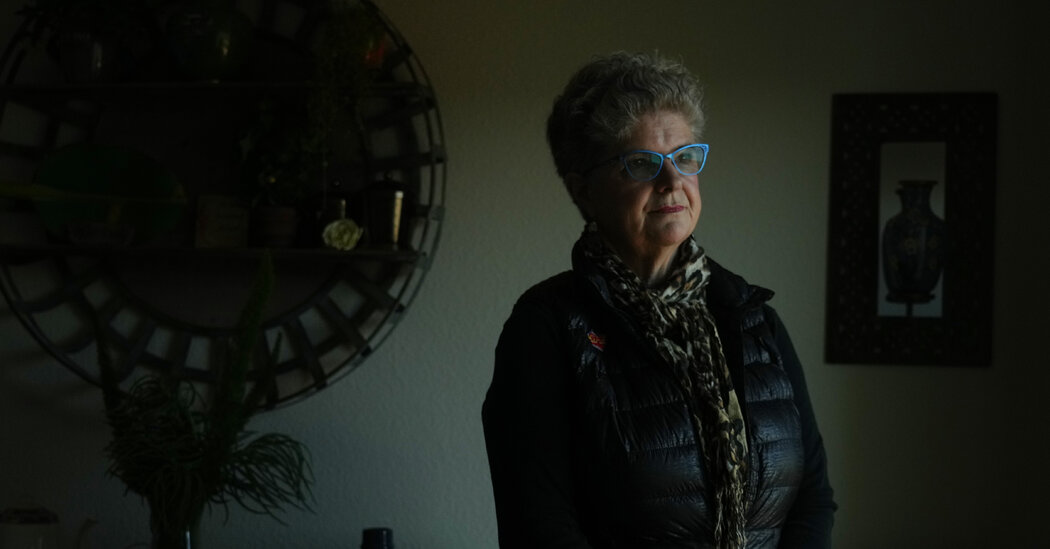
The doctors told Naomi that she could not leave the hospital. She was lying in a narrow bed at Denver Health Medical Center. Someone said something about a judge and a court order. Someone used the phrase “gravely disabled.” Naomi did not think she was gravely disabled. Still, she decided not to fight it. She could deny that she was mentally incompetent — but this would probably just be taken as proof of her mental incompetence. Of her lack of insight. She would, instead, “succumb to it.”Listen to This ArticleOpen this article in the New York Times Audio app on iOS.It was early 2018. She had come to the hospital voluntarily, because she was getting so thin. In the days before, she had felt her electrolyte levels dip toward the danger zone — and she had decided that, even after everything, she did not want to be dead. By then, Naomi was 37 and had been starving herself for 26 years, and she was exquisitely attuned to her body’s corrupted chemistry. At the hospital, she was admitted to the ACUTE Center for Eating Disorders & Severe Malnutrition for medical stabilization. There, doctors began what was once called refeeding but is now more commonly called nutritional rehabilitation, using an intravenous line that fed into her neck. Reintroducing food to an emaciated body can be dangerous and even lethal if done too quickly. Physicians identified this phenomenon in the aftermath of World War II, when they observed skeletal concentration-camp survivors and longtime prisoners of war eat high-caloric foods and then drop dead of cardiac failure.“Well, here I am,” Naomi said in a video message that she recorded for her parents. “I am alive, but am I happy? I don’t know. … It’s pretty pathetic. I don’t know how I feel about the fact that I would have died had I not come.” In the video, she was wearing a hot pink tank top, even though it was cool in the hospital room, because she wanted to shiver, because shivering burned calories.A few days later, when she was not imminently dying anymore, Naomi announced that she was going home — and the hospital responded by placing her on a 72-hour mental-health hold. Clinicians then obtained what Colorado calls a short-term certification, which required, by judicial order, that Naomi be detained and treated, in her case until she reached what physicians determined to be 80 percent of her “ideal body weight.” In Colorado, as in most states, a patient can be treated against her will if she is mentally ill and found incapable of making informed decisions. That day, Naomi was transferred to a residential program at Denver’s Eating Recovery Center (E.R.C.). “I’m so mad, I’m so mad,” Naomi said in another video message, her voice dull and impassive. “I was completely disrespected. I was tricked.” Naomi could feel that her mind was diminished — it was too slow, too slack — but she found that she could think in a straight line. She could reason. So why did the doctors claim otherwise? By then, she had been in and out of hospitals and psychiatric wards and eating-disorder programs, including the E.R.C., more times than she could recall. Was it really so irrational for her to assume that trying the same treatment for the hundredth time would be futile?When she was a teenager, Naomi believed that treatment programs might save her. She ate supervised meals and attended group-therapy sessions where, among other things, patients discussed the origins and possible psychic functions of their eating disorders. Sometimes Naomi told the story of how she stopped eating because she thought it would make her a faster swimmer. Or the one about how she just wanted to be special, like her eldest brother was special because he was so smart. Other times, she told the story about the day her grandfather died and the whole family went to eat at a restaurant. Naomi was revolted watching everyone nourish their bodies with something as carnal as food when they should have been awash in grief. Years later, it was hard to tell if any of these origin stories mattered. With each inpatient admission, Naomi gained weight. Each time, the extra weight felt unbearable, and she lost it soon after discharge.As the years passed, Naomi found it harder to be “compliant” with standard treatment. She refused to participate in group sessions. Or she disengaged during therapy, which she found infantile and pointless. She sometimes tampered with her intravenous lines, because it was too awful to watch those plastic bags of liquid calories empty into her body. During some admissions, Naomi forced herself to gain weight so that she could be discharged. Other times, she signed herself out against medical advice. Later, Naomi started bingeing and purging. She would excuse herself after meals and step into the backyard to vomit into plastic bags that she would throw into the neighbor’s yard, so that nobody would see. She vomited and vomited until stomach acid burned through the enamel of her teeth and she had to spend $22,000 to replace them. In between treatment programs and emergency hospitalizations, Naomi, at 18, went to college. She wanted to study psychology, but all she could really do was exercise for hours a day after eating almost nothing, maybe an apple. In her final year, she dropped out. Later she found jobs that she cared about — a certified nursing assistant who did home health assessments, a patient coordinator at a hospital — but they were often interrupted by yet another medical admission. As she moved through adulthood, Naomi acquired new diagnoses: anorexia binge-purge type, osteoporosis, hypotension, gastroparesis, superior mesenteric artery syndrome, obsessive-compulsive disorder, post-traumatic stress disorder, bipolar disorder. She took mood stabilizers and antidepressants and antipsychotics. Her bipolar manic periods felt like an ecstatic embrace of the world. The depressed periods made her want to kill herself, and sometimes try to. She collapsed into her 30s. She had no hobbies and no friends. She had become a kind of professional patient: her whole life whittled down to the airless world of her diseases, the logistical management of her self-denial. Everything was epic drama, but also staggeringly boring. To Naomi, her doomed attempts to get well had started to feel less tragic and more ridiculous. It wasn’t so much that she wanted to be dead, at least most of the time. It was that she could no longer stand anyone trying to cure her — especially because the “cures” were always the same and never worked. “I’ll either die of anorexia or I’ll die of suicide,” Naomi told me when we first spoke. “I’ve accepted that.”After her admission to the Eating Recovery Center, Naomi spent a few days lying in bed, being fed by a nasogastric tube, which pushed fluids and nutrients down her throat and into her stomach. Some days, she put plastic flowers in her hair and took selfies, just frowning at the camera. She made conversation with her roommate, who was very nice but sometimes threw up on the floor between their beds. After a few weeks, Naomi gained enough weight that she could be discharged into an outpatient program. It was there, she says, that a therapist asked her if she had ever heard of palliative care. The field of palliative care was developed in the 1960s and ’70s, as a way to minister to dying cancer patients. Palliative care offered “comfort measures,” like symptom management and spiritual guidance, as opposed to curative treatment, for people who were in pain and would never get better. Later, the field expanded beyond oncology and end-of-life care — to reach patients with serious medical illnesses like heart disease, H.I.V. and AIDS, kidney failure, A.L.S. and dementia. Some people who receive palliative care are still fighting their diseases; in these cases, the treatment works to mitigate their suffering. Other patients are actively dying or in hospice care. These patients are made “comfortable,” or as comfortable as possible, until the end.Naomi’s therapist had printed out an article for her to read. It was called “Medical Futility and Psychiatry: Palliative Care and Hospice Care as a Last Resort in the Treatment of Refractory Anorexia Nervosa,” published in 2010 in The International Journal of Eating Disorders. The paper’s authors argued that psychiatry needed its own subfield of palliative care: specifically for the 15 to 20 percent of patients whose anorexia developed a “chronic course” and did not respond to standard treatment — and for the fraction of those patients who did not want to keep trying to get better. These patients, the paper proposed, should not be coerced into treatment but offered an approach that aimed to palliate their psychological pain — until, maybe, they died of their eating disorders. The authors acknowledged that the idea of letting a mentally ill person withdraw from treatment was uncomfortable, even radical — even though the rest of medicine already recognized a patient’s right to stop fighting her disease and risk dying. A patient with advanced kidney failure, for instance, might become exhausted and decide to quit dialysis treatments. “It has been argued that patients with anorexia nervosa should have similar rights to discontinue treatment, despite the fact that in their case food refusal might seem irrational,” they wrote. “Although patients with anorexia nervosa may irrationally choose not to eat, they are often competent to make decisions in all other areas of their lives.”When Naomi looked up the paper’s authors, she was surprised to find that one of them, Dr. Joel Yager, was based in Denver. He was a psychiatrist at UCHealth University of Colorado Hospital and had been working with anorexia nervosa patients since the 1970s. Back then, psychiatrists were just beginning to understand anorexia as a mental illness, one with neurological and metabolic components. Nevertheless, there was reason to be optimistic; with early and aggressive treatment, a vast majority of the starving patients got better.Dr. Joel Yager, who has been treating patients with anorexia since the 1970s. “I developed this phrase of ‘compassionate witnessing,’” he says.Hannah Whitaker for The New York TimesOf course, there were the ones who didn’t. Within the treatment community, anorexia had always been described as an acute condition, something with an adolescent onset and relatively short duration. It was only in the mid-1980s that a small number of academic articles began to refer to a “protracted” or “long-term course” of the disorder, and then eventually to “severe and enduring” anorexia. It was this kind of patient, typically a woman with a decade of failed treatments behind her — “kind of hobbling along in life,” Yager said — who found her way to him.Yet when Yager, who was then working at the University of California, Los Angeles, looked for guidance on what to do for such a person, he found almost nothing. All he could see were articles instructing him on how to exert his will over recalcitrant patients, how to give them more standard treatment aimed at full weight restoration. And sometimes, because that was all he had to offer, his patients would simply stop coming to appointments. Yager would discover, later, that they had gone home and died alone on their sofas. Maybe by starvation, maybe by suicide. Maybe in pain. “I felt like a failure,” Yager told me. “They fired me, basically, at the end, knowing that I wasn’t able to help them anymore and wasn’t eager to just see them through the end.” In a desperate attempt to not abandon them, he had abandoned them. Bludgeoned them with care. Rescued them to death. He came to think that he had been impelled by a kind of professional hubris — a hubris particular to psychiatrists, who never seemed to acknowledge that some patients just could not get better. That psychiatry had actual therapeutic limits. Yager wanted to find a different path. In academic journals, he came across a small body of literature, mostly theoretical, on the idea of palliative psychiatry. The approach offered a way for him to be with patients without trying to make them better: to not abandon the people who couldn’t seem to be fixed. “I developed this phrase of ‘compassionate witnessing,’” he told me. “That’s what priests did. That’s what physicians did 150 years ago when they didn’t have any tools. They would just sit at the bedside and be with somebody.” Yager believed that a certain kind of patient — maybe 1 or 2 percent of them — would benefit from entirely letting go of standard recovery-oriented care. Yager would want to know that such a patient had insight into her condition and her options. He would want to know that she had been in treatment in the past, not just once but several times. Still, he would not require her to have tried anything and everything before he brought her into palliative care. Even a very mentally ill person, he thought, was allowed to have ideas about what she could and could not tolerate. If the patient had a comorbidity, like depression, Yager would want to know that it was being treated. Maybe, for some patients, treating their depression would be enough to let them keep fighting. But he wouldn’t insist that a person be depression-free before she left standard treatment. Not all depression can be cured, and many people are depressed and make decisions for themselves every day. It would be Yager’s job to tease out whether what the patient said she wanted was what she authentically desired, or was instead an expression of pathological despair. Or more: a suicidal yearning. Or something different: a cry for help. That was always part of the job: to root around for authenticity in the morass of a disease. Most of the patients who asked for palliative care, Yager thought, probably wouldn’t want to die but would be open to dying if it meant that they could stop trying to get better in the same old ways. Yager imagined that his practice would, in large part, be defined by absence. No coercive care. No obligatory weekly weigh-ins. No heroic measures. A palliative approach might even mean de-prescribing drugs that helped keep a mental illness at bay but made the patient feel bad in other ways: prioritizing comfort over life extension or symptom reduction. The care would be shaped by what the patient wanted, in the moment. From Denver, Yager started publishing papers about his ideas, and other doctors started contacting him, clinicians who had, in the quiet context of their own practices, invented a kind of palliative psychiatry of their own. Once in a while, Yager heard directly from a patient.“Dear Dr. Yager,” Naomi wrote in an email in February 2018. “After 20 years of trying the same thing over and over again and expecting different results, I am tired of fighting the system.” After he read Naomi’s email, Yager called her. “Come in,” he said. “Let’s see.” With her tangle of disorders, Naomi presented as a complex patient — but only in the way that many other patients were complex. She was depressed and bipolar, but both conditions were being managed with drugs. Naomi told Yager that her current outpatient providers would continue treating her only if she strove for and ultimately maintained 80 percent of her ideal body weight — but that she couldn’t meet their condition because she couldn’t bear to be so heavy. “I’ve been there, I’ve done that,” Yager remembers her saying. “I have these obsessions. They won’t let go of me. Nothing they have ever given me in therapy has ever changed those internal, infernal thoughts.” Yager agreed to help Naomi put together a palliative-care team at UCHealth and to oversee her psychiatric care. It was obvious that, in many ways, Naomi’s thinking was deeply distorted — but when she expressed her desire to stop fighting, Yager thought she seemed “as clear as a bell.” Contrary to what medicine had recognized for most of its history, Yager knew that a substantial number of patients with psychiatric disorders were, in fact, medically and legally capable of making decisions on their own. When given a standard “capacity test” — which measures a patient’s ability to understand information related to a specific decision, appreciate benefits and harms, reason and express a choice — many passed. In one study of 70 adult women with severe anorexia, 46 were found to have “full mental capacity.” If a patient is found capable, her physician is meant to respect her choice, whether or not it seems rational or circumspect. The test is always whether a person is able to reason, not whether she seems reasonable to her doctors. After their initial meeting, Naomi was told that she could set the rules. Point 1: no more residential programs, ever. “It only accelerates the suffering,” she said. “And I refuse to encounter it ever again.” Point 2: no involuntary heroic measures from her doctors, no mandatory weigh-ins, no behavioral therapy. Naomi was willing to play around with new psychiatric medications — because, she said, a better drug might make her remaining days more tolerable — but she no longer wanted to analyze the root causes of anything. She was tired of telling her life story, tired of trying to interpret things. Naomi in 2018 at the ACUTE Center for Eating Disorders & Severe Malnutrition in Denver, where she was admitted for medical stabilization. She was 37 at the time. From the subjectNaomi told her new palliative-care physician, Jonathan Treem, that she could not increase her weight, at least not without something bad happening. She believed that whenever she relaxed a bit on the anorexia front, her bipolar disorder got worse; whenever she gained a few pounds, it threw her mood way off kilter — and that was worse than starving. She needed to appease both demons. Naomi was willing to accept the odd temporary measure, like an infusion of electrolytes to lift her energy, but she wouldn’t treat her underlying physical disorders: her osteoporosis or her gastrointestinal issues or whatever else set in. Fixing those things would do nothing for her mood. Besides, at some point her body would fail and it would be inevitable, and she would let it happen. “If my heart decides that it’s done beating,” she said, “then I will not stop it.”When Treem sat with Naomi, he could feel “an incredible agony that was internalized and unremitting and, to a certain degree, barely endurable” — a depression that was “likely perennial and unlikely to be subject to change.” In Treem’s view, Naomi’s anorexia was both a cause of pain and a symptom of a larger hurt. “She’s actually used her body as a communication tool for a long time. ‘I want to look so grotesque that people cannot look away.’” Treem was an internal-medicine doctor by training, and most of his work involved palliating patients who were dying of typical somatic ailments: cancer, heart failure. Working with Naomi, he found, required him to undertake some “philosophical groundwork.” He thought about how he might protect his patient from her most self-destructive impulses, but also refrain from bulldozing over what she wanted. Treem talked with Naomi about how choosing to die from the natural progression of a disease was not the same thing as suicide. To Treem, it felt as if Naomi was asking for something more than his nonintervention; she wanted his mercy. His permission to let go, his compassion. It made him think about the other doctors who had treated her. “This is where it gets into a passionate discussion,” he told me. “If you are going to accept responsibility for the people you save, and you’re going to elevate them as examples of why everyone should undergo compulsory treatment, you had better recognize the blood on your hands. That, on some level, in order to ‘save everyone,’ you are perpetuating suffering in others.”Yet Treem had his limits. He told Naomi that he could not look away if she was actively suicidal. Several times, after an especially unsettling appointment, Treem walked her down to the emergency room, where she was put on a 72-hour mental-health hold.Naomi also met regularly with Yager, who sometimes wondered whether, paradoxically, giving up recovery-focused treatment could steer his patient back to health. Palliative care, Yager reasoned, might give Naomi the cognitive space to reset. It would eliminate the classic power struggle between flailing eating-disorder patient and exacting psychiatrist and, perhaps, let her sense of fight turn inward. But Yager knew he had to be restrained in this thinking. If he approached Naomi’s palliative care as a means to a cure, then it wasn’t really palliative care at all — just a stealthy treatment program. This required a sort of intellectual sleight of hand. Yager had to be equally accepting of either outcome: that Naomi lived or that she didn’t. Besides, what did the alternative look like? Would he be better off to declare Naomi incompetent? Sedate her? Restrain her physically or chemically? Get court orders for involuntary medications and involuntary tube feeds — which wouldn’t “cure” her anyway but would keep her alive for more treatment? Lock her on a ward? Try to keep her there? Hope she comes around? “Are you going to do it forever?” Yager asked.Yager had always been suspicious of psychiatry’s affinity for hope, of the hopefulness that many doctors deliberately exhibited for their patients. “I’m full of hope,” he told me. “I’m one of the most hopeful guys you’re going to find. But I’m also a realist.”Many psychiatrists, Yager knew, believed that they must hold hope for their hopeless patients, that a projection of hope, by a clinician, mattered — that it was even essential — because the hope could be absorbed by a patient and, in turn, change the course or constitution of her disease. In this way, psychiatry was fundamentally different from other kinds of medicine. In oncology, for instance, a doctor’s professed hope for a patient could not shrink a tumor or lower a blood-cell count. But maybe, in psychiatry, there was a more porous boundary between physician and patient, between an illness and a patient’s ideas about it. Maryrose Bauschka, a psychiatrist at the Eating Recovery Center, told me, “I think there’s often a lot of fear that if we’re transmitting anything less than a message of hope — or anything less than, like, a full-court press — that we’re not going to help them get better.”But couldn’t a doctor’s hope also be a kind of harm? Yager could see that some of his patients benefited from his cheerleading. Others, though, were propelled into unwanted treatment by somebody else’s hope for them — and then left to feel defeated when it didn’t work. So couldn’t it also be argued that a doctor had a moral obligation not to provide hope that was unjustified, and maybe even to expose false hope where it lay? “We thus find ourselves in a paradox,” wrote Justine Dembo, a psychiatrist and assistant professor at the University of Toronto, “in which hope is vital for recovery but may also lengthen lives of unbearable mental anguish. What is an ethical therapist to do?”Yager knew that the evidence base for many recovery-oriented therapies — some of which had been in existence for decades — was weak. For instance, he had never found a single randomized control study proving, with any certainty, that the by-then-ubiquitous residential eating-disorder program worked better than other kinds of care. Many of the country’s largest treatment facilities were owned by private companies that did not, as a practice, invite third-party researchers to study their approaches or track their long-term patient outcomes. Yager worried that the many doctors pushing residential programs were compromised, if not financially then at least intellectually. They had become, as he put it, “zealots for the model.”And there was certainly no evidence at all that a fourth, or fifth or 10th attempt at the same kind of program was likely to be helpful, especially if the patient didn’t want it. The same was true of involuntary care. There was some evidence that forced treatment could be life-sustaining in the short term, but its long-term effects were more uncertain. In his own academic articles, Yager wrote about the “willfully blind Pollyannish therapeutic attitudes” of psychiatrists throughout history, and of their “excessive hyperinterventionism.” Within the rest of medicine, “medical futility” had become a subject of contention in the 1980s, after relatively new interventions like cardiac life support and mechanical ventilation allowed the nearly dead to be resuscitated and sustained. Sometimes, patients’ families demanded that their loved ones be treated aggressively and kept alive, hearts beating and lungs pumping, when there was no realistic prospect for recovery. Or alternatively, families pushed back against a physician’s aggressive, almost knee-jerk use of technology to sustain a flailing life. Eventually, those doctors grew accustomed to admitting defeat, to acknowledging that yet another week of life support or another round of chemotherapy or another aggressive surgery would serve no therapeutic purpose. But the idea of futility remained “relatively unknown in the world of psychiatry,” according to a 2023 paper in Frontiers in Psychiatry. When I asked a psychiatrist with expertise in severe and persistent mental illness how much time had been devoted, during her more than a decade of medical training and residency, to learning about futility, she laughed. “Zerooooo.” After all, in psychiatry, there were always more drugs and drug combinations to try. More behavioral interventions and therapeutic modalities to employ. More clinicians who believed that they alone had the special therapeutic touch. It seemed to Yager that despite what every honest psychiatrist should know, psychiatrists were never really allowed to acknowledge futility — and so never allowed to stop treating. In turn, their patients were never “allowed” to say no. Never allowed to decline care. Certainly never allowed to die.Dr. Jonathan Treem, who has been Naomi’s palliative-care physician for the last four years.Hannah Whitaker for The New York TimesIn one 2023 study, published in The American Journal of Bioethics Neuroscience, 174 U.S. psychiatrists completed a survey on “their attitudes about the management of suicidal ideation in patients with severely treatment-refractory illness.” The doctors were given one of two case studies: the first, about a patient with borderline personality disorder; the other, about a patient with major depressive disorder. They were told that the patients had already received every treatment that might reasonably be expected to work and that, despite this, they remained sick. The psychiatrists were then asked to rate the expected helpfulness of further treatments — and the likelihood that they, personally, would prescribe them. The conclusion of the study was stunning: “Sizable minorities of participants said they were likely to recommend interventions they thought were unhelpful.” The authors identified several potential reasons. Perhaps the doctors were trying to meet expectations: the patient’s, her family’s, their colleagues’, the system’s. Perhaps they worried about legal liability. But maybe there was another explanation. Maybe this was just the logic of a profession that saw death as the absolute worst outcome, regardless of what living might look like.Some physicians in the field had heard the emerging calls for palliative psychiatry with alarm. The idea that certain patients would be better off if they gave up on cure-focused treatment was, as Dr. Agnes Ayton of Britain’s Royal College of Psychiatry told me, “dangerous nonsense.” For many of these doctors, Yager’s writings about palliative psychiatry were not just ill defined but threatening to the profession, particularly because they were so underdeveloped and so contentious and because, nevertheless, Yager and others were already deploying them.Some physicians had doubts about the premise — core to Yager’s thinking — that patients who were very sick could still have the mental capacity to make decisions as grave as the one to stop recovery-oriented care. A typical anorexic patient had cognitive distortions and pathological values. She was intransigent, fearful, cognitively inflexible. She could be emotionally anesthetized too, so apathetic that she didn’t care very much what happened to her. Her brain was literally starving. How could such a patient be taken at her word when she said she was prepared to die — that it was what she “wanted”? Any experienced physician should know that what the anorexic patient “wanted” was perverted by her disease. He should see through the ruse — even if, like many people with anorexia, his patient spoke well and dressed well, was not in the depths of psychosis and could clearly articulate the potential medical benefits and drawbacks of various treatments. This was not mental lucidity, but instead a pantomime of reasoned thought.Other psychiatrists took issue with the way Yager conceptualized futility. With anorexia nervosa, it was almost always impossible to say that a given treatment would be physiologically futile, because there was virtually no point at which an eating disorder became physically resistant to healing. If a patient ate, nearly all of her medical conditions could be reversed. It was even hard to make educated guesses based on how other patients had fared in similar situations, because there was so much variability between treatment programs and because nobody was collecting large databases of patient outcomes. For the anorexic patient, any conclusions about “futility” would have to be based on fuzzier judgments about how a treatment might affect her quality of life. To critics, this was insufficiently rigorous. “Medical futility,” the psychiatrist Cynthia Geppert warned in a 2019 handbook, “can only be tentatively and tenuously translated into psychological constructs.” In Yager’s model, decisions about futility seemed to rest a lot on what the patient believed the effect of a treatment would be. But many people with chronic mental illness are ambivalent about recovery and resistant to treatment. They “know” that they will never get better. They “know” that a treatment will fail. These feelings are literally products of a pathology. This pathological despair must be challenged, not interpreted as an expression of enlightened thought and then honored in the name of patient rights. “What many in the profession would say,” Thomas Strouse, a psychiatrist and palliative-care physician at U.C.L.A., explained, “is that anorexia leading to death is a form of protracted suicide.” In this view (which Strouse does not endorse), accepting a patient’s slow death by starvation and choosing not to medically intervene, with force if necessary, was akin to collaborating in a suicidal act. At the least, it was colluding with a person’s mental illness. Already, research showed that some patients with eating disorders who were involuntarily treated did well. In the short term, their rate of weight restoration was the same as that of voluntarily treated patients. One paper noted that among those admitted to hospital, “nearly half of patients with eating disorders who denied a need for treatment on admission converted to acknowledging that they needed to be admitted within two weeks of hospitalization.” The food, in other words, brought the insight. Other physicians emphasized the current inadequacies in American mental-health care as a reason any futility judgment would be ethically tenuous. A decision that further treatment was “futile,” they argued, would be meaningless if the patient had never received high-quality care in the past. In the case of eating disorders, many people can’t access evidence-based treatment or experienced providers, because they don’t have private insurance to cover it. Others do have insurance but discover that their providers’ patience is limited. Patients are discharged from programs because their insurance companies do not believe that they are progressing quickly enough. Or because they seem to progress too quickly. These patients are released as soon as they have gained sufficient weight (as defined by the insurance company) but before their weight is fully restored. They then go home and get sick again. Can a person’s decision to decline treatment, made in the context of resource scarcity, really be described as a free choice? And the sickest of patients can still get better — even after decades of failed treatment. One study of adult patients with anorexia, published in The Journal of Clinical Psychiatry in 2017, found that nine years after the start of their illness, only 31.4 percent had recovered — but that by 22 years, the recovery rate had doubled to 62.8 percent. “These findings,” the study’s authors wrote, “should give patients and clinicians hope that recovery is possible, even after long-term illness, suggesting that even brief periods of weight restoration and symptom remission from anorexia nervosa are meaningful and may be the harbingers of more durable gains to be made ahead.”Angela Guarda, a professor of psychiatry and behavioral sciences at the Johns Hopkins School of Medicine, told me that palliative measures can sometimes be useful — but only alongside curative care and never instead of it. Guarda said she has treated several thousand patients with anorexia and still “cannot predict who will get better and who will not.” Patients sometimes surprised her. So “how do I decide which patients of mine I should instill hope in, and which patients of mine I should decide to help die?”In this way, critics argued, psychiatry was being mischaracterized by Yager’s views. It wasn’t that psychiatrists were bludgeoning chronically ill patients because they couldn’t acknowledge their own shortcomings, or couldn’t respect an anorexic person’s wishes, or didn’t have the empathetic imagination required to take pity on their patients. Doctors who refused to give up on treatment did not lack humility; they kept trying precisely because they had it. Naomi’s parents, Evelyn and Hal, first heard about palliative care in a hospital conference room, where different members of the medical team told them what they did and what was going to happen to their daughter. At first, Evelyn was just confused. She told Naomi that if something had a chance of working, then it was worth trying, “even though you might not want to do it, but come on. Let’s try again.” Maybe Naomi was just the unfortunate patient who took 30 years to figure out how to help herself. The thing was, there were things Naomi hadn’t tried. Her parents wondered if meditation or yoga might bring her some peace, but Naomi always said that none of that stuff worked for her. She didn’t like to journal. She didn’t believe in acupuncture. For a while, she took oral ketamine, which can have a rapid antidepressant effect in some patients, but it destabilized her moods. She was too afraid to try psilocybin. Hal, an engineer, often spoke of “coping mechanisms.” He didn’t think his daughter would ever be cured, but he thought she could develop “not just one mechanism, but maybe multiple mechanisms that she’d have in her little toolbox … so hopefully she could pull herself out of a tailspin.”“But that’s never really been the case,” Evelyn said. “She’s never been able to pull herself out.” Benjamin, one of Naomi’s brothers, mostly felt bad for his parents: two elderly people who were left alone to absorb Naomi’s chaos when they were supposed to be living out their golden years. But he also wondered if his parents had enabled their daughter with all the emotional and financial cushioning that, in the end, had done nothing more than just barely keep her alive. At times, Benjamin urged his parents to seek legal guardianship over his sister so they could force her into treatment. But the whole process had seemed daunting. In Colorado, a court-appointed guardian can have a patient forcibly tube-fed — but only through a special court order and only until the patient is medically stable and no longer at imminent risk of dying. And while guardians can order short-term measures, they can never compel a ward into long-term psychiatric treatment. After starting palliative care in 2019, Naomi quit her job as patient coordinator at a hospital. She went on Medicare and Medicaid for disability and moved back into her parents’ small house in the Denver suburbs. Naomi knew that her parents didn’t accept the palliative approach. How could they? “They hold out hope,” she said, “and they are hopeful that something will click in my head.” Naomi’s room at her parents’ house was tiny. It had three of Evelyn’s quilts hanging on the walls, patchworks of black and white and red, and a TV by the doorway. There were piles of stuffed animals on the floor. There was no bed. Naomi preferred to sleep in a brown recliner, elevated, to keep the stomach acid down after purging. Sometimes Naomi sat in the recliner and read through her electronic medical notes. Because she was on palliative care, Naomi’s doctors were prompted to indicate, after appointments, whether they expected her to live longer than six months. Sometimes they did, and sometimes they didn’t.Naomi in her bedroom at her parents’ home in Colorado in November. She sleeps in a recliner to keep her stomach acid down after purging.Hannah Whitaker for The New York TimesFrom there, she spent a year cycling in and out of the hospital, not eating for long enough that she might come close to dying and then agreeing to go to the hospital for emergency intravenous nutrition — but then, often, discharging herself after just a few days. Sometimes, during those admissions, Treem said, he was chastised by the attending physicians. They wanted to know why Naomi was at the hospital all the time. Why her nutrition wasn’t being managed. “Why are we allowing her to continue to flounder?”Then came the winter of 2022, which was a very bad winter. Within a six-week stretch, Naomi was hospitalized four times for suicide attempts. Then there were more. Sometimes someone would call her an ambulance. Other times, she would get scared and call one herself. The episodes involved different things: weed killer, benzos, batteries. “For some reason, I’m really obsessed with swallowing things,” she said. Once, she poured bleach in her eyes. She didn’t think it would kill her, but she liked the idea of going blind and not having to look at herself anymore. She did not go blind.The attempts were never planned in advance, and later, Naomi could never quite reconstruct her thinking. In February, she ended up in the intensive-care unit on a ventilator. That winter, the bipolar disorder seemed to eclipse the anorexia. “I’m at the end stage with the bipolar,” Naomi told me. “Like, I’m at the end. I mean, I’m just there.” She had come to terms with the fact that she would probably die of starvation; now she thought she would kill herself instead. Part of the problem was that the eating disorder had turned on her. At some point, Naomi had lost the ability to purge. She would try and try, but the vomit would not come. Her doctors explained that this happened sometimes with chronic patients. Unable to purge, a kind of mental pressure built up inside her. Her moods dipped. Her parents weren’t sure what to make of the suicide attempts. “They’ve been feeble,” Hal told me. “In other words, she hasn’t thrown herself off a thousand-foot cliff, jumped out of an airplane without a parachute.” Then again, he said, “they’re serious attempts.” Some caused damage. Some didn’t work but theoretically might have. Yager agreed that, at times, it seemed as though Naomi was trying to “play Russian roulette” with her life. “There are some patients who are fatalistic and throw it up to God,” he told me. “That’s the grayness,” Treem said. “How do we know when Naomi has made a rational decision about being in line with her values versus when she is reacting to a torment in herself?” At home, Naomi talked about “a decline in cognitive functioning.” She spoke of being “flat” and “cloudy.” She did not think that she was irrational, but as the terrible winter turned to spring, she had started to feel a little blurry. What she really couldn’t stand was how pointless it all felt. If there were at least a point to her suffering, then maybe she could bear it. But Naomi did not believe in salvation through struggle. She did not believe that her misery would lead her to some other, better place — or even to an enlightened understanding of things. She had no consoling story to tell about it. In fact, she had no story to tell at all, because a story needed a plot, and her entire life had just been the same awful thing.In February 2022, Yager co-published a new paper titled “Terminal Anorexia Nervosa.” The article, whose lead author was Jennifer Gaudiani, an internal-medicine physician who founded an outpatient eating-disorders clinic in Denver, proposed that psychiatry recognize a new clinical disorder, terminal anorexia, which would apply to the small fraction of patients for whom “recovery remains elusive” and palliative measures were not enough. The paper offered several criteria for determining terminality: that a patient have a diagnosis of severe and enduring anorexia nervosa; that she be at least 30 years old; that she have previously attempted “high-quality” eating-disorder care; that she have consistent decision-making capacity and be prepared to die; and that she “understand further treatment to be futile.” The label was important, the authors reasoned, because it would grant sick patients a formal diagnostic acknowledgment that they were dying, making it easier for them to access hospice care — and even, should they want it, and should they live in a state where it is legal for terminally ill patients, and should their physicians be willing, a physician-assisted death. (A year earlier, Canada revised its national medical-assistance-in-dying law, expanding the eligibility criteria to include people whose only condition is mental illness. The law will take effect in March.) The paper presented three case studies: all deceased patients of Gaudiani’s. One was a 36-year-old woman named Jessica, whose eating disorder began in her junior year of high school, when she tried to lose weight for a vacation. Jessica had anorexia and obsessive-compulsive disorder, and she abused laxatives, sometimes taking 100 tablets in a single day. In her 20s and 30s, she tried several treatment programs but usually left them early and against medical advice. She grew despairing and suicidal, once buying a gun and driving to a bridge where she contemplated jumping. “Fearful of suffering a long, drawn-out death from starvation,” Jessica met with Gaudiani to ask for an assisted death. Gaudiani and a palliative-care physician agreed that forced treatment was likely to be futile and that Jessica would most likely die of the physical effects of her eating disorder within six months. Gaudiani signed the paperwork for Jessica’s death. Jessica took weeks to fill her prescription for lethal drugs and many more weeks to take them — lying in bed, holding her parents’ hands. Even in the final month of her life, she forced herself to walk for hours a day to stay thin. Yager and Gaudiani acknowledged that there were no explicit physiological markers of terminality in anorexia, no set point at which a patient could not possibly recover. For them, this fact did not preclude the possibility of a “terminal” diagnosis. But for many readers, the paper had a warped logic. In its formulation, it was the patient’s perspective of her illness, rather than the illness itself, that mattered. A mentally ill person was terminal, in large part, if she said she was.Some of Yager’s colleagues moved quickly to denounce the paper. Several journals published counterarticles: “Terminal Anorexia Is a Dangerous Justification for Aid in Dying,” “Terminal Anorexia Nervosa Is a Dangerous Term.” Everything that made Yager’s model of palliative care alarming was in that paper — but made worse because the sick patients were bestowed with a medical label that validated their most deranged belief: that they were literally impossible to heal. Patricia Westmoreland, a Denver-based forensic psychiatrist who focuses on the ethical dilemmas around eating-disorder care, told me that the ideas in the paper were “absolutely unconscionable.” Most of the criticism focused on the case-study patients who were approved for assisted death. Everyone wanted to know how this could have possibly happened because, as of yet, there were no professional standards governing when, if ever, an anorexic person should qualify for assisted dying. And American psychiatrists had barely even broached the subject in theoretical terms — because, among other things, was it even legal? In states with legal “medical aid in dying,” a person had to be terminally ill and within six months of a natural death to qualify. But these patients’ doctors had gone ahead — gone rogue — and proceeded anyway, after first inventing a medical term, “terminal anorexia,” to cover their backs. Critics wondered what the follow-on effects would be: Would schizophrenic and depressed people eventually receive a doctor’s help to die? Some noted that the case-study patients did not receive very thorough treatment before being declared “terminal.” One had never completed a residential program. Philip Mehler, the founder and medical director of ACUTE, the hospital unit where Naomi was admitted for medical stabilization in 2018, was one of the detractors, though he told me that he has “a lot of respect for Joel Yager,” who is “a very thoughtful guy.” For several years, Mehler has watched the debate about palliative psychiatry bleed out of academia and into the patient population. Patients with anorexia, he said, are often keen students of their disorder; they read the academic literature about it. As a result, for the first time in his career, he has had patients in their 20s ask about palliative care and assisted deaths. “So I think this has had a bit of a contagion effect,” he said. Other critics worried that the terminal diagnosis would exert a kind of downward pressure, that once labeled terminal, a patient would feel a certain obligation to become the thing she was described as being. Guarda, the Johns Hopkins professor, said she fears a future in which “patients actually become invested in acquiring the diagnosis.” In which being terminal is an aspiration, and patients do whatever it takes to earn the title. Guarda can imagine those patients showing up at her office, waving a copy of the terminal-anorexia paper in hand. “See?” Yager had little patience for the frenzy. He was particularly bothered by criticism that “terminal anorexia” was too hazy a definition and too unmathematical to be operationalized. That was literally every diagnosis in psychiatry. “Anorexia nervosa” was once a contested term, too — there were long arguments about how its borders should be defined — and it had shifted over time. Even beyond psychiatry, medical diagnoses were always socially mediated in some way; every diagnostic label came from imperfect humans with imperfect evidence. Yager gave me the example of hypertension. “There are working groups of experts who are cardiovascular people, trying to define when it is that you have ‘high blood pressure,’” he said. “The arguments are intense in R.&D., because drug companies make money depending on how these criteria are defined.” In somatic medicine too, a patient’s decisions and beliefs could affect whether his condition was considered terminal. When a patient in renal failure decided to stop using dialysis machines, for instance, it was his choice that rendered him “dying” and “terminal.”What’s more, in somatic medicine, a patient didn’t need to have a good reason for stopping care. She didn’t even have to try getting better in the first place. A cancer patient could decline chemotherapy that would very likely save her life. Because she didn’t think the benefit was worth the pain. Because she wanted to go home to her children. Because she preferred to be treated by a homeopath. She could do what she wanted, just because she wanted to. Why should patients with mental illnesses be held to a different standard?Yager was also frustrated by critiques that referred to larger problems with the mental-health-care system. Colleagues kept telling him that eating-disorder care wasn’t good enough or accessible enough to allow for a terminal diagnosis — but what were they proposing in the meantime? That patients be made to suffer because the rest of us haven’t done enough to help them yet? And anyway, an oncologist would never deny end-of-life care to a lung-cancer patient who wanted to stop chemotherapy, on the grounds that, say, the patient didn’t previously have access to high-quality smoking-cessation programs.Jennifer Gaudiani, Yager’s co-author, told me that she has asked her critics directly: What would you have done differently with those patients? “And it can’t be, ‘I would change the eating-disorder system to be more inclusive and accessible.’ Nope. We’ve got a patient in front of you, right now.” Should she be abandoned in the name of ideological purity? Gaudiani believes that the paper’s detractors demonstrate “an important flaw” in their logic: If a patient elects, willingly, to go into standard eating-disorder treatment, her decision is never scrutinized and her capacity is never questioned. But if, instead, the patient’s decision is “incongruent with lifesaving, then we question,” she said. “That’s not ethical.”“It doesn’t make sense,” Yager agreed. “They’re ‘incompetent’ unless they want treatment?” His critics, he said, had no data at all to back up their claim of universal incapacity among anorexic people. Existing studies showed the opposite. Yager thought his critics were suffering from “positive outcome bias”; they remembered the patients who were saved and were grateful for it, but not the ones who died slowly and suffered all the while.By late 2023, though, amid all the furor, even Gaudiani was walking back parts of the paper. Her own criteria for terminality, she told me, were “too inclusive” — and the phrase “terminal anorexia” was so controversial that it had, itself, become “harmful.” (Gaudiani still believes that some patients with eating disorders should have access to physician-assisted death.) Yager told me that he does not regret what he wrote. “The main point is that some people die from the disease,” he explained. “We have to be caring and attentive to them to the end.”Already, Yager could feel some of the paper’s ideas burrowing their way into psychiatry. At the 2022 annual meeting of the American Psychiatric Association, there was a session on palliative psychiatry for severe and persistent mental illness. At the 2023 Royal College of Psychiatrists Conference in London and the Australia and New Zealand Academy for Eating Disorders gathering in Queensland, participants discussed, respectively, “the controversy on terminal anorexia nervosa” and palliative models for “end stage” eating disorders. That same year, the American Psychiatric Association’s annual conference held a panel discussion titled “Physician Aid in Dying Based on a Mental Disorder.” In July, a professional gathering on palliative psychiatry was held in Toronto. Sarah Levitt, a psychiatrist at Toronto’s University Health Network and one of the organizers, told me that the process of framing “palliative psychiatry” might pose a broader challenge to the profession. “There is maybe some interest in bringing conversations of death and dying into psychiatry,” she said. “How might we do that?” “I just feel like there’s so many things going on. And all I can think about right now is the fact that, since I was last here, I’ve lost six pounds.”In September, four years after starting palliative treatment, Naomi was seated in a small hospital meeting room, across from Treem and a chaplain named Beth Patterson. The room was unadorned, apart from a single framed photograph of the Colorado mountains in winter. Treem and Patterson looked at Naomi, who looked down at her hands: red and cold from her low metabolic rate. She wore black shorts and had purple plastic flowers in her hair. When Naomi arrived at the hospital, an intake nurse asked her if she had felt down or depressed over the last few weeks. Naomi said no, because whenever she answered yes, she had to fill out a questionnaire.She did feel depressed, though. The drugs for her bipolar disorder couldn’t seem to lift her up, though they did flatten out the periods of mania. For several months, she hadn’t been able to shower, because she couldn’t stand to undress in the bathroom, which had mirrors in it. She was angry too. (“Bipolar rage,” she said.) And tired. Naomi had started purging again — had, out of nowhere, regained the ability to purge. Slowly, she started losing weight. She wondered if she would lose more. In her case, she said, the bulimia looked nothing like the way it did in movies: some delicate woman excusing herself from the dinner table for a quick, discreet regurgitation. Naomi’s episodes involved vomiting for hours until there was nothing but bile, and then vomiting that up too. Sometimes she saw blood in the toilet. “My esophagus is becoming what they call ‘flappy,’” she told me. It was hard to swallow. At the appointment, Naomi mostly wanted to talk about her parents: how there was something the matter with her dad’s heart, how her mother was growing frailer. Naomi had started doing more around the house to help them. She cleaned and took care of the yard. She cooked them dinner — sometimes complicated recipes, from pictures she found online. She never ate any of what she cooked. “This is a bit of a precipice,” Treem said. “I don’t know which way it moves.” He wondered aloud whether the needs of Naomi’s parents could compete, in some useful way, with her eating disorder. Could Naomi’s transition from sick patient to caregiver be elevating for her? Could it be the resolution of her story — or maybe even the point of it? Or would the whole situation just break her? “We have been looking for a long time for meaning in your suffering, right?” he said. “Your suffering exists. It’s not going to change. It’s a part of this disease, and the disease doesn’t change. So the agony of suffering, the pain, is permanent. And living with that, without meaning or purpose to it, is demoralizing, corrosive. You get to this place where you’re like, ‘I can’t do this anymore.’ And you want to die and try to kill yourself, right? That’s the dynamic. That’s a part of this. So the question has always been: Is there a reason in this suffering? So that it can feel justified in some way.” “We have talked a lot about the crisis of dying,” Treem continued. “We haven’t really talked about the crisis of survival. How that might be really painful, and really difficult. Maybe even more so.”“Yes,” Naomi said softly.“Yes,” the chaplain agreed, leaning in. “Yet here you are.”On some days, Naomi thought about assisted dying and whether she might qualify for it one day. It would be better to die that way than the other ways she had tried. An assisted death, at least, would be clean and painless. It would mean that someone had given her permission. Naomi did not believe in salvation through struggle. She had no consoling story to tell about it.Hannah Whitaker for The New York TimesNaomi had read Yager’s paper about terminal anorexia. She liked parts of it but thought it was incomplete. The paper proposed all these criteria for terminality, but it didn’t include suffering. The assisted-dying law in Colorado didn’t mention it, either. “That’s completely ridiculous,” she told me. Naomi knew that she was no longer starved to the point of bodily collapse, like the case-study patients in the paper — but still she suffered terribly, and shouldn’t that matter just as much? And really, shouldn’t it matter as much as having an inoperable tumor or a failing heart? Shouldn’t it matter the most? “Let’s presume you don’t die,” Treem said toward the end of the hourlong appointment. He asked Naomi if she could imagine looking back, 10 years from now, and being able to say, “That was a good life.”Naomi looked so startled by the question that everyone laughed a little. But, no. She couldn’t imagine that. “I can’t,” she said. “I can’t imagine continuing on.”

Read more →

Newly discovered genetic mutation protects against Parkinson's disease and offers hope for new therapies

A previously unidentified genetic mutation in a small protein provides significant protection against Parkinson’s disease and offers a new direction for exploring potential treatments, according to a new USC Leonard Davis School of Gerontology study.
The variant, located in a mitochondrial microprotein dubbed SHLP2, was found to be highly protective against Parkinson’s disease; individuals with this mutation are half as likely to develop the disease as those who do not carry it. The variant form of the protein is relatively rare and is found primarily in people of European descent.
The findings appear on January 3, 2024, in the journal Molecular Psychiatry.
First discovered by Pinchas Cohen at the USC Leonard Davis School in 2016, SHLP2 is made within the cell’s mitochondria. Previous research from the Cohen Lab established that SHLP2 is associated with protection from aging-related diseases including cancer and that levels of the microprotein change in patients with Parkinson’s disease; they rise as the body attempts to counteract the pathology of Parkinson’s disease but often fail to mount additional production as the disease progresses.
This latest finding builds upon the USC team’s prior mitochondrial research and represents an advance at the intersection of longevity science, precision health, and microprotein discovery.
“This study advances our understanding of why people might get Parkinson’s and how we might develop new therapies for this devastating disease,” said Cohen, professor of gerontology, medicine and biological sciences and senior author of the study. “Also, because most research is done on well-established protein-coding genes in the nucleus, it underscores the relevance of exploring mitochondrial-derived microproteins as a new approach to the prevention and treatment of diseases of aging.”
For this study, first author Su-Jeong Kim, an adjunct research assistant professor of gerontology at the USC Leonard Davis School, led a series of experiments that leveraged the Lab-developed microprotein discovery pipeline that begins with a big data-driven analysis to identify variants involved in disease. Thousands of human study subjects from the Health & Retirement Study, Cardiovascular Health Study, and Framingham Heart Study were screened for the SHLP2 variant. By comparing genetic variants in the mitochondrial DNA in patients with Parkinson’s disease and in controls, researchers found a highly protective variant found in 1% of Europeans, that reduced risk of Parkinson’s disease by twofold, to 50% of average.

Next, they demonstrated that this naturally occurring variant results in a change to the amino acid sequence and protein structure of SHLP2. The mutation — a single nucleotide polymorphism (SNP), or a change to a single letter of the protein’s genetic code — is essentially a “gain-of-function” variant that is associated with higher expression of SHLP2 and also makes the microprotein more stable. According to their findings, the SHLP2 variant has high stability compared to the more common type and provides enhanced protection against mitochondrial dysfunction.
The research team was able to use targeted mass spectrometry techniques to identify the tiny peptide’s presence in neurons and found that SHLP2 specifically binds to an enzyme in mitochondria called mitochondrial complex 1. This enzyme is essential for life, and declines in its function have been linked not only to Parkinson’s disease but also to strokes and heart attacks.
The increased stability of the SHLP2 variant means that the microprotein binds to mitochondrial complex 1 more stably, prevents the decline of the enzyme’s activity, and thus reduces mitochondrial dysfunction. The benefits of the mutant form of SHLP2 were observed in both in vitro experiments in human tissue samples as well as in mouse models of Parkinson’s disease, according to the study.
“Our data highlights the biological effects of a particular gene variant and the potential molecular mechanisms by which this mutation may reduce the risk for Parkinson’s disease,” said Kim. “These findings may guide the development of therapies and provide a roadmap for understanding other mutations found in mitochondrial microproteins.”
Coauthors included Brendan Miller, Nicolas G. Hartel, Ricardo Ramirez II, Regina Gonzalez Braniff, Naphada Leelaprachakul, Amy Huang, Yuzhu Wang, Thalida Em Arpawong, Eileen M. Crimmins, Kelvin Yen, Giselle M. Petzinger, Michael W. Jakowec, and Nicholas A. Graham of USC; Penglong Wang and Chunyu Liu of the National Heart, Lung, and Blood Institute, National Institutes of Health; and Xianbang Sun and Daniel Levy of Boston University.
This work was supported by Department of Defense grant W81XWH2110625 to Kim and by NIH grants P01AG034906, R01AG068405 and P30AG068345 to Cohen. Pinchas Cohen is a consultant of CohBar Inc.

Read more →

Study on extremely preterm infants provides important healthcare knowledge

Infants born extremely prematurely need to get enrichment as an addition to breast milk. But does it make any difference whether the enrichment is made from breast milk or cow’s milk when it comes to the risk of severe complications in children? This has been investigated by a large clinical study led from Linköping, Sweden.
Infants born extremely prematurely, between weeks 22 and 27 of pregnancy, are among the most vulnerable patients in healthcare. The risk of serious complications is very high. Almost one in four extremely premature babies die before the age of one.
There is strong research support for giving breast milk to these children rather than formula made from cow’s milk. It is known that cow’s milk-based formula increases their risk of getting, for example, severe intestinal inflammation and sepsis (severe blood-born infection).
“In Sweden, all extremely preterm infants receive breast milk from their mother or donated breast milk. Despite this, almost one in ten children get a severe inflammation of the intestine called necrotising enterocolitis. It’s one of the worst diseases you can have. At least three out of ten children die and those who survive often have neurological problems afterwards,” says Thomas Abrahamsson, professor at Linköping University and senior physician at the neonatal department at the University Hospital in Linköping, who led the current study.
Historically, there have been very few studies on extremely preterm infants where treatments have been compared against each other. Therefore, there is a great need for clinical studies that can provide scientific support for how these children should be treated to have better chances of survival and a good life.
In some countries, such as Sweden, infants are fed exclusively with either their mother’s breast milk or donated breast milk. However, in order for extremely preterm infants to grow as well as possible, they need more nutrition than breast milk contains. This is why breast milk is supplemented with extra protein, so-called enrichment.
The enrichment has previously been made from cow’s milk. But there have been suspicions that cow’s milk-based enrichment increases the risk of severe complications. Today, there is enrichment that is based on donated breast milk, and which has begun to be used in healthcare in some places. The big question is whether it can reduce the risk of diseases in extremely preterm infants.

The current study, called N-Forte (the Nordic study on human milk fortification in extremely preterm infants), is the largest that has been carried out to seek answers to this question. The results have been eagerly awaited by paediatricians and others caring for these fragile infants.
“We concluded that it doesn’t matter whether extremely preterm infants get enrichment made from cow’s milk or made from donated breast milk,” says Thomas Abrahamsson.
Although the study indicates that there was no difference between the two options, its results can be useful. The breast milk-based product is estimated to cost more than SEK 100,000 per child, which would be equivalent to around SEK 40 million if the product were to be used in Swedish healthcare.
“On the one hand, we’re disappointed that we didn’t find a positive effect of enrichment based on breast milk. On the other hand, it’s a large and well-done study and we can now say with great certainty that it doesn’t have an effect in this patient group. This is also important knowledge, so that we don’t invest in expensive products that don’t have the desired effect,” says Thomas Abrahamsson.
The N-Forte study included 228 extremely preterm infants, randomly divided into two equally-sized groups that received enrichment made from breast milk and cow’s milk respectively. The researchers examined whether the two groups differed in the incidence of necrotising enterocolitis, sepsis and death. Of the children treated with breast milk-based enrichment, 35.7% had these complications, while the corresponding proportion was 34.5% in the group receiving cow’s milk-based enrichment, which means that there was no difference between the groups.
The results of the study are in line with a smaller study from Canada published in 2018. In that study, the researchers also did not see any difference between the two types of enrichment on necrotising enterocolitis and severe sepsis.
The study was conducted at 24 neonatal departments in Sweden, with financial support from the Swedish Research Council, the Swedish Research Council in Southeast Sweden (FORSS), ALF funds and the company Prolacta Bioscience.

Read more →

The longest ever NHS strike: What you need to know as junior doctors walk out

Published1 hour agoShareclose panelShare pageCopy linkAbout sharingImage source, PA MediaBy Nick TriggleHealth correspondentThe longest strike in the history of the NHS is getting under way as junior doctors take part in a six-day walkout.Thousands of junior doctors, who make up nearly half the doctor workforce in the NHS, are expected to take part in the stoppage in England from 07:00 GMT.NHS bosses fear it will bring routine services to a virtual standstill in some areas.The action follows the breakdown of pay talks last month between the government and British Medical Association.The BMA says the profession needs to be better-valued.Ahead of the strike, NHS England medical director Prof Sir Stephen Powis said the NHS was facing one of its most difficult starts to a year since 1948.Sir Stephen said rising rates of respiratory illnesses, such as Covid and flu, and staff sickness were making this walkout “very challenging” in what is always one of the busiest times of the year for the health service. How double pay rise for senior doctors is backfiringWhy talk of a UK doctor exodus is prematureHow much do junior doctors really get paid? How are services affected?Routine hospital services, such as planned operations, like hip and knee replacements and check-ups, will be hugely disrupted. David Probert, chief executive of University College London Hospitals, said the “vast majority” of routine appointments at his trust would have to be cancelled.This is because senior doctors are being moved across to provide cover in emergency care.But even then, not every area is able to keep all its A&E services running.

A modern browser with JavaScript and a stable internet connection are required to view this interactive.

Cheltenham A&E, for example, will not open, with emergency care provided by the Gloucestershire Royal Hospital, in neighbouring Gloucester, which is run by the same NHS trust.There is particular concern among NHS bosses about some urgent areas of cancer care and maternity services, such as emergency caesareans.An appeal by NHS Employers, which represents hospitals, for a strike exemption for urgent cases in these areas was rejected by the BMA.What should patients do?NHS England is advising patients in a life-threatening emergency to call 999 as usual, but for everything else to use 111.Patients who have routine appointments should attend as normal unless they have been told not to.There is also expected to be some disruption to GP services.Paul Farmer, of Age UK, said the timing of this set of strikes was particularly “alarming”.”We are deeply concerned about the risk this poses to older people’s health – it will be difficult to guarantee safe and effective care for everyone who needs it.”How much disruption has been caused already?Junior doctors have taken part in 28 days of strike action in their pay dispute. The first walkout was in March last year.Before that, other NHS staff, including nurses and ambulance staff, were involved in strike action.Over the past year more than 1.2 million appointments and treatments have had to be cancelled because of industrial action.The walkouts by doctors, which has also included consultants, has been by far the most disruptive.Strike action in the NHS is also estimated to have cost more than £2bn in planning, preparations and paying for cover.’My op was cancelled – but I have sympathy for doctors’Nigel Hewitt, 54, from Peterborough, had an operation cancelled due to the junior doctor strikes in December.He was due to undergo his seventh – and what he hoped was his last – operation on an abscess affecting his bowel. He has a wound which needs to be cleaned and changed regularly, so it limits what he can do.”It does stop me doing things and I’ve had enough, really. I was hoping this would have been the final one, so it is very frustrating. “But I do have sympathy for junior doctors. We need to attract people to work in the NHS, so we have got to have a pay and reward system that recognises their roles and responsibilities.”How far apart are the two sides?Strike action was suspended in October to allow pay talks to take place between the government and the BMA.But the BMA ended those talks after its deadline of early December passed without a resolution.An offer of a pay rise averaging 3%, from January, was being discussed, which would have been on top of the average of nearly 9% junior doctors received in April.But the BMA said that was too little – junior doctors had asked for an extra 35%, to make up for below-inflation pay rises since 2008. Health Secretary Victoria Atkins said junior doctors should call off their strike and “come back to the negotiating table so we can find a fair and reasonable solution to end the strikes once and for all”.Image source, PA MediaBMA junior doctors committee co-chairmen Dr Robert Laurenson and Dr Vivek Trivedi said the government needed to come forward with a “credible offer”.”Doctors would have liked to start the new year with the hope of an offer on pay that would lead to a better-staffed health service and a better-valued profession.” Back in May, NHS staff other than doctors accepted a pay offer of 5% extra, plus a one-off lump sum, while strike action by consultants has been put on hold as they vote on a fresh offer from the government. In Wales, junior doctors are due to take part in strike action later in January, while in Northern Ireland they are being balloted over action. A pay deal has been reached in Scotland.More on this storyFresh pay offer could end NHS consultant strikesPublished27 November 2023Nurses react with fury over doctor pay offerPublished28 November 2023What is the NHS pay offer?Published2 May 2023Why talk of a UK doctor exodus is prematurePublished9 August 2023NHS pay deal signed off for one million staffPublished2 May 2023Some NHS temporary staff miss out on full pay dealPublished21 July 2023How much do junior doctors really get paid?Published11 August 2023Related Internet LinksStatistics ? Consultant-led Referral to Treatment Waiting Times Data 2023-24.websiteThe BBC is not responsible for the content of external sites.

Read more →