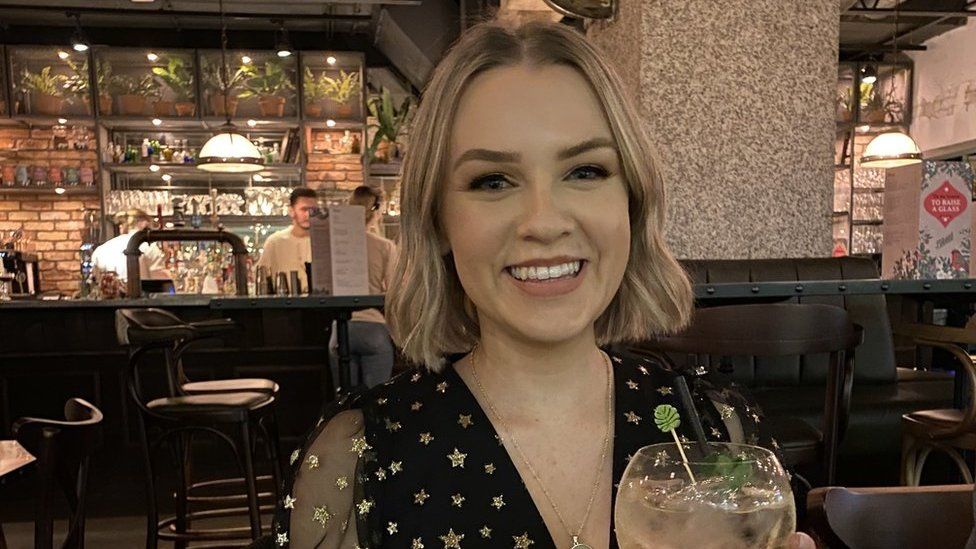
Rishi Sunak: Weekly fast is important discipline for me

Published1 hour agoShareclose panelShare pageCopy linkAbout sharingThis video can not be playedTo play this video you need to enable JavaScript in your browser.By Becky Morton & Michelle RobertsBBC NewsRishi Sunak has said fasting once a week is “an important discipline for me” as part of a “balanced lifestyle”.The prime minister does not eat anything for 36 hours at the start of each week, the Sunday Times reported.Asked about the reports, Mr Sunak told the BBC’s Health Editor Hugh Pym: “I tend to try and do some fasting at the beginning of every week as part of a general balanced lifestyle but everyone will do this differently.”He admitted he also has “a weakness for sugary things”. “It means that I can then indulge myself in all the sugary treats I like for the rest of the week,” he added. Mr Sunak has previously described himself as a “Coca-Cola addict”, revealing he prefers Mexican Coke because it is made with “cane sugar rather than high fructose corn syrup”.Friends of the prime minister told the Sunday Times he does not eat from 17:00 on a Sunday until 05:00 on a Tuesday. He is also a fan of exercise and is known to enjoy morning workouts on his Peloton bike.Why is intermittent fasting so popular? Intermittent fasting is where you eat normally at certain times and then restrict or avoid food during other times.There are different versions or patterns. A popular one is the 5:2 diet where people eat a normal amount of food for five days straight and then have two days of restricted eating where far fewer calories are consumed. Another system, called the 16/8 method, involves restricting your eating to an eight-hour period before fasting for the 16 hours in between.Fasting allows the body to use stored body fat for energy, which can lead to weight loss. But if you overindulge the rest of the time then you might put on even more weight.There is some evidence that it can be healthy, but experts still recommend that people eat a balanced diet and stay active to stay trim and fit. Staying hydrated by drinking plenty of water is important too. If you want to try intermittent fasting, it is important to speak with a health professional for advice first. If you are underweight, have a history of eating disorders or are pregnant or breastfeeding, fasting is not advisable.More on this storyWhy is intermittent fasting so popular?Published3 June 2019

Read more →

Catherine, Princess of Wales, leaves hospital after surgery

Published5 minutes agoShareclose panelShare pageCopy linkAbout sharingImage source, ReutersBy Sean CoughlanRoyal correspondentCatherine, the Princess of Wales, has left hospital almost two weeks after having abdominal surgery.A statement from Kensington Palace said the princess has now returned to her home in Windsor and that she is “making good progress”.She was driven away from the London Clinic private hospital without any public appearance.The exact nature of the surgery has not been revealed, but the princess will need months of recuperation.The princess has spent 13 nights in hospital since her operation and is not expected to return to official duties until after Easter.King Charles ‘doing well’ after prostate treatmentKate visited by William after surgeryEnlarged prostate: What was the King’s health problem?Kensington Palace said the Prince and Princess of Wales wanted to send a “huge thank you” to the medical team at the hospital and for the “well wishes they have received from around the world”.Catherine was staying in the same hospital as the King, who visited her before he had a procedure for an enlarged prostate on Friday.

Read more →

Whistleblowers accuse NHS trust of avoidable baby deaths

Published20 minutes agoShareclose panelShare pageCopy linkAbout sharingBy Michael Buchanan & Theopi SkarlatosBBC NewsSerious concerns about maternity services at an NHS trust have been revealed by BBC Panorama.Midwives say a poor culture and staff shortages at Gloucestershire Hospitals NHS Trust have led to baby deaths that could have been avoided.A newborn baby died after the trust failed to take action against two staff, the BBC has been told. The trust says it is sorry for its failings and is determined to learn when things go wrong. Concerns about two staff members, both midwives, had been raised by colleagues at the Cheltenham Birth Centre after another baby died 11 months earlier.The birth centre allowed women with low-risk pregnancies the choice of giving birth there under the care of midwives – there were no emergency facilities in the centre. In the event of complications, women should have been transferred to the Gloucestershire Royal Hospital, which is part of the same trust and about a 30-minute drive away.But on both occasions, the two midwives did not get their patients transferred quickly enough.Jasper White died in July 2019 and Margot Bowtell died in May 2020. The two midwives on duty for both deaths are now being investigated by their regulator, the Nursing and Midwifery Council. One is suspended and the other has interim restrictions on her practice. We wrote to both midwives, but they did not respond.Ten per cent of maternity units in England are now rated inadequate for safety by the Care Quality Commission, including at the Gloucestershire trust.Midwives are often reluctant to speak out, but BBC Panorama has been talking to former and current maternity staff at the Gloucestershire trust for more than a year.They say the situation is “desperate”, and a dangerous lack of staff was something they repeatedly raised with managers.BBC Panorama has also found: Seven women under the care of the Gloucestershire trust died while pregnant or shortly after giving birth – between 2018 and 2022 – about twice the UK average for maternal deaths. The trust says not all the deaths in that period were attributable to its care In the first six months of 2023, the trust was short of more than 50 midwifery staff on average An investigation into the death of one baby, whose mother faced delays in inducing her labour, found that sufficient staffing may have altered the outcome for the babyThe mothers of Margot and Jasper spoke to the BBC about the deaths of their babies.Laura Harvey and her partner Craig arrived at the Cheltenham Birth Centre in May 2020, excited and nervous at the prospect of meeting their first child. During the night while in labour, Laura had experienced two episodes of bleeding, but says she was reassured by the midwife looking after her that it was nothing to worry about. The midwife didn’t tell the next midwife on shift about the bleeding. After six hours in labour, Laura thought something could be wrong. She twice asked for an ambulance to transfer her to the obstetrics unit at Gloucestershire Royal Hospital. By lunchtime – on her third request – paramedics arrived. Laura remembers by then there was “a bit of commotion in the room” and they could not locate the baby’s heart rate. She says: “I remember the midwife looking at me and the terror in her face filled me with terror.” A third midwife, Michelle, a whistleblower who spoke to the BBC, was called into the room to help. “I was beginning to get a real sick feeling in my stomach by this time that something was really, really wrong,” she says. Michelle says when Margot was eventually born, she was white and not breathing.Baby Margot was then rushed to the neonatal unit at the Gloucestershire Royal Hospital. Hours later, the baby was taken to Bristol, 35 miles away, to receive more specialist care.Three days later, Margot’s life support was removed. Her parents spent 90 minutes with their baby before she took her last breath.”Then we drove home with an empty baby seat in the back of the car.” An independent investigation by the Healthcare Safety Investigation Branch (HSIB) took place into Margot’s death. It found that the bleeding in labour meant Laura should have been transferred to the obstetrics unit at Gloucestershire Royal Hospital – and that if this had happened sooner it could have changed the outcome for her baby. Eleven months earlier, the same two midwives who delivered Margot had also not called an ambulance soon enough for baby Jasper. Jasper’s health had deteriorated within minutes of being born at the Cheltenham Birth Centre, but his mother Laura White says the midwives did not seem concerned. One of the midwives gave him air but Laura says she wasn’t panicking and “quite happily passed him back to me”.But baby Jasper needed urgent medical attention and there was a 50-minute delay in transferring him to the neonatal unit in Gloucester.He died just 11 hours after being born.Midwives under PressureThe Care Quality Commission has said that maternity services at a trust in Gloucestershire are inadequate. Watch now on BBC iPlayer (UK Only) or watch on BBC One at 20:00 on Monday 29 January (20:30 in Northern Ireland and 22:40 in Wales)An HSIB investigation into his death found a total delay of almost 90 minutes between him becoming unwell and arriving at the hospital. However, it could not be sure if the delay had contributed to his death.”We got Jasper dressed in an outfit that we’d chosen to bring him home in,” recalls Laura tearfully.The whistleblower, midwife Michelle, says she had reported her concerns about the two midwives to hospital management following his death. She wanted the trust to investigate. She says she felt risks were being taken by the two midwives and it had been “almost like a game of Russian roulette”. But she says she did not see any steps being taken to ensure their practices were any safer. When Margot died Michelle again raised concerns about the two midwives, but says the managers told her there was not enough proof. “I said, ‘but two babies have died. How much more proof do you actually need?'” she tells the BBC. The HSIB report into Jasper’s death, was not completed until after Margot had died. Three independent reviews into maternity care failings at individual trusts in England have taken place in the past decade – another is ongoing in Nottingham.There are now calls for a national inquiry to tackle the deep-rooted problems they have identified. Dr Bill Kirkup, chaired inquiries into deaths at maternity services at East Kent and Morecambe Bay in Cumbria. He says the treatment of whistleblowers was an issue for both trusts.”They’re treated as a troublemaker, they’re threatened with disciplinary action or professional regulatory action.”The Cheltenham Birth Centre is now only used for antenatal appointments.The Gloucestershire Hospitals NHS Trust says it is “deeply sorry… that failings in our care led to these tragic deaths”.It says the independent investigations have resulted in “significant learning and changes”.It’s not just babies who died. Panorama has discovered that the Trust had carried out a review showing that between 2018 and 2022 there had been seven maternal deaths.Though maternal deaths are rare – the trust had a significantly higher maternal death rate than the UK average.Panorama calculated that during that period it was about twice the national average.The trust says not all the deaths in that period were attributable to its care and that if maternal deaths are looked at over a longer time period, they are in line with the national average. Mother bled to death at Gloucestershire Royal Hospital after treatment delaysStaff shortagesPanorama has also learned of an another incident at the trust in 2022. A baby died when there were not enough staff on duty. The mother had gone to the Gloucestershire Royal to be induced, a procedure where staff artificially begin labour. The woman should then have been taken to the delivery suite, but there were no midwives available to give her the recommended one-to-one care. After five days of waiting, the baby’s heartbeat could no longer be found. An investigation into the death by the HSIB found that “sufficient staffing may have altered the outcome for the baby”.Midwifery staff told Panorama that maternity management at the trust had, at one point, discouraged them from formally reporting staffing concerns as there was “no point… because we can’t do anything about it.” The Gloucestershire Hospitals NHS Trust delivers almost 6,000 babies a year at three sites – plus home births.Information and support on pregnancy-related issues from BBC Action LinePanorama analysed figures published by the trust and found that in the first half of 2023, the trust had been short of more than 50 midwifery staff.In a statement, the trust told the BBC it had increased midwifery posts from 243 to 264 in the past three years. It added that it took “a proactive approach to staff well-being” and had strengthened ways “staff have… to speak up safely.”The staffing issues in Gloucestershire are reflected across England. The Royal College of Midwives calculates that an extra 2,500 midwives are needed.NHS policy says formal reports for all safety incidents should be made to trusts, including concerns about staffing levels.If staffing levels in maternity units fall to unsafe levels, a “red flag” should be raised, alerting hospital management.Panorama submitted Freedom of Information requests in October 2023 to every trust in England and Wales (125) asking them for red flag data. More than a third of Trusts (43) provided data for 2020, 2021 and 2022, showing that the average number of red flag incidents rose from 107 to 175 – an increase of 64%.Sally Pezaro, a midwife and researcher at Coventry University, says the figures are “highly shocking and concerning”. She says that staff shortages can cause delays in care. “When those delays occur, midwives may well miss opportunities to escalate risks and spot where things are going wrong. And the consequences of that could be perinatal and neonatal death.”The Department of Health and Social Care told Panorama that there were almost 20% more midwives working in the NHS in England in October 2023 than in 2010. NHS England, which funds trusts, says it is “increasing investment to £186m annually to grow its maternity workforce”.But charity Baby Lifeline, which trains midwives, says the maternity services budget in England is not increasing in line with other NHS services.It calculates that between 2010 and 2021, the proportion spent on maternity care decreased by as much as £500m in comparison with other services.Of the 14 midwives Panorama has spoken to during this investigation, nine have left the profession – decades of experience lost to the NHS.Michelle’s last shift was the day she tried to save baby Margot. More on this storyMother bled to death after treatment delaysPublished8 March 2023

Read more →

Swansea man paralysed in cold water swim warns of dangers

Published3 hours agoShareclose panelShare pageCopy linkAbout sharingBy Meleri WilliamsBBC NewsThe partner of a man who became paralysed after a “freak accident” while cold-water swimming in the sea has said she is “living a nightmare”. Anna Thomas, 38, saw the moment Dan Richards, 35, injured his neck at Langland Bay on New Year’s Eve in 2023. Mr Richards, an experienced swimmer from Swansea, said he could not understand how things went so wrong.He said he did not know what the future held, but was staying positive. Cold water dips and swims: the benefits and risksTV presenter shows life goes on with spinal injury”We were just going for a cold-water dip,” he recalled.”I got into about thigh level, I dived into the wave – a shallow dive, and the wave just dropped. “It rotated me, the back of my head hit the sand.”Bright light, loud noise. I was instantly paralysed.”Image source, Anna ThomasMs Thomas said initially she thought it might have been a joke.”Then I heard ‘help me, I can’t move my legs’,” she said.”My mum was on the beach, she said I was screaming. We were screaming for people to help us.”An ambulance came to help stabilise Mr Richards before he was airlifted to Bristol’s Southmead Hospital.He had lifesaving surgery on his neck before being moved to Morriston Hospital in Swansea.Image source, Anna Thomas”I still can’t get my head around how things went so wrong,” he said.”It wasn’t the biggest wave, and it wasn’t the worst of conditions, but a little something like that happens.”You hit your head, and it’s life-changing.”Mr Richards, who has been at Morriston Hospital for three weeks, said the staff had been great.”I’ve got my family here every day,” he added.’A living nightmare’Ms Thomas, who has been spending her days in hospital, said the past month had been difficult.”[It’s been] a living nightmare, I wouldn’t wish it on my worst enemy,” she said.”It doesn’t feel real, but this isn’t the end for us – whatever happens, and whatever they’re going to say to us, we know this isn’t it.”Mr Richards said he was told his rehabilitation could take two years – or even be lifelong.The couple have been researching stem-cell treatments and private rehabilitation centres.”We know how expensive and how much of a long journey this is going to be,” Ms Thomas said.Image source, Anna ThomasMr Richards said his goal was to get as much use back in his limbs as possible.”It’s just keep going, and to give back to the people who have helped us,” he said.He hopes that sharing his story will help to raise awareness about the potential dangers of the sea.”It doesn’t have to be big and scary, little things can go wrong and cause big things to happen,” he said.More on this storyCold water dips and swims: the benefits and risksPublished29 April 2022First steps for man told he would never walk againPublished14 April 2023Mum’s dream of seeing son walk comes truePublished16 January 2023TV presenter shows life goes on with spinal injuryPublished1 January 2023Woman injured after jumping into lagoonPublished30 August 2022Man, 20, left paralysed after running into the seaPublished30 July 2021

Read more →

Playing a musical instrument good for brain health in later life – study

Published33 minutes agoShareclose panelShare pageCopy linkAbout sharingImage source, Getty ImagesBy Aurelia FosterHealth reporterPlaying a musical instrument or singing could help keep the brain healthy in older age, UK researchers suggest. Practising and reading music may help sustain good memory and the ability to solve complex tasks, their study says.In their report, published in the International Journal of Geriatric Psychiatry, they say music should be considered as part of a lifestyle approach to maintain the brain. More than 1,100 people aged over 40, with a mean age of 68, were studied.Scientists at the University of Exeter observed their brain function data as part of a wider study that has been finding out how brains age, and why people develop dementia. They looked at the effects of playing an instrument, singing, reading and listening to music, and musical ability.The researchers compared the cognitive data of those in the study who engaged in music in some way in their lives, with those who never had.Their results showed that people who played musical instruments benefitted the most, which may be because of the “multiple cognitive demands” of the activity. Playing the piano or keyboard appeared to be particularly beneficial, while brass and woodwind instruments were good too. Simply listening to music did not appear to help cognitive health.The benefit seen with singing might be partly because of the known social aspects of being in a choir or group, the researchers say.”Because we have such sensitive brain tests for this study, we are able to look at individual aspects of the brain function, such as short-term memory, long-term memory, and problem-solving and how engaging music effects that,” lead author Prof Anne Corbett told the BBC. “Certainly this confirms and cements on a much larger scale what we already know about the benefits of music. “Specifically, playing an instrument has a particularly big effect, and people who continue to play into an older age saw an additional benefit,” she said. Public health messageIn the study, people who read music regularly had better numerical memory.Prof Corbett said: “Our brain is a muscle like anything else and it needs to be exercised, and learning to read music is a bit like learning a new language, it’s challenging.”Researchers did not test potential benefits of taking up a musical hobby for the first time later in life, but Prof Corbett said she believed, based on current evidence, it would be “very beneficial”.Image source, Stuart DouglasProf Corbett said that, although more research was needed, promoting musical education could form a “valuable” part of a public health message, as would encouraging older adults to return to music in later life.”The message is around how people can proactively reduce their risk of cognitive decline or dementia, and really thinking about engaging with music as a way of doing that. This study does suggest that it could be part of a much wider lifestyle approach to improving brain health as you age.” However, she said: “It would be naïve to think taking up a musical instrument would mean you won’t develop dementia. It’s not as simple as that.”Dementia UK said the results were “positive”.”The ability to make or play music – whether by singing or playing an instrument – can continue even when people living with dementia have lost other abilities and means of communication,” the charity’s Caroline Scates said.”If you know someone living with dementia who enjoys, or has enjoyed, singing or playing an instrument, it can be beneficial to keep these instruments or sheet music to hand for them to play or read.”Stuart Douglas, 78, has played the accordion regularly since the age of eight. He said it kept his brain “active” and said it helps others too.”We regularly play at memory cafes so have seen the effect that our music has on people with memory loss and, as older musicians ourselves, we have no doubt that continuing with music into older age has played an important role in keeping our brains healthy.”The study was supported by the National Institute for Health and Care Research.More on this storyBrain check-up tool aims to cut dementia riskPublished18 January 2023Puzzle solving ‘won’t stop mental decline’Published11 December 2018How music helps the brainPublished28 September 2018Exercise ‘keeps the mind sharp’ in over-50sPublished25 April 2017Music ‘boosts good mood chemical’Published9 January 2011Related Internet LinksNational Institute for Health and Care Research – NIHRHome – University of ExeterPROTECT StudyThe BBC is not responsible for the content of external sites.

Read more →

Disposable vapes to be banned over fears for children's health

Published23 minutes agoShareclose panelShare pageCopy linkAbout sharingImage source, Getty ImagesBy Hugh Pym, health editor, & Christy CooneyBBC NewsDisposable vapes are set to be banned as part of plans to tackle the rising number of young people taking up vaping, the government says.Measures will also be introduced to prevent vapes being marketed at children and to target underage sales. Figures from the Action on Smoking and Health (Ash) charity suggest 7.6% of 11 to 17-year-olds now vape regularly or occasionally, up from 4.1% in 2020.The ban is expected to be introduced across the UK, the government said.Prime Minister Rishi Sunak is expected to explain the plans during a visit to a school on Monday.”As any parent or teacher knows, one of the most worrying trends at the moment is the rise in vaping among children, and so we must act before it becomes endemic,” he said in a statement.It follows last year’s announcement of a ban on the sale of cigarettes to anyone born on or after 1 January 2009 as part of an attempt to create a “smoke-free generation”.It is already illegal to sell any vape to anyone under 18, but the government said disposable vapes – often sold in smaller, more colourful packaging than refillable ones – are a “key driver behind the alarming rise in youth vaping”.It is not yet clear when the ban will be introduced, but it could be brought in using existing legislation. Once the timing is confirmed, retailers will be given six months to implement it. The latest changes would also introduce powers to stop refillable vapes being sold in a flavour marketed at children and to require that they be produced in plainer, less appealing packaging.The government will also be able to mandate that shops display refillable vapes out of sight of children and away from other products they might buy, like sweets. A further public consultation will take place to decide which flavours should be banned and how refillable vapes will be sold, the government said. Among the child-friendly vape flavours currently available are those inspired by cookies, jam and energy drinks.To help stop underage sales, additional fines will be brought in for any shops in England and Wales caught selling vapes illegally to children. Vaping alternatives like nicotine pouches – small white pouches that are placed between the lip and gum – will also be banned for children. The pouches release nicotine but do not contain tobacco, so can currently be legally sold to under-18s. While vaping is substantially less harmful than smoking, it has not been around for long enough for its long-term risks to be known, according to the NHS.Health leaders will nevertheless be keen to ensure that the new measures do not make it harder for adult smokers to move to vaping as an alternative. This is where the consultation over how far to go with restrictions on flavours and displays in shops will be important. The announcement follows an initial consultation launched late last year by the UK government and devolved administrations to gauge public attitudes to measures being proposed to reduce levels of smoking and vaping. The government said almost 70% of respondents supported a ban on disposable vapes. Never start vaping, says girl with lung damagePanorama – Teenage Vaping: What’s the Harm?More than four million illegal vapes seized at borderThe Scottish and Welsh governments both said they would introduce bans, either with legislation in their own parliaments or by supporting UK-wide measures. Scotland’s public health minister, Jenni Minto, said disposable vapes were a “threat to both public health” and that the Scottish government wanted to “do more to achieve our goal of being tobacco-free in Scotland by 2034”.Wales’s deputy minister for wellbeing, Lynne Neagle, said that “vaping carries a risk of harm and addiction for children” and that “we want to take all actions possible to prevent youth vaping”.Northern Ireland remains without a devolved administration following a breakdown of power sharing, but its Department of Health said it had “a long-standing strategic aim for a tobacco-free Northern Ireland” and would make preparations to allow incoming ministers to take a decision on the ban. Deborah Arnott, chief executive of Ash, said that the “government’s strategy is the right one: stop smoking initiation, support smokers to quit…, while protecting children by curbing youth vaping”.Dr Camilla Kingdon, president of the Royal College of Paediatrics and Child Health, said the organisation was “thrilled to see the government take the first necessary steps to create a smoke-free generation”. “By stopping children and young people from ever starting to smoke we decrease their chances of developing preventable diseases later in life,” she said. ‘Desperate attempt’In a statement, the UK Vaping Industry Association said disposable vapes have “played a key role in helping millions of adults quit and stay off cigarettes” and that it was “dismayed” by the announcement. “While action to prevent youth access to vaping is critical, this move smacks more of a desperate attempt by the government to sacrifice vapers for votes,” it said.It added that the ban would put children at greater risk by “turbo-charging the black market” and increasing the availability of illicit vapes. Instead, it said there should be better enforcement of the current laws.Eve Peters, UK director of government affairs for Elf Bar, one of the country’s biggest vape manufacturers with sister brand Lost Mary, said the company supported the government’s wish to stop children using vapes but that it was “disappointed with the outright ban”. The UK has joined a small group of countries planning to ban disposable vapes. Australia, France, Germany, and New Zealand have all announced similar plans, although only New Zealand has so far implemented them. Some will argue the UK’s plans still don’t go far enough. There have been calls for a tax on e-cigarettes to bring them in line with tobacco, while Australia has made vapes available only by prescription. Trading Standards officers also say more resources are needed to help crack down on rogue retailers, and it may take some time and a different range of policies to stop vapes with damaging illegal content coming into the UK and reaching children. More on this storyOver four million illegal vapes seized at borderPublished1 day agoNever start vaping, says girl with lung damagePublished12 October 2023Ban on flavoured vapes and tax hike consideredPublished7 November 2023

Read more →

The Man in Room 117

Alone with his mother for the first time in almost a year, Andrey Shevelyov had a question: Could he come home?She sat beside him and stroked his head. The hotel room had a sour, rancid smell, and clothes lay mounded in a corner. His fingernails were long and curved and ridged with dirt. In jail, they cut off his hair, which had been matted and infested with lice.Clean-shaven now, Andrey looked younger than his 31 years, like the gentle, artistic boy he had been before the psychosis took hold. “Zaichik,” his mother called him, a childhood nickname. Bunny rabbit. She pushed a strand of hair over his ear. He lay back on the bed and smiled, and a dimple appeared on his cheek.“I like living with you also,” said Olga Mintonye, but it was not an honest answer.Three years ago, when he stopped taking his antipsychotic medication, her son withdrew into delusions, erupting in unpredictable and menacing outbursts. Fearful of being evicted from their apartment, she and her husband, Sam, sought a no-contact order to keep Andrey away.Since then, he had lived in a tent, wandering Vancouver in ragged clothing and carrying machetes for protection. Twice, he had been in jail, ranting in his cell about the C.I.A. Three times, he was confined to psychiatric hospitals, where guards wrestled him down so he could be injected with antipsychotics.Now they were together in Room 117 in a budget hotel overlooking the interstate. The county had allotted $8,400 to house him temporarily, as part of an effort by the state to divert the stream of severely mentally ill people from the criminal justice system. It was enough to keep him in the Red Lion Inn for eight weeks.We are having trouble retrieving the article content.Please enable JavaScript in your browser settings.Thank you for your patience while we verify access. If you are in Reader mode please exit and log into your Times account, or subscribe for all of The Times.Thank you for your patience while we verify access.Already a subscriber? 

Read more →

Growing skincare use by children is dangerous, say dermatologists

Published37 minutes agoShareclose panelShare pageCopy linkAbout sharingBy Annabel RackhamHealth reporterThe growing trend of children as young as eight using skincare products could leave them with irreversible skin problems, the British Association for Dermatologists has warned.Some children are asking their parents for luxury items after seeing them used by their favourite influencers on platforms such as YouTube and TikTok.But many of these contain potentially harmful active ingredients intended for adults only, such as exfoliating acids.They can provoke allergies or eczema.Eight-year-old Sadie first saw skincare videos on TikTok, where influencers would talk about “how good they were on the skin”.She was particularly attracted to a product from the company Bubble, which “when you push down, comes up in [the shape of] a flower”, she tells BBC News, and US brand Drunk Elephant because “she liked the packaging a lot” and it sold everything from lip balms to moisturisers.BBC News has also received messages from several parents worried about their child’s interest in skincare – and the influence of social media and friends.With its bright colourful packaging and cartoon-animal logo, Drunk Elephant is one of the brands most frequently featured in adult and child influencers’ online skincare content.But many of its bestsellers, which cost about £60 each, contain exfoliators such as alpha and beta hydroxy acids and vitamin-A derivative retinol.Skincare content is unrestricted on social media and many daily-routine and get-ready-with-me videos attract millions of views.One skincare YouTuber has collated several from TikTok, showing children using harmful products.’Stay away’Other content creators have visited beauty stores – as workers at Sephora and US-based Ulta say children frequently abuse in-store testers and clear shelves of products as soon as they come into stock.Drunk Elephant in particular has become so popular founder Tiffany Masterson has had to tell “kids and tweens stay away from our more potent products that include acids and retinols” on social media.”Their skin does not need these ingredients quite yet,” she says.BBC News has approached Drunk Elephant for further comment.Fascination with the brand has gone global and seeing her friends had managed to get hold of the products, Sadie “begged” her mother, Lucy, to buy them.When she refused, realising they were unsuitable, Sadie approached other family members less aware of the potential harm.But Lucy says the products made Sadie’s skin itchy and red – and she had to stop her daughter using them.”It’s really difficult when it’s all your child will talk about,” Lucy tells BBC News.”Sadie likes to do [skincare] together with her friends and she feels left out if she’s not doing it.”Despite being interested in skincare herself, Lucy had “never heard” of some of the brands Sadie wanted.Lucy banned Sadie from TikTok, as she was too young for the platform, but many of the content creators she enjoys are still easily accessible on YouTube Shorts.’My allergies drove me to create my beauty firm’Skincare firm avoids fine for staff’s fake reviews”Trying to educate her at eight years old about what skincare should be like is really difficult when you’ve got influencers who she believes more than anyone else,” Lucy says.”She’s my youngest child and I didn’t think I’d have to worry about her doing skincare and policing skincare at this age. “It feels like her childhood has now been taken away.” Paediatric dermatologist Dr Tess McPherson says it is important children receive “information, not misinformation” about skincare.”[A lot of] these are anti-ageing products,” she tells BBC News.”They may be suitable for older skin – they are not suitable for children.”They can cause irritation to skin whatever age you are – but clearly for younger skin, they can be potentially dangerous or problematic. “For a child with eczema or sensitive skin, they could cause significant problems.”And a lot of them will be highly fragrant and they could get contact allergies to some of those products.” Dr McPherson, who represents the British Association of Dermatologists, also worries about the “suggestive packaging”, often bright and colourful and therefore attractive to children.”These products are sold as empowerment but [it] is playing on vulnerabilities,” she says.Parents wanting to address their children’s skin concerns should speak to a doctor or dermatologist to “get effective treatments”, Dr McPherson adds.”You don’t need to spend lots of money on expensive products and there’s no point seeking out perfect skin, which we know doesn’t exist”.There are no age restrictions on buying these items in shops or online.BBC News approached a number of retailers in the UK stocking skincare brands popular with children.A Boots representative said it was rolling out “additional training” for its 2,500 in-store beauty specialists, which “included specific information for younger customers and their parents”.More on this story’My allergies drove me to create my beauty firm’Published10 June 2019Skincare firm avoids fine for staff’s fake reviewsPublished22 October 2019What really causes acne – and what to do about itPublished9 November 2019

Read more →

Warning over children using viral skincare products

Published5 days agoShareclose panelShare pageCopy linkAbout sharingBy Annabel RackhamHealth reporterThe growing trend of children as young as eight using skincare products could leave them with irreversible skin problems, the British Association for Dermatologists has warned.Some children are asking their parents for luxury items after seeing them used by their favourite influencers on platforms such as YouTube and TikTok.But many of these contain potentially harmful active ingredients intended for adults only, such as exfoliating acids.They can provoke allergies or eczema.Eight-year-old Sadie first saw skincare videos on TikTok, where influencers would talk about “how good they were on the skin”.She was particularly attracted to a product from the company Bubble, which “when you push down, comes up in [the shape of] a flower”, she tells BBC News, and US brand Drunk Elephant because “she liked the packaging a lot” and it sold everything from lip balms to moisturisers.BBC News has also received messages from several parents worried about their child’s interest in skincare – and the influence of social media and friends.With its bright colourful packaging and cartoon-animal logo, Drunk Elephant is one of the brands most frequently featured in adult and child influencers’ online skincare content.But many of its bestsellers, which cost about £60 each, contain exfoliators such as alpha and beta hydroxy acids and vitamin-A derivative retinol.Skincare content is unrestricted on social media and many daily-routine and get-ready-with-me videos attract millions of views.One skincare YouTuber has collated several from TikTok, showing children using harmful products.’Stay away’Other content creators have visited beauty stores – as workers at Sephora and US-based Ulta say children frequently abuse in-store testers and clear shelves of products as soon as they come into stock.Drunk Elephant in particular has become so popular founder Tiffany Masterson has had to tell “kids and tweens stay away from our more potent products that include acids and retinols” on social media.”Their skin does not need these ingredients quite yet,” she says.BBC News has approached Drunk Elephant for further comment.Fascination with the brand has gone global and seeing her friends had managed to get hold of the products, Sadie “begged” her mother, Lucy, to buy them.When she refused, realising they were unsuitable, Sadie approached other family members less aware of the potential harm.But Lucy says the products made Sadie’s skin itchy and red – and she had to stop her daughter using them.”It’s really difficult when it’s all your child will talk about,” Lucy tells BBC News.”Sadie likes to do [skincare] together with her friends and she feels left out if she’s not doing it.”Despite being interested in skincare herself, Lucy had “never heard” of some of the brands Sadie wanted.Lucy banned Sadie from TikTok, as she was too young for the platform, but many of the content creators she enjoys are still easily accessible on YouTube Shorts.’My allergies drove me to create my beauty firm’Skincare firm avoids fine for staff’s fake reviews”Trying to educate her at eight years old about what skincare should be like is really difficult when you’ve got influencers who she believes more than anyone else,” Lucy says.”She’s my youngest child and I didn’t think I’d have to worry about her doing skincare and policing skincare at this age. “It feels like her childhood has now been taken away.” Paediatric dermatologist Dr Tess McPherson says it is important children receive “information, not misinformation” about skincare.”[A lot of] these are anti-ageing products,” she tells BBC News.”They may be suitable for older skin – they are not suitable for children.”They can cause irritation to skin whatever age you are – but clearly for younger skin, they can be potentially dangerous or problematic. “For a child with eczema or sensitive skin, they could cause significant problems.”And a lot of them will be highly fragrant and they could get contact allergies to some of those products.” Dr McPherson, who represents the British Association of Dermatologists, also worries about the “suggestive packaging”, often bright and colourful and therefore attractive to children.”These products are sold as empowerment but [it] is playing on vulnerabilities,” she says.Parents wanting to address their children’s skin concerns should speak to a doctor or dermatologist to “get effective treatments”, Dr McPherson adds.”You don’t need to spend lots of money on expensive products and there’s no point seeking out perfect skin, which we know doesn’t exist”.There are no age restrictions on buying these items in shops or online.BBC News approached a number of retailers in the UK stocking skincare brands popular with children.A Boots representative said it was rolling out “additional training” for its 2,500 in-store beauty specialists, which “included specific information for younger customers and their parents”.More on this story’My allergies drove me to create my beauty firm’Published10 June 2019Skincare firm avoids fine for staff’s fake reviewsPublished22 October 2019What really causes acne – and what to do about itPublished9 November 2019

Read more →

Buried in Wegovy Costs, North Carolina Will Stop Paying for Obesity Drugs

Starting April 1, state employees in North Carolina will no longer have insurance coverage for costly weight-loss medications like Wegovy and Zepbound.In June 2021, the insurance plan for North Carolina state employees was paying for 2,800 people to take weight-loss drugs.Last year, it paid for nearly 25,000. Medications like Wegovy cost the North Carolina State Health Plan $100 million last year, rising seemingly out of nowhere to represent 10 percent of its spending on prescription drugs.“This is something we never anticipated,” said Dale Folwell, the state treasurer, whose office runs the health plan.Alarmed by the ballooning costs, the health plan’s governing board voted on Thursday to end all coverage of medications for weight loss, including Wegovy, which accounts for the vast majority of its spending on obesity drugs. The plan will continue covering versions of the drugs for people with diabetes.In the past few years, appetite-suppressing drugs have surged in popularity because they are extraordinarily effective in helping patients lose weight. Research suggests the medications may pay for themselves or even save money in the long run, by preventing heart attacks and strokes that lead to huge hospital bills.We are having trouble retrieving the article content.Please enable JavaScript in your browser settings.Thank you for your patience while we verify access. If you are in Reader mode please exit and log into your Times account, or subscribe for all of The Times.Thank you for your patience while we verify access.Already a subscriber? 

Read more →