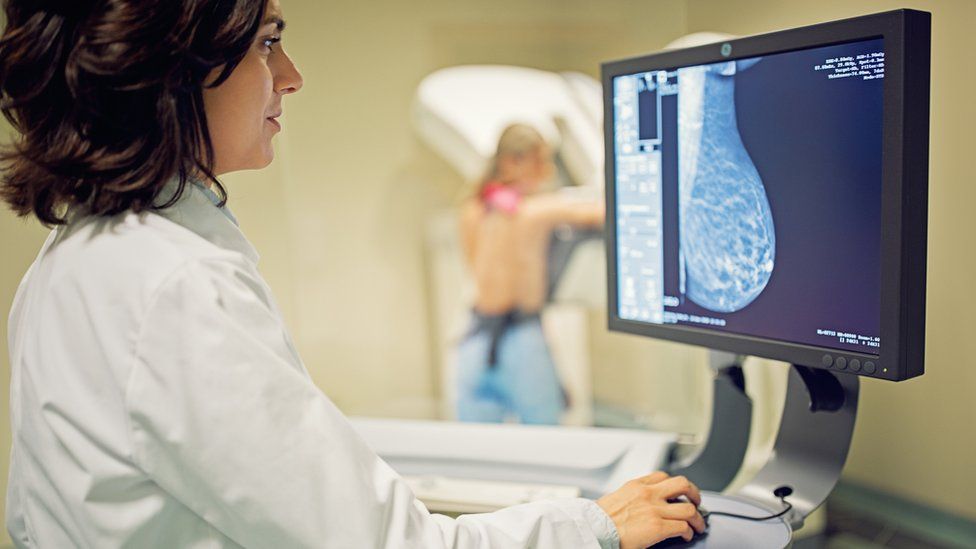
Maternal pulse recording during childbirth prevents encephalopathy in newborn babies

Cardiotocography (CTG) refers to the electronic recording of the fetal heart rate and uterine contractions. Fetal heart rate recorded through the mother’s abdomen is the most commonly used fetal monitoring method during childbirth. Now, a research team from the University of Helsinki and Helsinki University Hospital (HUS) has found that external fetal heart rate monitoring without simultaneous maternal pulse recording is associated with both an increased risk of neonatal encephalopathy and acidemia in fetal umbilical artery blood, i.e., critically low pH and base excess concentrations. Acidemia increases the need for newborn resuscitation and the length of intensive care.
The study, published in the esteemed American Journal of Obstetrics and Gynecology, analysed almost 214,000 spontaneous full-term births in HUS maternity hospitals between 2005 and 2023. The study included the largest CTG dataset ever published.
The study demonstrated that a newborn monitored during labour with external fetal heart rate monitoring alone had a 1.6-fold risk of neonatal encephalopathy and a 2.3-fold risk of severe umbilical cord blood acidemia compared to those monitored with an internal electrode attached to the skin of the fetal head (internal monitoring) or by concurrent external fetal heart rate monitoring and maternal pulse recording.
“Especially during the second stage of labour, when mothers tend to display increased heart rate while pushing, fetuses more commonly exhibit heart rate decelerations. Consequently, the fetal heart rate can be quite easily mixed with the maternal pulse, in which case abnormal fetal heart rate tracing, indicating fetal hypoxia, may go unnoticed by professionals,” says Researcher Mikko Tarvonen, describing the challenges of external CTG monitoring.
In the majority of the labours in the study (38%), solely external monitoring was used. Internal monitoring was the second most common method (33%), followed by external monitoring simultaneously with maternal pulse recording (29%).
Years of safer practice at HUS
The world’s largest organisations of obstetricians and midwives recommend in their fetal monitoring guidelines that external fetal heart rate monitoring be used as the primary CTG registration method. However, the new study indicates that, without simultaneous maternal pulse recording, this method is a significant risk factor predisposing the fetus to labour-related hypoxia and its long-term neurological effects.

“Based on our results, this tragedy can be effectively prevented by combining maternal pulse recording with fetal heart rate monitoring. This method allows professionals to be sure of whose heart rate they are monitoring,” says Tarvonen.
In 2019 HUS adopted a new protocol emphasising the necessity of recording maternal heart rate alongside fetal heart rate during childbirth.
“Practices have long varied at Finnish maternity hospitals, but training and research evidence have resulted in a shift in attitudes and thus the increased use in recent years of maternal pulse monitoring,” Tarvonen notes.
The present study demonstrated that, based on the incidence of neonatal encephalopathy, external fetal heart rate monitoring combined with maternal heart rate recording is equally as safe as internal fetal monitoring. However, internal monitoring was the most accurate way of assessing fetal wellbeing. Its use was associated with the lowest incidence of hypoxia-related neonatal outcomes.
The incidence of both neonatal encephalopathy and severe umbilical artery blood acidemia has decreased significantly in the HUS region during the study’s 18-year follow-up period.
“This trend is exceptional even by international standards,” Tarvonen points out.
Facts: Monitoring the wellbeing of the unborn child through cardiotocography (CTG) Cardiotocography (CTG) refers to the electronic recording of the fetal heart rate and uterine contractions. CTG registration is used for the early identification and prevention of fetal hypoxia during labour. In Finland and other industrialised countries, CTG registration is the most common technique for fetal surveillance performed routinely in hospital births. CTG registration can be performed during labour in three ways: 1) by monitoring the fetal heart rate with an external ultrasound transducer attached to the mother’s abdomen, 2) by both an external ultrasound transducer monitoring the fetal heart rate and simultaneous maternal pulse recording, and 3) with an internal electrode attached to the skin of the fetal head. The latest CTG displays enable recording the maternal pulse through a uterine contraction transducer, meaning no additional sensors are needed.

Read more →

How fasting may protect against inflammation

Cambridge scientists may have discovered a new way in which fasting helps reduce inflammation — a potentially damaging side-effect of the body’s immune system that underlies a number of chronic diseases.
In research published in Cell Reports, the team describes how fasting raises levels of a chemical in the blood known as arachidonic acid, which inhibits inflammation. The researchers say it may also help explain some of the beneficial effects of drugs such as aspirin.
Scientists have known for some time that our diet — particular a high calorie Western diet — can increase our risk of diseases including obesity, type 2 diabetes and heart disease, which are linked to chronic inflammation in the body.
Inflammation is our body’s natural response to injury or infection, but this process can be triggered by other mechanisms, including by the so-called ‘inflammasome’, which acts like an alarm within our body’s cells, triggering inflammation to help protect our body when it senses damage. But the inflammasome can trigger inflammation in unintentional ways — one of its functions is to destroy unwanted cells, which can result in the release of the cell’s contents into the body, where they trigger inflammation.
Professor Clare Bryant from the Department of Medicine at the University of Cambridge said: “We’re very interested in trying to understand the causes of chronic inflammation in the context of many human diseases, and in particular the role of the inflammasome.
“What’s become apparent over recent years is that one inflammasome in particular — the NLRP3 inflammasome — is very important in a number of major diseases such as obesity and atherosclerosis, but also in diseases like Alzheimer’s and Parkinson’s disease, many of the diseases of older age people, particularly in the Western world.”
Fasting can help reduce inflammation, but the reason why has not been clear. To help answer this question, a team led by Professor Bryant and colleagues at the University of Cambridge and National Institute for Health in the USA studied blood samples from a group of 21 volunteers, who ate a 500kcal meal then fasted for 24 hours before consuming a second 500kcal meal.

The team found that restricting calorie intake increased levels of a lipid known as arachidonic acid. Lipids are molecules that play important roles in our bodies, such as storing energy and transmitting information between cells. As soon as individuals ate a meal again, levels of arachidonic acid dropped.
When the researchers studied arachidonic acid’s effect in immune cells cultured in the lab, they found that it turns down the activity of the NLRP3 inflammasome. This surprised the team as arachidonic acid was previously thought to be linked with increased levels of inflammation, not decreased.
Professor Bryant, a Fellow of Queens’ College, Cambridge, added: “This provides a potential explanation for how changing our diet — in particular by fasting — protects us from inflammation, especially the damaging form that underpins many diseases related to a Western high calorie diet.
“It’s too early to say whether fasting protects against diseases like Alzheimer’s and Parkinson’s disease as the effects of arachidonic acid are only short-lived, but our work adds to a growing amount of scientific literature that points to the health benefits of calorie restriction. It suggests that regular fasting over a long period could help reduce the chronic inflammation we associate with these conditions. It’s certainly an attractive idea.”
The findings also hint at one mechanism whereby a high calorie diet might increase the risk of these diseases. Studies have shown that some patients that have a high fat diet have increased levels of inflammasome activity.
“There could be a yin and yang effect going on here, whereby too much of the wrong thing is increasing your inflammasome activity and too little is decreasing it,” said Professor Bryant. “Arachidonic acid could be one way in which this is happening.”
The researchers say the discovery may also offer clues to an unexpected way in which so-called non-steroidal anti-inflammatory drugs such as aspirin work. Normally, arachidonic acid is rapidly broken down in the body, but aspirin stops this process, which can lead to an increase in levels of arachidonic acid, which in turn reduce inflammasome activity and hence inflammation.
Professor Bryant said: “It’s important to stress that aspirin should not be taken to reduce risk of long terms diseases without medical guidance as it can have side-effects such as stomach bleeds if taken over a long period.”
The research was funded by Wellcome, the Medical Research Council and the US National Heart, Lung, and Blood Institute Division of Intramural Research.

Read more →

Artificial muscles — lighter, safer, more robust

Many roboticists dream of building robots that are not just a combination of metal or other hard materials and motors but also softer and more adaptable. Soft robots could interact with their environment in a completely different way; for example, they could cushion impacts the way human limbs do, or grasp an object delicately. This would also offer benefits regarding energy consumption: robot motion today usually requires a lot of energy to maintain a position, whereas soft systems could store energy well, too. So, what could be more obvious than to take the human muscle as a model and attempt to recreate it?
The functioning of artificial muscles is thus based on biology. Like their natural counterparts, artificial muscles contract in response to an electrical impulse. However, the artificial muscles consist not of cells and fibres but of a pouch filled with a liquid (usually oil), the shell of which is partially covered in electrodes. When these electrodes receive an electrical voltage, they draw together and push the liquid into the rest of the pouch, which flexes and is thus capable of lifting a weight. A single pouch is analogous to a short bundle of muscle fibres; several of these can be connected to form a complete propulsion element, which is also referred to as an actuator or simply as an artificial muscle.
Voltage too high
The idea of developing artificial muscles is not new, but until now, there has been a major obstacle to realising it: electrostatic actuators worked only with extremely high voltages of around 6,000 to 10,000 volts. This requirement had several ramifications: for instance, the muscles had to be connected to large, heavy voltage amplifiers; they did not work in water; and they weren’t entirely safe for humans. A new solution has now been developed by Robert Katzschmann, a robotics professor at ETH Zurich, together with Stephan-​Daniel Gravert, Elia Varini and further colleagues. They have published their version of an artificial muscle that offers several advantages in Science Advances.
Gravert, who works as a scientific assistant in Katzschmann’s lab, has designed a shell for the pouch. The researchers call the new artificial muscles HALVE actuators, where HALVE stands for “hydraulically amplified low-​voltage electrostatic.” “In other actuators, the electrodes are on the outside of the shell. In ours, the shell consists of different layers. We took a high-​permittivity ferroelectric material, i.e. one that can store relatively large amounts of electrical energy, and combined it with a layer of electrodes. Next, we coated it with a polymer shell that has excellent mechanical properties and makes the pouch more stable,” Gravert explains. This meant the researchers could reduce the required voltage, because the much higher permittivity of the ferroelectric material allows large forces despite low voltage. Not only did Gravert and Varini develop the shell for the HALVE actuators together, but they also built the actuators themselves in the lab to use in two robots.
Grippers and fish show what the muscle can do
One of these robotic examples is an 11-​centimetre-tall gripper with two fingers. Each finger is moved by three series-​connected pouches of the HALVE actuator. A small battery-​operated power supply provides the robot with 900 volts. Together, the battery and power supply weigh just 15 grams. The entire gripper, including the power and control electronics, weighs 45 grams. The gripper can grip a smooth plastic object firmly enough to support its own weight when the object is lifted into the air with a cord. “This example excellently demonstrates how small, light and efficient the HALVE actuators are. It also means that we’ve taken a huge step closer to our goal of creating integrated muscle-​operated systems,” Katzschmann says with satisfaction.

The second object is a fish-​like swimmer, almost 30 centimetres long, that can move smoothly through the water. It consists of a “head” containing the electronics and a flexible “body” to which the HALVE actuators are attached. These actuators move alternately in a rhythm that produces the swimming motion. The autonomous fish can go from a standstill to a speed of three centimetres per second in 14 seconds — and that’s in normal tap water.
Waterproof and self-​sealing
This second example is important because it demonstrates another new feature of the HALVE actuators: as the electrodes no longer sit unprotected outside the shell, the artificial muscles are now waterproof and can also be used in conductive liquids. “The fish illustrates a general advantage of these actuators — the electrodes are protected from the environment and, conversely, the environment is protected from the electrodes. So, you can operate these electrostatic actuators in water or touch them, for example,” Katzschmann explains. And the layered structure of the pouches has another advantage: the new actuators are much more robust than other artificial muscles.
Ideally, the pouches should be able to achieve a great deal of motion and do it quickly. However, even the smallest production error, such as a speck of dust between the electrodes, can lead to an electrical breakdown — a kind of mini lightning strike. “When this happened in earlier models, the electrode would burn, creating a hole in the shell. This allowed the liquid to escape and rendered the actuator useless,” Gravert says. This problem is solved in the HALVE actuators because a single hole essentially closes itself due to the protective plastic outer layer. As a result, the pouch usually remains fully functional even after an electrical breakdown.
The two researchers are clearly delighted to have taken the development of artificial muscles a decisive step forward, but they are also realistic. As Katzschmann says, “Now we have to ready this technology for larger-​scale production, and we can’t do that here in the ETH lab. Without giving too much away, I can say that we’re already registering interest from companies that would like to work with us.” For example, artificial muscles could one day be used in novel robots, prostheses or wearables; in other words, in technologies that are worn on the human body.

Read more →

Sweat-resistant wearable robot sensor

New electromyography (EMG) sensor technology that allows the long-term stable control of wearable robots and is not affected by the wearer’s sweat and dead skin has gained attention recently. Wearable robots are devices used across a variety of rehabilitation treatments for the elderly and patients recovering from stroke or trauma.
A joint research team led by Professor Jae-Woong Jung from the KAIST School of Electrical Engineering (EE) and Professor Jung Kim from the KAIST Department of Mechanical Engineering (ME) announced on January 23rd that they have successfully developed a stretchable and adhesive microneedle sensor that can electrically sense physiological signals at a high level without being affected by the state of the user’s skin.
For wearable robots to recognize the intentions behind human movement for their use in rehabilitation treatment, they require a wearable electrophysiological sensor that gives precise EMG measurements. However, existing sensors often show deteriorating signal quality over time and are greatly affected by the user’s skin conditions. Furthermore, the sensor’s higher mechanical hardness causes noise since the contact surface is unable to keep up with the deformation of the skin. These shortcomings limit the reliable, long-term control of wearable robots.
However, the recently developed technology is expected to allow long-term and high-quality EMG measurements as it uses a stretchable and adhesive conducting substrate integrated with microneedle arrays that can easily penetrate the stratum corneum without causing discomfort. Through its excellent performance, the sensor is anticipated to be able to stably control wearable robots over a long period of time regardless of the wearer’s changing skin conditions and without the need for a preparation step that removes sweat and dead cells from the surface of their skin.
The research team created a stretchable and adhesive microneedle sensor by integrating microneedles into a soft silicon polymer substrate. The hard microneedles penetrate through the stratum corneum, which has high electrical resistance. As a result, the sensor can effectively lower contact resistance with the skin and obtain high-quality electrophysiological signals regardless of contamination. At the same time, the soft and adhesive conducting substrate can adapt to the skin’s surface that stretches with the wearer’s movement, providing a comfortable fit and minimizing noise caused by movement.
To verify the usability of the new patch, the research team conducted a motion assistance experiment using a wearable robot. They attached the microneedle patch on a user’s leg, where it could sense the electrical signals generated by the muscle. The sensor then sent the detected intention to a wearable robot, allowing the robot to help the wearer lift a heavy object more easily.
Professor Jae-Woong Jung, who led the research, said, “The developed stretchable and adhesive microneedle sensor can stability detect EMG signals without being affected by the state of a user’s skin. Through this, we will be able to control wearable robots with higher precision and stability, which will help the rehabilitation of patients who use robots.”
The results of this research, written by co-first authors Heesoo Kim and Juhyun Lee, who are both Ph.D. candidates in the KAIST School of EE, were published in Science Advances on January 17th under the title “Skin-preparation-free, stretchable microneedle adhesive patches for reliable electrophysiological sensing and exoskeleton robot control.”
This research was supported by the Bio-signal Sensor Integrated Technology Development Project by the National Research Foundation of Korea, the Electronic Medicinal Technology Development Project, and the Step 4 BK21 Project.

Read more →

DNA particles that mimic viruses hold promise as vaccines

Using a virus-like delivery particle made from DNA, researchers from MIT and the Ragon Institute of MGH, MIT, and Harvard have created a vaccine that can induce a strong antibody response against SARS-CoV-2.
The vaccine, which has been tested in mice, consists of a DNA scaffold that carries many copies of a viral antigen. This type of vaccine, known as a particulate vaccine, mimics the structure of a virus. Most previous work on particulate vaccines has relied on protein scaffolds, but the proteins used in those vaccines tend to generate an unnecessary immune response that can distract the immune system from the target.
In the mouse study, the researchers found that the DNA scaffold does not induce an immune response, allowing the immune system to focus its antibody response on the target antigen.
“DNA, we found in this work, does not elicit antibodies that may distract away from the protein of interest,” says Mark Bathe, an MIT professor of biological engineering. “What you can imagine is that your B cells and immune system are being fully trained by that target antigen, and that’s what you want — for your immune system to be laser-focused on the antigen of interest.”
This approach, which strongly stimulates B cells (the cells that produce antibodies), could make it easier to develop vaccines against viruses that have been difficult to target, including HIV and influenza, as well as SARS-CoV-2, the researchers say. Unlike T cells, which are stimulated by other types of vaccines, these B cells can persist for decades, offering long-term protection.
“We’re interested in exploring whether we can teach the immune system to deliver higher levels of immunity against pathogens that resist conventional vaccine approaches, like flu, HIV, and SARS-CoV-2,” says Daniel Lingwood, an associate professor at Harvard Medical School and a principal investigator at the Ragon Institute. “This idea of decoupling the response against the target antigen from the platform itself is a potentially powerful immunological trick that one can now bring to bear to help those immunological targeting decisions move in a direction that is more focused.”
Bathe, Lingwood, and Aaron Schmidt, an associate professor at Harvard Medical School and principal investigator at the Ragon Institute, are the senior authors of the paper, which appears today in Nature Communications. The paper’s lead authors are Eike-Christian Wamhoff, a former MIT postdoc; Larance Ronsard, a Ragon Institute postdoc; Jared Feldman, a former Harvard University graduate student; Grant Knappe, an MIT graduate student; and Blake Hauser, a former Harvard graduate student.

Mimicking viruses
Particulate vaccines usually consist of a protein nanoparticle, similar in structure to a virus, that can carry many copies of a viral antigen. This high density of antigens can lead to a stronger immune response than traditional vaccines because the body sees it as similar to an actual virus. Particulate vaccines have been developed for a handful of pathogens, including hepatitis B and human papillomavirus, and a particulate vaccine for SARS-CoV-2 has been approved for use in South Korea.
These vaccines are especially good at activating B cells, which produce antibodies specific to the vaccine antigen.
“Particulate vaccines are of great interest for many in immunology because they give you robust humoral immunity, which is antibody-based immunity, which is differentiated from the T-cell-based immunity that the mRNA vaccines seem to elicit more strongly,” Bathe says.
A potential drawback to this kind of vaccine, however, is that the proteins used for the scaffold often stimulate the body to produce antibodies targeting the scaffold. This can distract the immune system and prevent it from launching as robust a response as one would like, Bathe says.
“To neutralize the SARS-CoV-2 virus, you want to have a vaccine that generates antibodies toward the receptor binding domain portion of the virus’ spike protein,” he says. “When you display that on a protein-based particle, what happens is your immune system recognizes not only that receptor binding domain protein, but all the other proteins that are irrelevant to the immune response you’re trying to elicit.”
Another potential drawback is that if the same person receives more than one vaccine carried by the same protein scaffold, for example, SARS-CoV-2 and then influenza, their immune system would likely respond right away to the protein scaffold, having already been primed to react to it. This could weaken the immune response to the antigen carried by the second vaccine.

“If you want to apply that protein-based particle to immunize against a different virus like influenza, then your immune system can be addicted to the underlying protein scaffold that it’s already seen and developed an immune response toward,” Bathe says. “That can hypothetically diminish the quality of your antibody response for the actual antigen of interest.”
As an alternative, Bathe’s lab has been developing scaffolds made using DNA origami, a method that offers precise control over the structure of synthetic DNA and allows researchers to attach a variety of molecules, such as viral antigens, at specific locations.
In a 2020 study, Bathe and Darrell Irvine, an MIT professor of biological engineering and of materials science and engineering, showed that a DNA scaffold carrying 30 copies of an HIV antigen could generate a strong antibody response in B cells grown in the lab. This type of structure is optimal for activating B cells because it closely mimics the structure of nano-sized viruses, which display many copies of viral proteins in their surfaces.
“This approach builds off of a fundamental principle in B-cell antigen recognition, which is that if you have an arrayed display of the antigen, that promotes B-cell responses and gives better quantity and quality of antibody output,” Lingwood says.
“Immunologically silent”
In the new study, the researchers swapped in an antigen consisting of the receptor binding protein of the spike protein from the original strain of SARS-CoV-2. When they gave the vaccine to mice, they found that the mice generated high levels of antibodies to the spike protein but did not generate any to the DNA scaffold.
In contrast, a vaccine based on a scaffold protein called ferritin, coated with SARS-CoV-2 antigens, generated many antibodies against ferritin as well as SARS-CoV-2.
“The DNA nanoparticle itself is immunogenically silent,” Lingwood says. “If you use a protein-based platform, you get equally high titer antibody responses to the platform and to the antigen of interest, and that can complicate repeated usage of that platform because you’ll develop high affinity immune memory against it.”
Reducing these off-target effects could also help scientists reach the goal of developing a vaccine that would induce broadly neutralizing antibodies to any variant of SARS-CoV-2, or even to all sarbecoviruses, the subgenus of virus that includes SARS-CoV-2 as well as the viruses that cause SARS and MERS.
To that end, the researchers are now exploring whether a DNA scaffold with many different viral antigens attached could induce broadly neutralizing antibodies against SARS-CoV-2 and related viruses.
The research was primarily funded by the National Institutes of Health, the National Science Foundation, and the Fast Grants program.

Read more →

Citizen scientists contribute to motor learning research

A new research study examined the results from data generated by citizen scientists using a simple web-based motor test. The big data approach provides researchers with a unique way to explore how people correct for motor control errors. The resulting insights may one day pave the way for personalized physical therapy or tailor an athlete’s training routine. The results are available in the January 30th issue of the journal Nature Human Behaviour.
“This exploratory approach does not replace lab based studies, but complements them, asking whether motor behavior can generalize to the greater population,” said Jonathan Tsay, assistant professor in the Department of Psychology at Carnegie Mellon University and first author on the paper. “I see this large-scale approach as a way to democratize motor learning research.”
Traditionally, motor learning scientists have studied how people learn motor skills in a lab setting using expensive equipment to capture the subtle changes in a person’s movement in response to movement errors. These studies often involve a small number of participants. Whether these results generalize to the larger population remains unknown.
Tsay wanted to explore motor skills from a new perspective, using big data. To gather the data, he developed a simple motor-learning assessment that people could take online in the comfort of their homes. The result is a dataset of more than 2,000 sessions from a diverse participant population.
The study can also evaluate different underlying processes in motor learning, that is, the relative contribution of subconscious, implicit motor learning, and conscious, explicit motor learning. With the data in hand, Tsay was able to examine how demographic variables affect the relative contribution of these two learning styles.
The short, at-home test took about eight minutes compared to a normal 80-minute experiment in the lab. Many participants logged back in and contributed multiple sessions to the database, allowing the research team to track changes in motor learning efficiently.
The potential of the big data lies in a better understanding of variables, like gender, age, visual impairment and even video game experience, that can impact motor adaptation.

Tsay points to age as an example. It may seem obvious that age would be an important factor affecting motor adaptation, but the effect of age has been mixed in laboratory studies. The confusion may be in part due to the small sample size and the focus on extreme age groups (very young and very old).
Using big data, Tsay and his colleagues were able to examine age as a continuous variable. The results showed how participants modified their strategies to correct for a motor error across the lifespan, with adaptation peaking between 35 and 45 years of age. These adaptations have been missed by previous studies involving only a limited sample size.
“Using machine learning and other techniques, [this approach allowed us] to predict who would be successful at motor learning and what properties — speed of movement and reaction time — are good predictors of success in motor learning during a session,” said Tsay. “The results we found in this exploratory big data manner can be brought back to the lab to do more hypothesis-driven [studies] to find the mechanism behind the finding we see online.”
The simple motor learning task was only able to predict about 15% of the variance in the study, which limits the insights that can be drawn from these results. In addition, the motor task was not conducted under an experimenter’s supervision or specifically controlling for parameters, like type of technology and internet speed, that increased noise in the data. Despite these limitations, Tsay still believes this large-scale approach is able to examine this variability in a detailed manner, drawing insights that can be valuable to the motor research community.
“Many, many questions in psychology are amenable to on-line testing, but there are few motor studies,” said Richard Ivry, distinguished professor in psychology at the University of California, Berkeley and co-author on the study. “The NatHumBehav study further adds to our confidence that on-line studies can be very meaningful for studying motor control, and I know that many labs around the world have taken advantage of these tools.”
Tsay and Ivry were joined by Hrach Asmerian and Ken Nakayama at University of California, Berkeley, Laura Germine at Harvard Medical School and Jeremy Wilmer at Wellesley College on the study, titled “Large-scale citizen science reveals predictors of sensorimotor adaptation.” The study received funding from the National Institute of Health National Institute of Neurological Disorders and Stroke.

Read more →

How a mouse's brain bends time

Life has a challenging tempo. Sometimes, it moves faster or slower than we’d like. Nevertheless, we adapt. We pick up the rhythm of conversations. We keep pace with the crowd walking a city sidewalk.
“There are many instances where we have to do the same action but at different tempos. So the question is, how does the brain do it,” says Cold Spring Harbor Laboratory Assistant Professor Arkarup Banerjee.
Now, Banerjee and collaborators have uncovered a new clue that suggests the brain bends our processing of time to suit our needs. And it’s partly thanks to a noisy critter from Costa Rica named Alston’s singing mouse.
This special breed is known for its human-audible vocalizations, which last several seconds. One mouse will sing out a longing cry, and another will respond with a tune of its own. Notably, the song varies in length and speed. Banerjee and his team looked to determine how neural circuits in the mice’s brains govern their song’s tempo.
The researchers pretended to engage in duets with the mice while analyzing a region of their brains called the orofacial motor cortex (OMC). They recorded neurons’ activity over many weeks. They then looked for differences among songs with distinct durations and tempos.
They found that OMC neurons engage in a process called temporal scaling. “Instead of encoding absolute time like a clock, the neurons track something like relative time,” Banerjee explains. “They actually slow down or speed up the interval. So, it’s not like one or two seconds, but 10%, 20%.”
The discovery offers new insight into how the brain generates vocal communication. But Banerjee suspects its implications go beyond language or music. It might help explain how time is computed in other parts of the brain, allowing us to adjust various behaviors accordingly. And that might tell us more about how our beautifully complex brains work.
“It’s this three-pound block of flesh that allows you to do everything from reading a book to sending people to the moon,” says Banerjee. “It provides us with flexibility. We can change on the fly. We adapt. We learn. If everything was a stimulus-response, with no opportunity for learning, nothing that changes, no long-term goals, we wouldn’t need a brain. We believe the cortex exists to add flexibility to behavior.”
In other words, it helps make us who we are. Banerjee’s discovery may bring science closer to understanding how our brains enable us to interact with the world. The possible implications for technology, education, and therapy are as unlimited as our imagination.

Read more →

Rare disorder causing extra fingers and toes identified

A rare disorder which causes babies to be born with extra fingers and toes and a range of birth defects has been identified in new research co-led by the University of Leeds.
The disorder, which has not yet been named, is caused by a genetic mutation in a gene called MAX. As well as extra digits – polydactyly — it leads to a range of symptoms relating to ongoing brain growth, such as autism.
The research marks the first time this genetic link has been identified. It has also found a molecule that could potentially be used to treat some of the neurological symptoms and prevent any worsening of their condition. However, more research is needed to test this molecule before it can be used as a treatment.
Published in the American Journal of Human Genetics, the paper focuses on three individuals with a rare combination of physical traits, namely polydactyly, and a much larger than average head circumference – known as macrocephaly.
The individuals share some other characteristics, including delayed development of their eyes which results in problems with their vision early in life.
The researchers compared the DNA of these individuals and found they all carried the shared genetic mutation causing their birth defects.
The latest research was co-led by Dr James Poulter from the University of Leeds; Dr Pierre Lavigne at Université de Sherbrooke in Québec and Professor Helen Firth at Cambridge University.

Dr Poulter, UKRI Future Leaders Fellow and University Academic Fellow in Molecular Neuroscience, said: “Currently there are no treatments for these patients. This means that our research into rare conditions is not only important to help us understand them better, but also to identify potential ways to treat them.
“In this case, we found a drug that is already in clinical trials for another disorder – meaning we could fast track this for these patients if our research finds the drug reverses some of the effects of the mutation.
“It also means that other patients with a similar combination of features can be tested to see if they have the same variant we have identified in our study.”
The study team has highlighted the importance of interdisciplinary research into rare diseases in giving understanding and hope of a treatment to families who often face many years of uncertainty about their child’s condition and prognosis.
Dr Poulter added: “These are often under-represented conditions that have a huge impact on patients and their families. These families go through a long and complex diagnostic odyssey. The time from their first doctor’s visit as babies to getting a diagnosis can take more than 10 years.
“It is important that these patients and their families discover the cause of their condition – and if they can access a therapy based on their genetic diagnosis, that could be life changing.”
Dr Lavigne said: “Finding out the impact of the mutation on the function of MAX is the first step towards the development of a treatment for these children.”

The researchers now plan to look for additional patients with mutations in MAX to better understand the disorder and investigate whether the potential treatment improves the symptoms caused by the mutation.
The research was carried out in collaboration with the Leeds Teaching Hospitals Trust, the NHS Wales’ All Wales Medical Genomics Service and Radboud University Medical Center, The Netherlands.
It used data from the Deciphering Developmental Disorders study, which was led by the Wellcome Sanger Institute.
Professor Firth said: “The DDD study recruited across the UK from 2011-2015. It’s exciting that in 2024, we’re still making new discoveries. This new finding is a diagnosis for our DDD patients. Furthermore, this publication will now enable other children worldwide to be diagnosed with this novel disorder.”

Read more →

Resin destroys coronavirus from plastic surfaces

Researchers at the University of Jyväskylä, Finland, are currently developing anti-viral surfaces to decrease the spread of infectious diseases. A recent study found that a resin ingredient is effective against coronaviruses and strongly decreases their infectivity on plastic surfaces.
Viruses may persist on solid surfaces for long periods, which may contribute to an increased risk for infection. The research group of the Professor of Cell and Molecular Biology Varpu Marjomäki from the University of Jyväskylä, is investigating how different surfaces and materials could decrease the spread of viral diseases. For example, they are studying how long corona viruses survive on different surfaces when humidity and temperature are varying.
“This information would be of direct benefit to both consumers and industry. Antiviral functionality could be used, for example, in restaurants, kindergartens, public transport and stores, on different surfaces, where viruses can potentially stay infective for a long time and spread easily,” says Professor Varpu Marjomäki from the University of Jyväskylä.
Plastic surfaces with antiviral functionality
The researchers of the Nanoscience Center of the University of Jyväskylä studied resin-embedded plastic surfaces against both the seasonal human coronavirus and the SARS-CoV-2 virus.
“In our recent study, we found that the viruses stayed infective for more than two days on plastic surfaces that were not treated at all. In contrast, a plastic surface containing resin showed good antiviral activity within fifteen minutes of contact and excellent efficacy after thirty minutes. Plastic treated with resin is therefore a promising candidate for an antiviral surface,” says Marjomäki.
Research cooperation project with Premix Oy
The research is part of the BIOPROT project (Development of bio-based and antimicrobial materials and use as protective equipment) funded by Business Finland and has been done in collaboration with the Finnish company Premix Oy.

“The project aims to study existing and develop new antiviral solutions in cooperation with companies such as Premix Oy. This will help to create new products for future pandemics and epidemics,” says Marjomäki.
New bio-based and antimicrobial materials in protective equipment
The BIOPROT project involves a total of six universities and research institutes and several companies. The project is coordinated by LUT University and aims to develop new, sustainable and safe material solutions that will be used in the fight against infections, with a particular focus on respiratory and surgical mouth masks and reusable masks for industrial use. It is also hoped that the project will improve the self-sufficiency of products and materials in Europe. At the University of Jyväskylä, under the supervision of Marjomäki, the project is developing bio-based antiviral materials.
“Effective and nature-derived antivirals are available in Finland and could be used for the functionalisation of masks and surfaces. Presently, there are only few bio-based functional solutions available, so we have an opportunity to be pioneers in this field,” says Marjomäki.

Read more →

Tomato juice's antimicrobial properties can kill salmonella

Tomato juice can kill Salmonella Typhi and other bacteria that can harm people’s digestive and urinary tract health, according to research published this week in Microbiology Spectrum, a journal of the American Society for Microbiology. Salmonella Typhi is a deadly human-specific pathogen that causes typhoid fever.
“Our main goal in this study was to find out if tomato and tomato juice can kill enteric pathogens, including Salmonella Typhi, and if so, what qualities they have that make them work,” said principal study investigator Jeongmin Song, Ph.D., Associate Professor, Department of Microbiology & Immunology, Cornell University. First, the researchers, in laboratory experiments, checked to see if tomato juice really does kill Salmonella Typhi. Once they ascertained it did, the team looked at the tomato’s genome to find the antimicrobial peptides that were involved. Antimicrobial peptides are very small proteins that impair the bacterial membrane that keeps them as intact organisms. The researchers chose 4 possible antimicrobial peptides and tested how well they worked against Salmonella Typhi. This helped them find 2 antimicrobial peptides effective against Salmonella Typhi.
The research team conducted more tests on Salmonella Typhi variants that appear in places where the disease is common. They also did a computer study to learn more about how the antibacterial peptides kill Salmonella Typhi and other enteric pathogens. Lastly, they looked at how well tomato juice worked against other enteric pathogens that can hurt people’s digestive and urinary tract health.
The most significant discovery is that tomato juice is effective in eliminating Salmonella Typhi, its hypervirulent variants, and other bacteria that can harm people’s digestive and urinary tract health. In particular, 2 antimicrobial peptides can eliminate these pathogens by impairing the bacterial membrane, a protective layer that surrounds the pathogen.
“Our research shows that tomato and tomato juice can get rid of enteric bacteria like Salmonella,” Song said. The researchers said they hope that when the general public, particularly children and teenagers, learns about the outcome of the study, they will want to eat and drink more tomatoes as well as other fruits and vegetables, because they provide natural antibacterial benefits to consumers.

Read more →