Microfluidic environments alter microbe behaviors, opening potential for engineering social evolution

Microbes are social beings.
Much like humans, they communicate and cooperate with each other to solve problems bigger than themselves. In a microbial community, there will even be free riders, and others that police them.
So, what if researchers could influence their social evolution to promote certain behaviors? Doing so can be vital to solving many of today’s challenges such as combating infection and antibiotic resistance, developing microbial strategies for wastewater treatment or harvesting alternative energy sources.
A research group led by Dervis Can Vural, an associate professor in the Department of Physics and Astronomy at the University of Notre Dame, explored how the social evolution of microbes can be manipulated by tuning the physical parameters of the environment in which they live. The results were recently published in Biophysical Journal.
“Fluid dynamics changes everything,” Vural said. “What we wanted to know was whether we could engineer the social structure of microbial communities. Based on our models, the answer is yes.”
Microorganisms communicate and cooperate using various secretions that are costly to produce, yet provide a benefit to the whole community. These products are called “public goods.” For example, they might secrete digestive enzymes, which then break down the food around them, and this benefits all.
Then there are cheaters. These free riders don’t contribute to the pool of public goods as much, but they still benefit from the contributions of others — and they are a detriment to the system.

“Cheaters care more about their own success than that of the community,” Vural explained. “Since they contribute less to the public goods, they can dedicate more resources to self-reproduction. So, they multiply faster than others and eventually, they will dominate the population. The act of cheating spreads and you see very few microbes actually doing the work — and when nobody does the work, the whole population collapses.”
Through physically and biologically realistic computational models, the researchers set out to understand how to control the interaction structure to “help utilize the full potential of microbial populations,” they wrote in the study.
Fluid flow creates shear forces, a kind of motion that pulls microbial clusters apart and causes them to fragment. “If clusters fragment more often than the rate at which cheating mutants show up, cooperation prevails,” Vural said. “So, by controlling the pattern of flow, we can control the pattern of cooperation.”
Vural’s team looked at multiple means of controlling the evolution of social behavior, including applying different flow patterns through various chambers, funnels, microchannels, filters and chemicals, and in some cases in periodic pulses. Some models were designed to create a vortex, which, through its shear pattern, localized cooperators within a ring while pushing cheaters to the outer rim of the environment — essentially localizing cooperation.
“You can have microbes cooperate within one vicinity but nowhere else,” Vural explained. “You can promote cooperative behavior so there are no cheaters popping up and threatening the population. You can do the opposite — encourage cheaters to kill off a population of microorganisms if desired. And you can do anything in between. You can fine-tune the degree of cooperation.”
Vural’s approach doesn’t attempt to inhibit microbes’ ability to secrete a public good or waste or act as a cheater — instead, it creates an environment that causes the microorganisms to evolve in one way or the other. “We’re not dealing with individuals,” he said. “We’re making a whole population evolve by adjusting the physics in a way that incentivizes them to cheat or cooperate.”
The study is the latest research from Vural on the potential of engineering social evolution in microfluidic environments. “Turning these ideas into experimental reality will be a complex undertaking,” he admitted, saying that it will require a very fine-tuned device fixed with microscopic tubes, filters and flow chambers. But he said the results are very promising and motivate “evolutionary engineering” as a new field of study.
“Our work is typically theoretically driven, but in this case, we were motivated by the very real possibility of engineering social evolution,” Vural said. “Experiments will be complicated but there is huge potential for practical use.”
The simulations were carried out by Vural’s student Gurdip Uppal, now at Harvard Medical School.

Read more →

New cell therapy shows promise with ARDS patients

Promising trial results indicate that a new type of cell therapy could improve the prognosis of those who are critically ill with acute respiratory distress syndrome (ARDS) resulting from severe Covid-19.
Published in the journal Nature Communications, Professor Justin Stebbing of Anglia Ruskin University (ARU) is the joint senior author of the new study investigating the use of agenT-797, MiNK Therapeutic’s allogeneic, unmodified invariant natural killer T (iNKT) cell therapy.
The iNKT cell therapy has the effect of rescuing exhausted T cells and prompting an anti-inflammatory cytokine response, potentially activating anti-viral immunity to help these patients fight infection as well as to reduce severe, pathogenic inflammation of the lung.
The new research was carried out at three medical centres and found that agenT-797, which is also under investigation in cancer trials, could be manufactured rapidly, had a tolerable safety profile, and appeared to have a positive effect on mortality among critically unwell Covid-19 ARDS patients receiving intensive care.
The exploratory trial included 20 mechanically ventilated patients with severe ARDS secondary to Covid-19. Of the 20 patients in the trial, 14 survived (70%) at 30 days (compared to a control group of 10%), and there was an 80% lower occurrence of bacterial pneumonia amongst those who received the highest dosage of agenT-797, compared to those who received fewer cells.
Twenty-one patients were treated overall (the main trial, plus one under compassionate use), which included five who were also receiving veno-venous extracorporeal membrane oxygenation (VV-ECMO), known as ‘the most aggressive salvage therapy’ for critically ill patients with ARDS. In VV-ECMO, deoxygenated blood is pumped through a membrane lung and returned to the body via a cannula.
This trial is believed to be the first immune cell therapy of any type to be used in critically unwell patients undergoing VV-ECMO. Survival of the VV-ECMO cohort was 80% after 30 and 90 days, and 60% after 120 days. This compares favourably to overall survival of 51% for patients with Covid-19 who were treated with just VV-ECMO at the same institution, during the same timeframe.

Joint senior author Justin Stebbing, Professor of Biomedical Sciences at Anglia Ruskin University (ARU) in Cambridge, England, said: “During this small, exploratory study we observed that MiNK’s iNKT cell treatment, which is also being advanced for people with cancer, triggered an anti-inflammatory response in ARDS patients.
“Despite a poor prognosis, critically ill patients treated with this therapy showed favourable mortality rates and those treated at the highest dose also had reduced rates of pneumonia, underscoring the potential application of iNKT cells, and agenT-797 in particular, in treating viral diseases and infections more broadly.
“AgenT-797 was manufactured rapidly and as opposed to using patients’ own cells, it is ‘off-the-shelf’ and made from healthy donors’ cells. The potential of this therapy to be used across a number of severe infections warrants randomised controlled trials.”
Dr Marc van Dijk, Chief Scientific Officer at MiNK and co-author of the study, said: “These published findings reinforce the unique power and potential of iNKT cells to mitigate severe acute respiratory distress.
“The data demonstrate agenT-797’s encouraging survival benefit, ability to help clear secondary infections, and tolerable administration in ventilated patients and those on VV-ECMO support.”
The study is published in the journal Nature Communications. The trial was funded by MiNK Therapeutics, and patients were treated at Weill Cornell Medicine, New York; The Norton Cancer Center, Louisville; and Providence Saint John’s Health Center, Santa Monica.

Read more →

Discovery may enable an effective long-term lupus treatment

Australian researchers have worked out how to fix a defect that causes lupus, and hope their world-first discovery will offer effective long-term treatment.
Published in Nature Communications, the Monash University-led study found a way to reprogram the defective cells of lupus patients with protective molecules from healthy people.
Using human cells, the new treatment restores the protective side of the immune system that prevents autoimmunity, which is when the immune system attacks its own cells. The findings relate to the autoimmune disease lupus, a debilitating disease with no cure and limited treatments.
But researchers hope this new method, developed in test tubes and proven in pre-clinical models, can also be developed for other autoimmune diseases such as diabetes, rheumatoid arthritis, and multiple sclerosis.
Humans all have proteins that the immune system could attack, but this doesn’t happen in healthy people because of special cells called ‘regulatory T cells’ or ‘T-regs’ that protect from autoimmune disease. These are lacking in people who develop lupus and other autoimmune conditions.
Co-senior author Associate Professor Joshua Ooi, who heads Monash University’s Regulatory T Cell Therapies Group based at Monash Health, said the therapeutic effect was achieved by identifying specific protective molecules from healthy people and reprogramming ineffective lupus patient T-regs to restore their ability to switch off unwanted immune responses.
“We showed the effectiveness of this approach using human lupus patient cells, both in the test tube and in an experimental model of lupus kidney inflammation,” Associate Professor Ooi said.

“We were able to completely arrest the development of lupus kidney disease, without the use of the usual non-specific and harmful immunosuppressant drugs. It’s like a reset of the abnormal immune system back to a healthy state — kind of like a major software upgrade. That it uses the patient’s own cells is a very special part of this.”
About one in 1000 Australians has lupus, and rates are higher in First Nations communities. Nine in 10 people with lupus are female and most develop it aged 15-45.
Co-senior author Professor Eric Morand, who is Dean of Monash University’s Sub Faculty of Clinical & Molecular Medicine and founded the Monash Lupus Clinic, described the treatment’s effectiveness as “profound” and a “game-changer.”
Study patients are managed at Monash Health, where Professor Morand is Director of Rheumatology. He said the research team was now designing clinical trials expected to start in 2026 to investigate whether this method was a long-term cure for people with lupus.
“The ability to target, specifically, the disease-causing immune defect, without the need to suppress the entire immune system, is a game-changer,” he said. “Even if the effects are only medium term, we are confident the treatment can be easily repeated as needed.”
Associate Professor Ooi previously discovered that a lack of specific T-regs to stop the immune system from targeting the body can lead to autoimmune disease. The new treatment would involve taking blood cells from the lupus patient, modifying them in the lab to restore this protective effect, then giving them back.

“This project relied on the generous involvement of patients, which enabled us to use human lupus cells every step of the way,” Associate Professor Ooi said. “This allows us to work as close to the human disease as possible in the lab.
Co-first authors Peter Eggenhuizen, a PhD candidate and Research Fellow with the Centre for Inflammatory Disease Monash University, and Dr Rachel Cheong, former PhD candidate at the Centre for Inflammatory Disease Monash University, are confident the new method can be developed for up to 100 other autoimmune diseases such as diabetes, rheumatoid arthritis, multiple sclerosis, Sjögren’s syndrome, scleroderma, and myasthenia gravis.
Added Dr Cheong: “The great thing is that because the treatment is very specific, it doesn’t harm the rest of the immune system. However, this means that the treatment needs to be carefully developed disease-by-disease, as each one is distinct.”
This research was supported by multiple national and international agencies, including the New-York headquartered Lupus Research Alliance, and was part of a body of work that won Professor Morand and Associate Professor Ooi the 2022 Victoria Prize for Science and Innovation in Life Sciences.

Read more →

Males born to obese mothers more likely to suffer health issues as adults

Males born to obese women are more likely to be overweight at birth and develop metabolic complications in later life, including liver disease and diabetes.
The way that male sex hormones activate pathways in the developing liver is partly to blame.
That’s the finding from a new study led by University of South Australia (UniSA) researchers looking at the impact of maternal obesity on fetal liver androgen signalling.
Male fetuses of obese pregnant women have different signals that are activated by male sex hormones in the liver, which encourages them to prioritise growth at the expense of their health.
UniSA researcher Dr Ashley Meakin says androgens give men their male characteristics and are crucial in their development, but if there are too many, male fetuses grow too large, causing not only problems at birth, but impacting liver function as an adult.
Female fetuses exposed to excess testosterone from an obese pregnancy are wired to switch off the androgen pathway in the liver, restricting their growth and lowering the risks of metabolic disorders in adulthood.
“We know there are sex differences in metabolic disorders in later life in response to maternal obesity,” Dr Meakin says.

“Men are more prone to non-alcohol fatty liver diseases and diabetes as an adult if their mother is obese during pregnancy and their birth weight is above 4 kg (9 lb 15 oz).
“They are genetically wired to prioritise androgens because it supports the development of male characteristics — including size — but too much androgen is bad.”
Study lead author Professor Janna Morrison, Head of the Early Origins of Adult Health Research Group at UniSA, says it’s a fine balance for women getting the right nutrition in pregnancy to ensure optimal conditions for their unborn child to flourish.
“There are also risks for offspring being malnourished during pregnancy,” she says. “If you are too little, too big, born too early, or a male, you are more vulnerable to negative outcomes later in life. You need the Goldilocks pregnancy: you must be the right size, born at the right time.”
Prof Morrison says unless society changes its approach to nutrition, it will be an uphill battle to reduce obesity and associated health issues, from the womb into adulthood.
“As a society, we urgently need to address obesity. If children were taught early on about the importance of healthy eating, it would carry through into adulthood, including during pregnancy, where the right nutrition is so important.”
Dr Meakin says in the intervening period, supplements that address nutritional imbalances in pregnancy could provide the fetus with the best chance of optimal development.
The liver androgen signalling study, recently published in Life Sciences, is among a series of studies by Prof Morrison and colleagues that investigates the impact of maternal under- and over-nutrition on the placenta, heart, lung, and liver.
A video explaining the findings is available at: https://youtu.be/aNsgE9QiO9c

Read more →

Decoding the molecular networks of early human development

New international research shines a light on the role of transcription factors during early embryonic development. Transcription factors are proteins that are critical for gene regulation. The study unveiled over a thousand protein-protein interactions, particularly spotlighting the previously underappreciated paired-like homeobox (PRDL) family of transcription factors that are active only in early embryonic stages.
The research is published in EMBO Reports.
New findings are key to understanding embryonic genome activation (EGA), a vital process in early development. The research paves the way for new investigations into early embryogenesis at the molecular level, with the potential to advance treatments for developmental disorders and enhance regenerative medicine.
The study also recasts homeobox gene TPRX2 thatencodes DNA-binding proteins. TPRX2 is thought to be inactive as a pseudogene, as an essential transcriptional activator in these initial phases of development.
The research gained deeper insights into the genomic binding patterns
The study also gained deeper insights into the genomic binding patterns of these transcription factors. The study revealed crucial aspects of how these proteins interact with the genome, playing a pivotal role in chromatin modification and epigenetic regulation during early embryonic development.
Beyond enhancing our fundamental comprehension of human biology, this study paves the way for investigating developmental diseases.
“We’ve constructed a comprehensive map of crucial protein interactions, marking a significant advancement in developmental biology and medicine. Knowing the key regulators and their association with each other’s and with DNA paves way on understanding the critical early steps of human development. Still, comprehensive understanding of these processes will require further extensive research,” says Dr. Markku Varjosalo from the University of Helsinki.
The study was led by Dr. Markku Varjosalo, with key contributions from international experts Professors Juha Kere and Gong-Hong Wei.

Read more →

Powerful answers to energy questions may be blowing in the wind

While wind farms have become a widely popular method of generating energy, researchers are now looking at the impact of these large farms on wind patterns and the surrounding environment.
Using large-scale simulations to better understand the way air moves across and within wind farms, researchers from UBC Okanagan and Delft University of Technology (TU Delft) in the Netherlands have developed a modelling framework that will help improve wind energy forecasts and productivity.
The researchers also hope to learn how large wind farms can alter natural wind patterns.
“Wind farms are getting so large that they can actually alter the structure of the incoming wind,” explains Dr. Joshua Brinkerhoff, an Associate Professor in UBCO’s School of Engineering.
“The structure they are researching, which engineers call the atmospheric boundary layer, monitors how the wind’s speed, temperature and pressure varies with altitude.”
Not only is locating where to put a wind farm a science in itself, he explains, but fine-tuning the location of individual turbines within a grouping is paramount to power output. While software helps guide the placement of the turbines to ensure the highest yield, poorly designed wind farms will generate less power than expected, making the wind farm uneconomical.
“Our modelling framework is among the first to clearly describe how wind farms alter the atmospheric boundary layer, which makes it tremendously valuable in helping engineers design better wind farms,” says Dr. Brinkerhoff.

Working alongside colleagues from TU Delft, doctoral student Sebastiano Stipa travelled to the Netherlands as part of a Mitacs Globalink exchange to conduct the research. The research team has developed an open-source, finite-volume framework tailored for large-scale studies of how wind farms interact with the atmosphere.
The modelling framework, called the Toolbox for Stratified Convective Atmospheres (TOSCA), is designed to conduct extensive simulations of the turbulence created by big wind farms in realistic atmospheric conditions. The paper outlining TOSCA was published this week in Wind Energy Science.
TOSCA, explains Stipa, can address at least two of the significant challenges currently facing wind energy by simulating boundary layer turbulence over large areas and the simulation of an entire wind farm under realistic atmospheric flow conditions.
“The results of this research will lead to a better understanding of potential wind farm power estimates and an increase in their energy outputs,” says Stipa. “This new modelling framework can serve as a roadmap for the industry.”
Dr. Brinkerhoff notes the computer modelling can help when wind farms are being established, especially to forecast whether they can create energy efficiently.
“The most significant finding is that our model can capture the interaction between large wind farms and the oncoming wind,” he adds. “To date, this hasn’t been captured properly, leading to overestimation of how much power a wind farm will produce. This kind of overestimation is financially disastrous for the wind farm operators.”
This research was supported by Mitacs Globalink, UL Renewables and the Natural Science and Engineering Research Council of Canada. Computational resources were provided by the Digital Research Alliance of Canada and Advanced Research Computing at the University of British Columbia.

Read more →

Study finds strongest evidence to date of brain's ability to compensate for age-related cognitive decline

Scientists have found the strongest evidence yet that our brains can compensate for age-related deterioration by recruiting other areas to help with brain function and maintain cognitive performance.
As we age, our brain gradually atrophies, losing nerve cells and connections and this can lead to a decline in brain function. It’s not fully understood why some people appear to maintain better brain function than others, and how we can protect ourselves from cognitive decline.
A widely accepted notion is that some people’s brains are able to compensate for the deterioration in brain tissue by recruiting other areas of the brain to help perform tasks. While brain imaging studies have shown that the brain does recruit other areas, until now it has not been clear whether this makes any difference to performance on a task, or whether it provides any additional information about how to perform that task.
In a study published in the journal eLife, a team led by scientists at the University of Cambridge in collaboration with the University of Sussex have shown that when the brain recruits other areas, it improves performance specifically in the brains of older people.
Study lead Dr Kamen Tsvetanov, an Alzheimer’s Society Dementia Research Leader Fellow in the Department of Clinical Neurosciences, University of Cambridge, said: “Our ability to solve abstract problems is a sign of so-called ‘fluid intelligence’, but as we get older, this ability begins to show significant decline. Some people manage to maintain this ability better than others. We wanted to ask why that was the case — are they able to recruit other areas of the brain to overcome changes in the brain that would otherwise be detrimental?”
Brain imaging studies have shown that fluid intelligence tasks engage the ‘multiple demand network’ (MDN), a brain network involving regions both at the front and rear of the brain, but its activity decreases with age. To see whether the brain compensated for this decrease in activity, the Cambridge team looked at imaging data from 223 adults between 19 and 87 years of age who had been recruited by the Cambridge Centre for Ageing & Neuroscience (Cam-CAN).
The volunteers were asked to identify the odd-one-out in a series of puzzles of varying difficulty while lying in a functional magnetic resonance imaging (fMRI) scanner, so that the researchers could look at patterns of brain activity by measuring changes in blood flow.

As anticipated, in general the ability to solve the problems decreased with age. The MDN was particularly active, as were regions of the brain involved in processing visual information.
When the team analysed the images further using machine-learning, they found two areas of the brain that showed greater activity in the brains of older people, and also correlated with better performance on the task. These areas were the cuneus, at the rear of the brain, and a region in the frontal cortex. But of the two, only activity in the cuneus region was related to performance of the task more strongly in the older than younger volunteers, and contained extra information about the task beyond the MDN.
Although it is not clear exactly why the cuneus should be recruited for this task, the researchers point out that this brain region is usually good at helping us stay focused on what we see. Older adults often have a harder time briefly remembering information that they have just seen, like the complex puzzle pieces used in the task. The increased activity in the cuneus might reflect a change in how often older adults look at these pieces, as a strategy to make up for their poorer visual memory.
Dr Ethan Knights from the Medical Research Council Cognition and Brain Sciences Unit at Cambridge said: “Now that we’ve seen this compensation happening, we can start to ask questions about why it happens for some older people, but not others, and in some tasks, but not others. Is there something special about these people — their education or lifestyle, for example — and if so, is there a way we can intervene to help others see similar benefits?”
Dr Alexa Morcom from the University of Sussex’s School of Psychology and Sussex Neuroscience research centre said: “This new finding also hints that compensation in later life does not rely on the multiple demand network as previously assumed, but recruits areas whose function is preserved in ageing.”
The research was supported by the Medical Research Council, the Biotechnology and Biological Sciences Research Council, the European Union’s Horizon 2020 research and innovation programme, the Guarantors of Brain, and the Alzheimer’s Society.

Read more →

Could artificial intelligence help or hurt scientific research articles?

Since its introduction to the public in November 2022, ChatGPT, an artificial intelligence system, has substantially grown in use, creating written stories, graphics, art and more with just a short prompt from the user. But when it comes to scientific, peer-reviewed research, could the tool be useful?
“Right now, many journals do not want people to use ChatGPT to write their articles, but a lot of people are still trying to use it,” said Melissa Kacena, PhD, vice chair of research and a professor of orthopaedic surgery at the Indiana University School of Medicine. “We wanted to study whether ChatGPT is able to write a scientific article and what are the different ways you could successfully use it.”
The researchers took three different topics — fractures and the nervous system, Alzheimer’s disease and bone health and COVID-19 and bone health — and prompted the subscription version of ChatGPT ($20/month) to create scientific articles about them. The researchers took 3 different approaches for the original draft of the articles — all human, all ChatGPT or a combination. The study is published in a compilation of 12 articles in a new, special edition of Current Osteoporosis Reports.
“The standard way of writing a review article is to do a literature search, write an outline, start writing, and then faculty members revise and edit the draft,” Kacena said. “We collected data about how much time it takes for this human method and how much time it takes for ChatGPT to write and then for faculty to edit the different articles.”
In the articles written only by ChatGPT, up to 70% of the references were wrong. But when using an AI-assisted approach with more human involvement, they saw more plagiarism, especially when giving the tool more references up front. Overall, the use of AI decreased time spent to write the article, but required more extensive fact checking.
Another concern is with the writing style used by ChatGPT. Even though the tool was prompted to use a higher level of scientific writing, the words and phrases were not necessarily written at the level someone would expect to see from a researcher.
“It was repetitive writing and even if it was structured the way you learn to write in school, it was scary to know there were maybe incorrect references or wrong information,” said Lilian Plotkin, PhD, professor of anatomy, cell biology and physiology at the IU School of Medicine and coauthor on five of the papers.

Jill Fehrenbacher, PhD, associate professor of pharmacology and toxicology at the school and coauthor on nine of the papers, said she believes even though many scientific journals do not want authors to use ChatGPT, many people still will — especially non-native English speakers.
“People may still write everything themselves, but then put it into ChatGPT to fix their grammar or help with their writing, so I think we need to look at how do we shepherd people in using it appropriately and even helping them?” Fehrenbacher said. “We hope to provide a guide for the scientific community so that if people are going to use it, here are some tips and advice.”
“I think it’s here to stay, but we need to understand how we can use it in an appropriate manner that won’t compromise someone’s reputation or spread misinformation,” Kacena said.
Faculty and students from several departments and centers across the IU School of Medicine were involved, including orthopaedic surgery; anatomy, cell biology and physiology; pharmacology and toxicology; radiology and imaging sciences; anesthesia; the Stark Neuroscience Research Institute; the Indiana Center for Musculoskeletal Health; and the IU School of Dentistry. Authors are also affiliated with the Richard L. Roudebush Veterans Affairs Medical Center in Indianapolis, Eastern Virginia Medical School in Norfolk, Virginia, and Mount Holyoke College in South Hadley, Massachusetts.

Read more →

Doctors have more difficulty diagnosing disease when looking at images of darker skin

When diagnosing skin diseases based solely on images of a patient’s skin, doctors do not perform as well when the patient has darker skin, according to a new study from MIT researchers.
The study, which included more than 1,000 dermatologists and general practitioners, found that dermatologists accurately characterized about 38 percent of the images they saw, but only 34 percent of those that showed darker skin. General practitioners, who were less accurate overall, showed a similar decrease in accuracy with darker skin.
The research team also found that assistance from an artificial intelligence algorithm could improve doctors’ accuracy, although those improvements were greater when diagnosing patients with lighter skin.
While this is the first study to demonstrate physician diagnostic disparities across skin tone, other studies have found that the images used in dermatology textbooks and training materials predominantly feature lighter skin tones. That may be one factor contributing to the discrepancy, the MIT team says, along with the possibility that some doctors may have less experience in treating patients with darker skin.
“Probably no doctor is intending to do worse on any type of person, but it might be the fact that you don’t have all the knowledge and the experience, and therefore on certain groups of people, you might do worse,” says Matt Groh PhD ’23, an assistant professor at the Northwestern University Kellogg School of Management. “This is one of those situations where you need empirical evidence to help people figure out how you might want to change policies around dermatology education.”
Groh is the lead author of the study, which appears today in Nature Medicine. Rosalind Picard, an MIT professor of media arts and sciences, is the senior author of the paper.
Diagnostic discrepancies
Several years ago, an MIT study led by Joy Buolamwini PhD ’22 found that facial-analysis programs had much higher error rates when predicting the gender of darker skinned people. That finding inspired Groh, who studies human-AI collaboration, to look into whether AI models, and possibly doctors themselves, might have difficulty diagnosing skin diseases on darker shades of skin — and whether those diagnostic abilities could be improved.

“This seemed like a great opportunity to identify whether there’s a social problem going on and how we might want fix that, and also identify how to best build AI assistance into medical decision-making,” Groh says. “I’m very interested in how we can apply machine learning to real-world problems, specifically around how to help experts be better at their jobs. Medicine is a space where people are making really important decisions, and if we could improve their decision-making, we could improve patient outcomes.”
To assess doctors’ diagnostic accuracy, the researchers compiled an array of 364 images from dermatology textbooks and other sources, representing 46 skin diseases across many shades of skin.
Most of these images depicted one of eight inflammatory skin diseases, including atopic dermatitis, Lyme disease, and secondary syphilis, as well as a rare form of cancer called cutaneous T-cell lymphoma (CTCL), which can appear similar to an inflammatory skin condition. Many of these diseases, including Lyme disease, can present differently on dark and light skin.
The research team recruited subjects for the study through Sermo, a social networking site for doctors. The total study group included 389 board-certified dermatologists, 116 dermatology residents, 459 general practitioners, and 154 other types of doctors.
Each of the study participants was shown 10 of the images and asked for their top three predictions for what disease each image might represent. They were also asked if they would refer the patient for a biopsy. In addition, the general practitioners were asked if they would refer the patient to a dermatologist.
“This is not as comprehensive as in-person triage, where the doctor can examine the skin from different angles and control the lighting,” Picard says. “However, skin images are more scalable for online triage, and they are easy to input into a machine-learning algorithm, which can estimate likely diagnoses speedily.”
The researchers found that, not surprisingly, specialists in dermatology had higher accuracy rates: They classified 38 percent of the images correctly, compared to 19 percent for general practitioners.

Both of these groups lost about four percentage points in accuracy when trying to diagnose skin conditions based on images of darker skin — a statistically significant drop. Dermatologists were also less likely to refer darker skin images of CTCL for biopsy, but more likely to refer them for biopsy for noncancerous skin conditions.
A boost from AI
After evaluating how doctors performed on their own, the researchers also gave them additional images to analyze with assistance from an AI algorithm the researchers had developed. The researchers trained this algorithm on about 30,000 images, asking it to classify the images as one of the eight diseases that most of the images represented, plus a ninth category of “other.”
This algorithm had an accuracy rate of about 47 percent. The researchers also created another version of the algorithm with an artificially inflated success rate of 84 percent, allowing them to evaluate whether the accuracy of the model would influence doctors’ likelihood to take its recommendations.
“This allows us to evaluate AI assistance with models that are currently the best we can do, and with AI assistance that could be more accurate, maybe five years from now, with better data and models,” Groh says.
Both of these classifiers are equally accurate on light and dark skin. The researchers found that using either of these AI algorithms improved accuracy for both dermatologists (up to 60 percent) and general practitioners (up to 47 percent).
They also found that doctors were more likely to take suggestions from the higher-accuracy algorithm after it provided a few correct answers, but they rarely incorporated AI suggestions that were incorrect. This suggests that the doctors are highly skilled at ruling out diseases and won’t take AI suggestions for a disease they have already ruled out, Groh says.
“They’re pretty good at not taking AI advice when the AI is wrong and the physicians are right. That’s something that is useful to know,” he says.
While dermatologists using AI assistance showed similar increases in accuracy when looking at images of light or dark skin, general practitioners showed greater improvement on images of lighter skin than darker skin.
“This study allows us to see not only how AI assistance influences, but how it influences across levels of expertise,” Groh says. “What might be going on there is that the PCPs don’t have as much experience, so they don’t know if they should rule a disease out or not because they aren’t as deep into the details of how different skin diseases might look on different shades of skin.”
The researchers hope that their findings will help stimulate medical schools and textbooks to incorporate more training on patients with darker skin. The findings could also help to guide the deployment of AI assistance programs for dermatology, which many companies are now developing.
The research was funded by the MIT Media Lab Consortium and the Harold Horowitz Student Research Fund.

Read more →

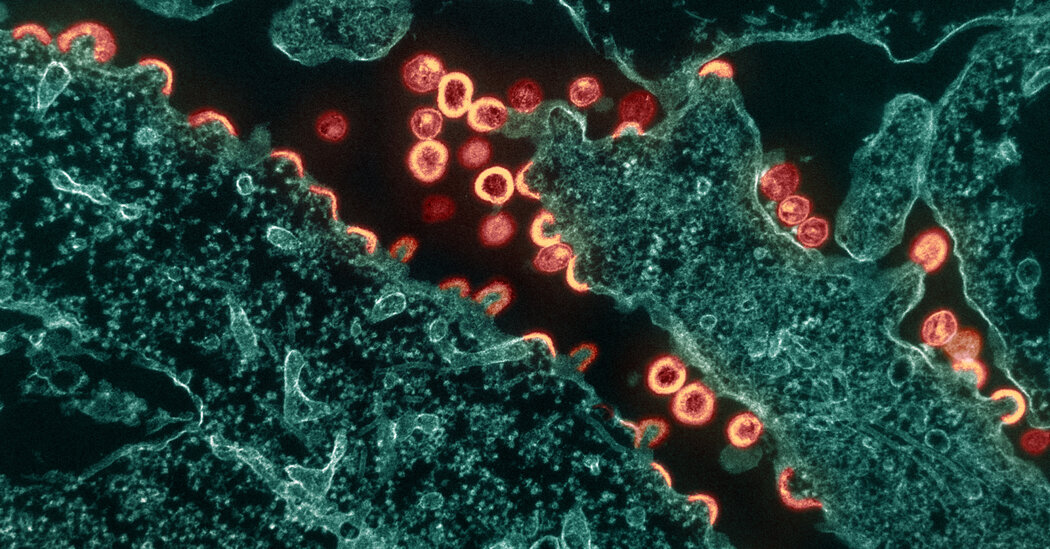
Flu virus variants resistant to new antiviral drug candidate lose pathogenicity

Influenza A viruses with induced resistance to a new candidate antiviral drug were found to be impaired in cell culture and weakened in animals, according to a study by researchers in the Center for Translational Antiviral Research at Georgia State University.
In a study published in PLoS Pathogens, the authors explored the developmental potential of 4′-fluorouridine (4′-FlU), a clinical drug candidate, for influenza therapy. They resistance profiled the compound against influenza viruses and mapped possible routes of viral escape, addressing specifically whether resistance affects viral pathogenicity and ability to transmit.
In previous studies, 4′-FlU demonstrated broad oral efficacy against seasonal, pandemic and highly pathogenic avian influenza viruses in cell culture, human airway epithelium cells and two animal models, ferrets and mice.
Seasonal influenza viruses pose a major public health threat, infecting nearly 1 billion people worldwide each year and causing millions to require hospitalization and advanced care. Annual flu vaccines provide moderate protection, but the benefit is marginal when vaccines are poorly matched with circulating virus strains or when novel, pandemic virus strains emerge.
While three different classes of antivirals are approved by the U.S. Food and Drug Administration for use against influenza, they each have a low genetic barrier against viral resistance. One of these classes is no longer recommended by the Centers for Disease Control and Prevention due to widespread presence of resistance mutations in circulating human and animal influenza A virus strains. Resistance has also been frequently observed to the other two classes of antivirals in human viruses.
“Developing novel therapeutics to mitigate seasonal influenza and improve preparedness against future influenza pandemics is an urgent priority because of pre-existing or rapidly emerging resistance of influenza viruses to approved antivirals,” said Carolin Lieber, first author of the study and a postdoctoral fellow in the Center for Translational Antiviral Research in the Institute for Biomedical Sciences at Georgia State.
“In this study, we tested the potential of 4′-FlU as an influenza drug and found that resistant influenza A virus variants are severely weakened in mice. In ferrets, these resistant variants are impaired in their ability to invade the lower respiratory tract and cause viral pneumonia, in addition to being transmission-defective or compromised,” Lieber said.

In cell culture, six different escape lineages with distinct mutations were found. The mutations adhered to three distinct structural clusters that are all predicted to affect the active site of the viral RNA-dependent RNA polymerase complex, leading to moderately reduced viral sensitivity to the drug, according to the study’s findings.
The study also found that oral 4′-FlU administered at the lowest efficacious dose (2 mg/kg) or elevated dose (10 mg/kg) overcame moderate resistance when mice were infected with a lethal amount of influenza virions. This was demonstrated by significantly reduced virus load and complete survival, the authors reported.
“We discovered that we could fully mitigate lethal infection with the resistant variants and viral spread with standard or five-fold elevated oral dose of 4′-FlU,” said Richard Plemper, senior author of the study, Regents’ Professor in the Institute for Biomedical Sciences and director of the Center for Translational Antiviral Research at Georgia State. “These results demonstrate that partial CA09 escape from 4′-FlU is feasible in principle, but escape mutation clusters are unlikely to reach clinical significance or persist in circulation.”
Additional authors of the study include Hae-Ji Kang, Megha Aggarwal, Jeong-Joong Yoon and Robert M. Cox of the Center for Translational Antiviral Research in the Institute for Biomedical Sciences at Georgia State; Nicole A. Lieberman, Elizabeth B. Sobolik and Alexander L. Greninger of the University of Washington Medical Center; and Michael G. Natchus of the Emory Institute for Drug Development and Emory University School of Medicine.
The study is funded by the National Institutes of Health’s National Institute of Allergy and Infectious Diseases.

Read more →