Scientists finally explain the real reason pregnant women get morning sickness
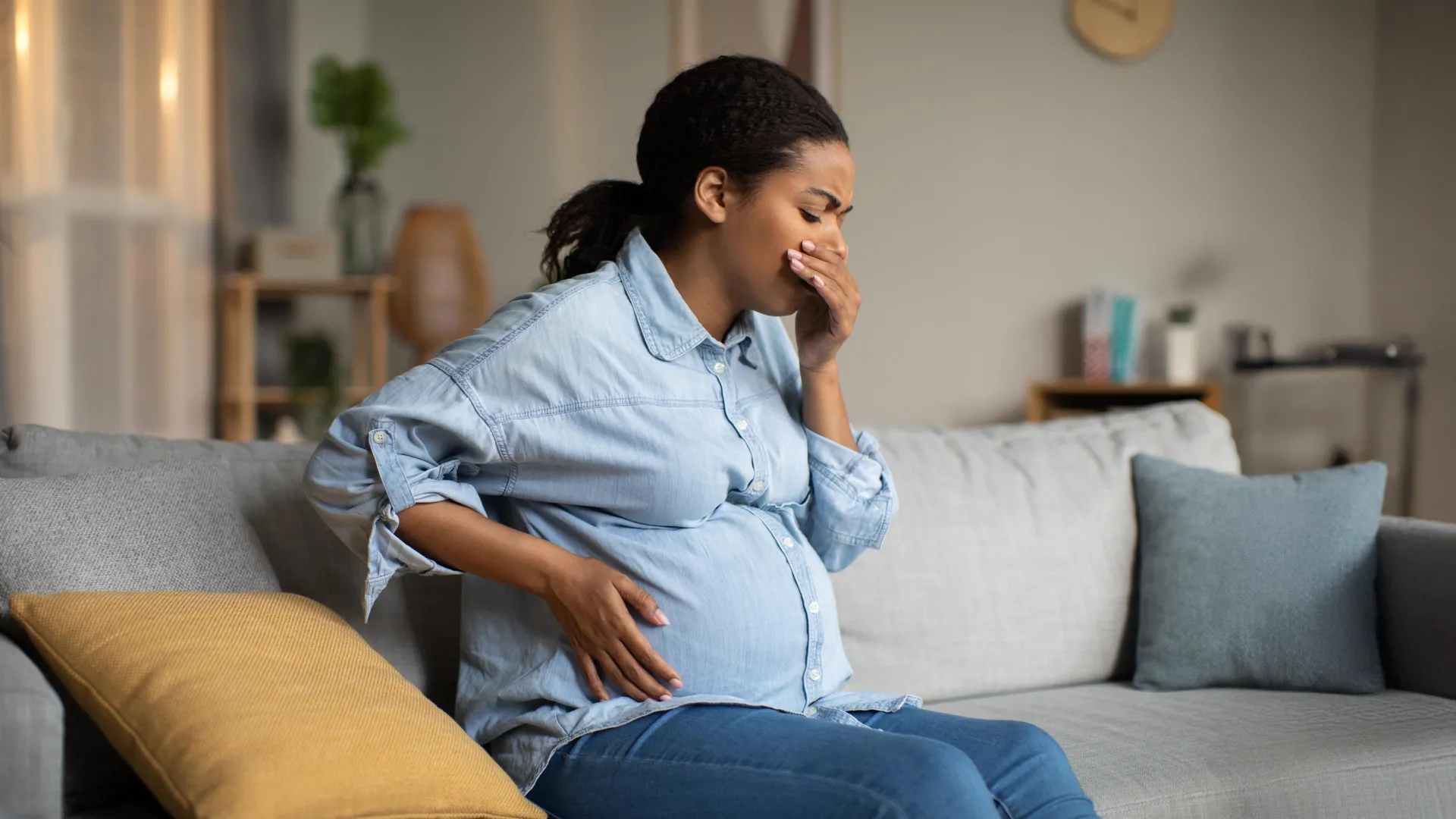
A UCLA study has found that “morning sickness” symptoms, including nausea, vomiting and aversions to certain foods and smells, are linked to the body’s natural, but complex, immune response during pregnancy. In the early stages of pregnancy, a unique mix of inflammatory responses alongside behavioral mechanisms that researchers believe are adaptive, like nausea, achieves a delicate balance, allowing the mother to tolerate and nourish the half-foreign fetus while also avoiding potentially harmful foods. The study could have workplace implications for pregnant women, helping to widen recognition that these symptoms are healthy and normal, both reducing stigma and paving the way for common-sense workplace accommodations.UCLA researchers have uncovered a link between “morning sickness” symptoms and the body’s natural, but complex, inflammatory response to biological and bodily changes during pregnancy.According to the National Institutes of Health, up to 80% of early-stage pregnant mothers experience some nausea, vomiting and aversions to certain foods and smells. While uncomfortable, these symptoms are not typically a sign that anything is wrong with the health of the mother or the developing fetus, but rather an indication of a delicate balance unique to pregnant women.
“During pregnancy, a mother’s immune system faces a tricky challenge: it has to protect both her and the fetus from infection, but without accidentally attacking the fetus, whose genetic identity is half-foreign because it is half derived from the father. Normally, the immune system attacks anything that seems foreign, so in pregnancy, it has to carefully adjust to keep the fetus safe while still defending against infection,” said UCLA anthropology professor Molly Fox.
Fox is the corresponding author of the study “Of scents and cytokines: How olfactory and food aversions relate to nausea and immunomodulation in early pregnancy,” recently published in the journal Evolution, Medicine and Public Health.
The researchers believe that this delicate balance, which protects mother and fetus, is achieved by a unique mix of inflammatory responses. They function to prevent the mother’s body from rejecting the fetus, alongside adaptive behavioral mechanisms, like nausea, that encourage the mother to avoid foods that are potentially harmful, especially in the first and second trimesters when the fetus is most vulnerable.
“Nausea, vomiting or aversions to foods or smells are not indications that something is going wrong for the mother or the fetus. It’s likely an indication that everything is moving along normally, and a reflection of the body’s healthy and helpful immune response,” said UCLA anthropology professor and paper co-author Daniel Fessler.

Methodology and findings
For the study, the UCLA-led team of anthropologists and epidemiologists collected and analyzed blood samples to measure immune system molecules called cytokines. Cytokines are proteins that send signals to help the body launch a quick defense against sickness and regulate inflammation. Participants also filled out questionnaires that asked about morning sickness-related symptoms and food and smell aversions during the early stages of pregnancy. The participants were 58 Latina women in Southern California who were followed beginning in early pregnancy through the postpartum.
Sixty-four percent of study participants experienced odor or food aversions, primarily to tobacco smoke and meat. Sixty-seven percent reported nausea and 66% experienced vomiting.
The study team measured cytokines that promote inflammation (pro-inflammatory) as well as cytokines that suppress inflammation (anti-inflammatory). They found that women who experienced an aversion to tobacco smoke showed a noticeable shift toward a more inflammatory response. Food aversions, nausea and vomiting were also associated with a more pro-inflammatory immune balance.
Natural selection?
The correlation is consistent with researchers’ theory that these symptoms may be part of an evolutionary adaptation that helps pregnant mothers’ bodies minimize exposure to harmful substances, though the study’s authors caution that the evidence is not definitive and more research is needed.

They emphasized that the study allowed the team to look at both human biological and behavioral responses during pregnancy.
“In many mammals, the fetal compartment has barriers separating it from the mother’s blood supply, where her immune cells are. But in humans, we have a unique setup — fetal cells are bathed in maternal blood. Humans have the most invasive of all placentas, burrowing deep into maternal tissue. So humans need unique strategies to prevent the mother’s immune system from attacking the fetus,” said Fox.
These immunological changes may induce nausea, which in turn encourages food avoidance that might act as an additional layer of protection, according to the researchers
“Nowadays, you will see labels on packages of ground beef or soft cheese that warn pregnant women to be cautious about these products because of the risks of foodborne illness during pregnancy. Aversions to certain odors and foods, and nausea and even vomiting, appear to be evolution’s way of achieving that same objective,” said Fessler.
Practical implications
The researchers, including first author Dayoon Kwon, who just completed her Ph.D. in epidemiology at UCLA (and is now a postdoctoral fellow at Stanford), said that the study could help bolster recognition that nausea and vomiting are normal symptoms with biological underpinnings associated with healthy pregnancies. The study’s results could help in paving the way for common-sense workplace accommodations, such as more efficient deployment of health care benefits and other helpful resources to reduce stigma, excessive absences and lost productivity.
They also encourage other researchers to continue to look into the questions raised by the study, to not only explore the evolutionary questions, but to work toward providing clinicians with non- or low-invasive measures of prognoses.
Funding for this study was provided by the National Institute of Health.

Read more →

The hidden iron switch that makes cancer cells self-destruct

Researchers at Duke University have shown that blocking an enzyme involved in iron regulation not only kills multiple myeloma cancer cells, but also increases the effectiveness of current therapies against the disease.
The research appeared September 12 in the journal Blood.
Multiple myeloma (MM) is an incurable cancer of plasma, a type of white blood cell that normally makes antibodies to fight infection. MM cells build up in the bone marrow, crowding out healthy blood-forming cells, and produce large amounts of abnormal antibodies. This buildup can weaken the immune system, damage the kidneys and other organs, and cause painful bone disease. MM accounts for nearly 10 percent of all blood cancer diagnoses, and while there are targeted treatments to manage the disease, incidences of symptom relapse and drug-resistant multiple myeloma are increasing.
Although it’s unclear what causes multiple myeloma, researchers have observed that MM is often associated with the suppression of ferroptosis, a natural process of cell death associated with excess iron accumulation. Ferroptosis causes oxidative damage to the lipids in the cellular membrane, triggering the cell to break apart. But when that process is suppressed, cell death doesn’t occur.
“Cancer cells live like there is no tomorrow,” said Mikhail Nikiforov, professor of pathology and biomedical engineering at Duke. “They accumulate iron at levels that would normally be toxic and tear cells apart, but that wasn’t what we observed. Instead, these cancer cells adapted to resist the type of cell death triggered by iron overload, and the mechanisms behind this suppression were largely unknown.”
But Nikiforov and a team of collaborators across Duke have finally answered this long-standing question by identifying kinase STK17B as a key enzyme responsible for suppressing ferroptosis in MM cells. Typically involved in cell death and T-cell activation, the researchers observed that STK17B was also critical at maintaining the balance of iron in the cell by regulating pro- and anti-ferroptotic proteins.
“Elevated levels of STK17B are associated with poor overall survival in MM patients,” said Nikiforov. “STK17B expression is also especially pronounced in relapsed cases of the disease, underscoring its role in therapy resistance.”
Using a compound developed by Timothy Willson, the Harold Kohn Distinguished Professor in Open Science Drug Discovery at the UNC Eshelman School of Pharmacy, the team was able to inhibit STK17B’s control over iron buildup in the cell, reactivating ferroptosis. They also observed that inhibiting STK17B made cancer cells more sensitive to conventional MM therapies.

As a proof of concept, Nikiforov’s team administered an oral version of the inhibitor to MM mouse models. They observed that the compound both induced ferroptosis by increasing the iron uptake of cancer cells and significantly reduced tumor growth in the mouse models.
“These findings establish that STK17B is a critical safeguard protecting MM cells from the toxic consequences of their iron independence,” said Nikiforov. “Inhibiting this kinase holds much promise as a therapeutic strategy.”
Beyond plans to explore how to improve the formulation, the team has also filed a provisional patent based on their findings with the goal of eventually commercializing the therapy. They also hope to study how the formula could be used to regulate drug resistance in other cancers.
“Many other types of cancer cells are also resistant to ferroptosis,” said Nikiforov. “We’re curious to see how this inhibitor could improve therapies for other tumors outside of multiple myeloma.”
This work was supported by the National Institutes of Health, the National Cancer Institute grants NCI R01CA264984 (M.A.N), NCI R21CA267275 and 17R21CA280499 (Y. K.), NHLBI R01HL168492 (E.A.L.), NCI P30CA014236 (Duke Cancer Institute), and support from the Paula and Rodger Riney Foundation (L.H.B.). The Structural Genomics Consortium (SGC) is a registered charity (no: 1097737) that receives funds from Bayer AG, Boehringer Ingelheim, Bristol Myers Squibb, Genentech, Genome Canada, through Ontario Genomics Institute [OGI-196], EU/EFPIA/OICR/McGill/KTH/Diamond Innovative Medicines Initiative 2 Joint Under-taking [EUbOPEN grant 875510], Janssen, Merck KGaA (also known as EMD in Canada and the US), Pfizer, and Takeda. Funding for this project was provided in part by the NIH Illuminating the Druggable Genome grant 1U24DK116204-01.

Read more →

Why I’m challenging Nike, Adidas and Puma over single shoes

10 hours agoShareSaveAlex TaylorBBC News reporterShareSaveBBC Morning LiveStef Reid grew up as a sports-obsessed child, dreaming of playing rugby internationally. But on the eve of her 16th birthday, her life changed forever.Severe propeller lacerations from a horrific boat accident left doctors with no choice but to amputate her right foot.Initially she continued to pursue rugby, but her agility and speed weren’t the same and she grew tired of comparing her performance to when she had both feet.”I didn’t want to give up on my goal just because I was an amputee, but life is constantly changing and we have to update our goals instead of forcing them to work in a reality that no longer exists,” she says. So she moved on from rugby and took up athletics. Using a light, springy carbon-fibre blade on her right leg, she eventually became a world champion Paralympic long jumper and sprinter for both Canada and Great Britain – winning medals, breaking records and receiving an MBE.She’s now retired from professional sport, but has shown a similar adaptability and resilience in her new career which includes acting, modelling and broadcasting including competing in Dancing on Ice.Now she’s campaigning for big brands such as Nike, Adidas and Puma to sell single shoes rather than pairs. In part it’s about cost – high-end running shoes cost around £200, and when she was competing she only needed one but had to buy two, meaning she wasted hundreds of pounds on shoes she never wore.But her biggest motivation – is the principle. Many of the big brands proudly display models with blades in their shop windows, but don’t sell shoes individually for athletes like Stef.”I loved the bladed mannequins, and I wish 15-year-old Stef had seen those.”But now I want retailers to match their inclusive imagery with the actual buying experience”.Stef isn’t alone. While she wears two shoes with her day-to-day prosthetic, many other amputees don’t.And beyond disability, thousands of people whose feet are different sizes are also affected by having to buy two shoes of the same size rather than two singles.Stef ReidNike launched a single shoe programme last year, letting customers buy one shoe at half price at select stores. However this is not clearly advertised, requires the customer to contact the care support team and is not available online.When Stef raised the issue, she was not pointed to the scheme but instead offered a one-time 15% discount. “That’s not much use in the long term, as I’m always going to have one foot”. BBC Morning LiveAdidas, which equip the British Paralympic team, also do not sell single shoes online. However they say it is possible to buy a single shoe in some stores, depending on stock. The company added it is in the “advanced stages” of finalising a comprehensive policy.Puma meanwhile, does not sell any single shoes in store or online and, like Decathlon, did not respond to a request for comment.While Nike and Adidas have made positive steps towards addressing the issue, Stef thinks sports brands should sell single shoes at all their shops and online as standard practice. Small stepsSome smaller businesses and grassroots organisations are already proving it is possible.Other stories you may enjoyHigh street footwear company Schuh sells single shoes for half the price of a pair, while shoe chain Office also allows you to buy odd sized pairs of shoes through their outlet site.And then there’s small scale solutions such as Jo’s Odd Shoes, founded by Jo O’Callaghan who lost her right leg to complex regional pain syndrome.The condition makes it too painful to wear a prosthetic limb, leaving her, like many amputees, only needing one of a pair of shoes.She set up a Facebook Group where members could swap or donate spare shoes. Many retailers also donate shoes to the scheme.The items are free for members, aside from a small fee for postage and packaging.BBC Morning LiveIt’s a service that air sport athlete Jack Pimblett has benefited from.Born with talipes, or club foot, which stunted the growth of his right foot and leg, he struggled to find two shoes which fitted well when he was younger.He often had to put cotton wool in his shoes to fill the extra space.As an adult, he manages by buying a combination of junior and adult shoe sizes – buying a right shoe in size 5 and a left shoe in size 7.But this imposes a significant financial strain, with Jack typically spending around £150 for two pairs of shoes.”It would be nice to be able to buy shoes that fit… [without] paying twice,” he says.Stef acknowledges the change she’s calling for takes time and money, but urges firms to push forward. “All it takes is that first step forward in the right direction,” she says.Sign up here to receive our weekly newsletter highlighting uplifting stories and remarkable people from around the world.

Read more →

Secret filming exposes dangerous trade in illegal Botox

6 minutes agoShareSaveGuy LynnBBC Investigations, LondonShareSaveBBCNurses and pharmacists have been putting patients at risk by supplying Botox without proper checks, a BBC undercover investigation has found.Researchers posing as beauticians secretly filmed a nurse trading prescriptions over WhatsApp, a pharmacist coaching clients to falsify records and a bogus doctor handing over Korean toxin vials for cash.Medical rules require an in-person consultation and prescription to check Botox is suitable. Skipping these safeguards raises the risk of complications such as drooping eyelids, headaches or, in rare cases, respiratory failure or death.The pharmacists’ regulator said it was “very concerned” while the nurses’ regulator said it would review the evidence.Botulinum toxin – commonly known by the brand name Botox – is also sold under several other licensed brands in the UK, including Azzalure, Bocouture and Dysport. According to market analysts Precision Business Insights, the UK botulinum toxin market was worth about £115m in 2024 and is forecast to reach nearly £295m by 2031. Botox is a prescription-only medicine, and while many people now receive injections from high-street beauticians, the law requires a doctor, dentist, nurse prescriber or pharmacist prescriber to first examine the patient in person and issue a prescription confirming it is safe to proceed.Over several months, BBC researchers gathered evidence of trusted medical professionals sidestepping the rules. Secret recording captured transactions from high-street clinics to online sellers, revealing how unsafe and illegal practices have spread across England’s booming aesthetics market. ‘Same old crap’In a café in Christchurch, Dorset, our undercover researcher posed as a beautician seeking prescriptions and the Botox stock needed to inject clients at a new beauty clinic.Across the table sat Poole-based senior nurse prescriber Sally Jackson, who ran a business supplying beauticians in this way. As a prescriber, she was required under professional rules to meet and examine each patient in person before issuing a prescription, the document that allows beauticians on the high street to inject.Ms Jackson acknowledged those rules but then brushed them aside. “I’m supposed to do a face-to-face consultation. But we can do it the other way, WhatsApp me,” she said.When pressed on whether she should speak to clients who would be her patients, to whom she owed a duty of care, she was blunter still. “I should talk to them, but I won’t,” she admitted, dismissing the checks as “same old crap”.For £30, she issued a prescription, later obtained by the BBC from the pharmacy she directed, for a patient she had never met, whose details were sent to her on WhatsApp.Once a private practitioner in London’s exclusive Harley Street, Ms Jackson was now selling shortcuts to beauticians nationwide, telling our researcher: “I’m so busy.”She also offered to prescribe extra vials on a genuine patient’s script – allowing beauticians to keep stock for clients and then inject them secretly, with no prescription in place. Prescribing a drug in one person’s name for use on another constitutes fraud.Ms Jackson ignored repeated requests for comment. When confronted in person, she replied: “I am not interested.””Botox is safe when used properly – but the checks exist for a reason,” said Cheryl Barton, lead nurse at the Aesthetika clinic near Sheffield, who often gives expert evidence in malpractice cases. “The truth is that shortcuts by registered and regulated medical professionals who should know better are an open secret in the industry. Prescribers are supposed to see patients face to face and issue a valid prescription – but too often they don’t.”Without those safeguards, explained Barton, prescribers can miss vital conditions that make treatment unsafe, or channel counterfeit and unlicensed products on to the market. Misuse of botulinum toxin can cause serious harm – from headaches and blurred vision to, in rare cases, respiratory failure or even death.Official figures back up her concerns. The UK medicines regulator recorded 52 suspected Botox-related complications in 2019, rising to 225 in 2024, with 141 already logged this year. Since 2015, 12 deaths have been recorded.For patients such as Antonia Hannah, from Twickenham, west London, the impact can be devastating. She booked Botox as a birthday treat, but the qualified practitioner gave her no proper consultation, asked no questions about her medical history and failed to assess whether the treatment was suitable. Within days her eyelid had drooped and swelled. “It was constant discomfort and pain, like glass in your eyes,” she said. “I’d be out shopping with my daughter, glance in a mirror, and just burst into tears.”‘You’re going to do it illegally’In east London, pharmacist prescriber Cornelius Agoye was also willing to prescribe without any consultation, handing over vials of Botox for cash with no patient in sight. He met a second undercover researcher, posing as a beautician wanting prescriptions and stock for clients, and to cover his tracks told us to fill in records as if a consultation had taken place: “I did face-to-face consultation today… I’ve just done it,” he said.He then explained to us the same fraudulent practice of using prescriptions for one patient to obtain extra stock to be used on others.Asked about the legality of this, his answer was blunt: “Yeah, you’re going to do it illegally… That’s what you’re doing. I didn’t tell you anything.”The BBC wrote to Mr Agoye, a registered and trusted community pharmacist, seeking an explanation for his behaviour. He apologised and admitted falling below professional standards and said he meant no harm.Earlier this year, a sudden outbreak of botulism across England left dozens of young women in hospital, some partially paralysed, after being injected with black-market Korean toxin sold by beauticians as a Botox-style treatment. It highlighted the dangers of unlicensed products — and led the BBC to investigate those behind the trade in London.The team uncovered a bogus doctor selling unlicensed Botox. In north London, Prakash Gurnani — who runs Beauty Aesthetics and Wellbeing in Golders Green — introduced himself to our undercover researcher as a “skin doctor”. In reality he is not a doctor at all, and misleading clients in this way is a criminal offence.When asked about Botox, he immediately offered a cheaper Korean alternative. The Korean vials were unlicensed botulinum toxin products, marketed as having the same wrinkle-smoothing effect. They’re potentially dangerous because they aren’t regulated or tested in the UK, so their contents and safety, or whether they are counterfeit, are unknown.He sold a vial for £149, with no prescription and no safeguards, and admitted he had been trading unlicensed products for years across the UK including throughout the Covid period.’They are young girls and there’s no problem’Mr Gurnani described holding Botox parties where groups of young women were injected with the same illegal Korean toxin. He told our researcher to hide what was really being injected. “Just say ‘tox’,” he instructed. “Don’t use ‘Botox’, just say ‘anti-wrinkle’. Keep it quiet. They are young girls and there’s no problem – just treat them with Korean tox.”When asked about the risks by the researcher, he brushed them aside. “Very safe. As long as they don’t open their mouth,” he said, referring not to any medical issue, but to the risk of being caught.His activities stretched beyond Botox. He also sold the BBC powerful prescription-only weight-loss drugs such as Mounjaro, despite not being qualified to prescribe them, and even suggested injecting one of our reporters with an illegally obtained anaesthetic as part of a cosmetic procedure.The BBC had only given him the scantest of details, and a pharmacy which issued the prescription and supplied the weight loss drugs said he had tricked them by posing as a doctor — a claim Mr Gurnani later disputed.Mr Gurnani ignored all requests for comment, and when confronted by the BBC denied offering Botox illegally or asking clients to break the law.The cases of Sally Jackson, Cornelius Agoye and Prakash Gurnani were not isolated. The BBC received reports from other parts of England of registered medical professionals breaking the rules, and some of them spoke directly to our undercover researcher. One pharmacist also admitted he was not carrying out the required face-to-face consultations and suggested faking photographs to trick regulators into thinking they had taken place. Another nurse was found issuing prescriptions on the basis of the barest patient details, and, after the Nursing and Midwifery Council (NMC) tightened its guidelines in June, admitted she was prepared to “be a bit greyer” and carry on without proper consultations.Medical experts told the BBC such practices stripped away the most basic safeguards and put large numbers of patients at risk.The BBC wrote to the NMC, which regulates nurses across the UK. It said prescribers must see patients face to face before issuing prescriptions for cosmetic procedures, and promised to review the evidence from this investigation and act on breaches.The BBC also approached the General Pharmaceutical Council. It said it was “very concerned” by the findings, stressing that Botox prescriptions always require a physical examination and that enforcement action would follow where standards were not met.The BBC further asked the Department of Health and Social Care about the issues raised. It said the cosmetics industry had long been plagued by unlicensed practitioners and confirmed the government was assessing reforms, including tougher licensing of non-medical professionals such as beauticians.But when repeatedly asked about the central finding of this investigation – that trusted medical professionals are themselves breaking the rules and putting patients at risk – the department did not offer a response and declined an interview with Health Secretary Wes Streeting.With extra reporting by Shabnam Mahmood and Dolly CarterIf you have more information about this story, you can reach Guy in confidence by email at guy.lynn@bbc.co.uk

Read more →

Fragile N.C. Residents Lose Medicaid Support for Food and Housing

Five years ago, North Carolina embarked on a bold experiment to road test the idea that providing nutritious food, safe housing and transportation for doctors’ visits can help fragile Medicaid recipients stay healthy and avoid costly hospital stays.For Krista Shalda, a single mother of two boys with complex medical needs, that meant receiving a weekly box of fresh produce. The provisions made it easier to stick to the special diet that reduced her 15-year-old’s trips to the emergency room.Kellie Prince, who learned she had become homeless while recuperating from spinal surgery, was given a motel room for several weeks so she and her family didn’t have to sleep in a car in the hospital parking lot.And for Debra Hensley, 60, who is partially blind and physically disabled, the new roof and electrical work paid for by the Medicaid program, the Healthy Opportunities Pilot, or HOP, allowed her to stay in the aging trailer she shares with her teenage grandson.“It’s not an exaggeration to say that HOP saved my life,” said Ms. Hensley, gesturing to holes in the ceiling that had previously channeled rain water into her living room.By many accounts, the $650 million set side for North Carolina’s Medicaid experiment was a success, and it enjoyed bipartisan support in the state’s Republican-led General Assembly.We are having trouble retrieving the article content.Please enable JavaScript in your browser settings.Thank you for your patience while we verify access. If you are in Reader mode please exit and log into your Times account, or subscribe for all of The Times.Thank you for your patience while we verify access.Already a subscriber? Log in.Want all of The Times? Subscribe.

Read more →

One day of planning went into Covid school closures, inquiry hears

The government did not start planning for the closure of schools until the day before the decision was made, the Covid-19 inquiry has heard. Up until 16 March 2020, focus had been on keeping schools open, so there were no contingency plans in place, according to evidence given by the former education secretary Gavin Williamson.Sir Gavin described a “discombobulating 24-hour sea change” in his written evidence, counsel to the inquiry Clair Dobbin KC said.Her opening statement came on the first day of the eighth session of the Covid inquiry, which will look at the impact of the pandemic on children and young people across the UK.The inquiry also heard that Sir Gavin felt the closure of schools in January 2021 was “not required”, but was “a panicked decision made without children’s interests front and centre”.However, Boris Johnson has rejected that description of the decision, with both due to be asked about it later in the session, Ms Dobbin told the inquiry.”It is significant that there should be any dispute about whether planning for so seismic an event existed,” she said.The Welsh government acknowledged there was “inadequate planning” to close schools, and the Scottish government has said there was also “limited preparedness”. Chair of the inquiry Baroness Hallett opened the session by saying the impact of the pandemic on children was “severe and, for many, long-lasting”.Over the next four weeks, the inquiry will look at:The disruption to educationChildren’s emotional wellbeing and social interactions due to isolationHow the physical health and access to healthcare of children were impactedThe experiences of those with conditions like long CovidHow the role of professionals like social workers changedQuestions are also expected to be asked about whether there is a link from the pandemic to the current high rates of absence in schools, and why so few vulnerable children attended school during the first lockdown. The decision about what services to close or open “often prioritised adults or the economy over children’s wellbeing” with “playgrounds closed in some areas while pubs were open”, Steve Broach KC, who was representing children’s rights organisations, told the inquiry. Schools were closed to all pupils except those of key workers and vulnerable children for two periods during 2020 and 2021.The inquiry gathered the stories of 18,000 children and young people impacted by the pandemic. The hearing was told of children who spent 19 hours a day playing video games, and young offenders who were only given 45 minutes outside of their cell. Mum Aisha told the inquiry’s Every Story Matters project that she believes her 17-year-old son’s current lack of education, employment or training is largely because of the important years of schooling he missed during the pandemic.”Usually, you have the work experience and are thinking about what you’re going to do in the future, you have all of that guidance in school, and he didn’t,” she said. “Now he just hangs around in places where he shouldn’t, he’s in trouble.”The inquiry also heard about children who were most at risk, and suffered “grievous harm” at the hands of those who should have been caring for them. Social worker Imani said she found it incredibly challenging to assess families with a history of domestic violence and had to rely on virtual visits.”It became very, very tricky,” she said. “For example, if you say, ‘Can I see the home environment?’ you know that someone will point the phone or the camera to where they want you to see, as opposed to the angles that they really don’t want you to see. We couldn’t really see those children.” Many children are still living with long Covid, or the lifelong consequences of not being able to access the right support, the inquiry heard.Grace, from Wales, said she struggled to get medical help for her newborn son for multiple ear infections during the pandemic. He was only able to meet a hearing specialist years later, by which point Grace was told that he was partially deaf as a result.”He’s now four-and-a-half and it was only a year ago that we managed to get him a hearing appointment,” she said. “That could’ve been picked up a lot earlier if it was easier to get seen.”The government has said it is committed to learning lessons from the inquiry. The session looking into the impact on children and young people is expected to last four weeks. The Covid Inquiry Podcast is available on BBC Sounds

Read more →

Why Gen X women can’t stop eating ultra-processed foods

They were the first generation of Americans to grow up with ultra-processed foods all around them – products typically loaded with extra fat, salt, sugar and flavorings. They were children and young adults at a time when such products, designed to maximize their appeal, proliferated.
Now, a study shows, 21% of women and 10% of men in Generation X and the tail end of the Baby Boom generation, now in their 50s and early 60s, meet criteria for addiction to these ultra-processed foods.
That rate is far higher than it is among adults who grew up just a decade or two earlier, and only encountered ultra-processed foods in adulthood. Among adults age 65 to 80, just 12% of women and 4% of men meet criteria for ultra-processed food addiction.
The study, published in the journal Addiction by a team from the University of Michigan, is based on nationally representative data from more than 2,000 older Americans surveyed by the U-M National Poll on Healthy Aging.
The poll is based at the U-M Institute for Healthcare Policy and Innovation and supported by Michigan Medicine, U-M’s academic medical center. The new paper builds on a previous poll report by diving deeper into generational differences and correlations with health.
Measuring food addiction in an under-studied group
The researchers used the modified Yale Food Addiction Scale 2.0 (mYFAS 2.0), a standardized tool adapted from the criteria used to diagnose substance use disorders. The scale asks about 13 experiences with ultraprocessed foods and drinks that define addiction, such as strong cravings, repeated unsuccessful attempts to cut down, withdrawal symptoms, and avoiding social activities because of fear of overeating.

In this case, the “substance” is not alcohol or nicotine, but highly rewarding ultra-processed foods such as sweets, fast food, and sugary beverages. By applying clinical addiction criteria to ultra-processed foods, the study highlights the ways in which such foods can “hook” people.
“We hope this study fills a gap in knowledge about addiction to ultra-processed foods among older adults, as measured by a well-studied and standardized scale,” said Lucy K. Loch, a graduate student in the U-M Department of Psychology. “Today’s older adults were in a key developmental period when our nation’s food environment changed. With other research showing clear links between consumption of these foods and risk of chronic disease and premature death, it’s important to study addiction to ultra-processed foods in this age group.”
Differences by gender
Unlike traditional substance use disorders — which historically have been more common in older men — ultra-processed food addiction shows the opposite pattern: higher prevalence in older women.
One explanation may be the aggressive marketing of “diet” ultra-processed food to women in the 1980s.
Low-fat cookies, microwaveable meals, and other carbohydrate-heavy products were promoted as weight-control solutions, but their engineered nutrient profiles may have reinforced addictive eating patterns.

Women now aged 50 to 64 may have been exposed to ultraprocessed foods during a sensitive developmental window, which may help explain the poll’s findings for this age group, said senior author Ashley Gearhardt, Ph.D., a professor of psychology at U-M and member of IHPI. Gearhardt leads the U-M Food and Addiction Science & Treatment Lab.
“The percentages we see in these data far outpace the percentages of older adults with problematic use of other addictive substances, such as alcohol and tobacco,” said Gearhardt. “We also see a clear association with health and social isolation, with much higher risks of ultra-processed food addiction in those who call their mental or physical health status fair or poor, or say they sometimes or often feel isolated from others.”
Key findings related to overweight, health status and social isolation Overweight self-perception: Women aged 50 to 80 who said they are overweight were more than 11 times as likely to meet criteria for ultra-processed food addiction than women who say their weight is about right. Men who reported being overweight were 19 times as likely. No matter what their age, 33% of women who described themselves as overweight, 13% of women who described themselves as slightly overweight and 17% of men who described themselves as overweight met criteria for addiction to ultra-processed foods. Of the total sample, 31% of women and 26% of men in the sample said they were overweight and 40% of women and 39% of men said they were slightly overweight. Health status: Men reporting fair or poor mental health were four times as likely to meet criteria for ultra-processed food addiction; women were nearly three times as likely. For physical health, men reporting fair or poor health were three times as likely to meet criteria for ultra-processed food addiction, and women were nearly two times as likely. Social isolation: Men and women who reported feeling isolated some of the time or often were more than three times as likely to meet criteria for ultra-processed food addiction as those who did not report isolation.The researchers suggest that individuals who perceive themselves as overweight may be particularly vulnerable to “health-washed” ultra-processed foods – those marketed as low-fat, low-calorie, high-protein or high-fiber, but still formulated to amplify their appeal and maximize craving.
“These products are sold as health foods – which can be especially problematic for those trying to reduce the number of calories they consume,” Gearhardt said. “This especially affects women, because of the societal pressure around weight.”
Looking Ahead
The generation of older adults now in their 50s and early 60s is the first to live most of their lifespan in a food environment dominated by ultra-processed foods, Geahardt noted.
“These findings raise urgent questions about whether there are critical developmental windows when exposure to ultra-processed foods is especially risky for addiction vulnerability,” she said. “Children and adolescents today consume even higher proportions of calories from ultra-processed foods than today’s middle-aged adults did in their youth. If current trends continue, future generations may show even higher rates of ultra-processed food addiction later in life.”
She added, “Just as with other substances, intervening early may be essential to reducing long-term addiction risk across the lifespan.”
About the study
The study was funded by a National Science Foundation Graduate Research Fellowship Program (DGE-2241144) and the National Institute on Drug Abuse of the National Institutes of Health (5R01DA055027).
In addition to Loch and Gearhardt, the study’s co-authors are Matthias Kirch, M.S., Dianne C. Singer, M.P.H, Erica Solway, Ph.D., M.S.W., M.P.H., J. Scott Roberts, Ph.D. and poll director Jeffrey T. Kullgren, M.D., M.P.H., M.S. Roberts is a member of the faculty at the U-M School of Public Health, and Kullgren is a member of the faculty in the U-M Medical School and a primary care physician at the VA Ann Arbor Healthcare System.

Read more →

Simple blood test predicts liver disease years before symptoms

A new study from Karolinska Institutet, published in the scientific journal The BMJ, shows how a simple blood analysis can predict the risk of developing severe liver disease. The method may already start to be applied in primary care to enable the earlier detection of cirrhosis and cancer of the liver.
“These are diseases that are growing increasingly common and that have a poor prognosis if detected late,” says Rickard Strandberg, affiliated researcher at Karolinska Institutet’s Department of Medicine in Huddinge, who has developed the test with his departmental colleague Hannes Hagström. “Our method can predict the risk of severe liver disease within 10 years and is based on three simple routine blood tests.”
For the study, the researchers at Karolinska Institutet in Sweden and their colleagues in Finland evaluated how well the method can estimate the risk of severe liver disease. The model, which is called CORE, was produced with advanced statistical methods and is based on five factors: age, sex and levels of three common liver enzymes (AST, ALT and GGT), which are commonly measured during regular health checks.
A web-based calculator
Their aim has been to produce a tool that is easy to use in primary care, where most patients first seek medical attention. A web-based calculator is already available for doctors and nurses at www.core-model.com.
“This is an important step towards being able to offer early screening for liver disease in primary care,” says principal investigator Hannes Hagström, adjunct professor at Karolinska Institutet’s Department of Medicine in Huddinge, and senior consultant at Karolinska University Hospital. “Drug treatment is now available, soon hopefully also in Sweden, for treating people at a high risk of developing liver diseases such as cirrhosis or liver cancer.”
The study is based on data from over 480,000 people in Stockholm who underwent health checks between 1985 and 1996. On following the participants for up to 30 years, the researchers could see that some 1.5 per cent developed severe liver disease, such as liver cirrhosis and liver cancer, or required a liver transplant.

Highly accurate risk prediction
The CORE model proved highly accurate and was able to differentiate between people who either did or did not develop the disease in 88 per cent of cases, which is an improvement on the currently recommended FIB-4 method.
“Primary care hasn’t had the tools to detect the risk of severe liver disease in time,” says Professor Hagström. “FIB-4 is not suited for the general population and is less effective at predicting the future risk of severe liver disease.”
The model was also tested on two other population groups in Finland and the UK, where it again demonstrated a high accuracy in predicting this risk. The researchers make the point, however, that it needs to be further tested on groups at especially high risk, such as people with type 2 diabetes or obesity. They also recognise a need to integrate the model into medical records systems to facilitate its clinical use.
The study was a collaboration between Karolinska Institutet, Helsinki University Hospital, Helsinki University and the Finnish Institute for Health and Welfare. It was financed by the Swedish Research Council, Region Stockholm (CIMED) and the Swedish Cancer Society. Hannes Hagström is engaged in several collaborations with the pharmaceutical industry regarding liver disease prognosis, but none that is relevant to the current study.

Read more →

Stunning images reveal how antibiotics shatter bacterial defenses

A team led by UCL (University College London) and Imperial College London researchers has shown for the first time how life-saving antibiotics called polymyxins pierce the armor of harmful bacteria.
The findings, published in the journal Nature Microbiology, could lead to new treatments for bacterial infections – especially urgent since drug-resistant infections already kill more than a million people a year.
Polymyxins were discovered more than 80 years ago and are used as a last-resort treatment for infections caused by “Gram negative” bacteria. These bacteria have an outer surface layer that acts like armor and prevents certain antibiotics from penetrating the cell. Polymyxins are known to target this outer layer, but how they disrupt it and then kill bacteria is still not understood.
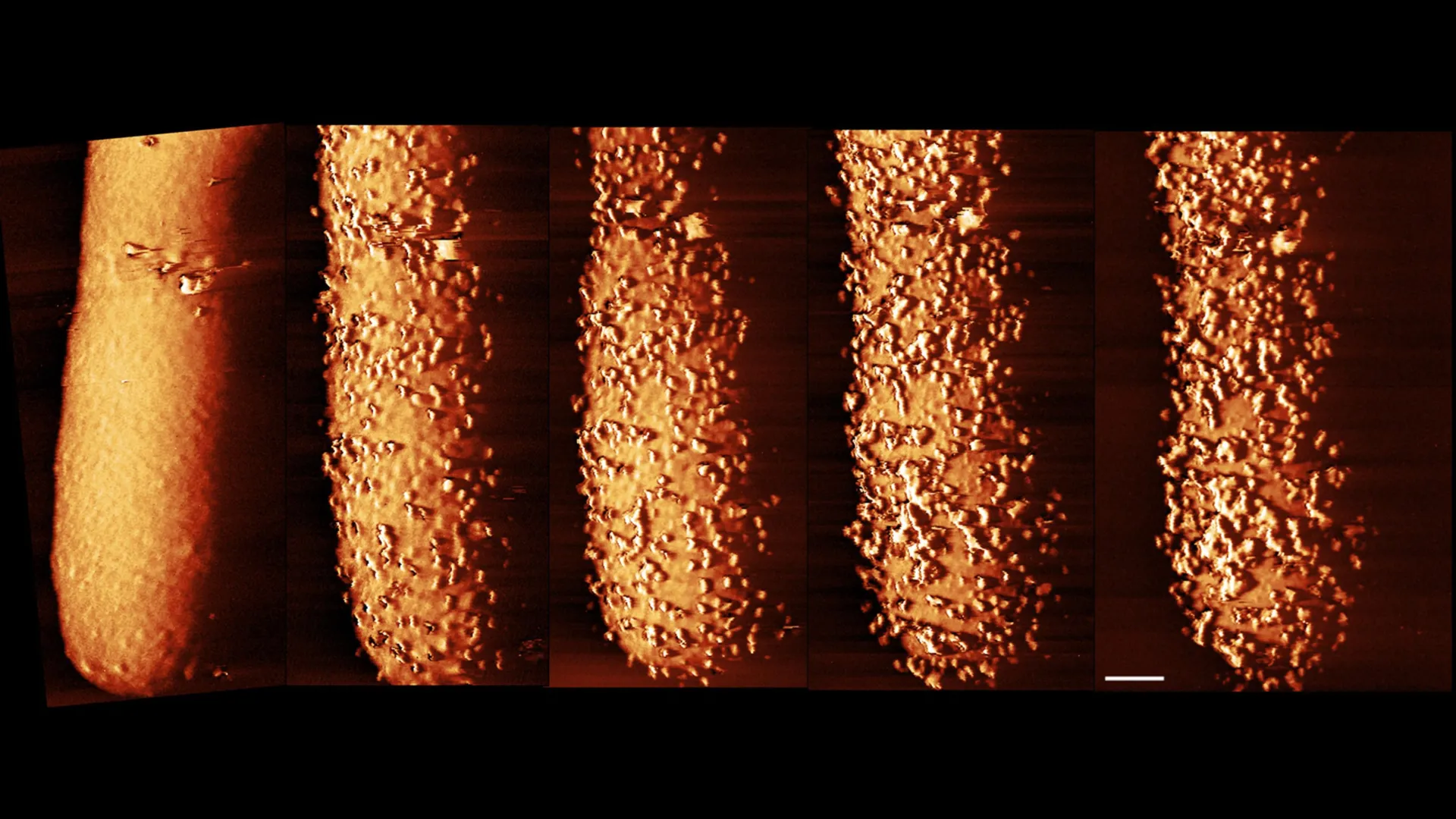
In the new study, the research team revealed in high-resolution images and biochemical experiments how the antibiotic Polymyxin B rapidly caused bumps and bulges to break out on the surface of an E. coli bacterial cell.
These protrusions, which appeared within minutes, were followed by the bacterium rapidly shedding its outer armor.
The antibiotic, the researchers concluded, had triggered the cell to produce and shed its armor. The more the cell tried to make new amor, the more it lost the amor it was making, at such a rate that it left gaps in its defenses, allowing the antibiotic to enter the cell and kill it.
However, the team found that this process – protrusions, fast production and shedding of armor, and cell death – only occurred when the cell was active. In dormant (sleeping) bacteria, armor production is switched off, making the antibiotic ineffective.

Co-senior author Dr Andrew Edwards, from Imperial, said: “For decades we’ve assumed that antibiotics that target bacterial armor were able to kill the microbes in any state, whether they’re actively replicating or they were dormant. But this isn’t the case. Through capturing these incredible images of single cells, we’ve been able to show that this class of antibiotics only work with help from the bacterium, and if the cells go into a hibernation-like state, the drugs no longer work — which is very surprising.”
Becoming dormant allows bacteria to survive unfavorable conditions such as a lack of food. They can stay dormant for many years and “wake up” when conditions become more favorable. This can allow bacteria to survive against antibiotics, for instance, and reawaken to cause recurrent infections in the body.
Co-senior author Professor Bart Hoogenboom, based at the London Centre for Nanotechnology at UCL, said: “Polymyxins are an important line of defense against Gram-negative bacteria, which cause many deadly drug-resistant infections. It is important we understand how they work.
“Our next challenge is to use these findings to make the antibiotics more effective. One strategy might be to combine polymyxin treatment – counterintuitively – with treatments that promote armor production and/or wake up ‘sleeping’ bacteria so these cells can be eliminated too.
“Our work also shows we need to take into account what state bacteria are in when we are assessing the effectiveness of antibiotics.”
The E. coli cells were imaged at the London Centre for Nanotechnology at UCL. A tiny needle, only a few nanometers wide, was run over the bacterial cell, “feeling” the shape to create an image (a technique called atomic force microscopy) at much higher resolution than would be possible using light.

Co-author Carolina Borrelli, a PhD student at the London Centre for Nanotechnology at UCL, said: “It was incredible seeing the effect of the antibiotic at the bacterial surface in real-time. Our images of the bacteria directly show how much polymyxins can compromise the bacterial armor. It is as if the cell is forced to produce ‘bricks’ for its outer wall at such a rate that this wall becomes disrupted, allowing the antibiotic to infiltrate.”
The team compared how active (growing) and inactive E. coli cells responded to polymyxin B in the lab, finding that the antibiotic efficiently eliminated active cells but did not kill dormant cells.
They also tested the E. coli cells’ response with and without access to sugar (a food source that wakes up dormant cells). When sugar was present, the antibiotic killed previously dormant cells, but only after a delay of 15 minutes – the time needed for the bacteria to consume the sugar and resume production of its outer armor.
In conditions where the antibiotic was effective, the researchers detected more armor being released from the bacteria. They also observed the bulges occurring across the surface of the cell.
In conditions where it was ineffective, the antibiotic bound itself to the outer membrane but caused little damage.
Co-author Dr Ed Douglas, from Imperial, said: “We observed that disruption of the outermost armor of the bacteria only occurred when the bacteria were consuming sugar. Once we knew that, we could quickly figure out what was happening.”
Co-author Professor Boyan Bonev, of the University of Nottingham, said: “Working together has given us unique insights into bacterial physiology and morphology under stress that have remained hidden for decades. Now we understand better the weak points of bacteria.”
This work was funded by the Biotechnology and Biological Sciences Research Council (BBSRC) and the Engineering and Physical Sciences Research Council (EPSRC), parts of UK Research and Innovation, and by Wellcome.

Read more →

Doctors’ union warning over online booking safety risk

16 minutes agoShareSaveHugh PymHealth editorShareSaveGetty ImagesThe doctors union, the British Medical Association (BMA), has warned that potentially serious health problems could be missed by GPs, and lead to patients being harmed, when a new online booking system is launched across England on Wednesday.But Health Secretary Wes Streeting says ministers are putting the interests of patients first and had already agreed clear safeguards with the union.The system will allow patients wanting an on-the-day GP appointment, or a call from a clinician, to make a request online throughout the day. The facility is already available in many practices and is designed to reduce long waits on the phone during the so-called ‘8am scramble’. ‘Online tsunami’The BMA says the government must halt the rollout of the online booking plan to allow changes to be put in place. The union argues that online systems cannot distinguish adequately between urgent and non-urgent patient messages, and this could lead to potentially serious cases being delayed.The BMA has also warned there would be a “potential online triage tsunami” with no additional workforce to cope with the extra demand. Union leaders say more should be done to provide safeguards, such as allowing practices to temporarily switch off the online booking mechanism if staff are struggling to handle patient numbers.The union has warned that if the government does not amend the scheme, a formal dispute will be declared. This could lead to a “work to rule” situation, similar to what was introduced in a previous dispute during which GPs limited patient appointments to the minimum required under their contract.’NHS should not be held back’But ministers argue that the BMA had agreed to the introduction of online booking as part of a new negotiated contract in England. They point out that many GPs already offer the service.Wes Streeting, Secretary of State for Health and Social Care, said it was “absurd” that in 2025 many patients can’t request appointments online. “If you can book a hair appointment online, you should be able to book an NHS appointment too. We have agreed clear safeguards, where patients will be directed to phone up or attend in person for urgent appointments. The BMA knows this. This government will always put the interests of patients first, and we will not stand for our NHS being held back in the analogue age.”Dr Katie Bramall-Stainer, chair of the BMA GP committee, said the changes were agreed to “on the condition that ‘necessary safeguards’ would be put in place” before Wednesday 1 October. “This was agreed – in writing – with government… and NHSE in February this year. Now almost eight months later, it is deeply disappointing to see promises broken,” she added.She said ministers had been warned that the changes would lead to “hospital-style waiting lists in general practice” which could “reduce face-to-face GP appointments”.Mr Streeting said that that 2,000 extra GPs had already been hired across England and that patient satisfaction with their GPs was on the up. Officials said that surgeries which had implemented the changes had reported reduced waiting times for appointments.

Read more →