NHS ‘not ready’ for new Alzheimer’s drugs

Published12 hours agoShareclose panelShare pageCopy linkAbout sharingImage source, Getty ImagesBy Fergus WalshMedical editor Alzheimer’s patients could lose out on two groundbreaking new drugs because the NHS is unprepared, a leading charity has told BBC Panorama.Lecanemab and donanemab slow down the early stages of the disease – which is the most common form of dementia.But Alzheimer’s Research UK says the NHS is not ready to roll out the drugs, which could be licensed this year.The treatments would then be subject to an assessment of cost and benefits before they are made available. Lecanemab and donanemab represent a step forward because they target one of the causes of Alzheimer’s, rather than treating the symptoms.However, their effectiveness depends on early diagnosis – and very few people have the specialist scans or investigations which would be needed.Questions also remain over potentially harmful side-effects of the drugs and whether the benefit they offer represents value for NHS money. Dawn, who’s 62 and from Hampshire, is on a new donanemab trial, aimed at studying optimum dosing levels.She started noticing memory problems last year, forgetting recent events and sometimes struggling to follow a television programme.”I just knew something wasn’t right,” she says.Tests revealed raised levels of a rogue protein in her brain called amyloid – a key marker of Alzheimer’s disease.Amyloid forms clumps or plaques around neurons, which are cells in the brain that transmit information and instructions throughout the body. This process can start up to 20 years before the damage to brain cells becomes apparent and the first symptoms of dementia emerge, such as memory loss, or confusion. Donanemab and lecanemab are antibodies, like those made by our body to attack viruses or bacteria. They have both been engineered to bind to amyloid and help our immune system clear it from the brain.Dawn is hopeful the drug will help her: “If it slows it down, then I’ll be able to function as I’d like to and do some of the things I’d still like to do.”Alzheimer’s: A Turning Point?Fergus Walsh follows patients with Alzheimer’s disease, who have been taking two new drugs that have been shown to slow down its progression. Is this a turning point in its treatment?Watch on BBC One on 12 February at 20:00 (20:30 in Northern Ireland and 22:40 in Wales) or on BBC iPlayer now (UK Only)In global trials involving hundreds of early-stage Alzheimer’s patients, the drugs were shown to slow cognitive decline by between about a quarter and a third over 18 months.Consultant neurologist Dr Cath Mummery, who is head of clinical trials at the Dementia Research Centre, University College London, says this would make a meaningful, if small, difference to individual patients: “Over 18 months, that gives you about five months at a higher function.”Lecanemab – produced by Eisai and Biogen – is already licensed in the US where it costs about £20,000 per patient per year. The UK medicines regulator – the Medicines and Healthcare products Regulatory Agency (MHRA) – is assessing the drugs and is expected to approve lecanemab within the next few months, with the licence for donanemab – made by Eli Lilly – following slightly later.However, both drugs come with potentially serious side effects, most notably swelling and bleeding in the brain. Three of the 853 people who took donanemab during the clinical trial, died as a result of the treatment.As a result, patients need very careful monitoring via MRI brain scans. The side effects of the drugs and their limited effectiveness has led some critics to dismiss them as a dead end. Dr Cath Mummery disagrees. She says, “For the first time, we’ve got drugs that show that you can alter the course of Alzheimer’s disease, and that’s an extraordinary thing.”Dr Mummery believes this may be the first move towards managing Alzheimer’s as a chronic disease and keeping sufferers well and stable for as long as possible. Until now, she says, doctors could only give supportive and palliative care for what is, in effect, a terminal disease. But even if the drugs are licensed in the UK, it does not mean they will be immediately available on the NHS.The National Institute for Health and Care Excellence (NICE) and the Scottish Medicines Consortium will assess the effectiveness of lecanemab and donanemab, and whether they represent value for money. A briefing paper for NHS England estimates that between 50,000 and 280,000 patients might be eligible for the new treatments if NICE recommends that the drugs are used by the health service. The cost of the drugs – and administering the treatment – would be between £500m and £1bn per year.However, even if the drugs are approved, Alzheimer’s charities say that the NHS is unprepared for their delivery.Support information about dementia / Alzheimer’s can be found through BBC Action Line.To be eligible for either drug, patients would have to be in the early stages of Alzheimer’s and have had a PET scan or lumbar puncture to confirm high levels of amyloid in their brain. Currently, only 2% of dementia patients receive either of these “gold standard” methods of diagnosis, according to Alzheimer’s Research UK.It is hoped that a blood test to detect amyloid levels may be available within five years. However, Dr Susan Kohlhaas, director of research at Alzheimer’s Research UK, says that, currently, fewer than two thirds of sufferers receive any dementia diagnosis at all. “Would we accept that for any other disease area, much less than for the biggest killer in the UK?” she asks. “This is a major issue that we need to start addressing now.”NHS England says that the pandemic had a “significant impact” on dementia diagnosis rates, but (as of November 2023) they are the highest they have been in three years. It adds that a dedicated programme team has been established “to accelerate NHS preparations for the rollout of any future Alzheimer’s treatment”. Paul, 73, from North Yorkshire, first started noticing his loss of memory a couple of years ago and it has since got worse. He was referred for a brain scan by his GP and then waited five months for an appointment with a memory clinic. He still does not have a formal diagnosis.He says the delays have made him “really worried and upset” because his condition has deteriorated in recent months, and he is aware that the new drugs need to be given to those with only mild symptoms of Alzheimer’s.”I have a young family, so the longer I can be around the better.” For most people, advancing age is the biggest risk factor for Alzheimer’s.But in rare cases it is triggered by a faulty gene, meaning the onset of symptoms can happen in someone’s 30s.Pete, 33, from North Lincolnshire, lives under the shadow of Alzheimer’s. His mother first developed symptoms of cognitive decline around his age and died from Alzheimer’s aged 41. A genetic test in 2018 confirmed that Pete had inherited a rare gene for early-onset Alzheimer’s called presenilin 1. It was passed down from his mother and grandmother, who also developed Alzheimer’s in her 30s. With each generation there is a 50:50 chance that children will have inherited the gene. Pete has no symptoms at present and is part of a clinical trial of two Alzheimer’s drugs. Lecanemab is one of those, as it targets amyloid – while the other is E2814, which targets tau, another protein implicated in the development of the disease, which forms tangles inside neurons, harming their ability to communicate.”If these drugs I’m on don’t work I will get Alzheimer’s,” he says. “The age range varies, and if I’m lucky, onset won’t happen until my mid-to-late 40s. But it will happen.”Lecanemab has so far been tested on patients who already have a large build-up of amyloid in their brain and are showing symptoms of decline. The hope is the effect could be bigger and longer lasting in someone like Pete.”I do my best to remain grounded and there are no guarantees, but I joked with someone the other day that I could be the first person to beat Alzheimer’s.”

Read more →

Wegovy, the weight-loss drug flying off the shelves

Published1 hour agoShareclose panelShare pageCopy linkAbout sharingBy Adrienne MurrayBusiness reporter, CopenhagenAt his home in Denmark Casper Nielsen retrieves a package from the fridge and prepares to inject his next dose.”So this is Wegovy, you take it four times a month,” says the 45-year-old. “Before, I thought, ‘maybe I’m not getting to be 60, maybe I’m not seeing my grandkids’.”But now I’m looking at the future way brighter. [Two years ago] I started on 159kg [25 stone]… Right now, I’m weighing 93.5kg, so I’m in a really good place.”Fuelled by a social media buzz and celebrity users including Elon Musk, Wegovy is a weight-loss drug that has been flying off pharmacy shelves.Such has been the rise in its global sales that its manufacturer, Danish drug-maker Novo Nordisk, last year became Europe’s most valuable listed company.”I think the only drug which it can be compared with is Viagra,” says Kurt Jacobsen, a professor of business history at Copenhagen Business School, in reference to Wegovy’s popularity.Image source, ReutersAimed at people who are severely overweight, Wegovy’s active ingredient is a medicine called semaglutide, which helps control blood sugar, lowers appetite, and makes patients feel fuller. It is also the active ingredient in sister drug Ozempic, which is used to treat type 2 diabetes.Research suggests that Wegovy patients can lose more than 10% of their body weight.However, there can be side effects for some users, such as nausea and vomiting, and research shows that patients often put weight back on after stopping treatment.These issues have not slowed sales of Wegovy, which increased five-fold in 2023. It is currently available in eight countries – Denmark, Germany, Iceland, Norway, Switzerland, the UAE, the US and the UK – with Japan due to follow at the end of February.In the UK it is now prescribed by some specialist NHS weight-loss management services, for patients who meet specific criteria. It is also available from some private clinics.Yet as the BBC reported back in September, only limited supplies had come into the country.Meanwhile, Ozempic is now the world’s biggest-selling diabetes drug. The runaway sales of both drugs has led to surging earnings at Novo Nordisk. At the end of January it announced that its annual net profit had jumped by 51% to 83bn Danish kroner ($12bn; £9.6bn).Speaking to the BBC, the firm’s chief financial officer Karsten Munk Knudsen admits that Ozempic and Wegovy’s huge popularity had initially caught the firm off guard. “The demand in the market, both in diabetes and obesity, has just stepped up, much more than we ever forecasted. Much more than anyone forecasted,” he says.He expects those strong sales will continue in 2024, “we’re guiding for 18 to 26% growth”.Whether Novo Nordisk can keep keep up with orders for Wegovy remains to be seen, says Emily Field, a pharmaceutical sector analyst at Barclays bank. “The underlying demand is so overwhelming, they can’t make enough of it,” she says.Mr Knudsen acknowledges that the company won’t be able to meet demand “any time soon”, but adds that it is investing heavily to expand manufacturing capacity. “We’re really building new facilities like never before.”For Denmark, a small country of less than six million people, Novo Nordisk is now so big that it’s having an outsized impact on the Danish economy. Denmark’s economic growth was 1.1% over the first nine months of 2023. But strip away the pharmaceutical sector, dominated by Novo, and the economy shrank by 0.8%. The country is now publishing separate economic statistics, minus the drugs industry.Image source, Casper NeilsenFor almost a century, Novo Nordisk had focused on producing insulin. However the company has been transformed by its discovery of semaglutide in 2004. Several years later the medicine was developed as a treatment for diabetes, and the weight loss effect came as a surprise. Ozempic was approved for sale in the US in 2017, and in 2018 in the EU. Wegovy followed in the US in 2021, and in the EU in 2022.Dr Maria Kruger, a GP and spokesperson for the Danish Society for General Medicine, says that the number of patients now asking for Wegovy has “astonished” doctors, and she thinks that stronger guidance is needed for who should get it. “Social media is really affecting people,” she adds. “I think it’s the idea we are having that the perfect body has to be slim and thin.”Conversely, she says that some people in Denmark who might benefit from taking Wegovy find it too expensive, as users in the country have to pay the full-market price for the drug.”The patients who are really struggling with weight and maybe cannot work, and have physical disabilities, many of them cannot afford this drug,” says Dr Kruger. “I think it’s an inequality in health.”Meanwhile, some medical insurance providers in Denmark and the US are refusing to cover Wegovy due to concerns over its high price, together with rising patient numbers, and uncertainly over the length of treatment time.Yet with worldwide obesity levels having almost tripled over the past 50 years, and tipped to hit one billion people by 2030, the success of Wegovy has set off a weight-loss drugs arms race.Back in November, American pharmaceutical firm Eli Lilly was given clearance in the US to sell its rival Zepbound. Its sister drug aimed at treating diabetes, Mounjaro, was already on the market.”Novo and Lilly have such a large head start,” says Barclay’s Ms Field. “Everyone’s tripping hand over foot to catch up.”Novo Nordisk’s Mr Knudsen shrugged off the increased competition: “The market potential is so big that there’s more than enough space for two or even more competitors.” Back at Casper Nielsen’s home in Zealand, he says that continuing to take Wegovy is keeping the weight off.”Before I’d tried all the different kinds of diets a million times… and it was always the same, same story, I lost a lot of weight. And as soon as I let go of the diet just a little bit, I gained the weight in no time, and even a little bit more. “But now I’m thinking, ‘well, I’m gonna actually have my grandkids and I’m going to play with them’. I’m going to do all the things that a granddad should do.”

Read more →

Brazil Has a Dengue Emergency, Portending a Health Crisis for the Americas

Brazil is experiencing an enormous outbreak of dengue fever, the sometimes fatal mosquito-borne disease, and public health experts say it is a harbinger of a coming surge in cases in the Americas, including Puerto Rico.Brazil’s Health Ministry warns that it expects more than 4.2 million cases this year, outstripping the 4.1 million cases the Pan-American Health Organization recorded for all 42 countries in the region last year.Brazil was due for a bad dengue year — numbers of cases of the virus typically rise and fall on a roughly four-year cycle — but experts say a number of factors, including El Niño and climate change, have significantly amplified the problem this year.“The record heat in the country and the above-average rainfall since last year, even before the summer, have increased the number of mosquito breeding sites in Brazil, even in regions that had few cases of the disease,” Brazil’s health minister, Nísia Trindade, said.Dengue case numbers have already soared in Argentina, Uruguay and Paraguay in the last few months, during the Southern Hemisphere summer, and the virus will move up through the continents with the seasons.“When we see waves in one country, we will generally see waves in other countries, that’s how interconnected we are,” said Dr. Albert Ko, an expert on dengue in Brazil and a professor of public health at Yale University.We are having trouble retrieving the article content.Please enable JavaScript in your browser settings.Thank you for your patience while we verify access. If you are in Reader mode please exit and log into your Times account, or subscribe for all of The Times.Thank you for your patience while we verify access.Already a subscriber? Log in.Want all of The Times? Subscribe.

Read more →

Memory Loss Requires Careful Diagnosis, Scientists Say

A federal investigator said that President Biden had “poor memory” and “diminished faculties.” But such a diagnosis would require close medical assessment, experts said.A lengthy report by the Department of Justice on President Biden’s handling of classified documents contained some astonishing assessments of his well-being and mental health.Mr. Biden, 81, was an “elderly man with a poor memory” and “diminished faculties” who “did not remember when he was vice president,” the special counsel Robert K. Hur said.In conversations recorded in 2017, Mr. Biden was “often painfully slow” and “struggling to remember events and straining at times to read and relay his own notebook entries.” So impaired was Mr. Biden that a jury was unlikely to convict him, Mr. Hur said.Republicans were quick to pounce, some calling the president unfit for office and demanding his removal.But while the report disparaged Mr. Biden’s mental health, medical experts on Friday noted that its judgments were not based on science and that its methods bore no resemblance to those that doctors use to assess possible cognitive impairment.In its simplest form, the issue is one that doctors and family members have been dealing with for decades: How do you know when an episode of confusion or a memory lapse is part of a serious decline?We are having trouble retrieving the article content.Please enable JavaScript in your browser settings.Thank you for your patience while we verify access. If you are in Reader mode please exit and log into your Times account, or subscribe for all of The Times.Thank you for your patience while we verify access.Already a subscriber? Log in.Want all of The Times? Subscribe.

Read more →

Journal Retracts Studies Cited in Federal Court Ruling Against Abortion Pill

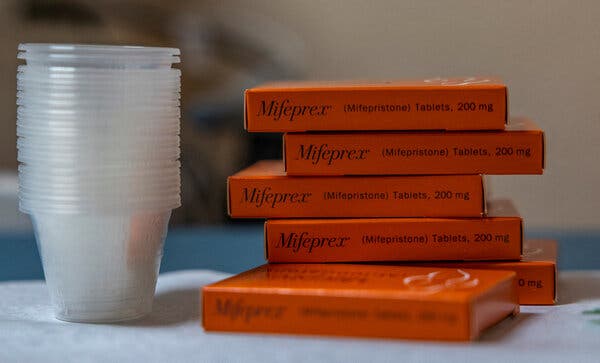
The journal found that the studies, which had suggested that medication abortion is unsafe, included incorrect factual assumptions and misleading presentation of the data.An academic journal publisher this week retracted two studies that were cited by a federal judge in Texas last year when he ruled that the abortion pill mifepristone should be taken off the market.Most of the authors of the studies are doctors and researchers affiliated with anti-abortion groups, and their reports suggested that medication abortion causes dangerous complications, contradicting the widespread evidence that abortion pills are safe.The lawsuit in which the studies were cited will be heard by the Supreme Court in March. The high court’s ruling could have major implications for access to medication abortion, which is now the most common method of pregnancy termination.The publisher, Sage Journals, said it had asked two independent experts to evaluate the studies, published in 2021 and 2022 in the journal Health Services Research and Managerial Epidemiology, after a reader raised concerns.Sage said both experts had “identified fundamental problems with the study design and methodology, unjustified or incorrect factual assumptions, material errors in the authors’ analysis of the data, and misleading presentations of the data that, in their opinions, demonstrate a lack of scientific rigor and invalidate the authors’ conclusions in whole or in part.”The publisher also retracted a third study by many of the same authors that was published in 2019 in the same journal, which did not figure in the mifepristone lawsuit.We are having trouble retrieving the article content.Please enable JavaScript in your browser settings.Thank you for your patience while we verify access. If you are in Reader mode please exit and log into your Times account, or subscribe for all of The Times.Thank you for your patience while we verify access.Already a subscriber? Log in.Want all of The Times? Subscribe.

Read more →

Harnessing human evolution to advance precision medicine

Humans are still evolving, and Tatum Simonson, PhD, founder and co-director of the Center for Physiological Genomics of Low Oxygen at University of California School of Medicine, plans to use evolution to improve healthcare for all.
Her latest research, which was published February 9, 2024 in Science Advances, reveals that a gene variant in some Andean people is associated with reduced red blood cell count at high altitude, enabling them to safely live high in the mountains in low-oxygen conditions. Simonson’s UC San Diego lab is applying those findings toward understanding whether there may be a genetic component to why some people with sleep apnea or pulmonary diseases such as chronic obstructive pulmonary disease (COPD) fare better than others.
Explained Simonson, “There are people with COPD who breathe a lot and maintain a higher oxygen saturation. Others with the same disease don’t breathe as much, and their oxygen saturation is low. Researchers suspect there may be genetic differences underlying this variation, similar to the variation we find in pathways important for oxygen sensing and responses underlying natural selection at high altitude.”
Our cells need oxygen to survive. When there isn’t enough in the environment, our bodies produce extra red blood cells, which transport oxygen throughout the body. Too many red blood cells, however, create a dangerous condition called excessive erythrocytosis (EE), which makes the blood viscous, which could lead to stroke or heart failure.
Her previous research showed that many mountain-dwelling Tibetans exposed to low-oxygen situations are born with innate mechanisms that protect them from poor outcomes at high altitude, including the overproduction of red blood cells. Part of this is due to changes in the regulation of the EPAS1 gene, which lowers hemoglobin concentrations by regulating the pathway that responds to changing oxygen levels. Advances in genetics have shown that modern Tibetans received this genetic advantage from their ancestors who mixed with archaic humans living in Asia tens of thousands of years ago — a unique evolutionary history confined to this population.
For her latest research, Dr. Simonson, who is also the John B. West Endowed Chair in Respiratory Physiology and associate professor in the Division of Pulmonary, Critical Care, Sleep Medicine & Physiology at UC San Diego School of Medicine, zoomed in on the EPAS1 region of the genome. She and her team focused on a mutation in the gene that is present in some people living in the Andes but is absent in all other human populations. When they scanned whole Andean genomes, they found a pattern surrounding this variant suggesting that the genetic change, which alters only a single amino acid in the protein product, happened by chance, relatively recently (from 9,000 to 13,000 years ago), and spread very quickly through hundreds of generations within the Andean population.
Similar to Tibetans, the EPAS1 gene is associated with lower red blood cell count in Andeans who possess it. However, the researchers were surprised to find that the variant works in a completely different way from the Tibetan version of the gene; rather than regulating its levels, the Andean variant changes the genetic makeup of the protein, altering the DNA in every single cell.

“Tibetans have, in general, an average lower hemoglobin concentration, and their physiology deals with low oxygen in a way that doesn’t increase their red blood cells to excessively high levels. Now we have the first signs of evidence that Andeans are also going down that path, involving the same gene, but with a protein-coding change. Evolution has worked in these two populations, on the same gene, but in different ways,” said Simonson.
This study exemplifies a current approach in research that connects genetic targets of natural selection with complex disease genes — understanding, for example, how natural genetic variation contributes to adaptive and maladaptive responses to low oxygen, as this study reveals.
In Simonson’s lab, that means figuring out what downstream target genes are being turned on in response to low oxygen, among other things. Said Simonson, “This paper shows one gene associated with one particular phenotype, but we think there are many different genes and components of oxygen transport involved. It’s just one piece of that puzzle, and could provide researchers with information relevant to other populations.”
Simonson and her team are working with Latino populations in San Diego and El Centro, California, as well as Tijuana and Ensenada, Mexico, taking them to high altitudes and recording their breathing while awake and asleep. They’re cross-referencing their findings with publicly available databases to determine whether the findings they’ve made in Andeans are also found in local Latinos who may share some genetic variants with the Andeans.
“In precision medicine, it’s important to recognize variation in genetic backgrounds, specifically in historically understudied populations,” Simonson said. “If we can find some shared genetic factors in populations in an extreme environment, that may help us understand aspects of health and disease in that group and groups more locally. In that way, this study aims to push research forward, and towards comprehensive personalized medicine approaches in clinics here in San Diego.”
Co-authors of the study include: Elijah S. Lawrence, Wanjun Gu, James J. Yu, Erica C. Heinrich, Katie A. O’Brien, Carlos A. Vasquez, Quinn T. Cowan , Patrick T. Bruck , Kysha Mercader, Mona Alotaibi, Tao Long, James E. Hall, Esteban A. Moya, Marco A. Bauk, Jennifer J. Reeves, Mitchell C. Kong, Rany M. Salem, Keolu P. Fox, Atul Malhotra, Frank L. Powel, Mohit Jain and Alexis C. Komor at UC San Diego, Ryan J. Bohlender, Hao Hu and Chad D. Huff at University of Texas MD Anderson Cancer Center, Cecilia Anza-Ramirez, Gustavo Vizcardo-Galindo , Jose-Luis Macarlupu , Rómulo Figueroa-Mujíca, Daniela Bermudez, Noemi Corante and Francisco C. Villafuerte at Universidad Peruana Cayetano Heredia, Eduardo Gaio at Universidad de Brasília, Veikko Salomaa and Aki S. Havulinna at Finnish Institute for Health and Welfare and Andrew J. Murray at Cambridge University and Gianpiero L. Cavalleri at Royal College of Surgeons in Ireland.

Read more →

Brooke Ellison, Prominent Disability Rights Advocate, Is Dead at 45

One of the first quadriplegic Harvard graduates, she became an author, professor and powerful voice for disabled people.Brooke Ellison, who after being paralyzed from the neck down by a childhood car accident went on to graduate from Harvard and became a professor and devoted disability rights advocate, died on Sunday in Stony Brook, N.Y. She was 45.Her death, in a hospital, was caused by complications of quadriplegia, her mother, Jean Ellison, said.As an 11-year-old, Brooke had been taking karate, soccer, cello and dance lessons and singing in a church choir. But on Sept. 4, 1990, she was struck by a car while running across a road near her Long Island home in Rockville Centre, in Suffolk County. Her skull, spine and almost every major bone in her body were fractured.After waking from a 36-hour coma, she spent six weeks in the hospital and eight months in a rehabilitation center. And for the rest of her life she was dependent on a wheelchair operated by a tongue-touch keypad, a respirator that delivered 13 breaths a minute and ultimately a voice-activated computer to write.“If she even survived,” her mother said in a phone interview, “at first we thought she would have no cognition at all.”But Brooke recovered better than expected. Her first words after waking in the hospital were “When can I get back to school?” and “Will I be left back?”We are having trouble retrieving the article content.Please enable JavaScript in your browser settings.Thank you for your patience while we verify access. If you are in Reader mode please exit and log into your Times account, or subscribe for all of The Times.Thank you for your patience while we verify access.Already a subscriber? Log in.Want all of The Times? Subscribe.

Read more →

Immune genes are altered in Alzheimer’s patients’ blood

A new Northwestern Medicine study has found the immune system in the blood of Alzheimer’s patients is epigenetically altered. That means the patients’ behavior or environment has caused changes that affect the way their genes work.
Many of these altered immune genes are the same ones that increase an individual’s risk for Alzheimer’s. Northwestern scientists theorize the cause could be a previous viral infection, environmental pollutants or other lifestyle factors and behaviors.
“It is possible that these findings implicate the peripheral immune response in Alzheimer’s disease risk,” said lead investigator David Gate, assistant professor of neurology at Northwestern University Feinberg School of Medicine. “We haven’t yet untangled whether these changes are reflective of brain pathology or whether they precipitate the disease.”
The study was published Feb. 9 in Neuron.
Previous research showed that many of the mutated genes putting a person at higher risk for Alzheimer’s are in the immune system. But scientists primarily studied the central immune system in the brain because Alzheimer’s is a brain disease. They have largely ignored the immune system in the blood, also known as the peripheral immune system.
Gate decided to study the blood. He and colleagues discovered every immune cell type in Alzheimer’s patients has epigenetic changes, indicated by open chromatin. Chromatin is the packaging of the DNA within cells. When chromatin is open — or exposed — the cells’ genome is vulnerable to alterations.
Then, Gate examined which genes are more open in these immune cells. He discovered that a receptor — CXCR3 — on the T cells was more exposed. Gate believes CXCR3 functions like an antenna on T cells that allows the cells to enter the brain. T cells do not normally enter the brain because they can cause inflammation.

“The brain is emitting a signal that it is damaged, and the T cells are homing to that signal by their antenna, CXCR3,” Gate said.
“T cells can be very toxic in the brain, but we also don’t know if these cells might be attempting to repair the damage in the brain,” Gate said.
Gate also discovered epigenetic changes in inflammatory proteins in white blood cells called monocytes.
“Altogether, these findings indicate that immune function in Alzheimer’s patients is significantly altered,” Gate said. “It could be that environmental factors, like pollutants, or infections that a person has in their lifetime cause these epigenetic changes.”
The findings revealed several genes that may be therapeutic targets for manipulating the peripheral immune system. Next steps in the research are preclinical studies using in vitro culture systems and animal models to test these targets.
Other Northwestern authors include Abhirami Ramakrishnan, Natalie Piehl, Brooke Simonton, Milan Parikh, Ziyang Zhang, Victoria Teregulova and Lynn van Olst.
The title of the article is “Epigenetic dysregulation in Alzheimer’s disease peripheral immunity.”
The research is supported by National Institute of Neurological Disorders and Stroke grant NS112458 and National Institute on Aging grant AG078713, both of the National Institutes of Health, Bright Focus Foundation, Alzheimer’s Association and Cure Alzheimer’s Fund.

Read more →

An ultrasound sticker senses changing stiffness of deep internal organs

MIT engineers have developed a small ultrasound sticker that can monitor the stiffness of organs deep inside the body. The sticker, about the size of a postage stamp, can be worn on the skin and is designed to pick up on signs of disease, such as liver and kidney failure and the progression of solid tumors. In an open-access study that will appear in Science Advances, the team reports that the sensor can send sound waves through the skin and into the body, where the waves reflect off internal organs and back out to the sticker. The pattern of the reflected waves can be read as a signature of organ rigidity, which the sticker can measure and track. “When some organs undergo disease, they can stiffen over time,” says the senior author of the paper, Xuanhe Zhao, professor of mechanical engineering at MIT. “With this wearable sticker, we can continuously monitor changes in rigidity over long periods of time, which is crucially important for early diagnosis of internal organ failure.”The team has demonstrated that the sticker can continuously monitor the stiffness of organs over 48 hours and detect subtle changes that could signal the progression of disease. In preliminary experiments, the researchers found that the sticky sensor can detect early signs of acute liver failure in rats. The engineers are working to adapt the design for use in humans. They envision that the sticker could be used in intensive care units (ICUs), where the low-profile sensors could continuously monitor patients who are recovering from organ transplants. “We imagine that, just after a liver or kidney transplant, we could adhere this sticker to a patient and observe how the rigidity of the organ changes over days,” lead author Hsiao-Chuan Liu says. “If there is any early diagnosis of acute liver failure, doctors can immediately take action instead of waiting until the condition becomes severe.” Liu was a visiting scientist at MIT at the time of the study and is currently an assistant professor at the University of Southern California.The study’s MIT co-authors include Xiaoyu Chen and Chonghe Wang, along with collaborators at USC. Sensing wobblesLike our muscles, the tissues and organs in our body stiffen as we age. With certain diseases, stiffening organs can become more pronounced, signaling a potentially precipitous health decline. Clinicians currently have ways to measure the stiffness of organs such as the kidneys and liver using ultrasound elastography — a technique similar to ultrasound imaging, in which a technician manipulates a handheld probe or wand over the skin. The probe sends sound waves through the body, which cause internal organs to vibrate slightly and send waves out in return. The probe senses an organ’s induced vibrations, and the pattern of the vibrations can be translated into how wobbly or stiff the organ must be. Ultrasound elastography is typically used in the ICU to monitor patients who have recently undergone an organ transplant. Technicians periodically check in on a patient shortly after surgery to quickly probe the new organ and look for signs of stiffening and potential acute failure or rejection. “After organ transplantation, the first 72 hours is most crucial in the ICU,” says another senior author, Qifa Zhou, a professor at USC. “With traditional ultrasound, you need to hold a probe to the body. But you can’t do this continuously over the long term. Doctors might miss a crucial moment and realize too late that the organ is failing.”The team realized that they might be able to provide a more continuous, wearable alternative. Their solution expands on an ultrasound sticker they previously developed to image deep tissues and organs. “Our imaging sticker picked up on longitudinal waves, whereas this time we wanted to pick up shear waves, which will tell you the rigidity of the organ,” Zhao explains.Existing ultrasound elastrography probes measure shear waves, or an organ’s vibration in response to sonic impulses. The faster a shear wave travels in the organ, the stiffer the organ is interpreted to be. (Think of the bounce-back of a water balloon compared to a soccer ball.) The team looked to miniaturize ultrasound elastography to fit on a stamp-sized sticker. They also aimed to retain the same sensitivity of commercial hand-held probes, which typically incorporate about 128 piezoelectric transducers, each of which transforms an incoming electric field into outgoing sound waves. “We used advanced fabrication techniques to cut small transducers from high-quality piezoelectric materials that allowed us to design miniaturized ultrasound stickers,” Zhou says. The researchers precisely fabricated 128 miniature transducers that they incorporated onto a 25-millimeter-square chip.They lined the chip’s underside with an adhesive made from hydrogel — a sticky and stretchy material that is a mixture of water and polymer, which allows sound waves to travel into and out of the device almost without loss.In preliminary experiments, the team tested the stiffness-sensing sticker in rats. They found that the stickers were able to take continuous measurements of liver stiffness over 48 hours. From the sticker’s collected data, the researchers observed clear and early signs of acute liver failure, which they later confirmed with tissue samples. “Once liver goes into failure, the organ will increase in rigidity by multiple times,” Liu notes. “You can go from a healthy liver as wobbly as a soft-boiled egg, to a diseased liver that is more like a hard-boiled egg,” Zhao adds. “And this sticker can pick up on those differences deep inside the body and provide an alert when organ failure occurs.” The team is working with clinicians to adapt the sticker for use in patients recovering from organ transplants in the ICU. In that scenario, they don’t anticipate much change to the sticker’s current design, as it can be stuck to a patient’s skin, and any sound waves that it sends and receives can be delivered and collected by electronics that connect to the sticker, similar to electrodes and EKG machines in a doctor’s office. The researchers are also hoping to work the sticker into a more portable, self-enclosed version, where all its accompanying electronics and processing is miniaturized to fit into a slightly larger patch. Then, they envision that the sticker could be worn by patients at home, to continuously monitor conditions over longer periods, such as the progression of solid tumors, which are known to harden with severity. “We believe this is a life-saving technology platform,” Zhao says. “In the future, we think that people can adhere a few stickers to their body to measure many vital signals, and image and track the health of major organs in the body.”This work was supported, in part, by the National Institutes of Health.

Read more →