Black mamba venom has a deadly hidden second strike

A breakthrough study at The University of Queensland has discovered a hidden dangerous feature in the Black Mamba one of the most venomous snakes in the world.
Professor Bryan Fry from UQ’s School of the Environment said the study revealed the venoms of three species of mamba were far more neurologically complex than previously thought, explaining why antivenoms were sometimes ineffective.
“The Black Mamba, Western Green Mamba and Jamesons Mamba snakes aren’t just using one form of chemical weapon, they’re launching a coordinated attack at 2 different points in the nervous system,” Professor Fry said.
“If you’re bitten by 3 out of 4 mamba species, you will experience flaccid or limp paralysis caused by postsynaptic neurotoxicity.
“Current antivenoms can treat the flaccid paralysis but this study found the venoms of these three species are then able to attack another part of the nervous system causing spastic paralysis by presynaptic toxicity,
“We previously thought the fourth species of mamba, the Eastern Green Mamba, was the only one capable of causing spastic paralysis.
“This finding resolves a long-standing clinical mystery of why some patients bitten by mambas seem to initially improve with antivenom and regain muscle tone and movement only to start having painful, uncontrolled spasms.

“The venom first blocks nerve signals from reaching the muscles but after the antivenom is administered, it then overstimulates the muscles.
“It’s like treating one disease and suddenly revealing another.”
Mamba (Dendroaspis species) snake bites are a significant threat in sub-Saharan Africa accounting for 30,000 deaths annually.
PhD candidate Lee Jones who conducted the experimental work on the mamba venoms said the research proved new antivenoms were critical to saving lives.
“We set out to understand different venom potencies between mamba species,” Mr Jones said.
“We expected to see clear flaccid paralysis inducing post synaptic effects, and effective neutralisation by antivenom.

“What we were not expecting to find was the antivenom unmasking the other half of the venom effects on presynaptic receptors.
“We also found the venom function of the mambas was different depending on their geographic location, particularly within populations of the Black Mamba from Kenya and South Africa.
“This further complicates treatment strategies across regions because the antivenoms are not developed to counteract the intricacies of the different venoms.”
Professor Fry said specialised antivenoms could be developed following this study to increase efficacy rates.
“This isn’t just an academic curiosity, it’s a direct call to clinicians and antivenom manufacturers,” Professor Fry said.
“By identifying the limitations of current antivenoms and understanding the full range of venom activity, we can directly inform evidence-based snakebite care.
“This kind of translational venom research can help doctors make better decisions in real time and ultimately saves lives.”
The lab work was completed in collaboration with Monash Venom Group.
This research was published in Toxins.

Read more →

Long commutes and small homes are wrecking sleep

One-third of our lives is spent sleeping, yet 30 to 40 percent of adults are reported to experience some form of insomnia. Japan in particular has the lowest sleep duration among the Organization for Economic Co-operation and Development (OECD) countries, falling at one hour below average.
Public health research has identified long commutes, noise, and light pollution from densely populated living environments as factors that impair sleep. While such metropolitan housing offers advantages in commuting time, its livability is far less than the suburbs. To find a balance between convenience and sleep, urban architecture research, which examines the relationship between housing location, size, and sleep health, could help answer the question of “Where and what size home should one have for better sleep?”
Seeking this answer, a research group led by Professor Daisuke Matsushita at Osaka Metropolitan University’s Graduate School of Human Life and Ecology investigated whether commuting time and residence predict insomnia and daytime sleepiness among residents of the Tokyo metropolitan area.
Based on an online survey using stratified random sampling, commute time was calculated using a route search system derived from the mode of transportation and postal codes of participants’ homes and workplaces. Insomnia and daytime sleepiness were assessed using the Athens Insomnia Scale and the Epworth Sleepiness Scale. The team also examined whether these relationships persist after adjusting for demographic and socioeconomic factors.
Data analysis revealed that even after adjusting for covariates, longer commutes predicted insomnia and daytime sleepiness, while smaller housing size predicted insomnia. Further, a trade-off was observed between commuting time and floor area in cases of insomnia. For housing units meeting the urban-oriented residential area standard of 95 m² for a four-person household, commuting times exceeding 52 minutes reached the insomnia cutoff value.
“Housing choices and supply that consider the trade-off between location and size may help improve the sleep health of commuters and reduce sleep-related economic losses in metropolitan areas,” said Professor Matsushita.
The findings were published in the Journal of Transport and Health.

Read more →

Covid cases rising with new variants Nimbus and Stratus

24 minutes agoShareSaveMichelle RobertsDigital health editorShareSaveGetty ImagesIf you feel unwell with a bad throat and a temperature you may well have caught one of the new strains of Covid circulating this autumn. XFG, called Stratus by some, and NB.1.8.1, known as Nimbus, are now the most common variants being passed around in the UK, according to officials. Experts say these do not appear to pose any bigger threat than previous types of Covid or make people feel more ill.But recent genetic changes the virus has acquired may make infections more likely.Have you got a razor blade sore throat?It is usual for viruses to evolve as they spread between people over time. When the changes become significantly different, the new virus types are known as variants.According to some reports, there may be tell-tale symptoms with the latest ones – a hoarse voice or a “razor blade” sore throat.Covid can still cause a wide range of symptoms, including headache, coughing, a blocked or running nose and exhaustion, making it difficult to distinguish from a cold or flu. If you think you have Covid you should avoid contact with vulnerable people and stay at home if possible. If you have symptoms and need to leave the house, advice remains that you should wear a face covering. Washing hands regularly and using and disposing tissues in bins can reduce the spread of this and other respiratory illnesses.For a sore throat, drinking plenty of fluids and having a teaspoon of honey may help, the NHS says. According to the Royal College of GPs, rates of Covid are now increasing across the UK, especially in the very young and elderly.Hospital admissions linked to Covid are also going up. Can I still get a Covid test or vaccine?People over 75 can get a free vaccine against Covid on the NHS. This can offer good protection, even against the new variants, says the UK Health Security Agency (UKHSA). It is urging people to book their vaccinations against flu and another common winter virus called RSV (respiratory syncytial virus) as cases start to increase ahead of winter. “It’s normal for viruses to mutate and change, and as more data becomes available on these variants,  we’ll have a better understanding of how they interact with our immune systems and how to optimise our protection, as well as actions we can take to keep the most vulnerable safe and live our lives as normally as possible,” says the UKHSA.”The most important thing is for those eligible to get their vaccination when it is due.”It’s possible to catch Covid again even if you have had it very recently, or have been vaccinated. Reinfections are usually mild, but you can feel unwell and still spread the virus to others. Covid tests are no longer widely available for free, but pharmacies still sell them. A number of High Street chemists and private clinics sell Covid vaccines too. The cost varies, with some charging around £99 for a single dose.

Read more →

New inquests open into jailed surgeon’s patients

A further two inquests have been opened into the deaths of former patients of jailed surgeon Ian Paterson.Judge Richard Foster opened the inquests of Pauline Brown, who died aged 62, and Jennifer Fox, who died aged 47, at Birmingham Coroners’ Court on Tuesday.There are now 65 inquests ongoing into the deaths of patients of Ian Paterson, who was convicted of wounding patients with botched and unnecessary operations in 2017 and sentenced to 20 years in prison.Mr Foster said: “I have reason to believe Mrs Brown and Ms Fox’s deaths were caused by or contributed to by substandard care provided by Ian Paterson and have reason to suspect their deaths were unnatural.”The court heard that next of kin had been traced for both women but they were not present at the opening on Tuesday.Pauline Margaret Brown – maiden name Doyle – was born in Birmingham and lived in Water Orton, Warwickshire.A retired dressmaker, she was married to a former service engineer.She died on 9 June 2006 at George Elliot Hospital in Nuneaton, with her cause of death recorded as metastatic carcinoma of the breast.Jennifer Alison Fox was born in Cardiff but lived in Birmingham and had worked as bar staff.She died on 22 August 2012 at the Velindre Cancer Centre in Cardiff.Her cause of death was recorded as metastatic breast cancer.After both inquests were opened and then adjourned to a later day, Judge Foster offered his condolences to both families and said he understood the inquests might cause further distress, which he would try to minimise.”But it is only right a full investigation takes place,” he said.Ian Paterson worked for both Heart of England NHS Trust and private practice at Heartlands Hospital, Solihull Hospital, Good Hope Hospital, Spire Hospital Parkway and Spire Hospital Little Aston.”The majority of his patients lived in Birmingham, Warwickshire and Staffordshire.

Read more →

‘My baby’s brain tumour symptoms were dismissed as colic’

2 hours agoShareSaveAntonia Matthews andDanielle HerbertBBC WalesShareSaveCorinne WardleA mum whose baby daughter was diagnosed with a brain tumour, after her symptoms were dismissed as colic and reflux for more than two months, is calling for better awareness of the condition.Newborn Molly appeared unsettled, and aged three weeks had three seizures, said mum Corinne Wardle, a community nurse in Flintshire and Wrexham.At eight weeks, Molly’s head was bigger than normal, she was unsettled and vomiting frequently, and her eyes would only look right – but the symptoms were dismissed by a paediatrician.But after noticing that Molly’s fontanelle – the soft spot on the top of her head – was bulging when she was 12 weeks, a doctor in A&E diagnosed a large brain tumour.”Her eyes were going in opposite corners and her head suddenly got massive,” said Corinne, from Flint, speaking more than two years on from the initial surgery.Back at the hospital emergency department, the mum and baby were about to be sent home by staff after being told there was an eight-hour wait. But when another 10-day-old baby came in with a seizure, a doctor was called – he subsequently examined Molly and rushed her straight through.He measured her head and it was “off the chart”, said Corinne, so the doctor sent her in for a CT scan.”He wouldn’t leave her side. He was fantastic,” she said.Corinne WardleThe results came through instantly, and Corinne was told Molly had a large mass on her brain.She was sent straight to Alder Hey Children’s Hospital, in Liverpool, where she underwent nine hours of surgery the following morning to remove the tumourBaby Molly then had a year of chemotherapy, and took five different types of chemotherapy drugs as part of a clinical trial.One of the trialled drugs caused her to stop breathing, and she had be put on a ventilator. Molly has suffered hearing loss and global developmental delay – when a child takes longer than expected to reach key developmental milestones such as speaking and walking – as a result of the treatment.She was in remission for two years, but in January this year, two further tumours were found, and she had more surgery.The plan was to follow up with radiotherapy, but because the tumour was half the size of Molly’s brain this risks significant cognitive impairment, Corinne said.She told BBC Radio Wales Breakfast: “She would be disabled for life, always needing support.”She won’t be able to do things like cross the road by herself or use money.”Because of this, the family are holding off on the radiotherapy, and Molly is having three-monthly MRI scans under general anaesthetic as they watch and wait.Corinne WardleHugh Adams, from Brain Tumour Research, said Molly’s case was “uniquely challenging”, adding faster diagnosis was “something we have to strive for”.He described the interventions and surgery necessary for Molly’s survival as “really tough”, particularly for such young children, pointing out they also carry additional risks.”Radiotherapy on a developing brain is a really tough option,” he said – and he highlighted how chemotherapy impacts the entire body before it reaches the brain.He called for more money to be put into research on brain tumours, to hasten research into alternative treatments for the condition.”We need to be looking at some of the newer things – maybe vaccines, maybe immunotherapy: things that are at the cutting edge of cancer treatment… so that people aren’t impaired by their treatment as much as they are by the actual tumour itself,” he said.He told BBC Radio Wales: “If we put money into research, we get closure to new cures and options – if we don’t, we won’t.”Historically we’ve put 1% of the national cancer research spending into brain tumours. That isn’t enough.”

Read more →

Streeting rules out VAT on private healthcare

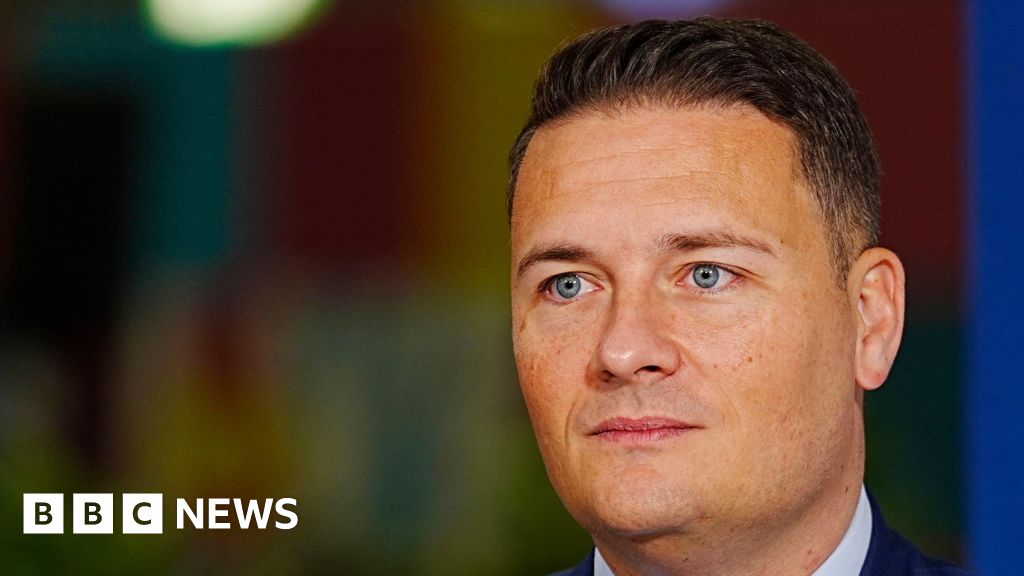
Health Secretary Wes Streeting has ruled out the UK government imposing VAT on private healthcare in the upcoming autumn Budget.Streeting told the BBC “it’s not happening” and repeated that answer when asked if he could guarantee VAT would not be levied on private healthcare.In the UK, most private healthcare services are exempt from VAT, meaning patients don’t usually pay the tax on treatments.But Chancellor Rachel Reeves has faced repeated questions about the prospect of tax rises, including VAT, when she delivers her budget in November.Economists have said taxes will have to go up in the autumn Budget if the chancellor is to meet her self-imposed rules on borrowing to fund public services.In her Labour conference speech on Monday, Reeves said the government was facing difficult choices and promised she would not take risks with the public finances.The chancellor pledged to keep “taxes, inflation and interest rates as low as possible”.But hinting at further tax rises, she said the government’s choices had been made “harder” by international events and the “long-term damage” done to the economy.In its election manifesto, Labour said it would not increase National Insurance, the basic, higher, or additional rates of income tax, or VAT.In an interview ahead of her conference speech, Reeves was asked if VAT could rise and she said: “The manifesto commitments stand.”That form of words has been echoed by senior ministers at Labour’s conference, including Prime Minister Sir Keir Starmer.But when pressed over whether she would have to put up taxes, Reeves said “the world has changed” in the last year – pointing to wars in Europe and the Middle East, US tariffs and the global cost of borrowing.”We’re not immune to any of those things,” she added.VAT is levied at a standard rate of 20% on most goods and services in the UK, unless they are classed as reduced or zero-rated.Former Labour leader Neil Kinnock has called for Reeves to put VAT on private healthcare to raise money for the NHS.The Labour peer told the i newspaper removing the VAT exemption on private healthcare would provide “vital funding” for public services and be “widely supported” by the public.The policy is supported by the Good Growth Foundation think tank, which estimates putting VAT on private acute healthcare could raise more than £2bn.The high cost of long-term government borrowing and weak economic growth has fuelled speculation the chancellor will need to increase taxes.Last month, an independent think tank, the National Institute of Economic and Social Research (Niesr), estimated that the chancellor would need to plug a £50bn gap in the public finances.But the chancellor played down the figure and criticised such forecasters, saying “a lot of them are talking rubbish”.

Read more →

A plant compound might be the secret weapon against gum disease

A powder based on morin, a natural compound extracted from plants such as guava leaves, apple and fig peels, certain teas, and almonds, has shown antimicrobial, anti-inflammatory, and antioxidant effects against bacteria that cause periodontal disease. It is expected that the substance, released in a controlled manner through polymers, will help with nonsurgical treatments as an alternative to antibiotics for controlling microorganisms.
In in vitro laboratory studies, researchers at the Araraquara School of Dentistry at São Paulo State University (FOAr-UNESP) in Brazil tested morin on a multispecies biofilm formed by various species of bacteria that simulated the effects of the disease on patients’ gums.
The results were published in the Archives of Oral Biology. The study was conducted by Luciana Solera Sales during her doctoral studies at FOAr-UNESP, under the supervision of Fernanda Lourenção Brighenti. FAPESP supported the study through a doctorate and a research internship abroad.
Other researchers involved in the study included Andréia Bagliotti Meneguin from the Faculty of Pharmaceutical Sciences of Araraquara (FCFAr) at UNESP; Hernane da Silva Barud from the University of Araraquara (UNIARA); and Michael Robert Milward from the Faculty of Dentistry at the University of Birmingham in England.
“At the moment, we have a fine powder obtained through spray drying – which is the same equipment used to make powdered milk – that can be used to make various types of oral hygiene products. The idea is to provide a platform that acts as an adjunct and can be useful, for example, for people with reduced motor skills who are unable to brush their teeth properly, such as older adults and patients with special needs,” says Brighenti.
Morin was chosen because it is a natural, inexpensive, and easily accessible compound.
“Morin is a flavonoid that can be obtained from various fruits. But simply eating it isn’t enough; the substance needs to be processed. The idea is to take advantage of this natural compound, its benefits, and its advantages, and transform it all so that it can be used to prevent and treat tooth decay and periodontal disease,” Sales points out.

Within the research group, Brighenti has been working with other researchers to develop what she calls platforms that allow different types of substances to act on the diseases currently being studied. According to Brighenti, this is necessary because natural products generally do not dissolve well in water.
“We have a constant flow of saliva. We produce, on average, 1 milliliter of saliva per minute. Anything we put in our mouths is quickly removed by saliva, especially because it has a smell and taste, which stimulates salivary flow. When we have something that sticks to the mucous membrane of the mouth, the inside of our cheeks, and our teeth, it gives us an additional advantage. This controlled release also helps us control the toxicity and stability of the substance,” the professor explains.
In the case of morin, the challenge was to optimize what the group had developed thus far, making it more appealing to potential patients while developing something scalable for the industry.
“We also aim to provide an alternative to products currently available on the market that don’t meet the demand because they have some side effects reported by patients, such as taste changes and increased tartar buildup, as well as stains on the teeth with prolonged use,” Brighenti adds.
“We started developing these systems in the form of tablets, films, and microparticles. But until then, they were too large and unfeasible for oral use. In my PhD, we tried to improve these products by making them smaller. That’s why I developed this format, which looks like powdered milk. I prepared a solution containing sodium alginate and gellan gum to encapsulate morin in a controlled-release system, which is already widely used for drugs but isn’t yet widely used in dentistry,” Sales explains.
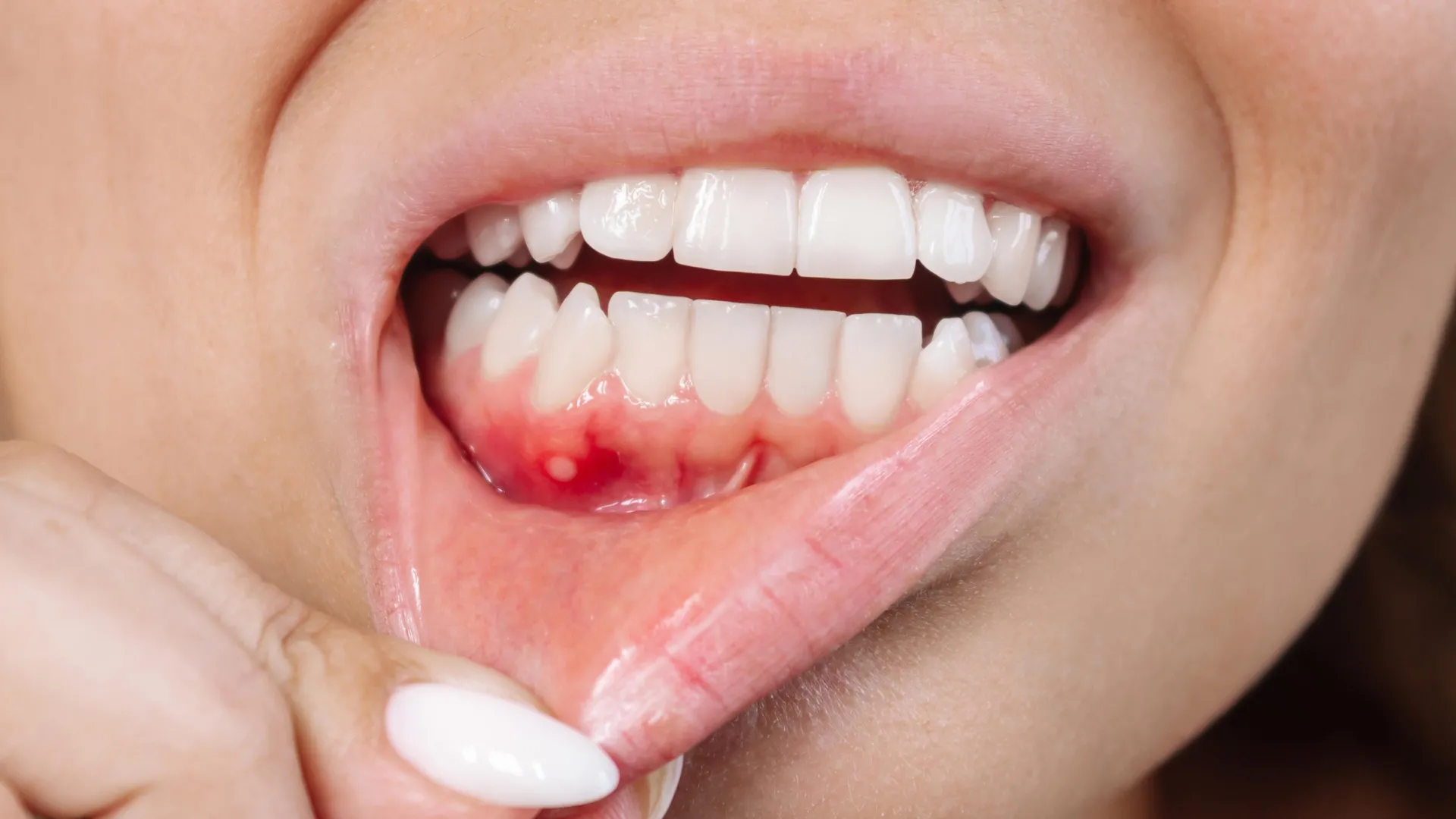
Periodontal disease occurs when there is an accumulation of biofilm or bacterial plaque, a sticky film formed by bacteria and food debris that builds up on the teeth.

Periodontitis, a severe form of periodontal disease, is considered the sixth most common chronic condition worldwide. In mild cases, bleeding may occur. As the disease progresses, it can lead to tooth loss.
Proper oral hygiene, including brushing, flossing, and using fluoride toothpaste, can considerably decrease this risk.
According to data from the World Health Organization (WHO) in 2022, nearly half of the world’s population (45%) suffers from oral diseases, amounting to approximately 3.5 billion people.
The researchers plan to continue testing morin first in animal models and then in clinical studies to investigate its other properties.
“We observed with the naked eye that the in vitro biofilm treated with morin in the laboratory is less stained than when treated in its free form. So, it’s possible that there’s an advantage, that this system helps prevent tooth discoloration. We also need to test, for example, whether morin maintains the balance of the oral cavity, because we don’t want to eliminate all bacteria from patients’ mouths,” says Brighenti.

Read more →

First living cochlea outside the body shows how hearing really works

Shortly before his death in August 2025, A. James Hudspeth and his team in the Laboratory of Sensory Neuroscience at The Rockefeller University achieved a groundbreaking technological advancement: the ability to keep a tiny sliver of the cochlea alive and functional outside of the body for the first time. Their new device allowed them to capture the live biomechanics of the cochlea’s remarkable auditory powers, including exceptional sensitivity, sharp frequency tuning, and the ability to encode a broad range of sound intensities.
“We can now observe the first steps of the hearing process in a controlled way that was previously impossible,” says co-first author Francesco Gianoli, a postdoctoral fellow in the Hudspeth lab.
Described in two recent papers (in PNAS and Hearing Research, respectively), the innovation is a product of Hudspeth’s five decades of work illuminating the molecular and neural mechanisms of hearing — insights that have illuminated new paths to preventing or reversing hearing loss.
With this advance, the researchers have also provided direct evidence of a unifying biophysical principle that governs hearing across the animal kingdom, a subject Hudspeth investigated for more than a quarter-century.
“This study is a masterpiece,” says biophysicist Marcelo Magnasco, head of the Laboratory of Integrative Neuroscience at Rockefeller, who collaborated with Hudspeth on some of his seminal findings. “In the field of biophysics, it’s one of the most impressive experiments of the last five years.”
The mechanics of hearing
Though the cochlea is a marvel of evolutionary engineering, some of its fundamental mechanisms have long remained hidden. The organ’s fragility and inaccessibility — embedded as it is in the densest bone in the body — have made it difficult to study in action.

These challenges have long frustrated hearing researchers, because most hearing loss results from damage to sensory receptors called hair cells that line the cochlea. The organ has some 16,000 of these hair cells, so-called because each one is topped by a few hundred fine “feelers,” or stereocilia, that early microscopists likened to hair. Each bundle is a tuned machine that amplifies and converts sound vibrations into electrical responses that the brain can then interpret.
It’s well documented that in insects and non-vertebrate animals — such as the bullfrogs studied in Hudspeth’s lab — a biophysical phenomenon known as a Hopf bifurcation is key to the hearing process. The Hopf bifurcation describes a kind of mechanical instability, a tipping point between complete stillness and oscillations. At this knife-edge, even the faintest sound tips the system into movement, allowing it to amplify weak signals far beyond what would otherwise register.
In the case of bullfrog cochlea, the instability is in the bundles of the sensory hair cells, which are always primed to detect incoming sound waves. When those waves hit, the hair cells move, amplifying the sound in what’s called the active process.
In collaboration with Magnasco, Hudspeth documented the existence of the Hopf bifurcation in the bullfrog cochlea in 1998. Whether it exists in the mammalian cochlea has been a subject of debate in the field ever since.
To answer that question, Hudspeth’s team decided they needed to observe the active process in a mammalian cochlea in real time and at a greater level of detail than ever before.
A sliver of a spiral
To do so, the researchers turned to the cochlea of gerbils, whose hearing falls in a similar range as humans. They excised slivers no larger than .5 mm from the sensory organ, in the region of the cochlea that picks up the middle range of frequencies. They timed their excision to a developmental moment in which the gerbil’s hearing is mature but the cochlea hasn’t fully fused to the highly dense temporal bone.

They placed a sliver of tissue within a chamber designed to reproduce the living environment of the sensory tissue, including continuously bathing it in nutrient-rich liquids called endolymph and perilymph and maintaining its native temperature and voltage. Key to the development of this custom device were Brian Fabella, a research specialist in the Hudspeth lab, and instrumentation engineer Nicholas Belenko, from Rockefeller’s Gruss Lipper Precision Instrumentation Technologies Resource Center.
They then began to play sounds via a tiny speaker and observed the response.
Discovering a biophysical principle
Among the processes they witnessed were how the opening and closing of ion channels in the hair bundles add energy to the sound-driven vibrations, amplifying them, and how outer hair cells elongate and contract in response to voltage changes through a process called electromotility.
“We could see in fine detail what every piece of the tissue is doing at the subcellular level,” Gianoli says.
“This experiment required an extraordinarily high level of precision and delicacy,” notes Magnasco. “There’s both mechanical fragility and electrochemical vulnerability at stake.”
Importantly, they observed that key to the active process was indeed a Hopf bifurcation — the tipping point that turned mechanical instability into sound amplification. “This shows that the mechanics of hearing in mammals is remarkably similar to what has been seen across the biosphere,” says co-first author Rodrigo Alonso, a research associate in the lab.
A device that could lead to future treatments
The scientists anticipate that experimentation using the ex vivo cochlea will improve their understanding of hearing and hopefully point to better therapies.
“For example, we will now be able to pharmacologically perturb the system in a very targeted way that has never been possible before, such as by focusing on specific cells or cell interactions,” says Alonso.
There’s a great need in the field for new potential therapies. “So far, no drug has been approved to restore hearing in sensorineural loss, and one reason for that is that we still have an incomplete mechanistic understanding of the active process of hearing,” Gianoli says. “But now we have a tool that we can use to understand how the system works, and how and when it breaks — and hopefully think of ways to intervene before it’s too late.”
Hudspeth found the results deeply gratifying, Magnasco adds. “Jim had been working on this for more than 20 years, and it’s a crowning achievement for a remarkable career.”

Read more →

New online NHS hospital service by 2027, PM to promise

An NHS online hospital service will be launched in England within two years to help cut waiting times, the prime minister is set to announce. Sir Keir Starmer will tell the Labour Party annual conference a “new world is coming” as he sets out plans for the digital service.NHS Online will have its own dedicated doctors and nurses who will take charge of patients who choose to use the service.The idea is that assessments, check-ups with consultants and follow-up appointments will all be done online.If any physical scans or treatments are needed these will be booked in at a local hospital.The service will be phased in from 2027 with the focus on areas where there are significant numbers of patients who may never need inpatient treatment.NHS sources said this could include ophthalmology, gynaecology and digestive conditions.For each there will be some patients who require monitoring and support managing their health condition and therefore more suitable to the online service.But identifying which are those patients will be a challenge.NHS England said only those areas where an online service is considered safe will be included in the new offer.The online hospital will be accessible through the NHS app and ministers hope it will deliver up to 8.5 million appointments and assessments in its first three years – four times more than an average NHS trust.Sir Keir will say “the responsibility of this party is not just to celebrate the NHS, it’s to make it better”.NHS England chief executive Sir Jim Mackey said the initiative would “deliver millions more appointments by the end of the decade, offering a real alternative for patients and more control over their own care”.Digital innovation was one of the core themes of the 10-year NHS plan that was published over the summer.The service will build on some initiatives that have already been piloted.For example, University Hospital Southampton developed a virtual follow-up service for low-risk inflammatory bowel disease, enabling patients to access care and support remotely when they had flare-ups.It meant the NHS trust could cut back on routine follow-up appointments. Three quarters of patients were managed virtually and the initiative was credited in reducing waiting times by 58%.Meanwhile, Moorfields Eye Hospital in London has introduced a virtual system for managing non-emergency eye referrals. More than half ended up being treated in routine clinics without the need for specialist treatment at Moorfields.Daniel Elkeles, chief executive of NHS Providers, said the online hospital service could be a “very significant” development.”The way the NHS provides outpatients services hasn’t changed much for decades, but during Covid we learned a lot about opportunities for new approaches using digital technology.”It’s sensible they are taking the time to plan this properly because there are a lot of factors to consider.”These include the handling of patient data and the need to avoid “digital exclusion” of people who can’t access the service.”Dr Becks Fisher, of the Nuffield Trust think tank, said it is an “interesting experiment”.But she added: “At this stage detail is largely lacking. And there are some difficult questions looming about implementation.”Where will the doctors and nurses for this service be taken from? And how will they pass patients who need care from digital to physical services?”This service will only be safe and suitable for certain patients. How will we make sure it is kept to them?”

Read more →

British veterans with hearing loss start legal battle over ‘faulty’ earplugs

24 minutes agoShareSaveJim ReedHealth reporterShareSaveBBCThousands of British military personnel have started legal action after being given ear protection they say was faulty and led to life-changing injuries such as tinnitus and deafness.The US industrial giant 3M supplied the Ministry of Defence (MoD) with the lightweight combat earplugs for use while training and on active service in Afghanistan and other countries.In 2023, the company agreed to pay out $6bn (£4.5bn) to settle similar claims from 240,000 US servicemen and women.3M said that was not an admission of liability, its product worked effectively if used properly and it was prepared to defend itself in the English courts.Former Guardsman Dave Watson from Worcestershire remembers being given 3M earplugs while serving with the 1st Battalion Scots Guards from 2007, including on tour in Afghanistan.”Anywhere outside of Camp Bastion we could have been using them, sometimes for up to 12 hours a day,” he says.Mr Watson, 38, lost both legs and an arm in an explosion while on patrol in Helmand Province in May 2010, leading to his immediate medical discharge from the Army.He has since won five medals at the Invictus Games and now works as a motivational speaker and for veterans’ charities.He says he first noticed something was wrong with his hearing around 18 months ago.”I’d wake up in the early hours of the morning with a ringing in my ears, but I get it all through the day now,” he says.”I can’t hear when my kids are calling me, I can’t hear when my wife is calling me, so it’s had a big impact on my family life.”Last month he went for tests and was told he would need hearing aids in the future, he says.Deafness and damageThousands of British military personnel are now bringing a separate legal case against 3M for supplying what they say were faulty ear protectors between 2003 and at least 2015, when they were replaced by a new model.Its combat arms earplugs (version 2) were designed to be reversible, with one side blocking out most sounds, and the other protecting against impact sounds such as explosions while letting in spoken commands and other quieter noises.In 2018 the company paid $9.1m (£6.8m) to settle a lawsuit brought by the US Department of Justice which alleged the company knew the earplugs were too short and could “loosen imperceptibly”.Five years later, in August 2023, it agreed to a $6bn (£4.5bn) settlement to resolve 240,000 civil cases being brought by US military veterans and those still serving.Around $2.75bn (£2bn) has been paid out to date, according to the Lawsuit Information Centre, but 3M has never accepted legal liability, arguing that its products were always “safe and effective” if used correctly.This week the first formal legal claim was launched in the UK with a “letter before action” sent to 3M on behalf of more than 2,000 veterans and current military personnel.”As yet, there’s been no justice and no compensation for British servicemen and women,” says Tom Longstaff, a partner at KP Law, which is bringing the case.”We’ve got very strong evidence that this product was defective, [and] that it suffered from a design flaw, which is well-documented in some of the cases that have already proceeded in the US.” A spokesman for 3M said the company had “great respect” for the British Armed Forces and it took the allegations concerning the product seriously.”The resolution of previous litigation in the US did not involve any admission of liability and 3M is prepared to defend itself in any litigation threatened in the English courts,” he said.Carole TimoneCarol Timone, 33, says she used the earplugs while serving in the British Army between 2008 and 2014, including in Afghanistan in 2012.The former lance bombardier says she’s been left with hearing loss on one side from her time in the military and tinnitus which she describes as a “horrific whining or pulsing that just won’t go away”.”I’ve seen veterans failed so many times, and this is just another blow to them, so I feel like something needs to be done, and someone really does need to be held accountable for it,” she says.Earlier this month the Conservative MP Neil Shastri-Hurst called in parliament for an independent inquiry into the extent of hearing loss linked to the earplugs and other potentially defective equipment.The MoD declined to comment on the case against 3M but a spokesman said the government takes the health of its serving personnel seriously.”We always look at how we can reduce noise levels in their working environment [and] provide training, protective equipment and regular hearing tests,” he said.”The Armed Forces Compensation Scheme [also] provides no-fault compensation to service personnel and veterans for injuries, illness and death caused by service.”

Read more →