Clinical trial plea for young man with failing heart

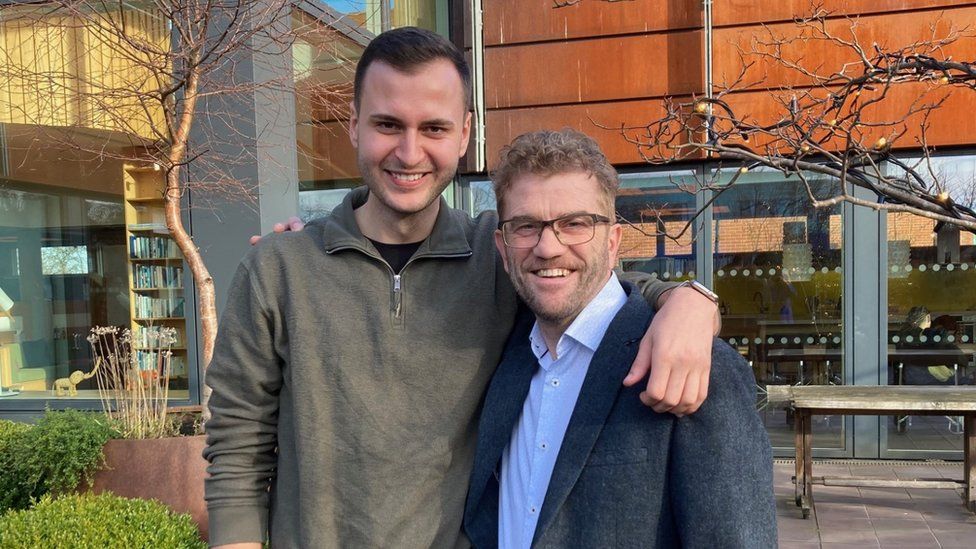
Image source, Chantelle SpeirsEleanor LawsonBBC News, West MidlandsPublished2 hours agoA young man whose heart was seriously damaged while undergoing chemotherapy as a toddler fears he will die without a miracle cure.Louis O’Brien-Smith, 21, has dilated cardiomyopathy, which doctors have concluded was probably induced by chemotherapy he underwent to treat childhood leukaemia.Mr O’Brien-Smith, who is from Coventry, has been listed for a heart transplant in Birmingham next Thursday.However, doctors stressed that a transplant is “a treatment, not a cure” and Mr O’Brien-Smith believes a clinical trial is his only hope of getting his life back.”I feel like I’m running out of time,” the 21-year-old told the BBC before the operation.”Without [a clinical trial], I think I’ll keep deteriorating and probably die. It’s soul-destroying really.”Image source, Chantelle SpeirsMr O’Brien-Smith was diagnosed with acute myeloid leukaemia when he was 18 months old, before relapsing after 10 months in remission.After a worldwide search, no bone marrow match was found so he received “half a match” transplant from his father in 2005.However, at the age of eight, he was diagnosed with severe heart failure, a probable result of the rounds of chemotherapy he endured. “I just feel defeated. I’m now thinking about things I want to do before the inevitable,” Mr O’Brien-Smith said.”I feel like I’m just gonna die. It shouldn’t be what a 21-year-old should be thinking.”Dilated cardiomyopathy is a disease of the heart muscle that makes the muscle walls become stretched and thin. The thinner walls are weakened as a result, meaning the heart can’t contract properly to pump blood effectively round the rest of the body.Mr O’Brien-Smith was listed for the transplant after undergoing an assessment at Queen Elizabeth Hospital in Birmingham.He will return to the hospital next week and will not leave until he has received a transplant. ‘Heartbreaking news’His mother, Chantelle Speirs, told the BBC: “Louis asked to come home to see his family and friends and go back [to hospital] next week. “He knows this could be the last time he comes home, which is heartbreaking. We weren’t ready for this news.”But she knows a heart transplant is a treatment and not a cure.”If you are lucky your transplanted heart will have given you around 10 years,” she said.”It’s highly unlikely he would be offered another one, especially as he is already a very complex case.”Image source, Chantelle SpeirsIllness has followed Mr O’Brien-Smith his whole life, and his mother said she never felt able to let her guard down.”It feels like the odds are stacked against you,” she said.”I feel physically sick with worry. At times this literally feels like living hell.”Louis has always lived on the edge of a cliff but this time it feels as if we are that bit nearer the edge.”Looking back at that time of leukaemia and chemotherapy, it was living hell, but you switch to autopilot and children bounce back unbelievably.”Now with the cardiac issues, things feel so much harder, because Louis isn’t a small tot who is unaware, he’s now a young adult who sometimes wishes he was never even born.”At only 4ft 10, Mr O’Brien-Smith’s size will affect his treatment, including the need for paediatric tubes.He also has signs of congestive heart failure, and has incredible difficulty walking as the effects of the chemotherapy have also eroded his bones.”His X-rays show no ball-shaped sockets. Both sides have all worn away,” Mrs Speirs said.’He’s in excruciating agony’Doctors had been looking into a hip replacement for the 21-year-old, but the fragility of his heart has led them to conclude it would be “too risky” to operate.”He’s in excruciating agony because his hip bones are now no longer ball or socket, just jagged, worn, necrotic bones on bones. There are cysts in the joints where cartilage once lived,” Mrs Speirs said.”He wanted new hips more than anything. He says his biggest wish is to be able to walk his dog outside.”Mrs Speirs and her son are now pleading to anyone running a medical trial, or a treatment they think could help, to come forward.”All you want is your child alive,” she said. “I just hope that our prayers are answered. “He has come so so far and now he has reached young adulthood, which has defied all odds.”I can’t let him give up, not when there are potential medical teams out there who might be able to give him the gift of life.”Follow BBC West Midlands on Facebook,

Read more →

‘Ethnic bias’ delayed care before pregnancy death

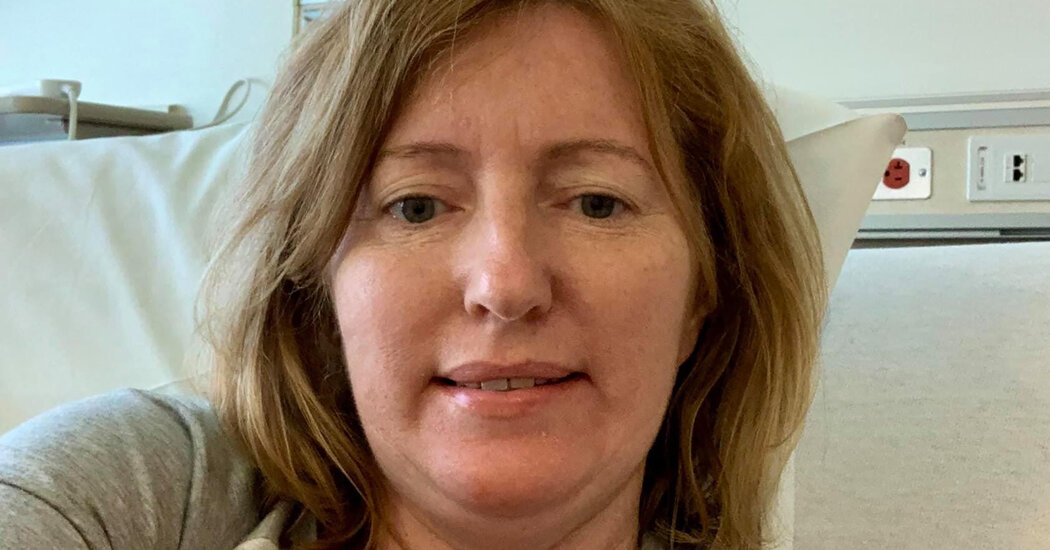
Published2 hours agoShareclose panelShare pageCopy linkAbout sharingImage source, Peter Hodge/GeographBy Jonny Humphries BBC News North West “Cultural and ethnic bias” delayed diagnosing and treating a pregnant black woman before her death in hospital, an investigation found.The probe was launched when the 31-year-old Liverpool Women’s Hospital patient died on 16 March, 2023.It also found “the impact of the junior doctors’ strike” and low staffing were among factors that delayed recognising how ill she was. The hospital said it had made “immediate changes”. Investigators from the national body the Maternity and Newborn Safety Investigations (MSNI) were called in after the woman died.A report prepared for the hospital’s board said that the MSNI had concluded that “ethnicity and health inequalities impacted on the care provided to the patient, suggesting that an unconscious cultural bias delayed the timing of diagnosis and response to her clinical deterioration”. “This was evident in discussions with staff involved in the direct care of the patient”.The hospital’s response to the report also said: “The approach presented by some staff, and information gathered from staff interviews, gives the impression that cultural bias and stereotyping may sometimes go unchallenged and be perceived as culturally acceptable within the Trust.”Liverpool Riverside Labour MP Kim Johnson said it was “deeply troubling” that “the colour of a mother’s skin still has a significant impact on her own and her baby’s health outcomes”.’Stereotyping’The woman, who was 18 weeks’ pregnant, was taken to the hospital by ambulance on 13 March, 2023.She was suffering “acute” pain and was taken to the gynaecology ward.A scan the following day found her baby had died, and after her condition became critical she was taken to the Royal Liverpool Hospital and died two days later. The medical cause of death was recorded as acute intestinal ischaemia, a medical emergency caused by the blood flow to the bowel being restricted. The investigation into her death found hospital staff had not taken some observations because the patient was “being difficult”, according to comments in her medical notes. The MSNI probe went on to raise concerns about “the impact of systemic cultural bias and stereotyping on the provision of safe and effective care” in both the woman’s case and that of another black woman whose death from sepsis in August 2023 is still under investigation. “The approach presented by some staff, and information gathered from staff interviews, gives the impression that cultural bias and stereotyping may sometimes go unchallenged and be perceived as culturally acceptable within the Trust,” the MSNI told the hospital. The hospital said it had since reviewed other previous incidents “which included elements of inequalities” and had introduced a “focused anti-racism strategy” and new ways of handling deteriorating patients. Dianne Brown, chief nurse at Liverpool Women’s, said: “We want to extend our sincere condolences to the family involved in this tragic case. “We are absolutely committed to learn, improve and embed change to ensure that no woman experiences any detriment in her care due to her ethnicity.” A report last year by Mothers and Babies: Reducing Risk Through Audits and Confidential Enquiries UK (MBRRACE-UK) found that between 2019 and 2021, woman from black ethnic backgrounds were four times more likely to die during pregnancy or immediately afterwards than white women. Mrs Johnson said “urgent action” needed to be taken.She said: “I will be contacting the hospital to demand answers about what they are doing to ensure this never happens again. “I had my own twins at the Liverpool Women’s Hospital, while I had a positive experience it is terrifying to think how easily that could have been different.”Why not follow BBC North West on Facebook, X and Instagram? You can also send story ideas to northwest.newsonline@bbc.co.ukMore on this storyEthnicity affects pregnancy healthcare, study findsPublished17 December 2023

Read more →

CooperSurgical’s Botched IVF Liquid Destroyed Embryos, Lawsuits Claim

Patients have filed eight lawsuits against CooperSurgical, a major fertility company, which has recalled the faulty product.CooperSurgical, a major medical supply company, is facing a wave of lawsuits from patients who claim that one of its products destroyed embryos created with in vitro fertilization.Fertility clinics across the world used the product, a nutrient-rich liquid that helps fertilized eggs develop into embryos. This week federal regulators made public that the company had recalled three lots of the liquid, which was used by clinics in November and December. The number of affected patients is unclear, although experts estimated that it is in the thousands.On Thursday, a couple in Virginia filed a lawsuit against the company, the eighth in two months from families around the United States. Collectively, the patients say they lost more than 100 embryos that had bathed in the defective product, known as culture media.The plaintiffs claim that the three batches of media were missing a key nutrient, magnesium, a defect that stopped their embryos from developing and rendered them unusable.The company declined to comment on the lawsuits.The Food and Drug Administration posted a recall notice on Wednesday saying that nearly 1,000 bottles of culture media were affected, about half of which were purchased by clinics in the United States. The filing said that the company had notified affected clinics on Dec. 13, telling them that “performance issues may lead to impaired embryo development” and instructing customers to stop using the product.We are having trouble retrieving the article content.Please enable JavaScript in your browser settings.Thank you for your patience while we verify access. If you are in Reader mode please exit and log into your Times account, or subscribe for all of The Times.Thank you for your patience while we verify access.Already a subscriber? Log in.Want all of The Times? Subscribe.

Read more →

Lactation Consultant Group Investigates Tongue-Tie Advocate

Mothers have complained that Melanie Henstrom, a lactation consultant in Boise, Idaho, pressured them to get their babies’ tongues lasered by a dentist.The national body that certifies lactation consultants is investigating whether a consultant in Boise, Idaho, has been inappropriately pushing an unproven procedure on new mothers struggling to breastfeed, according to a letter reviewed by The New York Times.The lactation consultant, Melanie Henstrom, was featured in an investigation by The Times that examined the explosion in “tongue-tie” procedures, which have become increasingly popular even though there is little evidence that the surgeries help babies breastfeed.Ms. Henstrom is part of a booming industry of lactation consultants and dentists that aggressively markets the procedures, even for babies that have no signs of tongue-tie and despite a small risk of serious complications.The procedures often involve a dentist using a laser to sever the bundle of tissues attaching the tip of the tongue to the floor of the mouth. Many tongue-ties are harmless, and there is little evidence that treating them improves feeding. As the procedures have accelerated, some lactation consultants and dentists have also recommended lasering the webbing that connects the lips and cheeks to the gums. Cutting all of these “oral ties” can cost parents hundreds of dollars.Only three states license lactation consultants, and they face little oversight compared with other medical professionals like nurses, doctors and dentists. A professional body, the International Board of Lactation Consultant Examiners, issues credentials to 19,000 lactation consultants in the United States. The board’s guidance says that consultants should not diagnose tongue-ties or other oral ties in babies.Since 2002, according to the board’s website, it has revoked the certifications of only three lactation consultants.At least three people have complained to the board about Ms. Henstrom’s practices. They said that she diagnosed babies with tongue, lip and cheek ties despite not having the authority to do so, and that she pressured parents to get the procedures done, claiming that untreated tongue-ties could lead to migraines or speech problems. One complainant said that Ms. Henstrom forced open her baby’s wounds after the procedure, causing pain.Ms. Henstrom did not respond to detailed questions about her practices. In a brief phone interview last fall, she said she had many satisfied clients who believed the procedures had helped their babies.Since The New York Times published its article in December, the board has sent letters to three people who filed complaints, letting them know that their complaint was “valid and actionable,” and that the board had opened an investigation into Ms. Henstrom.The board did not respond to questions about the investigation.

Read more →

Keeping telomerase in check

The natural ends of chromosomes appear alarmingly like broken DNA, much as a snapped spaghetti strand is difficult to distinguish from its intact counterparts. Yet every cell in our bodies must have a way of differentiating between the two because the best way to protect the healthy end of a chromosome also happens to be the worst way to repair damaged DNA.
Consider the enzyme telomerase, which is responsible for maintaining protective telomeres at the natural ends of chromosomes. Were telomerase to seal off a broken strand of DNA with a telomere, it would prevent further repair of that break and delete essential genes. Now, a new study in Science describes how cells avoid such mishaps. These findings show that telomerase can indeed run amok, adding telomeres to damaged DNA, and would do so were it not for the ATR kinase, a key enzyme that responds to DNA damage.
“Telomerase is a good thing because it maintains our telomeres, but it should only be acting at the natural ends of chromosomes. It is very bad if it acts at double-stranded DNA breaks because it can lead to the loss of all genes distal to the break,” says Titia de Lange, the Leon Hess professor at Rockefeller. “This detrimental aspect of telomerase is inhibited by the ATR kinase, which, among its many talents, also keeps telomerase away.”
The discovery may help optimize CRISPR techniques and could inform the study of cancer.
Enzyme vs enzyme
One of the earliest hints that telomerase could, absent proper controls, act on damaged DNA appeared in 1990, when a study in Nature reported that an individual suffering from α-thalassemia had a broken DNA end with telomeric DNA added to it. But whether telomerase was to blame for this rogue telomere, and how healthy cells prevented this from happening, remained unclear. Charles Kinzig, an MD/PhD student in the de Lange lab, scoured the literature for similar cases and set out to determine whether telomerase was the culprit.
Kinzig and colleagues first broke bits of human DNA with Cas9, the cutting component of the CRISPR gene-editing tool, and established that telomerase creates “neotelomeres” on broken DNA. Having established telomerase as driving the formation of neotelomeres, Kinzig then began interrogating various molecular pathways to determine what prevents telomerase from interfering with DNA repair under normal circumstances. He ultimately found that disrupting ATR kinase signaling increases neotelomere formation and demonstrated that when ATR is activated at DNA breaks, it prevents telomerase from ruining the repair.

“It’s a race between telomerase and ATR,” Kinzig says. “Telomerase needs the DNA end to be chewed in to form its single-stranded substrate. But at the same time, the single-stranded DNA is what activates ATR.”
From CRISPR to cancer
The findings have immediate implications for researchers and clinicians involved in CRISPR gene editing. Kinzig and colleagues found that telomerase can add telomeric DNA to the DNA ends made during CRISPR editing. This could potentially lead to insertion of telomeric DNA or formation of a telomere at the site where CRISPR editing was intended. “The CRISPR field now is aware of this and can take steps to prevent this unwanted outcome,” de Lange said.
In the long term, the lab plans to focus on how the findings relate to cancer. Telomerase is activated in most human cancers, and it is thought that this helps cancers maintain their telomeres, effectively becoming immortal. Kinzig and de Lange speculate that neotelomere formation may allow cancers to tolerate processes that generate broken chromosomes, such as deficiencies in BRCA1. “We are now testing whether neotelomere formation indeed helps cells deal with the genome instability that plagues cancer cells,” said de Lange. “We’ll see. Much remains to be learned.”
Kinzig, in the meantime, is finishing his medical training and preparing for the next step. “His thesis research was a tour de force,” said de Lange, “in part because he ventured into an area my lab had never worked on.”

Read more →

Superbug killer: New synthetic molecule highly effective against drug-resistant bacteria

A new antibiotic created by Harvard researchers overcomes antimicrobial resistance mechanisms that have rendered many modern drugs ineffective and are driving a global public health crisis.
A team led by Andrew Myers, Amory Houghton Professor of Chemistry and Chemical Biology, reports in Science that their synthetic compound, cresomycin, kills many strains of drug-resistant bacteria, including Staphylococcus aureus and Pseudomonas aeruginosa.
“While we don’t yet know whether cresomycin and drugs like it are safe and effective in humans, our results show significantly improved inhibitory activity against a long list of pathogenic bacterial strains that kill more than a million people every year, compared with clinically approved antibiotics,” Myers said.
The new molecule demonstrates an improved ability to bind to bacterial ribosomes, which are biomolecular machines that control protein synthesis. Disrupting ribosomal function is a hallmark of many existing antibiotics, but some bacteria have evolved shielding mechanisms that prevent legacy drugs from working.
Cresomycin is one of several promising compounds that Myers’ team has developed, with the goal of helping win the war against superbugs. They’ll continue advancing these compounds through preclinical profiling studies, supported by a $1.2 million grant from Combating Antibiotic-Resistant Bacteria Biopharmaceutical Accelerator (CARB-X). A Boston University-based global nonprofit partnership, CARB-X is dedicated to supporting early-stage antibacterial research and development.
The Harvard team’s new molecule draws inspiration from the chemical structures of lincosamides, a class of antibiotics that includes the commonly prescribed clindamycin. Like many antibiotics, clindamycin is made via semisynthesis, in which complex products isolated from nature are modified directly for drug applications. The new Harvard compound, however, is fully synthetic and features chemical modifications that cannot be accessed through existing means.
“The bacterial ribosome is nature’s preferred target for antibacterial agents, and these agents are the source of inspiration for our program,” said co-author Ben Tresco, a Kenneth C. Griffin Graduate School of Arts and Sciences student. “By leveraging the power of organic synthesis, we are limited almost only by our imagination when designing new antibiotics.”
Bacteria can develop resistance to ribosome-targeting antibiotic drugs by expressing genes that produce enzymes called ribosomal RNA methyltransferases. These enzymes box out the drug components that are designed to latch onto and disrupt the ribosome, ultimately blocking the drug’s activity.

To get around this problem, Myers and team engineered their compound into a rigidified shape that closely resembles its binding target, giving it a stronger grip on the ribosome. The researchers call their drug “pre-organized” for ribosomal binding because it doesn’t need to expend as much energy conforming to its target as existing drugs must do.
The researchers arrived at cresomycin using what they call component-based synthesis, a method pioneered by the Myers lab that involves building large molecular components of equal complexity and bringing them together at late stages — like pre-building sections of a complicated LEGO set before assembling them. This modular, completely synthetic system allows them to make and test not just one, but hundreds of target molecules, greatly speeding up the drug discovery process.
The stakes are clear. “Antibiotics form the foundation on which modern medicine is built,” said co-author and graduate student Kelvin Wu. “Without antibiotics, many cutting-edge medical procedures like surgeries, cancer treatments, and organ transplants, cannot be done.”
Myers’ component-based synthesis research received early support from Harvard’s Blavatnik Biomedical Accelerator, part of the Office of Technology Development, which awarded funding to Myers’ lab in 2013 to enable testing of drug compounds. The Office of Technology Development protected the Myers Research Group’s innovations and, along with the Blavatnik Biomedical Accelerator, will support the research team for the duration of the CARB-X agreement. The newly awarded CARB-X funding allows the researchers to continue profiling and optimizing drug leads.
“Funding and other support from groups like the Blavatnik Biomedical Accelerator and CARB-X are essential for the discovery and development of new antibiotics,” said Curtis Keith, the Harvard accelerator’s chief scientific officer. “These innovations from the Myers Research Group have the potential to yield new drugs that will one day meet a global health need.”
The published work was supported by the National Institutes of Health and the National Science Foundation.

Read more →

Study finds new inhalable therapy is a big step forward in lung cancer research

Lung cancer is one of the most common cancers and has one of the lowest survival rates in the world. Cytokines, which are small signaling proteins, such as interleukin-12 (IL-12), have demonstrated considerable potential as robust tumor suppressors. However, their applications are limited due to a multitude of severe side effects.
In a paper published Jan. 11 by Nature Nanotechnology, Biomedical Engineering Professor Ke Cheng and his research group demonstrate that using nanobubbles, called exosomes, through an inhalation treatment method can directly deliver IL-12 messenger RNA (mRNA) to the lungs. mRNAs are the blueprints for producing specific proteins that participate in a variety of cellular functions. While scientists have previously used liposomes (tiny fat-based particles) or lipid nanoparticles (LNPs) to deliver mRNA, this method has several problems, including a lack of tissue homing, where the particles do not go to the target organs, and concerns about the potential toxicity after long-term exposure. Over the past 15 years, Cheng’s group has been developing exosomes for use as superior drug delivery carriers over liposomes and LNPs in specific indications.
New approach
Up to now, clinicians have only been able to use IL-12 to treat cancer by injecting it directly into the tumor or into the bloodstream. Cheng’s lab found that having the patient — in this case, mice — inhale IL-12 mRNA in exosomes could not only deliver locally concentrated IL-12 into the lungs but also could better fight the cancer with minimal side effects. The inhalation method is more efficient in building higher concentrations of IL-12 right where it is needed than other ways of delivering mRNA such as using liposomes.
“Exosomes are usually injected systemically into the bloodstream,” said Cheng. “In this new study, we show that inhaled exosomes can efficiently reach the lung and deliver an anti-lung cancer cargo, IL-12 mRNA. This is a major step forward in advancing the development of new inhalable drugs to treat lung cancer, which has one of the lowest five-year survival rates in the world.”
Turning immune cells into powerful defenders
Inhaling the nanobubbles with the IL-12 blueprint can kickstart the lung immune cells, turning them into powerful defenders equipped to release substances that directly target and destroy tumor cells. In addition, IL-12 helps train these immune cells to “remember” the unique features of tumor cells. As a result, if the tumor tries to attack again, these well-informed immune cells are ready to recognize and eliminate the tumor swiftly. Additionally, these supercharged immune cells can spread their newfound knowledge to other, untrained immune cells throughout the body, creating an army of defenders. This means that even if tumor cells try to spread beyond their original location, like the lungs, these prepared immune cells can spot and wipe them out, offering a body-wide defense system against cancer.The mice that inhaled this therapy demonstrated lung tumor suppression as well as heightened resistance against tumor re-challenges.

Combining efficacy with simplicity
This strategy stands out as a potent IL-12 mRNA delivery system to the lung microenvironment, say the researchers, and combines simplicity with efficacy against primary tumors and metastases. Compared to other nanoparticle controls, exosomes boost IL-12 expression with mitigated toxicity. And patients are likely to be much happier with simply inhaling the therapeutic rather than receiving intratumoral injections.
Next steps
Cheng’s group is now working with Columbia University Irving Medical Center oncologists to translate their results into the clinic to benefit lung cancer patients.

Read more →

Environmental monitoring offers low-cost tool for typhoid fever surveillance

Researchers can accurately track where typhoid fever cases are highest by monitoring environmental samples for viruses called bacteriophages that specifically infect the bacterium that causes typhoid fever. Senjuti Saha of the Child Health Research Foundation in Bangladesh and colleagues report these findings in a new study published February 15 in the open access journal PLOS Neglected Tropical Diseases.
Typhoid fever is a common infection in many low- and middle-income countries and causes an estimated 135,000 deaths and 14 million infections globally each year. The World Health Organization has prequalified two typhoid vaccines, but for policymakers to plan effective vaccination strategies, they need accurate, high-resolution estimates of where the burden is highest.
Traditionally, people have cultured the bacterium that causes typhoid fever from blood samples to determine where the infection is most common, but in the new paper, researchers tried a more cost-effective surveillance approach. They tested environmental water samples from sewage and other locations to detect bacteriophages specific to the water-borne pathogen that causes typhoid fever, Salmonella Typhi.
The team tested 303 water samples from two locations in Bangladesh: the urban capital city, Dhaka, and a rural district, Mirzapur. They found that bacteriophages specific for Salmonella Typhi were present in 31% of environmental samples in Dhaka, compared to just 3% of samples from Mirzapur. This corresponds to results from more than 8,400 blood cultures, in which 5% of cultures from Dhaka and 0.05% from Mirzapur tested positive.
The new results suggest that detecting bacteriophages specific for Salmonella Typhi may be a rapid environmental surveillance method that could help decision makers understand the presence of typhoid fever in the community. The researchers propose that environment monitoring of bacteriophage could be a simple, cost-effective and scalable tool to assist policy decisions on typhoid control.
The authors add: “”Looking for bacteriophages in wastewater is a low-cost method for identifying typhoid hotspots without doing expensive blood cultures on thousands of people.”

Read more →

With just a little electricity, researchers boost common catalytic reactions

A simple technique that uses small amounts of energy could boost the efficiency of some key chemical processing reactions, by up to a factor of 100,000, MIT researchers report. These reactions are at the heart of petrochemical processing, pharmaceutical manufacturing, and many other industrial chemical processes.
The surprising findings are reported today in the journal Science, in a paper by MIT graduate student Karl Westendorff, professors Yogesh Surendranath and Yuriy Roman-Leshkov, and two others.
“The results are really striking,” says Surendranath, a professor of chemistry and chemical engineering. Rate increases of that magnitude have been seen before but in a different class of catalytic reactions known as redox half-reactions, which involve the gain or loss of an electron. The dramatically increased rates reported in the new study “have never been observed for reactions that don’t involve oxidation or reduction,” he says.
The non-redox chemical reactions studied by the MIT team are catalyzed by acids. “If you’re a first-year chemistry student, probably the first type of catalyst you learn about is an acid catalyst,” Surendranath says. There are many hundreds of such acid-catalyzed reactions, “and they’re super important in everything from processing petrochemical feedstocks to making commodity chemicals to doing transformations in pharmaceutical products. The list goes on and on.”
“These reactions are key to making many products we use daily,” adds Roman-Leshkov, a professor of chemical engineering and chemistry.
But the people who study redox half-reactions, also known as electrochemical reactions, are part of an entirely different research community than those studying non-redox chemical reactions, known as thermochemical reactions. As a result, even though the technique used in the new study, which involves applying a small external voltage, was well-known in the electrochemical research community, it had not been systematically applied to acid-catalyzed thermochemical reactions.
People working on thermochemical catalysis, Surendranath says, “usually don’t consider” the role of the electrochemical potential at the catalyst surface, “and they often don’t have good ways of measuring it. And what this study tells us is that relatively small changes, on the order of a few hundred millivolts, can have huge impacts — orders of magnitude changes in the rates of catalyzed reactions at those surfaces.”
“This overlooked parameter of surface potential is something we should pay a lot of attention to because it can have a really, really outsized effect,” he says. “It changes the paradigm of how we think about catalysis.”

Chemists traditionally think about surface catalysis based on the chemical binding energy of molecules to active sites on the surface, which influences the amount of energy needed for the reaction, he says. But the new findings show that the electrostatic environment is “equally important in defining the rate of the reaction.”
The team has already filed a provisional patent application on parts of the process and is working on ways to apply the findings to specific chemical processes. Westendorff says their findings suggest that “we should design and develop different types of reactors to take advantage of this sort of strategy. And we’re working right now on scaling up these systems.”
While their experiments so far were done with a two-dimensional planar electrode, most industrial reactions are run in three-dimensional vessels filled with powders. Catalysts are distributed through those powders, providing a lot more surface area for the reactions to take place. “We’re looking at how catalysis is currently done in industry and how we can design systems that take advantage of the already existing infrastructure,” Westendorff says.
Surendranath adds that these new findings “raise tantalizing possibilities: Is this a more general phenomenon? Does electrochemical potential play a key role in other reaction classes as well? In our mind, this reshapes how we think about designing catalysts and promoting their reactivity.”
Roman-Leshkov adds that “traditionally people who work in thermochemical catalysis would not associate these reactions with electrochemical processes at all. However, introducing this perspective to the community will redefine how we can integrate electrochemical characteristics into thermochemical catalysis. It will have a big impact on the community in general.”
While there has typically been little interaction between electrochemical and thermochemical catalysis researchers, Surendranath says, “this study shows the community that there’s really a blurring of the line between the two, and that there is a huge opportunity in cross-fertilization between these two communities.”
Westerndorff adds that to make it work, “you have to design a system that’s pretty unconventional to either community to isolate this effect.” And that helps explain why such a dramatic effect had never been seen before. He notes that even their paper’s editor asked them why this effect hadn’t been reported before. The answer has to do with “how disparate those two ideologies were before this,” he says. “It’s not just that people don’t really talk to each other. There are deep methodological differences between how the two communities conduct experiments. And this work is really, we think, a great step toward bridging the two.”

In practice, the findings could lead to far more efficient production of a wide variety of chemical materials, the team says. “You get orders of magnitude changes in rate with very little energy input,” Surendranath says. “That’s what’s amazing about it.”
The findings, he says, “build a more holistic picture of how catalytic reactions at interfaces work, irrespective of whether you’re going to bin them into the category of electrochemical reactions or thermochemical reactions.” He adds that “it’s rare that you find something that could really revise our foundational understanding of surface catalytic reactions in general. We’re very excited.”
The team included MIT postdoc Max Hulsey PhD ’22 and graduate student Thejas Wesley PhD ’23, and was supported by the Air Force Office of Scientific Research and the U.S. Department of Energy Basic Energy Sciences.

Read more →

Do sugar-free candy and gum give you gas? Researchers think they know why

Researchers at UC Davis have identified changes in the gut microbiome that can result in an inability to digest sorbitol.
Sorbitol, a sugar alcohol, is used in sugar-free gum, mints, candy and other products. It is also found naturally in apricots, apples, pears, avocadoes and other foods. At high levels, sorbitol can cause bloating, cramps and diarrhea. For some people, even a small amount causes digestive upset, a condition known as sorbitol intolerance.
A new study with mice found that taking antibiotics, combined with a high-fat diet, reduced the number of Clostridia gut microbes, which can break down sorbitol. The findings were published in the journal Cell.
“Our research suggests that microbial sorbitol degradation normally protects the host against sorbitol intolerance. However, an impairment in the microbial ability to break down sorbitol causes sorbitol intolerance,” said Jee-Yon Lee, first author of the study. Lee is an assistant project scientist in the UC Davis Department of Medical Microbiology and Immunology.
How oxygen levels in the gut affect microbes
The researchers used metagenomic analysis to identify which gut bacteria have genes that make the enzyme that breaks down sorbitol. They also identified which of those gut bacteria were plentiful before — but not after — antibiotic treatment.
This analysis allowed them to zero in on gut microbes belonging to the class Clostridium. Clostridium are anaerobic, meaning they don’t like environments with oxygen.

The researchers found that after the mice were given antibiotics and fed a diet high in saturated fat, the cells lining the gut used less oxygen. This created a higher level of oxygen in the gut, decreasing Clostridia. Without enough Clostridia, sorbitol was not broken down in the gut.
The researchers performed several experiments to try to restore the gut bacteria so it could break down sorbitol again.
In one, they fed the mice Anaerostipes caccae, a gut bacterium that produces butyrate. Butyrate is a short-chain fatty acid produced as part of the normal fermentation process in the gut. It enhances oxygen usage by the cells that line the gut, the epithelial lining, which reduces oxygen levels in the large intestine.
Regulating the oxygen level with Anaerostipes caccae restored the normal levels of Clostridia, which protected the mice from sorbitol-induced diarrhea, even after the butyrate-producing bacteria had been cleared from the mouse’s digestive system.
The researchers suggest that a drug used to treat ulcerative colitis, Crohn’s disease and other inflammatory bowel diseases, mesalazine (5-aminosalicylate), may be a treatment for sorbitol intolerance in humans. Mesalazine, also known as mesalamine, functions similarly to the butyrate-producing bacteria, restoring the low oxygen levels in the intestine preferred by Clostridia.
“This discovery is crucial, given the prevalent use of sorbitol and similar sugar alcohols in the production of keto-friendly diet foods that are high in fat content,” Lee said. “It also highlights the importance of oxygen consumption by the epithelial lining in the intestines in maintaining a healthy balance of gut bacteria, especially Clostridia, for proper digestion of certain sugars.”
An important limitation of the study is that mice can tolerate much higher sorbitol levels than humans. Mice possess a cecum — a pouch in their digestive system that slows the flow of intestinal contents and helps digest carbohydrates, which may contribute to being able to better tolerate sorbitol. Clinical studies will be needed to test the hypothesis that mesalazine could treat sorbitol intolerance in humans.
“Our study provides a completely new starting point for approaches to diagnose, prevent and treat sorbitol intolerance,” said Andreas Bäumler, senior author of the study. Bäumler is a distinguished professor and vice chair of research in the UC Davis Department of Medical Microbiology and Immunology.
Co-authors include Connor Tiffany, Scott Mahan, Andrew Rogers, Henry Nguyen and Hugo Masson of the UC Davis School of Medicine; Eric Stevensand Maria Marco of UC Davis; Matthew Kellomand Emiley A. Eloe-Fadrosh of Lawrence Berkeley National Laboratory; Kohei Yamazak of Kitasato University in Japan; and Peter Turnbaugh of UC San Francisco (UCSF) and Chan Zuckerberg Biohub.

Read more →