Top NHS boss backed surgeon whose failures contributed to deaths

11 minutes agoShareSaveMichael BuchananSocial affairs correspondent andAdam EleyShareSaveLinkedInThe head of NHS England backed a doctor whose failures contributed to several deaths to resume her career as a heart surgeon.Sir Jim Mackey told the family of a patient who died following an operation carried out by Karen Booth that the consultant surgeon should be “supported” to continue working at the Freeman Hospital, in Newcastle, once she had undergone retraining.The BBC has obtained a recording of a meeting last year with the family of the man who died. In it, he tells them Ms Booth will continue her surgical career.An NHS investigation found problems in Ms Booth’s cases included clinical errors, carrying out operations she was not skilled or experienced enough to perform, and failing to call for help when she should have.Sir Jim became head of NHS England in April. Before that he was chief executive of the Newcastle upon Tyne Hospitals NHS Foundation Trust, which runs the Freeman, for 14 months.Sir Jim declined to answer most of the BBC’s questions but said: “We have taken concerns from all parties extremely seriously and this has been a really complex case in what is a very specialised clinical field, and it had been ongoing for several years.”In a statement to the BBC, Karen Booth said she continued “to express my condolences to the families who have lost loved ones and who have been affected by the matters raised”. She said she was “cooperating fully” with a review by the doctors’ regulator, the General Medical Council (GMC).Seven people died following multiple failures by Ms Booth, an internal investigation found, with one patient surviving having experienced avoidable harm.The BBC has revealed the hospital now plans to allow Ms Booth to resume her surgical career in the cardiac unit after retraining. That is despite strong opposition from many of her surgical colleagues, set out in emails.Ms Booth, a heart and transplant surgeon, is currently working as a mentor to other surgeons at the hospital. In January 2024, shortly after being appointed as chief executive of the trust, Sir Jim met the family of Ian Philip, a construction worker from Northumberland, who died in 2021 aged 54, after being operated on by Ms Booth.The hospital later told his family that the surgeons operating on him had failed to carry out a “bread and butter” procedure known as a graft bypass when they experienced complications, something that the hospital told them would have made his survival “much more likely”.The BBC obtained a recording of a meeting attended by Mr Philip’s partner Melissa Cockburn and his son Liam.Sir Jim told them Ms Booth could continue her surgical career because she had not been sanctioned by the GMC or by an internal HR investigation.Family photo”She has to go through a process of being supported, retrained, her practice managed etc over a period of time before she’s allowed to practise fully independently again,” said Sir Jim.”We, as an employer, have to decide whether that is here or somewhere else.”The BBC understands the Freeman Hospital has approached at least one other trust to ask whether they would be willing to employ Ms Booth.Mr Philip’s family told the BBC they were astonished by Sir Jim’s remarks. “It’s bizarre to me that the Freeman would think that it’s appropriate [to bring her back],” said Ian’s son, Liam Philip. “The least they can do is say she’s not coming back.”Sir Jim became chief executive of the Newcastle upon Tyne Hospital Trust on 1 January 2024. The family said they had hoped his appointment at the trust would help their case.”[We] went through Christmas with great hope, thinking he’s a new man coming in to sort everything out,” recalled Melissa, Mr Philip’s partner.But she said she had ultimately found Sir Jim “quite arrogant and more supportive of Ms Booth than our predicament”.Many of Ms Booth’s surgical colleagues had made it repeatedly clear to the trust’s senior leadership that they did not want her to return to the cardiac unit, believing it a risk to patients.This was an issue Sir Jim also appeared to recognise. At one point in the meeting, he said that if colleagues were not willing to support a surgeon, “the risk to safety is much heightened.”In her statement, Ms Booth said she was “grateful to those surgical and wider departmental colleagues who continue to support my reintegration back into full clinical practice”.The family said their unhappiness with Sir Jim has been exacerbated by the fact the GMC had lifted restrictions on Ms Booth’s practice following an initial investigation.Asked to explain why a doctor whose failures had contributed to the deaths of multiple patients was allowed to continue practising surgery in the NHS and what this says about the importance it places on public safety, the GMC declined to comment.It told the BBC: “Patient safety is at the core of everything we do, and we will always take action where there is a risk to the public.” When asked to give examples, it declined.Patient groups have long complained that the GMC takes too long to take action against medics. It can investigate doctors who are referred to it and decide whether a case is passed to a medical tribunal, which has the power to sanction staff.Figures show that since 2020, of the 1,120 cases the GMC has passed to a medical tribunal, just 13 were to do with a doctor’s performance. Asked to explain why the figures are so low, the GMC declined to comment.Problematic working cultureIn a statement to the BBC, Sir Jim said that after joining the Newcastle upon Tyne Hospitals Trust, he had met families affected by Ms Booth’s failures “to discuss and listen to their concerns and reiterate how sorry we are for their loss and the unimaginable hurt caused”.Mr Mackey continued: “Following the formal referral made to the General Medical Council in 2022, the investigation into this surgeon’s practice is still ongoing – I recognise this is frustrating for everyone, and I have asked them what they can do to expedite this to reach a conclusion as soon as possible.”Ms Booth said that due to the GMC review, “it would not be appropriate for me to comment publicly on specific matters at this time”.An investigation by the Freeman Hospital found a number of failures by Ms Booth had contributed to her poor outcomes. As well as surgical errors, she was found to have had poor insight into her own levels of competence, partly through being inexperienced, and that she had failed to seek help from more senior colleagues.At the time of the complaints, the cardiac unit at the Freeman was in disarray. A Royal College of Surgeons report in 2021 found a problematic working culture, while internal hospital reports criticised poor governance procedures, a reluctance from senior staff to take responsibility and an inadequate multi-disciplinary team (MDT) process – in which clinicians should come together prior to surgery to discuss the best options for patients.Responding to the BBC, the hospital acknowledged the problems with the unit’s culture, saying it tried to protect patients at all times.It said it was “currently considering” the next stage of Ms Booth’s phased return, “in line with appropriate standards, review recommendations and external advice”. It did not respond to the BBC’s questions as to whether it was safe for patients for Ms Booth to return to the cardiac unit, given the strong opposition from some of her colleagues.In a statement, the Newcastle upon Tyne Hospitals NHS Trust said it acts “in the best interests of patients” and seeks “to maintain and protect patient safety at all times, taking account of concerns shared by clinical colleagues”.

Read more →
Is it a cold, flu or Covid – and how to avoid the worst

2 hours agoShareSaveDr Oscar DukeDoctor and BBC Morning Live expert, LondonShareSaveGetty ImagesChances are you know someone coughing and spluttering – hopefully not directly on you – right now. There are lots of coughs and colds doing the rounds as autumn draws in.But why now, how do you know if it’s more than just a cold and how can you avoid the worst.Medical doctor Dr Oscar Duke, who is also a regular TV presenter including on the BBC’s Morning Live, shares his top tips.Does colder weather cause colds?Getty ImagesResearch on the extent to which cold weather impacts our immune systems remains unclear.But darker days mean we typically make a beeline for warm, cosy, indoor spaces.And this environment is perfect for viruses.It’s also when young children get back together at school after the summer holidays.School and nursery can be like a petri dish with lots of viruses circulating and they may well bring these germs home with them.The same applies to freshers in university halls – where mixing together spreads germs, while heavy drinking and partying further weaken the immune system.Is it a cold, flu or Covid?BBC Morning LiveMany of the symptoms between cold, flu and more serious viruses like Covid, overlap.But there are some clues that might help you identify the exact culprit.If a cold’s coming on, then it often does so gradually. It’s going to affect your nose and the back of your throat, while some will get a tickling at the back of the mouth.Another early warning sign can be a build-up of pressure in the ear. If the virus spreads further, it can reach your lungs and cause a pesky cough.Mostly however, these symptoms don’t stop us from carrying on as normal.The same can’t be said for flu, which typically adds aches, fevers and muscle weakness into the mix. Flu doesn’t mean you have to go to bed, but it might make you feel that way.Since the pandemic, Covid has complicated things further, with similar symptons to flu.But one key Covid-specific identifier can be a loss of smell or taste. Another, as new variants Stratus and Nimbus spike this winter, is a “razor-sharp” sore throat. Diarrhoea is also common.The recommendation is to stay home and rest and recover. However, if you have underlying conditions, experience breathlessness or find symptoms don’t ease after three weeks, then you shouldn’t hesitate to seek medical advice.Can I help make myself better? Getty ImagesOur bodies naturally fight viruses and infection, but we can also give it a helping hand with the right medication. Paracetamol: Provided you’re okay to take it, this or ibuprofen is the first port of call. Both are really good for helping to bring the fever down and softening any pain that you might have. But remember that lots of cough and cold mixtures include traces of paracetamol, so make sure you’re not accidentally taking too muchVitamin C: This is often thought to help defend against colds. But there’s not a huge amount of evidence for this. Unless you’re deficient, focusing on a healthy, balanced diet is far more importantOther stories you may enjoyVitamin D: A top-up of vitamin D in colder months is recommended by the NHS, because let’s face it, we don’t usually get much sunlight at this time of year in the UKDecongestant spray: Sure, they feel great and provide instant relief, but using sprays too often can cause rebound congestion- when your nose becomes dependent and swells without a fix. I suggest using them for no more than four of five daysChicken soup: There’s little evidence of the dish fighting viruses directly, but its heat can help warm the back of your throat and soothe some of those symptoms. It’s also a good way to take on extra fluids, with hydration vital as you battle infection.What about vaccines? Getty ImagesIt’s crucial to take the free annual flu jab if you’re offered it.Eligibility is staggered across the population to prioritise those most at risk.If you have small children who were two or three on 31 August this year, then they are entitled. Older children will be offered theirs at school.Find out more and book on the NHS website, or visit your GP.

Read more →

Mum’s anti-chemo views influenced daughter’s death

Just nowShareSaveSara Smithin Maidstone,Zac SherrattSouth East andMarianna SpringSocial media investigations correspondentShareSavePA MediaA high-profile conspiracy theorist influenced her daughter to reject chemotherapy in favour of alternative treatments, which ultimately led to her death, a coroner has ruled.Paloma Shemirani, from Uckfield in East Sussex, died in July last year – seven months after she was diagnosed with non-Hodgkin lymphoma.Ms Shemirani, 23, had declined chemotherapy in favour of juices and coffee enemas advocated for by her mother, Kate Shemirani, a former nurse who was struck off for her anti-vaccination views.Coroner Catherine Wood said at Kent and Medway Coroners Court on Thursday: “The influence that was brought to bear on Paloma… did contribute more than minimally to her death.”After her diagnosis in December 2023, Ms Shemirani went to live with her mother and began having five coffee enemas a day, according to her brothers.In July 2024, she collapsed at home and was taken to the Royal Sussex County Hospital in Brighton, where she died five days later.An osteopath who saw Ms Shemirani on the morning she collapsed told the inquest he had “never seen” a lymphoid mass like hers in 43 years of practice.Ms Wood said Ms Shemirani died from the progression of a disease which was curable but not treated.Getty ImagesShe added that treatment would have given Ms Shemirani an 80% chance of a complete cure.The Cambridge graduate had initially consented to treatment, the coroner said, adding that “doubts about consent only surfaced after Mrs Shemirani became involved”.The coroner said Ms Shemirani was being influenced by her own beliefs, her mother’s, her father’s and by those of a family friend – all who advocated the alternative treatment she used.”I found Mrs Shemirani’s care of her daughter incomprehensible but not unlawful killing,” Ms Wood said.Ms Shemirani’s mother tried to blame medical staff for her daughter’s death and has previously labelled chemotherapy as “mustard gas”.Staff at Maidstone Hospital, where Ms Shemirani was diagnosed, the Royal Sussex County Hospital and paramedics all acted appropriately, the inquest found.Neither her mother or her father – non-medical doctor Faramarz Shemirani – attended the conclusion of the inquest.Her brothers Gabriel and Sebastian Shemirani did attend.PA MediaThe BBC’s social media investigations correspondent, Marianna Spring, spoke with the brothers after the conclusion.”I found watching the coroner deliver her verdict really tough,” she said.”Gabriel and Sebastian were visibly frustrated and speaking afterwards told me that they felt that their mum had been allowed to get away with influencing and ultimately contributing to their sister’s death because of her beliefs and behaviour.”Mrs Shemirani has repeatedly denied this.Marianna Spring said both of Ms Shemirani’s brothers “now fear others influenced or impacted by anti-medicine conspiracy theories will also not be properly protected and that other deaths as a consequence will not be prevented”.More on this story

Read more →

Poor sleep speeds brain aging and may raise dementia risk

People who sleep poorly are more likely than others to have brains that appear older than they actually are. This is according to a comprehensive brain imaging study from Karolinska Institutet, published in the journal eBioMedicine. Increased inflammation in the body may partly explain the association.
Poor sleep has been linked to dementia, but it is unclear whether unhealthy sleep habits contribute to the development of dementia or whether they are rather early symptoms of the disease. In a new study, researchers at Karolinska Institutet have investigated the link between sleep characteristics and how old the brain appears in relation to its chronological age.
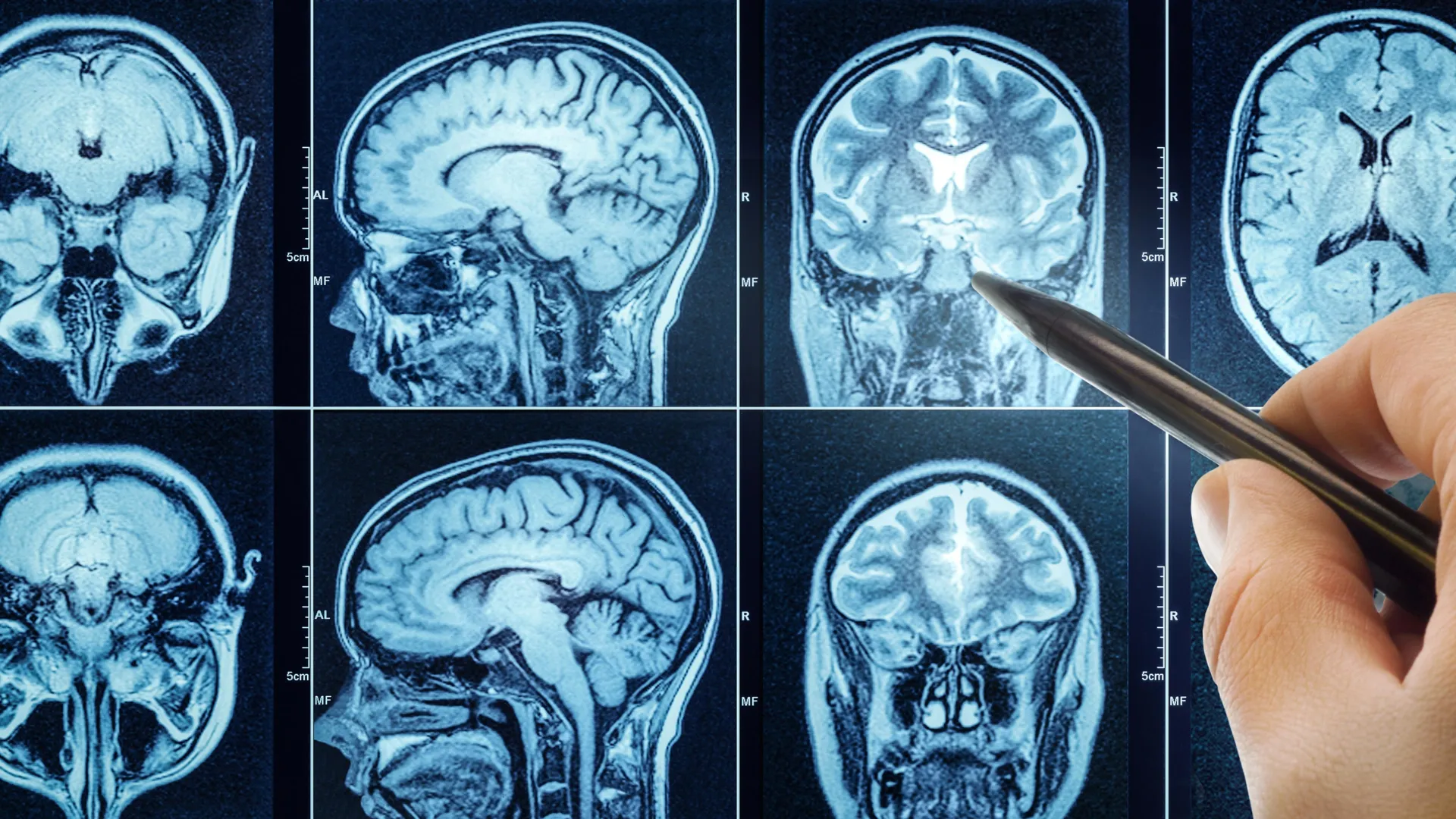
The study includes 27,500 middle-aged and older people from the UK Biobank who underwent magnetic resonance imaging (MRI) of the brain. Using machine learning, the researchers estimated the biological age of the brain based on over a thousand brain MRI phenotypes.
Low-grade inflammation
The participants’ sleep quality was scored based on five self-reported factors: chronotype (being a morning/evening person), sleep duration, insomnia, snoring, and daytime sleepiness. They were then divided into three groups: healthy (≥4 points), intermediate (2-3 points), or poor (≤1 point) sleep.
“The gap between brain age and chronological age widened by about six months for every 1-point decrease in healthy sleep score,” explains Abigail Dove, researcher at the Department of Neurobiology, Care Sciences and Society, Karolinska Institutet, who led the study. “People with poor sleep had brains that appeared on average one year older than their actual age.”
To understand how poor sleep can affect the brain, the researchers also examined levels of low-grade inflammation in the body. They found that inflammation could explain just over ten per cent of the link between poor sleep and older brain age.

“Our findings provide evidence that poor sleep may contribute to accelerated brain aging and point to inflammation as one of the underlying mechanisms,” says Abigail Dove. “Since sleep is modifiable, it may be possible to prevent accelerated brain aging and perhaps even cognitive decline through healthier sleep.”
Several possible explanations
Other possible mechanisms that could explain the association are negative effects on the brain’s waste clearance system, which is active mainly during sleep, or that poor sleep affects cardiovascular health, which in turn can have a negative impact on the brain.
Participants in the UK Biobank are healthier than the general UK population, which could limit the generalisability of the findings. Another limitation of the study is that the results are based on self-reported sleep.
The study was conducted in collaboration with researchers from the Swedish School of Sport and Health Sciences, and Tianjin Medical University and Sichuan University in China, among others. It was funded by the Alzheimer’s Foundation, the Dementia Foundation, the Swedish Research Council, the Loo and Hans Osterman Foundation for Medical Research, and the Knowledge Foundation. The researchers report no conflicts of interest.

Read more →

A single dose of psilocybin may rewire the brain for lasting relief

Researchers at Penn Medicine have identified specific brain circuits that are impacted by psilocybin — the active compound found in some psychedelic mushrooms — which could lead to new paths forward for pain and mental health management options. Chronic pain affects more than 1.5 billion people worldwide and is often deeply entangled with depression and anxiety, creating a vicious cycle that amplifies suffering and impairs quality of life. The study from the Perelman School of Medicine at the University of Pennsylvania- published today in Nature Neuroscience- offers new insight into ways to disrupt this cycle.
“As an anesthesiologist, I frequently care for people undergoing surgery who suffer from both chronic pain and depression. In many cases, they’re not sure which condition came first, but often, one makes the other worse,” said Joseph Cichon, MD, PhD, an assistant professor of Anesthesiology and Critical Care at Penn and senior author of the study. “This new study offers hope. These findings open the door to developing new, non-opioid, non-addictive therapies as psilocybin and related psychedelics are not considered addictive.”
Targeting the Brain’s Pain and Mood Hub
In studies using mice with chronic nerve injury and inflammatory pain, researchers found that a single dose of psilocybin reduced both pain and pain-induced anxiety and depression-like behaviors, with those benefits lasting almost two weeks. Psilocybin acts by gently activating specific brain signals, called serotonin receptors (5-HT2A and 5-HT1A). “Unlike other drugs that fully turn these signals on or off, psilocybin acts more like a dimmer switch, turning it to just the right level,” said Cichon.
To pinpoint where the effects originated, researchers injected psilocin — the active substance into which the body converts psilocybin — into different regions of the central nervous system. The team used advanced fluorescent microscopy, a technique that uses glowing dyes to see and capture neuronal activity, to see chronic pain neurons spontaneously firing. When psilocin was injected directly into the prefrontal cortex of the brain, specifically the anterior cingulate cortex (ACC), a part of the brain that processes pain and emotions, it provided the same pain relief and mood improvements as when psilocybin was given to the whole body.
Researchers also injected psilocin into the spinal cord, but it didn’t have the same calming effect. “Psilocybin may offer meaningful relief for patients by bypassing the site of injury altogether and instead modulating brain circuits that process pain, while lifting the ones that help you feel better, giving you relief from both pain and low mood at the same time,” said Cichon.
Results Can Drive Future Psilocybin Research
Researchers believe the findings from this study could also inform therapies for other conditions involving dysregulated brain circuits, such as addiction or post-traumatic stress disorder. Cichon adds that more research is needed to determine the effectiveness of psilocybin. “In my anesthesiology practice, I often see that both pain and mood symptoms can worsen following surgery due to the physiological and psychological stress imposed by the procedure. While psilocybin shows promise as a treatment for both pain and depression, it remains uncertain whether such therapies would be safe, effective, or feasible in the context of surgery and anesthesia,” adds Cichon. The Penn team plans to investigate optimal dosing strategies, long-term effects, and the ability of the brain to re-wire itself in sustaining these benefits in rodent models. “While these findings are encouraging, we don’t know how long-lived psilocybin’s effects are or how multiple doses might be needed to adjust brain pathways involved in chronic pain for a longer lasting solution,” adds Stephen Wisser, co-author and a Penn Neuroscience PhD student in Cichon’s lab.
The study was funded by the National Institutes of Health (R35GM151160-01) and the American Society of Regional Anesthesia and Pain Medicine (ASRA) Chronic Pain Medicine Research Award.

Read more →

‘Years of unnecessary chemotherapy stole my youth’

3 hours agoShareSaveDavid LumbWest MidlandsShareSaveBBCA brain cancer patient who says he was prescribed chemotherapy tablets for 16 years, even though NHS guidelines say they should only be taken for six months, has said he feels his youth was stolen from him. Jonathan Jones was diagnosed with anaplastic astrocytoma in 2007 when he was 17 and took temozolomide tablets until November 2023, when he was 33.Since he has raised his case with lawyers, more than 30 other brain cancer patients at University Hospitals Coventry and Warwickshire (UHCW) have raised similar concerns. The NHS trust said it was committed to providing the safest possible care and had commissioned an independent inquiry.Prof Ian Brown, the oncologist who oversaw Mr Jones’s care, is being investigated by the General Medical Council (GMC). The BBC has attempted to contact the retired professor several times.Mr Jones, now aged 36, said: “I lost my freedom, I couldn’t do anything at the time. I had 16, 17 years taken away from me.”The landscape gardener from Lichfield, Staffordshire, said he had had dental problems, joint pain and anxiety issues since being diagnosed.’If you don’t carry on, you’ll die’Talking about the impact on his life, he said: “I was off [work] every single month for seven days and I couldn’t get employed, so financially that was a problem.”The pain I suffered at home… I’d stay in bed, I’d have panic attacks. Sickness, tiredness. I didn’t really go out much.”It caused a lot of stress for my family as well.” Mr Jones was told he would need to stay on his tablets to stay alive, and when he questioned the treatment, he said the reply was: “Do you want to die? If you don’t carry on taking the chemo, you’ll die.”Guidelines say temozolomide should be taken post radiotherapy for a maximum of six cycles. This is usually over six months.There are a wide range of side effects associated with temozolomide including muscle weakness, memory issues and, in rare cases, secondary cancers and liver damage.Another patient, Samantha Smith from Bromsgrove, Worcestershire, says she took temozolomide for six-and-a-half years while under the direction of Prof Brown at UHCW.She said she had suffered from teeth and gum decay, mobility issues and chronic fatigue.Ms Smith said: “You never expect anybody to turn around and say to you ‘by the way, you’ve had too much’.”I get a lot more lethargic now. I can’t move as much as I used to… it’s difficult now to walk downstairs on my own. I fall a lot.”Law firm Brabners says it has obtained data, using Freedom of Information requests that shows UHCW spent more than £3.6m on temozolomide between 2009 and 2024 – more than 10 times that of comparable NHS hospitals.In a statement, UHCW said: “The Trust is committed to providing the safest possible care.”We have comprehensively reviewed and spoken to all individuals who were receiving temozolomide (TMZ) treatment at the end of 2023 to ensure appropriate support and care plans are in place.”It added: “A high-grade brain tumour is an extremely complex condition and all modes of treatment – surgery, chemotherapy and radiotherapy – carry the risk of complications and side effects.”National Institute for Health and Care Excellence guidelines recognise that clinicians can exercise professional judgement appropriate to individual circumstances when offering treatment to patients.”We have commissioned the Royal College of Physicians to conduct an independent review of a representative cohort of patients who received greater than 12 cycles of adjuvant TMZ between 2017 and 2023.”As this process is ongoing, it would be inappropriate to comment further at this stage.”A statement from the GMC said: “Dr Ian Brown is currently registered with a licence to practise but with interim conditions on his registration pending the conclusion of a GMC investigation. “The interim restrictions were first imposed on Dr Brown’s practice on 23 August 2024.”More on this storyRelated internet links

Read more →

Heart surgeon’s failures contributed to multiple deaths

12 minutes agoShareSaveMichael Buchanan, Social affairs correspondent and Adam EleyShareSaveLinkedInSeven people have died following multiple failures by a heart surgeon who continues to work for the NHS, the BBC has learned.An NHS investigation found problems in Karen Booth’s cases included clinical errors, carrying out operations she wasn’t skilled or experienced enough to perform and not calling for help when she should have.Serious concerns about Ms Booth’s performance at the Freeman Hospital in Newcastle were first raised by her colleagues in 2018 – but the hospital did not launch an investigation until 2021. Ms Booth is currently working as a mentor to other surgeons at the Freeman, which plans to allow her to resume her surgical career shortly.Karen Booth “should never [again] practise as a surgeon”, said the family of one man who died after being operated on by her.The Newcastle upon Tyne Hospitals NHS Foundation Trust, which runs the Freeman, did not respond to most of the questions put to it by the BBC, including why it thought it appropriate to let Ms Booth resume her surgical career.The trust did however point to a problematic working culture in the cardiac unit at the time of the failures, while internal reports have criticised poor governance procedures and a reluctance from senior staff to take responsibility over safety concerns.Ms Booth, a heart and transplant surgeon, did not respond to any of the BBC’s questions. The hospital told the BBC that the General Medical Council (GMC), the UK’s regulator for doctors, is investigating Ms Booth but there are currently no restrictions on her practice.Concerns over Karen Booth’s record have been laid bare through emails and documents sent by her surgical colleagues – seen by the BBC – as well as reports the Freeman commissioned and the transcripts of meetings that senior clinicians from the hospital attended. All the information was passed to the BBC by families impacted by operations performed by Ms Booth.’Seven dead, one significantly harmed’Ian Philip, a construction worker from Blyth, Northumberland, died after an operation led by Karen Booth in March 2021 to try to repair problems with his heart valves.Ms Booth had planned to carry out a complex type of heart operation called an Ozaki procedure, that very few surgeons in the UK are skilled enough to perform.The surgery was approved by the hospital solely for use in children and young adults, the BBC understands, though Ms Booth had permission to offer the procedure for patients with aortic valve disease.The procedure had not been discussed among the surgical team prior to the operation, according to the hospital’s communications with the family.Once in surgery, Ms Booth and her colleague discovered a complication and decided against using the Ozaki procedure, instead choosing to repair a tear. A serious incident report found that this was “good practice” in the circumstances.But further complications arose and the surgeons then failed to carry out a graft bypass, an operation the hospital later told his family was a “bread and butter” procedure that would have made Ian’s survival “much more likely”.Mr Philip, described as a loving man by his family, was admitted to intensive care and placed on life support. He died six days later, aged 54.Months later, an inquest was held into his death, but the coroner did not know that an internal investigation into Ms Booth was under way at the same time.She gave evidence and told the coroner that she had done “the best I could”. The coroner went on to conclude that Mr Philip’s death was due to “an unusual and complex set of circumstances [which] conspired together,” and that Ms Booth “had an excellent CV”.It would take over a year and a half for the hospital to let Mr Philip’s family know that the outcome could have been different, had a surgeon with the correct specialism been alongside Ms Booth in the operating theatre.The Freeman did not respond to questions about how Ms Booth had come to be granted permission to use the Ozaki procedure, which she had used about 40 times in total. Internal analysis published by the hospital found that “there was no clear governance process for maintaining oversight of newly approved procedures”.In late 2022, Mr Philip’s family were brought into the hospital and told they were one of eight families being contacted over failures by Ms Booth – seven in relation to patients that died, and one surviving patient who had experienced significant harm.”The scale of what had gone on – we would never even begin to fathom what had happened,” Mr Philip’s son, Liam, told the BBC.”We couldn’t process it at the time. We walked out of there bewildered.”‘Enthusiastic surgeon – inadequate insight’ The Freeman’s investigation into Karen Booth had been ordered in May 2021 – two months after Mr Philip’s death – by Angus Vincent, a newly appointed associate medical director, after staff had approached him with their concerns about Ms Booth. The investigation looked into 22 of her cases, the BBC understands.It found that a number of failures by Ms Booth had contributed to her poor outcomes. As well as surgical errors, she was found to have had poor insight into her own levels of competence, partly through being inexperienced, and that she had failed to seek help from more senior colleagues.The investigation could not determine why Ms Booth had taken on such complicated cases, although it described her as “an enthusiastic surgeon with inadequate insight into her skills and experience.” Added to that, said the investigators, was likely to be the department’s complex caseload and an inadequate multi-disciplinary team (MDT) process – in which clinicians should come together prior to surgery to discuss the best options for patients.A spokesperson for the Freeman would only confirm to the BBC that an investigation had taken place “focused on the practice of one consultant surgeon” and that eight patients “came to avoidable harm due to unexpected or unintended events during complex high-risk surgery”.At the same time as the investigation into Karen Booth was taking place, a separate report into the culture of the cardiac unit by the Royal College of Surgeons (RCS), commissioned by the hospital, found bullying-type behaviours had been prevalent in the cardiac unit.In a BBC interview about the RCS report in 2021, Mr Vincent – who was speaking on behalf of the hospital – said that “no patients had been harmed” due to the poor culture, despite by this time knowing of Ms Booth’s failures.We asked the Freeman if the trust still stood by the remarks Mr Vincent had made – it didn’t respond.At their meeting with Mr Philip’s family in 2022, the hospital said Ms Booth’s relationship with theatre staff was “excellent” and no concerns regarding bullying had been identified.’Worries from every single surgeon’Astonished by what she had learned at the hospital meeting, Mr Philip’s widow, Melissa Cockburn, posted a message on social media asking other families who had been contacted by the Freeman to get in touch.Instead, two members of staff from the hospital’s cardiac unit made contact and began to share a series of emails which showed Ms Booth’s colleagues had been trying to raise the alarm about her since 2018 – almost three years before Mr Philips had died.One of the emails shared with Ms Cockburn included figures from a departmental mortality audit. These showed that in a unit of seven cardiac surgeons, eight of the 17 deaths between January and August 2018 had been Ms Booth’s patients.The email had been sent to Andrew Welch – the Freeman’s medical director between 2013 and 2024 – and said: “These figures are clearly a worry.”Another email to a separate clinical manager said: “There are worries from every single surgeon that she [Karen Booth] is taking on cases beyond her ability, expertise and experience,” citing “deaths and major complications”. The email said the surgeons nevertheless “all want to support her” and “make her a success”.But the hospital failed to investigate, surgeons later claimed, or suspend her from practice.Ms Cockburn told the BBC that “if these concerns had been listened to in 2018, a lot of people would still be alive today”.Three years later, in 2021, the surgeons wrote to associate medical director Angus Vincent, sparking the investigation, saying they felt that “personal friendships and close associations had contributed significantly to the ignoring of concerns”.The hospital did not respond when asked what steps it had taken to ensure the safety of patients during this time. Mr Welch, who now works for the trust in a different role, declined to comment to the BBC.Poor working cultureAt one point, Ms Booth seemed to recognise her own failings, writing in an email to a colleague in September 2018 that “I have been far too brave and gone outside comfort zones in the last 6 months”, adding she had been told that “I need to develop broad shoulders but it certainly isn’t easy!”In 2022, she highlighted the department’s poor working culture when questioned about Mr Philip’s death. She told the authors of the serious incident report into his death that she “felt unsupported by the rest of [her] colleagues and that support was sometimes difficult to muster”. The report found “significant tensions” in the cardiac unit meant there was no discussion of additional support from a more experienced surgeon.After the internal Freeman investigation, Booth was reported to the GMC in 2022, which initially put restrictions on her practice, before lifting them in early 2024. The GMC would not comment on any aspect of its investigation.

Read more →

‘Since having Covid my life has completely changed’

2 October 2025ShareSaveJamie MorrisSouth of EnglandShareSaveGetty ImagesA teenager from Dorset has told the Covid-19 inquiry her ongoing symptoms often leave her feeling “left out”.The inquiry hopes to understand the ongoing impact of the pandemic and is expected to last four weeks.Some witnesses described having to stay at home and miss school because of living with vulnerable family membersOthers, like 16-year-old Molly from Weymouth, said they were still experiencing symptoms of Long Covid, where the infection’s symptoms continue for more than 12 weeks.Before being diagnosed, Molly said she used to be “really active and sporty”.”Now I live with on-going symptoms that stop me from doing the things that most teenagers can,” she said.Molly spent long periods in hospital and said she was forced to miss out on most of her secondary education. “I often feel left out because my friends have moved on and I can’t keep up.”Getty ImagesMolly said she thought it was “very important” that children and young people gave evidence to the inquiry.”Too often children like me have felt abandoned and failed, our struggles minimised and ignored,” she said.”I want people to understand how much this has affected young people too… and children like me won’t be overlooked in the future.”Sammie McFarland, from Weymouth, is the CEO and co-founder of Long Covid Kids, which represents more than 11,000 families in the UK. She said she hoped to see “rock-solid action” from the government, as well as “a formal apology to children and young people who have been completely and utterly overlooked”.The government has said it is committed to learning lessons from the inquiry. Lana was 14 when the pandemic hit and had to shield for two years because her mother was, and still is, high-risk. She gave her account of missing out on learning and education, as well as spending time with friends, to the inquiry in London this week.Sarah Steven, who is a member of the Clinically Vulnerable Families, shared Lana’s account on BBC Radio Solent.She said: “The impacts on these kids and these families is still ongoing to this day and at the moment there doesn’t seem to be any end in sight.”We really need the inquiry to pick apart these issue for us.”The session looking into the impact on children and young people is expected to last four weeks.

Read more →

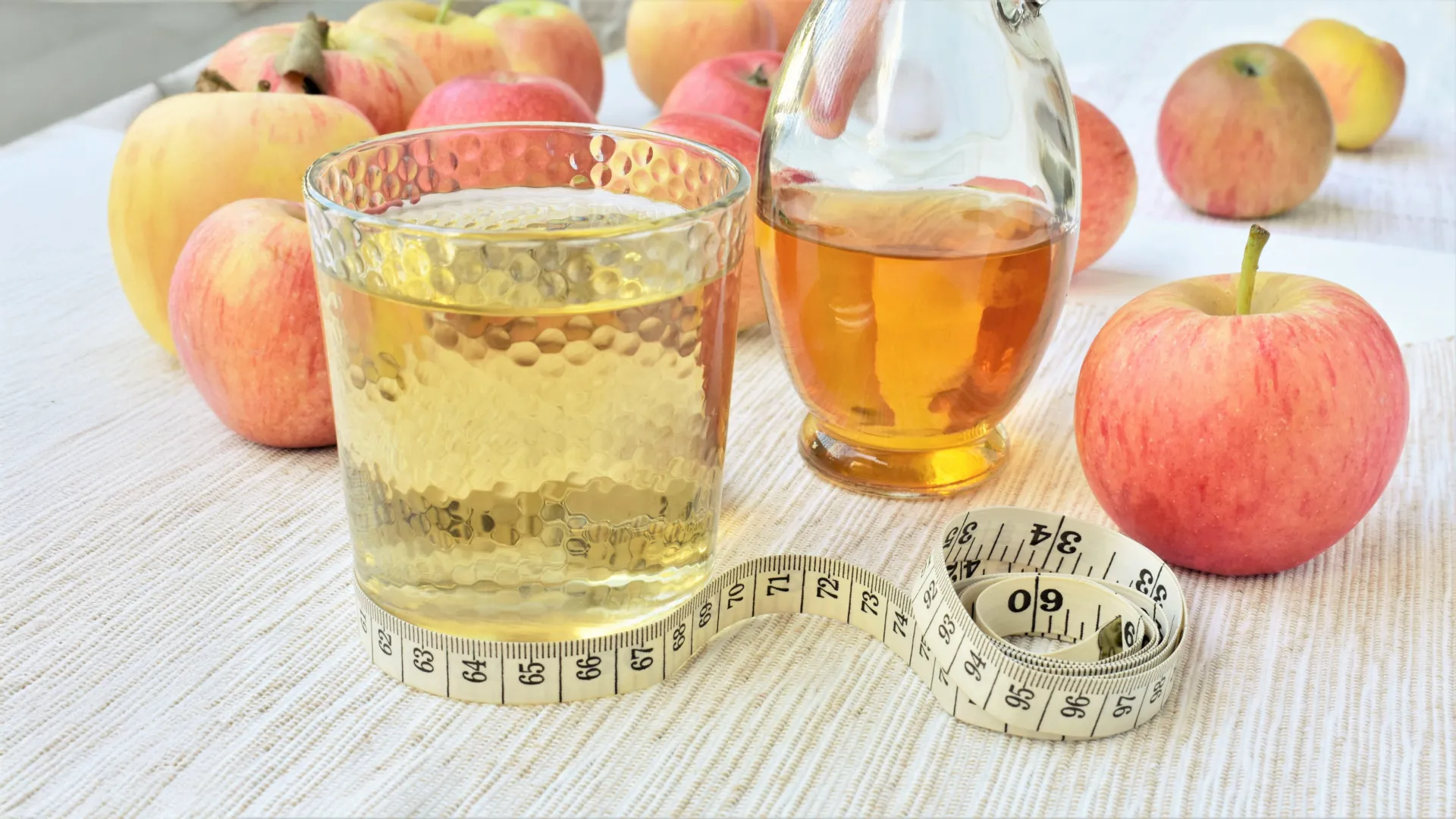
Viral apple cider vinegar weight loss study retracted for flawed science

BMJ Group has retracted research suggesting that small daily quantities of apple cider vinegar might help people who are overweight or obese to lose weight.
The small clinical trial was published in the open access journal BMJ Nutrition, Prevention & Health in March 2024 and its findings press released. The study findings generated widespread international attention at the time, and continue to be frequently referred to in media coverage.
The retraction was prompted by concerns raised about the quality of the work, including the approach to statistical analysis of the data; implausible statistical values; the reliability of the raw data; inadequate reporting of methods; and lack of prospective trial registration, which breaches BMJ Group’s editorial policy.
Initially, concerns were raised in critiques of the study, some of which were published as letters in the journal. But after review by BMJ Group’s content integrity team, the study was referred to statistical experts to evaluate its reliability. This included attempts to replicate the results and examine the authenticity of the underlying data supplied by the authors.
It wasn’t possible for the statisticians to replicate the results and multiple analytical errors were identified. There were also irregularities in the data set, and their report, which is appended to the retraction notice, concluded that the data collected from each participant would require further independent scrutiny.
The authors said that the identified errors were honest mistakes, but they agree with the decision to retract the study.
Dr Helen Macdonald, Publication Ethics and Content Integrity Editor at BMJ Group, said: “Tempting though it is to alert readers to an ostensibly simple and apparently helpful weight loss aid, at present the results of the study are unreliable, and journalists and others should no longer reference or use the results of this study in any future reporting.”
She added: “This retraction reflects our strategic and proactive approach to investigating concerns raised about the content we publish. We act where necessary in the interests of openness and the importance of correcting the scientific record.

“While we deal with allegations as swiftly as possible, it’s very important that due process is followed. Investigations are often complex. This one involved detailed scrutiny of data and correspondence with researchers, institutions, and other experts, for example. Reaching a sound and fair and final decision can therefore take several months.”
Commenting on the decision to publish the study despite the lack of trial registration, Professor Martin Kohlmeier, editor in chief of BMJ Nutrition Prevention & Health, explained: “In hindsight, this was the wrong decision to make. But the authors come from a scientific environment that is underrepresented in nutritional research and the journal aims to prioritise high quality evidence, which usually comes from clinical trials.
“These are relatively unusual in nutritional research as they can be challenging to undertake because of the numbers of participants and time needed to obtain meaningful results.”

Read more →

A common supplement could supercharge cancer treatments

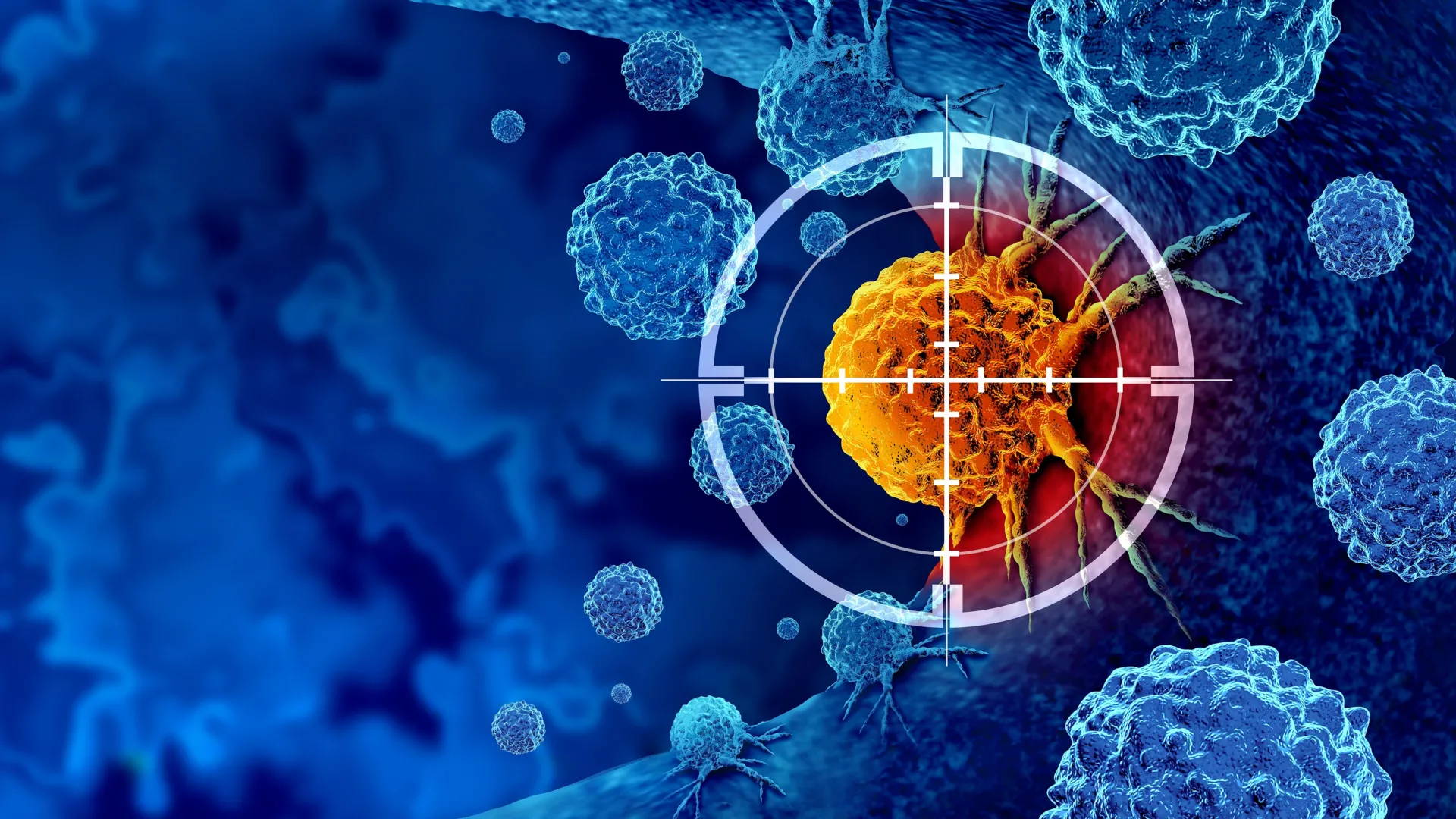
In a new study, researchers from the University of Chicago discovered that zeaxanthin, a plant-derived carotenoid best known for protecting vision, may also act as an immune-boosting compound by strengthening the cancer-fighting activity of immune cells. The findings, which were published in Cell Reports Medicine, highlight the potential of zeaxanthin as a widely available supplement to improve the effectiveness of cancer immunotherapies.
“We were surprised to find that zeaxanthin, already known for its role in eye health, has a completely new function in boosting anti-tumor immunity,” said Jing Chen, PhD, Janet Davison Rowley Distinguished Service Professor of Medicine and senior author of the study. “Our study show that a simple dietary nutrient could complement and strengthen advanced cancer treatments like immunotherapy.”
How does this nutrient work?
The study builds on years of work by Chen’s lab to better understand how nutrients influence the immune system. By screening a large blood nutrient library, the team identified zeaxanthin as a compound that directly enhances the activity of CD8+ T cells, a crucial type of immune cell that kills tumor cells. These cells rely on a molecular structure called the T-cell receptor (TCR) to recognize and destroy abnormal cells.
The researchers found that zeaxanthin stabilizes and strengthens the formation of TCR complex on CD8+ T cells upon interacting with the cancer cells. This, in turn, triggers more robust intracellular signaling that boosts T-cell activation, cytokine production, and tumor-killing capacity.
Zeaxanthin improves immunotherapy effects
In mouse models, dietary supplementation with zeaxanthin slowed tumor growth. Importantly, when combined with immune checkpoint inhibitors – a type of immunotherapy that has transformed cancer treatment in recent years – zeaxanthin significantly enhanced anti-tumor effects compared to immunotherapy alone.

To extend the findings, the researchers tested human T cells engineered to recognize specific tumor antigens and found that zeaxanthin treatment improved these cells’ ability to kill melanoma, multiple myeloma, and glioblastoma cells in laboratory experiments.
“Our data show that zeaxanthin improves both natural and engineered T-cell responses, which suggests high translational potential for patients undergoing immunotherapies,” Chen said.
A safe and accessible candidate
Zeaxanthin is sold as an over-the-counter supplement for eye health, and is naturally found in vegetables like orange peppers, spinach, and kale. It’s inexpensive, widely available, well-tolerated and, most importantly, its safety profile is known – which means it can be safely tested as an adjunct to cancer therapies.
The study also reinforces the importance of a balanced diet. In their previous research, Chen’s group discovered that trans-vaccenic acid (TVA), a fatty acid derived from dairy and meat, also boosts T-cell activity – but through a different mechanism. Together, the findings suggest that nutrients from both plant and animal sources may provide complementary benefits to immune health.
Clinical applications of zeaxanthin
Although the results are promising, the researchers emphasize that the work is still at an early stage. Most of the findings come from laboratory experiments and animal studies. Thus, clinical trials will be needed to determine whether zeaxanthin supplements can improve outcomes for cancer patients.

“Our findings open a new field of nutritional immunology that looks at how specific dietary components interact with the immune system at the molecular level,” Chen said. “With more research, we may discover natural compounds that make today’s cancer therapies more effective and accessible.”
The study, “Zeaxanthin augments CD8+ effector T cell function and immunotherapy efficacy,” was supported by grants from the National Institutes of Health, the Ludwig Center at the University of Chicago, and the Harborview Foundation Gift Fund.
Additional authors include Freya Zhang, Jiacheng Li, Rukang Zhang, Jiayi Tu, Zhicheng Xie, Takemasa Tsuji, Hardik Shah, Matthew Ross, Ruitu Lyu, Junko Matsuzaki, Anna Tabor, Kelly Xue, Chunzhao Yin, Hamed R. Youshanlouei, Syed Shah, Michael W. Drazer, Yu-Ying He, Marc Bissonnette, Jun Huang, Chuan He, Kunle Odunsi, and Hao Fan from the University of Chicago; Fatima Choudhry from DePaul University, Chicago; Yuancheng Li and Hui Mao from Emory University School of Medicine, Atlanta; Lei Dong from University of Texas Southwestern Medical Center, Dallas; and Rui Su from Beckman Research Institute, City of Hope, Duarte, CA.

Read more →