College to offer free medical degrees after $1bn gift

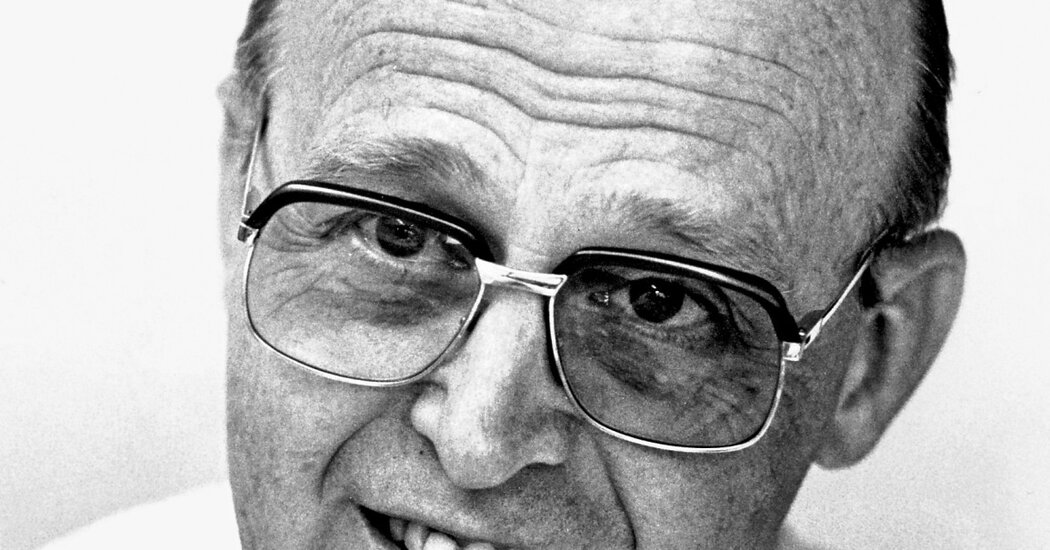
Published14 hours agoShareclose panelShare pageCopy linkAbout sharingThis video can not be playedTo play this video you need to enable JavaScript in your browser.By Bernd Debusmann JrBBC News, WashingtonA New York City medical school will offer students free tuition following a $1bn donation from the 93-year-old widow of a major Wall Street investor. The gift to Albert Einstein College of Medicine came from Dr Ruth Gottesman, a former professor at the Bronx school. It is one of the largest ever donations made to a US school and is the largest ever made to a medical school. The Bronx, New York City’s poorest borough, is ranked as the unhealthiest of New York state’s 62 counties. In a statement, university dean Dr Yaron Yomer said that the “transformational” gift “radically revolutionises our ability to continue attracting students who are committed to our mission, not just those who can afford it”. Tuition at the school is nearly $59,000 (£46,500) each year, leaving students with substantial debt.The statement from Einstein noted students in their final year will be reimbursed for their spring 2024 tuition, and from August, all students, including those who are currently enrolled, will receive free tuition. The donation “will free up and lift our students, enabling them to pursue projects and ideas that might otherwise be prohibitive”, Dr Yomer added. Dr Gottesman, now 93, began working at the school in 1968. She studied learning disabilities, ran literacy programmes and developed widely used screening and evaluation protocols.Her late husband, David “Sandy” Gottesman, founded a prominent investment house and was an early investor in Berkshire Hathaway, Warren Buffet’s multinational conglomerate. He died in September 2022 at the age of 96. Dr Gottesman said in a statement that the doctors who train at Einstein go on to “provide the finest healthcare to communities here in the Bronx and all over the world”.”I am very thankful to my late husband, Sandy, for leaving these funds in my care, and l feel blessed to be given the great privilege of making this gift to such a worthy cause,” she added.About 50% of Einstein’s first-year students are from New York, and approximately 60% are women. Statistics published by the school show that about 48% of its medical students are white, while 29% are Asian, 11% are Hispanic and 5% are black. In an interview with the New York Times, she recalled that her late husband had left her a “whole portfolio of Berkshire Hathaway stock” when he died with the instructions to “do whatever you think is right with it”. “I wanted to fund students at Einstein so that they would receive free tuition,” Dr Gottesman said she immediately realised. “There was enough money to do that in perpetuity.” She added that she occasionally wonders what her husband would have thought of the donation.”I hope he’s smiling and not frowning,” she said. “He gave me the opportunity to do this, and I think he would be happy – I hope so.” More on this storyCalling out the racism in medical trainingPublished17 August 2020Covid study: mRNA vaccines could be fine-tunedPublished6 December 2023Free tuition for all NYU medical studentsPublished17 August 2018

Read more →

‘Hexaplex’ vaccine aims to boost flu protection

Recombinant protein vaccines, like the Novavax vaccine used to fight COVID-19, offer several advantages over conventional vaccines.
They’re easy to precisely produce. They’re safe, and potentially more effective. And they could require smaller doses.
Because of these traits, there is much interest in developing recombinant influenza vaccines. To date, however, the Food and Drug Administration has approved only one such vaccine.
A University at Bufalo-led research team hopes to add to that number. It is developing a new recombinant flu vaccine — described in a study published today in the journal Cell Reports Medicine — that has the potential to compete with existing vaccines.
“Because of the variable nature of the viruses that cause influenza, current vaccines are not optimally effective among the overall population. We believe our vaccine candidate has the potential to improve upon this by inducing stronger and broader immunity, and reducing the likelihood of illness and death,” says study senior co-author, Jonathan Lovell, PhD, SUNY Empire Innovation Professor in the Department of Biomedical Engineering at UB.
Conventional flu vaccines contain either deactivated microbes that cause influenza, or they are based on weakened forms of the disease. They are made using fertilized chicken eggs or, less commonly, through cell culture-based production.
The vaccine the UB-led team is developing is based on a nanoliposome — a tiny spherical sac — that Lovell and colleagues created called cobalt-porphyrin-phospholipid, or CoPoP. The CoPoP platform enables immune response promoting proteins to be displayed on the surface of the nanoliposome, resulting in potent vaccine efficacy.

(While not part of this study, the CoPoP vaccine platform underwent phase 2 and phase 3 clinical trials in South Korea and the Philippines as a COVID-19 vaccine candidate. This is a partnership between UB spinoff company POP Biotechnologies, co-founded by Lovell, and South Korean biotech company EuBiologics.)
Alone, these nanoliposomes do not fight disease. But when combined with recombinant influenza proteins that can be generated based on genetic information from viruses, they enhance the immune system’s response to disease.
In the new study, the team attached to the nanoliposome a total of six proteins — three each from two different protein groups, hemagglutinins and neuraminidases. The team also added two adjuvants (PHAD and QS21) to boost immune response.
Researchers evaluated the resulting “hexaplex” nanoliposome in animal models with three common flu strains: H1N1, H3N2 and type B.
Even when administered in low doses, the hexaplex nanoliposome provided superior protection and survival from H1 and N1 when compared to Flublok, which is the sole licensed recombinant influenza vaccine in the U.S., and Fluaid, an egg-based vaccine. Tests showed comparable levels of protection against H3N2 and type B viruses.
The tests were performed via vaccination and through blood serum transfer from vaccinated mice into non-vaccinated mice.

“The combination of the two groups of proteins led to synergistic effects. In particular, the adjuvanted nanoliposomes excelled in the production of functional antibodies and the activation of T cells, which are critical to fighting off serious infection of the flu,” says lead author Zachary Sia, a PhD candidate in Lovell’s lab.
Bruce Davidson, PhD, research associate professor of anesthesiology in the Jacobs School of Medicine and Biomedical Sciences at UB, is a senior co-author of the study.
He says “using not only hemagglutinin but also neuraminidase antigens to create vaccines is important because it translates into broader immunity and companies will be able to create more doses with less materials. That’s critical for not only the flu but also potential outbreaks like what we saw with COVID-19. There is still much work to be done in fully testing and validating this flu technology, but at this point these early results are quite promising.”
In addition to UB, study co-authors include scientists from McGill University.
Patents related to this work have been filed with The Research Foundation for the State University of New York. Lovell and study co-author Wei-Chiao Huang, postdoctoral scholar in Lovell’s lab, are employed by POP Biotechnologies.
The study was funded, in part, by the National Institutes of Health.

Read more →

Yoga provides unique cognitive benefits to older women at risk of Alzheimer’s disease

A new UCLA Health study found Kundalini yoga provided several benefits to cognition and memory for older women at risk of developing Alzheimer’s disease including restoring neural pathways, preventing brain matter decline and reversing aging and inflammation-associated biomarkers — improvements not seen in a group who received standard memory training exercises.
The findings, published in the journal Translational Psychiatry, are the latest in a series of studies led by UCLA Health researchers over the past 15 years into the comparative effects of yoga and traditional memory enhancement training on slowing cognitive decline and addressing other risk factors of dementia.
Led by UCLA Health psychiatrist Dr. Helen Lavretsky of the Jane and Terry Semel Institute for Neuroscience and Human Behavior, this latest study sought to determine whether Kundalini yoga could be used early on to prevent cognitive decline and trajectories of Alzheimer’s disease among postmenopausal women.
Women have about twice the risk of developing Alzheimer’s disease compared to men due to several factors including longer life expectancy, changes in estrogen levels during menopause and genetics.
In the new study, a group of more than 60 women ages 50 and older who had self-reported memory issues and cerebrovascular risk factors were recruited from a UCLA cardiology clinic. The women were divided evenly into two groups. The first group participated in weekly Kundalini yoga sessions for 12 weeks while the other one group underwent weekly memory enhancement training during the same time period. Participants were also provided daily homework assignments.
Kundalini yoga is a method that focuses on meditation and breath work more so than physical poses. Memory enhancement training developed by the UCLA Longevity center includes a variety of exercises, such as using stories to remember items on a list or organizing items on a grocery list, to help preserve or improve long-term memory of patients.
Researchers assessed the women’s cognition, subjective memory, depression and anxiety after the first 12 weeks and again 12 weeks later to determine how stable any improvements were. Blood samples were also taken to test for gene expression of aging markers and for molecules associated with inflammation, which are contributing factors to Alzheimer’s disease. A handful of patients were also assessed with MRIs to study changes in brain matter.

Researchers found the Kundalini yoga group participants saw several improvements not experienced by the memory enhancement training group. These included significant improvement in subjective memory complaints, prevention in brain matter declines, increased connectivity in the hippocampus which manages stress-related memories, and improvement in the peripheral cytokines and gene expression of anti-inflammatory and anti-aging molecules.
“That is what yoga is good for — to reduce stress, to improve brain health, subjective memory performance and reduce inflammation and improve neuroplasticity,” Lavretsky said.
Among the memory enhancement training group, the main improvements were found to be in the participants’ long-term memory.
Neither group saw changes in anxiety, depression, stress or resilience, though Lavretsky stated this is likely because the participants were relatively healthy and were not depressed.
While the long-term effects of Kundalini yoga on preventing or delaying Alzheimer’s disease require further study, Lavretsky said the study demonstrates that using yoga and memory training in tandem could provide more comprehensive benefits to the cognition of older women.
“Ideally, people should do both because they do train different parts of the brain and have different overall health effects,” Lavretsky said. “Yoga has this anti-inflammatory, stress-reducing, anti-aging neuroplastic brain effect which would be complementary to memory training.”

Read more →

Can they hear you now? Kids increasingly exposed to noise health risks via earbuds and headphones

While it’s not surprising to spot teens wearing headphones and earbuds, it’s also becoming a widespread trend among younger children, a national poll suggests.
Two in three parents say their child ages 5-12 uses personal audio devices, with half of parents of children ages 5-8 reporting elementary-aged kids use a device.
Among parents whose children use headphones and earbuds, half say kids spend at least an hour a day using them while one in six say a typical day for their child includes at least two hours of use, according to the University of Michigan Health C.S. Mott Children’s Hospital National Poll on Children’s Health.
“Over recent years we’ve mostly been concerned about teens overusing audio devices. But earbuds have become increasingly popular and prevalent among younger kids, exposing them to more intense noise on a regular basis,” said Susan Woolford, M.D., M.P.H., Mott pediatrician and co-director of the Mott poll.
“Noise exposure risks to young children have historically involved loud singular events like concerts or fireworks, but parents may underestimate the potential harm from excessive use of listening devices. It may be difficult to know whether their child’s exposure to noise is healthy.”
Children are most likely to use these devices at home, school and in the car, report findings show. About a fourth of parents also say children occasionally use audio devices on airplanes while less than 10% say kids use them on the bus, outside or in bed.
Half of parents agree that headphones or earbuds help keep their child entertained.

The American Academy of Pediatrics released a statement in 2023 on the need to reduce noise risks to children, with increasing evidence that children and teens may be more exposed through personal listening devices.
Prolonged or extreme exposure to high volumes of noise can result in long term health issues, including hearing loss or tinnitus, Woolford says.
“Young children are more vulnerable to potential harm from noise exposure because their auditory systems are still developing. Their ear canals are also smaller than adults, intensifying perceived sound levels,” Woolford said.
“Tiny hair cells inside the inner ear pick up sound waves to help you hear. When these get damaged or die, hearing loss is irreversible.”
Noise exposure among children can also affect their sleep, academic learning, language, stress levels and even blood pressure, she adds.
More parents of children aged 9-12 years than 5-8 years report their child uses headphones or earbuds and daily use was also more likely to be higher among the older age group, the poll suggests.

But only half of parents share they’ve tried to limit their child’s audio device usage, citing strategies such as asking the child to take a break, having set hours for use and using a timer.
Parents whose child uses headphones for more than two hours a day are also less likely to set time or volume limits, compared to parents who report less headphone use for their child.
Woolford offers four tips to reduce risks of noise exposure to children through headphones and earbuds:
Monitor volume levels
Parents can minimize the negative impact of audio device usage by monitoring and adjusting the child’s volume and time on devices, Woolford says.
She recommends parents follow the 60/60 rule — children should be limited to no more than 60 minutes of audio devices a day at no more than 60% of the maximum volume.
The sound level on listening devices that are less than 70 dBA (relative loudness of decibels heard) are very unlikely to cause noise-related damage.
“A good way to tell if an audio device is too loud is if a child wearing headphones can’t hear you when you’re an arm’s length away,” she said.
Parents can also limit their child’s risk by setting specific hours for audio device use or using a timer to keep track.
Use noise cancelling or volume limiting headphones
Parents should consider the risk of noise exposure when purchasing audio devices for their child by checking the information on device packages to identify products that limit the volume.
But some products marketed as “kid safe,” Woolford warns, do not limit the volume to 70 decibels.
However, children should avoid using noise-cancelling listening devices in situations when perception of sounds is crucial for safety.
“Noise-cancelling devices may help prevent children from increasing the volume to levels that are too high,” Woolford said. “But these devices shouldn’t be used when a child is engaged in activities where it’s important to hear their surroundings for their safety, such as walking or bike riding.”
Ensure kids take breaks from personal listening devices
Parents should help children intentionally have daily “device-free” time, Woolford says. This may involve putting away or locking the child’s audio devices when time limits are up.
They may also encourage kids to enjoy things like music on a low volume in their rooms instead of using earbuds to reduce noise intensity.
Personal audio devices should also be avoided when children are sleeping or at bedtime, Woolford says.
Be mindful of early signs of hearing loss
If parents feel their child may be at risk of hearing loss due to using audio devices, Woolford recommends checking with a pediatrician, an audiologist, or an ENT (ear, nose and throat) specialist.
“Early signs of hearing loss may include asking for repetition, hearing ringing noises often, speaking loudly to people nearby, delayed speech, or lack of reaction to loud noises,” Woolford said.
“Healthcare providers may be of assistance to parents by offering a simple explanation about hearing loss to help the child understand the reasons for limiting their use of audio devices.”

Read more →

Poison center calls for ‘magic mushrooms’ spiked after decriminalization, study finds

Calls to U.S. poison centers involving psilocybin, or “magic mushrooms,” among adolescents and young adults rose sharply after several U.S. cities and states began decriminalizing the hallucinogen, University of Virginia School of Medicine researchers have found.
Psilocybin-related calls more than tripled among teens ages 13-19 from 152 to 464 and more than doubled among adults ages 20-25 from 125 to 294 between 2018 and 2022, according to anonymized data gathered from the National Poison Data System. Local and state efforts to decriminalize the possession, use and cultivation of psilocybin began in May 2019. Oregon and Colorado have decriminalized psilocybin, as have several cities, including Washington, D.C., Detroit and Seattle.
By comparison, the number of psilocybin-related calls to poison centers for patients ages 13-25 was largely unchanged between 2013 and 2018, the researchers found.
“It is markedly concerning to me that children are gaining access to these products,” said Christopher Holstege, MD, director of UVA Health’s Blue Ridge Poison Center and chief of the Division of Medical Toxicology at the UVA School of Medicine. “We have limited data on the potential long-term consequences on the developing brains of children when exposed to such compounds that impact the brain’s neurotransmission. We also do not understand fully why some individuals have markedly adverse complications to psilocybin, known as ‘bad trips,’ that can lead to harm to the individual taking or others who may be victims of violent behavior.”
Psilocybin’s Effects
During the 10 years examined in the study, most calls involved intentional consumption of psilocybin (81.1% of calls for ages 13-19 and 78.3% of calls for ages 20-25). Males accounted for about 75% of the calls in both age groups.
Approximately 75% of the youths ages 13-19 and 72% of the young adults required some type of medical attention after being exposed solely to psilocybin. The researchers found that the most common effects of the drug were hallucinations or delusions (36.6% of calls), agitation (27.6%), abnormally fast heart rate (20.2%) and confusion (16%). The powerful psychological effects of psilocybin can, even in moderate doses, cause adverse reactions that can include anxiety, disorientation, fear, grief, paranoia and panic attacks. Psilocybin-induced impairments in judgment and perception can contribute to dangerous behavior, accidents, self-harming and even a risk of suicide. There are reports of deaths from falls or jumps from tall buildings attributed to psilocybin use.

The researchers note that the increase in psilocybin-related calls among young people from 2018-2022 is “particularly alarming” because the hallucinogen’s use is banned for those ages 21 and younger even in cities and states where it has been decriminalized.
“As psilocybin may become more widely available, it is important for parents to be aware that psilocybin is also available in edible forms such as chocolate and gummies,” said Rita Farah, PharmD, MPH, PhD, the Blue Ridge Poison Center epidemiologist. “And we learned from our experience with edible cannabis that young children can mistake edibles for candy.”
If someone has an adverse reaction to psilocybin or any other substance, trained healthcare providers at the Blue Ridge Poison Center are available to help around the clock. Call 800.222.1222 for assistance. Calls are free and confidential.
Findings Published
The researchers have published their findings in the Journal of Adolescent Health. The research team included Farah, Abigail Kerns, Austin Murray, and Holstege.

Read more →

Can hunger be eradicated by 2030?

World hunger is growing at an alarming rate, with prolonged conflicts, climate change, and COVID-19 exacerbating the problem. In 2022, the World Food Programme helped a record 158 million people. On this trajectory, the United Nations’ goal to eradicate hunger by 2030 appears increasingly unattainable. New research at McGill University shines the spotlight on a significant piece of the puzzle: international food assistance.

With no global treaty in place, food aid is guided by a patchwork of international agreements and institutions. Using the concept of a “regime complex,” a study published in the Journal of International Trade Law and Policy examines those rules and the systems that shape them. Rather than create a new entity to solve the problem, the findings point to paradigm shift in the existing systems. Rethinking the dominant discourse among institutions is crucial to work towards zero hunger, posits author Clarisse Delaville, a second-year doctoral student at?McGill’s?Faculty of Law.?
“There are two main regimes that govern global food assistance — the trade regime and the food security regime. I encourage a stronger commitment from both regimes to implement a human-rights based approach, in order to question the prominent discourse on food trade regimes, which paints food assistance as a distortion in trade that ought to be minimized,” says Delaville.

Read more →

Obesity disrupts normal liver function in mice

Your liver plays a vital role in your metabolism, the biological process which converts food into energy. We know that being overweight can negatively affect metabolic activity, but not exactly how. To better understand this, researchers compared the livers of mice which were a typical weight with mice which were obese. They were surprised to find that biological regulation of metabolic activity, after a period of feasting and fasting, was reversed between them. In typical mice, allosteric regulation (the process which controls metabolism) was inhibited during feeding and activated when fasting. However, in obese mice, allosteric regulation increased during feeding and decreased when fasting. Investigating the reasons behind this reversed biological behavior could help health professionals understand how obesity affects the body and the development of disease.
The World Obesity Federation (WOF) estimates that by 2035, over 4 billion people will be overweight or living with obesity. This may lead to a rise in obesity-related health conditions, such as heart disease, nonalcoholic fatty liver disease and Type 2 diabetes. Identifying the causes and effects of obesity, which is now understood to be a complex disease, is key for physicians looking to provide support and help people stay healthy.
One known way that obesity can affect health is by impacting metabolism, the process by which our bodies take in, store and use energy from our food. Certain organs play key roles in this process, notably the liver. Not only is food processed there to provide energy, but it is one of the places where useful products at the end of the metabolic process are stored until we need them. To better understand the effects of obesity on the liver, researchers compared the livers of typical mice and obese mice after periods of feeding and fasting.
The team carried out trans-omics analysis, an approach where they gathered data on five sets of biological processes (multi-omics). They then combined these layers of data with information from biological databases to create a trans-omic network. This gave them an overview of how the different layers interacted. “We constructed a trans-omic network of metabolic reactions in the livers of mice that could feed freely. We then compared this with data we had previously gathered from mice that had fasted for 16 hours,” explained Professor Shinya Kuroda from the Graduate School of Science at the University of Tokyo. “While enzyme and allosteric regulation which controls metabolism was suppressed in typical mice during feeding, we were surprised to find that the reverse occurred in obese mice and that this activity increased.”
When we eat, our liver builds up stores of energy which is then released as needed, a system known as metabolic homeostasis. However, the researchers saw that in obese mice this equilibrium became dysregulated, i.e., normal function was disrupted, indicating a potential breakdown of the system. This could lead to metabolic disorders such as tiredness, lack of energy and decreased appetite. By contrast, they saw that transcriptional regulation, a process which regulates metabolism and controls cell activity at a genetic level, did not change much between feeding and fasting. This means that, compared to allosteric regulation, it is more stable and less affected by what we eat.
The team noted that what they observed may not only be evidence of disruption within the liver alone, but a change to broader metabolic cycles throughout the body. “Obesity is a metabolic disease, so to understand it, it is important to construct a trans-omic network with metabolome (the complete set of small-molecule chemicals) at its center,” said Kuroda. “We are interested not only in the liver, but also how the products of metabolic reactions circulate between liver and muscle through the blood in obese mice, which is what we will be working on now.”

Read more →

Study of 1.2+M births reveals associations between excess heat exposure and preterm births

In the face of increasing temperatures globally, a new Monash-led study of 1.2 million births in Sydney over two decades has shown a strong association between the risk of pre-term birth and exposure to extreme hot temperatures in the third trimester of pregnancy. The data suggested that this association with extreme temperature might be reduced by the level of greenery in a pregnant person’s residential surrounds.
The findings suggest health services should consider preparing for an increase in preterm births as our climate warms.
The study, published in JAMA Pediatrics, looked at the relationship between preterm birth, exposure to high temperatures as well as the mitigating factor of exposure to trees and overall greenness.
For the purposes of the study, excess heat was defined as trimester temperatures higher than the 95th percentile of trimester distributions over the 20-year period.
The study, led by A/Prof Shanshan (Shandy) Li from the Monash School of Public Health and Preventive Medicine, looked at 1.2 million births — including 63,144 preterm births — occurring in Sydney, between 2000 and 2020, using the New South Wales Midwives Data Collection.
The research team cross-referenced this data with historical temperature data, as well as tree cover and overall greenness levels derived from satellite images.
The research concluded that exposure to both daytime and night-time extreme heat in the third trimester was strongly associated with increased preterm birth risks, unlike the same exposure in either the first or second trimesters. This association existed for all levels of area-level greenness, although the strength of the association was slightly diminished for women living in areas with more trees and other greenery, raising the intriguing possibility that greenness might ameliorate some of the excess risk from extreme heat exposure in the third trimester that deserves further study.
First author A/Prof Li is an expert in environmental impacts on children’s health. She says, “The presence of greenery, especially trees, has the potential to mitigate heat levels and lower the risks of preterm birth associated with heat. Greenery also has positive physical and mental health impacts beyond just pregnancy and birth outcomes. We should be integrating heat mitigation strategies such as increasing green spaces into urban planning, to improve public health.”
According to Professor Yuming Guo, senior author on the study, and also from Monash University, there has been increasing but still limited epidemiological evidence linking prenatal environmental temperatures with birth outcomes. “Emerging evidence suggests that night-time air temperature, particularly extreme night-time heat, significantly impacts health, including sleep and rest. Sleep quality and duration affects various aspects of health, and disturbances in these factors may have consequences for pregnancy outcomes,” he said.
“High night-time temperatures can disrupt circadian rhythms and potentially influence blood pressure, which may be an issue for pregnant individuals. Given the projected increase in extreme temperatures as our planet warms, understanding its impacts on birth outcomes and developing strategies to mitigate the risks becomes crucial.”

Read more →

Blindness from some inherited eye diseases may be caused by gut bacteria

Sight loss in certain inherited eye diseases may be caused by gut bacteria, and is potentially treatable by antimicrobials, finds a new study in mice co-led by a UCL and Moorfields researcher.
The international study observed that in eyes with sight loss caused by a particular genetic mutation, known to cause eye diseases that lead to blindness, gut bacteria were found within the damaged areas of the eye.
The authors of the new paper, published in Cell and jointly led by researchers in China, say their findings suggest that the genetic mutation may relax the body’s defences, thus allowing harmful bacteria to reach the eye and cause blindness.
The gut contains trillions of bacteria, many of which are key to healthy digestion. However, they can also be potentially harmful.
The researchers were investigating the impact of the Crumbs homolog 1 (CBR1) gene, which is known to be expressed in the retina (the thin layer of cells at the back of the eye) and is crucial to building the blood-retina barrier to regulate what flows in and out of the eye.
The CRB1 gene is associated with inherited eye disease, most commonly forms of Leber congenital amaurosis (LCA) and retinitis pigmentosa (RP); the gene is the cause of 10% of LCA cases and 7% of RP cases worldwide.
Using mouse models, the research team discovered the CRB1 gene is key to controlling the integrity of the lower gastrointestinal tract, the first ever such observation. There, it combats pathogens and harmful bacteria by regulating what passes between the contents of the gut and the rest of the body.

The team found that when the gene has a particular mutation, dampening its expression (reducing its effect), these barriers in both the retina and the gut can be breached, enabling bacteria in the gut to move through the body and into the eye, leading to lesions in the retina that cause sight loss.
Crucially, treating these bacteria with antimicrobials, such as antibiotics, was able to prevent sight loss in the mice even though it did not rebuild the affected cell barriers in the eye.
Inherited eye diseases are the UK’s leading cause of blindness in working-age people. Onset of disease may vary from very early childhood to adulthood, but deterioration is irreversible and has lifelong implications. To date, the development of treatments has largely focused on gene therapies.
The findings of this study suggest that simply using antimicrobials might help prevent deterioration in CRB1-associated inherited eye diseases. Future work will investigate whether this applies in humans.
Co-lead author Professor Richard Lee (UCL Institute of Ophthalmology and Moorfields Eye Hospital NHS Foundation Trust) said: “We found an unexpected link between the gut and the eye, which might be the cause of blindness in some patients.
“Our findings could have huge implications for transforming treatment for CRB1-associated eye diseases. We hope to continue this research in clinical studies to confirm if this mechanism is indeed the cause of blindness in people, and whether treatments targeting bacteria could prevent blindness.
“Additionally, as we have revealed an entirely novel mechanism linking retinal degeneration to the gut, our findings may have implications for a broader spectrum of eye conditions, which we hope to continue to explore with further studies.”
The study was an international collaboration led by researchers from Zhongshan Ophthalmic Center, Sun Yat-sen University, China, working with UCL Institute of Ophthalmology and Moorfields Eye Hospital NHS Foundation Trust.

Read more →

The small intestine adapt its size according to nutrient intake

One of the most striking examples of gut plasticity can be observed in animals that are exposed to prolonged periods of fasting, such as hibernating animals or phyton snakes that goes for months without eating, where the gut shrinks with as much as 50%, but recovers in size following a few days of re-feeding. Importantly, the capacity of the gut to undergo resizing is broadly conserved. Hence, in humans, an increase in gut size is observed during pregnancy, which facilitates the uptake of nutrients to support the growth of the fetus.
The Colombani Andersen lab at the section of Cell & Neurobiology, Department of Biology, University of Copenhagen uses the fruit fly, Drosophila, to study the mechanisms that regulate gut plasticity. The results have just been published in the scientific journal Nature Communications.
“Taking advantage of the broad genetic toolbox available in the fruit fly, we have investigated the mechanisms underpinning nutrient-dependent gut resizing,” says Dr. Ditte S. Andersen.
The results show that nutrient deprivation results in an accumulation of progenitor cells that fail to differentiate into the mature cells causing the gut to shrink. Upon refeeding these stalled progenitor cells readily differentiate into mature cells to promote regrowth of the gut.
Ditte S. Andersen continues: “We have identified activins as critical regulators of this process. In nutrient restrictive conditions, activin signaling is strongly repressed, while it is reactivated and required for progenitor maturation and gut resizing in response to refeeding. Activin-dependent resizing of the gut is physiologically important as inhibition of activin signaling reduces survival of flies to intermittent fasting.”
Regulators of organ plasticity are essential for host adaptation to an ever-changing environment, however, the same signals are often deregulated in cancers. Indeed, mutations affecting activin signaling are frequent in cancer cells in a variety of tissues. Our study provides a starting point for investigating the link between aberrant activin signaling and the development of colorectal cancers and sets the stage for exploring the efficiency of anti-activin therapeutic strategies in treating colorectal cancers.

Read more →