The vitamin D mistake weakening your immunity

Taking vitamin D2 might lower the body’s levels of the more efficient form of vitamin D, vitamin D3, according to new research from the University of Surrey, John Innes Centre and Quadram Institute Bioscience. Many people take vitamin D supplements to support their bone and immune health and meet the UK government recommendation of 10 micrograms (µg) each day, especially during the winter months.
There are two forms of vitamin D supplements available: vitamin D2 and vitamin D3. Researchers have found that taking vitamin D2 supplements can lead to a drop in the body’s concentration of vitamin D3, which is the form our bodies naturally produce from sunlight and use most effectively to raise overall vitamin D levels.
The study, published in Nutrition Reviews, analysed data from randomised controlled trials and found that vitamin D2 supplementation resulted in a reduction in vitamin D3 levels compared to those not taking a vitamin D2 supplement. In many of the studies, the vitamin D3 levels went lower than in the control group.
Emily Brown, PhD Research Fellow and Lead Researcher of the study from the University of Surrey’s Nutrition, Exercise, Chronobiology & Sleep Discipline, said:
“Vitamin D supplements are important, especially between October and March, when our bodies cannot make vitamin D from sunlight in the UK. However, we discovered that vitamin D2 supplements can actually decrease levels of vitamin D3 in the body, which is a previously unknown effect of taking these supplements. This study suggests that subject to personal considerations, vitamin D3 supplements may be more beneficial for most individuals over vitamin D2.”
Professor Cathie Martin, Group Leader at the John Innes Centre, said:
“This meta-analysis highlights the importance of ensuring plant-based vitamin D3 is accessible in the UK.”
This research supports a previous study published in Frontiers in Immunology, led by Professor Colin Smith from the University of Surrey, which suggests that vitamin D2 and D3 do not have identical roles in supporting immune function. Vitamin D3 has a modifying effect on the immune system that could fortify the body against viral and bacterial diseases.

Professor Colin Smith said:
“We have shown that vitamin D3, but not vitamin D2, appears to stimulate the type I interferon signalling system in the body — a key part of the immune system that provides a first line of defence against bacteria and viruses. Thus, a healthy vitamin D3 status may help prevent viruses and bacteria from gaining a foothold in the body.”
Further research into the different functionalities of vitamin D2 and D3 should be a priority in deciding whether vitamin D3 should be the first-line choice of vitamin D supplement, subject to individual requirements.
Professor Martin Warren, Chief Scientific Officer at the Quadram Institute, said:
“Vitamin D deficiency represents a significant public health concern, especially during the winter months with significant deficiency across the UK population. This collaborative research effort aligns well with the Quadram Institute’s mission to deliver healthier lives through food innovation to enhance the nutrient density of the food we eat. Tackling this with the most effective form of vitamin D supplementation or fortification is of the utmost importance to the health of the nation.”

Read more →

This “chaos enzyme” may hold the key to stopping cancer spread

Triple negative breast cancer (TNBC) is one of the most aggressive and hardest forms of breast cancer to treat, but a new study led by Weill Cornell Medicine suggests a surprising way to stop it from spreading. Researchers have discovered that an enzyme called EZH2 drives TNBC cells to divide abnormally, which enables them to relocate to distant organs. The preclinical study also found drugs that block EZH2 could restore order to dividing cells and thwart the spread of TNBC cells.
“Metastasis is the main reason patients with triple negative breast cancer face poor survival odds,” said senior author Dr. Vivek Mittal, Ford-Isom Research Professor of Cardiothoracic Surgery and member of the Sandra and Edward Meyer Cancer Center at Weill Cornell Medicine. “Our study suggests a new therapeutic approach to block metastasis before it starts and help patients overcome this deadly cancer.”
The findings, published Oct. 2 in Cancer Discovery, challenge the popular notion that cancer treatments should boost cell division errors already occurring in tumor cells beyond the breaking point to induce cell death. When normal cells divide, the chromosomes — DNA “packages” carrying genes — are duplicated and split evenly into two daughter cells. This process goes haywire in many cancer cells, leading to chromosomal instability: too many, too few, or jumbled chromosomes in multiple daughter cells.
“I find the attempt to drive cancer cells over the edge with more chromosomal instability a little concerning because if you don’t reach the right level, it may paradoxically lead to aggressive disease,” Dr. Mittal said. “Instead, our findings suggest that restoring order to cell division by targeting EZH2 can stop them from spreading.”
First author Dr. Shelley Yang Bai began this work as a graduate student and is now a postdoctoral associate with Dr. Mittal in cardiothoracic surgery at Weill Cornell Medicine. Dr. Samuel Bakhoum, who was at Memorial Sloan Kettering Cancer Center at the time, co-led this study.
Linking Epigenetics and Metastasis
About 5% of cells in a TNBC primary tumor are highly likely to metastasize, and these cells have unique features such as different metabolism, increased chromosomal instability and altered epigenetics — modifications to DNA or its associated proteins that do not directly change the genetic code.

Dr. Mittal’s team found a suspicious culprit that could be triggering metastasis in these particular cancer cells: EZH2. This protein normally modifies how DNA is packaged in cells. But cancers often hijack EZH2 by increasing its production. In TNBC, this overproduction leads to the silencing of key genes needed for chromosomes to segregate properly during cell division and to rampant errors.
When analyzing data from breast cancer patients, Dr. Bai found that patients with higher levels of EZH2 also had tumor cells with more chromosomal alterations. This provided clues for further lab experiments. While inhibiting EZH2 with tazemetostat, an FDA-approved drug to treat certain cancers, reduced chromosomal instability in cell lines, boosting EZH2 levels genetically increased errors in cell division.
Furthermore, mouse models with elevated EZH2 and chromosomal instability in primary tumors showed increased lung metastases compared to tumors lacking EZH2, confirming a direct link between EZH2 levels, chromosomal instability and metastasis. But how was EZH2 driving instability?
Chromosomal Chaos
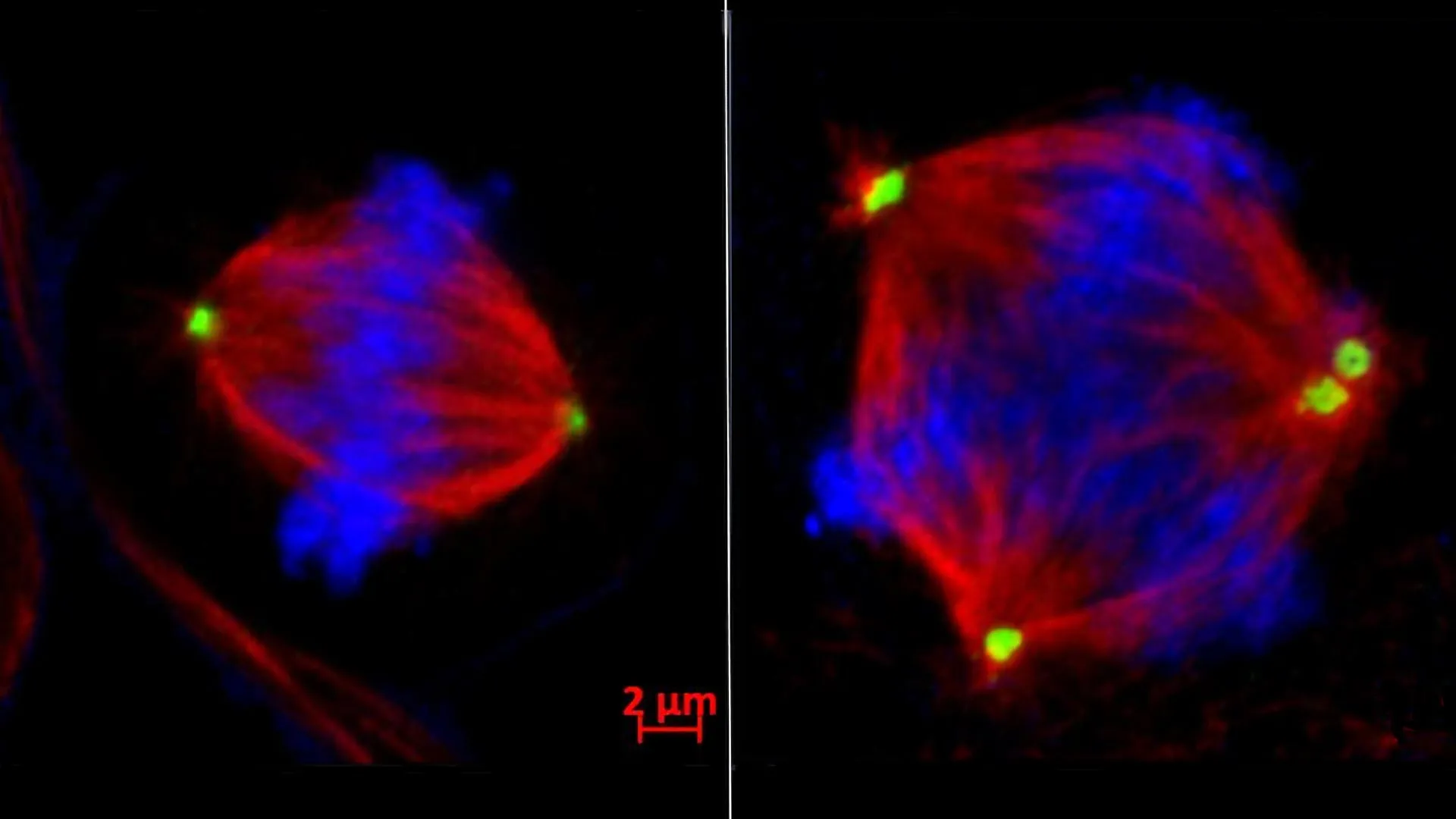
The team discovered that EZH2 silences the tankyrase 1 gene, which normally ensures the chromosome-separating machinery works properly during cell division. This triggers a chain reaction — the decrease in tankyrase 1 causes another protein called CPAP to build up excessively. This prompts the cell’s centrosomes — structures that pull chromosomes apart — to multiply uncontrollably, leading to faulty divisions into three or more daughter cells.
The team showed that inhibiting EZH2 restored balance, significantly reducing metastasis in preclinical models. “For the first time, we have linked EZH2, which is an epigenetic regulator, with chromosomal instability in a mechanistic fashion,” Dr. Bai said.
EZH2 inhibitors may be the first drugs that can suppress chromosomal instability directly. “This study provides a promising new approach to treating triple-negative breast cancer by targeting the root cause of metastases,” said Dr. Magdalena Plasilova, associate professor of clinical surgery (pending appointment at rank), a surgical oncologist at NewYork-Presbyterian/Weill Cornell Medical Center and an author on the study. “I see firsthand the devastating impact of metastases on patients, and this offers hope for improved outcomes and survival rates.”
While Tazemetostat could be repurposed as a treatment for TNBC, other drugs might have similar or better effects. “Our discovery opens the door for clinical trials to test EZH2 inhibitors in high-risk breast cancer and potentially other cancers that are also marked by chromosomal instability, such as lung adenocarcinoma,” said Dr. Mittal, who is also a member of the Englander Institute of Precision Medicine at Weill Cornell. Currently, he is planning collaborations to conduct safety tests in a clinical trial.

Read more →

Surprising study reveals what really kills fatty liver disease patients

More than a third of the world’s population is affected by metabolic dysfunction-associated steatotic liver disease, or MASLD, the most common chronic liver disease in the world.
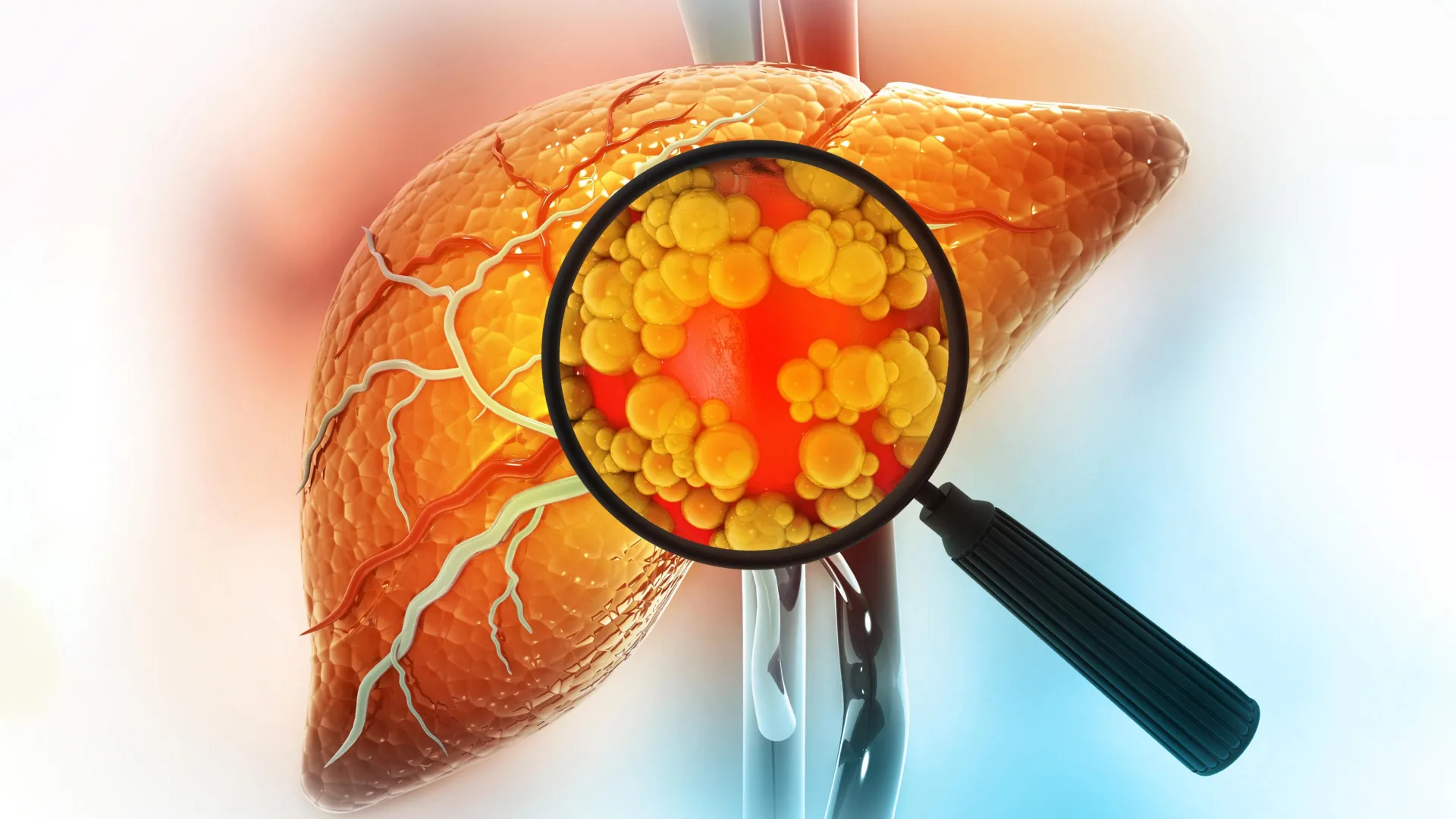
MASLD occurs when fat builds up in the liver and is associated with one or more of five conditions: obesity, Type 2 diabetes, high blood pressure, high blood sugar and low HDL cholesterol, known as “good” cholesterol. These conditions are characterized as cardiometabolic risk factors because they affect the heart or metabolism.
MASLD can lead to serious illness, such as advanced liver, heart and kidney disease, but little research has been done to examine if certain cardiometabolic risk factors for those with MASLD are more associated with death than others.
The deadliest cardiometabolic risk factors
Now, a new study from Keck Medicine of USC published in Clinical Gastroenterology and Hepatology reveals that three of the cardiometabolic risk factors carry the greatest risk of death for those with MASLD: high blood pressure, pre-diabetes or Type 2 diabetes, and low HDL, which raise the risk of death by 40%, 25% and 15%, respectively.
These results were independent of how many or which combination of cardiometabolic risk factors patients had, and held steady despite individuals’ gender, sex, race or ethnicity.
“MASLD is a complicated disease, and this study sheds new light on where doctors may want to focus their efforts when treating patients,” said Norah A. Terrault, MD, a hepatologist with Keck Medicine and a senior author of the study. “Knowing which aspects of MASLD might lead to poorer outcomes can help us offer patients the best possible care.”
Researchers were especially surprised to discover that high blood pressure was associated with a higher chance of death than diabetes, said Matthew Dukewich, MD, PharmD, MS, a USC transplant hepatology fellow and lead author of the study. “Until now, it was commonly thought that diabetes was the most pressing health problem for MASLD patients, which is a key insight.”

The study also found that obesity, the most common cardiometabolic risk factor of MASLD, can substantially raise the risk of mortality depending on a patient’s body mass index (BMI), which is a formula used to estimate body fat percentage based on an individual’s height and weight. The higher a patient’s BMI, the higher the association with death.
Additionally, the research adds to the growing body of research that patients with more cardiometabolic risk factors have poorer outcomes. The study found that the risk of death in MASLD patients increased by 15% for each additional cardiometabolic risk factor present.
How the study was conducted
Researchers used data from the National Health and Nutrition Examination Survey (NHANES), which collected health information about children and adults in the United States from 1988-2018, the most current year for which data was available for their study. Out of 134,515 participants 20 years or older, some 21,000 patients qualified as having MASLD.
The study authors tracked all-cause mortality rates by individual cardiometabolic risk factors to reach their conclusions.
Looking ahead, the study authors hope to conduct further studies examining patients’ genetic background, dietary habits and alcohol use in relation to MASLD outcomes to provide more comprehensive risk profiles. “The more we can understand about the drivers of the disease, the more we can identify those most in need of interventions and prioritize our resources for enhanced outcomes,” said Terrault.
Liyun Yuan, MD, a transplant hepatologist with Keck Medicine, is also a study author.

Read more →

Doctors stunned by a cheap drug’s power against colon cancer

A Swedish-led research team at Karolinska Institutet and Karolinska University Hospital has shown in a new randomized clinical trial that a low dose of the well-known medicine aspirin halves the risk of recurrence after surgery in patients with colon and rectal cancer with a certain type of genetic alteration in the tumor.
Every year, nearly two million people worldwide are diagnosed with colorectal cancer. Between 20 and 40 percent develop metastases, which makes the disease both more difficult to treat and more deadly.
Previous observational studies have suggested that aspirin may reduce the risk of certain cancers and possibly also the risk of recurrence after surgery in patients with colorectal cancer harboring mutations in genes within the PIK3 signaling pathway.
These genes regulate key cellular processes such as growth and division. When mutated, these processes can become dysregulated, leading to uncontrolled cell proliferation and cancer development. However, prior findings have been inconsistent and no randomized clinical trials had previously confirmed the association. To address this gap, the ALASCCA trial was initiated and has now been published in The New England Journal of Medicine.
The current study included more than 3,500 patients with colon and rectal cancer from 33 hospitals in Sweden, Norway, Denmark, and Finland. Patients whose tumors showed a specific genetic mutation in the PIK3 signaling pathway — a mutation found in approximately 40 percent of patients — were randomized to receive either 160 mg of aspirin daily or a placebo for three years after surgery.
For patients with the genetic mutation in PIK3, the risk of recurrence was reduced by 55 percent in those who received aspirin compared with the placebo group.
“Aspirin is being tested here in a completely new context as a precision medicine treatment. This is a clear example of how we can use genetic information to personalize treatment and at the same time save both resources and suffering,” says first author Anna Martling, professor at the Department of Molecular Medicine and Surgery, Karolinska Institutet, and senior consultant surgeon at Karolinska University Hospital.

So how does aspirin reduce the risk of recurrence of colon and rectal cancer? The researchers believe that the effect is likely due to aspirin acting through several parallel mechanisms – it reduces inflammation, inhibits platelet function and tumor growth. This combination makes the environment less favorable for cancer.
“Although we do not yet fully understand all the molecular links, the findings strongly support the biological rationale and suggest that the treatment may be particularly effective in genetically defined subgroups of patients,” says Anna Martling.
The researchers believe that the results could have global significance and influence treatment guidelines for colon and rectal cancer worldwide. Anna Martling sees the fact that the drug is well established as a major advantage.
“Aspirin is a drug that is readily available globally and extremely inexpensive compared to many modern cancer drugs, which is very positive,” says Anna Martling.
The study was funded in part by the Swedish Research Council and the Swedish Cancer Society. The researchers state that there are no conflicts of interest.
Facts: What is aspirin?
Aspirin is a medicine that contains acetylsalicylic acid, a substance that relieves pain, fever, and inflammation. It belongs to the group of NSAIDs (non-steroidal anti-inflammatory drugs). The effect usually occurs within 30 minutes. In low doses, it is also used to prevent blood clots.
Common side effects include stomach problems and increased bleeding tendency. People with stomach ulcers, bleeding disorders, or asthma should avoid aspirin. Aspirin is available over the counter in higher doses, but should be used with caution, especially in combination with other blood-thinning agents or alcohol.

Read more →

Fat may secretly fuel Alzheimer’s, new research finds

Obesity has long been acknowledged as a risk factor for a wide range of diseases, but a more precise link between obesity and Alzheimer’s disease has remained a mystery – until now.
A first-of-its-kind study from Houston Methodist found that adipose-derived extracellular vesicles, tiny cell-to-cell messengers in the body, can signal the buildup of amyloid-β plaque in obese individuals. These plaques are a key feature of Alzheimer’s disease.
The study, “Decoding Adipose-Brain Crosstalk: Distinct Lipid Cargo in Human Adipose-Derived Extracellular Vesicles Modulates Amyloid Aggregation in Alzheimer’s Disease,” published on October 2 in Alzheimer’s & Dementia: The Journal of the Alzheimer’s Association. It explores the link between obesity, which affects about 40% of the U.S population, and the dreaded neurodegenerative disease affecting more than 7 million people in the U.S.
The research was led by Stephen Wong, Ph.D., the John S. Dunn Presidential Distinguished Chair in Biomedical Engineering . Alongside Wong, Li Yang, Ph.D., a research associate at Houston Methodist, and Jianting Sheng, Ph.D., an assistant research professor of computational biology and mathematics in radiology at the Houston Methodist Academic Institute, provided leadership in experimental design and cross-institution coordination.
“As recent studies have underscored, obesity is now recognized as the top modifiable risk factor for dementia in the United States,” said Wong, corresponding author and director of T. T. & W. F. Chao Center for BRAIN at Houston Methodist.
The researchers found that the lipid cargo of these cell messengers differs between people with obesity and lean individuals, and that the presence and levels of specific lipids that differed between the groups changed how quickly amyloid-β clumped together in laboratory models. Using mouse models and patient body fat samples, the researchers examined the vesicles, which are tiny, membrane-bound particles that travel throughout the body and act as messengers involved in cell-to-cell communication. These minuscule communicators are also capable of crossing the blood-brain barrier.
Targeting these tiny cell messengers and disrupting their communication that leads to plaque formation may help reduce the risk of Alzheimer’s disease in people with obesity. The researchers said future work should focus on how drug therapy could stop or slow the build-up of Alzheimer’s-related toxic proteins (such as amyloid-β) in at-risk individuals.
The research was coauthored by Michael Chan, Shaohua Qi, and Bill Chan from Houston Methodist; Dharti Shantaram, Xilal Rima, Eduardo Reategui, and Willa Hsueh from The Ohio State University’s Wexner Medical Center; and Xianlin Han from the University of Texas Health Science Center at San Antonio.

Read more →

The invisible chemical in the air that could be raising Parkinson’s risk

Long-term exposure to a common industrial chemical may be linked to a higher risk of Parkinson’s disease. Trichloroethylene (TCE) is a chemical used in metal degreasing and dry cleaning. Even though it has been banned for some uses, it remains in use today as an industrial solvent and lingers in air, soil and water across the U.S. Researchers estimated long-term TCE exposure for more than 1.1 million older adults by using ZIP+4 codes and air pollution data. Older adults living in areas with the highest TCE levels in outdoor air had a 10% higher risk of Parkinson’s than those in areas with the lowest levels. The study does not prove TCE causes Parkinson’s, but it adds to growing evidence that environmental pollutants may contribute to risk.Long-term exposure to the industrial solvent trichloroethylene (TCE) outdoors may be linked to an increased risk of Parkinson’s disease, according to a large nationwide study published in the October 1, 2025, issue of Neurology, the medical journal of the American Academy of Neurology.Trichloroethylene is a chemical used in metal degreasing, dry cleaning and other industrial applications. Although TCE has been banned for certain uses, it remains in use today as an industrial solvent and is a persistent environmental pollutant in air, water and soil across the United States. The study does not prove that TCE exposure causes Parkinson’s disease, it only shows an association.
“In this nationwide study of older adults, long-term exposure to trichloroethylene in outdoor air was associated with a small but measurable increase in Parkinson’s risk,” said study author Brittany Krzyzanowski, PhD, of Barrow Neurological Institute in Phoenix. “These findings add to a growing body of evidence that environmental exposures may contribute to Parkinson’s disease.”
Researchers used Medicare data to identify people over age 67 newly diagnosed with Parkinson’s between 2016 and 2018. Each person was compared with five people who did not have the disease. After removing people without home ZIP+4 information, the study included 221,789 people with Parkinson’s and over 1.1 million people without the disease.
They mapped exposure to outdoor TCE concentrations using U.S. Environmental Protection Agency data and participants’ residential neighborhood based on their ZIP +4 location. Air levels of TCE were estimated by U.S. Census tract, a small area within a county. Each participant’s exposure was based on their neighborhood two years prior to diagnosis.
Researchers divided participants into 10 groups based on their estimated TCE exposure. Those in the lowest exposure group experienced levels between 0.005 and 0.01 micrograms per cubic meter (μg/m³), while those in the highest group had exposures ranging from 0.14 to 8.66 μg/m³.

After adjusting for other factors that could affect the risk of Parkinson’s, including age, smoking history and exposure to fine particulate air pollution, researchers found people exposed to the highest outdoor TCE levels had a 10% increased risk of Parkinson’s disease compared to people exposed to the lowest levels.
The researchers also identified several geographic “hot spots” where outdoor TCE levels were highest, particularly in the Rust Belt region of the U.S. and smaller pockets across the country. They then analyzed Parkinson’s risk in the 10 miles surrounding the three top TCE-emitting facilities in the U.S. from 2002. For two of the areas, risk was higher closer to the facilities, and at one of those sites, there was a clear increasing incremental risk the closer people lived to the facility.
“While the increased risk was modest, the sheer number of people exposed to TCE in the environment means the potential public health impact could be substantial,” said Krzyzanowski. “This underscores the need for stronger regulations and more monitoring of industrial pollutants.”
A limitation of the study is that it focused only on Medicare-aged individuals, so findings may not apply to younger people or those with early-onset Parkinson’s disease. In addition, TCE exposure estimates were based on outdoor air levels in 2002 and may not reflect individual lifetime or indoor exposures.
The study was supported by the U.S. Department of Defense, the Kemper and Ethel Marley Foundation, Barrow Neurological Foundation and the Moreno Family Foundation.

Read more →

Scientists just cracked the mystery of why cancer immunotherapy fails

In what experts are calling a paradigm-shifting landmark study, scientists from The Ohio State University Comprehensive Cancer Center – Arthur G. James Cancer Hospital and Richard J. Solove Research Institute (OSUCCC – James) report key findings about the underlying mechanisms of immune system stress response to protein misfolding, launching a new approach to cancer immunotherapy treatment targeting the protein production cycle.
For this study, OSUCCC – James researchers sought to answer a long-held question: Why do T cells, which are crucial for fighting infections and recognizing cancer, sometimes become “exhausted” and lose their effectiveness?
In this comprehensive preclinical study, researchers revealed a hidden vulnerability in exhausted T cells: they are overwhelmed by misfolded proteins that ignite a previously unrecognized stress pathway, now named TexPSR (proteotoxic stress response in T-cell exhaustion).
Unlike ordinary stress responses that slow protein production to help cells regain balance, TexPSR drives protein synthesis into overdrive. The result is a relentless buildup of misfolded proteins, stress granules, and toxic aggregates ¾ similar to the amyloid plaques seen in Alzheimer’s disease. This overload poisons the T cells, crippling their ability to attack tumors.
Nature Reviews Immunology, a leading opinion journal in the field, described this phenomenon as a “proteotoxic shock.” Strikingly, when researchers blocked key drivers of TexPSR in preclinical models, exhausted T cells recovered their function and cancer immunotherapy became markedly more effective.
“T-cell exhaustion is the biggest roadblock to cancer immunotherapy. Our study results present a surprising and exciting answer to this fundamental problem and could be critical to improving future scientific advances in the field of engineered cancer drug therapies to harness the immune system,” said Zihai Li, MD, PhD, senior study author and founding director of the Pelotonia Institute for Immuno-oncology (PIIO) at the OSUCCC – James.
Li, who also serves as Deputy Director for Translational Research at the OSUCCC – James and holds the Klotz Memorial Chair in Cancer Research, has studied the link between protein folding and immunity for over three decades. He emphasized: “Researchers worldwide are tackling T-cell exhaustion through studying genetics, epigenetics, metabolism and others, but the role of protein quality control has been largely overlooked — until now.”
The Ohio State cancer research team also found that high levels of TexPSR in T cells from cancer patients were linked to poor clinical responses to immunotherapy. This suggests that targeting TexPSR could be a new way to enhance cancer treatment in the clinics.

“When T cells become exhausted, they continue creating molecular weapons but then destroy the weapons before they can do their job,” said Yi Wang, first author and doctoral student in Li’s laboratory.
The team’s findings reveal that this self-perpetuating cycle of protein stress is a central driver of T-cell exhaustion, ultimately disabling the function of these immune cells. Notably, the mechanism was validated in multiple preclinical and clinical cancer models — including lung, bladder, liver cancer, and leukemia — highlighting its broad relevance across diverse cancer types.
Li and colleagues report their findings in the latest issue of Nature.

Read more →

Green leader Zack Polanski backs legalisation of all drugs

49 minutes agoShareSaveCharlotte WrightPolitical Editor, South EastShareSavePA MediaThe leader of the Green Party says he wants to legalise all drugs, calling for an approach “led by public health experts, not politicians”.Speaking to BBC South East ahead of his party conference, Zack Polanski said he agreed with a Kent Green councillor, who earlier this year called for the legalisation of all drugs, including class A drugs like heroin and crack cocaine.Polanski said “the war on drugs has absolutely failed, and ultimately we need to be having a public health approach”.When asked about implications of this for the taxpayer, he replied, “Well, I think voters are having to pay right now for a crime that happens, for the fact that people are in the illegal drug markets, for gangs that we see across county lines.”All of this is a failure of the fact that, again, for far too long, Prime Ministers have stuck their heads in their sand and said, if we just make drugs illegal, everything’s going to be okay.”The Green Party of England and Wales is gathering in Bournemouth for their first autumn conference under a new leadership team which also consists of deputy co-leaders Mothin Ali and Rachel Millward, the current deputy leader of Wealden District Council.The party has seen growing success in local council elections in parts of Kent Sussex and Surrey in recent years, including in previously Conservative-voting areas like Wealden, Reigate and Maidstone.Modelling himself as an “eco-populist” during the recent leadership election, Polanski was seen to have a more radical, left-wing approach.It was argued by his opponents that this might alienate the more moderate, former Conservative party voters who had turned to the party over issues like protecting green spaces from housebuilding.The leader rejected this idea when speaking to BBC South East. He said: “I think the radical thing for people in the South East is the fact that their wages have not gone up, but their bills have gone up, the fact that they can’t get an NHS dentist appointment. “The fact that it feels like there’s no real future or opportunities for young people.”So I don’t actually think what I’m offering is radical. What I’m offering, I think can appeal to almost everybody.”Polanski remains clear that his party wants to “tax multi-millionaires and billionaires” in order to create a fairer society.”This is about redistributing the excess wealth that is happening right across the South East and England and Wales, and saying, let’s put that money back into our communities,” he said.The leader discussed a myriad of other issues, including defence and the party’s general election prospects.When asked whether the former Conservative voters now with the Green Party would support his ambition for the UK to leave NATO, Mr Polanski stressed that the UK needs “a different approach to defence”.He said: “What I’m talking about there is recognising we can’t be in hock to Donald Trump.”What I want to do is have a conversation about what an alternative alliance looks like with our European neighbours.”This would not “necessarily” mean spending more on defence, Mr Polanski added.Turning attention to the next general election, the Green leader has previously said he thinks his party can win 30-40 seats. When it come to the South East he says other seats in Brighton will be “first on the list”, with the party hopeful of adding to the Brighton Pavilion it has held since 2010.Polanski said: “I think the fact that Sian Berry has such an incredible success, in Brighton Pavilion shows that a lot of the seats around there suddenly get into play.”That doesn’t rule out other seats too.”Related stories

Read more →

A flu test you can chew

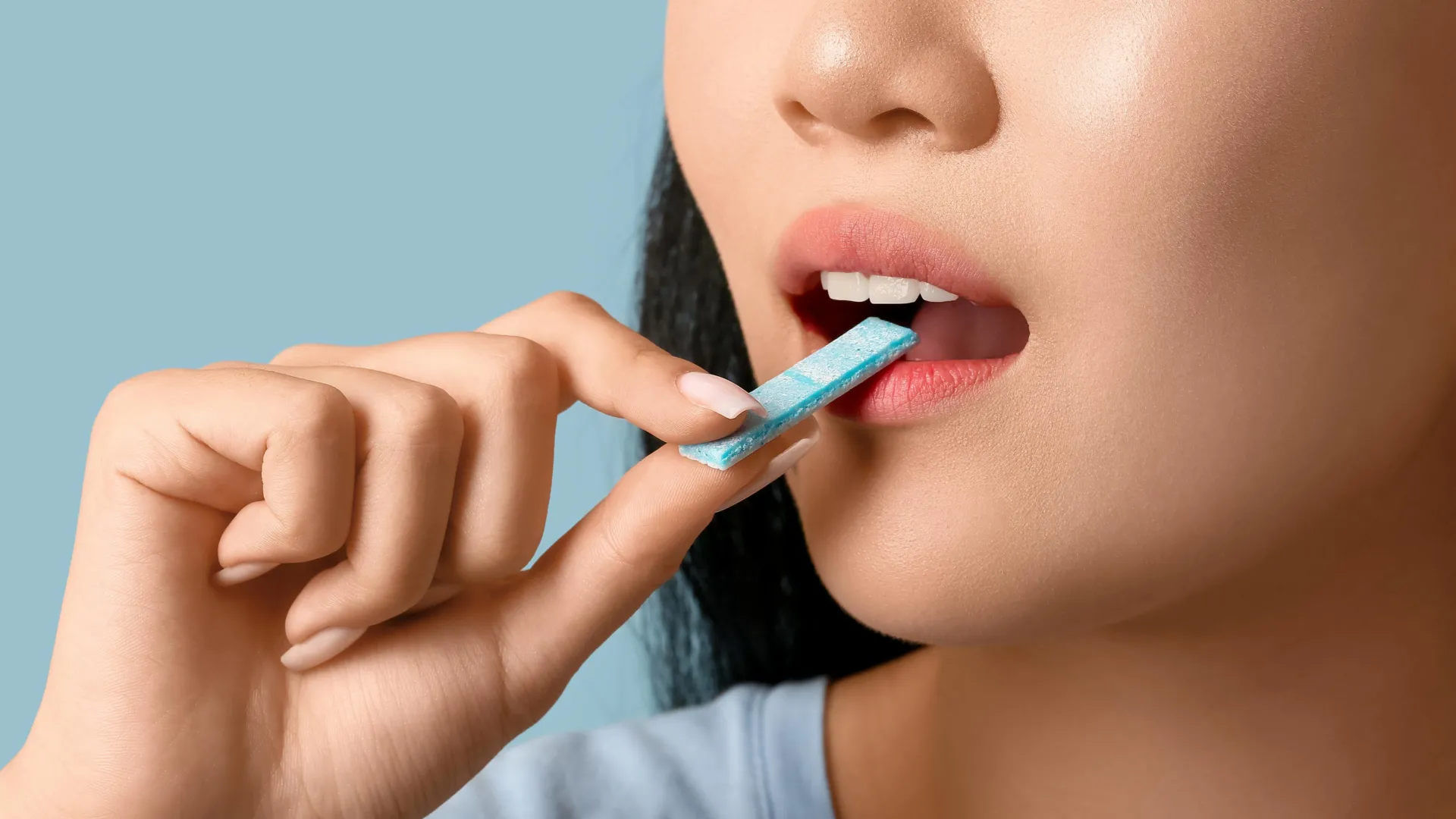
Flu season is fast approaching in the northern hemisphere. And a taste-based influenza testcould somedayhave you swapping nasal swabs for chewing gum. A new molecular sensor has been designed to release a thyme flavor when it encounters the influenza virus. Researchers reporting in ACS Central Science say that they plan to incorporate this type of low-tech sensor into gum or lozenges to increase at-home screenings and potentially prevent pre-symptomatic transmission of the disease.
Staying home is critical to preventing the spread of infectious diseases like influenza; however, people with the flu are contagious before they develop symptoms. Current flu diagnostics like nasal swab-based PCR tests are accurate, but they are slow and expensive. At-home lateral flow tests, akin to those used to test for COVID-19, are convenient and generally low-cost, but don’t catch pre-symptomatic infections.
As written in their published study, Lorenz Meinel and colleagues address these flu detection shortcomings “by switching away from complex detectors and machinery and toward a detector that is available for anyone, everywhere and anytime: the tongue.”
The team developed a molecular sensor that releases a flavor that human tongues can detect — thymol, found in the spice thyme. The sensor is based on a substrate of the influenza virus glycoprotein called neuraminidase (the “N” in H1N1). Influenza viruses use neuraminidase to break certain bonds on the host’s cell to infect it. So, the researchers synthesized a neuraminidase substrate and attached a thymol molecule to it. Thymol registers as a strong herbal taste on the tongue. Theoretically, when the synthesized sensor is in the mouth of someone infected with the flu, the viruses lob off the thymol molecules, and their flavor is detected by the tongue.
After developing their molecular sensor, the researchers conducted lab tests with it. In vials with human saliva from people diagnosed with the flu, the sensor released free thymol within 30 minutes. When they tested the sensor on human and mouse cells, it didn’t change the cells’ functioning. Next, Meinel and team hope to start human clinical trials in about two years to confirm the sensor’s thymol taste sensations in people with pre- and post-symptomatic influenza.
If incorporated into chewing gums or lozenges, “this sensor could be a rapid and accessible first-line screening tool to help protect people in high-risk environments,” says Meinel.
The authors acknowledge funding from the Federal Ministry of Research and Education (now called the Federal Ministry of Research, Technology and Space) and have registered a patent with the European Patent Office on this technology.

Read more →

Millions could be living with hidden smell loss after COVID without knowing

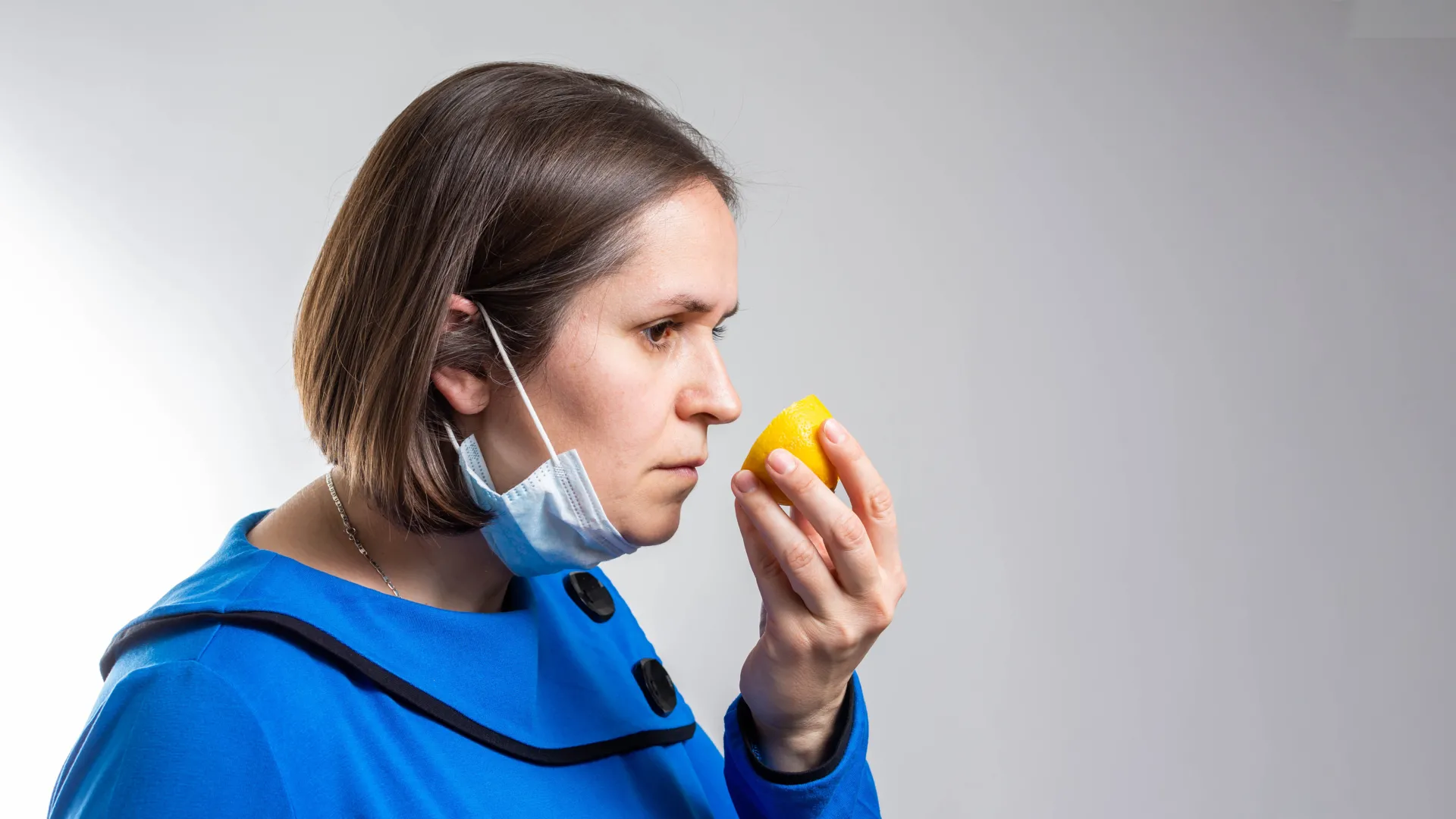
People who suspect that their sense of smell has been dulled after a bout of COVID-19 are likely correct, a new study using an objective, 40-odor test shows. Even those who do not notice any olfactory issues may be impaired.
Led by the National Institutes of Health’s RECOVER initiative and supported by its Clinical Science Core at NYU Langone Health, a team of researchers from across the country explored a link between the coronavirus that causes COVID-19 and hyposmia — the reduced ability to smell.
The results revealed that 80% of participants who reported a change in their smelling ability after having COVID-19 earned low scores on a clinical scent-detection test taken about two years later. Of this group, 23% were severely impaired or had entirely lost their sense of smell.
Notably, 66% of infected participants who did not notice any smelling issues scored abnormally low on the evaluation as well, the authors say.
“Our findings confirm that those with a history of COVID-19 may be especially at risk for a weakened sense of smell, an issue that is already underrecognized among the general population,” said study co-lead author Leora Horwitz, MD.
Horwitz, a professor in the Departments of Population Health and Medicine at NYU Grossman School of Medicine, adds that 60% of uninfected participants who did not report olfactory problems also tested poorly during the clinical evaluation.
Hyposmia has long been connected to weight loss, reduced quality of life, and depression, among other concerns. Those with a diminished sense of smell may also struggle to detect dangers such as spoiled food, gas leaks, and smoke, experts say. In addition, scientists have flagged smelling dysfunction as an early sign of certain neurodegenerative disorders such as Parkinson’s disease and Alzheimer’s disease, which can affect the brain’s scent-processing region.

While past research has identified hyposmia as a symptom of coronavirus infection, most of these studies have relied on patients’ own assessments of their smelling ability. Such subjective measures are not always reliable and cannot effectively track the problem’s severity and persistence, notes Horwitz.
The new study in 3,535 men and women, publishing online Sept. 25 in the journal JAMA Network Open, is the largest to date to examine loss of smell after COVID-19 by using a formal test, the authors say.
Along with Horwitz, Jacqueline Becker, PhD at Icahn School of Medicine at Mount Sinai in New York is co-lead author. Hassan Ashktorab, PhD, at Howard University in Washington, D.C.; Andrea Foulkes, ScD, at Massachusetts General Hospital in Boston; and Joyce Lee-Iannotti, MD, at the University of Arizona in Phoenix, are study co-senior authors.
For the investigation, the research team assessed thousands of Americans who had participated in the RECOVER adult study, a multicenter analysis designed to shed light on the long-term health effects of the coronavirus. Throughout the study, those with and without a history of COVID-19 completed surveys about their symptoms every 90 days from October 2021 through June 2025.
To measure olfactory function, the team used a clinical tool: the University of Pennsylvania Smell Identification Test (UPSIT). In this scratch-and-sniff evaluation, which is considered the gold standard of its kind, participants were asked to identify 40 scents by selecting the right multiple-choice option for each odor. A correct answer earned one point, and the total UPSIT score was compared with a database of thousands of healthy volunteers of the same sex and as. Based on the results, smelling ability was characterized as normal, mildly impaired, moderately impaired, severely impaired, or lost altogether.
“These results suggest that health care providers should consider testing for loss of smell as a routine part of post-COVID care,” said Horwitz. “While patients may not notice right away, a dulled nose can have a profound impact on their mental and physical well-being.”
Experts are now exploring ways to restore smelling ability after having COVID-19, such as vitamin A supplementation and olfactory training to “rewire” the brain’s response to odors. Having a deeper understanding of how the coronavirus affects the brain’s sensory and cognitive systems may help refine these therapies, notes Horwitz.

Horwitz cautions that the study team did not directly assess loss of taste, which often accompanies problems with smell. In addition, it is possible that some uninfected participants were misclassified due to the lack of universal testing for the virus. This may help explain the surprisingly high rate of hyposmia identified in those without a supposed history of COVID-19, she says.
Funding for the study was provided by National Institutes of Health grants R01HL162373, U01DC019579, OT2HL161847, OT2HL161841, and OT2HL156812.
Other NYU Langone researchers involved in the study are Gabrielle Maranga, MPH, and Jennifer Frontera, MD.
Other study authors are Alexander Charney, MD, PhD, and Juan Wisnivesky, MD, DrPH, at the Icahn School of Medicine at Mount Sinai; Weixing Huang, MSPH, Mark Albers, MD, PhD, and Christina Sorochinsky at Massachusetts General Hospital; Dara Adams, M.D., and Jerry Krishnan, MD, PhD, at the University of Illinois Chicago; Sarah Donohue, PhD, MPH, at the University of Illinois in Peoria; Mirna Ayache, MD, Brian D’Anza, MD, and Grace McComsey, MD, at Case Western Reserve University in Cleveland, Ohio; Jasmine Berry, MPH, Tiffany Walker, MD, and Zanthia Wiley, MD, at Emory University in Atlanta; and Hassan Brim, PhD, and Adeyinka Laiyemo, MD, at Howard University.
Additional study authors are Tanner Bryan, MS, at Denver Health in Colorado; Robert Clark, MD, Mark Goldberg, MD, and Thomas Patterson, MD, at the University of Texas at San Antonio; Melissa Cortez, DO, and Torri Metz, MD, at the University of Utah in Salt Lake City; Nathaniel Erdmann, MD, PhD, Valerie Flaherman, MD, MPH; and Emily Levitan, ScD, at the University of Alabama at Birmingham; Tamara Fong, MD, PhD; at Harvard Medical School in Boston; Jason Goldman, MD, MPH, at Providence Swedish Medical Center in Seattle; Michelle Harkins, MD, at the University of New Mexico in Albuquerque; Sally Hodder, MD, at West Virginia University in Morgantown; Vanessa Jacoby, MD, John Daniel Kelly, MD, Jeffrey Martin, MD, MPH; Megumi Okumura, MD; and Michael Peluso, MD, at the University of California San Francisco; Prasanna Jagannathan, MD, Xiaolin Jia, MD, and Andre Kumar, MD, at Stanford University in California; Kathryn McCaffrey, MD, and Helen Nguyen, DO, at the University of Washington in Seattle; Ganesh Murthy, MD, at the University of Arizona in Phoenix; Sairam Parthasarathy, MD, at the University of Arizona in Tucson; Samuel Parry, MD, at the University of Pennsylvania in Philadelphia; and Samantha Wiegand, MD, at Miami Valley Hospital in Dayton, Ohio.
Other study collaborators are RECOVER community health advocates Teresa Akintonwa, MA, and Maxwell Hornig-Rohan; and Hannah Davis at the Patient-Led Research Collaborative in New York City.

Read more →