Why ultra-processed foods aren’t the real villain behind overeating

Ultra-processed foods (UPFs) have become public enemy number one in nutrition debates. From dementia to obesity and an epidemic of “food addiction,” these factory-made products, including crisps, ready meals, fizzy drinks and packaged snacks, are blamed for a wide range of modern health problems. Some experts argue that they’re “specifically formulated and aggressively marketed to maximise consumption and corporate profits,” hijacking our brain’s reward systems to make us eat beyond our needs.
Policymakers have proposed bold interventions: warning labels, marketing restrictions, taxes, even outright bans near schools. But how much of this urgency is based on solid evidence?
My colleagues and I wanted to step back and ask: what actually makes people like a food? And what drives them to overeat – not just enjoy it, but keep eating after hunger has passed? We studied more than 3,000 UK adults and their responses to over 400 everyday foods. What we found challenges the simplistic UPF narrative and offers a more nuanced way forward.
Two ideas often get blurred in nutrition discourse: liking a food and hedonic overeating (eating for pleasure rather than hunger). Liking is about taste. Hedonic overeating is about continuing to eat because the food feels good. They’re related, but not identical. Many people like porridge but rarely binge on it. Chocolate, biscuits and ice cream, on the other hand, top both lists.
We conducted three large online studies where participants rated photos of unbranded food portions for how much they liked them and how likely they were to overeat them. The foods were recognizable items from a typical UK shopping basket: jacket potatoes, apples, noodles, cottage pie, custard creams – more than 400 in total.
We then compared these responses with three things: the foods’ nutritional content (fat, sugar, fiber, energy density), their classification as ultra-processed by the widely used Nova system – a food classification method that groups foods by the extent and purpose of their processing – and how people perceived them (sweet, fatty, processed, healthy and so on).
Perception power
Some findings were expected: people liked foods they ate often, and calorie-dense foods were more likely to lead to overeating.

But the more surprising insight came from the role of beliefs and perceptions. Nutrient content mattered – people rated high-fat, high-carb foods as more enjoyable, and low-fiber, high-calorie foods as more “bingeable.” But what people believed about the food also mattered, a lot.
Perceiving a food as sweet, fatty or highly processed increased the likelihood of overeating, regardless of its actual nutritional content. Foods believed to be bitter or high in fiber had the opposite effect.
In one survey, we could predict 78% of the variation in people’s likelihood of overeating by combining nutrient data (41%) with beliefs about the food and its sensory qualities (another 38%).
In short: how we think about food affects how we eat it, just as much as what’s actually in it.
This brings us to ultra-processed foods. Despite the intense scrutiny, classifying a food as “ultra-processed” added very little to our predictive models.
Once we accounted for nutrient content and food perceptions, the Nova classification explained less than 2% of the variation in liking and just 4% in overeating.

That’s not to say all UPFs are harmless. Many are high in calories, low in fiber and easy to overconsume. But the UPF label is a blunt instrument. It lumps together sugary soft drinks with fortified cereals, protein bars with vegan meat alternatives.
Some of these products may be less healthy, but others can be helpful – especially for older adults with low appetites, people on restricted diets or those seeking convenient nutrition.
The message that all UPFs are bad oversimplifies the issue. People don’t eat based on food labels alone. They eat based on how a food tastes, how it makes them feel and how it fits with their health, social or emotional goals.
Relying on UPF labels to shape policy could backfire. Warning labels might steer people away from foods that are actually beneficial, like wholegrain cereals, or create confusion about what’s genuinely unhealthy.
Instead, we recommend a more informed, personalized approach: Boost food literacy: help people understand what makes food satisfying, what drives cravings, and how to recognize their personal cues for overeating. Reformulate with intention: design food products that are enjoyable and filling, rather than relying on bland “diet” options or ultra-palatable snacks. Address eating motivations: people eat for many reasons beyond hunger – for comfort, connection and pleasure. Supporting alternative habits while maximizing enjoyment could reduce dependence on low-quality foods.It’s not just about processing
Some UPFs do deserve concern. They’re calorie dense, aggressively marketed and often sold in oversized portions. But they’re not a smoking gun.
Labeling entire categories of food as bad based purely on their processing misses the complexity of eating behavior. What drives us to eat and overeat is complicated but not beyond understanding. We now have the data and models to unpack those motivations and support people in building healthier, more satisfying diets.
Ultimately, the nutritional and sensory characteristics of food – and how we perceive them – matter more than whether something came out of a packet. If we want to encourage better eating habits, it’s time to stop demonizing food groups and start focusing on the psychology behind our choices.
Written by Graham Finlayson, Professor of Psychobiology, University of Leeds and James Stubbs, Professor in Appetite & Energy Balance, Faculty of Medicine and Health School of Psychology, University of Leeds.

Read more →

Scientists find hidden brain damage behind dementia

Vascular dementia — cognitive impairment caused by disease in the brain’s small blood vessels — is a widespread problem, but it has not been as thoroughly studied as Alzheimer’s disease, in which abnormal plaques and protein tangles are deposited in neural tissue.
One researcher at The University of New Mexico hopes to change that.
In a newly published paper featured by the editors of the American Journal of Pathology, Elaine Bearer, MD, PhD, the Harvey Family Endowed and Distinguished Professor in the UNM School of Medicine’s Department of Pathology, sets out a new model for characterizing and categorizing different forms of vascular dementia.
She hopes this approach will help researchers to better understand the various forms of the disease and find effective treatments.
Conditions like hypertension, atherosclerosis and diabetes have been linked to vascular dementia, but other contributing causes, including the recent discovery of significant quantities of nano- and microplastics in human brains, remain poorly understood, Bearer said.
“We have been flying blind,” she said. “The various vascular pathologies have not been comprehensively defined, so we haven’t known what we’re treating. And we didn’t know that nano- and microplastics were in the picture, because we couldn’t see them.”
Bearer identified 10 different disease processes that contribute to vascular-based brain injury, typically by causing oxygen or nutrient deficiency, leakage of blood serum and inflammation or decreased waste elimination. These cause tiny strokes that harm neurons. She lists new and existing experimental techniques, including special stains and novel microscopy, to detect them.

For the paper, Bearer used a specialized microscope to meticulously study tissue from a repository of brains donated by the families of New Mexicans who had died with dementia, employing stains that highlighted the damaged blood vessels. Surprisingly, many patients diagnosed with Alzheimer’s disease also had disease in the small blood vessels of the brain.
“We suspect that in New Mexico maybe a half of our Alzheimer’s people also have vascular disease,” she said.
Bearer contends a methodical approach to identifying different forms of vascular dementia will help neurologists and neuropathologists more accurately score the severity of the disease in both living and deceased patients and advance the search for potential treatments — and even cures. To make that happen, the National Institutes of Health (NIH) has raised the possibility of forming a consensus group of leading neuropathologists to work out a new classification and scoring system, she said.
Meanwhile, a fresh area of concern is the unknown health consequences of nano- and microplastics in the brain, Bearer said.
“Nanoplastics in the brain represent a new player on the field of brain pathology,” she said. “All our current thinking about Alzheimer’s disease and other dementias needs to be revised in light of this discovery.”
“What I’m finding is that there’s a lot more plastics in demented people than in normal subjects,” she said. “It seems to correlate with the degree and type of dementia.”
The quantity of plastics also was associated with higher levels of inflammation, she said.

Bearer’s work builds on years of collaboration with Gary Rosenberg, MD, professor of Neurology and director of the UNM Alzheimer’s Disease Research Center (ADRC), which won a five-year $21.7 million NIH grant in 2024 that supported Bearer’s research. Rosenberg, a longtime chair of the UNM Department of Neurology and also director of the UNM Center for Memory & Aging, has published extensively on the association of vascular disease with dementia symptoms.
“When we started thinking about putting this ADRC together, I thought one of the things I should look at is the vasculature, because nobody’s done it systematically and comprehensively, and we have a world’s expert here at UNM,” Bearer said.
“Describing the pathological changes in this comprehensive way is really new. What I’m hoping will come out of this paper is working with other neuropathology ADRC cores across the country to develop consensus guidelines for classifying vascular changes and the impact of nano- and microplastics on the brain.”

Read more →

It’s not just genes — parents can pass down longevity another way

New research in the roundworm C. elegans shows how changes in the parent’s lysosomes that promote longevity are transferred to its offspring. The work describes a new link between lysosomes — cellular organelles once thought to be the cell’s recycling center — and the epigenome — a set of chemical marks that modify gene expression. The study also details a new way that epigenetic information is transmitted from cells in the body to reproductive cells, allowing changes to be inherited without affecting the genetic code. These insights show how epigenetic modifications that help organisms cope with environmental stress can be conferred from parents to their offspring.In the Wang Lab, it’s not unusual for worms to live for a long time.HHMI Janelia Research Campus Senior Group Leader Meng Wang and her team study longevity. They’ve shown that by overexpressing an enzyme in the lysosomes of the roundworm C. elegans, they can extend the worm’s life by up to 60 percent.
But surprisingly, the team found the worms’ progeny without this genetic modification were still living longer than normal. When they crossed their long-lived worms with “wild-type” worms that weren’t overexpressing the enzyme — a routine lab procedure used to wipe clean any genetic manipulations — they saw that the offspring also lived longer than normal worms. Somehow, the longevity markers were being transferred from generation to generation, even four generations later.
In new research, Wang and her team uncover how changes in the worm’s lysosomes that promote longevity are transferred from cells in its body to its reproductive cells through histones — proteins that play a key role in organizing and regulating DNA. In reproductive cells, these histone messengers cause modifications in the worm’s epigenome — a collection of chemical tags that regulate gene expression — enabling the lysosomal changes to be passed from generation to generation without changing the underlying DNA.
The findings have repercussions well beyond longevity. Epigenetic modifications can help organisms cope with many different types of environmental stressors — from diet changes to pollutant exposure to psychological stress — and the new work shows how these advantages could be conferred from parents to their offspring.
“You always think that your inheritance is in the nucleus, within the cell, but now we show that the histone can go from one place to another place, and if that histone carries any modification, that means you are going to transfer the epigenetic information from one cell to another,” Wang says. “It really provides a mechanism for understanding the transgenerational effect.”
Uncovering inheritance

The researchers found that one type of histone modification — a type of epigenetic change — was elevated in long-lived worms compared to those with normal lifespans. They wanted to see how this modification related to lysosomal changes that promote longevity.
Using a combination of genetic tools, transcriptomics, and imaging, they found that changes in lysosomal metabolism affecting the worms’ longevity activate a series of processes inside the cell. These actions trigger an increase in a specific histone variant, which is transported from the worm’s somatic or body tissues to its germline or reproductive cells through proteins that deliver nutrients to developing eggs. In the germline, the histone is modified, allowing the information from the lysosome to enter the germline and be passed from parent to child.
The researchers show that this pathway is activated during fasting, which causes a change in lysosomal metabolism — providing a link from the physiological phenomenon to the changes in the germline.
The new work adds to a growing body of evidence that lysosomes, once thought to only act as the cell’s recycling centers, also function as a signaling hub to control different processes in the cell and now are shown to affect generations.
The new research also unveils a new mechanism for transporting information from somatic to germline cells through histones, which could help explain how other types of inherited information are passed from parent to offspring.
By providing a mechanism for understanding how environmental changes to somatic cells are passed through the germline, the new work could help researchers better understand transgenerational effects that have been previously observed, like the malnutrition of a parent affecting its offspring.
“We now show that the soma and the germline can be connected by the histone and can carry memorable genetic information for generations,” Wang says.

Read more →

Strong friendships may literally slow aging at the cellular level

The cumulative effect of social advantages across a lifetime – from parental warmth in childhood to friendship, community engagement and religious support in adulthood – may slow the biological processes of aging. These social advantages appear to set back “epigenetic clocks” such that a person’s biological age, as measured by analyzing DNA methylation patterns, is younger than their chronological age.
The research, which appeared in the October issue of the journal Brain, Behavior and Immunity — Health, drew on data from more than 2,100 adults in the long-running Midlife in the United States, or MIDUS, study.
Anthony Ong, psychology professor at Cornell University, and fellow researchers found that people with higher levels of what they called “cumulative social advantage” showed slower epigenetic aging and lower levels of chronic inflammation.
The study focused on so-called epigenetic clocks, molecular signatures that estimate the pace of biological aging. Two in particular – GrimAge and DunedinPACE – are considered especially predictive of morbidity and mortality. Adults with stronger, more sustained social networks showed significantly younger profiles on both clocks.
“Cumulative social advantage is really about the depth and breadth of your social connections over a lifetime,” Ong said. “We looked at four key areas: the warmth and support you received from your parents growing up, how connected you feel to your community and neighborhood, your involvement in religious or faith-based communities, and the ongoing emotional support from friends and family.”
The researchers hypothesized that sustained social advantage becomes reflected in core regulatory systems linked to aging, including epigenetic, inflammatory and neuroendocrine pathways. Remarkably, they found that higher social advantage was linked to lower levels of interleukin-6, a pro-inflammatory molecule implicated in heart disease, diabetes and neurodegeneration. Interestingly, however, there were no significant associations with short-term stress markers like cortisol or catecholamines.
Unlike many earlier studies that looked at social factors in isolation – whether a person is married, for example, or how many friends they have – this work conceptualized “cumulative social advantage” as a multidimensional construct. And by combining both early and later-life relational resources, the measure reflects the ways advantage clusters and compounds.
“What’s striking is the cumulative effect — these social resources build on each other over time,” Ong said. “It’s not just about having friends today; it’s about how your social connections have grown and deepened throughout your life. That accumulation shapes your health trajectory in measurable ways.”
This doesn’t mean a single friendship or volunteer stint can turn back the biological clock. The authors suggest that the depth and consistency of social connection, built across decades and different spheres of life, matters profoundly. The study adds weight to the growing view that social life is not just a matter of happiness or stress relief but a core determinant of physiological health.
“Think of social connections like a retirement account,” Ong said. “The earlier you start investing and the more consistently you contribute, the greater your returns. Our study shows those returns aren’t just emotional; they’re biological. People with richer, more sustained social connections literally age more slowly at the cellular level. Aging well means both staying healthy and staying connected — they’re inseparable.”

Read more →

Scientists just found cancer cells’ hidden power source

Cancer cells mount an instant, energy-rich response to being physically squeezed, according to a study published in the journal Nature Communications. The surge of energy is the first reported instance of a defensive mechanism which helps the cells repair DNA damage and survive the crowded environments of the human body.
The findings help explain how cancer cells survive complex mechanical gauntlets like crawling through a tumor microenvironment, sliding into porous blood vessels or enduring the battering of the bloodstream. The discovery of the mechanism can lead to new strategies which pin cancer cells down before they spread.
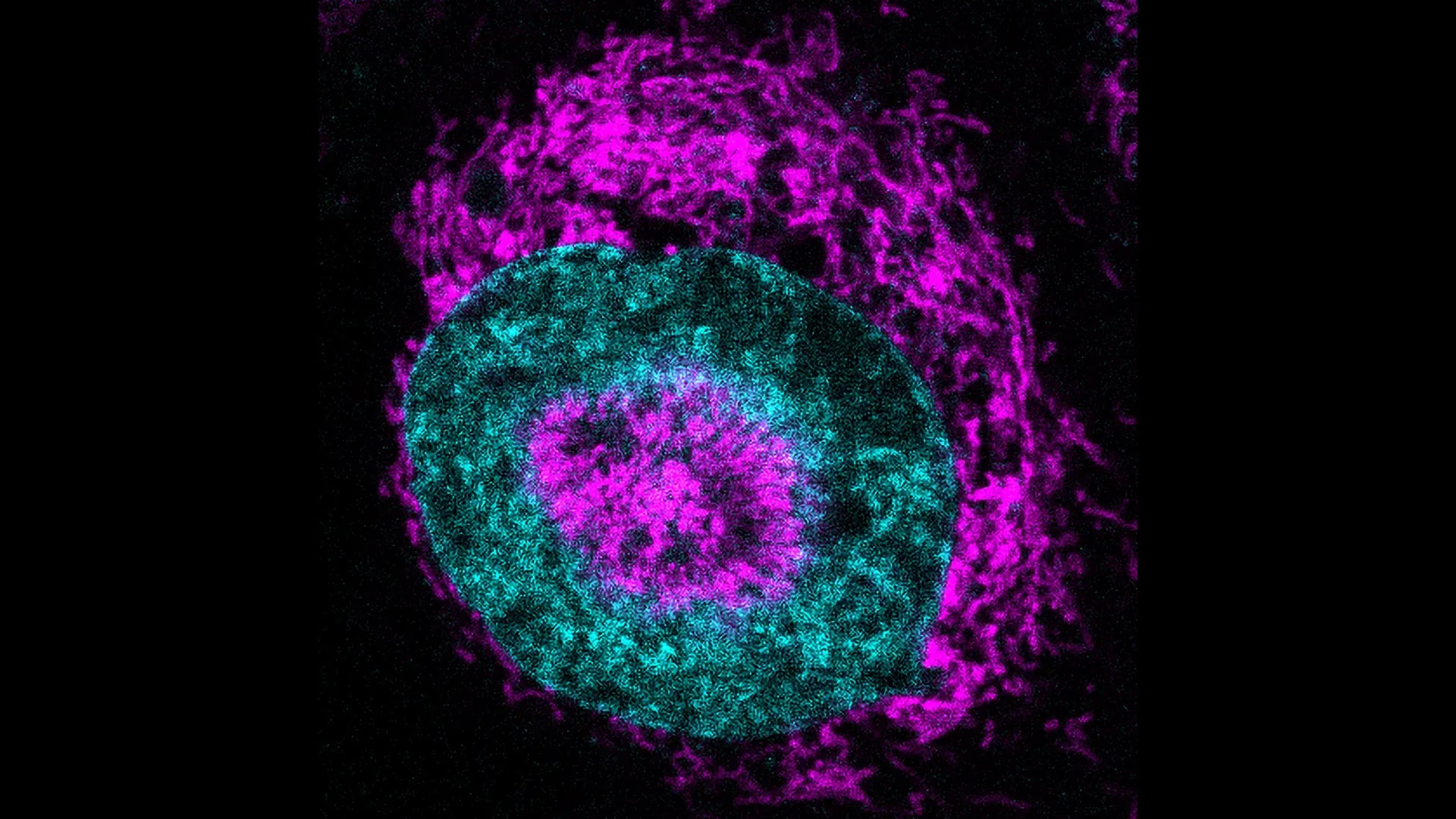
Researchers at the Centre for Genomic Regulation (CRG) in Barcelona made the discovery using a specialized microscope that can compress living cells to just three microns wide, about one-thirtieth the diameter of a human hair. They observed that, that, within seconds of being squeezed, mitochondria in HeLA cells race to the surface of the nucleus and pump in extra ATP, the molecular energy source of cells.
“It forces us to rethink the role of mitochondria in the human body. They aren’t these static batteries powering our cells, but more like agile first responders that can be summoned in emergency situations when cells are literally pressed to the limit,” says Dr. Sara Sdelci, co-corresponding author of the study.
The mitochondria formed a halo so tight that the nucleus dimpled inward. The phenomenon was observed in 84 percent of confined HeLa cancer cells, compared with virtually none in floating, uncompressed cells. The researchers refer to the structures “NAMs,” for nucleus-associated mitochondria.
To find out what NAMs did, the researchers deployed a fluorescent sensor that lights up when ATP enters the nucleus. The signal soared by around 60 percent within three seconds of the cells being squeezed. “It’s a clear sign the cells are adapting to the strain and rewiring their metabolism,” says Dr. Fabio Pezzano, co-first author of the study.
Subsequent experiments revealed why the power surge matters. Mechanical squeezing puts DNA under stress, snapping strands and tangling the human genome. Cells rely on ATP-hungry repair crews to loosen DNA and reach broken sites to mend the damage. Squeezed cells that received the extra boost of ATP repaired DNA within hours, while those without stopped dividing properly.

To confirm relevance for disease, the researchers also examined breast-tumor biopsies from 17 patients. The NAM halos appeared in 5.4 percent of nuclei at invasive tumor fronts versus 1.8 percent in the dense tumor core, a three-fold difference. “Seeing this signature in patient biopsies convinced us of the relevance beyond the lab bench,” explains Dr. Ritobrata (Rito) Ghose, co-first author of the study.
The researchers were also able to study the cellular engineering which makes the mitochondrial rush possible. Actin filaments, the same protein cables that let muscles flex, compound around the nucleus, while the endoplasmic reticulum throws a mesh-like net. The combined scaffold, the study shows, physically traps the NAMs in place, forming the halo-like structure. When the researchers treated cells with latrunculin A, a drug that dismantles actin, NAM formation collapsed and the ATP tide receded.
If metastatic cells depend on NAM-driven ATP surges, drugs that block the scaffold could make tumors less invasive without broadly poisoning mitochondria and sparing healthy tissues. “Mechanical stress responses are an underexplored vulnerability of cancer cells that can open new therapeutic avenues,” says Dr. Verena Ruprecht, co-corresponding author of the study.
While the study looked at cancer cells, the authors of the study stress the phenomenon is likely a universal phenomenon in biology. Immune cells squeezing through lymph nodes, neurons extending branches, and embryonic cells during morphogenesis all experience similar physical forces.
“Wherever cells are under pressure, a nuclear energy boost is likely safeguarding the integrity of the genome,” concludes Dr. Sdelci. “It’s a completely new layer of regulation in cell biology, marking a fundamental shift in our understanding of how cells survive intense periods of physical stress.”

Read more →

Scientists discover hidden protein that switches off hunger

Researchers at Leipzig University and Charité – Universitätsmedizin Berlin have discovered a key mechanism for appetite and weight control. It helps the brain to regulate feelings of hunger. In a study, scientists from Collaborative Research Centre (CRC) 1423 – Structural Dynamics of GPCR Activation and Signaling – found how a protein called MRAP2 (melanocortin 2 receptor accessory protein 2) influences the function of the brain receptor MC4R (melanocortin-4 receptor), which plays a central role in appetite control and energy balance. Their findings have just been published in the journal Nature Communications.
MC4R is an important receptor activated by the peptide hormone MSH. It plays a major role in Collaborative Research Centre 1423, where it is being characterised both structurally and functionally. Mutations in MC4R are among the most common genetic causes of severe obesity. “The knowledge of the 3D structures of the active receptor in interaction with ligands and drugs such as setmelanotide, which we were able to decipher in an earlier study, has enabled us to better understand the new functional data,” says Dr Patrick Scheerer, project leader at CRC 1423 and co-author of the study, from the Institute of Medical Physics and Biophysics at Charité. Setmelanotide, an approved drug, activates this receptor and specifically reduces feelings of hunger. “We are proud that CRC 1423 has now also contributed to understanding receptor transport and availability,” says Professor Annette Beck-Sickinger, spokesperson for CRC 1423 and co-author of the study. A total of five projects within the Collaborative Research Centre were involved in this interdisciplinary research.
Using modern fluorescence microscopy and single-cell imaging, the team demonstrated that the protein MRAP2 fundamentally alters the localisation and behaviour of the brain receptor MC4R within cells. Fluorescent biosensors and confocal imaging showed that MRAP2 is essential for transporting MC4R to the cell surface, where it can transmit appetite-suppressing signals more effectively.
By uncovering this new level of regulation, the study points to therapeutic strategies that mimic or modulate MRAP2 and hold the potential to combat obesity and related metabolic disorders. Professor Heike Biebermann, project leader at CRC 1423 and co-lead author of the study from the Institute of Experimental Pediatric Endocrinology at Charité, emphasises that this interdisciplinary and international collaboration enabled researchers, using different approaches and diverse experimental methods, to uncover important new physiological and pathophysiological aspects of appetite regulation with therapeutic relevance.
The study’s second co-lead author, Dr Paolo Annibale, a lecturer in the School of Physics and Astronomy at the University of St Andrews in the UK, says: “This work was an exciting opportunity to apply several microscopy and bioimaging approaches in a physiologically relevant context. In recent years we have refined this approach to meet the requirements of studying molecular processes in cells.”
This research brought together expertise in live-cell fluorescence microscopy, molecular pharmacology and structural biology from institutions in Germany, Canada and the UK, demonstrating the power of interdisciplinary science to uncover new principles of receptor regulation.
About CRC 1423
CRC 1423 is a four-year research centre funded by the German Research Foundation (DFG), with five participating institutions: Leipzig University, Martin Luther University Halle-Wittenberg, Charité – Universitätsmedizin Berlin, Heinrich Heine University Düsseldorf, and the University Medical Center Mainz. Researchers from these institutions with backgrounds in biochemistry, biomedicine and computational science are collaborating on an interdisciplinary basis to gain a comprehensive understanding of how structural dynamics affect GPCR function. The Collaborative Research Centre comprises a total of 19 sub-projects.

Read more →

Think light drinking protects your brain? Think again

Drinking any amount of alcohol likely increases the risk of dementia, suggests the largest combined observational and genetic study to date, published online in BMJ Evidence Based Medicine.
Even light drinking — generally thought to be protective, based on observational studies — is unlikely to lower the risk, which rises in tandem with the quantity of alcohol consumed, the research indicates.
Current thinking suggests that there might be an ‘optimal dose’ of alcohol for brain health, but most of these studies have focused on older people and/or didn’t differentiate between former and lifelong non-drinkers, complicating efforts to infer causality, note the researchers.
To try and circumnavigate these issues and strengthen the evidence base, the researchers drew on observational data and genetic methods (Mendelian randomization) from two large biological databanks for the entire ‘dose’ range of alcohol consumption.
These were the US Million Veteran Program (MVP), which includes people of European, African, and Latin American ancestry, and the UK Biobank (UKB), which includes people of predominantly European ancestry.
Participants who were aged 56-72 at baseline, were monitored from recruitment until their first dementia diagnosis, death, or the date of last follow-up (December 2019 for MVP and January 2022 for UKB), whichever came first. The average monitoring period was 4 years for the US group, and 12 for the UK group.
Alcohol consumption was derived from questionnaire responses — over 90% of participants said they drank alcohol — and the Alcohol Use Disorders Identification Test (AUDIT-C) clinical screening tool. This screens for hazardous drinking patterns, including the frequency of binge drinking (6 or more drinks at a time).

In all, 559,559 participants from both groups were included in observational analyses, 14,540 of whom developed dementia of any type during the monitoring period:10,564 in the US group; and 3976 in the UK group. And 48,034 died: 28,738 in the US group and 19,296 in the UK group.
Observational analyses revealed U-shaped associations between alcohol and dementia risk: compared with light drinkers (fewer than 7 drinks a week) a 41% higher risk was observed among non-drinkers and heavy drinkers consuming 40 or more drinks a week, rising to a 51% higher risk among those who were alcohol dependent.
Mendelian randomization genetic analyses drew on key data from multiple large individual genome-wide association studies (GWAS) of dementia, involving a total of 2.4 million participants to ascertain lifetime (rather than current) genetically predicted risks.
Mendelian randomization leverages genetic data, minimizing the impact of other potentially influential factors, to estimate causal effects: genomic risk for a trait (in this case, alcohol consumption) essentially stands in for the trait itself.
Three genetic measures related to alcohol use were used as different exposures, to study the impact on dementia risk of alcohol quantity, as well as problematic and dependent drinking.
These exposures were: self-reported weekly drinks (641 independent genetic variants); problematic ‘risky’ drinking (80 genetic variants); and alcohol dependency (66 genetic variants).

Higher genetic risk for all 3 exposure levels was associated with an increased risk of dementia, with a linear increase in dementia risk the higher the alcohol consumption.
For example, an extra 1-3 drinks a week was associated with a 15% higher risk. And a doubling in the genetic risk of alcohol dependency was associated with a 16% increase in dementia risk.
But no U-shaped association was found between alcohol intake and dementia, and no protective effects of low levels of alcohol intake were observed. Instead, dementia risk steadily increased with more genetically predicted drinking.
What’s more, those who went on to develop dementia typically drank less over time in the years preceding their diagnosis, suggesting that reverse causation — whereby early cognitive decline leads to reduced alcohol consumption — underlies the supposed protective effects of alcohol found in previous observational studies, say the researchers.
They acknowledge that a principal limitation of their findings is that the strongest statistical associations were found in people of European ancestry, because of the numbers of participants of this ethnic heritage studied. Mendelian randomisation also relies on assumptions that can’t be verified, they add.
Nevertheless, they suggest that their findings “challenge the notion that low levels of alcohol are neuroprotective.”
And they conclude: “Our study findings support a detrimental effect of all types of alcohol consumption on dementia risk, with no evidence supporting the previously suggested protective effect of moderate drinking.
“The pattern of reduced alcohol use before dementia diagnosis observed in our study underscores the complexity of inferring causality from observational data, especially in aging populations.
“Our findings highlight the importance of considering reverse causation and residual confounding in studies of alcohol and dementia, and they suggest that reducing alcohol consumption may be an important strategy for dementia prevention.”

Read more →

This new semaglutide dose helped nearly half of patients lose 20% body weight

A higher weekly dose of semaglutide (7.2 mg) can significantly improve weight loss and related health outcomes in adults living with obesity, including those with type 2 diabetes (T2D), according to the results of two large-scale, international phase 3 clinical trials. The findings, published in The Lancet Diabetes & Endocrinology journal, suggest that a higher dose of semaglutide offers a promising new option for people with obesity, including those with T2D, who have not achieved sufficient weight loss with existing treatments.
The STEP UP and STEP UP T2D clinical trials are the first to investigate whether increasing the dose of semaglutide from the currently approved dose of 2·4 mg to 7·2 mg is safe and leads to additional weight reduction. Trial participants were randomized to receive either the higher 7·2 mg dose of semaglutide, the currently approved 2.4 mg dose, or placebo over 72 weeks. All participants — regardless of treatment group — received lifestyle interventions such as dietary counseling and increased physical activity recommendations.
In adults without diabetes, a 7·2 mg dose of semaglutide led to an average weight loss of nearly 19%, surpassing the 16% loss seen with 2·4 mg and 4% with placebo. Nearly half of the participants on the higher dose lost 20% or more of their body weight, with about one-third losing at least 25%. Participants also experienced improvements in waist circumference, blood pressure, blood sugar, and cholesterol levels, all key factors in reducing obesity-related health risks. Similarly, in adults with obesity and T2D, the 7·2 mg dose resulted in an average 13% weight loss compared to 10% with 2.4 mg and 3.9% with placebo, along with significant reductions in blood sugar levels and waist size.
Both trials reported that the higher dose of semaglutide was safe and generally well tolerated. Gastrointestinal side effects like nausea and diarrhea, and some sensory symptoms like tingling, were the most common. However, most side effects were manageable, resolved over time, and did not lead to participants dropping out of the trial. No increase in serious adverse events or severe hypoglycemia was observed with the higher dose.
By delivering greater weight reduction and metabolic benefits while maintaining a favorable safety profile, the authors say this higher dose could help more people reach their health goals and reduce the burden of obesity-related complications worldwide. However, they highlight that further research is needed to fully understand the long-term benefits and risks.

Read more →

Hidden cellular “power switch” could transform Parkinson’s treatment

A key switch for cellular energy balance has been discovered in cells: it could potentially become the target of new therapies for diseases ranging from Parkinson’s to rare disorders caused by defects in the cell’s powerhouses, the mitochondria. The switch is called phosphatase B55 (PP2A-B55alpha) and regulates the balance of mitochondria. Experts from Università Cattolica, Rome campus, and Roma Tre Universty have observed that, by reducing its activity, it’s possible to attenuate the motor symptoms of Parkinson’s in a preclinical model of the disease.
This is the result of a study published in Science Advances, led by Francesco Cecconi, Full Professor of Biochemistry at the Department of Basic Biotechnological Sciences, Intensive Care and Perioperative Medicine at the Università Cattolica, and conducted by Valentina Cianfanelli, Associate Professor at the Department of Science at Roma Tre University and Principal Investigator of the Young Researchers Project at the Gynecological Oncology Unit of Fondazione Policlinico Universitario Agostino Gemelli IRCCS.
Background
Mitochondria are highly complex cellular organelles, vital for cell survival. They are responsible for producing the energy cells need to survive. Their integrity is associated with several diseases, both widespread, such as Parkinson’s, and rare, so-called mitochondrial diseases, which can affect various parts of the body, from muscles to eyes to the brain. Inside cells, there is a delicate balance between old or damaged mitochondria that must be eliminated and new ones that must replace them. In some diseases, however, this balance is disrupted, and if mitochondria are lost in excess, or if damaged organelles accumulate in the cell and are regularly not eliminated, the very survival of the cell is endangered.
In the case of Parkinson’s disease, for example, the loss of mitochondria also plays a role in the death of dopaminergic neurons that underlies the disease.
The Study
Experts have discovered that B55 plays a key role in regulating mitochondrial homeostasis.

“On the one hand,” Professor Cecconi explains, “it promotes the removal of damaged mitochondria by stimulating mitophagy, a selective process for removing inefficient and potentially dangerous organelles. On the other, B55 acts as a controller of mitochondrial biogenesis, stabilizing the main promoter of new mitochondrial formation.
In this way, B55 not only promotes the degradation of damaged mitochondria, but also prevents excessive production of new organelles, thus maintaining a dynamic balance between mitochondrial elimination and synthesis. It is of great interest,” the expert emphasizes, “that both these effects depend on the functional interaction between B55 and Parkin, a central protein in mitophagy mechanisms, implicated in Parkinson’s disease.
Professor Cecconi and Cianfanelli explain: it is no coincidence that in our research, using animal models of Parkinson’s disease (Drosophila, the fruit flies), “we observed that by reducing B55 levels we can improve both the motor defects and the mitochondrial alterations typical of the disease.” This effect requires the presence of the Parkin factor and acts primarily on mitochondrial biogenesis.
The idea could be to develop small molecules capable of penetrating the brain and selectively acting on dopaminergic neurons, counteracting their death.
More generally, a ‘universal’ drug that regulates the action of B55 could be developed for various mitochondrial diseases characterized by mitochondrial loss, including some mitochondrial myopathies and neurodegenerative diseases, Professor Cecconi explains. Furthermore, the deregulation of mitochondrial quality and number also underlies the plasticity of tumor cells and their ability to resist therapies, so controlling B55 could become a promising approach in oncology.
This is why “our future studies will aim to identify safe molecules and therapeutic strategies to modulate B55 in preclinical and human cellular models, especially in order to analyze the effect of its regulation on other neurodegenerative and mitochondrial diseases,” they conclude.

Read more →

What exactly is freshers’ flu – and why do so many get it?

1 day agoShareSaveJosh ElginShareSaveGetty ImagesIt’s the second week of term. You’ve finally figured out how to use the washing machine, your flatmates are starting to feel like friends, and the whirlwind of freshers’ week is behind you. But just as things settle down, your throat starts to scratch, your nose runs, and suddenly lectures are less about learning and more about trying not to cough louder than the person next to you.You were warned it would happen, but didn’t expect it to hit quite so fast.What’s actually going on here? Why does everyone seem to get freshers’ flu in the first few weeks of term? And why do so many say it feels worse than the average cold?”Freshers’ flu is just an assortment of common cold viruses that come and hit us all at the same time,” says Dr Zania Stamataki, associate professor of viral immunology at the University of Birmingham.It’s not the actual flu, and it’s rarely serious. But when thousands of students arrive on campus they bring with them a cocktail of respiratory viruses. Add packed lecture theatres, dirty shared kitchens and late-night parties, and the result is a wave of illness that spreads quickly.Sheena Cruickshank, an immunologist and professor in biomedical sciences at the University of Manchester, describes it as a “mixing pot” of infections. “You’re bringing people together from all over the world, putting them in close quarters, and exposing them to viruses they’ve never encountered before,” she says.Respiratory viruses are constantly evolving and even small differences between variants can mean the body’s immune system doesn’t recognise them, forcing it to start from scratch.The role of drinking, diet and stressGetty ImagesThe immune system is the body’s natural defence against infections. It’s made up of a network of cells, tissues, and organs that work together to detect harmful invaders like viruses and bacteria, and help the body fight them off.But during freshers’ week your immune system is under-resourced and overworked.That’s because, as Prof Cruickshank explains, “your diet, your level of activity, your level of stress, and sleep are all factors that affect immune functions.”Which, she recognises, are “not necessarily the first focus” for students in the early weeks of university.Among these, stress plays a particularly disruptive role. The pressure to settle in, make friends, manage new responsibilities, and keep up with academic demands can quickly become overwhelming. This triggers the release of cortisol, a stress hormone that suppresses immune responses.”We’ve all had those times when you’re super stressed, you’ve got loads of deadlines, you work, work, work, you finish all the deadlines – and then you get ill,” says Prof Cruickshank.Stress can also impact the amount of sleep you get, which also impacts the immune system.But for many students, the pressure to socialise and make friends during freshers’ week outweighs the need to rest.”I didn’t want to miss out,” says Imogen Farmer, 19, a second-year student at the University of Leeds.She says she met up with friends every evening during freshers’ week. “I definitely suffered with it after the first week, like sore throat, runny nose, those typical symptoms, and it does linger for quite a while.”Imogen says it’s been worth it because “so much of student culture, especially during freshers’ week, revolves around nights out”.”That is how you meet a lot of people and bond with friends. So I did just say yes to everything.”Getty ImagesBut it’s not just lack of sleep which makes life difficult for your immune system.After drinking a lot of alcohol – which many students will be doing to overcome nerves – your body produces fewer white blood cells, which help to fight off infections. “A lot of people have the misconception that if you’re consuming alcohol, you sleep better. But you have higher stress and you sleep worse,” says Dr Stamataki.A poor diet can also weaken the immune system and, for many students, eating healthily isn’t easy – especially when skipping meals is a regular occurrence.You’ll feel great… but you’ll be transmittingWith so many viruses around, you could be stuck in a lecture between two people who are sneezing, each infected with a different one. And you’d be exposed to both.Viruses can then be passed on very easily, without you knowing (during the incubation period), and before you notice symptoms.”Sometimes you think you’ve gotten away with it. And you haven’t,” Dr Stamataki warns.”So you’ll feel great. You’ll go and play rugby, you’ll hug your friends and you’ll have a good time but at the same time, you’ll be transmitting.” She says that the immune response within young people is “quite powerful” but it’s limited by the fact they haven’t been exposed to many viruses yet.While everything you come across for the first time will make you sick, the next time you come across the same virus, the symptoms won’t be as nasty.Getty ImagesYou can also get two infections at once. This can help or hinder your body.Either you’ll start to feel really awful – because your immune system is struggling to cope – or your body’s defences will start working overtime to deal with the invaders.When that happens, the immune system “is already super pumped up,” says Prof Cruickshank, because the body is busy making chemical messengers called cytokines that help to kill viruses.If you’re unlucky enough to get a second infection soon after you’ve got rid of the first one, it’s usually because you’re already rundown. That’s when conditions like bronchitis can occur.”If your symptoms are persisting for a really long time or you felt like you’re getting better and then you get ill again, it might be worth getting some medical help just to check that,” says Prof Cruickshank.”If you see spots at the back of your throat, that’s definitely a sign that you’ve got strep throat and you might need some antibiotics,” she adds. Viruses like colds and flu don’t respond to antibiotics – these drugs are only used to treat some types of bacterial infection.How do I know if it’s something more serious?While most viruses are mild, some can be far more dangerous and meningitis is a serious infection to watch out for.It can look a lot like freshers’ flu, but if left untreated, it can lead to seizures, brain damage and sepsis.One student, from Wolverhampton, had her lower legs and parts of her fingers amputated after being struck down with it a week after starting university. Vaccines which help protect against various types of meningitis are given to children, but it’s still important to be aware of the symptoms, even if you’ve had the jabs.So what do you need to look out for?a high temperature or feverbeing sicka headachea rash that does not fade when a glass is rolled over it (but a rash will not always develop)a stiff necka dislike of bright lightsdrowsiness or unresponsivenessseizures (fits)Meningitis spreads in a similar way to a cold – through close contact with someone carrying the infection. It causes inflammation of the membranes surrounding the brain and spinal cord, so if you recognise these symptoms, call 999 or go to A&E straight away.For many students, the pressure to keep going, even when sick, is hard to ignore.”You’re pushing yourself so much because that’s what you’re being told to do,” says Emily Valentine, a 19-year-old student at the University of Leeds.”I tend to rest, but I know a lot of my friends try to push themselves to go to lectures, especially in the first week,” she adds.A shift to recording lectures during the pandemic has made it easier for students to catch up with work.But experts say you should still give yourself time to recover. “It can take your body a while to get over a really big assault from a virus,” says Prof Cruickshank. More weekend picks

Read more →