New study reveals molecular fingerprint of biological aging

University of Pittsburgh researchers have uncovered blood-based markers linked with healthy and rapid aging, allowing them to predict a person’s biological age — how fast a person’s cells and organs age regardless of their birthdate.
The new research, published in Aging Cell, points to pathways and compounds that may underlie biological age, shedding light on why people age differently and suggesting novel targets for interventions that could slow aging and promote healthspan, the length of time a person is healthy.
“Age is more than just a number,” said senior author Aditi Gurkar, Ph.D., assistant professor of geriatric medicine at Pitt’s School of Medicine and member of the Aging Institute, a joint venture of Pitt and UPMC. “Imagine two people aged 65: One rides a bike to work and goes skiing on the weekends, and the other can’t climb a flight of stairs. They have the same chronological age, but very different biological ages. Why do these two people age differently? This question drives my research.”
Towards answering this question, Gurkar and her team compared 196 older adults who they classified as healthy or rapid agers by how easily they completed simple walking challenges. Because walking ability is a holistic measure of cardiovascular fitness, physical strength and neurological health, other studies have shown that it’s the single best predictor of hospitalization, disability, functional decline and death in older adults.
Healthy agers were 75 years or older and could ascend a flight of stairs or walk for 15 minutes without resting, and the rapid agers, who were 65 to 75 years old, had to rest during these challenges.
According to Gurkar, this study is unique because the rapid agers were chronologically younger than the healthy agers, allowing the researchers to home in on markers of biological — not chronological — aging, unlike other studies that have compared young adults with older people.
To define a molecular fingerprint of biological aging in blood samples from participants, they performed metabolomics — an analysis of metabolites, molecules that are produced by chemical pathways in the body — with blood samples from the two groups.

“Other studies have looked at genetics to measure biological aging, but genes are very static: the genes you’re born with are the genes you die with,” said Gurkar. “We chose to look at metabolites because they are dynamic: They change in real time to reflect our current health and how we feel, and we have the power to influence them through our lifestyles, diet and environment.”
Healthy and rapid agers showed clear differences in their metabolomes, indicating that metabolites in the blood could reflect biological age.
Gurkar and her team next identified 25 metabolites that they termed the Healthy Aging Metabolic (HAM) Index. They found that the HAM Index was better than other commonly used aging metrics — including the frailty index, gait speed and the Montreal Cognitive Assessment test — at distinguishing healthy and rapid agers.
To validate their new index, the researchers analyzed a separate cohort of older adults from a Wisconsin-based study. The HAM index correctly predicted whether individuals could walk outside for 10 minutes without stopping with accuracy of about 68%.
“We took a very different cohort of people from a different geographical region, and we saw the same metabolites were associated with biological aging,” said Gurkar. “This gives us confidence that the HAM Index can truly predict who is a healthy ager versus a rapid ager.”
Using an artificial intelligence model that can predict potential drivers of biological traits, the team identified three main metabolites that were most likely to promote healthy aging or drive rapid aging. In future research, they plan to delve into how these metabolites and molecular pathways that produce them contribute to biological aging and explore interventions that could slow this process.

Gurkar is also planning more research to evaluate how the metabolome of younger people shifts over time. Eventually, she hopes to develop a blood test that could estimate biological age in young adults or predict those who might go on to develop diseases of aging.
“While it’s great that we can predict biological aging in older adults, what would be even more exciting is a blood test that, for example, can tell someone who’s 35 that they have a biological age more like a 45-year-old,” Gurkar said. “That person could then think about changing aspects of their lifestyle early — whether that’s improving their sleep, diet or exercise regime — to hopefully reverse their biological age.”
“Today, in medicine, we tend to wait for a problem to occur before we treat it,” she added. “But aging doesn’t work that way — it’s about prevention. I think the future of medicine is going to be about knowing early on how someone is aging and developing personalized interventions to delay disease and extend healthspan.”
Other authors on the study were Shruthi Hamsanathan, Ph.D., Tamil Anthonymuthu, Ph.D., Denise Prosser, Anna Lokshin, Ph.D., Susan L. Greenspan, M.D., Neil M. Resnick, M.D., Subashan Perera, Ph.D., and Satoshi Okawa, Ph.D., all of Pitt or UPMC; and Giri Narasimhan, Ph.D., of Florida International University.
This research was supported in part by the Pittsburgh Claude D. Pepper Older Americans Independence Center (P30 AG024827). The Gurkar Lab is supported through the National Institutes of Health (R00 AG049126, R01HL161106, U54AG075931, P30CA047904, R01AG054047 and RF1AG054047), the National Academy of Medicine Catalyst grant, AFAR/Hevolution and the R.K. Mellon Foundation.

Read more →

Research sheds light on new strategy to treat infertility

New research from Oregon Health & Science University describes the science behind a promising technique to treat infertility by turning a skin cell into an egg that is capable of producing viable embryos.
Researchers at OHSU documented in vitro gametogenesis, or IVG, in a mouse model through the preliminary steps of a technique that relies upon transferring the nucleus of a skin cell into a donated egg whose nucleus has been removed. Experimenting in mice, researchers coaxed the skin cell’s nucleus into reducing its chromosomes by half, so that it could then be fertilized by a sperm cell to create a viable embryo.
The study published today in the journal Science Advances.
“The goal is to produce eggs for patients who don’t have their own eggs,” said senior author Shoukhrat Mitalipov, Ph.D., director of the OHSU Center for Embryonic Cell and Gene Therapy.
The technique could be used by women of advanced maternal age or for those who are unable to produce viable eggs due to previous treatment for cancer or other causes. It also raises the possibility of men in same-sex relationships having children who are genetically related to both parents.
Rather than attempting to differentiate induced pluripotent stem cells, or iPSCs, into sperm or egg cells, OHSU researchers are focused on a technique based on somatic cell nuclear transfer, in which a skin cell nucleus is transplanted into a donor egg stripped of its nucleus. In 1996, researchers famously used this technique to clone a sheep in Scotland named Dolly.
In that case, researchers created a clone of one parent.

In contrast, the OHSU study described the result of a technique that resulted in embryos with chromosomes contributed from both parents. The process involves three steps: Researchers transplant the nucleus of a mouse skin cell into a mouse egg that is stripped of its own nucleus. Prompted by cytoplasm — liquid that fills cells — within the donor egg, the implanted skin cell nucleus discards half of its chromosomes. The process is similar to meiosis, when cells divide to produce mature sperm or egg cells. This is the key step, resulting in a haploid egg with a single set of chromosomes. Researchers then fertilize the new egg with sperm, a process called in vitro fertilization. This creates a diploid embryo with two sets of chromosomes — which would ultimately result in healthy offspring with equal genetic contributions from both parents.OHSU researchers previously demonstrated the proof of concept in a study published in January 2022, but the new study goes further by meticulously sequencing the chromosomes.
The researchers found that the skin cell’s nucleus segregated its chromosomes each time it was implanted in the donor egg. In rare cases, this happened perfectly, with one from each pair of matching egg and sperm chromosomes.
“This publication basically shows how we achieved haploidy,” Mitalipov said. “In the next phase of this research, we will determine how we enhance that pairing so each chromosome-pair separates correctly.”
Laboratories around the world are involved in a different technique of IVG that involves a time-intensive process of reprogramming skin cells to become iPSCs, and then differentiating them to become egg or sperm cells.
“We’re skipping that whole step of cell reprogramming,” said co-author Paula Amato, M.D., professor of obstetrics and gynecology in the OHSU School of Medicine. “The advantage of our technique is that it avoids the long culture time it takes to reprogram the cell. Over several months, a lot of deleterious genetic and epigenetic changes can happen.”
Although researchers are also studying the technique in human eggs and early embryos, Amato said it will be years before the technique would be ready for clinical use.
“This gives us a lot of insight,” she said. “But there is still a lot of work that needs to be done to understand how these chromosomes pair and how they faithfully divide to actually reproduce what happens in nature.”
All research involving animal subjects at OHSU must be reviewed and approved by the university’s Institutional Animal Care and Use Committee. The IACUC’s priority is to ensure the health and safety of animal research subjects. The IACUC also reviews procedures to ensure the health and safety of the people who work with the animals. No live animal work may be conducted at OHSU without IACUC approval.

Read more →

‘Double life’ of key immune protein reveals new strategies for treating cancer and autoimmune diseases

Insights into the workings of an immune cell surface receptor, called PD-1, reveal how treatments that restrict its action can potentially be strengthened to improve their anticancer effect, a new study shows. The same findings also support experimental treatment strategies for autoimmune diseases, in which the immune system attacks the body, because stimulating the action of PD-1, as opposed to restricting it, can potentially block an overactive immune response.
Led by researchers at NYU Langone Health’s Perlmutter Cancer Center and the University of Oxford, the study is publishing in the journal Science Immunology online March 8.
The study results revolve around the body’s immune system, which is primed to attack virally infected and cancerous cells while leaving normal cells alone. To spare normal cells from immune attack, the system uses “checkpoints,” sensors on the surface of immune cells, including T cells, which turn them off or dampen activation when they receive the right signal. The immune system recognizes tumors as abnormal, but cancer cells can hijack checkpoints to turn off immune responses.
Among the most important checkpoints is a protein called programmed cell death receptor 1 (PD-1), which is shut down by a relatively new drug class called checkpoint inhibitors to make tumors “visible” again to immune attack. Such drugs are at least somewhat effective in a third of patients with a variety of cancers, say the study authors, but the field is urgently seeking ways to improve their performance and scope.
At the same time, PD-1 signaling is slowed in autoimmune diseases like rheumatoid arthritis, lupus, and type 1 diabetes, such that the action of unchecked immune cells creates inflammation that can damage tissues. Agonists, drugs that stimulate PD-1, are now showing promise in clinical trials.
Many immune checkpoints are receptors on the surface of T cells that act to translate docking information from the outside of the cell to the signaling portion of the receptor inside the cell. Connecting the outside-of-the-cell portion of PD-1 with the inside portion is the transmembrane segment. Many immune receptors function in pairs called dimers, but to date, PD-1 has been thought to function alone, not in the dimer form.
Study results showed that PD-1 forms a dimer through interactions of its transmembrane segment. Researchers say this finding is in sharp contrast to other immune receptors, which typically form dimers through the segment of the receptor that is outside the cell.

Further immune cell testing in mice showed that encouraging PD-1 to form dimers, specifically in the transmembrane domain but not in its outer or inner regions, increased its ability to suppress T cell activity, while decreasing transmembrane dimerization lowered PD-1’s ability to inhibit immune cell activity.
“Our study reveals that the PD-1 receptor functions optimally as dimers driven by interactions within the transmembrane domain on the surface of T cells, contrary to the dogma that PD-1 is a monomer,” said study lead investigator and physician-scientist Elliot Philips, MD, PhD, an internal medicine resident at NYU Grossman School of Medicine and Perlmutter Cancer Center. Philips is also an alumnus of the Vilcek Institute of Biomedical Sciences at NYU.
“Our findings offer new insights into the molecular workings of the PD-1 immune cell protein that have proven pivotal to the development of the current generation of anticancer immunotherapies, and which are proving essential in the design and developing of the next generation of immunotherapies for autoimmune diseases,” said study co-senior investigator and cancer immunologist Jun Wang, PhD. Wang is an assistant professor in the Department of Pathology at NYU Grossman and Perlmutter.
“Our goal is to use our new knowledge of the functioning of PD-1 to determine if weakening its dimerization, or pairing, helps make anticancer immunotherapies more effective, and just as importantly, to see if strengthening its dimerization helps in the design of agonist drugs that quiet overactive T cells, tamping down the inflammation seen in autoimmune diseases,” said study co-senior investigator and structural biologist Xiang-Peng Kong, PhD. “Presently, research efforts have focused on strengthening PD-1 interactions with its ligands, or signaling molecules, involved with inhibiting T cell action.
“Our new study suggests that efforts to design better drugs should focus on increasing or decreasing PD-1’s dimerization to manipulate T cell function,” said Kong, a professor in the Department of Biochemistry and Molecular Pharmacology at NYU Grossman and Perlmutter.
Among the study’s other findings was that a single change in the amino acid structure of the transmembrane segment can act to either enhance or diminish the inhibitory function of PD-1 in immune responses. The team plans further investigations of PD-1 inhibitors and agonists to see if they can tailor what they say are more effective, “rationally designed” therapies for both cancer and autoimmune disorders.
Funding support for the new study was provided by National Institutes of Health grants R01AI125640, R37CA273333 T32AR069515, and T32GM007308. Additional funding support was provided by NYU Grossman School of Medicine, Kennedy Trust for Rheumatology Research grant 100262Z/12/Z; Research Council of Norway grant 275466, in conjunction with Marie Sklodowska-Curie Actions; Wellcome Trust grant 108869/Z/15/Z; the Melanoma Research Alliance; and a pilot award from the NYU Colton Center for autoimmunity. Wang has been a paid consultant to RootPath Genomics, Bristol Myers Squibb, and Hanmi Pharmaceutical and is a founder, equity holder, and consultant to Remunix. These interests and relationships are being managed in accordance with the policies of NYU Langone Health.

Read more →

Fertility clinic licence suspended over ‘concerns’

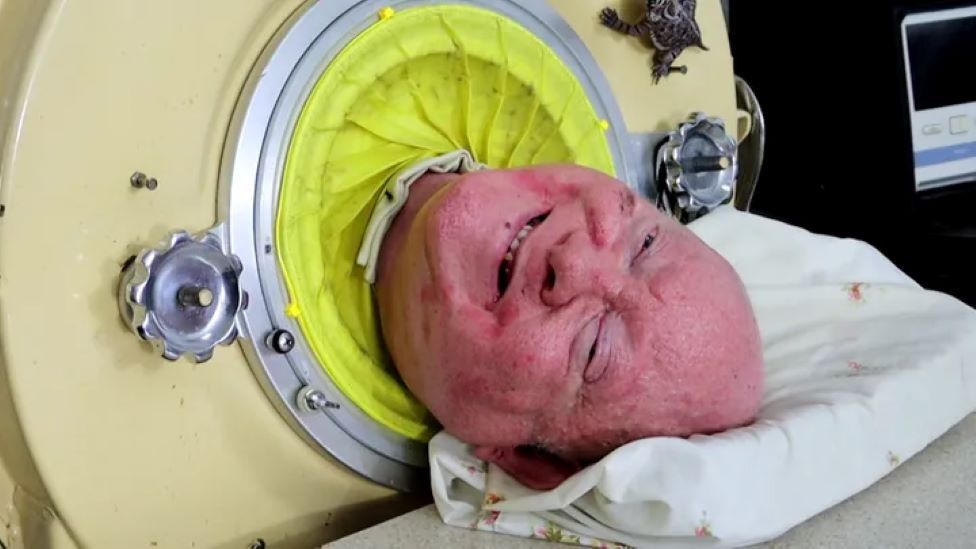
Published17 minutes agoShareclose panelShare pageCopy linkAbout sharingImage source, Getty ImagesBy Aurelia FosterHealth reporterA London fertility clinic has had its licence to operate suspended due to “significant concerns” about the unit.The fertility regulator said it had ordered the Homerton Fertility Centre to halt any new procedures while investigations continue.The clinic said there had been three separate incidents highlighting errors in some freezing processes.This led to the “tragic loss of a small number of embryos” either not surviving or being “undetectable”, it said.This means an embryo that has been stored in frozen liquid solution in a container cannot be found during later thawing. One recent patient from the clinic has told the BBC she is “distraught” after one of her stored embryos could not be found. Rachel, not her real name, says she found out on the day she was due to have her embryo thawed and put into her womb last month.”I’m distraught. I’m emotionally mentally drained,” she said.What is happening?The Homerton Healthcare NHS Foundation Trust says it began an investigation late in 2023 and immediately made regulators fully aware of it – a routine procedure after any adverse incidents.The regulator, the Human Fertilisation and Embryology Authority (HFEA), is now doing its own investigation alongside the trust.The Homerton has informed the patients affected and apologised for any distress caused. The clinic is permitted to continue treatment cycles which have already begun, such as those involving patients already taking medication.In a statement, it said while the investigators have not been able to find any direct cause of the errors, it had made changes in the unit to prevent reoccurrence of such incidents:All staff now work in pairs to ensure all clinical activities are checked by two healthcare professionalsCompetencies of staff within the unit have been rechecked Security in the unit has been increasedIts chief executive Louise Ashley said the clinic was writing to all its fertility patients, “apologising for the errors and for the concern this may have caused even if their eggs, embryos or sperm are unaffected. We will continue to keep them informed”. She added: “Current patients may continue to be treated at the unit despite the licence suspension by the HFEA, and our very dedicated staff are keen to support patients in whatever way they can.”The HFEA said it was rare for this type of action to be taken and that the clinic had referred itself for investigation.A spokesperson said: “We appreciate this may cause concern to patients who are undergoing treatment at the clinic, or have eggs, sperm and/or embryos stored there. We do not want to disrupt patients’ treatment if they have already started medication as part of a treatment cycle, so we have made provisions to allow them to complete their treatment if they wish to do so.”The HFEA decides which clinics should have a licence to operate and it does regular inspections.The Homerton Fertility Centre, in Hackney, east London, provides a range of fertility treatment to NHS and private patients and has been licensed since 1995. In April 2022, the clinic had to suspend fertility treatment because of staff shortages. Rachel said she had been offered another cycle of IVF treatment by the clinic, but says it takes a physical and emotional toll..”It’s impacting our relationship, it’s impacting our family life. It’s impacting our jobs. It’s impacting my husband’s job massively. It’s taking its toll everywhere,” she said.More on this storyIVF clinic investigated over possible damaged eggsPublished14 FebruaryHospital’s IVF treatment halted over lack of staffPublished26 April 2022Related Internet LinksHome – Homerton Healthcare NHS Foundation TrustHFEA- UK fertility regulatorThe BBC is not responsible for the content of external sites.

Read more →

Mutation solves a century-old mystery in meiosis

Movies such as ‘X-Men,’ ‘Fantastic Four,’ and ‘The Guardians,’ which showcase vibrant mutant heroes, have captivated global audiences. Recently, a high-throughput genetic screening of meiotic crossover rate mutants in Arabidopsis thaliana garnered the interest of the academic community by unraveling a century-old mystery in the life sciences.
A research team, consisting of Professor Kyuha Choi, Dr. Jaeil Kim, and PhD candidate Heejin Kim from the Department of Life Sciences at Pohang University of Science and Technology (POSTECH), has achieved a remarkable feat by unveiling the molecular mechanism responsible for crossover interference during meiosis, a biological pattern at the chromosome level. The findings of this research were published on February 20 in Nature Plants, an international journal in the field of life sciences.
In sexually reproducing organisms, individuals resemble their parents or siblings. Despite the striking similarities, it’s crucial to recognize that absolute identicalness is unattainable. This variation is attributed to the process of meiosis, which generates reproductive cells like sperm and eggs in animals or pollen and ovules in plants. Unlike somatic cell division, which duplicates and divides the genome identically, meiosis creates genetically diverse reproductive cells through a mechanism known as crossover.
Meiosis and crossover play pivotal roles in biodiversity and have significant implications in breeding where the selection and cultivation of superior traits in crops occur. Typically, most animal and plant species exhibit a minimum of one and a maximum of three crossovers per a pair of homologous chromosomes. The ability to control the number of these crossovers could lead to cultivating crops with specific desired traits. However, achieving such control has been challenging due to the ‘phenomenon of crossover interference.’ Crossover interference, where one crossover inhibits the formation of another crossover nearby along the same chromosome, was initially identified by fruit fly geneticist Hermann J. Muller in 1916. Despite researchers’ persistent efforts over the past century since its discovery, it is only recently that the mechanisms underlying crossover interference have started to unveil their secrets.
In this research, the team utilized a high-throughput fluorescent seed scoring method to directly measure crossover frequency in Arabidopsis plants. Through a genetic screen, they identified a mutant named hcr3 (high crossover rate3) that exhibited an increased crossover rate at the genomic level. Further analysis revealed that the elevated crossovers in hcr3 was attributed to a point mutation in the J3 gene, which encodes a co-chaperone related to HSP40 protein. This research demonstrated that a network involving HCR3/J3/HSP40 co-chaperone and the chaperone HSP70 controls crossover interference and localization by facilitating the degradation of the pro-crossover protein, HEI10 ubiquitin E3 ligase. The application of genetic screen approaches to uncover the crossover interference and inhibition pathway successfully addressed a century-old puzzle in the life sciences.
POSTECH Professor Kyuha Choi stated, “Applying this research to agriculture will enable us to rapidly accumulate beneficial traits, thereby reducing breeding time.” He expressed optimism by saying, “We hope this research will contribute to the breeding of new varieties and identification of useful natural variations responsible for desirable traits such as disease and environmental stress resistance, improved productivity, and high-value production.”
The research was conducted with support from the Basic Research Program in Science and Engineering and the Mid-Career Researcher Program of the National Research Foundation of Korea, the Next-Generation BioGreen 21 Program of the Rural Development Administration, the Suh Kyungbae Foundation, and the Samsung Science & Technology Foundation.

Read more →

Immunology: Good sleep stimulates the immune system

Researchers at LMU Munich have shown that sleep enhances the migratory potential of T cells toward lymph nodes.
Sleep is healthy — this popular knowledge is backed by science. Previous research had already shown that in people who slept after a vaccination, the immune response was twice as strong on average as in people who did not sleep during the night after the vaccination. However, the cell biological reasons for this had been little investigated before now.
A team led by Professor Luciana Besedovsky from the Institute of Medical Psychology has now demonstrated that sleep promotes the potential of immune cells — so-called T cells — to migrate toward lymph nodes. The researchers have reported their findings in the journal Brain, Behavior, and Immunity.
Significant differences after sleepless night
The scientists repeatedly examined the concentration of various subgroups of T cells in the blood of a cohort of healthy men and women over the course of two 24-hour sessions. In one of the two test conditions, the participants were allowed to sleep at night for eight hours, while in the other they relaxed in bed at night but stayed awake. A forearm catheter connected to an adjacent room by means of a tube enabled blood collection without disturbing the participant’s sleep.
Analysis of the blood samples revealed significant differences between the test conditions: “Our results show that sleep promotes the migratory potential of various T-cell subpopulations,” says Besedovsky.
Migration of T cells toward lymph nodes
As the researchers demonstrated, sleep increases the directed migration of T cells toward a signaling protein, the so-called ‘homing’ chemokine CCL19. This molecule mediates the migration of T cells, which possess the corresponding receptor for CCL19, to the lymph nodes, where the T cell immune defenses are ‘trained’ by being presented with antigens — for example, after a vaccination.

In further experiments, the researchers showed that incubating T cells with blood plasma taken from sleeping participants likewise increased the migratory potential. “This demonstrates that soluble factors that are elevated in blood plasma during sleep mediate the effect of sleep on T-cell migration. So we can in a way recreate the effect of sleep in the lab using the blood plasma of sleeping persons,” reports Besedovsky.
The scientists identified growth hormone and prolactin as the decisive factors for this migration behavior. Both hormones showed sleep-dependent changes in concentration in the plasma, with higher values among the participants who slept during the night.
“Our results also have potential clinical implications,” says Besedovsky. “Thus, growth hormone and prolactin could be considered as new adjuvants to promote immune responses following vaccination, especially in aged people, who typically display reduced levels of these hormones during sleep.” Overall, the authors see the study as an important step for better understanding why sleep supports immune responses — for example, after vaccination — and why vaccines are often less effective in older people.

Read more →

How water guides the assembly of collagen, the building block of all humans

Water determines life: humans are three-quarters water. An international research team led by the University of Amsterdam (UvA) has now discovered how water also determines the structure of the material that holds us together: collagen. In a paper recently published in PNAS, the researchers elucidate the role of water in the molecular self-assembly of collagen. They show that by replacing water with its ‘twin molecule’ heavy water (D2O), one can ‘tune’ the interaction between collagen molecules, and thus influence the process of collagen self-assembly. The findings will help to better understand the tissue failures resulting from heritable collagen-related diseases, such as brittle bone disease (osteogenesis imperfecta).
As lead author Dr Giulia Giubertoni of the UvA’s Van ‘t Hoff Institute for Molecular Sciences (HIMS)puts it: ‘In studying these and other collagen diseases, many researchers, including myself, myself have always missed an important part of the puzzle, and the possibility that tissue failure might be partly due to water-collagen interaction was not taken very seriously. We now show that perturbing the water layer around the protein, even very slightly, has dramatic effects on collagen assembly.’
Giubertoni wants to make researchers in the collagen-disease community aware that very subtle changes in the water-collagen interaction might contribute to collagen diseases. These changes can potentially arise, for instance, from mutations in the collagen protein which occur in genetic diseases. The researchers also suggest that altered interactions between water and collagen are a contributing factor in various age-related diseases involving tissue dysfunction.
The stuff we’re made of
Collagen is to a large extent ‘the stuff we’re made of’- around a third of all protein in our body is collagen which ensures the mechanical integrity of all human connective tissue. For instance, our skin and arteries stretch without tearing and our bones can resist high stress without breaking. Collagen is produced by our cells as single proteins that assemble into larger structures called fibrils. These fibrils further assemble into networks that form the scaffolds for our tissues.
Since collagen is formed in the aqueous environment of human cells, water plays a crucial role in its assembly. The interaction of water molecules with proteins results in collagen that is best suited for its function. But what exactly is behind this collagen-optimising role of water? How does water do it? And will understanding this mechanism offer insights into conditions where something is wrong with collagen, such as osteogenesis imperfecta? These were the central questions of the research now published in PNAS.
Introducing heavy water
To investigate the role of water in collagen formation, Giubertoni — together with her UvA colleague Prof. Sander Woutersen and their collaborator Prof. Gijsje Koenderink (Delft University of Technology) — decided to replace water with its heavier ‘twin molecule’ D2O. Initially discovered by the Nobel prize winner Harold Urey in 1931, in D2O the hydrogen atoms (H) of water are replaced with the isotope deuterium (D) that has an added neutron in its nucleus. D2O or ‘heavy water’ thus is the ‘closest replacement’ to ordinary water in nature.

However, in interaction with proteins, D2O is less potent than H2O. This is because bonds between D2O molecules (so-called hydrogen-bonds) are stronger than those between H2O molecules. This affects the interaction with proteins such as collagen.
Giubertoni, Woutersen and Koenderink were keen to study the effect this would have on collagen assembly. Together with a multi-disciplinary collaborative research network, they were able to establish that the use of heavy water results in ten times faster collagen formation, and ultimately a less homogeneous, softer and less stable collagen-fibre network.
A very effective moderator
The explanation is that the reduced interaction of the heavy water with the collagen protein makes it easier for the protein to ‘shake off’ the D2O molecules and reorganise itself.
This boosts the formation of the collagen network, but also results in a sloppier, less optimal collagen network. Water thus acts as a mediator between collagen molecules, slowing down the assembly to guarantee the functional properties of living tissues.
This discovery offers fresh perspectives on how water influences the characteristics of collagen, allowing for precise adjustments in the mechanical properties of living tissues. It also creates novel avenues for creating collagen-based materials where macroscopic properties can be controlled and fine-tuned by subtle variations in the composition of the solvent, rather than making significant changes to the chemical structure of the molecular building blocks.
A similar “investigative” approach might be also used in the future to elucidate the role of water in driving and guiding the assembly of other proteins capable of assembling in larger structures. Giubertoni . Giubertoni will move on to study how defects in collagen affect its interaction with water, and what role this plays in the failure of tissue in collagen diseases.

Read more →

Brain waves travel in one direction when memories are made and the opposite when recalled

In the space of just a few seconds, a person walking down a city block might check their phone, yawn, worry about making rent, and adjust their path to avoid a puddle. The smell from a food cart could suddenly conjure a memory from childhood, or they could notice a rat eating a slice of pizza and store the image as a new memory.
For most people, shifting through behaviors quickly and seamlessly is a mundane part of everyday life.
For neuroscientists, it’s one of the brain’s most remarkable capabilities. That’s because different activities require the brain to use different combinations of its many regions and billions of neurons. How it manages to do this so rapidly has been an open question for decades.
The Study
In a paper published March 8 in Nature Human Behaviour, a team of researchers, led by Joshua Jacobs, associate professor of biomedical engineering at Columbia Engineering, shed new light on this question. By carefully monitoring neural activity of people who were recalling memories or forming new ones, the researchers managed to detect how a newly appreciated type of brainwave — traveling waves — influences the storage and retrieval of memories.
“Broadly, we found that waves tended to move from the back of the brain to the front while patients were putting something into their memory,” said the paper’s co-author Uma R. Mohan, a postdoctoral researcher at NIH and former postdoctoral researcher in the Electrophysiology, Memory, and Navigation Laboratory at Columbia Engineering. “When patients were later searching to recall the same information, those waves moved in the opposite direction, from the front towards the back of the brain,” she said.
In the brains of some of the study’s 93 participants, waves traveled in other directions.

“There was a lot of diversity across patients, so we implemented a framework based on the direction an individual’s oscillations ‘preferred’ to travel,” Mohan said.
The researchers say these findings advance fundamental neuroscience research and point toward diagnostic and therapeutic approaches for memory-related disorders.
“We think the work may lead to new approaches for interfacing with the brain. By measuring the direction that a person’s brain waves move, we may be able to predict their behavior,” Jacobs said.
The Challenge
Brain waves are patterns of electrical oscillations that reflect the state of hundreds or thousands of individual neurons at a particular moment. One major question, which remains unsettled, is whether brain waves drive activity or simply occur as a byproduct of neural activity that was already happening. Researchers who study brain waves have tended to treat them as a stationary phenomenon that occurs in a particular region, noting when oscillations in multiple regions seem synchronized.
In this study, Mohan and her colleagues contribute to a growing understanding of these oscillations differently, as “traveling waves” that spread across the brain’s cortex, the outermost layer that supports higher cognitive processing. Mohan compares the traveling waves to the ripples that would spread outward after a pebble was thrown into a pond.

“We’re looking at neural oscillations not as independent stationary things but as things that are constantly and spontaneously moving across the brain in a dynamic way,” Mohan said.
This relatively new way of understanding brain waves is an exciting step in neuroscience because it offers a pathway to explaining how the brain quickly coordinates activity and shares information across multiple regions.
The Experiments and Results
This study drew on data from participants who were being treated for drug-resistant epilepsy at hospitals across the United States. The experiments occurred while the participants had grids or strips of electrodes temporarily implanted on the surface of the brain, beneath the skull, to determine where the patients’ seizures arise. For the researchers, these electrodes offer the chance to perform experiments that wouldn’t otherwise be feasible.
“It’s a rare opportunity to be able to see what’s going on directly from the brain while the participants are engaged in different cognitive behaviors,” Mohan said.
During the experiments, researchers recorded the participants’ brain activity while they performed tasks that required memorizing and recalling lists of words or letters.
After the experiments, the researchers analyzed the brain activity from each participant in the context of what they were doing in the memory task and how well they performed.
“I implemented a method to label waves traveling in one direction as basically ‘good for putting something into memory.’ Then we could see how the direction switched over the course of the task,” Mohan said. This method builds on previous research from the Jacobs lab by expanding the mathematical framework used to make sense of the vast quantities of data these experiments produced.
“The waves tended to go in the participant’s encoding direction when that participant was putting something into memory and in the opposite direction right before they recalled the word,” she said. ” Overall, this new work links traveling waves to behavior by demonstrating that traveling waves propagate in different directions across the cortex for separate memory processes.”
The data also showed that participants tended to perform the memory task more accurately when the traveling waves were moving in the appropriate direction for memory storage and recall.
“These findings shed light on the mechanisms that underlie memory processing. More broadly, they help us better understand how the brain supports a wide range of behaviors that involve precisely coordinated interactions between brain regions,” Mohan said.
Potential Impact and Future Directions
As traveling waves are increasingly well understood, they could be the basis for a new class of diagnostic tools that recognize abnormal patterns in brain activity.
There is also significant therapeutic potential.
“If someone’s waves are moving in the wrong direction when they’re about to try to remember something, that might put them in a poor memory state,” Mohan explained. “If you could apply stimulation in the right way, you could maybe push those waves to move in a different direction, bringing about a fundamentally different memory state.”
Advances in understanding traveling waves offer significant potential for human-computer interaction.
In terms of both research and application, Mohan notes that memory is just the starting point.
“I am interested in how characteristics of cortical traveling waves change to support a wide range of cognitive functions, including attention and associative memory,” she said.
“The direction of traveling wave propagation may tell us where information is moving across the brain at each moment, showing us how different parts of the brain transfer information during behavior,” Jacobs said.

Read more →

Zika virus vaccine emerges as an unlikely hero in battling brain cancer

Scientists from Duke-NUS Medical School (Duke-NUS) have developed a new approach using the Zika virus to destroy brain cancer cells and inhibit tumour growth, while sparing healthy cells. Using Zika virus vaccine candidates developed at Duke-NUS, the team discovered how these strains target rapidly proliferating cells over mature cells — making them an ideal option to target fast-growing cancerous cells in the adult brain. Their findings, published in the Journal of Translational Medicine, potentially offer a new treatment alternative for brain cancer patients who currently have a poor prognosis.
Glioblastoma multiforme is the most common malignant brain cancer, with more than 300,000 patients diagnosed annually worldwide[i]. Survival rates for such patients are poor (around 15 months), mainly due to high incidence of tumour recurrence and limited treatment options. For such patients, oncolytic virotherapy — or the use of engineered viruses to infect and kill cancer cells — may address the current therapeutic challenges.
Zika virus is one such option in early development. The Duke-NUS team used Zika virus live-attenuated vaccine (ZIKV-LAV) strains, which are “weakened” viruses with limited ability to infect healthy cells but can still grow rapidly and spread within a tumour mass.
“We selected Zika virus because it naturally infects rapidly multiplying cells in the brain, allowing us to reach cancer cells that are traditionally difficult to target. Our ZIKV-LAV strains also replicate themselves in brain cancer cells, making this a living therapy that can spread and attack neighbouring diseased cells,” said Dr Carla Bianca Luena Victorio, first author of the paper and Senior Research Fellow at the Cancer & Stem Cell Biology Research Programme at Duke-NUS.
Dr Victorio and the team determined that ZIKV-LAV strains were highly effective in infecting cancer cells as these viruses bind to proteins that are present in high levels only in cancer cells and not in healthy cells. Upon infecting a cancer cell, these virus strains hijack the cell’s resources to reproduce, ultimately killing the cell. As the cancer cell’s protective membrane ruptures upon death, it releases its contents, including virus progeny that can infect and kill neighbouring cancer cells. In addition, some cellular proteins released from the infected cells can activate an immune response to further inhibit tumour growth.
Through their experiments, the team observed that infection from ZIKV-LAV strains caused 65 to 90 per cent of glioblastoma multiforme tumour cells to die. While the ZIKV-LAV strains also infected 9 to 20 per cent of cells from blood vessels in the brain, the infection did not kill these healthy cells. In contrast, the original parent Zika virus strain killed up to 50 per cent of healthy brain cells.
The scientists also discovered that the ZIKV-LAV strains were not able to reproduce well even when they managed to infect healthy cells. The amount of virus measured in healthy brain cells infected with ZIKV-LAV was only 0.36 to 9 times higher than before infection. In contrast, the amount of virus in brain cancer cells infected with ZIKV-LAV was 100 to a billion times higher than before infection. This further illustrates that conditions in cancer cells are significantly more conducive for virus reproduction than in normal cells.

“Since the Zika virus outbreak in 2016, understandably, there has been fear about the nature of the virus and its devastating effects. Through our work, we hope to present the Zika virus in a new light by highlighting its potential to kill cancer cells. When a live virus is attenuated, such that it is safe and effective to fight infectious diseases, it can be beneficial to human health — not just as a vaccine but also as a potent tumour-eradicating agent,” said Assistant Professor Ann-Marie Chacko from Duke-NUS’ Cancer & Stem Cell Biology Research Programme. She is also the senior author of the paper.
The live attenuated virus strains were originally developed as a vaccine by Professor Ooi Eng Eong’s group from Duke-NUS’ Emerging Infectious Diseases Research Programme. As a control, the virus strains were also tested on brain neurons or nerve cells that had been cultivated from human stem cells by Assistant Professor Alfred Sun’s team from the Neuroscience & Behavioural Disorders Research Programme in Duke-NUS. This provides a reliable screening tool to assess the safety and efficacy of using the virus as therapy in human cells.
Asst Prof Chacko’s group is improving these and other Zika virus strains to increase their potency in killing not only brain cancer cells, but other types of cancer cells as well, while making them safer for use in patients. They are also modifying the virus so it can be imaged non-invasively after it has been injected into a patient. This will allow doctors to monitor where the virus goes in the patient and how long it is functional in the tumour.
To this end, the group is exploring commercialising their virus strains as both a Zika vaccine and treatment for brain cancer, and potentially other cancers, such as ovarian cancer.
Professor Patrick Tan, Senior Vice-Dean for Research at Duke-NUS, said: “This is a sterling example of how different research programmes within the School come together to tap their various expertise to advance medical knowledge and improve patients’ lives. The team’s valuable insights may one day translate into a new treatment option to control tumour growth or even, offer a cure for cancer.”

Read more →

Optimizing boosters: How COVID mRNA vaccines reshape immune memory after each dose

mRNA vaccines developed against the spike glycoprotein of severe acute respiratory syndrome type 2 coronavirus (SARS-CoV-2), displayed remarkable efficiency in combating coronavirus 19 (COVID-19). These vaccines work by triggering both cellular and humoral immune responses against the spike protein of the virus. Cellular immunity may play a more protective role than humoral immunity to variants of concerns (VOC) against SARS-CoV-2, as it targets the conserved regions of spike protein and possibly cross-reacts with other variants.
Since a single spike epitope is recognized by multiple T-cell clones, the mRNA vaccination-induced T-cell response may consist of multiple spike-reactive clones. Thus, it is important to understand the mechanism of mRNA vaccination-induced cellular immune response. However, to address this clonal-resolution analysis on T-cell responses to mRNA vaccination has not been performed yet.
To bridge this gap, a team of researchers, led by Associate Professor Satoshi Ueha, including Professor Kouji Matsushima from the Tokyo University of Science (TUS), Japan, Mr. Hiroyasu Aoki from the University of Tokyo, and Professor Toshihiro Ito from Nara Medical University, aimed to develop a kinetic profile of spike-reactive T-cell clones during repetitive mRNA vaccination. For this, they performed a longitudinal TCR sequencing on peripheral T cells of 38 participants who had received the Pfizer vaccine from before the vaccine to after the third vaccination and then analyzed the single-cell gene expression and epitope specificity of the clonotypes.
Their findings, published in Cell Reports on March 7, 2024, revealed that while the primary T-cell response of naïve T cells generally peaked 10-18 days after the first shot, expansion of “early responders” was detected on day 7 after the first shot, suggesting that these early responders contain memory T cells against common cold coronaviruses. They also found a “main responder” that expanded after the second shot and did not expand early after the first shot and a “third responder” that appeared and expanded only after the third shot.
By longitudinally tracking the total frequency of each response pattern, it was observed that, after the second shot, a shift among the clonotypes occurred, wherein the major population changed from early responders to main responders, suggestive of a shift in clonal dominance. A similar shift of responding clones was also observed in CD4+ T cells.
Expanding upon the research process, Prof. Ueha says, “We next analyzed the phenotype of main responders after the second and the third vaccination. The results showed that the main responders after the second and third shots mostly consist of effector-memory T cells (TEM), with more terminally differentiated effector memory-like phenotype after the third shot.”
The researchers then examined the repertoire changes of main responders, revealing that the expansion of main responders, which occurred after the second shot, diminished following the third shot, and the clonal diversity decreased and was partially replaced by the third responders. This may potentially mean that the third vaccination selected better-responding clones.
Due to the vaccination-induced shift in immunodominance of spike epitopes, the study supports the inter-epitope shift model. In addition, there were intra-epitope shifts of vaccine-responding clonotypes within spike epitopes.
Prof. Ueha explains the significance of these results, “Our analysis suggests that T cells can “re-write” themselves and reshape their memory populations after successive vaccinations. This re-writability not only maintains the number of memory T cells but also maintains diversity that can respond to different variants of pathogens. Moreover, by tuning the replacement of memory cells, more effective vaccines can be developed that can also be tailored to an individual’s unique immune response.”
Overall, this study provides important insights into mRNA vaccine-induced T-cell responses, which will be crucial for developing next-generation vaccines for more effective and broad protection against viruses.

Read more →