Miscarriages linked to health risks in later pregnancies

New Curtin University research has revealed a link between miscarriage and the increased risk of developing complications of gestational diabetes and high blood pressure-related disorders in later pregnancies.
Researchers from the Curtin School of Population Health analysed 52 studies involving more than 4 million pregnancies across 22 countries to investigate the health impacts of miscarriage, abortion and recurrent pregnancy loss (more than two miscarriages in succession) on subsequent pregnancies.
The study found different health risks for each group.
People who had experienced a miscarriage were 44 per cent more likely to develop gestational diabetes during later pregnancies but only 6 per cent more likely to develop high blood pressure in subsequent pregnancies.
Conversely, people who had experienced recurrent pregnancy loss showed no increased risk of gestational diabetes but were 37 per cent more likely to develop pre-eclampsia, a potentially dangerous complication characterised by high blood pressure, in later pregnancies.
There was no evidence linking abortion to diabetic or hypertensive related issues, either during or outside of pregnancy.
Lead study author Dr Jennifer Dunne said establishing the links between pregnancy loss, diabetes and high blood pressure could have a far reaching impact.

“Miscarriages occur in 15-25 per cent of all pregnancies — which is around 23 million per year, globally,” Dr Dunne said.
“Gestational diabetes and high blood pressure disorders in pregnancy can cause a variety of significant health problems; understanding the relationship between pregnancy loss and later pregnancy complications could reveal new ways to mitigate risks or possibly prevent these conditions from progressing.
“Further research into the biological links between pregnancy loss and later health issues might reveal new targets for developing treatments.”
Dr Dunne said the study added to what was already known about pregnancy complications and health later in life, even beyond pregnancy.
“Knowing miscarriage can lead to these pregnancy complications later on is important, as these conditions during pregnancy have previously been linked to a higher risk of people developing heart disease later in life,” Dr Dunne said.
“By shedding light on the long-term health effects of miscarriages and repeated pregnancy losses, this study paves the way for improved healthcare strategies, research, and support for those affected — hopefully enhancing the outcomes for parents and babies in future pregnancies.”

Read more →

Synaptic protein change during development offers clues on evolution and disease

The first analysis of how synaptic proteins change during early development reveals differences between mice and marmosets but also what’s different in individuals with autism spectrum disorders. The Kobe University findings offer first insights into the mechanism behind synaptic development and open up routes for research on possible treatments.
Given that synapses are the connections between our brain cells, one might think that having as many of these as possible is a good thing. However, primate brains do something unexpected: After early childhood, the connections between brain cells start to decrease in a process called “synaptic pruning.” Surprisingly, we know very little about the molecular mechanism behind how synapses change as brains mature and this is also a hurdle for the development of cures to neuropsychological disorders such as the autism spectrum disorder.
Both recent developments in the ability to analyze complex protein assemblies and the recent availability of marmosets as non-human primate model organisms for studies on the brain enabled Kobe University neuroscientist TAKUMI Toru to tackle this knowledge gap. He explains, “The Collaboration with experts in proteomics and non-human primate brain has been a critical factor for enabling this study. Also, we have established an analytical pipeline to compare multiple biological data sets using the latest statistical and bioinformatics tools, which was another crucial element.” With this, they focused their studies on the analysis of a protein agglomeration found on the signal-receiving side of synapses, the so-called “postsynaptic density,” as it has become clear in previous studies that its constituents are key to the development of small mushroom-shaped protrusions on the signal-receiving cells where synapses are formed.
Their results, published in the journal Nature Communications, are science’s first look at what is happening at the protein level in synapses during brain development in the first weeks, months and years after birth. The Kobe University-led research team identified a group of proteins that are produced more and others that are produced less as time passes and could confirm that this is due to changes in gene regulation. They also found that the timing of this regulation is different in mice and marmosets: What happens in mice two weeks after birth happens before or around birth in marmosets. In addition, marmosets have a second phase of protein changes that mice don’t have. “This may be related to the evolutionary differences between rodent and primate brains,” comments KAIZUKA Takeshi, the first author of the paper, also in respect to the process of synaptic pruning.
Takumi’s interest didn’t stop there. Knowing that the development of autism spectrum disorder is connected to developmental immaturities of synapses, they investigated what this means on the level of the proteins his group had identified to be connected to synapse development. And indeed, they found that the genes reported to be expressed differentially in autism patients also feature prominently in their data. “These data suggest that the postsynaptic density in autism spectrum disorder patients is relatively similar to that in the prenatal or neonatal period compared to healthy subjects,” the researchers write in the study. Being thus able to construct hypotheses on the molecular mechanism behind the emergence of the disorder, this might open up the path for the development of treatments.
Takumi sums up the implications of this study. “Synapse development is a crucial issue to consider in the maturation of brains. Its abnormalities are related to neuropsychiatric disorders, including autism spectrum disorders and schizophrenia. The proteome datasets we provided are important for considering molecular mechanisms of synapse development and the difference between rodents and primates.”
This research was funded by the Japan Society for the Promotion of Science (grants 16H06316, 16H06463, 18K14830, 21H04813, 23H04233, 23KK0132 and 16J04376), the Japan Agency for Medical Research and Development (grants JP21wm0425011 and JP20dm0207001), the Japan Science and Technology Agency (grants JPMJMS2299 and JPMJMS229B), the National Center of Neurology and Psychiatry (grant 30-9), the Takeda Science Foundation, and the Taiju Life Social Welfare Foundation. It was conducted in collaboration with researchers from the RIKEN Center for Brain Science, the RIKEN Center for Sustainable Resource Science, the Max Planck Institute for Experimental Medicine, Hokkaido University and Keio University.

Read more →

‘Exhausted’ immune cells in healthy women could be target for breast cancer prevention

People carrying BRCA1 and BRCA2 gene mutations are at high risk of developing breast and ovarian cancer. Researchers have found that changes occur in the immune cells of breast tissue in carriers of BRCA1 and BRCA2 mutations long before breast cancer develops. This raises the possibility of early intervention to prevent the disease, as an alternative to risk-reduction surgery. Drugs already approved for late-stage breast cancer treatment could reactivate the faulty immune cells and keep the breast cells healthy. If successful in mouse models, this preventative therapeutic approach could pave the way for clinical trials in human carriers of BRCA1 and BRCA2 mutations.
Researchers at the University of Cambridge have created the world’s largest catalogue of human breast cells, which has revealed early cell changes in healthy carriers of BRCA1 and BRCA2 gene mutations.
Everyone has BRCA1 and BRCA2 genes, but mutations in these genes — which can be inherited — increase the risk of breast and ovarian cancer.
The study found that the immune cells in breast tissue of healthy women carrying BRCA1 or BRCA2 gene mutations show signs of malfunction known as ‘exhaustion’. This suggests that the immune cells can’t clear out damaged breast cells, which can eventually develop into breast cancer.
This is the first time that ‘exhausted’ immune cells have been reported in non-cancerous breast tissues at such scale — normally these cells are only found in late-stage tumours.
The results raise the possibility of using existing immunotherapy drugs as early intervention to prevent breast cancer developing, in carriers of BRCA1 and BRCA2 gene mutations.
The researchers have received a ‘Biology to Prevention Award’ from Cancer Research UK to trial this preventative approach in mice. Existing drugs have serious side effects, so testing in mice is necessary to find the right safe dosage. If effective, this will pave the way to a pilot clinical trial in women carrying BRCA gene mutations.

“Our results suggest that in carriers of BRCA mutations, the immune system is failing to kill off damaged breast cells — which in turn seem to be working to keep these immune cells at bay,” said Professor Walid Khaled in the University of Cambridge’s Department of Pharmacology and Wellcome-MRC Cambridge Stem Cell Institute, senior author of the report.
He added: “We’re very excited about this discovery, because it opens up potential for a preventative treatment other than surgery for carriers of BRCA breast cancer gene mutations.
“Drugs already exist that can overcome this block in immune cell function, but so far, they’ve only been approved for late-stage disease. No-one has really considered using them in a preventative way before.”
The results are published today in the journal Nature Genetics.
Risk-reducing surgery, in which the breasts are removed, is offered to those at increased risk of breast cancer. This can be a difficult decision for young women to make and can have a significant effect on body image and sexual relationships.
“The best way to prevent breast cancer is to really understand how it develops in the first place. Then we can identify these early changes and intervene,” said Khaled.

He added: “Late-stage breast cancer tends to be very unpredictable and hard to manage. As we make better and better drugs, the tumours just seem to find a way around it.”
Using samples of healthy breast tissue collected from 55 women across a range of ages, the researchers catalogued over 800,000 cells — including all the different types of breast cell.
The resulting Human Breast Cell Atlas is now available as a resource for other researchers to use and add to. It contains huge amounts of information on other risk factors for breast cancer including Body Mass Index (BMI), menopausal status, contraceptive use and alcohol consumption.
“We’ve found that there are multiple breast cell types that change with pregnancy, and with age, and it’s the combination of these effects — and others — that drives the overall risk of breast cancer,” said Austin Reed, a PhD student in the University of Cambridge’s Department of Pharmacology and joint first author of the report.
He added: “As we collect more of this type of information from samples around the world, we can learn more about how breast cancer develops and the impact of different risk factors — with the aim of improving treatment.”
One of the biggest challenges in treating breast cancer is that it is not just one disease, but many. Many different genetic variations can lead to breast cancer, and genetic risk interacts with other risk factors in complicated ways.
For example, it is known that the likelihood of breast cancer increases with age, but this risk is greatly reduced by pregnancy early in life. And age-associated risk is greatly increased in carriers of the breast cancer genes BRCA1 and BRCA2.
The new study aimed to understand how some of these risk factors interact, by characterising the different cell types in the human breast under many different physiological states.
The researchers used a technique called ‘single cell RNA-sequencing’ to characterise the many different breast cell types and states. Almost all cells in the body have the same set of genes, but only a subset of these are switched on in each cell — and these determine the cell’s identity and function. Single cell RNA-sequencing reveals which genes are switched on in individual cells.
“Breast cancer occurs around the world, but social inequalities mean not everyone has access to treatment. Prevention is the most cost-effective approach. It not only tackles inequality, which mostly affects low-income countries, but also improves disease outcome in high-income countries,” said Dr Sara Pensa, Senior Research Associate in the University of Cambridge’s Department of Pharmacology and joint first author of the study.

Read more →

New method developed to isolate HIV particles

Researchers at Leipzig University and Ulm University have developed a new method to isolate HIV from samples more easily, potentially making it easier to detect infection with the virus. They focus on peptide nanofibrils (PNFs) on magnetic microparticles, a promising tool and hybrid material for targeted binding and separation of viral particles. They have published their new findings in the journal Advanced Functional Materials.
“The presented method makes it possible to efficiently capture, isolate and concentrate virus particles, which may improve the sensitivity of existing diagnostic tools and analytical tests,” says Professor Bernd Abel of the Institute of Technical Chemistry at Leipzig University. The nanofibrils used — small, needle-like structures — are based on the EF-C peptide, which was first described in 2013 by Professor Jan Münch from Ulm University and Ulm University Medical Center. EF-C is a peptide consisting of twelve amino acids that forms nanoscale fibrils almost instantaneously when dissolved in polar solvents. These can also be applied to magnetic particles. “Using the EF-C peptide as an example, our work shows how peptide fibrils on magnetic particles can have a completely new functionality — the more or less selective binding of viruses. Originally, fibrils of this kind were more likely to be associated with neurodegenerative diseases,” adds Dr Torsten John, co-first author of the study and former doctoral researcher under Professor Abel at Leipzig University. He is now a junior researcher at the Max Planck Institute for Polymer Research in Mainz, Germany.
“Increasing the local concentration and isolating viruses from samples are critical to increasing the sensitivity of diagnosing viral infections,” says Professor Münch. The researchers from Ulm and Leipzig have presented such a method for the concentration and isolation of HIV particles. In their study, they show how PNFs can be used effectively to separate HIV particles from solutions without relying on centrifugation. This innovative method uses special magnetic microbeads to specifically bind and magnetically separate virus particles, preserving their activity and infectivity. This is significant for new genetic engineering processes, for example. The study highlights the importance of the new method for HIV research and diagnostics, as well as for other applications in viral research. By improving the efficiency with which virus particles can be concentrated and isolated, this technology and the new hybrid material could help to improve the diagnosis of infections and the monitoring of resistance.

Read more →

COVID-19 antibody discovery could explain long COVID

UVA Health researchers have discovered a potential explanation for some of the most perplexing mysteries of COVID-19 and long COVID. The surprising findings could lead to new treatments for the difficult acute effects of COVID-19, long COVID and possibly other viruses.
Researchers led by UVA’s Steven L. Zeichner, MD, PhD, found that COVID-19 may prompt some people’s bodies to make antibodies that act like enzymes that the body naturally uses to regulate important functions — blood pressure, for example. Related enzymes also regulate other important body functions, such as blood clotting and inflammation.
Doctors may be able to target these “abzymes” to stop their unwanted effects. If abzymes with rogue activities are also responsible for some of the features of long COVID, doctors could target the abzymes to treat the difficult and sometimes mysterious symptoms of COVID-19 and long COVID at the source, instead of merely treating the downstream symptoms.
“Some patients with COVID-19 have serious symptoms and we have trouble understanding their cause. We also have a poor understanding of the causes of long COVID,” said Zeichner, a pediatric infectious disease expert at UVA Children’s. “Antibodies that act like enzymes are called ‘abzymes.’ Abzymes are not exact copies of enzymes and so they work differently, sometimes in ways that the original enzyme does not. If COVID-19 patients are making abzymes, it is possible that these rogue abzymes could harm many different aspects of physiology. If this turns out to be true, then developing treatments to deplete or block the rogue abzymes could be the most effective way to treat the complications of COVID-19.”
Understanding COVID-19 Abzymes
SARS-CoV-2, the virus that causes COVID, has protein on its surface called the Spike protein. When the virus begins to infect a cell, the Spike protein binds a protein called Angiotensin Converting Enzyme 2, or ACE2, on the cell’s surface. ACE2’s normal function in the body is to help regulate blood pressure; it cuts a protein called angiotensin II to make a derivative protein called angiotensin 1-7. Angiotensin II constricts blood vessels, raising blood pressure, while angiotensin 1-7 relaxes blood vessels, lowering blood pressure.
Zeichner and his team thought that some patients might make antibodies against the Spike protein that looked enough like ACE2 so that the antibodies also had enzymatic activity like ACE2, and that is exactly what they found.

Recently, other groups have found that some patients with long COVID have problems with their coagulation systems and with another system called “complement.” Both the coagulation system and the complement system are controlled by enzymes in the body that cut other proteins to activate them. If patients with long COVID make abzymes that activate proteins that control processes such as coagulation and inflammation, that could explain the source of some of the long COVID symptoms and why long COVID symptoms persist even after the body has cleared the initial infection. It also may explain rare side effects of COVID-19 vaccination.
To determine if antibodies could be having unexpected effects in COVID patients, Zeichner and his collaborators examined plasma samples collected from 67 volunteers with moderate or severe COVID on or around day 7 of their hospitalization. The researchers compared what they found with plasma collected in 2018, prior to the beginning of the pandemic. The results showed that a small subset of the COVID patients had antibodies that acted like enzymes.
While our understanding of the potential role of abzymes in COVID-19 is still in its early stages, enzymatic antibodies have already been detected in certain cases of HIV, Zeichner notes. That means there is precedent for a virus to trigger abzyme formation. It also suggests that other viruses may cause similar effects.
Zeichner, who is developing a universal coronavirus vaccine, expects UVA’s new findings will renew interest in abzymes in medical research. He also hopes his discovery will lead to better treatments for patients with both acute COVID-19 and long COVID.
“We now need to study pure versions of antibodies with enzymatic activity to see how abzymes may work in more detail, and we need to study patients who have had COVID-19 who did and did not develop long COVID,” he said. “There is much more work to do, but I think we have made a good start in developing a new understanding of this challenging disease that has caused so much distress and death around the world. The first step to developing effective new therapies for a disease is developing a good understanding of the disease’s underlying causes, and we have taken that first step.”
Findings Published
The researchers have published their findings in the scientific journal mBio, a publication of the American Society for Microbiology. The research team consisted of Yufeng Song, Regan Myers, Frances Mehl, Lila Murphy, Bailey Brooks, and faculty members from the Department of Medicine, Jeffrey M. Wilson, Alexandra Kadl, Judith Woodfolk.

“It’s great to have such talented and dedicated colleagues here at UVA who are excited about working on new and unconventional research projects,” said Zeichner.
Zeichner is the McClemore Birdsong Professor in the University of Virginia School of Medicine’s Departments of Pediatrics and Microbiology, Immunology and Cancer Biology; the director of the Pendleton Pediatric Infectious Disease Laboratory; and part of UVA Children’s Child Health Research Center.
The abzyme research was supported by UVA, including the Manning Fund for COVID-19 Research at UVA; the Ivy Foundation; the Pendleton Laboratory Fund for Pediatric Infectious Disease Research; a College Council Minerva Research Grant; the Coulter Foundation; and the National Institutes of Health’s National Institute of Allergy and Infection Diseases, grant R01 AI176515. Additional support came from the HHV-6 Foundation.

Read more →

Reverse effects of trauma? Older brain cells linger unexpectedly before their death

For oligodendrocytes — the central nervous system cells critical for brain function — age may not bring wisdom, but it does come with the power to cling to life for much, much longer than scientists knew. That’s according to a new study featured on the March 27 cover of the Journal of Neuroscience.
Mature oligodendrocytes took a shocking 45 days to die following a fatal trauma that killed younger cells within the expected 24 hours, Dartmouth researchers report. The findings suggest there’s a new pathway for efforts to reverse or prevent the damage that aging and diseases such as multiple sclerosis cause to these important cells.
In the brain, oligodendrocytes wrap around the long, skinny connections between nerve cells known as axons, where they produce a lipid membrane called a myelin sheath that coats the axon. Axons transmit the electrical signals that nerve cells use to communicate; myelin sheaths — like the plastic coating on a copper wire — help these signals travel more efficiently.
Old age and neurodegenerative diseases like MS damage oligodendrocytes. When the cells die, their myelin production perishes with them, causing myelin sheaths to break down with nothing to replenish them. This can lead to the loss of motor function, feeling, and memory as neurons lose the ability to communicate.
Scientists have assumed that damaged oligodendrocytes — like all injured cells — initiate a cellular self-destruct called apoptosis in which the cells kill themselves. But Dartmouth researchers discovered that mature oligodendrocytes can experience an extended life before their death that has never been seen before. The findings pose the critical question of what in these cells changes as they mature that allows them to persist.
“We found that mature cells undertake a pathway that is still controlled, but not the classical programmed cell-death pathway,” said Robert Hill, an assistant professor of biological sciences and corresponding author of the paper.
“We think this is showing us what happens in brains as we age and revealing a lot about how these cells die in older people,” Hill said. “That unique mechanism is important for us to investigate further. We need to understand why these cells are following this pathway so we can potentially encourage or prevent it, depending on the disease context.”
First author Timothy Chapman, who led the project as a PhD candidate in Hill’s research group, said that efforts to develop treatments for preserving myelin have focused on cultivating young oligodendrocytes and protecting mature ones. But this study suggests the cells may change significantly as they age and that a one-size-fits-all treatment might not work.

“In response to the same thing, young cells go one way and old cells go another,” said Chapman, who is now a postdoctoral researcher at Stanford University. “If you wanted to protect the old cells, you may have to do something completely different than if you wanted to help the young cells mature. You’ll likely need a dual approach.”
The paper builds on a living-tissue model the team reported in the journal Nature Neuroscience in March 2023 that allows them to initiate the death of a single oligodendrocyte to observe how the cells around it react. They reported that when an oligodendrocyte in a young brain died, the cells around it immediately replenished the lost myelin. In a brain equivalent to that of a 60-year-old, however, the surrounding cells did nothing and the myelin was lost.
“That model gets us as close as we can get to the cell-death process that happens in the brain,” Hill said. “We’re able to model the effects of aging really well. Our ability to select a single oligodendrocyte, watch it die, and watch it regenerate or fail to regenerate allows us to understand what drives this process at the cellular level and how it can be controlled.”
For the latest study, the researchers used their model to fatally damage oligodendrocyte DNA using what amounts to a cellular death ray — a photon-based device called 2Phatal that Hill developed. They also used the standard method for removing myelin that uses the copper-based toxin cuprizone as a comparison.
As previous studies have reported, the immature cells died quickly. But the older cells lived on, which the Dartmouth team at first interpreted as a resistance to DNA damage.
The study came into focus when the researchers examined the mature cells 45 days later using a long-term, high-resolution imaging technique developed in the Hill lab. “That’s when we saw that it wasn’t that the cells were resistant to damage — they were experiencing this extended cell death instead,” Hill said.

“No one’s ever checked for cell death that long after DNA damage. It’s the only example we can find in the literature where a cell experiences such a traumatic event and sticks around longer than a week,” he said.
Because humans have oligodendrocytes for life, the cells are known to accumulate DNA damage and be more resilient than other cells, Chapman said. “That’s why we think this effect is applicable to aging. One reason these cells may persist for such a long time is because they’re used to experiencing this kind of damage naturally in aging,” he said.
The study opens the first door of a vast labyrinth of more questions, Hill and Chapman say, such as whether the extended death is a good thing. It may be the equivalent of dysfunctional myelin, which is worse just sitting on an axon than if there was no myelin at all, Hill said. It isolates the cell from the surrounding tissue and essentially starves it of nutrients.
“It’s almost like there is garbage sitting on the axon for 45 days. Do we want to save that garbage or speed up its removal? We didn’t even know that was a question until we saw this,” Hill said.
“If we understand the cell-death mechanism, maybe we can speed it up and get rid of that dysfunctional myelin,” he said. “We’re always trying to save the cells and save the tissue, but you have to know if they’re worth saving.”

Read more →

Clear shift in arterial diseases in diabetes

There has been a redistribution in the risk of arterial disease in type 1 and 2 diabetes. The risks of heart attack and stroke have decreased significantly, while complications in more peripheral vessels have increased in relative importance, according to studies at the University of Gothenburg.
It is well known that type 1 and 2 diabetes increase the risk of heart attack and stroke. Previous research has also identified the clearest cardiometabolic risk factors in this context, such as obesity, lipid disorders, and high blood pressure.
How diabetes and cardiometabolic risk factors affect blood vessels outside central organs such as the heart and brain, in more peripheral vessels, has not been examined to such an extent. However, these risks have now been studied in two articles published in The Lancet Regional Health — Europe.
The researchers studied two decades of disease trends for virtually all peripheral arterial diseases in terms of long-term trends, control of modifiable risk factors, optimal levels for cardiometabolic risk factors, and the relative importance of selected risk factors.
Fewer complications over time
The studies include data on 34,263 individuals with type 1 diabetes and 655,250 individuals with type 2 diabetes from the Swedish National Diabetes Register between 2001 and 2020. For comparison, register data on 2,676,227 individuals without diabetes from the general population was also included.
Based on hundreds of statistical analyses, various complications in blood vessels outside the central organs have been investigated: carotid artery calcification and similar, hernia of the carotid artery, rupture of the inner wall of the carotid artery, calcification of the abdominal aorta and peripheral blood vessels in the lower extremities, and small vessel disease in the feet.

With some exceptions, these complications in type 1 and 2 diabetes have decreased over time. In relative terms, however, there has been a gradual shift in risk from arterial diseases in the central organs, such as heart attack and stroke, toward complications in peripheral vessels.
The benefits of closer checks
The results show great potential in terms of modifiable risk factors in type 1 diabetes. With closer checks on long-term blood sugar and blood pressure, the risk of several peripheral arterial complications can be reduced by 30-50%. These complications include carotid artery calcification, calcification of the abdominal aorta and peripheral vessels in the lower extremities, and small vessel disease in the feet.
However, patients with type 1 diabetes have very little to gain from lowering the current guideline values for cardiometabolic risk factors such as BMI, cholesterol and triglyceride levels, or improved renal function.
For type 2 diabetes, the analyses show that so-called bad cholesterol plays a major role in carotid artery calcification, and that lower levels of triglycerides significantly reduce the risk of peripheral arterial disease. However, being above the current guideline value for triglycerides, rather than at the guideline value, does not increase the risk.
Long-term blood sugar is crucial
In both type 1 and type 2 diabetes, long-term blood sugar appears to be by far the most important marker for peripheral arterial disease, which clearly differs from central arterial disease. At the same time, elevated long-term blood sugar appears to reinforce the aorta and significantly reduce the risk of hernia and rupture of the inner wall of the artery. The studies highlight the differences

that long-term blood sugar exerts on all blood vessels in the body, as well as important differences between central and peripheral arteries.
Aidin Rawshani is a researcher at the Department of Molecular and Clinical Medicine at the University of Gothenburg’s Sahlgrenska Academy and a resident physician in cardiology and internal medicine at Sahlgrenska University Hospital Östra, and is responsible for the studies:
“Our results reveal the potential for an even greater risk reduction for future events by maintaining lower levels of cardiometabolic risk factors, particularly early and intensive control of long-term blood sugar,” he explains. “We also noted that the relative importance of these risk factors differs between the central and peripheral arteries, revealing differences in biological effects that cardiometabolic risk factors exert in different parts of the arterial tree. Long-term blood sugar plays a much more significant role in the development of peripheral arterial disease.”
About: Disease trends 2001-2020 (number of cases per 100,000 people per year):
· Significant reduction in calcification of the carotid arteries and similar in type 1 diabetes, from 296 cases to 84. The corresponding figure for type 2 diabetes is a reduction from 170 to 84.
· Slight increase in aneurysm in type 2 diabetes, greater increase in type 1 diabetes, from 40 to 69 cases, and significant decline among control subjects without diabetes.
· Sharp reduction in calcification in the abdominal aorta and peripheral blood vessels in the lower extremities, from 723 to 311 cases in type 1 diabetes, and from 338 to 190 cases in type 2 diabetes.
· Significant reduction (the largest) in small vessel disease in the lower extremities in type 1 diabetes, from 814 to 77 cases. More modest reduction in type 2 diabetes, from 309 to 226 cases.
About: Managing risk factors (blood lipids, blood sugar, blood pressure, renal function, and lifestyle) for peripheral arterial complications:
· The risk of arterial disease in the carotid arteries and lower extremities in type 1 diabetes can be virtually eliminated with optimal control of risk factors. The risk increases fourfold (401%) with two risk factors outside therapeutic target values, and almost twentyfold (1,913%) with five risk factors, compared to controls without diabetes.
· The risk of small vessel disease in the feet in type 1 diabetes cannot be eliminated by controlling risk factors; all have between 500% and 2,944% increased risk compared to controls without diabetes.
· With type 2 diabetes and optimal risk control, there was a 16% excess risk of calcification of the abdominal aorta and peripheral arteries in the lower extremities. With two or more risk factors out of balance, the risk was 75% to 616% higher than for controls without diabetes.
· The risk of aortic complications was lower in both type 1 and type 2 diabetes, compared to controls.

Read more →

How 2 Families Faced a Catastrophic Birth Defect

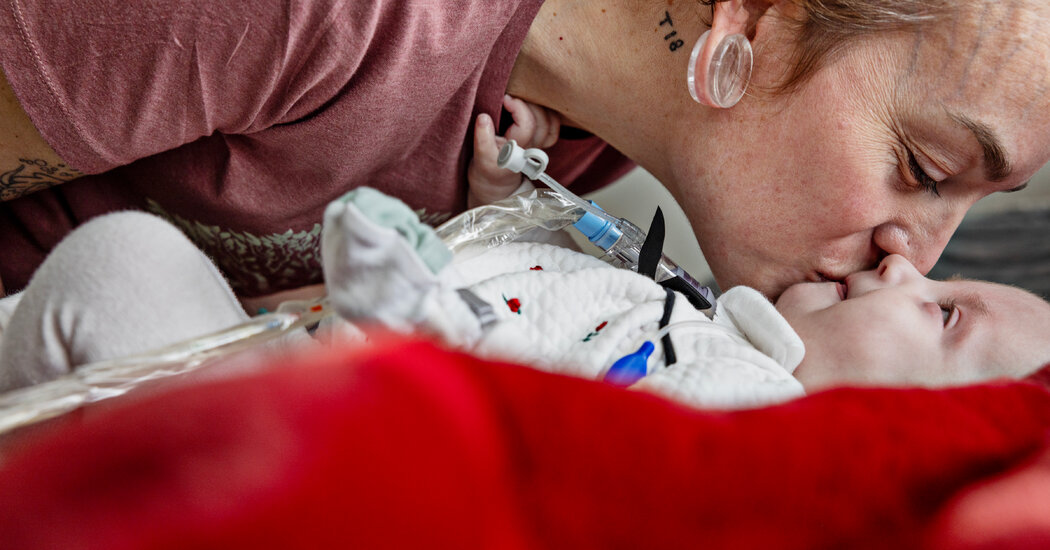
Ashlee Wiseman, a waitress at a Sizzler in Idaho Falls, Idaho, was 10 weeks pregnant when a nurse phoned with crushing news: a test of fetal DNA in her blood had found that her baby girl had trisomy 18, a catastrophic genetic abnormality, and was unlikely to survive.Devastated, she called her partner, Clint Risenmay, who was at work. He broke down in tears.Ashlee’s response was different.“A still small voice took over me,” she said. “I’m like, ‘I’m not going to listen to them. There has to be something that can help her. And there has to be someone who can help.’”A social media search led her to Dr. John Carey, a professor emeritus of pediatrics at the University of Utah, who has devoted his life to helping families dealing with trisomy 18. He supports pregnant women who chose abortion, but also helps couples who want to have babies with this rare condition, though most will be stillborn or die within a year.Ashlee and Clint were undeterred. They could do it, they assured Dr. Carey. They would lovingly care for a baby with complex medical needs.The consequences of trisomy 18 are dire. The babies have three copies of chromosome 18 instead of two and, as a result, have serious medical and developmental problems. Nearly all are unable to eat, walk or talk, and all have severe cognitive disabilities. They often need open-heart surgery and feeding and breathing tubes. Many women, after hearing what is in store, choose abortion.We are having trouble retrieving the article content.Please enable JavaScript in your browser settings.Thank you for your patience while we verify access. If you are in Reader mode please exit and log into your Times account, or subscribe for all of The Times.Thank you for your patience while we verify access.Already a subscriber? Log in.Want all of The Times? Subscribe.

Read more →

Health Concerns Mount for Migrant Children at Outdoor Holding Sites

A federal judge is expected to rule soon on whether the government must provide shelter, food and medical care to minors while they await processing.To Dr. Theresa Cheng, the scene was “apocalyptic.”She had come to Valley of the Moon, an open-air holding site in San Diego’s rural Mountain Empire, to provide volunteer medical care to asylum seekers who had breached the United States-Mexico border wall and were waiting to be apprehended by American authorities.Among the throngs at this and other sites, she found children with deep lacerations, broken bones, fevers, diarrhea, vomiting, even seizures. Some were hiding in dumpsters and overflowing porta-potties. An asthmatic boy without an inhaler was wheezing in the acrid smoke from brush and trash fires, which had been lit for warmth.With the capacity at immigration processing centers strained, migrants, including unaccompanied children, are waiting for hours — sometimes days — in outdoor holding areas, where a lack of shelter, food, and sanitation infrastructure has triggered an array of public health concerns for the most vulnerable.“From a public health standpoint, there are communicable diseases and outdoor exposures that would strike anyone down, much less this medically vulnerable population,” said Dr. Cheng, an emergency room physician at Zuckerberg San Francisco General Hospital and Trauma Center.A Federal District Court judge in California could rule as early as Friday on whether the government is legally required to shelter and feed the children as they wait.In a court filing, lawyers for the Department of Justice argue that because the children have not yet been formally taken into custody by U.S. Customs and Border Protection, they are not obligated to provide such service.We are having trouble retrieving the article content.Please enable JavaScript in your browser settings.Thank you for your patience while we verify access. If you are in Reader mode please exit and log into your Times account, or subscribe for all of The Times.Thank you for your patience while we verify access.Already a subscriber? Log in.Want all of The Times? Subscribe.

Read more →

Could assisted dying be coming to Scotland?

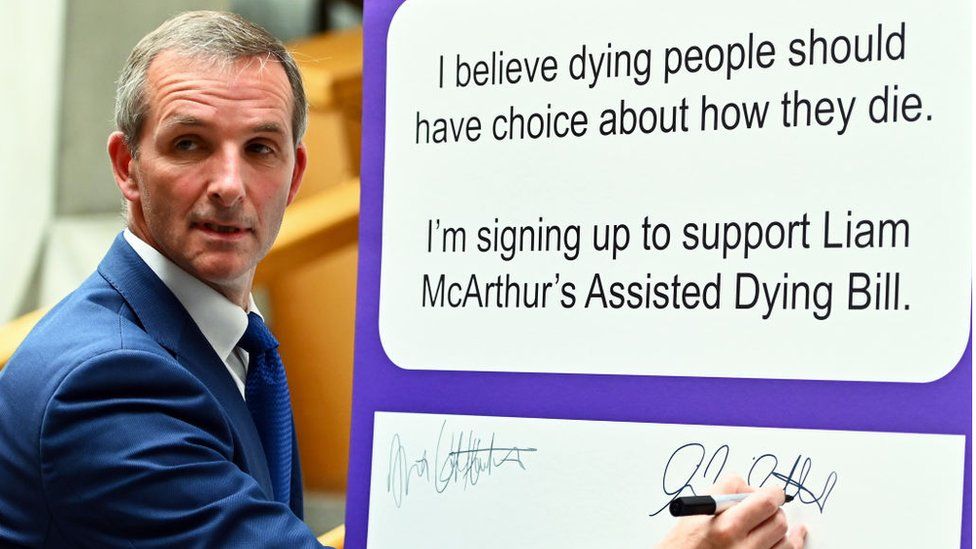
Published1 hour agoShareclose panelShare pageCopy linkAbout sharingImage source, Getty ImagesBy James CookScotland editorScotland could become the first UK nation to provide terminally-ill people with assistance to end their lives if a bill that has been introduced at Holyrood is approved.Supporters of the legislation say it would ease suffering.Opponents worry that some terminally-ill people could feel under pressure to end their lives.The Assisted Dying Bill is drafted by the Lib Dem MSP, Liam McArthur, who expects it to be debated this autumn.The bill was published on Thursday and will potentially be voted on next year.What are assisted dying, assisted suicide and euthanasia?’Political mood has changed’ on assisted dying – MSPStarmer supports assisted dying law change The Scottish government says ministers and SNP backbenchers will not be instructed how to vote, as the matter is an issue of individual conscience.First Minister Humza Yousaf, who is a Muslim, has indicated that he is likely to vote against the bill, which is also opposed by the Church of Scotland, the Catholic Church in Scotland, and the Scottish Association of Mosques. Under the proposals, a patient could only request medical assistance to end their life if they had a terminal illness and had been ruled mentally fit to make the decision by two doctors.Mr McArthur says “the terminal illness would need to be advanced and progressive” and the medics would have to ensure there was “no coercion.”In addition, the patient must be aged 16 or over, a resident of Scotland for at least 12 months, and must administer the life-ending medication themselves.In Scotland, it is not illegal to attempt suicide but helping someone take their own life could lead to prosecution for crimes such as murder, culpable homicide or offences under the Misuse of Drugs Act 1971.In England and Wales, the Suicide Act 1961 makes it an offence to encourage or assist the suicide or attempted suicide of another person. In 2015, the House of Commons decided against changing the law by 330 votes to 118.In Northern Ireland, a similar offence is set out in the Criminal Justice Act 1966.A number of countries have legalised some form of assisted dying – Dignity in Dying says more than 200 million people around the world have access.This includes Switzerland, perhaps best known for its Dignitas facility, Australia, Canada, Spain, Colombia and 11 states in the US where it is known as “physician-assisted dying”. Laws vary by country.This will be the third time that the Scottish Parliament has considered the issue.In 2010, MSPs rejected Margo MacDonald’s End of Life Assistance Bill by 85 votes to 16.The independent MSP, who had Parkinson’s Disease, died in 2014 and the cause was taken up by Patrick Harvie of the Scottish Greens.The following year, his Assisted Suicide Bill was rejected by 82 votes to 36. The title of Mr McArthur’s bill — Assisted Dying rather than Assisted Suicide — reflects a change in approach from campaigners.Critics such as Dr Fiona MacCormick of the Association for Palliative Medicine (APM) say the new terminology is “harmful and unhelpful,” adding, “they’ve used very euphemistic language to talk about suicide.”Mr McArthur says he would “strongly disagree,” because “we’re talking about people with a terminal illness, and the fact they are going to die has already been established.”The MSP for Orkney Islands believes there has been a significant “mood shift” among his fellow parliamentarians since the issue was last debated and is hopeful that his proposal will be approved.A new poll, carried out by Opinium Research for the campaign group Dignity in Dying, suggests clear public support for the proposal, with 78% of respondents in Scotland saying they supported “making it legal for someone to seek ‘assisted dying’ in the UK.”Gillie Davison is among those supporters – her husband Steve died of throat cancer last April, at the age of 56.Ms Davison, from Hawick in the Scottish Borders, says even high-quality palliative care did not ease his suffering in the final days and hours.”It wasn’t a good death because he was distressed and he was upset,” she explains.”It wasn’t what he wanted. He wanted that choice.”She believes an assisted dying bill would have allowed her husband to “go to sleep” peacefully at home and could prevent other families from enduring a similarly “devastating” experience in future.Changing the law, she says, would be “compassionate and kind.”But Dr MacCormick says she is concerned about the potential for inaccurate diagnosis and prognosis, undetected coercion, and fluctuating mental capacity in seriously-ill patients.”As a palliative care doctor, when I see patients who are suffering, I don’t see the answer to their suffering as being to end the life of the sufferer,” she says.But some terminally-ill patients say they would find the option reassuring even if they did not use it.In 2015, at the age of 26, Mandie Malcolm from Falkirk was diagnosed with breast cancer which had spread to other parts of her body.She was told that her life expectancy was two to five years.Now 34, Ms Malcolm is still alive thanks to advances in cancer treatment but, she says, she lies awake at night worrying about how her life will end.Until starting a new drug, she says, she was “bedridden for weeks and in huge amounts of pain.”I really worry about my death. I worry that I’m going to suffer, horrifically, basically, and it does scare me,” she explains.Ms Malcolm is strongly in favour of the assisted dying law, which she says would mean she could stop worrying about “dying a brutal death” and “enjoy the good times.””It would mean everything to me and my family,” she adds.But campaigners against the measure point to laws enacted in Belgium and Canada where qualifying criteria have been loosened over time, leading to a sharp rise in the number of “assisted” deaths. Mr McArthur says his proposed law is not modelled on those “permissive and expansive models” but on places such as the US state of Oregon where “the eligibility criteria has not changed at all” since becoming law in 1997.He is supported by the broadcaster and campaigner, Dame Esther Rantzen, who recently revealed that she was considering travelling to Switzerland – where assisted suicide has been legal since 1942 – to die after being diagnosed with incurable lung cancer.She says: “I want to congratulate the Scottish Parliament for prioritising this debate so that they can carefully consider this crucial issue and scrutinise this historic Assisted Dying Bill.”Audrey Birt from Edinburgh also has terminal cancer, the latest of five breast cancer diagnoses over 30 years, and has spent the past 12 years “in and out of hospital.”But she does not want assistance to end her life and has concerns that, if the law is changed, some patients might feel that they must do so to help their families.”In Scotland,” she says, “we don’t like to be a burden.”That’s the aspect I worry about — that there may be pressure,” she explains.Instead Ms Birt, who is 68 years old, says there should be increased investment in palliative care, which she receives at St Columba’s Hospice in Edinburgh.”After coming here and being more aware of what’s on offer, I do wonder if it was available to everyone, would that take away some of the fear that is behind the bill?” she asks.Helen Malo of the charity Hospice UK says her organisation is neutral on the bill but wants better funding of palliative care.Hospices support more than 21,000 people in Scotland each year, she says. But they are struggling, with only a third of their funding coming from the state, the rest from charitable donations, and rising costs.”One in four people do not get access to specialist palliative care,” adds Ms Malo, who says that, as the nation ages, demand is expected to increase by a fifth by 2040.”There are fewer specialist palliative care doctors in Scotland than there are MSPs,” says Dr MacCormick of the APM.Without adequate palliative care, she says, the worry is that assisted suicide “is not just a choice. It becomes a suggestion, which then becomes an expectation and that our vulnerable patients are at risk.”Supporters of the bill say they too want more funding for hospices and are prepared for a debate about how and if such a commitment could be woven into the bill.They also know that moral, religious and practical objections must be overcome if the momentous change they propose is to become law.More on this story’Political mood has changed’ on assisted dying – MSPPublished3 days agoWe need assisted dying vote after report – RantzenPublished29 FebruaryCould Scotland legalise assisted dying?Published8 September 2022Assisted dying bill is focus of Holyrood eventPublished18 May 2023Doctors criticise assisted dying bill in ScotlandPublished5 July 2021

Read more →