MIT’s new precision gene editing tool could transform medicine

A gene-editing approach called prime editing could one day help treat many illnesses by turning faulty genes into healthy ones. However, the technique sometimes introduces small mistakes into DNA, which can occasionally be harmful.
Researchers at MIT have now discovered a way to significantly reduce these errors by altering the key proteins that drive the editing process. They believe this improvement could make gene therapy safer and more practical for treating a wide range of diseases.
“This paper outlines a new approach to doing gene editing that doesn’t complicate the delivery system and doesn’t add additional steps, but results in a much more precise edit with fewer unwanted mutations,” says Phillip Sharp, an MIT Institute Professor Emeritus, a member of MIT’s Koch Institute for Integrative Cancer Research, and one of the senior authors of the new study.
Using their refined method, the MIT team lowered the rate of mistakes in prime editing from roughly one in seven edits to about one in 101 for the most common editing type. In a more precise editing mode, the improvement went from one in 122 to one in 543.
“For any drug, what you want is something that is effective, but with as few side effects as possible,” says Robert Langer, the David H. Koch Institute Professor at MIT, a member of the Koch Institute, and one of the senior authors of the new study. “For any disease where you might do genome editing, I would think this would ultimately be a safer, better way of doing it.”
Koch Institute research scientist Vikash Chauhan led the study, which was recently published in Nature.
The potential for error
In the 1990s, early gene therapy efforts relied on inserting new genes into cells using modified viruses. Later, scientists developed techniques that used enzymes like zinc finger nucleases to directly repair genes. These enzymes worked but were difficult to reengineer for new DNA targets, making them slow and cumbersome to use.

The discovery of the CRISPR system in bacteria changed everything. CRISPR uses an enzyme called Cas9, guided by a piece of RNA, to cut DNA at a specific location. Researchers adapted it to remove faulty DNA sequences or insert corrected ones using an RNA-based template, making gene editing faster and more flexible.
In 2019, scientists at the Broad Institute of MIT and Harvard introduced prime editing, a new version of CRISPR that is even more precise and less likely to affect unintended areas of the genome. More recently, prime editing was used successfully to treat a patient with chronic granulomatous disease (CGD), a rare disorder that weakens white blood cells.
“In principle, this technology could eventually be used to address many hundreds of genetic diseases by correcting small mutations directly in cells and tissues,” Chauhan says.
One of the advantages of prime editing is that it doesn’t require making a double-stranded cut in the target DNA. Instead, it uses a modified version of Cas9 that cuts just one of the complementary strands, opening up a flap where a new sequence can be inserted. A guide RNA delivered along with the prime editor serves as the template for the new sequence.
One reason prime editing is considered safer is that it doesn’t cut both strands of DNA. Instead, it makes a gentler, single-strand cut using a modified Cas9 enzyme. This opens a small flap in the DNA where a new, corrected sequence can be inserted, guided by an RNA template.
Once the corrected sequence is added, it must replace the original DNA strand. If the old strand reattaches instead, the new fragment can sometimes end up in the wrong spot, leading to unintended errors.

Most of these mistakes are harmless, but in rare cases they could contribute to tumor growth or other health issues. In current prime editing systems, the error rate can vary from about one in seven edits to one in 121, depending on the editing mode.
“The technologies we have now are really a lot better than earlier gene therapy tools, but there’s always a chance for these unintended consequences,” Chauhan says.
Precise editing
To reduce those error rates, the MIT team decided to take advantage of a phenomenon they had observed in a 2023 study. In that paper, they found that while Cas9 usually cuts in the same DNA location every time, some mutated versions of the protein show a relaxation of those constraints. Instead of always cutting the same location, those Cas9 proteins would sometimes make their cut one or two bases further along the DNA sequence.
This relaxation, the researchers discovered, makes the old DNA strands less stable, so they get degraded, making it easier for the new strands to be incorporated without introducing any errors.
In the new study, the researchers were able to identify Cas9 mutations that dropped the error rate to 1/20th its original value. Then, by combining pairs of those mutations, they created a Cas9 editor that lowered the error rate even further, to 1/36th the original amount.
To make the editors even more accurate, the researchers incorporated their new Cas9 proteins into a prime editing system that has an RNA binding protein that stabilizes the ends of the RNA template more efficiently. This final editor, which the researchers call vPE, had an error rate just 1/60th of the original, ranging from one in 101 edits to one in 543 edits for different editing modes. These tests were performed in mouse and human cells.
The MIT team is now working on further improving the efficiency of prime editors, through further modifications of Cas9 and the RNA template. They are also working on ways to deliver the editors to specific tissues of the body, which is a longstanding challenge in gene therapy.
They also hope that other labs will begin using the new prime editing approach in their research studies. Prime editors are commonly used to explore many different questions, including how tissues develop, how populations of cancer cells evolve, and how cells respond to drug treatment.
“Genome editors are used extensively in research labs,” Chauhan says. “So the therapeutic aspect is exciting, but we are really excited to see how people start to integrate our editors into their research workflows.”
The research was funded by the Life Sciences Research Foundation, the National Institute of Biomedical Imaging and Bioengineering, the National Cancer Institute, and the Koch Institute Support (core) Grant from the National Cancer Institute.

Read more →

Thousands fall ill as mosquito fever explodes across southern China

A recent editorial in Biocontaminant reveals that Guangdong Province is now facing the largest chikungunya fever outbreak ever documented in China, with more than 4,000 confirmed infections reported since late July. Shunde District in Foshan has been hit hardest, accounting for over 3,600 cases, while additional infections have appeared in Guangzhou, Shenzhen, Hong Kong, and Macao.
Chikungunya fever spreads through bites from Aedes mosquitoes, the same insects that transmit dengue and Zika viruses. The illness, which causes fever and intense joint pain, does not pass directly between people, so reducing mosquito populations remains the most effective way to prevent transmission.
“The outbreak reflects both the global spread of chikungunya and the favorable conditions for mosquito-borne diseases in southern China,” said lead author Guang-Guo Ying of South China Normal University.
In response, local authorities have begun a province-wide effort to encourage residents to eliminate standing water and reduce mosquito breeding grounds. The editorial notes that factors such as climate change, rapid urbanization, and increasing international travel are helping mosquito-borne viruses spread more widely, creating new public health challenges around the world.
To address these growing threats, the World Health Organization has issued new clinical guidelines and strengthened its Global Arbovirus Initiative, which focuses on improving monitoring, prevention, and international coordination. The authors emphasize the need for expanded genomic surveillance, active community participation, and global collaboration to reduce the risk of future outbreaks.Chikungunya fever was first identified in Tanzania in the 1950s and has since spread to more than 110 countries across Africa, Asia, the Americas, and Europe. The name “chikungunya” comes from the Kimakonde language, meaning “that which bends up,” a reference to the stooped posture caused by the severe joint pain that often accompanies the infection. While the disease rarely causes death, it can result in long-term arthritis-like symptoms, fatigue, and recurring pain that persist for weeks or even months after recovery.Most patients experience a sudden onset of fever, headache, muscle aches, rash, and joint swelling within a few days of being bitten by an infected mosquito. There is currently no specific antiviral treatment or licensed vaccine for chikungunya, so medical care focuses on relieving symptoms through rest, hydration, and pain management. Recovery usually occurs within a week, though some individuals—particularly older adults or those with underlying conditions—may experience prolonged discomfort.The Aedes mosquito, primarily Aedes aegypti and Aedes albopictus, is responsible for transmitting chikungunya as well as other major viruses like dengue, Zika, and yellow fever. These mosquitoes are highly adapted to urban environments and breed in small containers of stagnant water commonly found around homes, such as flower pots, discarded tires, and buckets. They are active mainly during the day, with peak biting times in the early morning and late afternoon.Scientists note that Aedes mosquitoes are expanding their range due to warmer temperatures, global trade, and increased urbanization, allowing diseases once confined to the tropics to appear in new regions. Their resilience and proximity to human populations make them particularly difficult to control. As a result, public health strategies increasingly emphasize community participation, routine elimination of standing water, and the use of mosquito repellents, screens, and protective clothing to reduce the risk of infection.

Read more →

Scientists discover brain circuit that can switch off chronic pain

Pain may be unpleasant, but in most cases it plays a vital, even lifesaving, role. Short bursts of pain act as warning signals that protect us from harm. When you touch a hot pan, stub your toe, or bump your head, your nervous system instantly delivers an “Ow!” that prompts you to pull back before more damage occurs. The pain fades, the body heals, and you remember what not to do next time.Chronic pain, however, is an entirely different story. In this condition, the warning signal doesn’t stop even after the injury has healed. For about 50 million people in the United States, pain becomes a constant, invisible companion that can persist for years or even decades. “It’s not just an injury that won’t heal,” explains neuroscientist at the University of Pennsylvania J. Nicholas Betley, “it’s a brain input that’s become sensitized and hyperactive, and determining how to quiet that input could lead to better treatments.”
Betley, along with collaborators from the University of Pittsburgh and Scripps Research Institute, has discovered an important piece of the chronic pain puzzle. Their research points to a specific group of brainstem cells called Y1 receptor (Y1R)-expressing neurons, located in the lateral parabrachial nucleus (lPBN). These neurons are activated in persistent pain states, but they also process signals related to hunger, fear, and thirst. This suggests that the brain can adjust pain responses when other, more urgent needs demand attention.
The findings, published in Nature, indicate that relief may be possible because, as the researchers write, “there are circuits in the brain that can reduce the activity of neurons that transmit the signal of pain.”
Tracking pain in the brain
Working with the Taylor lab at the University of Pittsburgh, Betley’s team used calcium imaging to visualize neuron activity in real time in animal models of both short-term and long-term pain. They observed that Y1R neurons did not simply react to quick bursts of pain; instead, they kept firing steadily during prolonged pain, a phenomenon known as “tonic activity.”
Betley compares this to an engine left running even after you’ve parked the car. The pain signals continue to hum in the background even when physical recovery seems complete. This ongoing neural activity may explain why some people continue to feel pain long after an injury or surgery.
The research originated from an unexpected observation Betley made after joining Penn in 2015: hunger seemed to lessen chronic pain.

“From my own experience, I felt that when you’re really hungry you’ll do almost anything to get food,” he says. “When it came to chronic, lingering pain, hunger seemed to be more powerful than Advil at reducing pain.”
That insight inspired further investigation. Former graduate student Nitsan Goldstein found that other critical survival states—such as thirst and fear—can also suppress long-term pain. In collaboration with the Kennedy lab at Scripps, the team showed that the brain’s parabrachial nucleus can filter sensory input to quiet pain when immediate survival takes priority.
“That told us the brain must have a built-in way of prioritizing urgent survival needs over pain, and we wanted to find the neurons responsible for that switch,” says Goldstein.
A key part of that switch is neuropeptide Y (NPY), a signaling molecule that helps the brain juggle competing needs. When hunger or fear takes priority, NPY acts on Y1 receptors in the parabrachial nucleus to dampen ongoing pain signals.
“It’s like the brain has this built-in override switch,” Goldstein explains. “If you’re starving or facing a predator, you can’t afford to be overwhelmed by lingering pain. Neurons activated by these other threats release NPY, and NPY quiets the pain signal so that other survival needs take precedence.”
A scattered signal
The researchers also characterized the molecular and anatomical identity of the Y1R neurons in the lPBN. They found that Y1Rneurons didn’t form two tidy anatomical or molecular populations. Instead, these neurons were scattered across many other cell types.

“It’s like looking at cars in a parking lot,” Betley says. “We expected all the Y1R neurons to be a cluster of yellow cars parked together, but here the Y1R neurons are like yellow paint distributed across red cars, blue cars, and green cars. We don’t know exactly why, but we think this mosaic distribution may allow the brain to dampen different kinds of painful inputs across multiple circuits.”
Explorations of pain treatment
What excites Betley with this discovery is the further exploration of its potential to “use Y1 neural activity as a biomarker for chronic pain, something drug developers and clinicians have long lacked,” he says.
“Right now, patients may go to an orthopedist or a neurologist, and there is no clear injury. But they’re still in pain,” he says. “What we’re showing is that the problem may not be in the nerves at the site of injury, but in the brain circuit itself. If we can target these neurons, that opens up a whole new path for treatment.”
This research also suggests that behavioral interventions such as exercise, meditation, and cognitive behavioral therapy may influence how these brain circuits fire, just as hunger and fear did in the lab.
“We’ve shown that this circuit is flexible, it can be dialed up or down,” he says. “So, the future isn’t just about designing a pill. It’s also about asking how behavior, training, and lifestyle can change the way these neurons encode pain.”
J Nicholas Betley is an associate professor in the Department of Biology at the University of Pennsylvania’s School of Arts & Sciences.
Nitsan Goldstein was a graduate student in the Betley Lab at Penn Arts & Sciences during this study. He is currently a postdoctoral researcher at the Massachusetts Institute of Technology.
Other authors include Michelle Awh, Lavinia Boccia, Jamie R. E. Carty, Ella Cho, Morgan Kindel, Kayla A. Kruger, Emily Lo, Erin L. Marble, Nicholas K. Smith, Rachael E. Villari, and Albert T. M. Yeung of Penn Arts & Sciences; Niklas Blank and Christoph A. Thaiss of Penn’s Perelman School of Medicine; Melissa J. Chee and Yasmina Dumiaty of Carleton University; Rajesh Khanna of University of Florida College of Medicine,; Ann Kennedy and Amadeus Maes of Scripps Research Institute; and Heather N. Allen, Tyler S. Nelson and Bradley K. Taylor of the University of Pittsburg.
This research was supported by the Klingenstein Foundation, the University of Pennsylvania School of Arts and Sciences, the National Institutes of Health (grants F31DK131870, 1P01DK119130, 1R01DK133399, 1R01DK124801, 1R01NS134976, F32NS128392, K00NS124190, F32DK135401, T32DK731442, R61NS126026, R01NS120663, R01NS134976-02, R00MH117264, 1DP1DK140021-01), the National Science Foundation Graduate Research Fellowship Program, the Blavatnik Family Foundation Fellowship, the American Neuromuscular Foundation Development Grant, the American Heart Association (25POST1362884), the Swiss National Science Foundation (206668), the Canadian Institutes of Health Research Project Grant (PJT-175156), the Simons Foundation, a McKnight Foundation Scholar Award, and a Pew Biomedical Scholar Award.

Read more →

William’s emotional moment in campaign to prevent suicide

20 minutes agoShareSaveSean CoughlanRoyal correspondentShareSaveReutersThe Prince of Wales was visibly moved as he heard first hand about the devastating impact of suicide, having to pause during a conversation with Rhian Mannings, whose husband took his own life.Rhian has since set up a bereavement charity – and Prince William’s Royal Foundation is contributing £1m to develop a National Suicide Prevention Network.The network, which will operate across the UK, will work to understand more about the root causes of suicide and to offer support for those affected.Prince William, on World Mental Health Day, said he wanted to “build a bold, unified national response to the heartbreaking and preventable tragedy of suicide”.KENSINGTON PALACEIn an emotional conversation, captured on camera, Rhian Mannings told the prince that her husband had taken his own life, five days after the couple had faced the death of their one-year-old son.The prince asked her how she had coped and continued to bring up two children.”I look back and I still don’t know how we survived it,” said Rhian.”Unfortunately There’s still a lot of stigma around suicide, did you feel that at the time?” asked Prince William.”I was quite surprised by it. I’d never been touched by suicide. It was something that happened on the news. No one would talk about it,” he was told by Rhian, in a conversation in her kitchen in Cardiff.Prince William asked her what she would say to her husband.”‘Why didn’t you speak to me?’ I ask myself that every single day. He was absolutely devastated, he did keep blaming himself,” she said. “But I would just like to sit him down like this and say ‘Why didn’t you come to me?’ Because he’s missed out on just so much joy. And we would have been ok. I think that’s the hardest thing, we would have been ok.”The prince seemed too upset to speak.”Are you ok?” she asked.”I’m sorry, it’s hard to ask you the questions,” said William.”You’ve experienced loss yourself,” said Rhian. “Life can throw you these awful curve balls. By talking about it, by having hope, you can continue.”After her own terrible loss, which happened in 2012, Rhian founded a charity, 2wish, to help those affected by the sudden or unexpected death of a child or young person.That charity will be one of 20 organisations that will form part of a new National Suicide Prevention Network, being launched with £1m, over three years, from the Royal Foundation of the Prince and Princess of Wales.The network will be chaired by Professor Ann John, an expert in the prevention of suicide and consultant in public health medicine in Wales.The Royal Foundation says that preventing suicide is a “complex challenge” and there is no “one size fits all model of support”.But the new network will try to understand more about the causes of suicide, to provide support that can be accessed by anyone and to encourage more collaboration between different agencies and charities.ReutersAmong the charities in the network will be the Jac Lewis Foundation in Cardiff, which Prince William visited last month.That provides a drop-in centre, located inside Cardiff’s Principality Stadium, which can provide mental health support to the local community.The charity’s chief executive officer, Elizabeth Thomas-Evans, Foundation, said: “From the valleys to the cities, suicide has scarred communities across Wales.”But she hoped that people in need would now be able to walk in and get help.Another partner is James’ Place, which offers free support to men in suicidal crisis in Liverpool, London and Newcastle.Chief executive Ellen O’Donoghue said she wanted to “remove some of the barriers men face in accessing support at the point of crisis”.

Read more →

A sweet fix for baldness? Stevia compound boosts hair growth

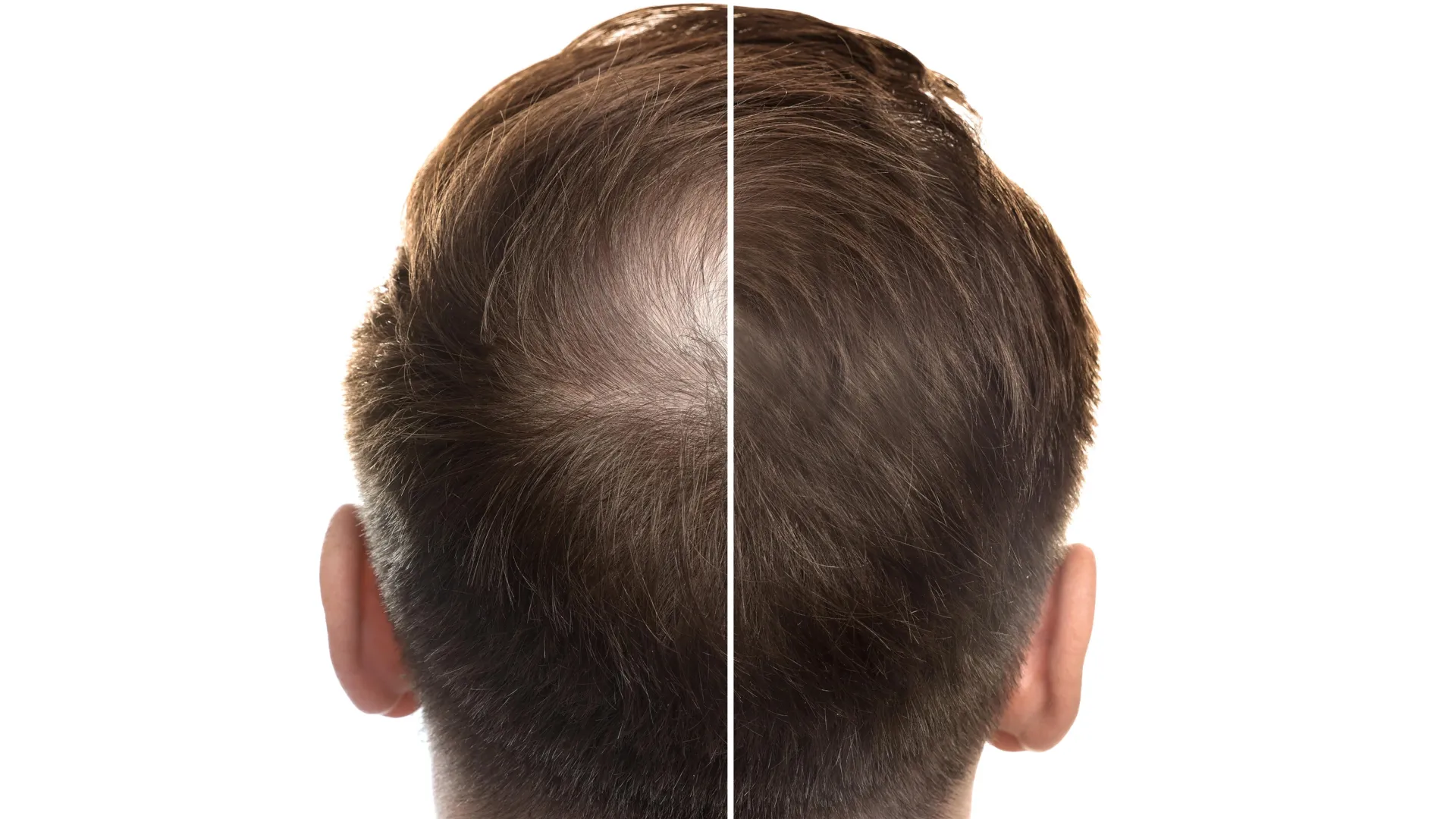
Androgenetic alopecia, also known as male pattern baldness or female pattern hair loss, is one of the most widespread causes of hair thinning in both men and women. While topical minoxidil is an approved therapy, its limited ability to dissolve in water and penetrate the skin reduces its effectiveness. Researchers reporting in Advanced Healthcare Materials have found that stevioside, a natural sweetener extracted from the Stevia plant, can help improve how well the drug is absorbed through the skin.In tests using a mouse model of alopecia, a dissolvable patch containing both stevioside and minoxidil successfully stimulated hair follicles to re-enter the growth phase, which resulted in the development of new hair.
“Using stevioside to enhance minoxidil delivery represents a promising step toward more effective and natural treatments for hair loss, potentially benefiting millions worldwide,” said co-corresponding author Lifeng Kang, PhD, of the University of Sydney, in Australia.
Androgenetic alopecia develops gradually over time and is influenced by both genetic and hormonal factors. The condition occurs when hair follicles become increasingly sensitive to dihydrotestosterone (DHT), a hormone derived from testosterone. This sensitivity causes the follicles to shrink, leading to shorter and finer strands of hair until growth eventually stops. Although the pattern and progression differ between men and women, the biological mechanism is similar.Currently, treatment options are limited, with minoxidil being one of the few widely approved topical therapies. Minoxidil works by widening blood vessels and increasing blood flow around hair follicles, which can extend the growth phase of the hair cycle and stimulate new strands to develop. However, because the drug does not easily pass through the outer layer of skin and dissolves poorly in water, its full potential is often not realized. Patients must apply it consistently for several months before seeing results, and even then, the response varies from person to person.This challenge has driven researchers to explore new ways of improving how minoxidil is delivered to the scalp. Enhancing the drug’s skin permeability could make treatments more efficient, reduce application frequency, and possibly lower side effects related to overuse. The discovery that stevioside can act as a natural absorption enhancer offers a new direction for scientists seeking to improve both the safety and effectiveness of hair loss therapies.

Read more →

How 20 minutes of nature can boost your health

Just nowShareSaveYasmin RufoBBC News ShareSaveGetty ImagesIf you’ve ever felt calmer after a walk in the park or a stroll through the woods, it’s not your imagination – it’s biology. Being outdoors can trigger measurable changes inside your body from lowering stress hormones, easing blood pressure and even improving your gut health. You don’t have to hike for hours to feel these benefits as maximum impact happens after just 20 minutes, so even a lunchtime walk to the park and a sandwich on a bench a few times a week can benefit your body and mind. Here are four ways that being among nature can help improve your health.1. You unconsciously relaxWhen you see green trees, smell pine and hear gentle rustling leaves or the sound of birdsong, your autonomic nervous system – a network of nerves controlling unconscious processes – responds instantly. This can happen on a visit to the local park.”We see changes in the body such as a lowering of blood pressure and heart rate variability so your heart beats slower,” says Baroness Kathy Willis, a biodiversity professor at Oxford University.A UK study, involving nearly 20,000 people, found that those who spent at least a total of 120 minutes every week in greenery were significantly more likely to report good health and higher psychological well-being.The evidence for the benefits of spending time in nature is compelling enough that some areas have trialled so called green social prescribing connecting people with nature to improve their phsyical and mental health, with a positive impact on happiness and wellbeing.2. Your hormones rebootYour body’s hormonal system also joins in the relaxation act. Willis says that spending time outdoors lowers levels of cortisol and adrenaline – the hormones that surge when you’re stressed or anxious. “A study found that people in a hotel room for three days who were breathing in Hinoki (Japanese cypress) oil saw a big drop in the adrenaline hormone and a big increase in natural killer cells.”Natural killer cells are cells that tackle viruses in the body. The participants in the study still had elevated natural killer cells in their body two weeks after inhaling the smell. Essentially nature “calms what needs calming and strengthens what needs strengthening,” is how Prof Ming Kuo from the University of Illinois at Urbana-Champaign, summed it up to the BBC.”A three-day weekend in nature has a huge impact on our virus fighting apparatus and even a month later it can be 24% above baseline.” Studies also show smaller but still persistent effects from shorter periods spent in nature, she says.3. Smell is a powerful senseSmelling nature is just as powerful as seeing and hearing it. The scent of trees and soil is full of organic compounds released by plants and “when you breathe them in, some molecules pass into the bloodstream.” Willis says pine is a good example of this as the smell of a pine forest can make you calmer within just 20 seconds and that effect lasts for about 10 minutes. You may think that the relaxing effect of nature is all in your mind, but another study found that even very young babies with no memory associated with particular smells, still calmed down when a pine scent was diffused into the room they were in.4. Gets good bacteria into your gutGetty ImagesAs well as soothing your mind, nature can also help boost your microbiome as soil and plants are full of good bacteria. “They’re the same kinds of good bacteria we pay for in probiotics or drinks,” Willis explains.Prof Ming Kuo has studied the effect on factors such as infection susceptibility as well as mental health and says breathing in certain ones have the potential to boost your mood; and the antimicrobial chemicals released by plants – called phytoncides – could help fight disease.Dr Chris van Tulleken says as an infection scientist he sees nature as a positively challenging environment that “tickles your immune system”. He gets his children to play with dirt in the forest which then enters their system through the nose or mouth.Bring nature to youGetty ImagesOf course, not everyone can head into the woods on a whim but the good news is, you don’t have to. Even small touches of nature at home can make a difference, according to Willis. Visually, flowers such as white or yellow roses have been shown to create the greatest calming effect on brain activity.When it comes to smell, use a diffuser with essential oils like lavender which can help you relax.And if all else fails, even a photo of a forest can help. Research shows that looking at pictures of nature on your laptop or simply gazing out at something green can trigger the same calming brainwave changes and reduce stress. “Every bit seems to help,” says Prof Ming Kuo.

Read more →

Nobel Prizes This Year Offer Three Cheers for Slow Science

The scientific Nobels announced this week — in Physiology or Medicine, Physics and Chemistry — honored achievements rooted in fundamental research from decades ago.At least three different reporters on Tuesday asked John Clarke, one of this year’s Nobel Prize in Physics laureates, how exactly we ended up with technology like the cellphone today from his obscure discovery of “macroscopic quantum tunneling and energy quantization” 40 years ago.He never did give a straight answer. Perhaps because there isn’t one, no easy throughline to draw from the lab to our everyday lives. Often that line is a culmination of expertise that outweighs the contributions of one or a few scientists; it is an idea here, a breakthrough there and many failed experiments in between, sometimes over the course of decades.The scientific Nobels announced this week underscore that point. All three awards — granted each year in physiology or medicine, physics and chemistry — honored achievements rooted in fundamental research from decades ago. Some experts interpret the selections by the Royal Swedish Academy of Sciences as representing the importance of slow, basic science, work pursued out of a desire to better understand the world.In an age when government efficiency has been used to justify sharp cuts to scientific funding, the science Nobels offer a case for plodding curiosity: that esoteric, seemingly useless exploration can lay the bricks for a road to places we cannot yet see.“It’s not just that it took a long time between the efforts and the prize, but that the effort itself was intergenerational,” said David I. Kaiser, a physicist and science historian at the Massachusetts Institute of Technology. “They’re not things for which we can have even well-formed questions, let alone clear and compelling answers” within a specific time frame, he added.On Monday, the Nobel Prize in Physiology or Medicine was awarded to three scientists who uncovered why the body’s immune system doesn’t attack itself. One of those scientists initiated experiments in the 1980s that did not bear significant fruit until 1995, and the other two laureates carried on that research through the early 2000s. The knowledge they revealed has led to developments in cancer treatment and has become a foundation for more than 200 ongoing clinical trials.We are having trouble retrieving the article content.Please enable JavaScript in your browser settings.Thank you for your patience while we verify access. If you are in Reader mode please exit and log into your Times account, or subscribe for all of The Times.Thank you for your patience while we verify access.Already a subscriber? Log in.Want all of The Times? Subscribe.

Read more →

A hidden “backup heater” that helps burn fat and boost metabolism

Scientists at Washington University School of Medicine in St. Louis have uncovered a new way that brown fat, a type of fat that burns energy, can boost the body’s metabolism. This process allows cells to consume more fuel and generate heat, improving overall metabolic health. Conducted in mice, the research points to new possibilities for using brown fat to address metabolic conditions such as insulin resistance and obesity.
The findings were published Sept. 17 in Nature.
Brown fat is unique because it turns energy (calories) from food into heat. Unlike white fat, which stores energy, or muscle, which uses it immediately, brown fat helps keep the body warm in cold environments. Exposure to cold can increase the amount of brown fat, and scientists have long suggested that activating it could support weight loss by increasing calorie burning.
“The pathway we’ve identified could provide opportunities to target the energy expenditure side of the weight loss equation, potentially making it easier for the body to burn more energy by helping brown fat produce more heat,” said senior author Irfan Lodhi, PhD, a professor of medicine in the Division of Endocrinology, Metabolism & Lipid Research at WashU Medicine. “Boosting this kind of metabolic process could support weight loss or weight control in a way that is perhaps easier to maintain over time than traditional dieting and exercise. It’s a process that basically wastes energy — increasing resting energy expenditure — but that’s a good thing if you’re trying to lose weight.”
A back-up heater in brown fat
Until now, scientists understood brown fat’s heat production mainly through mitochondria, the energy centers of cells. Mitochondria in brown fat can shift from making fuel to generating heat through a molecule called uncoupling protein 1. However, studies have shown that mice lacking this protein can still burn energy and produce heat, suggesting another system at work.The new research identifies peroxisomes, small structures within cells that process fats, as an alternative heat source in brown fat. When exposed to cold, these peroxisomes multiply. This effect was even stronger in mice whose mitochondria lacked uncoupling protein 1, suggesting that peroxisomes can step in when mitochondria lose their ability to produce heat.Lodhi and his team discovered that peroxisomes burn fuel and release heat through a process involving a protein called acyl-CoA oxidase 2 (ACOX2). Mice that lacked ACOX2 in their brown fat were less able to tolerate cold, showed lower body temperatures after exposure to cold, and had poorer insulin sensitivity. When fed high-fat diets, they also gained more weight than typical mice.
In contrast, mice genetically engineered to make unusually high amounts of ACOX2 in brown fat showed increased heat production, better cold tolerance and improved insulin sensitivity and weight control when fed the same high-fat diet.

Using a fluorescent heat sensor they developed, the researchers found that when ACOX2 metabolized certain fatty acids, brown fat cells got hotter. They also used an infrared thermal imaging camera to show that mice lacking ACOX2 produced less heat in their brown fat.
While human bodies can manufacture these fatty acids, the molecules also are found in dairy products and human breast milk and are made by certain gut microbes. Lodhi said this raises the possibility that a dietary intervention based on these fatty acids — such as a food, probiotic or “nutraceutical” intervention — could boost this heat-production pathway and the beneficial effects it appears to have. He and his colleagues also are investigating possible drug compounds that could activate ACOX2 directly.
“While our studies are in mice, there is evidence to suggest this pathway is relevant in people,” Lodhi said. “Prior studies have found that individuals with higher levels of these fatty acids tend to have lower body mass indices. But since correlation is not causation, our long-term goal is to test whether dietary or other therapeutic interventions that increase levels of these fatty acids or that increase activity of ACOX2 could be helpful in dialing up this heat production pathway in peroxisomes and helping people lose weight and improve their metabolic health.”
This work was supported by the National Institutes of Health (NIH), grant numbers R01DK133344, R01DK115867, R01DK132239, GM103422, T32DK007120, S10 OD032315, DK020579 and DK056341; and by the FP7 funded European Infrafrontier-I3 project. The content is solely the responsibility of the authors and does not necessarily represent the official views of the NIH.
Lodhi and Liu are named on a provisional patent application filed by Washington University related to targeting ACOX2 activation as a treatment for obesity and related metabolic diseases.

Read more →

Has Your Scientific Work Been Cut? We Want to Hear.

By most metrics, 2025 has been the worst year for the American scientific enterprise in modern history.Since January, the Trump administration has made deep cuts to the nation’s science funding, including more than $1 billion in grants to the National Science Foundation, which sponsors much of the basic research at universities and federal laboratories, and $4.5 billion to the National Institutes of Health. Thousands of jobs for scientists and staff members have been terminated or frozen at these and other federal agencies, including the Centers for Disease Control and Prevention, the Environmental Protection Agency, the National Oceanic and Atmospheric Administration and the National Park Service.To thousands of researchers — veteran scientists and new grad students, at state universities and Ivy League institutions alike — these sweeping reductions translate as direct personal losses: a layoff, a shuttered lab, a yearslong experiment or field study abruptly ended, graduate students turned away; lost knowledge, lost progress, lost investment, lost stability; dreams deferred or foreclosed.“This government upheaval is discouraging to all scientists who give their time and lend their brilliance to solve the problems beleaguering humankind instead of turning to some other activity that makes a more steady living,” Gina Poe, a neuroscientist at the University of California, Los Angeles, wrote in an email.Next year looks to be worse. The 2026 budget proposed by the White House would slash the National Science Foundation by 56.9 percent, the N.I.H. by 39.3 percent and NASA by 24.3 percent, including 47.3 percent of the agency’s science-research budget. It would entirely eliminate the U.S. Geological Survey’s $299 million budget for ecosystems research; all U.S. Forest Service research ($300 million) and, at NOAA’s Office of Oceanic and Atmospheric Research, all funding ($625 million) for research on climate, habitat conservation and air chemistry and for studying ocean, coastal and Great Lakes environments. The Trump administration has also proposed shutting down NASA and NOAA satellites that researchers and governments around the world rely on for forecasting weather and natural disasters.How have cuts to scientific research affected you?

#top-wrapper, sponsor-wrapper {
display: none;
}

#link-5e448c86 {
display: none;
}

We are having trouble retrieving the article content.Please enable JavaScript in your browser settings.Thank you for your patience while we verify access. If you are in Reader mode please exit and log into your Times account, or subscribe for all of The Times.Thank you for your patience while we verify access.Already a subscriber? Log in.Want all of The Times? Subscribe.

Read more →

NHS waiting list rises for third month in row

The hospital waiting list in England has risen for the third month in a row with experts warning the government’s key NHS priority – tackling the backlog – is at risk.At the end of August the waiting list for routine treatments hit 7.41 million – in May it was 7.36 million.The proportion waiting longer than the target time of 18 weeks has also risen.Experts said the government was facing a significant challenge reducing waits, but ministers said its investment in the NHS would pay off.The government has promised that by the end of this parliament it will hit the 18-week waiting time target – something that has not been done for a decade.That requires 92% of patients, waiting for treatments such as knee and hip operations, to be seen within 18 weeks. Currently, 61% are.Over the summer waits worsened following a period of sustained progress after Labour came to power.Dr Francesca Cavallaro, of the Health Foundation think-tank, said on current trends the government would fall short on its pledge.”The scale of the challenge remains significant.”Prof Peter Friend, of the Royal College of Surgeons of England, predicted the coming winter would be tough.”The government must face facts: without urgent investment in NHS infrastructure and support for staff wellbeing, progress on reducing waiting times will remain slow.”Surgeons are ready to do more but are held back by critical resource issues – a lack of operating time, staff vacancies and equipment. Patients deserve better.”Rory Deighton, of the NHS Confederation, which represents health bosses, said: “NHS leaders and their teams are working incredibly hard to boost productivity. So it is deeply frustrating that waiting lists have gone up for the third month in a row.But Health Minister Stephen Kinnock defended the performance of the NHS.He said it had been a “record-breaking” summer with more tests and checks being done than ever before.”We know there’s more to do – that’s why we’re pressing ahead with new surgical hubs, evening and weekend scans, and cutting-edge technology to get millions more patients treated on time,” he added.

Read more →