Scientists find gold hiding in food waste

Food waste can be far more valuable than the pile of scraps left behind after a meal. Scientists are uncovering surprising ways to turn discarded materials — from dried beet pulp to coconut fibers processed by millipedes — into useful resources. In four new studies published in ACS journals, researchers reveal how food waste can offer eco-friendly tools for agriculture and new sources of beneficial compounds for medicine.
1. Sugar by-product may “beet” wheat disease.
In a study published in ACS’ Journal of Agricultural and Food Chemistry, researchers found that sugar beet pulp could help farmers cut down on synthetic pesticide use. This leftover pulp, which makes up about 80% of the beet after sugar extraction, was transformed into carbohydrates that trigger plants’ natural immune responses. When tested on wheat, these compounds helped protect against fungal infections such as powdery mildew.
2. Composted coconuts help seedlings grow.
Coconut fibers broken down by millipedes may serve as a sustainable replacement for peat moss, a material commonly used to start seedlings but often sourced from fragile wetland ecosystems. A study published in ACS Omega explored this “millicompost” and found that, when combined with other plant materials, it supported the healthy growth of bell pepper seedlings as effectively as traditional peat-based mixes.
3. Radish leaves support gut health.
A review in ACS’ Journal of Agricultural and Food Chemistry suggests that the often-discarded tops of radishes could be more nutritious than the roots themselves. These peppery greens contain abundant fiber and bioactive compounds, including polysaccharides and antioxidants. In lab and animal studies, they promoted the growth of beneficial gut microbes, hinting that they might also boost digestive health in humans.
4. Beet greens supply bioactive ingredients.
Research described in ACS Engineering Au outlines a way to preserve the powerful compounds extracted from beet leaves for use in food, cosmetics, and pharmaceuticals. Scientists created microparticles by drying a mixture of antioxidant-rich beet-green extract with an edible biopolymer. The resulting encapsulated particles not only remained stable but also showed greater antioxidant activity than the uncoated extract, suggesting that this process helps protect the bioactive ingredients from degradation.

Read more →

My late husband’s organs transformed the lives of four people

2 hours agoShareSaveKen BanksNorth east Scotland reporter, StonehavenShareSaveHutchinson familyArlene Hutchinson’s husband, Mark, was only 52 when he died unexpectedly last year after suffering two strokes “out of the blue”.Like many couples they had never discussed organ donation but she knew it was what he would have wanted.Now Arlene and son Jack, 12, take comfort in the knowledge that Mark has helped transform the lives of others.She said: “He lives on in four people. That can only be a good thing.” Arlene and Jack, who live near Stonehaven in Aberdeenshire, hope that their story encourages people to speak about the sensitive subject before it is too late.They also want to raise awareness about strokes.Hutchinson familyArlene, 51, who works in marketing, met Mark in 2004.He worked in behavioural health and safety but they did not become a couple until 2007.Arlene described him as the love of her life and they married in New York in 2010.Jack was born two years later and they were soon joined by pet dog, Luna.She recalled: “We had a really happy life together, the three of us.”Arlene said they had a “healthy” family lifestyle.The couple were non-smokers, ate well and enjoyed taking Luna for walks.But last summer their lives were suddenly turned upside down.Arlene and Jack took the dog for a walk while Mark was in the shower getting ready for a family event.When they got back, Arlene said Mark was emotional.”He told me he was not feeling right at all, and had fallen,” she said. “He just wasn’t himself. And he had a numb tongue.”Mark’s speech started to go, and one side of his face drooped – classic stroke symptoms.”It was very, very distressing,” she said.They tried to keep him calm while they waited for an ambulance.After arriving in hospital, Arlene was told her husband had a blood clot in the brain but was still conscious and sitting up.She said there was “fear” in Mark’s eyes, and he was taken to the stroke ward.Over the coming days, the talk was of recovery.But Mark then suffered a second stroke and lost consciousness.Arlene said she “still had hope” as they waited for scan results, but they revealed the “devastating” news that Mark’s brain had been left severely damaged.”There was not any good outcome,” she said. “I knew Mark would never want to be like that – where he just could not do anything for himself.”I will never have to do anything as hard as tell Jack.”As Arlene came to terms with the news she spoke to the donor team.’Recipient’s life has changed’She said: “We decided that was what we would like to do. “Mark was going to die. I felt it was an easy decision for me to make. “Knowing the person Mark was, I know that he would have wanted this wholeheartedly to help others.”He died two days later, and was taken to theatre.Arlene said: “The amazing specialist organ donation team stepped in.”They cared for Mark and my family with so much dignity and respect. “They were with us during our darkest moments and when Mark passed away.”The team found four recipients for Mark’s organs, and we have amazingly since heard from one recipient whose life has completely changed since gaining two kidneys from Mark.”NHS GrampianArlene and Jack recently unveiled an art installation at Aberdeen Royal Infirmary which pays tribute to organ donors.Artist Shelagh Swanson was commissioned to work with the relatives of donors, along with young people at more than a dozen secondary schools, to create the ripple-effect art.Workshops were held with secondary school pupils across Aberdeen, and in Aberdeenshire in Stonehaven, Kemnay, Huntly, Inverurie and Peterhead.Arlene said she was honoured to unveil the artwork and added: “I am in awe of what the small but dedicated organ donation team achieve and will be forever grateful to them.”What is the law on organ donation in Scotland?Everyone in Scotland became an automatic organ donor from 2021 under new laws, unless they opt out.Under the previous system, more than half of Scotland’s population were registered to donate their organs or tissue after their death.It is now presumed that people have consented to donation unless they have stated otherwise.There are some exemptions, including children under the age of 16, and adults who lack the capacity to understand the new law – for example those with dementia.The aim is that more people can be given life-saving and life-changing transplants.People who do not want their organs to be donated for a transplant can opt out through the Organ Donation Scotland website.Hutchinson familyArlene said her husband “just wanted to spread joy”.She added: “He was caring, a big softie. He had a massive smile on his face all the time. He was such a happy man.”Reflecting on his loss, she said: “We will never know why as it was completely out the blue.”It’s been over a year and every day is hard. All of this has changed our lives.”Jack, now 13, described his dad as “always upbeat, joyful”.He said: “He was a lot of fun, always doing silly things to make us laugh. He would always wind us up.”Asked how he felt about his father’s organs ultimately helping four other people, Jack replied: “It’s a comfort.”I am very proud.”More on this story

Read more →

‘We are inventing captivity medicine’: Hospital prepares for freed Israeli hostages

2 days agoShareSaveTim FranksPetah TikvaShareSaveBBCWhen the first hostages are released by Hamas in Gaza, taken into Israel and transferred by helicopter to the Rabin Medical Center in Petah Tikva, Dr Michal Steinman will take them up to the sixth floor, swipe open the glass door and see them reunite with their closest family after more than 700 days in captivity.”It is a privilege,” says the head of nursing. “These are the moments, when I’m 70 or 80, these are the two or three moments I will remember. They symbolise so many values – as a nurse, as a mother, as a woman, as an Israeli.”Twenty living hostages are due to be released under the terms of the agreement between Israel and Hamas. Several of them will be brought to this hospital.It will be the third time that the hostages’ unit has gone operational. The BBC visited the unit on Saturday, when the medical team learned the identities of the hostages they would be treating.”There is no such field as captivity medicine, and we are inventing it,” said Dr Steinman told the BBC. The staff have learned two big lessons from the two previous hostage releases in November 2023 and January this year, she says. The first is to be “a medical detective”, to try to understand what happened in those long days and nights of captivity. With earlier, often emaciated, shackled, beaten hostages, “they had things in their blood exams, in their enzymes, that we couldn’t understand”. They also have learned that symptoms may not present for days or weeks. “Captivity does things to your body that your body remembers. You see all these layers. It takes time to see what happened to their bodies, to their souls,” she said. “We’re still taking care of the hostages who came back in January and February, and every week we discover new things.”ReutersThe other lesson is to take time. There are a huge number of professionals from different disciplines: nutritionists, social workers, mental health specialists, along with the full panoply of medical staff. But there is also a “do not disturb” card on the door of each released hostage’s private room. The echoes of a hotel are deliberate, as are the care packages and soft furnishings and soft lighting to go with the hospital bed and monitors. There is an extra single bed made up for those hostages who don’t want to be left alone overnight, so that a partner or relative can sleep alongside them. Their closest family will also have their own bedroom directly across the corridor from the hostage’s.”You know medical people are task-oriented. There’s a schedule,” says Dr Steinman. “Here you have to give them much more space. You have to decide what’s urgent, and what can wait another two days. You have to be humble and flexible, without letting go of your medical responsibility.”Among those responsibilities is determining what the hostages, some of whom may have lost more than half their body weight in captivity, can eat, and how quickly.Their physical recuperation is only part of the story. Karina Shwartz is director of social work at the Rabin Medical Center. She is another key member of the team, with a responsibility not just for the hostages but for their closest relatives. They need to learn their own delicate calibration of family dynamics – of when to speak and when not to, she says.”The most important thing is what we’re not saying,” she says. “Because if we’re sitting in the room, and someone tells us something very difficult about how they almost died in captivity, and we stay silent: it’s a very loud silence.”But at the same time, there is a need to hold back. “We can’t speak about two years in a week. The hostages need space and time. They also need quiet. We have to listen. To listen to their story.”The staff in the hostage returns unit emphasise that their job does not end when the hostages return home. Medical and psychological rehabilitation will continue and the hostages must also be prepared, says Ms Shwartz, for the moment “when the real world comes in”. The message she and her team try to drill into the hostages and their families is that everyone will want to see them. For two years they have been public figures.”Everyone will want to be friends. We tell them: it’s okay to say no. It’s safe to say no.”For now, the nervous anticipation among the staff is palpable.”You should see my WhatsApp messages,” says Dr Steinman, a very Israeli director of nursing with her nose piercing and multiple tattoos. Pretty much every single one of her 1,700 nurses across the medical complex has, she says, volunteered to pull extra shifts on the unit. “You gain hope again,” she says. “Working here you realise that life and human beings are good. You realise the strength of the human spirit.”And yet, the greatest pleasure, she says, will be for that work to be over. “This is the third time we’re opening the unit. To know that this is the last time: that when we close this place and say the mission is done. Then we will know that the nightmare is over.”

Read more →

How 1 in 4 older adults regain happiness after struggling

Nearly one-quarter of older adults regained top well-being within three years, even after struggling. Emotional health, physical activity, and good sleep were strong predictors of recovery. Credit: Shutterstock

Almost one in four adults aged 60 and older who initially reported poor well-being managed to regain a state of optimal well-being within three years, according to research published on September 24, 2025, in PLOS One by Mabel Ho and Esme Fuller-Thomson of the University of Toronto, Canada. The findings emphasize the importance of maintaining a healthy lifestyle through actions such as keeping a stable body weight, avoiding smoking, staying physically active, improving sleep, and preventing or managing chronic illnesses. The study also underscores the role of psychological, emotional, and social wellness in overall quality of life.Interest in understanding what drives resilience and long-term well-being is growing. Many lifestyle choices can influence the ability to maintain good health and happiness, defined in this research as a combination of physical, psychological, emotional, social, and self-rated well-being, even in the presence of chronic conditions. However, only a small number of studies have focused on what helps people recover or regain a strong sense of well-being later in life after experiencing difficulty.Using data from the Canadian Longitudinal Study on Aging, Ho and Fuller-Thomson analyzed 8,332 adults who did not initially meet the criteria for optimal well-being and followed up with them three years later, when all participants were at least 60 years old.They discovered that nearly one-quarter of these participants had achieved optimal well-being by the end of that period. Those who already showed signs of psychological and emotional wellness at the beginning were nearly five times more likely to recover full well-being than those who did not.The likelihood of regaining well-being was also higher among participants who were younger (under 70 years old), married, and earning incomes above the poverty line. Better outcomes were linked to being physically active, not smoking, sleeping well, and avoiding chronic conditions such as obesity, diabetes, arthritis, or osteoporosis.Because all Canadian citizens and permanent residents have access to publicly funded healthcare, the researchers note that these results may not apply to countries where medical care depends on the ability to pay. They also caution that the findings may not extend to low- and middle-income nations.

If future research establishes that the associations observed in the current study are causal, policies and interventions that support physical, psychological, emotional, social, and self-rated wellness might help older adults to regain optimal well-being. For example, programs and services can be provided to encourage older adults to engage in an active and healthy lifestyle, to manage chronic conditions, and to prevent social isolation. According to the authors, these interventions might play an important role in enhancing older adults’ resilience and enabling them to regain optimal well-being in later life.
“What’s powerful about this research is the reminder that later life can still be fulfilling, even after difficult periods. Good health is important, but so are the people, meaning, and joy we have in our lives,” says first author Mabel Ho, a recent doctoral graduate at the University of Toronto’s Factor-Inwentash Faculty of Social Work (FIFSW) and the Institute of Life Course and Aging.
“This is a clear call to invest in prevention, financial stability, and accessible wellness supports — because these aren’t just smart policies, they can potentially improve the trajectory of aging for older adults who are struggling,” says senior author Esme Fuller-Thomson, Director of the Institute for Life Course & Aging and Professor at the University of Toronto’s Factor-Inwentash Faculty of Social Work.

Read more →

Breakthrough compounds may reverse nerve damage caused by multiple sclerosis

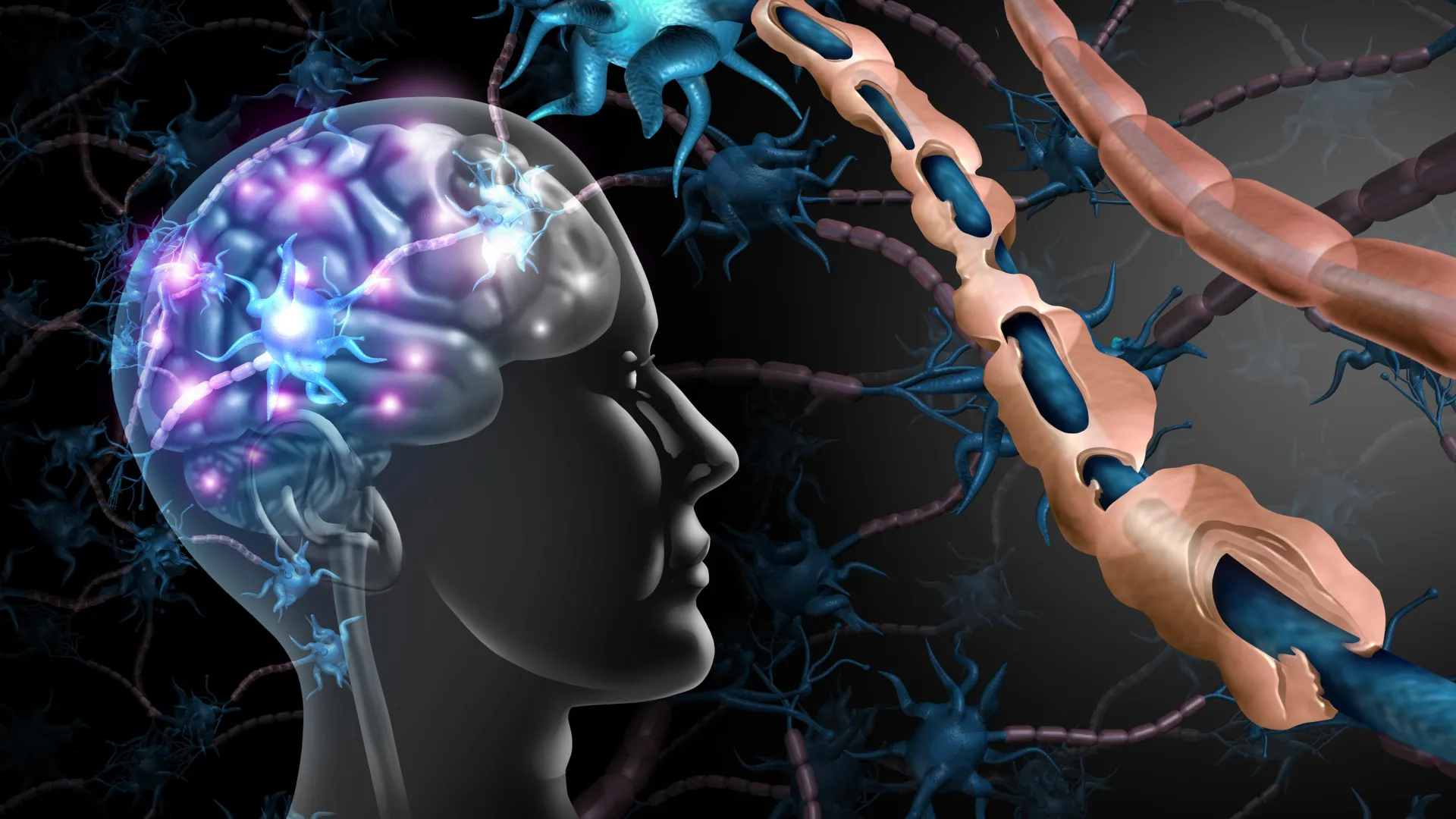
Multiple sclerosis (MS) is a long-term autoimmune condition that affects over 2.9 million people around the world. In MS, the immune system mistakenly attacks the myelin sheath, a protective layer that insulates nerve fibers. This damage interrupts communication between the brain and body, leading to symptoms such as numbness, tingling, vision problems, and paralysis.
Although existing treatments can help reduce inflammation, there are still no approved therapies that protect neurons or rebuild the damaged myelin sheath. Scientists have now made significant progress toward that goal with support from the National Multiple Sclerosis Society. Their work has led to the discovery of two compounds capable of promoting remyelination, the process of repairing the myelin coating on nerve fibers.
The study, published in Scientific Reports, was led by Seema Tiwari-Woodruff, a professor of biomedical sciences at the University of California, Riverside, School of Medicine, and John Katzenellenbogen, a professor of chemistry at the University of Illinois Urbana-Champaign (UIUC). The research was funded through two National MS Society initiatives: a standard investigator-initiated grant and the organization’s Fast Forward program, which accelerates commercialization of promising research.
“Our work represents more than a decade of collaboration, with the last four years focused on identifying and optimizing new drug candidates that show strong potential to treat MS and possibly other neurological diseases involving demyelination,” Tiwari-Woodruff said.
With this support, the team launched a drug development program that has since been licensed by Cadenza Bio, Inc. Backed by investor funding, the company has continued advancing the research and is preparing for clinical testing of what could become a first-of-its-kind treatment for people with MS.
From discovery to development
This new work builds on earlier studies involving a compound called indazole chloride, which had shown promise in promoting myelin repair and regulating immune responses in mouse models of MS. However, indazole chloride lacked the chemical properties and patent potential required for clinical and commercial use, Tiwari-Woodruff explained.

Working with UIUC chemists Katzenellenbogen and Sung Hoon Kim, who created new versions of the molecule, Tiwari-Woodruff’s group, led by recent UC Riverside graduate Micah Feri, screened more than 60 analogs of indazole chloride. From this effort, they identified two standout candidates, K102 and K110. Both showed better safety, efficacy, and drug-like characteristics in tests using mice and human cells.
Among the two, K102 emerged as the leading candidate. It not only stimulated myelin repair but also helped regulate immune activity, a critical balance for MS therapies. The compound also performed well in human oligodendrocytes — cells responsible for producing myelin — derived from induced pluripotent stem cells, suggesting the results could translate effectively from animal studies to human disease.
Normally, oligodendrocyte precursor cells develop into mature myelin-producing cells that repair nerve insulation. In MS, this repair process often breaks down, leading to lasting nerve damage. A compound like K102 that can restore myelin could help improve nerve signal transmission and potentially limit long-term disability.
“K110 is also a strong candidate,” Tiwari-Woodruff said. “It has slightly different central nervous system effects and may be better suited for other conditions like spinal cord injury or traumatic brain injury, so we’re keeping it in the pipeline.”
From bench to biotech
Tiwari-Woodruff and Katzenellenbogen credit the National MS Society’s Fast Forward program as a turning point. Fast Forward accelerates the commercialization of promising therapies by promoting academic-industry partnerships. The highly competitive grant enabled Tiwari-Woodruff and Katzenellenbogen to generate sufficient data to license the rights to Cadenza Bio to develop K102 and K110. The patents are jointly held by UCR and UIUC, with an exclusive, worldwide licensing agreement in place between the universities and Cadenza Bio.

“This project has been a good example of how long-standing academic collaborations can lead to real-world applications,” Katzenellenbogen said. “Our shared goal was always to take a promising idea and develop it into a therapy that could help people with MS. We’re finally getting close to that reality.”
Initially, UCR’s Office of Technology Partnerships collaborated with UIUC to seek patent protection. Grace Yee, assistant director of technology commercialization at UCR, said the joint efforts of UCR, UIUC, and the National MS Society advocated for and promoted the technology to investors and industry for commercial development.
“Our entrepreneurs-in-residence also helped advise the project, so the team was able to develop materials and messaging to highlight the project’s commercial value,” she said. “When investors expressed interest in the technology, UCR and UIUC helped them understand how the technology addresses an unmet need in treating MS. These efforts led to the licensing agreement with Cadenza Bio.”
Elaine Hamm, chief operating officer at Cadenza Bio, said she and Carol Curtis, cofounder of Cadenza Bio, were impressed by the possibility of moving from slowing axon damage to repairing axon damage.
“This is the future we want to build,” Hamm said. “It is why we licensed the technology, and why we are excited to move it forward to patients in need.”
More than a decade in the making
Tiwari-Woodruff and Katzenellenbogen have worked together for more than 12 years. Tiwari-Woodruff’s move from UCLA to UCR in 2014, she said, turned out to be a pivotal decision.
“The support from UCR — from leadership to infrastructure — has been extraordinary,” Tiwari-Woodruff said. “None of this would’ve been possible without that backing. Funding for academic labs like mine and John’s is crucial. This is selfless work, driven by a deep love of science and commitment to human health.”
Though the initial focus is MS, the team believes K102 and K110 could eventually be applied to other diseases involving neuronal damage, including stroke and neurodegeneration.
Cadenza Bio is now advancing K102 through the necessary non-clinical studies required to support first-in-human clinical trials.
“We’re hopeful that clinical trials can begin soon,” said Tiwari-Woodruff. “It’s been a long journey — but this is what translational science is all about: turning discovery into real-world impact.”
The research was also supported in part by grants from the National Institutes of Health and Cadenza Bio.
Tiwari-Woodruff, Katzenellenbogen, Kim, and Feri were joined in the research by Flavio D. Cardenas, Alyssa M. Anderson, Brandon T. Poole, Devang Deshpande, Shane Desfor, Kelley C. Atkinson, Stephanie R. Peterson, Moyinoluwa T. Ajayi, Fernando Beltran, Julio Tapia, and Martin I. Garcia-Castro of UCR; Kendall W. Nettles and Jerome C. Nwachukwu of The Scripps Research Institute, Florida; and David E. Martin and Curtis of Cadenza Bio, Oklahoma.

Read more →

When men drink, women and children pay the price

A sweeping global review has revealed that men’s alcohol consumption is causing widespread harm to women and children, from violence and neglect to lost educational and life opportunities. Credit: Shutterstock

A new global review led by La Trobe University has revealed the often-overlooked damage caused by men’s alcohol consumption to women and children, urging immediate policy action in Australia and around the world to address these gender-related harms.The study, titled “Harms to Women and Children from Men’s Alcohol Use: An Evidence Review and Directions for Policy,” draws together data from three recent systematic reviews that analyzed 78 academic papers.Worldwide, as many as one in three women in some countries live with a partner who drinks heavily. Children in these households are also at greater risk of violence, neglect, poor health, and limited opportunities later in life.These negative effects are especially severe in low- and middle-income nations and in places where gender inequality remains high.The research, led by Professor Anne-Marie Laslett of La Trobe’s Centre for Alcohol Policy Research (CAPR) and published by the global nonprofit research organization RTI International, found that men typically consume alcohol more heavily than women and are more likely to harm others when they drink.As a result, women and children bear a disproportionate share of the consequences, including physical injuries, emotional distress, economic strain, and disruptions to schooling and family life.

“Research shows that the consequences of men’s alcohol use extend far beyond the individual that drinks,” Professor Laslett said.
“Women and children pay a heavy price, yet policies rarely take their experiences into account. This is a major gap in international public health and social policy.”
Global data further indicates major differences between countries in how much and how often men and women drink. In many regions, these disparities make the impact of men’s alcohol use on women and children even more severe.
“Globally there has been poor recognition that others’ drinking, and particularly men’s drinking, contributes to many harms to women and children,” Professor Laslett said.
“Social, cultural and economic policies, as well as alcohol-specific policies, need to change to ensure that they are responding to the harms to women and children highlighted in this review.”
In Australia, the findings are particularly timely given growing national attention to domestic and family violence.

Alcohol’s role in driving partner violence has been recognised in recent government reviews, with calls to strengthen regulation and prevention strategies.
Australia’s Federal Government last year commissioned a rapid review that recommended addressing alcohol’s regulatory environment.
The review emphasizes that while proven policies such as raising alcohol taxes, restricting availability, and limiting marketing remain essential, they should be paired with interventions that tackle harmful gender norms and empower women and children.
An intersectoral approach involving health, legal and social services is critical for meaningful change.
Professor Siri Hettige, a researcher from Sri Lanka’s University of Columbo who collaborated on the project, said targeted, community-level interventions that addressed the realities faced by women and children were essential.
“Given the nature of the social context in which the harm to women and children from men’s drinking occurs, interventions to reduce such harms might have to go beyond current alcohol policies,” Professor Hettige said.

Read more →

MIT’s “stealth” immune cells could change cancer treatment forever

Scientists have created a new and more advanced form of immune-based cancer therapy using engineered cells known as CAR-NK (natural killer) cells. Like CAR-T cells, these modified immune cells can be programmed to recognize and attack cancer, but they rely on a different type of immune cell that naturally targets abnormal or infected cells.A team from MIT and Harvard Medical School has now developed a more effective way to engineer CAR-NK cells that dramatically reduces the chance of the body’s immune system rejecting them. Immune rejection has been one of the biggest limitations of cell-based therapies, often weakening their effectiveness.This innovation could also make it possible to produce “off-the-shelf” CAR-NK treatments that are available immediately after diagnosis, rather than waiting weeks for custom-engineered cells. Traditional CAR-NK and CAR-T manufacturing methods typically require several weeks to complete before patients can begin treatment.
“This enables us to do one-step engineering of CAR-NK cells that can avoid rejection by host T cells and other immune cells. And, they kill cancer cells better and they’re safer,” says Jianzhu Chen, an MIT professor of biology, a member of the Koch Institute for Integrative Cancer Research, and one of the senior authors of the study. 
In tests using mice with humanized immune systems, the newly engineered cells successfully destroyed most cancer cells while avoiding attack from the host’s own immune defenses.Rizwan Romee, an associate professor of medicine at Harvard Medical School and Dana-Farber Cancer Institute, is also a senior author of the paper, which was published in Nature Communications. The study’s lead author is Fuguo Liu, a postdoctoral researcher at the Koch Institute and a research fellow at Dana-Farber.
Evading the immune system
Natural killer (NK) cells are a vital part of the body’s built-in immune defense, responsible for identifying and destroying cancerous and virus-infected cells. They eliminate these threats through a process called degranulation, which releases a protein known as perforin. This protein punctures the membrane of target cells, leading to their death.To produce CAR-NK cells for treatment, doctors typically collect a blood sample from the patient. NK cells are then extracted and engineered to express a specialized protein called a chimeric antigen receptor (CAR), which is designed to target specific markers found on cancer cells.Once modified, the cells must multiply in the lab for several weeks before there are enough to be infused back into the patient. The same general process is used for CAR-T cell therapies, some of which have already been approved to treat blood cancers like lymphoma and leukemia. CAR-NK therapies, however, are still being tested in clinical trials.Because growing enough personalized CAR-NK cells takes time and the patient’s cells may not always be healthy enough for reliable use, scientists have been exploring an alternative: creating NK cells from healthy donors. These donor-derived cells could be mass-produced and stored for rapid use. The challenge, however, is that the recipient’s immune system often identifies donor cells as foreign and destroys them before they can attack the cancer.In their latest research, the MIT team aimed to solve this problem by helping NK cells “hide” from immune detection. Their experiments showed that removing surface proteins known as HLA class 1 molecules allowed NK cells to avoid attack from T cells in the host’s immune system. These proteins normally act as identity markers that tell the immune system whether a cell belongs to the body.To make use of this insight, the researchers added a sequence of siRNA (short interfering RNA) that silences the genes responsible for producing HLA class 1 proteins. Along with this genetic tweak, they introduced the CAR gene itself and another gene that encodes either PD-L1 or single-chain HLA-E (SCE), both of which help strengthen the NK cells’ cancer-fighting abilities.All of these genetic components were combined into a single DNA construct, which allowed the team to efficiently convert donor NK cells into immune-evasive CAR-NK cells. Using this method, they engineered cells that target CD-19, a protein commonly found on malignant B cells in lymphoma patients.
NK cells unleashed
The researchers tested these CAR-NK cells in mice with a human-like immune system. These mice were also injected with lymphoma cells.

Mice that received CAR-NK cells with the new construct maintained the NK cell population for at least three weeks, and the NK cells were able to nearly eliminate cancer in those mice. In mice that received either NK cells with no genetic modifications or NK cells with only the CAR gene, the host immune cells attacked the donor NK cells. In these mice, the NK cells died out within two weeks, and the cancer spread unchecked.
The researchers also found that these engineered CAR-NK cells were much less likely to induce cytokine release syndrome — a common side effect of immunotherapy treatments, which can cause life-threatening complications.
Because of CAR-NK cells’ potentially better safety profile, Chen anticipates that they could eventually be used in place of CAR-T cells. For any CAR-NK cells that are now in development to target lymphoma or other types of cancer, it should be possible to adapt them by adding the construct developed in this study, he says.
The researchers now hope to run a clinical trial of this approach, working with colleagues at Dana-Farber. They are also working with a local biotech company to test CAR-NK cells to treat lupus, an autoimmune disorder that causes the immune system to attack healthy tissues and organs.
The research was funded, in part, by Skyline Therapeutics, the Koch Institute Frontier Research Program through the Kathy and Curt Marble Cancer Research Fund and the Elisa Rah Memorial Fund, the Claudia Adams Barr Foundation, and the Koch Institute Support (core) Grant from the National Cancer Institute.

Read more →

For the first time, scientists pinpoint brain cells linked to depression

Scientists at McGill University and the Douglas Institute have discovered that two distinct types of brain cells show changes in people experiencing depression.Published in Nature Genetics, the research provides new clues that could guide the creation of treatments focused on these specific cells. It also enhances scientific understanding of depression, a condition that affects more than 264 million people globally and is one of the leading causes of disability.
“This is the first time we’ve been able to identify what specific brain cell types are affected in depression by mapping gene activity together with mechanisms that regulate the DNA code,” said senior author Dr. Gustavo Turecki, a professor at McGill, clinician-scientist at the Douglas Institute and Canada Research Chair in Major Depressive Disorder and Suicide. “It gives us a much clearer picture of where disruptions are happening, and which cells are involved.”
Rare brain bank enables breakthrough
The team conducted their work using post-mortem brain tissue from the Douglas-Bell Canada Brain Bank, one of the few collections worldwide that includes donations from people with psychiatric conditions.Through advanced single-cell genomic analysis, the researchers examined RNA and DNA from thousands of individual brain cells to determine which ones behaved differently in people with depression and which DNA sequences might explain these variations. The study analyzed tissue from 59 individuals who had depression and 41 who did not.They discovered that gene activity was altered in two types of brain cells: a class of excitatory neurons responsible for mood and stress regulation, and a subtype of microglia, the immune cells that manage inflammation in the brain. In both cell types, many genes were expressed differently in people with depression, pointing to possible disruptions in vital neural systems.By identifying the specific cells affected, the research deepens understanding of the biological foundation of depression and helps dispel outdated views of the condition.
“This research reinforces what neuroscience has been telling us for years,” Turecki said. “Depression isn’t just emotional, it reflects real, measurable changes in the brain.”
Looking ahead, the scientists intend to explore how these cellular changes influence brain function and whether targeting them could lead to more effective treatments.
About the study
“Single-nucleus chromatin accessibility profiling identifies cell types and functional variants contributing to major depression” by Anjali Chawla and Gustavo Turecki et al., was published in Nature Genetics.
The study was funded by Canadian Institutes of Health Research, Brain Canada Foundation, Fonds de recherche du Québec – Santé and Healthy Brains, Healthy Lives initiative at McGill University.

Read more →

A facelift at 28? Why young people are turning to plastic surgery

2 days agoShareSaveRuth CleggHealth and wellbeing reporterShareSave@hotgirlenhancementsThe facelift is moving into new territory.A quick search on socials and my feed is inundated with posts from people in their late 20s, 30s, discussing different types of facelift – the mini, the ponytail, the deep plane.Gone are the days when facelifts were reserved for the ageing wealthy – now an increasing number of younger people are opting to go under the knife.Some happily share pictures of their face before, after and the very bruised bit in between – their often very painful recovery.It’s no longer a procedure that’s spoken about in secret, celebrities like Kris Jenner, Catt Sadler and Marc Jacobs have spoken openly about their treatment. Many more are rumoured to have had one.The facelift is often seen as the last resort, the most major of cosmetic surgeries.Are people becoming so insecure in an often fake online world that they will pay thousands of pounds for the operation?Or have we had so many non-surgical treatments, such as Botox and fillers, that having our skin peeled from our cheekbones and our facial tissues and fat rearranged feels like a logical – and longer lasting – next step?@hotgirlenhancementsFor Emily, who had a facelift at 28, it was about getting a “snatched look” – a sculpted, sharp jaw, high cheekbones and fox eyes. She says having surgery in Turkey was “life-changing” and she does not regret it.”In total I had six surgeries rolled into one,” she explains. “Among them I had a mid- face lift, a lip lift and a rhinoplasty [nose job].”Describing the process, the businesswoman from Toronto, Canada, says the surgeon played her favourite song as she went under general anaesthetic and then: “I fell asleep and I woke up, threw up, and I had a new face and a new nose.”The recovery process was long – the pain and bruising began to subside over the first few weeks, but it took six months for Emily to regain feeling in parts of her cheeks.Would she do it again? She hesitates. “Since my surgery, I’ve changed my life. I’m healthier, I drink a lot less, I look after my skin, I sleep. I think if I knew what I know now I might not have gone through with it.”My mum didn’t even know until I told her a couple of days after surgery.”But then she stops and reflects. “But I just wanted to be the best version of myself,” Emily says, “and now I think I am.”Figures from the British Association of Aesthetic Plastic Surgeons (BAAPS) show an 8% increase in facelifts over the past 12 months in the UK – they don’t break down the figures by age, but many members report that the demographic is shifting.This is reflected in other parts of the world, with the American Society of Plastic Surgeons seeing a rise in Gen X (ages 45 to 60) opting for a facelift.Nora Nugent, president of BAAPS, believes there are a host of reasons for the change – including the rise of weight-loss medications.”Losing weight so quickly on these drugs can leave a lot of excess skin. A facelift can help with that,” she says. “Techniques have developed massively – a facelift no longer means risking that ‘wind tunnel’ [an overly stretched face as a result of the skin being pulled back] effect on the face we saw many years ago.” BAAPSHowever, a facelift is still a significant operation that should only be undertaken by a specialist, registered plastic surgeon in a registered facility with proper equipment, she says.At his clinic in Bristol, consultant plastic surgeon Simon Lee has carried out hundreds of facelifts – and shows me a video of one.For the duration of the procedure the client is wide awake, having had low levels of local anaesthetic injected into the skin and the deeper tissue beneath.He makes a series of small incisions in her face, before going under the skin, the fat and the superficial fascia (SMAS) – the part of the face which controls our expressions – then reaching the deep plane where he repositions tissue and muscles to reshape the face.As he finishes, the client, who has been under the knife for four hours, smiles in relief.One of the reasons it’s become more appealing, Mr Lee says, is the ease with which face and neck lifts can now be carried out. Once reserved for a hospital theatre and requiring a general anaesthetic, he now carries the face and neck lift without sedation in his clinic.It’s an “exciting time” in the industry, he says, with developments happening at speed. While the classic facelift – which focuses on the lower jaw and neck is still popular, there are newer treatments which target the upper two thirds of the face – where he says, the ageing process begins and is noticeable at a younger age.The surgeon caveats this saying a facelift is suitable for those over 40, but it would be very unusual to carry out such a complex procedure on someone in their 20s and 30s.There are risks and complications involved in these kind of procedures, such as developing a hematoma – a collection of blood under the skin which, if not treated, could lead to necrosis (death of surrounding tissues), infections, nerve injury and alopecia.A facelift costs, on average, £15,000-£45,000 in the UK, but there are clinics offering these procedures for as little as £5,000.Experts say it is important to do your research and choose a plastic surgeon who specialises in facelifts.Julia GilandoJulia Gilando, 34, decided she needed a facelift to fix asymmetry in her face after having issues with the jaw alignment earlier in her life.Although many of her friends said they couldn’t see a problem with her face, she felt it, “trusted her gut”, and flew to Turkey for her procedure, which cost $8,000 (£6,000).Despite warnings about the risks associated with having cosmetic surgery in Turkey it has become increasingly popular to do so, mainly due to lower prices.”At first I thought this whole idea was crazy, but I did my research and I decided to go for it,” Ms Gilando, a healthcare professional, says. “I was scared, I was in a foreign country, I was alone, and I didn’t speak the language.”After my surgery I spent two days in hospital and then had to fend for myself. I was so swollen I couldn’t see.”There were some dark times, it was a whole mental rollercoaster of emotions, you go through these highs and lows.”There are concerns from researchers about whether such cosmetic surgery procedures give the self-esteem and confidence the industry advertises.”I think there’s an unprecedented pressure,” Dr Kirsty Garbett, a body image expert from the Centre of Appearance Research at the University of West England, explains. “Especially when it comes to the face – we see ourselves on video calls, social media platforms, we compare ourselves to others so easily.”And she says, what we see isn’t necessarily a true reflection of reality.”AI, filters – all play a part in creating a fake online world. And, at the same time, we are seeing a rise in the normalisation of cosmetic procedures.”Celebrities being more outspoken about having these operations is, in some ways, a good thing, she says, but it also normalises them – making them appear “just a part of life and that is really worrying”.Caroline StanburyCaroline Stanbury, TV presenter and one of the Real Housewives of Dubai, had a facelift two years ago aged 47, despite everyone telling her not to do it because she was too young.”It was the best thing I have ever had done,” Caroline says. “Why do I want to wait until I am in my 60s, desperate and need it? I want to look and feel amazing now.”Having spent 20 years getting regular Botox and fillers, she felt like she was “beginning to look weird”. She paid $45,000 (£34,000) for a deep plane facelift in the US.”I still look like me, and this procedure has given me another 20 years of feeling great,” she says.Alexis Verpaele, a plastic surgeon based in Belgium, with clients from all over the world including the UK, says he’s worried about the increasing number of younger people coming for the treatment.He often talks to these clients at length about ways certain looks can be achieved without something as major as surgery.”If they have a facelift in their 20s, and we know it can last 10, 15 years say.”So by the time they are 60, they might have had three facelifts,” De Verpaele says.”That’s a lot of trauma for one face to endure – and that’s the best case scenario without any complications.”More weekend picks

Read more →

A toxic Alzheimer’s protein could be the key to fighting cancer

At first, Alzheimer’s disease and cancer might seem to have little overlap. One gradually destroys memory and cognition, while the other ravages the body through uncontrolled cell growth. Yet scientists at the MUSC Hollings Cancer Center have found an unexpected biological link between them.Their new study, published in Cancer Research, shows that a protein strongly associated with Alzheimer’s disease can also enhance the immune system’s strength. The finding could open doors to new approaches for treating cancer, neurodegenerative disorders, and age-related decline.
The Alzheimer’s-cancer paradox
For years, researchers noticed something odd in population data: people diagnosed with Alzheimer’s disease appeared to have a much lower risk of developing cancer. This unusual pattern intrigued Besim Ogretmen, Ph.D., associate director of Basic Science at Hollings, who set out with his team to uncover the biological explanation behind it.Epidemiologist Kalyani Sonawane, Ph.D., led the effort to verify this correlation. Her group examined five years of nationally representative survey data and found striking evidence—adults over age 59 with Alzheimer’s were 21 times less likely to develop cancer than those without it.Although the connection was clear, the underlying reason was not. What biological mechanism could explain why the two diseases seem to work in opposite directions?
A biological trade-off
Through a series of experiments, the researchers traced the connection to a familiar culprit: amyloid beta, the protein known for forming harmful plaques in the brains of Alzheimer’s patients. They discovered that amyloid beta has a dual personality, depending on where it acts. In the brain, it damages neurons, but in the immune system, it appears to make immune cells stronger.Amyloid beta interferes with a cellular recycling process called mitophagy, which normally removes damaged mitochondria—the energy-producing parts of cells. In the brain, blocking this cleanup leads to a buildup of faulty mitochondria that release toxins and trigger neuron death, worsening memory loss and cognitive decline.In contrast, when amyloid beta affects immune cells called T-cells, the outcome flips. By limiting mitophagy, it allows more mitochondria to stay functional, giving T-cells extra energy to power their cancer-fighting activity.
“What we found is that the same amyloid peptide that is harmful for neurons in Alzheimer’s is actually beneficial for T-cells in the immune system,” Ogretmen said. “It rejuvenates the T-cells, making them more protective against tumors.”
Rejuvenating the immune system
To explore this further, the team transplanted mitochondria from T-cells of Alzheimer’s patients into aging T-cells from individuals without the disease. The change was remarkable.

“Older T-cells began functioning like young, active T-cells again. That was an incredible finding because it suggests a whole new way to think about rejuvenating the immune system.”
The results also revealed that amyloid beta contributes to cancer in another way – by depleting fumarate, a small molecule made inside mitochondria during energy production. Fumarate acts like a brake, keeping mitophagy from running out of control. When fumarate levels drop, cells recycle too many of their healthy mitochondria, resulting in a loss of strength.
“When you deplete fumarate, you increase mitophagy much more,” Ogretmen explained. “Fumarate no longer binds proteins involved in that process, so the proteins become more active and induce more mitophagy. It’s like a reinforcing feedback loop.”
In T-cells, fumarate helps to regulate this balance. When the researchers administered fumarate to aging T-cells in mice and human tissue, they found lower levels of mitophagy. By preserving their mitochondria, fumarate gave the immune cells more energy to fight cancer. The discovery that fumarate rescues aging T-cells from excessive mitochondrial loss and enhances their anti-tumor activity suggests another way to protect immune health.
Broad implications for cancer and aging
Together, these findings shed light on why people with Alzheimer’s disease are less likely to develop cancer – and how that protection might be harnessed. Rather than attacking tumors directly, this research points to a new generation of therapies that recharge the immune system itself.

One approach is mitochondrial transplantation, giving older T-cells fresh, healthy “power plants” to revitalize their disease-fighting protection. Another strategy is to maintain or restore fumarate levels to preserve mitochondria and boost T-cells’ anti-tumor activity.
The potential applications for cancer are wide-ranging. Revitalizing T-cells by transplanting healthy mitochondria could strengthen existing treatments like CAR-T cell therapy. Ogretmen’s group has already filed a patent for this discovery, underscoring its potential as a new class of therapy. Fumarate-based drugs or supplements might further extend the life and energy of older immune cells by preserving their mitochondria. These could be used in conjunction with immunotherapy to maintain T-cells’ strength during treatment.
Beyond cancer, these approaches could help to slow immune aging more generally. As mitochondria naturally wear down over time, protecting them could help older adults to fight infections and stay healthier. Further delving into the double-edged impact of amyloid beta could also inform future treatments for neurodegenerative diseases, like Alzheimer’s, by finding ways to isolate its protective immune effects without harming the brain.
For Ogretmen, the novel findings highlight the power of teamwork, noting the collaboration across Hollings’ research programs in cancer biology, immunology and prevention.
“This was a true team effort,” he emphasized. “We’re proud of the different areas of expertise that came together to make these discoveries. The research exemplifies how discoveries in one area can open unexpected doors in another.”

Read more →