C-section births linked to sleepless nights and painful recoveries

New research presented at the ANESTHESIOLOGY® 2025 annual meeting suggests that women who give birth by cesarean delivery (C-section) face a greater likelihood of experiencing intense pain that interferes with sleep and daily functioning, as well as a higher risk of developing sleep disorders.
“Sleep is often overlooked in postpartum recovery, but it is central to a mother’s physical and mental health,” said Moe Takenoshita, M.B.B.Ch., lead author of the study and a postdoctoral scholar in the department of anesthesia at Stanford University Center for Academic Medicine, Palo Alto, California. “Cesarean delivery in particular appears to increase the risk for severe pain and sleep disorders, which can lead to postpartum depression, thinking and memory problems, and fatigue, as well as disrupt bonding with their babies and relationships with family and friends.”
The research team used both qualitative and quantitative methods. In the qualitative portion, they interviewed 41 mothers about their pain and sleep experiences after childbirth. Among them, 24 had vaginal deliveries, 11 had planned C-sections, and six had unplanned C-sections. Severe pain that affected sleep and everyday activities was reported by more than two-thirds of those who underwent C-sections (73% of planned and 67% of unplanned), compared to just 8% of mothers who had vaginal births.
The quantitative analysis drew from a national insurance database of more than 1.5 million mothers who gave birth between 2008 and 2021. The findings showed that mothers who had C-sections were 16% more likely to receive a new diagnosis of a sleep disorder (such as insomnia, sleep deprivation, or obstructive sleep apnea) within one month to one year after delivery, compared with those who gave birth vaginally.
Dr. Takenoshita advised that new mothers, particularly those recovering from C-sections, should take steps to manage pain effectively, since untreated pain can further disturb sleep. Additional strategies to support better rest include engaging in light physical activity when possible, sleeping when the baby sleeps, avoiding caffeine and alcohol later in the day, and winding down before bed through activities such as taking a bath or practicing deep breathing.
“About one-third of U.S. births are C-sections,” said Dr. Takenoshita. “Those who are planning a C-section should understand that the procedure is linked to more severe pain after delivery and a higher risk of sleep disorders. Anyone having sleep problems during pregnancy or after childbirth should discuss their concerns with their physician, who can evaluate the issue, make recommendations and refer them to a specialist if necessary.”

Read more →

Your skin could warn of hidden mental health trouble

Scientists have found that people receiving treatment for mental health conditions who also have skin problems may face a higher risk of severe outcomes, including depression and suicidal thoughts. The research, which could help doctors better identify vulnerable patients and tailor psychiatric care, was presented at the ECNP meeting in Amsterdam.
The study involved 481 individuals experiencing their first episode of psychosis (the first time a person has symptoms such as delusions, hallucinations, or losing touch with reality). Among them, 14.5% showed signs of skin issues (24% of females and 9.8% of males), including rashes, itching, or sensitivity to light. All participants received four weeks of antipsychotic treatment, after which researchers assessed various mental health indicators.
Lead researcher Dr. Joaquín Galvañ (Instituto de Investigación Sanitaria Gregorio Marañón, Madrid) explained:
“After 4 weeks of follow-up, patients with a first episode of psychosis presenting with skin conditions experienced higher levels of depression and risk of suicide. We found that just 7% of the patients without the initial skin conditions had suicidal thoughts or attempts, in contrast, around 25% of the patients with initial skin conditions had suicidal thoughts or attempts. Initial skin conditions are also linked to greater depression and poorer well-being at follow-up.
“This discovery suggests that the presence of skin conditions indicates that these patients are more at risk for worse outcomes than patients who do not have skin conditions after a first episode of psychosis.”
The team noted that, if further research supports these results, skin symptoms could serve as an early warning sign for elevated mental health risks, much like how blood tests can signal the likelihood of cancer or heart disease.
Because both the brain and skin develop from the same embryonic layer called the ectoderm, the scientists set out to explore how these two systems might be connected.

Dr. Galvañ added:
“It was already known that between 30% and 60% of people with skin conditions show psychiatric symptoms. What we have done is look at things from the opposite direction; do people with mental health problems have skin conditions, and if so, can this tell us anything useful?
Our findings suggest that dermatological symptoms may represent a marker of illness severity and poor short-term outcomes in the early stages of psychosis, potentially identifying a subgroup of patients with a poorer clinical prognosis who may benefit from early tailored interventions. The reason for the connection is still unclear, but our working hypothesis is that this may be due to the skin and neurological systems having common developmental origins and inflammatory pathways; but this needs to be confirmed. As far as we know this is the first study to show this link in patients with psychosis, so we need follow-up studies to confirm the finding. We also need to understand if this link applies also to a range of other psychiatric conditions, such as bipolar disorder, ADHD, anxiety or depression.”
Offering an independent perspective, Professor Eric Ruhe (Professor of Difficult-to-Treat Depression at Radboud University, the Netherlands) commented:
“This is an interesting association between skin problems and a first episode of psychosis. These results need replication in different cohorts but might indeed show a new link between skin and psychopathology.
As the skin and the brain derive from the same embryonic origin, this would worth pursuing further, both diagnostically and mechanistically (which may be more interesting). For example, this association might be used to culture skin cells to begin to understand which treatment is appropriate.”
This is an independent comment, Professor Ruhe was not involved in this work.

Read more →

This experimental “super vaccine” stopped cancer cold in the lab

Researchers at the University of Massachusetts Amherst have shown that their nanoparticle-based vaccine can successfully prevent several aggressive cancers in mice, including melanoma, pancreatic cancer, and triple-negative breast cancer. Depending on the cancer type, up to 88% of vaccinated mice stayed tumor-free (depending on the cancer), and the vaccine also reduced — and in some cases completely prevented — the spread of cancer throughout the body.
“By engineering these nanoparticles to activate the immune system via multi-pathway activation that combines with cancer-specific antigens, we can prevent tumor growth with remarkable survival rates,” says Prabhani Atukorale, assistant professor of biomedical engineering in the Riccio College of Engineering at UMass Amherst and corresponding author on the paper.
Atukorale had previously shown that her nanoparticle-based drug design could shrink or eliminate tumors in mice. The new findings reveal that this approach can also prevent cancer from forming in the first place.
In the first experiment, her team combined the nanoparticle system with well-studied melanoma peptides (called an antigen, similar to how a flu shot typically contains parts of the inactivated flu virus). This formulation activated immune cells known as T cells, training them to detect and destroy melanoma cells. Three weeks later, the vaccinated mice were exposed to melanoma.
Eighty percent of the mice that received the “super adjuvant” nanoparticle vaccine remained tumor-free and survived the entire study period (250 days). In contrast, all of the mice that received traditional vaccines, non-nanoparticle formulations, or no vaccine at all developed tumors and died within 35 days.
The vaccine also stopped cancer from spreading to the lungs. When the mice were systemically exposed to melanoma cells to mimic metastasis, none of the nanoparticle-vaccinated mice developed lung tumors, while every other mouse did.
“Metastases across the board is the highest hurdle for cancer,” says Atukorale. “The vast majority of tumor mortality is still due to metastases, and it almost trumps us working in difficult-to-reach cancers, such as melanoma and pancreatic cancer.”
Atukorale refers to this protection as “memory immunity.” “That is a real advantage of immunotherapy, because memory is not only sustained locally,” she explains. “We have memory systemically, which is very important. The immune system spans the entire geography of the body.”

The first phase of testing used a vaccine with known antigens designed for melanoma. However, creating antigens for each cancer type can require extensive genome sequencing or bioinformatics analysis. To simplify the process, the researchers tested a second version using killed tumor cells, called tumor lysate, derived directly from the cancer itself. Mice vaccinated with this nanoparticle lysate vaccine were later exposed to melanoma, pancreatic ductal adenocarcinoma, or triple-negative breast cancer cells.
The results were impressive: 88% of mice with pancreatic cancer, 75% with breast cancer, and 69% with melanoma rejected tumor formation. Furthermore, all mice that remained tumor-free after vaccination also resisted metastasis when exposed systemically to cancer cells.
“The tumor-specific T-cell responses that we are able to generate — that is really the key behind the survival benefit,” says Griffin Kane, postdoctoral research associate at UMass Amherst and first author on the paper. “There is really intense immune activation when you treat innate immune cells with this formulation, which triggers these cells to present antigens and prime tumor-killing T cells.”
This robust T-cell response is possible because of the particular nanoparticle design of the vaccine.
Vaccines — regardless the target disease — contain two primary components: The antigen and the adjuvant. The antigen is the piece of the disease-causing pathogen (in this study, cancer cells) that the immune system can be trained to target. The adjuvant is a substance that activates the immune system to recognize the antigen, treat it as a foreign intruder and eliminate it.
The Atukorale Lab draws inspiration from how pathogens naturally stimulate the immune system. To mount a strong immune response, the body requires multiple “danger” signals triggered through different pathways. “In recent years, we have come to understand how important the selection of the adjuvant is because it drives the second signal that is needed for the correct priming of T and B cells,” says Atukorale.

However, just like oil and water, many of the most promising adjuvants for cancer immunotherapy do not mix well at the molecular level. To overcome this, the Atukorale Lab has engineered a lipid nanoparticle-based “super adjuvant” capable of stably encapsulating and co-delivering two distinct immune adjuvants that activate immunity in a coordinated, synergistic way.
The researchers say that their design offers a platform approach that could be used across multiple cancer types.
The researchers envision that this platform can be applied to create both therapeutic and preventative regimens, particularly for individuals at high risk for cancer. This is an idea that Atukorale and Kane have turned into a startup called NanoVax Therapeutics.
“The real core technology that our company has been founded on is this nanoparticle and this treatment approach,” says Kane. “This is a platform that Prabhani developed. The startup lets us pursue these translational efforts with the ultimate goal of improving patients’ lives.”
Next, Atukorale and Kane plan to extend this technology to a therapeutic vaccine and have already taken the initial de-risking steps in translation.
Atukorale and Kane credit the Biomedical Engineering department and the Institute for Applied Life Sciences at UMass Amherst, UMass Chan Medical School, and funding from the National Institutes of Health for their support.
The study was published in the October 9 edition of Cell Reports Medicine.

Read more →

Fentanyl overdoses among seniors surge 9,000% — A hidden crisis few saw coming

Fatal overdoses among adults 65 and older involving fentanyl mixed with stimulants such as cocaine and methamphetamines have risen dramatically, climbing 9,000% in the past eight years. The rate now mirrors that seen in younger adults, according to findings presented at the ANESTHESIOLOGY® 2025 annual meeting.
This research is one of the first to use Centers for Disease Control and Prevention (CDC) data to reveal that older adults — often left out of overdose analyses — are increasingly part of the national surge in fentanyl-stimulant deaths. People in this age group face higher risks of overdose because many manage chronic illnesses, take multiple medications, and metabolize drugs more slowly as they age.
Experts describe the opioid epidemic as unfolding in four distinct “waves,” each tied to a different drug driving fatal overdoses: prescription opioids in the 1990s, heroin beginning around 2010, fentanyl taking hold in 2013, and a combination of fentanyl and stimulants emerging in 2015.
“A common misconception is that opioid overdoses primarily affect younger people,” said Gab Pasia, M.A., lead author of the study and a medical student at the University of Nevada, Reno School of Medicine. “Our analysis shows that older adults are also impacted by fentanyl-related deaths and that stimulant involvement has become much more common in this group. This suggests older adults are affected by the current fourth wave of the opioid crisis, following similar patterns seen in younger populations.”
To conduct the study, researchers examined 404,964 death certificates listing fentanyl as a cause of death from 1999 to 2023, using data from the CDC Wide-ranging Online Data for Epidemiologic Research (WONDER) system. Of those deaths, 17,040 involved adults 65 and older, while 387,924 were among adults aged 25 to 64.
Between 2015 and 2023, fentanyl-related deaths rose from 264 to 4,144 among older adults (a 1,470% increase) and from 8,513 to 64,694 among younger adults (a 660% increase). Within the older population, deaths involving both fentanyl and stimulants grew from 8.7% (23 of 264 fentanyl deaths) in 2015 to 49.9% (2,070 of 4,144) in 2023 — a staggering 9,000% rise. In comparison, among younger adults, fentanyl-stimulant deaths rose from 21.3% (1,812 of 8,513) to 59.3% (38,333 of 64,694) over the same period, a 2,115% increase.
Researchers chose to highlight 2015 and 2023 in their analysis because 2015 marked the beginning of the epidemic’s fourth wave, when fentanyl-stimulant deaths among older adults were at their lowest, and 2023 represented the most recent year of CDC data available.

The researchers noted that the rise in fentanyl deaths involving stimulants in older adults began to sharply rise in 2020, while deaths linked to other substances stayed the same or declined. Cocaine and methamphetamines were the most common stimulants paired with fentanyl among the older adults studied, surpassing alcohol, heroin, and benzodiazepines such as Xanax and Valium.
“National data have shown rising fentanyl-stimulant use among all adults,” said Mr. Pasia. “Because our analysis was a national, cross-sectional study, we were only able to describe patterns over time — not determine the underlying reasons why they are occurring. However, the findings underscore that fentanyl overdoses in older adults are often multi-substance deaths — not due to fentanyl alone — and the importance of sharing drug misuse prevention strategies to older patients.”
The authors noted anesthesiologists and other pain medicine specialists should: Recognize that polysubstance use can occur in all age groups, not only in young adults. Be cautious when prescribing opioids to adults 65 or older by carefully assessing medication history, closely monitoring patients prescribed opioids who may have a history of stimulant use for potential side effects, and considering non-opioid options when possible. Use harm-reduction approaches such as involving caregivers in naloxone education, simplifying medication routines, using clear labeling and safe storage instructions and making sure instructions are easy to understand for those with memory or vision challenges. Screen older patients for a broad range of substance exposures, beyond prescribed opioids, to better anticipate complications and adjust perioperative planning.”Older adults who are prescribed opioids, or their caregivers, should ask their clinicians about overdose prevention strategies, such as having naloxone available and knowing the signs of an overdose,” said Richard Wang, M.D., an anesthesiology resident at Rush University Medical Center, Chicago and co-author of the study. “With these trends in mind, it is more important than ever to minimize opioid use in this vulnerable group and use other pain control methods when appropriate. Proper patient education and regularly reviewing medication lists could help to flatten this terrible trend.”

Read more →

Watchdog vows Botox crackdown after BBC exposé

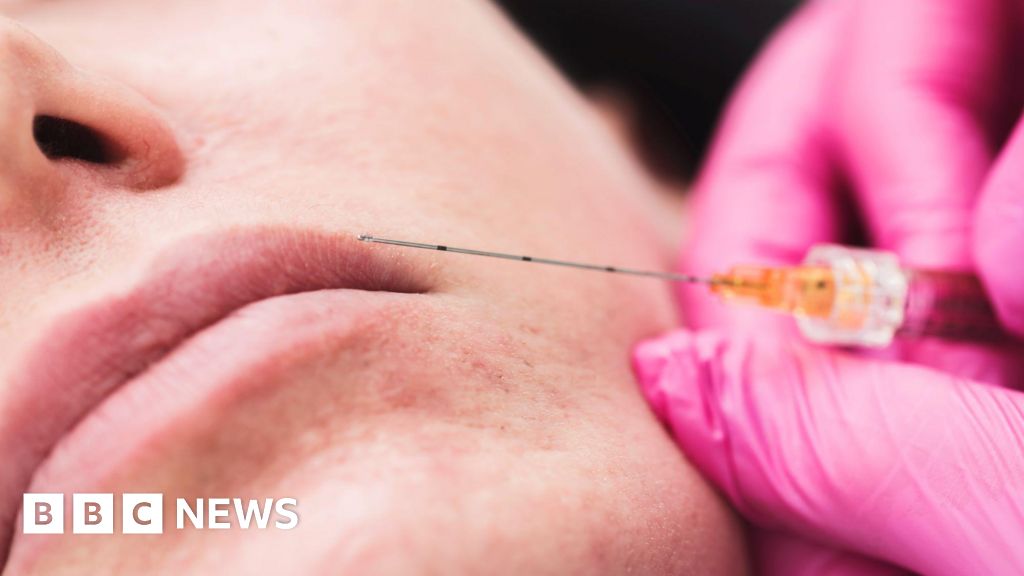
The pharmacists’ watchdog has promised to investigate and “take action” after the BBC exposed illegal and potentially harmful practices in the aesthetic Botox industry.Under UK law, Botox can only be supplied under prescription by a qualified medic following a face-to-face consultation with the patient, to check it is safe for them.But undercover BBC researchers caught several pharmacists trying to prescribe the medicine to beauticians to use on people who had not been clinically assessed.The General Pharmaceutical Council (GPhC) said it was continuing to review the BBC’s evidence for its own investigation. Its chief enforcement officer Dionne Spence said: “We will take enforcement action against pharmacies, pharmacists and pharmacy technicians when required to protect patient safety.”Under UK law, only a doctor, prescribing nurse or pharmacist, or dentist is legally allowed to prescribe botulinum toxin – commonly known as Botox – after an appropriate face-to-face clinical assessment.They are also required to ensure the medicine is supplied to an experienced injector to administer.But the BBC’s investigation uncovered a series of breaches by regulated pharmacists.East London pharmacist Cornelius Agoye from Rainham was filmed selling vials of Botox to an undercover BBC reporter who was posing as a beautician intending to inject a customersMr Agoye asked the reporter to complete paperwork that would create a false record of a patient consultation taking place.He also told the BBC he was willing to illegally supply additional Botox under the same prescription to use on other patients – which constitutes fraud.When approached by the BBC, Mr Agoye apologised and admitted his conduct had fallen below professional standards.Other pharmacists filmed or spoken to by BBC undercover researchers posing as beauticians described taking similar shortcuts.One suggested skipping the required face-to-face consultations and falsifying photographs to trick regulators into believing a patient had been seen.The investigation also uncovered potentially dangerous activity beyond community pharmacies.These include a nurse offering to sell prescriptions over WhatsApp for cash, and a fake doctor selling an unlicensed and potentially dangerous black market Korean medicine.Ms Spence told the BBC she was “very concerned” and “incredibly disappointed” by these findings.”Our guidance is also clear that when providing non-surgical cosmetic medical products such as Botox, there needs to be a physical examination of the person to support a safe prescribing decision,” she said.She said the GPhC had already tightened guidance on online supply of medicines and was working closely with the other industry watchdogs to regulate the supply of Botox prescriptions.”We are also working with governments and policy makers to identify how the legal and regulatory framework in this area could be strengthened and any legislative gaps could be addressed,” she said.Following concerns about unsafe practices in the aesthetics industry, the government is considering new legislation close loopholes and to crack down on “cowboy cosmetic procedures”.A Department of Health and Social Care spokesperson said it was developing a new national licensing scheme for non-surgical cosmetic procedures, designed to protect patients and raise standards across the industry.

Read more →

Scientists found a smarter Mediterranean diet that cuts diabetes risk by 31%

Eating a Mediterranean-style diet with fewer calories, adding moderate physical activity, and receiving professional guidance for weight management can lower the risk of developing type 2 diabetes by 31%. That is the key finding of PREDIMED-Plus, a large clinical trial led in Spain by the University of Navarra together with more than 200 researchers from 22 universities, hospitals, and research institutes. The project was carried out in over 100 primary care centers within Spain’s National Health System.
Launched in 2013 after the University of Navarra received an Advanced Grant of over €2 million from the European Research Council (ERC), PREDIMED-Plus is the largest nutrition trial ever conducted in Europe. Between 2014 and 2016, additional institutions joined the effort, bringing total funding above 15 million euros. Most of the support came from the Carlos III Health Institute (ISCIII) and the Center for Biomedical Research Network (CIBER), through its divisions on Physiopathology of Obesity and Nutrition (CIBEROBN), Epidemiology and Public Health (CIBERESP), and Diabetes and Associated Metabolic Diseases (CIBERDEM).
The study, published in Annals of Internal Medicine, followed 4,746 adults between the ages of 55 and 75 who were overweight or obese and had metabolic syndrome but no prior history of cardiovascular disease or diabetes. Over six years, researchers compared two groups. One group adopted a calorie-reduced Mediterranean diet (about 600 fewer kilocalories per day), engaged in moderate exercise such as brisk walking and strength and balance training, and received professional counseling. The other group continued a traditional Mediterranean diet without calorie limits or exercise advice.
The results revealed that the participants who followed the calorie-reduced diet and exercise plan not only reduced their diabetes risk but also lost more weight and trimmed more from their waistlines. On average, they lost 3.3 kg and 3.6 cm from their waist, compared to 0.6 kg and 0.3 cm in the control group. This translated to preventing about three new cases of type 2 diabetes for every 100 participants — a meaningful benefit for public health.
“Diabetes is the first solid clinical outcome for which we have shown — using the strongest available evidence — that the Mediterranean diet with calorie reduction, physical activity and weight loss is a highly effective preventive tool,” said Miguel Ángel Martínez-González, Professor of Preventive Medicine and Public Health at the University of Navarra, Adjunct Professor of Nutrition at Harvard University, and one of the principal investigators of the project. “Applied at scale in at-risk populations, these modest and sustained lifestyle changes could prevent thousands of new diagnoses every year. We hope soon to show similar evidence for other major public health challenges.”
Type 2 Diabetes: A Preventable Global Epidemic
According to the International Diabetes Federation, type 2 diabetes now affects over 530 million people around the world. Its rise is fueled by urbanization (unhealthy diets, sedentary lifestyles, reduced physical activity), an aging population, and increasing rates of overweight and obesity. In Spain, an estimated 4.7 million adults live with diabetes — mostly type 2 — giving the country one of the highest rates in Europe, where total cases exceed 65 million. In the United States, roughly 38.5 million people have diabetes, and the disease carries some of the highest per-patient healthcare costs worldwide. Experts emphasize that prevention is crucial to slow this escalating crisis, which greatly increases the risk of heart, kidney, and metabolic complications.

“The Mediterranean diet acts synergistically to improve insulin sensitivity and reduce inflammation. With PREDIMED-Plus, we demonstrate that combining calorie control and physical activity enhances these benefits,” explained Miguel Ruiz-Canela, Professor and Chair of Preventive Medicine and Public Health Department at the University of Navarra’s School of Medicine and first author of the study. “It is a tasty, sustainable and culturally accepted approach that offers a practical and effective way to prevent type 2 diabetes — a global disease that is, to a large extent, avoidable.”
International Relevance and Support for a Realistic and Scalable Strategy
Annals of Internal Medicine accompanied the publication with an editorial by Sharon J. Herring and Gina L. Tripicchio, nutrition and public health experts at Temple University (Philadelphia, USA). They praised the intervention’s clinical relevance and its potential as a preventive model for type 2 diabetes. Furthermore, they warn that replicating similar strategies outside the Mediterranean context — such as in the U.S. — requires overcoming structural barriers, including unequal access to healthy foods, the limitations of the urban environment, and the lack of professional guidance. In this scenario, they advocate strengthening public policies that promote more nutritious and more equitable environments. At a time when new drugs against obesity and diabetes are grabbing headlines, PREDIMED-Plus demonstrates that modest, sustained lifestyle changes can still deliver powerful health benefits.
The PREDIMED-Plus project (2013-2024), which involves different patients, is a continuation of the PREDIMED study (2003-2010). This study demonstrated that following a Mediterranean diet enriched with extra-virgin olive oil or nuts reduces the risk of cardiovascular disease by 30%. Researchers emphasize that primary care providers can integrate the new intervention as a sustainable, cost-efficient strategy to prevent type 2 diabetes on a large scale.
Participating Institutions
The PREDIMED-Plus trial has assembled a broad network of investigators from across Spain. In order of the number of participants, the study included researchers from the following institutions: the University of Navarra and the Navarra Health Service (2 centers), Hospital Clínic de Barcelona (2 centers), University of Valencia, Rovira i Virgili University (Reus), IMIM-Hospital del Mar, Miguel Hernández University (Alicante), Son Espases Hospital (Palma de Mallorca), University of Malaga, Reina Sofía Hospital (Córdoba) and University of Granada. In addition, Bioaraba and the UPV/EHU (Vitoria), the University of the Balearic Islands, the Hospital Virgen de la Victoria (Malaga), the University of Las Palmas de Gran Canaria, the University of Leon, the Primary Health Care District of Seville, the Fundación Jiménez Díaz (Madrid), the Hospital de Bellvitge, the Hospital Clínico San Carlos (Madrid), the University of Jaen, and the IMDEA Food Institute (Madrid) have also participated.
The project also benefited from international collaboration with the Harvard T.H. Chan School of Public Health (USA). Most of the participating researchers are affiliated with the CIBEROBN, CIBERESP, or CIBERDEM research networks.

Read more →

Your type of depression could shape your body’s future health

Scientists have long known that depression increases the risk of developing metabolic disorders. Now, new research reveals that specific forms of depression are tied to different cardiometabolic diseases. The findings were presented at the ECNP Congress in Amsterdam.
Over a seven-year period, researchers followed 5,794 adults who participated in the Netherlands Epidemiology of Obesity (NEO) Study. None of the participants had diabetes or cardiovascular disease when the study began. Each person completed a detailed questionnaire assessing depressive symptoms. Based on these responses, the researchers identified two main types of depression: one characterized by “melancholic” features (including early morning awakening and loss of appetite) and another defined by “atypical/energy-related” features (such as fatigue, increased sleep, and higher appetite).
During the study, about 8% of participants developed a cardiometabolic disorder. The specific illness that appeared, however, depended on the kind of depression they had. Individuals with “atypical/energy-related” depression were roughly 2.7 times more likely to develop Type 2 diabetes than those without depressive symptoms, but they did not face a higher risk of cardiovascular disease.
By contrast, participants with “melancholic” depression were about 1.5 times more likely to experience cardiovascular disease (including heart attack or stroke) than those without depression, but they did not have a significantly greater risk of Type 2 diabetes.
Lead researcher Dr. Yuri Milaneschi (Amsterdam UNC) explained:
“Further metabolic analysis revealed that patients with the atypical/energy-related symptoms showed disruptions in inflammatory and metabolic processes linked to cardiometabolic health. This biological signature was not seen in those with “melancholic” symptoms, suggesting biochemical differences in the way that different types of depression link to cardiovascular health.
We already knew that not all depressions are the same, but this means that we may need to consider how the type of depression someone has impacts different areas of their physical health. It very much pushes us towards the idea of precision psychiatry — the idea that we need to look for physical associations with mental health profiles, so that we can better treat mental illness. To treat sufferers individually.”
Commenting, Dr. Chiara Fabbri (of the University of Bologna) said:
“The prevention and treatment of physical diseases in people with depression are not less important than the treatment of depression. These physical conditions are common and expected to raise, for example the number of people with diabetes (66 million) in the EUR Region will see a 10% increase by 2050 according to the International Diabetes Federation. It is a health care priority to prevent cardiometabolic diseases, diagnose them early, and continue to improve monitoring and treatment. This study on the NEO cohort provides highly valuable data on how to do this better for people suffering from depressive symptoms.”
Dr. Fabbri was not involved in this work; this is an independent comment.

Read more →

Your nose gets colder when you’re stressed. These thermal images show the change

11 hours agoShareSaveVictoria GillScience correspondent, BBC NewsShareSaveWhen I was asked to give an impromptu five-minute speech and then to count backwards in intervals of 17 – all in front of a panel of three strangers – the acute stress was written on my face.That is because psychologists from the University of Sussex were filming this somewhat terrifying experience for a research project that is studying stress using thermal cameras.Stress alters the blood flow in the face, and scientists have discovered that the drop in temperature of a person’s nose can be used as a measure of stress levels, and to monitor recovery.Thermal imaging, according to the psychologists behind the study could be a “game changer” in stress research.Kevin Church/BBCThe experimental stress test that I subjected myself to is carefully controlled and deliberately designed to be an unpleasant surprise. I arrived at the university with no idea what I was in for. First, I was asked to sit, relax and listen to white noise through a set of headphones. So far, so calming. Then, the researcher who was running the test invited a panel of three strangers into the room. They all stared at me silently as the researcher informed that I now had three minutes to prepare a five minute speech about my “dream job”. As I felt the heat rise around my neck, the scientists captured my face changing colour through their thermal camera. My nose quickly dropped in temperature – turning blue on the thermal image – as I considered how to bluster my way through this unplanned presentation. (I decided I would take the opportunity to make my pitch to join the astronaut training programme!)The Sussex researchers have carried out this same stress test on 29 volunteers. In each, they saw their nose dip in temperature by between three and six degrees. My nose dropped in temperature by two degrees, as my nervous system pushed blood flow away from my nose and to my eyes and ears – a physical reaction to help me to look and listen for danger. Most participants, like me, recovered quickly; their noses warmed to pre-stressed levels within a few minutes. Lead researcher, Prof Gillian Forrester explained that being a reporter and broadcaster has probably made me “quite habituated to being put in stressful positions”. “You are used to the camera and talking with strangers, so you’re probably quite resilient to social stressors,” she explained. “But even someone like you, trained to be in stressful situations, shows a biological blood flow shift, so that suggests this ‘nasal dip’ is a robust marker of a changing stress state.”Kevin Church/BBC NewsStress is part of life. But this discovery, the scientists say, could be used to help manage harmful levels of stress.”The length of time it takes someone to recover from this nasal dip could be an objective measure of how well somebody regulates their stress,” said Prof Forrester.”If they bounce back unusually slowly, could that be a risk marker of anxiety or depression? Is it something that we can do anything about?”Because this technique is non-invasive and measures a physical response, it could also be useful to monitor stress in babies or in people who can’t communicate. The second task in my stress assessment was, in my view, even worse than the first. I was asked to count backwards from 2023 in intervals of 17. Someone on the panel of three impassive strangers stopped me every time I made a mistake and asked me to start again. I admit, I am bad at mental arithmetic. As I spent an embarrassing length of time trying to force my brain to perform subtraction, all I could think was that I wanted to flee the increasingly stuffy room. During the research, only one of the 29 volunteers for the stress test did actually ask to leave. The rest, like me, completed their tasks – presumably feeling varying degrees of humiliation – and were rewarded with another calming session of white noise through headphones at the end. Anxious apesProf Forrester will demonstrate this new thermal stress-measuring method in front of an audience at the New Scientist Live event in London on 18 October. Perhaps one of the most surprising aspects of the approach is that, because thermal cameras measure a physical stress response that is innate in many primates, it can also be used in non-human apes. The researchers are currently developing its use in sanctuaries for great apes, including chimpanzees and gorillas. They want to work out how to reduce stress and improve the wellbeing of animals that may have been rescued from traumatic circumstances.The team has already found that showing adult chimpanzees video footage of baby chimpanzees has a calming effect. When the researchers set up a video screen close to the rescued chimps’ enclosure, they saw the noses of animals that watched the footage warm up. So, in terms of stress, watching baby animals animals playing is the opposite of a surprise job interview or an on-the-spot subtraction task. Gilly Forrester/University of SussexUsing thermal cameras in ape sanctuaries could prove to be valuable in helping rescued animals to adjust and settle in to a new social group and strange surroundings. “They can’t say how they’re feeling and they can be quite good at masking how they’re feeling,” explained Marianne Paisley, a researcher from the University of Sussex who is studying great ape wellbeing. “We’ve [studied] primates for the last 100 years or so to help us understand ourselves.”Now we know so much about human mental health, so maybe we can use that and give back to them.”So perhaps my own minor scientific ordeal could contribute, in a small way, to alleviating distress in some of our primate cousins. Additional reporting by Kate Stephens. Photography by Kevin Church

Read more →

Keto diet shields young minds from early-life trauma

Researchers have shown that young rats fed a ketogenic diet — a diet with high fat and low carbohydrates — are protected from the lasting experience of pre-natal stress. This work, which needs to be confirmed in humans, is presented at the ECNP conference in Amsterdam
An extensive body of research has shown that if mothers experience stress while pregnant, the offspring can suffer ongoing psychological and development-related conditions.
Now a group of Italian researchers have shown that the biological changes induced by a ketogenic diet may help them to escape from the long-lasting effects of stress experienced in the womb.
The pregnant rats were stressed in the final week before birth. The offspring were weaned at 21 days after birth, and assigned either a control diet, or a ketogenic diet. At 42 days, the young animals were then tested for a variety of stress-induced deficits, such as poor sociability, or lack of interest in their surroundings (anhedonia). The animals which had received the ketogenic diet showed some notable differences over the control group, such as exhibiting longer grooming times, and greater sociability. The researchers found that if fed a normal diet, 50% of the rats born to stressed mothers showed stress-related problems in later life. However in those rats fed a ketogenic diet only 22% of male offspring, and 12% of female offspring, developed these problems.
The ketogenic diet has been shown to induce a variety of biological changes, such as enhancing mitochondrial efficiency and changing hormone balance.
According to lead researcher Dr. Alessia Marchesin(of the University of Milan):
“We discovered that feeding young rats a ketogenic diet — a high-fat, very low-carbohydrate regimen — right after weaning almost completely protected them from the lasting effects of stress they’d experienced before birth. The diet seems to have acted like a shield for their developing brains, so preventing social and motivational problems from ever taking root.

This matters because it suggests a simple way to prevent the occurrence of mood and social disorders that often originate from childhood adversity. Rather than waiting until symptoms appear and then treating them with medications — many of which carry side effects — we might one day take advantage of the therapeutic properties of dietary interventions early in life to prevent the manifestation of full-blown pathologic condition. What’s more, we found that males and females benefited via different biological routes — males by reducing inflammation, females by boosting antioxidant defences — hinting that we could personalize and refine such dietary interventions.
If these findings translate to humans, we may be able to treat the long-term burden of prenatal trauma simply by adjusting what at-risk kids eat.”
She added,
“There are a couple of points to note. The animals on the ketogenic diet grew more slowly than the controls, and so it may be that the reduced calory intake is associated with the later mental health benefits. And we see sex-specific differences which need to be better understood before we can apply this to humans.”
Commenting, Dr. Aniko Korosi, Associate Professor at the University of Amsterdam says:
“This work nicely contributes further to the nascent field of Nutritional Psychiatry. The role of nutrition in modulating mental health is gaining attention and its potential is more and more appreciated in the field. However important questions remain in the field as to which nutrient, when and for whom are effective in modulating mental health. The presented study interestingly shows that prenatal stress-induced risk to altered behaviour can be modulated with a ketogenic diet fed after weaning. It will be intriguing to further explore what are the biological processes involved in these beneficial effects and if such effects are sex specific.”
This is an independent comment, Dr. Korosi was not involved in this work.

Read more →

Two common drugs could reverse fatty liver disease

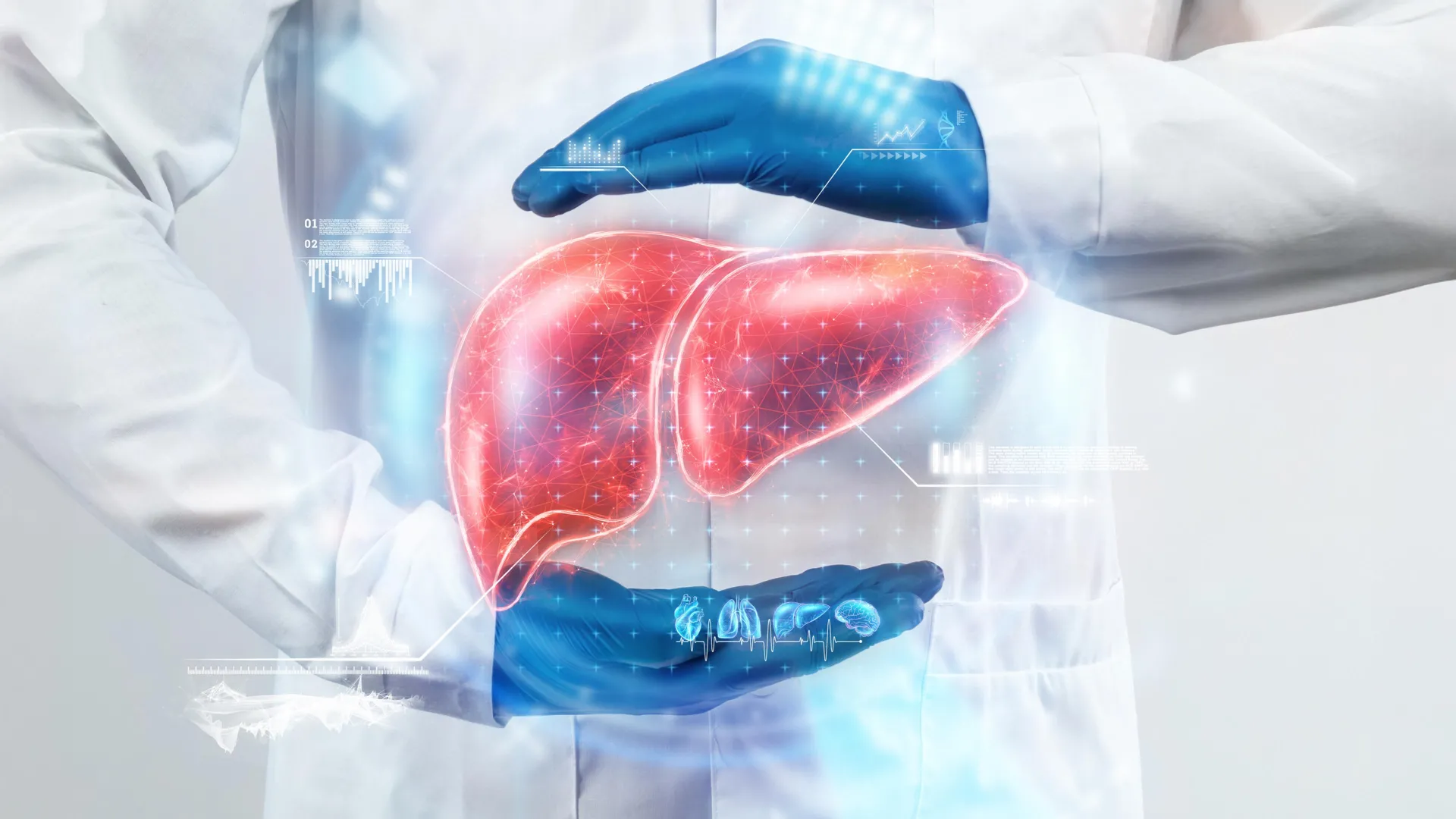
Metabolic dysfunction-associated steatotic liver disease is currently the most widespread liver disorder globally, affecting roughly one in three adults. It occurs when excess fat builds up inside liver cells, leading to serious liver damage and a higher risk of death from cardiovascular disease.
Researchers at the University of Barcelona have now found a promising approach that could change how this condition is treated. Their study, published in Pharmacological Research, reports that two existing drugs, pemafibrate and telmisartan, significantly reduced fat buildup in animal models of metabolic liver disease. The findings also suggest that using these medications together could ease liver damage while lowering related heart and blood vessel complications. Because available treatments for this disease remain very limited, the results point to a potentially safer and more effective therapeutic option.
The research was led by Marta Alegret, a professor at the University of Barcelona’s Faculty of Pharmacy and Food Sciences, and a member of the Institute of Biomedicine of the UB (IBUB) and the CIBER Area for Physiopathology of Obesity and Nutrition (CIBEROBN). The work was conducted in collaboration with scientists from the Santa Creu i Sant Pau Hospital Research Institute, the Hospital Clínic de Barcelona, the CIBER Area for Cardiovascular Diseases (CIBERCV), and Uppsala University (Sweden).
​​​​​​​Drug repurposing, a promising and cost-effective strategy
To date, most new experimental compounds developed for metabolic dysfunction-associated steatotic liver disease (MASLD) — formerly known as fatty liver disease — have failed during clinical trials, often because of safety concerns. This has turned attention toward drug repurposing, a strategy that explores new uses for medications already proven to be safe in humans. Such an approach is not only faster and more affordable but also particularly valuable for treating the early, often symptom-free stages of MASLD.
“We have focused on these phases with the aim of preventing the disease from progressing to more severe stages. But for a drug to be used in these early stages, it must have a good safety profile in humans,” explains Marta Alegret. “That is why we have studied drugs already on the market for other pathologies, which have been shown to be very safe and could have a potential benefit in the treatment of MASLD,” she adds.
In this study, the team evaluated the potential of two approved medications, given separately and together: a lipid-lowering agent (pemafibrate) and an antihypertensive drug (telmisartan). The first is marketed only in Japan, while the second is widely used for high blood pressure. Both are prescribed to reduce cardiovascular risk. “Mortality from cardiovascular causes is significant in patients with MASLD, and often these patients also have these two risk factors together,” Alegret stresses.

Zebrafish larvae, an alternative model for studying the disease
To confirm the efficacy of the drugs and explore their mechanism of action, the researchers have applied them to a rat model of the disease and, subsequently, to a zebrafish larval model. “In recent years, zebrafish have emerged as an interesting alternative model that facilitates the study of the pathophysiology of MASLD and the evaluation of treatments. These are simpler and cheaper models that allow results to be obtained more quickly and which, although they are not identical to humans, have a carbohydrate/lipid metabolism and liver physiology similar to those of mammals,” says the UB professor.
The results show that the combination of the two drugs reverses the fat accumulation in the liver induced by a diet high in fat and fructose. In addition, in the rat model, the combined administration of half a dose of pemafibrate and half a dose of telmisartan was found to be as effective as a full dose of either drug in reducing fat accumulation. “Combination therapy with drugs acting on different pathogenic pathways may be a better strategy than monotherapy, thanks to possible synergistic effects and reduced toxicity related to the use of lower doses of each drug,” Alegret points out.
The combination of these two drugs would be beneficial not only for liver disease, but also because “it lowers blood pressure and cholesterol levels, and all this would result in a lower cardiovascular risk,” she stresses.
​​​​​​​Different lipid-lowering mechanisms The study also found that each drug works by different mechanisms and describes, for the first time, the key role of the PCK1 protein in telmisartan-derived hepatic lipid lowering. “Telmisartan is a drug that has been used in other models of MASLD, but mostly in more advanced stages of the disease, and its beneficial effects have been attributed mainly to anti-inflammatory and anti-fibrotic effects. But in the early stages of the disease there is no inflammation or fibrosis yet, only lipid accumulation,” explains the researcher.
Researchers have now found that the amount of PCK1 protein in the livers of MASLD animals was reduced and that treatment with telmisartan restored its levels to normal. “This increase in PCK1 diverts the flux of metabolites from lipid synthesis to glucose synthesis. This increase in glucose production could be negative if the glucose were exported and accumulated in the blood, as it could lead to diabetes, but we have noticed that this is not the case,” says the UB professor.
Still far from clinical application
Despite these promising results, the researchers point out that, as this is a study using animal models, they are still far from patients. “In order to be translated into a treatment for MASLD patients, clinical studies would be needed to show that the benefits observed in animal models also occur in humans,” says Alegret. ​​​​​​​ In any case, the results raise new questions, such as whether the drugs will be equally effective in more advanced stages of the disease, when fibrosis is present. The research team is therefore already working on new studies in animal models of diet-induced liver fibrosis. “In addition, we will develop a dual model involving liver fibrosis and cardiovascular disease to see if the beneficial action is observed not only in the liver, but also in the reduction of atherosclerosis,” he concludes.

Read more →