Health minister defends timeline on dealing with winter pressures

3 hours agoShareSaveLyndsey TelfordBBC News NIShareSaveBBCThe health minister has defended his department’s timeline for initiating a plan to deal with winter pressures on the health service. Mike Nesbitt said a plan has been developed but has not yet been finalised and will be published on Thursday.It comes in response to comments made by Alliance MLA Nuala McAllister, over what she described as a “shocking” lack of information on how winter pressures will be managed.Meanwhile, speaking at a conference on Wednesday morning, Nesbitt hailed “quite remarkable success” in a recent drop on outpatient waiting lists. PA MediaMcAllister said assembly members had been raising the issue of the department’s winter preparedness plan since January, but that nothing had yet been published.She said information provided to the health committee to date had been “inadequate” and lacking in detail, despite the service already facing pressures.BBC News NI has seen a leaked presentation paper entitled The Big Discussion from the Department of Health, which it is understood will be presented to Stormont’s health committee on Thursday.The document outlines pressures on the health service and points to areas that need improvement. The Department of Health said the document was not its winter preparedness plan, but rather one of a number of documents which were never intended to be action specific, and which “formed part of the extensive discussion and practical work which has been taking place across the health and social care system”.It added that it had already mobilised an extensive vaccination programme, to minimise the impact from winter infections such as influenza, respiratory syncytial virus (RSV) and Covid-19.Unpublished winter plan ‘not acceptable’McAllister said that the minister and the department “have not brought any information on what exactly they are doing to better prepare hospitals and staff for the pressures they are already facing”.She added it was “not acceptable” that a winter preparedness plan had not already been published, and that she understood the health sector was not happy either.She also described the inadequate level of information given to the health committee as “shocking”.However speaking on Wednesday, the minister said: “We are in mid-October, I am determined to get it out ahead of last years plan, which was published in November.”Admitting that pressures on the health service were “bad” last year, the minister said the reason the plan has not yet been published is due to “operational delivery”.”There is not a final signed-off plan, and the reason for that is all of the operational delivery will be performed by the five geographically defined health and social care trusts, they have to input their plans into our overall master plan,” he said. Getty Images’Embarrassed’Speaking at the Northern Ireland Confederation for Health and Social Care (NICON) conference on Wednesday morning, Nesbitt referenced new figures which outline a fall in the number of people waiting more than four years for an outpatient appointment in Northern Ireland. He said the figure has fallen by almost a quarter, which is equivalent to 24,811 fewer patients.Over the same period, he said, the number of people waiting more than four years for treatment reduced by 33%, a fall of 6,683 patients.He said that ahead of the winter preparedness plan being published, the drop in waiting lists “will hopefully help”. However, McAllister said she would be “embarrassed” if she was the Department of Health attending Stormont’s health committee on Thursday.”It’s too late now, moving forward, we have to make sure that it works, because we can’t see the same scenes every single year where our medical staff are put under immense pressure, but patient outcomes are poor, something has got to change.”

Read more →

Scientists grow mini human livers that predict toxic drug reactions

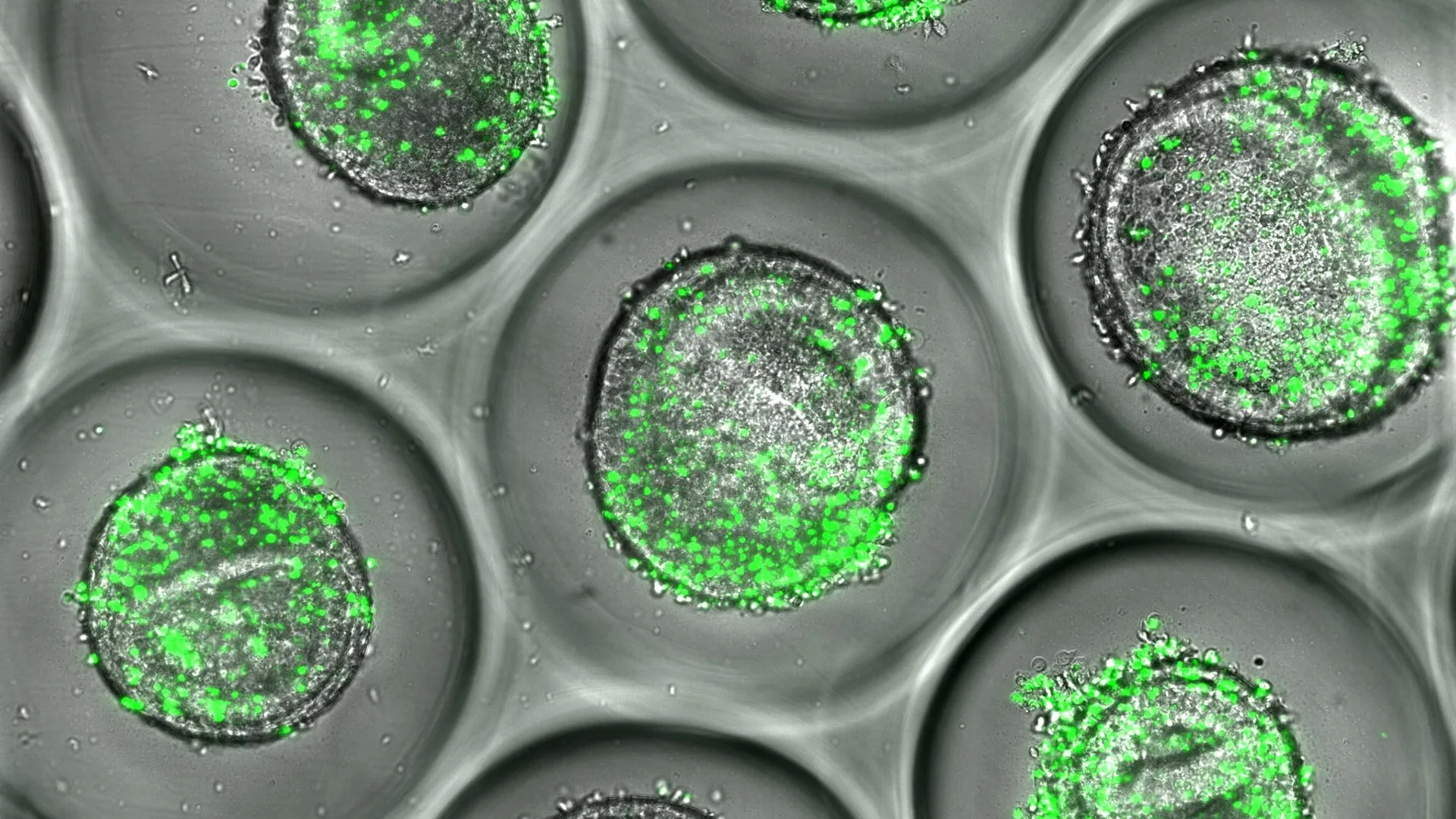
Researchers at Cincinnati Children’s Hospital Medical Center, working in partnership with Roche, have created a next-generation human liver organoid microarray platform designed to predict which medications might trigger harmful immune responses in certain individuals.
The findings, published online on Sept. 26, 2025, in Advanced Science, describe a fully human, miniaturized liver system developed from stem cells and a patient’s own immune cells. This advanced model provides a new way to study why some people suffer severe immune-related liver injuries from drugs that are otherwise considered safe. Co-first author Fadoua El Abdellaoui Soussi, PhD, and corresponding author Magdalena Kasendra, PhD, both from the Center for Stem Cell and Organoid Medicine (CuSTOM) at Cincinnati Children’s, led the research.
“Our goal was to create a human system that captures how the liver and immune system interact in patients,” El Abdellaoui Soussi says. “By integrating patient-specific genetics and immune responses, we can finally begin to explain why certain drugs cause liver injury in only a small subset of individuals.”
A model that replicates immune-related liver injury
Certain drugs that pass traditional safety testing can still trigger idiosyncratic drug-induced liver injury (iDILI), a rare but serious immune reaction that can cause severe illness or force a drug to be withdrawn. Standard laboratory and animal models have long struggled to reproduce these complex immune responses that vary from person to person.
The new platform closes this gap by combining liver organoids made from induced pluripotent stem cells (iPSCs) with each donor’s own CD8⁺ T cells, which are immune cells that target infected or damaged tissue. The result is a fully human, immune-competent system that reflects both the genetic and immune diversity found in real patients.
As proof of concept, the researchers recreated the liver damage caused by the antibiotic flucloxacillin, which occurs only in individuals who carry the HLA-B*57:01 risk gene. Their model accurately reproduced the biological signs of immune-related liver injury, including T cell activation, cytokine release, and liver cell damage, closely mirroring what happens in susceptible people.

“Our goal has always been to bring human biology into the lab in a way that’s scalable, reproducible, and meaningful for patients,” says Kasendra, who serves as director of research and development at CuSTOM. “By linking foundational stem cell science with applied toxicology, this model moves organoid research another step closer to transforming how drugs are developed and tested.”
Building on a foundation of organoid innovation
This new platform expands on previous work by co-author Takanori Takebe, MD, PhD, whose lab developed methods for reliably generating human liver organoids from iPSCs. By refining these techniques into a matrix-free microarray system and pairing them with patient-specific immune cells, the CuSTOM Accelerator team at Cincinnati Children’s turned a scientific breakthrough into a scalable precision toxicology tool.
The collaboration with Roche played a key role in the project’s success, combining the hospital’s scientific expertise with Roche’s experience in translational toxicology.
“This partnership shows the power of combining academic innovation with industry experience,” says Adrian Roth, PhD, principal scientific director of Personalized Healthcare Safety at Roche. “Together we’re building predictive human models that can improve patient safety and accelerate the development of new medicines.”
A growing ecosystem for organoid medicine
Cincinnati Children’s has been a global leader in organoid medicine since 2010, when its scientists created the first functional human intestinal organoids.

Under Kasendra’s leadership, the CuSTOM Accelerator partners with biopharma and technology companies to translate these scientific advances into real-world solutions for drug safety, precision medicine, and regenerative therapy.
What’s next
The CuSTOM Accelerator team continues working to automate organoid assays and enable high-throughput screening across large, genetically diverse donor populations. This next phase will allow researchers to capture the full spectrum of human variability — an essential step toward developing therapies that are more effective, inclusive, and personalized.
Learn more about CuSTOM’s ongoing collaboration with Molecular Devices and Danaher: Collaboration to Develop Liver Organoids for Drug Toxicity Screening — Research Horizons
“This work reflects the vision of CuSTOM — to turn human organoid science into practical tools that improve health,” Kasendra says, “This is just the beginning — by bridging biology, engineering, and clinical insight, we’re getting closer to predicting how real patients will respond to new treatments before they ever reach the clinic.”
About the study
Cincinnati Children’s and University of Cincinnati co-authors included co-first author Michael Brusilovsky, PhD, (now with Sanofi), Emma Buck, MS, (now at Imanis Life Sciences), W. Clark Bacon, MS, Sina Dadgar, PhD, Riccardo Barrile, PhD, and Michael Helmrath, MD. Collaborators also included experts from Genentech, Inc., and Molecular Devices LLC.
Funding sources for this research include Roche, Danaher, and the Farmer Family Foundation.

Read more →

NHS stripped ex-footballer of dignity, say family

4 hours agoShareSaveNikki FoxEast of England health correspondent andMatt PreceyBBC East InvestigationsShareSaveFamily photoAn ex-footballer with dementia who died after falling from a height was “stripped of his dignity” while in NHS care, his family said.Colin Flatt, whose clubs included Leyton Orient and Cambridge United, was shuffled between 12 different settings in the final few months before he died after a fall at Basildon Hospital in September 2021.An investigation, commissioned by the NHS, found he was given unsafe medication, was injured while being restrained, placed in inappropriate environments and his human rights were breached. The NHS organisations concerned apologised or said they were working to improve standards of care.Mr Flatt, 81, died following a fall at Basildon Hospital in Essex.The independent report described how he had become agitated while on the Florence Nightingale Ward and had stabbed himself in his abdomen with a pair of scissors.He ran from the ward and fell over the railings of a first-floor landing, on to a glass table.He did not recover from his injuries.GettyMr Flatt, who also played for Southend United, Romford, Barnet, and Wisbech Town, had been suffering from memory loss and was admitted to Broomfield Hospital in Chelmsford in May 2021 with a low heart rate.He was subsequently assessed by the Essex Partnership University NHS Foundation Trust (EPUT) mental health team and diagnosed with Alzheimer’s disease.The report described how “following several incidents of violence and aggression” he was transferred to Goodmayes Hospital in Ilford, east London, on 9 June and detained under the Mental Health Act.A Mental Health Tribunal determined that he could be discharged but he was unable to settle at home and he was accepted as a respite placement by a care home with support from a team from EPUT. He was then transferred to another care home because his needs could not be met, this time with support from the North East London NHS Foundation Trust (NELFT). Mr Flatt absconded from the home and was returned by the police but it was then decided to send him to Basildon Hospital because of his heart problems, where he he then had the fall.The investigation, commissioned by NHS England, found a series of failings in relation to Mr Flatt’s treatment and care:He was held within hospitals and care home settings without a legal framework “in breach of his human rights”A high-risk anti-psychotic drug was prescribed at Basildon Hospital despite his heart problems and the doses “exceeded limits of various trust policies”Inappropriate use of chemical and physical restraints by Broomfield and Basildon hospital staff, which also injured himHis partner’s views were not always taken into account despite her having legal power of attorneyMr Flatt was placed in unsuitable rooms at Broomfield including one where there was “continuous hammering and drilling”Early morning transfers at 01:00 and 02:00 “which should have been avoided”An initial review into his fall was “significantly delayed and incomplete with an absence of analysis” The report made 17 recommendations with the bulk focused on the Mid and South Essex NHS Foundation Trust (MSEFT), which runs Broomfield and Basildon hospitals.PA MediaMr Flatt’s partner Melanie Leahy said he had been “stripped of his dignity”.”I watched a strong, capable man walk into hospital seeking help and, within just 19 weeks, he was gone,” she said.”The lack of proper care, the poor communication, the absence of oversight, and the dangerous overuse of medication” had “stripped Colin of his health, dignity, and life.”He was a professional footballer, a sailor, and a businessman — proud, independent, and full of humour and kindness. “To see him deteriorate so rapidly under supposed professional care is something I will never recover from.”An inquest into Mr Flatt’s death is due to take place in August 2026.His case has already been heard by the Lampard Inquiry, which was set up to investigate historical failings within Essex’s mental health services.Ms Leahy’s 20-year-old son Matthew also died in 2012 while he was under the care of the same services.’Learning and improvements’Christine Blanshard, chief medical officer for MSEFT, said: “We offer our sincere condolences to Colin’s family and want to reassure them that learning and improvements have been put in place since his death in 2021. “We have already submitted a robust action plan which responds to the points made.”Paul Scott, chief executive EPUT, said: “My thoughts are with Colin’s family and friends and I am deeply sorry for failings in his care.”A spokesman for NELFT said: “We extend our deepest condolences to Mr Flatt’s family and loved ones. We hope that the investigation has helped answer important questions about the circumstances surrounding his death.”The trust said it had implemented changes in line with the report recommendations. NHS England said it wanted to see “the highest levels of standards delivered across mental health services, supporting our most vulnerable patients and the work of NHS staff to ensure such tragedies do not happen in the future.”More on this storyRelated internet links

Read more →

Exercise might be the key to a younger, sharper immune system

Regular physical activity does more than improve muscle strength and cardiovascular health — it also enhances immune function. This conclusion comes from a study of older adults with a long history of endurance training, which includes sustained forms of exercise such as long-distance running, cycling, swimming, rowing, and walking. An international team of scientists examined the immune cells of these individuals and found that their “natural killer” cells, which patrol the body to eliminate viruses and abnormal cells, were more adaptable, less prone to inflammation, and used energy more efficiently.
The research, funded by FAPESP and published in Scientific Reports, focused on natural killer (NK) cells, a type of white blood cell (lymphocyte) that targets infected or damaged cells, including cancer cells. As key players in the body’s first line of defense, NK cells detect and neutralize invading pathogens. The team analyzed samples from nine participants with an average age of 64, dividing them into two groups: one untrained and the other composed of individuals who had engaged in endurance exercise for years.
“In a previous study, we found that obesity and a sedentary lifestyle can trigger a process of premature aging of defense cells. This made us want to investigate the other side of the story, that is, whether an older adult who has been practicing endurance exercises for more than 20 years may have a better-prepared immune system. And that’s indeed what we found. In these individuals, NK cells functioned better in the face of an inflammatory challenge, in addition to using energy more efficiently. Therefore, it’s as if exercise also trains the immune system,” says Luciele Minuzzi, a visiting researcher at Justus Liebig University Giessen (JLU) in Germany.
Minuzzi’s work forms part of her postdoctoral research and contributes to a broader project led by São Paulo State University (UNESP) in Brazil, also supported by FAPESP.
The findings indicate that consistent endurance training helps regulate inflammation over time. “When we compared the cells of trained older adults with those of non-athletes of the same age, we found that those with a history of endurance exercise had fewer inflammatory markers and more anti-inflammatory markers. This means that, compared to non-athletic older adults, they had much better control of inflammation,” says Fábio Lira, a professor at the Faculty of Science and Technology (FCT-UNESP), Presidente Prudente campus, and project coordinator.
Lira notes that the immune system is affected by many lifestyle factors, including sleep quality, nutrition, vaccination, stress, inactivity, and certain medications that suppress immune activity. “Physical exercise is one of these factors that can benefit the immune system, and in this research project, we’re investigating how it can modulate the immune response over time,” he says.
Changes in the cell
The team also examined how NK cells functioned and metabolized energy in response to inflammation. They exposed these cells from both trained and untrained older adults to pharmacological agents such as propranolol and rapamycin to observe their effects.

“Trained older individuals demonstrate more efficient and adaptable immunity, with greater metabolic control and less propensity for cellular exhaustion. Regular physical exercise appears to positively modulate both adrenergic sensitivity and cellular energy sensors, promoting a more balanced and less inflammatory response to external stimuli,” says Minuzzi.
Propranolol is a medication that blocks the adrenergic pathway — a network of neural and hormonal signals that release neurotransmitters like adrenaline and noradrenaline — and was used to study this pathway’s role in NK cell activity. Rapamycin, by contrast, inhibits the mTORC1 signaling pathway, which governs cell growth and replication. In the experiment, high doses of rapamycin (100 ng/mL) altered NK cell characteristics and reduced their growth in laboratory conditions.
“In both cases, even with the blocking of signaling pathways, the NK cells of the trained older adults were able to maintain their immune function, while the cells of the untrained individuals showed cellular exhaustion or failure in the inflammatory response. This means that long-term endurance training is associated with protective ‘immunometabolic’ adaptations in NK cells in older adults. In other words, the cells become more mature and effective, less senescent, and metabolically better prepared to respond to inflammatory or pharmacological stressors,” says the researcher.
Inflammatory response
In another study, the same group of researchers compared the immune response of young and master athletes before and after an acute exercise session. To do this, they analyzed whole blood and PBMC (the mononuclear fraction of blood formed by lymphocytes and monocytes, which includes NK cells) data from 12 master athletes (with an average age of 52 and more than 20 years of continuous training) and compared it with data from young athletes (with an average age of 22 and more than 4 years dedicated to training).
The results showed that the master athletes had a more controlled inflammatory response than the younger athletes. When their blood cells were stimulated with a pathogen (LPS), both groups produced more IL-6, a cytokine that signals inflammation. However, the increase was more pronounced in young people. “Another important inflammatory cytokine, TNF-α, was only increased in the younger group,” says the researcher.

The young athletes showed a more intense inflammatory response, while the older athletes showed a more regulated and controlled profile. According to the researchers, this suggests that lifelong training can promote beneficial, balanced immune adaptation.
“Because they train regularly, their bodies are accustomed to dealing with inflammatory episodes, which requires more intense stimuli to generate significant long-term inflammatory responses. It’s this type of ‘training’ that, over time, adapts the immune system, making it stronger,” she explains.
Minuzzi points out that research on immune cells in athletes with a long training history has once again shown that decades of physical activity seem to “train” the regulation of inflammation. “The system doesn’t stop responding, but it avoids exaggeration. This is particularly interesting for a greater understanding of healthy aging since disordered inflammatory responses are linked to several chronic diseases,” she concludes.

Read more →

‘It gave me my voice back’: How group singing is helping new mums with postnatal depression

18 minutes agoShareSaveJim ReedHealth reporterShareSaveSpecially designed singing classes are clinically effective at treating mums with postnatal depression, a major three-year study has found. The authors say they could also be cost effective for the NHS at a time when mental health services are under pressure.At a children’s centre in a housing estate in south London a group of 12 young mums sit in a circle on the floor as their babies cry, crawl and sleep on mats in front of them.But at this music class there are no bells or tambourines and no Wheels on the Bus or Baby Shark.Instead, the group work through a mix of lullabies, folk and gospel, switching from Spanish to Congolese to Swahili in rounds of four-part harmonies.The whole session, from the music selection, to the size of the group, to the set up of the room itself, has been carefully designed to treat the symptoms of postnatal depression.”I can’t stress enough how much this was a game changer for me,” says Holly, 30, who started the course earlier this year after it was recommended by her care coordinator.She says she started feeling unwell in her pregnancy after “my hormones, or something, went a bit wrong”. While those symptoms did start to improve after giving birth to her daughter Ettie, she still felt “vulnerable and very anxious”.”Being a new mum is one of the loneliest times, because you’re sort of in this insular bubble,” she says.”And at the very first session here, I walked in and I was like, ‘oh, this is my safe place’. Like, I’m safe here.”Postnatal depression is a common problem, affecting more than one in 10 women within a year of giving birth, according to the NHS.Symptoms are wide-ranging but can include persistent sadness or low mood, problems looking after yourself, insomnia and withdrawing from other people.Melodies for Mums started in 2017 as a free weekly class in Southwark, south London, based on earlier research which suggested group singing could reduce stress and anxiety.It’s expanded quickly and now runs face-to-face sessions for 400 women a year in five London boroughs and online classes across the UK. “We know that women experiencing symptoms of postnatal depression can struggle to connect with their peers,” says Yvonne Farquharson, the founder of Breathe Arts Health Research, the non-profit organisation behind the idea.”So through singing, we’re getting them to really look at each other and make that kind of bond and social connection.”New mums often join the programme after it’s suggested by their midwife, GP or local authority or find it through social media or word-of-mouth.There is a screening process to check they will benefit before starting the 10-week course.A ‘long-lasting’ impactIn 2019 the sessions became part of a study funded by a £2.6m grant from the Wellcome Trust to research how local arts projects might improve physical and mental health at a larger scale.The results, published this week in the British Journal of Psychiatry, looked at almost 200 mums with postnatal depression over eight months.The women were split into two groups with one group assigned the singing course and the other offered more typical support like community play classes.All the mothers reported a reduction in their symptoms by week 10 but that improvement continued in the singing group for another six months beyond the end of the sessions.”That’s really important because it shows that the singing intervention is not only effective in the immediacy for depression, but it has a long-lasting impact,” says Dr Rebecca Bind, a research associate at Kings College London and one of the study’s lead authors.Women in the singing group also had a much lower dropout rate and were more likely to say they found it a good match for their needs and easy to use.The published paper didn’t look specifically at why singing itself seemed to have a beneficial effect. But the researchers have their theories.”I think part of it was women were in the presence of other mothers who were going through the same kind of experiences, even if they were not necessarily having to talk about it,” says Dr Bind.”And on top of that, the act of singing itself can have a very relaxing effect.”A second stage of the analysis has already taken saliva swabs from women to measure levels of the stress hormone cortisol.Early results suggest that mothers in the singing group saw a “nice steady decline in those levels throughout the intervention period,” according to Carmine Pariante, professor of biological psychiatry at Kings College London.The music classes also helped mums form a bond with their babies which continued after the end of the course as the songs and music were used at home.At the children’s centre Jay, holding her young son Ezra, describes postnatal depression as “feeling low when I know I should have been at the happiest point of my life”.”Just being able to be with people who are also struggling, even though that’s not the focus of the session [is important],” she says.”You’re there, you’re having a great time and singing, but you know that these people are also experiencing what you’re experiencing.”Long NHS waiting lists The organisers stress the singing classes don’t have to replace talking therapies or medication.But they could be either complimentary or a quicker, easier-to-access alternative for some women, at a time when there can be long waits for NHS mental health services.Some mothers can wait up to six months for assessment and up to a year for one-to-one treatment, according to a 2024 report by the Maternal Mental Health Alliance. The Kings College London study found the cost of the music course, at between £126 and £539 per mother and baby depending on how it’s measured, was comparable to alternatives such as educational programmes and considerably lower than the cost of group therapy or home visits.Yvonne Farquharson at Breathe says the arts organisation has now piloted its first singing sessions aimed at young dads.And it has also been commissioned by the World Health Organization to train teams to roll out the classes in Denmark, Italy, Romania and other countries.At the children’s centre in south London the group talk not only about the friendships they have made, but also about the skills they’ve picked up over the 10 weeks.”I have two very small children so things can get very stressful at home,” says Stella while holding on tight to a wriggling baby Evie.”I bring the singing back home with me so now I start humming when things get stressful, and I don’t even think about it, it just happens and I can cope.”Melodies for Mums sample tracks:Arrorró mi niño – Spanish lullabySimama Kaa – Swahili folk songBele Mama – Cameroonian folk song Yani Yoni Ya Hu Wey Hey – Native American birthing songA list of organisations in the UK offering support and information with some of the issues in this story is available at BBC Action LineMore stories

Read more →

Supercharged vitamin k could help the brain heal itself

Neurodegenerative disorders such as Alzheimer’s, Parkinson’s, and Huntington’s disease occur when neurons gradually deteriorate and die. This progressive loss of brain cells leads to severe symptoms including memory decline, cognitive impairment, and difficulty with movement. Over time, these conditions can greatly diminish quality of life and often leave patients dependent on continuous care. Current medications can help ease symptoms but do not stop or reverse the underlying disease, highlighting the urgent need for new therapeutic approaches. One promising strategy focuses on stimulating neuronal differentiation, the process of forming new neurons that could replace those lost and potentially slow or counteract neurodegeneration.
Vitamin K, a fat-soluble nutrient best known for its role in blood clotting and bone health, has recently attracted attention for its influence on brain cell development and protection. However, naturally occurring vitamin K forms such as menaquinone 4 (MK-4) may not be potent enough for effective use in regenerative therapies targeting neurodegenerative disorders.
In a groundbreaking study published in ACS Chemical Neuroscience, researchers from the Department of Bioscience and Engineering at Shibaura Institute of Technology in Japan, led by Associate Professor Yoshihisa Hirota and Professor Yoshitomo Suhara, created and tested new vitamin K analogues with stronger neuroactive effects. The team also identified a distinct mechanism through which vitamin K promotes neuronal differentiation.
Explaining their findings, Dr. Hirota noted, “The newly synthesized vitamin K analogues demonstrated approximately threefold greater potency in inducing the differentiation of neural progenitor cells into neurons compared to natural vitamin K. Since neuronal loss is a hallmark of neurodegenerative diseases such as Alzheimer’s disease, these analogues may serve as regenerative agents that help replenish lost neurons and restore brain function.”
To boost vitamin K’s biological impact, the team produced 12 hybrid vitamin K homologs by linking them with retinoic acid (an active metabolite of vitamin A that encourages neuronal differentiation), a carboxylic acid group, or a methyl ester side chain. They then evaluated how effectively each compound promoted neuronal differentiation.
Vitamin K and retinoic acid influence gene transcription through the steroid and xenobiotic receptor (SXR) and retinoic acid receptor (RAR), respectively. The researchers measured SXR and RAR activity in mouse neural progenitor cells treated with the newly developed compounds and found that the hybrids maintained the biological functions of both parent molecules. They also measured the expression of microtubule-associated protein 2 (Map2), a neuronal growth marker, to track cell differentiation. One compound, which combined retinoic acid with a methyl ester side chain, produced a threefold increase in neuronal differentiation compared with the control and showed significantly stronger activity than natural vitamin K. This enhanced version was designated as the Novel vitamin K analog (Novel VK).
To better understand how vitamin K protects neurons, the team compared gene expression patterns in neural stem cells treated with MK-4, which promotes neuronal differentiation, to those treated with a compound that suppresses it. Transcriptomic analysis revealed that vitamin K-induced neuronal differentiation is mediated by metabotropic glutamate receptors (mGluRs) through downstream epigenetic and transcriptional processes. The effect of MK-4 was specifically linked to mGluR1. Previous studies have shown that mGluR1 plays a key role in synaptic communication, and that mice lacking this receptor experience motor and synaptic impairments similar to those seen in neurodegenerative disorders.

Delving deeper, the researchers conducted structural simulations and molecular docking studies to elucidate whether the vitamin K homolog interacts with mGluR1. Indeed, their analysis revealed a stronger binding affinity between Novel VK and mGluR1. Finally, the researchers examined the cellular uptake of Novel VK and its conversion to bioactive MK-4 in cells and mice. They noted a significant concentration-dependent increase in the intracellular concentration of MK-4. Moreover, Novel VK converted to MK-4 more easily than natural vitamin K. Further, in vivo experiments in mice showed that Novel VK exhibited a stable pharmacokinetic profile, crossed the blood-brain barrier, and achieved higher MK-4 concentration in the brain compared to the control.
Overall, the study sheds light on the mechanism by which vitamin K and its structural analogues exert neuroprotective effects, paving the way for the development of novel therapeutic agents that can delay or reverse neurodegenerative diseases.
Concluding with the long-term implications of their work, Dr. Hirota says, “Our research offers a potentially groundbreaking approach to treating neurodegenerative diseases. A vitamin K-derived drug that slows the progression of Alzheimer’s disease or improves its symptoms could not only improve the quality of life for patients and their families but also significantly reduce the growing societal burden of healthcare expenditures and long-term caregiving.”
We hope their research translates into clinically meaningful treatments for patients battling neurological diseases.
Funding information
This study was partly supported by a fund for the Mishima Kaiun Memorial Foundation and the Suzuken Memorial Foundation, KOSÉ Cosmetology Research Foundation, Koyanagi Foundation, Research Grants from the Toyo Institute of Food Technology, the Science Research Promotion Fund and the Takahashi Industrial and Economic Research Foundation. This study was partly supported by a Fund for the Promotion of Joint International Research (Fostering Joint International Research (A)) [grant number 18KK0455] and a Grant-in-Aid for Scientific Research (C) [grant numbers 20K05754 and 18K11056, 21K11709, and 24K14656], Grant-in-Aid for Early-Career Scientists [grant number 23K14091] from the Japan Society for the Promotion of Science (JSPS).

Read more →

Scientists find the brain’s hidden pulse that may predict Alzheimer’s

Scientists at the Mark and Mary Stevens Neuroimaging and Informatics Institute (Stevens INI) at the Keck School of Medicine of USC have created a pioneering brain imaging method that captures how the brain’s smallest blood vessels pulse in time with each heartbeat. These subtle movements may offer vital insights into aging and conditions such as Alzheimer’s disease.
Published in Nature Cardiovascular Research, the study presents the first noninvasive approach for measuring “microvascular volumetric pulsatility” — the rhythmic swelling and shrinking of tiny blood vessels — in living humans. Using ultra-high field 7T magnetic resonance imaging (MRI), the researchers found that these microvessel pulses become stronger with age, particularly in the brain’s deep white matter. This region is essential for communication between brain networks but is also vulnerable to reduced blood flow from distal arteries, which carry blood from the heart to the outermost parts of the body. As these pulses intensify, they may interfere with brain function and contribute to memory decline and Alzheimer’s progression.
“Arterial pulsation is like the brain’s natural pump, helping to move fluids and clear waste,” said Danny JJ Wang, PhD, professor of neurology and radiology at the Keck School of Medicine and senior author of the study. “Our new method allows us to see, for the first time in people, how the volumes of those tiny blood vessels change with aging and vascular risk factors. This opens new avenues for studying brain health, dementia, and small vessel disease.”
Scientists have long recognized that stiffness and excessive pulsation in large arteries are linked to stroke, dementia, and small vessel disease. However, until now, it has been nearly impossible to observe these rhythmic changes in the brain’s smallest vessels without using invasive procedures limited to animal studies.
To overcome this, the USC team combined two advanced MRI techniques — vascular space occupancy (VASO) and arterial spin labeling (ASL) — to monitor subtle shifts in microvessel volume throughout the cardiac cycle. Their results revealed that older adults exhibit stronger microvascular pulsations in deep white matter compared to younger individuals, and that hypertension further intensifies these effects. “These findings provide a missing link between what we see in large vessel imaging and the microvascular damage we observe in aging and Alzheimer’s disease,” said lead author Fanhua Guo, PhD, a postdoctoral researcher in Wang’s lab.
Excessive vascular pulsation may also disrupt the brain’s “glymphatic system,” a recently discovered network that removes waste substances such as beta-amyloid, a protein that accumulates in Alzheimer’s disease. Over time, interference with this fluid circulation could hasten cognitive decline.
“Being able to measure these tiny vascular pulses in vivo is a critical step forward,” said Arthur W. Toga, PhD, director of the Stevens INI. “This technology not only advances our understanding of brain aging but also holds promise for early diagnosis and monitoring of neurodegenerative disorders.”
The researchers are exploring how the method could be adapted for wider clinical use, including on more commonly available 3T MRI scanners. Future studies will test whether microvascular volumetric pulsatility predicts cognitive outcomes and whether it can serve as a biomarker for early intervention in Alzheimer’s disease and related conditions.

“This is just the beginning,” Wang said. “Our goal is to bring this from research labs into clinical practice, where it could guide diagnosis, prevention, and treatment strategies for millions at risk of dementia.”
About the study
In addition to Wang, the study’s other authors are Fanhua Guo, Chenyang Zhao, Qinyang Shou, Kay Jann, and Xingfeng Shao from the Stevens INI, and Ning Jin from Siemens Healthcare.
This research was supported by the National Institutes of Health (NIH) grants UF1-NS100614, S10-OD025312, R01-600 NS114382, R01-EB032169, RF1AG084072, R01-EB028297, R01-NS134712, and R01-NS121040.

Read more →

A simple fatty acid could restore failing vision

Changes in eyesight are one of the most familiar effects of getting older. Sit in a dim restaurant with someone over 60, and you might hear, “Hold on — let me pull out my cell phone. I need more light to read the menu!” But what if declining vision with age could actually be reversed?
Researchers at UC Irvine have taken a closer look at that question, investigating a potential treatment aimed at slowing or even undoing “aging” in the eye while also preventing age-related diseases such as macular degeneration (AMD).
“We show the potential for reversing age-related vision loss,” explains Dorota Skowronska-Krawczyk, PhD, an associate professor in the Department of Physiology and Biophysics and the Department of Ophthalmology and Visual Sciences. The study, conducted in partnership with scientists from the Polish Academy of Sciences and the Health and Medical University in Potsdam, Germany, presents findings published in Science Translational Medicine under the title “Retinal polyunsaturated fatty acid supplementation reverses aging-related vision decline in mice.”
Understanding the “Aging” Gene
This research builds on earlier work involving the Elongation of Very Long Chain Fatty Acids Protein 2 (ELOVL2), a well-established biomarker of aging. “We showed that we have lower vision when this ELOVL2 enzyme isn’t active,” says Skowronska-Krawczyk, who is also part of the Robert M. Brunson Center for Translational Vision Research at the UC Irvine School of Medicine. In that previous study, boosting ELOVL2 activity in aging mice increased levels of the omega−3 fatty acid docosahexaenoic acid (DHA) in the eye and led to better vision.
The new research aimed to find a way to achieve similar benefits without depending on the ELOVL2 enzyme.
As people age, changes in lipid metabolism reduce the amount of very-long-chain polyunsaturated fatty acids (VLC-PUFAs) in the retina. This decline can impair vision and contribute to AMD. The ELOVL2 gene plays a crucial role in producing both VLC-PUFAs and DHA.

When researchers injected older mice with a specific polyunsaturated fatty acid, their visual performance improved. “It’s a proof-of-concept for turning lipid injection into a possible therapy,” says Skowronska-Krawczyk. “What is important is that we didn’t see the same effect with DHA.” Others have also questioned the ability of DHA to slow AMD progression.
“Our work really confirms the fact that DHA alone cannot do the work, but we have this other fatty acid that is seemingly working and improving vision in aged animals,” says Skowronska-Krawczyk. “We have also shown on a molecular level that it actually reverses the aging features.”
Furthermore, the researchers found genetic variants in the ELOVL2 enzyme that correlate with faster progression of AMD. “Now we actually have a genetic connection to the disease and its aging aspect,” says Skowronska-Krawczyk, “so we could potentially identify people at higher risk for vision loss progression.” This could lead to not only therapeutic treatment options but also targeted interventions for prevention.
These findings have only further solidified Skowronska-Krawczyk’s view of the importance of the ELOVL2 enzyme. “I am pretty convinced it’s one of the top aging genes that we should look at when we think about anti-aging therapies.”
Looking Beyond the Retina
In a collaboration with researchers from UC San Diego, Skowronska-Krawczyk has also started to explore the role of lipid metabolism in immune system aging. That study found that the lack of ELOVL2 enzyme induces accelerated aging of immune cells, suggesting that systemic lipid supplementation could potentially counteract the effects of age on the immune system. It also suggested that lipid metabolism might play a role in blood cancers.
“Our first study explored a potential therapy to address vision loss,” says Skowronska-Krawczyk, “but with the information we’ve since learned about immune aging, we are hopeful the supplementation therapy will boost the immune system as well.”

Read more →

Your brain’s power supply may hold the key to mental illness

In a new interview published today (October 14) by Genomic Press in Genomic Psychiatry, Dr. Bruce M. Cohen shares research findings that are reshaping how scientists around the world understand and treat neuropsychiatric disorders. As the Robertson-Steele Professor of Psychiatry at Harvard Medical School and Director of the Program for Neuropsychiatric Research at McLean Hospital, he reflects on nearly fifty years of pioneering work and explains how an expanding body of data could transform psychiatric practice across nations.
Dr. Cohen’s laboratory has led the way in developing techniques that grow living brain cells from patient samples using induced pluripotent stem cell technology. He describes these advances as “giving us leads we did not have forty years ago.” Through this approach, his team has identified key disruptions in how brain cells generate energy and connect with one another — processes that appear central to many psychiatric illnesses affecting millions globally. With more than 400 scientific papers and five patents, his research points to new treatment strategies that could prove far more precise and effective than traditional therapies.
Mitochondrial Mysteries Transform Treatment Paradigms
The discussion highlights how Dr. Cohen’s team uncovered widespread disturbances in cellular energy metabolism underlying major psychiatric conditions. These findings have far-reaching potential for designing targeted treatments that could benefit people in many regions and populations. His studies show that brain cells created from individuals with schizophrenia, bipolar disorder, or Alzheimer disease display intrinsic metabolic defects that may be corrected even before symptoms emerge.
This energy-based framework challenges decades of conventional thinking centered on neurotransmitter imbalance. Dr. Cohen explains that the brain relies more than any other organ on finely tuned energy production and communication between cells. His results suggest that restoring these fundamental cellular functions could help prevent or ease symptoms in vulnerable individuals worldwide, independent of background or environment.
By combining genomic analysis, advanced brain imaging, and cellular modeling, Dr. Cohen promotes a multidisciplinary approach to mental health research. This integration provides scientists with a powerful model for exploring complex brain disorders — especially mood, psychotic, and cognitive conditions — that appear across cultures and regions.
Challenging Century-Old Diagnostic Models
Instead of the status quo expert-consensus diagnostic systems, that place people in categories, Dr. Cohen advocates implementation of an evidence-based dimensional approach for describing patients. He argues that terms like “schizophrenia” should be retired in favor of scientifically accurate alternatives that reduce stigma while better capturing illness complexity. His proposed dimensional model focuses on symptom profiles rather than categorical labels, offering clinicians more nuanced tools for patient assessment and treatment planning.

This diagnostic revolution extends beyond mere terminology. Dr. Cohen’s research demonstrates that traditional categorical systems fail to reflect underlying biological realities or clinical presentations adequately. His dimensional approach aligns with how clinicians actually evaluate patients, globally, providing richer individual descriptions while enabling formation of more homogeneous research cohorts. Such reforms could transform psychiatric practice internationally, improving diagnostic precision and treatment outcomes across diverse healthcare systems.
The interview explores how these new models could particularly benefit regions where Western diagnostic frameworks have proven problematic. By emphasizing observable symptoms and illness trajectories rather than culturally bound categories, dimensional approaches offer universal applicability while respecting local contexts and experiences.
From Laboratory Bench to Hospital Leadership
Dr. Cohen’s impact extends beyond research laboratories. As McLean Hospital President and Psychiatrist-in -Chief from 1997 to 2005, he reversed financial decline while establishing over 30 new programs advancing both clinical care and scientific investigation. His leadership philosophy emphasized supporting frontline staff and reducing bureaucracy, principles applicable to healthcare institutions worldwide facing similar challenges.
Under his guidance, McLean achieved record levels of patient care, research funding, and educational training. These accomplishments demonstrate how scientific rigor combined with compassionate leadership can transform struggling institutions into thriving centers of excellence. His experience offers valuable lessons for hospital administrators globally confronting resource constraints while striving to maintain quality care and research productivity.
Particularly noteworthy was his establishment of Waverley Place, a peer-run center supporting individuals with mental illness living in communities. This innovative model, prioritizing mission over revenue generation, demonstrates how psychiatric institutions can serve broader societal needs while maintaining financial viability.

Personal Journey Shapes Scientific Vision
The interview offers a window into the personal experiences that guided Dr. Cohen’s path as a scientist. His fascination with physics and mathematics in his youth, combined with meaningful interactions with psychiatric patients during medical training, helped shape his approach to research and care. He recalls his first psychiatric patient, a young woman whose remarkable recovery through medication left a lasting impression and underscored psychiatry’s power to rebuild lives affected by mental illness.
Dr. Cohen also speaks candidly about the anxiety and shyness that sometimes limited his professional opportunities. His openness about these challenges offers a rare glimpse of vulnerability in a leading researcher. By sharing these reflections, he highlights that perseverance and commitment, rather than the absence of difficulty, are what truly define scientific achievement. His honesty serves as encouragement for young scientists who may encounter similar obstacles.
Family plays a central role in his story. His father, a respected internist, modeled a deep sense of medical dedication and the value of collaboration in research. Having been married for more than 55 years, Dr. Cohen credits his family’s steady support as a cornerstone of his long and productive career. Together, these elements reveal how great science often grows from human connections and experiences that extend far beyond the laboratory.
Future Directions and Global Impact
Looking ahead, Dr. Cohen expresses optimism about the future of psychiatric research while recognizing the societal hurdles that remain. His current work aims to identify specific biological mechanisms that influence vulnerability to mental illness, with a strong focus on prevention. Because psychotic disorders usually do not appear before adolescence and dementia tends to develop later in life, he believes early interventions are becoming increasingly achievable.
The discussion emphasizes how new technologies, particularly in cellular reprogramming and genomic analysis, are transforming what researchers can uncover about the origins of psychiatric disease. These methods, now more widely available thanks to international initiatives (including those supported by Genomic Press), are accelerating discoveries and opening the door to more effective treatments.
Dr. Cohen also stresses the need to nurture creativity and risk-taking in science, cautioning against the tendency to fund only predictable or incremental research. He envisions a global scientific community where innovation can flourish in any country or institution, free from hierarchy or limitation. This philosophy aligns with the open-access approach advanced by Genomic Press, ensuring that important findings can be shared broadly without financial barriers, promoting a truly inclusive and collaborative model of discovery.

Read more →