Participants of pioneering CRISPR gene editing trial see vision improve

About 79% of clinical trial participants experienced measurable improvement after receiving experimental, CRISPR-based gene editing that is designed to fix a rare form of blindness, according to a paper published today in the New England Journal of Medicine.
“This trial shows CRISPR gene editing has exciting potential to treat inherited retinal degeneration,” said Mark Pennesi, M.D., Ph.D., a corresponding author on the paper, an ophthalmologist and Oregon Health & Science University’s lead scientist for the Phase 1/2 BRILLIANCE trial. “There is nothing more rewarding to a physician than hearing a patient describe how their vision has improved after a treatment. One of our trial participants has shared several examples, including being able to find their phone after misplacing it and knowing that their coffee machine is working by seeing its small lights.
“While these types of tasks might seem trivial to those who are normally sighted, such improvements can have a huge impact on quality of life for those with low vision.”
The BRILLIANCE trial evaluated the safety and effectiveness of EDIT-101, an experimental gene editing treatment developed by Editas Medicine that uses CRISPR technology. The experimental treatment was designed to edit a mutation in the CEP290 gene, which provides instructions to create a protein that is critical for sight.
People with this gene mutation have a rare condition that is commonly called Leber Congenital Amaurosis, or LCA, Type 10, for which there is currently no Food and Drug Administration-approved treatment. LCA’s various types occur in about 2 or 3 out of 100,000 newborns.
The OHSU Casey Eye Institute treated the trial’s first participant in early 2020. That procedure also marked the first time that CRISPR had been used to edit genes within the human body, called in vivo gene editing.
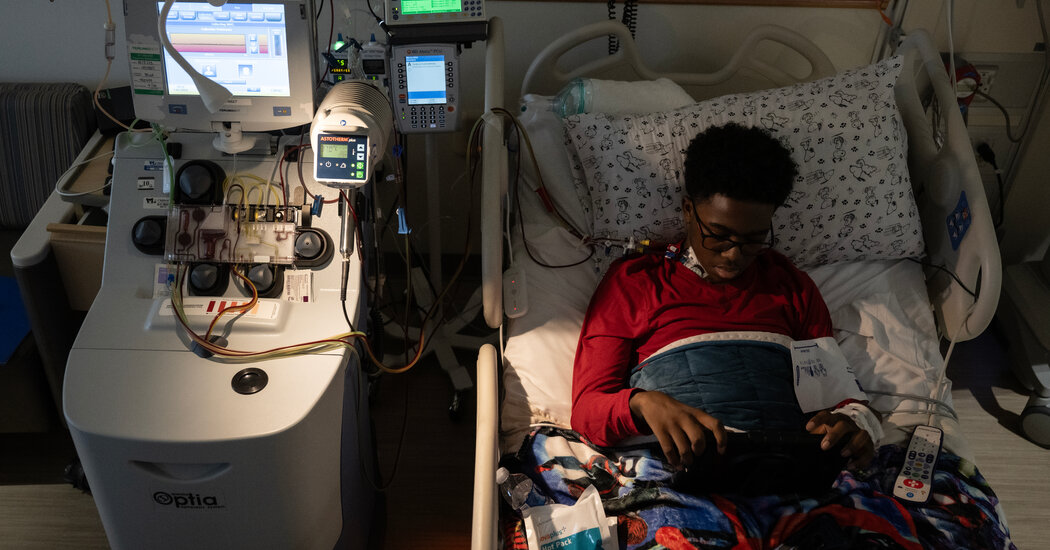
The new paper describes the study’s findings through February 2023 and details how the trial’s 14 participants — 12 adults and two children — responded to receiving EDIT-101 in one eye. Key results include: 11 participants, about 79%, showed improvement in at least one of four measured outcomes. 6 participants, about 43%, showed improvement in two or more outcomes. 6 participants, about 43%, reported improved vision-related quality of life. 4 participants, about 29%, had clinically meaningful improvement in visual acuity, or how well they could identify objects or letters on a chart. There were no serious adverse events related to the treatment. Most adverse events were mild or moderate, and all have since been resolved.Four specific outcomes were used to evaluate the experimental treatment’s effectiveness: Visual acuity How well participants saw colored points of light while looking into a specialized device, which scientists call a full-field test How well participants navigated a research maze with physical objects and varying amounts of light How much participants reported experiencing improved quality of life

Further research for a future treatment
In November 2022, trial sponsor Editas Medicine announced that it was pausing the trial’s enrollment and would seek another partner to continue the experimental therapy’s development. Pennesi and colleagues are exploring working with other commercial partners to conduct additional trials, in collaboration with Editas. The researchers hope future studies can examine ideal dosing, whether a treatment effect is more pronounced in certain age groups such as younger patients, and include refined endpoints to measure impacts on activities of daily living.
“This research demonstrates that CRISPR gene therapy for inherited vision loss is worth continued pursuit in research and clinical trials,” said Mass Eye & Ear ophthalmologist Eric Pierce, M.D., Ph.D., who is also a corresponding author. “While more research is needed to determine who may benefit most, we consider the early results promising. To hear from several participants how thrilled they were that they could finally see the food on their plates — that is a big deal. These were individuals who could not read any lines on an eye chart and who had no treatment options, which is the unfortunate reality for most people with inherited retinal disorders.”
“Our patients are the first congenitally blind children to be treated with gene editing, which significantly improved their daytime vision,” said the paper’s third corresponding author, Tomas S. Aleman, M.D., a pediatric ophthalmologist at the Children’s Hospital of Philadelphia and the University of Pennsylvania’s Scheie Eye Institute. “Our hope is that the study will pave the road for treatments of younger children with similar conditions and further improvements in vision. This trial represents a landmark in the treatment of genetic disease, in specific genetic blindness, by offering important alternative treatment when traditional forms of therapy, such as gene augmentation, are not an option.”
“The results from the BRILLIANCE trial provide proof of concept and important learnings for the development of new and innovative medicines for inherited retinal diseases. We’ve demonstrated that we can safely deliver a CRISPR-based gene editing therapeutic to the retina and have clinically meaningful outcomes,” said Editas Medicine Chief Medical Officer Baisong Mei, M.D., Ph.D.
The OHSU Casey Eye Institute is one of five clinical sites that recruited participants for the trial. The other sites are: Bascom Palmer Eye Institute in Miami, Florida; Mass Eye and Ear in Boston, Massachusetts; Scheie Eye Institute at the University of Pennsylvania and Children’s Hospital of Philadelphia; and Kellogg Eye Center in Ann Arbor, Michigan.

Read more →

Improved nutrition, sanitation linked to beneficial changes in child stress and epigenetic programming

We’re increasingly aware of how environmental factors influence a child’s early development and health trajectory. We’ve mostly learned this through research involving direct observations of how ambient conditions like air pollution or a lack of nutritious food affects how our genes function, and over time, what diseases we might develop.
However, a new study led by a global-health researcher at UC Santa Cruz provides some of the clearest and most comprehensive evidence to date on what is known about stress physiology and “epigenetic programming.” In a large-scale randomized controlled trial conducted in rural Bangladesh, the research team found that an integrated intervention that included drinking water, sanitation, handwashing, and nutrition affected the set point, reactivity, and regulation of the physiological stress system in early childhood.
The findings, published in Nature Communications, detail how the health interventions had measurable effects on the children in the study at the genetic level — including enhanced functioning of their stress-response system, reduced oxidative stress in the body, and reduced methylation levels of their DNA. Oxidative stress can damage cells, proteins, and DNA, which can contribute to aging and lead to diseases such as diabetes, cancer, and Alzheimer’s. Methylation is a chemical modification of DNA or other molecules often triggered by environmental conditions that may persist as cells divide.
Rigorous research design
This research is the latest in a series of findings based on a massive landmark study in Bangladesh that started with more than 5,500 pregnant women and the children they birthed. The women were placed in 720 study clusters and allocated to one of seven groups. Participants in four of the groups received either clean drinking water, sanitation, handwashing stations, or nutrition counseling plus nutrient supplements. The remaining three groups received either combined interventions of water/sanitation/handwashing or water/sanitation/handwashing/nutrition, or no interventions at all (the control group).
The researchers say the design and scale of that study, known as the “WASH Benefits Bangladesh” trial, resulted in more scientifically rigorous findings than the majority of stress physiology and epigenetic research done thus far, which relies on one-dimensional studies that lacked experimental interventions and control groups for comparison.
“Here, we see differences in outcomes between an intervention group and a control group, both of significant size,” said Audrie Lin, who joined the UC Santa Cruz faculty in July 2023 as an assistant professor of microbiology and environmental toxicology. “When we began setting up the WASH Benefits trial in 2009, its scale was unprecedented in the health- and nutrition-research fields.”
Global relevance

This study is also more relevant on a global scale because of the trial’s location in a low-resource region. Many previous studies were conducted in high-income countries like the United States or United Kingdom, where access to safe drinking water, sanitation, and hygiene is relatively high in comparison with the rest of the world.
“This is really representative of the conditions that a majority of the world’s population contends with,” said Lin, who lived in Bangladesh and Kenya for six years to help set up the WASH trial and train teams on the ground. “When this type of research is done in high-income countries, you’re not really capturing all of these important stressors that could affect a child.”
What also sets this study apart from others in the literature is the use of physical interventions to improve stress physiology in young children in a low-resource context, instead of psychosocial measures like behavioral therapy or parental coaching. By introducing safe drinking water, nutrition, sanitation, hygiene, and improved nutrition — and showing precisely when and how they change a child’s physiology — those measures might be easier for a government to introduce than psychosocial interventions.
And yet, Lin said the improvements that her team reported showed that the physical interventions were on par with the impact of psychosocial measures. In their paper, the study’s authors wrote: “The magnitude of the effects of this environmental and nutritional intervention on cortisol production is within the range of intervention effects of psychosocial interventions reported in early childhood.”
Combining these physical interventions with psychosocial interventions could achieve even greater health benefits, Lin explained.
Continued research
The WASH Benefits trial enrolled its first participants in 2012, and researchers continue to monitor them. The hope is that the trial will evolve into a longitudinal study that will allow researchers to see the downstream effects of physiological changes triggered by interventions introduced during the first two years of a child’s life.

“You often hear that what happens in the womb affects you for the rest of your life, especially in regards to your health and the development of certain diseases,” Lin said. “The experimental design of this trial will serve as a powerful platform to find links between the interventions we introduced early on and the health trajectories of the participants in our study.”
Lin will teach her first course at UC Santa Cruz in the fall, fittingly, on research methodology. It will be housed in the university’s Microbiology and Environmental Toxicology Department, and included as part of the interdisciplinary Global and Community Health Program.
The study, “A cluster-randomized trial of water, sanitation, handwashing and nutritional interventions on stress and epigenetic programming,” was funded by the Bill & Melinda Gates Foundation and the National Institute of Allergy and Infectious Diseases of the National Institutes of Health.

Read more →

New study reveals age-related brain changes influence recovery after stroke

A new study by a global team of researchers, led by Sook-Lei Liew, PhD, of USC’s Mark and Mary Stevens Neuroimaging and Informatics Institute (Stevens INI), has revealed that areas of age-related damage in the brain relate to motor outcomes after a stroke — a phenomenon that may be under-recognized in stroke research. The study was published online on May 3, 2024, in Neurology®, the medical journal of the American Academy of Neurology.
A stroke often leads to motor impairment, which is traditionally linked to the extent of damage to the corticospinal tract (CST), a crucial brain pathway for motor control. Signaling along the CST is involved in a variety of movements, including walking, reaching, and fine finger movements like writing and typing. However, stroke recovery outcomes aren’t fully predicted by damage to the CST, suggesting other factors are at play.
The new observational study from the Enhancing Neuroimaging Genetics through Meta-Analysis (ENIGMA) Stroke Recovery working group examines how one such factor could be white matter hyperintensities (WMHs) — areas of age-related damage in the brain’s white matter, which represent vascular dysfunction and are known to impact cognitive functions. The goal of the ENIGMA Stroke Recovery working group, a National Institute of Neurological Disorders and Stroke (NINDS) -funded part of the ENIGMA Consortium, is to understand how changes in the brain after stroke relate to functional outcomes and recovery. ENIGMA Stroke Recovery has data from over 2,100 stroke patients collected across 65 research studies and 10 countries, comprising the most extensive multisite retrospective stroke data collaboration to date.
“We are grateful for our many collaborators around the world who lead independent stroke research programs and who are willing to come together and enable large-scale investigations into these critical questions about the role of overall brain health in stroke recovery and rehabilitation,” says Dr. Liew, an associate professor at the Keck School of Medicine of USC, who also has joint appointments at the Chan Division of Occupational Science and Occupational Therapy, the Division of Biokinesiology and Physical Therapy and the USC Viterbi School of Engineering.
The study analyzed data from 223 stroke patients across four countries and found that larger WMH volumes were associated with more severe motor impairment after a stroke (e.g., difficulty moving or using their arm for daily tasks), independent of CST damage. WMHs are related to chronic hypertension, diabetes, high cholesterol, and smoking, among other factors and conditions, and have been strongly related to cognitive impairment, but not extensively studied in the context of motor impairment. Interestingly, the relationship between CST damage and motor impairment varied based on WMH severity. Patients with mild WMHs showed a typical relationship between CST damage and motor impairment, while patients with moderate to severe WMHs did not have this relationship. Instead, motor impairment was related to WMH volume, not CST damage.
These findings suggest that WMHs, indicative of cerebrovascular damage from a variety of sources, could provide additional context to understand an individual’s potential for recovery post-stroke. Therefore, assessing WMH volume could improve predictive models for stroke recovery.
“WMHs are related to overall cardiovascular and brain health as we age. By integrating assessments of age-related brain health, we may be better able to predict stroke recovery and tailor rehabilitation to individual needs. This personalized approach could open avenues to improve outcomes after stroke,” says Jennifer K. Ferris, PhD, of Simon Fraser University and the BC Centre for Disease Control, and lead author of the study.
The researchers’ next step is to pursue longitudinal studies to confirm their findings. This insight lays the groundwork for developing more accurate markers for recovery, which could transform post-stroke care and rehabilitation.
“Dr. Liew and her team’s work is integral to our mission to advance stroke research and discovery by using novel imaging technologies to study the structural and functional changes in the brain,” says Stevens INI Director Arthur W. Toga, PhD. “We know that stroke is a leading cause of serious long-term disability, which has a considerable impact on public health. Studies such as this are a part of our goal to usher in a new era of precision rehabilitation that uses data-driven decision-making based on brain imaging and other noninvasive measures to identify personalized rehabilitation strategies.”

Read more →

A better way to ride a motorcycle

Motorcycles are designed to accommodate the average-sized rider, leaving taller and shorter riders vulnerable to discomfort.
A new study from the University of Waterloo used software that predicted realistic motorcycle riding behaviours, considering human factors and ergonomic trade-offs. It found that shorter and taller statures require joint adjustments to achieve their preferred riding posture.
Taller riders are required to flex their ankles, knees, hips and elbows more to interact with the motorcycle properly, and shorter riders have fewer options in possible joint angle configurations, allowing them to reach the seat, handlebars and foot pegs simultaneously.
The study was conducted using a digital human model (DHM) — a human representation in the form of an avatar of any weight, size or sex — in a virtual environment. The tool allows researchers to observe human interactions with components or products such as motorcycles.
“The use of DHMs in early two-wheeled motor vehicle design could help manufacturers improve safety, posture and comfort, in addition to saving costs,” said Justin Davidson, Biomechanics PhD candidate in Waterloo’s Department of Kinesiology and Health Sciences and co-author of the study.
“If a vehicle manufacturer were to consider using DHMs earlier in their design, it could remove some of the earlier trial and error steps. We can change the design and improve it within the computer software before building anything, making it much cheaper in the long run.”
Davidson added that the hope for the future is that companies will improve their designs to accommodate groups that fall outside the average size range, which could be done by studying avatars with various weights, heights and sexes within the DHM.
The ergonomics of motorcycle riding is a fairly understudied area despite motorcycle riding being an increasingly popular activity around the globe. Davidson suggested that as motorcycle sales increase, motorcycle design companies are trying to find technologies like DHMs to help them gain an edge.
“DHMs aren’t as commonly used as they could be, and their potential for early design intervention could be useful not only when applied to motorcycles but for sitting in a car or even sitting in your office,” Davidson said.
“Part of our goal in this research is to try to move the field forward in a way that people can use DHM tools more confidently so that we can start intervening and making things better for people earlier on, hopefully making people safer and more comfortable.”

Read more →

Biomechanical dataset for badminton performance analysis

In sports training, practice is the key, but being able to emulate the techniques of professional athletes can take a player’s performance to the next level. AI-based personalized sports coaching assistants can make this a reality by utilizing published datasets. With cameras and sensors strategically placed on the athlete’s body, these systems can track everything, including joint movement patterns, muscle activation levels, and gaze movements.
Using this data, personalized feedback is provided on player technique, along with improvement recommendations. Athletes can access this feedback anytime, and anywhere, making these systems versatile for athletes at all levels.
Now, in a study published in the journal Scientific Data on April 5, 2024, researchers led by Associate Professor SeungJun Kim from the Gwangju Institute of Science and Technology (GIST), South Korea, in collaboration with researchers from Massachusetts Institute of Technology (MIT), CSAIL, USA, have developed a MultiSenseBadminton dataset for AI-driven badminton training.
“Badminton could benefit from these various sensors, but there is a scarcity of comprehensive badminton action datasets for analysis and training feedback,” says Ph.D. candidate Minwoo Seong, the first author of the study.
Supported by the 2024 GIST-MIT project, this study took inspiration from MIT’s ActionSense project, which used wearable sensors to track everyday kitchen tasks such as peeling, slicing vegetables, and opening jars. Seong collaborated with MIT’s team, including MIT CSAIL postdoc researcher Joseph DelPreto and MIT CSAIL Director and MIT EECS Professor Daniela Rus and Wojciech Matusik. Together, they developed the MultiSenseBadminton dataset, capturing movements and physiological responses of badminton players. This dataset, shaped with insights from professional badminton coaches, aims to enhance the quality of forehand clear and backhand drive strokes. For this, the researchers collected 23 hours of swing motion data from 25 players with varying levels of training experience.
During the study, players were tasked with repeatedly executing forehand clear and backhand drive shots while sensors recorded their movements and responses. These included inertial measurement units (IMU) sensors to track joint movements, electromyography (EMG) sensors to monitor muscle signals, insole sensors for foot pressure, and a camera to record both body movements and shuttlecock positions. With a total of 7,763 data points collected, each swing was meticulously labeled based on stroke type, player’s skill level, shuttlecock landing position, impact location relative to the player, and sound upon impact. The dataset was then validated using a machine learning model, ensuring its suitability for training AI models to evaluate stroke quality and offer feedback.
“The MultiSenseBadminton dataset can be used to build AI-based education and training systems for racket sports players. By analyzing the disparities in motion and sensor data among different levels of players and creating AI-generated action trajectories, the dataset can be applied to personalized motion guides for each level of players,” says Seong.
The gathered data can enhance training through haptic vibration or electrical muscle stimulation, promoting better motion and refining swing techniques. Additionally, player tracking data, like that in the MultiSenseBadminton dataset, could fuel virtual reality games or training simulations, making sports training more accessible and affordable, potentially transforming how people exercise.
In the long run, the researchers speculate that this dataset could make sports training more accessible and affordable for a broader audience, promote overall well-being, and foster a healthier population.

Read more →

Study Suggests Genetics as a Cause, Not Just a Risk, for Some Alzheimers

People with two copies of the gene variant APOE4 are almost certain to get Alzheimer’s, say researchers, who proposed a framework under which such patients could be diagnosed years before symptoms.Scientists are proposing a new way of understanding the genetics of Alzheimer’s that would mean that up to a fifth of patients would be considered to have a genetically caused form of the disease.Currently, the vast majority of Alzheimer’s cases do not have a clearly identified cause. The new designation, proposed in a study published Monday, could broaden the scope of efforts to develop treatments, including gene therapy, and affect the design of clinical trials.It could also mean that hundreds of thousands of people in the United States alone could, if they chose, receive a diagnosis of Alzheimer’s before developing any symptoms of cognitive decline, although there currently are no treatments for people at that stage.The new classification would make this type of Alzheimer’s one of the most common genetic disorders in the world, medical experts said.“This reconceptualization that we’re proposing affects not a small minority of people,” said Dr. Juan Fortea, an author of the study and the director of the Sant Pau Memory Unit in Barcelona, Spain. “Sometimes we say that we don’t know the cause of Alzheimer’s disease,” but, he said, this would mean that about 15 to 20 percent of cases “can be tracked back to a cause, and the cause is in the genes.”The idea involves a gene variant called APOE4. Scientists have long known that inheriting one copy of the variant increases the risk of developing Alzheimer’s, and that people with two copies, inherited from each parent, have vastly increased risk.We are having trouble retrieving the article content.Please enable JavaScript in your browser settings.Thank you for your patience while we verify access. If you are in Reader mode please exit and log into your Times account, or subscribe for all of The Times.Thank you for your patience while we verify access.Already a subscriber? Log in.Want all of The Times? Subscribe.

Read more →

First Patient Begins Sickle Cell Gene Therapy That F.D.A. Approved

A 12-year-old boy in the Washington, D.C., area faces months of procedures to remedy his disease. “I want to be cured,” he said.On Wednesday, Kendric Cromer, a 12-year-old boy from a suburb of Washington, became the first person in the world with sickle cell disease to begin a commercially approved gene therapy that may cure the condition.For the estimated 20,000 people with sickle cell in the United States who qualify for the treatment, the start of Kendric’s monthslong medical journey may offer hope. But it also signals the difficulties patients face as they seek a pair of new sickle cell treatments.For a lucky few, like Kendric, the treatment could make possible lives they have longed for. A solemn and shy adolescent, he had learned that ordinary activities — riding a bike, going outside on a cold day, playing soccer — could bring on episodes of searing pain.“Sickle cell always steals my dreams and interrupts all the things I want to do,” he said. Now he feels as if he has a chance for a normal life.Near the end of last year, the Food and Drug Administration gave two companies authorization to sell gene therapy to people with sickle cell disease — a genetic disorder of red blood cells that causes debilitating pain and other medical problems. An estimated 100,000 people in the United States have sickle cell, most of them Black. People are born with the disease when they inherit the mutated gene for the condition from each parent.The treatment helped patients in clinical trials, but Kendric is the first commercial patient for Bluebird Bio, a Somerville, Mass., company. Another other company, Vertex Therapeutics of Boston, declined to say if it had started treatment for any patients with its approved CRISPR gene-editing-based remedy.We are having trouble retrieving the article content.Please enable JavaScript in your browser settings.Thank you for your patience while we verify access. If you are in Reader mode please exit and log into your Times account, or subscribe for all of The Times.Thank you for your patience while we verify access.Already a subscriber? Log in.Want all of The Times? Subscribe.

Read more →

The Ages When You Feel Most Lonely and How to Reconnect

New research suggests people tend to be lonelier in young adulthood and late life. But experts say it doesn’t have to be that way.When Surgeon General Vivek Murthy went on a nationwide college tour last fall, he started to hear the same kind of question time and again: How are we supposed to connect with one another when nobody talks anymore?In an age when participation in community organizations, clubs and religious groups has declined, and more social interaction is happening online instead of in person, some young people are reporting levels of loneliness that, in past decades, were typically associated with older adults.It’s one of the many reasons loneliness has become a problem at both the beginning and end of our life span. In a study published last Tuesday in the journal Psychological Science, researchers found that loneliness follows a U-shaped curve: Starting from young adulthood, self-reported loneliness tends to decline as people approach midlife only to rise again after the age of 60, becoming especially pronounced by around age 80.While anyone can experience loneliness, including middle-aged adults, people in midlife may feel more socially connected than other age groups because they are often interacting with co-workers, a spouse, children and others in their community — and these relationships may feel stable and satisfying, said Eileen K. Graham, an associate professor of medical social sciences at the Northwestern University Feinberg School of Medicine and the lead author of the study.As people get older, those opportunities can “start to fall away,” she said. In the study, which looked at data waves spanning several decades, starting as early as the 1980s and ending as late as 2018, participants at either end of the age spectrum were more likely to agree with statements such as: “I miss having people around me” or “My social relationships are superficial.”“We have social muscles just like we have physical muscles,” Dr. Murthy said. “And those social muscles weaken when we don’t use them.”We are having trouble retrieving the article content.Please enable JavaScript in your browser settings.Thank you for your patience while we verify access. If you are in Reader mode please exit and log into your Times account, or subscribe for all of The Times.Thank you for your patience while we verify access.Already a subscriber? Log in.Want all of The Times? Subscribe.

Read more →

Are Schools Too Focused on Mental Health?

Recent studies cast doubt on whether large-scale mental health interventions are making young people better. Some even suggest they can have a negative effect.In recent years, mental health has become a central subject in childhood and adolescence. Teenagers narrate their psychiatric diagnosis and treatment on TikTok and Instagram. School systems, alarmed by rising levels of distress and self-harm, are introducing preventive coursework in emotional self-regulation and mindfulness.Now, some researchers warn that we are in danger of overdoing it. Mental health awareness campaigns, they argue, help some young people identify disorders that badly need treatment — but they have a negative effect on others, leading them to over-interpret their symptoms and see themselves as more troubled than they are.The researchers point to unexpected results in trials of school-based mental health interventions in the United Kingdom and Australia: Students who underwent training in the basics of mindfulness, cognitive behavioral therapy and dialectical behavior therapy did not emerge healthier than peers who did not participate, and some were worse off, at least for a while.And new research from the United States shows that among young people, “self-labeling” as having depression or anxiety is associated with poor coping skills, like avoidance or rumination.In a paper published last year, two research psychologists at the University of Oxford, Lucy Foulkes and Jack Andrews, coined the term “prevalence inflation” — driven by the reporting of mild or transient symptoms as mental health disorders — and suggested that awareness campaigns were contributing to it.“It’s creating this message that teenagers are vulnerable, they’re likely to have problems, and the solution is to outsource them to a professional,” said Dr. Foulkes, a Prudence Trust Research Fellow in Oxford’s department of experimental psychology, who has written two books on mental health and adolescence.We are having trouble retrieving the article content.Please enable JavaScript in your browser settings.Thank you for your patience while we verify access. If you are in Reader mode please exit and log into your Times account, or subscribe for all of The Times.Thank you for your patience while we verify access.Already a subscriber? Log in.Want all of The Times? Subscribe.

Read more →

We need to normalise death and dying, says carer

Published58 minutes agoShareclose panelShare pageCopy linkAbout sharingImage source, Abi JenkinsBy Antonia MatthewsBBC News More open conversations about dying should become the norm to better support people at the end of their lives, health experts and carers say.It comes as charity Hospice UK launches a week-long campaign focusing on the language we use around death.Abi Jenkins, who cared for a friend with terminal cancer, said “normalising” death and dying might help people.”We have this really weird taboo around death,” she said.Ms Jenkins was an end-of-life carer for Erin Corner, who died of ampullary cancer in January, aged 31.Ms Corner, who had also lost her youngest son Zac in a caravan fire in 2020, had written birthday and wedding cards for her two surviving sons before her death. Abi said she offered practical help, but also helped Ms Corner navigate her end-of-life care.Image source, Abi JenkinsThe 40-year-old, from Holyhead, Anglesey, said she and Erin, from Pontrhydfendigaid, Ceredigion, grew close following Zac’s death.”She knew how she wanted to die. We talked about what she wanted that to look like,” Ms Jenkins said.She said Ms Corner might have made some different decisions had she been better informed about things like sedation and terminal agitation, which can occur in the final days before death and leads to patients becoming restless and anxious.”Lots of the stuff that happened, we had no idea that that was going to happen,” she said.”We need to talk about it, whether we like it or not.”End-of-life: How home nurses helped ease my husband’s last daysExtreme financial pressure on hospices, says bossFear holiday park by kids hospice will taunt families”There should be far more discussion,” Ms Jenkins said. “People don’t know what to say. They draw back.”Conversations she had with nurses helped Ms Corner with the care she was receiving, Ms Jenkins said, but also made her realise how ill-informed many people are when it comes to palliative care.Laura Hugman, clinical team manager at Tŷ Paul Sartori, which offers a hospice at home service in Pembrokeshire, agreed there was a taboo around death that was sometimes unhelpful.”It’s a challenge. I don’t think we’re very good at talking about dying at all,” she said.Image source, Paul Sartori FoundationHow much people want to know about dying itself is “a real mix and a personal choice”, she said.She said it was key for people to know what services were available, particularly at a time when accessing a GP is not always easy.’Clearer message’Mark Taubert, a consultant in palliative medicine at Velindre University NHS Trust in Cardiff, said it was important to let patients know gently what might happen to them, but also how good planning could provide them with better care.In his experience, 95% of patients want more detail about what will happen to them towards the end of their lives.”Improving the language and getting the message across in a much clearer way is important,” he said. But the approach needs to be individual for every patient and every family, he added, with some patients less willing to hear certain details than others.Image source, Dr Mark Taubert”If they feel in control of the conversation about end-of-life care and the future… that can be very, very helpful,” said Dr Taubert.”You nearly need an end-of-life palliative care ‘personal assistant’ who is ‘bespoke’ to you.” ‘Battle language’Dr Taubert said there was a tendency among many patients and their loved ones towards constant positivity “battle” language, praising the patient for “fighting” and “being strong”.But such language can be problematic as people near the end of their lives, in his view.”When you’re tired, all your hair has fallen out, you’re feeling nauseous and you’re in pain, then the battle language I think lets you down a bit,” he said.”You need a trusted person to be able to confide in and to talk to and let out these things,” he said.Signalling to patients – even when they are not yet dying – that a conversation about end-of-life would be useful to have in the near future can help them prepare for it and get family members involved, he said.Image source, Paul Sartori FoundationMs Hugman said Tŷ Paul Sartori nurses provide information to carers about nutrition and mobility in a patient’s final days. The charity, which helps 40 to 50 patients a week by offering respite visits, also makes sure discussions around managing pain relief take place, ensuring patients and carers understand the extent to which that will affect the patient’s cognition.Family members were often very protective of each other, Ms Hugman said, sometimes making it hard to have open conversations.”People don’t want to come near death and dying… people are never quite ready to think about it,” she said.Ultimately, there’s no right or wrong way to look after a bereaved family, said Ms Hugman.”It always comes as a shock when someone passes away, even if the family is completely prepared.”More on this storyMum with cancer dies after losing son in firePublished9 January’What terminal cancer has taught me about life’Published27 JanuaryMums who met at children’s hospice climb mountainsPublished30 April 2023

Read more →