Stanford scientists grow thousands of mini human brains using common food additive

For nearly ten years, the Stanford Brain Organogenesis Program has been redefining how scientists study the human brain. Instead of relying on intact brain tissue from humans or animals, researchers in the program grow three-dimensional brain-like structures in the lab using stem cells. These tiny models, called human neural organoids and assembloids, allow scientists to explore the brain’s development and function in entirely new ways.
Launched in 2018 as part of Stanford’s Wu Tsai Neurosciences Institute through its Big Ideas in Neuroscience initiative, the program unites experts from neuroscience, chemistry, engineering, and other disciplines. Together, they investigate neural circuits related to pain, genes linked to neurodevelopmental disorders, and new methods for studying brain connectivity.
One challenge has persisted throughout the program’s progress: scaling up production. To deeply understand brain development, study developmental disorders, or test potential therapies, researchers need to produce thousands of organoids that are uniform in size and shape. However, these delicate structures tend to stick together, making it difficult to grow large, consistent batches.
A team led by Wu Tsai Neuro affiliates Sergiu Pasca, the Kenneth T. Norris, Jr. Professor of Psychiatry and Behavioral Sciences, and Sarah Heilshorn, the Rickey/Nielsen Professor of Engineering, recently found an unexpectedly simple fix. As reported in Nature Biomedical Engineering, the key to preventing organoids from clumping was xanthan gum, a widely used food additive.
“We can easily make 10,000 of them now,” said Pasca, the Bonnie Uytengsu and Family Director of the Stanford Brain Organogenesis Program. In keeping with the program’s commitment to making their techniques widely available, they’ve already shared their approach so others can take advantage of it. “This, as with all of our methods, is open and freely accessible. There are already numerous labs that have implemented this technique.”
So few you could name them
That level of productivity was once unimaginable. Around twelve years ago, Pasca had just developed a way to turn stem cells into three-dimensional tissues that would later be known as regionalized neural organoids. At the time, he could only make a handful of them.

“In the early days, I had eight or nine of them, and I named each of them after mythological creatures,” Pasca said.
But Pasca’s goal was much larger: to uncover how the developing brain can go awry in conditions such as autism or Timothy syndrome, and to explore how drugs might affect that development. “We needed to produce thousands of organoids, and they should all be the same,” he said.
He also recognized that success would require a diverse team of specialists. “I thought, ‘This is an emerging field and there are a lot of problems we’re going to face, and the way we’re going to face them and solve them is by implementing innovative technologies,'” Pasca said.
To achieve that vision, Pasca collaborated with Wu Tsai Neuro affiliate Karl Deisseroth, a neuroscientist and bioengineer, assembling an interdisciplinary group that officially launched the Stanford Brain Organogenesis Program with support from the Wu Tsai Neuro Big Ideas in Neuroscience grant.
The nonstick solution
The stickiness problem reared its head soon after. Organoids were fusing together, resulting in smaller numbers of organoids of different shapes and sizes.

“People in the lab would constantly say, ‘I made a hundred organoids, but I ended up with twenty,'” Pasca said.
That was both a blessing and a curse. On the one hand, it suggested that researchers could stick two different kinds of organoids together — say, a tiny cerebellum and spinal cord — to study the development of more complex brain structures. Indeed, these assembloids are now a key part of Pasca and his colleagues’ work.
On the other hand, the team still needed to be able to create large numbers of organoids so they could gather precise data on brain development, screen drugs for growth defects, or carry out any number of other projects at scale.
One possibility would be to grow each organoid in a separate dish, but doing so is often inefficient. Instead, the lab needed something to keep organoids apart while growing them in batches, so Pasca worked with Heilshorn, a Stanford Brain Organogenesis Program collaborator and materials engineer, to try out some options.
The team ultimately looked at 23 different materials with an eye toward making their methods accessible to others.
“We selected materials that were already considered biocompatible and that would be relatively economical and simple to use, so that our methods could be adopted easily by other scientists,” Heilshorn said.
To test each one, they first grew organoids in a nutrient-rich liquid for six days, then added one of the test materials. After another 25 days, the team simply counted how many organoids remained.
Even in small amounts, xanthan gum prevented organoids from fusing together, and it did so without any side effects on organoid development. That meant that researchers could keep the organoids separated without biasing their experimental results.
Scaling up at last
To demonstrate the potential of the technique, the team used it to address a real-world issue: Doctors often hesitate to prescribe potentially beneficial drugs to pregnant people and babies because they don’t know whether those drugs might harm developing brains. (Although FDA-approved drugs go through extensive testing, ethical concerns mean they are generally not tested on pregnant people or babies.)
To show how organoids address that problem, co-lead author Genta Narazaki, a visiting researcher in Pasca’s lab at the time the research was done, first grew 2,400 organoids in batches. Then, Narazaki added one of 298 FDA-approved drugs to each batch to see if any of them might cause growth defects. Working closely with co-lead author Yuki Miura in the Pasca lab, Narazaki showed that several drugs, including one used to treat breast cancer, stunted the growth of the organoids, suggesting they could be harmful to brain development.
That experiment shows that researchers could uncover potential side effects — and do so very efficiently, Pasca said: “One single experimenter produced thousands of cortical organoids on their own and tested almost 300 drugs.”
Pasca and his Stanford Brain Organogenesis Program colleagues are now hoping to use their technique to make progress on a number of neuropsychiatric disorders, such as autism, epilepsy, and schizophrenia. “Addressing those diseases is really important, but unless you scale up, there’s no way to make a dent,” Pasca said. “That’s the goal right now.”


Read more →

Scientists just debunked the calcium and dementia myth

New findings from Edith Cowan University (ECU), Curtin University, and the University of Western Australia show no evidence that taking calcium alone increases the risk of developing dementia over time. The results help ease earlier fears that calcium supplements might have harmful effects on the brain health of older women.
The investigation drew on data from an earlier project involving 1,460 older women who were randomly assigned to receive either calcium supplements or a placebo for five years. Researchers found that the supplements did not raise the likelihood of dementia in the long term.
“Calcium supplements are often recommended to prevent or manage osteoporosis,” said ECU PhD student Ms. Negar Ghasemifard.
About 20 percent of women over 70 live with osteoporosis, and calcium is widely advised to help prevent bone fractures.
“Previous research has raised concerns around the impacts that calcium supplements could have on cognitive health, particularly dementia. Results from our study provides reassurance to patients and clinicians regarding the safety of calcium supplements in the context of dementia risk for older women,” Ms. Ghasemifard said.
According to ECU Senior Research Fellow Dr. Marc Sim, even after adjusting for supplement use, diet, lifestyle factors, and genetic risk, the outcomes did not change.
“Previous research suggesting potential links between calcium supplement use and the risk for dementia was purely observational in nature. Our research, in comparison, consisted of a post-hoc analysis from a 5-year double-blind, placebo controlled randomized clinical trial on calcium supplements to prevent fracture. Whilst our study is still epidemiology, its design does reduce the likelihood of unmeasured confounding”
“Some 730 older women were given calcium supplements over five years, and a further 730 were given placebo. This study design offers more accurate data on dosage and duration, and we had a long follow-up period of 14.5 years, which strengthens our results,” Dr. Sim said.

Although the findings suggest calcium does not increase the risk of dementia in older women, particularly those over 80, further studies are still needed, said Professor Simon Laws, Director of ECU’s Centre for Precision Health.
“Whether this extrapolates to other demographics, such as men or even women commencing supplementation earlier in life, remains unknown. To confirm the current findings, particularly regarding brain health, and to address these population gaps, future clinical trials of calcium supplements, with or without vitamin D, would need to be undertaken. These should include specific and robust assessments of brain health as the primary outcome measures.”
Professor Blossom Stephan, a Dementia Australia Honorary Medical Advisor said the research highlighted a very important finding that provides reassurance to clinicians and patients about the long-term safety of calcium supplementation.
“Given calcium’s critical role in multiple physiological functions, including bone health, these results provide reassurance that long-term calcium supplementation did not increase dementia risk in older women,” she said.

Read more →

Scientists finally read the hidden DNA code that shapes disease

For centuries, scientists have noticed that certain illnesses seem to pass from one generation to the next, a connection first noted by Hippocrates, who observed that some diseases “ran in families.” Over time, researchers have steadily advanced their ability to uncover the biological roots of these inherited patterns within the human genome.
A team of EMBL researchers and collaborators has now created a tool that takes single-cell analysis to a new level. It can capture both genomic variations and RNA within the same cell, offering greater accuracy and scalability than earlier technologies. This approach allows scientists to identify variations in non-coding regions of DNA, the areas most often linked to disease, giving them a new way to explore how genetic differences contribute to human health. With its precision and ability to process large numbers of cells, the tool marks a major step toward linking specific genetic variants with disease outcomes.
“This has been a long-standing problem, as current single-cell methods to study DNA and RNA in the same cell have had limited throughput, lacked sensitivity, and are complicated,” said Dominik Lindenhofer, the lead author on a new paper about SDR-Seq published in Nature Methods and a postdoctoral fellow in EMBL’s Steinmetz Group. “On a single-cell level, you could read out variants in thousands of cells, but only if they had been expressed — so only from coded regions. Our tool works, irrespective of where variants are located, yielding single-cell numbers that enable analysis of complex samples.”
The important difference between coding and non-coding regions
DNA contains both coding and non-coding regions. The coding parts function like instruction manuals, since their genes are expressed into RNA, which directs cells in building proteins essential to life.
Non-coding regions, on the other hand, contain regulatory elements that guide how cells grow and function. Over 95% of disease-linked DNA variants occur in these non-coding regions, yet existing single-cell methods have not had the sensitivity or scale to study them effectively. Until now, researchers were unable to observe DNA and RNA from the same cell on a large scale, limiting insight into how DNA variants affect gene activity and contribute to disease.
“In this non-coding space, we know there are variants related to things like congenital heart disease, autism, and schizophrenia that are vastly unexplored, but these are certainly not the only diseases like this,” Lindenhofer said. “We needed a tool to do that exploration to understand which variants are functional in their endogenous genomic context and understand how they contribute to disease progression.”
Deciphering barcodes that track single cells

To perform single-cell DNA-RNA sequencing (SDR-seq), researchers used tiny oil-water droplets, each containing a single cell, allowing them to analyze DNA and RNA simultaneously. This method enabled them to examine thousands of cells in a single experiment and directly link genetic changes to patterns of gene activity. Developing this technology required overcoming major challenges and brought together teams from EMBL’s Genome Biology and Structural and Computational Biology units, the Stanford University School of Medicine, and Heidelberg University Hospital.
Collaborators from EMBL’s Judith Zaugg and Kyung-Min Noh groups developed a way to preserve delicate RNA by “fixing” the cells, while computational biologists in Oliver Stegle’s group designed a specialized program to decode the complex DNA barcoding system needed for data analysis. Although this decoding software was built for this specific project, the team believes it could prove valuable for many other studies.
Researchers from Wolfgang Huber’s and Sasha Dietrich’s groups at EMBL and Universitätsklinikum Heidelberg were already examining B-cell lymphoma samples for other studies. These patient samples, rich in genetic variation, provided an ideal test case for the new technology. Using these samples, Lindenhofer observed how variations in DNA were linked to disease processes and found that cancer cells with more variants showed stronger activation signals that support tumor growth.
“We are using these small reaction chambers to read out DNA and RNA in the same single cell,” Lindenhofer said. “This lets us accurately tell whether a variant is on one or both copies of a gene and measure its effects on gene expression in the same single cells. With the B-cell lymphoma cells, we were able to show that depending on the variant makeup of cells, they had different propensities to belong to distinct cellular states. We could also see that increasing variants in a cell actually were associated with a more malignant B-cell lymphoma state.”
The many opportunities from a single-cell sequencing tool
The SDR-seq tool now offers genomic biologists scale, precision, and speed to help better understand genetic variants. While it could eventually play a role in treating a broad range of complex diseases, it may first help in developing better screening tools for diagnosis.
“We have a tool that can link variants to disease,” said Lars Steinmetz, a senior author on the paper, an EMBL group leader, and a genetics professor at Stanford University School of Medicine. “This capability opens up a wide range of biology that we can now discover. If we can discern how variants actually regulate disease and understand that disease process better, it means we have a better opportunity to intervene and treat it.”

Read more →

Can Ozempic help you cut back on alcohol? Researchers think so

Growing research suggests that medications commonly prescribed for diabetes and weight loss (including the well-known Ozempic and Wegovy) might also help people drink less alcohol.
A new study from the Fralin Biomedical Research Institute at VTC, published this month in Scientific Reports, found that GLP-1 agonists appear to slow how quickly alcohol moves into the bloodstream, which in turn delays its effects on the brain.
“People who drink know there’s a difference between nursing a glass of wine and downing a shot of whiskey,” said Alex DiFeliceantonio, assistant professor and interim co-director of the FBRI’s Center for Health Behaviors Research.
Although a standard serving of each contains the same amount of alcohol (0.6 ounces), a shot causes blood-alcohol levels to rise much faster. That quick spike feels stronger because of how the body absorbs and processes alcohol.
“Why would this matter? Faster-acting drugs have a higher abuse potential,” DiFeliceantonio said. “They have a different impact on the brain. So if GLP-1s slow alcohol entering the bloodstream, they could reduce the effects of alcohol and help people drink less.”
More than half of U.S. adults consume alcohol, and about one in ten has an alcohol use disorder. Chronic, heavy drinking is linked to conditions such as high blood pressure, heart and liver disease, and several cancers. Earlier this year, U.S. Surgeon General Vivek Murthy identified alcohol use as the nation’s third leading preventable cause of cancer, following tobacco use and obesity.
In the study, participants who were taking GLP-1 medications such as semaglutide, tirzepatide, or liraglutide experienced a slower rise in blood-alcohol concentration even though they consumed the same amount of alcohol as those not on the drugs. They also reported feeling less intoxicated based on their own assessments.

Supported by funding from Virginia Tech’s Fralin Biomedical Research Institute, the study aimed to explore both the physical and perceived effects of alcohol in people taking a GLP-1 drug. The researchers say these early findings could help shape larger, long-term studies on whether such medications might be used to reduce alcohol consumption.
The study included twenty adults with a body mass index (BMI) of 30 or higher, half of whom were taking GLP-1 medication and half who were not. Participants were asked to fast before the session, then were given a snack bar to keep stomach contents consistent.
Researchers measured each participant’s blood pressure, pulse, breath alcohol concentration, and blood glucose levels. Ninety minutes later, they were served an alcoholic drink to finish within 10 minutes. Afterward, participants were asked several times over an hour to describe their level of intoxication, cravings, appetite, and the drink’s taste, including the question, “How drunk do you feel right now?” rated from zero to ten.
Those on GLP-1 medication consistently reported feeling less drunk.
After the drinking portion ended, participants stayed in a recovery area while their alcohol levels dropped. Breath alcohol was measured every 30 minutes, blood glucose twice, and after three hours participants again answered follow-up questions. Four hours later, once their breath alcohol measured below 0.02 percent and they were cleared by a study physician, they were allowed to leave.
“Other medications designed to help reduce alcohol intake” — naltrexone and acamprosate — “act on the central nervous system,” said DiFeliceantonio, the study’s corresponding author. “Our preliminary data suggest that GLP-1s suppress intake through a different mechanism.”
The drugs slow gastric emptying, which can lead to a slower rise in blood alcohol.

The idea for the study initially bubbled up during a Fralin Biomedical Research Institute faculty retreat and was led by Warren Bickel, professor and director of the Addiction Recovery Research Center, who died in 2024.
It built on an analysis of social media posts on the community network Reddit, in which users reported reduced cravings for alcohol when taking drugs intended to treat type 2 diabetes and obesity.
“His guidance shaped every stage of this research — from the initial idea to its final form — and his passion for scientific discovery continues to inspire me every day,” said Fatima Quddos, a graduate researcher in Bickel’s lab and the first author on both studies.
“Bickel’s work had long focused on what happens when you delay rewards, so we asked, ‘What if GLP-1s affect how the body handles alcohol?'” DiFeliceantonio said. “Ending this project was bittersweet, because it was my last collaboration with him.”
“He was always asking, ‘How do we help people the fastest?’ Using a drug that’s already shown to be safe to help people reduce drinking could be a way to get people help fast,” DiFeliceantonio said.
While this was a pilot study, researchers said the findings showed clear differences between groups and provide early data that support larger trials testing the drugs as a therapy for people who want to reduce their alcohol use.
“As a recent graduate, I’m deeply inspired by the potential this research holds — not only for advancing our scientific understanding, but also for paving the way toward future therapies,” said Quddos, who earned her doctorate from Virginia Tech’s Translational Biology, Medicine, and Health Graduate Program in May. “The possibility of offering new hope to individuals struggling with addiction is what makes this work so meaningful.”

Read more →

Exciting results from blood test for 50 cancers

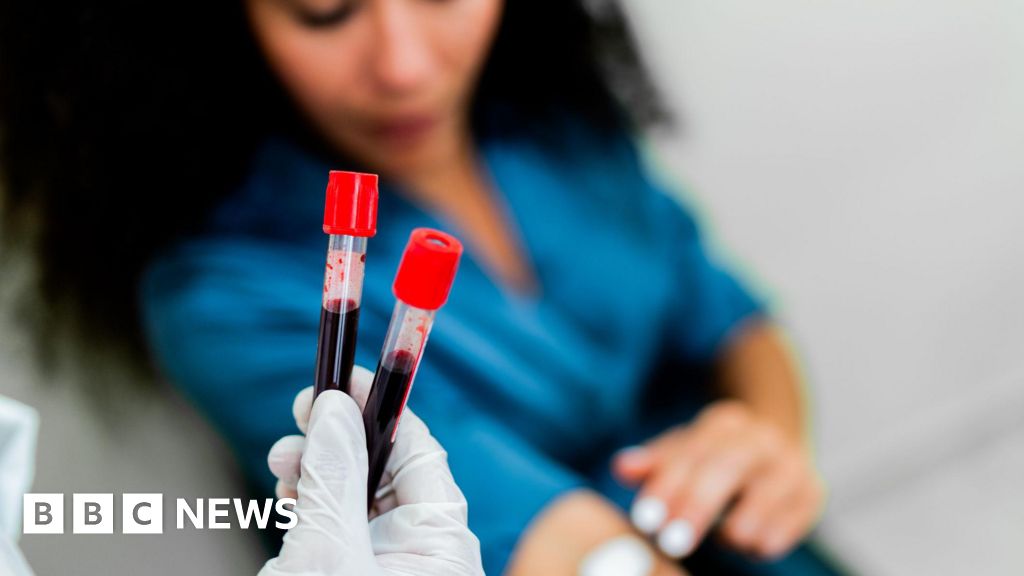
A blood test for more than 50 types of cancer could help speed up diagnosis according to a new study.Results of a trial in north America show that the test was able to identify a wide range of cancers, of which three quarters don’t have any form of screening programme.More than half the cancers were detected at an early stage, where they are easier to treat and potentially curable.The Galleri test, made by American pharmaceutical firm Grail, can detect fragments of cancerous DNA that have broken off a tumour and are circulating in the blood.The trial followed 25,000 adults from the US and Canada over a year. Nearly one in a 100 of those tested had a positive result and in 62% of these cancer was later confirmed. The test correctly ruled out cancer in over 99% of those who tested negative. When combined with breast, bowel and cervical screening it increased the number of cancers detected overall seven-fold. Crucially, three quarters of cancers detected were for those which have no screening programme such as ovarian, liver, stomach bladder and pancreas.The blood test correctly identified the origin of the cancer in 9 out of 10 cases.These impressive results suggest the blood test could eventually have a major role to play in diagnosing cancer earlier.Scientists not involved in the research say more evidence is needed to show whether the blood test reduces deaths from cancer.The topline results are to be released at the European Society for Medical Oncology congress in Berlin, but the full details have yet to be published in a peer reviewed journal.Much will depend on the results of a three-year trial involving 140,000 NHS patients in England, which will be published next year.The NHS has previously said that if the results are successful, it would extend the tests to a further one million people.The lead researcher, Dr Nima Nabavizadeh, Associate Professor of Radiation Medicine at Oregon Health & Science University said the latest data show that the test could “fundamentally change our approach to cancer screening, helping to detect many types of cancer earlier, when the chance of successful treatment or even cure are the greatest”.But Clare Turnbull, Professor of Translational Cancer Genetics at The Institute of Cancer Research, London, said: “Data from randomised studies, with mortality as an endpoint, will be absolutely essential to establish whether seemingly earlier-stage detection by Galleri translates into benefits in mortality.”Sir Harpal Kumar, President of Biopharma at Grail, told the BBC: “We think these results are very compelling. The opportunity in front of us is that we can find many more cancers – and many of the more aggressive cancers – at a much earlier stage when we have more effective and potentially curative treatments.”Naser Turabi of Cancer Research UK said: “Further research is needed to avoid overdiagnosing cancers that may not have caused harm. The UK National Screening Committee will play a critical role in reviewing the evidence and determining whether these tests should be adopted by the NHS.”

Read more →

This common liver supplement could boost cancer treatment success

Immunotherapy is a cancer treatment that harnesses the body’s own immune defenses to attack tumors. It has shown remarkable success against cancers of the lung, kidney, and bladder but has not worked as well for liver cancer. That gap is troubling because liver cancer cases have nearly tripled over the past four decades.
To explore why liver cancer responds poorly to immunotherapy, scientists at the Salk Institute examined how the immune system interacts with the liver. Using both mouse models and human tumor samples, they discovered that certain bile acids — molecules produced by the liver to aid digestion — can interfere with cancer-fighting immune cells known as T cells.
The team pinpointed several bile acids linked to weakened T cell function and faster tumor growth. By blocking the production of these acids, they were able to slow or stop tumor progression. One bile acid, called ursodeoxycholic acid (UDCA), had the opposite effect, enhancing T cell activity in the liver. When researchers increased UDCA levels through dietary supplements, liver tumors in mice shrank. Because UDCA supplements are already approved for other liver diseases, scientists believe they could potentially make immunotherapy more effective for liver cancer patients.
The study, published in Science, sheds light on why immune cells behave differently depending on the tumor’s location and identifies new molecular targets to strengthen liver cancer therapies.
“How do organ-specific properties and processes influence the immune response?” asks Professor Susan Kaech, senior author of the study and director of Salk’s NOMIS Center for Immunobiology and Microbial Pathogenesis. “Livers have a particularly unique environment, but we didn’t really understand how it was affecting the immune and cancer cells. By investigating these liver-specific features, we have identified several potential ways to regulate bile acids, improve T cell performance, and enhance patient outcomes.”
The liver generates more than 100 types of bile acids, which travel through the intestines to help digest fats. To combat liver cancer, T cells must function effectively within this chemically rich environment. Past studies have linked high bile acid levels to poor health and cancer progression, but researchers had not previously distinguished the effects of individual bile acids.
“Considering how T cell performance varies across different organs, tissues, and tumors puts us at a great vantage point for looking at ways to optimize cancer treatment,” says Siva Karthik Varanasi, former postdoctoral researcher in Kaech’s lab and current assistant professor at the University of Massachusetts Chan Medical School. “By taking this unique approach, we’re able to see that bile acids in the liver are hugely influencing T cells’ ability to do their job and therefore may be a useful therapeutic target.”
To better understand these effects, the Salk team first analyzed human liver cancer biopsies to identify which bile acids were present. They found elevated levels of conjugated bile acids and tested whether these compounds contributed to tumor growth. When they removed a protein called BAAT, which produces conjugated bile acids, the tumor load in mice dropped significantly. This suggests that adjusting BAAT activity in humans could improve their response to immunotherapy.

The researchers then examined 20 distinct bile acids to determine how each affected T cells. Most primary bile acids showed little influence, except for one called TCDCA, which triggered oxidative stress — a harmful molecular imbalance. Secondary bile acids had much stronger effects. One, called LCA, damaged T cell function by causing endoplasmic reticulum stress, while another, UDCA, boosted T cell performance and drew more immune cells to the liver. Increasing UDCA levels through supplementation effectively reduced tumor growth in mice, pointing to a promising strategy for enhancing immunotherapy in liver cancer.
Together, these results suggest that lowering BAAT and increasing UDCA could help control liver tumor growth and strengthen the immune system’s response to treatment.
“We’re already a huge step ahead when it comes to translating our findings to the clinic, because UDCA supplementation is already used to treat liver disease and could easily be tested in liver cancer next,” says Kaech, who also holds the NOMIS Chair at Salk. “We are really excited to also explore the role of the gut microbiome in all of this, since bile acids are a huge part of that picture — how can we manipulate ‘good’ and ‘bad’ bacteria in the microbiome to further regulate bile acid levels? How does the microbiome change during liver cancer? Could probiotics be a therapeutic approach?”
In addition to exploring dietary and microbiome manipulations that could help with liver cancer, the team is curious to see if other conditions could be treated by targeting BAAT. Already, they believe chronic liver disease and obesity may benefit from the same reduction of conjugated bile acids.
Other authors include Dan Chen, Melissa Johnson, Kathryn Lande, Michael LaPorta, Filipe Hoffmann, Thomas Mann, Eduardo Casillas, Kailash Mangalhara, Varsha Mathew, Ming Sun, Yagmur Farsakoglu, Timothy Chen, Bianca Parisi, Shaunak Deota, H. Kay Chung, Satchidananda Panda, April Williams, and Gerald Shadel of Salk; Jin Lee, Yingluo Liu, Cayla Miller, and Gen-Sheng Feng of UC San Diego; Souradipta Ganguly and Debanjan Dhar of UC San Diego and Sanford Burnham Prebys Medical Discovery Institute; Marcos Teneche, Aaron Havas, and Peter Adams of Sanford Burnham Prebys Medical Discovery Institute; Isaac Jensen and Donna Farber of Columbia University; Andrea Schietinger of Memorial Sloan Kettering Cancer Center, Weill Cornell Graduate School of Medical Sciences, and Parker Institute for Cancer Immunotherapy; and Mark Sundrud of Dartmouth College.
The work was supported by the National Institutes of Health (NCI CCSG: P30 014195, S10-OD023689, P30 AG068635, P30 CA014195, P01 AG073084, R01 CA240909-04, R21 AI151562, F31CA278581, CCSG Grant P30CA23100, R01DK137061, R01DK133930, DK120515, R01AI143821, R01AI164772, U01AI163063), Waitt Foundation, Helmsley Charitable Trust, Chapman Foundation, Cancer Research Institute, National Cancer Center, NOMIS Foundation, Salkexcellerators Fellowship, Damon Runyon Fellowship, Audrey Geisel endowed Chair of Biomedical Science, Altman Clinical Translational Research Institute (KL2TR001444), San Diego Digestive Diseases Research Center, and Dartmouth Cancer Center.

Read more →

Student paramedic helps deliver lecturer’s baby

29 minutes agoShareSaveChloe HughesWest MidlandsShareSaveUniversity of WorcesterParamedic services student Elise Faragher had no idea her routine hospital placement would see her helping to deliver the baby of someone very familiar.The third-year student was at the Worcestershire Royal Hospital when her lecturer, Aaron Collins, and his wife Lexy, came in to have an elective C-section.Mr Collins had taught Elise anatomy, physiology, and all about what happens during childbirth.”I was confused and shocked when I first saw Aaron on the day,” Ms Faragher said.”I thought he might have come to visit me on placement, but I quickly realised that wasn’t what he was there for.”Once baby Luca had been checked, I tapped Aaron on the shoulder and asked if he’d like to cut the cord – a student doesn’t get to ask their lecturer that question very often.”University of WorcesterMr Collins, who has taught Ms Faragher since her first year, and she said they get on really well.”We have a lot of fun and jokes,” she said.”Aaron is very caring and supportive, and he has been there to help me gain confidence throughout the last few years.”‘Very professional’Since assisting with the birth, she has gone on to help deliver her first baby while on placement with the ambulance service.It was a “surreal moment” seeing her at the hospital, Mr Collins said. “She was very professional and checked with us both that we were happy for her to stay, which we were,” he explained.”She did incredibly well assisting in a birth with her lecturer present…. it’s a situation that could have felt daunting, but she did everything she should have done.”He added that Luca was doing really well.”He’s hitting his milestones just as he should be, and he’s putting on weight nicely while giving us lots of laughs and babbles; everything a baby should be doing,” he added.More on this storyRelated internet links

Read more →

Calls to suspend GP who ‘harassed’ woman raped by his son

9 hours agoShareSaveMary McCoolBBC ScotlandShareSaveBBCA charity is calling for a GP to be suspended over his “harassment” of a woman who was raped by his son.Dr Andrew McFarlane, 61, was arrested and charged with communications offences in August after he called Ellie Wilson a “manipulative liar”, a “slut” and a “hippo” in a series of posts on X.In 2022 his son Daniel McFarlane was convicted of raping Ms Wilson, who has since become a campaigner for survivors of male sexual violence.Rape Crisis Scotland has complained to the General Medical Council (GMC) twice about Dr McFarlane’s conduct, but he is still able to see patients in NHS Highland.The GP has yet to appear in court over the charge. The BBC has made several attempts to contact him, but he has not responded.’Constantly worried’Dr McFarlane began posting about Ms Wilson’s case earlier this year, claiming his son was the victim of a miscarriage of justice.He said Ms Wilson threatened, blackmailed and abused his son.He also posted screenshots of private and sexual conversations between his son and Ms Wilson.Daniel McFarlane attacked Ms Wilson between December 2017 and February 2018 when he was a medical student at the University of Glasgow.He was found guilty of two rape charges and sentenced to five years in prison in July 2022.His conviction was secured, in part, because Ms Wilson had covertly recorded a conversation she had with McFarlane, in which he admits to raping her.McFarlane tells Ms Wilson: “I feel good knowing I am not in prison.”His father, Dr McFarlane, began tweeting about the case earlier this year and was reported to the GMC for his conduct in July.The following month, Sandy Brindley, the chief executive of Rape Crisis Scotland, wrote to the GMC, saying Dr McFarlane was causing “a great deal of distress” to Ms Wilson, “who finds herself constantly worried about what he may post next”.Ms Brindley asked the GMC to “urgently investigate” the GP’s ability to practise medicine in light of “deeply troubling behaviour”.She argued that the GP’s posts were “abusive” and “particularly concerning” coming from someone whose profession “relies on their ability to handle patient information sensitively”.She said: “Given the content and volume of his online posts, we are particularly concerned about the potential for Dr McFarlane to cause harm or distress to any patients who may have experienced sexual violence or domestic abuse themselves.”Tribunal rulingThe GMC is an independent regulator responsible for dealing with complaints about doctors.It decided to refer Dr McFarlane’s case to the Medical Practitioners Tribunal Service (MPTS), which make decisions about fitness to practise.Rather than suspend him, the MPTS decided in August to impose special conditions on his medical registration – he was charged with communications offences over his posts less than a week later.Dr McFarlane is now personally required to inform the GMC if there are any changes to his job title or contact details for his employer.On 4 September, Ms Brindley wrote to the regulator again, expressing “grave concerns about the lack of seriousness by which the GMC appears to be treating this matter”.She called for the GP’s suspension to be reconsidered.”It can take a lot of courage for survivors of rape to disclose their experience, and GPs are frequently the first professional a rape survivor may disclose to,” Ms Brindley said.”Survivors seeing a practising GP harassing and publicly calling into question whether a woman has been raped (despite her perpetrator being convicted and currently in jail for his crimes) could jeopardise their relationships with their own GPs.”In any case where a doctor is arrested, the GMC pauses its own internal investigations.Dr McFarlane was previously employed as a locum GP at the Alness and Invergordon Medical Group, but the BBC understands he has not worked there for around a year.He is free to see patients within NHS Highland, but it is not clear whether he is currently employed.The health board said it was taking “all necessary and appropriate steps” to ensure the safety and wellbeing of patients.A spokesperson for the GMC said: “As soon as we became aware of the concerns, we took immediate action — launching an investigation and referring Dr McFarlane to an interim orders tribunal.”A full investigation is now underway alongside ongoing criminal proceedings. Dr McFarlane is currently subject to interim conditions on his practice.”

Read more →

‘Game-changing’ HIV protection jab approved in England and Wales

23 minutes agoShareSaveMichelle RobertsDigital health editorShareSaveGetty ImagesAn injection to prevent HIV is to be offered to patients on the NHS in England and Wales for the first time, bringing the policy in line with Scotland.The long-acting shot, given six times a year or every other month, is an alternative to taking daily pills to protect against the virus.Experts hope the cabotegravir (CAB-LA) injections will help meet the ambition of ending new HIV cases by 2030 in the UK. Meanwhile, early results for a different injection called lenacapavir suggest it may even be possible to move people on to an annual HIV prevention jab. ‘This represents hope’ Wes Streeting, the Secretary of State for Health and Social Care, said: “The approval of this game-changing injection perfectly embodies what this government is determined to deliver – cutting-edge treatments that save lives and leave no one behind. “For vulnerable people who are unable to take other methods of HIV prevention, this represents hope.”HIV prevention therapy, known as PrEP (pre-exposure prophylaxis), is taken by HIV-negative people to reduce the risk of getting HIV.Pills have been available for years and are still extremely effective at stopping HIV infections, but are not always easy for some to take. It can be hard to access, not practical, or feel embarrassing. For example, people might worry someone like parents or housemates could find their pills. Homelessness and domestic violence can make it difficult to take oral PrEP every day.An injection which lasts for months offers convenience and discretion.HIV is a virus that damages the cells in the immune system and weakens the body’s ability to fight everyday infections and diseases. It can be caught during unprotected sex or through sharing needles. Mothers can also pass it to their baby at birth.Cabotegravir should be used in combination with safer sex practices, such as use of condoms.The NHS has an undisclosed discount from the manufacturer for the treatment that has a list price of around £7,000 per patient per year. The jab will be considered for adults and adolescents with a healthy weight who are at high risk of sexually acquired HIV and eligible for PrEP, but for whom taking oral tablets would be difficult. It’s thought around 1,000 people will be offered it.They will be able to get it from NHS-operated sexual health clinics “in coming months” says the National Institute for Health and Care Excellence (NICE). Charities say some people face long waiting times for appointments at clinics and the rollout must happen quickly. Richard Angell, of the Terrence Higgins Trust, said it was time to explore delivering the “transformative therapy” in other settings, not just sexual health clinics. “It’s highly effective and acceptable for patients, and a vital tool for tackling inequalities – with the potential to reach those who are not currently accessing other HIV prevention.”Official figures for England show the number of people taking PrEP in sexual health services is increasing.Last year,146,098 HIV-negative people accessing sexual health services had a PrEP need because they were at substantial risk of acquiring HIV. Of those, about 76% (111,123) began or continued PrEP – a 7.7% rise from 2023.PrEP need is not being identified and met equitably though. Access to the treatment varies significantly by group, with uptake highest among white (79.4%) and ethnic minority (77.8%) gay, bisexual and all men who have sex with men, but much lower among black African heterosexual women (34.6%) and men (36.4%). At the same time, HIV testing has expanded across hospital A&E departments in England. Currently, 89 routinely test anyone who has blood taken, specifically in cities and towns with high HIV prevalence.

Read more →

What Alan Carr’s sweat (and Celia Imrie’s fart) tell us about social taboos in 2025

7 hours agoShareSaveLuke MintzBBC News andMichelle RobertsDigital health editorShareSaveBBCListen to Michelle read this articleAlan Carr’s days on The Celebrity Traitors looked perilous from the start. Just 32 minutes into the first episode, after the comedian had been selected as a “traitor”, his body started to betray him.Beads of sweat began forming on his forehead, making his face shiny. “I thought I wanted to be a traitor but I have a sweating problem,” he admitted to cameras. “And I can’t keep a secret.”Professor Gavin Thomas, a microbiologist at the University of York, was watching the episode. “[Alan] does sweat a lot – and it looks like eccrine sweat,” he says, referring to a common type of sweat, which comes from glands all over the body that can be activated by stress.Yet it was Carr’s willingness to talk about his sweatiness – and the excitement of viewers who were quick to analyse it on social media – that was most striking of all.Alan Carr is not the first. All sorts of well-known people, from Hollywood actors and models to singers, have opened up about bodily functions in ever more brazen detail over the last decade. (Fellow Traitors contestant, the actress Celia Imrie, admitted in an episode this week: “I just farted… It’s the nerves, but I always own up.”)On sweat struggles specifically, Steve Carrell and Emma Stone have talked openly, and model Chrissy Teigen revealed in 2019 that the perspiration around her armpits was so irritating that she had Botox injections to prevent it. Then, singer Adele announced on stage in Las Vegas in 2023 that she had contracted a fungal infection as a result of perspiring. “I sweat a lot and it doesn’t go anywhere, so I basically am just sitting in my own sweat,” she told the thousands of people in the audience.Getty Images for ADNow fitness shops sell “sweat suits”, for use during exercise – and then there is the very name of the longstanding British activewear brand Sweaty Betty. Its founder declared a few years ago: “It’s cool to sweat now.”So, could this all really signal the end of the once-widespread taboo about talking about perspiration?The sauna business meetingAt a sauna in Peckham, south London, young professionals sit on scorching hot, wood-panelled benches, dressed in swimming trunks and bathing suits. Outside, they dunk themselves in metal ice baths. A DJ plays music in the background.Josh Clarricoats, 33, who owns a food start-up nearby, is a frequent visitor. He meets his business partner there every fortnight for meetings.”Actually our best creative thinking happens when we’re there,” he admits. “It’s something about sweating, being uncomfortable and the endorphins it releases.”Some professionals might have once felt awkward about sweating in front of colleagues, he concedes – but less so today. “You get sweaty, you see your colleague dripping in sweat, I don’t think people really worry about that.”Universal Images Group via Getty ImagesUltra-hot bathing houses have long been part of everyday life in Finland, where they are associated with löyly – the idea that sweat, heat, and steam help you reach a new spiritual state. But in recent years they’ve trickled into English-speaking countries.There is a small but growing trend among British and American professionals, in particular, who are adopting the Finnish saunailta tradition, and meeting work colleagues inside saunas.Last month The Wall Street Journal declared that the sauna has become the “hottest place to network”. The idea is that sweat puts everyone on the same level, lowering inhibitions and making it easier to forge relationships.In Scandinavia, “sauna diplomacy” has long been used to lubricate high-level talks – in the 1960s, Finnish president Urho Kekkonen took the leader of the Soviet Union, Nikita Krushchev, into an all-night sauna to persuade him to allow Finland to repair relations with the West.Chains of high-end saunas are now springing up in San Francisco and New York too, with members paying as much as $200 (£173) per month to sweat together – in luxury.There are now more than 400 saunas in the UK, according to the British Sauna Association, a sharp rise from just a few years ago.Gabrielle Reason, a physiologist and the association’s director, has her own surprising view on why. “When you’re sweating [in a sauna] … you look an absolute mess but there’s something actually very liberating about that, in a world that is very image-focused.”You smell, you’re bright red… You just stop caring what you look like.”Deadly sweat – and shameIt wasn’t always this way. We’ve long had a complicated relationship with sweat – and for years, it was a source of fear. In medieval England, word spread about a so-called “sweating sickness” that was said to kill its victims within six hours. Some think that Mozart died after contracting the “Picardy sweat”, a mysterious illness that made victims drip with perspiration (though the composer’s real cause of death remains unclear).But this fear of sweat was turbocharged in English-speaking countries in the early 20th Century when hygiene brands realised they could use it to sell deodorants, according to Sarah Everts, a chemist and author of The Joy of Sweat.More from InDepthShe says the most “egregious” marketing was aimed at young women. One advert for a deodorant called Mum, published in an American magazine in 1938, urged women to “face the truth about underarm perspiration odour”.It said: “Men do talk about girls behind their backs. Unpopularity often begins with the first hint of underarm odour. This is one fault men can’t stand – one fault they can’t forgive.”Getty ImagesThis shame is embedded into Western culture, says Ms Everts, who has long suffered embarrassment about her own clammy skin.”In a hot yoga class, I’d notice that the first drip of sweat would always come from me,” she says. “And I started to think, ‘this is a space where I’m supposed to be sweating, and yet I’m mortified’.”But in recent years, that shame has started to fritter away – at least in some quarters.Rise of the ‘sweaty hot girl’ aestheticThe new mood is driven in part by the beauty industry and its new mantra: embrace your perspiration.Back in 2020, the business magazine Forbes described public sweatiness as the “hottest and coolest fashion trend”, whilst Vogue Magazine has run photo features on the charm of a sweaty face, known as “post-gym skin”.Dove, the brand owned by Unilever, launched a marketing campaign in 2023 urging customers to post photographs of their sweaty armpits under the hashtag “Free the Pits”.Remi Bader, a TikTok beauty influencer with more than two million followers, who partnered with them, said in a promotional interview: “I’m very, very open with my followers about how I’m very sweaty. It’s so normal.”WireImageAnd what started as niche or a marketing ploy may well have filtered down to the rest of us.Zoe Nicols, a mobile beauty therapist and former salon owner in Dorset, says she’s had customers asking for a “sweaty makeup” look. She calls it a new “Sweaty Hot Girl aesthetic … you want to look like you’ve just done a hot yoga class or stepped out of the sauna.”But Ms Everts is more sceptical. Whilst it’s “wonderful” that people are speaking more positively about their bodies, in her view the trend has been hijacked by the personal hygiene industry for commercial gain.”It’s the next generation of these marketing strategies,” she says. “Instead of being like, ‘You smell – and that sucks’, they say, ‘you smell – but we all smell, here’s a product that is the solution to that problem’.”It’s a little egregious to be capitalising on the body positivity cultural trend.”‘Sweating is an enormous superpower’There has been much discussion about possible health benefits of sweating – spas offer services promising to “sweat out toxins,” using steam, heat, and infrared light. The trend has taken off on social media too, though some of the claims are more reliable than others.Scientists are sceptical of the idea that you can remove a meaningful amount of “toxins” from your blood via sweating, however.”I haven’t seen any strong empirical evidence,” says Davide Filingeri, a physiology professor at the University of Southampton.Ms Everts is more blunt: “It’s completely bananas.”BBC/PABut perspiration is of course beneficial in a very basic way: it cools us down.Dr Adil Sheraz, a dermatologist at the Royal Free NHS Trust, says the most common form of sweat – eccrine sweat – does a good job of regulating body temperature.It comes from tiny glands – each person has between two and five million of them – then evaporates from our skin, lowering our temperature.Ms Everts has traced the benefits of sweating to prehistoric times, when it allowed early humans to work vigorously for long periods in the sun. “Evolutionary biologists point to sweat as one of the things that makes our species unique,” says Ms Everts. “It’s an enormous superpower.”‘I avoid shaking hands’Hidden away from all of this is a group for whom sweating can feel like anything but a superpower. Those are people with a medical condition called hyperhidrosis – which causes excessive sweating, even when there’s no obvious cause.It is thought to affect somewhere between one and five percent of people, but has only recently pierced public consciousness.Doctors say it’s not dangerous but it can be distressing.Melissa, who did not want to share her surname, first noticed the symptoms in childhood. “My hands and feet were constantly sweaty, even when it wasn’t hot or nervous,” she recalls.”Other children could hold hands or play without thinking about it, but I’d always be aware of my slippery palms and damp socks.”Variety via Getty ImagesEven now, she says it affects her confidence. “It makes everyday tasks tricky – holding a pen, using my phone… I sometimes avoid shaking hands or physical contact because I worry people will notice or react badly.”But she has been buoyed by the growing willingness to talk about the condition. And, she adds, “I’ve learned to adapt.”Ultimately, experts I spoke to predict that our interest in sweat is only likely to grow in the future, as temperatures rise.Prof Filingeri, of Southampton University believes that climate change will show the limits of perspiration, as humans won’t be able to produce sweat quickly enough to compensate for higher temperatures. (Although the spread of air conditioning may mitigate some of this effect.)”As humans, we’re very limited in that physiological capacity.”But Ms Everts believes that the discussions around sweat can only be a good thing in light of this. “Humans will certainly be sweating a lot more in the future,” she says.”I’d argue we need to ditch [any lasting] shame and develop a lot more serenity about sweating.”Top picture credits: BBC and PABBC InDepth is the home on the website and app for the best analysis, with fresh perspectives that challenge assumptions and deep reporting on the biggest issues of the day. You can now sign up for notifications that will alert you whenever an InDepth story is published – click here to find out how.

Read more →