Scientists 'stunned' by children's lung recovery in ultra low emission zone

Scientists ‘stunned’ by children’s lung recovery in ultra low emission zoneBySmitha MundasadHealth reporter Published19 August 2026Scientists say they have been “stunned” by how quickly young children’s lungs began to recover and grow after pollution restrictions were brought in where they lived.Researchers found that children in London whose lung growth had been stunted by pollution showed impressive improvements after the introduction of an Ultra Low Emission Zone (Ulez) in 2019 reduced emissions.The study followed more than 3,400 primary school children in London and Luton and provides what scientists believe is the strongest evidence yet that local clean air zones could help reduce some of the harm caused by pollution during childhood.But independent researchers caution that other factors must also be considered.Air pollution can stunt the growth of young children’s lungs leaving them at an increased risk of asthma, heart disease, diabetes and even premature death. Children are also more vulnerable to pollution because their lungs and immune systems are still developing. And when outside, they tend to be closer to the ground and nearer sources of exhaust fumes, for example. In 2020 Ella Adoo-Kissi-Debrah, a nine-year-old girl from London who died following an asthma attack in 2013, became the first person in the UK to have air pollution listed as a cause of death.In the study, researchers recruited six to nine-year-olds attending primary schools in London’s ultra low emission zone and followed the same children for five years, comparing them to similar children (in terms of socio-economic background, physical activity and ethnicity) in Luton. Children in the study had annual lung function and capacity tests in the year before Ulez came in and for four years after.Initial results showed children’s lungs in London were smaller in capacity than those in Luton, which is less polluted than London but has a similar mix of pollutants. At the end of the study the children’s lung capacity reached near identical levels in both groups.”While we would expect children’s lungs to grow year on year, our results indicate that the London children’s lung growth had accelerated during the four years to ‘catch up’ with the control group in Luton to reach similar levels of lung capacity,” researchers say. “I was absolutely stunned when I first saw the results,” Prof Chris Griffiths, a senior author on the study, at Queen Mary University of London, told the BBC. “The speed of catch up in lung capacity in the London group was surprising and impressive.”This shows an ambitious clean air zone can drive pollution levels down, rapidly restoring children’s stunted lung growth.”The main test measured how much air a child could forcibly breathe out in one second after a big breath in. In practical terms the improvements could mean children in the London group could run as fast as the Luton group without getting out of breath or blow out the same number of candles for example, Griffiths explained.Another way of testing for lung capacity used in the study showed significant improvements too, though not to the same extent – implying there are still gains to be made.Overall the proportion of children in London whose lung capacity was deemed “clinically impaired” (suggesting lung damage resulting in coughs or breathlessness) fell from 14% to 9%. In Luton – where some smaller scale measures were put in place to tackle air pollution – the figures were 9% to 7%.The team’s measurements also showed the level of nitrogen dioxide children were exposed to fell faster in London than in Luton over this time.Researchers say this is key as it likely demonstrates that the improved lung growth they saw was related to air quality improvements following the implementation of Ulez. London’s Ulez was first introduced in 2019 by Mayor Sadiq Khan in a bid to “clean up London’s air”. London had high levels of the harmful gas nitrogen dioxide which comes from motor vehicles.Older, more polluting vehicles had to pay a daily charge to drive in central London. The measures were later expanded to cover the whole capital. While many supported the policy it provoked political opposition and protests. Prof Anna Hansell, at the University of Leicester, who was not involved in the study said the improved lung function in children was “likely to have lifelong benefits for their health.”She added the study was “carefully conducted by “well-respected researchers” and that the geographical comparisons between London and Luton were important as there had been general reductions in air pollution over time.”This proved particularly useful, given that the study period included the Covid-19 pandemic – and demonstrates the findings in London are not due to changes related to the pandemic,” she said.Another aspect to consider was that the London group may have been more likely to walk or cycle to school once Ulez came in.Meanwhile, Kevin McConway, emeritus professor at the Open University, said it was important to take the full impact of Covid into account and argued that studying other cities could help tease out whether some improvements were due to unmeasured differences between London and Luton.Lead author, Dr Helen Wood, at Queen Mary University of London said while the results were very promising there was no room for complacency as “air pollution in both London and Luton – as well as other cities across the UK – remains above WHO guideline levels, so there is still work to be done”.”We know clean air zones are a complex area and the impact on businesses and individuals must be considered. What we are doing is adding new evidence to inform the debate,” Griffiths said. “There are more than a billion kids living in cities around the world, most of them in polluted environments, getting a really bad start in life. “That’s why these are important findings with global relevance.” The work involved researchers from the Universities of Bedfordshire, Oxford, Cambridge, Edinburgh and Southern California and is published in the Lancet Public Health,

Read more →

Widely prescribed blood pressure drugs linked to 33% higher kidney risk in type 2 diabetes

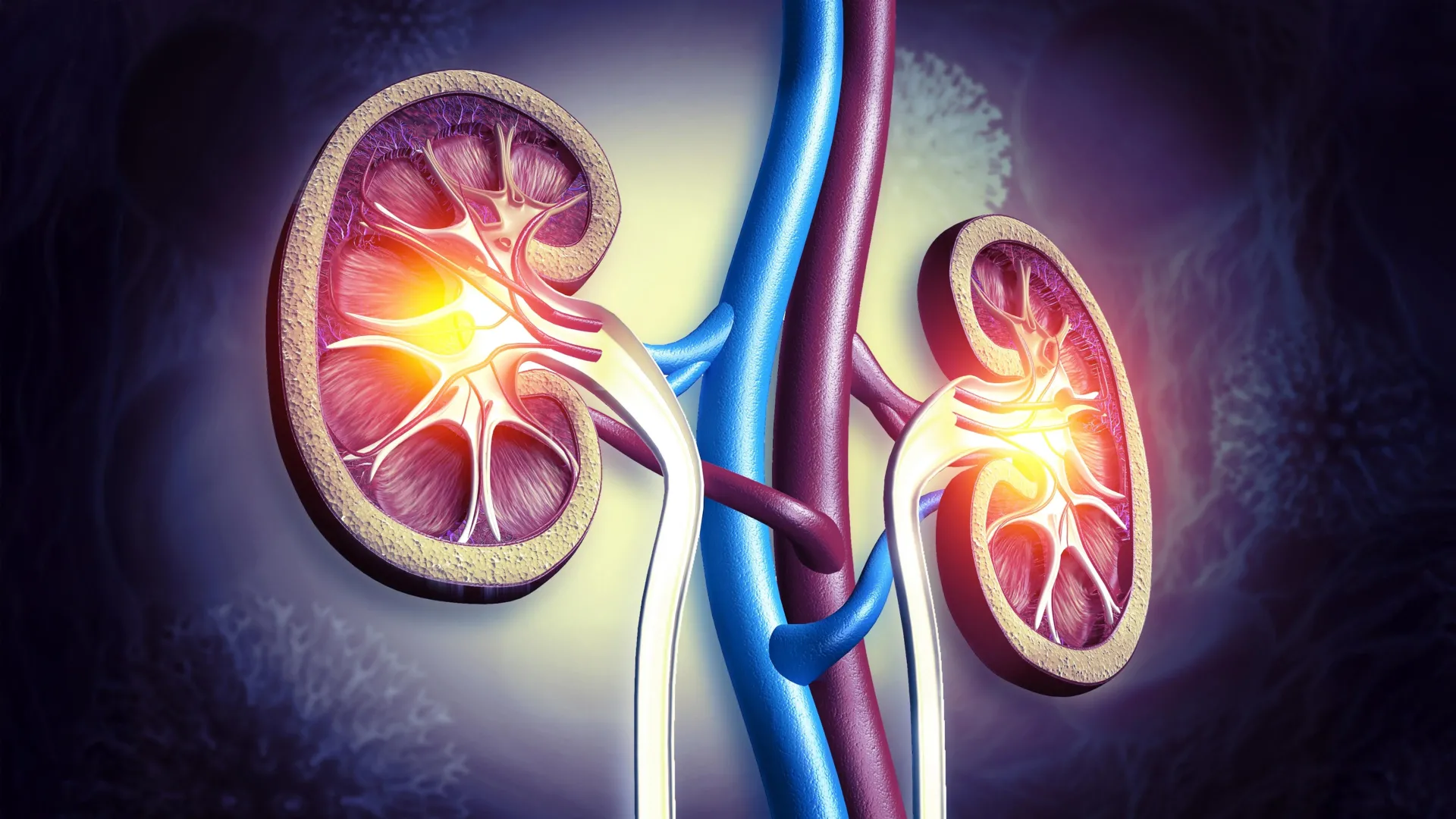
New findings presented at the 63rd ERA Congress suggest that a commonly prescribed group of blood pressure drugs may be linked to worse kidney outcomes in people with type 2 diabetes (T2D), including patients already taking newer medications designed to protect kidney function.
The medications, known as dihydropyridine calcium-channel blockers (DCCBs), lower blood pressure by relaxing blood vessels. They are often prescribed as second-line treatments for people with diabetic kidney disease (DKD). In the new study, patients who took DCCBs in addition to standard therapies experienced a significantly greater risk of major adverse kidney events than patients treated with other blood pressure medications.
Protecting the Kidneys in Type 2 Diabetes
DKD is among the most common causes of kidney failure worldwide. The condition develops as prolonged high blood sugar damages tiny blood vessels within the kidneys, gradually interfering with their ability to remove waste from the bloodstream. Keeping blood pressure under control is a key part of managing the disease because elevated blood pressure can speed up this damage.
Treatment for DKD has changed considerably in recent years with the introduction of two important classes of medication. Renin-angiotensin system (RAS) inhibitors lower blood pressure while also reducing pressure inside the kidney’s filtering structures. Sodium-glucose cotransporter-2 (SGLT2) inhibitors were initially developed to treat diabetes, but they are now also recognized for their ability to protect kidney function and lower the risk of kidney failure. The two drug classes are now part of standard treatment for many people with DKD.
Study Tracks More Than 31,000 Patients
Researchers examined health data from 31,031 adults with T2D between 2016 and 2021. Every participant was receiving both RAS and SGLT2 inhibitors. Of the total group, 12,172 (39.2%) were also taking DCCBs, while 18,859 (60%) were being treated with other antihypertensive medications. The median follow-up period was approximately 3.5 years.

After accounting for differences in patients’ initial clinical and demographic characteristics, the researchers found that DCCB use was associated with a 33% greater risk of a major adverse kidney event (R 1.33, 95%, CI 1.03-1.73).
Researchers classified these events as either a major loss of kidney filtration capacity, involving a decline of 40% or more in estimated glomerular filtration rate (eGFR), the standard measure of kidney function, or progression to end-stage kidney disease that required dialysis or transplantation.
“DCCBs are widely used as second-line blood pressure treatments in patients with DKD,” said Dr. Timna Agur, lead author of the study. “Our findings raise important questions about whether these medications are always the best option for patients already receiving modern kidney-protective therapies.”
Why DCCBs Could Affect Kidney Function
The researchers suggest that the association may be related to how DCCBs alter blood flow through the kidneys. In DKD, the kidneys are already dealing with elevated pressure and hyperfiltration, a condition in which their filtering structures are placed under excessive strain.
DCCBs may relax the blood vessels that carry blood into these filtering units more strongly than they affect the vessels carrying blood away. According to the researchers, this imbalance could increase pressure inside the filtering structures and potentially contribute to continued kidney damage.

“We initially thought the kidney-protective effects of SGLT2 inhibitors might counterbalance the potential harms associated with DCCBs,” said Dr. Agur. “However, the increased risk of kidney disease progression appeared to persist even in this group.”
More Research Is Needed
Because the study was observational, the researchers emphasize that it cannot show that DCCBs directly caused the poorer kidney outcomes. Still, they say the association deserves attention because these medications are so frequently prescribed to people with DKD.
“Further prospective studies and randomized controlled trials are needed to confirm these observations and better define the safest blood pressure treatment strategies for patients with DKD,” concluded Dr. Agur. “However, given how commonly these medications are prescribed, any increase in kidney risk could have important implications for large numbers of patients with DKD.”

Read more →

Tiny robots powered by light can hunt down and collect bacteria

Robots small enough to operate in the microbial world could give scientists a new way to directly handle objects that are impossible to manipulate by hand. These tiny machines are around 50 times smaller than the diameter of a human hair, bringing researchers closer to the long-pursued goal of interacting directly with the microscopic world.
That capability could be especially useful for biological materials in water, including individual cells and bacteria. Precisely controlling and moving objects at this scale has been a persistent challenge. The newly developed nanorobots show that it is already possible to collect bacteria, transport them, and release them at selected locations.
Light Powers and Steers the Tiny Robots
One of the biggest obstacles in developing machines this small is finding an effective way to propel and control them. At Julius-Maximilians-Universität Würzburg (JMU), a research team led by Professor Bert Hecht has been developing a solution that uses the recoil produced by individual photons to move microscopic devices known as microdrones.
The devices contain as many as four plasmonic nanoantennas. These antennas absorb light with a particular color and helicity, then emit that light in a specific direction. Redirecting each photon creates a tiny recoil force, similar in principle to the recoil produced when a bullet is fired. Because the microdrones have so little mass, those extremely small forces can generate substantial acceleration and speed.
For the latest work, the researchers reduced the size of their light-powered robots even further, producing devices smaller than one micrometer. Simplifying the steering system was an important part of achieving that size while retaining propulsion based on photon recoil.
The new control method takes advantage of nanoscale antenna wires built into the robot. These wires naturally tend to align with the polarization direction of incoming light. By changing the light’s polarization, the researchers can control which direction the nanorobot faces. At the same time, photon recoil continues to propel it forward, creating a steering system that works somewhat like the directional control used in larger vehicles.

Nanorobots Act as “Microscopic Cleaners”
“In essence, we have built a light-driven nanorobot that can track down and collect bacteria,” says Jin Qin, lead experimental scientist of the study. “By simplifying the design, we reached a size at which these robots can operate directly in the microbial world – almost like microscopic cleaning devices.”
The robots are also highly maneuverable. They can make extremely fast 90° turns, helping them scan broad areas of a sample in an organized and efficient way. They can also selectively capture, carry, and release substantial numbers of bacteria.
Under controlled laboratory conditions, this means the nanorobots can effectively “clean” microscopic environments. They gather bacteria from one area and deposit them at specifically chosen locations.
“This is a striking example of how light can be used not only to observe the microscopic world, but also to actively shape it,” adds Bert Hecht. “The idea of tiny robotic cleaners may sound futuristic, but we are already demonstrating the physical principles that make it possible.”
The robots remain fully maneuverable even while carrying larger groups of bacteria, although their speed decreases somewhat under the added load. That ability to keep functioning while transporting larger bacterial clusters points to possible future uses in microbiology, biomedical research, and precise manipulation of materials at the microscopic scale.

Read more →

Lindsay Clancy begged for help before her children's killings, mother-in-law testifies

Lindsay Clancy begged for help before her children’s killings, mother-in-law testifiesTo play this video you need to enable JavaScript in your browser.This video can not be playedByAna FaguyPublished18 August 2026Warning: This story contains distressing details and discussion of attempted suicideLindsay Clancy was “begging for help” before killing her three children, her former mother-in-law testified on Tuesday, echoing others who have told a court that Clancy’s mental health deteriorated after the birth of her youngest son.”She had insomnia. She was losing her appetite,” the mother-in-law, Susan Clancy, said at the murder trial. “She was very anxious and sad.”Lawyers for Clancy, who does not dispute carrying out the killings but has pleaded not guilty to murder charges, say she was experiencing postpartum psychosis at the time.Prosecutors, meanwhile, alleged she made a calculated decision to intentionally kill her children – Cora, five, Dawson, three, and Callan, who was eight months.When asked by a defence attorney if Lindsay Clancy had been “interested at all times in trying to get better and see doctors”, Susan Clancy answered: “Very much so.””She was begging for help,” she said of a woman she described as a “very nurturing, very loving” mother.Following three weeks of testimony from dozens of witnesses, prosecutors rested their case on Monday. The defence then began presenting their arguments with personal anecdotes from family members. Clancy has been charged with three counts of first-degree murder.”She always wanted to be a mother, have many children, and I felt it was the best thing that ever happened to her,” Paula Musgrove, Clancy’s mother, testified on Monday.Then, Clancy supposedly began having problems sleeping and sent a text message that she was “really sick”. A month before the killings, Musgrove said, her daughter came to her and Clancy’s then-husband, Patrick Clancy. “She told us she had thoughts of harming the children,” Musgrove said. Musgrove also testified that Lindsay Clancy, a nurse, “would say to me, ‘This isn’t me, I’ve never been like this before.’ And I would agree, because she wasn’t”.Prosecutors have said that in January 2023, Clancy intentionally strangled the three children with fitness bands in their Massachusetts home before jumping out of a second-floor window. Clancy, now 36, was paralysed by the jump and has attended the trial in a wheelchair.The defence have said Clancy experienced hallucinations and delusions after giving birth to Callan and she was undergoing medical treatment for psychiatric problems. She checked herself into a psychiatric hospital for a few days just before the deaths.Clancy also told her sister that she was experiencing suicidal thoughts every day over the course of the month leading up to the killings, the sister, Allison Ozga, has testified.The UK’s National Health Service (NHS) defines postpartum psychosis as a rare serious mental health illness that can affect someone soon after having a baby. “Postpartum psychosis is very different from the ‘baby blues’,” the NHS adds. “It’s a serious mental illness and should be treated as a medical emergency.”If you are suffering distress or despair and need support, you could speak to a health professional, or an organisation that offers support. Details of help available in many countries can be found at Befrienders Worldwide. www.befrienders.org.In the UK a list of organisations that can help is available at bbc.co.uk/actionline.More on this storyUS mother’s mental health spiralled before her children’s murders, ex-husband saysPublished27 JulyTrial opens for US mum who says postpartum issues led her to killing own childrenPublished21 July

Read more →

One dead and hundreds ill in UK salmonella outbreak

One dead and hundreds ill in UK salmonella outbreakImage source, Getty ImagesByMichelle RobertsDigital health editorPublished18 August 2026A person has died and hundreds have fallen ill with salmonella food poisoning in an outbreak that UK experts believe is linked to eating food made with imported eggs.The UK Health Security Agency has launched an investigation,

Read more →

Erin survived cancer aged 21 – now it's a race against time for a chance of a baby

Erin survived cancer aged 21 – now it’s a race against time for a chance of a babyImage source, Erin LaveryPublished17 August 2026Updated 18 August 2026Having life-saving cancer treatment at the age of 21 would be hard enough for anyone. Erin Lavery was told she may never be able to have children too. She didn’t get the chance for egg preservation before starting her treatment.Now she faces a race against time – and an £8,000 bill – for post-cancer fertility treatment if she is to have a chance of a baby in years to come.Erin, from Cambuslang near Glasgow, says it’s an immense decision for any young woman to have to make about their future.”It’s me having kids or not. It has to happen now,” she says.To play this video you need to enable JavaScript in your browser.This video can not be playedErin, now age 23 and cancer-free, is campaigning for NHS egg preservation to be more readily available for those who have come through their treatment.She told BBC Radio Scotland: “I underwent six months of chemotherapy and a month of radiotherapy, it was really difficult.”I spent so much time in hospital, something that was at the back of my mind all throughout my treatment was my fertility.”Unfortunately, after a very long diagnosis process, it was too late for me to preserve my eggs before I began treatment. “It meant I had to just go ahead and hope for the best on the fertility front.”Cancer treatments often have side effects and for young women one of the most significant can be reduced fertility.The main treatments – chemotherapy, radiotherapy, surgery, hormonal therapy and targeted therapy – can affect fertility in different ways. In many situations the NHS may provide egg freezing and storage for free, but it can typically take up to three weeks. If cancer treatment needs to begin immediately there may not be enough time to complete this process.It’s the situation Erin found herself when she was diagnosed with Stage 3 Hodgkin’s lymphoma in August 2024.Image source, Erin LaveryShe says: “I was unwell for a year-and-a-half and was consistently going to my GP for a year with symptoms that were adding up by the minute.”Unfortunately, it took all that time to get the diagnosis.”It’s a frustrating one, because if they were able to diagnose me when I first started going it would be such a different situation to what we are now in. “I would have had the time to preserve my eggs at that point.”Depending on how their fertility is affected, women may still be able to preserve their eggs after recovering from cancer. Life-changing decisionA year after completing her cancer treatment, tests confirmed Erin’s fertility fears. She had no time to waste.She found herself having to make a life-changing decision about what her future family could be.”I found out that my fertility had been heavily, heavily affected,” she says.”A specialist told me that if I wanted to have kids I would need to preserve my eggs right now.”I’m someone who’s always wanted kids, but I think that’s something that you think will happen naturally in the future.Image source, Erin LaveryNail technician Erin, who missed two years of work during her cancer treatment, also has to take on the significant costs involved.”It’s also coming with a financial burden that if I choose to do this, it’s going to impact my near future,” she said. “It’s £8,000 to do this procedure that I’m going to need to fund myself.”The way it works is you can have multiple cycles to get the best outcome, I will need two cycles to get the correct amount eggs.”If I’d received it before the NHS would have funded it, but because now I’ve had cancer treatment they will not fund it.”She added: “I’ve always worked really hard and thought I would be at a different point in life financially now.”After being off work, to be hit with a cost like this wasn’t even on my radar. “It’s been a massive shock and the stress that came with it has been huge.”Image source, Erin LaveryWhile Erin was in hospital, she had posted on TikTok about her treatment and recovery.She built a large community of followers who she wanted to help by documenting her own experience.Erin says when she posted about her costly decision over fertility treatment, she got thousands of comments from people who “can’t believe this is even a thing”.She never expected to find herself campaigning to raise awareness among young women. “I’m a bit lost with it,” she admits. “It’s not something that I ever thought I would be doing.”Maybe nobody’s looked at this? Maybe nobody’s thought this is a problem?”It’s about learning the procedures to go through to try and get a little bit of change.Strength and resilienceThe Scottish government says it is sympathetic to Erin’s campaign and will shortly outline a review of fertility services.Public Health Minister Maree Todd said: “I greatly admire the strength and resilience shown by Erin as she has documented her cancer journey online.”I thank her for the sharing her personal experience and the work she is doing to advocate for more support for cancer survivors.”Guidance on fertility preservation has been developed by clinical experts and makes clear that special consideration by health boards should be done on a case-by-case basis, to cover the whole range of possible conditions and individual circumstances where fertility preservation might be considered.”More on this storyI had days to live – but five months later I’m still making memoriesPublished15 AugustBreast cancer checks missing most women under 50 who are at risk, says studyPublished4 AugustBoy, 13, one of Scotland’s first to undergo innovative brain surgeryPublished20 July

Read more →

Kratom poison center cases have surged 6,500% in the U.S.

Kratom, a psychoactive plant that can produce opioid like effects at high doses, has been linked to a sharp rise in poison center reports and serious medical outcomes across the United States. New research published in Addiction found that reported kratom exposures have increased dramatically over the past decade.
According to the study, kratom exposures reported to America’s Poison Centers climbed from just 19 cases in 2010 to 1,242 cases in 2023. That represents an increase of more than 65 times (6,500%).
Serious cases also became much more common. There were no severe outcomes reported in 2010 (2012 was the first year in which a severe outcome was reported), compared with 158 severe cases in 2023. Researchers classified a severe medical outcome as one involving life-threatening effects, significant lasting disability, or death.
The researchers also found notable differences among states based on how kratom is regulated. States that banned kratom consistently had lower rates of reported exposure, severe medical outcomes, and healthcare use than states with consumer protection policies or no kratom regulations.
Kratom Risks and State Regulations
Senior author Dr. Ryan Feldman, of the Medical College of Wisconsin, comments: “Kratom is not scheduled under the US Controlled Substances Act or approved for medical use by the FDA, which leaves US states to set their own regulations. Or not: several US states do not regulate kratom at all, and they consistently had worse outcomes in this study than states that banned kratom use.
“Evidence shows kratom can cause serious health effects like seizures, irregular heart rhythms, liver damage, and breathing problems. Nearly one in seven cases reported to a poison center with a single-substance kratom exposure were admitted to a hospital, and one in 16 were admitted to a critical care unit. If kratom is used in combination with other drugs, as it often is, kratom’s tendency to interfere with metabolic pathways can heighten the risks of the accompanying drugs.
“As kratom use rises, and concerns over kratom and its risks increase, legislatures across the country are debating the best ways to regulate its use. Ongoing policy debates reflect limited high-quality evidence, highlighting the need for more rigorous, unbiased research to guide legislation. As our research here shows, the kratom problem is not going away anytime soon.”

Read more →

The bacteria that make cheese taste so good may also benefit your gut

Scientists have identified the bacteria that help give three British artisan cheeses their distinctive flavors, and some of those microbes may also have potential benefits for human health.
Researchers in the Food Microbial Sciences Unit at the University of Reading tracked the microbial and biochemical changes that occurred as three locally made Oxfordshire cheeses matured. Their findings suggest that some of the bacteria responsible for developing each cheese’s unique character may also be useful to the people who eat them.
The study, published in ACS Food Science & Technology, focused on three varieties made by Nettlebed Creamery in Oxfordshire. These included a soft white rind cheese aged for a little more than a week, a washed rind semi-soft cheese that matures over several weeks, and a semi-hard cheese aged in hay for about nine months.
Helpful Bacteria Shape Flavor and Texture
Lead author Sabrina Longley, a PhD researcher in the Department of Food and Nutritional Sciences, said: “Good cheese is delicious, and the artisan varieties we studied are full of microbial life that could have benefits to your gut health.
“The aging process creates more complex aromas and textures through the work of an army of helpful bacteria. The matrix of fats and proteins in the cheese may also help protect the bacteria as they travel along the digestive tract, making cheese an excellent vehicle for delivery of probiotics to the gut.”
To follow how the cheeses changed over time, the researchers collected samples at multiple stages of maturation and analyzed both their bacterial communities and chemical composition.

All three cheeses contained bacteria with recognized probiotic potential, meaning they may help support populations of beneficial microbes in the gut. Streptococcus thermophilus, which is also commonly used as a yogurt starter, remained dominant in the semi-soft and harder cheeses throughout the maturation process. Lactococcus lactis was detected in all three cheeses from start to finish.
The washed rind cheese and hay-aged cheese also contained Propionibacterium freudenreichii. This bacterium produces propionic acid, a compound associated with anti-inflammatory properties, reduced cholesterol synthesis, and appetite regulation.
Cheese Rinds May Have Prebiotic Potential
Cheese lovers who enjoy eating the rind may have another reason to do so. The white mold Penicillium candidum, which forms the characteristic rind on the soft cheese studied, produces chitin, a dietary fiber that may act as a prebiotic.
Prebiotics serve as food for beneficial bacteria in the gut, potentially encouraging positive changes in the gut microbiota.
The hay aging process also appeared to have a striking effect on the harder cheese. As it matured, the diversity of bacterial species increased substantially. The fully mature cheese contained nearly four times as many bacterial species as the same cheese did earlier in the aging process.

Mature Cheese Contained Very Little Lactose
The researchers also found that lactose, the sugar in cow’s milk that some people have difficulty digesting, was almost entirely absent from all three cheeses once they had matured.
During fermentation, lactic acid bacteria broke down most of the lactose, leaving very little behind by the time the cheeses were ready to eat.
Sabrina Longley is also a cheesemaker at the independent Nettlebed Creamery in Oxfordshire, which part-funded the research. She is carrying out her PhD research part-time with support from a University of Reading regional bursary, a program designed to help people from the local area pursue research studies.
The researchers caution that more work is still needed. Further research (dietary intervention trials) will be necessary to determine how these bacterial populations behave and change within the gut microbiota after the cheeses are consumed, as well as what effects they ultimately have on the human body.

Read more →

Low-fat vegan diet helps people lose weight without eating less

A low-fat vegan diet can reduce the energy density of the foods people eat by about 30%, helping them consume fewer calories while still eating satisfying amounts of food. The approach was also associated with weight loss, even though participants were not instructed to restrict calories, according to new research published in JAMA Network Open.
In a randomized clinical trial involving adults with overweight, participants who followed an ad libitum low-fat vegan diet substantially reduced the number of calories per gram of food they consumed. Researchers found that greater reductions in energy density were tied to lower calorie intake and greater weight loss, despite the absence of any instructions to eat less.
“This helps answer a question people often have about plant-based eating: How can you lose weight without counting calories or going hungry?” said Hana Kahleova, MD, PhD, director of clinical research at the Physicians Committee for Responsible Medicine and lead author. “The answer is energy density. Plant foods are rich in water and fiber, so you can fill your plate, feel full, and still take in fewer calories.”
How the Low-Fat Vegan Diet Was Tested
The findings come from an analysis of a 16-week randomized trial involving adults with overweight. Participants were assigned either to an ad libitum low-fat vegan diet centered on fruits, vegetables, grains, and legumes, or to a control group that continued eating as usual without making any dietary changes.
Neither group was given a calorie target or told to limit how much they ate. Researchers measured each participant’s dietary energy density by comparing total daily energy intake with the total weight of food consumed, expressed as total energy (kcal per day) divided by total food weight (grams per day).
The study produced several notable findings: The total weight of food consumed did not change significantly in either group, meaning those following the vegan diet continued eating about the same amount of food by weight. Calorie intake declined in both groups, but the decrease was larger among those following the vegan diet, at about 357 kcal/day. Energy density remained essentially unchanged in the control group but fell by about 30% in the vegan group. Larger reductions in energy density were associated with greater weight loss, and that relationship remained even after researchers accounted for changes in calorie intake.Same Amount of Food, Fewer Calories

The difference came largely from changes in the types of foods participants were eating. The vegan diet removed calorie-dense animal foods including meat, dairy, and eggs while increasing consumption of foods that provide more volume for relatively few calories, particularly vegetables and legumes.
Because these plant foods generally contain fewer calories per gram, participants could continue eating generous portions while taking in less energy overall.
“This isn’t about willpower or smaller portions,” Dr. Kahleova said. “It’s about choosing foods that naturally deliver fewer calories in every bite. A 30% reduction in energy density is a substantial shift that would be very hard to achieve and sustain through portion control alone.”
Why Energy Density Can Affect Weight Loss
Energy density refers to the number of calories contained in each gram of food. Scientists have studied it for years because it can influence how much people eat and how satisfied they feel after a meal.
Controlled feeding studies have shown that reducing the energy density of meals can help people feel full while lowering the amount of energy they consume. Importantly, the physical volume of food can remain similar even when the calorie content drops.

“When the foods you eat are lower in energy density, your body’s natural appetite signals work in your favor,” Dr. Kahleova said. “You eat until you’re satisfied, and you simply end up with fewer calories. That’s a sustainable way to manage weight.”
A Different Approach to Weight Management
Weight-loss advice often emphasizes calorie restriction and smaller portions. These findings point to another possible strategy: changing the composition of the food on the plate rather than simply reducing the amount of food eaten.
Choosing more water-rich, high-fiber plant foods may help people lower their calorie intake while still eating enough to feel satisfied. That could make weight management easier for some people by reducing the sense of deprivation that can come with traditional calorie-cutting approaches.
“From a clinical standpoint, targeting energy density offers a realistic strategy for weight loss,” Dr. Kahleova said. “Instead of telling people to eat less, we can help them eat differently — and the results follow.”
The Bottom Line
The findings suggest that a low-fat vegan diet can substantially reduce dietary energy density, allowing people to consume fewer calories and lose weight without intentionally restricting their calorie intake.
“You don’t have to eat less,” Dr. Kahleova said. “You can eat more food, feel full, and still lose weight — by choosing foods that are naturally lower in energy density.”

Read more →