NHS needs up to £3bn extra to avoid cuts, health leaders warn

Health leaders are warning that NHS services and jobs in England will have to be cut unless up to £3bn more in funding is allocated to cover unexpected costs. The NHS Confederation and NHS Providers, representing trusts and other health organisations, said in a joint statement that the cost of covering redundancies and strikes, along with paying more for medicines, was not included in the budget this year and will need extra cash from the Chancellor.Talks between the Department of Health and the Treasury are ongoing, Health Secretary Wes Streeting has confirmed. Responding to the statement, the Department of Health said the government was committed to “properly funding” the NHS.Cuts to NHS services and jobs could mean fewer tests, appointments and operations being carried out. Senior managers say that demands from the government for significant job cuts in regional health boards and NHS trusts have been made without any promise of extra funding to cover at least £1bn of redundancy payments. The merger of NHS England and the Department of Health will also involve staff reductions which have to be paid for.The NHS Confederation and NHS Providers say that the doctors’ strike in England in July led to £300m of costs for NHS trusts, including covering rota gaps. The cost is likely to be the same again during the next planned strike in November, they claim. They go on to argue that a likely deal with the United States over higher medicine prices could cost the NHS around £1.5bn. The US administration and major pharmaceutical companies have been pushing the UK government to raise the amount paid for drugs. The drug companies argue that investment in UK research and development of new medicines could be cut if a deal is not agreed.Health leaders have also warned that progress on reducing waiting lists will be affected if there is no Treasury help in making up the financial shortfall. Some argue that uncertainty over redundancy plans is distracting staff and managers from the task of turning round the NHS.Matthew Taylor, chief executive of the NHS Confederation, said: “The threat from un-budgeted redundancy payments, higher drug prices and renewed industrial action risks derailing progress on key waiting time targets and the wider reforms that are essential to getting the NHS back on track.”Daniel Elkeles, chief executive of NHS Providers, said: “Redundancies cost money, making it harder to make long-term savings without government support. “As the government prepares its Budget it’s time for an honest assessment and discussion about what the NHS can really achieve this year in these challenging financial circumstances – and about what is ‘doable” to meet ministers’ ambitions in their 10-year plan for health.”A Department for Health and Social care spokesperson said: “This government has delivered a record-breaking £29 billion investment in our NHS – including up to £10 billion on digital and technology transformation and £750 million for urgent capital repairs – demonstrating our unwavering commitment to properly funding the health service that we all rely on.”However investment alone isn’t enough – it must go hand in hand with reform. That is why we’re doing things differently: not just fixing the NHS but moving it forward through our Plan for Change”

Read more →


We will not ‘be held to ransom’ by striking doctors, says minister

15 hours agoShareSaveAmy WalkerShareSaveBBCThe government will not “be held to ransom” by striking doctors, Health Secretary Wes Streeting has said.A five-day walkout by resident doctors is due to take place between 14-19 November, in a long-running dispute over pay.Streeting told the BBC there was a deal available to increase the number of speciality training places and provide support for things like exam fees.But he said: “I can’t do that if I’m spending a quarter-of-a-billion pounds meeting the costs of strikes.”The British Medical Association (BMA) said Streeting could prevent strikes “by bringing credible proposals to the table and not play[ing] politics with doctors who dedicate their lives to the health of the nation.”In an interview on Sunday with Laura Kuenssberg, Streeting said the strike action had “little to no public support”, and would be “inflicting more harm and delays to patients”.He added that the deal, which does not include negotiating on pay rises, remained on the table.But he told the programme: “What we will not do, however, is be held to ransom and what I will not do is allow those costs of strikes to be inflicted on other NHS staff who are working constructively with us, or on patients in terms of the services that they receive.”The strike – the 13th in the pay dispute since March 2023 – is expected to cause significant disruption, including in hospitals.The BMA and the government have been in dialogue throughout the summer and early autumn since the last walkout at the end of July, but talks broke down earlier this month.Streeting has maintained he would not negotiate on pay after resident doctors, the new name to junior doctors, received pay rises totalling nearly 30% in the past three years.Talks had instead focused on career progression, working conditions and out-of-pocket expenses like exam fees.But the union argues that resident doctors’ pay is still a fifth lower than it was in 2008, once inflation is taken into account. They have also said they wanted the government to address what they say is a shortage of jobs after the second year of training when resident doctors move into speciality training.This year there were more than 30,000 applicants for 10,000 jobs at this stage, although some will have been doctors from abroad.Streeting said the current government offer, which would provide additional training places and help with out-of-pocket expenses, would “be a win-win scenario where together we motor ahead with the progress we’re making in the NHS”.But the BMA said the government had not presented “any proposals to us which will see the real change needed to fix the jobs crisis this year”.It added that it had requested “as little as £1 per hour more over the next few years” in terms of a pay deal for resident doctors.”Mr Streeting should be honest with patients: we are losing doctors to other countries and professions because they can’t find work in the UK – despite training here and wanting to work here,” the statement added.Streeting also partly blamed previous industrial action for an increase in NHS waiting lists. Latest figures show about 6.26 million patients were waiting for treatments to be carried out at the end of August, up from 6.25 million patients at the end of July.”We had industrial action by resident doctors, that had an impact and set us back, as I feared it would and said it would at the time,” Streeting told the programme.”We’ve also seen demand outstripping growth in activity.” He added that he believed the NHS would “begin to see improvement again on waiting lists in the coming months.”

Read more →

Weight-loss drugs like Ozempic may also curb drug and alcohol addiction

A promising group of medications already used to treat diabetes and obesity may also hold potential for tackling alcohol and drug addiction, according to a new study published in the Journal of the Endocrine Society.
These drugs, called Glucagon-Like Peptide-1 Receptor Agonists (GLP-1RAs), could represent a hopeful new direction for addressing alcohol and other substance use disorders.
“Early research in both animals and humans suggests that these treatments may help reduce alcohol and other substance use,” said lead researcher Lorenzo Leggio, M.D., Ph.D., of the National Institute on Drug Abuse (NIDA) and the National Institute on Alcohol Abuse and Alcoholism (NIAAA), both part of the National Institutes of Health (NIH) in Bethesda, Md. “Some small clinical trials have also shown encouraging results.”
Current Treatment Options Are Limited
Substance use disorders are identified through four key patterns: physical dependence, risky behavior, social difficulties, and loss of control.
The widespread harm caused by these disorders extends far beyond individual health, affecting families, communities, and societies worldwide. Alcohol, in particular, is considered the most damaging drug overall, contributing not only to health problems but also to traffic accidents and incidents of violence, according to researchers.
Even with the scale of the problem, fewer than one in four people received treatment for alcohol or other substance use disorders in 2023.

The authors point to numerous barriers, including stigma and limited resources for patients and providers. “Current treatments for [alcohol and other substance use disorders] fall short of addressing public health needs,” the study noted.
GLP-1 Drugs and Their Potential Role in Addiction
GLP-1 medications have recently gained fame for their success in reducing appetite and promoting weight loss.
Beyond their effects on digestion, GLP-1 molecules play a major role in the brain. Activation of GLP-1 receptors in the central nervous system helps regulate hunger signals, prompting people to eat when hungry and stop when satisfied.
The study highlights that some forms of obesity share biological and neurological traits with addiction, though this idea remains debated.
“Pathways implicated in addiction also contribute to pathological overeating and obesity,” the study says.

Recognizing this overlap, scientists began exploring GLP-1 drugs as a possible treatment for substance use disorders. Early studies in animals and humans suggest that these drugs may influence the brain circuits that drive addictive behavior, potentially lowering cravings and use while also benefiting other coexisting health issues.
Evidence from Early Research
Studies that examine GLP-1 effects on substance use disorders include: Alcohol use disorder (AUD): A randomized controlled trial with exenatide, the first GLP-1receptor agonist approved for diabetes, showed no significant effect on alcohol consumption, although a secondary analysis indicated reduced alcohol intake in the subgroup of people with AUD and comorbid obesity. A more recent randomized controlled trial showed that low-dose semaglutide — a newer GLP-1 receptor agonist approved for both diabetes and obesity — reduced laboratory alcohol self-administration, as well as drinks per drinking days and craving, in people with AUD. Opioid use disorder: In rodent models, several GLP-1 receptor agonists have been shown to reduce self-administration of heroin, fentanyl and oxycodone. The studies also found that these medications reduce reinstatement of drug seeking, a rodent model of relapse in drug addiction. Tobacco use disorder: Preclinical data show that GLP-1 receptor agonists reduce nicotine self-administration, reinstatement of nicotine seeking, and other nicotine-related outcomes in rodents. Initial clinical trials suggest the potential for these medications to reduce cigarettes per day and prevent weight gain that often follows smoking cessation.The Road Ahead
Leggio and his colleagues emphasize that more research is needed to confirm how effectively GLP-1 drugs treat addiction and to understand the underlying biological mechanisms.
Despite the unanswered questions, researchers remain optimistic.
“This research is very important because alcohol and drug addiction are major causes of illness and death, yet there are still only a few effective treatment options,” Leggio said. “Finding new and better treatments is critically important to help people live healthier lives.”
Other study authors are Nirupam M. Srinivasan of the University of Galway in Galway, Ireland; Mehdi Farokhnia of NIDA and NIAAA; Lisa A. Farinelli of NIDA; and Anna Ferrulli of the University of Milan and Istituto di Ricovero e Cura a Carattere Scientifico (IRCCS) MultiMedica in Milan, Italy.
Research reported in this article was supported in part by NIDA and NIAAA. The content is solely the responsibility of the authors and does not necessarily represent the official views of the NIH.

Read more →

Neutrogena Recalls Makeup Wipes Over Bacterial Contamination Concerns

The recalled wipes were distributed in Florida, Georgia, South Carolina and Texas, according to the Food and Drug Administration.More than 15,000 packages of Neutrogena makeup wipes were recalled last month over concerns of potential bacterial contamination, federal safety regulators said.Kenvue, Neutrogena’s parent company, issued the voluntary recall after finding that some cases of its makeup towelettes tested positive for Pluralibacter gergoviae, a bacterium that can cause infections, according to a report from the Food and Drug Administration.The source of the contamination was not identified. It was not clear if any illnesses had been reported.The recall affects 1,312 cases of Neutrogena’s 50-count 25-pack makeup remover ultrasoft cleansing towelettes with the lot number 1835U6325A, the F.D.A. said. There are 12 packages per case, according to the recall notice.The recalled wipes were distributed in Florida, Georgia, South Carolina and Texas, according to the F.D.A.In an email, Kenvue said that it issued the recall “out of an abundance of caution” and that no other Neutrogena products were exposed to the bacteria.The recall, which went into effect on Sept. 19, was upgraded on Oct. 3 to a Class II, which the F.D.A. defines as a situation where use or exposure to a product could cause “temporary or medically reversible adverse health consequences or where the probability of serious adverse health consequences is remote.”Pluralibacter gergoviae, or P. gergoviae, is a bacterium that typically poses little medical risk to healthy people but can cause serious infections in those with weakened immune systems or chronic illnesses, according to the F.D.A.For immunocompromised people, the bacteria can cause eye infections, urinary tract infections, sepsis and respiratory diseases.Preservatives that are commonly found in cosmetic and personal health products don’t kill the bacteria, according to Melbec Microbiology, an accredited cosmetic testing laboratory.Other personal care companies have had to issue recalls for possible P. gergoviae contamination.The hair care brand Amika this year recalled all bottles of its mirrorball high shine and protect antioxidant shampoo sold in 2023 and 2024 because some were contaminated with the bacterium.In 2022, Kao USA, the parent company of Jergens, also recalled some units of its ultrahealing moisturizer because of Pluralibacter gergoviae contamination.

Read more →

Ancient DNA reveals the deadly diseases behind Napoleon’s defeat

Scientists from the Institut Pasteur have conducted a genetic analysis of the remains of soldiers who retreated from Russia in 1812. Their work uncovered traces of two disease-causing pathogens — those behind paratyphoid fever and relapsing fever — which match the symptoms described in eyewitness records from that time. The findings were first shared as a preprint on bioRxiv on July 16, 2025, and later published in the journal Current Biology on October 24.
Investigating the Mystery of the 1812 Retreat
Napoleon’s invasion of Russia in 1812, known as the “Patriotic War of 1812,” ended in one of history’s most disastrous retreats. To better understand what role disease may have played in this collapse, researchers from the Institut Pasteur’s Microbial Paleogenomics Unit partnered with the Laboratory of Biocultural Anthropology at Aix Marseille University. The team analyzed the DNA of 13 French soldiers exhumed in 2002 from a burial site in Vilnius, Lithuania, uncovered during archaeological excavations led by the Aix-Marseille University group. Using next-generation sequencing technology on ancient DNA, they searched for genetic traces of infectious organisms.
The researchers detected two distinct disease agents: Salmonella enterica subsp. enterica (serovar Paratyphi C), which causes paratyphoid fever, and Borrelia recurrentis, the bacterium responsible for relapsing fever. The latter is transmitted by lice and produces alternating periods of fever and recovery. Although different, both infections can cause severe fever, exhaustion, and digestive distress. Their combined impact could have intensified the soldiers’ suffering at a time when cold, hunger, and poor sanitation were already taking a heavy toll.
Genetic Evidence From Napoleonic Soldiers
Out of the 13 soldiers examined, DNA from S. enterica Paratyphi C was found in four individuals, and B. recurrentis was detected in two. This marks the first direct genetic confirmation that these pathogens were present in Napoleon’s army. Their exact contribution to the enormous death toll remains uncertain, but the findings complement earlier research that identified Rickettsia prowazekii (the cause of typhus) and Bartonella quintana (responsible for trench fever), both long suspected of spreading through the ranks during the retreat.
Because only a small number of samples could be analyzed compared to the thousands of remains in Vilnius, researchers cannot yet determine how widespread these infections were. The tested soldiers represent a tiny fraction — 13 out of more than 3,000 bodies at the site and roughly 500,000 to 600,000 troops who took part in the campaign, of whom about 300,000 died during the retreat.

Understanding the Past to Protect the Future
“Accessing the genomic data of the pathogens that circulated in historical populations helps us to understand how infectious diseases evolved, spread and disappeared over time, and to identify the social or environmental contexts that played a part in these developments. This information provides us with valuable insights to better understand and tackle infectious diseases today,” explains Nicolás Rascovan, Head of the Microbial Paleogenomics Unit at the Institut Pasteur and last author of the study.
To achieve these results, the team worked in collaboration with scientists from the University of Tartu in Estonia to develop an innovative authentication workflow involving several steps, including a phylogeny-driven interpretive approach for the highly degraded genome fragments recovered. This method enables scientists to accurately identify pathogens even if their DNA only yields low coverage, in some cases even indicating a specific lineage.
“In most ancient human remains, pathogen DNA is extremely fragmented and only present in very low quantities, which makes it very difficult to obtain whole genomes. So we need methods capable of unambiguously identifying infectious agents from these weak signals, and sometimes even pinpointing lineages, to explore the pathogenic diversity of the past,” he adds.
Linking History and Disease
The team’s results closely match the historical descriptions of the fevers that swept through Napoleon’s forces. This connection strengthens the theory that infectious diseases contributed to the disastrous outcome of the 1812 campaign, along with other factors such as exhaustion, starvation, and the brutal Russian winter.
Napoleon’s 1812 campaign ultimately ended in defeat, forcing a massive withdrawal that devastated his army. The Russian forces reclaimed Moscow, marking a turning point that dealt a fatal blow to Napoleon’s military ambitions.

Read more →

Exercise and omega-3s could be the secret to healthier teeth

New research published in Scientific Reports has found that regular exercise paired with omega-3 supplementation can significantly enhance immune function and reduce the severity of chronic apical periodontitis, a type of inflammation that affects the tip of the tooth root.
Understanding Apical Periodontitis
Apical periodontitis occurs when bacteria from untreated tooth decay spread through the root canal to the apex of the tooth (the root tip), triggering inflammation in the surrounding bone. This infection can gradually destroy bone tissue in the area if left untreated.
The new study is the first to show that moderate exercise combined with omega-3 supplementation can substantially improve this inflammatory condition. Together, these two factors helped control bacterial growth, minimize bone loss, balance the production of inflammatory molecules called cytokines, and stimulate fibroblasts, the cells that repair and maintain tissues.
The Connection Between Oral and Overall Health
Untreated apical periodontitis can lead to tooth loss, but its effects extend beyond the mouth. The condition is closely linked to systemic diseases such as diabetes, metabolic syndrome, arteriosclerosis, and kidney disease. Each can worsen the other, creating a harmful feedback loop between oral inflammation and general health.
“It’s a condition that patients may not even know they have because of its chronic nature, but which can evolve and lead to bone destruction and tooth mobility. In addition, in specific situations, such as a drop in immunity, it can become acute, so the patient starts to feel pain, pus forms at the site, the face can become swollen,” explains Rogério de Castilho, a professor at the Araçatuba School of Dentistry at São Paulo State University (FOA-UNESP) in Brazil. Castilho supervised the study and is supported by FAPESP.

Exercise and Supplements Show Measurable Impact
“In rats, physical exercise alone brought about a systemic improvement, regulating the local immune response. In addition, when combined with supplementation, it further reduced the destructive condition caused by endodontic pathology,” explains Ana Paula Fernandes Ribeiro, the first author of the study, carried out during her doctorate at FOA-UNESP.
To explore these effects, researchers induced apical periodontitis in 30 rats and divided them into three groups. One group received no treatment, the second completed a 30-day swimming routine, and the third both swam and received omega-3 supplements, a fatty acid known for reducing inflammation in chronic diseases.
The swimming-only group showed improved outcomes compared to the untreated animals, but the group that both exercised and took omega-3 supplements demonstrated the greatest improvement in immune regulation and infection control.
Lower Inflammation, Stronger Bone
Detailed immune testing showed that rats receiving both interventions had the lowest levels of the inflammatory cytokines interleukin 17 (IL-17) and tumor necrosis factor alpha (TNF-α). Those that exercised without supplementation also had reduced levels compared to untreated rats, but the combination proved most effective.

Researchers also observed fewer osteoclasts — cells that break down bone — in the exercise and supplement groups, indicating less bone loss. Micro CT scans confirmed these findings: animals that swam had less loss of alveolar bone (the bone that supports teeth) than the control group, and the omega-3 group showed the greatest bone preservation overall.
Implications for Human Health
According to the authors, these results add to growing evidence that exercise and omega-3 fatty acids benefit not only systemic immunity but also oral health.
“To know if the same would be true for humans, we’d need a clinical study with a significant number of patients. However, in addition to the many proven benefits of physical exercise and omega-3 consumption, this is yet another important piece of evidence,” Jacinto says.
The work was supported by FAPESP through Scientific Initiation grants awarded to Michely de Lima Rodrigues (20/13089-3 and 22/04884-0), another co-author of the study.

Read more →

Scientists say this simple diet change can improve sleep fast

From counting sheep to trying white noise or using weighted blankets, people have explored countless ways to improve their sleep. Poor sleep, however, continues to take a serious toll, influencing heart and metabolic health, memory, learning, productivity, emotional balance, and even relationships.
Now, scientists say one surprisingly effective aid for better sleep might already be on your grocery list. Researchers from the University of Chicago Medicine and Columbia University discovered that eating more fruits and vegetables during the day was linked to more restful, higher-quality sleep later that night.
“Dietary modifications could be a new, natural and cost-effective approach to achieve better sleep,” said co-senior author Esra Tasali, MD, director of the UChicago Sleep Center. “The temporal associations and objectively-measured outcomes in this study represent crucial steps toward filling a gap in important public health knowledge.”
Exploring How Diet and Sleep Interact
Previous studies have shown that getting too little sleep can drive people toward unhealthier eating patterns, often higher in fat and sugar. Yet, despite how sleep influences well-being and productivity, scientists have known far less about the reverse — how diet affects sleep itself.
While earlier research linked greater fruit and vegetable intake with people reporting better sleep, this study was the first to show a same-day relationship between diet and objectively measured sleep quality.
For the research, healthy young adults logged their daily food intake using an app and wore a wrist monitor that tracked their sleep. The scientists analyzed a measure called “sleep fragmentation,” which captures how often a person wakes up or shifts between lighter and deeper stages of sleep during the night.

What the Researchers Found
The results showed that daily eating habits were strongly connected to how well participants slept that night. Those who ate more fruits and vegetables — and consumed more complex carbohydrates such as whole grains — experienced longer periods of deep, undisturbed sleep.
According to the team’s analysis, people who met the CDC recommendation of five cups of fruits and vegetables per day could see an average 16 percent improvement in sleep quality compared with those who ate none.
“16 percent is a highly significant difference,” Tasali said. “It’s remarkable that such a meaningful change could be observed within less than 24 hours.”
What Comes Next
Future research will investigate whether the relationship is causal, explore the biological mechanisms involved, and test the results in broader and more diverse groups. Still, the researchers say current evidence strongly supports making fruits, vegetables, and whole grains a daily habit for better long-term sleep health.
“People are always asking me if there are things they can eat that will help them sleep better,” said co-senior author Marie-Pierre St-Onge, PhD, director of the Center of Excellence for Sleep & Circadian Research at Columbia. “Small changes can impact sleep. That is empowering — better rest is within your control.”
“Higher daytime intake of fruits and vegetables predicts less disrupted nighttime sleep in younger adults” was published in Sleep Health: The Journal of the National Sleep Foundation in June 2025. Co-authors include Hedda L. Boege (Columbia), Katherine D. Wilson (University of California San Diego), Jennifer M. Kilkus (UChicago), Waveley Qiu, (Columbia), Bin Cheng (Columbia), Kristen E. Wroblewski (UChicago), Becky Tucker (UChicago), Esra Tasali, (UChicago), and Marie-Pierre St-Onge (Columbia). The work was supported by grants from the National Institutes of Health (R01HL142648, R35HL155670, UL1TR001873, CTSA-UL1TR0002389, UL1TR002389, R01DK136214, T32HL007605), and the Diabetes Research and Training Center at the University of Chicago.

Read more →

Fat-fueled neuron discovery could unlock new treatments for brain disease

Researchers from the University of Queensland (Australia) and the University of Helsinki (Finland) have discovered that neurons are capable of using fat as a source of energy, challenging the long-held belief that they rely only on sugar. Even more remarkably, when the brain’s energy demand increases, neurons can produce their own fats by recycling components of their own cells. This process depends on a crucial protein known as DDHD2.
The discovery that could change lives
In a rare brain disorder called Hereditary Spastic Paraplegia 54 (HSP54), the DDHD2 protein fails to function properly. When this happens, neurons lose their ability to generate fats needed for energy and normal operation, leading to early and progressively worsening communication problems between nerve cells.
Children affected by HSP54 often begin showing difficulties with movement and thinking at a young age. However, this new finding offers reason for optimism. In laboratory experiments, scientists treated damaged neurons with specific fatty acid supplements and found that within just 48 hours, the cells regained their energy production and normal activity.
“This is a real game-changer,” said Dr. Merja Joensuu, who conceived the project and led the study at the Australian Institute for Bioengineering and Nanotechnology. “We’ve shown that healthy neurons rely on fats for fuel, and when this pathway fails in conditions like HSP54, it may be possible to repair the damage and reverse the neuropathologies.”
New technologies fueling progress
The researchers are now preparing for the next phase of their work, which involves testing the safety and effectiveness of fatty acid-based treatments in pre-clinical models. These studies will determine whether similar approaches could eventually be used in humans, and whether this fat-based energy system might also play a role in treating other neurological diseases that currently lack effective therapies.
“We will continue the exciting collaboration with new non-invasive technologies to image the brain and therefore aid a faster development of the potential therapy. This breakthrough doesn’t just rewrite the textbooks, it could transform lives” Dr. Giuseppe Balistreri from the University of Helsinki says.

Read more →

Willpower doesn’t exist. Why so much of your health isn’t your fault

4 days agoShareSaveYasmin RufoBBC NewsShareSaveA giant mug of instant black coffee and no food is not what you’d expect the host of a wellness podcast to have for breakfast.Yet it’s what Dr Chris van Tulleken, who hosts the BBC’s What’s Up Docs alongside identical twin brother Dr Xand confesses to having.”I’m approaching middle age so don’t want to eat all day. My way of not eating all day is not eating breakfast,” he says. It’s this kind of honesty about not leading the perfect life and struggling with the stuff they know they should do but still don’t, that makes them so relatable.The brothers are both medical doctors who’ve become household names through their TV and radio work – they present children’s series Operation Ouch! and Dr Xand is one of BBC’s Morning Live resident experts while Dr Chris is well known for his bestselling book Ultra-Processed People. Emma Lynch/BBCOn the podcast, they often disagree with each other over competing claims about health and wellbeing, much like they do in real life. Xand laughs after Chris says it’s a hard job working “with a brother like Xand who is so intensely annoying”.But really the brothers love working together and Chris admits that they started the podcast “quite selfishly as we were just trying to answer our own questions”. “But it turns out our problems are similar to everyone else’s.”They say the podcast has changed their lives for the better and share what they have changed about their behaviour over the course of more than 30 episodes.1. Don’t obsess over eight hours sleep Getty ImagesLike most of us, the brothers assumed eight hours was the gold standard for sleep and anything less was a failure. Now, they’re far less dogmatic. The brothers say a healthy range of sleep can be anywhere between six and 10 hours.”There’s so much anxiety around getting eight hours but some of the most important things in my life, like raising kids, I’ve done sleep deprived,” says Chris.Realising that everything from winning wars to completing exams were often done with very little sleep, made them understand that sleep deprivation can sharpen your focus in the short term.Xand says this helped him “shed all that anxiety” around optimal sleeping patterns and times.”It no longer dominates my life and I think about it a lot less.” He also feels a lot more comfortable taking naps when needed and says he will sometimes “have a 20 minute sleep if I’m exhausted”. 2. Pause before saying yes or noGetty ImagesThe pair both find saying “no” difficult and Xand says it can feel “almost physically painful.” They have now learnt the “power of the pause”. If something does not require an immediate decision, they now ask for more time to think about it so they don’t feel pressured into saying yes.Chris says this has helped him have difficult conversations he may otherwise have put off. However, he admits he’s still figuring out how to be more forceful. “I know I should do, but somehow I’m not and I know I need to focus on that.” The podcast episode on this topic also taught them that they needed to work out what their values are and then weigh up whether requests fitted in with those. For Xand, his priority was spending more time with his wife and two sons. He has since managed to say no to a number of things that he would have otherwise gone along with for an easy life. “I recently said no to a very big and important work thing even though there was a lot of pressure on me to do it, but it didn’t fit with my other commitments and what I wanted to do.”3. Brush your teeth mindfullyOne of the most practical tips that has stuck with the brothers is how they brush their teeth. The small act has become a mindful task and Xand explains he’s totally changed the way he brushes.”My wife, Dolly, hasn’t complained about my bad breath since the episode.”I use brushes for flossing, hold my toothbrush at a different angle and I don’t look at my phone while brushing.” While Chris is shocked that his brother ever used his phone while brushing his teeth, he agrees with how powerful the changes have been. “It’s about the angle of the brush, being more gentle and having a better picture of what you’re trying to achieve – you want to clean every surface of every tooth.”4. Willpower doesn’t existGetty ImagesMany people believe that struggling with diet, exercise or breaking habits is down to personal weakness, and Xand shares those feelings. “I feel lazy and inadequate most of the time.”I go to Manchester every week and I usually arrive late after a long train journey and I order a takeaway and do no exercise then I beat myself up about it.” Their expert guest on this podcast episode, psychologist Kimberley Wilson, helped Xand understand that “there’s no such thing as willpower”.Willpower is not this magic thing inside you, instead your ability to stick to something is “about the way you’ve arranged the world around you,” he says.For example, by planning ahead and thinking about what you’ll have for dinner, you can more easily ditch the takeaway and eat something healthy. Since the episode, Xand has managed to increase how much exercise he is doing, but still doesn’t enjoy it. “I just get on the exercise bike and have those negative thoughts while I do my workout,” he says. Another simple change he’s made is taking a bag of apples with him on his regular commute between London and Manchester, rather than buying unhealthy snacks on the train.Chris realised willpower wasn’t about increasing your tolerance to distress and suffering, but simply being more organised.”I’ve started batch-cooking which now releases time for me to do things like read with my daughter.” Emma Lynch/BBCFor all the changes they’ve embraced, the brothers are the first to admit they don’t follow every bit of expert advice.Take sunscreen, for example. “A dermatologist gave us really good advice,” Dr Chris says, “but there’s something about the sun that feels so powerful. Academically, we know sun exposure is bad and causes cancer but we still find ourselves drawn to it.” That tension – between what we know and what we do – is at the heart of their podcast. If there’s one thing the doctors hope listeners take away from the show, it’s that struggling with health isn’t a personal failure.”So much of your health and well-being isn’t your fault,” says Dr Xand. “There are loads of forces trying to take your money, attention and time away from the things that matter. What we’re trying to do is sweep that out of the way, help you identify your values and align your life with them.”

Read more →

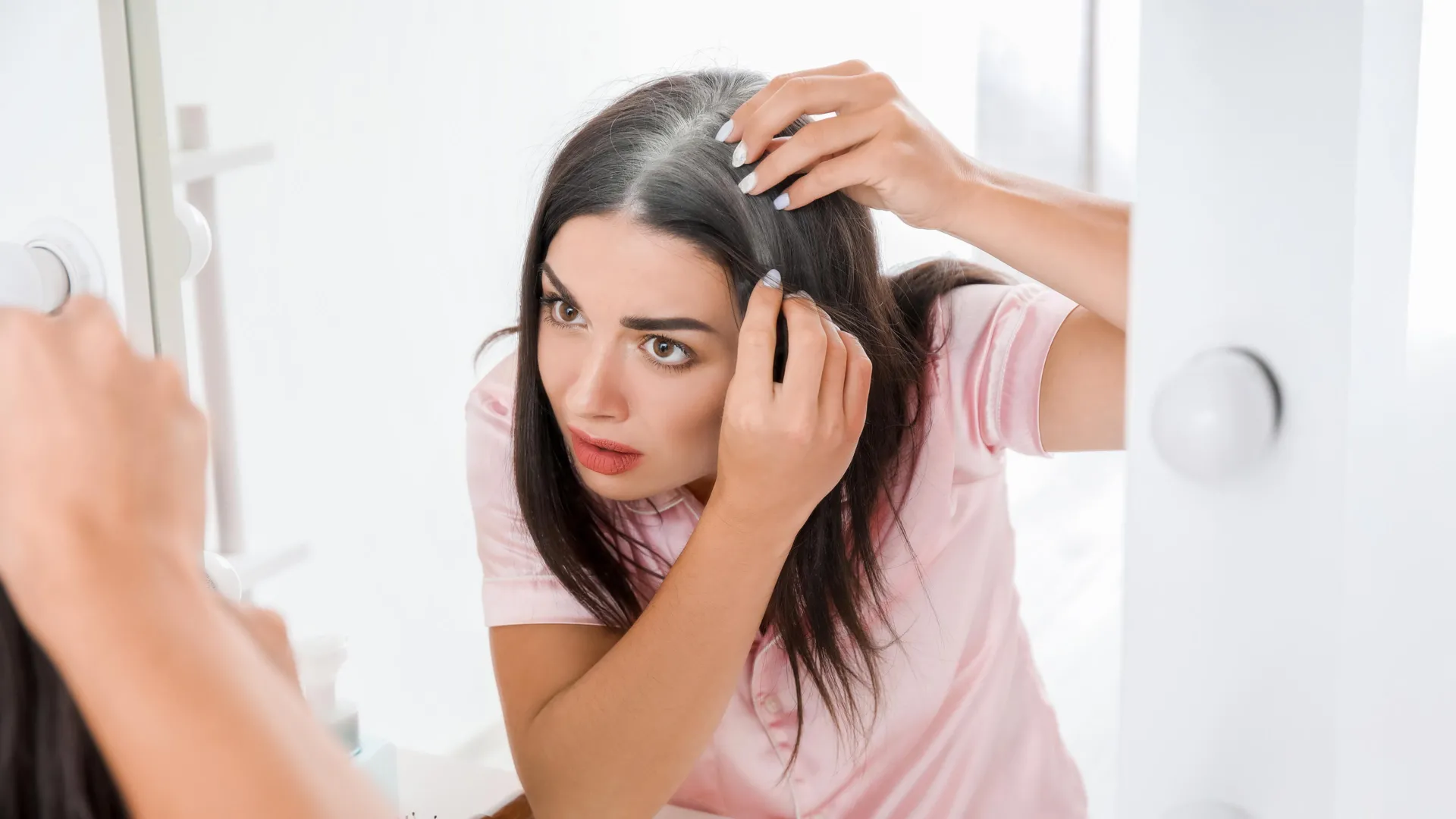
Scientists just found a surprising link between gray hair and cancer

Throughout life, our cells are continually exposed to both internal and external influences that can harm DNA. This DNA damage is a well-known factor in the development of aging and cancer, yet scientists have long struggled to understand the exact link — especially how DNA-damaged stem cells affect tissue health over time.
Melanocyte stem cells (McSCs) are specialized cells that give rise to melanocytes, the pigment-producing cells responsible for the color of our hair and skin. In mammals, these stem cells are found in a region of the hair follicle known as the bulge-sub-bulge area. Here, they exist as immature melanoblasts, ensuring that hair and skin maintain their color through repeated cycles of regeneration.
Discovering How DNA Damage Drives Hair Graying
Published online on October 6, 2025, in Nature Cell Biology, a study led by Professor Emi Nishimura and Assistant Professor Yasuaki Mohri at The University of Tokyo explored how McSCs react to different types of DNA damage. Using long-term lineage tracing and gene expression profiling in mice, the researchers discovered that when McSCs experience DNA double-strand breaks, they undergo a process known as senescence-coupled differentiation (seno-differentiation). In this state, the stem cells permanently mature and are eventually lost, which leads to hair turning gray. The process is controlled by the activation of the p53-p21 signaling pathway.
When McSCs are exposed to certain carcinogens, including 7,12-dimethylbenz(a)anthracene or ultraviolet B radiation, they do not follow the same protective path. Even with DNA damage present, these cells avoid seno-differentiation and continue to renew themselves. They expand clonally instead, aided by KIT ligand signals released from surrounding tissue and the epidermis. These niche-derived signals block the protective differentiation response, pushing the stem cells toward a cancer-prone state.
Opposing Cellular Fates: Graying or Cancer
According to Nishimura, “These findings reveal that the same stem cell population can follow antagonistic fates — exhaustion or expansion — depending on the type of stress and microenvironmental signals.” She adds, “It reframes hair graying and melanoma not as unrelated events, but as divergent outcomes of stem cell stress responses.”
The researchers emphasize that their findings do not imply that developing gray hair prevents cancer. Instead, seno-differentiation appears to serve as a stress-triggered defense mechanism that removes damaged stem cells before they can become harmful. When this safeguard fails or is bypassed, those damaged cells can survive and potentially lead to melanoma.

Linking Aging, Cancer, and Cellular Self-Destruction
By uncovering the molecular pathways that determine whether stem cells undergo protective exhaustion or dangerous expansion, this study connects the biology of tissue aging with cancer formation. It also highlights the value of naturally removing compromised stem cells through “senolysis,” a biological process that helps prevent cancer by sacrificing cells that could otherwise become malignant.
E.K.N. is supported by a JSPS Grant-in-Aid for Scientific Research (S) (25H00439), an AMED CREST Project (JP22gm1710003-JP25gm1710003), an AMED Project for Elucidating and Controlling Mechanisms of Ageing and Longevity (JP17gm5010002-JP21gm5010002), an AMED SCARDA Japan Initiative for World-leading Vaccine Research and Development Centers (JP223fa627001), a JSPS Grant-in-Aid for Scientific Research (A) (20H00532), and a JSPS Grant-in-Aid for Scientific Research on Innovative Areas ‘Stem Cell Aging and Disease’ (26115003), International Joint Research Projects Selected for FY 2025 (No: K25-1185).
Yasuaki Mohri is supported by a JSPS Grant-in-Aid for Young Scientists (18K15114) and a JSPS Grant-in-Aid for Scientific Research (C) (25K10315).
Jun Seita is supported by an AMED Project for Elucidating and Controlling Mechanisms of Ageing and Longevity (JP19gm5010003, JP20gm5010003) and a JSPS Grant-in-Aid for Scientific Research (C) (18K08377).

Read more →