Scientists discover a surprising way to quiet the anxious mind

Roughly one in twenty adults in the United States lives with generalized anxiety disorder (GAD). For those with severe symptoms, daily life can become overwhelming. Many avoid leaving home, struggle to maintain employment, and find it difficult to build meaningful social connections. Unfortunately, traditional medications often provide little relief.
At the University of California, San Francisco (UCSF), neuroscientist Jennifer Mitchell, PhD, is leading research into innovative treatments for conditions such as anxiety, depression, PTSD, impulsivity, stress, and addiction. She believes a new approach could help where standard therapies fall short — and early results are encouraging.
This potential breakthrough treatment? A carefully developed pharmaceutical form of LSD.
What is generalized anxiety disorder?
Generalized anxiety disorder is a persistent and excessive form of anxiety that feels out of proportion to actual events or situations. It interferes with daily functioning, affecting relationships, work, and overall quality of life.
People living with GAD may struggle to focus, make decisions, or remember information, making it difficult to manage responsibilities at work or home. The condition can also lead to fatigue, irritability, and secondary depression. Many individuals hesitate to leave their homes for fear of feeling trapped, embarrassed, or helpless in social or public settings.
How is it different from day-to-day anxiety?
A hallmark of generalized anxiety disorder is that it manifests as physical symptoms. Persistent worry activates the body’s fight-or-flight response, triggering stress hormones that cause physical effects. Patients may have muscle tension and rapid breathing, and report symptoms like headaches and insomnia, ringing in the ears, and cardiovascular, respiratory, and gastrointestinal issues.

How is generalized anxiety disorder treated?
It’s usually treated with medications like Zoloft and Paxil that boost and stabilize the neurotransmitter serotonin, leading to reduced anxiety and enhanced emotional well-being. These medications have been found to reduce symptoms by an average of 1.25 points on the 56-point anxiety scale — insufficient to make significant difference for at least some patients.
Why LSD?
LSD as well as other psychedelics, have tremendous potential to shift mood and emotions when used in a controlled, therapeutic setting. We have seen this in a previous trial of Ecstasy to treat PTSD.
The pharmaceutical formulation of LSD is MM120. Its primary mechanism is to promote neuroplasticity in the brain, potentially altering negative thought patterns. It also increases communication between brain regions that may address the rigid thinking that underlies GAD.
How effective is MM120?
In an earlier phase of the study, published in JAMA, the effects of a single dose of MM120 were evaluated over a 12-week period in approximately 200 participants with moderate-to-severe generalized anxiety disorder. The drug significantly alleviated symptoms, reducing them by five to six points on the anxiety scale in addition to the effects of placebo. That’s quite significant and enough to reclassify moderate generalized anxiety disorder as mild in some cases.

Were there side effects?
Participants were carefully monitored by medical staff during the period after the drug was administered. Side effects were generally mild or moderate and included hallucinations, visual distortions, nausea, and headache. It’s important to note, these were more prevalent using the highest dosage — which we will not be using since it was found to be no more effective. Nausea is a common side effect with psychedelics, but this was reduced by restricting participants to a light breakfast and treating them proactively with an anti-nausea medication.
What challenges do you face recruiting participants for the study?
We are looking for people with moderate-to-severe general anxiety disorder, so typically those with disabling symptoms who are reluctant to leave their home. Ironically, people who would best qualify are least likely to show up. Participants are screened by very skilled clinicians who probe and observe body language and carefully build a rapport. We hope this builds trust and enables participants to be vulnerable and reflective.


Read more →

Scientists say gluten isn’t the problem after all

A major scientific review has found that what many people call “gluten sensitivity” may actually be linked to the way the gut and brain communicate, not to gluten itself. The condition affects around 10 percent of people worldwide, and the new findings could reshape how it is understood, diagnosed, and treated.
Published on October 22 in The Lancet, the comprehensive review analyzed existing studies on non-celiac gluten sensitivity (NCGS). Researchers aimed to clarify why people experience symptoms after eating foods that contain gluten even though they do not have celiac disease. Symptoms such as bloating, abdominal pain, and fatigue are common among those who report gluten sensitivity.
Most Symptoms Aren’t Caused by Gluten
Associate Professor Jessica Biesiekierski from the University of Melbourne, who led the study, explained that the results challenge long-held assumptions about the condition.
“Contrary to popular belief, most people with NCGS aren’t reacting to gluten,” she said. “Our findings show that symptoms are more often triggered by fermentable carbohydrates, commonly known as FODMAPs, by other wheat components or by people’s expectations and prior experiences with food.”
When researchers compared reactions in carefully controlled studies, they found that only a small number of people showed genuine gluten responses. Overall, reactions were no different from those caused by a placebo.
A New Definition for Gluten Sensitivity
According to Biesiekierski, recent evidence shows that people with irritable bowel syndrome (IBS) who think they are gluten-sensitive often react in similar ways to gluten, wheat, and placebo. “This suggests that how people anticipate and interpret gut sensations can strongly influence their symptoms,” she said.

Taken together, the findings indicate that NCGS is part of a broader gut-brain interaction spectrum, more closely related to conditions like IBS than to a gluten disorder.
Implications for Public Health and Treatment
The research team, which included scientists from Australia, The Netherlands, Italy, and the United Kingdom, said the results have important consequences for how gut-related symptoms are managed. They may influence not only medical diagnosis and dietary advice but also future public health messaging.
“Millions of people around the world avoid gluten believing it harms their gut, often after experiencing real symptoms that range from mild discomfort to severe distress,” Biesiekierski said. “Improving our scientific and clinical understanding of a condition affecting up to 15 percent of the global population is incredibly important.”
Toward More Accurate Diagnosis and Personalized Care
Associate Professor Jason Tye-Din, Director of the Snow Centre for Immune Health and a gastroenterologist at the Royal Melbourne Hospital, said the updated understanding will help clinicians better identify and treat people with NCGS.

“Distinguishing NCGS from related gut conditions is essential for clinicians to offer accurate diagnosis and individualised care, as well as treating underlying drivers,” he said. “This review supports a more personalized, evidence-based approach to gut health and avoids unnecessary dietary restriction.”
Rethinking Gluten Messaging
Biesiekierski added that successful management of NCGS should combine dietary changes with psychological support while maintaining proper nutrition.
“We would like to see public health messaging shift away from the narrative that gluten is inherently harmful, as this research shows that this often isn’t the case,” she said. “These findings additionally call for better diagnostic tools, more rigorous clinical pathways and research funding in this field, as well as improved public education and food labeling.”

Read more →

ChatGPT shares data on how many users exhibit psychosis or suicidal thoughts

OpenAI has released new estimates of the number of ChatGPT users who exhibit possible signs of mental health emergencies, including mania, psychosis or suicidal thoughts.The company said that around 0.07% of ChatGPT users active in a given week exhibited such signs, adding that its artificial intelligence (AI) chatbot recognizes and responds to these sensitive conversations.While OpenAI maintains these cases are “extremely rare,” critics said even a small percentage may amount to hundreds of thousands of people, as ChatGPT recently reached 800 million weekly active users, per boss Sam Altman.As scrutiny mounts, the company said it built a network of experts around the world to advise it.Those experts include more than 170 psychiatrists, psychologists, and primary care physicians who have practiced in 60 countries, the company said.They have devised a series of responses in ChatGPT to encourage users to seek help in the real world, according to OpenAI.But the glimpse at the company’s data raised eyebrows among some mental health professionals.”Even though 0.07% sounds like a small percentage, at a population level with hundreds of millions of users, that actually can be quite a few people,” said Dr. Jason Nagata, a professor who studies technology use among young adults at the University of California, San Francisco.”AI can broaden access to mental health support, and in some ways support mental health, but we have to be aware of the limitations,” Dr. Nagata added.The company also estimates 0.15% of ChatGPT users have conversations that include “explicit indicators of potential suicidal planning or intent.”OpenAI said recent updates to its chatbot are designed to “respond safely and empathetically to potential signs of delusion or mania” and note “indirect signals of potential self-harm or suicide risk.”ChatGPT has also been trained to reroute sensitive conversations “originating from other models to safer models” by opening in a new window.In response to questions by the BBC on criticism about the numbers of people potentially affected, OpenAI said that this small percentage of users amounts to a meaningful amount of people and noted they are taking changes seriously. The changes come as OpenAI faces mounting legal scrutiny over the way ChatGPT interacts with users.In one of the most high-profile lawsuits recently filed against OpenAI, a California couple sued the company over the death of their teenage son alleging that ChatGPT encouraged him to take his own life in April.The lawsuit was filed by the parents of 16-year-old Adam Raine and was the first legal action accusing OpenAI of wrongful death.In a separate case, the suspect in a murder-suicide that took place in August in Greenwich, Connecticut posted hours of his conversations with ChatGPT, which appear to have fuelled the alleged perpetrator’s delusions.More users struggle with AI psychosis as “chatbots create the illusion of reality,” said Professor Robin Feldman, Director of the AI Law & Innovation Institute at the University of California Law. “It is a powerful illusion.”She said OpenAI deserved credit for “sharing statistics and for efforts to improve the problem” but added: “the company can put all kinds of warnings on the screen but a person who is mentally at risk may not be able to heed those warnings.”

Read more →

Skip short strolls – a longer daily walk is better for your heart, says study

One longer walk a day is better for your heart than lots of short strolls, especially if you don’t exercise much, according to new research published in Annals of Internal Medicine. Walking for at least 15 minutes without stopping is ideal, it says. That’s about 1,500 steps in a row, which gives your heart a good workout. Many people aim for 10,000 steps a day, but that number came from a Japanese pedometer advertisement – not science. Still, experts agree more steps are generally better for your health.The study looked at 33,560 adults aged 40–79 in the UK who walked fewer than 8,000 steps a day.They were grouped by how long their walks were (measured with a step-counter over a week):less than 5 minutes (43%)5 to 10 minutes (33.5%)10 to 15 minutes (15.5%)15 minutes or more (8%)The researchers, from the University of Sydney and the Universidad Europea in Spain, tracked their health over eight years. People who walked in longer stretches had a lower risk of heart problems than those who walked in short bursts.Even among the least active – those walking under 5,000 steps a day – longer walks made a big difference. Their risk of heart disease and death dropped significantly.Whether that’s because they were fitter to begin with isn’t fully clear from the study, but the researchers did try to control for this by taking into account factors like whether the person smoked, was obese or had high cholesterol. The researchers say how you walk matters – not just how much. Walking for longer at a time, even if you don’t walk much overall, appears to help your heart.Simple changes, like setting aside time for a longer walk, could make a big difference, they suggest.Co-lead researcher Prof Emmanuel Stamatakis said: “We tend to place all the emphasis on the number of steps or the total amount of walking but neglect the crucial role of patterns, for example ‘how’ walking is done.”This study shows that even people who are very physically inactive can maximise their heart health benefit by tweaking their walking patterns to walk for longer at a time, ideally for at least 10-15 minutes, when possible.”Prof Kevin McConway, emeritus professor of applied statistics at the Open University, said while the study shows a link between walking and better heart health, it doesn’t prove that walking directly causes the improvement.The NHS recommends 150 minutes of moderate activity a week, like brisk walking, ideally spread out evenly across the week. Older adults over 65 should try to move every day, even if it’s just light activity around the house, the advice says.Emily McGrath, senior cardiac nurse at the British Heart Foundation, said: “Exercise helps everyone live a happier and healthier life. If you have heart and circulatory disease, it can help you manage your condition and make you feel better overall.”You may find it hard to be more active at first, but as time goes on it’ll get easier as your body gets used to the activity. You may only notice small improvements at first, but it all adds up and counts towards keeping your heart healthy.”If you are walking or cycling at night or in low light conditions, wear reflective clothing or use a flashlight or headlamp to increase your visibility to other road users.Stay alert and be aware of your surroundings.Use designated lanes or paths, if available. Always cross at designated crossing points where road traffic is more likely to see and expect you to be crossing the road.

Read more →

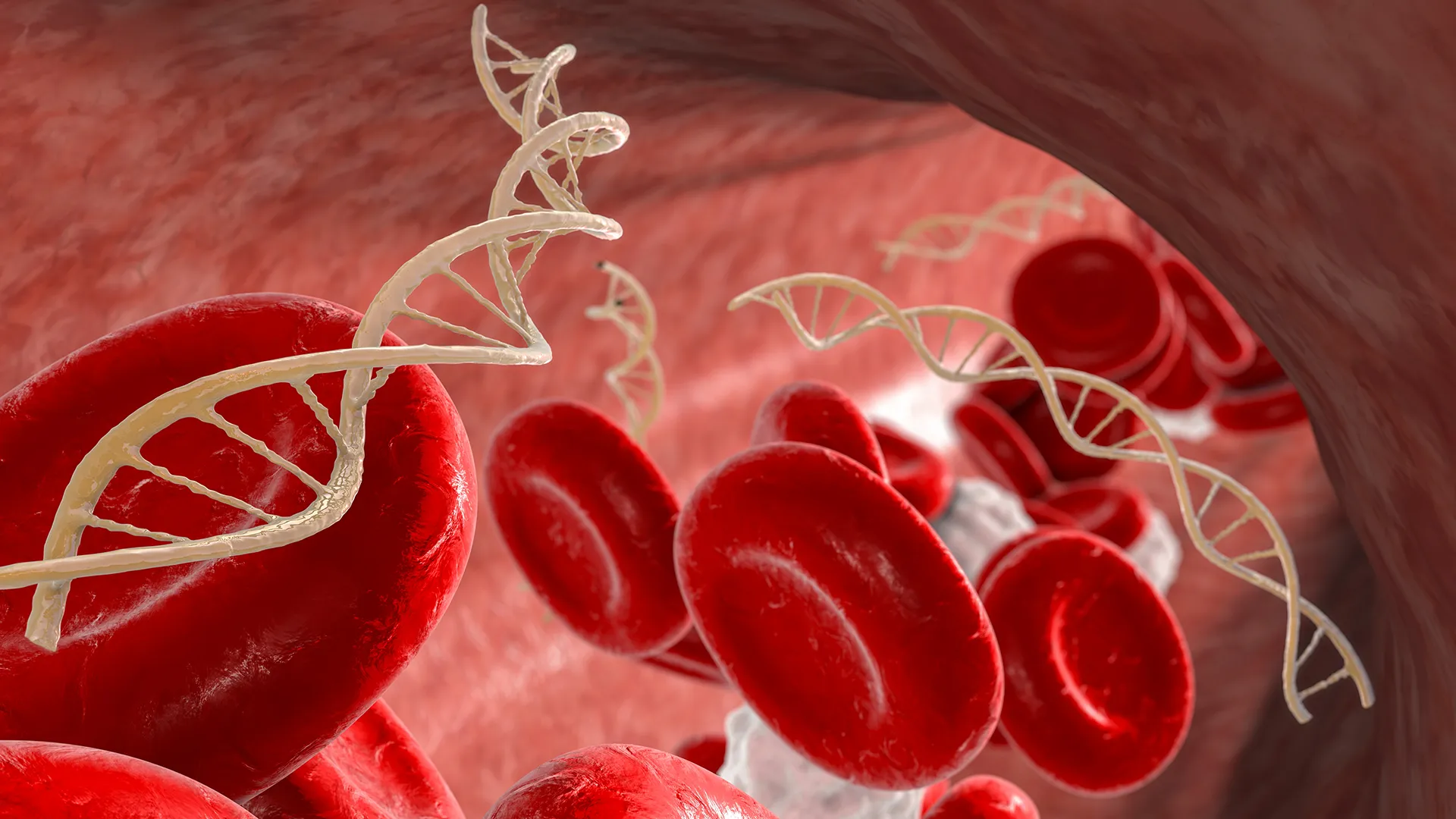
Scientists turn “junk DNA” into a powerful weapon against cancer

Researchers at King’s College London have discovered a promising new approach to treating certain blood cancers by using existing drugs in an unexpected way. Their work shows that a long-overlooked part of human DNA, once dismissed as “junk,” can actually be used as a therapeutic target.
Damaged Genes and Uncontrolled Cell Growth
The study, published in Blood, focused on two blood cancers: myelodysplastic syndrome (MDS) and chronic lymphocytic leukemia (CLL). These diseases often involve mutations in two key genes, ASXL1 and EZH2. Normally, these genes help regulate which other genes are active or inactive, maintaining proper cell function. When ASXL1 and EZH2 are damaged, this control breaks down, leading to unchecked cell production and cancer development.
Traditional cancer therapies work by blocking harmful proteins that faulty genes produce. However, when a mutation stops a gene from making any protein at all, there is nothing for the drugs to target. This leaves patients with limited treatment options and a poorer prognosis.
The Surprising Role of “Junk DNA”
Nearly half of our DNA consists of repetitive sequences known as transposable elements (TEs). These mobile pieces of DNA were once considered useless. The King’s researchers found that when ASXL1 and EZH2 are mutated, TEs become abnormally active. This heightened activity puts the cancer cells under stress and causes DNA damage — creating a weakness that can be exploited with the right drugs.
Drugs called PARP inhibitors, already used to treat other types of cancer, are designed to prevent cells from repairing damaged DNA. In this study, the researchers discovered that these drugs work in a different way when TEs are active. As TEs move within the genome, they create DNA breaks. Normally, PARP proteins help repair this damage. When PARP inhibitors block that repair process, the DNA damage accumulates until the cancer cells die.

To verify that this effect truly depended on TE activity, the researchers used reverse transcriptase inhibitors, which stop TEs from copying themselves. When these inhibitors were added, the PARP drugs lost their cancer-killing effect. This proved that the treatment worked through a unique TE-based mechanism rather than the usual BRCA-related pathway seen in other cancers.
Turning “Junk DNA” Into a Powerful Ally
“This discovery offers new hope for patients with hard-to-treat cancers, by using existing drugs in a completely new way, turning what was once thought to be useless DNA into a powerful target for treatment,” said Professor Chi Wai Eric So of King’s College London.
Although the study centered on blood cancers such as MDS and CLL, the researchers believe the same principle could apply to other cancers with similar gene mutations. If confirmed, this strategy could extend the use of PARP inhibitors to a wider range of cancers, opening new paths for treatment and giving patients more options for therapy.

Read more →

Mpox cases in Europe prompt vaccine reminder

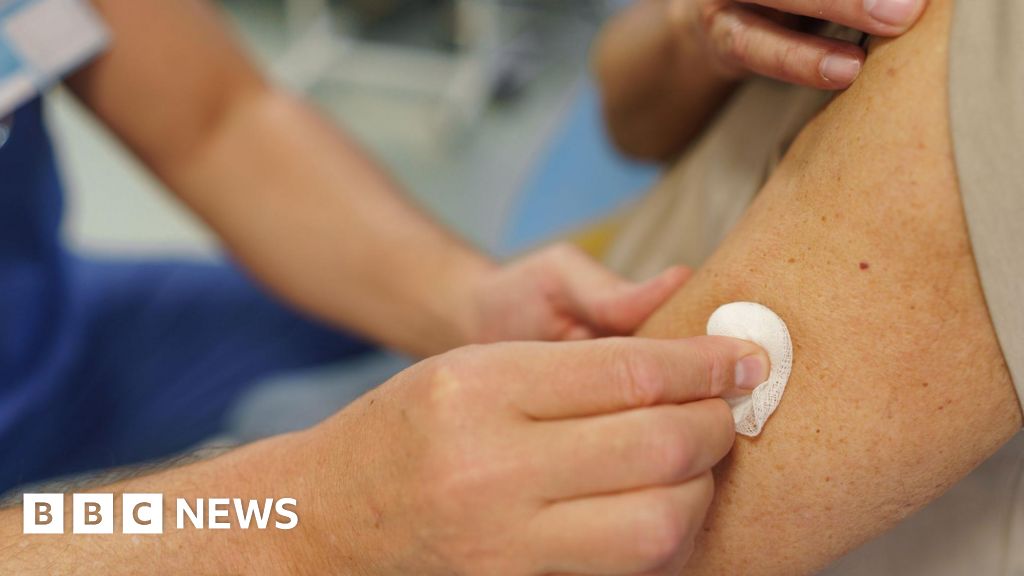
UK health officials are encouraging gay, bisexual and other men who have sex with men to make sure they are vaccinated against mpox, as a strain called ‘clade Ib’ shows early signs of local spread in some European countries.The UK Health Security Agency (UKHSA) says it is aware of small numbers of cases of this strain of mpox – formerly known as monkeypox – in Spain, Italy, Portugal and the Netherlands, as well as the US.Mpox is usually a mild infection but it can be severe and getting vaccinated is the best protection, the UKHSA says.Charities also urged vaccination before travelling to Winter Pride events in Europe this autumn.”The ways in which we are seeing mpox continue to spread globally is a reminder to come forward for the vaccine, if you are eligible,” said Dr Katy Sinka, head of sexually transmitted infections at UKHSA.In the UK, there is a routine mpox vaccination programme already in place for gay, bisexual and other men who have sex with men.The vaccine is recommended if you’re at higher risk of getting mpox.This is mainly men who have sex with men, and those who:have multiple sexual partnershave group sexvisit sex-on-premises venuesThe mpox vaccine is also recommended for people who work at sex-on-premises venues, such as cleaning staff and anyone who has had or will have close contact with someone who has mpox, the NHS website says.Although the vaccine hasn’t been tested against clade Ib mpox, it is known to be effective in protecting against another strain called clade II.As a result, health officials says vaccine protection is expected.Vaccination is now available from sexual health services. NHS advice is to call a sexual health clinic about the mpox vaccine before going along.Common symptoms of mpox include a skin rash or lesions filled with pus, which can last from two to four weeks.Mpox can also cause a fever, headaches, muscle aches, back pain, tiredness and swollen lymph nodes.It’s a virus that spreads from person to person through close physical contact, coughs or sneezes and touching infected clothing, bedding or towels.In 2022, there was a global outbreak of clade II mpox which affected many countries worldwide and particularly gay, bisexual and other men who have sex with men (GBMSM).To date, there have been 16 cases of mpox clade Ib in the UK – all in England. But no evidence of spread within the GBMSM community. All cases have had direct or indirect links to travel to countries where that strain is circulating.Spain reported its first locally-acquired cases earlier this month, and another four cases were reported to the European Centre for Disease Prevention and Control (ECDC) among men in Italy, Portugal and the Netherlands. All five had mild symptoms. The ECDC says the cases had no travel history, which suggests “a different pattern of transmission” and indicates “that transmission may be occurring in sexual networks among men who have sex with men in several EU/EEA countries”. Previously reported clade I mpox cases in Europe – around 30 – were all imported or had clear links to these imported cases.Richard Angell OBE, chief executive of the Terrence Higgins Trust, said: “With Winter Pride season soon upon us across Europe, those travelling to these events would be wise to get vaccinated, at least once, if not twice.”Most people will be offered two doses, usually at least 28 days apart.

Read more →

Cavities and gum disease could nearly double stroke risk

People with both gum disease and cavities faced an 86% greater chance of having a stroke compared to those with healthy mouths. Poor oral health was also tied to a 36% higher likelihood of heart attacks and other cardiovascular problems. Individuals who visited the dentist regularly were 81% less likely to have both gum disease and cavities. Researchers say better oral care could be a simple yet often overlooked way to help reduce stroke risk.Oral Health Problems Tied to Higher Stroke RiskPeople who have both cavities and gum disease may be more likely to experience an ischemic stroke, according to research published on October 22, 2025, in Neurology Open Access, the official journal of the American Academy of Neurology. The researchers emphasized that the study shows a link rather than direct cause and effect.
Ischemic strokes occur when a blood clot or blockage restricts oxygen and nutrient flow to the brain. They are the most common form of stroke.
Cavities form when bacteria erode tooth enamel, often due to sugary or starchy foods, inadequate brushing, or genetic factors. Gum disease, also known as periodontal disease, is a chronic inflammation or infection of the gums and the bone that supports the teeth. Left untreated, it can lead to tooth loss.
“We found that people with both cavities and gum disease had almost twice the risk of stroke when compared to people with good oral health, even after controlling for cardiovascular risk factors,” said study author Souvik Sen, MD, MS, MPH, of the University of South Carolina in Columbia. “These findings suggest that improving oral health may be an important part of stroke prevention efforts.”
Long-Term Study Tracks Thousands Over Two Decades
The study followed 5,986 adults with an average age of 63, none of whom had experienced a stroke at the start. Each participant underwent dental exams to determine whether they had gum disease, cavities, or both. Based on these findings, they were grouped into three categories: healthy mouth, gum disease only, and gum disease with cavities.

Participants were monitored for 20 years through phone interviews and medical record reviews to identify who later suffered a stroke.
Among 1,640 participants with healthy mouths, 4% had a stroke. In comparison, 7% of those with gum disease alone and 10% of those with both gum disease and cavities experienced a stroke.
Stroke and Heart Disease Risk Rise With Poor Oral Health
After accounting for variables such as age, body mass index, and smoking, the researchers found that people with both gum disease and cavities had an 86% greater risk of stroke than those with healthy mouths. Those with gum disease alone had a 44% higher risk.
Looking beyond strokes, the researchers also discovered that people with both gum disease and cavities faced a 36% higher risk of major cardiovascular events, including heart attacks, fatal heart disease, or stroke.
Routine dental visits appeared to make a major difference. Participants who went to the dentist regularly were 81% less likely to have both gum disease and cavities and had 29% lower odds of having gum disease alone.

“This study reinforces the idea that taking care of your teeth and gums isn’t just about your smile; it could help protect your brain,” said Sen. “People with signs of gum disease or cavities should seek treatment not just to preserve their teeth, but potentially to reduce stroke risk.”
Limitations and Future Research
One limitation of the study is that researchers assessed participants’ oral health only once, at the beginning of the study. This means changes in dental health over time were not measured. The authors also noted that other, unaccounted-for health or lifestyle factors may have influenced the results.
Still, the findings add to growing evidence that oral health and brain health are more closely connected than once thought.

Read more →

Diphtheria, a Once Vanquished Killer of Children, Is Resurgent

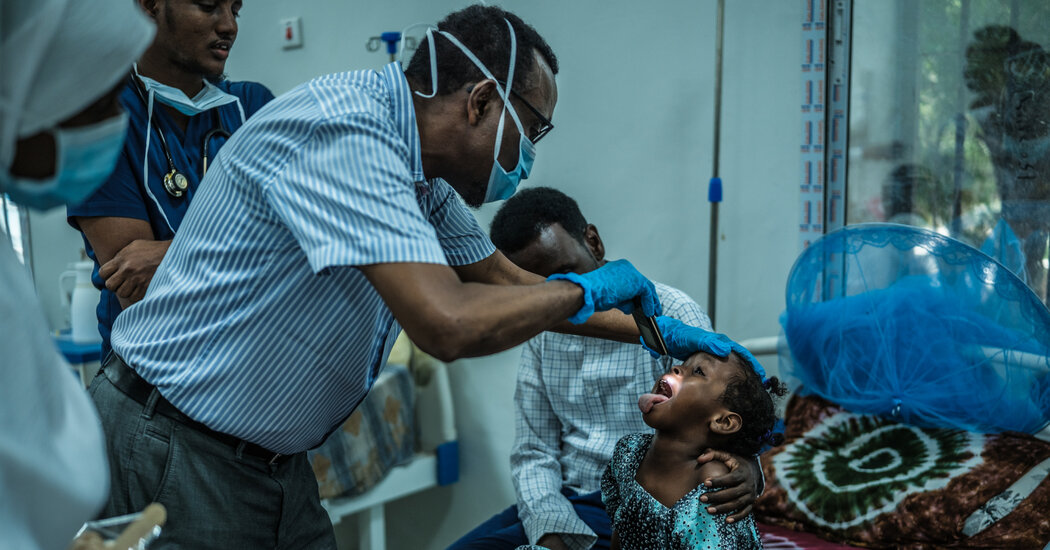
A Somali hospital ward packed with gasping children shows how war, climate and mistrust of vaccines is fueling the disease’s return.Qurraisha Mukhtar’s two youngest children fell sick in early September, with a fever, cough and short gasping breaths. Their throats turned white, their necks swelled. She asked a healer in the neighborhood for a remedy, but 1-year-old Salman’s struggle for air grew much worse one night and he died. The next day, Hassan, 2, began to choke, and he died, too.Ms. Mukhtar, who lives with her family in a stick-and-tin shack on the edge of Mogadishu, the capital of Somalia, could not sit and grieve, because two more of her children began to show signs of the same illness. She and her husband appealed to friends and relatives and scraped together the money to take them to a hospital in a three-wheeled taxi.At Demartino Hospital in the center of the city, she was directed to a new building erected during the first year of the Covid-19 pandemic. These days, it has been repurposed to respond to an old foe: diphtheria, a horrific and vaccine-preventable disease, which is infecting thousands of children and some adults too.Diphtheria is caused by a bacteria that produces a powerful toxin that kills cells, usually in the throat and tonsils, creating a thick, gray membrane of dead tissue that can grow large enough to block the airway and cause suffocation. It is particularly dangerous in young children with small airways. If caught early, it can be treated effectively with antibiotics, but if not, cases can swiftly turn fatal.It is among the diseases that were relics of prevaccine days but have resurged in recent years, with mass displacement driven by climate change and war. The disruptions in routine immunization that came with Covid and its stress on global health systems, and the rise in vaccine hesitancy, have fueled their spread.Qureisha Mukhtar sits with one of her surviving children in the diphtheria ward.Brian Otieno for The New York TimesWe are having trouble retrieving the article content.Please enable JavaScript in your browser settings.Thank you for your patience while we verify access. If you are in Reader mode please exit and log into your Times account, or subscribe for all of The Times.Thank you for your patience while we verify access.Already a subscriber? Log in.Want all of The Times? Subscribe.

Read more →

Scientists turn flower fragrance into a mosquito killer

To combat mosquito-borne illnesses that claim hundreds of thousands of lives each year, scientists have enlisted an unexpected partner: a fungus that gives off a floral scent.
By exploiting mosquitoes’ attraction to flowers, an international team of researchers engineered a new strain of Metarhizium fungus that releases a sweet aroma similar to real blooms. The modified fungus draws in the insects and infects them, ultimately killing them.
The scientists were inspired by natural fungi that emit a pleasant chemical known as longifolene, which they discovered could attract mosquitoes. Building on that idea, they created a fungus that acts like a lethal perfume for the pests, offering a promising tool against malaria, dengue, and other deadly diseases that are becoming increasingly resistant to chemical pesticides. Their findings were published in Nature Microbiology on October 24, 2025.
How the “Perfumed” Fungus Works
“Mosquitoes need flowers because they provide nectar, a crucial source of food for them, and they are drawn to flowers through their scents,” explained paper co-author Raymond St. Leger, a Distinguished University Professor of Entomology at the University of Maryland. “After observing that some types of fungi could trick mosquitoes into thinking they were flowers, we realized we could turbo-charge the attraction by engineering fungi to produce more longifolene, a sweet-smelling compound that’s already very common in nature. Before this study, longifolene wasn’t known to attract mosquitoes. We’re letting nature give us a hint to tell us what works against mosquitoes.”
According to St. Leger, the floral-scented fungus provides an easy and accessible method for controlling mosquito populations. The spores can simply be placed in containers indoors or outdoors, where they gradually release longifolene over several months. When mosquitoes come into contact with the fungus, they become infected and die within a few days. In laboratory tests, the fungus wiped out 90 to 100% of mosquitoes, even in environments filled with competing scents from people and real flowers. Despite its potency, the fungus is completely harmless to humans.
Safe, Targeted, and Environmentally Friendly
“The fungus is completely harmless to humans as longifolene is already commonly used in perfumes and has a long safety record,” St. Leger said. “This makes it much safer than many chemical pesticides. We’ve also designed the fungus and its containers to target mosquitoes specifically rather than any other insects and longifolene breaks down naturally in the environment.”

In addition, unlike chemical alternatives that mosquitoes have gradually become resistant to, this biological approach may be nearly impossible for mosquitoes to outsmart or avoid.
“If mosquitoes evolve to avoid longifolene, that could mean they’ll stop responding to flowers,” St. Leger explained. “But they need flowers as a food source to survive, so it would be very interesting to see how they could possibly avoid the fungus yet still be attracted to the flowers they need. It’ll be very difficult for them to overcome that hurdle, and we have the option of engineering the fungus to produce additional floral odors if they evolve to specifically avoid longifolene.”
Affordable and Scalable Global Potential
What also makes this new fungal technology particularly promising is how practical and affordable it is to produce. Other forms of Metarhizium are already commonly cultivated around the world on cheap materials like chicken droppings, rice husks and wheat scraps that are readily available after harvest. The affordability and simplicity of the fungus could be key to reducing mosquito disease-related deaths in many parts of the world, especially in poorer countries in the global south.
Finding effective new weapons against mosquitoes could be more important than ever. St. Leger warns that in the future, mosquito-borne diseases currently limited to tropical regions could threaten new targets, including the United States. With rising global temperatures and the growing unpredictability of weather, disease-carrying mosquitoes have begun to spread to new areas beyond their usual habitats.
“Mosquitoes love many of the ways we are changing our world,” St. Leger said. “Right now, we’re hoping to use these approaches in Africa, Asia and South America. But one day, we may need them for ourselves.”
Next Steps in the Fight Against Mosquito-Borne Disease

St. Leger and his colleagues are now testing the fungus in larger outdoor trials to prepare it for regulatory review.
“It’s not as if you’re going to necessarily find a silver bullet to control mosquitoes everywhere, but we’re trying to develop a very diverse and flexible set of tools that people in different parts of the world can use and choose from,” St. Leger said. “Different people will find different approaches work best for their particular situation and the particular mosquitoes they’re dealing with. In the end, our goal is to give people as many options as possible to save lives.”

Read more →

Life expectancy gains have slowed sharply, study finds

A new international analysis led by a University of Wisconsin-Madison professor reveals that the remarkable gains in life expectancy seen across wealthy nations during the early 20th century have slowed dramatically. The findings indicate that no generation born after 1939 is expected to reach an average age of 100.
Researchers Track a Century of Longevity Data
The study, published in the Proceedings of the National Academy of Sciences, was conducted by Héctor Pifarré i Arolas of the La Follette School of Public Affairs, José Andrade of the Max Planck Institute for Demographic Research, and Carlo Giovanni Camarda of the Institut national d’études démographiques. Drawing from the Human Mortality Database, the researchers examined data from 23 high-income, low-mortality countries using six independent methods to forecast mortality trends.
According to Pifarré i Arolas, “The unprecedented increase in life expectancy we achieved in the first half of the 20th century appears to be a phenomenon we are unlikely to achieve again in the foreseeable future. In the absence of any major breakthroughs that significantly extend human life, life expectancy would still not match the rapid increases seen in the early 20th century even if adult survival improved twice as fast as we predict.”
A Century of Uneven Gains
Between 1900 and 1938, life expectancy in wealthy nations rose by roughly five and a half months per generation. Someone born in 1900 could expect to live an average of 62 years, while a person born in 1938 could expect to reach about 80 years — a dramatic improvement over just a few decades.
For generations born between 1939 and 2000, however, progress slowed to around two and a half to three and a half months per generation, depending on the statistical model used. Mortality forecasting models — analytical tools that predict future lifespans using past and present mortality data — allowed the researchers to project multiple possible futures for human longevity.

“We forecast that those born in 1980 will not live to be 100 on average, and none of the cohorts in our study will reach this milestone. This decline is largely due to the fact that past surges in longevity were driven by remarkable improvements in survival at very young ages,” according to corresponding author Andrade.
In the early 20th century, rapid declines in infant mortality — brought about by medical innovation, improved sanitation, and higher living standards — significantly boosted average life expectancy. Today, infant and child mortality rates in high-income countries are already extremely low, meaning future gains must come from improved survival at older ages. The study concludes that such advances are unlikely to match the explosive pace of progress achieved a century ago.
Implications for Policy, Healthcare, and Planning
Although forecasts can never be fully certain, the authors emphasize that their results provide essential insights for policymakers preparing for the future. Unexpected developments such as new pandemics, medical breakthroughs, or major societal shifts could alter these trends, but current evidence suggests a long-term slowdown.
This slowdown has consequences that go beyond national statistics. While the study focuses on populations rather than individuals, slower life expectancy growth may influence how people approach saving, retirement, and long-term care. As Pifarré i Arolas and his colleagues suggest, both governments and individuals may need to adjust their expectations and plans for the decades ahead.

Read more →