Why women live longer than men, explained by evolution

Mammals vs. birds: Of the 1,176 species analyzed, female mammals lived an average of 13 percent longer than males. In contrast, among birds, males lived about five percent longer than females. Mating strategies matter: In species where competition for mates is intense — as is true for most mammals — males tend to die younger. In species that form monogamous pairs, such as many birds, males often outlive females. Zoo comparisons: The gap between male and female lifespans is greater in wild populations than in zoo environments. This pattern indicates that both genetics and external conditions influence how long each sex lives.Across nearly every country and historical era, women tend to live longer than men. While medical advances and improved living standards have reduced this gap in some places, new findings suggest the difference is deeply rooted in evolution and unlikely to vanish. Similar patterns appear across many animal species, hinting that the roots of longevity go far beyond modern life.A team of scientists led by the Max Planck Institute for Evolutionary Anthropology in Leipzig, working with 15 collaborators around the world, carried out the largest and most detailed analysis ever of lifespan differences between male and female mammals and birds. Their results offer fresh insight into one of biology’s most enduring questions: why do the sexes age at different rates?
Longevity: A question of chromosomes?
In most mammal species, females live longer — for example, female baboons and gorillas often surpass males in age. But this pattern reverses in other groups. In many birds, reptiles, and insects, it is the males that have longer lifespans. One possible explanation, known as the heterogametic sex hypothesis, links these differences to sex chromosomes. Mammalian females possess two X chromosomes, while males have one X and one Y (making them the heterogametic sex). Having a pair of X chromosomes may shield females from harmful mutations and extend their lifespan. In birds, the system is reversed: females are the heterogametic sex.
Using data from more than 1,176 mammal and bird species in zoos around the world, researchers observed a striking contrast that supported this hypothesis. In most mammals (72 percent), females lived longer, by an average of twelve percent. In most bird species (68 percent), males were the longer-lived sex, averaging five percent longer lifespans. Yet the pattern was far from universal. “Some species showed the opposite of the expected pattern,” explained lead author Johanna Stärk. “For example, in many birds of prey, females are both larger and longer-lived than males. So sex chromosomes can only be part of the story.”
How mating and parenting shape longevity
In addition to genetics, reproductive strategies also play a role. Through sexual selection, males in particular develop conspicuous characteristics such as colorful plumage, weapons, or large body size, which increase reproductive success but can shorten lifespan. The new study supports this assumption: In polygamous mammals with strong competition, males generally die earlier than females. Many birds, on the other hand, are monogamous, which means that competitive pressure is lower and males often live longer. Overall, the differences were smallest in monogamous species, while polygamy and pronounced size differences were associated with a more pronounced advantage for females.

Parental care also plays a role. The researchers found evidence that the sex that invests more in raising offspring — in mammals, this is often the females — tends to live longer. In long-lived species such as primates, this is likely to be a selective advantage: females survive until their offspring are independent or sexually mature.
Zoo life reduces — but does not erase — lifespan gaps
A long-held idea suggests that environmental pressures, such as predators, disease, and harsh weather, drive differences in male and female lifespan. To test this, the scientists turned to zoo populations, where such risks are minimal. Even in these safe conditions, lifespan gaps persisted. Comparing zoo and wild data showed that while the differences were smaller in captivity, they rarely disappeared altogether. This pattern mirrors the human experience: better healthcare and living conditions may shrink the gap between men and women, but do not erase it.
Taken together, the findings indicate that lifespan differences between males and females are deeply embedded in evolution. They are shaped by sexual selection, parental care, and genetic factors linked to sex determination. The environment influences how large these gaps become but cannot remove them entirely. These contrasts between the sexes are not simply a product of circumstance — they are woven into our evolutionary past and are likely to persist far into the future.


Read more →

A revolutionary DNA search engine is speeding up genetic discovery

Rare genetic diseases can now be detected in patients, and tumor-specific mutations identified — a milestone made possible by DNA sequencing, which transformed biomedical research decades ago. In recent years, the introduction of new sequencing technologies (next-generation sequencing) has driven a wave of breakthroughs. During 2020 and 2021, for instance, these methods enabled the rapid decoding and worldwide monitoring of the SARS-CoV-2 genome.
At the same time, an increasing number of researchers are making their sequencing results publicly accessible. This has led to an explosion of data, stored in major databases such as the American SRA (Sequence Read Archive) and the European ENA (European Nucleotide Archive). Together, these archives now hold about 100 petabytes of information — roughly equivalent to the total amount of text found across the entire internet, with a single petabyte equaling one million gigabytes.
Until now, biomedical scientists needed enormous computing resources to search through these vast genetic repositories and compare them with their own data, making comprehensive searches nearly impossible. Researchers at ETH Zurich have now developed a way to overcome that limitation.
Full-text search instead of downloading entire data sets
The team created a tool called MetaGraph, which dramatically streamlines and accelerates the process. Instead of downloading entire datasets, MetaGraph enables direct searches within the raw DNA or RNA data — much like using an internet search engine. Scientists simply enter a genetic sequence of interest into a search field and, within seconds or minutes depending on the query, can see where that sequence appears in global databases.
“It’s a kind of Google for DNA,” explains Professor Gunnar Rätsch, a data scientist in ETH Zurich’s Department of Computer Science. Previously, researchers could only search for descriptive metadata and then had to download the full datasets to access raw sequences. That approach was slow, incomplete, and expensive.
According to the study authors, MetaGraph is also remarkably cost-efficient. Representing all publicly available biological sequences would require only a few computer hard drives, and large queries would cost no more than about 0.74 dollars per megabase.

Because the new DNA search engine is both fast and accurate, it could significantly accelerate research — particularly in identifying emerging pathogens or analyzing genetic factors linked to antibiotic resistance. The system may even help locate beneficial viruses that destroy harmful bacteria (bacteriophages) hidden within these massive databases.
Compression by a factor of 300
In their study published on October 8 in Nature, the ETH team demonstrated how MetaGraph works. The tool organizes and compresses genetic data using advanced mathematical graphs that structure information more efficiently, similar to how spreadsheet software arranges values. “Mathematically speaking, it is a huge matrix with millions of columns and trillions of rows,” Rätsch explains.
Creating indexes to make large datasets searchable is a familiar concept in computer science, but the ETH approach stands out for how it connects raw data with metadata while achieving an extraordinary compression rate of about 300 times. This reduction works much like summarizing a book — it removes redundancies while preserving the essential narrative and relationships, retaining all relevant information in a much smaller form.
“We are pushing the limits of what is possible in order to keep the data sets as compact as possible without losing necessary information,” says Dr. André Kahles, who, like Rätsch, is a member of the Biomedical Informatics Group at ETH Zurich. By contrast with other DNA search masks currently being researched, the ETH researchers’ approach is scalable. This means that the larger the amount of data queried, the less additional computing power the tool requires.
Half of the data is already available now
First introduced in 2020, MetaGraph has been steadily refined. The tool is now publicly accessible for searches (https://metagraph.ethz.ch/search) and already indexes millions of DNA, RNA, and protein sequences from viruses, bacteria, fungi, plants, animals, and humans. Currently, nearly half of all available global sequence datasets are included, with the remainder expected to follow by the end of the year. Since MetaGraph is open source, it could also attract interest from pharmaceutical companies managing large volumes of internal research data.
Kahles even believes it is possible that the DNA search engine will one day be used by private individuals: “In the early days, even Google didn’t know exactly what a search engine was good for. If the rapid development in DNA sequencing continues, it may become commonplace to identify your balcony plants more precisely.”

Read more →

Surprising study finds processed fats may not harm heart health

Two types of processed hard fats commonly found in foods like baked goods, margarines, and spreads appear to have little impact on heart health when eaten in realistic amounts.
Researchers from King’s College London and Maastricht University conducted the investigation, which was published in the American Journal of Clinical Nutrition. The study focused on interesterified (IE) fats that are high in either palmitic acid (sourced from palm oil) or stearic acid (derived from other plant fats).
These fats are frequently used in place of trans fats and animal fats, both of which are known to raise the risk of heart disease.
Testing the Health Effects of Processed Fats
In the experiment, forty-seven healthy adults participated in a double-blind randomized crossover trial. This design ensured that neither participants nor researchers knew which type of fat was being consumed during each phase.
Each participant followed two separate six-week diets that included muffins and spreads made with either palmitic acid-rich fats or stearic acid-rich fats. These fats provided about 10% of the participants’ total daily energy intake.
The researchers then evaluated a range of cardiometabolic health indicators, including cholesterol, triglycerides, insulin sensitivity, liver fat levels, inflammation, and blood vessel function.

Results showed no meaningful differences between the two types of fats in blood cholesterol or triglyceride levels, including the ratio of total to HDL cholesterol, a key measure of cardiovascular risk.
The study also found no signs of harm related to inflammation, insulin resistance, liver fat accumulation, or vascular health.
“Not All Food Processing Is Bad for Us”
Professor Sarah Berry, senior author and Professor of Nutritional Sciences at King’s College London, explained: “With the current demonization of everything processed, this research highlights that not all food processing is bad for us! The process of interesterification allows the generation of hard fats in place of harmful trans fats, whilst also enabling manufacturers to reduce the saturated fat content of spreads and foods. Given the widespread use of the process of interesterification of fats and the fearmongering around food processing, this research is timely.”
The results indicate that both palmitic acid and stearic acid-rich interesterified fats, when consumed in normal dietary amounts, do not appear to raise short-term risk factors linked to heart disease.
Professor Wendy Hall, lead author and Professor of Nutritional Sciences at King’s College London, said: “Our findings provide reassuring evidence that industrially processed fats currently used in everyday foods, whether rich in palmitic or stearic acid, are unlikely to have harmful effects on cardiovascular health when consumed in amounts that people could achieve in their everyday diets. This is important given the widespread use of these fats in processed foods such as margarines, pastries, and confectionery.”
More Research Needed for Long-Term Effects
Although the six-week study was long enough to detect important changes in cholesterol and related markers, the researchers note that longer studies are needed to explore potential long-term effects.
This research was conducted jointly by King’s College London and Maastricht University and was supported by the Malaysian Palm Oil Board.

Read more →

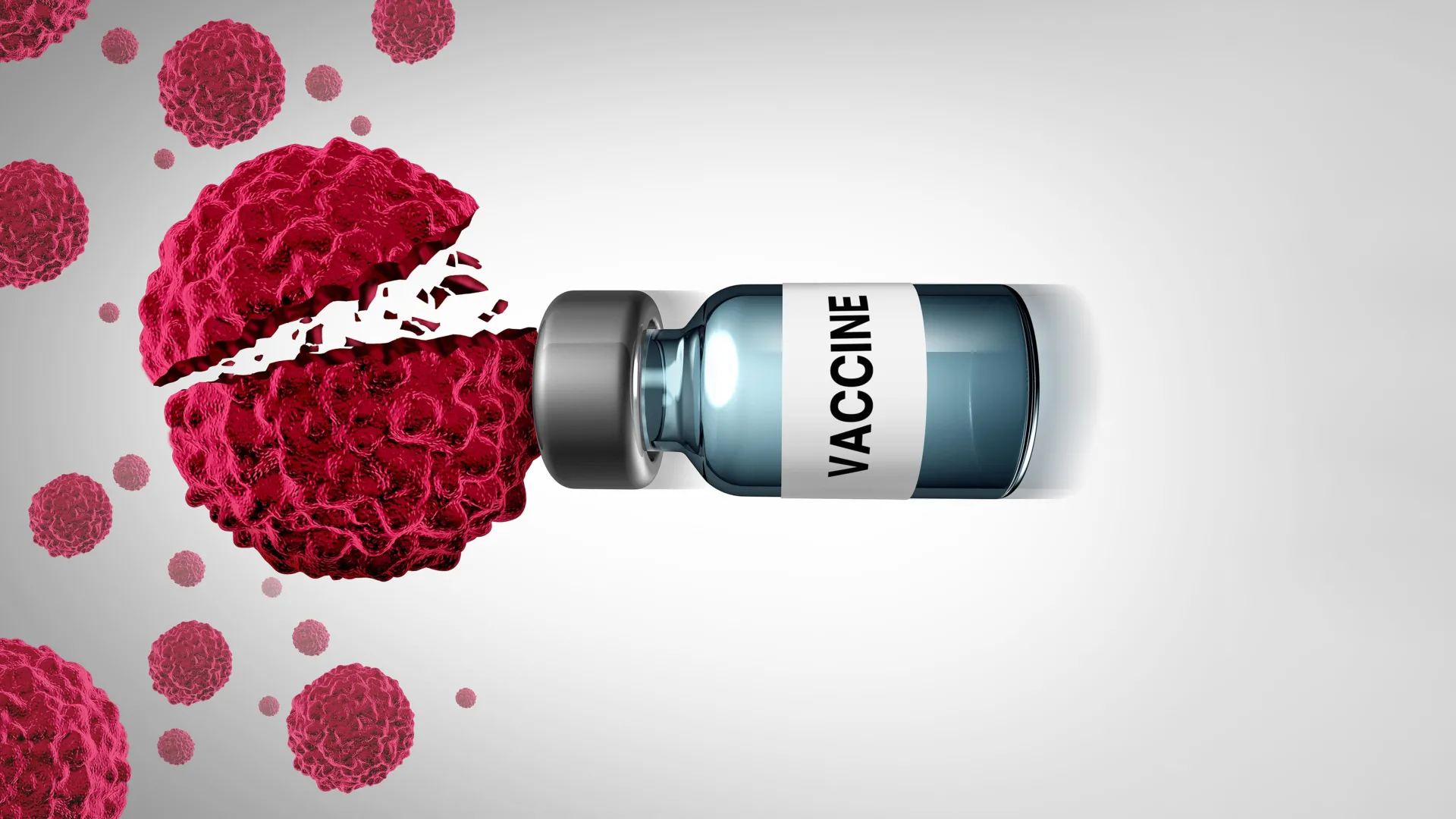
Scientists discover COVID mRNA vaccines boost cancer survival

Patients with advanced lung or skin cancer who received a COVID-19 mRNA vaccine within 100 days of beginning immunotherapy treatment lived considerably longer than those who were not vaccinated, according to new research.
Scientists from the University of Florida and the University of Texas MD Anderson Cancer Center made the discovery while studying the potential of mRNA-based therapies to activate the immune system against cancer. Their results build on more than a decade of work exploring how messenger RNA could be used to “wake up” the body’s natural defenses. The findings also move the field closer to the idea of a universal cancer vaccine that could enhance the effects of existing immunotherapy drugs.
An analysis of more than 1,000 patient records at MD Anderson provided the data behind the observation. Although the results are preliminary, researchers are now designing a randomized clinical trial to confirm them.
“Extraordinary Implications” for Cancer Care
“The implications are extraordinary — this could revolutionize the entire field of oncologic care,” said co-senior author Elias Sayour, M.D., Ph.D., a UF Health pediatric oncologist and the Stop Children’s Cancer/Bonnie R. Freeman Professor for Pediatric Oncology Research. “We could design an even better nonspecific vaccine to mobilize and reset the immune response, in a way that could essentially be a universal, off-the-shelf cancer vaccine for all cancer patients.”
Jeff Coller, Ph.D., an mRNA expert and professor at Johns Hopkins University, noted that this discovery highlights another way Operation Warp Speed (the federal initiative that accelerated COVID-19 vaccine development) continues to benefit Americans in “unique and unexpected ways.”
“The results from this study demonstrate how powerful mRNA medicines truly are and that they are revolutionizing our treatment of cancer,” Coller said.

Building on Years of mRNA Innovation
Published on October 22 in Nature, the research extends Sayour’s eight years of work combining lipid nanoparticles with mRNA technology. Messenger RNA, or mRNA, is present in all cells and delivers the instructions for making proteins.
Earlier in July, Sayour’s lab reported a surprising finding: to trigger a strong immune attack on tumors, it was not necessary to target a specific protein within the cancer. Simply stimulating the immune system, similar to how it responds to a virus, could be enough to generate an antitumor effect.
In lab experiments, Sayour’s team combined their experimental “nonspecific” mRNA vaccine with a class of anticancer drugs known as immune checkpoint inhibitors. Together, the combination produced a powerful immune response in mice. The experimental vaccine itself was not directed at the COVID spike protein or any other specific molecule — it used the same underlying technology as COVID vaccines but worked more broadly.
Connecting COVID Vaccines and Cancer Treatment
That discovery, years in the making, sparked a question from former lab member and first author Adam Grippin, M.D., Ph.D., who trained at UF’s Preston A. Wells Center for Brain Tumor Therapy and now works at MD Anderson.

Would the COVID-19 mRNA vaccine work like the nonspecific vaccine?
To find out, the research team analyzed existing data from patients with Stage 3 and 4 non-small cell lung cancer and metastatic melanoma treated at MD Anderson from 2019 to 2023.
What they found was that receiving a COVID mRNA vaccine within 100 days of starting immunotherapy drugs was associated with living longer by a significant amount.
The most dramatic difference, Sayour said, was in patients not expected to have a strong immune response, based on their tumors’ molecular makeup and other factors.
As with any observational study, the findings require confirmation from a prospective and randomized clinical trial.
Nonetheless, the discovery is pivotal.
“Although not yet proven to be causal, this is the type of treatment benefit that we strive for and hope to see with therapeutic interventions — but rarely do,” said Duane Mitchell, M.D., Ph.D., Grippin’s doctoral mentor and director of the UF Clinical and Translational Science Institute. “I think the urgency and importance of doing the confirmatory work can’t be overstated.”
How the COVID Vaccine May Enhance Immunotherapy
In lung and skin cancers, doctors commonly engage the immune system with drugs designed to “release the brakes” and recognize and attack cancer cells more effectively. In advanced disease stages, however, most patients don’t respond well and often have exhausted other treatment options like radiation, surgery and chemotherapy.
The new study involved records of 180 advanced lung cancer patients who received a COVID vaccine within a 100-day period before or after starting immunotherapy drugs and 704 treated with the same drugs who did not receive the vaccine. Getting the vaccine was associated with a near doubling of median survival, from 20.6 months to 37.3 months.
Of the metastatic melanoma patients, 43 received a vaccine within 100 days of initiating immunotherapy, while 167 patients did not receive a vaccine. With the vaccine, median survival increased from 26.7 months to a range of 30 to 40 months; at the time the data were collected, some patients were still alive, meaning the vaccine effect could be even stronger.
Receiving non-mRNA pneumonia or flu vaccines resulted in no changes in longevity.
Lab Tests Support Human Data
To reinforce their observations, UF scientists conducted experiments in mice combining immunotherapy drugs with an mRNA vaccine specifically targeting the COVID spike protein. The results showed that this pairing could transform tumors that had previously resisted treatment into ones that responded, effectively stopping tumor growth.
“One of the mechanisms for how this works is when you give an mRNA vaccine, that acts as a flare that starts moving all of these immune cells from bad areas like the tumor to good areas like the lymph nodes,” Sayour said.
The next step is to launch a large clinical trial through the UF-led OneFlorida+ Clinical Research Network, a consortium of hospitals, health centers and clinics in Florida, Alabama, Georgia, Arkansas, California and Minnesota.
“One of our key motivations at OneFlorida is to move discoveries from academic settings out into the real world and the places where patients get care,” said Betsy Shenkman, Ph.D., who leads the consortium.
If confirmed, the new findings unlock numerous possibilities, and the researchers said an even better nonspecific universal vaccine could be designed. For patients with advanced cancers, the increased survival from such a universal vaccine could provide a priceless benefit: more time.
“If this can double what we’re achieving currently, or even incrementally — 5%, 10% — that means a lot to those patients, especially if this can be leveraged across different cancers for different patients,” said Sayour, an investigator with UF’s McKnight Brain Institute.
The study was funded by the National Cancer Institute and multiple foundations.
Sayour, Grippin and Mitchell hold patents related to UF-developed mRNA vaccines that are licensed by iOncologi Inc., a biotech company born as a “spinout” from UF in which Mitchell holds interest.

Read more →

‘We begged for help for years but it wasn’t there’

1 hour agoShareSaveStuart WoodwardEssexShareSaveStuart Woodward/BBCThe sister of a man who took his own life after battling mental health issues for years said there was “a complete lack of care and compassion” towards him.Terry White – a father-of-two from Basildon – was 36 years old when he died in 2019. His death is one of more than 2,000 under mental health services in Essex which are the subject of the Lampard public inquiry.Mr White’s sister Emma Harley said the family had “begged for help for years…[but] it wasn’t there; we were met with a brick wall at every turn”.The trust in charge of mental health services in Essex has apologised to bereaved families and said improvements have been made.’Undiagnosed for years'”He was full of energy, bouncing off the walls – so much fun to be around,” Emma said of her younger brother.”He used to get himself into a lot of pickles… but everybody loved him, everybody wanted to spend time with him.”Emma HarleyMs Harley said Terry’s neurodivergence and attention deficit hyperactivity disorder [ADHD] went undiagnosed until he was a teenager due to a general lack of understanding about mental health at the time.Speaking to the BBC ahead of giving evidence to the Lampard Inquiry, she said her brother – unable to get the help he needed – turned to illegal drugs as a way of self-medicating.Mr White tried several times to end his own life. On the penultimate attempt, his sister said his request not to be discharged from Basildon Hospital was met with a lack of sympathy.”I heard [the receptionist] say ‘as I’ve told you before sir, there’s nothing else we can do – if you don’t leave, we’ll call security’,” Ms Harley said.”That kind of sums up the level of compassion that was shown throughout his whole life.”Mid & South Essex NHS Foundation Trust, which runs Basildon Hospital, sent its “sincere condolences” to Terry’s family and said it had “changed the way we support people with mental health problems”.’Completely let down’Ms Harley described the phone call telling her that Terry had died as one she had been waiting for “since he was a teenager – I knew it would come one day”.”I still feel guilt that I couldn’t save him,” she told the BBC, adding she was angry and frustrated her brother was not offered therapy, a mentor or a key worker as a single point of contact, and she said he might still be alive with that help.Emma said there were multiple missed opportunities, but her brother received little help or sympathy from the police or medical services.”He ticked every single box for being the most at risk of suicide, yet no-one ever saw that – he was completely let down,” she said.”He was just dismissed as a bit of a druggie, and his mental health was never looked at in any seriousness.”Emma HarleyMs Harley’s evidence at the Lampard Inquiry has been heard across the final two days of the fifth set of hearings.The inquiry is looking into the deaths of more than 2,000 people under mental health services in Essex between 2000 and 2023.”There needs to be real, radical, long-lasting change… we all recognise that has to happen after this [inquiry],” Ms Harley said.”The main focus might be on Essex but this needs to trigger change across the whole country.”Baroness Lampard has repeatedly stated her intention that her recommendations are implemented following the inquiry, and has established a forum to try to ensure that – believed to be the first public inquiry to take such a measure.Stuart Woodward/BBCPriya Singh, partner at Hodge Jones & Allen, which represents Ms Harley and more than 120 victims and families at the inquiry, told the BBC that Terry White and his family were “appallingly let down… [and] ignored repeatedly with tragic consequences”.Paul Scott, chief executive of Essex Partnership University NHS Foundation Trust – which runs mental health services in Essex – said his thoughts were with Mr White’s family.”As the inquiry progresses there will be many accounts of people who were much loved and missed over the past 24 years, and I want to say how sorry I am for their loss,” he said.”All of us across healthcare have a responsibility to work together to improve care and treatment for all and to build on the improvements that have already been made over the last 24 years.”The Department of Health and Social Care said it was “committed” to assisting the Lampard Inquiry which “will play an important role in identifying wider learnings for the health system”.A spokesperson for the government said it was transforming mental health services across the UK, backed by £688m in funding this year, including investing £26m for new mental health crisis centres and hiring more staff.Essex Police said it was assisting the Lampard Inquiry “and we are committed to addressing any learning identified by the inquiry at its conclusion”.The next set of hearings at the Lampard Inquiry will be in February 2026.If you have been affected by any of the issues raised in this story, you can get help and support at BBC Action Line.More on this storyRelated internet links

Read more →

This easy daily habit cuts heart risk by two thirds

People who walk for 10-15 minutes at a time can reduce their risk of cardiovascular disease by up to two thirds compared to those who take only brief walks lasting less than five minutes. Even when covering the same total number of steps, longer, uninterrupted walks appear to provide greater benefits for the heart than short, scattered strolls throughout the day.
Study Finds Continuous Walking Improves Cardiovascular Health
An international team of researchers from the University of Sydney and the Universidad Europea in Spain discovered that sustained walking sessions offer stronger protection for heart health than fragmented activity. Their work, published in the Annals of Internal Medicine, explored how walking patterns affect the health of people who are generally inactive.
Among individuals averaging fewer than 8000 steps per day, those who concentrated their walking into one or two sessions lasting at least 10-15 minutes had a significantly lower risk of death and cardiovascular events (including heart attacks and strokes) than those whose steps came from many short bouts lasting under five minutes.
One or Two Steady Walks Can Make a Big Difference
Co-lead author Dr. Matthew Ahmadi, Deputy Director of the Mackenzie Wearables Research Hub and member of the Charles Perkins Centre at the University of Sydney, explained: “For the most inactive people, switching from brief walks here and there to longer continuous walks may come with some health benefits.
“There is a perception that health professionals have recommended walking 10,000 steps a day is the goal, but this isn’t necessary. Simply adding one or two longer walks per day, each lasting at least 10-15 minutes at a comfortable but steady pace, may have significant benefits — especially for people who don’t walk much.”
Tracking Step Patterns Over Time

The study involved 33,560 adults between the ages of 40 and 79 who typically walked fewer than 8000 steps a day and had no history of cardiovascular disease or cancer. Participants wore research-grade wristbands for one week to record both their step counts and how their steps were distributed throughout the day.
Researchers followed their health outcomes for about eight years and found striking differences in cardiovascular risk between those who walked in short versus longer bouts: People who walked continuously for 10-15 minutes daily had only a 4 percent chance of experiencing a cardiovascular event such as a heart attack or stroke, compared to a 13 percent risk among those who walked continuously for just 5 minutes a day. The benefits were greatest for the least active individuals, particularly those taking 5000 steps or fewer. Within this group, the risk of developing cardiovascular disease fell from 15 percent among short walkers to 7 percent among those who walked up to 15 minutes at a time. Among the most sedentary participants (5000 steps a day or less), the risk of death dropped from 5 percent for those walking in 5-minute bouts to under 1 percent for those with longer walks.Why Step Patterns Matter
Senior author Professor Emmanuel Stamatakis, Director of the Mackenzie Wearables Research Hub and physical activity theme leader at the Charles Perkins Centre, noted: “We tend to place all the emphasis on the number of steps or the total amount of walking but neglect the crucial role of patterns, for example ‘how’ walking is done.
“This study shows that even people who are very physically inactive can maximize their heart health benefit by tweaking their walking patterns to walk for longer at a time, ideally for at least 10-15 minutes, when possible.”
Simple Changes, Big Results
Co-lead author Dr. Borja del Pozo from the Universidad Europea added: “Our research shows that simple changes can make all the difference to your health. If you walk a little, set aside some time to walk more often and in longer sessions. Such small changes can have a big impact.”

Read more →

‘I feared a smear test would feel like being attacked again’

4 hours agoShareSaveLuxmy GopalShareSaveBBCWarning: This article contains details that some readers may find distressingFor survivors of sexual violence, even routine medical procedures can feel anything but routine. Smear tests – designed to protect – can instead retraumatise. To change that, a clinic in east London, now marking its 10-year anniversary, was created with rape and sexual assault survivors in mind.Natalie was nervous about the prospect of cervical screening as her relationship with her body changed after she was raped in August 2021.”When people say it changes your life, it really is true,” she said.”For me, it kind of felt like dying which is also why I feel the link to surviving is so important, to draw that out.”She said while it gets easier over time, it is still hard to talk about and live with. “You might see a trigger that you weren’t expecting and then it might give you nightmares.”Appointment in the darkThe attack had made her hesitant about going for cervical screening. “My fear was that accessing this healthcare would feel like being raped again. “I was really nervous that it might lead to self-harm or really poor mental health, and I wanted to help mitigate that.”Natalie’s hesitancy was eased when she found out about My Body Back, a health clinic in Mile End Hospital specifically for people who have experienced sexual violence.”At My Body Back, there were options we discussed,” she said. “For example, I could administer the speculum for the cervical screening myself, which meant that nobody touched me. “I also did the appointment in the dark, which was helpful for me as I find light can sometimes be over-stimulating when I feel particularly vulnerable.”Ahead of the appointment, a psychologist spoke with Natalie to find out what she needed in order to be comfortable during the procedure.”I was fully supported in saying what I wanted. It meant the experience wasn’t re-traumatising,” she said.The experience also supported her broader journey of recovery. “It helps you by reconnecting you with your body after you experience sexual violence. “It was almost a trigger just seeing my body because it was like a reminder of where he’d been so when you access services like this, it can help you remind yourself that your body is yours.”The clinic was the first of its kind in the UK when it opened in 2015.It was set up by Pavan Amara, who was raped as a teenager. Other than cervical screening, it also offers tests for sexual transmitted infections and some maternity care.It runs once a month and is open to survivors across the country.Its funding comes primarily from NHS England but also from donations to the My Body Back charity. A second clinic in Glasgow was established in 2018, and the hope is for additional clinics to be established in the future.”Cervical screening is really important in helping to prevent cervical cancer,” says Dr Rebecca Lissmann, a clinician at My Body Back. “The screening test is an intimate examination and, for some survivors of sexual violence, that can be really re-traumatising and that’s why it’s vital for this service to exist.”Dr Felicity Saunders, lead clinical psychologist, said: “At My Body Back we think, even from the moment that that person comes in, ‘how can we make this a safe place for them, giving them the time and attention they need’.”If you have been affected by sexual abuse or violence, help and support is available at BBC Action Line.Related internet linksMore on this story

Read more →

‘My wife died in childbirth but wasn’t told she’d been given labour drug overdose’

4 hours agoShareSaveLisa Summers,Scotland health correspondent and Andrew PickenShareSaveLori QuateJust a week before she was due to give birth, Jacqui Hunter was given the devastating news that her daughter had died in the womb.Less than 24 hours later, Jacqui was also dead.The 39-year-old had been told she would have to give birth to her stillborn daughter, who was called Olivia, and was given medication to bring on the labour.Within hours Jacqui was having intense contractions and at one point slumped into the arms of her husband, Lori Quate, who thought she had fainted.As staff at Ninewells Hospital rushed to help her, she suffered a cardiac arrest.Jacqui died two hours later from an amniotic fluid embolism – a rare and life-threatening emergency.It was not until the next day that Lori found out his wife had been given eight times the recommended dose of the drug to bring on labour – a mistake which some experts say may have contributed to her death.Lori is one of dozens of people – families, midwives and experts – who have told a BBC Disclosure investigation that urgent action is needed to improve maternity safety in Scotland.They shared details of many of examples of poor and sometimes deadly care, with NHS resources increasingly stretched.The Scottish government say “significant progress” has been made in the last 20 years in reducing infant mortality and neonatal deaths, while a new programme of maternity unit inspections is helping to raise standards.But there are calls for a national inquiry similar to one being carried out in England, where a series of independent reviews have found that hundreds of mothers and babies could have survived with better care.Fern PhotographyThe devastation of losing his wife and baby in the space of 24 hours is still firmly etched on Lori’s face five years on from the tragic incident.He says his wife was let down “in the most horrific way”.Jacqui was not told she had been given an overdose of Misoprostol, the drug used to bring on labour, even though some staff were aware of the error before her contractions started. Lori says that in Jacqui’s medical notes there is no mention of the drug error until after she was declared dead.He says, “Not going to Jacqui, their patient, and saying we have messed up. Jacqui had a right to know about that, and they kept it from her.” Lori – Mark QuateAn investigation into Jacqui’s death in 2020 was carried out by an NHS Tayside review panel. It acknowledged that amniotic fluid embolism (AFE) “can occur in any labour and it is not possible to be certain that in this case an AFE would not have occurred with the correct dose of Misoprostol”.But the panel added that “as it is known that higher doses of Misoprostol increase the risk of AFE, the incorrect dose must be considered as a major contributing factor to AFE and subsequent death”.The panel also said Jacqui should have been informed of the medication error. A fatal accident inquiry was then carried out, which published its findings last year. It concluded that it was possible, but not probable, that Jacqui’s death could have been prevented if she had been given the correct dose.The inquiry also made no finding in respect of discussing the overdose with Jacqui. A spokeswoman for NHS Tayside said it was “deeply sorry” for Lori’s loss and had carried out a number of internal investigations, and taken part in external reviews, following the death.”All recommendations identified in the reviews were fully accepted and, as a result, our systems and processes have been strengthened where required and improvements have been made to how we provide care,” she added.Lori fears that failings in maternity care in Scotland are not being examined in the same way that services are reviewed in England.He wants a Scotland-wide review similar to the one which is examining 2,297 cases of harm to babies and women under the care of Nottingham University Hospitals NHS Trust.Baby and maternal deaths are rare in Scotland but while making this documentary, we heard time and again from families, experts and staff about the challenges being faced by maternity and newborn baby services.We spoke to families left angry because they had to fight for answers after going through devastating experiences.They also feel shut out by health boards who they believe are more concerned with reputational damage than honesty and transparency.Staff members tell us they are working in conditions that are often not as safe as they should be for women and babies – sometimes due to understaffing, sometimes because less experienced employees have had to take on additional duties.Like the rest of the UK, Scotland has seen an increase in Caesarean sections, inductions of labour, serious tears during childbirth and the proportion of babies born in poorer health. There have also been several spikes in neonatal deaths in recent years.These are clues that the system is not working as well as it should.Experts say there is no reason to believe Scotland is any different to other parts of the UK, where a series of independent reviews have identified common failings relating to staffing, poor workplace culture, listening to families and learning from mistakes.There are two independent safety investigation and inspection bodies in England, which are regularly reporting on their findings.In Scotland, the last major review of maternity care was in 2017 after a BBC investigation revealed a number of babies had died at Crosshouse Hospital in Kilmarnock.In 2022, a targeted investigation was launched into two spikes in the neonatal death rate over a six-month period. It found no evidence of systematic failures in care but noted that some deaths may have been preventable.The report’s publication in 2024 led to the introduction of independent inspections of maternity units for the first time.The first review was at Ninewells Hospital, where Jacqui and Olivia died. It found a series of patient safety concerns, including staffing shortages and delays in assessing expectant mums.If a serious incident which affects patient safety takes place in any hospital or healthcare facility, the health board can decide to carry out a Significant Adverse Event Review (SAER).These internal investigations are used to learn from incidents and try to prevent them happening again.There have been 143 SAER reviews related to maternity care in total since 2020 with the most, 44, occurring in NHS Greater Glasgow and Clyde.By contrast, England’s Maternity and Newborn Safety Investigations programme completed 613 independent safety investigations in 2024/25 alone.Julie KeeganOne of the maternity SAER reviews carried out was after the death of three-day-old baby Mason Scott McLean in 2023.His parents Julie and Angus had been elated after his birth in Glasgow’s Princess Royal Maternity Hospital.But shortly after being sent home the next day, they noticed Mason was lethargic and no longer interested in feeding.A community midwife visited and, after carrying out routine checks, offered reassurances but the couple remained concerned so they took Mason to the emergency department at the Royal Children’s Hospital that night to be checked.Julie is an NHS intensive care nurse and used to looking after patients who need critical care.But she felt nobody grasped how serious things were for Mason: “It was the most basic nursing care and they would have known how sick he was.”Julie KeeganAfter three hours in accident and emergency, Mason was transferred to the neonatal unit – but critical information wasn’t passed on.Julie remembers hearing a gasp from Mason.”I think it was his last breath. Angus asked the doctor… is he still breathing?”Julie says that when the doctor could not get bloods, she realised Mason wasn’t breathing – and says the medic then “went into total panic”. Baby Mason’s death was caused by sepsis and related feeding issues after being in the hospital for six hours.NHS Greater Glasgow and Clyde produced a SAER into his death.It concluded that staff recorded Mason’s temperature incorrectly and his records were incomplete, meaning staff failed to recognise how sick he was.Mason had hypothermia but equipment wasn’t sourced to heat him up.And key tests were missed that would have indicated he had a life-threatening infection.The SAER review pointed to “several systematic issues” that may have caused Mason’s death.”You just think, are the mistakes going to happen again?” Julie adds.NHS Greater Glasgow and Clyde said it had “undertaken to action the recommendations identified in the SAER” including updating its neonatal guidance.A spokeswoman extended the health board’s “heartfelt condolences” to Mason’s family. “The report recognises, despite staff documenting concerns raised about Mason, that there were some missed opportunities for care, and we are very sorry for this,” she said.The health board also said it was introducing new infant feeding guidance, which was now going through the appropriate approval process.Retired consultant neonatologist Dr Helen Mactier was the author of the review of neonatal deaths in Scotland which was published last year.She says families affected by poor maternity care are looking for an apology and an “open and an honest” account of what happened.Dr Mactier believes that improvements are still needed in the way the deaths of newborn babies are investigated – and that some issues are common across the whole of the UK.”We find that serious adverse event reviews are not always undertaken quite as thoroughly as they might be and that the learning from these reviews is not always made,” she says.”It’s very concerning that review after review says essentially the same thing. It says that we commonly fail to listen to patients.””We get so tied up in protocols and systems and processes, that we actually forget to use our ears and listen to what the patient’s telling us.”Dr Mactier says action, rather than more reviews, is what is needed to tackle “the systemic issues” and improve care for patients.Public Health and Women’s Health Minister Jenni Minto said Scotland had made “significant progress” in reducing infant mortality, neonatal deaths and stillbirths in the last 20 years.She said: “We are committed to learning from every case to improve care, strengthen safety, and support women and their families.”We are providing record funding to NHS boards and have strengthened guidance on SAERs to ensure lessons are learned and care improves continuously.”She also welcomed Healthcare Improvement Scotland’s decision to conduct unannounced inspections of all obstetric units.”In addition, we have commissioned HIS to develop a set of national standards for maternity care, which are expected to publish shortly,” she added.Minto pointed to safe staffing legislation and all pregnant women being allocated a primary midwife as examples of initiatives which were raising standards of care.If you have been affected by the issues raised in this story, information and support can be found at the BBC’s Action Line.

Read more →

NHS to offer same-day prostate cancer diagnosis

Men with suspected prostate cancer will be able to get a diagnosis from the NHS within a day, under a new trial hailed as a potential “game changer” for identifying and treating the disease.The 15 hospitals taking part will use AI technology to interpret MRI scans and spot areas of abnormal tissue within minutes, according to NHS England.Scans showing a high-cancer risk will be triaged as priority review for a radiologist and patients will be booked for a same-day biopsy.Around one in eight men will develop prostate cancer in their lives, according to Prostate Cancer UK, with research showing it has overtaken breast cancer as the most commonly diagnosed form of the disease in the UK.But unlike breast cancer, there is currently no national screening programme for prostate cancer.Under current best-practice guidelines, men should receive an MRI and biopsy within a week of urgent GP referral – but waits can be longer depending on radiologist capacity.Data released earlier this month showed that NHS waiting lists have risen for three consecutive months. Health Secretary Wes Streeting said the trial would cut “needlessly distressing” wait times and improve outcomes for patients.”By harnessing the power of technology we are revolutionising our NHS,” he said.The AI software, called Pi, has been developed by Lucida Medical and promoted for its speed and efficiency.”MRI in the morning, biopsy in the afternoon,” Dr Oliver Hulson wrote on the developer’s website.According to the National Prostate Cancer Audit, 58,218 men were diagnosed with prostate cancer in England in 2024 – with a rise of more than 5000 diagnoses from the year prior. Professor Peter Johnson, national clinical director for cancer at the NHS, said he hoped the technology could be a “game changer and help save men weeks of worry and uncertainty”.Amy Rylance, assistant director of health improvement at Prostate Cancer UK, said Pi could save men the “prolonged anxiety and the bother of hospital trips, while also increasing capacity for our hard-working NHS workforce”.The announcement of the trial precedes the release of the government’s National Cancer Plan, expected later this year.

Read more →

Bananas could be ruining your smoothie’s health benefits

Smoothies are a quick and delicious way to load up on fruits and vegetables, but some ingredient combinations may not be as healthy as they seem. Scientists from the University of California, Davis, discovered that the types of fruits blended together can change how much nutrition your body actually absorbs.
Their research, published in the Royal Society of Chemistry’s journal Food and Function, examined how polyphenol oxidase (PPO) — an enzyme found naturally in many fruits and vegetables — affects the body’s ability to take in flavanols. These bioactive compounds are linked to improved heart and brain health and are abundant in foods like apples, pears, blueberries, blackberries, grapes, and cocoa (all popular smoothie ingredients).
Lead author Javier Ottaviani, director of the Core Laboratory of Mars Edge, part of Mars, Inc., and adjunct researcher at UC Davis, explained: “We sought to understand, on a very practical level, how a common food and food preparation like a banana-based smoothie could affect the availability of flavanols to be absorbed after intake.”
Anyone who has sliced an apple or peeled a banana has seen the fruit quickly turn brown. That browning occurs when PPO reacts with oxygen after the fruit is cut or bruised. The UC Davis team wanted to know if that same enzyme activity affects how much of these beneficial flavanols the body absorbs when fruits are blended together in smoothies.
Bananas vs. Berries: The Smoothie Showdown
To test this, participants consumed two different smoothies — one made with banana, which has high PPO activity, and another made with mixed berries, which have low PPO activity. They also took a flavanol capsule for comparison. Afterward, researchers measured flavanol levels in blood and urine samples.
The results were striking. People who drank the banana smoothie had 84% lower flavanol levels compared to those who took the control capsule.

“We were really surprised to see how quickly adding a single banana decreased the level of flavanols in the smoothie and the levels of flavanol absorbed in the body,” Ottaviani said. “This highlights how food preparation and combinations can affect the absorption of dietary compounds in foods.”What Are Flavanols?Flavanols are natural compounds found in foods like cocoa, berries, apples, and grapes. They’re part of a larger group of plant nutrients called polyphenols and are known for supporting heart and brain health. Research suggests that flavanols can help improve blood flow, support memory, and reduce inflammation when consumed regularly.
Choosing the Right Fruit Pairings
In 2022, the Academy of Nutrition and Dietetics recommended consuming 400 to 600 milligrams of flavanols each day for cardiometabolic health. Ottaviani noted that for people aiming to reach that target, it helps to pair flavanol-rich fruits such as berries with ingredients that have low PPO activity, like pineapple, oranges, mango, or yogurt.
Bananas are still a nutritious fruit, but Ottaviani advised that if you enjoy banana smoothies, it may be best not to mix them with flavanol-heavy foods like berries, grapes, or cocoa. The same principle applies to other foods with high PPO activity, including beet greens.
Ottaviani added that these findings could open the door to more studies on how food preparation affects nutrient absorption. For instance, tea is a major dietary source of flavanols, and the way it is brewed could alter how many of those compounds become available for the body to absorb.
“This is certainly an area that deserves more attention in the field of polyphenols and bioactive compounds in general,” said Ottaviani.
Jodi Ensunsa, Reedmond Fong, Jennifer Kimball and Alan Crozier, all affiliated with the UC Davis Department of Nutrition and researchers affiliated with the UC Davis Department of Internal Medicine, University of Reading, King Saud University and Mars, Inc. contributed to the research.
The study was funded by a research grant from Mars, Inc., which collaborates with researchers to study potential benefits of cocoa flavanols for human health.

Read more →