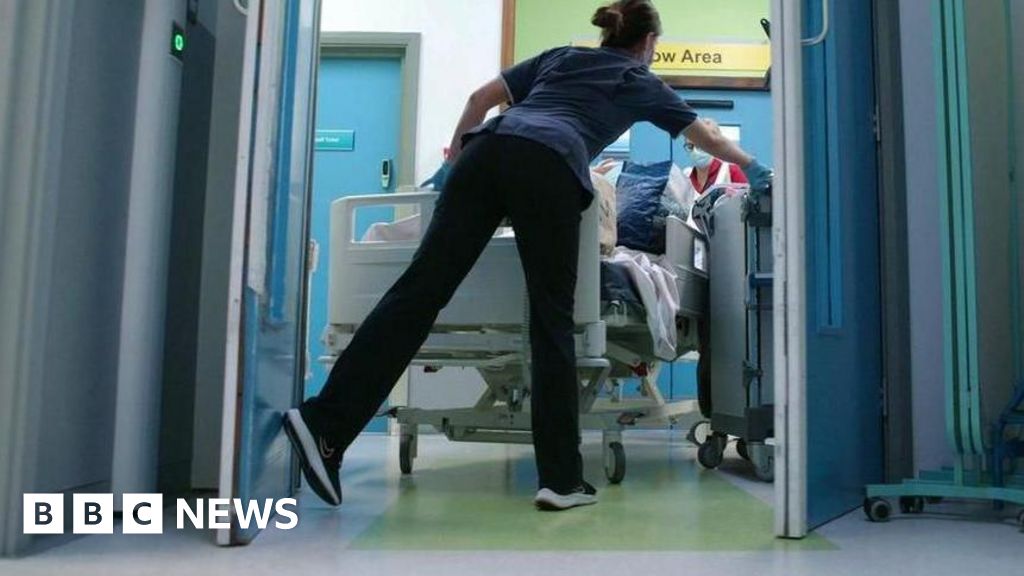
Long A&E waits causing heartbreaking suffering, charity says

The government has been urged to get a grip on long A&E waits with campaigners saying it is the rot eating away at the heart of the NHS.The plea by Age UK comes as it publishes a report detailing “heartbreaking” stories of how older people are suffering, spending hours in corridors and side-rooms.It highlights cases of people being left in their own excrement, having blood transfusions and even dying in these make-shift treatment areas.And it said older people were much more likely to experience long waits, with data showing one in three over 90s attending A&E in England last year faced a 12-hour wait or more.The government said the situation was unacceptable, but added it was taking action.The Age UK report said while 12-hour waits were once virtually unheard of, they had now become the norm in too many places.It highlighted the case of an 86-year-old who was left in a disused corridor for 36 hours.Another man, who had soiled himself, was left in his own excrement for 20 hours, while others suffered the indignity of having to use bedpans in corridors.Susan, 79, from south London, is one of those who has experienced a long wait, according to the Age UK report.She said it took 22 hours for a bed to be found for her after she arrived at hospital having had a heart attack.She spent a large part of her wait on a couch in a curtained-off area near A&E where there was no privacy. She believes she heard two people dying on couches nearby.Regarding one of the deaths, she said: “I was next to a man who was clearly unwell. He was alone for some time, then his wife was brought in. They whispered as they had little privacy. Then, after a long silence, she was led away, crying. I’m certain he died. And he died right next to me.”The report pointed to data obtained under the Freedom of Information Act from NHS England which showed there were more than 1.7 million 12-hour waits in 2024-25 at major hospitals – around one in 10 of those who attended A&Es.Two thirds of them were experienced by people aged over 60.The report said as well as being horrible, long waits were risky.Age UK director Caroline Abrahams said it was a “crisis hiding in plain sight” and that the government should take immediate action.”No-one should have to spend their final days in a hospital corridor where it’s impossible for staff to provide good, compassionate care.”As we head into winter, we fear that an already difficult situation will get worse.”Long waits are like a rot eating away at the heart of the NHS, undermining public trust.”Age UK said a major cause of the problem was the lack of available support in the community, which meant hospitals could not discharge patients who are medically-fit to leave wards. That results in a shortage of beds available for new patients.It called for a renewed effort and drive to tackle this.RCN general secretary Prof Nicola Ranger said the problems were a “moral stain” on the health service.”No elderly or vulnerable person should be forced to endure these conditions. “Overstretched and understaffed nursing teams work hard every day to deliver the best care, but they face an impossible task.”Health minister Karin Smyth said: “No one should receive care in a corridor – it’s unacceptable, undignified and we are determined to end it.”She said the government was investing more money in the NHS and detailed data on corridor care would soon be published to hold the system to account.”To tackle a problem you’ve got to be honest about it,” she added.

Read more →

Health officials worried as flu season comes early

The UK’s winter flu season has begun five weeks earlier than usual, health officials are warning.The UK Health Security Agency said cases were rising quickly among children and young people – and warned the virus would soon start to spread across older age groups.The organisation urged people eligible for the flu vaccine to come forward to get protected.But they said it was too early to say how difficult and serious this year’s flu season would be.Two of the worst winter flu seasons of the past decade have been seen in the last three years, something partly attributed to the bounce-back of the virus after Covid restrictions and when immunity has been low.Last year nearly 8,000 people died from flu and in the 2022-23 flu season there were nearly 16,000 deaths.UKHSA flu lead Dr Suzanna McDonald said: “We are worried that flu has started to circulate a little bit earlier than usual.”It’s a very serious disease. It’s not just a nasty cold. “We have started to see early activity, particularly in young adults, mainly sort of university age students, and also with school-aged children. “We would expect in the coming weeks that this will start to spread throughout the community and this is something that we will monitor very closely.”Dr Alex Allen, a consultant epidemiologist at UKHSA, urged all eligible people to come forward for vaccination.Everyone aged 65 and over, pregnant women and those with certain long-term health conditions can get a free flu jab on the NHS.”If you’re eligible for a vaccine it is because you are at greater risk of severe illness – every year we see many thousands end up in hospital and far too many deaths from flu. It’s crucial that everyone eligible books their appointment as soon as possible. The vaccine is our best defence.”He also reminded parents to return consent forms to school so their children can get vaccinated, or if they are aged two and three to arrange a vaccine via their GP.”The nasal spray vaccine can help stop your child from getting very unwell and reduce the risk of passing flu to vulnerable family members.”Anyone with flu or Covid symptoms – including high temperature, cough, and feeling tired or achy – should minimise contact with others, especially those who are vulnerable. If you need to go out with symptoms, consider wearing a face covering, wash hands regularly and ensure indoor spaces are well ventilated,” he added.

Read more →

Your pumpkin might be hiding a toxic secret

Pumpkins, squash, zucchini, and other members of the gourd family have a surprising trait: they can take up pollutants from the soil and store them in their edible parts. Researchers at Kobe University have uncovered the biological reason behind this phenomenon, opening the door to growing vegetables that are safer to eat and potentially using plants to clean contaminated land.
The Mystery of Polluted Gourds
Plants in the gourd family, including pumpkins, melons, cucumbers, and zucchini, are known for accumulating high levels of pollutants in their fruit. Kobe University agricultural scientist INUI Hideyuki explains, “The pollutants don’t easily break down and thus pose a health risk to people who eat the fruit. Interestingly, other plants don’t do this and so I became interested in why this happens in this group specifically.”
Earlier research from Inui and his team revealed that gourds contain a type of protein that binds to pollutants, allowing them to move through the plant’s tissues. In a recent study, the scientists found that the shape of these proteins and how strongly they attach to pollutants determine how much contamination ends up in the aboveground parts of the plant.
“However, these proteins exist in many other plants, and even among the gourds, there are varieties that are more prone to accumulating pollutants than others. We then noticed that in the highly accumulating varieties, there are higher concentrations of the protein in the sap,” says Inui. This led the team to investigate how these proteins are secreted into the plant’s sap.
A Tiny Molecular Tag Makes the Difference
In their new paper published in Plant Physiology and Biochemistry, the Kobe University group reports that protein variants from high-accumulating plants are released into the sap, while other versions remain inside the cells. They found that a small variation in the protein’s amino acid sequence serves as a “tag,” instructing the cell on whether to keep the protein or send it out.

To test this, the researchers introduced the high-accumulation protein into unrelated tobacco plants. The modified tobacco plants also exported the protein into their sap, confirming the mechanism. “Only secreted proteins can migrate inside the plant and be transported to the aboveground parts. Therefore, this seems to be the distinguishing factor between low-pollution and high-pollution plant varieties,” Inui explains.
Understanding how pollutants accumulate in food crops could lead to safer agriculture. “By controlling the behavior of contaminant-transporting proteins, through genetic modification of their pollutant-binding ability or its excretion into the plant sap, we believe it will be possible to cultivate safe crops that do not accumulate harmful chemicals in their edible parts,” says Inui.
Using Plants to Clean Contaminated Land
Inui’s vision extends beyond food safety. “I started this research because I was looking for plants that can detect and digest pollutants effectively. Therefore, I also envision that we could use the knowledge gained through this work for creating plants that are more effective in absorbing soil pollutants. This could turn into a technology for cleaning contaminated soils,” he says.
This work was supported by the Japan Society for the Promotion of Science (grant 23241028) and the Murao Educational Foundation.

Read more →

It sounds creepy, but these scientific breakthroughs could save lives

Brains, spiders, (were)wolves and slimy eyeballs might sound like props from a horror movie, but these eerie topics come straight from serious scientific research. Studies published in ACS journals are exploring innovative ways to improve human health, from growing brain tissue without animal testing to creating on-demand wound care and developing edible coatings that keep vegetables fresh. Even the human eye is under investigation as scientists uncover how microplastics might affect our vision.
Growing Mini-Brains in the Lab
In a study described in ACS Sensors, scientists successfully cultivated a small, three-dimensional “mini-brain” in a dish. Over the course of two years, cultured human nerve cells multiplied and organized themselves into a functioning organoid capable of generating electrical activity. This breakthrough allows researchers to explore how brain cells interact and communicate without using animals in experiments. Future advances could make these organoids valuable tools for studying brain function — or, as the researchers jokingly note, a possible “lab-grown lunch option for zombies.”
Spider-Inspired Glove Spins Wound Dressings
In ACS Applied Materials & Interfaces, scientists took inspiration from spiders to create a unique glove fitted with spinneret-like devices that release ultra-thin polymer fibers. The invention allows medical workers to spin wound dressings directly onto injuries in real time. Such a system could be especially useful in hospitals, sports arenas, or battlefield environments. And in case anyone is wondering, these experiments did not involve any radioactive spider bites.
Wolf Apple Coating Keeps Produce Fresher
Researchers reporting in ACS Food Science & Technology found that starch extracted from the wolf apple — a fruit native to Brazil and a favorite of the maned wolf — can be transformed into a natural, edible coating that helps preserve food. When applied to baby carrots, the coating kept them bright and fresh for up to 15 days at room temperature. The material offers a safe, cost-effective way to extend the shelf life of produce, whether or not there’s a full moon.
Microplastics Found in Human Retinas
In ACS Environmental Science & Technology Letters, scientists examined 12 post-mortem human retinas (no eye of newt required) and discovered microplastic particles in every sample. The plastics varied in type and concentration, revealing how pervasive they have become — even in such delicate tissue. The researchers say these findings lay important groundwork for future investigations into how microplastics might influence vision and overall eye health.

Read more →

Electricity reprograms immune cells to speed up recovery

Researchers at Trinity College Dublin have found that applying electrical currents to “macrophages,” a crucial type of immune cell, can reprogram them to reduce inflammation and promote faster healing in cases of disease or injury.
This discovery points to a promising new treatment strategy, and the research team is continuing to study the mechanisms behind this effect.
What Macrophages Do
Macrophages are white blood cells that play a central role in defending the body. They move throughout tissues searching for harmful microbes and viruses, clearing away damaged or dead cells, and activating other parts of the immune system when needed.
However, when macrophages overreact, they can trigger excessive inflammation that damages tissues instead of repairing them. This runaway inflammation is a hallmark of many diseases, making macrophage regulation a key target for improving recovery and reducing chronic conditions.
Testing Electricity’s Effect on Immune Cells
In the new study, published in Cell Reports Physical Science, the Trinity researchers worked with macrophages taken from healthy blood donors through the Irish Blood Transfusion Board at St James’s Hospital. The team placed the cells in a specialized bioreactor that allowed them to apply controlled electrical stimulation and observe the biological effects.

The results were striking. Electrical stimulation shifted the macrophages toward an anti-inflammatory state that promotes tissue repair. The scientists observed lower activity in inflammatory signaling markers, increased expression of genes responsible for forming new blood vessels (essential for tissue growth), and enhanced recruitment of stem cells to wounds (another vital component of the healing process).
Turning Down Inflammation, Turning Up Repair
“We have known for a very long time that the immune system is vital for repairing damage in our body and that macrophages play a central role in fighting infection and guiding tissue repair,” said Dr. Sinead O’Rourke, Research Fellow in Trinity’s School of Biochemistry and Immunology and first author of the study.
“As a result, many scientists are exploring ways to ‘reprogram’ macrophages to encourage faster, more effective healing in disease and to limit the unwanted side-effects that come with overly aggressive inflammation. And while there is growing evidence that electrical stimulation may help control how different cells behave during wound healing, very little was known about how it affects human macrophages prior to this work.”
A Promising Path for Future Therapies
“We are really excited by the findings. Not only does this study show for the first time that electrical stimulation can shift human macrophages to suppress inflammation, we have also demonstrated increased ability of macrophages to repair tissue, supporting electrical stimulation as an exciting new therapy to boost the body’s own repair processes in a huge range of different injury and disease situations.”
The research team, led by Professors Aisling Dunne (School of Biochemistry and Immunology) and Michael Monaghan (School of Engineering), emphasized the potential of this approach. Because the study used human blood cells, the findings are directly relevant to clinical applications. Electrical stimulation is also relatively safe and easy to implement compared to many therapeutic methods, making it an attractive candidate for a variety of medical uses.

Next Steps and Expanding Potential
Professor Monaghan added: “Among the future steps are to explore more advanced regimes of electrical stimulation to generate more precise and prolonged effects on inflammatory cells and to explore new materials and modalities of delivering electric fields. This concept has yielded compelling effects in vitro and has huge potential in a wide range of inflammatory diseases.”
The research marks an important step toward developing electricity-based therapies that could one day help the body repair itself more effectively and safely.

Read more →

Scientists reverse Alzheimer’s in mice with groundbreaking nanotech

A team co-led by the Institute for Bioengineering of Catalonia (IBEC) and West China Hospital Sichuan University (WCHSU), in collaboration with partners in the UK, reports a nanotechnology approach that reverses Alzheimer’s disease in mouse models. Rather than using nanoparticles as passive carriers, the researchers designed bioactive nanoparticles that function as “supramolecular drugs.” The treatment focuses on restoring the blood-brain barrier (BBB), the vascular checkpoint that maintains the brain’s internal environment. By repairing this interface, the animals showed a reversal of Alzheimer’s pathology.
The brain consumes about 20% of the body’s energy in adults and as much as 60% in children. That energy arrives through an exceptionally dense vascular network in which each neuron is supplied by its own capillary. With roughly one billion capillaries, the brain relies on healthy vasculature to sustain function and resist disease. These observations reinforce how vascular health connects to conditions such as dementia and Alzheimer’s, where damage to the vascular system is closely associated.
Blood-brain barrier function and removal of waste proteins
The BBB is a cellular and physiological shield that separates brain tissue from circulating blood, helping block pathogens and toxins. The researchers showed that by acting on a specific mechanism, harmful “waste proteins” produced in the brain can cross this barrier and be cleared into the bloodstream. In Alzheimer’s disease, amyloid-β (Aβ) is the primary waste protein, and its buildup disrupts neuronal function.
The team worked with mouse models engineered to overproduce Aβ and to develop marked cognitive decline that mirrors Alzheimer’s features. The animals received three doses of the supramolecular drugs, followed by regular monitoring. “Only 1h after the injection we observed a reduction of 50-60% in Aβ amount inside the brain” explains Junyang Chen, first co-author of the study, researcher at the West China Hospital of Sichuan University and PhD student at the University College London (UCL).
Therapeutic outcomes were the most notable. Across several behavioral and memory tests conducted over months, animals were assessed at different disease stages. In one example, a 12-month-old mouse (equivalent to a 60-year-old human) was treated with the nanoparticles and evaluated 6 months later. By 18 months of age (comparable to a 90-year-old human), its behavior matched that of a healthy mouse.
Restoring vasculature to restart brain self-clearing
“The long-term effect comes from restoring the brain’s vasculature. We think it works like a cascade: when toxic species such as amyloid-beta (Aβ) accumulate, disease progresses. But once the vasculature is able to function again, it starts clearing Aβ and other harmful molecules, allowing the whole system to recover its balance. What’s remarkable is that our nanoparticles act as a drug and seem to activate a feedback mechanism that brings this clearance pathway back to normal levels,” said Giuseppe Battaglia, ICREA Research Professor at IBEC, Principal Investigator of the Molecular Bionics Group and leader of the study.

In Alzheimer’s, a key breakdown occurs in the brain’s natural clearance process for toxic species such as Aβ. Under normal conditions, the protein LRP1 serves as a molecular gatekeeper. It recognizes Aβ, binds it via ligands, and helps shuttle it across the BBB into the bloodstream for removal. The system is delicate. If LRP1 binds too much Aβ too tightly, transport becomes congested and LRP1 itself is degraded within BBB cells, reducing the number of available carriers. If binding is too weak, the transport signal is insufficient. Either scenario leads to Aβ accumulation in the brain.
The supramolecular drugs act as a reset switch. By imitating LRP1 ligands, they bind Aβ, traverse the BBB, and trigger the removal of toxic species. As this process resumes, the vasculature regains its natural waste-clearing role and returns toward normal function.
Precision-engineered nanoparticles and receptor control
In this work, nanoparticles operate as therapeutic agents in their own right. Built through a bottom-up molecular engineering strategy, they combine tightly controlled size with a defined number of surface ligands to create a multivalent platform with highly specific interactions at cellular receptors. By engaging receptor trafficking at the cell membrane, they provide a new way to modulate receptor activity. This precision supports efficient Aβ clearance and helps rebalance the vascular system that safeguards brain health.
This therapeutic concept points toward future clinical strategies that address the vascular contribution to Alzheimer’s disease and aim to improve patient outcomes. “Our study demonstrated remarkable efficacy in achieving rapid Aβ clearance, restoring healthy function in the blood-brain barrier and leading to a striking reversal of Alzheimer’s pathology,” concludes Lorena Ruiz Perez, researcher at the Molecular Bionics group from the Institute for Bioengineering of Catalonia (IBEC) and Serra Hunter Assistant Professor at the University of Barcelona (UB).
The project brought together the Institute for Bioengineering of Catalunya (IBEC), West China Hospital of Sichuan University, West China Xiamen Hospital of Sichuan University, University College London, the Xiamen Key Laboratory of Psychoradiology and Neuromodulation, University of Barcelona,Chinese Academy of Medical Sciences and the Catalan Institution for Research and Advanced Studies (ICREA).

Read more →

‘New birth advice change is our girl’s lasting legacy’

6 hours agoShareSaveLeigh BoobyerWiltshireShareSaveBBCA couple whose six-day-old daughter’s death sparked national reform in maternity care for mothers say it will “change lives”.Mabel Williams suffered fatal brain injuries after her mum, Becky Williams, had an undiagnosed uterine rupture during labour at Great Western Hospital, Swindon, in September 2023.Mrs Williams chose a vaginal birth for Mabel, after having a C-section for a previous child, but was not warned by the hospital of the potentially life-threatening risks for both of them if her uterus ruptured, an inquest heard in August.”If those words ‘it can be fatal’ had been said to me, I’d never have risked my daughter’s life. That simple truth could have saved Mabel,” Mrs Williams said.Family handoutIn the inquest in August, the coroner ruled neglect contributed to Mabel’s death, and was preventable, and warned pregnant women are not being warned enough of the fatal risks of vaginal birth after C-section (VBAC).The Royal College of Obstetricians and Gynaecologists said it is updating a VBAC information leaflet, which is used by hospital trusts in the UK, to include information on the risks of uterine rupture after the coroner said there was a “lack of clarity”.Great Western Hospital NHS Foundation Trust, which runs the hospital, said it will provide better access to information for parents “to support them to make informed decisions about their birth choices”.The coroner, Robert Sowersby, produced two prevention of future deaths reports in the September for the hospital and the Royal College to address their recommendations.The Royal College said it has responded to Mr Sowersby and the trust, which has until 5 November to reply.Family handoutSince Mabel died on 10 September 2023 in Bristol Children’s Hospital, Mrs Williams said she has spoken to dozens of mums who have experienced similar cases and wants to make sure it “never happens again”.”Mabel’s life was short, but her impact can be lasting,” she said.Mrs Williams said she was anxious about giving birth to Mabel, and chose to have a VBAC because hospital staff said there was “low risk”.”We live every day knowing that Mabel should be here. We did everything we could to protect her,” she said.”We asked the questions, I voiced my fears. But the truth was hidden in medical language that made it sound safe.”We trusted the professionals.”But the information we were given was incomplete, and the warning signs during labour were missed.”Mabel’s death was preventable. I was never told that a uterine rupture could kill my baby or be potentially fatal for me too.”The 35-year-old said she wants to push for safer maternity care for women.”I think it’s incredible that whilst we might have lost our little girl, potentially we, through the coroner, have saved some other families from going through what we have to go through. “Which for me is like a little legacy for Mabel.”The coroner also said midwives “failed to recognise numerous indicators of Mabel’s distress, and of the increasing severity of Becky’s clinical condition, and convey them to the clinical team”.Her husband and Mabel’s father, Tom Williams, said Mabel’s six days alive were “the hardest thing anyone could ever go through”.”We had one day to allow family to come and meet her, spend some time with her and read stories,” he said. “Just like our parents get to meet their granddaughter, and that was it. Just one day of that.”Hospital has ‘learnt lessons’A Great Western Hospitals NHS Foundation Trust spokesperson said it is “truly sorry that Mabel and her mother were not given the level of personalised, compassionate, and safe care that was needed”.They added they have “learnt lessons” and “acted” on concerns raised by the couple and the coroner.Professor Ranee Thakar, president of the Royal College of Obstetricians and Gynaecologists, said: ”It’s essential that maternity teams support women to make informed choices about how to give birth, including ensuring that risks and benefits of different modes of birth are fully discussed throughout their pregnancy.”Our clinical guidelines, consent advice, patient information, alongside our training and education programmes, are all designed to support maternity teams to do this well.”We follow a robust process to develop these, with clinical and public involvement.”A spokesperson for the Royal College said anyone with concerns should “contact their healthcare team who will be able to give advice while taking into consideration their individual medical history”.Related Internet Links

Read more →

Cancer survivors say their concerns were dismissed

5 hours agoShareSaveJadzia Samuel,in Margate and Hsin-Yi Lo,South EastShareSaveBBC / Jadzia SamuelTwo Margate women who were diagnosed with breast cancer are urging people to understand the symptoms and have the courage to stand up for themselves if their concerns have been disregarded by doctors.Eve Ross, who is a nursery worker in Kent, went to her doctor after she discovered a small lump in her armpit in January 2024.The 26-year-old told the BBC she was informed it was just a cyst, but in three months the tumour had grown “into the size of a golf ball”. She said the doctor dismissed it as inflammation.”I was in so much pain at night, I was screaming,” she said. “But the doctor wouldn’t give me pain medication despite how much pain I was in.”Ms Ross said she “couldn’t sleep” and had to go to A&E. She said it had taken five months and four doctors before she was diagnosed with stage two breast cancer. Ms Ross said she underwent six rounds of chemotherapy, a double mastectomy and radiotherapy.Although she is now cancer-free, she said she felt “betrayed” by some of the medical professionals she dealt with.”I feel angry, that’s the main reason why I want to get my story out there,” she said. “You know your body, so push your doctors if you feel there’s something wrong. “If they don’t listen, look for someone else because that’s what I had to do. I wish I had done it sooner.”BBC / Jadzia SamuelVictoria Riley-Sanford was diagnosed with breast cancer this year. The 31-year-old said she found a little lump in her breast and went to see a doctor. “The doctor couldn’t feel the lump and told me it was hormonal,” she said. Ms Riley-Sanford said medical staff still dismissed her concerns during an scan until she “kicked a tantrum” and was “in tears”.She said two weeks later she was told she had breast cancer, and underwent a single mastectomy. “I feel relieved I have had the surgery. It’s life changing,” she said.She added she was “disappointed” it had taken five months for her concerns to be heard.According to Breast Cancer UK, about 56,000 women and men are diagnosed with breast cancer every year.Symptoms include lumps in chest, breast or armpit, changes in the shape of breast, redness, rashes or texture changes and any pain that does not go away. More on this storyRelated internet links

Read more →

‘Poor’ insulation that left houses mouldy needs wider investigation, government told

5 hours agoShareSaveZoe Conway and James StewartShareSaveBBCHomeowners who say that botched insulation under government schemes left them living in mouldy conditions are calling for an investigation into the problem to be widened.One woman has told the BBC that damage from works to her home in 2013 has left her bedroom too damp to sleep in, and may be causing her breathing difficulties.About 280,000 properties in Britain were offered free insulation – either external wall or other types of solid wall – under government schemes between 2013 and 2025. Billions of pounds of public money was spent on the projects.Earlier this month, the government said that 92% of external wall insulation put in place under these schemes over the past three years has at least one major issue.It has previously maintained that serious and systemic issues are confined to work completed since 2022.It did not respond to a question from the BBC on why it was not reviewing all work carried out before that date, but said it was “fixing the broken system by introducing comprehensive reforms”.Imran Hussain, the Labour MP for Bradford East, has called on the government to widen its investigation to include all insulation fitted under these schemes. “Families who tried to do the right thing to make their homes warmer and greener have been left paying the price for failure and negligence,” he says. The BBC has been told that serious problems were known to the then-Conservative government as long as a decade ago.One 2013 scheme in Preston, Lancashire, quickly became a byword for failure, according to Andrej Miller of the fuel poverty charity National Energy Action (NEA). He worked in the government’s climate and energy teams for 18 years as a civil servant and says it was seen as “the ultimate project gone wrong”.Under the scheme, 350 homes in the town’s Fishwick area were fitted with external wall insulation.Bushra Rashid lives in one of these properties. She says she has been living with damp and mould for years. The 72-year-old has told the BBC she can’t sleep in her own bedroom, where the damp plaster is crumbling, and she fears it’s affected her health.Bushra and her husband, Abdul, bought their home in the early 1970s. In 2013, insulation boards were fixed to the exterior brickwork of the Victorian homes and render applied with the purpose of making it waterproof.The idea behind many of the government schemes was to cut carbon emissions by getting energy companies to install energy-saving measures, including insulation, on people’s homes. The schemes were targeted at low-income households and paid for via the “green levy” on energy bills.However, “bad design and bad workmanship” on the Fishwick project meant that rainwater got trapped behind the insulation and penetrated walls in houses such as the Rashids’, according to building surveyor David Walter.Abdul Rashid, who was a bus driver, died from Parkinson’s disease four years ago. His son, Atif, says that despite his illness, his father knew the house was being destroyed by the botched installation. “He spent time crying because he felt helpless,” says Atif. He adds that his father ”felt betrayed” and had ”nowhere to go” to get help.The Fishwick project had not even been completed before Preston City Council – which had encouraged residents to sign up for the insulation – started receiving complaints about the quality of the work.”Horrifying” stories about poor workmanship, mushrooms growing on walls and light fittings being turned into “water features”, were being reported back to Andrea Howe, the council’s energy officer at the time.The installer went bust soon after the project finished, and any guarantees were considered worthless because the insulation wasn’t fitted properly.Ms Howe says she took her concerns to the Department for Energy and Climate Change, and showed photographs of the damaged homes to officials. In the winter of 2015, a group of civil servants were taken on a tour of Fishwick’s homes.She recalls what one official told her he had seen: ”He went into one house and in the small child’s bedroom there was a sheet kind of pinned all around the ceiling because the ceiling was falling down – it was that wet.”Ms Howe says he told her he was heartbroken: ”He said he had never seen anything like it.”The problems at Fishwick highlight a “systemic issue in how government works” because ministers and officials have never been around long enough to find a solution, says Miller.In 2018, the then-minister for energy and clean growth, Claire Perry, told MPs that 62 homes had received repairs following enforcement action by Ofgem.NEA later completed repairs on a further 45 homes in Fishwick, at an average cost of £70,000 per property. The charity estimates it could cost up to £22m to fully rectify problems in that area, but it has run out of funding to carry out further work.In 2019, a government-commissioned report estimated there was failure on all 350 properties in the Fishwick scheme, caused by poor design, assessment, ventilation and workmanship. It also suggested that many of the properties were unsuitable for the insulation in the first place. But the government never published the report or shared it with Fishwick residents.Tasneem Hussain had external wall insulation installed on her home in Fishwick at about the same time as the Rashid family. She says she has been forced to redecorate more than 20 times over the last decade because of damp in her home, caused by the insulation.She is also concerned about what effect the conditions could be having on her 14-year-old son, Mohammed, who has disabilities.”He’s prone to infections, and he had pneumonia a few months ago. I feel this is not going to be helping him,” says Tasneem.She says she does not know where to go or how to get help for her family’s situation: “It needs to be sorted.”Preston City Council told the BBC the external wall insulation scheme in Fishwick was a “significant failure”, but the council “did not directly deliver, oversee or have any project management oversight of the contractors and the work they completed”.It added: “It is hugely regrettable that neither the original installers nor indeed the government have provided the level of support so obviously required when the scale of failed external wall insulation became apparent.”It’s unclear how many other schemes involving this type of insulation have gone wrong.The National Audit Office’s recent report suggests the government doesn’t have an accurate picture of failure rates in earlier schemes.It says of one scheme, ECO3, which ran from 2018 to 2022, ”we do not know how many measures were audited for quality compliance”. Dr Peter Rickaby, an energy expert who contributed to an independent review of the sector published in 2016, said problems with external wall insulation can take up to 10 years before they appear as damp on people’s homes. Industry insiders have told the BBC that Fishwick is now regarded as an object lesson in how not to run an installation project.However, similar problems have arisen in later government insulation schemes.In February, BBC News reported on a scheme in County Durham, which was carried out in 2021.Jean Liddle, 82, was among a number of Chilton residents who had external wall insulation fitted on her home. The work was organised by her local council, and paid for by central government.”We were more or less pushed into it,” Jean told the BBC.She said that damp and mould had been spreading in her home since the insulation was installed. A survey report commissioned by the Department for Energy Security and Net Zero highlighted what it called an ”immediate risk to the fabric of the building and health of the occupant”.It said Jean should not be living in the property in its ”current condition” and that substantial work would be required before it would be safe to live there.The primary cause of the damp in Jean’s home is believed to be a damaged drainage pipe. The subcontractor disputes that the damage was caused when the insulation was fitted.The report was given to the council, but its warning about the danger to Jean’s health was not shared with her. She eventually found out via a freedom of information request.Some repair work has now been carried out on Jean’s home, organised by the council and the subcontractor, but building surveyor David Walter believes it’s still not safe for her to be living there, because of the presence of “dampness and mould and powder and dust”.Durham County Council said it was ”working with residents and the subcontractor to address any outstanding issues” and gave ”sincere apologies for any distress caused”.It added that conflicting findings from different surveys had complicated attempts to rectify the reported faults, and gave ”sincere apologies for any distress caused’Jean accuses the council and the government of showing a disregard for her welfare: “I’m just nothing to them. I’m a number,” she told the BBC.In a statement, the Department for Energy Security and Net Zero said that the residents of Fishwick and Chilton had been ”let down by poor installation”. It added that it was introducing comprehensive reforms, and in future, in cases “where rare things go wrong”, there would be clear lines of accountability, and a guarantee to get any problems fixed quickly.Meanwhile in Fishwick, Atif says he is disgusted by the behaviour shown by successive governments to his parents.”I think people have to be held to account,” he says. “Whether it’s the government, the energy firms, their local suppliers, the councils… responsibility has to sit somewhere, and it shouldn’t be the homeowners.”

Read more →

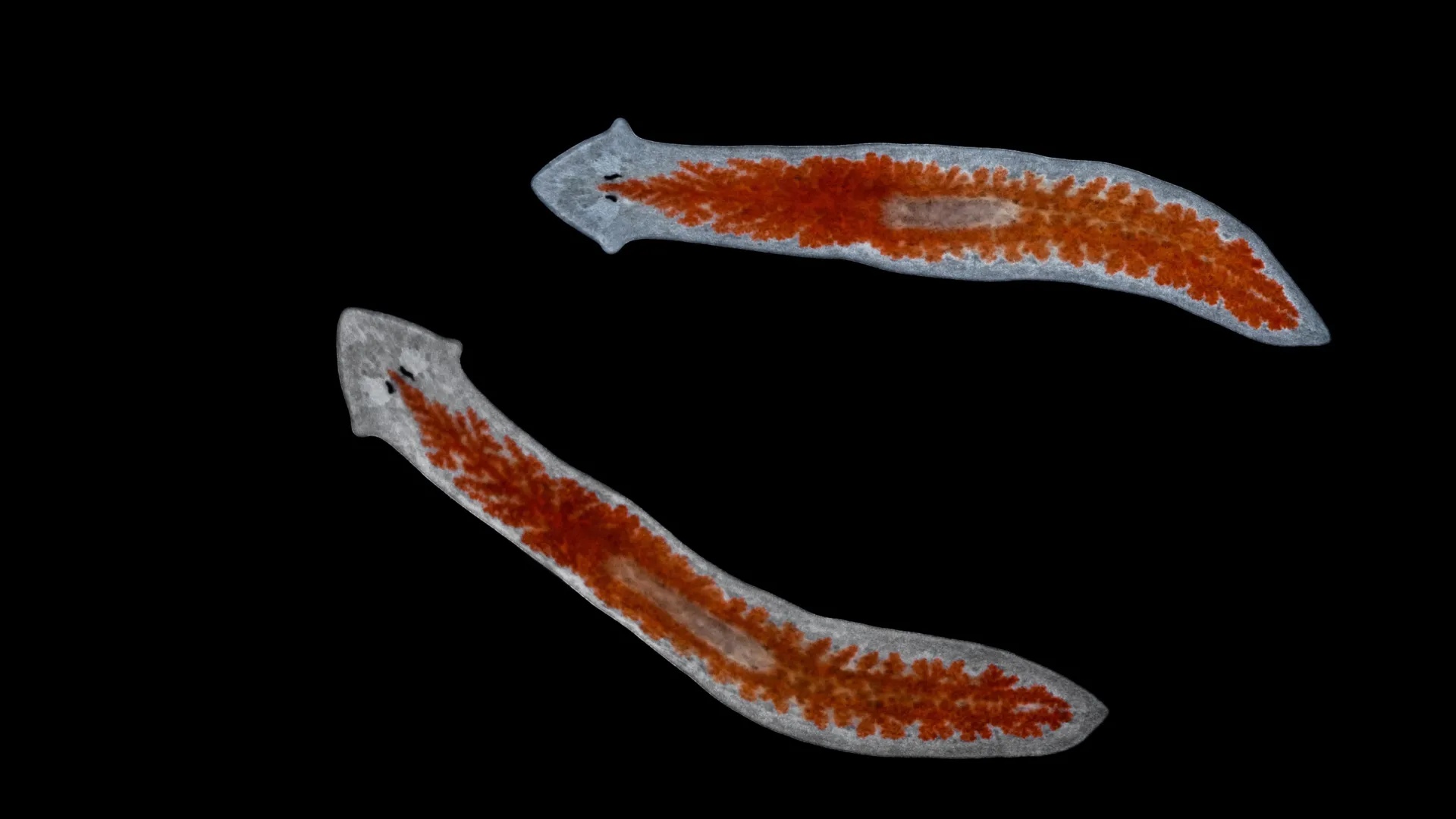
“Immortal” flatworm rewrites the science of healing

In most animals, stem cells rely on nearby cells to tell them what to do. However, new research from the Stowers Institute for Medical Research shows that flatworm, or planarian, stem cells behave differently. Instead of listening to their immediate neighbors, they take their instructions from cells located farther away in the body. This surprising behavior may explain how flatworms can regrow missing parts so effectively and could reveal new ways to repair or replace human tissues in the future.
The findings, published in Cell Reports on October 15, 2025, come from a study led by Postdoctoral Research Associate Frederick “Biff” Mann, Ph.D., in the laboratory of Stowers President and Chief Scientific Officer Alejandro Sánchez Alvarado, Ph.D. The work challenges a long-held biological principle: that most stem cells live in a fixed “niche,” a physical location where neighboring cells dictate when to divide and what to become.
“For instance, human blood-forming stem cells reside in niches within bone marrow where they divide to self-renew and make new blood cells,” said Mann.
Flatworms Rewrite the Rules of Regeneration
The researchers discovered that flatworms’ extraordinary ability to rebuild lost parts — whether an amputated head or an entire body from a fragment — is tied to stem cells that operate more freely than those in most other animals.
“Understanding how stem cells are regulated in living organisms is one of the great challenges in the fields of stem cell biology and regenerative medicine,” said Sánchez Alvarado. “This finding challenges our concept of a stem cell ‘niche’ and may significantly advance our understanding of how to control stem cells’ abilities to restore damaged tissues.”
Adult planarian stem cells can transform into any type of cell, unlike most animals’ stem cells, which are carefully restricted to forming only a few cell types. That tight control helps prevent uncontrolled growth — a process that can lead to cancer.

“Our hope is to uncover the basic rules that guide stem cells to become specific tissues as opposed to going rogue, as most tumors in humans begin when stem cells stop following these rules,” said Sánchez Alvarado.
“The role of a traditional niche may be more in line with a micromanager — instructing cells, ‘You can be a stem cell, but only one particular type’,” explained Mann. “However, we’ve now shown having a normal niche may not be essential for stem cells to work. Some stem cells, like those in the planarian flatworm, have figured out a way to be independent and can turn into any type of cell without needing a nearby niche.”
Discovering a New Cell Type: The Hecatonoblast
Using an advanced technique called spatial transcriptomics, the team examined which genes were active in individual cells and their surroundings. This revealed unexpected neighboring cells, including one never described before — a large cell with many fingerlike projections extending from its surface. The researchers named these cells “hecatonoblasts,” after Hecatoncheires, a many-armed giant from Greek mythology.
“Because they were located so close to stem cells, we were surprised to find that hecatonoblasts were not controlling their fate nor function, which is counterintuitive to a typical stem cell-niche connection,” said Mann.
Instead of nearby cells taking charge, the strongest instructions for the stem cells came from intestinal cells — the next most common type found in the dataset. These distant cells appeared to influence the planarian stem cells’ position and function during regeneration, even from afar.

“I tend to think about this as local versus global communication networks,” said co-corresponding author Blair Benham-Pyle, Ph.D., an Assistant Professor at the Baylor College of Medicine in Houston, Texas, and former Stowers Postdoctoral Research Associate. “While interactions between stem cells and their neighboring cells influence how a stem cell reacts immediately, distant interactions may control how that same stem cell responds to big changes in an organism.”
Rethinking the Nature of a Stem Cell Niche
The research revealed that planarian stem cells operate without a fixed, contact-based niche. “We found that there isn’t a specific cell type or factor right next to stem cells that is controlling their identity,” said Benham-Pyle. The team believes this unique independence may explain why planarians can regenerate so completely when most animals cannot.
“The big discovery is a property of the whole planarian permitting both subtle local interactions and global signaling events that allow stem cells to achieve these remarkable feats of regeneration,” said Benham-Pyle.
“The most surprising finding is that, at least in planarians, the environment in which the stem cells reside is not fixed. Instead, it’s dynamic — where stem cells reside is essentially made up by ‘friends’ that the stem cells and their progeny make along the way to differentiation,” said Sánchez Alvarado. “The more we understand how nearby cells and overall signals in the body work together to boost the ability and power of our stem cells, the better we’ll be at creating ways to improve the body’s natural healing. This knowledge could help develop new treatments and regenerative therapies for humans in the future.”
Additional authors include Carolyn Brewster, Ph.D., Dung Vuu, Riley Galton, Ph.D., Enya Dewars, Mol Mir, Carlos Guerrero-Hernández, Jason Morrison, Mary KcKinney, Ph.D., Lucinda Maddera, Kate Hall, Seth Malloy, Shiyuan Chen, Brian Slaughter, Ph.D., Sean McKinney, Ph.D., Stephanie Nowotarski, Ph.D., and Anoja Perera.
This work was funded by the National Institute for General Medical Sciences of the National Institutes of Health (NIH) (award: R37GM057260) and by institutional support from the Stowers Institute for Medical Research. The content is solely the responsibility of the authors and does not necessarily represent the official views of the NIH.

Read more →