
Man found slumped dead at hospital coffee shop

An NHS Trust is investigating after reports a man was slumped dead over a table in a hospital coffee shop for several hours.
Read more →
An NHS Trust is investigating after reports a man was slumped dead over a table in a hospital coffee shop for several hours.
Read more →
Acadia Healthcare is one of America’s largest chains of psychiatric hospitals. Since the pandemic exacerbated a national mental health crisis, the company’s revenue has soared. Its stock price has more than doubled.But a New York Times investigation found that some of that success was built on a disturbing practice: Acadia has lured patients into its facilities and held them against their will, even when detaining them was not medically necessary.In at least 12 of the 19 states where Acadia operates psychiatric hospitals, dozens of patients, employees and police officers have alerted the authorities that the company was detaining people in ways that violated the law, according to records reviewed by The Times. In some cases, judges have intervened to force Acadia to release patients.Some patients arrived at emergency rooms seeking routine mental health care, only to find themselves sent to Acadia facilities and locked in.A social worker spent six days inside an Acadia hospital in Florida after she tried to get her bipolar medications adjusted. A woman who works at a children’s hospital was held for seven days after she showed up at an Acadia facility in Indiana looking for therapy. And after police officers raided an Acadia hospital in Georgia, 16 patients told investigators that they had been kept there “with no excuses or valid reason,” according to a police report.Acadia held all of them under laws meant for people who pose an imminent threat to themselves or others. But none of the patients appeared to have met that legal standard, according to records and interviews.We are having trouble retrieving the article content.Please enable JavaScript in your browser settings.Thank you for your patience while we verify access. If you are in Reader mode please exit and log into your Times account, or subscribe for all of The Times.Thank you for your patience while we verify access.Already a subscriber? Log in.Want all of The Times? Subscribe.
Read more →
FAMILY HANDOUTEarlier this year a new drug to treat severe alopecia – an autoimmune condition that causes hair loss – was given the green light for NHS use. Some are keen to try it, others aren’t – and some even think it could potentially be life-changing.
Read more →
BBCJack Berman takes a long drag and then exhales, slowly, in the covered terrace of a 150-year-old pub in a Sydney beach suburb.
Read more →
Seven million pounds of Boar’s Head meats have been recalled since late July, when reports of serious illnesses and deaths began to occur.In the last month, nine people have died and dozens have been hospitalized in a listeria outbreak linked to Boar’s Head deli meats that has led to a recall of seven million pounds of its products.The outbreak has been traced back to a Boar’s Head plant in Jarratt, Va., where federal inspectors had documented repeated problems. The inspections records show that they found black mold, water dripping over meat and dead flies.The plant has been temporarily shut down in the wake of the outbreak. But reports of illnesses and deaths have continued to accumulate, prompting public health officials to issue more warnings to consumers to ensure they discard certain Boar’s Head lunch meats that may still be in their refrigerators.Here’s what you should know.What is listeria?Listeria monocytogenes is a bacteria that can be deadly. The largely food-borne Listeria illness can be contracted through foods like contaminated deli meats and unpasteurized milk products, according to the Mayo Clinic.People may also fall ill by touching a listeria-laden surface before touching their mouths.Federal public health experts said the Boar’s Head case was the worst listeria outbreak since 2011, when tainted cantaloupe killed 33 people and hospitalized at least 143.Anyone can become sick from the bacteria, but it is most likely to cause severe illness in pregnant women, adults older than 65 and people with weakened immune systems.We are having trouble retrieving the article content.Please enable JavaScript in your browser settings.Thank you for your patience while we verify access. If you are in Reader mode please exit and log into your Times account, or subscribe for all of The Times.Thank you for your patience while we verify access.Already a subscriber? Log in.Want all of The Times? Subscribe.
Read more →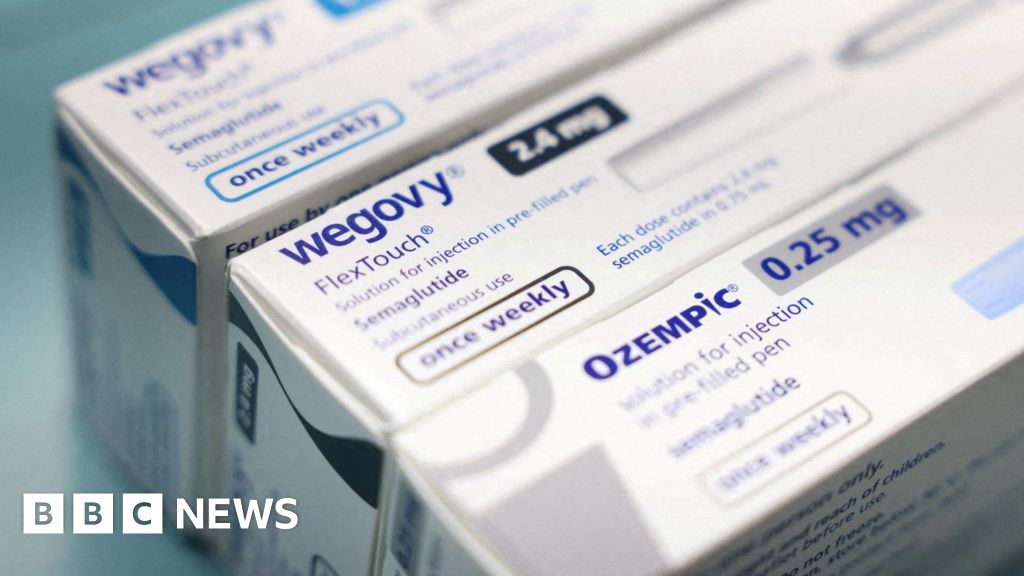
A drug used to treat Type 2 diabetes and obesity could also slow down the process of ageing, researchers believe.
Read more →
BBCA family’s dream holiday turned into a nightmare when severe sunburn left a 10-year-old boy requiring hospital treatment.
Read more →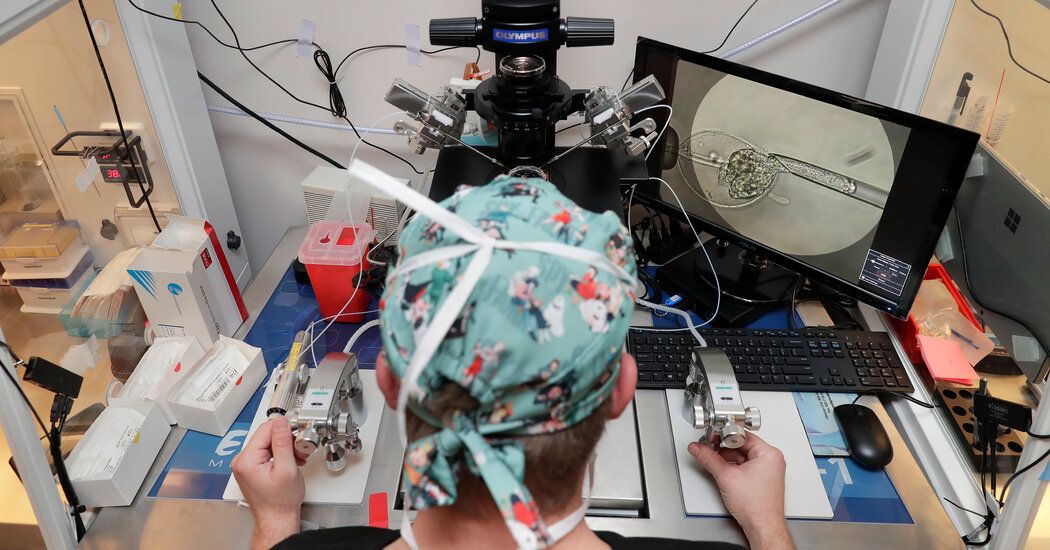
Getting the expensive fertility treatments covered would be possible, but an uphill battle, health policy experts said.Former President Donald J. Trump said on the campaign trail Thursday that he wants to make in vitro fertilization treatment free for all Americans.“Under the Trump administration your government will pay or your insurance company will be mandated to pay for all costs associated with I.V.F. treatment,” Mr. Trump said on Thursday at a rally in Potterville, Mich.I.V.F. often costs tens of thousands of dollars. Policies to cover those costs would be difficult to implement, experts said.Requiring insurers to pay would most likely mean passing laws in Congress or persuading a panel of experts to add I.V.F. to a list of free preventive women’s health services established by the Affordable Care Act, the health coverage law Mr. Trump tried to repeal.Having the government pay directly for I.V.F. would mean creating essentially a single-payer health care system for a single condition. The approach would require Congress to fund a new division of a federal government to oversee the program.“The president cannot do this on his own,” said Alina Salganicoff, director of the women’s health policy program at KFF, a health research nonprofit. “You need to have federal funds to do this. Congress needs to appropriate money.”We are having trouble retrieving the article content.Please enable JavaScript in your browser settings.Thank you for your patience while we verify access. If you are in Reader mode please exit and log into your Times account, or subscribe for all of The Times.Thank you for your patience while we verify access.Already a subscriber? Log in.Want all of The Times? Subscribe.
Read more →
AFPA series of “humanitarian pauses” to fighting in Gaza are due to begin on Sunday, to allow hundreds of thousands of children to be vaccinated against polio.
Read more →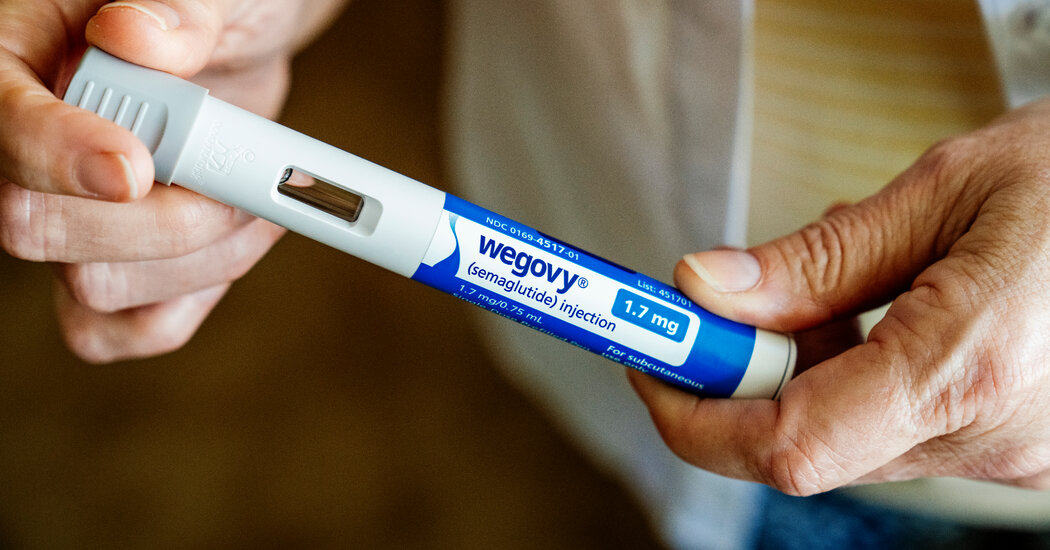
People taking Wegovy were not protected from infection. But in a large trial, their death rates were markedly lower, for reasons that are not clear.Wegovy, the popular obesity drug, may have yet another surprising benefit. In a large clinical trial, people taking the drug during the pandemic were less likely to die of Covid-19, researchers reported on Friday.People on Wegovy still got Covid, and at the same rate as people randomly assigned to take a placebo. But their chances of dying from the infection plunged by 33 percent, the study found. And the protective effect occurred immediately — before participants had lost significant amounts of weight.In addition, the death rate from all causes was lower among subjects taking Wegovy, a very rare finding in clinical trials of new treatments. The result suggests that lower life expectancy among people with obesity is actually caused by the disease itself, and that it can be improved by treating obesity.“Stunning,” Dr. Jeremy Faust, an emergency room physician at Brigham and Women’s Hospital who wrote an editorial accompanying the study, said of the data. The study was published in The Journal of the American College of Cardiology.The study was not originally designed to look at the effects of taking Wegovy on people with Covid. But the participants taking the drug were not healthier than the others, said Dr. Harlan Krumholz, a cardiologist at Yale and the editor in chief of the journal.“It is a randomized trial and the infection rates were similar, so this represents top-notch evidence,” he said.We are having trouble retrieving the article content.Please enable JavaScript in your browser settings.Thank you for your patience while we verify access. If you are in Reader mode please exit and log into your Times account, or subscribe for all of The Times.Thank you for your patience while we verify access.Already a subscriber? Log in.Want all of The Times? Subscribe.
Read more →