Some Elderly African Americans Are Hesitant About the Covid Vaccine
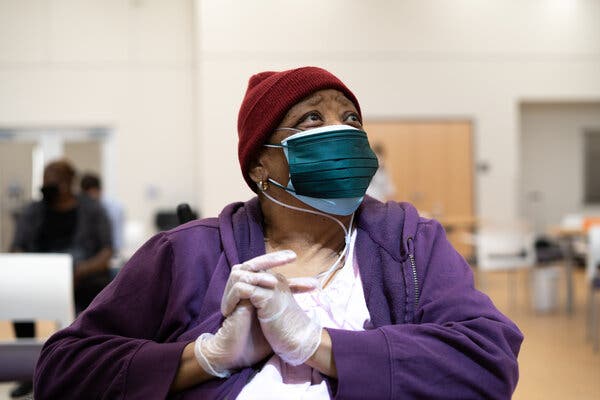
#masthead-section-label, #masthead-bar-one { display: none }The Coronavirus OutbreakliveLatest UpdatesMaps and CasesRisk Near YouVaccine RolloutNew Variants TrackerAdvertisementContinue reading the main storySupported byContinue reading the main story‘At Your Age, It’s the Vaccine or the Grave’A nurse in Baton Rouge has been on a crusade to overcome resistance among older African-Americans unwilling to take the coronavirus vaccine.Flossie West, 73, at the East Baton Rouge Council on Aging after receiving a shot of the coronavirus vaccine. “I’m just not interested because everyone tells me the virus is a hoax,” she had said earlier.Credit…Abdul Aziz for The New York TimesMarch 6, 2021, 1:52 p.m. ETBATON ROUGE, La — Flossie West was not at all interested in taking the coronavirus vaccine.Carla Brown, the nurse overseeing her care, was determined to change her mind.Ms. West, 73, has ovarian cancer, congestive heart failure and breathing difficulties — conditions that place her at grave risk should she contract the virus. As it is, Covid-19 has killed far too many of her neighbors in Mid-City, a low-rise, predominantly Black community that sprawls to the east of the Louisiana state capital.But Ms. West’s skepticism about the new vaccines overshadowed her fears of Covid-19. “I’m just not interested because everyone tells me the virus is a hoax,” Ms. West said. “And besides, that shot is going to make me more sick than I already am.”On Thursday morning, Ms. Brown, 62, breezed into Ms. West’s apartment and delivered a stern lecture: The virus is real, the vaccines are harmless and Ms. West should get out of bed, grab her oxygen tank and get into her car.“I’ll be darned if I’m going to let this coronavirus take you,” she said.In recent weeks, Ms. Brown has been frenetically working to persuade her patients to get inoculated, and her one-woman campaign provides a glimpse into the obstacles that have contributed to the troublingly low rates of vaccination in the Black community.Even as vaccine supplies become more plentiful, African-Americans are being inoculated at half the rate of whites, according to an analysis by The New York Times. The disparities are especially alarming given the disproportionate impact of the pandemic on communities of color, who have been dying at twice the rate of whites.Success! Flossie West received her first dose of the Moderna vaccine.Credit…Abdul Aziz for The New York TimesMs. Brown’s mission is fueled by personal loss. “My husband survived being shot in the head, and cancer twice, only to die from Covid-19,” she said. Credit…Abdul Aziz for The New York TimesThe racial gap in vaccination rates is no less stark in Louisiana, where African-Americans make up 32 percent of the population but just 23 percent of those who have been vaccinated.Part of the problem is access. In Baton Rouge, the majority of mass vaccination sites are in white areas of the city, creating logistical challenges for older and poorer residents in Black neighborhoods like Mid-City who often lack access to transportation. Older residents have also been thwarted by online appointment systems that can be daunting for those without computers, smartphones or speedy internet connections.But much of the racial disparity in vaccination rates, experts say, can be tied to a longstanding mistrust of medical institutions among African-Americans. Many Baton Rouge residents can readily cite the history of abuse: starting with the eugenics campaigns that forcibly sterilized Black women for nearly half of the 20th century, and the notorious government-run Tuskegee experiments in Alabama that withheld penicillin from hundreds of Black men with syphilis, some of whom later died of the disease.“The distrust among Black Americans comes from a real place and to pretend it doesn’t exist or to question whether it’s rational is a recipe for failure,” said Thomas A. LaVeist, an expert on health equity and dean of the School of Public Health and Tropical Medicine at Tulane University. Dr. LaVeist has been advising Louisiana officials on ways to increase vaccination rates.Seniors arrived at the East Baton Rouge Council on Aging to receive the vaccine.Credit…Abdul Aziz for The New York TimesRobbie Christian, a pharmacist, prepared to administer a dose of the Moderna vaccine at the Council on Aging. Credit…Abdul Aziz for The New York TimesMs. Brown, 62, the hospice nurse, has a good idea about how to change the minds of vaccine skeptics: encouraging one-on-one conversations with respected figures in the Black community who can address the misgivings and provide reliable information while acknowledging what she describes as the scars of inherited trauma. “If you look back at our history, we have been lied to and there has been a lot racial pain so it’s all about building trust,” she said.The Coronavirus Outbreak

Read more →
Vision impairment is associated with mortality

The global population is aging, and so are their eyes. In fact, the number of people with vision impairment and blindness is expected to more than double over the next 30 years.
A meta-analysis in The Lancet Global Health, consisting of 48,000 people from 17 studies, found that those with more severe vision impairment had a higher risk of all-cause mortality compared to those that had normal vision or mild vision impairment.
According to the data, the risk of mortality was 29% higher for participants with mild vision impairment, compared to normal vision. The risk increases to 89% among those with severe vision impairment.
Importantly, four of five cases of vision impairment can be prevented or corrected. Globally, the leading causes of vision loss and blindness are both avoidable: cataract and the unmet need for glasses.
The study’s lead author, Joshua Ehrlich, M.D., M.P.H., sought to better understand the association between visual disabilities and all-cause mortality.
The work complements some of Ehrlich’s recent research, also in The Lancet Global Health Commission on Global Eye Health, that highlighted the impact of late-life vision impairment on health and well-being, including its influence on dementia, depression, and loss of independence.
“It’s important these issues are addressed early on because losing your vision affects more than just how you see the world; it affects your experience of the world and your life,” says Ehrlich. “This analysis provides an important opportunity to promote not only health and wellbeing, but also longevity by correcting, rehabilitating, and preventing avoidable vision loss across the globe.”

Story Source:
Materials provided by Michigan Medicine – University of Michigan. Original written by Jordyn Imhoff. Note: Content may be edited for style and length.

Read more →

Restaurant Dining and Mask Use Linked to Virus Spread

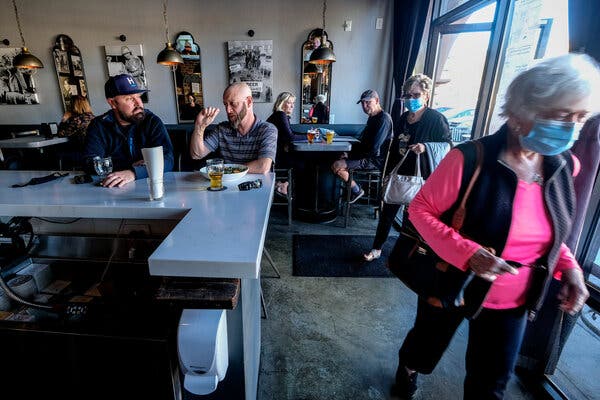
#masthead-section-label, #masthead-bar-one { display: none }The Coronavirus OutbreakliveLatest UpdatesMaps and CasesRisk Near YouVaccine RolloutNew Variants TrackerAdvertisementContinue reading the main storySupported byContinue reading the main storyRestaurant Dining and Mask Use Linked to Virus SpreadIn U.S. counties without mask requirements last year, or in which restaurants reopened, infections and death rates rose.“You have decreases in cases and deaths when you wear masks, and you have increases in cases and deaths when you have in-person restaurant dining,” Dr. Rachel Walensky, the C.D.C. director, said Friday.Credit…Ringo H.W. Chiu/Associated PressMarch 5, 2021, 5:32 p.m. ETEven as officials in Texas and Mississippi lifted statewide mask mandates, researchers at the Centers for Disease Control and Prevention on Friday offered fresh evidence of the importance of face coverings, reporting that mask-wearing mandates were linked to fewer infections with the coronavirus and Covid-19 deaths in counties across the United States.Federal researchers also found that counties opening restaurants for on-premises dining — indoors or outdoors — saw a rise in daily infections about six weeks later, and an increase in Covid-19 death rates about two months later.The study does not prove cause and effect, but the findings square with other research showing that masks prevent infection and that indoor spaces foster the spread of the virus through aerosols, tiny respiratory particles that linger in the air.“You have decreases in cases and deaths when you wear masks, and you have increases in cases and deaths when you have in-person restaurant dining,” Dr. Rochelle P. Walensky, the director of the C.D.C., said on Friday. “And so we would advocate for policies, certainly while we’re at this plateau of a high number of cases, that would listen to that public health science.”The findings come as city and state officials nationwide grapple with growing pressure to reopen schools and businesses amid falling rates of new cases and deaths. Officials have recently permitted limited indoor dining in New York City. On Thursday, Connecticut’s governor said the state would be ending capacity limits later this month on restaurants, gyms and offices. Masks are still required in both locales.“The study is not surprising,” said Joseph Allen, an associate professor at Harvard’s T.H. Chan School of Public Health and director of the university’s Healthy Buildings program. “What’s surprising is that we see some states ignoring all of the evidence and opening up quickly, and removing mask mandates and opening full dining.”Other researchers said the new study confirmed the idea that viral transmission often takes place through the air, that physical distancing may not be sufficient to halt the spread in some settings, and that masks at least partly block airborne particles.President Biden’s health advisers have said in recent days that now is not the time to relax. As of Thursday, the seven-day average of new cases was still 62,924 a day, according to a database maintained by The New York Times.While that figure is down 14 percent from two weeks earlier, new cases remain near the peaks reported last summer. Though fatalities have started falling, in part because of the vaccination campaigns at nursing homes, it remains routine for 2,000 deaths to be reported in a single day.Mr. Biden on Wednesday criticized the decisions by the governors of Texas and Mississippi to lift statewide mask mandates and reopen businesses without restrictions, calling the plans “a big mistake” that reflected “Neanderthal thinking.”The president, who has asked Americans to wear masks during his first 100 days in office, said it was critical for public officials to follow the guidance of doctors and public health leaders as the coronavirus vaccination campaign gains momentum. As of Thursday, about 54 million people had received at least one dose of a Covid-19 vaccine.“It may seem tempting, in the face of all of this progress, to try to rush back to normalcy as if the virus is in the rearview mirror,” Andy Slavitt, a White House adviser on the pandemic, said on Friday. “It’s not.”Diners in San Antonio on Wednesday. Credit…Eric Gay/Associated PressC.D.C. researchers examined the associations between mask mandates, indoor or outdoor restaurant dining, and coronavirus infections and deaths last year between March 1 and Dec. 31. The agency relied on county-level data from state government websites and measured daily percentage change in coronavirus cases and deaths.The Coronavirus Outbreak

Read more →
Some LGBTQ People Are Saying 'No Thanks' to the Covid Vaccine

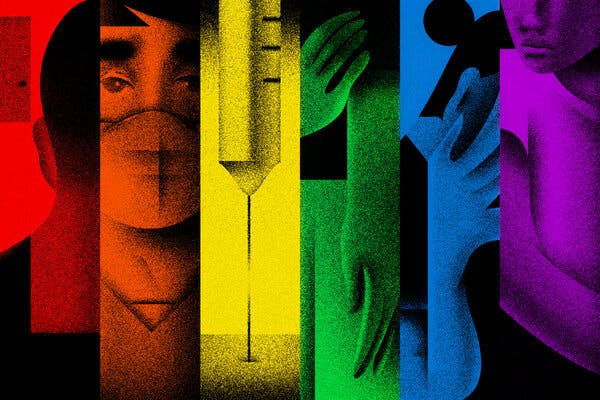
#masthead-section-label, #masthead-bar-one { display: none }The Coronavirus OutbreakliveLatest UpdatesMaps and CasesRisk Near YouVaccine RolloutNew Variants TrackerAdvertisementContinue reading the main storySupported byContinue reading the main storyL.G.B.T.Q. People Face Increased Risks From Covid, but Many Don’t Want the VaccineEvidence suggests that some sexual and gender minorities — especially people of color — are hesitant to get vaccinated due to mistrust of the medical establishment.Credit…Derek AbellaMarch 5, 2021Updated 3:53 p.m. ETAt her last doctor’s appointment, Erica Tyler, who lives in Brooklyn, N.Y., joked that she didn’t want to get vaccinated for Covid-19 “because another foot might grow out of my forehead. And I’m not ready for that.”Ms. Tyler, 68, a cancer survivor who has diabetes and high blood pressure, lost her wife to a heart attack nearly a year ago and has been staying home throughout the pandemic to avoid becoming infected with the coronavirus. But when the vaccine became available, she did not rejoice.“I was resistant,” Ms. Tyler said. She described feeling unsettled by the push to vaccinate minorities, especially given how Black people have been underserved or mistreated by the medical establishment in the past.“I felt that they were trying to storm people who they wanted to eliminate out of society,” she said, namely “the elderly and the Black people.”Research has shown that sexual and gender minorities, and especially people of color, are more vulnerable to becoming infected with the coronavirus and also more likely to have underlying conditions that could make them severely ill if they were to contract Covid-19. But many of the very people who are most at risk within these communities are also hesitant to take the vaccine, according to a recent study and interviews with health care workers as well as people of color who identify as lesbian, gay, bisexual, transgender or queer.“There’s an overarching mistrust around vaccination,” said Anthony Fortenberry, the chief nursing officer of the Callen-Lorde Community Health Center, which provides medical care to L.G.B.T.Q. people in New York City. “They’re not sure if they want to get it.”Each of the three Covid vaccines currently available in the United States has been shown to be remarkably good at preventing serious illness and death. At Callen-Lorde, Mr. Fortenberry said he has counseled patients about the efficacy of the vaccine, eventually easing their fears.“They are not quick conversations,” he said. “They are addressing someone’s personal experiences and their history of discrimination.”But not everyone has a health care provider with whom they feel comfortable sharing their concerns.“I worry that without those conversations happening, people will continue to not get vaccinated,” he said.So far about 54 million people in the United States have received at least one dose of a Covid-19 vaccine, and of those nearly 28 million have been fully vaccinated. At Callen-Lorde and other medical centers that treat many L.G.B.T.Q. patients, health care workers say they have seen a higher demand for the vaccine among white patients compared to patients of color.L.G.B.T. people of color were twice as likely as white non-L.G.B.T. people to test positive for Covid-19, according to a Williams Institute study published in February. Even though Black people are more at risk for contracting the disease, concerns about the vaccine are especially prevalent among this population, experts say. In a study published this month in the journal Vaccines, 1,350 men and transgender women who predominantly identified as gay or bisexual reported how likely they would be to get a Covid‐19 vaccine. The Black participants expressed significantly more vaccine hesitancy than their white peers, the study found.Health care workers are encountering the same resistance in their patients. “Some people just literally said, ‘Well, no — Trump was involved in getting this vaccine going so I’m not going to get the vaccine,’” said Jill Crank, a nurse practitioner at Johns Hopkins Community Physicians in Baltimore.Studies show that hesitancy about the Covid vaccine occurs across all demographic groups, including those in the medical profession. About three in 10 health care workers are hesitant about getting the vaccine, according to a survey published in December by K.F.F. (previously the Kaiser Family Foundation) compared to about a quarter of the general population.Dezjorn Gauthier, 29, a Black transgender man who lives about 20 minutes from Milwaukee, said that although he is currently eligible to get the vaccine, he doesn’t want it.“Right now it’s a no-go,” said Mr. Gauthier, a model and business owner who has Covid-19 antibodies because he contracted the coronavirus last year. The vaccine’s development moved “so rapidly and so quickly, it just has me a little bit hesitant,” he said, adding that he’s also unsure about the vaccine’s ingredients. “There’s a fear in the community.”The Coronavirus Outbreak

Read more →

Some L.G.B.T.Q. People Are Saying 'No Thanks' to the Covid Vaccine

#masthead-section-label, #masthead-bar-one { display: none }The Coronavirus OutbreakliveLatest UpdatesMaps and CasesRisk Near YouVaccine RolloutNew Variants TrackerAdvertisementContinue reading the main storySupported byContinue reading the main storyL.G.B.T.Q. People Face Increased Risks From Covid, but Many Don’t Want the VaccineEvidence suggests that some sexual and gender minorities — especially people of color — are hesitant to get vaccinated due to mistrust of the medical establishment.Credit…Derek AbellaMarch 5, 2021Updated 3:53 p.m. ETAt her last doctor’s appointment, Erica Tyler, who lives in Brooklyn, N.Y., joked that she didn’t want to get vaccinated for Covid-19 “because another foot might grow out of my forehead. And I’m not ready for that.”Ms. Tyler, 68, a cancer survivor who has diabetes and high blood pressure, lost her wife to a heart attack nearly a year ago and has been staying home throughout the pandemic to avoid becoming infected with the coronavirus. But when the vaccine became available, she did not rejoice.“I was resistant,” Ms. Tyler said. She described feeling unsettled by the push to vaccinate minorities, especially given how Black people have been underserved or mistreated by the medical establishment in the past.“I felt that they were trying to storm people who they wanted to eliminate out of society,” she said, namely “the elderly and the Black people.”Research has shown that sexual and gender minorities, and especially people of color, are more vulnerable to becoming infected with the coronavirus and also more likely to have underlying conditions that could make them severely ill if they were to contract Covid-19. But many of the very people who are most at risk within these communities are also hesitant to take the vaccine, according to a recent study and interviews with health care workers as well as people of color who identify as lesbian, gay, bisexual, transgender or queer.“There’s an overarching mistrust around vaccination,” said Anthony Fortenberry, the chief nursing officer of the Callen-Lorde Community Health Center, which provides medical care to L.G.B.T.Q. people in New York City. “They’re not sure if they want to get it.”Each of the three Covid vaccines currently available in the United States has been shown to be remarkably good at preventing serious illness and death. At Callen-Lorde, Mr. Fortenberry said he has counseled patients about the efficacy of the vaccine, eventually easing their fears.“They are not quick conversations,” he said. “They are addressing someone’s personal experiences and their history of discrimination.”But not everyone has a health care provider with whom they feel comfortable sharing their concerns.“I worry that without those conversations happening, people will continue to not get vaccinated,” he said.So far about 54 million people in the United States have received at least one dose of a Covid-19 vaccine, and of those nearly 28 million have been fully vaccinated. At Callen-Lorde and other medical centers that treat many L.G.B.T.Q. patients, health care workers say they have seen a higher demand for the vaccine among white patients compared to patients of color.L.G.B.T. people of color were twice as likely as white non-L.G.B.T. people to test positive for Covid-19, according to a Williams Institute study published in February. Even though Black people are more at risk for contracting the disease, concerns about the vaccine are especially prevalent among this population, experts say. In a study published this month in the journal Vaccines, 1,350 men and transgender women who predominantly identified as gay or bisexual reported how likely they would be to get a Covid‐19 vaccine. The Black participants expressed significantly more vaccine hesitancy than their white peers, the study found.Health care workers are encountering the same resistance in their patients. “Some people just literally said, ‘Well, no — Trump was involved in getting this vaccine going so I’m not going to get the vaccine,’” said Jill Crank, a nurse practitioner at Johns Hopkins Community Physicians in Baltimore.Studies show that hesitancy about the Covid vaccine occurs across all demographic groups, including those in the medical profession. About three in 10 health care workers are hesitant about getting the vaccine, according to a survey published in December by K.F.F. (previously the Kaiser Family Foundation) compared to about a quarter of the general population.Dezjorn Gauthier, 29, a Black transgender man who lives about 20 minutes from Milwaukee, said that although he is currently eligible to get the vaccine, he doesn’t want it.“Right now it’s a no-go,” said Mr. Gauthier, a model and business owner who has Covid-19 antibodies because he contracted the coronavirus last year. The vaccine’s development moved “so rapidly and so quickly, it just has me a little bit hesitant,” he said, adding that he’s also unsure about the vaccine’s ingredients. “There’s a fear in the community.”The Coronavirus Outbreak

Read more →

David Mintz, Whose Tofutti Made Bean Curd Cool, Dies at 89

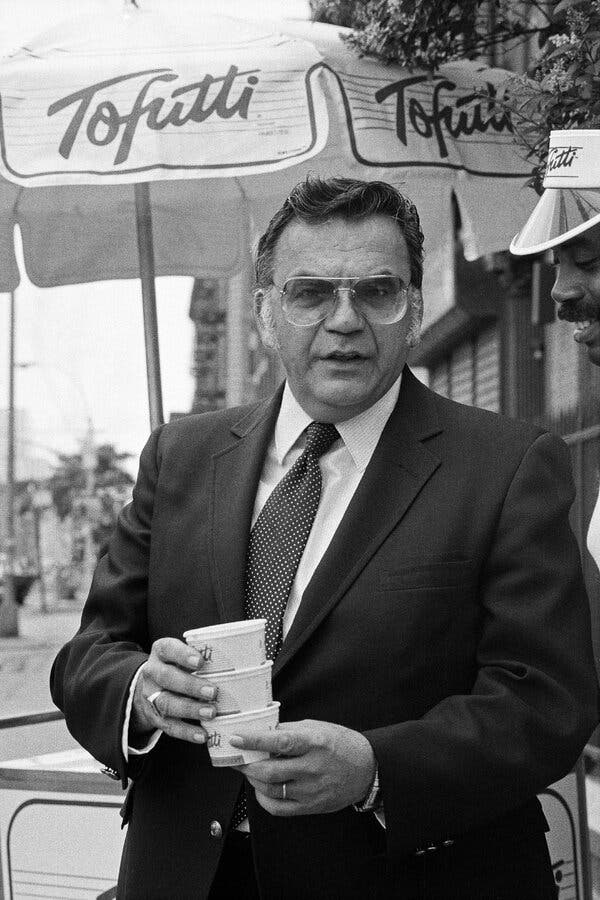
AdvertisementContinue reading the main storySupported byContinue reading the main storyDavid Mintz, Whose Tofutti Made Bean Curd Cool, Dies at 89He set out to create an ice cream substitute for people who keep kosher. He created a phenomenon, also loved by vegans, diabetics and people with milk allergies.David Mintz, chairman and chief executive of Tofutti Brands, in 1984. His company went from distributing pint containers of its signature frozen vanilla soy-based dessert to developing some 35 plant-based products. Credit…Sara Krulwich/The New York TimesMarch 5, 2021, 3:52 p.m. ETThe rise of David Mintz from Brooklyn caterer to the multimillionaire who became known as the “P.T. Barnum of tofu” began with a grandmother — not his own, but a 90-year-old woman who happened to walk into his prepared-food takeout grocery one day and apply for a job as a cook.Her homemade noodle kugel became such a neighborhood hit that from then on he hired only grandmothers as cooks — a babushka marketing brainchild that proved so successful, he opened a restaurant on the East Side of Manhattan, near Bloomingdale’s.His meal offerings, including prepared takeout dinners and catering, were strictly kosher; most of Mr. Mintz’s customers were observant Jews whose faith forbade mixing meat and milk. If they craved ice cream after dinner, for instance, they would have to buy a version made without milk.What another restaurateur might have lamented as his just deserts, Mr. Mintz accepted as a challenge to develop a pareve, or nondairy, crossover substitute.It took several years, and he gained 50 pounds. He began his research by buying a carton of soy milk in Chinatown, and he poured gallons of unappetizing gelatinous white concoctions down the drain of his kitchen in the Bensonhurst section of Brooklyn.“I am personally responsible for clogging the sewers of New York City,” he told Forbes magazine in 1984.Tofutti became known as the first commercial tofu ice cream. One writer said it made “a delicious and refreshing dessert that is the rival of many commercial brands of ice cream.”Credit…via TofuttiFinally, in about 1981, Mr. Mintz tasted victory by incorporating tofu into his recipe.Tofu, the curds of coagulated soy milk pressed into spongy white blocks, is fairly tasteless, so it can be transformed into savory flavors that appeal to people who keep kosher, or who are allergic to dairy or otherwise can’t tolerate it. It’s also commonly eaten by people who are diabetic or vegan, or who are dieting to reduce their cholesterol.His creation, which he called Tofutti, consisted of tofu emulsified with vegetable oil and mixed with alfalfa honey and other ingredients, which together took on a butter-fatty texture. Thanks to his flair for promotion and marketing, it became widely known as the first commercial tofu ice cream.“I like a pineapple-sweet potato Tofutti,” Mr. Mintz told The New York Times in 1984, “but the public may not be ready. I like the idea of mango, and I love hazelnuts, and watermelon is one of my favorites. I absolutely love garlic, but I don’t suppose. …”He died on Feb. 24 at a hospital in Englewood, N.J., near his home in Tenafly, said Rabbi Efraim Mintz, a nephew. He was 89.David Mintz was the chairman and chief executive of Tofutti Brands of Cranford, N.J., which expanded from distributing pint containers of its signature frozen vanilla soy-based dessert to developing some 35 plant-based products. Among them are pizza, ravioli and Mintz’s Blintzes, all made with milk-free cheeses.Promising early reviews, coupled with promotional materials that defined tofu, drove demand.“Mintz’s soyburgers evoke instant associations with potato pancakes,” Lorna J. Sass, a vegan cookbook author, wrote in The Times in 1981, “and his rugelach have the right cinnamon-raisin-nut balance to make their creation out of a flaky tofu-whole wheat crust seem downright remarkable.”“His vanilla Tofutti ‘ice cream,’” she added, “makes a delicious and refreshing dessert that is the rival of many commercial brands of ice cream.”Mr. Mintz distributed samples and drew orders from Zabar’s, Bloomingdale’s and other stores. Production zoomed from tiny batches in kettles to 10,000 gallons a week. The company went public, and Tofutti succeeded beyond even Mr. Mintz’s vivid imagination.Mr. Mintz in 2013. After production of Tofutti zoomed, the company went public and succeeded beyond even Mr. Mintz’s vivid imagination.Credit…Julio Cortez/Associated PressDonald Isaac Mintz was born on June 8, 1931, in the Williamsburg section of Brooklyn to Abraham Mintz, a baker, and Sadie (Horowitz) Mintz, a homemaker. (Legend has it that his mother, who spoke little English, reported his name as Dovid, Yiddish for David, but the nurse who filled out his birth certificate misunderstood — and thought he looked more like a Donald.)After graduating from a Lubavitcher Yeshiva high school in Crown Heights, he attended Brooklyn College, briefly sold mink stoles, and ran a bungalow colony in the Catskills, where he opened a deli.It was after he opened his Manhattan restaurant, he said in one of many versions of the story, that “a Jewish hippie” tipped him to the potential of tofu. “The Book of Tofu” (1979), by William Shurtleff and Akiko Aoyagi, became his new bible.Mr. Mintz’s first marriage ended in divorce (“Bean curd wasn’t exciting to her,” he told The Baltimore Jewish Times in 1984). In 1984 he married Rachel Avalagon, who died this year. He is survived by their son, Ethan.Mr. Mintz often sought guidance from Rabbi Menachem Mendel Schneerson, the venerable leader of the Lubavitcher Hasidic movement, to whom he had been introduced by his brother, Isaac Gershon Mintz. David Mintz would write daily $1,000 checks to Rabbi Schneerson’s philanthropies, according to COLLive, an Orthodox news site. (He was a founder of the congregation Chabad of Tenafly.)“Whenever I met with the rebbe I would mention what I was doing, and he would say to me: ‘You have to have faith. If you have faith in God, you can do wonders,’” Mr. Mintz said in an interview with Jewish Educational Media in 2013.Late in the 1970s he had to close Mintz’s Buffet, his restaurant on Third Avenue, because the block was being razed to build Trump Plaza. When he was offered the option to transplant his restaurant to the Upper West Side, he sought Rabbi Schneerson’s guidance. The rabbi’s secretary, Rabbi Leibel Groner, called him back, Mr. Mintz recalled, and said: “Get a pencil and paper and write it down. This is very important.”“I was very excited,” Mr. Mintz said. “This was the answer I was waiting for. Then he dictated to me, ‘The rebbe says, “Absolutely not.” The rebbe says you should continue with your experiments with the pareve ice cream and God will help you to be very successful.’”Mr. Mintz kept the formula for his success a secret between him and his production manager. “If you take all the ingredients and try to make Tofutti,” he told Money magazine in 1984, “you’ll never do it.”AdvertisementContinue reading the main story

Read more →

Uncovering hidden forever chemicals

Researchers from the Harvard John A. Paulson School of Engineering and Applied Sciences (SEAS) found large quantities of previously undetectable compounds from the family of chemicals known as PFAS in six watersheds on Cape Cod using a new method to quantify and identify PFAS compounds. Exposures to some PFAS, widely used for their ability to repel heat, water, and oil, are linked to a range of health risks including cancer, immune suppression, diabetes, and low infant birth weight.
The new testing method revealed large quantities of previously undetected PFAS from fire-retardant foams and other unknown sources. Total concentrations of PFAS present in these watersheds were above state maximum contaminant levels (MCLs) for drinking water safety.
“We developed a method to fully capture and characterize all PFAS from fire-retardant foams, which are a major source of PFAS to downstream drinking water and ecosystems, but we also found large amounts of unidentified PFAS that couldn’t have originated from these foams,” said Bridger Ruyle, a graduate student at SEAS and first author of the study. “Traditional testing methods are completely missing these unknown PFAS.”
The research will be published in Environmental Science & Technology.
PFAS — per- and polyfluoroalkyl substances — are present in products ranging from fire retardant foams to non-stick pans. Nicknamed “forever chemicals” due to their long lifespan, PFAS have been building up in the environment since they were first used in the 1950s.
Despite the associated health risks, there are no legally enforceable federal limits for PFAS chemicals in drinking water. The Environmental Protection Agency’s provisional health guidelines for public water supplies only cover PFOS and PFOA, two common types of PFAS. Massachusetts, along with a few other states, has gone further by including six PFAS in their new MCLs in drinking water. But there are thousands of PFAS chemical structures known to exist, several hundred of which have already been detected in the environment.

advertisement

“We’re simply not testing for most PFAS compounds, so we have no idea what our total exposure is to these chemicals and health data associated with such exposures are still lacking,” said Elsie Sunderland, the Gordon McKay Professor of Environmental Chemistry at SEAS and senior author of the paper.
The standard testing methods used by the EPA and state regulatory agencies only test for 25 or fewer known compounds. The problem is the overwhelming majority of PFAS compounds are proprietary and regulatory agencies can’t find what they don’t know exist.
The new method developed by Sunderland and her team can overcome that barrier and account for all PFAS in a sample. CSI: PFAS
PFAS are made by combining carbons and fluorine atoms to form one of the strongest bonds in organic chemistry. Fluorine is one of the most abundant elements on earth but naturally occurring organic fluorine is exceedingly rare — produced only by a few poisonous plants in the Amazon and Australia. Therefore, any amount of organofluorine detected in the environment is sure to be human made.
PFAS compounds found in the environment come in two forms: a precursor form and a terminal form. Most of the monitored PFAS compounds, including PFOS and PFOA, are terminal compounds, meaning they will not degrade under normal environmental conditions. But precursor compounds, which often make up the majority of PFAS chemicals in a sample, can be transformed through biological or environmental processes into terminal forms. So, while the EPA or state agencies may monitor PFAS concentrations, they still are not detecting much of the huge pool of PFAS precursors.

advertisement

That’s where this new method comes in.
The researchers first measure all the organofluorine in a sample. Then, using another technique, they oxidize the precursors in that sample and transform them into their terminal forms, which they can then measure. From there, the team developed a method of statistical analysis to reconstruct the original precursors, fingerprint their manufacturing origin, and measure their concentration within the sample.
“We’re essentially doing chemical forensics,” said Sunderland.
Using this method, Sunderland and her team tested six watersheds on Cape Cod as part of a collaboration with the United States Geological Survey and a research center funded by the National Institutes of Health and led by the University of Rhode Island that focuses on the sources, transport, exposure and effects of PFAS.
The team focused on identifying PFAS from the use of fire-retardant foams. These foams, which are used extensively at military bases, civilian airports, and local fire departments, are a major source of PFAS and have contaminated hundreds of public water supplies across the US.
The research team applied their forensic methods to samples collected between August 2017 and July 2019 from the Childs, Quashnet, Mill Creek, Marstons Mills, Mashpee and Santuit watersheds on Cape Cod. During the collection process, the team members had to be careful what they wore, since waterproof gear is treated with PFAS. The team ended up in decades-old waders to prevent contamination.
The sampling sites in the Childs, Quashnet and Mill Creek watersheds are downstream from a source of PFAS from fire retardant foams — the Quashnet and Childs from The Joint Base Cape Cod military facility and Mill Creek from Barnstable County Fire Training Academy.
Current tests can only identify about 50 percent of PFAS from historical foams — products that were discontinued in 2001 due to high levels of PFOS and PFOA — and less than 1 percent of PFAS from modern foams.
Using their new method, Sunderland and her team were able to identify 100 percent of all PFAS compounds in the types of fire-retardant foams that were used for decades at Joint Base Cape Cod and Barnstable County Fire Training Academy.
“Our testing method was able to find these missing compounds that have been used by the chemical industry for more than 40 years,” said Sunderland.
The tests also revealed huge quantities of PFAS from unknown sources.
“Our accounting of PFAS from firefighting foams could not explain 37 to 77 percent of the organofluorine that we measured,” said Ruyle. “This has huge ramifications for not only our understanding of human exposure but also for how much PFAS is discharging into the ocean and accumulating in marine life.”
To follow up on these findings, Ruyle is currently working with NIH to identify some of the health impacts of PFAS from contemporary firefighting foams using toxicology studies. Sunderland’s team is continuing to study the unknown PFAS to better identify their sources and potential for accumulation in abundant marine food webs on Cape Cod.

Read more →

Novel urine test developed to diagnose human kidney transplant rejection

Patients can spend up to six years waiting for a kidney transplant. Even when they do receive a transplant, up to 20 percent of patients will experience rejection. Transplant rejection occurs when a recipient’s immune cells recognize the newly received kidney as a foreign organ and refuse to accept the donor’s antigens. Current methods for testing for kidney rejection include invasive biopsy procedures, causing patients to stay in the hospital for multiple days. A study by investigators from Brigham and Women’s Hospital and Exosome Diagnostics proposes a new, noninvasive way to test for transplant rejection using exosomes — tiny vesicles containing mRNA — from urine samples. Their findings are published in the Journal of the American Society of Nephrology.
“Our goal is to develop better tools to monitor patients without performing unnecessary biopsies. We try to detect rejection early, so we can treat it before scarring develops,” said Jamil Azzi, MD, associate physician in the Division of Renal Transplant at the Brigham and an associate professor of Medicine at Harvard Medical School. “If rejection is not treated, it can lead to scarring and complete kidney failure. Because of these problems, recipients can face life-long challenges.”
Before this study, physicians ordered biopsies or blood tests when they suspected that a transplant recipient was rejecting the donor organ. Biopsy procedures pose risks of complications, and 70-80 percent of biopsies end up being normal. Additionally, creatinine blood tests do not always yield definitive results. Because of the limitations surrounding current tests, researchers sought alternate and easier ways to assess transplant efficacy.
In this study, researchers took urine samples from 175 patients who were already undergoing kidney biopsies advised by physicians. From these samples, investigators isolated urinary exosomes from the immune cells of the newly transplanted kidneys. From these vesicles, researchers isolated protein and mRNA and identified a rejection signature — a group of 15 genes — that could distinguish between normal kidney function and rejection. Notably, researchers also identified five genes that could differentiate between two types of rejection: cellular rejection and antibody-mediated rejection.
“These findings demonstrate that exosomes isolated from urine samples may be a viable biomarker for kidney transplant rejection,” said Azzi.
This research differs from prior attempts to characterize urinary mRNA because clinicians isolated exosomes rather than ordinary urine cells. The exosomal vesicle protects mRNA from degrading, allowing for the genes within the mRNA to be examined for the match rejection signature. In previous research, mRNA was isolated from cells that shed from the kidney into urine. However, without the extracellular vesicles to protect the mRNA, the mRNA decayed very quickly, making this test difficult to do in a clinical setting.
“Our paper shows that if you take urine from a patient at different points in time and measure mRNA from inside microvesicles, you get the same signature over time, allowing you to assess whether or not the transplant is being rejected,” said Azzi. “Without these vesicles, you lose the genetic material after a few hours.”
One limitation to this research is that these tests were done on patients undergoing a biopsy ordered by their physician, who already suspected that something was wrong. In the future, Azzi and his colleagues aim to understand whether a test such as this one can be used on kidney transplant recipients with normal kidney activity as measured in the blood to detect hidden rejection (subclinical rejection). They are currently doing a second study on patients with stable kidney function, looking to see if the same signature they identified in this current study could be used on patients without previously identified issues but still detect subclinical rejection.
“What’s most exciting about this study is being able to tell patients who participated that their effort allowed us to develop something that can help more people in the future,” said Azzi. “As a physician-scientist, seeing an idea that started as a frustration in the clinic, and being able to use the lab bench to develop this idea into a clinical trial, that is very fulfilling to me.”

Story Source:
Materials provided by Brigham and Women’s Hospital. Note: Content may be edited for style and length.

Read more →

In Oregon, Scientists Find a Virus Variant With a Worrying Mutation

#masthead-section-label, #masthead-bar-one { display: none }The Coronavirus OutbreakliveLatest UpdatesMaps and CasesRisk Near YouVaccine RolloutNew Variants TrackerAdvertisementContinue reading the main storySupported byContinue reading the main storyIn Oregon, Scientists Find a Virus Variant With a Worrying MutationIn a single sample, geneticists discovered a version of the coronavirus first identified in Britain with a mutation originally reported in South Africa.Coronavirus testing at the Virginia Garcia clinic in Hillsboro, Ore., last year. A variant found in Oregon may have evolved with a mutation that blunts the body’s immune response.Credit…Ruth Fremson/The New York TimesMarch 5, 2021, 12:38 p.m. ETScientists in Oregon have spotted a homegrown version of a fast-spreading variant of the coronavirus that first surfaced in Britain — but now combined with a mutation that may make the variant less susceptible to vaccines.The researchers have so far found just a single case of this formidable combination, but genetic analysis suggested that the variant had been acquired in the community and did not arise in the patient. “We didn’t import this from elsewhere in the world — it occurred spontaneously,” said Brian O’Roak, a geneticist at Oregon Health and Science University who led the work. He and his colleagues participate in the Centers for Disease Control and Prevention’s effort to track variants, and they have deposited their results in databases shared by scientists.The variant originally identified in Britain, called B.1.1.7, has been spreading rapidly across the United States, and accounts for at least 2,500 cases in 46 states. This form of the virus is both more contagious, and more deadly, than the original version, and is expected to account for most infections in America in a few weeks.The new version that surfaced in Portland has the same backbone, but also a mutation — E484K, or “Eek” — seen in variants of the virus circulating in South Africa, Brazil and New York City.Lab studies and clinical trials in South Africa indicate that the Eek mutation renders the current vaccines less effective by blunting the body’s immune response. (The vaccines still work, but the findings are worrying enough that Pfizer-BioNTech and Moderna have begun testing new versions of their vaccines designed to defeat the variant found in South Africa.)The B.1.1.7 variant with Eek also has emerged in Britain, designated as a “variant of concern” by scientists. But the virus identified in Oregon seems to have evolved independently, Dr. O’Roak said.Dr. O’Roak and his colleagues found the variant among coronavirus samples collected by the Oregon State Public Health Lab from an outbreak in a health care setting. Of the 13 test results they analyzed, 10 turned out to be B.1.1.7 alone, and one the combination.Other experts said the discovery was not surprising, because the Eek mutation has arisen in forms of the virus all over the world. But the mutation’s occurrence in B.1.1.7 is worth watching, they said.In Britain, this version of the variant accounts for a small number of cases. But by the time the combination evolved there, B.1.1.7 had already spread through the country.The Coronavirus Outbreak

Read more →

Eight ways chemical pollutants harm the body

A new review of existing evidence proposes eight hallmarks of environmental exposures that chart the biological pathways through which pollutants contribute to disease: oxidative stress and inflammation, genomic alterations and mutations, epigenetic alterations, mitochondrial dysfunction, endocrine disruption, altered intercellular communication, altered microbiome communities, and impaired nervous system function.
The study by researchers at Columbia University Mailman School of Public Health, Ludwig Maximilian University, and Hasselt University is published in the journal Cell.
“Every day we learn more about how exposure to pollutants in air, water, soil, and food is harmful to human health,” says senior author Andrea Baccarelli, MD, PhD, chair of Environmental Health Sciences at Columbia Mailman School. “Less understood, however, are the specific biological pathways through which these chemicals inflict damage on our bodies. In this paper, we provide a framework to understand why complex mixtures of environmental exposures bring about serious illness even at relatively modest concentrations.”
We are continually exposed to a mixture of pollutants, which lead to changes in our bodies in multiple domains, from conception to old age. They govern gene expression, train and shape our immune systems, trigger physiological responses, and determine wellbeing and disease.
The paper summarizes evidence for eight hallmarks of environmental insults:
1. Oxidative stress and inflammation: When antioxidant defenses are depleted, inflammation, cell death, and organ damage occur.

advertisement

2. Genomic alterations and mutations: An accumulation of DNA errors can trigger cancer and other chronic diseases.
3. Epigenetic alterations: Epigenetic changes alter the synthesis of proteins responsible for childhood development and regular function of the body.
4. Mitochondrial dysfunction: A breakdown in the cellular powerplant may interfere with human development and contribute to chronic disease.
5. Endocrine disruption: Chemicals found in our environment, food, and consumer products disrupt the regulation of hormones and contribute to disease.
6. Altered intercellular communication: Signaling receptors and other means by which cells communicate with each other, including neurotransmission, are affected.

advertisement

7. Altered microbiome communities: An imbalance in the population of bacteria and other microorganisms in our body can make us susceptible to allergies and infections.
8. Impaired nervous system function. Microscopic particles in air pollution reach the brain through the olfactory nerve, and can interfere with cognition.
Not all environmental exposures are harmful. The researchers note that exposure to nature has been reported to have beneficial impacts on mental health.
These eight hallmarks are by no means comprehensive and do not capture the full complexity of the chemical and physical properties of environmental exposures, including mixtures of exposures over the short and long-term. Further research is needed to understand the complex mechanisms by which exposures affect human biology, and how altered processes interact and contribute to disease or confer health benefits, across the life course.
“We need research to expand our knowledge of disease mechanisms going beyond genetics.
Advances in biomedical technologies and data science will allow us to delineate the complex interplay of environmental insults down to the single-cell level,” says Baccarelli. “This knowledge will help us develop ways to prevent and treat illness. With the serious environmental challenges like air pollution and climate change, most of all, we need strong local, national, and inter-governmental policies to ensure healthy environments.”

Read more →